
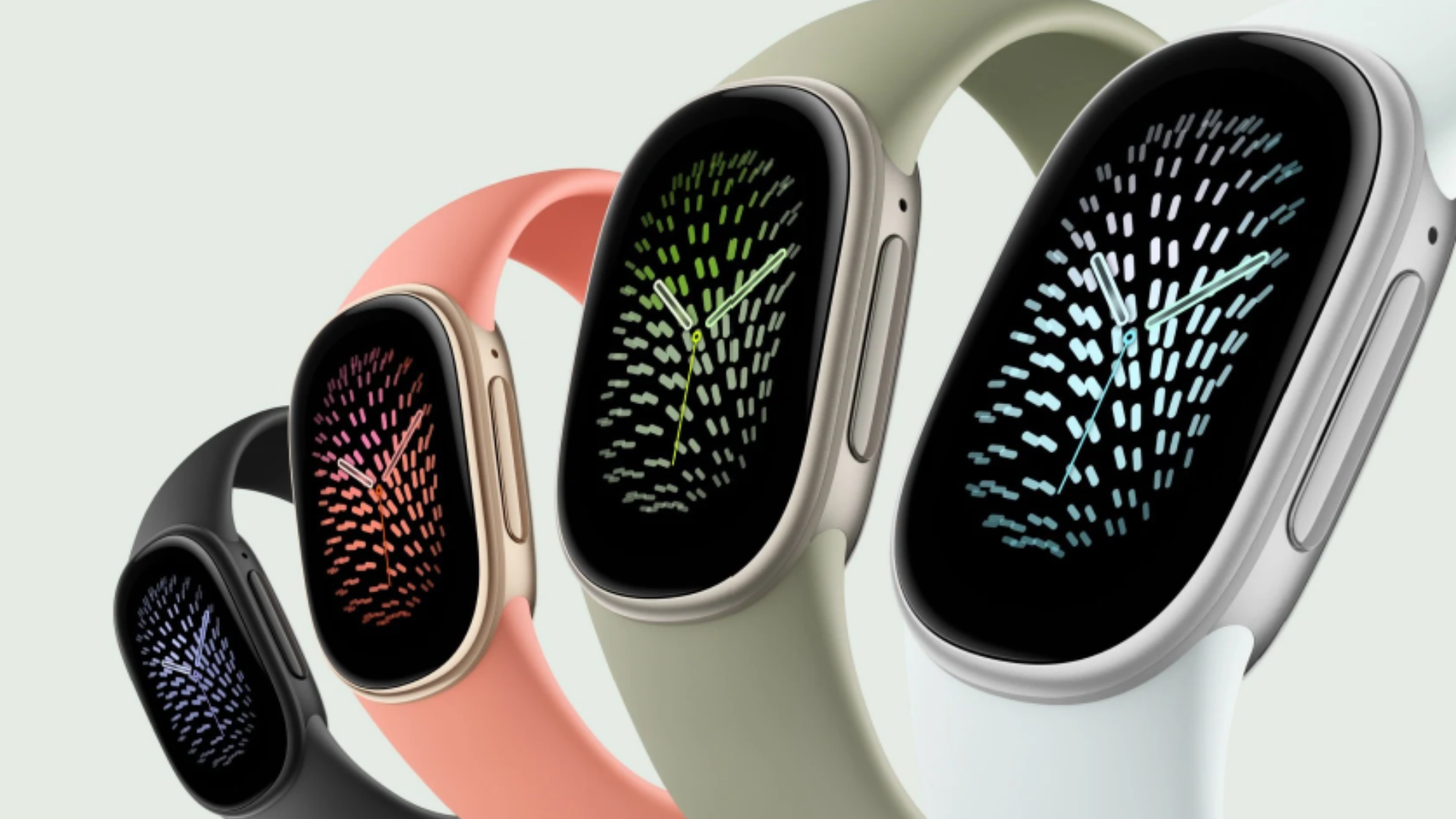
Fitbit Edge Overview
The Fitbit Edge is Google’s newest mainline fitness tracker, positioned as the spiritual successor to the Fitbit Charge 6 and a more affordable alternative to the Pixel Watch 5. With an oval‑shaped display, on‑wrist access to Google Health Coach and a claimed seven‑day battery life, the Edge aims to bridge the gap between screenless trackers like the Fitbit Air and full‑featured smartwatches such as the Apple Watch Series 10.
Design and Display
Visually the Edge resembles a slightly squashed Pixel Watch 5. The chassis adopts an oval silhouette, while the slim bezel frames a modest colour touchscreen. Google offers four colourways that match the Pixel 11 Pro lineup – Obsidian, Olive, Fog and Canyon – plus a limited Steph Curry edition that blends grey and orange. The design language mirrors the aesthetic of the Samsung Galaxy S25’s sleek finish, giving the tracker a premium feel without the price of a flagship phone.
Software and Health Features
What sets the Edge apart from the Fitbit Air is its full colour display and deeper integration with Google Health. Users can converse with the Google Health Coach directly from the wrist, creating personalised workout plans without reaching for a phone. The Health Coach feature requires a Google Health Premium subscription, currently priced at $9.99 per month.
In addition to step counting, heart‑rate monitoring and sleep tracking, the Edge supports real‑time notifications, music controls and basic workout metrics. However, it lacks NFC for Google Pay and does not include stress‑level monitoring, two features that were present on the Charge 6.
Battery Life and Performance
Google advertises up to seven days of battery life on a single charge. In practice, the display will consume more power than the screenless Fitbit Air, but the claim is comparable to the battery endurance of the Pixel Watch 5, which typically lasts around 48 hours in our tests.
Pricing and Availability
The Fitbit Edge launches on 27 October with a starting price of $179.99 (or £159.99). The Steph Curry edition is priced at $219.99 (or £189.99). Pre‑orders opened on 12 October, the same day the device was unveiled.
How It Stacks Up Against Competitors
When compared with the Apple Watch Series 10, the Edge offers a more limited app ecosystem but a longer battery life and a lower price point. Against the Samsung Galaxy S25’s wearable ecosystem, the Edge provides tighter integration with Google services but misses out on NFC payments that Samsung’s Galaxy Watch 6 supports. For iPad Air M2 users, the Edge can sync fitness data via the Google Fit app, allowing a seamless view of health metrics on a larger screen.
Connectivity and Sensors
The Edge relies on Bluetooth 5.2 for syncing with Android smartphones and the Google Fit app. It includes a 3‑axis accelerometer, optical heart‑rate sensor and SpO2 monitor, delivering data comparable to the sensors found in the Apple Watch Series 10 and Samsung Galaxy S25’s wearable companion. However, the lack of built‑in GPS means users must carry a phone for accurate distance tracking during outdoor runs.
Future Software Updates
Google has confirmed that Google Maps will arrive in a future firmware update, expanding the Edge’s utility for navigation. Additional health features, such as stress monitoring, may also be introduced later, narrowing the gap with the Fitbit Charge 6. Users can expect regular updates through the Google Play Services platform, similar to the update cadence of the Pixel Watch 5.
Final Thoughts
The Fitbit Edge is a solid mid‑range tracker for users who want a colour display, Google Health Coach access and a week‑long battery life without paying smartwatch prices. Its missing NFC and stress tracking may deter some, but the device still fills a niche between the budget‑friendly Fitbit Air and premium wearables like the Pixel Watch 5, Apple Watch Series 10 or Samsung Galaxy S25 accessories.