Android App Lock returns for Google Pixel 8 and Samsung Galaxy S27 in upcoming update
What is Android App Lock?
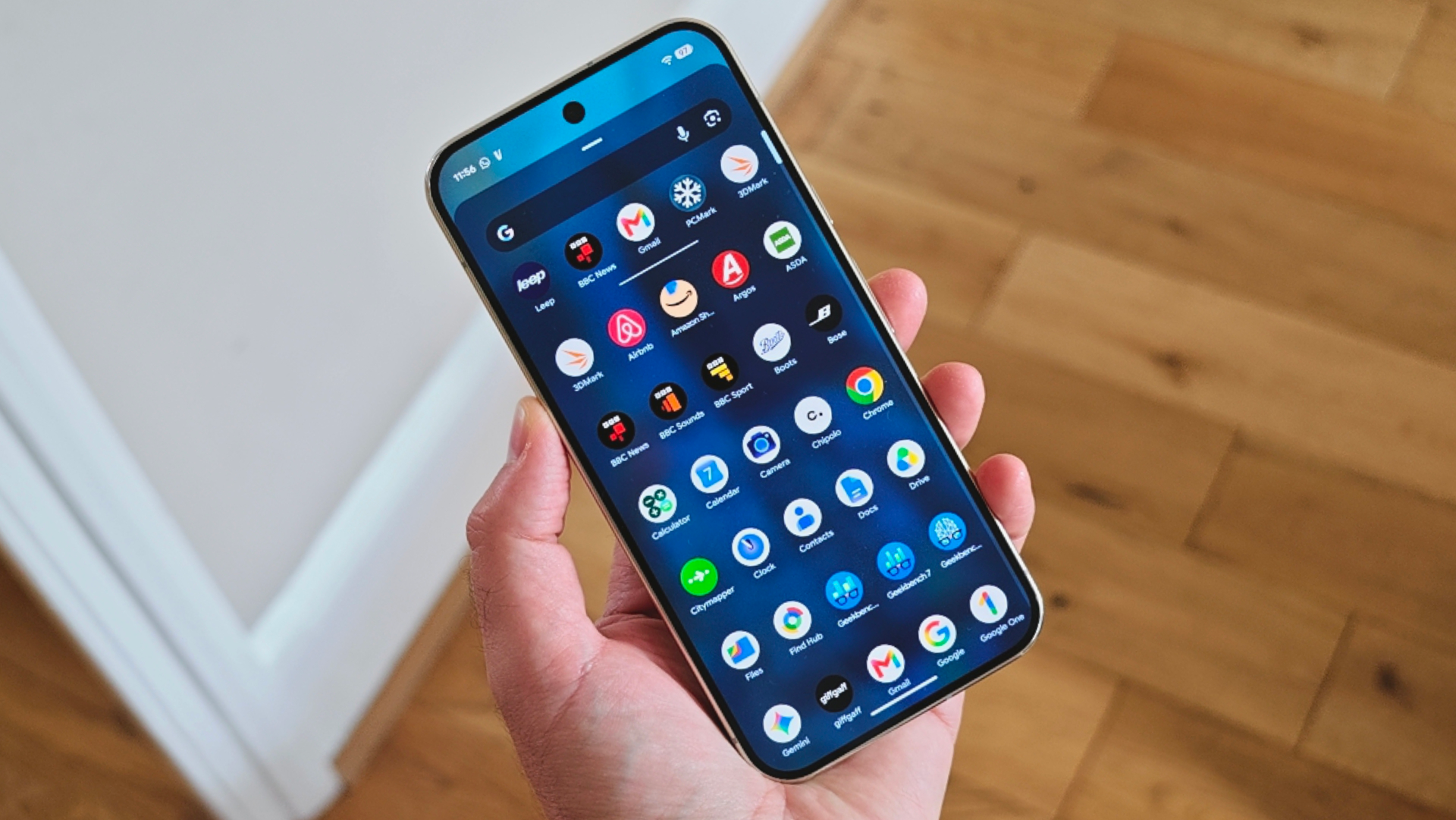
App Lock is a native security option that lets users protect individual apps with a fingerprint, face scan or PIN. When the feature is active, the chosen app cannot be opened without the extra authentication step, notifications from that app are hidden, widgets are disabled and the app’s preview is removed from the recent‑apps view.
Why the feature disappeared and returned
Google first introduced App Lock in the Android 13 QPR2 beta in August 2023. Early testers praised the ability to shield social‑media, email and cloud‑storage apps from prying eyes. However, the feature vanished from later beta builds as the product team paused development to polish the user experience and verify compatibility across the entire system. The pause was explained as a need for additional testing and integration work.
App Lock reappears in the latest beta
In the Android 13 QPR3 Beta 3 release, Google confirmed that App Lock is back and on track for a stable rollout early next year. Community Engagement Manager Mishaal Rahman highlighted the demand for a second layer of protection on apps such as Instagram, Gmail and Google Drive. The reintroduction suggests that Google has resolved the earlier issues and is ready to ship the feature to all supported devices.
Pixel phones get native support
Owners of the Google Pixel 8 and Pixel 8 Pro can already enable App Lock through the Settings > Security > App lock menu in the beta. The integration is seamless because the feature is built into the core Android framework, meaning no extra download or third‑party app is required. Users can select any installed app, set the preferred authentication method and instantly benefit from the added privacy layer.
Samsung Galaxy devices follow suit
Samsung’s One UI 9.5, which runs on top of Android 13 QPR2, also incorporates App Lock. This means that the upcoming Samsung Galaxy S27 and Galaxy S27 Ultra, expected to launch in January 2027, will ship with the feature enabled out of the box. Early screenshots from Samsung’s developer preview show the same Settings path as on Pixel devices, confirming cross‑manufacturer compatibility.
How to use App Lock on your phone
To activate the feature, open Settings, tap Security, then choose App lock. After confirming your biometric or PIN, you will see a list of installed apps. Toggle the switch next to each app you wish to protect. Once enabled, attempts to open the app will prompt the chosen authentication method. If you receive a notification from a locked app, the content will be hidden until you unlock the app itself.
What this means for Android security
The return of App Lock strengthens Android’s privacy toolkit at a time when mobile devices store more personal data than ever. By allowing users to isolate high‑risk apps, Google and Samsung are addressing a common request from privacy‑conscious consumers. The feature also complements existing protections such as Scoped Storage and Play Protect, creating a layered defense against accidental data exposure.
Looking ahead
With the stable Android 13 release slated for early 2027, App Lock is expected to become a default option on all Pixel, Samsung and other OEM devices that adopt the latest One UI or similar skins. Developers may also start designing apps that respect the locked state, for example by pausing background sync when the app is concealed. As the ecosystem evolves, App Lock could become a standard expectation for anyone who wants to keep personal messages, banking apps and cloud files out of reach from prying eyes.