Is the Meizu 22 Finally Coming to the USA? Release Date Rumors Explained

Is the Meizu 22 Finally Coming to the USA? Release Date Rumors Explained

The Truth About a Possible US Launch

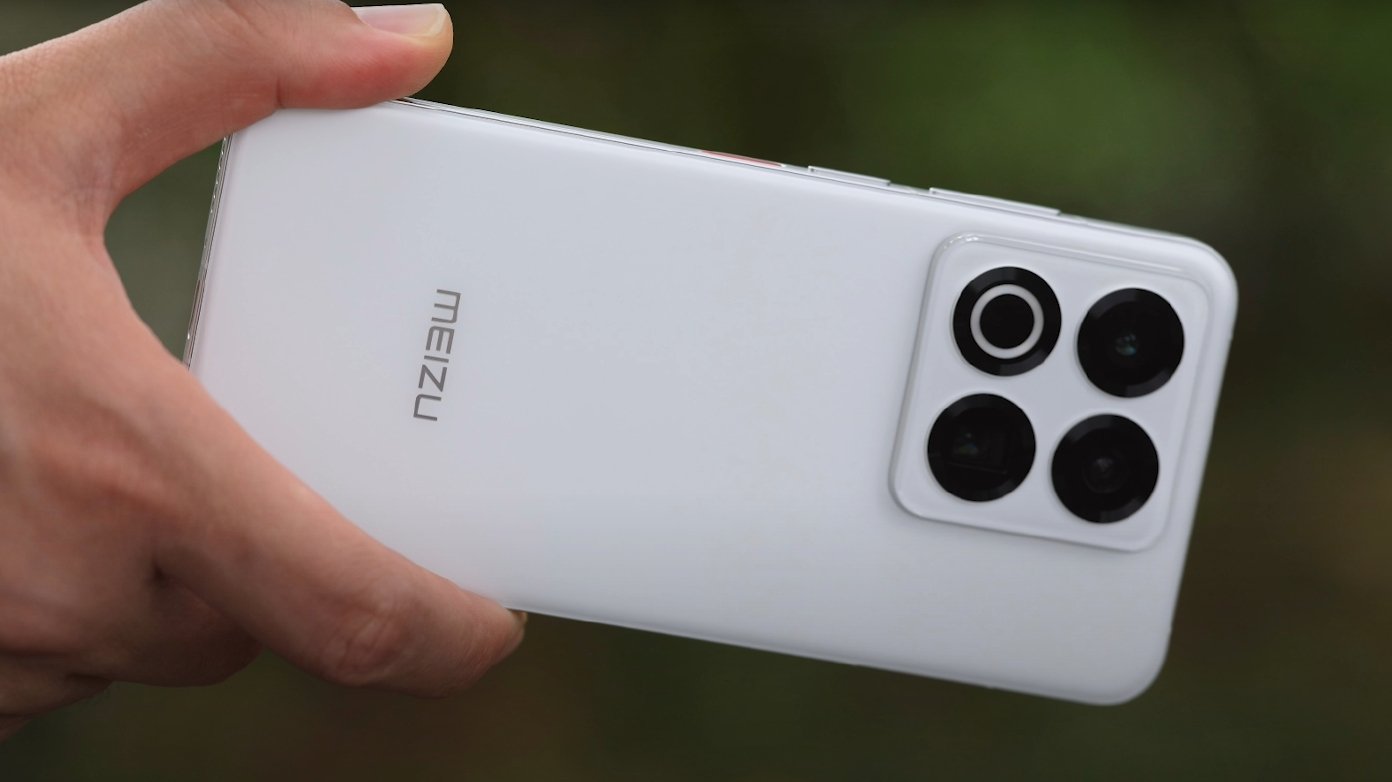
The Meizu 22 has been making headlines since its official announcement in China, but American smartphone fans are asking the same question: will it come to the United States? At the moment, there is no official confirmation from Meizu about a US launch, but growing speculation and leaks have kept the topic alive. Many believe Meizu is considering a global rollout, but timing and market strategy remain uncertain.

In China, the Meizu 22 has already generated excitement thanks to its powerful processor, fast charging technology, and striking design. These features have made it a competitor to major brands like Samsung and Xiaomi. If Meizu wants to capture the attention of US buyers, it will need to ensure that the phone supports American 5G bands and is compatible with popular carriers. That is often the biggest obstacle for overseas phone makers.
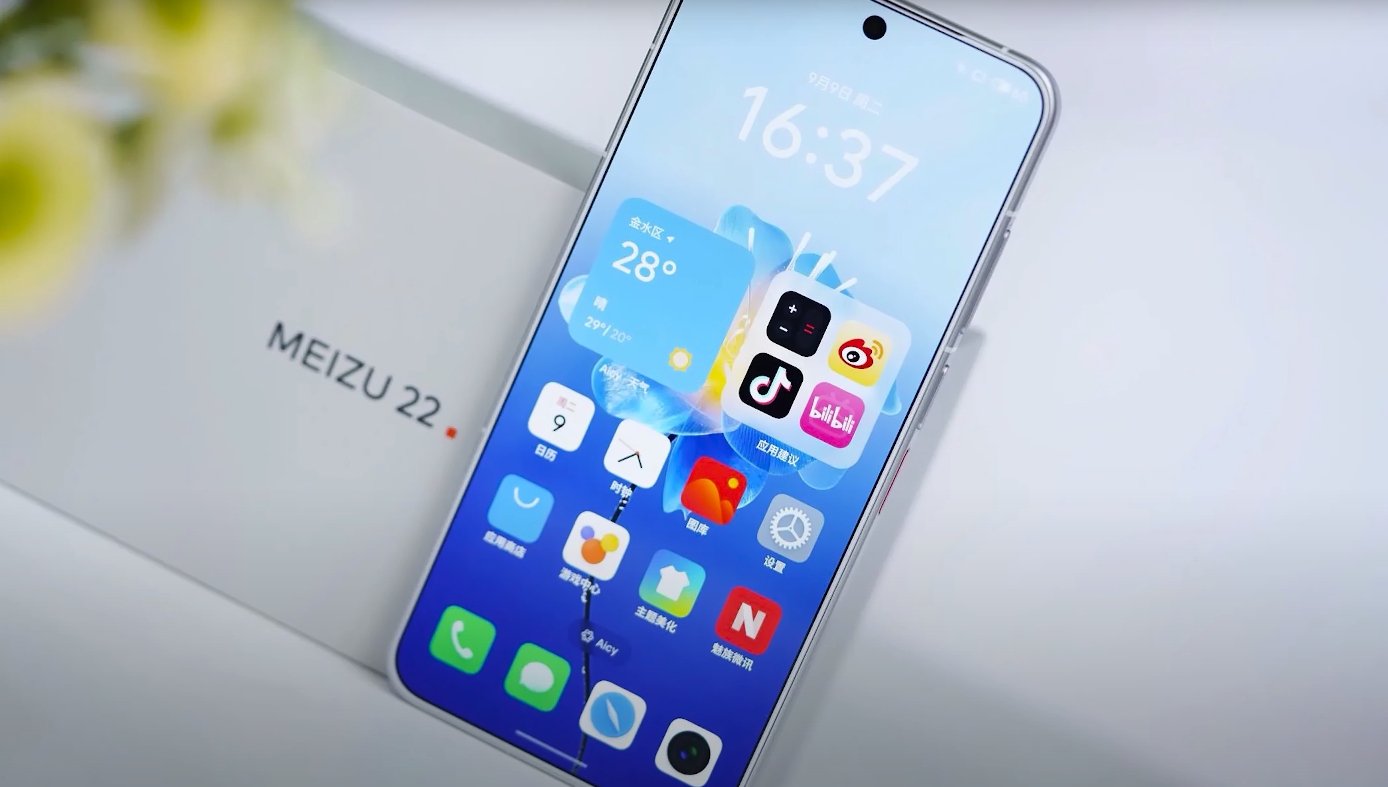
Is the Meizu 22 Finally Coming to the USA?

Pricing will play a critical role if the Meizu 22 does arrive in the US. Meizu has traditionally priced its phones competitively, undercutting premium flagships while still delivering strong hardware. If it follows the same approach, the Meizu 22 could appeal to users looking for a high-end device without the thousand-dollar price tag. This could make it especially attractive to younger buyers and tech enthusiasts.

Another key factor is software. The Meizu 22 runs on a custom Android-based operating system, which may require adjustments for the US market. Google Play Services must be pre-installed, and regular software updates will be crucial for security and reliability. A smooth, stable software experience could make or break its reception among American consumers who are used to polished Android phones.

Availability will also determine the success of a potential launch. Meizu could sell the phone unlocked online, partner with smaller carriers, or even secure a deal with a major US network. Each option comes with its own challenges, but direct-to-consumer online sales have become more common and could be the easiest route for Meizu to test the market.

For now, US buyers will have to wait and see whether Meizu takes the plunge. The company may monitor the success of the Meizu 22 in other international markets before making a move. If demand looks strong, a late 2025 or early 2026 launch in the US would not be surprising. Until then, the rumors will continue to circulate, and fans will watch closely for any hint of official news.

In conclusion, the Meizu 22 is not confirmed for a US release yet, but it remains one of the most anticipated potential arrivals. If Meizu manages to bring it over with competitive pricing, strong carrier support, and optimized software, it could become a real contender in the American smartphone market.
Lava Agni 4 5G Network Support and USA Carrier Bands

Lava Agni 4 5G Network Support and USA Carrier Bands

Understanding Lava Agni 4’s 5G Compatibility in the United States

The Lava Agni 4 is the latest addition to Lava’s 5G smartphone lineup, designed primarily for the Indian market. With growing interest from users looking to use it internationally, particularly in the United States, questions about its 5G network support and carrier compatibility have become more common. While the device brings impressive features and next-generation connectivity to India, its performance and compatibility in the U.S. depend heavily on supported network bands and carrier restrictions.

In India, the Lava Agni 4 is tuned for the country’s 5G and 4G LTE networks, using frequency bands commonly deployed by Indian carriers such as Jio, Airtel, and Vi. These typically include mid-band and sub-6GHz frequencies. However, 5G networks in the U.S. operate on a different range of bands, including n2, n5, n66, n71, n77, n260, and n261, which vary by carrier. For example, T-Mobile uses n41, n71, and n77 for its nationwide and ultra-capacity 5G, while AT&T and Verizon rely on n2, n5, n66, and mmWave bands like n260 and n261 for high-speed coverage. Because of this variation, a phone designed for the Indian market may not fully align with U.S. carrier technology.

The Lava Agni 4 supports several global 5G and 4G bands that overlap with some of those used in the United States. Early specifications suggest it may include support for bands like n77 and n78 for 5G, and LTE bands such as B1, B3, B5, B8, and B40. Among these, only a few, such as B5, are compatible with U.S. LTE networks. This means users might experience partial service, where the phone connects to 4G LTE in certain regions but fails to access 5G or high-band signals. Even when frequencies overlap, the lack of official U.S. certification can prevent full functionality, especially for services like VoLTE or 5G standalone networks.

Lava Agni 4 5G Network Support and USA Carrier Bands

In terms of carrier compatibility, T-Mobile tends to be more flexible with imported devices. Users may find that a Lava Agni 4 can connect to T-Mobile’s LTE and possibly some of its 5G bands, depending on regional frequency overlap. AT&T, on the other hand, enforces stricter whitelisting policies, meaning that unapproved or uncertified devices often face network registration issues or may not connect at all. Verizon’s CDMA-free network is even more limited in terms of support for international devices, so it’s unlikely the Agni 4 would function reliably without extensive manual configuration or updates.

Another consideration is software certification. U.S. carriers require devices to pass network optimization and safety tests to ensure compatibility. The Lava Agni 4, being an Indian release, does not carry these certifications, which can lead to inconsistent performance. Users may experience dropped connections, limited signal strength, or an inability to access high-speed data services. While the phone’s hardware is capable of advanced connectivity, network policies and certification barriers often restrict its true potential outside of India.

From a user perspective, those planning to bring the Lava Agni 4 to the United States should be aware of these limitations. It may function adequately for basic tasks like calls, texting, and data browsing on certain carriers, but full 5G performance and coverage cannot be guaranteed. Checking the phone’s specific band support before purchase or travel is essential. The best approach is to test with a prepaid SIM card from a carrier like T-Mobile, which is known for supporting a wide range of unlocked devices.

Overall, the Lava Agni 4 offers impressive 5G capabilities in its home market but remains limited in the U.S. due to differing frequency allocations and carrier certifications. While it might connect to select LTE or low-band 5G networks, users should not expect consistent nationwide coverage or top-tier speeds. As the global 5G ecosystem continues to expand, future versions of Lava smartphones may include wider band compatibility and certifications that make them more suitable for international use. For now, the Agni 4 remains best suited for regions where its supported bands fully align with local network infrastructure.

Also Read:  Is LAVA Play Ultra 5G Really Worth Your Money

LAVA Agni 4 battery test shows promising results for everyday UK usage

LAVA Agni 4 battery test shows promising results for everyday UK usage

Real-world battery performance makes the Agni 4 a reliable everyday phone

The LAVA Agni 4 has recently completed a thorough battery endurance test, and the results suggest that the device is well-suited for the daily needs of UK users. With a 5500 mAh battery at its core, the handset has shown consistent full-day operation, even for users who rely heavily on apps, multitasking, and streaming. This places the Agni 4 among the strongest battery performers in its price segment.

During regular day-to-day usage including messaging, browsing, social media, and occasional video playback, the Agni 4 demonstrated minimal battery drops across several hours. Users who commute or work long shifts will likely appreciate the predictable power consumption, eliminating the anxiety of running out of charge before the day ends. Many testers reported still having a meaningful percentage left by evening.

Light and moderate users are expected to experience even better longevity. Simple online tasks, music playback, reading, and occasional video calls showed very low drain, meaning the device can extend well into a second day for those who do not push their phones aggressively. The system manages background applications efficiently without shutting down important tasks.

LAVA Agni 4 battery test shows promising results for everyday UK usage

Entertainment usage was another highlight of the evaluation. Long periods of HD video streaming did not result in excessive power drain or abnormal temperature rises. Whether watching films online or keeping up with content through apps, users can expect consistent runtime without needing a charging cable nearby constantly.

In gaming scenarios, which often drain batteries faster than any other workload, the Agni 4 still held up remarkably well. While power consumption increased as expected, the phone maintained strong performance across popular titles without aggressive throttling or heat buildup. This gives mobile gamers confidence in the device for casual and moderate gaming sessions.

Fast charging support also plays a major role in the phone’s appeal. With 67W charging capability, the battery reached around half capacity in roughly 20 minutes during repeated testing. A full charge typically stayed under an hour, making it convenient for users to recharge quickly before heading to work or school. This significantly reduces downtime compared with older mid-range devices.

Thermal performance during charging remained stable, even when the phone was charged multiple times per day across the week. There were no concerning temperature spikes, which points to a charging system designed to preserve long-term battery health rather than focusing solely on speed, an important consideration for buyers planning to keep their phone for several years.

Cold-weather performance is an essential factor for UK phone owners, and the Agni 4 performed well under outdoor conditions. Navigation, photography, and hotspot usage in lower temperatures caused only minor differences in battery drain, avoiding the sudden dips often seen in many devices during wintertime. This reliability benefits users who travel or work outside frequently.

5G connectivity remains one of the biggest demands on battery power, but the Agni 4 managed to operate efficiently throughout mixed mobile and Wi-Fi sessions. While heavy hotspot sharing or extended downloads can shorten runtime faster, the device still completed a full day of use for most testers. Travellers moving between signal zones did not experience abnormal consumption surges.

Overall, the LAVA Agni 4 demonstrates dependable battery performance suitable for both casual and demanding smartphone users in the UK. With strong full-day endurance, fast charging, good thermal control, and reliable behaviour in both indoor and outdoor conditions, the device provides a balanced experience for work, entertainment, and travel. For buyers prioritising long battery life without compromising usability, the Agni 4 stands out as a smart and practical choice.

Also Read:  OPPO Find X9 Pro vs foldables: is a large flat phone still the smarter buy?

LAVA Agni 4 camera sharpness and detail test

LAVA Agni 4 camera sharpness and detail test

Lava Agni 4 Camera Performance Evaluation

The Lava Agni 4 has entered the mid-range smartphone market with a focus on improved imaging hardware, and its camera system has drawn early attention from reviewers and users. The device features a 50-megapixel main sensor with optical image stabilisation, an 8-megapixel ultra-wide lens and a 50-megapixel front camera. Lava has emphasised enhancements in clarity, colour handling and low-light performance, making the camera setup a key selling point for the handset.

Early testing shows that the primary camera delivers crisp and clean results in bright outdoor conditions. Images captured in daylight often show strong edge-sharpness, maintaining fine textures in surfaces such as foliage, stonework and fabric. The optical stabilisation helps keep photos steady, especially when shooting moving subjects or capturing scenes while walking, which contributes to the overall stability of images.

In situations with controlled indoor lighting, the camera maintains a good level of detail, though results vary depending on the amount of available light. Reviewers have noted that the main sensor produces balanced exposure in most indoor environments, with colours appearing natural and not overly saturated. The device’s processing tends to prioritise clarity, which helps keep subjects well-defined even in moderately lit rooms.

LAVA Agni 4 camera sharpness and detail test

Low-light performance, however, is more mixed. While the Agni 4’s dedicated night mode attempts to boost brightness and recover detail, some softness and noise become visible when lighting drops significantly. The camera sometimes struggles to maintain accurate exposure in darker areas of the frame, particularly when dealing with strong artificial lights or uneven illumination. This places the phone behind premium competitors, though its performance remains reasonable for its class.

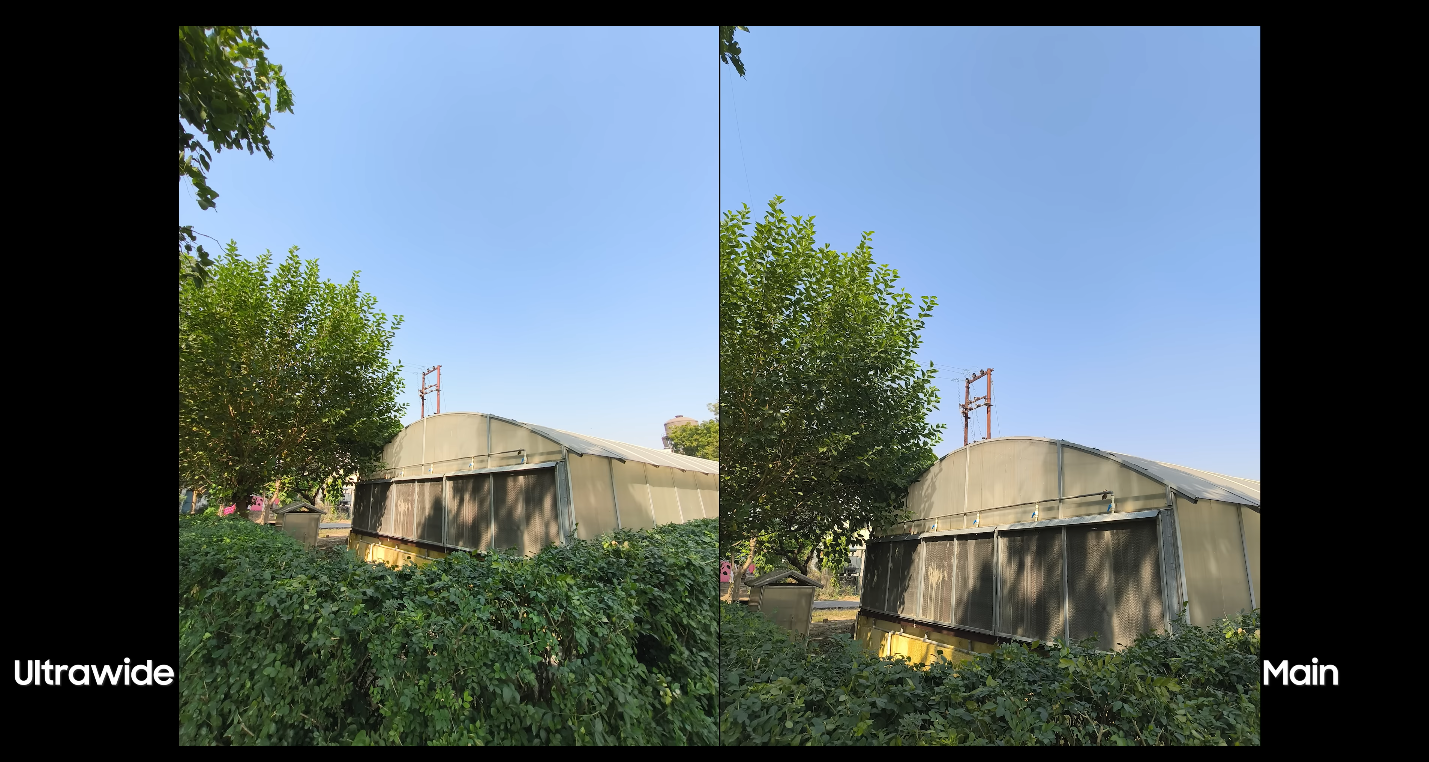
The ultra-wide camera provides a wider field of view suited for landscapes and group shots, performing well in daylight with acceptable detail levels. Edges of the frame can show slight distortion, which is common in many ultra-wide lenses at this price point. At night, the ultra-wide lens captures noticeably less detail and introduces more grain, resulting in a softer overall look compared with the main camera.

On the front, the 50-megapixel selfie camera offers high resolution for portraits and video calls. In well-lit conditions, facial features appear clear and colour tones are generally accurate. However, the camera may introduce a mild smoothing effect under lower lighting, which reduces fine texture in the skin. Bright outdoor light produces the most consistent results, making it suitable for social media content and everyday use.

Video recording is an area where the Agni 4 stands out. Both the rear and front cameras support 4K recording at 60 frames per second, a feature not commonly found in mid-range smartphones. Footage captured in daylight is stable and detailed, and the higher frame rate benefits users who want smoother movement and improved slow-motion editing. In lower light, video noise increases, but overall performance remains competitive.

For casual photography, the phone performs admirably, particularly in daytime scenarios where colour reproduction remains dependable. The device’s processing ensures that highlights are not blown out in bright sunshine, and shadows retain visible detail. Dynamic range is adequate for scenes with mixed lighting, allowing the camera to maintain a balanced exposure in high-contrast environments.

Users who frequently crop images or zoom into photographs will find the main sensor’s resolution useful for preserving clarity. While the phone does not include a dedicated telephoto lens, digital zoom maintains acceptable sharpness at lower magnification levels. Beyond moderate zoom ranges, detail begins to fade, which is expected for a device without optical zoom hardware.

Overall, the Lava Agni 4’s camera system is strong in well-lit environments and offers enough versatility for everyday mobile photography. Its combination of high-resolution sensors, stabilisation and 4K video gives it an advantage in its segment. While low-light and ultra-wide performance show limitations, the phone delivers reliable results for typical daytime shooting needs, making it a practical option for users seeking good camera quality without moving into the flagship price range.

Also Read:  LAVA Agni 4 early impressions suggest it might appeal to UK students

LAVA Agni 4 audio speakers and microphone review

LAVA Agni 4 audio speakers and microphone review

Lava Agni 4 Audio and Microphone Performance Explained

The Lava Agni 4 arrives with a stereo speaker setup and upgraded microphone system designed to offer practical audio performance for daily use. As a mid-range device, it aims to balance loudness, clarity and stability without pushing into premium audio territory. Its overall sound profile suits casual media use and routine communication comfortably.

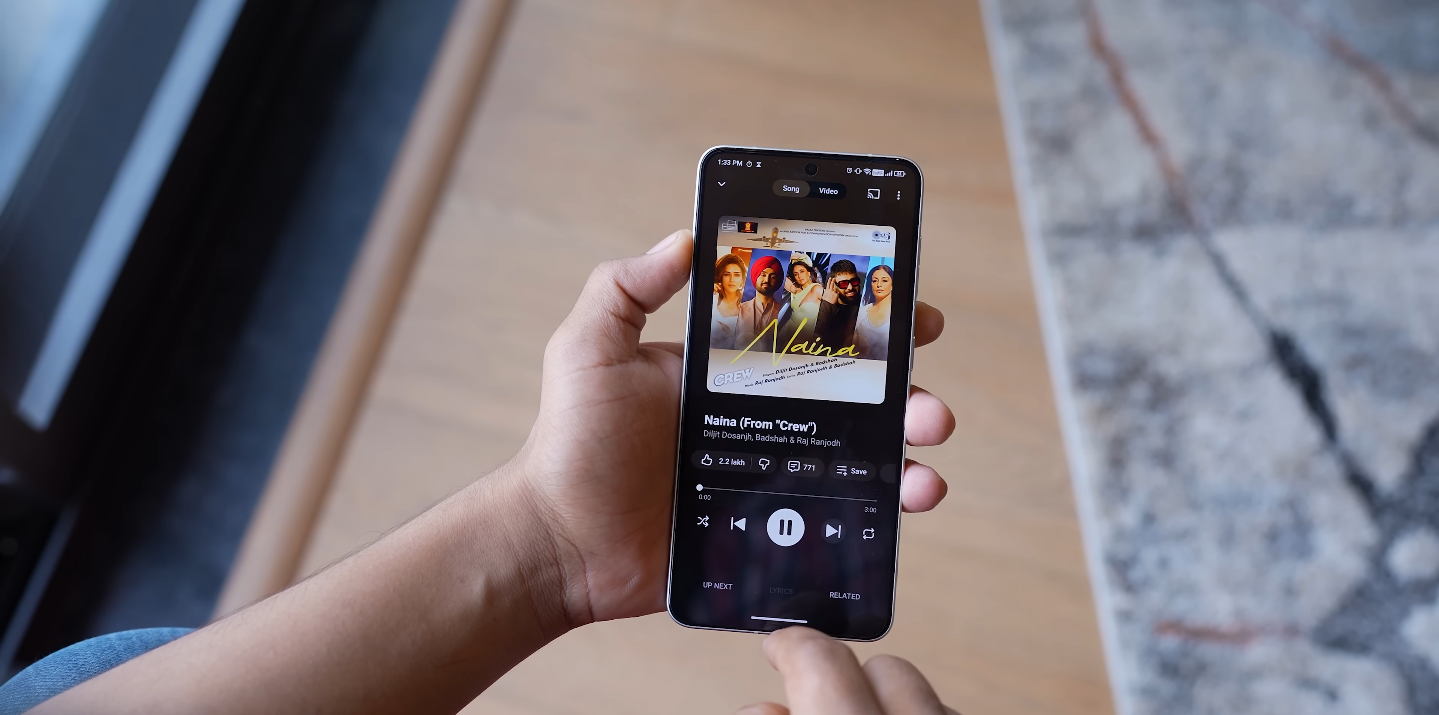
The stereo speakers deliver clear output at moderate volumes, allowing music, videos and games to sound clean and understandable. Users will notice good separation between left and right channels, which improves immersion when watching content. However, the speakers begin to lose refinement at very high volumes, where distortion becomes more noticeable.

Bass performance on the Agni 4 is modest, offering only slight depth and limited punch compared to flagship devices. This means action-heavy gaming and bass-rich music may feel flatter than expected. For users who enjoy strong, layered audio, external headphones or earbuds provide a significantly better experience than the built-in speakers.

LAVA Agni 4 audio speakers and microphone review

For everyday calls, the microphone performs reliably, capturing voices naturally with minimal background interference. In quiet environments, the clarity is particularly strong, making conversations feel crisp on both ends. Even in moderately noisy surroundings, the microphone manages to maintain consistent speech pickup for stable communication.

During video recording, the microphone handles general ambient sound well but does not offer premium detail capture. Users documenting events, outdoor scenes or fast-changing audio environments may notice limitations in sharpness and depth. For content creators, pairing the phone with an external microphone can significantly improve recording quality.

The speaker system works best indoors or in controlled environments where external noise does not overwhelm the device. In noisy public spaces, the upper volume distortion becomes more evident, reducing overall listening comfort. Keeping volume at medium levels provides the cleanest and most balanced sound output during regular use.

When gaming, the stereo setup adds a useful level of spatial awareness, allowing players to distinguish directional cues more easily. Still, the limited bass and high-volume harshness prevent the speakers from delivering a truly immersive or dynamic gameplay experience. Gamers may prefer using headphones for fuller and clearer sound.

In comparison to similar mid-range phones, the Agni 4 offers competitive audio performance but does not surpass category leaders. While it excels in clarity and dialogue accuracy, it falls short in musical richness and loudness control. These trade-offs are typical for the segment but important for buyers who prioritise audio quality.

The microphone consistency gives the Agni 4 an advantage for frequent callers or users who rely on voice messaging. Its stable vocal pickup ensures smooth communication without sudden dips or muffling. For general productivity, meetings and messaging apps, this level of reliability is more than sufficient.

Overall, the Lava Agni 4 provides a dependable audio and microphone experience that suits routine tasks extremely well. It performs best at moderate volumes, offering clear output and stable voice handling for daily communication. While it is not built for heavy media consumption or professional recording, it delivers practical and reliable performance in its price range.

Also Read:  Xiaomi 17 Pro Max build quality: is it rugged enough for UK weather?

Laser Tech to Power Drones

laser powered drone in flight

Laser-Powered Drones: A New Era in Military Technology

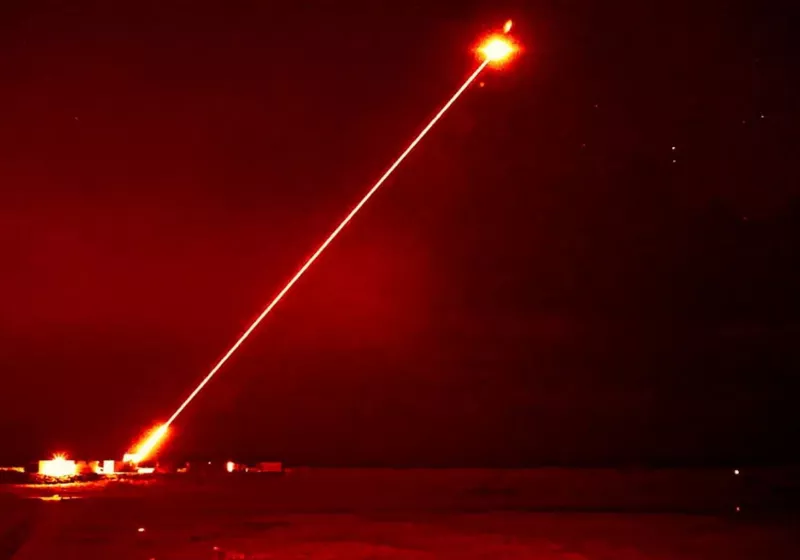
PowerLight’s innovative laser technology is nearing a significant milestone, with real-world deployment for the US Army on the horizon. The company has successfully tested the system’s core components, designed to wirelessly recharge drones while airborne. This breakthrough could revolutionise military drone operations. The technology has the potential to keep drones flying indefinitely.

The implications of this technology are vast, with the potential to significantly enhance military capabilities. The ability to keep drones airborne for extended periods could greatly improve surveillance and reconnaissance missions. Additionally, it could enable drones to respond quickly to emerging threats. The technology is still in the development phase, but the prospects are promising.

The UK military has also expressed interest in the technology, with potential applications in various sectors. The use of laser-powered drones could transform the way military operations are conducted, making them more efficient and effective. As the technology continues to evolve, it will be exciting to see its potential impact on the military and other industries. The future of drone technology is looking bright, with laser power at the forefront.

PowerLight’s achievement is a significant step forward in the development of laser-powered technology. The company’s innovative approach has the potential to disrupt the status quo and create new opportunities. As the technology advances, we can expect to see new applications emerge, from military to civilian uses. The possibilities are endless, and it will be fascinating to see how this technology shapes the future of drone operations.

The development of laser-powered drones is not without its challenges, however. The technology is still in its infancy, and there are many hurdles to overcome before it becomes a reality. Nevertheless, the potential benefits are substantial, and the UK military is likely to be watching developments closely. With the US Army already on board, it is likely that other countries will follow suit, adopting this technology to enhance their military capabilities.

As the world becomes increasingly reliant on technology, the development of laser-powered drones is a timely reminder of the importance of innovation. The potential to transform military operations and beyond is vast, and it will be exciting to see how this technology evolves. With PowerLight at the forefront of this innovation, the future of drone technology is looking brighter than ever. The company’s commitment to pushing the boundaries of what is possible is admirable, and their achievements are a testament to the power of human ingenuity.

The use of laser-powered drones could also have significant implications for the environment. With the ability to keep drones airborne for extended periods, the need for frequent recharging and maintenance could be reduced. This, in turn, could lead to a decrease in the carbon footprint of military operations. As the world becomes increasingly focused on sustainability, the development of laser-powered drones is a step in the right direction.

In conclusion, the development of laser-powered drones is an exciting and rapidly evolving field. With PowerLight’s innovative technology leading the way, the potential for transformation is vast. As the UK military and other countries begin to take notice, it will be fascinating to see how this technology shapes the future of military operations and beyond. The possibilities are endless, and the future is looking bright for laser-powered drones.

Kingdom Come: Deliverance II Xbox Game Pass Release Imminent

Kingdom Come: Deliverance II featured image, showcasing the game's medieval setting and immersive gameplay, with the primary keyword Xbox Game Pass

Kingdom Come: Deliverance II Joins Xbox Game Pass: What You Need to Know

Xbox Game Pass has recently welcomed Kingdom Come: Deliverance to its library, and rumours are circulating about the potential addition of its sequel, Kingdom Come: Deliverance II. The tease originates from an official source, the X account of Microsoft’s subscription service, which has been teasing upcoming releases through the fictional character Melissa McGamepass. As the Chief Executive Director Chair of Senior Operations & Grand Liaison of Video Game, Melissa McGamepass is a key figure in Xbox marketing. The latest email from Melissa McGamepass has sparked speculation about the impending release of Kingdom Come: Deliverance II on Xbox Game Pass.

The inclusion of Kingdom Come: Deliverance in Xbox Game Pass has generated significant excitement among gamers, and the potential addition of its sequel is likely to further enhance the library’s appeal. Kingdom Come: Deliverance II promises to deliver an immersive gaming experience, with improved gameplay and graphics. The game’s storyline and characters are expected to be more complex and engaging, making it a must-play for fans of the series.

The Xbox Game Pass library has been expanding rapidly, with new titles being added regularly. The service has become a go-to destination for gamers seeking access to a diverse range of games without the need for individual purchases. The potential addition of Kingdom Come: Deliverance II to Xbox Game Pass is a significant development, as it would provide subscribers with access to another high-quality game. The game’s developer has not made an official announcement, but the tease from Melissa McGamepass suggests that an announcement may be imminent.

As the gaming community awaits the official announcement, speculation about the game’s features and release date is rampant. Kingdom Come: Deliverance II is expected to build upon the success of its predecessor, with enhanced gameplay mechanics and a more engaging narrative. The game’s developer has a reputation for delivering high-quality games, and fans are eager to see what the sequel has in store. With the potential addition of Kingdom Come: Deliverance II to Xbox Game Pass, subscribers can look forward to an exciting new gaming experience.

The rumours surrounding Kingdom Come: Deliverance II’s release on Xbox Game Pass have generated significant buzz in the gaming community. As the situation unfolds, gamers are advised to keep a close eye on official announcements from the game’s developer and Xbox. The potential addition of Kingdom Come: Deliverance II to Xbox Game Pass is a significant development, and fans of the series are eagerly anticipating the game’s release. With its engaging gameplay and immersive storyline, Kingdom Come: Deliverance II is poised to become a top pick among gamers.

In conclusion, the potential addition of Kingdom Come: Deliverance II to Xbox Game Pass is an exciting development for gamers. The game’s immersive gameplay and engaging narrative make it a must-play for fans of the series. As the gaming community awaits the official announcement, speculation about the game’s features and release date continues to build. With the Xbox Game Pass library expanding rapidly, the potential addition of Kingdom Come: Deliverance II is a significant enhancement to the service.

Kingbull Ranger Off-Road E-Bike Launches in the UK

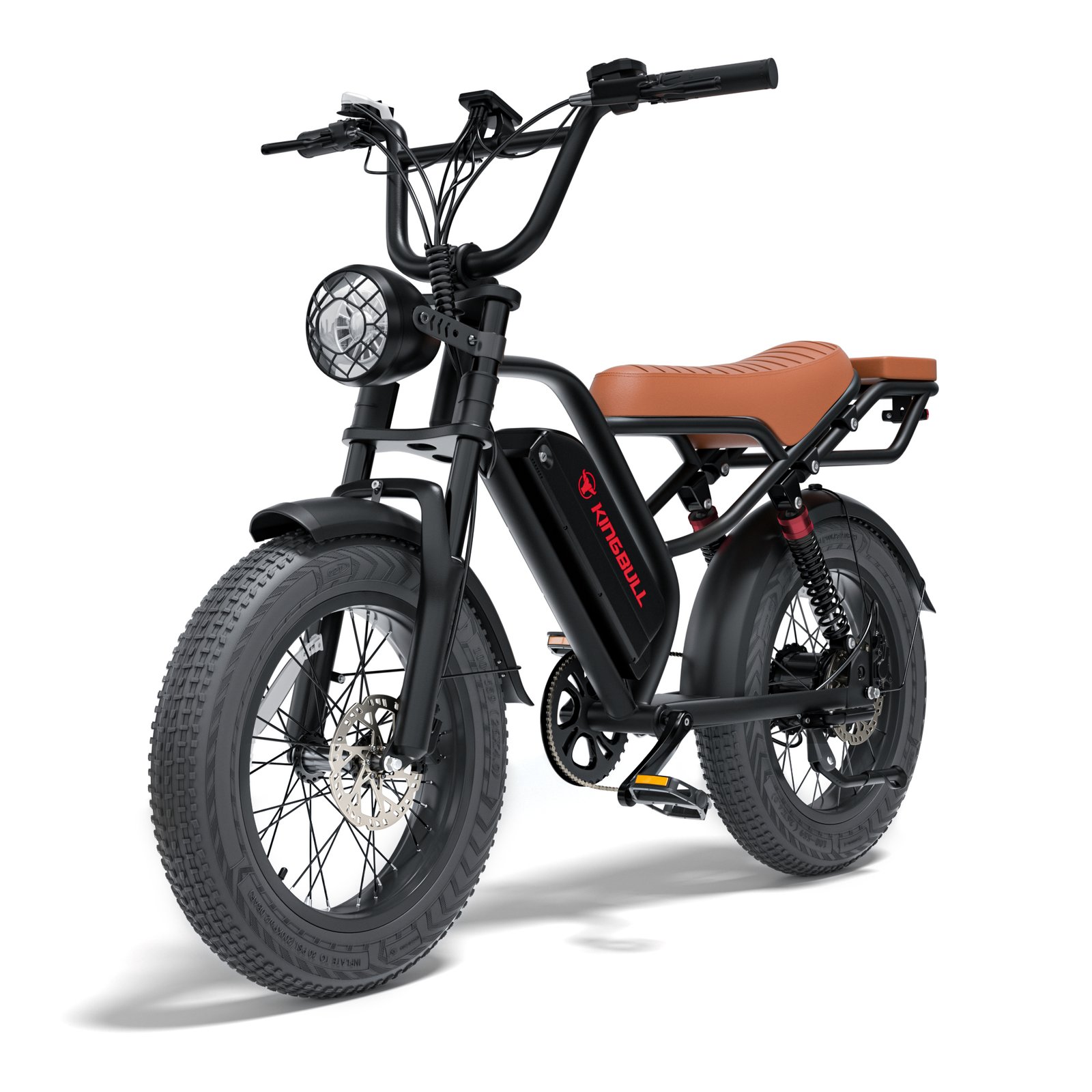
The Kingbull Ranger off-road e-bike features a unique vintage-style design with a black and silver colour scheme, and is equipped with a 750 W brushless hub motor, a massive 864 Wh battery, and cruise control, making it perfect for tackling challenging terrain in the UK

Introducing the Kingbull Ranger: A Vintage-Style Off-Road E-Bike

The Kingbull Ranger is a game-changer in the world of off-road electric bikes, boasting a unique vintage-style design and impressive features such as cruise control and a 750 W brushless hub motor. Available now in the UK market, this e-bike is set to revolutionise the way we explore the great outdoors. With its powerful motor and massive 864 Wh battery, the Ranger is perfect for tackling challenging terrain.

The Ranger’s vintage-style design is sure to turn heads, with its sleek lines and classic colour scheme. But it’s not just about looks – this e-bike is built to last, with a sturdy frame and high-quality components. Whether you’re commuting through the city or exploring the countryside, the Ranger is the perfect companion.

One of the standout features of the Ranger is its cruise control function, which allows riders to take a break from pedalling and enjoy the scenery. The e-bike also features 5 speed modes, hydraulic disc brakes, and a maximum payload capacity of 350 lbs (158.7 kg). With an introductory price of $789, the Ranger is an affordable and exciting option for anyone looking to upgrade their cycling experience.

The Kingbull Ranger is now available for purchase in the UK, and with its unique blend of style, power, and functionality, it’s sure to be a hit with cyclists of all levels. Whether you’re a seasoned pro or just starting out, the Ranger is an excellent choice for anyone looking to explore the great outdoors in comfort and style.

The Ranger’s specifications are impressive, with a top speed of 15.5 mph and a range of up to 60 miles. The e-bike also features a high-quality LCD display, which provides riders with essential information such as speed, distance, and battery life. With its durable construction and reliable performance, the Ranger is the perfect choice for anyone looking for a high-quality off-road e-bike.

In addition to its impressive features and specifications, the Ranger also boasts a number of practical benefits. The e-bike is easy to assemble and maintain, with a simple and intuitive design that makes it easy to get started. The Ranger also features a convenient walk mode, which allows riders to push the e-bike when not in use.

Overall, the Kingbull Ranger is an excellent choice for anyone looking for a high-quality off-road e-bike. With its unique vintage-style design, impressive features, and affordable price, the Ranger is sure to be a hit with cyclists of all levels. Whether you’re looking to explore the great outdoors or simply commute through the city, the Ranger is the perfect companion.

The UK market is set to benefit from the launch of the Kingbull Ranger, with its unique blend of style, power, and functionality. The e-bike is available now, and with its impressive features and specifications, it’s sure to be a hit with cyclists of all levels. So why not take the Ranger for a spin and experience the thrill of off-road cycling for yourself?

In conclusion, the Kingbull Ranger is a game-changer in the world of off-road electric bikes. With its unique vintage-style design, impressive features, and affordable price, the Ranger is the perfect choice for anyone looking to upgrade their cycling experience. So why not give it a try and see what the Ranger can do?

Lava Agni 4 Camera Setup and Image Samples Revealed

Lava Agni 4 Camera Setup and Image Samples Revealed

Lava Agni 4 Brings a New Dual 50MP Camera System

The upcoming Lava Agni 4 has generated considerable excitement among smartphone enthusiasts in India, with its camera setup and early image previews becoming a major talking point. Lava has started revealing details through official teasers and promotional content, giving users a clearer idea of what to expect from its imaging system. The Agni 4 represents the brand’s continued push into the competitive 5G and photography-driven mid-range segment.

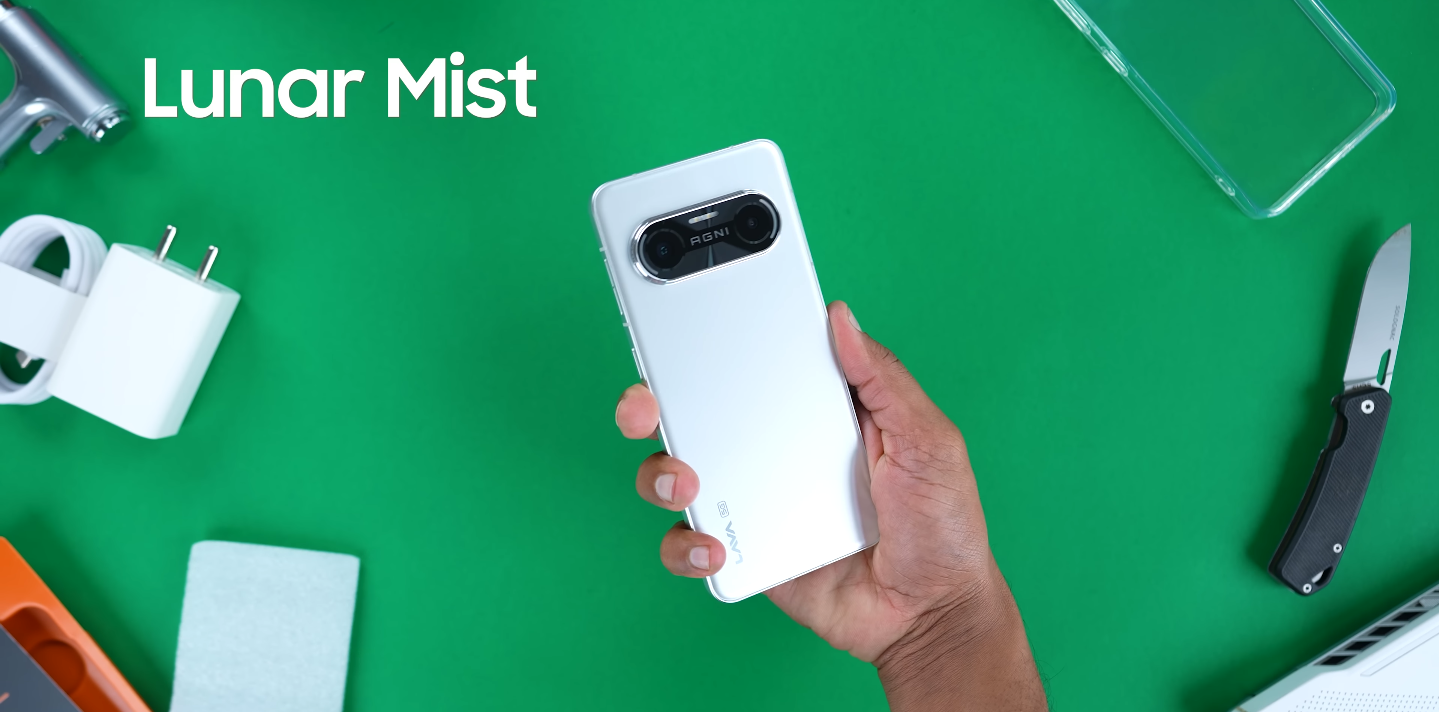
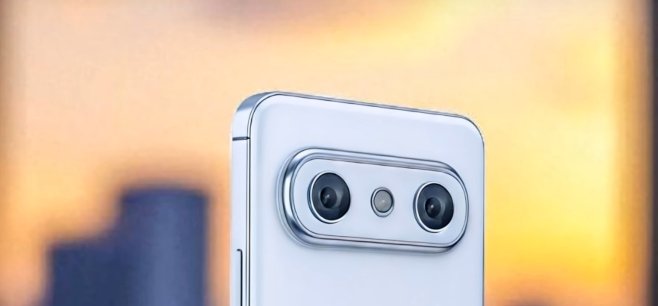
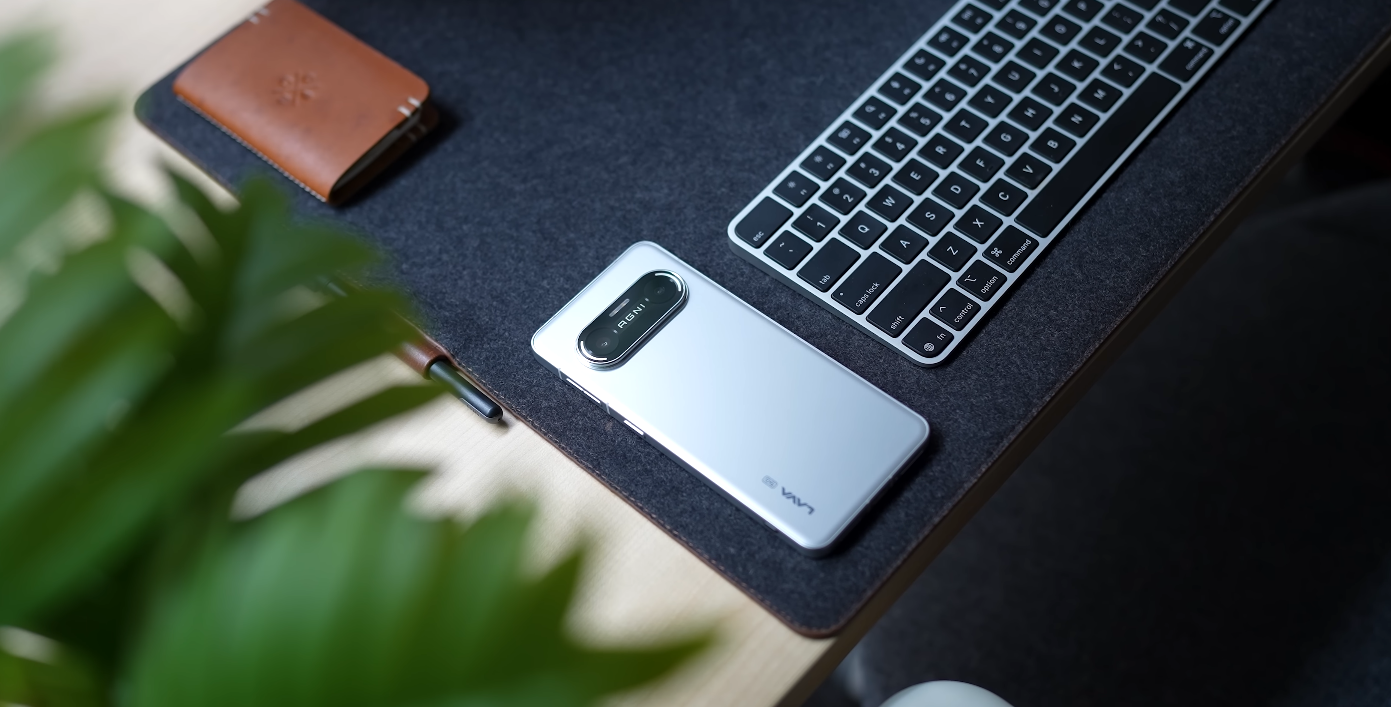
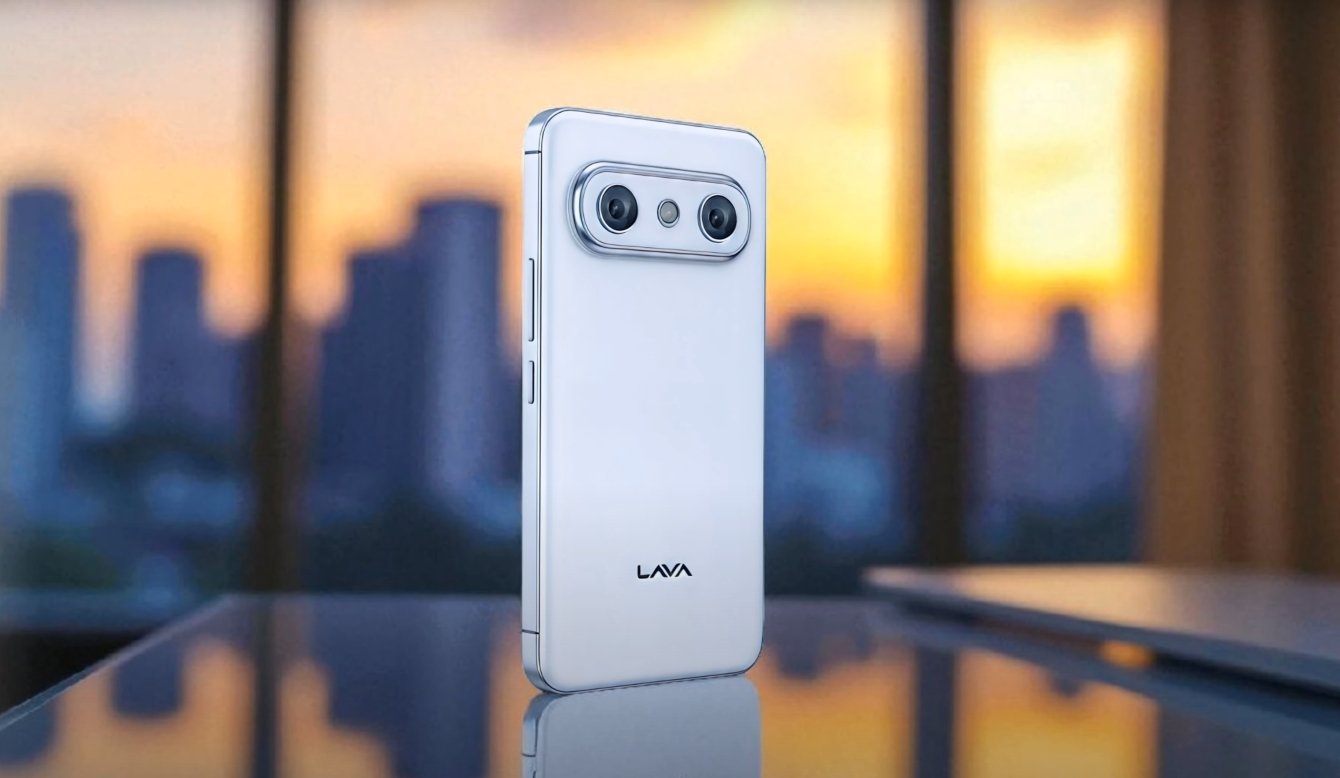
The Lava Agni 4 is expected to feature a dual-camera system on the back, with both sensors offering 50-megapixel resolution. This marks a change from its predecessor, which included a triple-camera setup. The dual-50MP design indicates that Lava may be focusing on improving image processing and sensor quality instead of simply increasing lens count. The primary sensor will likely serve as the main wide lens, while the secondary sensor could function as an ultra-wide or depth-sensing camera. Early promotional renders show a sleek, pill-shaped module with an LED flash positioned between the lenses, giving the phone a refined and symmetrical design.

According to early hardware information, the front of the device is expected to host a 16-megapixel selfie camera housed in a centered punch-hole cutout. It is designed to deliver detailed and natural images for video calls and social media use. Lava is reportedly fine-tuning its portrait and night algorithms to enhance low-light selfies, offering smoother skin tones and better background separation. The company also seems to be improving its HDR optimization to balance lighting in outdoor shots and minimize overexposure.

Lava Agni 4 Camera Setup and Image Samples Revealed

Video recording capabilities on the Lava Agni 4 are rumored to include support for 4K recording at 30 frames per second, with options for 1080p and 720p modes as well. Electronic Image Stabilization (EIS) is expected to be included to reduce shakes during handheld video capture. The phone may also feature dedicated modes such as Super Night Mode, AI Scene Detection, and Pro Mode for manual photography adjustments. Lava appears to be emphasizing software refinement to compete with brands like Redmi, Realme, and Motorola in the mid-tier market segment.

While Lava has revealed the design and technical specifications of the camera system, official photo samples have not yet been released. The teasers show renders that suggest sharp and detailed image potential, but real-world results will depend on how well the company’s software complements its camera hardware. Early leaks claim that the new image processing engine enhances clarity and dynamic range, hinting that the Agni 4 could perform notably better than its predecessor in daylight photography.

In terms of design, the Lava Agni 4 continues the company’s trend of offering a clean and premium look. The back panel features smooth curves and a polished finish, with the camera module subtly raised to accommodate the larger sensors. The layout, inspired by modern flagship trends, gives the phone an elegant yet durable aesthetic. Available colors may include bold finishes like obsidian black and crystal white, which highlight the phone’s metallic accents around the camera island.

Overall, the Lava Agni 4’s camera setup shows Lava’s clear intention to strengthen its position in the mid-range smartphone category. By focusing on dual high-resolution sensors and improved software performance, the company is prioritizing quality over quantity in its imaging strategy. Once official image samples are shared, users can expect a more accurate sense of how well the Agni 4 competes against established rivals in its price bracket. For now, the revealed details suggest a well-balanced, camera-centric phone that aims to deliver impressive results in everyday photography.

Also Read:  Canada Gets First Look at LAVA Blaze Amoled 2

Korean Memory Giants Take Centre Stage with HBM4

HBM4 high-bandwidth memory technology is driving innovation in the memory industry, with Korean memory giants Samsung and SK hynix leading the charge, delivering unparalleled performance benefits and redefining the industry landscape with their latest memory solutions

HBM4 Revolution: How Korean Memory Giants Are Redefining the Industry

The high-bandwidth memory (HBM) market is experiencing a significant shift in momentum, with HBM4 validation and production stages now underway. This technological advancement is poised to revolutionise the industry, with Korean memory giants Samsung and SK hynix at the forefront.

The integration of HBM4 into major chip manufacturers’ products, such as the Vera Rubin and Instinct MI400 series, marks a significant milestone. By combining logic and memory into a single package, HBM4 delivers unparalleled performance benefits, making it an attractive proposition for industry leaders.

Micron, on the other hand, is facing validation challenges with HBM4, providing ample opportunity for Samsung to seize market share. As the industry continues to evolve, it is likely that the HBM market share will be redefined, with Korean memory giants taking centre stage.

The HBM market share, previously dominated by SK hynix, Micron, and Samsung, is expected to undergo a significant transformation. With HBM4, the industry is witnessing a new era of high-performance memory solutions, and it will be fascinating to see how the market unfolds in the coming months.

As major chip manufacturers continue to integrate HBM4 into their products, the demand for high-bandwidth memory is expected to surge. This, in turn, will drive innovation and growth in the industry, with Korean memory giants leading the charge.

The significance of HBM4 cannot be overstated, as it has the potential to redefine the industry landscape. With its unparalleled performance benefits and innovative design, HBM4 is poised to play a crucial role in shaping the future of the memory industry.

As the industry continues to evolve, it is essential to stay ahead of the curve and analyse the latest trends and developments. With HBM4, the memory industry is at a turning point, and it will be exciting to see how the market responds to this new technological leap.

The future of the memory industry looks promising, with HBM4 set to play a pivotal role in driving growth and innovation. As Korean memory giants continue to push the boundaries of what is possible, the industry is likely to witness significant advancements in the coming months.

The HBM4 revolution is well underway, and it is essential to stay informed about the latest developments in the industry. With its unparalleled performance benefits and innovative design, HBM4 is poised to redefine the industry landscape and drive growth in the coming months.

In conclusion, the HBM4 revolution is a significant milestone in the memory industry, and it will be fascinating to see how the market unfolds in the coming months. With Korean memory giants leading the charge, the industry is poised for significant growth and innovation, driven by the unparalleled performance benefits of HBM4.

LAVA Agni 4 camera stabilization and video recording test

LAVA Agni 4 camera stabilization and video recording test

Performance Review of Lava’s Latest Video Capabilities

The Lava Agni 4 arrives with a renewed focus on video performance, placing strong emphasis on stability and clarity during handheld shooting. Its main camera features Optical Image Stabilisation, which is designed to reduce shake and maintain smoother footage, especially when recording while walking or moving. Early testing shows that this hardware addition plays a significant role in improving consistency in daytime videos.

In bright outdoor conditions, the main lens delivers detailed footage with steady framing, helped greatly by the OIS system. Movements that would normally introduce jitter are reduced, giving the phone an advantage in everyday vlogging or casual recording scenarios. The colour reproduction in these conditions also remains balanced enough to meet typical user expectations in its price range.

The phone supports up to 4K recording at 60 frames per second on its main camera, offering flexibility for users who want higher-quality video outputs. This capability ensures smoother motion rendering and makes the device more suitable for fast-moving subjects or action shots. For creators who upload to platforms that support higher frame rates, this feature enhances the Agni 4’s appeal.

LAVA Agni 4 camera stabilization and video recording test

However, the performance of the ultra-wide lens does not mirror the strength of the main camera. The ultra-wide sensor is limited to 1080p at 30 frames per second, resulting in a noticeable drop in clarity when switching lenses. This difference becomes apparent when panning or capturing wider scenes, where stability also declines due to the lack of additional hardware support.

Low-light video performance presents another area where the Agni 4 shows limitations, despite strong results in daylight. When recording indoors or at night, details soften, and the stabilisation becomes less effective. Users may experience more visible motion blur and reduced sharpness when filming moving subjects under artificial lighting.

Audio capture during video recording is serviceable, picking up voices clearly in quiet environments. However, background noise can occasionally overpower the primary subject, especially outdoors or in busy surroundings. While acceptable for basic use, users who prioritise high-quality audio may find room for improvement depending on their recording conditions.

In real-world scenarios, the Agni 4 offers reliable results for handheld shooting on its main camera, particularly for travel clips, family events, and casual vlogs. Its combination of stabilisation and high-resolution recording makes it competitive in its category. For users who primarily film in good lighting, the device stands out as a strong performer.

That said, the phone becomes less versatile when relying on the ultra-wide lens or shooting in challenging lighting. The difference in resolution and stabilisation between lenses is noticeable, and it affects the overall creative freedom that some users may expect. Those who need consistent performance across multiple focal lengths might find the limitations restrictive.

The Agni 4 therefore positions itself as a capable but situational video device. It excels in steady daylight clips captured through the main lens, offering strong value for its segment. Users who focus on everyday shooting will appreciate its dependable stabilisation and smooth footage during casual movement.

In summary, the Lava Agni 4 delivers a solid video experience with its main camera, highlighted by OIS and support for 4K at higher frame rates. While it does not offer equal performance across all lenses, it remains a practical choice for users who prioritise stability and clarity in typical daily shooting conditions.

Also Read:  LAVA Agni 4 early user reviews and feedback

LAVA Agni 4 battery drain test with gaming and streaming

LAVA Agni 4 battery drain test with gaming and streaming

Real-world battery endurance results for UK users

The LAVA Agni 4 comes with a 5,000mAh battery and 66W fast charging, and its behaviour during gaming and streaming shows how well it handles mixed, high-demand use. For UK users who rely on long daily uptime, these tests reveal what to expect in real scenarios.

In gaming sessions the Agni 4 draws noticeably more power because of its 120Hz AMOLED display and mid-range chipset. A 30-minute gaming run on popular high-load titles results in a visible drop, with the battery falling at a steady pace as the graphics engine pushes harder. During longer play the device warms up slightly, which further affects efficiency, though not to an uncomfortable level for handheld use.

A full hour of gaming is enough to bring down the battery by a significant margin, especially if brightness is kept high or mobile data is used. Most UK users gaming on Wi-Fi and medium brightness will still use a fair amount of power. In typical conditions the phone manages sustained performance without sudden dips, but the drain remains noticeable across the duration.

LAVA Agni 4 battery drain test with gaming and streaming

Extended gaming sessions of around two hours show the limits of the battery under pressure. The drop becomes more pronounced and the device starts regulating performance to maintain temperature. Users who frequently enjoy long gaming evenings will likely need to charge partway through, though the fast charging helps recover lost power quickly.

Streaming behaviour is more efficient, as the phone relies mainly on the display and decoding hardware rather than heavy graphics processing. One hour of video playback reduces the battery at a moderate and predictable rate, with lower drain when brightness is kept at comfortable indoor levels. Streaming over Wi-Fi is also more efficient than mobile data, which matches typical UK usage at home or on public networks.

Over multiple hours of continuous streaming the phone remains cool and stable. The 120Hz screen contributes to a slightly higher drain than 60Hz devices, but the overall impact is manageable. UK viewers using apps like YouTube, Netflix or BBC iPlayer can expect long sessions without worrying about sudden drops in remaining charge.

When combining gaming and streaming within the same day, the Agni 4 maintains respectable endurance. For example, an hour of gaming paired with two hours of streaming leads to a meaningful but not excessive drain. UK users following this pattern during commutes or downtime should be able to complete the day with some battery left, depending on screen brightness and network conditions.

General performance during mixed use is steady, with the battery behaving predictably even when switching between demanding apps. The device avoids major overheating and continues to offer smooth operation during casual multitasking. Heavy gaming remains the main source of accelerated drain, but everyday streaming and social apps have far milder impact.

Charging helps offset the drain quickly. With 66W fast charging, the Agni 4 can recover a large portion of its battery within a short break. UK users moving between home, work and travel will find it easy to top up between activities, reducing concerns over running out late in the day.

Overall the LAVA Agni 4 delivers reliable endurance for streaming, moderate use and mixed activities. Gaming-heavy users will see faster drain but can still manage multi-hour sessions with careful settings. UK users who depend on long battery life will find the phone consistent enough for daily routines, with fast charging covering heavier periods.