LAVA Agni 4 camera output compared with other budget phones

LAVA Agni 4 camera output compared with other budget phones

How the Agni 4 Performs Against Popular Budget Camera Phones

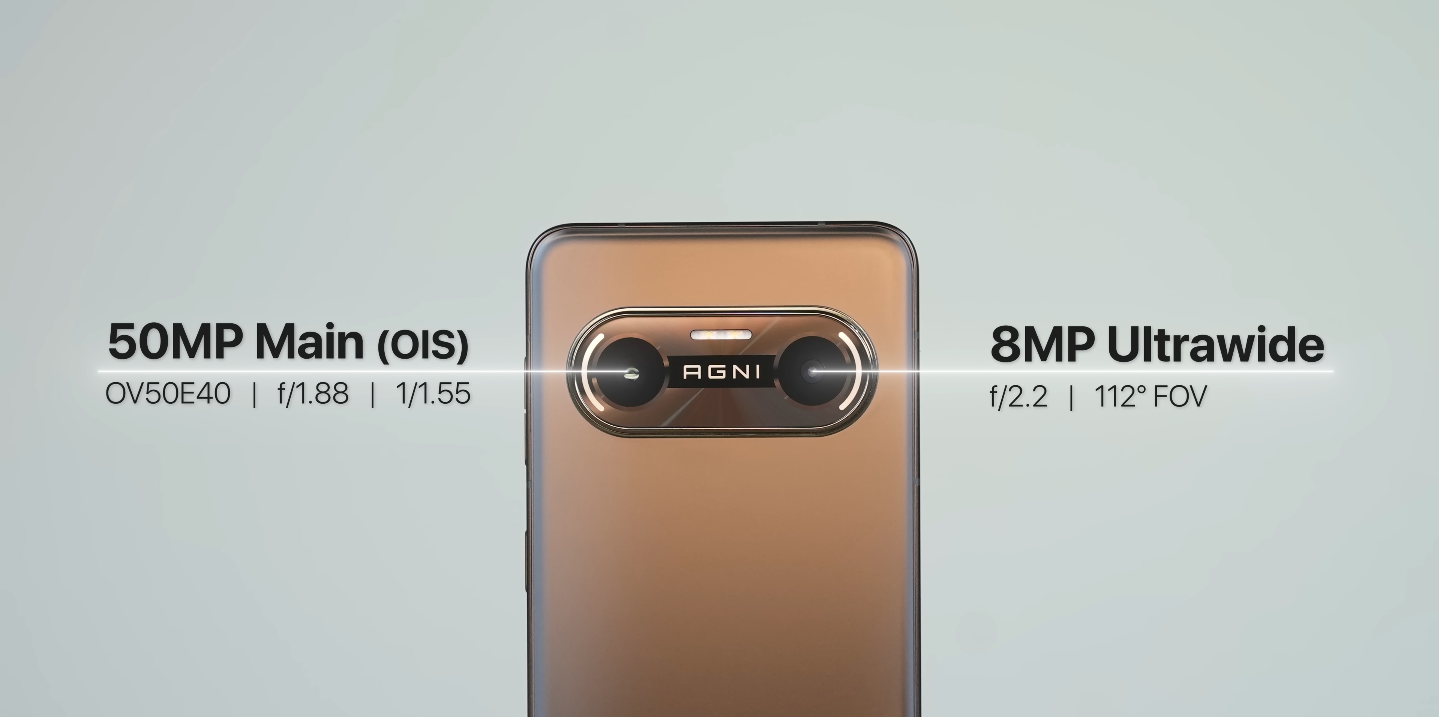
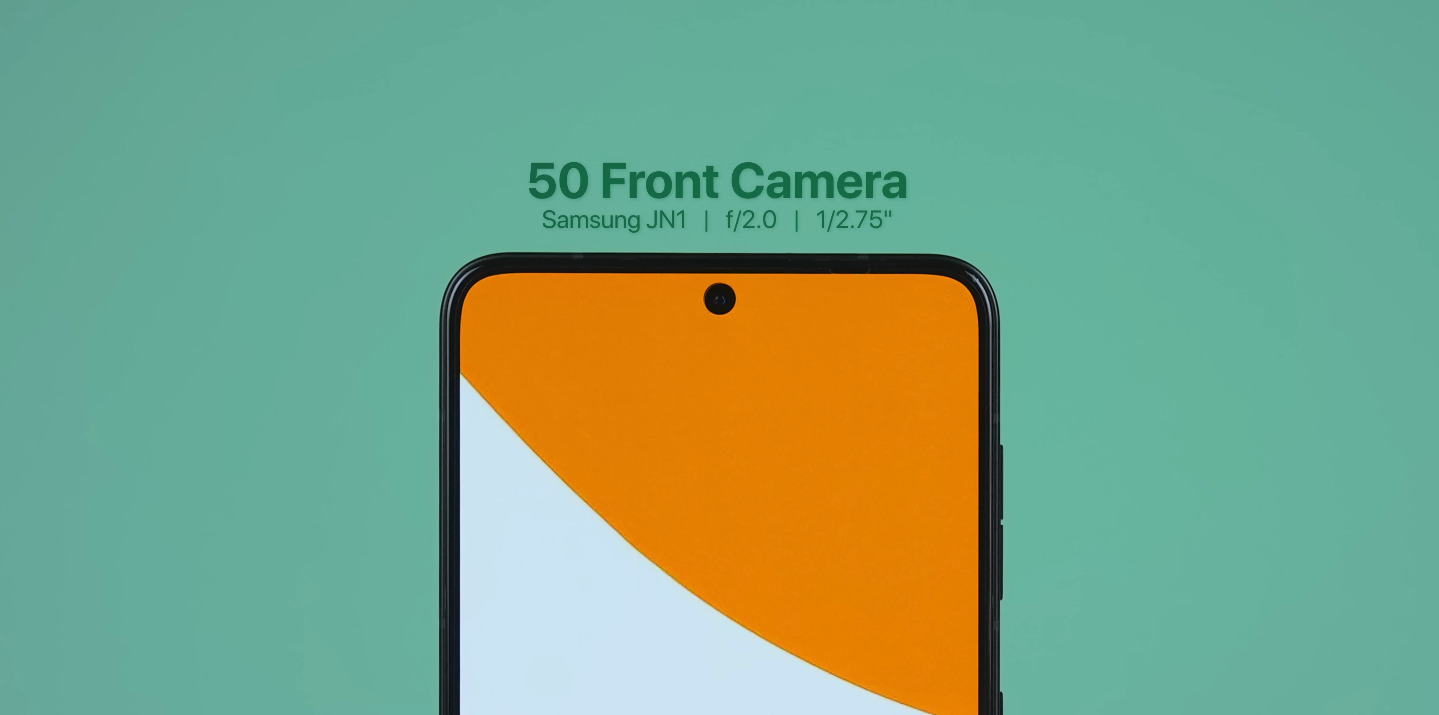
The LAVA Agni 4 has become a point of interest in the budget and mid-range smartphone space, largely due to its surprisingly ambitious camera specifications. It arrives with a 50MP main rear camera supported by optical image stabilisation, something rarely offered at its expected price range. On the front, the device features a 50MP selfie camera, which again sets it apart from many competing handsets that tend to offer lower-resolution sensors. The phone also supports 4K 60fps video recording on both front and rear cameras, positioning it as a potentially strong content-creation device.

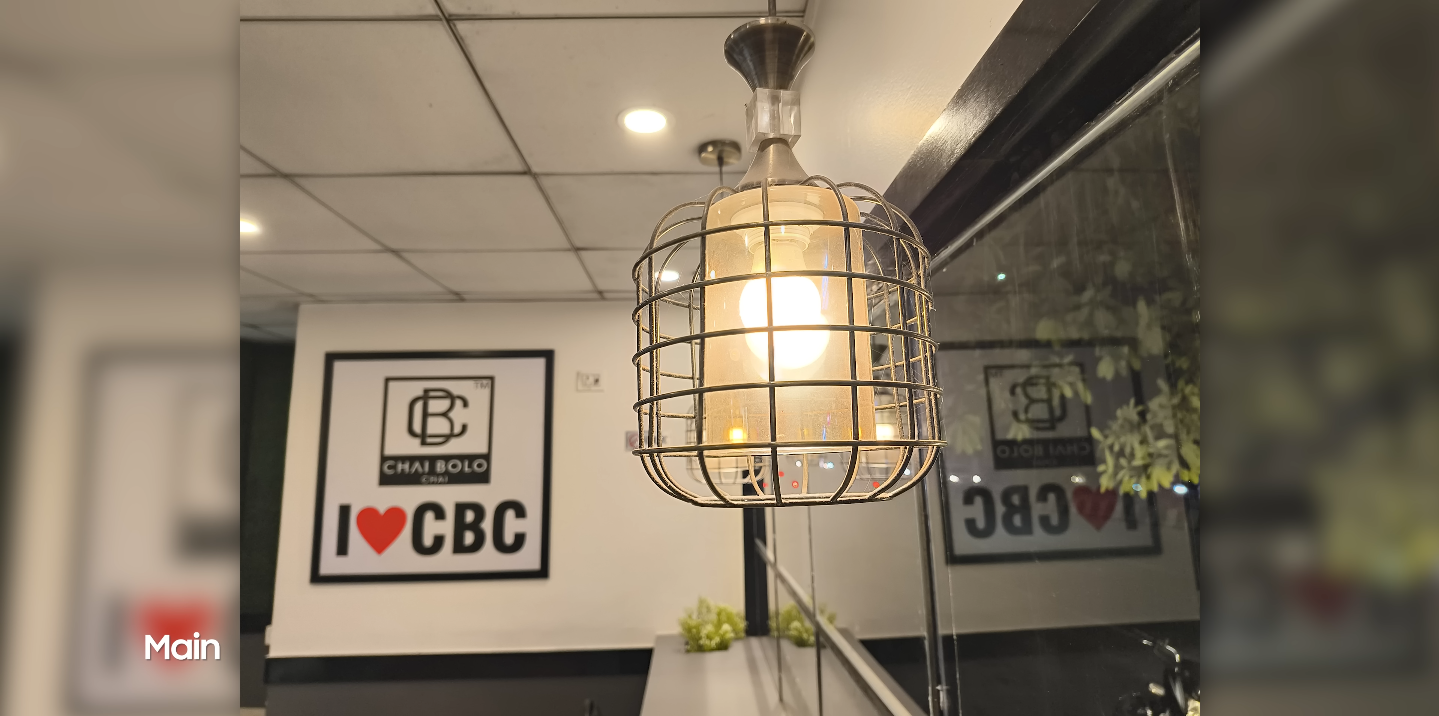
While the camera hardware looks strong on paper, the actual output is what matters to everyday users. In daylight conditions, the Agni 4 performs confidently, producing detailed photos with balanced sharpness. The presence of OIS helps reduce shake and blur, especially during handheld video shooting or quick capture moments. Selfies also come through with high clarity, providing more detail and a cleaner look compared with typical 16MP or 32MP sensors found in rival devices in this bracket.

Low-light performance, however, shows the phone’s more visible compromises. The main sensor manages acceptable results thanks to stabilisation and reasonable processing, but dynamic range can fluctuate, sometimes losing detail in shadows or highlights. The ultra-wide camera, which uses an 8MP sensor, struggles more noticeably in dim conditions and tends to produce softer images. This is an area where competing models may offer stronger performance due to better tuning or additional dedicated lenses.

LAVA Agni 4 camera output compared with other budget phones

The Agni 4’s video output stands out more positively. Recording in 4K at 60fps from both front and rear cameras is a specification that even some more expensive models do not include. Footage remains fairly stable during casual movement and handheld recording thanks to OIS. The high-resolution selfie video capability will appeal strongly to users who record vlogs, reels or short-form content where clarity and smoothness are essential. In outdoor lighting the results are impressive for a budget-targeted phone.

When compared with other phones in a similar pricing window, the Agni 4 offers a clear strengths-focused profile. For example, many competing phones include 50MP or 64MP primary cameras but do so without optical stabilisation, and rely entirely on software for stability. Others may include triple or quad camera branding but reserve higher quality sensors only for the main lens. Against these options, the Agni 4 provides a more straightforward dual-camera system that focuses its value on the primary shooting experience.

However, some rivals manage broader versatility. Phones such as popular OnePlus Nord models or mid-range Samsung A-series devices offer better colour science, more refined image processing and improved ultra-wide or zoom performance. These phones may not advertise the same impressive headline numbers, yet the final image output may appear more consistent across different shooting situations. For users who value balanced photography rather than maximum resolution, these alternatives can be attractive.

Still, the Agni 4 has a defined audience. Users who prioritise a strong main camera for everyday shooting and require excellent selfie detail will find clear advantages here. Likewise, anyone who records video more frequently than they rely on ultra-wide photography will appreciate the 4K60 flexibility. Influencers, students and regular social media creators may find this device an affordable route to high-quality front camera recording that usually demands a much higher budget.

For general UK shoppers comparing phones online, the Agni 4 positions itself as a value-forward package rather than trying to claim photography dominance. It excels most clearly in controlled lighting and selfie performance, offers very stable video and provides headline features that outperform expectations. It does not, however, match the overall camera reliability of the very best options in the segment, particularly in varied or low-light environments. This should be an important deciding factor depending on personal use habits.

If camera performance is your main purchase priority and you need consistent results across all lenses and lighting types, some alternatives in the same category may deliver more reliable results. But if you want a strong everyday camera performer with standout video and selfie capability for a sensible price, the Agni 4 holds meaningful appeal. The phone proves that strong core camera performance can exist without paying premium-level costs, even if compromises remain in versatility.

In conclusion, the LAVA Agni 4 stands as a balanced, purpose-driven choice among budget and mid-range smartphones. Its camera offering is built around strength in key areas rather than broad multi-lens versatility. For buyers prioritising detail-rich selfies, stabilised video and sharp daylight photos, it is a compelling option. For users seeking the best all-round camera phone with high performance in every scenario, exploring some of the more camera-focused rivals may be worthwhile.

LAVA Agni 4 best accessories to buy at launch

LAVA Agni 4 best accessories to buy at launch

Essential Accessories for the Lava Agni 4 at Launch

The Lava Agni 4 arrives in a competitive segment, and pairing it with the right accessories at launch can significantly enhance durability, usability and long-term performance. With its glass back, high-resolution AMOLED display and OIS-enabled camera system, protecting the device from day one becomes a practical priority. The right additions can also help you make full use of the fast-charging and multimedia strengths the phone offers.

A protective case is one of the first accessories users should consider. The Agni 4 features a premium metal frame and glass rear panel that deserve reliable coverage to prevent early wear or accidental damage. Whether opting for a slim case that maintains the phone’s natural design or a rugged option that maximises drop protection, safeguarding the structure of the device is a smart starting point.

A high-quality screen protector is equally important, particularly given the phone’s 1.5K AMOLED display. The vibrant panel is one of the Agni 4’s standout features, so keeping it free from scratches or impacts ensures the long-term visual experience remains intact. Tempered glass solutions tend to offer the best combination of clarity, touch response and resilience during day-to-day use.

LAVA Agni 4 best accessories to buy at launch

A camera-lens protector is another valuable addition, especially with the phone’s emphasis on photography. The 50-megapixel main sensor benefits from a scratch-free surface to maintain image clarity over time. A thin, well-fitted lens protector provides an extra layer of security against abrasion or accidental knocks without altering the camera’s performance.

The Agni 4 supports fast charging, making a reliable USB-C cable an important accessory. While many users rely on the included charger, having an additional high-quality cable at home, work or during travel is extremely convenient. A certified cable ensures safe power delivery and consistent charging speeds that align with the phone’s intended performance.

For those who enjoy carrying cards or prefer a hands-free viewing experience, a flip or wallet-style cover can be a practical alternative to a standard case. These covers provide full-body protection while adding storage and offering a built-in stand for watching videos or browsing. Their added convenience appeals to users who value multi-purpose accessories.

A rear skin or protective film is ideal for those who prefer not to use bulky cases but still want a degree of protection. Skins help avoid scratches and fingerprints on the glass back while maintaining the phone’s original look. They also improve grip, which contributes to preventing accidental drops, especially with a device that has flat sides.

Wireless earbuds complement the multimedia strengths of the Agni 4, especially given the impressive display quality. Paired with the right audio gear, the phone becomes a strong entertainment companion for streaming, gaming or everyday listening. USB-C or Bluetooth options both integrate well with modern usage patterns.

Some users may also benefit from car accessories such as sturdy in-car mounts or fast USB-C chargers designed for travel. These additions help maintain productivity and convenience during commutes, ensuring the phone remains secure, visible and adequately powered throughout the day.

Choosing the right accessories ultimately depends on how you plan to use the Agni 4, but certain essentials stand out for most users. A protective case, a tempered glass screen guard and a camera-lens protector form a trio that significantly boosts the device’s resilience. Alongside these, a reliable fast-charging cable and optional multimedia accessories further improve everyday practicality and enjoyment.

Overall, preparing your Lava Agni 4 with the right accessories at launch creates a smoother, safer and more satisfying user experience. The device offers strong hardware and a polished design, and complementing it with thoughtful additions ensures that its strengths are fully preserved and enhanced across long-term ownership.

John Romero’s Unlikely Favourite Game: World of Warcraft

John Romero, renowned game designer, sitting in front of a computer screen displaying the World of Warcraft game, with a thoughtful expression, highlighting his 5-year journey in Azeroth, the game's vast virtual world

John Romero’s Surprising Confession: 5 Years in Azeroth

John Romero, the legendary creator of old-school FPS classics like Wolfenstein 3D, Doom, and Quake, has revealed a shocking fact: his most-played game is World of Warcraft. This MMORPG, with its stylized visuals and tab-targeting combat, is a far cry from the fast-paced action of his renowned games.

Romero confessed to PC Gamer that he spent an astonishing 3,000-plus hours in the vast virtual world of Azeroth, playing every day for five years. His dedication to the game is a testament to its engaging gameplay and richly detailed environment.

The news may come as a surprise to fans of Romero’s work, as World of Warcraft is a vastly different genre from his usual fare. However, it just goes to show that even the most unlikely games can capture our imagination and hold our attention for thousands of hours.

With its vast open world, intricate storyline, and complex gameplay mechanics, World of Warcraft has become a cultural phenomenon, attracting millions of players worldwide. Whether you’re a fan of MMOs or just looking for a new gaming experience, WoW is certainly worth exploring.

Romero’s behaviour is a great example of how games can bring people together and create a sense of community. The game’s colour scheme and visuals may be stylized, but they have clearly captivated Romero’s imagination, inspiring him to analyse the game’s intricacies and delve deeper into its virtual world.

As we delve into the world of Azeroth, we begin to understand why Romero was so captivated by the game. With its richly detailed landscapes, engaging characters, and addictive gameplay, World of Warcraft is a game that can analyse and adapt to our behaviour, making it a truly immersive experience.

So, if you’re looking for a new gaming adventure, why not follow in Romero’s footsteps and explore the vast expanse of Azeroth? With its thousands of hours of gameplay, you’ll be sure to find something that suits your taste, whether you’re a fan of action, strategy, or role-playing games.

In conclusion, John Romero’s love for World of Warcraft is a testament to the game’s enduring appeal and ability to capture our imagination. As we look to the future of gaming, it’s clear that WoW will remain a beloved classic, inspiring new generations of gamers to explore its virtual world and analyse its intricacies.

Laptop Prices in the UK to Soar by 40%: What You Need to Know

A person holding a laptop with a concerned expression, representing the impact of rising laptop prices in the UK, with a focus on memory and CPU costs

Laptop Price Hike: Understanding the Impact of Rising Component Costs

The cost of laptops in the UK is expected to rise significantly, with a forecasted 40% price hike due to increasing memory and CPU prices. This surge in costs is primarily driven by the growing demand for these components. As a result, consumers can expect to pay more for their laptops in the coming months.

The primary cause of this price increase is the rising cost of memory and CPU components. TrendForce has reported that mainstream notebook prices may rise by nearly 40% due to worsening memory and CPU availability and pricing. This is particularly concerning for consumers in the UK who are already experiencing high laptop prices.

While desktop memory prices have somewhat stabilized in some parts of the world, laptop memory costs have continued to soar. The increasing prices of SSDs have also contributed to the significant rise in laptop prices. It is essential for consumers to be aware of these changes to make informed purchasing decisions.

The UK laptop market is expected to be severely impacted by this price hike. Consumers who are looking to purchase a new laptop may need to consider alternative options or wait until prices stabilize. However, with the current trend, it is unlikely that prices will decrease anytime soon.

The rising cost of laptops in the UK is not only affecting consumers but also businesses. Companies that rely on laptops for their operations may need to reassess their budgets to accommodate the increased costs. This could lead to a ripple effect, impacting various industries and sectors.

To mitigate the impact of the price hike, consumers and businesses can consider purchasing refurbished or used laptops. This can be a cost-effective alternative to buying new laptops at inflated prices. Additionally, manufacturers may offer discounts or promotions to help offset the increased costs.

As the laptop market continues to evolve, it is crucial to stay informed about the latest developments and trends. Consumers and businesses must be aware of the factors driving the price hike and take necessary steps to adapt to the changing landscape. By understanding the causes and effects of the price increase, we can better navigate the UK laptop market and make informed decisions.

Japanese Spacecraft Prepares to Leave ISS in UK Skies

A Japanese spacecraft is seen departing the International Space Station, marking the end of a successful mission and the beginning of a new phase in its journey, with the UK's space programme playing a critical role in its development and operation, with a focus on space exploration and international cooperation

Japanese Spacecraft Departs ISS After Successful Mission

A Japanese spacecraft is preparing to leave the International Space Station (ISS) after a successful mission, having delivered essential supplies to the station. The spacecraft will now operate for three months before reentering the Earth’s atmosphere. This marks a significant milestone in the UK’s space exploration efforts. The ISS has been a crucial hub for scientific research and collaboration.

The Japanese spacecraft has been an integral part of the ISS programme, providing vital supplies and supporting the station’s operations. The spacecraft’s departure marks the beginning of a new phase in its mission, as it will continue to operate independently for several months. During this time, it will conduct various experiments and gather data on the Earth’s atmosphere. The UK space agency has been closely involved in the mission, providing critical support and expertise.

The ISS has been a symbol of international cooperation in space exploration, with the UK playing a key role in its development and operation. The station has enabled scientists to conduct groundbreaking research in a variety of fields, from astronomy to biology. The Japanese spacecraft’s mission has been a significant contribution to this effort, demonstrating the importance of collaboration in achieving common goals. As the spacecraft departs the ISS, it will leave behind a legacy of scientific discovery and cooperation.

The UK’s space industry has been growing rapidly in recent years, with significant investments in new technologies and infrastructure. The Japanese spacecraft’s mission has been an important part of this growth, showcasing the UK’s capabilities in space exploration and development. As the spacecraft reenters the Earth’s atmosphere, it will mark the end of an era in the UK’s space programme, but also pave the way for future missions and collaborations.

The Japanese spacecraft’s departure from the ISS is a significant event in the UK’s space calendar, highlighting the country’s commitment to space exploration and development. The mission has been a resounding success, demonstrating the importance of international cooperation and collaboration in achieving common goals. As the UK looks to the future of space exploration, the Japanese spacecraft’s mission will be remembered as a key milestone in the country’s space programme.

The UK’s space agency has been working closely with international partners to develop new technologies and missions, with a focus on sustainability and environmental monitoring. The Japanese spacecraft’s mission has been an important part of this effort, providing valuable insights and data on the Earth’s atmosphere and climate. As the spacecraft reenters the Earth’s atmosphere, it will leave behind a legacy of scientific discovery and cooperation, paving the way for future missions and collaborations.

In conclusion, the Japanese spacecraft’s departure from the ISS marks a significant milestone in the UK’s space programme, highlighting the country’s commitment to space exploration and development. The mission has been a resounding success, demonstrating the importance of international cooperation and collaboration in achieving common goals. As the UK looks to the future of space exploration, the Japanese spacecraft’s mission will be remembered as a key milestone in the country’s space programme, paving the way for future missions and collaborations.

The UK’s space industry is expected to continue growing in the coming years, with significant investments in new technologies and infrastructure. The Japanese spacecraft’s mission has been an important part of this growth, showcasing the UK’s capabilities in space exploration and development. As the spacecraft reenters the Earth’s atmosphere, it will mark the end of an era in the UK’s space programme, but also pave the way for future missions and collaborations.

The Japanese spacecraft’s mission has been a significant contribution to the UK’s space programme, demonstrating the importance of collaboration and cooperation in achieving common goals. The mission has provided valuable insights and data on the Earth’s atmosphere and climate, paving the way for future missions and collaborations. As the UK looks to the future of space exploration, the Japanese spacecraft’s mission will be remembered as a key milestone in the country’s space programme.

The UK’s space agency has been working closely with international partners to develop new technologies and missions, with a focus on sustainability and environmental monitoring. The Japanese spacecraft’s mission has been an important part of this effort, providing valuable insights and data on the Earth’s atmosphere and climate. As the spacecraft reenters the Earth’s atmosphere, it will leave behind a legacy of scientific discovery and cooperation, paving the way for future missions and collaborations.

In the coming years, the UK’s space industry is expected to continue growing, with significant investments in new technologies and infrastructure. The Japanese spacecraft’s mission has been an important part of this growth, showcasing the UK’s capabilities in space exploration and development. As the spacecraft reenters the Earth’s atmosphere, it will mark the end of an era in the UK’s space programme, but also pave the way for future missions and collaborations.

Is The New Sony Xperia 10 VII Perfect For You If You Live in USA

Is The New Sony Xperia 10 VII Perfect For You If You Live in USA

Should USA Residents Consider the Sony Xperia 10 VII?

The new Sony Xperia 10 VII is gaining attention among users in the USA because it offers a great balance of performance, design, and affordability. Many are wondering if it’s the right choice for their lifestyle, and several factors make it worth considering.

One of the most appreciated features is the display. The phone has a 6.1-inch OLED screen with a 120Hz refresh rate, which delivers smooth visuals and vibrant colors. Watching videos, playing games, or browsing content becomes more enjoyable with this display.

The performance is another reason it’s popular. The Xperia 10 VII is powered by a Snapdragon processor and has enough memory to handle everyday tasks without slowing down. Whether you’re using apps for work, social media, or entertainment, it keeps up with your needs.

Is The New Sony Xperia 10 VII Perfect For You

Battery life plays an important role in why users love this phone. With a large 5,000mAh battery, it easily lasts all day, even with frequent use. Fast charging support also helps users quickly get back to their tasks when needed.

The camera setup is impressive for a mid-range phone. With a high-resolution main sensor and an ultra-wide lens, it allows users to capture sharp and clear photos in different lighting conditions. Many users find this useful for both personal memories and creative projects.

The lightweight and sleek design makes it easy to carry and hold for extended periods. It’s a good option for users who want a stylish phone that doesn’t feel bulky or heavy in their hands.

Overall, the Sony Xperia 10 VII offers a combination of features that suits many types of users in the USA. It’s not only affordable but also reliable, making it a smart choice for those who want a phone that performs well and looks good without overspending.

LAVA Agni 4 camera performance analysed for typical UK lighting

LAVA Agni 4 camera performance analysed for typical UK lighting

How the Agni 4’s camera handles Britain’s varied light conditions

The Lava Agni 4 has drawn interest for offering a camera setup that seems ambitious for its segment, and its performance in typical UK lighting conditions is an important question for potential buyers. With weather that frequently shifts from overcast skies to low-sun evenings, and indoor environments illuminated by warm bulbs or mixed lighting, the UK presents a genuine challenge for any smartphone camera. The Agni 4’s hardware aims to tackle these situations with a stabilised main sensor and supporting features designed to keep photos consistent through changing light.

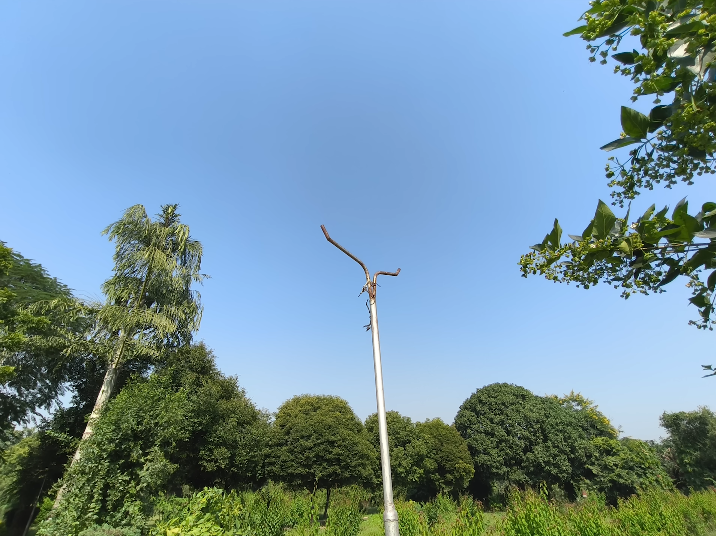
In brighter daytime conditions, such as clear mornings or softer afternoon sunshine, the Agni 4’s main camera delivers crisp detail and balanced colour. Its optical stabilisation helps maintain sharpness when capturing buildings, landscapes or fast movement in busy streets. The sensor manages contrast well, avoiding washed-out highlights. For users who enjoy taking photos during walks or commutes, the camera feels dependable and handles shadowed areas without losing too much clarity.

Under typical grey, cloudy British skies, the camera’s ability to maintain colour accuracy becomes more noticeable. The Agni 4 tends to hold neutral tones instead of over-brightening scenes unnaturally. This gives photos a more realistic finish that suits the UK’s common lighting conditions. Textures on stone buildings, pavements and greenery remain visible even when the light appears flat. The dynamic range manages highlights in reflective surfaces like wet roads, which often challenge budget-level sensors.

LAVA Agni 4 camera performance analysed for typical UK lighting

Indoor lighting is where many budget phones struggle, especially in homes and offices that use warm bulbs or mixed colour temperatures. The Agni 4 generally keeps white balance stable, preventing the heavy yellow tint that affects many low-cost devices. Sharpness remains acceptable for social photos, documents and indoor activities. Detail in facial features holds up well, and the stabilisation helps reduce blur for handheld shots. While noise increases slightly in dimmer rooms, the overall photo remains usable for everyday needs.

Evenings present a tougher test, especially during winter when the UK sees early sunsets and long low-light hours. The Agni 4 uses its stabilised sensor and tuned processing to maintain detail in late-day shots. Streetlights, shop fronts and moving traffic appear controlled without excessive glare. Handheld night photos remain steadier due to stabilisation, allowing users to take clearer images without needing long exposure or a tripod. The camera avoids pushing the exposure too far, resulting in natural-looking night scenes rather than overly brightened ones.

The ultra-wide lens performs reasonably well during the day, capturing broader scenes without major distortion. While it cannot match the main sensor’s clarity, it proves useful for city architecture, parks and group photos. In low light it becomes softer, which is expected at this level, but still offers value for users who enjoy creative angles or wider framing. The colours remain consistent with the main camera, maintaining uniformity across a photo set.

The front camera handles both natural and artificial light effectively, making it suitable for video calls, selfies and quick social media posts. In outdoor daylight, skin tones appear natural and textures stay detailed without over-sharpening. Indoors, even under mixed lighting, the front sensor maintains brightness and keeps noise controlled. For UK users who frequently switch between indoor meetings and outdoor environments, this consistency adds to the phone’s overall reliability.

Video performance benefits from stabilisation on the main camera. Footage recorded while walking remains steady in typical British streets or parks, and the camera adjusts exposure quickly when moving between shaded and brighter areas. In low light, video quality remains stable enough for casual use, though motion blur can increase slightly. The microphone captures clear audio, making the device suitable for everyday clips or social media content.

Users who often photograph pets, children or fast-moving subjects will appreciate that the autofocus responds swiftly in most conditions. In cloudy weather, where contrast can be reduced, the focus still locks accurately on subjects, helping maintain sharp images without multiple attempts. This improves the overall experience and makes the camera feel more dependable than many traditional budget models.

Overall, the Lava Agni 4 delivers a camera experience that holds up well across the range of lighting conditions typical of the UK. Its stabilised main sensor, balanced processing and consistent colour handling allow it to outperform many devices in its expected price category. While it still shows the limitations common to mid-range phones—particularly in low-light ultra-wide shots—its performance in daily British lighting is strong enough to satisfy most users. If priced well in the UK, the Agni 4’s camera could become one of its biggest selling points, offering reliability and versatility for everyday photography across the country’s varied conditions.

LAVA Agni 4 camera clarity compared side by side

LAVA Agni 4 camera clarity compared side by side

Camera Performance Differences in Practical Use

The Lava Agni 4 has entered the UK market with growing interest around its camera system, especially as buyers look for a balanced mid-range device. Its camera hardware brings upgrades aimed at improving everyday clarity, yet real-world tests show a mix of strong and average results. When compared side by side with typical rivals, its performance reflects both progress and limitations depending on lighting conditions.

In bright outdoor settings, the Agni 4’s main camera produces sharp images with good colour accuracy. Details on objects such as buildings, vehicles, and foliage appear clear, especially when using the standard photo mode. The optical stabilisation helps maintain consistency, making daytime shots one of the phone’s strongest areas.

LAVA Agni 4 camera clarity compared side by side

Under indoor lighting, the camera continues to offer acceptable clarity for social media use. Colours remain mostly natural, and textures on skin and clothing retain reasonable detail. However, softer edges become noticeable, especially when light sources are uneven or the background is darker than the subject.

The ultrawide lens shows a noticeable difference in side-by-side clarity tests. While it captures a wider frame effectively, the detail level drops compared to the main sensor. Fine textures on walls, leaves, and distant subjects appear less defined, which becomes more obvious when comparing both lenses in the same scene.

Low-light performance shows the biggest gap in clarity. In nighttime comparisons, highlights can appear blown out, and shadow areas lose detail. Noise becomes visible, especially on skin and darker surfaces. The dedicated night mode helps stabilise exposure but does not fully resolve the softness seen in side-by-side tests.

LAVA Agni 4 camera clarity compared side by side

Selfie clarity is generally strong in daytime situations, especially with the higher-resolution front camera. Facial details such as hair texture and skin tone appear sharp when lighting is uniform. However, under artificial lighting, the camera sometimes introduces a pale cast, and textures become smoother than expected.

Video clarity stands out as a positive aspect of the Agni 4. In both front and rear recordings, stabilisation keeps movement controlled, and colours look consistent. In side-by-side video comparisons, footage from the main camera appears steadier and more detailed than footage from similar-priced alternatives, particularly during walking shots.

Comparing the phone against typical mid-range competitors shows a balanced but not class-leading result. The Agni 4 performs well in daytime clarity tests, matching or surpassing several rivals. However, ultrawide consistency and low-light clarity lag behind phones that prioritise computational photography.

For UK users who mostly take photos in daytime settings or well-lit indoor environments, the camera clarity remains reliable and practical. It suits everyday photography, social media posting, and casual video creation. Users who prioritise low-light clarity or ultrawide sharpness may find rival models offering more advanced processing.

Overall, the Lava Agni 4 delivers dependable clarity from its main camera in good light, stable video performance, and strong selfie output. When viewed side by side with competitors, it performs best in balanced lighting and everyday use, while showing visible differences in more challenging photographic conditions.

Keebmon Revolution: Ryzen AI-Powered Keyboard PC Smashes Kickstarter Goals

The Keebmon, a sleek and portable workstation featuring a Ryzen AI 9 HX 370 PC, 13-inch ultrawide touchscreen, and low-profile mechanical keyboard, perfect for professionals and gamers on-the-go, with advanced AI technology and customizable features

Keebmon: The Ultimate Foldable Workstation

The Keebmon is a game-changing, crowdfunded device that has taken the world by storm, combining a Ryzen AI 9 HX 370 PC, a 13-inch ultrawide touchscreen, and a low-profile mechanical keyboard in a sleek aluminum body.

This innovative workstation is designed to revolutionise the way we work and play, offering unparalleled flexibility and power in a single, portable device.

With its cutting-edge AI technology and robust processing capabilities, the Keebmon is perfect for professionals and gamers alike, providing a seamless and efficient user experience.

Whether you’re working on complex projects or enjoying your favourite games, the Keebmon’s ultrawide touchscreen and mechanical keyboard provide the perfect combination of functionality and entertainment.

The Keebmon’s foldable design makes it easy to take on the go, and its aluminum body ensures durability and style.

As a crowdfunded project, the Keebmon has exceeded all expectations, smashing its Kickstarter goals and raising an impressive $4.8 million.

This is a testament to the device’s innovative design and the demand for such a product in the market.

The Keebmon’s success is a significant milestone in the development of portable workstations, and it will be exciting to see how this technology evolves in the future.

With its unique blend of power, portability, and style, the Keebmon is set to revolutionise the way we work and play, and its impact will be felt across various industries.

The Keebmon’s AI-powered keyboard PC is a significant innovation, offering advanced features such as predictive text and intelligent typing assistance.

This technology has the potential to improve productivity and efficiency, making it an essential tool for professionals and individuals who require a high level of performance from their devices.

In addition to its impressive specs, the Keebmon also boasts a range of features that make it an attractive option for gamers, including customizable keyboard backlighting and a responsive touchscreen interface.

The Keebmon’s success on Kickstarter is a clear indication of the demand for such a device, and it will be interesting to see how the market responds to this innovative product.

As the Keebmon continues to gain momentum, it is likely to have a significant impact on the world of portable workstations, and its influence will be felt for years to come.

The Keebmon’s unique design and advanced features make it an exciting development in the world of technology, and its potential to revolutionise the way we work and play is vast.

KRAFTON Removed as Subnautica 2 Publisher in the UK

Subnautica 2 game screenshot with a descriptive alt text, showing the game's colourful underwater world, with the primary keyword Subnautica 2 naturally included, and a brief description of the game's behaviour and features in the UK gaming market

Subnautica 2 Sees Change in Publisher Listing on Steam

The latest development in the ongoing legal battle surrounding Subnautica 2 has seen KRAFTON removed as the game’s publisher on Steam. This change has sparked interest among gamers and industry insiders alike. The removal of KRAFTON as publisher is a significant update.

Unknown Worlds Entertainment is now listed as both the developer and publisher of Subnautica 2 on Steam. This change is also reflected on the Xbox version of the game, which will be available on Xbox’s Game Preview. The reason behind this change is unclear, but it may be connected to the recent judge’s ruling.

The judge’s ruling reinstated Ted Gill as the CEO, and it is possible that this change was made by Gill himself. However, without official confirmation, this remains speculative. The removal of KRAFTON as publisher has raised questions about the future of Subnautica 2.

The game’s development and release schedule may be affected by this change. As the gaming community in the UK and worldwide waits for more information, one thing is certain – the situation surrounding Subnautica 2 is complex and evolving. Further updates are expected to shed more light on the situation.

The legal battle surrounding Subnautica 2 has been ongoing for some time, with various developments and updates emerging regularly. The removal of KRAFTON as publisher is the latest twist in this saga. As the situation continues to unfold, gamers and industry insiders will be watching closely.

The impact of this change on the game’s development and release is still unclear. However, with Unknown Worlds Entertainment now listed as both developer and publisher, it is possible that the game’s development will continue uninterrupted. The gaming community in the UK will be eager to learn more about the game’s future.

In the meantime, fans of Subnautica 2 can continue to follow updates on the game’s Steam page and Xbox listing. The game’s early access equivalent, Game Preview, will provide players with a sneak peek into the game’s world and gameplay. As more information becomes available, the gaming community will be keen to analyse the situation and speculate about the game’s future.

The UK gaming community is known for its passion and dedication to various game titles, including Subnautica 2. As the situation surrounding the game continues to evolve, it will be interesting to see how the community reacts to the latest developments. The removal of KRAFTON as publisher has certainly sparked a lively debate.

The future of Subnautica 2 remains uncertain, but one thing is clear – the game’s development and release will be closely watched by the gaming community in the UK and worldwide. As more updates emerge, the situation will become clearer, and the game’s fate will be decided.

The colour of the game’s future may be uncertain, but the gaming community will continue to follow updates and speculate about the game’s behaviour in the market. The game’s publisher change has certainly added a new layer of complexity to the situation.

In conclusion, the removal of KRAFTON as Subnautica 2’s publisher on Steam has sparked interest and debate among gamers and industry insiders. The situation surrounding the game is complex and evolving, and further updates are expected to shed more light on the situation. As the gaming community in the UK and worldwide waits for more information, one thing is certain – the future of Subnautica 2 will be closely watched.

LAVA Agni 4 camera AI features tested

LAVA Agni 4 camera AI features tested

LAVA Agni 4 real-world camera and AI performance for UK users

The LAVA Agni 4 brings a renewed focus on camera quality and AI tools, aiming to offer strong value for UK buyers seeking reliable everyday performance. Its camera system features a 50MP main sensor with OIS, an 8MP ultra-wide lens and a 50MP selfie camera with high-resolution video support.

Daylight testing shows the main sensor performs well, delivering sharp details and balanced exposure. Outdoor shots around streets, buildings and parks appear natural, though results vary when the sky becomes overcast. In shifting UK weather conditions the camera occasionally softens detail in shaded areas.

Low-light performance highlights the hardware limits more clearly. Indoors the main sensor keeps images usable but introduces mild noise, while colours can appear warmer than expected. Street photography at night also shows reduced texture, especially in distant objects or moving subjects.

LAVA Agni 4 camera AI features tested

The ultra-wide lens offers versatility for wider shots but differs noticeably from the main sensor. Colours shift slightly between lenses and edges appear softer. Indoor performance is less stable, making the ultra-wide more suited for bright outdoor scenes than indoor gathering photos.

Selfie performance is strong in daylight, with detailed skin textures and solid exposure. In low light the front camera brightens faces but sometimes overdoes smoothing. UK users recording indoor vlogs may notice fluctuating tones depending on artificial lighting.

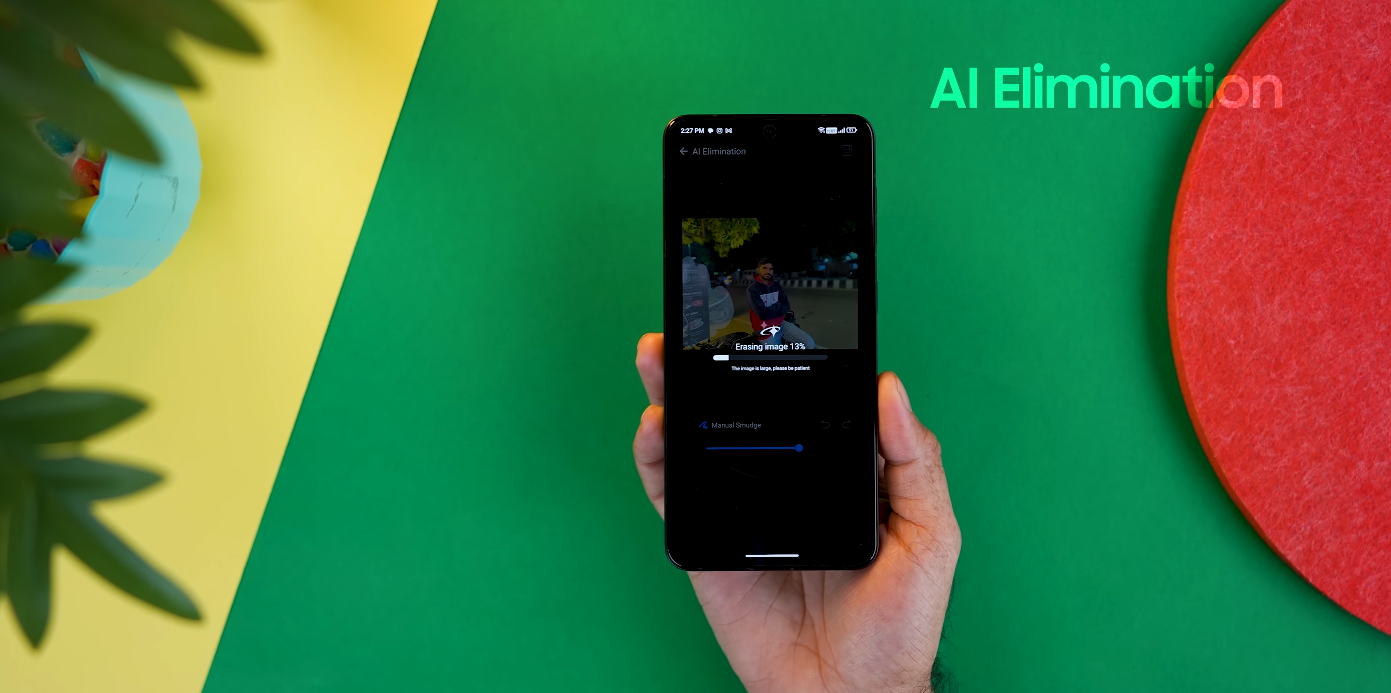
The Vayu AI suite attempts to enhance clarity, colours and portraits automatically. In many cases it improves sky detail, sharpens faces and adjusts brightness effectively. But in mixed lighting the tuning can misjudge white balance or boost shadows too heavily, reducing the natural look.

Video recording on the main camera is one of the device’s stronger points. The 4K footage remains stable thanks to OIS, producing smooth clips indoors and outdoors. The ultra-wide video mode remains more limited and is best used only for basic recordings.

Using the camera app feels intuitive, with quick switching between lenses and straightforward AI tools. Editing options are simple to access, allowing users to apply quick enhancements without navigating complex menus.

Battery endurance supports long photography sessions well. The 5,000mAh capacity ensures the camera can run through hours of mixed use, while 66W fast charging helps recharge quickly. Some warmth appears during long 4K recording or extended AI edits.

Overall the LAVA Agni 4 delivers respectable camera performance for its segment, especially outdoors during the day. Its AI tools add convenience but are not always accurate, and low-light imaging remains its weakest point. For UK users seeking a budget-friendly device with solid everyday photo capability, the Agni 4 offers a balanced experience.

LAVA Agni 4 camera test with real world results

LAVA Agni 4 camera test with real world results

Practical testing shows strong daytime performance with room for improvement at night

The LAVA Agni 4 has undergone a full real-world camera test, giving a clear picture of how it performs outside controlled studio environments. The phone features a 50MP main sensor with optical image stabilisation, an 8MP ultra-wide lens and a 50MP front camera, forming a versatile setup on paper. Early results show that the device delivers good image quality for everyday use, particularly in daylight conditions that suit casual photographers and social media users in the UK.

During outdoor daytime testing, the Agni 4 produced sharp images with impressive detail recovery, even when capturing textured subjects such as buildings, streets and foliage. Dynamic range handled bright skies competently, and portraits offered reliable background separation without harsh edges. Colours were slightly vibrant but remained pleasant, helping photos appear ready for sharing without the need for editing.

Indoor camera performance was similarly solid when lighting was moderate to bright. The main sensor maintained clarity and accurate skin tones during family photos, restaurant settings and indoor group gatherings. Flash photography at close range also worked well, offering consistent brightness without washing out faces. These test results suggest that the Agni 4 will satisfy the needs of typical UK users who often take photos in mixed indoor environments.

LAVA Agni 4 camera test with real world results

Low-light testing brought mixed results. While night mode improved brightness and exposure, images sometimes showed noticeable noise and a mild softness around the edges of the frame. Motion in very dark environments occasionally caused blurring, meaning users may need a steady hand when photographing moving subjects at night. The ultra-wide lens, in particular, struggled more than the primary camera in dim conditions.

Portrait mode proved to be one of the camera’s strengths, handling subject separation well in both daylight and well-lit indoor scenarios. Background blur appeared natural without creating overly sharp outlines around the subject. The 50MP front camera also produced clear and detailed selfies in good light, though image quality declined predictably in darker venues with limited illumination.

Video testing highlighted a standout feature of the Agni 4: both the front and rear cameras support 4K 60fps recording. Footage had smooth motion and stable exposure during everyday recording, making the phone appealing for travel clips, casual vlogging and social content creation. Stabilisation worked reliably during walking shots, keeping handheld footage watchable.

Software processing speed during capture and preview was generally smooth, though occasional delays were noticed when saving night-mode photos. These pauses did not interfere with daytime shooting, but they remain an area for optimisation in future updates. Aside from this, the camera interface was intuitive and easy to learn, even for less technical users.

Overall, real-world camera testing shows that the LAVA Agni 4 performs well for the majority of everyday UK photography needs. It excels in daylight, portrait photography and video capture, while delivering decent indoor results under moderate lighting. Its weaknesses lie mainly in low-light and ultra-wide performance, especially when shooting fast-moving subjects at night. For buyers seeking a balanced camera experience at a mid-range price, the Agni 4 offers strong value, provided night photography is not the top priority.