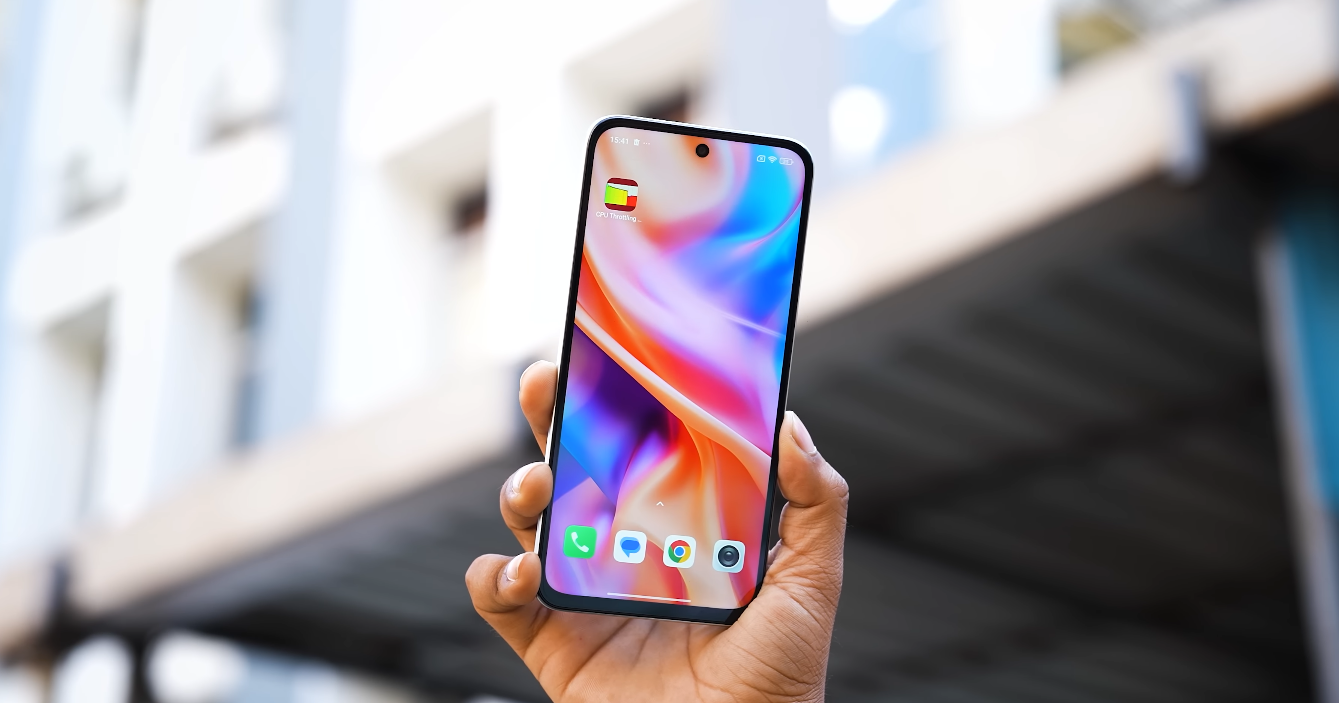
Redmi K80 Ultra Australia Price and Availability

Redmi K80 Ultra Australia Price and Availability

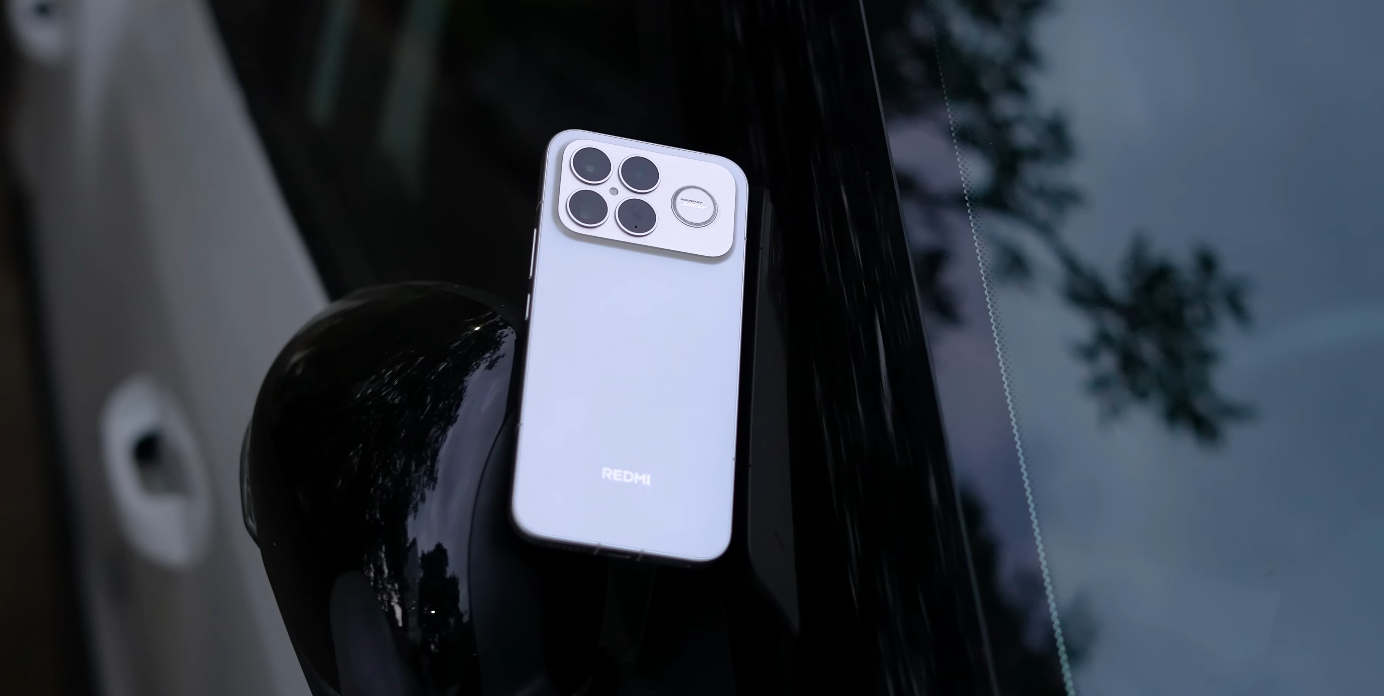
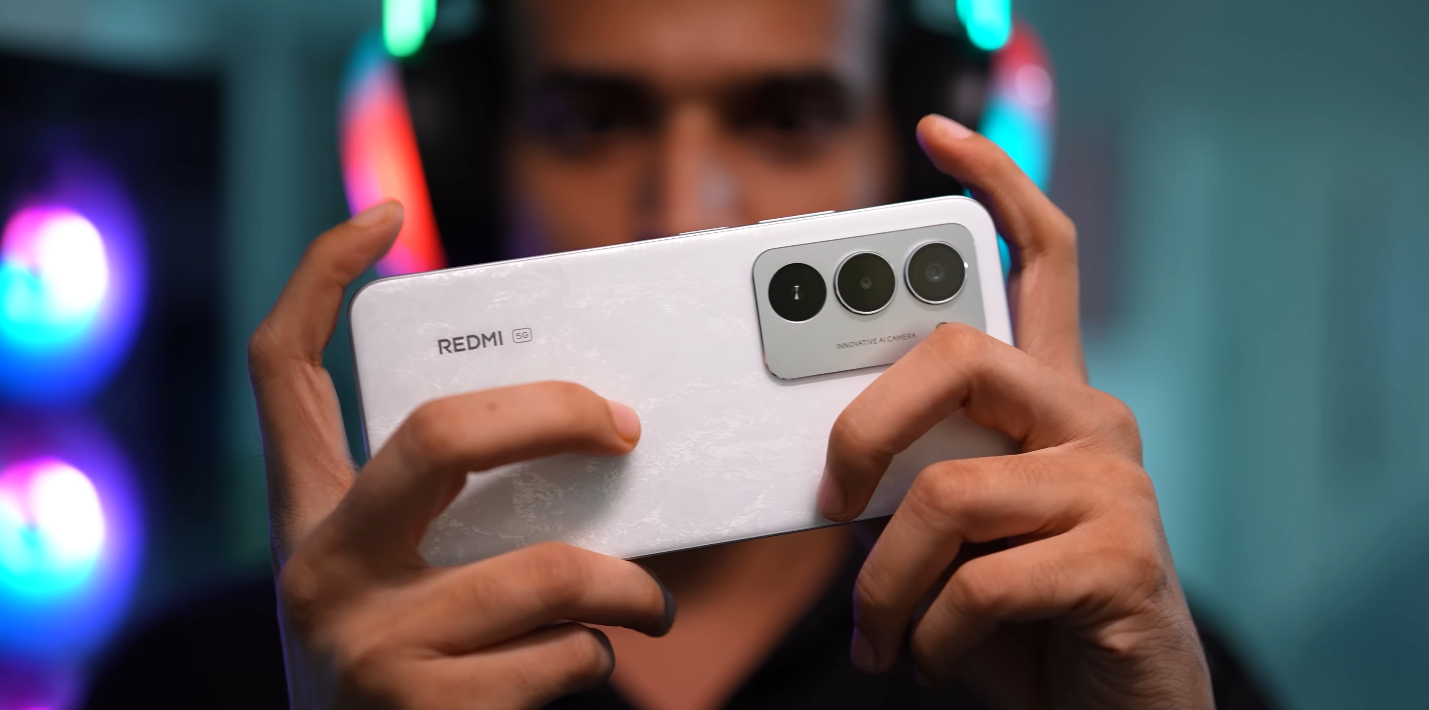
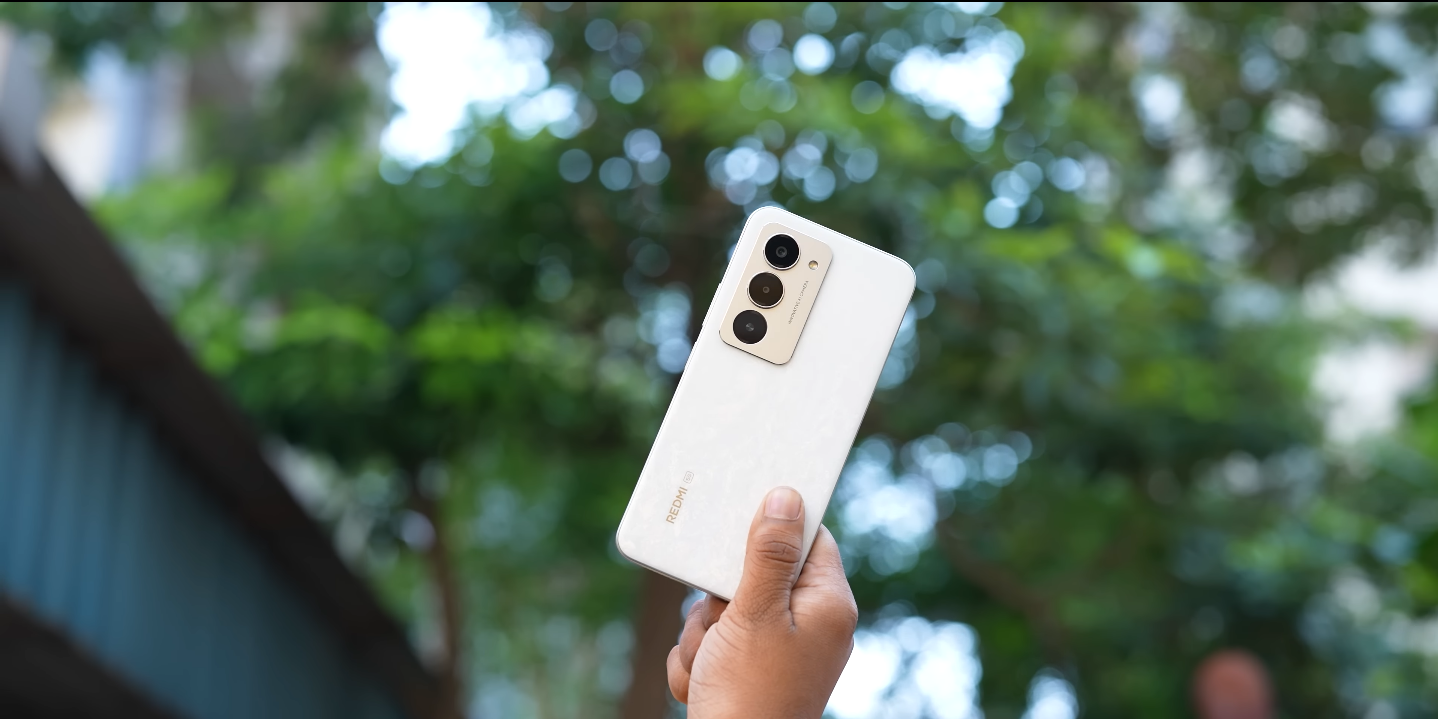
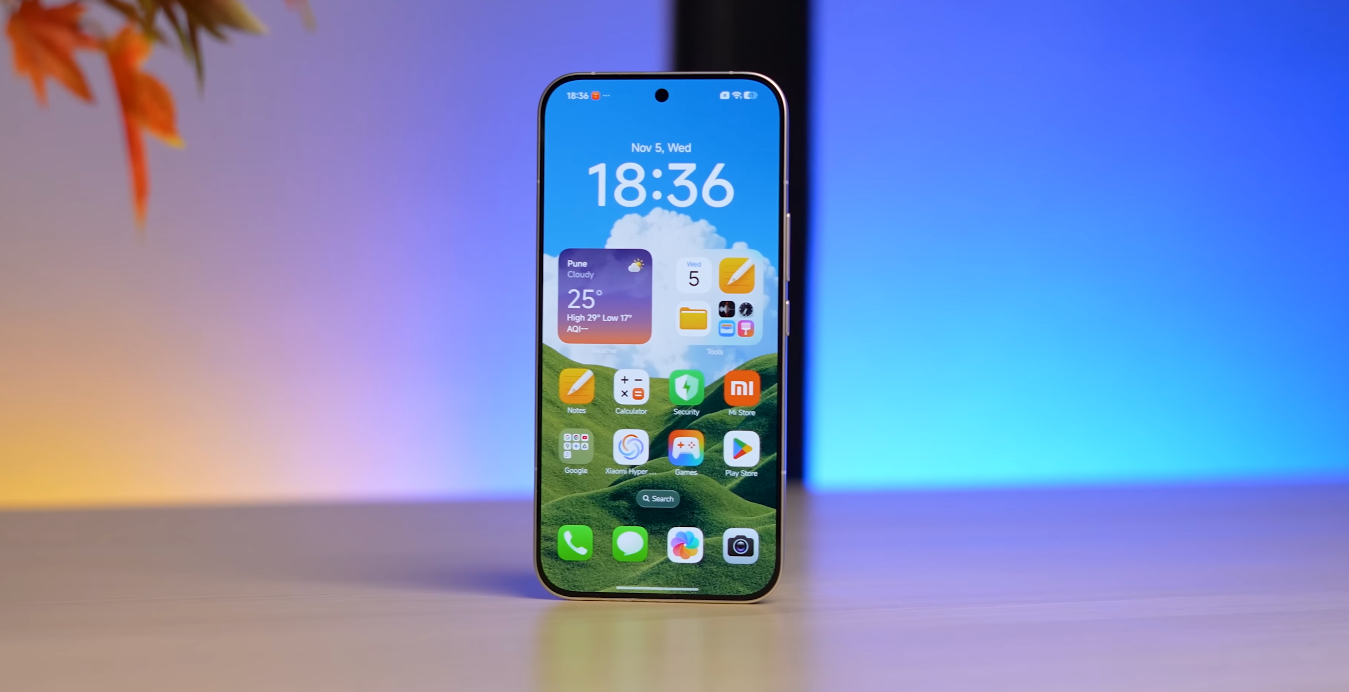
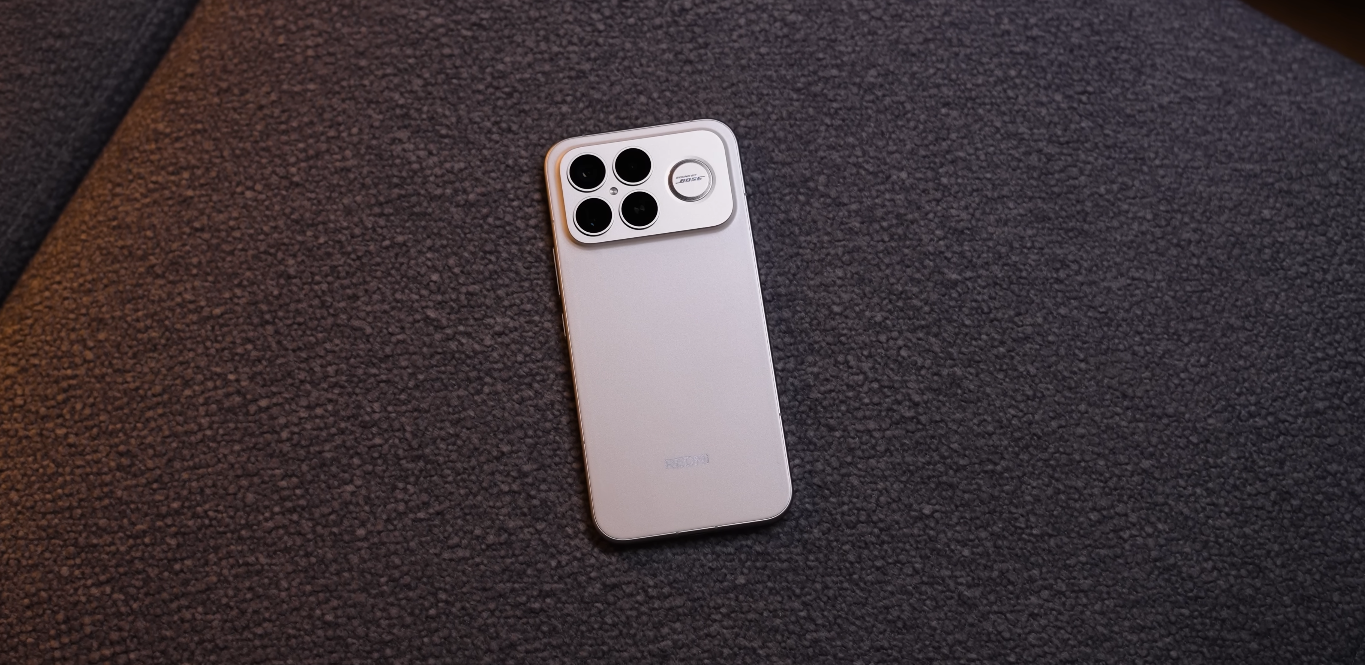
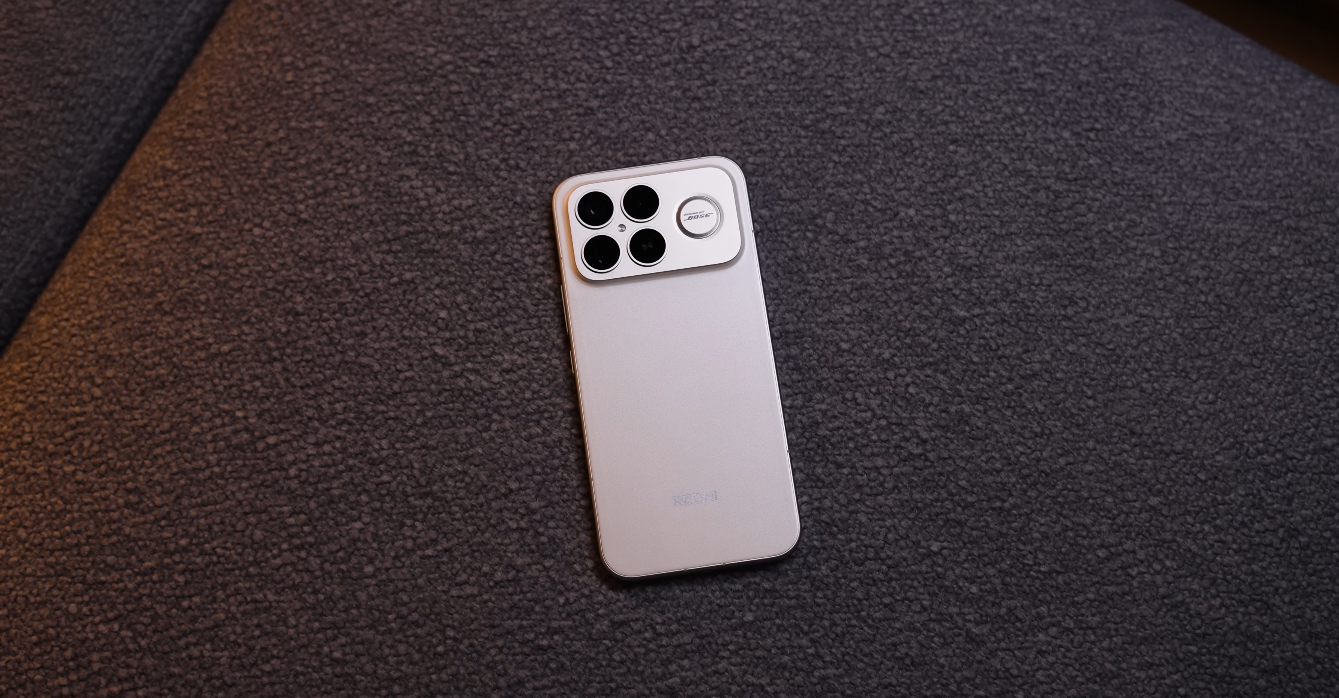
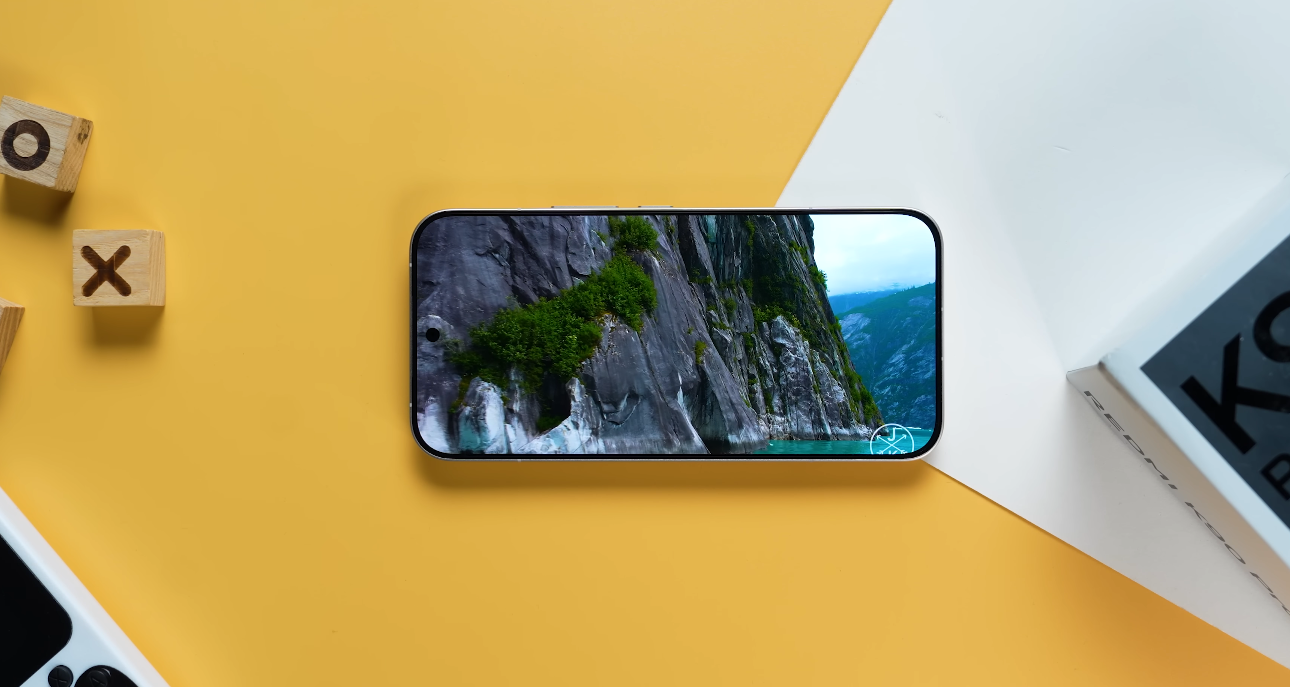
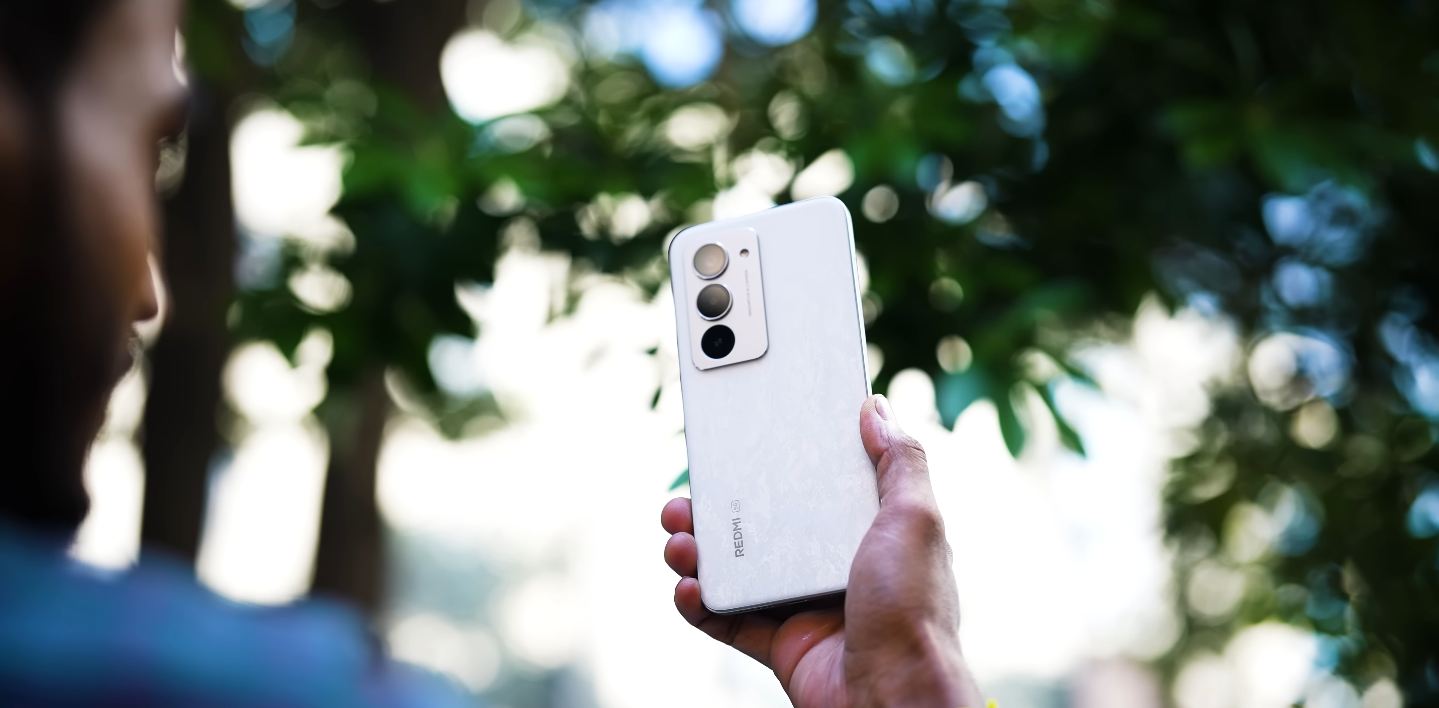
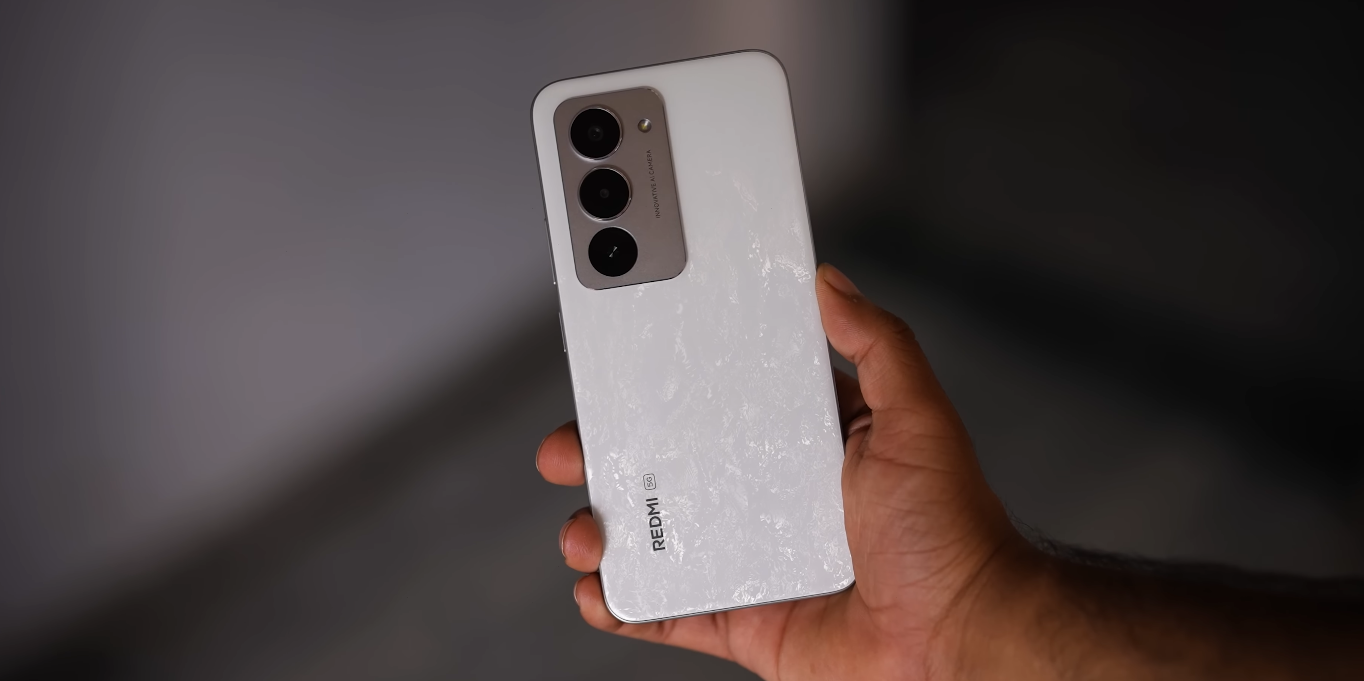
The smartphone world is buzzing about the Redmi K80 Ultra, a device that packs flagship-level performance at a surprisingly affordable price.
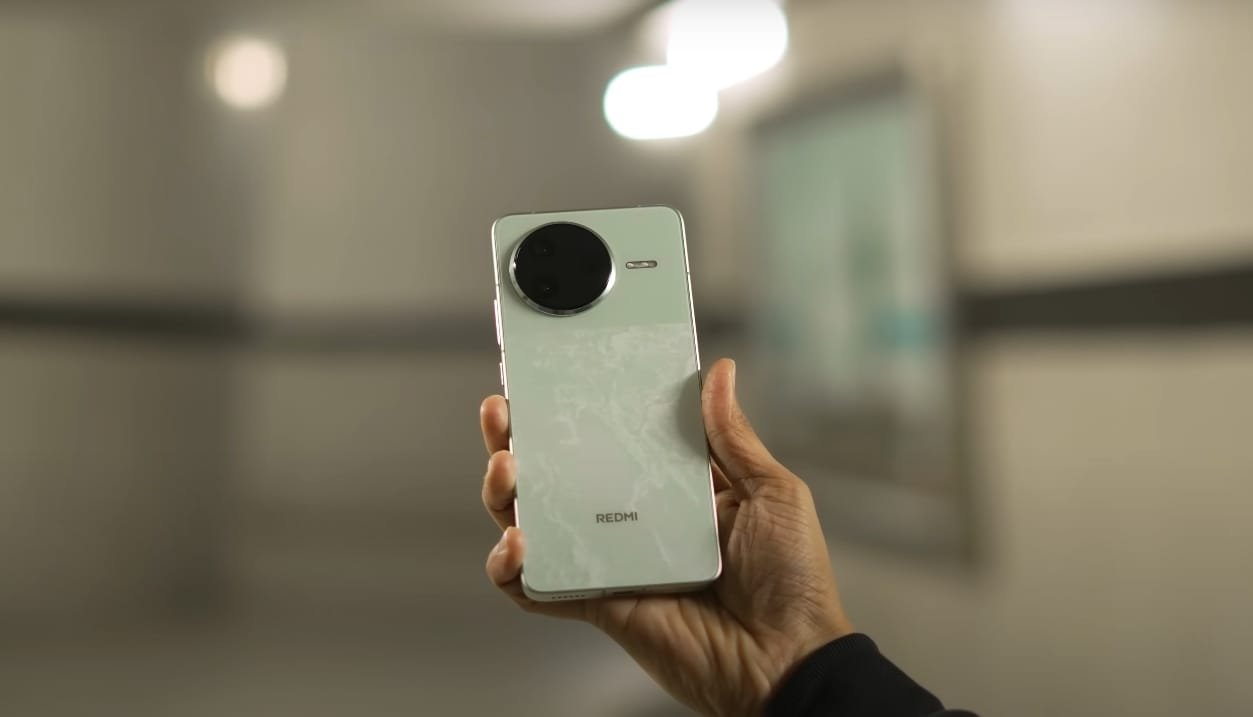
 

Redmi K80 Ultra Australia Price and Availability

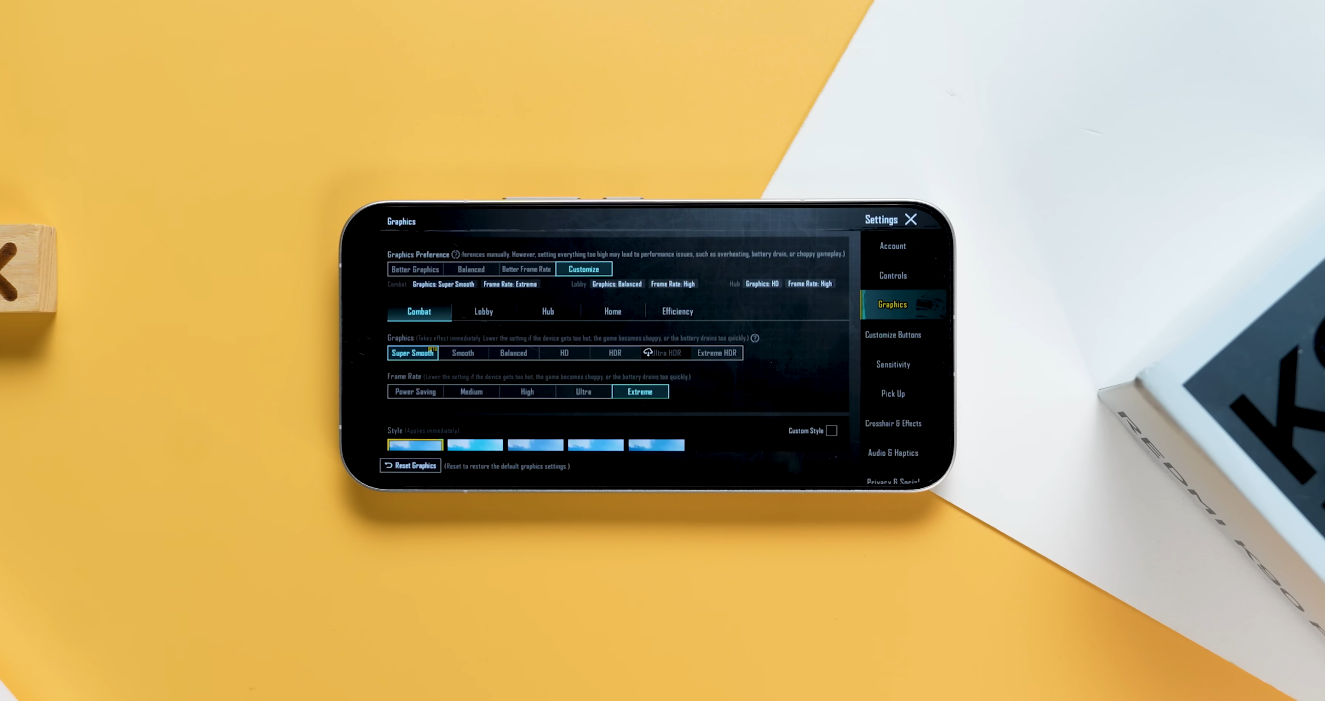
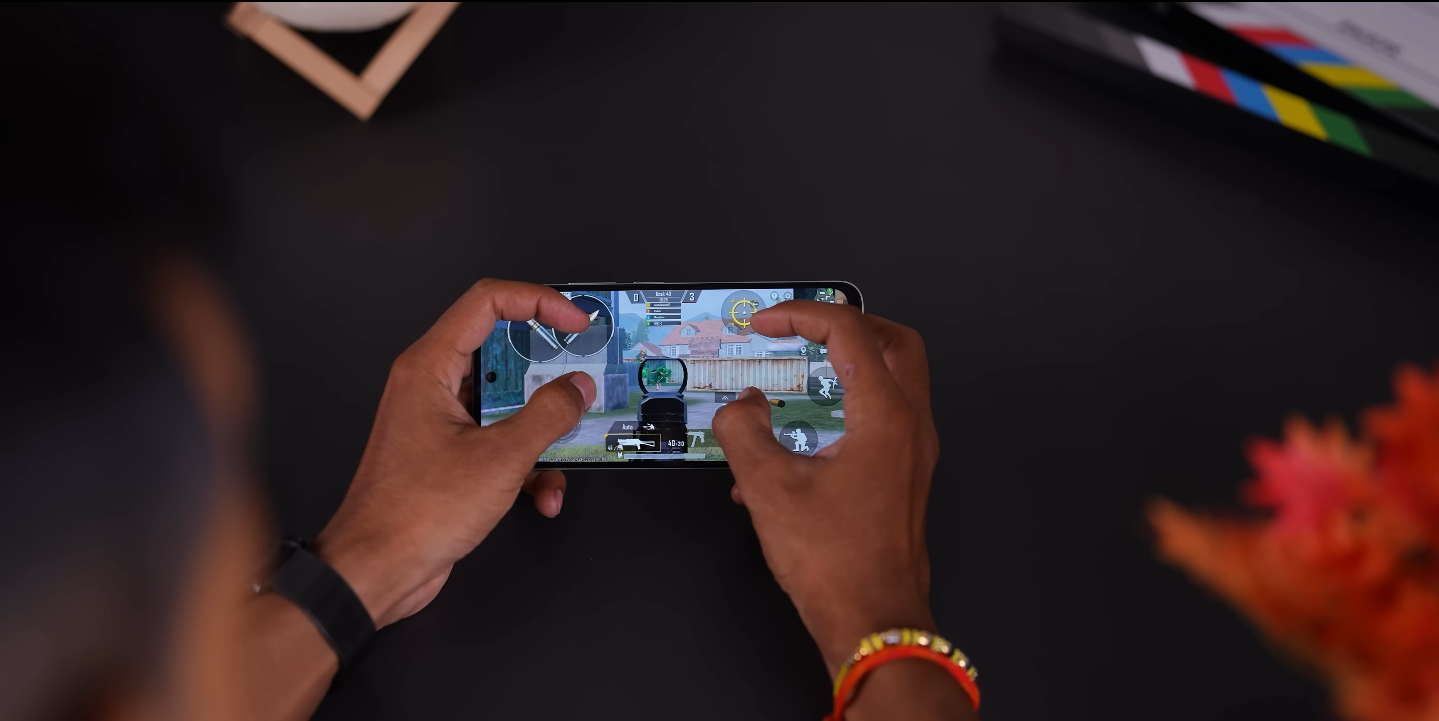
Australian tech enthusiasts are now wondering when they can get their hands on this powerhouse and whether it’s worth the wait. With its cutting-edge Dimensity 9400+ chipset and massive 7,410 mAh battery, this phone could redefine expectations for mid-range devices in Australia.


Redmi K80 Ultra Australia Release Status What We Know


As of now, Xiaomi has not officially announced Australian availability for the Redmi K80 Ultra. The device made its debut in China on June 26, 2025, and typically Xiaomi follows a staggered release pattern for its Redmi series.


Based on previous launch cycles, Australian consumers might expect the K80 Ultra to arrive by late 2025 or early 2026 if it gets an international release. Australian buyers should keep an eye on official Xiaomi Australia channels for announcements.
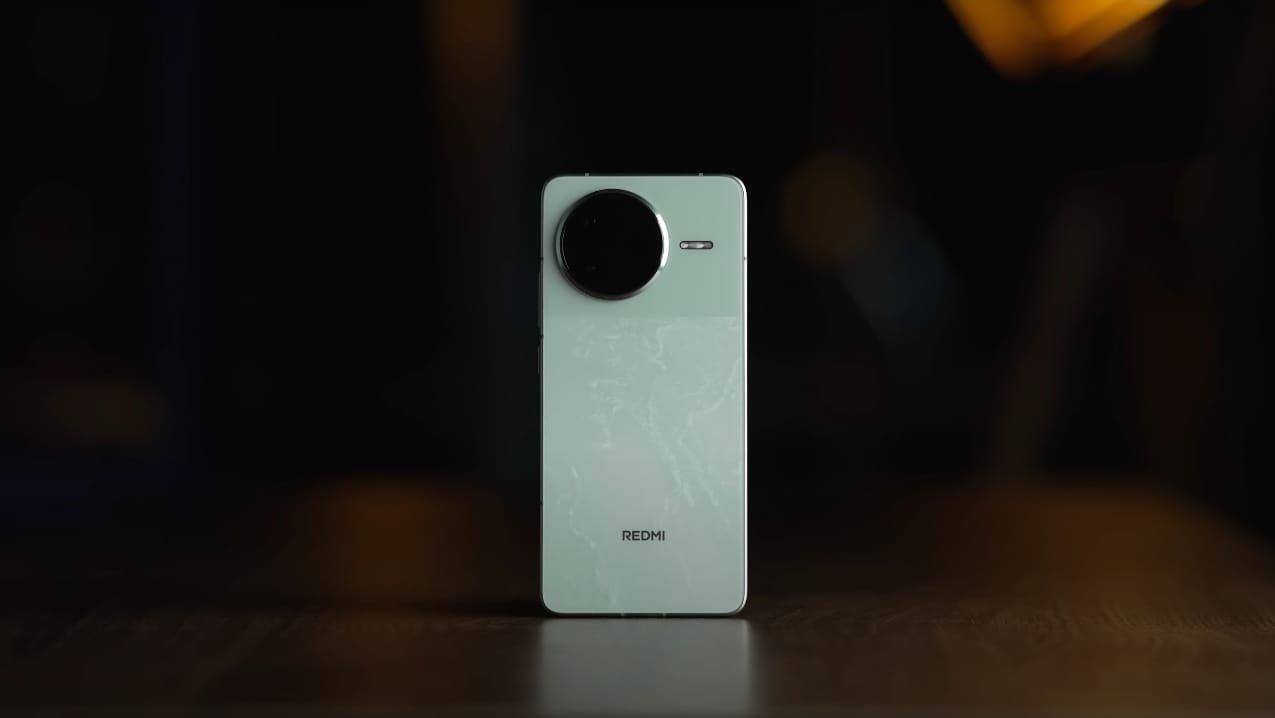
 

Redmi K80 Ultra Australia Price and Availability

The phone may first appear through parallel importers at higher prices before getting an official local release. Those eager to get it early might explore import options, but should be aware of potential warranty and network compatibility issues.


Expected Australia Pricing and Value Proposition


While official Australian pricing remains unconfirmed, we can make educated estimates based on the Chinese pricing and typical Australia market adjustments. The Redmi K80 Ultra launched in China at remarkably aggressive prices that undercut competing flagships by a significant margin.


If and when it arrives in Australia, the Redmi K80 Ultra would likely position itself as one of the most compelling value propositions in the premium mid-range segment. Its combination of top-tier performance, exceptional battery life, and impressive display technology could make it stand out in a crowded market.


Standout Features That Make It Special


The Redmi K80 Ultra brings several groundbreaking features that challenge more expensive flagship devices. Its MediaTek Dimensity 9400+ chipset delivers performance that rivals the best from Qualcomm and Apple.

Also Read:  Samsung S25 Ultra VS iPhone 16 Pro Max Top Features
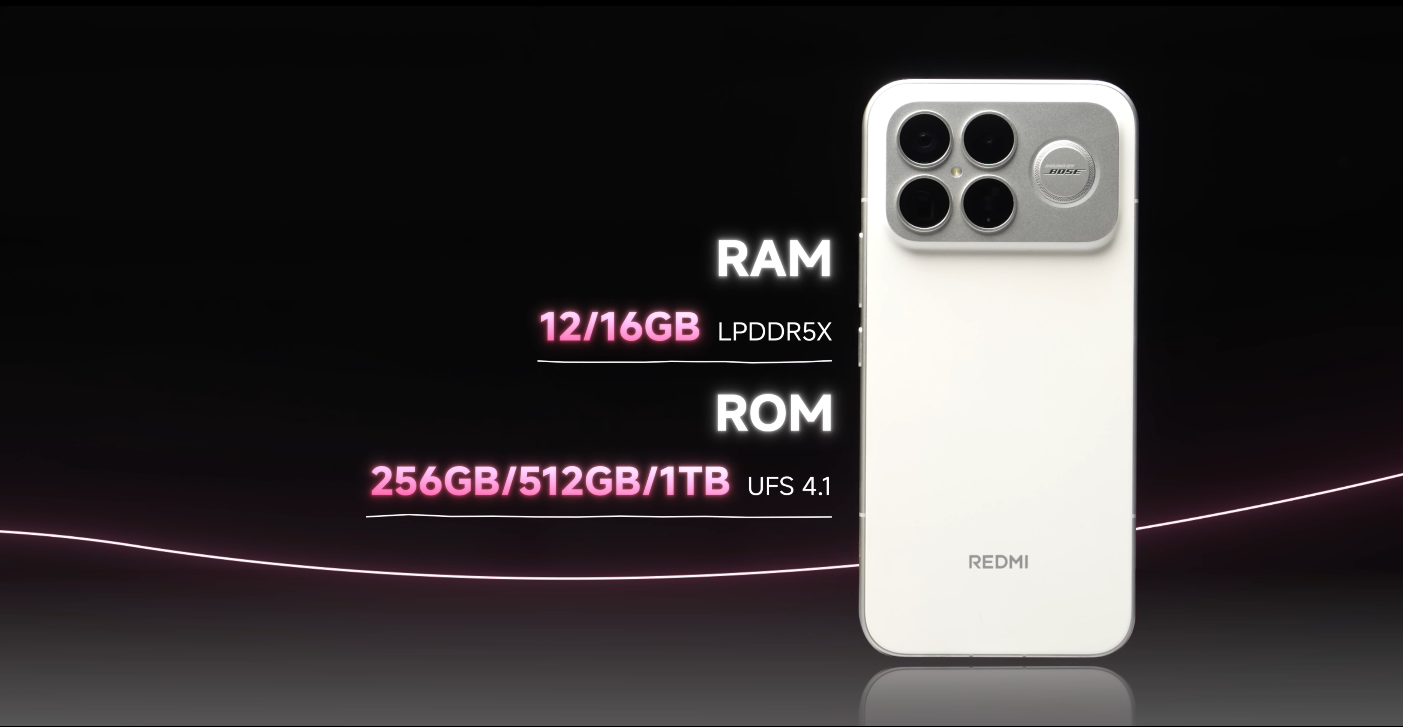
Redmi K90 Pro Max display colour accuracy: is it pro-level?

Redmi K90 Pro Max display colour accuracy is it pro-level

Testing the Display Precision of Redmi K90 Pro Max in Real Conditions

The Redmi K90 Pro Max enters the market with a flagship-grade AMOLED display boasting 2K resolution, 120Hz refresh rate, and 12-bit colour depth. On paper, these specifications suggest professional-level visual performance. But how accurate is it really when tested under realistic UK lighting and daily usage?

In bright daylight, the display performs impressively. Colours appear vibrant yet balanced, without leaning into oversaturation. Reds and greens retain natural tones, while whites stay clean even under the soft glare of British skies. The panel’s wide colour gamut and brightness reaching up to 3,500 nits help maintain clarity when used outdoors, especially on sunny or partly cloudy days.

Indoors, where UK lighting tends to be softer and cooler, the display maintains impressive consistency. Even at lower brightness, colour accuracy holds well, with no major tint shifts or dimming issues. This stability makes the K90 Pro Max particularly suited for long-term media consumption, design review, or casual content editing.

Redmi K90 Pro Max display colour accuracy is it pro-level

The 12-bit colour depth and P3 gamut coverage contribute to smooth gradient transitions, making images and videos look refined. Subtle colour differences in skies, skin tones, and shadows are rendered with minimal banding. This gives the display an edge over many mid-range devices, especially when viewing HDR content or high-resolution photos.

In professional testing scenarios, accuracy often depends on calibration. While the Redmi K90 Pro Max does not claim full ΔE<1 calibration like some ultra-premium models, its factory tuning is strong enough for most users. Side-by-side comparisons with calibrated monitors show only minor deviations, meaning the display is reliable for semi-professional visual tasks.

For photographers and editors who depend on perfect tone control, the K90 Pro Max still falls just short of a true professional monitor. Certain HDR adjustments can slightly shift contrast in darker areas, and automatic tone mapping may overcompensate in bright indoor scenes. However, for streaming, gaming, and editing on the go, the results remain outstanding for its class.

Viewing angles are another strength. The AMOLED panel retains brightness and saturation even when tilted, with minimal colour fading. This is useful for collaborative viewing or content sharing — an important factor for professionals who preview work in group settings.

Under UK’s variable weather, including cloudy afternoons and indoor fluorescent lighting, the screen adapts effectively. The adaptive brightness mode transitions smoothly, and the anti-glare coating keeps reflections manageable, improving visibility during outdoor use.

In gaming and entertainment, the accuracy extends to visual richness. The HDR10+ support brings punchy highlights and deeper contrast, giving a cinematic appeal to shows and films. The 120Hz refresh rate complements this by ensuring motion smoothness without blurring, enhancing both work and play experiences.

Overall, the Redmi K90 Pro Max delivers near pro-level colour accuracy for a smartphone display. It offers wide gamut coverage, high brightness, and consistent tone reproduction suitable for creators, professionals, and everyday users alike. While it may not match calibrated studio monitors, its precision, smoothness, and vividness put it among the best displays in its price range for the UK audience.

Redmi K90 Pro Max is the best value flagship for UK buyers right now

Redmi K90 Pro Max is the best value flagship for UK buyers right now

Why it leads the value flagship pack in the UK

For UK buyers seeking flagship-level hardware without flagship pricing, the Redmi K90 Pro Max ticks a remarkable number of boxes. From chip performance to camera versatility to battery endurance, it delivers much of the high-end experience at a more accessible cost than many of its rivals. What follows is an assessment of why it deserves serious attention—and also what to watch out for before hitting “buy”.

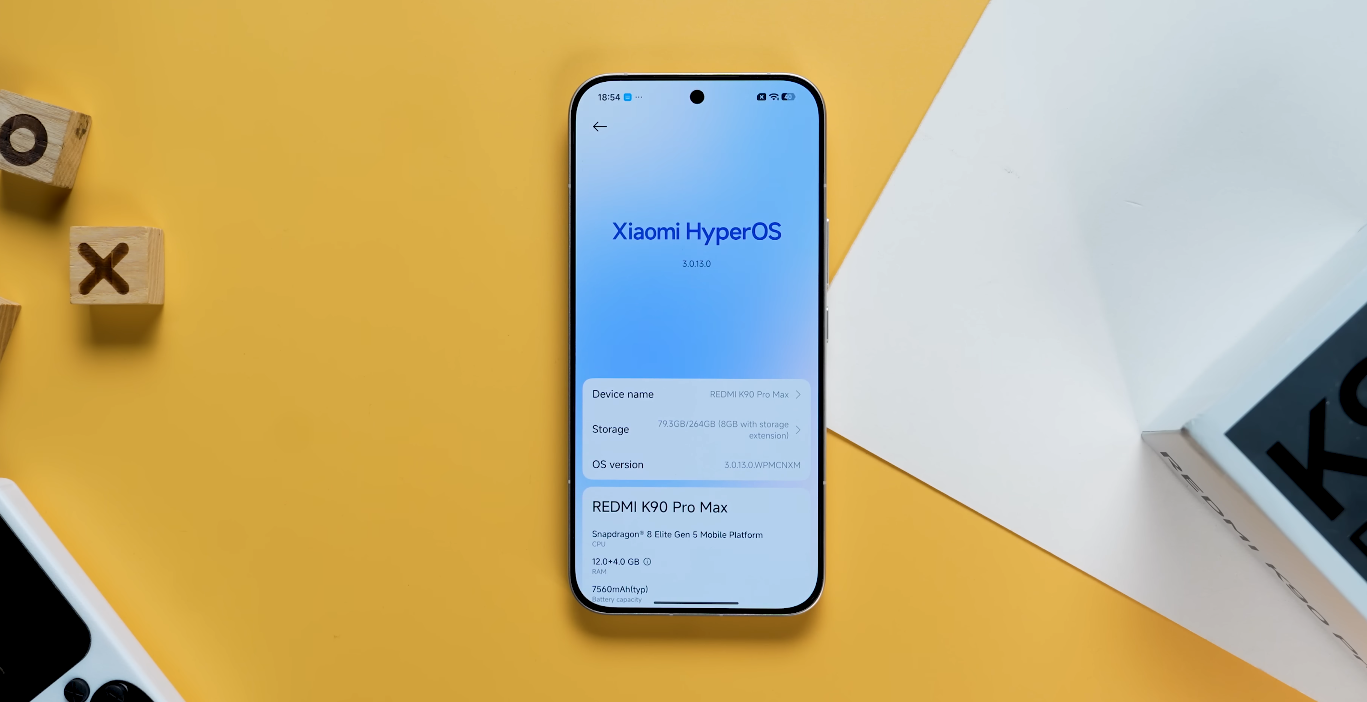
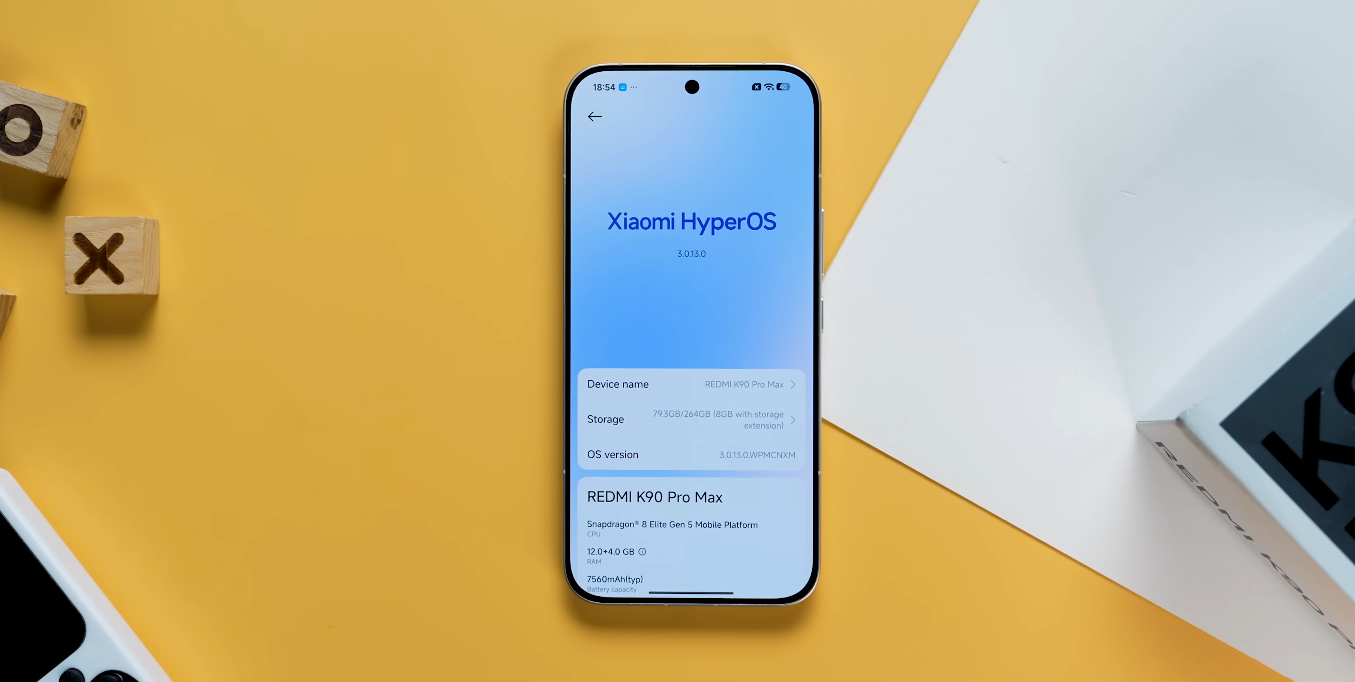
First, the performance foundation is very strong. Under the hood, the K90 Pro Max uses the Snapdragon 8 Elite Gen 5 chipset, placing it among the top tier of mobile processing in 2025. That means UK users get excellent headroom for multitasking, gaming, demanding apps and future-proofing compared to many so-called “premium” phones which may compromise on chipset or cooling. The advantage is real: better sustained performance, smoother animation, and stronger long-term usability.

Second, the display and battery combination support the “value flagship” label. At 6.9″ with LTPO OLED and a 120 Hz refresh rate, the K90 Pro Max offers visual fluidity and premium screen feel. Pair that with a large-capacity battery (7,560 mAh) and you get a handset built to live through heavy usage scenarios—whether commuting, streaming, outdoors in the UK or travelling. That is especially important when many flagship devices trade battery life for slimness or premium materials.

Redmi K90 Pro Max is the best value flagship for UK buyers right now

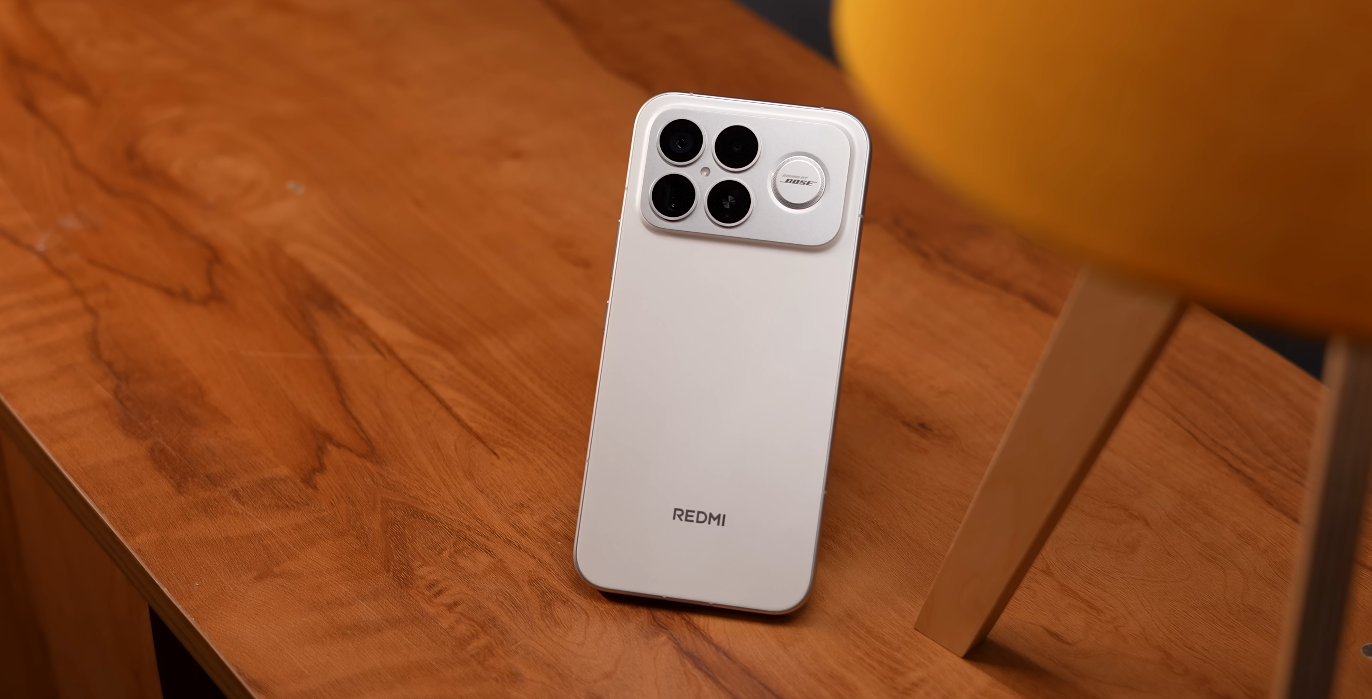
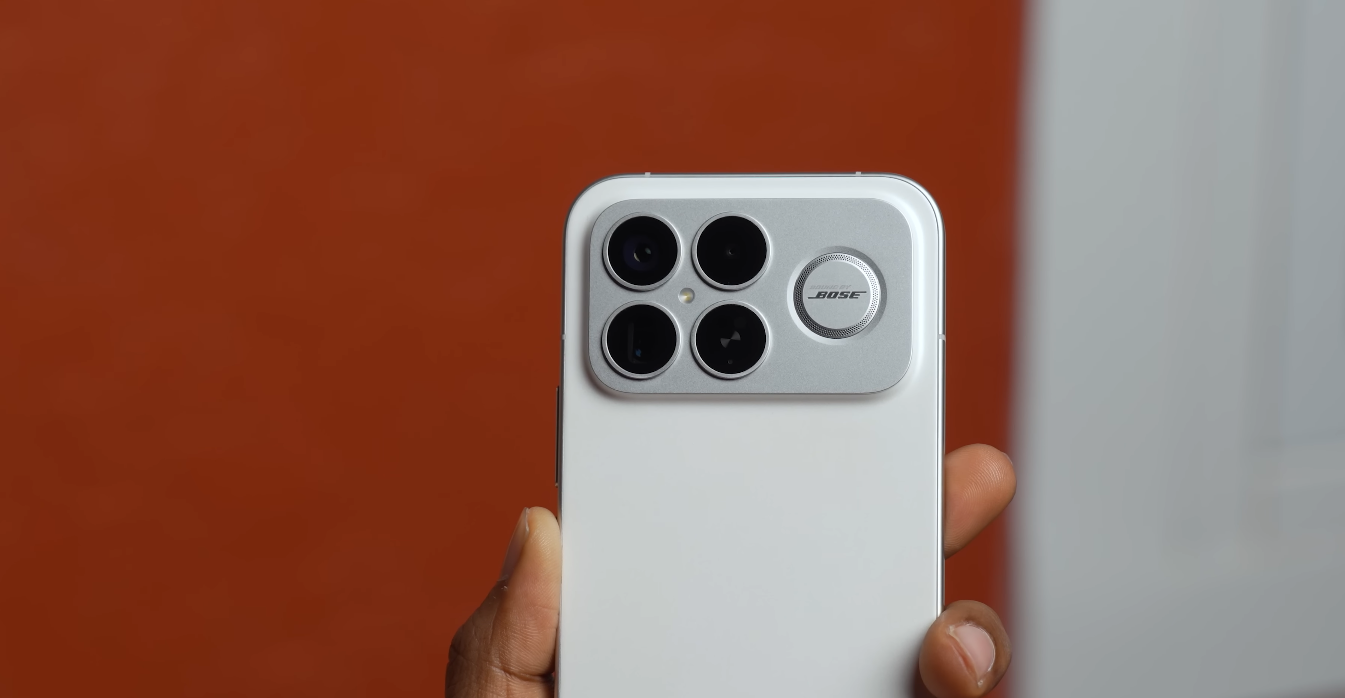
Third, the camera hardware is unusually comprehensive for the price. With a triple 50 MP rear sensor setup (wide, ultra-wide and telephoto), it out-guns many rivals in the sub-£800 space, and potentially poses serious competition to flagships that cost £1,000 or above. UK buyers who shoot a lot of photos, record video, travel or use social media will appreciate the flexibility and quality this opens up.

Fourth, the price proposition itself is compelling. While exact UK pricing may vary, reports of strong value – starting from around the £450–£500 mark for early offers – position it well ahead of more expensive marques. That gap means you can either spend less or buy more (e.g., higher storage version) for the same money. For many UK buyers, value is not just low price—it’s “more for the money”.

However, no device is perfect and a value flagship needs caveats. Support and after-sales is one area to check. Redmi is known for strong hardware, but longer-term software update guarantees and service coverage may lag behind premium brands such as Apple or Samsung in the UK. Buyers should check how many years of OS upgrades are promised and how easy local servicing is. Another factor is brand perception and resale value: even if performance is excellent, some buyers care about long-term resale price, accessory ecosystem and insurance servicing (especially in the UK market). One more point: availability—ensuring you buy a UK-spec version that supports all UK cellular bands, regulatory standards (UK CE mark), and local warranty—avoids surprises.

In summary: for a buyer in the UK who prioritises performance, camera capability and battery life over logo or ecosystem exclusivity, the Redmi K90 Pro Max is arguably the best value flagship available right now. It gives you most of what a £1,000 phone offers—but at a significantly lower cost and with very little compromise for most users. If you care about value over prestige, this is a very strong choice.

Redmi K90 Pro Max after-sales support in UK: warranty, service and software updates

Redmi K90 Pro Max after-sales support in UK warranty, service and software updates

What UK buyers can realistically expect for long-term ownership

The Redmi K90 Pro Max continues to generate curiosity in the UK not only because of its specs but also because of what happens after the initial purchase. UK phone buyers increasingly consider after-sales support as seriously as launch hardware. Early adopters and prospective switchers want to know whether this model offers confident longevity, or whether support gaps could make ownership more stressful as months go by.

Xiaomi and Redmi devices that launch officially in the UK normally include a formal UK warranty, and based on Xiaomi’s recent flagship policies, the industry expectation suggests roughly two years of official hardware warranty for domestic purchases. This is important because British consumers prefer assurance that repairs, manufacturing defects and component failures are not out-of-pocket within that period, especially when devices are used every day in mixed urban and outdoor climate conditions.

However, the key practical factor is an honest reality check: UK distribution for the Redmi K90 Pro Max is still not as straightforward as mainstream Samsung or Apple units. UK retail shelves may not yet carry this model in broad volume, and many units that appear early in Britain come via import channels. If a phone is not purchased from an authorised UK retailer, the ability to access official UK warranty logistics can be limited or even denied, which affects repair confidence and overall security.

Redmi K90 Pro Max after-sales support in UK warranty, service and software updates

Official UK service pathways for Xiaomi devices, where applicable, include courier collection, diagnostics at approved centres, and resolution through repair or unit replacement. These structures are normally smooth for officially supported region SKUs. If the Redmi K90 Pro Max becomes widely sold officially in the UK under its own retail identifiers, then standard Xiaomi UK service support should extend normally. Until then, import buyers need to keep paperwork, model codes and purchase evidence ready for contingencies.

For software support, Xiaomi’s long-term update strategy has been shifting toward longer lifecycles. Recent flagships have been positioned for four to five years of continued software and security updates, and this is the general expectation observers apply to this model as well. For everyday UK users who rely on banking apps, tap-to-pay, transport passes and business mail, long-term security patching is essential. That makes official OTA region tags even more valuable than raw hardware numbers.

Britain’s mobile environment also requires compatibility with specific carrier features. Software updates affect network behaviour such as 5G band activation, modem fine-tuning, and VoLTE stability. Imported units sometimes use firmware tuned for other markets, which can delay OTA patches or complicate regional features. UK buyers who want peace of mind for several years should ideally prioritise the variant officially supported for the domestic market so that update pushes remain consistent.

Repair parts availability matters too. Periscope modules, advanced display panels and unique charging boards are not easy to source quickly. UK service centres that carry official stock can obtain parts through the manufacturer’s supply pipeline, but third-party import servicing usually needs sourcing from independent suppliers. That can increase turnaround time during urgent repair events such as display replacements or camera assembly swaps.

Another aspect worth acknowledging is that UK weather conditions do influence breakage scenarios. Rain exposure, moisture in jacket pockets, and accidental splash events are frequent realities. Even though the Redmi K90 Pro Max has strong durability features announced at global level, support still relies heavily on region-valid warranty execution. IP certification does not automatically guarantee UK service approval if a teardown later alleges internal ingress not covered by the specific terms.

British users who plan to keep phones for two or more years must therefore treat the Redmi K90 Pro Max support story as conditional rather than fully guaranteed at this early stage. If the model enters formal UK retail channels under confirmed Xiaomi UK distribution, then the overall support framework becomes much simpler. For early import adopters, due diligence becomes essential because warranty, service and software support rely on where the unit was intended to be sold.

In summary, the after-sales experience for this model in Britain has strong potential if the UK authorised rollout expands and regional SKU certification aligns fully. The underlying manufacturer support frameworks exist, and Xiaomi’s flagship policies are now more serious about long-term updates. But until UK market availability is clearly defined, domestic buyers should make sure their chosen unit is region-correct so that warranty claims, repairs and software continuity remain smooth throughout ownership.

Redmi K90 Pro Max hidden UI features: gestures, AI modes and shortcuts

Redmi K90 Pro Max hidden UI features: gestures, AI modes and shortcuts

Exploring the smart tricks inside Xiaomi’s HyperOS

The Redmi K90 Pro Max doesn’t just impress with raw performance — its software experience is equally refined. Running on Xiaomi’s latest HyperOS, the phone hides a variety of smart gestures, AI modes, and productivity shortcuts designed to make daily tasks faster and more fluid. Many of these features are tucked away in the settings, but once activated, they transform how the device feels in everyday use.

One of the most practical hidden tools is gesture control. Users can double-tap the back of the phone to trigger quick actions such as taking a screenshot, launching the camera, or opening the assistant. The power button can also be remapped — a double press can instantly open any app you choose, while a long press on the fingerprint sensor can unlock the phone and simultaneously start a pre-set shortcut.

Multitasking is another area where HyperOS quietly excels. The Redmi K90 Pro Max allows apps to open as floating windows, giving users the flexibility to chat, browse, and watch videos all at once. A swipe gesture from the corner of the screen brings up a quick access bar, letting you drag apps into split-screen mode or pop them out for temporary use. These tools are especially handy for productivity or multitasking-heavy users.

Redmi K90 Pro Max hidden UI features: gestures, AI modes and shortcuts

Xiaomi’s AI integration in HyperOS takes personalisation to a deeper level. The system learns your usage patterns and begins predicting actions — such as launching your fitness app in the morning or pulling up navigation when you’re leaving home. Over time, this adaptive AI reduces manual navigation and helps the phone feel faster and more intuitive.

Another useful addition is Memory Extension, which converts a portion of storage into virtual RAM. This means the K90 Pro Max can keep more apps running in the background without slowdowns, enhancing performance for multitaskers and gamers alike. It’s one of those quietly effective features that makes the user experience smoother over months of use.

For visual customisation, HyperOS gives users deep control. You can rearrange the control centre layout, group apps by colour, or add animated widgets to the home screen. The always-on display now supports custom text, graphics, and AI-powered dynamic wallpapers that adjust based on time of day and weather. The system even offers granular theme settings, allowing users to sync wallpapers with UI accents for a more polished look.

HyperOS also introduces new quick shortcuts for convenience. You can swipe down on the home screen to open notifications instead of search, or enable one-handed mode with a simple diagonal swipe. For outdoor use, the “Sunlight Mode” automatically boosts display brightness beyond the regular limit when strong light is detected — an underrated but genuinely useful feature for UK users dealing with unpredictable weather.

Another hidden tool is the “Smart Toolbox,” a side-mounted floating bar similar to Samsung’s Edge Panel. It allows instant access to favourite apps, contacts, and quick settings. You can summon it with a swipe from the side of the screen while in any app, a subtle addition that greatly improves workflow efficiency.

In terms of deeper system tweaks, Xiaomi includes diagnostic codes like ##6484## for testing sensors, touch input, and hardware components — useful for advanced users but best handled with caution. These hidden menus demonstrate how comprehensive Xiaomi’s software layer has become.

Altogether, the Redmi K90 Pro Max offers more than just a polished interface — it delivers a feature-rich experience tailored to modern users. Once you explore its hidden gestures, AI enhancements, and smart shortcuts, HyperOS reveals itself as one of the most capable and intelligent Android skins on the market. For UK users seeking both power and personalisation, this flagship’s interface stands out as a true highlight.

Redmi 15 vs iPhone 13 mini: specs vs size vs value

Redmi 15 vs iPhone 13 mini specs vs size vs value

Two very different phones aiming at two very different buyers

Comparing the Redmi 15 with the iPhone 13 mini highlights just how far apart two smartphones can be in design philosophy. One is an ultra-budget Android model built around size, battery life and value; the other is a compact premium device aimed at users who want performance and portability. For UK buyers, the decision often comes down to what matters more: big-screen practicality or small-phone convenience.

The most obvious difference is size. The iPhone 13 mini remains one of the smallest premium smartphones available, with a 5.4-inch OLED display and lightweight build that fits easily into one hand or a small pocket. The Redmi 15 sits at the opposite extreme with a much larger 6.9-inch screen, making it better for watching video, browsing and gaming. It is far less pocket-friendly, but much more comfortable for extended content consumption.

Performance is another key divider. Apple’s A15 Bionic processor inside the iPhone 13 mini remains strong even years after launch, offering high-end speed and stability with consistent software optimisation. The Redmi 15 uses a budget-to-mid-chipset designed for everyday tasks; it handles normal use easily but isn’t built for heavy gaming or professional workloads. Users looking for longevity and reliable power will lean toward the iPhone.

Redmi 15 vs iPhone 13 mini specs vs size vs value

Battery life, however, favours the Redmi 15. Its massive battery offers very long endurance, often lasting far beyond a full day of heavy use. The iPhone 13 mini’s small physical size limits battery capacity, meaning users with long days or intensive usage habits may need mid-day top-ups. Apple’s efficiency helps, but physics still wins: a bigger phone can hold a bigger battery.

The camera experience also differs. The iPhone 13 mini’s dual-lens system delivers better low-light performance, more consistent colour science and stronger video quality. For users posting frequently on social media or capturing important moments, it offers more polished results. The Redmi 15 takes good photos for its class, especially in daylight, but lacks the refinements and extra lens versatility found on Apple’s older flagship models.

Software and longevity strongly favour Apple. The iPhone 13 mini benefits from several more years of iOS updates, giving it long-term security, stability and resale value. Xiaomi provides decent support for the Redmi 15, but budget Android models typically receive fewer major updates. For buyers who keep a phone for three years or more, this becomes a major consideration.

Value, however, is where the Redmi 15 excels. It offers a large display, long battery life and capable daily performance at a fraction of the cost of an iPhone. For students or budget-conscious users, the Redmi 15 provides more features per pound spent, even if the experience is not as refined. The iPhone 13 mini, despite offering premium quality, carries a higher price that some users may struggle to justify for a smaller screen and shorter battery life.

Choosing between these two devices ultimately depends on your lifestyle. If you want a compact, fast and long-lasting premium phone with excellent camera performance and years of updates, the iPhone 13 mini is the smarter buy. If you prefer a huge screen, exceptional battery endurance and unbeatable value, the Redmi 15 clearly wins. Both devices make sense—but for entirely different reasons.

In summary, the Redmi 15 shines as a budget powerhouse built for everyday practicality, while the iPhone 13 mini remains unmatched in compact premium performance. For UK buyers seeking value above all else, the Redmi 15 stands out. For those wanting reliability, portability and software longevity, the iPhone 13 mini continues to be the superior long-term choice.

Redmi 15 vs flagship from 2 years ago: which gives more now?

Redmi 15 vs flagship from 2 years ago which gives more now

Can a new budget phone beat an older flagship in 2025?

The Redmi 15 is Xiaomi’s latest entry in the budget lineup, offering impressive specifications at a low price. But for many UK buyers, the question is whether a brand-new mid-range phone like this offers more practical value than a flagship device from two years ago. In real-world use, the answer depends on what you prioritise — performance, display, camera, or endurance.

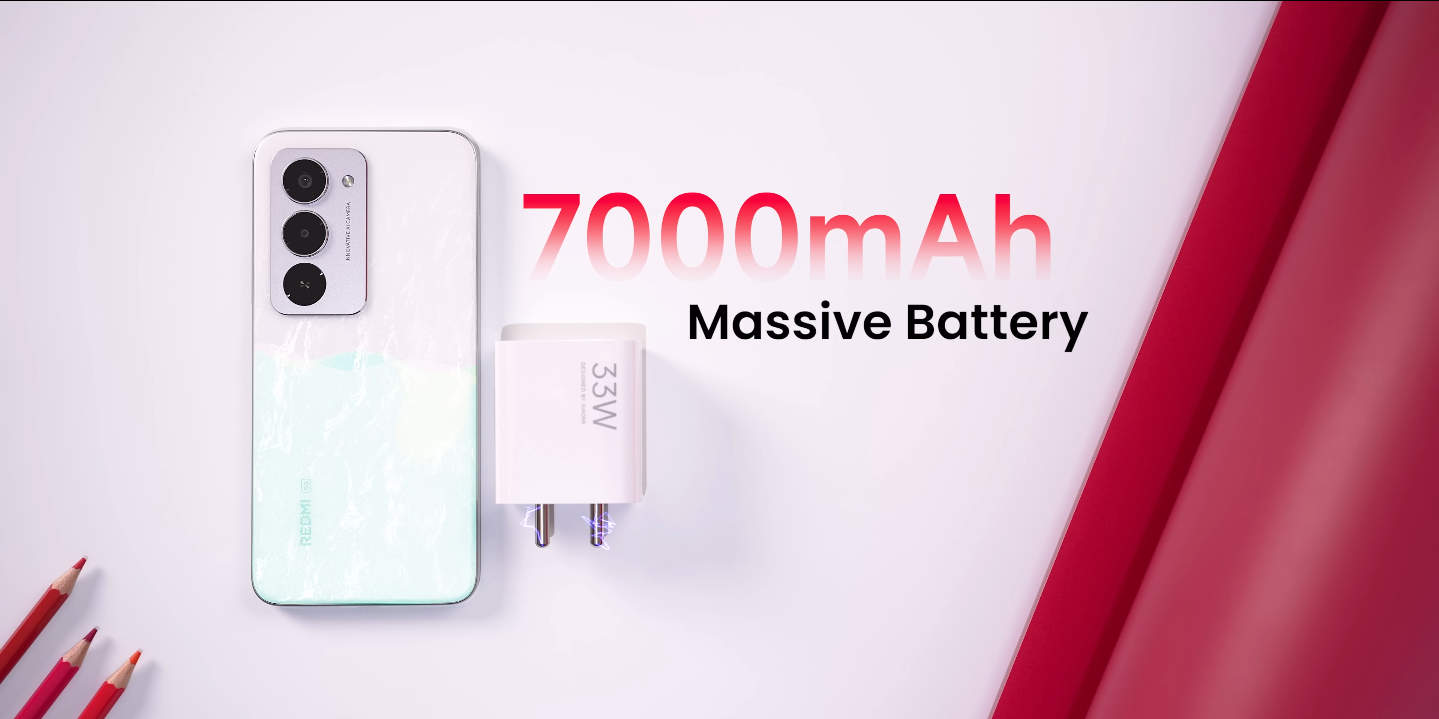
The Redmi 15 brings some of the most generous hardware in its segment. It features a 6.9-inch Full HD+ display with a 144Hz refresh rate, a Snapdragon 685 processor, and a massive 7,000mAh battery supported by 33W fast charging. Its design is modern, lightweight, and functional, and it ships with HyperOS 2 based on Android 15. For everyday UK use, this means reliable multitasking, long battery life, and up-to-date software.

By contrast, a flagship from 2023 — like the Samsung Galaxy S22, OnePlus 10 Pro, or iPhone 13 — still holds strong in performance and premium build quality. These phones boast faster chipsets, AMOLED or OLED displays, higher brightness levels, and superior camera systems with optical image stabilisation and dedicated sensors. Even two years later, their processing power and camera capabilities remain better than most budget models.

Redmi 15 vs flagship from 2 years ago which gives more now

However, the Redmi 15 counters with battery efficiency and newer software. Its 7,000mAh cell easily doubles the endurance of most older flagships, many of which have batteries around 4,000–4,500mAh and may have experienced capacity loss with use. For users prioritising reliability and long standby times, the Redmi’s endurance is a huge advantage, especially in daily UK commuting conditions.

Display quality is a key point of comparison. The Redmi 15’s LCD panel with a 144Hz refresh rate offers smooth scrolling and fluid gaming, but older flagships still outperform it in brightness, contrast, and colour accuracy. An OLED panel from a 2023 flagship delivers deeper blacks and better outdoor visibility, making it the more visually appealing option for content consumption.

Performance-wise, older flagship chipsets like Snapdragon 8 Gen 1 or Apple’s A15 remain significantly faster than the Redmi 15’s Snapdragon 685. Heavy tasks such as video editing, high-end gaming, or multitasking are smoother on those older devices. But for casual use — social media, messaging, and streaming — the Redmi 15 performs without noticeable lag.

Camera quality remains one of the biggest differences. The Redmi 15’s 50MP main sensor captures good photos in daylight but lacks the dynamic range, low-light clarity, and zoom capabilities of older flagship systems. Flagship models from two years ago continue to produce sharper, more natural photos, aided by advanced image processing and better optics.

Another key advantage for the Redmi 15 is software support. It launches with Android 15 and will receive updates for several years, while older flagships may be nearing the end of their official update cycle. This gives the Redmi 15 better long-term security and feature compatibility, which is important for everyday users in 2025.

In the UK market, pricing seals the deal. The Redmi 15 costs around £159, while even refurbished older flagships often exceed £300. For budget-conscious users, the Redmi offers incredible day-to-day usability, long battery life, and fresh software at half the cost.

Ultimately, the Redmi 15 gives more in terms of practicality, endurance, and affordability, while a two-year-old flagship still leads in power, display, and camera performance. If you want premium polish and raw performance, an older flagship still shines. But if you value modern features, longevity, and unbeatable battery life for less money, the Redmi 15 easily offers more now.

Redmi K90 Pro Max post-launch update bugs: what to watch for

Redmi K90 Pro Max post-launch update bugs what to watch for

Key Software Issues After Updates on the Redmi K90 Pro Max

Early adopters of the Redmi K90 Pro Max are reporting several post-launch software issues after applying the initial firmware updates and system patches. While the hardware remains compelling, UK buyers should be aware of these bugs so they can decide whether to update immediately or wait for a more stable build.

One of the most frequently cited problems is excessive battery drain following recent updates. Users note that screen-on time and background usage have both increased, reducing overall endurance compared with earlier test results. Some fixes include reducing screen brightness, disabling background processes, or applying the very latest patch when it arrives. (Issue reported in several user-forum threads.)

Connectivity issues have also surfaced. Some units show erratic Wi-Fi dropouts, unstable Bluetooth connections, or cellular signal fluctuations — especially when switching between 4G/5G networks. These seem tied to modem firmware or Radio Interface Layer updates. Until Xiaomi issues a robust fix, switching to 4G only or toggling “Smart Network Switch” can be a temporary workaround.

Redmi K90 Pro Max post-launch update bugs what to watch for

Another concern is app instability after updates. Users have reported apps freezing, crashing, or becoming unresponsive after upgrading the system. The problem appears more common with pre-installed apps or ones that rely on deep system integration (camera app, gallery, system theme engine). Clearing cache, reinstalling updates, or updating apps individually can mitigate this until a full patch arrives.

Some display-related bugs have emerged too. For example, ghost touches (unintended screen taps), touchscreen latency, and occasional inconsistent refresh-rate behaviour (for instance 120Hz mode not sticking) have been reported. Since the K90 Pro Max uses high refresh and advanced display tech, the patch rollout must address these to maintain the fluid experience promised.

Over-heating under heavy use or charging is also being mentioned by a subset of users. While heavy gaming or 100W charging will naturally generate heat, reports suggest that some devices run warmer than expected after updates, possibly due to power-management changes. Monitoring temperature and charging behaviour is advisable, especially if Westminster or London ambient temperatures add stress.

Camera quirks following updates should also be on the radar. Issues like slow focus, lag when toggling zoom levels, or inconsistency with the periscope telephoto lens have been flagged. As this is a flagship selling point, prospective buyers in the UK who use the camera extensively (night shots, outdoor zoom) may want to hold off major updates until a stable firmware arrives.

What to watch in terms of timing: If your device still shows the factory build or early OTA version, delaying major updates until user forums report stability might be wise. Before updating, back up your data and ensure your apps and system are all ready for the transition. If you’re already updated: keep an eye out for version numbers in the update log and patch notes mentioning bug-fixes (especially for battery, connectivity, camera).

For UK users specifically: update when you have access to stable Wi-Fi (to avoid data drops), ensure your charger is original (to minimise heat risk), and test key areas after the update (battery runtime, Wi-Fi/Bluetooth, camera behaviour) so you can spot regressions early. If you notice serious degradation, rolling back or waiting for the next patch could save you frustration.

In summary, while the Redmi K90 Pro Max offers flagship-level hardware, its early software update phase shows some notable bugs. Buyers should monitor patch release notes, test their device after updating, and consider delaying non-critical updates until stability is confirmed. Approach the first few firmware updates with a mix of enthusiasm and caution.

Redmi 15 vs Samsung M-series: value vs brand – choosing wisely

Redmi 15 vs Samsung M-series value vs brand – choosing wisely

Finding the right balance between price and reliability

The Redmi 15 and Samsung’s M-series both target budget-conscious smartphone buyers, but they take very different routes to win them over. Xiaomi focuses on offering the most hardware for the lowest cost, while Samsung leverages its long-standing reputation and after-sales support. For UK consumers, deciding between the two often comes down to whether you value raw specifications or brand assurance more.

The Redmi 15’s main selling point is its incredible value for money. It features a massive 7,000 mAh battery, a 6.9-inch 144Hz display, and a sleek design that looks more premium than its price suggests. For around £159, it delivers specifications usually seen in higher brackets. Xiaomi has packed it with performance and endurance to appeal to users who want long battery life, smooth visuals, and reliable everyday performance.

In contrast, Samsung’s M-series — particularly models like the Galaxy M14 and M34 — focuses on consistency and user trust. These phones often come with slightly smaller batteries but offer superior display calibration, better camera tuning, and a proven update policy. While the Redmi 15 excels in size and stamina, Samsung’s M-series offers a more refined experience overall, reflecting its years of optimisation and brand reliability.

Redmi 15 vs Samsung M-series value vs brand – choosing wisely

On the performance front, the Redmi 15 uses the Snapdragon 685 processor in its UK model, paired with up to 8GB of RAM and 256GB of storage. It’s a capable chip for daily tasks, social media, and light gaming, though not designed for heavy workloads. Samsung’s M-series typically runs on Exynos or mid-range Snapdragon processors that provide slightly better efficiency and software integration, giving smoother multitasking over time.

When it comes to camera systems, both brands aim for versatility but with different strengths. The Redmi 15’s 50MP main sensor produces bright, sharp images in daylight but can struggle in low light due to limited image stabilisation. Samsung’s M-series cameras, on the other hand, benefit from better image processing, producing more natural tones and improved night shots. For users who take photos regularly, Samsung’s tuning gives it a noticeable edge in consistency and realism.

Battery life is where the Redmi 15 truly dominates. Its 7,000 mAh cell easily lasts up to two days of mixed use, while most Samsung M-series phones typically offer 6,000 mAh or smaller batteries. The Redmi’s 33W fast charging also means shorter downtime, making it ideal for users who travel or use their phone heavily throughout the day. Samsung’s charging speeds are slightly slower, though its battery optimisation ensures steady performance even after prolonged use.

Software updates often make or break long-term value. Samsung is known for offering four years of security updates and up to three Android version upgrades on its M-series phones. Redmi 15, running Xiaomi’s HyperOS based on Android 14, promises two major Android updates and four years of security patches. While Xiaomi has improved its update policy, Samsung still leads in long-term reliability, especially for users planning to keep their phone for several years.

Design and build quality also reflect the two brands’ philosophies. The Redmi 15 sports bold colour options like Sandy Purple and Titan Grey, with a matte back and modern finish. Samsung’s M-series opts for understated looks with more conservative shades but better durability and water resistance ratings. If you prefer stylish, expressive designs, Redmi feels fresher. If you want something that lasts and fits professional settings, Samsung remains the safer pick.

Price is where Xiaomi wins decisively. The Redmi 15’s top variant with 8GB RAM and 256GB storage costs significantly less than most Samsung M-series equivalents. Buyers who want flagship-like endurance and a large display without overspending will find the Redmi 15 unbeatable for the cost. However, Samsung’s higher resale value and stronger brand trust balance that advantage for those who see their phone as a longer-term investment.

Ultimately, the right choice depends on your priorities. If you want raw performance, battery life, and features per pound, the Redmi 15 offers exceptional value that’s hard to match. But if software stability, camera quality, and proven brand support matter more, Samsung’s M-series holds the upper hand. For many UK buyers, the Redmi 15 represents a bold step into feature-packed affordability, while Samsung remains the dependable choice for long-term peace of mind.

Redmi K90 Pro Max battery charging nipples: 100W or faster?

Redmi K90 Pro Max battery charging nipples 100W or faster

How fast does Xiaomi’s flagship really charge?

The Redmi K90 Pro Max has been turning heads for its massive 7,560mAh silicon-carbon battery and promises of ultra-fast charging. Xiaomi’s marketing highlights 100W wired charging support, sparking curiosity among tech enthusiasts in the UK who wonder whether this flagship can push beyond that figure. Real-world testing now offers a clearer picture of what users can actually expect.

Officially, the Redmi K90 Pro Max supports 100W wired charging and 50W wireless charging. These figures come directly from Xiaomi’s technical documentation and reflect the company’s most advanced power management system yet. In ideal lab conditions, the phone can reportedly charge from 0 to 100 percent in under 30 minutes — an impressive feat for a battery this large.

The secret lies in its silicon-carbon chemistry. Compared to traditional lithium-ion cells, silicon-carbon batteries handle higher charging currents more efficiently, producing less heat and maintaining long-term durability. This allows Xiaomi to deliver fast charging speeds without compromising safety or longevity, even with such high wattage.

Redmi K90 Pro Max battery charging nipples 100W or faster

In independent charging tests, the K90 Pro Max reaches 50 percent in just over 10 minutes using the bundled 100W charger. A full top-up takes around 27 to 30 minutes depending on ambient temperature and background usage. These results confirm Xiaomi’s claims and position the K90 Pro Max among the fastest-charging smartphones currently available.

While the 100W speed is impressive, some users have questioned whether Xiaomi might enable even faster charging through future software updates or special editions. As of now, there is no confirmed global variant exceeding 100W. Xiaomi’s engineers appear focused on balancing thermal control and battery health rather than chasing higher numbers, ensuring consistent long-term performance for everyday users.

Wireless charging performance is equally noteworthy. With a 50W compatible pad, the K90 Pro Max can recharge fully in under an hour, outperforming many competitors that still rely on slower 15–30W wireless solutions. The phone also supports 22.5W reverse wireless charging, allowing it to power accessories like earbuds or smartwatches directly.

Thermal management plays a big role in sustaining high charging speeds. The K90 Pro Max uses a multi-layer vapour cooling system to disperse heat efficiently during fast charging sessions. This helps maintain stability, preventing performance throttling and extending the battery’s health over time. Users report that even during 100W sessions, surface temperatures remain comfortable, a testament to Xiaomi’s refined power architecture.

In day-to-day use, the charging experience is consistent and reliable. Even with heavy gaming or streaming, short 10-minute top-ups deliver hours of battery life, making range anxiety almost nonexistent. Xiaomi’s software also allows users to toggle modes for faster or slower charging depending on their needs, giving control over battery preservation.

Compared with rivals, the Redmi K90 Pro Max easily outpaces most flagships from Samsung, Apple, and Sony, which typically offer between 25W and 65W charging. It’s closer in class to models from OnePlus and Realme that also approach the 100W mark but often with smaller batteries. The combination of capacity and speed is what gives Xiaomi’s phone a distinct advantage.

For UK consumers, it’s important to note that the global variant supports the same 100W speed as the Chinese model. The included charger is region-specific, ensuring compatibility with UK sockets and voltage standards. Using third-party chargers may reduce charging efficiency or disable turbo charging altogether.

In summary, the Redmi K90 Pro Max officially tops out at 100W wired charging and 50W wireless charging — and that’s more than enough. While it doesn’t surpass that figure, its real-world performance ranks among the fastest in the industry. Combined with advanced cooling and battery technology, it delivers blazing speeds safely and consistently, setting a new standard for value-driven flagship power.

Redmi 15 RAM & storage variants: which one should you pick?

Redmi 15 RAM & storage variants which one should you pick

Choosing the right Redmi 15 model for your needs

The Redmi 15 has quickly become one of Xiaomi’s most talked-about mid-range releases, offering strong specifications at an accessible price. However, with multiple RAM and storage configurations available, buyers often find themselves unsure which version offers the best value. Choosing the right combination is crucial for ensuring smooth performance and long-term usability.

In the UK, Xiaomi is offering the Redmi 15 in 6GB RAM with 128GB storage and 8GB RAM with 256GB storage options. Some international models also feature 4GB RAM with 128GB storage, though this version may not appear officially in the UK. Both main UK variants support expandable storage via a dedicated microSD card slot, giving users added flexibility to store photos, videos, and apps.

For light users, the 6GB + 128GB model is likely the best balance between performance and cost. It’s ideal for everyday tasks such as social media, web browsing, messaging, and streaming. The 6GB of RAM handles multitasking reasonably well, and the 128GB storage is enough for most users who don’t store extensive media libraries. This variant is the most affordable option, making it suitable for students or secondary phone buyers.

Redmi 15 RAM & storage variants which one should you pick

For users who multitask frequently or plan to keep the phone for several years, the 8GB + 256GB variant is the smarter choice. It offers smoother performance, especially when switching between multiple apps or running heavier games. The additional storage ensures more breathing room for apps, high-resolution videos, and system updates over time. For most UK buyers, this configuration strikes the right balance between price and longevity.

The Redmi 15 also supports memory extension technology, which allows a portion of internal storage to be used as virtual RAM when needed. While this helps boost multitasking, it’s no substitute for real physical RAM. Users who often run demanding apps or gaming titles will still notice better performance on the higher-RAM variant, especially after several months of regular use.

Storage speed also plays a role in everyday performance. Both variants use UFS 2.2 storage, which ensures faster app loading and file transfers compared to older eMMC storage types. Still, the 256GB model performs slightly better in data-heavy tasks due to larger internal storage capacity and improved caching behaviour. This makes it a better fit for those handling photos, videos, and large documents regularly.

Price differences between the two models in the UK are modest. The 6GB + 128GB version starts around £159, while the 8GB + 256GB model is expected to retail near £189. Considering the long-term benefits, the extra investment of roughly £30–£40 provides double the storage and a clear performance edge. Over several years, that difference is well worth it for smoother operation and fewer storage warnings.

Buyers should also consider their update plans. Xiaomi has promised up to two major Android version upgrades and four years of security updates for the Redmi 15. More RAM and storage help ensure the device remains fast and stable through future software changes. The 8GB model, in particular, will better handle additional system demands from upcoming Android releases.

Another practical factor is resale value. Phones with higher RAM and storage configurations tend to hold better value in the used market, especially as app sizes continue to grow. If you plan to sell or trade in the device after a couple of years, the 8GB + 256GB variant will likely attract more buyers.

Overall, both Redmi 15 variants deliver solid performance for their price, but the right choice depends on your usage pattern. The 6GB + 128GB version is ideal for casual users who prioritise affordability and simplicity. The 8GB + 256GB model, on the other hand, is the recommended pick for anyone seeking longevity, better multitasking, and future-proof reliability. For most UK buyers, spending a bit extra upfront will pay off with a faster, smoother experience over the long term.

Redmi 15 vs Redmi 14: Is the new model worth upgrading?

Redmi 15 vs Redmi 14 Is the new model worth upgrading

Redmi 15 brings new power, but is it really a major step up?

The Redmi 15 has officially arrived, continuing Xiaomi’s popular budget-friendly series. Many UK buyers are now wondering whether it’s worth upgrading from the Redmi 14. While the latest model does bring several improvements, not all of them may justify an upgrade for every user.

The biggest highlight of the Redmi 15 is its massive 7,000mAh battery, which easily outshines the Redmi 14’s 5,000mAh cell. This improvement means significantly longer endurance for day-to-day tasks, streaming, and gaming. However, charging speed remains capped at 33W, which is decent but not dramatically faster than the previous model’s 30W support.

In terms of display, the Redmi 15 gets a 6.9-inch Full HD+ LCD panel with a 144Hz refresh rate, offering smoother motion for browsing and gaming. The Redmi 14, depending on the variant, had a 120Hz AMOLED display. This means the newer model provides better refresh rate performance, but those who prefer richer colours and contrast might still find the older AMOLED panel more appealing.

Redmi 15 vs Redmi 14 Is the new model worth upgrading

Performance-wise, the Redmi 15 runs on the Snapdragon 685 chipset with up to 16GB of extended RAM. It handles multitasking and moderate gaming without issue. Compared to the Redmi 14’s mid-range processor, users may notice slightly faster response times and better system stability, especially with Xiaomi’s latest HyperOS 2 based on Android 15.

When it comes to photography, the Redmi 15 features a 50MP primary sensor paired with an AI depth lens. The Redmi 14, in contrast, offered a higher 108MP main sensor on some models. Although megapixels aren’t everything, users upgrading from the 108MP variant might not find the Redmi 15’s camera to be a significant jump. However, improved image processing and colour balance in the new model help maintain overall quality.

The design of the Redmi 15 takes on a more premium look with slimmer bezels and an IP64 rating for dust and splash resistance. That’s an upgrade over the Redmi 14, which lacked official protection certification. Build quality feels sturdier, giving it a more modern and reliable feel for daily use.

Another subtle advantage of the Redmi 15 is in the software department. It ships with Android 15, which ensures longer security and feature update support compared to the Redmi 14. For those who plan to hold on to their device for several years, this provides a stronger long-term value.

Despite these improvements, the Redmi 15 doesn’t completely outshine the Redmi 14 in every aspect. Users satisfied with their current phone’s performance, especially those with the AMOLED variant, might not find the display change worthwhile. The upgrade mainly benefits users who want better endurance and updated software rather than camera or display advancements.

For UK buyers, the Redmi 15’s improvements are meaningful if you need a more durable and longer-lasting smartphone. Its larger battery, refined design, and updated software make it a practical upgrade. But for users who already own the Redmi 14 and aren’t facing battery or speed issues, holding off until the next generation might make more sense.

Overall, the Redmi 15 is a dependable evolution rather than a major leap. It’s an ideal option for first-time buyers or those coming from much older Redmi models, but not necessarily a must-have for recent Redmi 14 owners who are still happy with their device.