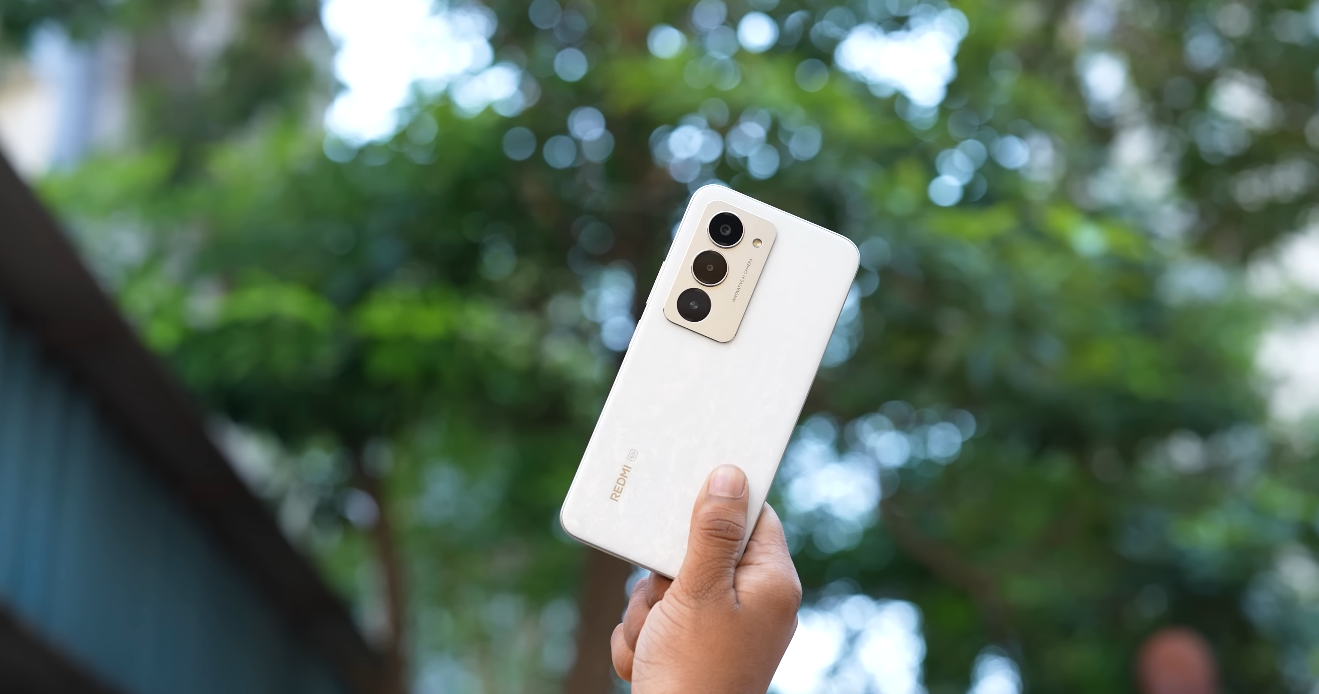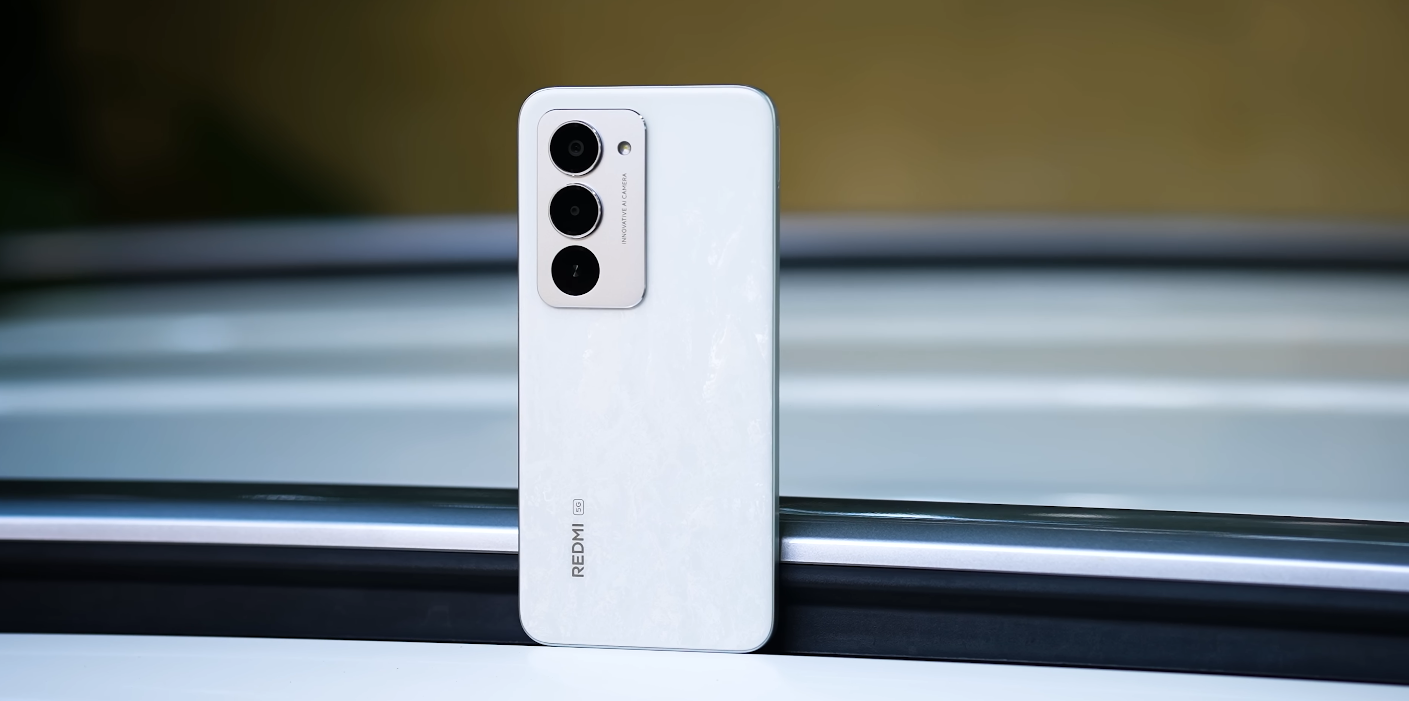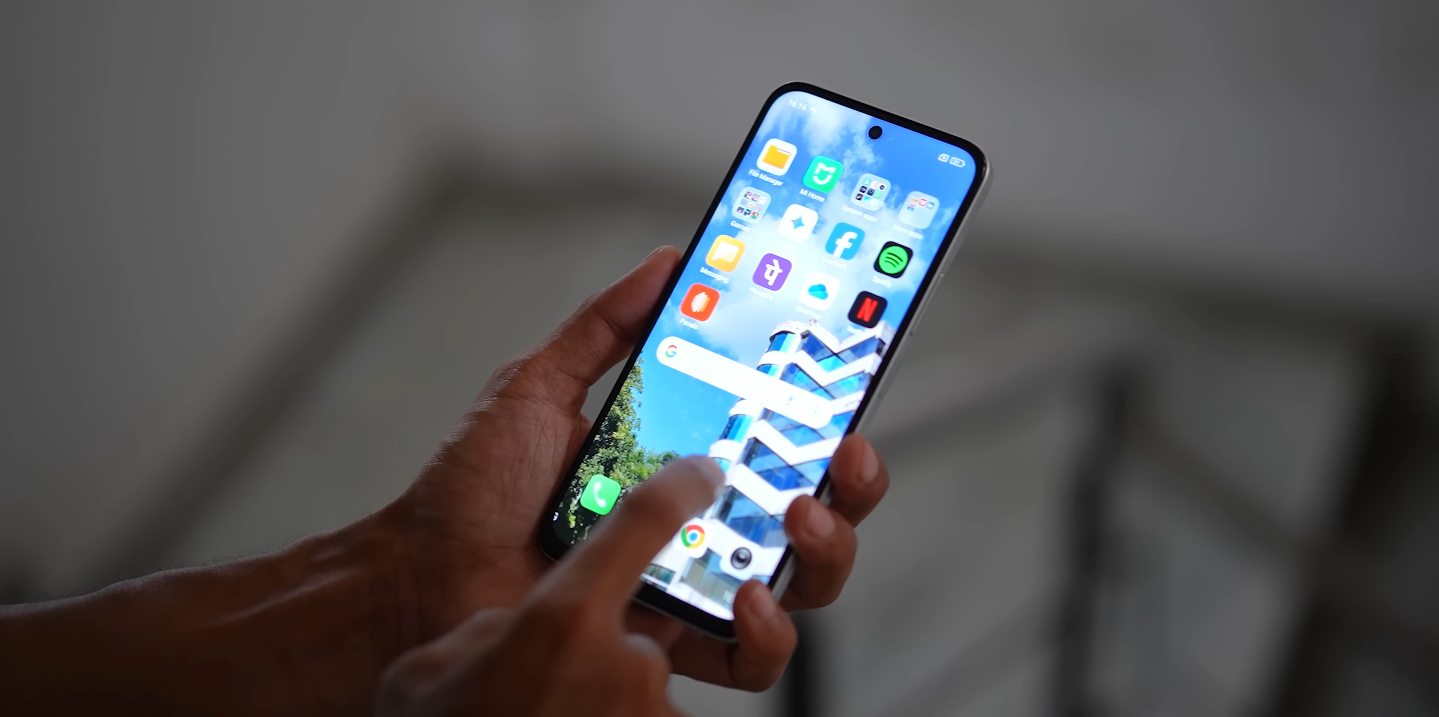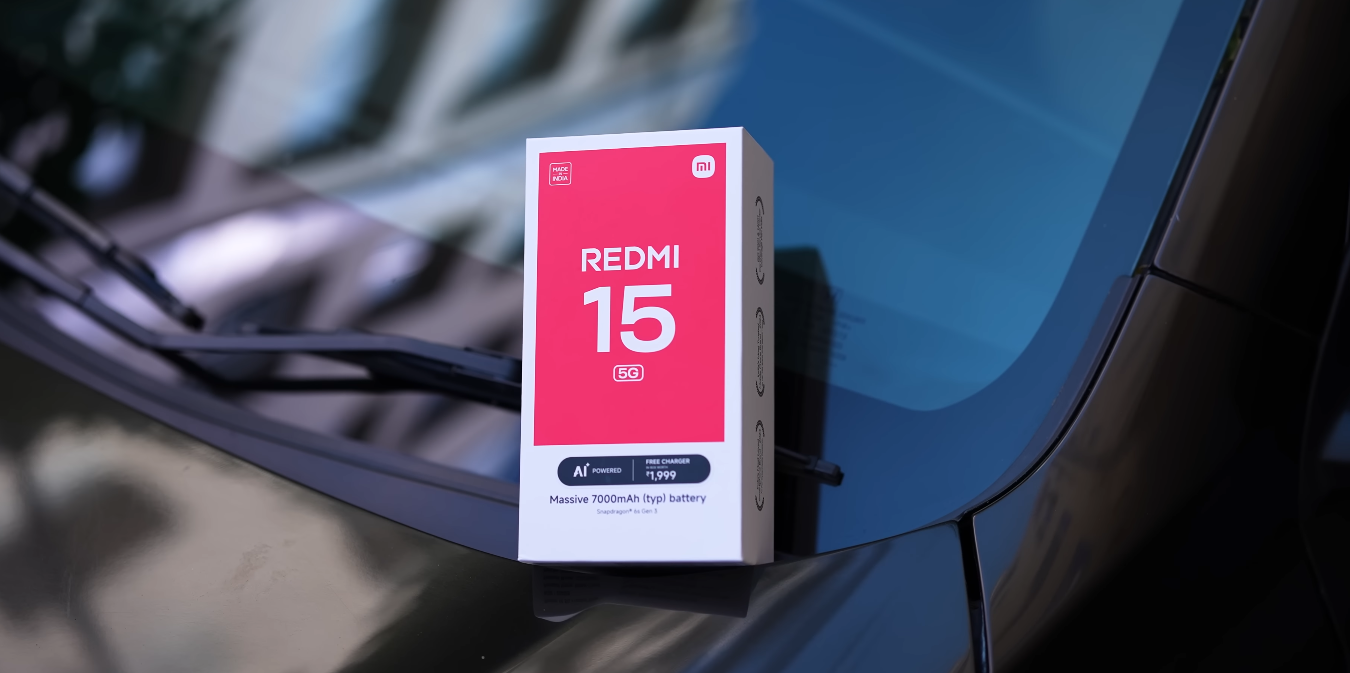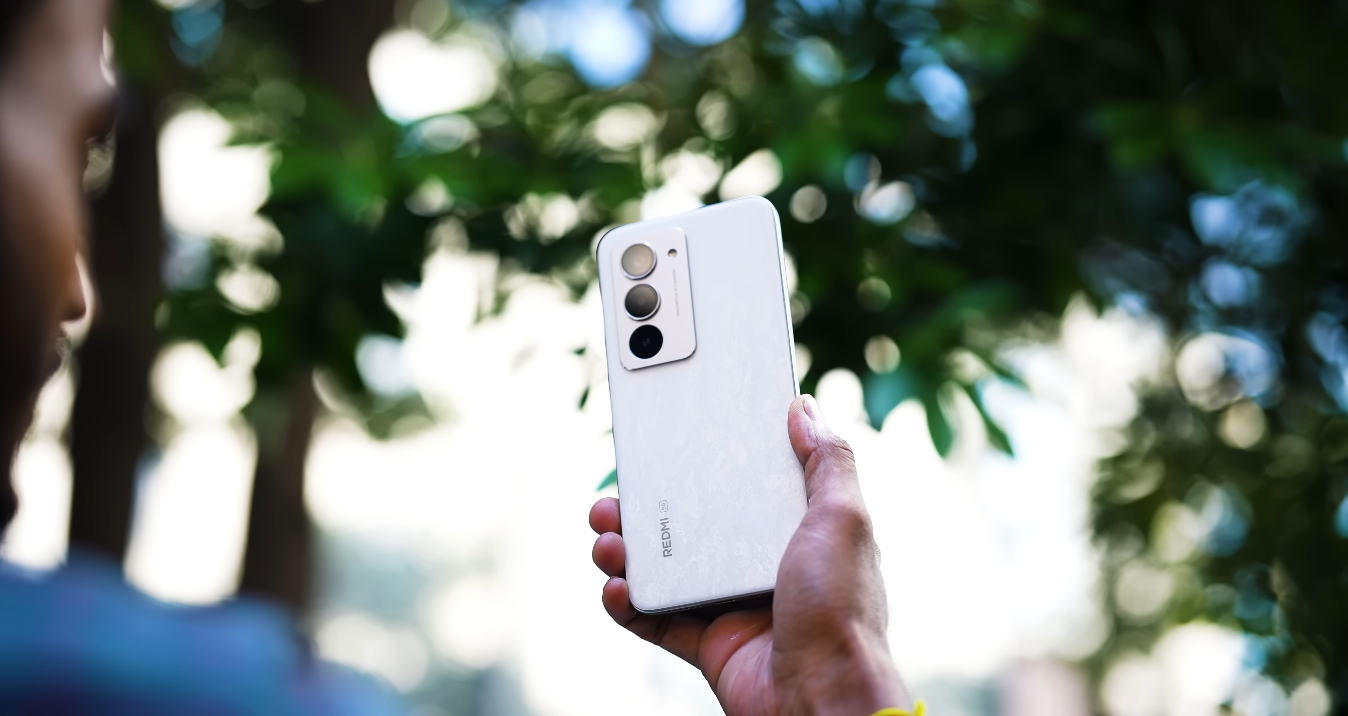
Redmi 15 vs Poco X-series: sibling rivalry or different league?

Redmi 15 vs Poco X-series sibling rivalry or different league

Comparing Xiaomi’s two power-packed mid-rangers

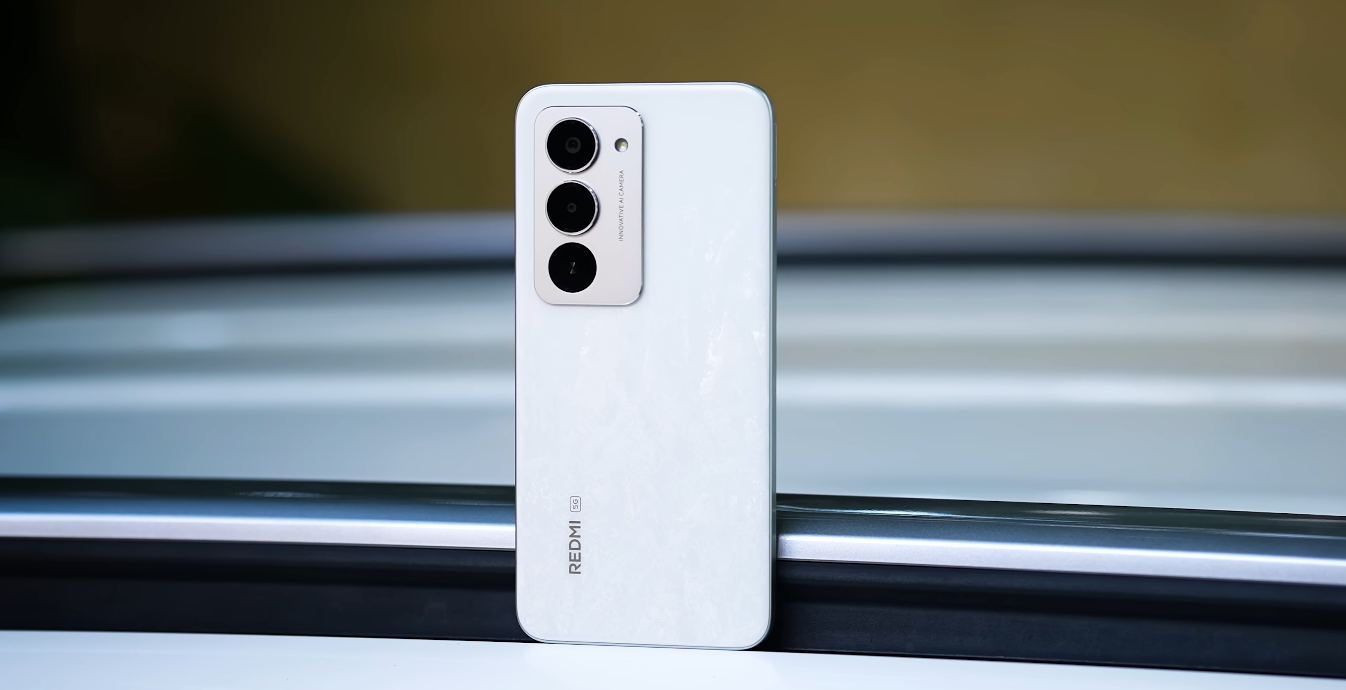
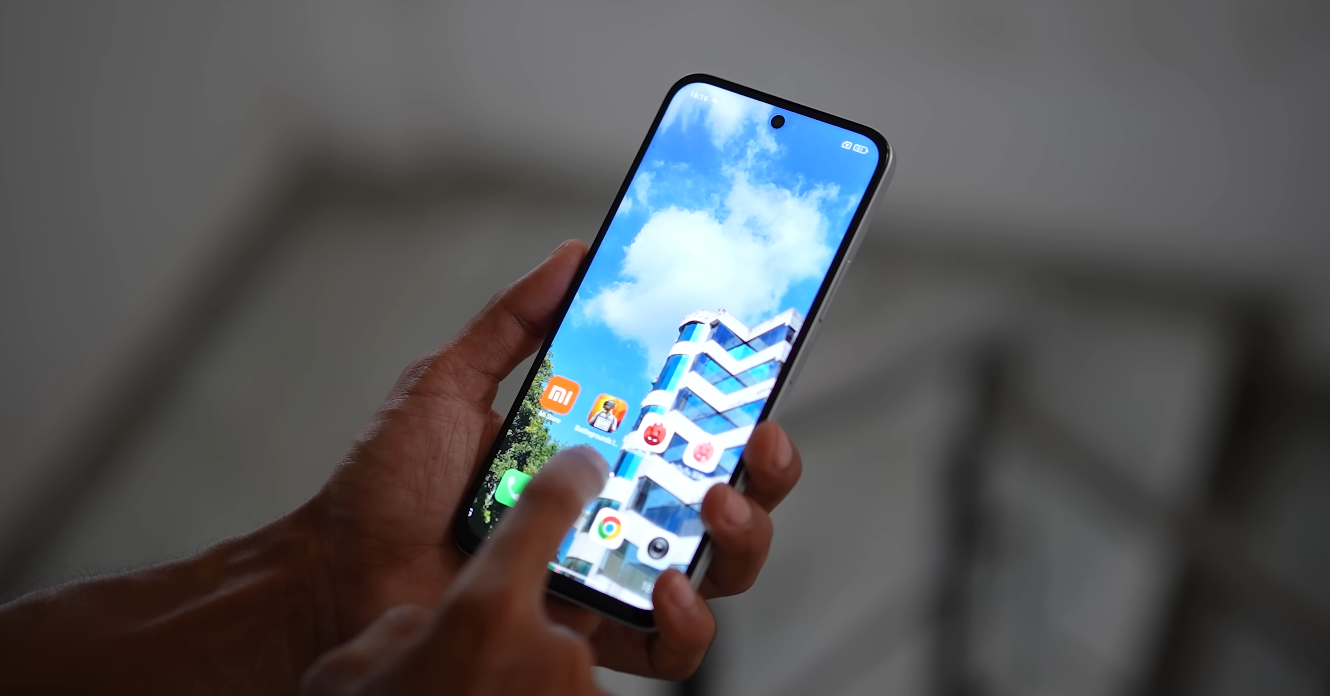
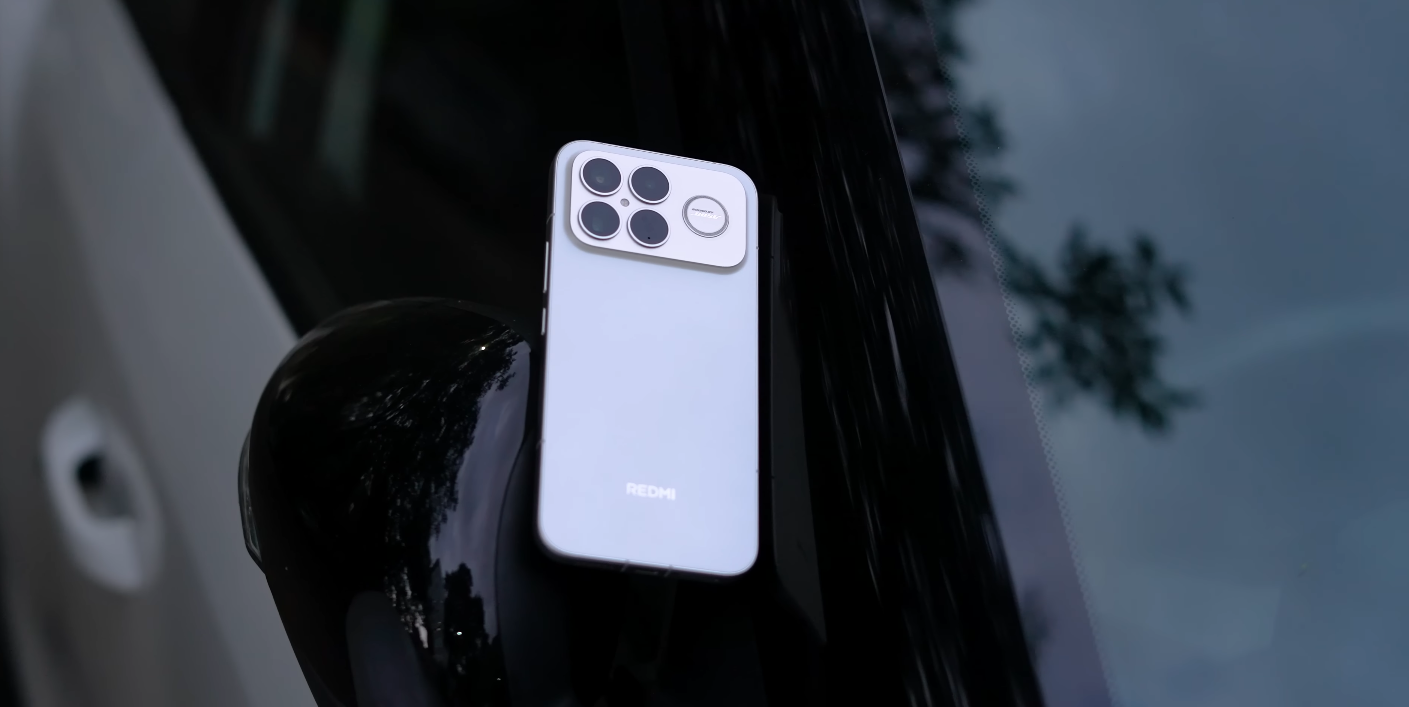
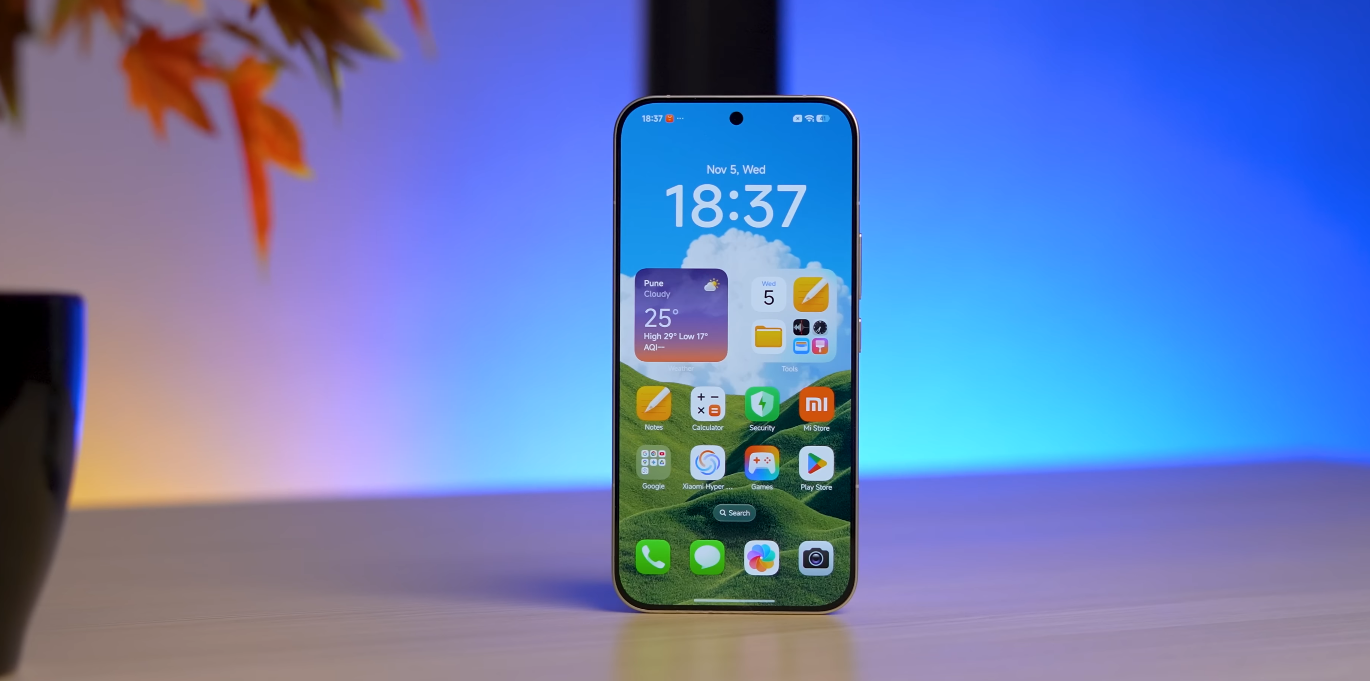
The Redmi 15 and Poco X-series are both products of Xiaomi’s expanding ecosystem, yet they target slightly different audiences. While Redmi focuses on balanced performance and unbeatable battery life, Poco leans towards speed, gaming, and flagship-like performance at mid-range prices. Despite their family ties, the two brands are clearly built for different purposes.

Starting with design and display, the Redmi 15 features a 6.9-inch LCD panel with a 144Hz refresh rate — impressive for its price point and perfect for users who enjoy a larger viewing experience. The Poco X-series, particularly the X6 and X5 Pro models, uses AMOLED displays with sharper resolution and better colour contrast, giving them a premium edge in visuals and brightness.

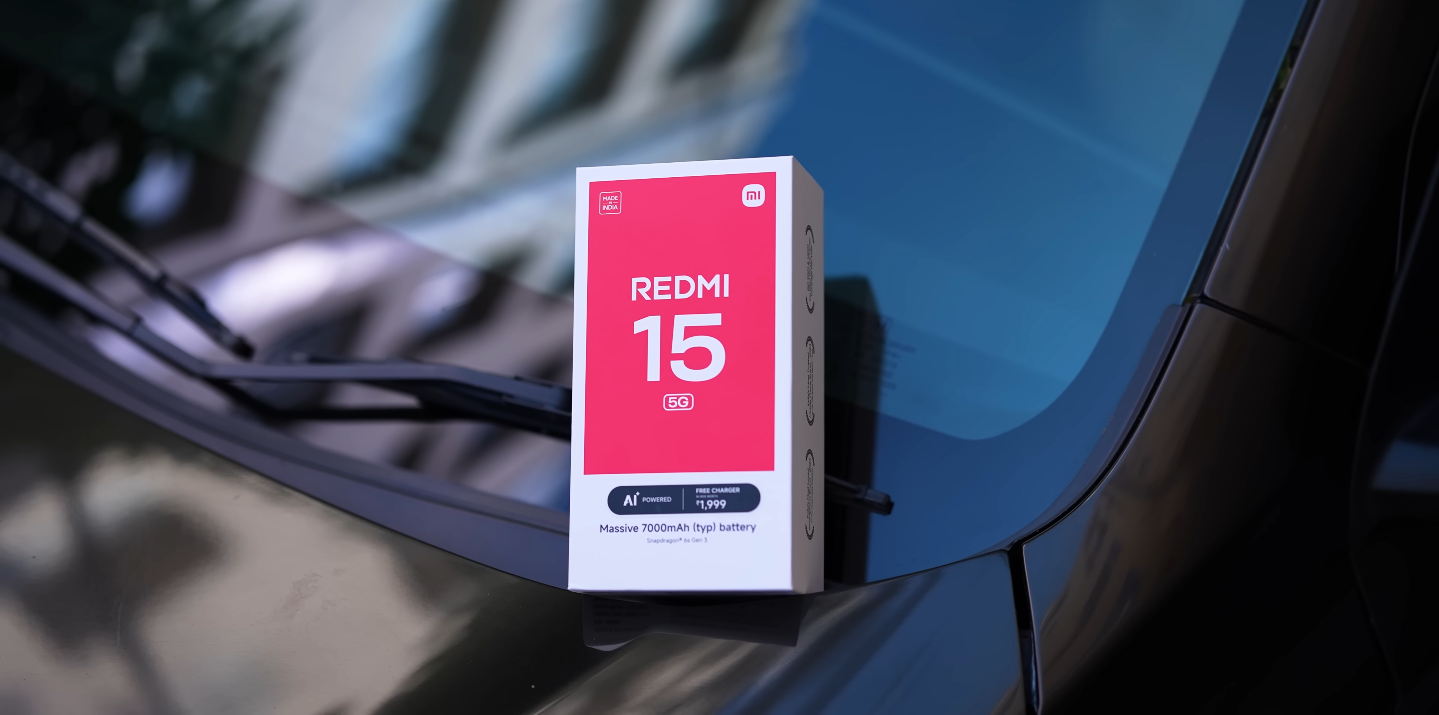
Battery capacity is one of Redmi’s biggest selling points. The Redmi 15 packs a huge 7,000 mAh battery that easily outlasts most competitors in its category. It supports 33W fast charging and even offers reverse charging for powering accessories. In comparison, Poco X-series models use 5,000 mAh batteries, which, while smaller, benefit from faster 67W charging and better power optimisation due to their more efficient chipsets.

Redmi 15 vs Poco X-series sibling rivalry or different league

Performance is where Poco pulls ahead. Redmi 15 uses the Snapdragon 685 processor, focusing on efficiency and steady multitasking. The Poco X5 Pro and X6, however, employ higher-tier chips like the Snapdragon 7s Gen 2 and 778G, providing a noticeable boost in gaming, app loading, and overall speed. This positions Poco as the better choice for users who want raw performance.

When it comes to cameras, Redmi 15’s 50MP main sensor delivers clean and consistent shots, ideal for social media use. Poco’s X-series steps up with 64MP or even 108MP setups, offering richer detail and improved dynamic range. The difference becomes clearer in low light, where Poco’s superior image processing software produces more balanced results.

In terms of connectivity, Poco clearly aims at the future. Most X-series devices support 5G connectivity, while the UK variant of the Redmi 15 still relies on 4G, prioritising affordability over future-proofing. This might not be a deal-breaker for everyone, but users looking for long-term use may lean towards the Poco option.

Software experiences remain similar, with both running MIUI-based interfaces tuned differently for branding. Poco’s interface includes performance modes and gaming enhancements, whereas Redmi offers smoother day-to-day optimisation and better battery management. Both promise regular updates, but Poco tends to receive feature-rich builds slightly earlier.

On durability, Redmi 15 includes IP64 dust and splash resistance, which is reassuring for everyday reliability. Poco X-series phones often feature better build finishes, Gorilla Glass protection, and sturdier mid-frame designs, giving them a more premium feel in the hand.

Price plays a decisive role in separating the two. The Redmi 15’s UK pricing, starting around £159, makes it one of the most affordable large-battery phones available. Poco X-series devices typically start closer to £249, but their added performance and premium hardware justify the difference for users seeking higher specs.

In conclusion, Redmi 15 and Poco X-series are not true rivals despite their shared DNA. Redmi delivers maximum endurance and value, ideal for everyday users and budget-conscious buyers. Poco targets enthusiasts who demand faster chips, better cameras, and 5G connectivity. So while they may be siblings under Xiaomi’s banner, they’re playing in distinctly different leagues — one built for all-day reliability, the other for pure performance.
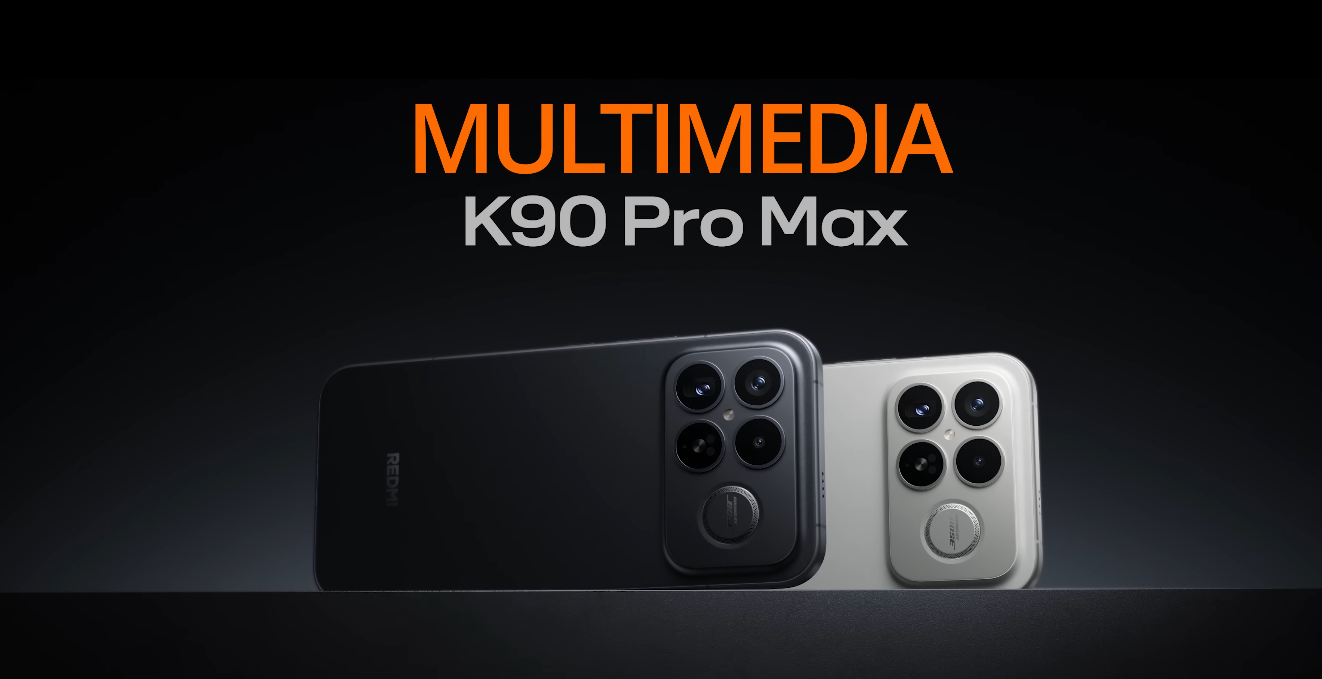
Redmi K90 Pro Max USB-C, ports and connectivity rundown

Redmi K90 Pro Max USB-C, ports and connectivity rundown

How the new flagship handles charging, accessories and modern wireless standards

The Redmi K90 Pro Max is positioned as a next-generation flagship with a clear push into premium territory, and one of the most practical aspects for UK buyers is always connectivity. Charging speeds, USB bandwidth, accessory compatibility and wireless standards matter more than they used to, especially as more people now rely on their phone for file transfer, audiovisual output, and external device handling across home and work usage.

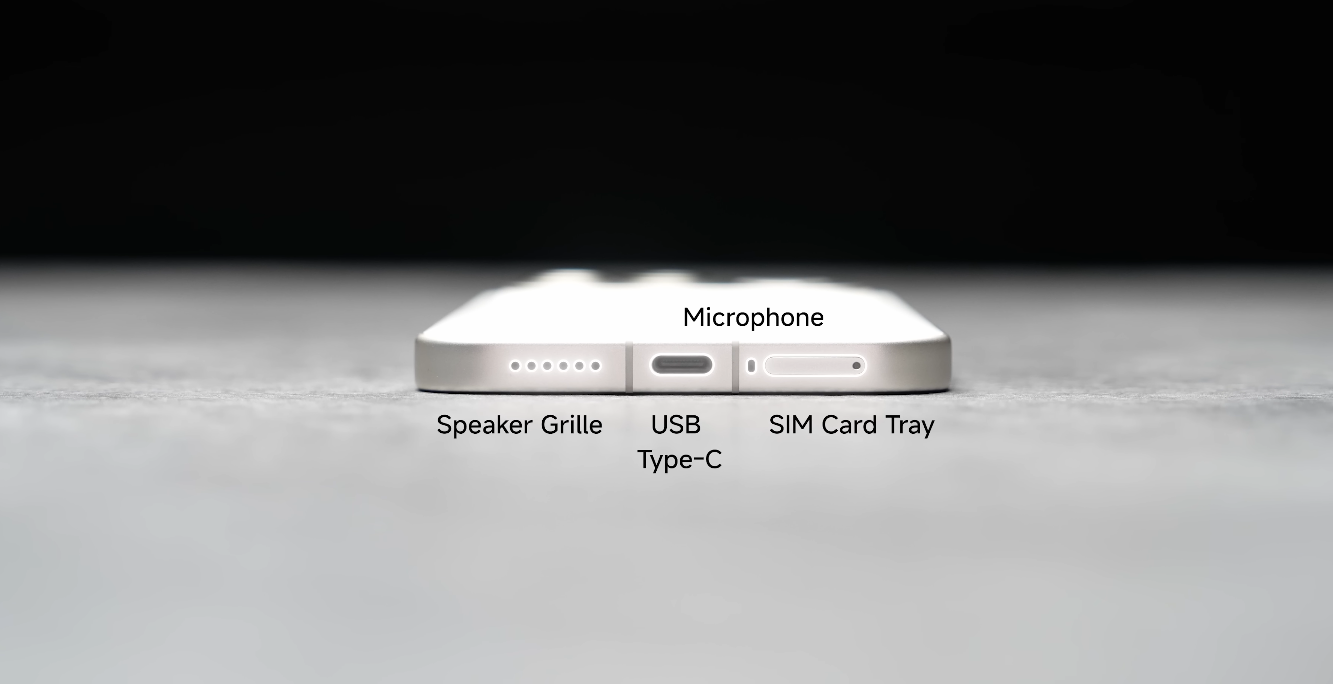
The primary physical interface on the Redmi K90 Pro Max is a USB-C port, and based on official specification listings, this port is rated at USB-C 3.2 standard. This means faster data throughput and wider compatibility for modern high-speed external storage such as SSD sticks, camera card readers and larger multi-purpose USB accessories. British users who still occasionally offload 4K or 8K video clips directly to a drive will find value in higher port capability.

Charging behaviour over USB-C is also a defining upgrade, with the Redmi K90 Pro Max rated for 100W wired fast charging using an appropriate cable and charger. This means a full top-up cycle can be significantly shorter compared to typical mid-range Android models, giving UK commuters more flexibility when time windows are tight. It also supports reverse wired charging, which means accessories such as earbud cases can be topped up directly through the phone using the port.

Redmi K90 Pro Max USB-C, ports and connectivity rundown

One noticeable change compared to older Redmi generations is that there is no 3.5mm headphone jack on this model. Instead, wired audio now routes through USB-C digital output. Most modern USB-C earphones are supported, and the phone also offers high-resolution audio capability. UK users who still own legacy wired headphones can connect via a USB-C DAC or adapter, but the trend continues toward wireless audio rather than copper headphone plugs.

In terms of wireless connectivity, the Redmi K90 Pro Max supports Wi-Fi 7, Bluetooth 5.4 and NFC. This puts it in a forward-facing position for high-bandwidth streaming, next-generation routers, and smooth wireless peripheral performance. It also supports dual SIM operation, but there is no micro-SD card expansion slot, meaning buyers who shoot large video files may want to select a higher internal storage tier at purchase to avoid future space pressure.

Network band support depends on regional variant, and this is where UK shoppers need to be careful. A model intended for UK distribution should include full 5G band compatibility for major British networks. Imported models sometimes ship with firmware tuned for Asian markets, and while the hardware is the same, regional bands may not be fully enabled out of the box. This can influence 5G stability and network performance across certain local operators.

The phone includes additional connectivity extras such as an infrared blaster for TV and device remote control. This is a niche feature that many brands have removed, but it still remains practical in UK homes where legacy TV sets, ceiling fans, and set-top boxes exist in mixed combinations, especially in older rental flats or family spaces with multi-brand equipment. For some buyers, this is a surprisingly useful element.

Accessory compatibility is wide thanks to USB-C OTG support. USB thumb drives, gamepads, small keyboards, card readers and even certain external camera adapters can connect directly for file access or input control. Paired with Wi-Fi 7, the device can handle local file sharing or media streaming more fluidly, giving both students and travelling professionals more flexibility in mixed desk setups across homes, libraries and shared office spaces.

Another area where USB-C 3.2 helps is display output potential. Manufacturers have begun enabling display stream modes through the port on certain models, though formal confirmation per region varies. If this capability is activated for the UK model, then the phone could function as a compact presentation device for slideshows and local media. For now, UK buyers should wait for final region-specific rollout details before assuming full video-out behaviour.

Overall, the connectivity profile of the Redmi K90 Pro Max is aligned with premium market trends. Faster USB-C, aggressive charging speed, strong wireless capability and sensible OTG options make it well-equipped for modern digital habits. UK buyers who connect regularly to accessories or travel across cities will find that the interface design on this model is not a step backward but a deliberate move toward the future, where wired legacy elements continue to phase out and high-speed, universal standards take over.

Redmi 15 gaming performance: can it handle heavy hitters?

Redmi 15 gaming performance can it handle heavy hitters

Testing how well the Redmi 15 performs under gaming pressure

The Redmi 15 has been launched with impressive specs for a budget device, but gamers are curious to know whether it can handle demanding titles like PUBG Mobile, Genshin Impact, or Call of Duty: Mobile. With a Snapdragon 6s Gen 3 processor, a 144Hz display, and a 7000 mAh battery, it certainly looks capable on paper — but real-world performance tells the full story.

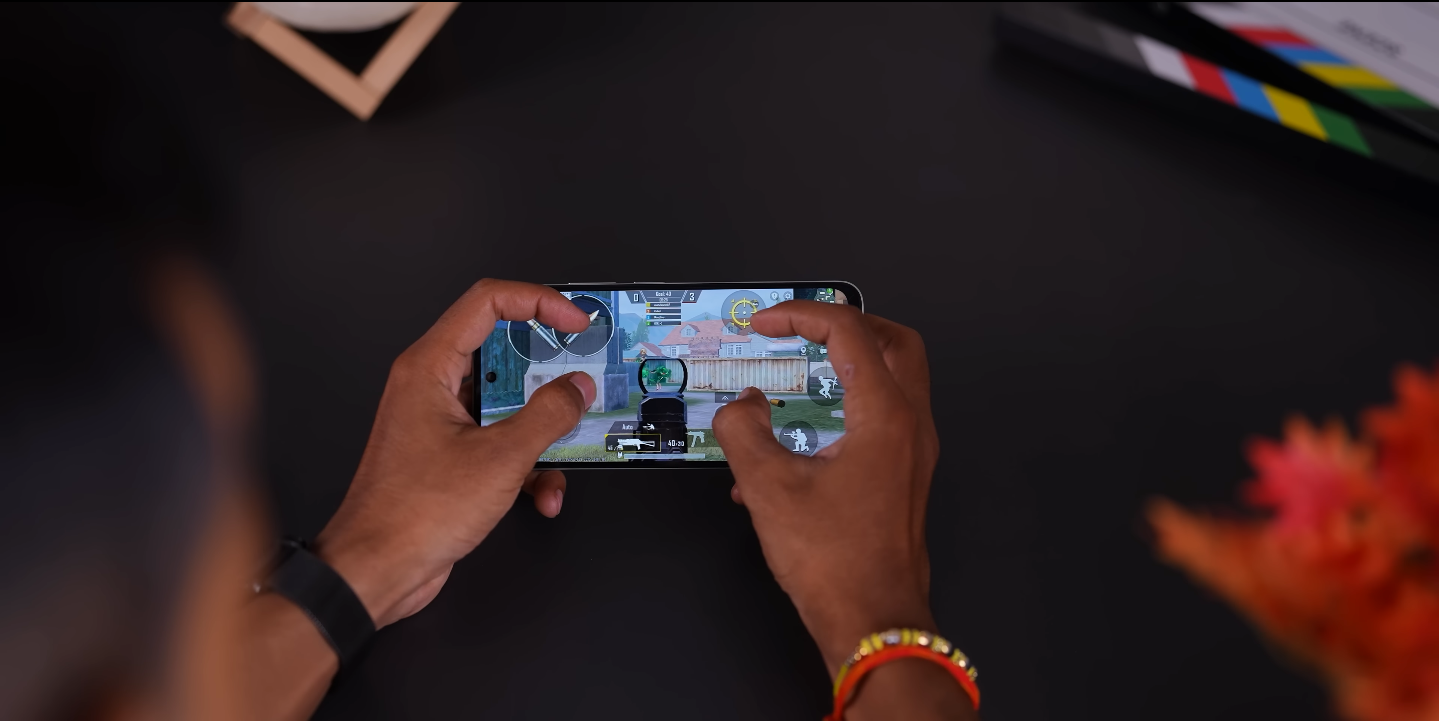
During testing, the Redmi 15 handled popular titles like BGMI and COD Mobile comfortably at medium to high settings. Frame rates hovered around 50–55 FPS on balanced graphics, which is respectable for its segment. Gameplay felt smooth in lighter titles such as Asphalt 9, Free Fire, and Mobile Legends, while heavier games required some compromises in resolution or effects to maintain consistency.

The large 6.9-inch Full HD+ display plays a key role in enhancing gaming immersion. Its 144Hz refresh rate makes motion look fluid, although not every game fully supports this refresh rate. Still, the touch response is accurate, and input lag remains low, giving players solid control during fast-paced sessions.

Redmi 15 gaming performance can it handle heavy hitters

Thermal management is one of the Redmi 15’s strongest points. Even after extended play sessions of up to 90 minutes, the phone stayed comfortably warm rather than hot. Xiaomi’s cooling design keeps the chipset from throttling too aggressively, ensuring stable frame rates for longer periods. This makes it ideal for casual or mid-level gamers who play for hours at a stretch.

Battery life also stands out in gaming. The 7000 mAh capacity allows nearly two full days of moderate use or 6–7 hours of continuous gaming. Even heavy sessions don’t drain it too quickly, and with 33W charging support, topping up the battery takes just over an hour. This endurance gives the Redmi 15 an edge over most mid-range competitors.

However, it’s not without limits. Games like Genshin Impact and Fortnite, which demand high GPU power, push the Snapdragon 6s Gen 3 near its limits. Frame rates can dip below 30 FPS at max settings, and occasional stutters appear during intense scenes. For smoother performance, it’s best to play such games at medium settings.

The 8GB RAM variant delivers a noticeably better experience than the 4GB model. Loading times are shorter, background apps stay active, and performance remains steadier when multitasking. Players planning to game regularly should definitely opt for the higher-memory version.

Audio and haptics further enhance gameplay. The dual speakers produce strong, balanced sound, and the vibration feedback feels precise during shooting or racing games. Combined with the big display, this gives a surprisingly premium feel despite its budget positioning.

Overall, the Redmi 15 isn’t a dedicated gaming beast, but it’s far from weak. It delivers reliable gaming performance for popular titles, maintains cool temperatures, and offers outstanding battery life. For its price, it strikes a great balance between entertainment, performance, and endurance — proving that even budget phones can play with the big names when tuned right.

Redmi 15 vs iPhone SE 4: ultra-budget vs value flagship – which to choose?

Redmi 15 vs iPhone SE 4 ultra-budget vs value flagship – which to choose

Comparing Redmi 15’s power with Apple’s compact premium

The Redmi 15 and the upcoming iPhone SE 4 represent two very different worlds — one built for maximum value, the other for refined performance. UK buyers deciding between the two are essentially choosing between affordability and long-term polish. Both aim to deliver more than their price suggests, but their strengths lie in completely separate areas.

The Redmi 15 is designed to deliver everything a user needs at a fraction of flagship cost. It offers a large 6.9-inch Full HD+ display with a smooth 144Hz refresh rate and an efficient Snapdragon 685 processor. Its standout feature remains the massive 7,000mAh battery paired with 33W charging, capable of lasting nearly two full days under regular UK use.

By contrast, the iPhone SE 4, expected to launch in 2025, will likely continue Apple’s philosophy of compact performance. Leaks suggest a 6.1-inch OLED display, Apple’s latest A18 chip, and a 48MP main camera — features placing it closer to flagship territory than budget range. The new design and USB-C charging bring it in line with Apple’s current standards, making it a more rounded upgrade from the older SE models.

Redmi 15 vs iPhone SE 4 ultra-budget vs value flagship – which to choose

Performance is where these two phones truly separate. The Redmi 15 handles multitasking, streaming, and casual gaming well, but the iPhone SE 4’s A18 chip will deliver flagship-level power and longevity. For users who keep their phones for several years, Apple’s extended software updates make the SE 4 a better long-term investment.

In display quality, the Redmi 15’s LCD panel is bright and smooth, ideal for media consumption, while the iPhone SE 4’s OLED technology provides deeper blacks and more vivid contrast. For everyday use, both perform well, but the SE 4 will likely offer more premium colour accuracy and sharpness.

Cameras also differ significantly. The Redmi 15’s 50MP setup produces solid daylight photos, while the iPhone SE 4 is expected to deliver far better image processing and low-light performance. For users who value quick, consistent photography, Apple’s software tuning still leads.

Battery endurance, however, belongs to Redmi. The iPhone SE 4’s compact design limits battery capacity, and while Apple’s optimisation helps, it won’t match the Redmi 15’s two-day life. For heavy users who rely on long screen time, the Redmi offers a more practical solution.

Price will be the deciding factor for many UK buyers. The Redmi 15 is priced around £159, making it one of the best-value phones available. The iPhone SE 4, meanwhile, is expected to start around £500, positioning it as an affordable flagship rather than a budget phone. The gap reflects Apple’s brand premium but also the long-term performance advantage.

For users focused on durability, large screens, and long battery life, the Redmi 15 stands as an unbeatable deal. It’s ideal for students, professionals, and anyone wanting dependable power at a low cost. Those seeking smoother performance, better cameras, and a premium ecosystem experience will find the iPhone SE 4 worth the investment.

In the end, it comes down to lifestyle. The Redmi 15 wins on practicality, endurance, and affordability, while the iPhone SE 4 excels in polish, software, and longevity. If you value value-for-money above all, choose Redmi. If you’re after refinement and future-proof performance, the iPhone SE 4 is the smarter pick.

Redmi K90 Pro Max UK retailer exclusives: which stores to watch?

Redmi K90 Pro Max UK retailer exclusives which stores to watch

Early indications on where the flagship could first appear in Britain

The Redmi K90 Pro Max still has not had a confirmed formal shelf launch in the UK, but UK analysts and Xiaomi watchers have already started tracking likely retail pathways because Xiaomi devices normally follow very specific distribution patterns when they enter Britain. That means even before an official listing goes live, there are clear indicators on where UK buyers should expect the earliest proper listings, bundle deals and colour exclusives once rollout begins.

The first place UK tech buyers need to track is the official Xiaomi UK store, because whenever Redmi flagships do cross into official distribution here, this platform is usually the first to show the UK-region SKU codes. This also tends to be the fastest way to confirm whether the specific variant is UK-certified with correct 5G bands and proper UK power plug packaging. This matters because imported Chinese variants regularly enter the UK early, but those do not guarantee local service coverage.

British retailers such as Currys, Argos and Amazon UK often receive Xiaomi devices after the official store listing appears, but sometimes they get early visibility before wider marketing goes live. These companies usually highlight launch bundles, seasonal sale tie-ins and occasional retailer-limited colour trims. For a high-interest model like the Redmi K90 Pro Max, this is especially important because early stock on the first day can be surprisingly limited, especially if the phone becomes a sudden TikTok trend item.

Redmi K90 Pro Max UK retailer exclusives which stores to watch

Carphone Warehouse and major carrier partners like EE, Three or Vodafone may also play a role if Xiaomi decides to push the phone with a monthly plan angle. Xiaomi has previously done carrier-linked pushes with other Redmi models, and UK users who prefer contract rather than upfront purchase typically watch these stores to see if exclusive storage tiers or limited introductory tariff rates are offered for early adopters.

Another area UK watchers often monitor is student-focused promotion channels, because Xiaomi occasionally offers student discount vouchers linked to a product page during the first week of availability. If the Redmi K90 Pro Max enters the UK officially, this same pattern could appear again. This is not guaranteed until the SKU is live, but the trend exists across several Xiaomi cycles and is worth monitoring for younger buyers.

It is also relevant to track whether a limited edition colour is included in launch stock. Xiaomi occasionally holds one colour finish for a single retail partner in specific regional launches. That sometimes becomes a micro-exclusive, meaning a certain shade might only be sold through one retailer for a short opening window before it widens to other outlets. For UK buyers who care about visual uniqueness, this becomes a genuine incentive to watch retailer feeds closely.

There is also the possibility of early online-only exclusivity in the UK, where certain storage sizes initially appear only through one site before arriving at wider retailers. Devices with periscope telephoto hardware often generate early demand, and this model fits that profile. So if the K90 Pro Max does ship into the UK with official certification, there is realistic likelihood that the highest storage tier may be limited to one retail partner initially.

Timing is another factor. Xiaomi sometimes stagger-releases across Europe, meaning France, Germany or Spain can get stock ahead of the UK. When this happens, UK retailers may show placeholder “coming soon” pages before the UK official Xiaomi page is updated. Seasoned UK buyers of imported flagships often track these European movements because they offer hints on when UK stock will land and which retailer gets listing priority.

Also, many UK buyers check stock feeds during seasonal sale periods, especially around big shopping events. Xiaomi has previously aligned certain UK handset announcements with seasonal offer windows. Therefore, if the K90 Pro Max is targeted for official UK entry in late year cycles, retailers like Currys or Amazon UK could get launch bundles that are not repeated after the first wave sells out. This type of launch timing often rewards quick buyers.

In summary, UK customers who want to be first in line for the Redmi K90 Pro Max should watch the Xiaomi UK official store first, then high-volume retailers like Currys, Argos, Amazon UK and major network carrier storefronts. Until the formal UK landing page is published, nothing is fully confirmed, but early patterns strongly suggest that official channels will show the earliest legitimate UK SKU listing, and that is where exclusives, bundles and early unit availability are most likely to appear.

Redmi K90 Pro Max hidden costs: customs, warranty, software updates

Redmi K90 Pro Max hidden costs customs, warranty, software updates

What UK buyers should know before importing Xiaomi’s latest flagship

The Redmi K90 Pro Max has become one of Xiaomi’s most talked-about flagships of 2025, promising top-tier performance at a lower price than traditional premium brands. However, for UK buyers, the real cost of owning this phone may go beyond the price tag. Hidden expenses such as customs duties, limited warranty coverage, and uncertain software support can affect the overall value of the device.

When ordering the Redmi K90 Pro Max from overseas, the first hidden cost comes in the form of customs and import taxes. Most online sellers list prices excluding UK VAT, which currently stands at 20 percent. Buyers importing the phone from Asia or other non-EU markets will likely be charged this tax upon delivery, along with potential customs duties and courier handling fees. For example, a £600 import could easily rise by another £100 or more once these charges are applied.

Some international retailers claim to include customs in their prices, but small print often reveals otherwise. In most cases, buyers are responsible for paying VAT directly to couriers like DHL or FedEx before receiving the package. Additionally, imported phones valued above £135 fall under stricter customs checks, meaning delivery delays or additional paperwork are possible.

Redmi K90 Pro Max hidden costs customs, warranty, software updates

The next issue concerns warranty coverage. Official Xiaomi UK models typically come with a standard one-year warranty and authorised repair access through local service centres. However, imported versions — especially those sold via online resellers — may carry only regional or manufacturer-limited warranties. If a Chinese or Hong Kong unit develops a hardware fault, it may need to be shipped back overseas for repair at the buyer’s expense, often taking several weeks.

Another complication arises with software updates. Xiaomi has improved its global update policy, promising up to four years of major Android updates and five years of security patches for premium devices. Yet, these guarantees apply primarily to official global or UK variants. Imported models often run region-specific firmware, which may receive updates later or occasionally miss certain UK-optimised features like carrier-specific 5G support.

In some cases, imported Redmi phones ship with pre-installed Chinese software versions that require manual flashing of the global ROM to access Google services fully. While this process is possible for tech-savvy users, it risks voiding warranty coverage and can lead to compatibility issues if not done correctly. For buyers who prefer plug-and-play simplicity, the official UK variant remains the safer option.

Network compatibility is another subtle cost. While the Redmi K90 Pro Max supports most global 5G and 4G bands, not every imported variant is guaranteed to support all UK frequencies. Users in rural areas or on specific carriers could experience reduced coverage or slower speeds, particularly with budget import models lacking full band support.

From a long-term perspective, after-sales service and parts availability also matter. UK repair centres are more likely to carry spares for officially released models. Imported versions might face delays or higher costs if a replacement battery, display, or motherboard is needed. The lack of local parts supply often makes independent repairs more expensive.

For UK consumers tempted by low online prices, the best approach is to compare the total cost — including taxes, shipping, and potential service expenses — against the official UK price once it becomes available. In many cases, the difference may be smaller than expected once hidden costs are factored in.

In summary, while the Redmi K90 Pro Max offers excellent value on paper, importing it into the UK can introduce unexpected costs and risks. Customs duties, limited warranty coverage, software update uncertainty, and potential network issues can all add up. For those who prioritise peace of mind and long-term reliability, waiting for the official UK release is the smarter choice.

Redmi 15 import vs UK stock: what buyers should know

Redmi 15 import vs UK stock what buyers should know

Key differences between imported and UK-stock Redmi 15 models

The Redmi 15 has gained attention in the UK for its large display, long battery life, and attractive price. However, many buyers are finding two different versions on sale — imported global units and official UK-stock models. While they may look identical, there are crucial differences every buyer should understand before making a purchase.

The biggest distinction lies in software and firmware. The UK-stock Redmi 15 ships with the official UK or EU ROM, which includes full Google services, local app integration, and compatibility with UK carriers. Imported models, often sourced from Asia, may use regional firmware that can restrict updates or create issues with system settings. In some cases, imported phones run modified “Global ROMs,” which can receive delayed updates and may not support all network features in the UK.

Network band support is another key factor. The UK version of the Redmi 15 includes all the essential 4G and 5G frequency bands used by local networks like EE, Vodafone, and O2. Imported variants may miss certain bands, leading to weaker signal strength or limited 5G access in rural areas. While urban coverage may remain fine, users outside city centres could notice differences in connectivity.

Redmi 15 import vs UK stock what buyers should know

Warranty and service are also important considerations. Official UK-stock devices are covered by Xiaomi’s regional warranty, which means repairs and support are handled locally through authorised centres. Imported versions usually lack this coverage. In case of faults, users often need to return the phone to the country of origin, which can be expensive and time-consuming. For long-term reliability, the UK-stock model offers far more security.

Charging accessories differ slightly between the two as well. The UK-stock Redmi 15 includes a 33W charger with a standard UK three-pin plug, ready for local voltage use. Imported models often come with an EU or Asian plug, requiring an adapter. While that’s a minor issue, it can affect charging safety and speed if you use third-party accessories not rated for UK power standards.

Pricing is where imports appear most tempting. Overseas sellers typically list the Redmi 15 at a slightly lower price than local retailers, sometimes undercutting by £30–£50. However, this saving can vanish once customs duties or VAT are applied upon delivery. Additionally, without warranty and proper network optimisation, the lower cost can end up being a false economy in the long run.

Software updates and long-term support also vary. UK-stock models receive regular OTA updates directly from Xiaomi’s European servers. Imported models might be delayed or need manual flashing to access updates. This can affect features like security patches, camera optimisations, or new HyperOS versions.

Before buying an imported Redmi 15, it’s essential to verify the model number and confirm whether it supports UK network bands. Checking that the firmware includes Google Play and OTA update support is equally important. Buyers should also factor in the cost of adapters or potential customs fees before finalising the order.

In summary, the Redmi 15’s imported version can work in the UK but with certain compromises. It’s suitable for tech-savvy users comfortable handling software tweaks or minor network limitations. However, for most buyers who prefer reliability, after-sales support, and full compatibility, the UK-stock version remains the safer and more dependable choice.

Overall, the Redmi 15 delivers strong value in both forms, but UK buyers prioritising stability and convenience should stick with the official local variant. It ensures better performance, guaranteed updates, and complete peace of mind from day one.

Also Read:  Xiaomi 17 Pro Max vs Xiaomi 17 Pro: is the Pro Max worth the extra cash?

Redmi 15 UK tax & VAT impact: what’s your real cost?

Redmi 15 UK tax & VAT impact what’s your real cost

Understanding the final price after tax and import fees

The Redmi 15 has drawn plenty of attention for its aggressive pricing, but for UK buyers, the actual cost can vary depending on where it’s purchased. While official UK retailers usually include VAT in the displayed price, imports from overseas sellers can add extra costs through taxes and handling fees. Knowing how these charges apply helps avoid surprises at checkout.

In the UK, the standard Value Added Tax (VAT) rate is 20%, which applies to most consumer electronics, including smartphones. When you buy the Redmi 15 through authorised UK channels or local retailers, this VAT is already built into the advertised price. So if a store lists the Redmi 15 at £159, that figure typically reflects the full cost with tax included.

However, if you order the phone from a non-UK seller or an international marketplace, you might face import VAT at the border. The tax is calculated on the total value of the goods, including shipping and insurance. That means even a budget device can become noticeably more expensive once customs processing is complete.

Redmi 15 UK tax & VAT impact what’s your real cost

There’s also the matter of customs thresholds. Any goods entering the UK worth more than £135 are generally subject to import VAT. While most smartphones carry a zero-duty rate under trade rules, VAT still applies in full. Couriers may also charge small handling or clearance fees, often between £5 and £15, which further add to the total.

For example, if you bought a Redmi 15 from an overseas site for £159 plus £10 shipping, you could owe 20% VAT on £169, totalling about £33.80 in tax. Add a typical £10 handling fee, and your real cost would rise to roughly £203 — quite a difference from the initial listing.

Buying domestically avoids these extras. UK retailers already handle VAT, certification, and warranty compliance, meaning the price you see is the final amount. You also benefit from easier returns, local consumer protection, and warranty support without shipping delays.

Still, some grey-market or parallel-import sellers may advertise lower upfront prices. While these can look tempting, they often exclude tax, meaning the courier or customs service will contact you for payment before delivery. Factoring in those fees often erases any savings.

If you’re considering the Redmi 15 as a SIM-free purchase, always check whether the listing explicitly says “UK VAT included” or “ships from UK warehouse.” This simple step helps you confirm whether the displayed price is the total you’ll pay.

In conclusion, the Redmi 15 remains a great value smartphone, but the true cost depends heavily on where you buy it. Purchasing from an authorised UK seller ensures the price already includes VAT and avoids hidden import charges. Importing from abroad might look cheaper at first, but once taxes and handling fees are added, the real cost usually ends up higher than expected.

Redmi 15 vs budget 5G phones under £300: standout or average?

Redmi 15 vs budget 5G phones under £300 standout or average

Evaluating Redmi 15 Against UK Budget 5G Rivals

The Redmi 15 has entered the competitive market of budget 5G smartphones, aiming to deliver premium-like features at a price under £300. With Xiaomi’s track record of offering feature-rich phones for less, the Redmi 15 positions itself as a strong contender. But in a market full of capable alternatives from Samsung, Motorola, and Realme, does it really stand out or simply blend in?

The Redmi 15 offers a large 6.9-inch Full HD+ display with a 144Hz refresh rate, a specification usually seen in more expensive models. The screen is bright and responsive, making it ideal for streaming and social media. However, it uses an LCD panel rather than AMOLED, which some similarly priced rivals now include. This makes colours slightly less vivid, though the high refresh rate provides smoother navigation and gaming.

One of the Redmi 15’s key strengths is its massive 7,000mAh battery, easily one of the biggest in the sub-£300 segment. It delivers up to two full days of moderate use and supports 33W fast charging. This long-lasting battery life sets it apart from most competitors, many of which struggle to go beyond a single day. For users who prioritise endurance, the Redmi 15 clearly leads the pack.

Redmi 15 vs budget 5G phones under £300 standout or average

Performance-wise, the phone is powered by the Snapdragon 6s Gen 3 processor in its 5G version. It handles everyday apps, web browsing, and social media effortlessly, though heavy gaming or multitasking may cause slight slowdowns compared to phones powered by the Dimensity 7200 or Snapdragon 7s chips found in some rivals. Still, for most users, performance is more than sufficient for daily needs.

In the camera department, the Redmi 15 features a 50MP main sensor paired with an AI-supported secondary lens. It performs well in daylight, capturing clear and colour-balanced shots. Low-light results, however, remain average, with visible noise and less detail. Competing phones from Realme or Samsung tend to offer better imaging systems under £300, especially with dedicated ultra-wide or macro sensors.

Design-wise, the Redmi 15 has a modern, flat-edge look and a sturdy plastic back with IP64 dust and splash resistance. It feels well-built for the price, though not as premium as glass-backed competitors like the Galaxy M14 5G. Its slim profile and curved sides make it comfortable to hold despite the large battery, maintaining a good balance between size and usability.

The audio experience on the Redmi 15 is decent, featuring Dolby-tuned single speakers that produce clear vocals and good midrange. While stereo speakers are missing, the overall loudness is impressive for its category. For better quality, users can make use of the 3.5mm headphone jack or Bluetooth audio, both of which perform reliably.

On the software side, the Redmi 15 runs Xiaomi’s latest HyperOS, based on Android 14. It offers a clean, smooth interface with improved optimisation over MIUI. Xiaomi has also promised regular updates, giving users confidence in software longevity — a key factor in this price range where many phones receive limited support.

When compared with other 5G phones under £300, such as the Motorola G54, Realme Narzo 70x 5G, or Samsung Galaxy M14, the Redmi 15 holds its own through its battery life, display size, and smooth performance. However, some rivals offer better AMOLED panels, faster charging, or improved cameras. That balance makes the Redmi 15 a solid all-rounder rather than a category leader.

In conclusion, the Redmi 15 stands out for its exceptional battery, high refresh-rate display, and reliable day-to-day performance. It may not deliver the best camera or the most premium build in the price range, but it excels where it matters most to budget-conscious buyers. For UK consumers seeking a dependable 5G phone under £300, the Redmi 15 is more than average — it’s a smart, value-packed choice that prioritises endurance and practicality over luxury.

Redmi 15 vs OnePlus Nord CE: value flagship clash

Redmi 15 vs OnePlus Nord CE value flagship clash

Redmi 15 challenges OnePlus Nord CE in the affordable premium segment

The mid-range smartphone market is heating up again, with the Redmi 15 taking on the OnePlus Nord CE. Both phones promise flagship-like features at a fraction of the price, but they approach value in very different ways. UK buyers looking for performance, display quality, and battery endurance will find this comparison particularly interesting.

The Redmi 15’s biggest headline feature is its enormous 7,000mAh battery. It easily outpaces the Nord CE’s 4,500mAh unit, offering close to two full days of moderate use. The trade-off is in charging speed, as Redmi’s 33W fast charging is slower than OnePlus’s signature Warp Charge, which remains among the quickest in the category. If long battery life is your top priority, Redmi is the clear winner.

Display technology is where these two diverge sharply. The Redmi 15 offers a large 6.9-inch Full HD+ LCD display with a smooth 144Hz refresh rate. It feels fluid for gaming and scrolling, but the LCD panel lacks the deep contrast and vivid colours of AMOLED. The OnePlus Nord CE, with its AMOLED display and 90Hz refresh rate, delivers richer tones and better visibility outdoors. For users who prioritise visual experience, the Nord CE still holds an advantage.

Redmi 15 vs OnePlus Nord CE value flagship clash

Under the hood, the Redmi 15 runs the Snapdragon 685 chipset with up to 16GB of dynamic RAM, giving it ample power for multitasking. The Nord CE’s Snapdragon 750G, however, provides stronger graphics and slightly better gaming performance. For everyday use, both perform well, but OnePlus still edges ahead in raw power and software smoothness.

On the software front, the Redmi 15 ships with HyperOS 2 based on Android 15, offering a clean interface with added personalisation features. OnePlus’s OxygenOS on the Nord CE remains a fan favourite, known for its minimal bloat and snappy feel. While both promise long-term updates, OnePlus typically has a better track record for delivering them faster.

The camera setup on the Redmi 15 includes a 50MP primary sensor with an AI depth assist. It’s reliable for daylight photography but doesn’t push the limits in low light. The OnePlus Nord CE, featuring a 64MP main sensor, produces slightly sharper and more colour-accurate images. If photography matters most, OnePlus remains the better all-rounder.

Design-wise, the Redmi 15 brings a bold and sturdy body with IP64 splash resistance — a nice upgrade for this price point. The Nord CE, meanwhile, keeps a slimmer, more elegant form factor that feels premium in hand. Xiaomi’s design leans towards practicality and endurance, while OnePlus focuses on comfort and minimalism.

In the UK, pricing further distinguishes the two. The Redmi 15 is expected to retail around £159 for its 6GB+128GB model, making it one of the most affordable large-screen smartphones with a huge battery. The Nord CE, depending on configuration, usually sits near the £250 range. That difference alone makes Redmi a tempting choice for value hunters.

If you prioritise battery, screen size, and long-term endurance, the Redmi 15 offers unbeatable worth for its price. It’s the better choice for users who want a big display and long runtime without spending much. However, if you care about photography, premium feel, and smoother performance, the OnePlus Nord CE justifies its higher cost.

Overall, this clash comes down to what kind of value you seek. The Redmi 15 wins on endurance and price, making it the best pick for practical buyers. The OnePlus Nord CE wins on finesse and experience, standing out as the more refined option for those willing to pay a bit extra for a touch of flagship polish.

Redmi 15 UK carrier deals: SIM-free or contract—what’s best?

Redmi 15 UK carrier deals SIM-free or contract—what’s best

Finding the smarter buy for UK users

The Redmi 15 has officially entered the UK market with strong appeal as a value-driven smartphone. With its 7,000 mAh battery, 144Hz display, and efficient Snapdragon chipset, it delivers impressive performance at a budget-friendly price. But for buyers, the big decision is whether to go SIM-free or sign a carrier contract.

Opting for a SIM-free purchase means you pay the full cost upfront and own the device outright. This gives complete flexibility to choose any network or plan. UK pricing for the Redmi 15 reportedly starts around £159 for the 6GB + 128GB version, which makes the SIM-free option very approachable even without a contract subsidy.

The benefit of this route is long-term savings. Once you buy it, you can switch between carriers to take advantage of better deals. SIM-only plans in the UK often start as low as a few pounds a month for generous data packages. This option suits users who prefer independence and already have a reliable SIM plan.

Redmi 15 UK carrier deals SIM-free or contract—what’s best

Contract deals, meanwhile, allow you to spread the phone’s cost over 24 or 36 months, combined with calls, texts, and data. The upfront payment is smaller, and some networks occasionally include introductory extras like free streaming subscriptions or higher data allowances. However, long-term costs usually add up to more than buying SIM-free.

For budget devices like the Redmi 15, most UK carriers focus on SIM-free retail rather than heavy contract subsidies. Networks may bundle the phone under a low-cost plan, but the overall monthly rate often ends up higher than if you simply purchased it outright. This makes the SIM-free model more financially sensible for most buyers.

The other advantage of buying SIM-free is early access to updates and freedom from carrier restrictions. Contract phones sometimes arrive with preinstalled apps or slower update cycles. With an unlocked device, users can manage software more easily and enjoy a cleaner interface.

However, for those who prefer predictable monthly payments and don’t want to pay upfront, a contract deal still has appeal. Students or first-time buyers might find it easier to budget this way, especially if a network offers an interest-free payment plan.

If you already have a SIM plan that suits your usage, it makes little sense to tie yourself into a new agreement. The Redmi 15’s price point and efficient power management make it ideal for SIM-only flexibility. You can even upgrade or sell the device later without worrying about contract terms.

In practical terms, the SIM-free path remains the better deal for most UK Redmi 15 buyers. It offers full ownership, lower overall cost, and the ability to change networks freely. Contracts are convenient but rarely cheaper in the long run for budget-friendly phones like this one.

In conclusion, while both buying options have their place, the Redmi 15’s affordable price and broad availability make SIM-free purchasing the smarter choice in the UK. It’s the simplest way to enjoy Xiaomi’s latest budget powerhouse without unnecessary commitment or hidden costs.

Redmi 15 technical deep dive: Snapdragon 6s Gen 3 explained

Redmi 15 technical deep dive Snapdragon 6s Gen 3 explained

Understanding the power behind Redmi 15’s performance

The Redmi 15 introduces Qualcomm’s Snapdragon 6s Gen 3 chip to the mid-range smartphone market, marking a significant leap in performance and efficiency for Xiaomi’s latest device. Built on a 6nm process, the Snapdragon 6s Gen 3 combines strong daily performance, improved graphics handling, and excellent power efficiency — all designed to complement the Redmi 15’s massive 7,000 mAh battery and 144Hz display.

At its core, the Snapdragon 6s Gen 3 features an eight-core CPU built on a 2+6 architecture. This includes two high-performance Cortex-A78 cores clocked at up to 2.3GHz and six power-efficient Cortex-A55 cores running at 2.0GHz. The result is a chip that balances smooth multitasking with lower energy consumption. The high-performance cores handle demanding tasks like gaming and media editing, while the efficiency cores take care of lighter background processes, ensuring sustained performance without overheating.

Graphics are powered by the Adreno 619 GPU, a capable unit that delivers enhanced gaming and visual performance over previous Snapdragon 6-series chips. Paired with the Redmi 15’s 144Hz refresh rate display, animations, scrolling, and gameplay feel noticeably smoother. While it won’t rival flagship GPUs, it comfortably handles popular titles like PUBG Mobile, Asphalt 9, and Genshin Impact at moderate settings with stable frame rates. Casual and mid-level gamers will find it more than sufficient for daily entertainment.

Redmi 15 technical deep dive Snapdragon 6s Gen 3 explained

Connectivity is another strong point of the Snapdragon 6s Gen 3. The platform supports 5G connectivity, dual-SIM standby, Wi-Fi 6, and Bluetooth 5.2 — ensuring future-ready compatibility for UK users. The integrated 5G modem allows faster downloads and stable connections on emerging UK networks. This makes the Redmi 15 one of the most affordable devices in the market with modern connectivity standards baked in.

The chip also enhances battery efficiency, a crucial advantage when paired with Redmi 15’s 7,000 mAh cell. Thanks to its 6nm fabrication, the Snapdragon 6s Gen 3 consumes less power during heavy tasks compared to older 8nm or 12nm chips. Xiaomi’s software optimisation in HyperOS further extends battery life, enabling up to two days of mixed-use performance. Even at full brightness or high refresh rates, the phone maintains impressive endurance.

AI capabilities are another area where this chip quietly excels. Qualcomm’s integrated AI Engine boosts photo processing, voice recognition, and smart resource allocation. This helps the Redmi 15’s 50MP camera system process images faster, improve scene detection, and manage exposure more intelligently. While the AI performance doesn’t match flagship Snapdragon models, it’s a welcome upgrade in the mid-range segment, especially for enhancing photos and battery management.

Thermal management has also seen improvement with this processor. The 6nm process helps keep temperatures lower during extended gaming or video sessions. Xiaomi’s internal graphite cooling layers further distribute heat efficiently, preventing thermal throttling during longer use. Users can expect consistent speed without sudden performance drops, even while multitasking between apps and media playback.

When comparing performance to older chips, the Snapdragon 6s Gen 3 sits comfortably above the Snapdragon 680 and close to the Snapdragon 695 in efficiency and processing power. It performs daily tasks 20–25% faster while maintaining better stability under sustained workloads. For most users, this means a noticeable reduction in app launch times and a smoother interface throughout long-term use.

However, there are a few limitations worth noting. The Snapdragon 6s Gen 3, while fast, is not designed for high-end content creation or heavy 3D gaming. It lacks the advanced ISP and GPU power found in flagship processors, so professional video editing and ultra settings in demanding games may push its limits. Still, for everyday users and light gamers, it strikes an excellent balance between speed and efficiency.

Overall, the Snapdragon 6s Gen 3 positions the Redmi 15 as one of the most technically balanced devices in its price range. It brings a fine mix of power, endurance, and intelligent performance to mid-tier smartphones, ensuring reliable day-to-day use. For UK buyers looking for a device that combines strong performance, long battery life, and smooth operation, the Redmi 15 with Snapdragon 6s Gen 3 proves to be a smart and future-ready choice.