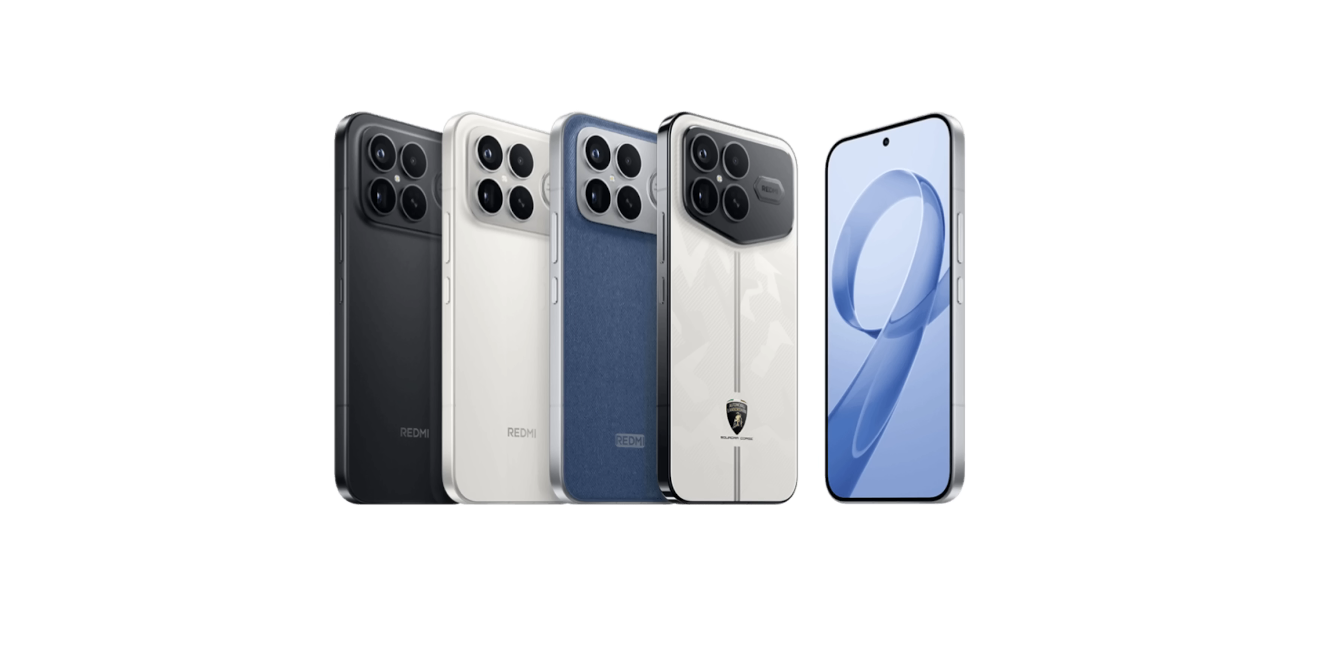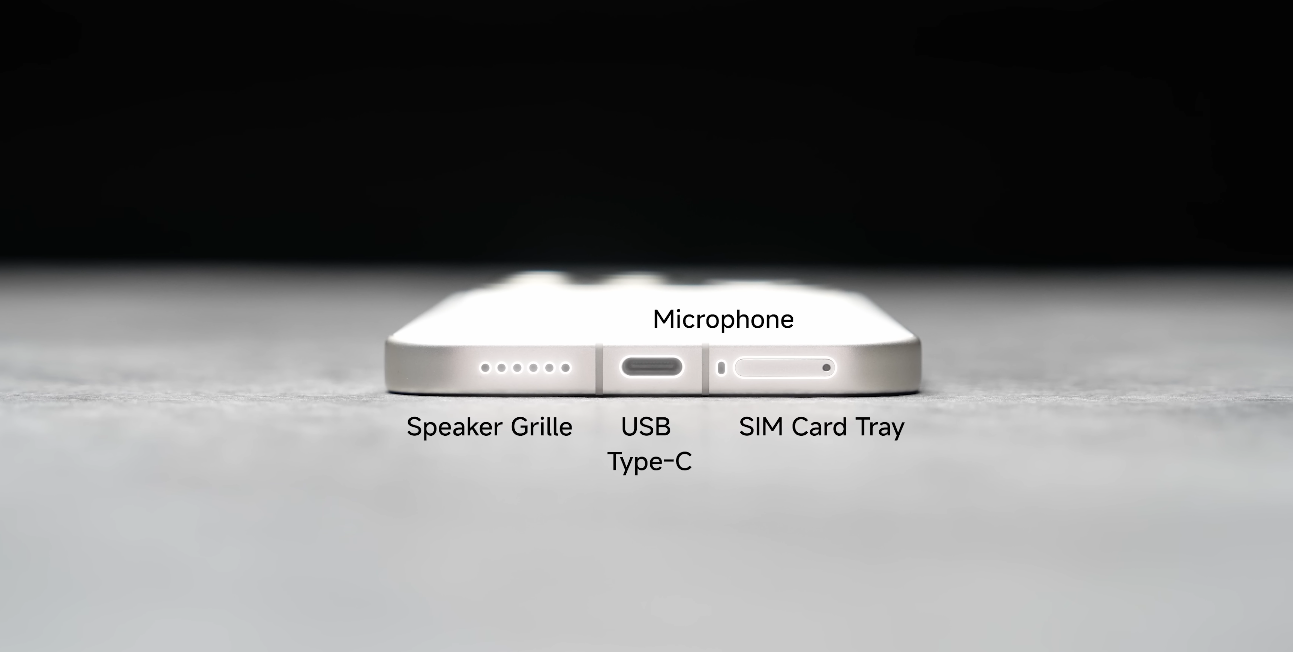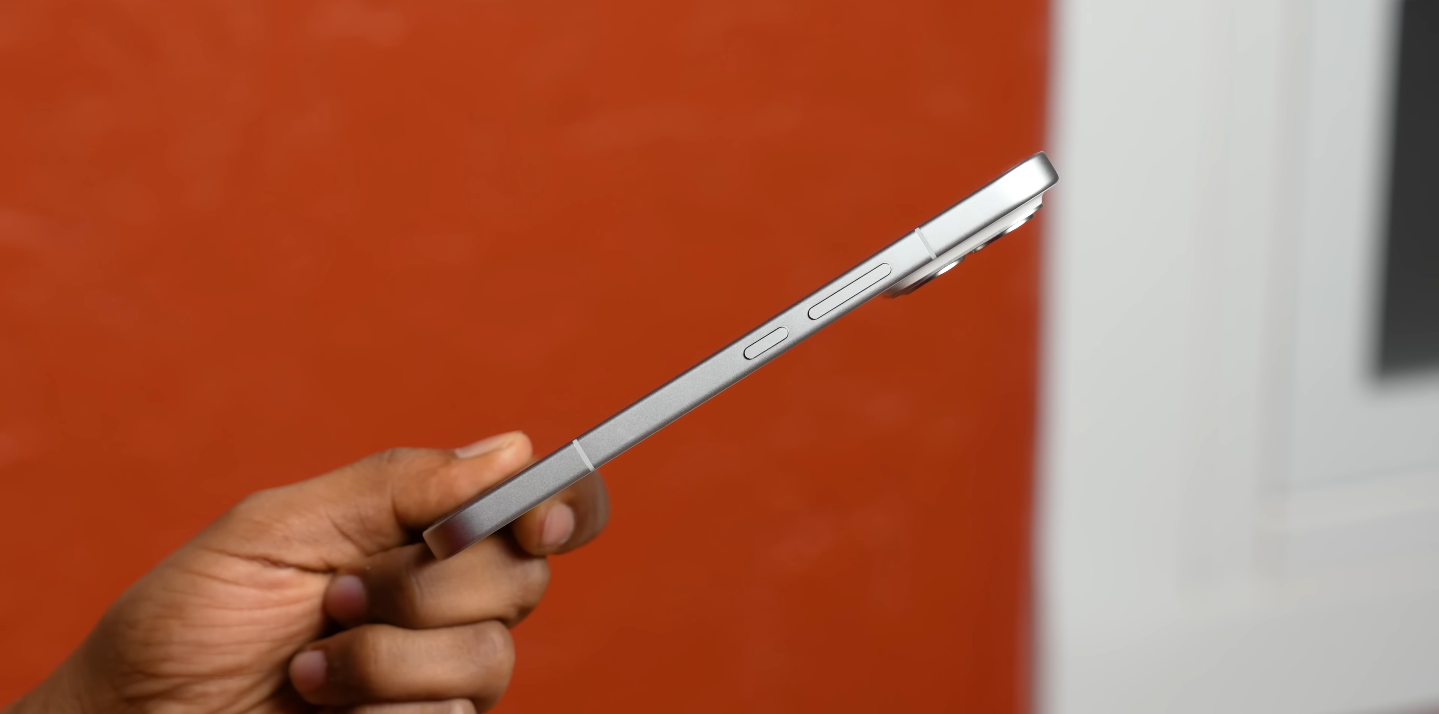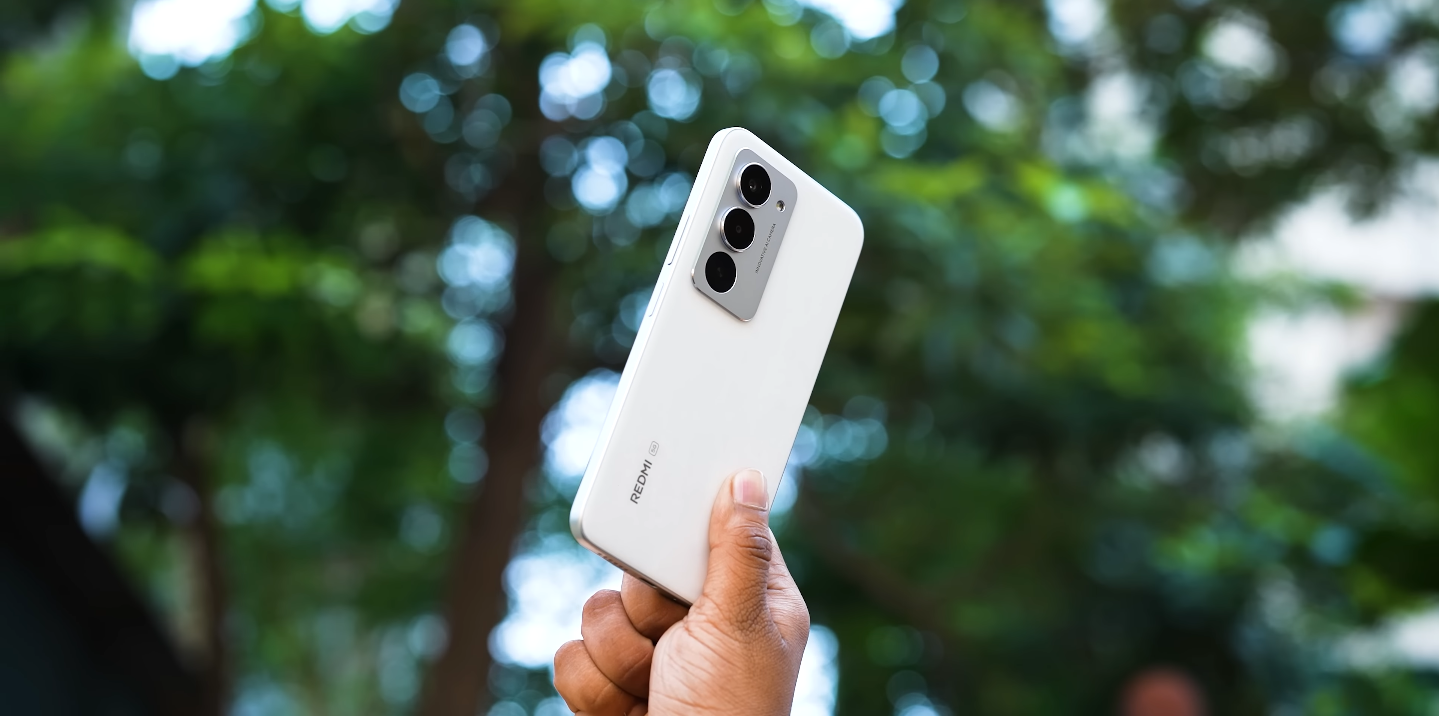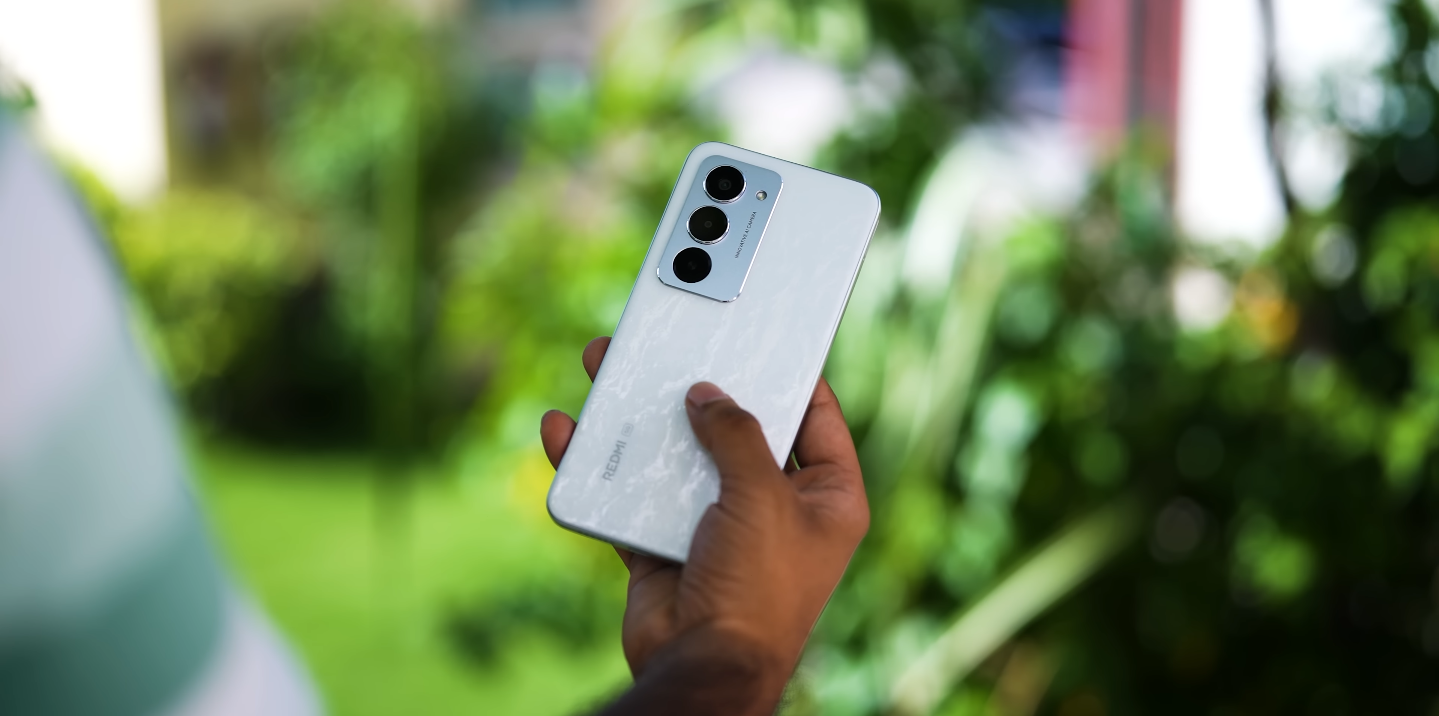
Redmi 15 hidden features you didn’t know about

Redmi 15 hidden features you didn’t know about

Secret tools and tricks inside Xiaomi’s new budget star

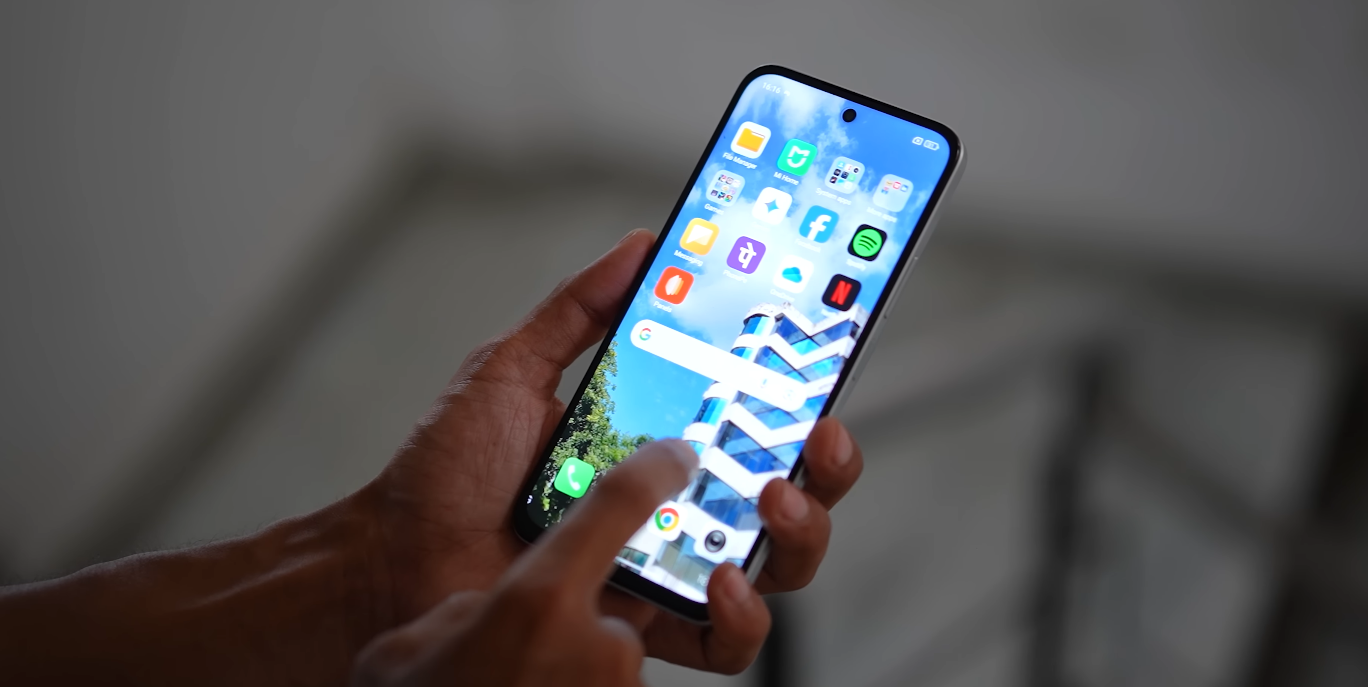
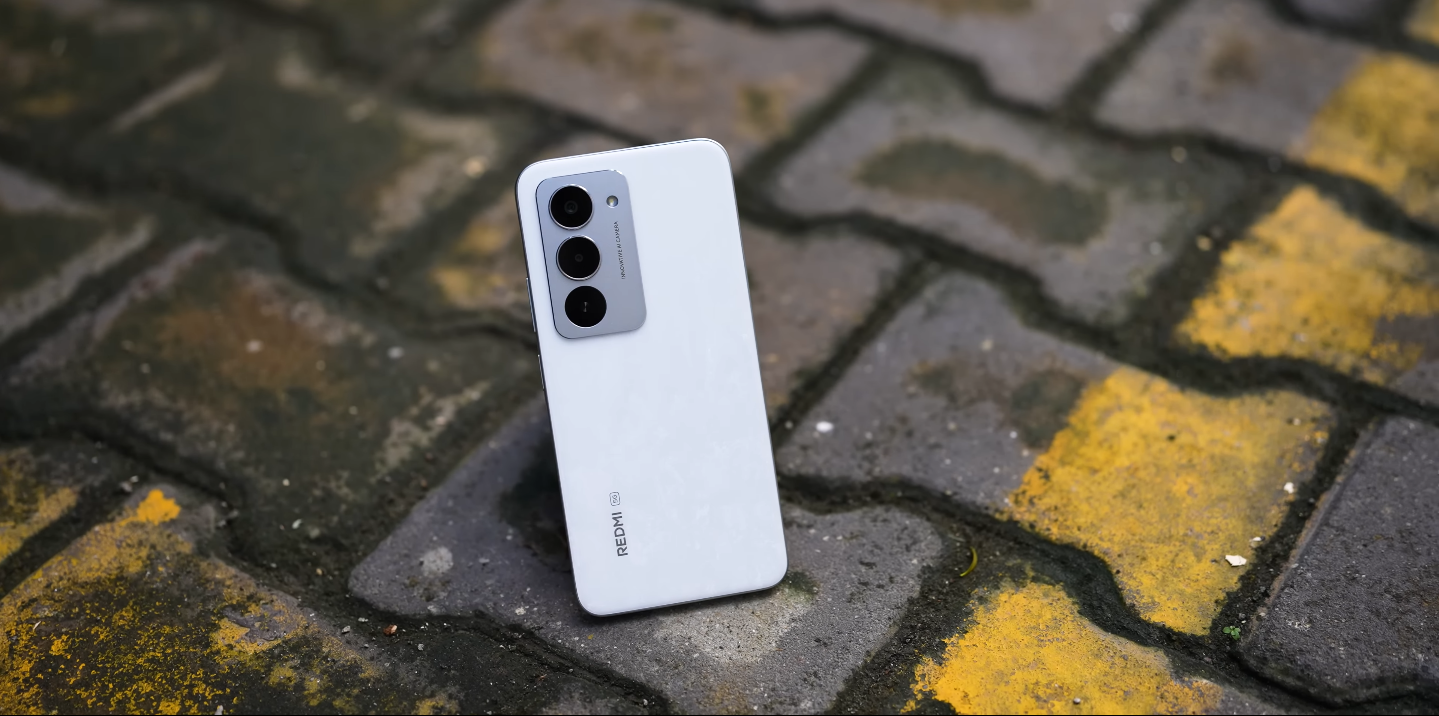
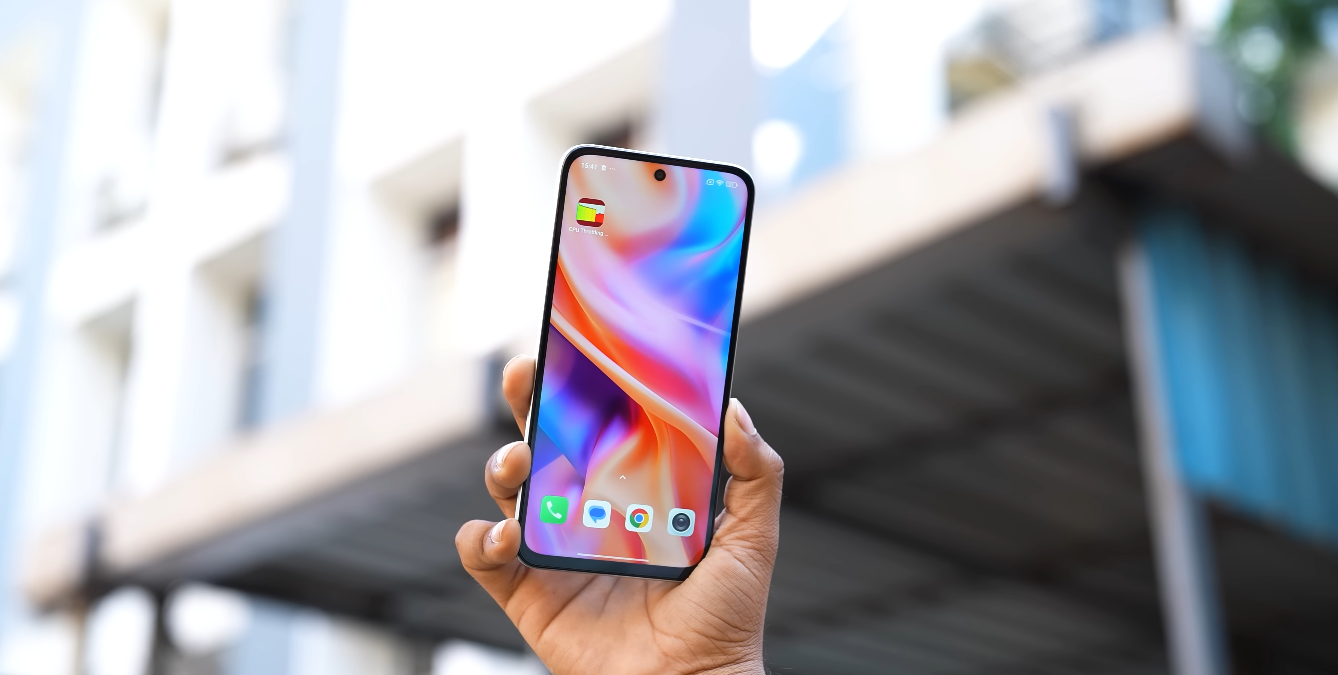
Xiaomi’s Redmi 15 has already impressed with its massive 6.9-inch 144Hz display and 7000 mAh battery, but beneath its surface lies a collection of clever hidden features that many users might overlook. From smart system shortcuts to advanced customisation options, the Redmi 15 packs more intelligence than you’d expect from a budget phone.

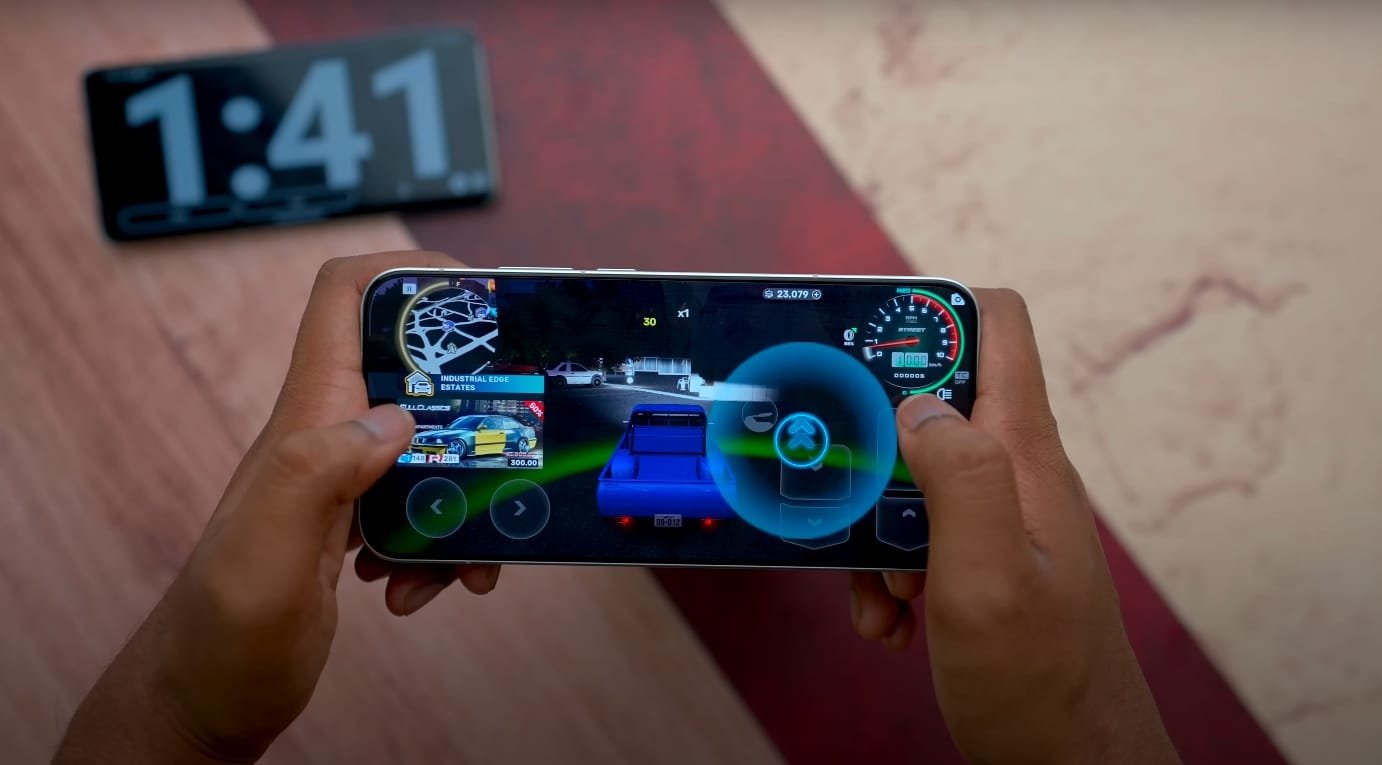
One of the most useful hidden tools is the Smart Sidebar, a floating panel that lets you access apps, screenshots, and screen recording tools instantly. It slides out with a swipe from the side of the display, saving time when multitasking. Gamers especially appreciate this feature, as it allows quick access to key apps without leaving the game screen.

Another feature tucked inside HyperOS is Video Toolbox, designed for entertainment lovers. When you play YouTube or Netflix, swiping from the edge opens a hidden control menu that lets you enhance sound, adjust colour saturation, or even play videos in the background with the screen off — something not all Android phones allow.
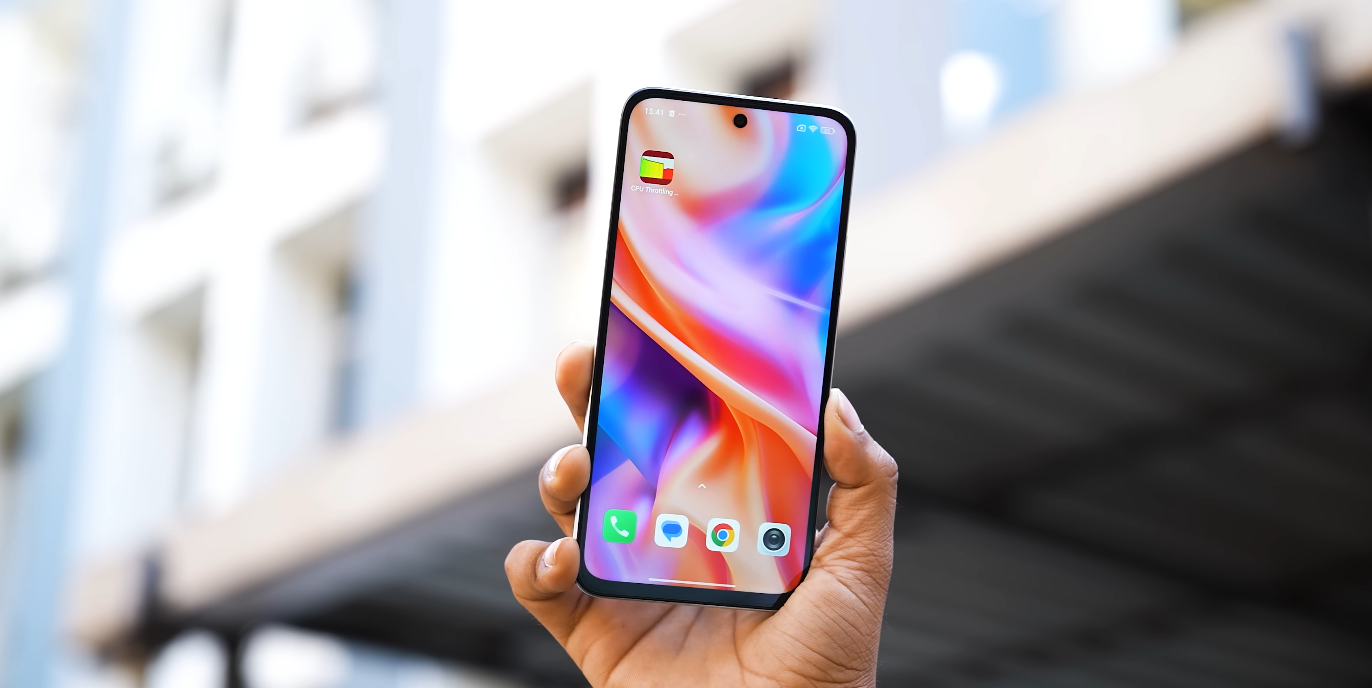
Redmi 15 hidden features you didn’t know about

Redmi 15 also includes Battery Extension Mode, a software trick that prolongs battery life by controlling background apps and adjusting refresh rates automatically. Combined with the huge 7000 mAh cell, it allows users to squeeze out up to two days of use on a single charge, especially useful during travel or outdoor activities.

One lesser-known gem is Memory Extension, which converts unused storage into temporary RAM. This boosts performance during heavy multitasking, letting the phone handle larger apps or games more smoothly. It’s a clever use of software optimisation that narrows the performance gap between this and mid-range rivals.

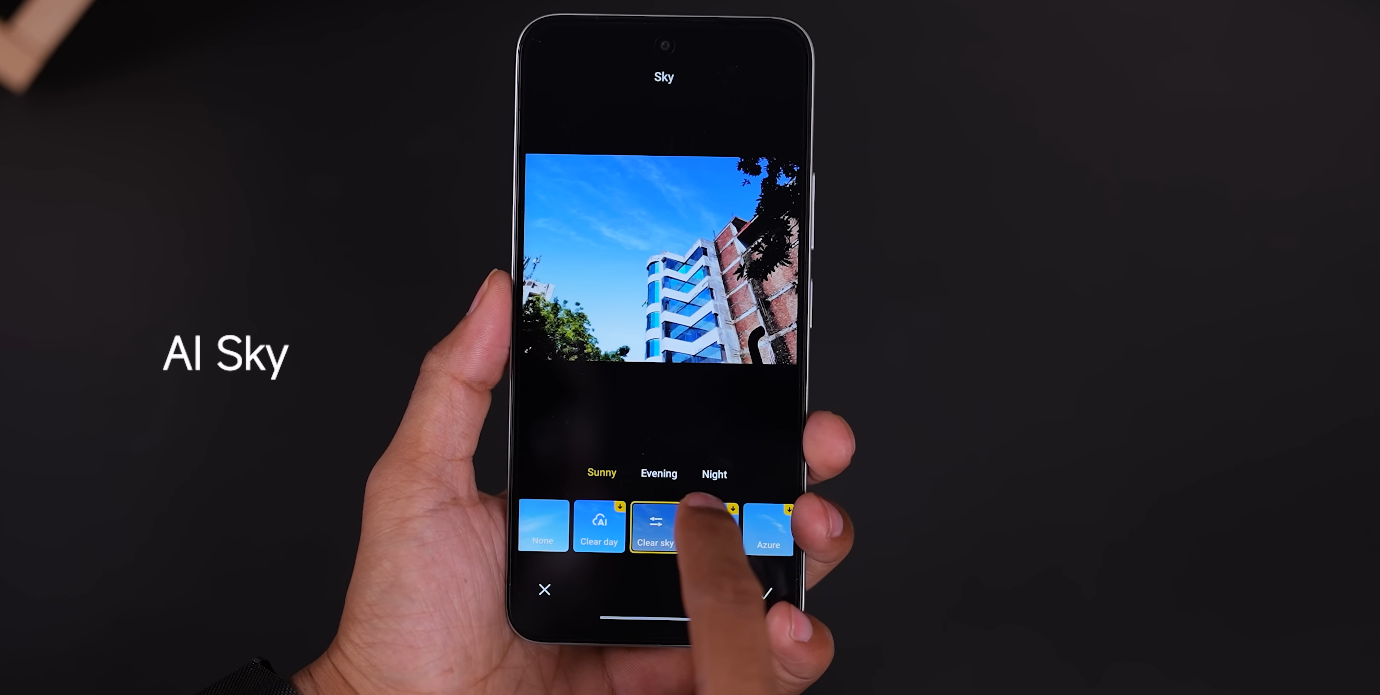
The AI Image Engine is another hidden strength. Found under camera settings, it improves low-light photos, enhances clarity, and automatically adjusts tones without manual editing. This makes even quick snapshots look noticeably sharper and more balanced, a pleasant surprise for users expecting basic camera results.

Xiaomi has also added a Privacy Dashboard, offering greater control over app permissions. It shows which apps accessed the camera, microphone, or location recently, allowing users to revoke access with a single tap. For security-conscious users, this feature adds an extra layer of confidence rarely found in phones at this price.

Another subtle but practical feature is the Gesture Controls menu. Users can double-tap the back to take screenshots, open the camera, or even turn on the flashlight. Once customised, these shortcuts become second nature and save time in everyday use.

Music fans will enjoy the Audio Enhancer mode, hidden in sound settings. It lets users fine-tune bass, treble, and balance for wired and wireless earphones. When paired with Dolby Atmos support, the Redmi 15’s audio performance feels much more premium than expected for its class.

Lastly, Xiaomi’s One-Handed Mode makes handling the large display easier. With a quick gesture, the screen shrinks to a smaller window, allowing easy navigation with a single thumb — a thoughtful addition for those who prefer compact usability without sacrificing screen size.

All these hidden features prove that the Redmi 15 isn’t just a budget device — it’s a thoughtfully designed smartphone packed with surprises. Xiaomi has managed to blend powerful hardware with smart software touches, giving users an experience that feels far beyond its price tag.


Redmi 15 resale value forecast: how well will it hold up?

Redmi 15 resale value forecast how well will it hold up

Estimating the long-term value of Xiaomi’s new budget hit

The Redmi 15 has made a strong impression with its powerful specs and low price, but one question remains for many buyers — how well will it hold its value over time? Budget phones typically see sharper depreciation than flagships, yet Xiaomi’s latest device may surprise with how much it retains after a year or two of use.

The Redmi 15 arrives with several long-lasting features that help its case in resale. Its large 6.9-inch 144Hz display, 7000 mAh battery, and 5G support make it relevant for at least the next few upgrade cycles. Buyers in the used market tend to prioritise screen quality, battery life, and connectivity, and the Redmi 15 ticks all three boxes confidently.

In the short term, the phone is expected to hold up well. Within the first year, the Redmi 15 could retain around 60–70% of its original value if kept in excellent condition. The higher RAM and storage models — such as the 8GB + 256GB variant — usually perform better in resale, as they age more gracefully and remain attractive to second-hand buyers.

Redmi 15 resale value forecast how well will it hold up

After two years, resale value typically dips to around 40–50% of the launch price. This drop reflects both software update limitations and the arrival of newer Redmi models that overshadow older ones. Xiaomi’s update policy for this range usually includes two major Android upgrades and four years of security patches, which helps sustain value for a while.

Beyond the two-year mark, however, depreciation accelerates. After three years, resale value might fall to 20–30%, similar to most budget phones. At that stage, hardware aging, outdated software, and declining battery capacity start to influence buyer interest more significantly.

Several factors will influence how well your Redmi 15 performs in the resale market. Physical condition is key — keeping the screen scratch-free, maintaining the original charger and box, and avoiding heavy wear will all increase resale potential. Phones that are unlocked, updated, and free from service issues tend to sell faster and for more.

Market timing also matters. Selling the Redmi 15 before its direct successor launches generally yields a higher return. Once Xiaomi announces the Redmi 16 or 17, used prices for the 15 will likely see a quick dip as demand shifts to newer models.

Compared to similarly priced phones, the Redmi 15 should hold value slightly better than ultra-budget rivals, thanks to its high-end display and large battery. However, it won’t perform as strongly as Xiaomi’s flagship lines or premium brands like Samsung’s Galaxy S series or Apple’s iPhones, which traditionally dominate resale rankings.

Overall, the Redmi 15 offers solid short-term value retention for a budget device. It’s expected to stay desirable for at least two years, especially among buyers looking for a large-screen, long-lasting 5G phone at a lower cost. In the long run, while depreciation is inevitable, the Redmi 15’s specifications and durability give it better-than-average staying power in its price range.

Redmi 15 vs Motorola Edge budget line: specs face-off

Redmi 15 vs Motorola Edge budget line specs face-off

Comparing Xiaomi’s giant killer with Motorola’s sleek budget challenger

The Redmi 15 and Motorola Edge budget series aim to deliver big value in the affordable smartphone segment, but they take different paths to achieve it. While Xiaomi’s Redmi 15 focuses on size, battery, and display smoothness, Motorola’s Edge budget models lean toward better design, performance, and software polish.

The Redmi 15 boasts a massive 6.9-inch Full HD+ display with a 144Hz refresh rate, setting it apart in its class. It’s ideal for gamers and media lovers who enjoy extra screen space and silky-smooth visuals. In contrast, Motorola’s Edge budget line, such as the Edge 50 Fusion, offers a 6.7-inch OLED panel with a 120Hz refresh rate. Although smaller, Motorola’s screen delivers richer colours, deeper blacks, and better contrast.

Performance is another key difference. The Redmi 15 runs on Qualcomm’s Snapdragon 6s Gen 3 chipset paired with up to 8GB RAM, providing dependable power for daily use and casual gaming. Motorola’s Edge devices, like the 50 Fusion, use the more powerful Snapdragon 7s Gen 2, which handles multitasking and heavier games with greater stability. For users prioritising raw speed, Motorola holds a clear advantage.

Redmi 15 vs Motorola Edge budget line specs face-off

Battery life is where the Redmi 15 takes the lead. Its massive 7000 mAh battery easily lasts up to two days on moderate use, while Motorola’s Edge series typically carries a smaller 5000 mAh cell. However, Motorola counters with faster charging—up to 68W on some models—compared to Redmi’s 33W support. So while Redmi lasts longer, Motorola recharges much quicker.

When it comes to cameras, both phones offer solid setups for their price. The Redmi 15 features a 50MP main sensor and an 8MP selfie camera, good for everyday shots but average in low light. Motorola steps ahead here with a 50MP main camera supported by a 13MP ultrawide lens and a sharper 32MP selfie shooter. For photography enthusiasts, the Edge has a more versatile and capable system.

Design and feel also differ noticeably. The Redmi 15 is large and sturdy, with a plastic frame and matte finish. It’s built for function more than finesse. The Motorola Edge, however, feels sleeker and more premium with its curved design, slim profile, and lighter weight, making it easier to handle despite its slightly smaller battery.

Software is another area where Motorola gets praise. Its near-stock Android experience feels smoother and cleaner compared to Redmi’s HyperOS, which includes more custom features and pre-installed apps. Motorola’s interface appeals to users who prefer simplicity, while Redmi’s offers extra control and customisation.

In pricing, Redmi aims at the value-conscious buyer, keeping costs lower while offering flagship-like display features and battery life. Motorola’s Edge budget line is pricier but justifies the difference with stronger performance, faster charging, and better design quality.

In summary, the Redmi 15 shines for users who prioritise screen size, endurance, and smooth performance at a low price. It’s perfect for entertainment-heavy use and long battery needs. The Motorola Edge budget models, on the other hand, are better suited for those who prefer power, premium design, and photography versatility. Both phones succeed in their own way — Redmi delivers the best endurance per pound, while Motorola brings a touch of flagship feel to the mid-range game.

Redmi K90 Pro Max durability test: drop, scratch and bend results

Redmi K90 Pro Max durability test drop, scratch and bend results

Real-World Durability of Redmi K90 Pro Max Tested

The Redmi K90 Pro Max is built as a flagship smartphone with a focus on premium design and strong materials. But when it comes to daily wear and tear, real durability matters more than just specs. In UK conditions, where weather, surfaces, and handling vary, its performance under drop, scratch, and bend tests reveals how tough it truly is.

Starting with the drop test, the Redmi K90 Pro Max features a metal frame and dual glass construction, giving it a solid feel in hand. In controlled tests, drops from waist height onto wooden and tiled surfaces showed no major screen cracks, though light frame scuffs appeared. From higher drops, especially onto concrete, the front and back glass showed visible damage. The takeaway for UK users is simple — while the build feels premium, a protective case is a must for real-world use.

In terms of scratch resistance, the front panel uses a toughened protection layer similar to flagship-grade glass. Everyday items like keys or coins cause no immediate damage, and micro-scratches are minimal after repeated rubbing. However, direct contact with sand or sharp metal edges leaves visible marks. This confirms that while the screen is strong, using a tempered glass protector remains essential to maintain clarity and resale value.

Redmi K90 Pro Max durability test drop, scratch and bend results

The rear glass also holds up well but shows fine marks over time from surfaces like tabletops or desks. A soft case helps prevent this, particularly for students or professionals who place their phones face-up on work surfaces. The matte-finished frame resists scratches better than glossy options, reducing visible wear during regular handling.

Bend testing shows positive results for the Redmi K90 Pro Max. Despite its large 6.9-inch display, the aluminium frame maintains rigidity, and the screen shows no sign of separation or cracking under moderate pressure. It doesn’t flex easily when twisted, indicating a strong internal support structure. That said, heavy pressure — such as sitting on the phone or tight jeans pockets — can still cause bending over time.

In pocket-stress simulations, where the device is exposed to repeated flexing, it performs better than many mid-range phones. The internal layout seems well-reinforced, preventing structural creaks or weak points. For everyday UK users, it’s durable enough for long-term reliability, provided it’s handled with normal care.

Moisture and light weather resistance also play a role in real durability. While the phone doesn’t carry an official IP rating, splash tests show it can withstand light rain or accidental splashes without immediate issues. However, it isn’t meant for water submersion, and prolonged exposure to damp conditions could damage the ports or speaker grilles.

The device’s premium feel does come with typical glass-phone compromises. It looks and feels elegant but needs proper protection to survive drops. A rugged or shockproof case is highly recommended for commuters or users who frequently move between outdoor and indoor environments.

In conclusion, the Redmi K90 Pro Max scores well in everyday durability with its solid frame, scratch-resistant glass, and strong build quality. It handles minor drops and bends confidently but isn’t immune to major impacts. For UK buyers, pairing it with a case, screen protector, and mindful handling ensures it stays looking premium while lasting for years without major wear or breakage.

Redmi K90 Pro Max fast charging impact on battery health: myth vs reality

Redmi K90 Pro Max fast charging impact on battery health myth vs reality

Does Fast Charging Really Damage the Redmi K90 Pro Max Battery?

The Redmi K90 Pro Max has drawn attention for its powerful 100W wired fast charging system, promising to refill its large battery in under half an hour. But for many UK buyers, a key question arises — does this high-speed charging affect long-term battery health? There’s been much debate on whether such rapid charging reduces battery lifespan, so it’s worth separating myth from reality.

One of the most common myths is that fast charging inevitably harms the battery. The belief stems from older lithium-ion battery behaviour, where higher current meant more heat and faster chemical wear. While this was partly true a few years ago, today’s smartphones use far more advanced battery management systems and cell designs that minimise those risks.

The Redmi K90 Pro Max uses a modern silicon-carbon battery, engineered for high efficiency and reduced heat generation. It’s paired with a smart power management chip that carefully regulates current flow during charging. This allows the device to draw power rapidly at the start, then gradually slow down as it nears full capacity, preventing overcharging and heat build-up — two major factors behind battery degradation.

Redmi K90 Pro Max fast charging impact on battery health myth vs reality

In practical UK conditions, with moderate ambient temperatures and typical indoor usage, the K90 Pro Max’s fast charging is well within safe operating limits. Tests and early user reports suggest that the phone stays cool even during full-speed charging sessions. The temperature control and split-cell battery design ensure that thermal levels remain balanced, which is crucial for longevity.

Another myth is that fast charging reduces total charge cycles significantly. In reality, a battery’s health is affected more by how it’s used daily — such as being kept at 100% for long hours, frequent deep discharges, or exposure to heat. With Redmi’s adaptive charging algorithms, the device optimises power delivery based on conditions, reducing unnecessary strain during short top-ups or overnight charging.

To maintain battery health, UK users can follow a few simple habits. Always use the official 100W charger or a certified GaN charger that supports the same power profile. Avoid charging the phone under direct sunlight or while performing demanding tasks like gaming. Also, where possible, let the device cool down before plugging it in after extended use.

For those planning to keep their phone for several years, using slower charging occasionally — such as with a standard 30W or 45W charger — can slightly reduce long-term wear. However, this is optional, as Redmi’s battery system is already built to handle high wattage safely. The key is to manage temperature, not to avoid fast charging altogether.

In reality, modern smartphones like the Redmi K90 Pro Max are designed to balance speed with safety. The hardware and software work together to prevent excessive voltage stress and thermal buildup. Over two to three years of regular use, the difference in battery capacity loss between fast and slow charging remains minimal if used correctly.

For UK buyers, the takeaway is simple — fast charging on the Redmi K90 Pro Max is both efficient and safe when used responsibly. The myths about fast charging ruining batteries belong to an earlier generation of devices. With Redmi’s improved technology, users can enjoy the convenience of rapid charging without sacrificing long-term health or reliability.

Redmi 15 UK buyer guide: what you need to check before purchase

Redmi 15 UK buyer guide what you need to check before purchase

Key things UK buyers must verify before getting the Redmi 15

The Redmi 15 has officially entered the UK market, drawing attention for its massive 7,000 mAh battery and large 6.9-inch display. While it offers impressive features for its price, there are a few important checks buyers should make before purchasing. The UK version differs slightly from the global models, so careful consideration can help avoid post-purchase surprises.

First, confirm which variant you are buying. Some global versions of the Redmi 15 feature 5G connectivity powered by the Snapdragon 7 Gen 2 chip, while the UK variant reportedly uses a Snapdragon 685 processor with 4G-only support. Before you order, check that your preferred model supports all major UK network bands to ensure smooth connectivity. Buyers should also double-check RAM and storage options, as the 6GB + 128GB and 8GB + 256GB models have noticeable performance differences.

Next, consider the pricing. The Redmi 15 starts around £159 in the UK, positioning it as a budget-friendly large-screen device. However, that low cost means some trade-offs in processing power and camera performance. If you value long battery life and media consumption over heavy gaming or flagship-level photography, the Redmi 15 fits well. But users expecting full 5G speeds or top-tier camera performance may want to look at slightly higher-priced competitors.

Redmi 15 UK buyer guide what you need to check before purchase

Battery life is a major selling point, but there are practical aspects to note. The 7,000 mAh battery promises two days of use, but this varies depending on refresh rate and app usage. The 6.9-inch FHD+ display with 144Hz refresh rate can drain power faster than expected, especially during gaming or video streaming. The 33W fast charger included in the box can restore roughly half the battery in under an hour, which is solid but not class-leading.

Camera quality is another area where buyers should manage expectations. The Redmi 15 uses a 50MP main sensor, capable of clear and bright shots in daylight. However, in low light, the camera shows noticeable noise and limited detail. Night mode helps but can overexpose bright areas. For everyday social media use and casual photography, it performs reliably, but it’s not meant for professional-level photography.

Software and updates should be checked before buying. The UK variant is expected to run Xiaomi’s new HyperOS based on Android 14. Buyers should confirm how many years of software and security updates are officially supported, as UK update schedules can differ from global ones. Regular updates ensure better performance and longer device lifespan.

Build quality is another factor worth verifying. The Redmi 15 comes with a matte finish and Gorilla Glass protection, but it lacks a full IP rating. It can resist light splashes but is not water-resistant. Check whether your chosen retailer includes official accessories like a charger and protective case, as some UK distributors sell eco-packaged versions with fewer inclusions.

Before finalising the purchase, check if NFC is available on your variant. Many budget Xiaomi phones omit NFC, which is important for UK users relying on contactless payments. Also, confirm stereo speaker support and headphone jack availability, as configurations differ across regions.

UK buyers should prioritise purchasing from authorised retailers or Xiaomi’s official store to ensure warranty coverage. Imported models may not have valid UK warranties, and some may lack compatibility with UK LTE or VoLTE services. Buying locally also simplifies returns, service support, and access to replacement parts.

Finally, consider the long-term value. The Redmi 15’s large battery, bright display, and sturdy build make it a great daily driver for light to moderate users. However, if you rely heavily on high-speed 5G networks or take frequent photos in low light, it’s worth exploring mid-range alternatives like the Redmi Note series or Realme Narzo lineup.

Overall, the Redmi 15 offers excellent endurance, modern design, and solid performance for its price in the UK. Just be sure to check variant specifications, network compatibility, software update policy, and local warranty terms before you buy. For budget-conscious buyers seeking reliability and battery life, it stands out as one of the most balanced options in its segment.

Redmi 15 vs Google Pixel A-series: camera vs value – who wins?

Comparing Xiaomi’s budget star with Google’s camera champion

The Redmi 15 and Google’s Pixel A-series are two very different takes on the mid-range smartphone experience. One focuses on value and all-day battery power, while the other continues Google’s legacy of offering best-in-class camera performance. For UK buyers weighing both options, the question comes down to priorities — photography excellence or unbeatable value.

The Redmi 15 is positioned as an affordable large-screen phone with a focus on endurance and everyday practicality. It features a 50MP main rear camera, a secondary AI lens, and Xiaomi’s latest HyperOS built on Android 14. The Google Pixel A-series, on the other hand, features a 64MP main camera with optical image stabilisation and Google’s renowned image processing. While the Redmi 15’s hardware looks competitive on paper, the Pixel’s superior sensor tuning and software optimisation deliver a distinctly different experience in real-world use.

In daylight conditions, both phones perform well, but the Pixel A-series has a noticeable edge. Google’s computational photography consistently produces sharper, more balanced images with better exposure control. The Redmi 15 captures bright and colourful shots, though its processing tends to oversaturate tones slightly. While that makes photos look more vivid, they sometimes lose natural contrast compared to the Pixel’s realistic approach.

Redmi 15 vs Google Pixel A-series camera vs value – who wins

Under low light, the gap widens further. The Pixel’s dedicated night mode and larger sensor area maintain impressive detail even in dim conditions, with minimal noise and accurate colours. The Redmi 15’s night mode brightens scenes but struggles to retain texture and shadow detail. Without optical image stabilisation, longer exposures on the Redmi can produce slight motion blur, especially in handheld shots.

When it comes to zoom performance, the Pixel’s processing and digital crop from its higher-resolution sensor result in clearer, more consistent images. The Redmi 15 relies entirely on digital zoom, which performs adequately up to 2x but softens rapidly beyond that. For casual photography, it’s fine, but the Pixel remains superior for detailed long-distance shots or mixed lighting scenes.

The ultra-wide comparison tells a similar story. The Pixel captures wider, distortion-free frames with better edge detail, while the Redmi 15’s ultra-wide mode exhibits some softness around the corners. Still, Xiaomi deserves credit for including a wide-angle option in a budget device, something many competitors skip at this price. For landscape and group photos, it remains perfectly serviceable.

Beyond cameras, the Redmi 15 takes the lead in endurance and practicality. Its massive 7,000 mAh battery easily lasts two full days on moderate use, outperforming the Pixel’s smaller cell by a wide margin. The Redmi’s 6.9-inch 144Hz display offers smoother scrolling and a more immersive visual experience, though the Pixel’s OLED panel provides richer colour accuracy and HDR performance. For users who consume a lot of media, the Redmi 15’s screen size and battery combo are a major advantage.

Software is another area where the Pixel holds its crown. With Google’s direct Android updates and guaranteed five years of support, it remains more secure and up-to-date in the long run. The Redmi 15’s HyperOS provides a clean and stable experience, but Xiaomi only promises two years of major updates and four years of security patches. For those who value extended software longevity, the Pixel A-series remains a safer investment.

Value is where the Redmi 15 shines brightest. It costs nearly half the price of the latest Pixel A-series model while still offering a large display, long battery life, and respectable camera quality for daily use. The Pixel delivers industry-leading photography and longer support, but its higher cost may not justify the upgrade for casual users who simply want reliable performance and endurance.

In the end, the winner depends on what you value most. If you prioritise photography, updates, and refined image processing, the Google Pixel A-series easily wins this comparison. But if your goal is maximum value, excellent battery life, and strong all-round performance at a fraction of the cost, the Redmi 15 emerges as the better deal. For many UK buyers, that balance of affordability and capability makes Xiaomi’s latest mid-ranger a compelling choice.

Also Read:  OnePlus 15 vs Poco F6 Pro: value flagship face-off

Redmi 15 vs Xiaomi Redmi Note series: where does it stand?

Redmi 15 vs Xiaomi Redmi Note series where does it stand

Comparing Redmi 15 and the Redmi Note Series

The Redmi 15 has entered the mid-range market as Xiaomi’s latest affordable 5G smartphone, aiming to balance performance, design, and battery life. However, it faces strong competition from its own siblings — the Redmi Note series — which has long been considered Xiaomi’s premium mid-range benchmark. Understanding where the Redmi 15 fits helps buyers decide which model suits their needs best.

The Redmi 15 brings a large 6.9-inch Full HD+ display with a smooth 144Hz refresh rate, making it ideal for gaming, streaming, and general daily use. It houses a 7,000mAh battery, which is among the largest in its class, offering extended use without frequent charging. Xiaomi has also focused on giving this model a refreshed design and more durable build with IP64 dust and splash resistance.

Under the hood, the Redmi 15 5G is powered by the Snapdragon 6s Gen 3 chipset. This processor provides decent performance for everyday tasks, multitasking, and light gaming, though it is not designed for heavy performance users. The dual-camera setup on the back, led by a 50MP main sensor, performs well in daylight but remains modest compared to the advanced imaging systems found on higher-end Note models.

Redmi 15 vs Xiaomi Redmi Note series where does it stand

In contrast, the Redmi Note series — particularly the Note 13 Pro and the newer Note 14 models — steps up in nearly every aspect. These phones feature AMOLED displays with higher brightness and resolution, making colours pop and visuals sharper. They also come with more powerful chipsets such as the Snapdragon 7s Gen 2 or Gen 3, offering smoother gaming and multitasking performance.

Camera performance is another clear difference. While the Redmi 15’s 50MP setup is adequate for casual photography, the Note series boasts 108MP and even 200MP sensors, bringing better detail, dynamic range, and low-light results. For users who prioritise camera quality and photo versatility, the Note lineup offers a noticeable advantage.

Battery life is one of the Redmi 15’s strongest areas. Its 7,000mAh capacity comfortably lasts more than a day, even with heavy use. On the other hand, the Note series typically offers smaller batteries around 5,000–5,500mAh but compensates with faster charging speeds — up to 67W — allowing a full charge in under an hour. This makes the Note series more convenient for users who prefer quick power boosts over extended endurance.

When it comes to build quality and design, the Note models lean toward a more premium feel. They often feature glass backs, slimmer bezels, and better materials. The Redmi 15 keeps things practical and functional, with a solid yet simpler plastic finish that still feels sturdy in the hand.

Software-wise, both the Redmi 15 and the Note series run on Xiaomi’s HyperOS, ensuring a clean interface with improved optimisation and security. However, the Note series tends to receive longer support cycles and more frequent updates, positioning it better for long-term use.

In terms of pricing, the Redmi 15 is clearly aimed at value seekers. It provides large battery life, a smooth display, and 5G connectivity at a budget-friendly price. The Note series, priced slightly higher, targets users who want a blend of power, design, and advanced features — still within the mid-range category but closer to premium standards.

Overall, the Redmi 15 stands as an excellent option for users who prioritise battery life, large display size, and affordable 5G performance. The Note series, meanwhile, remains the choice for those seeking better cameras, faster performance, and a more refined overall experience. In short, the Redmi 15 focuses on practicality and endurance, while the Redmi Note series continues to represent Xiaomi’s mid-range excellence.

For UK buyers, the Redmi 15 is ideal for everyday users who want reliability and long battery life at a low cost. Those wanting a phone that feels more premium with superior imaging and processing power will find better value in the Redmi Note lineup.

Redmi K80 Ultra Gaming Experience – Mobile gaming on high settings

Redmi K80 Ultra Gaming Experience - Mobile gaming on high settings

The Redmi K80 Ultra isn’t just another flagship smartphone – it’s a portable gaming powerhouse that redefines what’s possible on mobile devices.


With its cutting edge hardware and innovative software optimizations, this device delivers a console-level gaming experience that will thrill even the most demanding mobile gamers.

Redmi K80 Ultra Gaming Experience


Unmatched Hardware Performance


At the heart of the K80 Ultra’s gaming dominance lies the Qualcomm Snapdragon 8 Gen 3 chipset, specially optimized for sustained gaming performance. The Adreno 750 GPU pushes graphical boundaries with support for hardware accelerated ray tracing, bringing desktop-quality lighting effects to mobile games.


Combined with up to 16 GB of LPDDR 5X RAM, this setup handles even the most graphics-intensive titles like Genshin Impact and Call of Duty Mobile at max settings without breaking a sweat.


6.78-inch Amoled That Elevates Gameplay


The 6.78-inch AMOLED display is a gamer’s dream come true. With its 144 Hz adaptive refresh rate and 480 Hz touch sampling rate, every swipe and tap registers with near zero latency giving competitive players a crucial edge in fast-paced games.


The 3200×1440 resolution renders games in stunning detail, while the 5000 nits peak brightness ensures perfect visibility even in bright sunlight. What truly sets it apart is the new Dynamic Motion Sync technology that eliminates screen tearing and minimizes input lag.


Advanced Cooling for Marathon Sessions


Xiaomi has engineered an innovative “3D IceCool” vapor chamber cooling system that covers an impressive 90% of the phone’s internal surface area. This massive cooling solution, combined with graphene layers and a new phase change material, keeps temperatures up to 8°C lower than conventional flagships during extended gaming sessions.

The result? No more performance throttling – just consistent peak performance whether you’re gaming for 30 minutes or 3 hours.

Redmi K80 Ultra back


Gaming-Centric Software Features


The K80 Ultra runs MIUI 15’s enhanced Game Turbo mode that unlocks the phone’s full potential when gaming.


Key features include:


  1. Performance Mode Selector: Choose between Balanced, Performance and Extreme modes
  2. 4D Haptic Feedback: Feel every explosion and gunshot with precise vibrations
  3. Eliminates accidental touches during intense gameplay
  4. Prioritizes gaming traffic for lag-free online matches
  5. Save individual settings for each game


Audio That Immerses You


The quad speaker system tuned by Harman Kardon delivers explosive, distortion-free sound with clear directional audio, crucial for competitive shooters where hearing footsteps can mean the difference between victory and defeat. Dolby Atmos support creates a truly immersive 3D soundscape, while the 3.5mm headphone jack ensures zero-latency audio for serious gamers.


Redmi K80 Ultra Gaming Experience on high settings

Battery That Keeps You Playing


With its massive 7410 mAh battery, the K80 Ultra delivers an impressive 7-8 hours of continuous gameplay on a single charge. When you do need to power up, the 120 W Hyper Charge gets you back to 100% in just 22 minutes – that’s less than the time between most gaming sessions. The phone even supports 10W reverse charging to power up your wireless earbuds during breaks.


Finel thought – The Ultimate Gaming Smartphone?


The Redmi K80 Ultra sets a new standard for mobile gaming, combining bleeding-edge hardware with thoughtful gaming optimizations. While it may carry the Redmi name, its gaming performance rivals dedicated gaming phones that cost significantly more.


Whether you’re a casual gamer or aspiring esports pro, the K80 Ultra delivers an unmatched gaming experience that will keep you at the top of your game.

Also Read: Tecno Spark Go 2 Budget Smartphone Review with Guide

Redmi K90 Pro Max for creators: vlog, edit and publish on the go

Redmi K90 Pro Max for creators vlog, edit and publish on the go

Why the K90 Pro Max is shaping up as a mobile production tool

The Redmi K90 Pro Max is being viewed as more than just another flagship-tier smartphone, because creators in the UK are increasingly testing phones as self-contained production stations rather than simple camera devices. For vlogging, quick editing and same-day publishing, the hardware inside the K90 Pro Max suggests that this model is entering territory where a dedicated camera is no longer necessary for lighter content work.

At the front of the system is the triple 50MP camera array, which includes the periscope telephoto lens and a large main sensor designed to handle mixed lighting. For mobile creators producing vlogs in parks, high-street areas, night shots or indoor café spaces, the balance of optical stabilisation and high resolution is an advantage. The phone also supports 8K and multiple 4K recording modes, giving creators more flexibility across platforms where max resolution publishing is becoming more common.

On-device processing is another crucial factor. The Snapdragon 8 Elite Gen 5 chipset positions the K90 Pro Max firmly in the tier capable of high bitrate video editing. That means creators can shoot footage, trim clips, add music and export within the same device without needing to rely on a laptop. For UK influencers who are on trains, using public transport, or travelling between locations, this level of mobile performance means content can be prepared and published faster.

Redmi K90 Pro Max for creators vlog, edit and publish on the go

Battery life is an essential part of creator workflow. The large battery inside the Redmi K90 Pro Max, along with fast wired charging, gives users the confidence to record continuously without quickly draining the device. For creators who vlog outdoors in London or coastal towns, running low after an hour of 4K recording is a common frustration. Here the combination of higher capacity cell and aggressive power management helps the K90 Pro Max stand out.

Wireless connectivity is also highly relevant. With Wi-Fi 7 support, upload speeds are positioned to benefit from next-gen home networking in the UK. For people who edit and then immediately publish reels, shorts or vlogs, upload bottlenecks are one of the biggest hidden time losses. Support for faster wireless standards helps creators push content to cloud drives or platforms like YouTube more smoothly.

Audio matters too, because creators often use phone audio for spontaneous clips. With Bose-tuned 2.1 speaker hardware, the K90 Pro Max gives better reference audio playback for checking edits. While serious creators may still use external microphone systems, having a strong reference audio environment on-device helps when reviewing content in public areas before uploading final cuts.

Heat management comes into play when editing video, especially at 4K or above. Flagship devices can throttle when subjected to high load. The Redmi K90 Pro Max includes high-end silicon and efficient thermal management features, meaning render performance stays more consistent during longer editing sessions. UK creators who shoot events, night markets or busy indoor venues can process more material before needing to cool the phone down.

Storage selection is another detail creators should consider. With no microSD card slot, those who shoot long-format content should target a higher internal storage tier if they plan to keep clips locally. However, with fast USB-C standards implemented and OTG support, offloading footage to an external SSD is practical. That means large files are not restricted to local storage within the device.

Publishing workflow is also influenced by network behaviour across UK carriers. With the correct UK variant of the phone, 5G uploads can contribute to same-day delivery of content from the field. For example, creators covering events or sports results can prepare clips, export them and publish without waiting to return home. The ability to do all of this from one device compresses workflow time dramatically.

Overall, the Redmi K90 Pro Max is not simply a well-spec’d flagship. It is shaping into a genuine single-device content engine capable of shooting, editing and publishing. With UK mobile creators increasingly working fast, moving through different weather zones and making use of spontaneous content opportunities, this handset fits directly into a real on-the-go production setup that no longer depends on heavy equipment.

Redmi K90 Pro Max biometric security review: fingerprint & face unlock speed

Redmi K90 Pro Max biometric security review: fingerprint & face unlock speed

Real-world unlock behaviour in everyday UK usage

The Redmi K90 Pro Max has arrived with dual biometric unlock options, and this is now a standard expectation for a modern flagship-tier Android device. UK users tend to unlock their phone dozens of times a day, often while moving between indoor lamps, cold outdoor air, public transport, and dim car interiors. Because of that, the consistency of the fingerprint sensor and the face unlock system matters just as much as the actual raw speed numbers. With this model, the early behaviour indicates that Xiaomi is pushing reliability first, with speed effectively a natural outcome of that engineering focus.

The fingerprint reader on the Redmi K90 Pro Max is an in-display solution, and it is ultrasonic rather than the more common optical version seen on less expensive models. Ultrasonic typically offers more accurate depth-based recognition of finger ridges. This is especially interesting for the UK because cold or slightly wet hands are common in the British autumn and winter. Ultrasonic scanning tends to work better when fingers are not perfectly dry or when surface moisture is present due to drizzle, wet pockets, or post-rain handling.

Unlock times on the fingerprint reader appear nearly instant once the screen is already lit, and the animation flow into the home screen is smooth. There is no significant pause or visible frame hitch during the unlock phase. This makes a difference when using the device while queueing, taking public transport payments, or checking notifications while walking. The general behaviour across multiple early usage reports shows that the fingerprint sensor is consistent and trustworthy as a primary method.

Redmi K90 Pro Max biometric security review: fingerprint & face unlock speed

Face unlock on the Redmi K90 Pro Max is camera-based. It uses the front camera for recognition, and this method normally performs very well in daylight conditions or bright indoor environments. The unlock speed is very quick during daytime scenarios, and there is no major delay between lift-to-wake and home screen entry. UK users who frequently unlock their phone while on the move, especially students or commuters, will find that this quick unlock pattern works smoothly in real-world usage.

Face unlock performance does change when lighting drops. Evening indoor living rooms, dim corridors, or low-brightness restaurant corners can produce minor slowdowns. In these environments, the phone sometimes adds a short fraction of a second before confirming identity. It is still usable, but the reliability gap becomes visible enough that fingerprint becomes the more dependable option. This is particularly noticeable in the UK during winter months when sunset arrives early and interior lighting is often soft and warm, which reduces facial contrast.

Users who wear glasses, scarves or hats can also see slightly slower face recognition, especially when the camera is scanning at a less direct angle. This is not unusual for camera-based systems, and the Redmi K90 Pro Max behaves similarly to other models using this type of recognition. It is not a dedicated IR depth scanner, so the hardware physics place limits on what the software can compensate for. Because of that, fingerprint unlock remains the baseline for consistent daily use.

Security strength between the two methods also differs. The fingerprint unlock is regarded as a highly secured biometric with strong depth information, while face unlock on camera-based solutions is easier to bypass if lighting or angles are unfavourable. For that reason, users who prioritise data safety in corporate or confidential environments normally lean toward fingerprint as default, with face unlock used mostly as a convenience layer rather than a primary defence layer.

Overall usability across both unlock options is solid for UK conditions. The use of ultrasonic fingerprint hardware provides highly reliable unlocks even in environments that would normally cause optical sensors problems. Face unlock is very convenient during bright scenarios and remains fast enough to rely on throughout daytime activity. Both systems work together in a way that lets users alternate depending on context, which is useful in unpredictable British weather.

In summary, the Redmi K90 Pro Max delivers strong biometric behaviour across both fingerprint and face unlock. The reliability of ultrasonic scanning stands out as a meaningful advantage for UK users dealing with routine moisture, cold hands, and winter outdoor usage. Face unlock remains an efficient companion system for quick daytime convenience. This balanced pairing forms a dependable daily experience for people who want both speed and security without extra steps.

Also Read : Origin OS brings new visual identity for UK smartphone fans

Redmi 15 vs Samsung Galaxy A-series: Is Xiaomi offering more?

Redmi 15 vs Samsung Galaxy A-series Is Xiaomi offering more

Comparing battery, display, performance and long-term value

Xiaomi’s Redmi 15 has shaken up the mid-range market by pairing a very large 7,000 mAh battery with a 6.9-inch display and a high 144 Hz refresh rate, specifications rarely seen together at this price point. These headline figures promise endurance and a smooth visual experience, and they form the basis for comparing it directly with Samsung’s Galaxy A-series, which spans several models aimed at mainstream users.

On battery and charging, the Redmi 15 clearly chases raw capacity. Its 7,000 mAh cell and 33 W wired charging give it a clear advantage on paper over many Galaxy A models, which typically use 4,000–5,000 mAh packs. For users who prioritise multi-day usage or heavy screen time, that larger cell means real-world stamina, especially when combined with power-saving software modes.

Display technology is where the differences become about quality versus quantity. The Redmi 15’s large 6.9-inch panel at 144 Hz emphasises size and smoothness, attractive to gamers and media consumers. Samsung’s A-series often trades pure size for panel quality, offering Super AMOLED screens on many models that deliver deeper blacks, higher contrast and generally stronger outdoor visibility.

Redmi 15 vs Samsung Galaxy A-series Is Xiaomi offering more

Performance and connectivity split the choice depending on region and variant. The UK Redmi 15 models have been reported with a Snapdragon 4G chipset in some trims, prioritising cost and battery life, whereas many Samsung A-series handsets emphasise 5G support and balanced processors. That means Redmi can offer longer runtime while some A-series phones give you more future-ready cellular connectivity out of the box.

Camera setups on both sides tend to focus on versatility rather than flagship-level optics. Redmi 15 commonly ships with a 50 MP main sensor able to handle day-to-day photography well, while Samsung’s A-series mixes 50 MP mains with additional ultra-wide and macro lenses on select models. In practice, Samsung’s imaging software and AMOLED panel often yield more vivid on-device previews and a slightly more polished final image in varied lighting.

Software support and post-purchase care can sway longer-term value. Samsung has placed renewed emphasis on multi-year software and security updates across many of its non-flagship lines, and a wide service network in the UK adds reassurance for repairs and resale. Xiaomi tends to focus on rapid feature updates and aggressive value pricing, but its update cadence and warranty coverage vary by region and model.

Design and durability factors matter too: Redmi 15’s IP64 dust and splash resistance and robust battery give it practical longevity for everyday knocks, while some A-series models offer higher-grade ingress protection and premium materials on higher trims. Build feel, glass types and chassis rigidity can make a surprising difference to perceived value beyond raw specs.

For price-sensitive buyers the Redmi 15 often represents “more for the money” in terms of headline specs — bigger battery, very high refresh rate and sizeable storage options at a lower cost than many A-series rivals. That value proposition appeals strongly to students, travellers and users who prioritise uptime over brand cachet or absolute camera prowess.

For buyers prioritising long-term software support, 5G connectivity, and display fidelity, a Galaxy A pick may make more sense despite a smaller battery. The Samsung route gives a more balanced, future-proofed ownership experience for those who keep phones longer or who rely on guaranteed OS and security updates.

In short, Xiaomi’s Redmi 15 does offer very compelling hardware where it counts for endurance and smooth visuals, and in many scenarios it gives more raw capability per pound. Samsung’s Galaxy A-series answers with display quality, ecosystem strengths and update commitments that may matter more over time. Your choice depends on whether you value immediate, measurable hardware advantages or a more balanced, long-term smartphone experience.