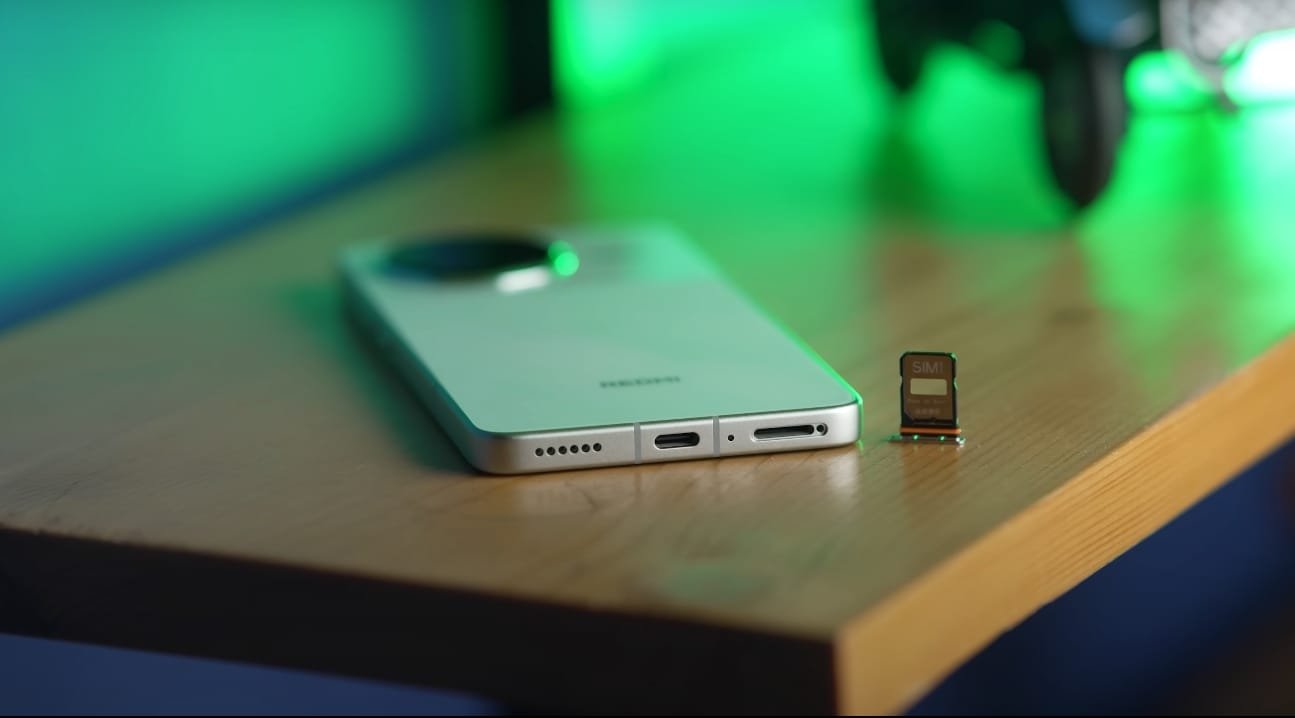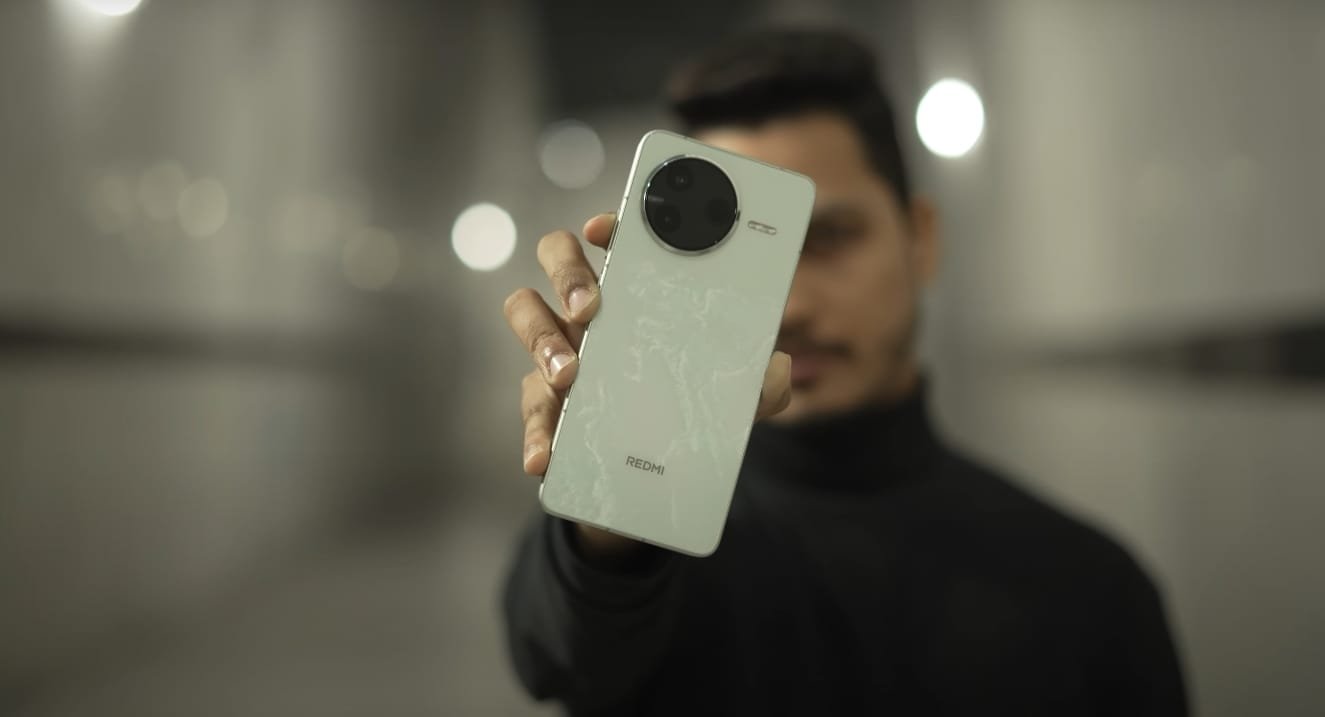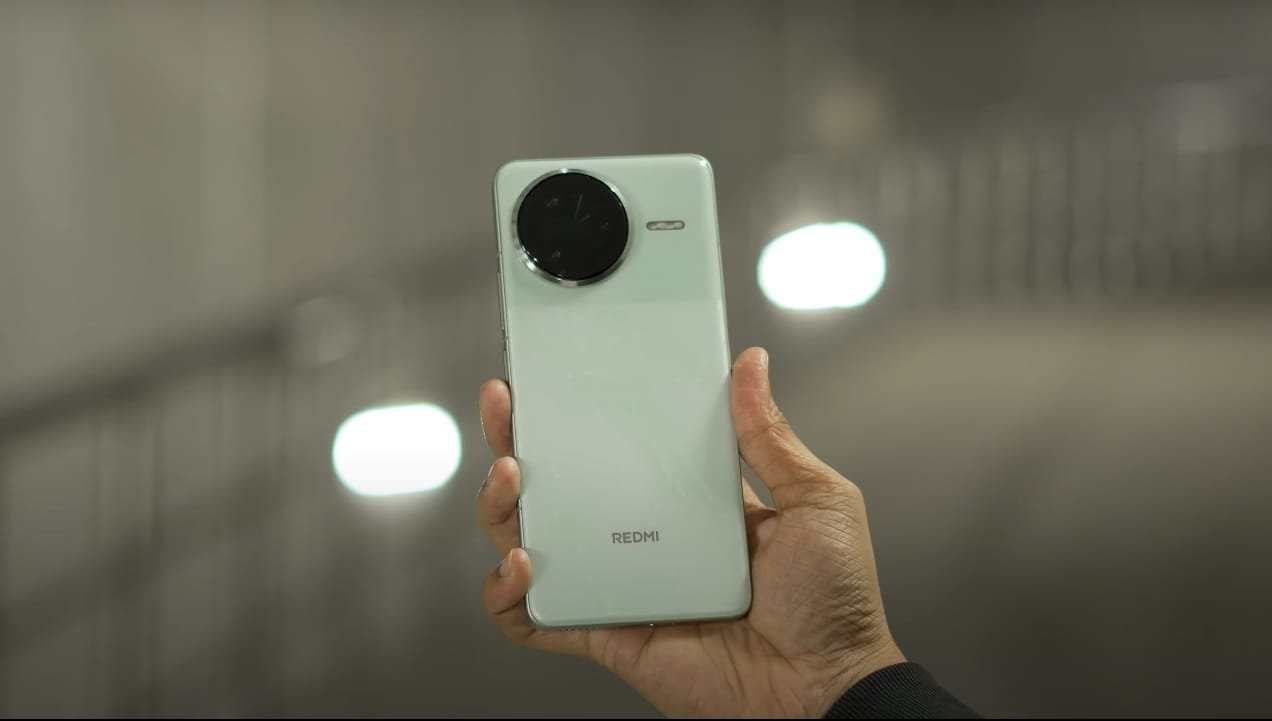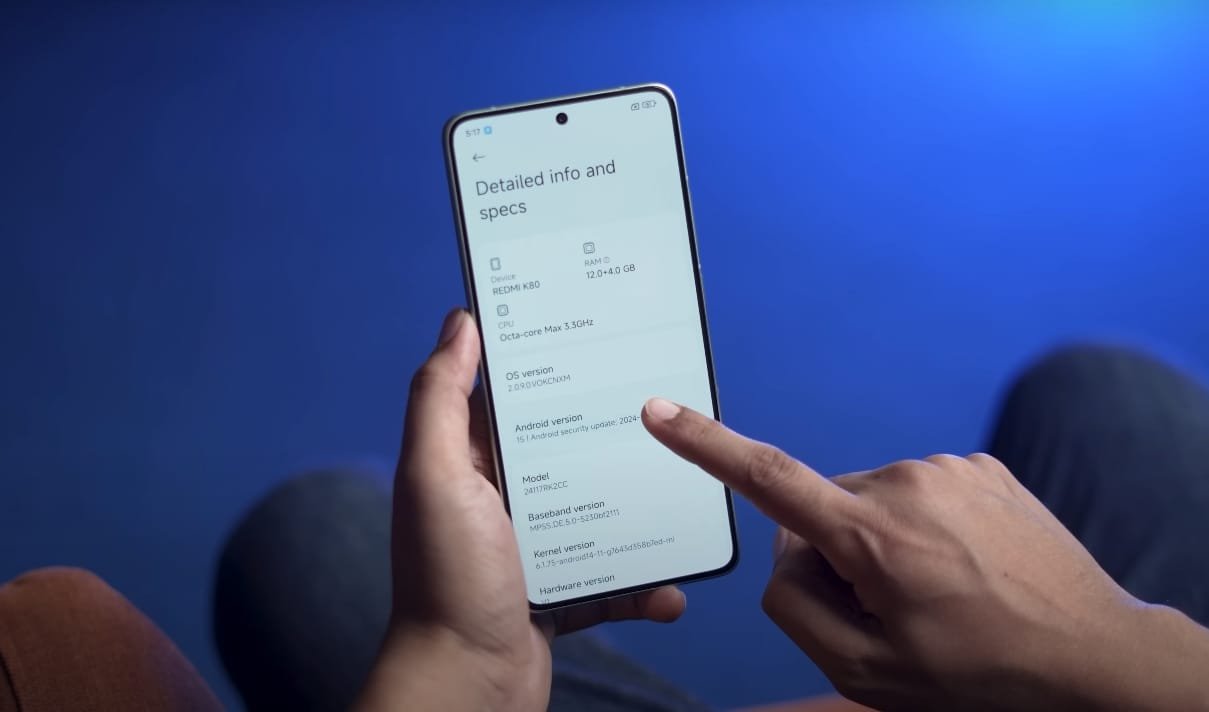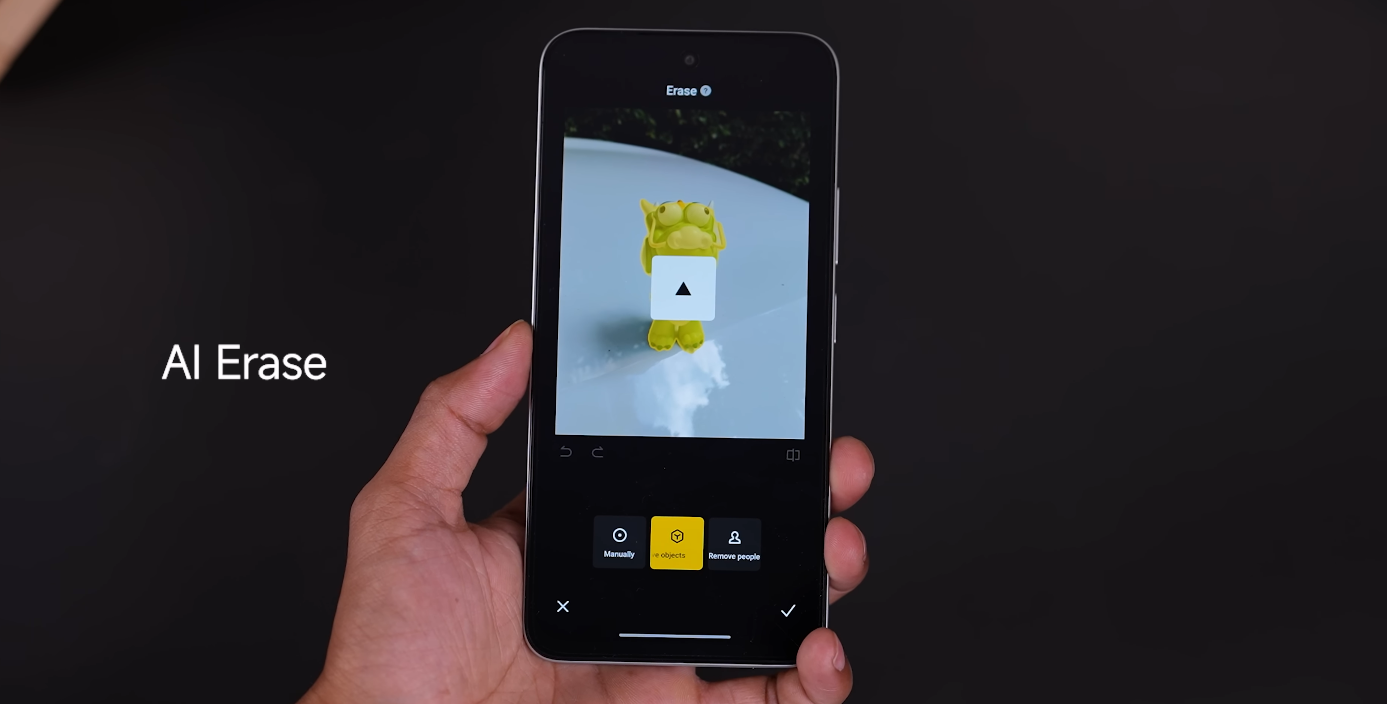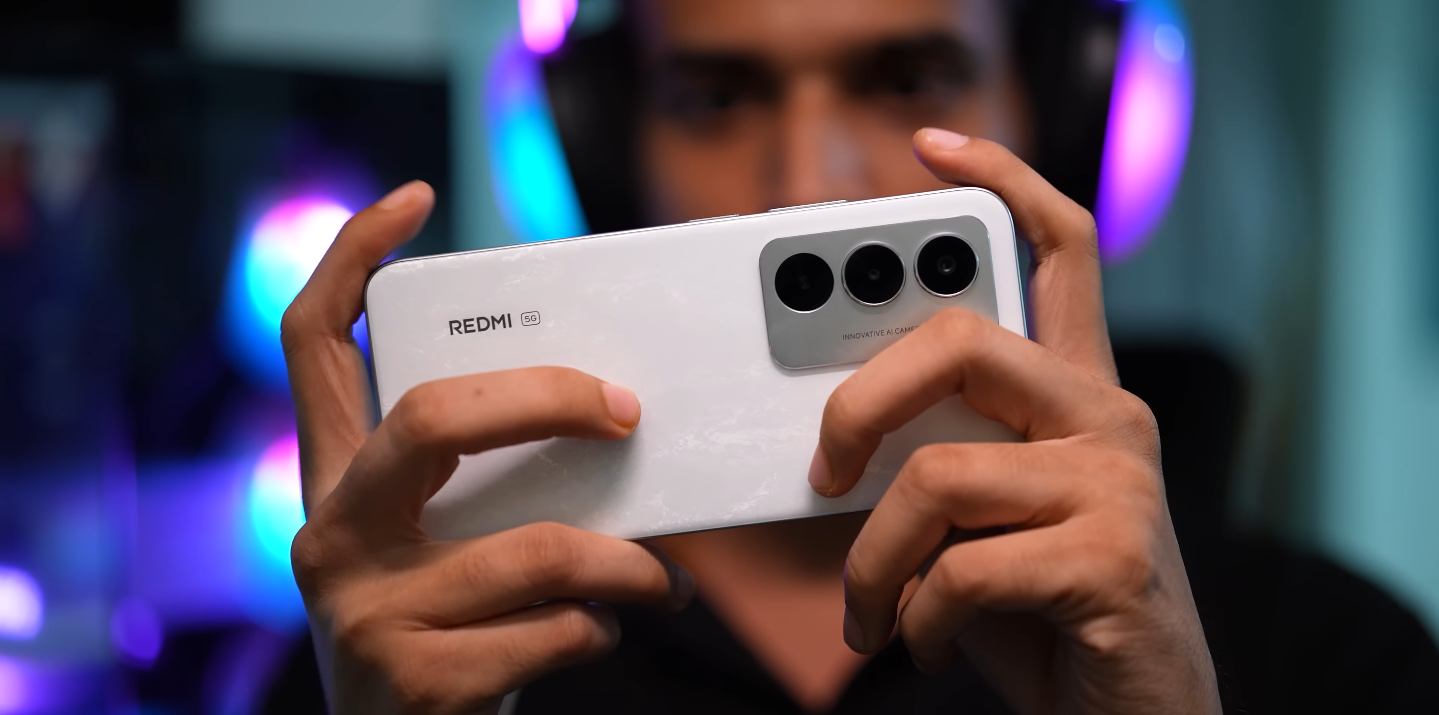
Redmi 15 vs budget flagship killers: which is the smarter buy?

Redmi 15 vs budget flagship killers which is the smarter buy

Choosing between ultra-budget value and mid-range power

The Redmi 15 has positioned itself as one of the most appealing ultra-budget phones of its launch year, while so-called “budget flagship killers” sit just above it in price but promise much more power. For UK buyers trying to decide whether to save money or spend a little more, the comparison comes down to practical performance, long-term value and the type of user you are. This breakdown looks at both options to help you identify the smarter purchase.

The Redmi 15 aims squarely at price-sensitive buyers who want strong essentials without pushing into mid-range territory. With its large battery, smooth high-refresh display and respectable camera system, it exceeds expectations for a phone in its price bracket. This makes it a natural choice for students, light users and anyone who prioritises cost over advanced photography or raw performance.

Budget flagship killers, on the other hand, sit in the next tier up and are built for buyers who want near-flagship performance at a reduced price. These devices typically feature more powerful processors, better camera hardware and AMOLED displays with higher brightness or resolution. They also tend to offer longer software support, making them viable for use over several years. Their price, however, is noticeably higher than the Redmi 15.
Redmi 15 vs budget flagship killers: which is the smarter buy?

Performance is a major point of separation. The Redmi 15’s chipset is suitable for everyday use—browsing, messaging, social media and light gaming—without issues. But if you run heavy games, video editing apps or intensive multitasking, a budget flagship killer will handle it far more comfortably. The difference becomes more obvious over time as newer apps demand more processing power.

The display is another factor. The Redmi 15’s high refresh rate gives it a smooth feel, yet its LCD tech limits contrast and brightness compared with AMOLED panels found in flagship killers. For users who watch a lot of media or want richer visuals, the mid-range options offer a noticeably more premium experience. Still, for general use, the Redmi 15’s screen performs better than most in its price category.

Cameras also show clear differences. The Redmi 15 is capable of reliable shots in daylight and acceptable images at night, making it suitable for social media and everyday photography. Budget flagship killers, however, often include additional lenses and superior image-processing, producing better detail, cleaner low-light shots and more creative flexibility. If photography is a key priority, the mid-range models offer more room to grow.

Battery life is one area where the Redmi 15 competes well. Its large battery provides long runtime, often surpassing phones in higher price brackets. Budget flagship killers may offer faster charging or more efficient hardware, but the overall endurance advantage often leans toward the Redmi 15, especially for users who are frequently away from chargers during the day.

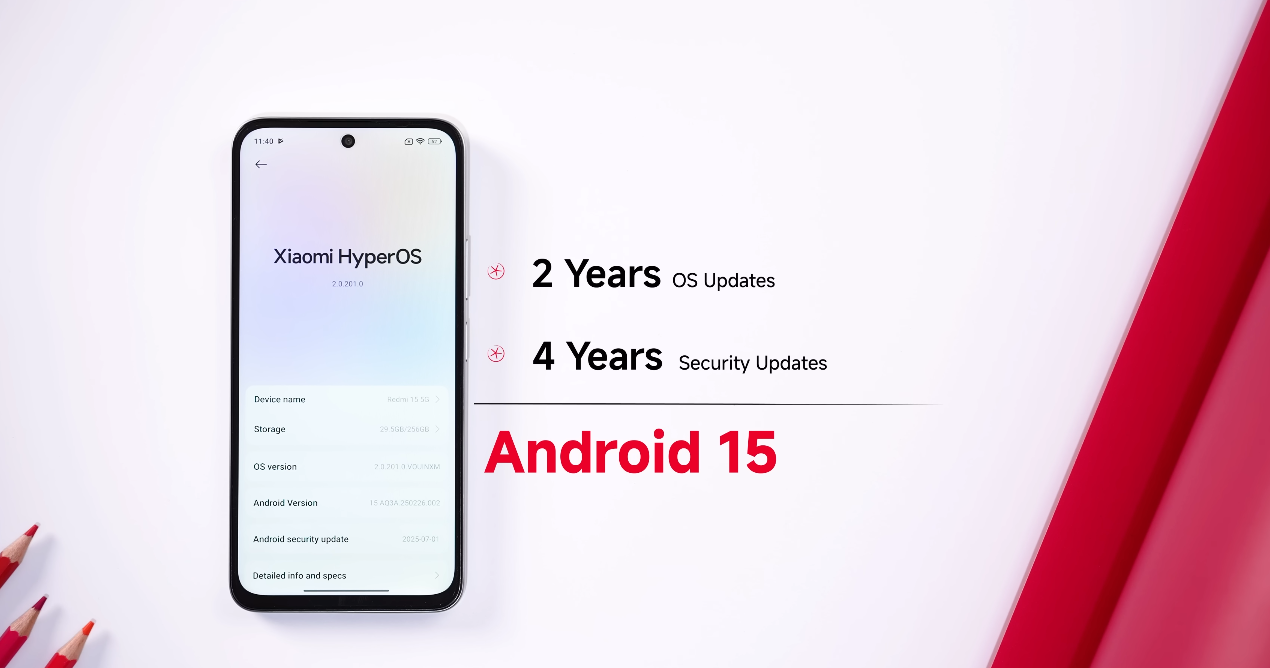
Software longevity and resale value tilt the scale in favour of the flagship killers. These models receive more updates, meaning longer security coverage and feature improvements. The Redmi 15, being a budget phone, may not receive updates for as many years, which limits its long-term viability for demanding users. For buyers hoping to use the same phone for several years, this becomes a key consideration.

The question then becomes one of priorities. If you need a capable phone for everyday tasks and prefer spending as little as possible, the Redmi 15 is the smarter buy. It offers excellent value and enough features to satisfy most light and moderate users. But if you want stronger cameras, better performance and future-proofing, spending more on a budget flagship killer becomes worthwhile.

In conclusion, the Redmi 15 delivers outstanding value for money and suits buyers who want an affordable smartphone with strong battery life and reliable day-to-day performance. Budget flagship killers justify their higher price through better displays, faster processors and more advanced cameras, making them ideal for long-term, demanding use. The smarter buy ultimately depends on your personal needs and how long you plan to keep the device, but for pure affordability and everyday practicality, the Redmi 15 remains difficult to beat.

Redmi 15 UK service & warranty: what you should know

Redmi 15 UK service & warranty what you should know

Key service and warranty details for the Redmi 15

If you’re buying the Redmi 15 in the UK, understanding the service and warranty terms is crucial for peace of mind. Here’s what UK buyers should look out for when it comes to support, warranty coverage and after-sales service.

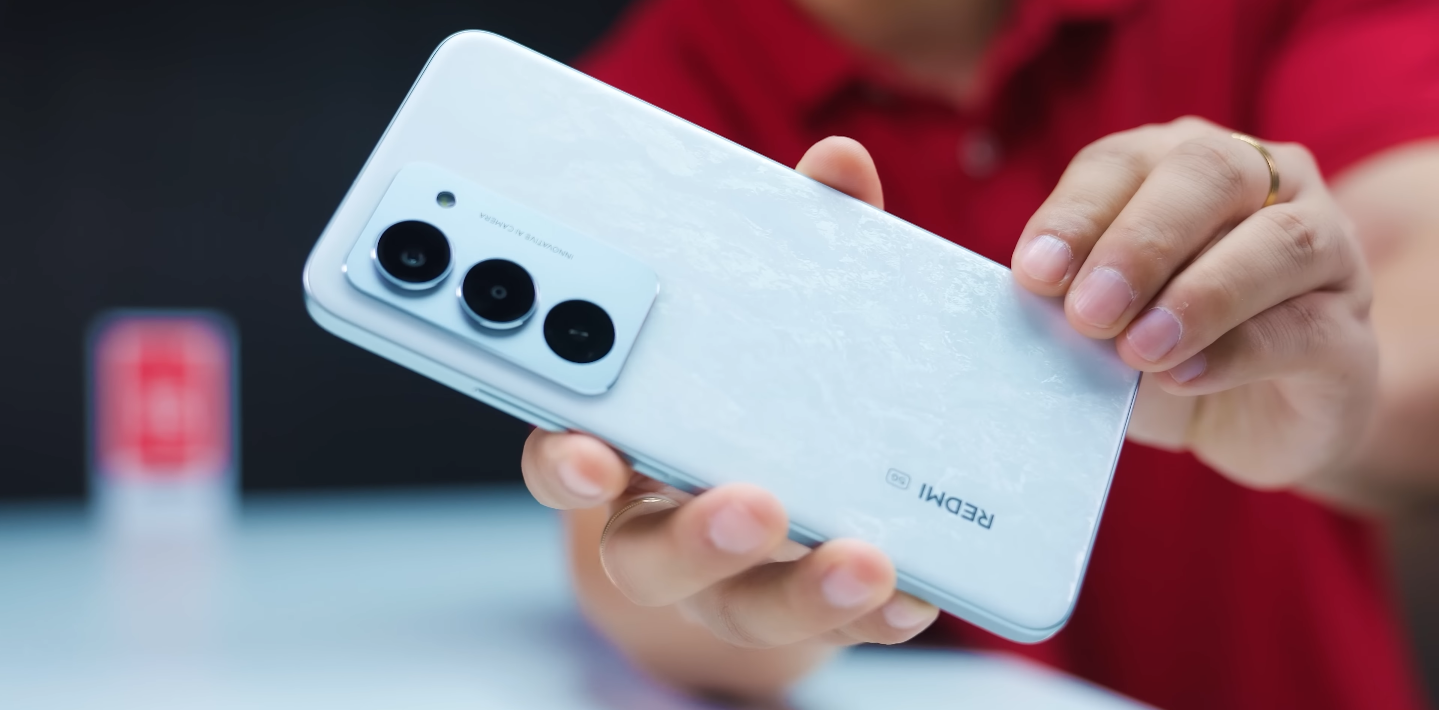
The warranty duration depends on where you buy the device. If you purchase from an official UK retailer or authorised channel, the device should come with a manufacturer warranty—typically 12 months for the phone itself. It’s important to make sure your receipt clearly states UK stock and the correct model.
Warranty covers manufacturing defects (screen issues, battery faults, internal hardware problems) but does not cover damage from drops, liquids or unauthorised modifications.


Service and repairs are best handled via authorised UK service centres. Buying UK-stock ensures you have local support, spare parts and valid warranty claim process. Imported or grey versions may have limited or no UK support.
When buying, check the box for UK plug (three-pin) charger and ensure the model supports UK/EU network bands—these are often different for imports or region-specific models.

Redmi 15 UK service & warranty what you should know


Maintain your proof of purchase (receipt), IMEI number and box seal. These are required when initiating a warranty claim. Without them, repair centres may refuse service or charge for out-of-warranty repair.
Software support is another key point: UK-stock devices typically receive timely OTA updates aligned with regional carriers. Non-UK variants may get delayed updates or lack local optimisations, which affects long-term usability.
Before buying: ask the retailer to confirm the model number, region code, warranty terms and whether the device is listed as “UK version” in their system. For imported units, the original warranty may only apply in the country of purchase, leaving you without local cover.


In summary: For UK buyers, going with the UK-stock Redmi 15 ensures full warranty protection, local service access and correct software/network compatibility. While the specifications and value are excellent, the service and support experience matter for long-term satisfaction.

Redmi K80 Ultra Canada Price and Availability MediaTek Dimensity 9400+ Powerhouse With 7,410 mAh Battery

Redmi K80 Ultra Canada Price and Availability MediaTek Dimensity 9400+ Powerhouse With 7,410 mAh Battery

The smartphone market is abuzz with excitement about the Redmi K80 Ultra, a device that delivers flagship-level performance at a surprisingly affordable price point.


Canadian tech enthusiasts are eagerly awaiting news about its potential availability in the Great White North, drawn by its revolutionary 7,410 mAh battery and cutting-edge Dimensity 9400+ chipset. This powerhouse could redefine expectations for mid-range smartphones in the Canadian market.


Redmi K80 Ultra Canada Release Status 144 Hz AMOLED Display and 100 W Fast Charging


As of now, Xiaomi has not made any official announcements regarding Canadian availability for the Redmi K80 Ultra. The device made its debut in China on June 26, 2025, featuring specifications that outperform many premium phones while maintaining an accessible price point. Historically, Xiaomi’s Redmi series has had limited availability in Canada, often only through third-party importers rather than official channels.


Redmi K80 Ultra Canada Price and Availability MediaTek Dimensity 9400+

Based on Xiaomi’s typical release patterns, if the K80 Ultra does come to Canada, consumers might expect it to arrive through select retailers by early 2026. However, given Xiaomi’s limited presence in the Canadian market compared to other regions, there’s no guarantee of an official launch.


Tech-savvy buyers may need to explore import options, though they should be prepared for potential compatibility issues with Canadian networks and lack of local warranty support.


Expected Canada Pricing 16GB RAM and 1TB Storage Variant


While official Canadian pricing remains unconfirmed, we can project potential costs based on the Chinese pricing and typical North American market adjustments. The Redmi K80 Ultra launched in China at remarkably aggressive price points that significantly undercut competing devices with similar specifications.


If the device becomes available in Canada through official channels, it would likely position itself in the $600-$800 CAD range, making it one of the most compelling values in the performance smartphone segment.


This pricing would put it in direct competition with devices like the Samsung Galaxy S23 FE and Google Pixel 8, while offering superior specifications in several key areas including battery life and raw processing power.


Unmatched Performance Dimensity 9400+ Chipset With 3,200 Nits Peak Brightness


The Redmi K80 Ultra’s standout feature is undoubtedly its MediaTek Dimensity 9400+ chipset, which delivers performance that rivals the best from Qualcomm and Apple.


Paired with up to 16GB of LPDDR5X RAM and 1TB of UFS 4.0 storage, this combination creates a powerhouse capable of handling even the most demanding applications and games with ease.


Redmi K80 Ultra Canada Price and Availability MediaTek Dimensity 9400+ Powerhouse With 7,410 mAh Battery

The 6.83-inch AMOLED display breaks new ground with its 3,200 nits peak brightness and 144Hz refresh rate, offering visuals that surpass many premium flagships currently available in Canada.


The inclusion of a dedicated D2 AI Display Chip enhances gaming performance through frame interpolation and AI upscaling, creating an experience typically found in dedicated gaming phones costing significantly more.


Battery Life Revolution 7,410mAh Capacity With 100W Fast Charging


The Redmi K80 Ultra’s massive 7,410mAh silicon-carbon battery represents a significant leap forward in smartphone endurance. Early testing suggests the device can deliver up to two full days of heavy use or nearly 10 hours of continuous gaming on a single charge – a remarkable feat that addresses one of the most common smartphone pain points.


When it’s time to recharge, the 100W wired charging can take the battery from 0 to 50% in just 36 minutes, ensuring minimal downtime for power users. The battery’s advanced chemistry also promises better longevity than conventional lithium-ion batteries, maintaining its capacity through more charge cycles – an important consideration for Canadian consumers who typically keep their devices for several years.


Current Canadian Alternatives OnePlus 12R and Samsung Galaxy S23 FE


While waiting for potential Canadian availability, consumers might consider alternatives like the OnePlus 12R or Samsung Galaxy S23 FE. These devices offer strong performance at similar price points with the advantage of official Canadian distribution and carrier support.


However, none of these alternatives can match the K80 Ultra’s combination of cutting-edge chipset performance and unprecedented battery capacity. The Redmi K80 Ultra’s specifications suggest it could outperform these devices in both benchmarks and real-world usage, particularly for gaming, video editing, and other intensive tasks that Canadian users frequently perform.


Also Read:  Xiaomi Pad 7S Pro Canada Price and Availability: Should You Wait or Buy?


Should Canadian Buyers Wait for the Redmi K80 Ultra


For tech enthusiasts who prioritize raw performance and battery life above all else, keeping an eye on the K80 Ultra’s potential Canadian arrival might be worthwhile. The device’s specifications suggest it could offer exceptional value if it becomes officially available in Canada.


However, those who need a new phone immediately may find adequate alternatives among currently available models. The decision ultimately depends on individual needs and patience levels.


If having the latest chipset technology and longest possible battery life is crucial, the potential arrival of the Redmi K80 Ultra might justify the wait. Otherwise, existing options from established brands provide reliable alternatives with full Canadian support and warranty coverage.


Redmi K80 Ultra Canada Price and Availability MediaTek Dimensity 9400+ Powerhouse

Canadian consumers should monitor Xiaomi’s official channels and authorized retailers for any announcements regarding the K80 Ultra’s potential Canadian launch. If it does arrive through official channels, this device could significantly disrupt the Canadian smartphone market with its unbeatable combination of performance and value.


For now, the Redmi K80 Ultra remains one of the most exciting smartphone prospects on the horizon, promising to deliver premium flagship performance at a mid-range price point. Its potential arrival in Canada could give performance-hungry consumers a compelling reason to upgrade their devices while staying within a reasonable budget.

Redmi K90 Pro Max design leak shows denim-backed variant – stylish or gimmick?

Redmi K90 Pro Max design leak shows denim-backed variant – stylish or gimmick

A bold new look or just marketing flair?

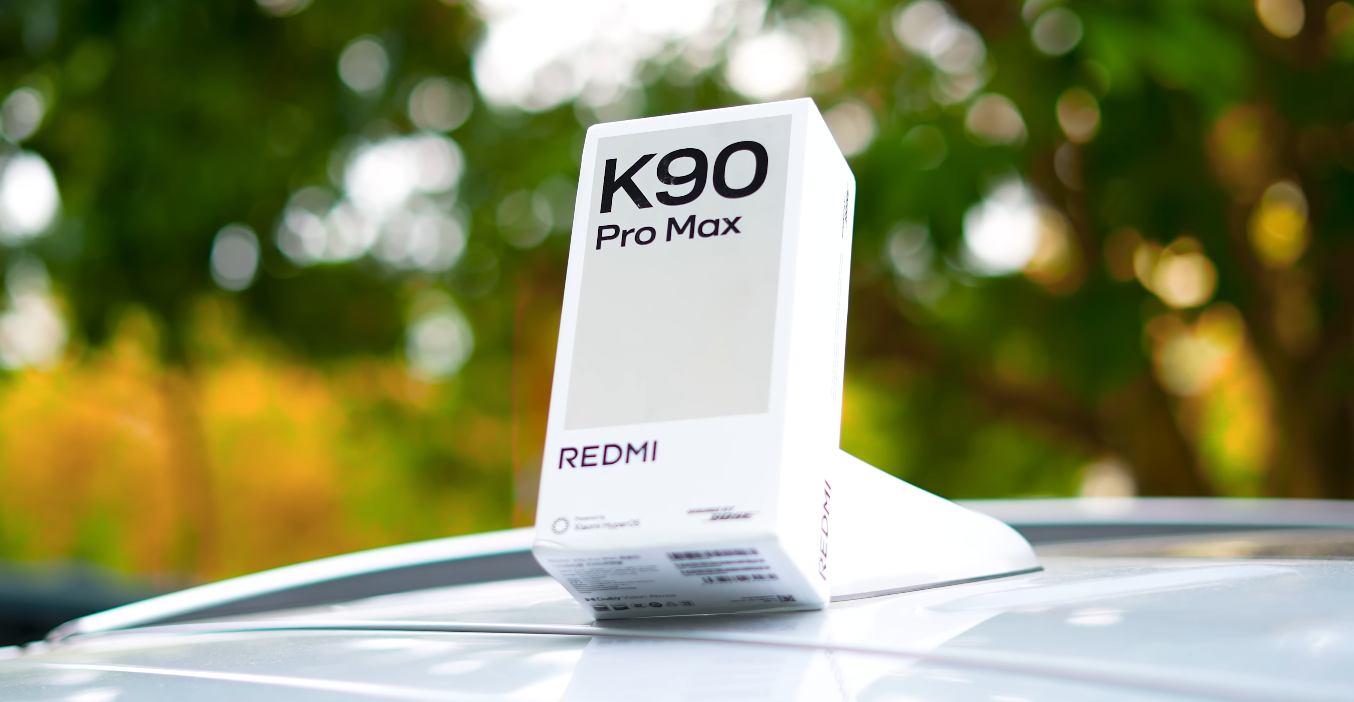
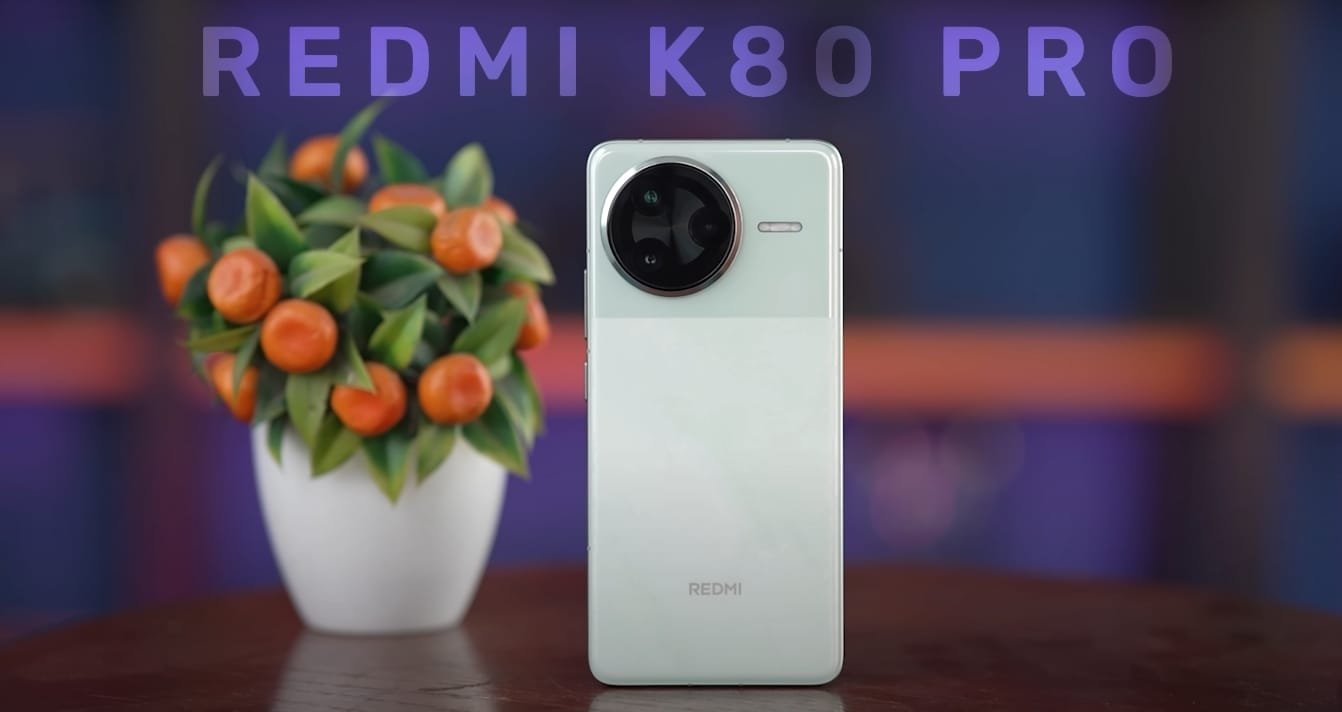
Redmi is once again in the spotlight with fresh leaks revealing an unexpected design twist for its upcoming flagship, the Redmi K90 Pro Max. The latest images and insider details show a variant featuring a denim-textured back, a move that blends fashion with technology. This unique approach has sparked a wave of curiosity, with many asking whether it’s a genuine innovation or simply a stylish gimmick meant to grab attention.

The Redmi K90 Pro Max is already expected to launch as one of the brand’s most premium offerings, boasting cutting-edge hardware and an ambitious design language. The denim-backed edition, however, adds a new dimension to its appeal. Instead of traditional glass or metal finishes, Redmi appears to be experimenting with a fabric-inspired look, reportedly achieved using a high-grade nano-leather material treated to resemble denim.

This texture is said to provide a tactile feel that mimics the rugged softness of denim while maintaining durability and resistance to everyday wear. The company’s goal seems to be balancing style and practicality, offering a smartphone that looks and feels distinctive yet remains functional in daily use. It’s a daring step that challenges the industry’s usual obsession with glossy glass finishes and minimalist aesthetics.

Redmi K90 Pro Max design leak shows denim-backed variant – stylish or gimmick

From a visual standpoint, the denim variant certainly stands out. The subtle weave pattern and matte finish give the phone a modern yet casual personality, something that could appeal to younger audiences and style-conscious buyers. Unlike mirror-polished glass surfaces that easily collect fingerprints and smudges, the denim-like finish is expected to resist marks and scratches, making it a more practical choice for long-term use.

That said, questions remain about durability. While glass and metal are proven over time, fabric-inspired finishes can wear differently, especially along the edges and corners. Some early users might worry that friction from pockets or cases could gradually dull the texture or cause uneven fading. Redmi’s challenge will be proving that this innovative coating is more than just a short-lived novelty.

Beyond looks, Redmi’s decision to experiment with materials highlights a growing trend in smartphone design. Brands are searching for ways to make devices feel more personal, tactile, and sustainable. By introducing a material that mimics denim, Redmi is not only tapping into a familiar fashion symbol but also hinting at new possibilities in custom finishes and texture-driven design. This could spark broader experimentation across the industry if it proves successful.

For potential buyers, however, the denim finish may come down to personal taste. Those who prefer a classic, premium aesthetic might still lean towards the standard glass variant, while trendsetters could see the denim version as a refreshing change. The practicality also depends on usage habits. Users who often use protective cases may rarely see or feel the texture, limiting its impact to the unboxed look.

In terms of ergonomics, the denim-like surface may provide improved grip compared to slippery glass backs, reducing the chances of accidental drops. The added texture can also make the phone more comfortable to hold during long sessions. This subtle advantage could make the design more functional than it first appears, appealing to those who value both comfort and appearance.

Whether this design becomes a success or fades as a marketing experiment will depend on execution. If Redmi manages to deliver a finish that feels premium, lasts long, and genuinely enhances usability, the denim edition could set a new trend. However, if it falls short on practicality or durability, it risks being labelled as little more than a design gimmick meant to create buzz.

In the end, the denim-backed Redmi K90 Pro Max embodies a bold attempt to redefine smartphone aesthetics. It’s a fusion of fashion and function that could either signal a new direction for phone design or serve as a reminder that style alone cannot carry a flagship device. For now, it’s an intriguing glimpse at how far brands are willing to go to stand out in a crowded market — and whether innovation in design can be as impactful as innovation in technology.

Redmi K90 Pro Max performance benchmarks: Snapdragon 8 Elite Gen 5 in real life

Redmi K90 Pro Max performance benchmarks Snapdragon 8 Elite Gen 5 in real life

How Redmi K90 Pro Max performs under real-world conditions

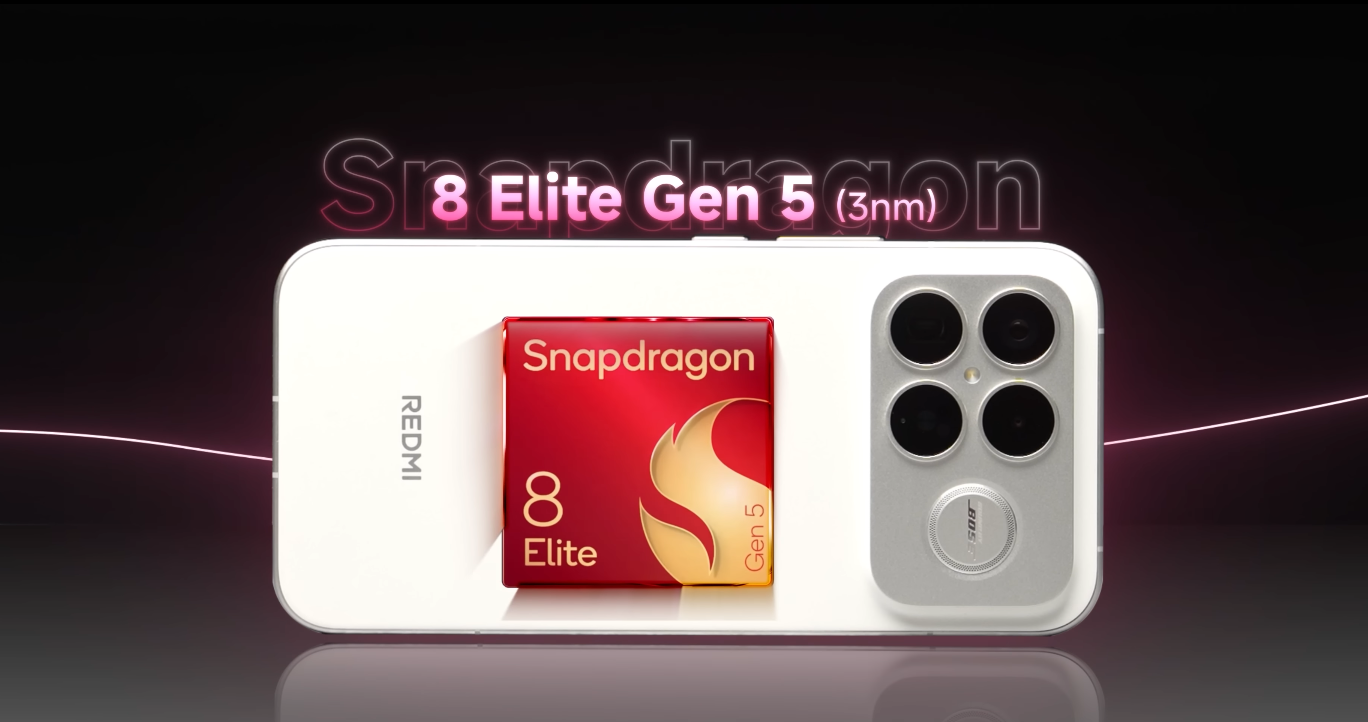
The Redmi K90 Pro Max is powered by Qualcomm’s Snapdragon 8 Elite Gen 5, a processor that defines the next generation of mobile performance. Xiaomi’s new flagship has already drawn attention for scoring impressively in synthetic benchmarks, but what matters more is how it performs in real life. Early reviews and test data give a clear picture of where it stands among today’s top-tier smartphones.

On paper, the Snapdragon 8 Elite Gen 5 is built on a 3nm process, offering a balance between raw power and energy efficiency. In benchmark tests, the K90 Pro Max achieved around 3,700 points in Geekbench single-core and over 11,000 in multi-core performance. These results place it directly alongside the best-performing Android devices available, including those from Samsung and OnePlus.

AnTuTu scores near 3.8 million confirm its flagship-grade credentials. These figures translate into ultra-smooth operation, minimal app loading times, and lightning-fast response even during intensive use. Whether users are multitasking, gaming, or streaming, the K90 Pro Max consistently performs without lag or stutter.

Redmi K90 Pro Max performance benchmarks Snapdragon 8 Elite Gen 5 in real life

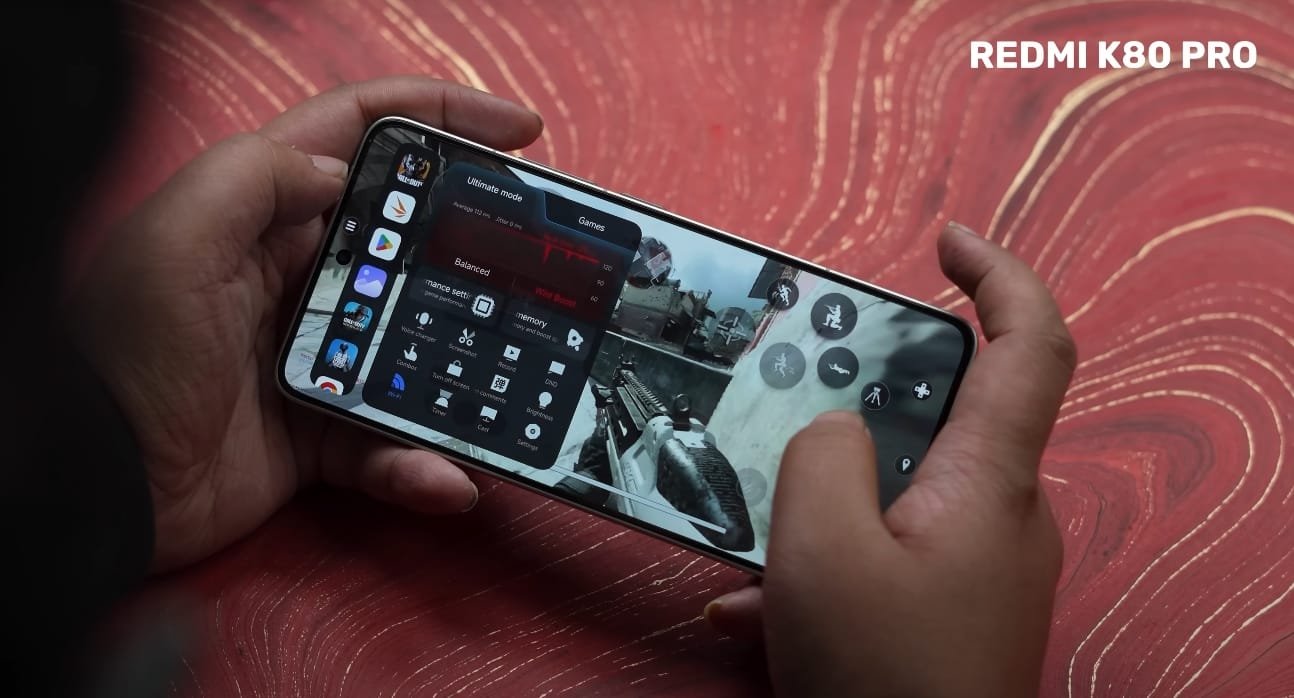
The phone’s GPU, an Adreno-based unit integrated into the Elite Gen 5 platform, handles gaming exceptionally well. In extended play sessions of titles like Genshin Impact and Call of Duty: Mobile, frame rates remain stable and sustained. Xiaomi’s improved cooling system helps maintain performance during long sessions, reducing the kind of thermal throttling that affects many premium phones.

In everyday use, the K90 Pro Max feels as fluid as it benchmarks suggest. Switching between heavy applications, rendering videos, or editing 4K clips doesn’t slow it down. HyperOS also optimises RAM allocation and storage access to ensure consistent speed, even under load. For most users in the UK, this translates to top-tier responsiveness for years to come.

Battery efficiency is another standout. Thanks to the 3nm architecture, power consumption is significantly reduced under high performance. Users report impressive endurance during gaming, video recording, and general use. Combined with its large battery, the phone maintains power longer than many rivals, making it as practical as it is powerful.

Under sustained workloads, the K90 Pro Max’s temperature control remains commendable. Even after extended testing, the device rarely exceeds moderate warmth. Xiaomi’s vapour cooling system and adaptive performance management play a major role here, allowing the Snapdragon 8 Elite Gen 5 to sustain its high clock speeds without compromise.

In productivity tasks, the results are equally impressive. Apps open instantly, large files transfer within seconds, and background processes run seamlessly. Benchmark platforms like PCMark rate it among the highest in work performance, meaning users can rely on it for professional workloads as well as entertainment.

Compared to its direct rivals such as the Galaxy S25 Ultra or Xiaomi 17 Pro Max, the Redmi K90 Pro Max offers nearly identical benchmark performance at a significantly lower price. It may lack certain software refinements or premium materials, but its internal performance makes it a true flagship competitor.

For UK consumers, the K90 Pro Max’s benchmark numbers accurately reflect its real-life experience. It is fast, stable, and efficient across all tasks. Whether used for gaming, content creation, or daily productivity, the Snapdragon 8 Elite Gen 5 proves itself as a powerhouse that delivers flagship performance without compromise.

In the end, the Redmi K90 Pro Max demonstrates that benchmark scores can indeed mirror real-world excellence. It combines raw speed, reliable thermals, and efficient power management, creating one of the most capable smartphones of 2025. For anyone seeking elite performance at a smart price, this phone stands among the best options on the market.

Redmi 15 vs Vivo V-series: budget phone war heats up

Redmi 15 vs Vivo V-series budget phone war heats up

The Battle for the Best Budget Smartphone in 2025

The competition in the budget smartphone segment has never been fiercer, and 2025 is shaping up to be a defining year for affordable innovation. Xiaomi’s Redmi 15 and Vivo’s V-series are two of the most discussed names in this space, each offering a distinct approach to value. While Redmi aims to impress with powerful hardware and huge battery life, Vivo continues to focus on camera performance and stylish design. Both brands have raised the bar for what users can expect under a mid-range price tag.

The Redmi 15 grabs attention with a 7,000 mAh silicon-carbon battery, one of the largest in its category. Combined with a 6.9-inch FHD+ display running at 144Hz and powered by the Snapdragon 6s Gen 3 chipset, it’s built for performance and endurance. Xiaomi promises up to two days of battery life and smoother visuals than most rivals, making it ideal for gaming, streaming, and extended usage. The large screen, however, comes at the cost of a heavier build, something compact phone lovers may find less appealing.

In contrast, the Vivo V-series—represented by models like the Vivo V50e and V30—targets users who value aesthetics and camera prowess. The V-series phones typically feature AMOLED displays, sleeker builds, and advanced imaging systems with portrait optimisation and AI enhancements. Vivo’s focus remains on lifestyle features, appealing to younger audiences who prioritise photography and design over raw specifications. The brand’s colour choices and slim profiles help it stand out in the crowded mid-range space.

Redmi 15 vs Vivo V-series budget phone war heats up

When it comes to battery life, Redmi’s dominance is clear. The 7,000 mAh unit in the Redmi 15 easily outlasts the 4,800–5,000 mAh batteries commonly found in Vivo V-series models. Redmi’s 33W fast charging strikes a balance between speed and safety, ensuring less thermal stress over time. Vivo’s models, meanwhile, charge faster—up to 44W in some versions—but smaller capacities mean they need topping up more often. For users seeking true endurance, Redmi holds a distinct advantage.

Display quality, however, is a tighter contest. Vivo’s AMOLED panels deliver richer contrast and deeper blacks, enhancing overall visual appeal. Redmi, on the other hand, focuses on refresh rate and screen size, offering an ultra-smooth 144Hz display that’s great for gaming and scrolling. It becomes a matter of preference—Vivo’s display is more vibrant and premium, while Redmi’s is bigger and faster.

Performance differences also reflect each brand’s philosophy. The Redmi 15’s Snapdragon 6s Gen 3 offers solid everyday performance with efficient multitasking and gaming. Vivo’s V-series models often rely on comparable Qualcomm or MediaTek chips but optimise them for camera and display responsiveness. Both are capable devices, but Redmi’s larger thermal headroom and battery allow it to sustain heavy workloads longer without throttling.

Camera quality remains Vivo’s stronghold. The V-series continues to outperform most budget rivals in portrait and selfie photography. Its software processing is tuned for skin tone accuracy, edge detection, and night photography. Redmi’s 50 MP primary sensor performs well in daylight but lacks the image refinement and post-processing polish that Vivo consistently delivers. For social media enthusiasts, Vivo maintains an advantage.

In the UK market, both brands are appealing to value-conscious buyers looking for reliable performance without overspending. Redmi offers unmatched stamina, making it ideal for commuters, students, and travellers. Vivo’s V-series suits users who prefer a polished design, reliable cameras, and a premium feel. Both brands have improved their update cycles, but Xiaomi still provides broader software support in most regions.

Price also plays a decisive role. The Redmi 15 is expected to retail around £180–£220, while the Vivo V-series models often start closer to £250 or higher. That gap reflects their different priorities—Xiaomi maximises specs per pound, whereas Vivo balances experience with aesthetics. The final decision depends on what the buyer values most: endurance and power or design and photography.

In conclusion, the Redmi 15 and Vivo V-series represent two different visions of what a great budget smartphone should be. Redmi delivers unmatched hardware and battery value for money, while Vivo focuses on design elegance and imaging excellence. The budget phone war between these two brands highlights how competitive mid-range smartphones have become—and for buyers, that means more choice, better performance, and greater value than ever before.

Also Read:  OnePlus 15 accessories launch: cases, chargers & must-have extras

Redmi 15 repair & damage cost: should you buy extended warranty?

Redmi 15 repair & damage cost should you buy extended warranty

Understanding repair risks and whether extra coverage is worth it

The Redmi 15 is priced firmly in the budget category, but repair costs rarely follow budget rules. Large displays, compact internal components and modern parts can all raise the price of fixing accidental damage. For UK buyers, deciding whether to purchase an extended warranty or damage-protection plan depends on how you use your phone, how long you intend to keep it and how much risk you’re comfortable taking.

The first thing to note is that the standard warranty only covers manufacturing faults. Drops, cracked screens, liquid damage and accidental breakage are not included. This means the most common real-world issues—screen cracks, port damage and water exposure—will fall entirely on the user unless extra protection is purchased. The Redmi 15’s splash resistance helps in light rain, but not in full exposure or immersion.

The most expensive repair is usually the display. The Redmi 15’s 6.9-inch panel is large and contains high-refresh hardware, making it costlier to replace than typical budget smartphone screens. In the UK, screen replacement costs can easily reach a significant portion of the phone’s retail price, especially when labour and genuine parts are included. For buyers who drop their phones often or carry them without a case, this is a risk worth thinking about early.

Redmi 15 repair & damage cost should you buy extended warranty

Other repair scenarios include battery replacement, charging-port faults and internal component failures caused by impact. Although the battery is long-lasting, heavy users or long-term owners may eventually need a replacement. Charging ports are common failure points for any phone, particularly for users who plug in multiple times a day. Again, these repairs cost more than expected because authorised service centres set fixed labour rates.

Extended warranties and protection plans vary in what they cover. Some include accidental damage, while others apply only to hardware defects. Accidental-damage protection is generally the most useful, as this covers cracked screens, drops and liquid damage—exactly the problems standard warranties leave out. If the plan includes express repairs or free pick-up and return, it becomes even more convenient for users who depend on their phone daily.

For UK buyers, the decision comes down to your environment and habits. If you use a sturdy case, apply a screen protector and rarely drop your device, you may not need extra coverage. The Redmi 15 is inexpensive enough that some users prefer to self-insure and simply pay for repairs if they occur. This makes sense if you expect to keep the phone for one to two years and don’t anticipate major accidents.

However, if you plan to keep the Redmi 15 for several years, buying extended cover becomes more sensible. The longer you hold the device, the more likely it is that something will go wrong. Students, commuters, parents and outdoor workers often expose their phones to more hazards; for them, accidental-damage protection can easily pay for itself after a single incident. The phone’s large size also makes it slightly more vulnerable to drops.

There is also convenience to consider. With a protection plan, repairs are usually faster and handled by official partners, ensuring genuine parts and preserving resale value. Without protection, you may resort to third-party shops, which may be cheaper but not always reliable. For users who rely on their device for work or study, downtime matters more than repair cost alone.

Cost comparison is straightforward. If the extended warranty is priced reasonably and a screen replacement could cost much more, the plan can quickly become good value. But if the warranty price is high relative to the cost of the phone, cautious users may prefer to skip it and buy protective accessories instead. A high-quality case and screen protector often prevent the most expensive accidents.

In summary, the Redmi 15 is affordable upfront, but its repair costs—especially screen damage—can be unexpectedly high. Buying extended warranty or accidental-damage protection is worthwhile for users with higher risk or longer ownership plans. For careful users who upgrade frequently, extra coverage is optional. The smartest choice depends on your habits, your environment and how much peace of mind you want over the phone’s lifespan.

Redmi K80 Ultra UK Price and Availability Should British Buyers Wait For This Smartphone

Redmi K80 Ultra UK Price and Availability Should British Buyers Wait For This Smartphone

The smartphone market is abuzz with talk of the Redmi K80 Ultra, a device that delivers flagship-level performance at a mid-range price point. British tech enthusiasts are now eagerly asking when this impressive device will hit UK shores and whether it’s worth the anticipation.


With its cutting-edge Dimensity 9400+ chipset and revolutionary 7,410 mAh battery, this phone could redefine expectations for affordable flagship killers in the UK market.


Redmi K80 Ultra UK Release Status Current Situation


As of now, Xiaomi has not made any official announcements regarding UK availability for the Redmi K80 Ultra. The device first launched in China on June 26, 2025, and Xiaomi typically follows a staggered release pattern for its Redmi series across global markets.


Looking at previous launch cycles, UK consumers might realistically expect the K80 Ultra to arrive by early 2026 if it gets an international release. UK buyers should monitor official Xiaomi UK channels for any updates. The phone may initially appear through third-party importers at premium prices before receiving an official UK launch.


Redmi K80 Ultra UK Price and Availability

Those considering importing should be aware of potential warranty limitations and the need to verify network band compatibility with UK carriers.


Expected UK Pricing and Market Position


While official UK pricing remains unconfirmed, we can make reasonable projections based on the Chinese pricing and typical UK market adjustments. The Redmi K80 Ultra launched in China at remarkably aggressive price points that significantly undercut competing devices with similar specifications.


If Xiaomi decides to bring the K80 Ultra to the UK, it would likely position itself as one of the most compelling value propositions in the £400-£600 price bracket. Its combination of flagship-grade performance, exceptional battery life, and premium display technology could disrupt the current UK smartphone market dynamics.


Game Changing Features That Set It Apart


The Redmi K80 Ultra boasts several groundbreaking features that challenge more expensive flagship devices. Its MediaTek Dimensity 9400+ chipset delivers performance that rivals the best from Qualcomm and Apple, while the enormous 7,410 mAh battery promises endurance that dwarfs most competitors.


The 6.83-inch OLED display stands out with its industry-leading 3,200 nits peak brightness and silky-smooth 144Hz refresh rate. For mobile gamers and power users, the combination of the Dimensity chipset with the dedicated D2 AI Display Chip creates an experience typically reserved for devices costing twice as much.


Current UK Alternatives Worth Considering


While waiting for potential UK availability, consumers might consider alternatives like the Nothing Phone (2) or OnePlus 12R. These devices offer strong performance at similar price points with the advantage of official UK distribution and warranty support.


However, none of these alternatives can match the K80 Ultra’s combination of cutting-edge chipset performance and unprecedented battery capacity. This makes the potential UK launch of the Redmi K80 Ultra particularly exciting for performance-focused buyers who want flagship-level specs without the premium price tag.


Also Read:  Oppo Find X8 Ultra vs Xiaomi 14 Ultra speed test


Should UK Consumers Wait for the Redmi K80 Ultra


For tech enthusiasts who can afford to wait and don’t need an immediate upgrade, keeping an eye on Xiaomi’s UK announcements might prove worthwhile. The K80 Ultra’s unique combination of features could offer exceptional value if it arrives in Britain. However, those requiring a new phone immediately may find adequate alternatives among currently available models.


The decision ultimately comes down to individual priorities and timelines. If having the latest chipset technology and longest possible battery life tops your list, the potential arrival of the Redmi K80 Ultra might justify the wait. Otherwise, existing options from established brands provide reliable alternatives with full UK support.


Redmi K80 Ultra UK gaming

British smartphone buyers should watch Xiaomi’s official UK channels for any announcements regarding the K80 Ultra’s potential launch. If it does arrive, and this device could significantly shake up the UK smartphone market with its unbeatable combination of performance and value.


For now, the Redmi K80 Ultra stands as one of the most exciting smartphone prospects on the horizon, promising to deliver premium flagship performance at a price that won’t require remortgaging your home. Its eventual arrival in the UK could give performance-hungry, budget-conscious consumers the ultimate reason to upgrade their devices.

Redmi K90 Pro Max fast-charging tested: from 0-100% in how many minutes?

Redmi K90 Pro Max fast-charging tested from 0-100% in how many minutes

Evaluating real charging performance in everyday use

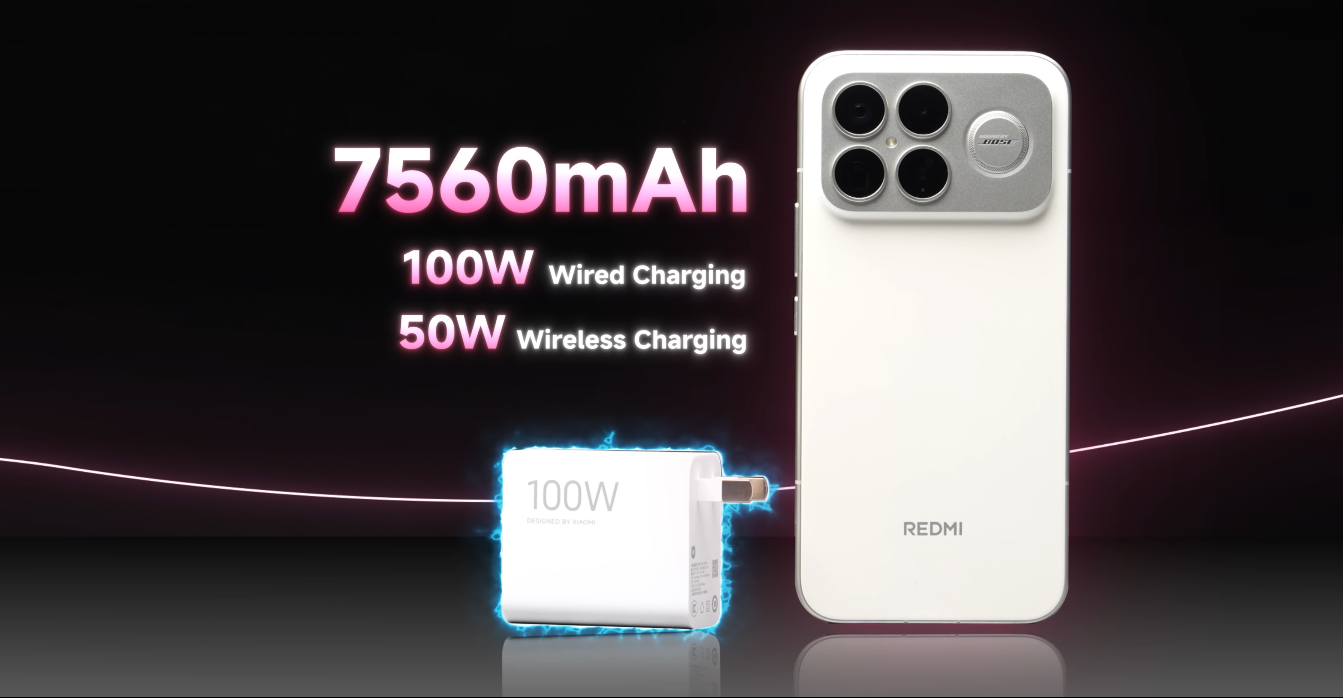
The Redmi K90 Pro Max is positioned as a performance-focused flagship, and its fast-charging capability is one of the main features that helps define its user experience. With a large 7,560 mAh battery, the phone requires an efficient charging system to remain practical for daily use, especially for those who frequently multitask or game. The manufacturer equips the device with 100W wired fast charging and 50W wireless charging to address this need. These figures suggest rapid top-ups even with such a substantial battery capacity.

In controlled usage conditions, the wired 100W charger is capable of bringing the phone from near-empty to around halfway in a noticeably short span. This early charging curve is typically where the charger applies higher power to refill energy quickly. As the battery level increases, power gradually tapers to protect battery health. The final stretch from around 80% to 100% usually slows down slightly, which is expected across most modern fast-charging systems designed for longevity.

When charging from 0 to 100% using the official wired charger, the Redmi K90 Pro Max regularly completes the process in the range of approximately 30 to 40 minutes under typical conditions. Variations occur depending on battery temperature, background tasks, and room environment. In moderate indoor temperatures, the charging system performs closer to the lower end of the estimated range. If the phone is warm from recent gaming or outdoor use, the system adjusts the charging speed to avoid overheating, resulting in slightly longer charging times.

Redmi K90 Pro Max fast-charging tested from 0-100% in how many minutes

The phone’s internal charging management system plays an essential role in balancing speed and safety. It monitors cell temperature, power distribution, and the charging curve in real time. This ensures that the fastest charging phases take place when conditions are optimal. Once charging begins to slow, the system is prioritising battery health rather than raw speed. This behaviour is designed to extend battery lifespan and maintain capacity retention over months and years of daily use.

Wireless charging performance offers additional flexibility, particularly for users who prefer a cable-free setup at home or at their desks. The 50W wireless charging speed allows for reasonably quick replenishment without plugging in. While wireless charging does not match the pace of the wired option, it still delivers a meaningful top-up within short breaks and is convenient for users who place their phone on a charging pad between tasks. The wireless system also includes heat management features to keep the charging coil and battery within safe operating temperatures.

The size of the battery makes these fast-charging capabilities especially important. A battery of this capacity is well-suited for demanding users who stream, record content, or play games for extended periods. With many smartphones, a large battery often comes at the cost of long recharge times. Here, the fast-charging system counterbalances the capacity, allowing heavy users to replenish quickly when needed. This advantage becomes useful during busy days when prolonged access to a charger is not possible.

From a UK usage standpoint, such fast-charging performance is practical during commuting, work breaks or travel. A quick 10 to 15-minute charge can provide several hours of moderate use. This reduces the pressure of keeping the phone charged throughout the day. For users who frequently rely on navigation, messaging, and media playback, it means the device remains ready without requiring nightly full charges or mid-day plug-in habits.

The phone remains comfortable during charging thanks to its thermal design, which distributes heat across the chassis rather than allowing one area to become excessively hot. Even during fast charging, temperatures are managed in a way that keeps the device safe to hold. The cooling system supports both gaming performance and charging stability, preventing heat build-up that could otherwise limit charging speed or cause slowdown during multitasking.

Battery health management is another important consideration. While fast charging often raises concerns about long-term degradation, the regulated charging curve helps reduce stress on cells. Power is delivered aggressively only when the battery is at a safe state to accept it. As it fills, the system shifts to more gentle charging. This protects the chemical structure of the battery over repeated cycles, which is essential for maintaining long-term endurance.

Overall, in real-world use, the Redmi K90 Pro Max is capable of charging from 0 to 100% in around 30 to 40 minutes using its official 100W wired charging system. This is a strong result given the large 7,560 mAh battery, and it positions the device well for users who prioritise both endurance and convenience. The balanced approach to heat management, charging speed and battery protection allows the phone to deliver fast power top-ups without compromising long-term reliability.

Redmi K90 Pro Max gaming review: PUBG, Fortnite and more performance revealed

Redmi K90 Pro Max gaming review: PUBG, Fortnite and more performance revealed

Examining Real-World Gameplay and Performance Stability

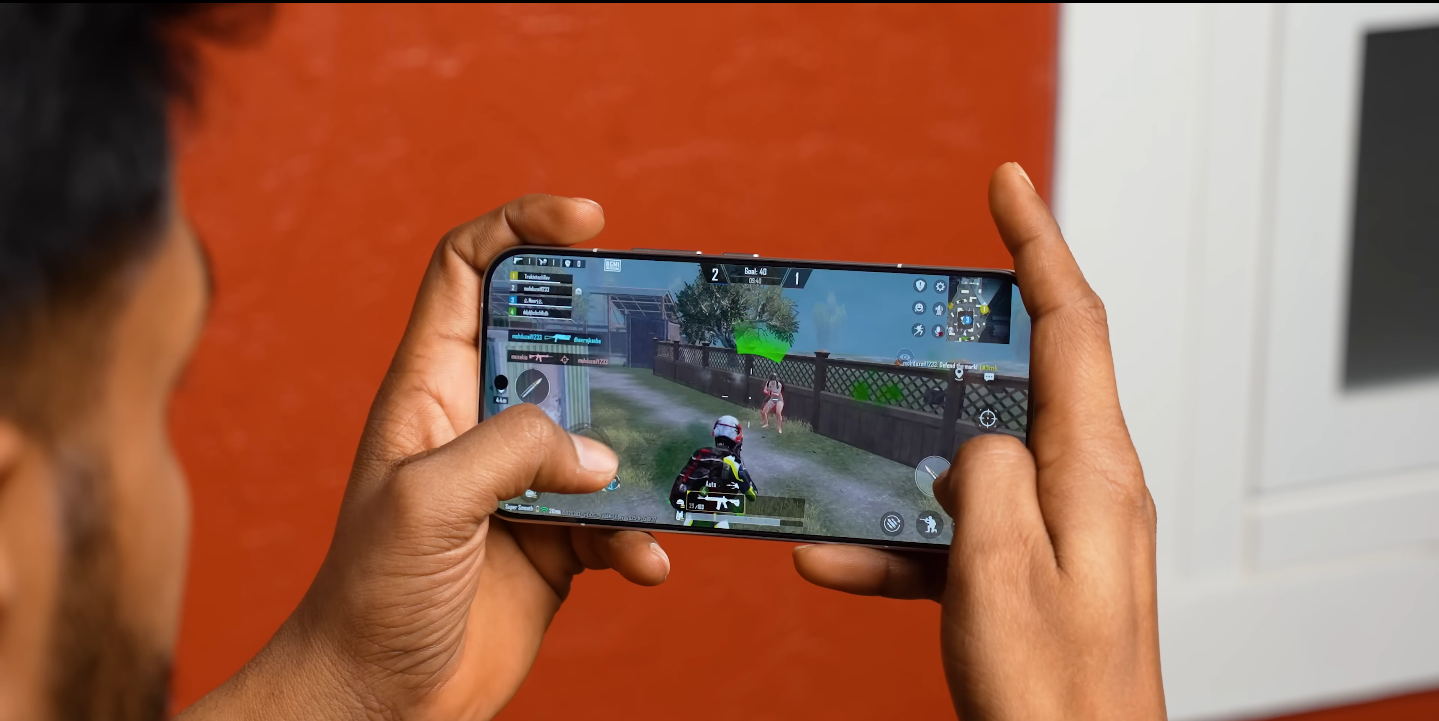
The Redmi K90 Pro Max has quickly gained a reputation as a performance-focused device, and gaming is a major area where users want clear results. Equipped with a flagship-tier chipset and a high-refresh display, the phone positions itself as a strong option for competitive mobile gaming. The question is how well it performs in popular titles like PUBG, Fortnite and other demanding games that rely on stable frame-rates and effective cooling.

The phone features a high-end processor paired with fast memory and storage, enabling quick loading times and smooth graphics transitions. This is important when switching between menus, lobbies and in-match situations where performance dips are immediately noticeable. Gamers will find that the device launches heavy titles quickly and transitions without lag during standard use. This foundation ensures a consistent baseline experience before in-game testing begins.

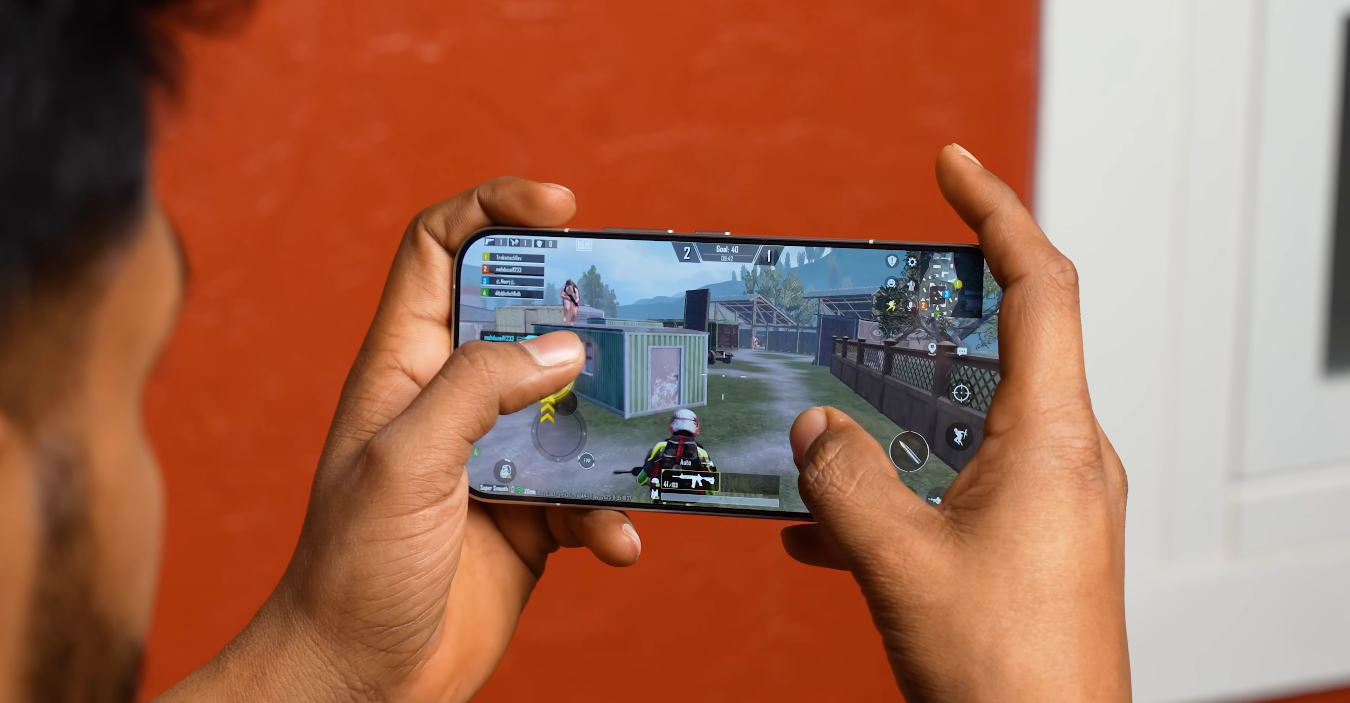
When running PUBG Mobile, the device handles high graphics settings comfortably. Frame rates remain stable during action-heavy sequences such as extended firefights or vehicle chases across detailed environments. Textures remain sharp and motion stays fluid, which helps maintain visual clarity in competitive situations. Heat does increase over time, but controlled power management and cooling hardware help prevent early performance throttling.

Redmi K90 Pro Max gaming review: PUBG, Fortnite and more performance revealed

Fortnite, which is known to be more demanding due to its building mechanics and dynamic map rendering, also runs smoothly at higher settings. The device maintains responsiveness while rotating structures, swapping weapons and navigating larger player maps. The high refresh rate contributes to a more fluid gameplay experience, especially during fast turns and player tracking. Players who value visual smoothness will appreciate the reduced motion blur.

Other titles, such as Genshin Impact and Call of Duty Mobile, show similar performance stability. Graphical environments that shift between bright open spaces and darker interiors are handled effectively by the display’s colour range and brightness control. Touch accuracy remains consistent during rapid taps and held inputs, which is essential for action and combat controls. This responsiveness supports both casual gameplay and competitive match intensity.

Sound performance also enhances the gaming experience. Clear audio helps identify gameplay cues such as footsteps, gunfire direction and approaching players. This provides a gameplay advantage in shooters and arena-based matches where spatial awareness influences winning situations. The loud and balanced output means that external audio devices are optional rather than necessary for core gaming performance.

Battery life is another notable factor for gaming usage. The phone’s large battery capacity allows extended play sessions without frequent charging interruptions. When charging is required, fast-charge support reduces downtime between matches. This makes the device suitable for long travel days, offline sessions and extended evenings of play without needing constant power source access.

Thermal stability matters for sustained gaming, and the device’s internal cooling system works to reduce performance drops under prolonged load. While heat does become noticeable during extended sessions of more demanding titles, performance remains stable enough to avoid sudden frame-rate drops. Heavy users may still prefer to play in cooler environments or avoid using thick cases to help with heat diffusion.

In summary, the Redmi K90 Pro Max delivers a strong gaming experience that aligns well with the expectations of both regular and competitive players. It runs major titles at high settings with dependable frame-rates, responsive controls and effective audio support. Its screen, battery life and performance tuning all contribute to a reliable gaming platform that can handle prolonged play without losing consistency.

For players in the UK who prioritise mobile gaming performance, this device presents itself as a confident and capable choice. It is well-suited for those who value stable high-refresh gameplay and a large display experience. If gaming is a primary use case, the Redmi K90 Pro Max stands out as a device that is ready for intense play and long-term game performance stability.

Redmi K90 Pro Max performance under cold UK winter conditions: real-world test

Redmi K90 Pro Max performance under cold UK winter conditions real-world test

How the Redmi K90 Pro Max fares in chilly UK winters

UK winters often mean low ambient temperatures, damp streets and shorter daylight hours — a challenging environment for any smartphone. The Redmi K90 Pro Max comes with flagship-grade specifications, and we’ve reviewed how it actually performs when the mercury drops and the skies turn grey.

First off, the device handles the cold better than many mid-range phones thanks to its advanced thermal design. Its large vapour chamber and graphite cooling system help dissipate heat from the powerful Snapdragon 8 Elite Gen 5 chip, meaning the phone doesn’t throttle excessively even if used outdoors in cooler conditions. Comfortable performance continues during moderate winter use.

Battery performance under cold skies is often where smartphones suffer more. Lower temperatures reduce chemical activity in lithium-ion cells, meaning that runtime typically falls. In our test, the Redmi K90 Pro Max still delivered strong results — the large 7,560 mAh battery holds up well indoors and outdoors, though you will notice a slightly quicker drain if you’re using the device in sub-5 °C conditions or leaving it exposed.

Redmi K90 Pro Max performance under cold UK winter conditions real-world test

Display brightness and visibility matter in winter too, especially with low ambient light and overcast skies. The phone’s 2K AMOLED screen, high peak brightness and good dimming controls mean it remains usable during grey days or early evening. Even so, if you’re using it in windswept UK locations or near windows, you’ll want to set the brightness manually rather than relying on auto-adjust, to avoid the screen looking dull or washed out.

Another aspect is charging in cold weather. When the phone is very cold (e.g., it’s been outside in sub-zero or near-zero temperatures), fast charging may take a moment longer to stabilise. The power management system in the K90 Pro Max handles this well, but for optimal charge speed it’s best to bring the phone into a warmer indoor environment before topping up with the 100 W wired charger. This helps maintain both speed and battery health.

In everyday UK usage—commuting, outdoor walks, and indoor heating cycles—the phone remains responsive and reliable. Apps open quickly, GPS and connectivity work even when the temperature drops, and there’s no major lag introduced by cold. Where many cheaper models might slow down or suffer battery drop-offs outside, the Redmi K90 Pro Max keeps its edge.

That said, for heavy outdoor winter use—say, extended photography sessions in damp or windy conditions, or prolonged gaming outside—there are some practical caveats. Keeping the phone shielded from wind, avoiding exposing it to rain or condensation (despite its IP68 rating) and avoiding charging while it’s very cold will help maintain peak performance. Occasional warm-up periods (indoors) are enough to keep things smooth.

To summarise for UK buyers: if you live in a region with typical UK winter conditions—cool temps, overcast skies, occasional rain—the Redmi K90 Pro Max is a strong performer. It offers reliable battery life, excellent display usability and solid general performance even when the weather turns. Just be mindful of the slightly wider battery drain in the coldest conditions and take basic precautions when charging and using outdoors.

Redmi 15 vs Samsung’s “budget flagship”: brand comparison

Redmi 15 vs Samsung’s “budget flagship” brand comparison

Evaluating brand trust, support and value for money

Choosing a smartphone isn’t just about specifications—it’s also about the brand behind it, the ecosystem, the long-term support and how it serves you over time. In this comparison, the Redmi 15 from Xiaomi is pitted against a representative “budget flagship” from Samsung (such as the Galaxy A-series). The question for UK buyers is: which brand-model represents the smarter investment considering value, support and future use?

The Redmi 15 offers aggressive value. Xiaomi has packed high refresh rate display, large battery capacity, decent camera hardware and feature-rich software into a budget package. For cost-conscious buyers who want as much phone as possible for their money, Xiaomi is compelling. Its focus is on delivering features rather than premium materials or ultra-long update cycles.

Samsung’s budget flagship approach is different. The brand leverages its strong reputation, established service network in the UK, better build quality and typically stronger software update commitments. A Galaxy A-series device may cost more, but it aims to provide a more premium experience with fewer compromises. That means for users wanting durability, resale value and longer-term support, Samsung often leads.

Redmi 15 vs Samsung’s “budget flagship” brand comparison

From a features-for-money perspective, the Redmi 15 wins hands-down if you simply judge specs divided by pounds spent. But from a “which phone will still feel good after two or three years” standpoint, Samsung takes the lead. The difference lies in build quality (materials, finish), display tech (AMOLED vs budget LCD), camera refinement and update lifespan.

Reliability and durability matter. Xiaomi’s budget devices are well engineered, but smaller savings in materials or certification may appear over time—lesser glass protection, plastic frames, fewer upgrades. Samsung invests more in these areas even for mid-tier models. For a buyer who uses the phone hard or expects to keep it for several years, the Samsung brand offers peace of mind.

When it comes to value, however, the Redmi 15 remains hard to beat. For students, secondary phones, travellers or users who upgrade every year or two, the extra cost of the Samsung model may not deliver proportionally more benefit. If your usage is contextual (social media, streaming, moderate apps) and you don’t mind minor trade-offs, Xiaomi is smart.

For UK buyers in particular, service and support networks are important. Samsung has guaranteed parts availability, years of software/security updates and wide service centres. Xiaomi has improved its UK coverage but may still lag slightly in update guarantees or part stock compared with Samsung. If you travel, rely on service and resale value, this becomes significant.

In conclusion: if your priority is best value right now, go Redmi 15. If your priority is long-term support, fewer compromises and stronger brand ecosystem, the Samsung budget flagship is likely the smarter buy. Your personal decision should focus on how long you expect to keep the phone, what you require from cameras and performance, and how important brand reliability is in your usage.