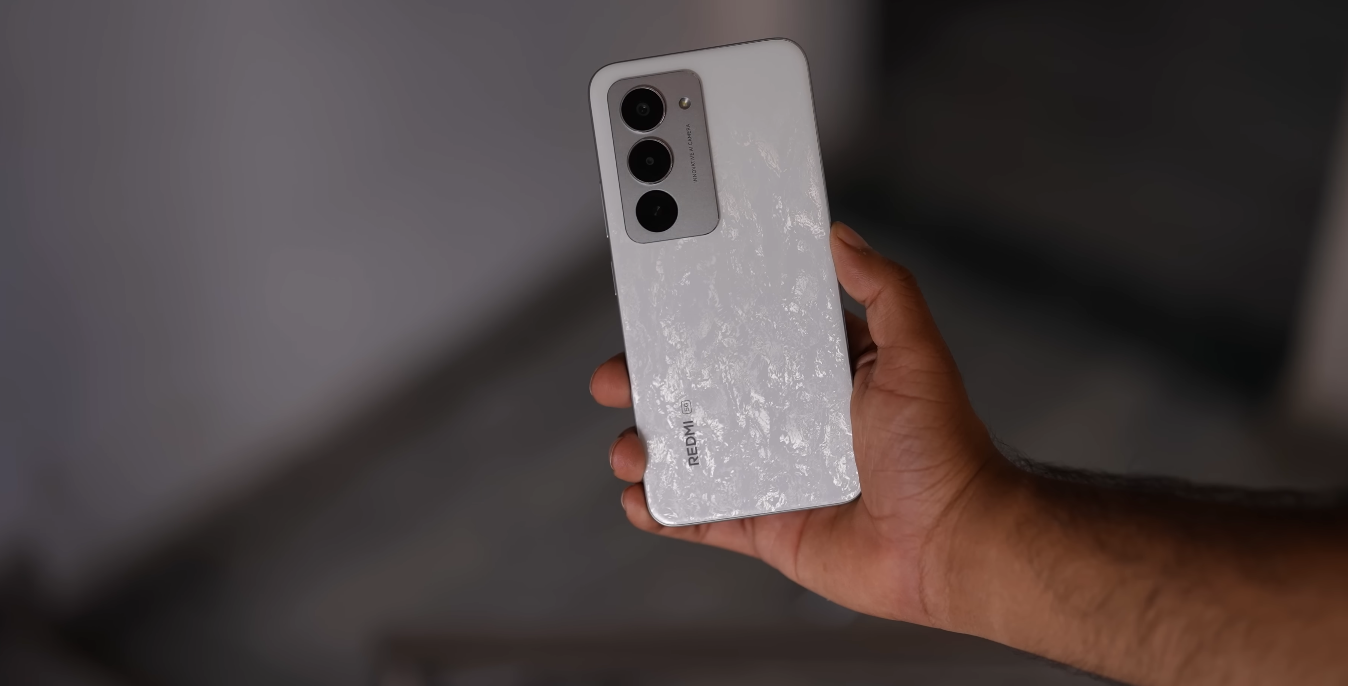
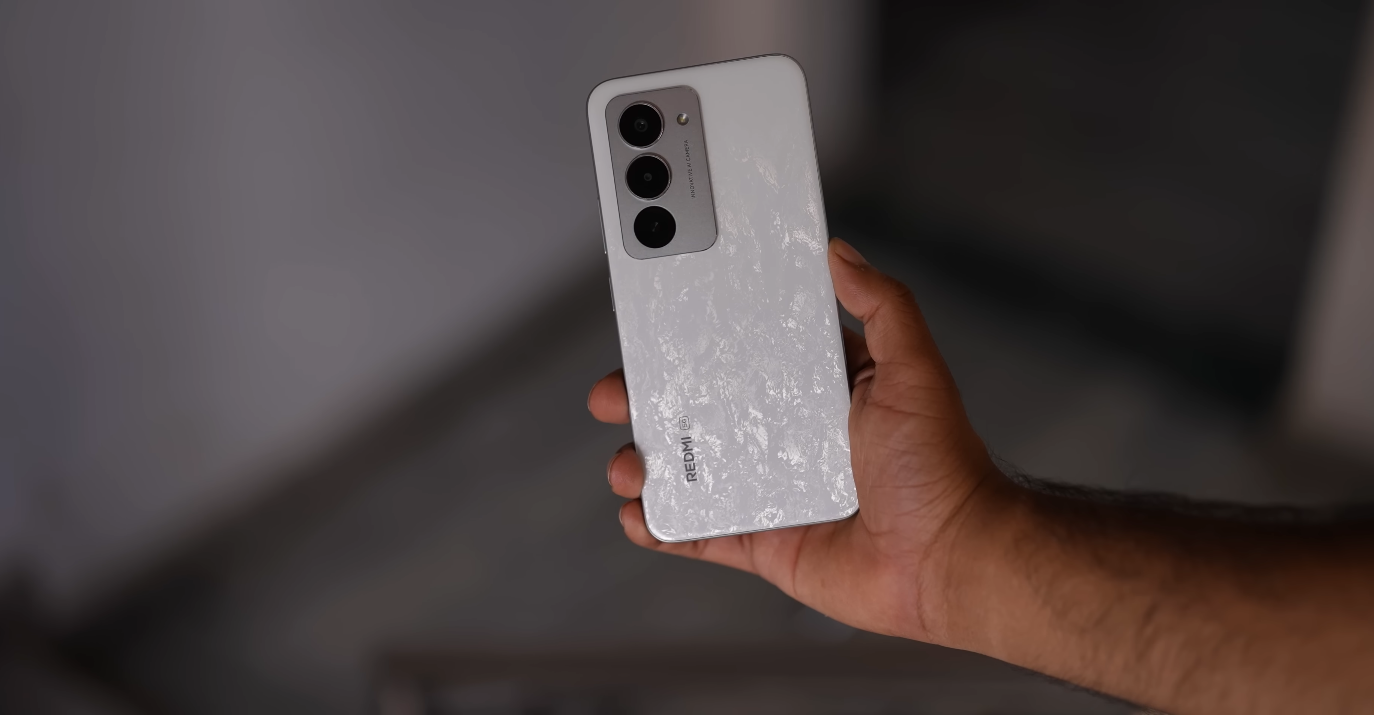
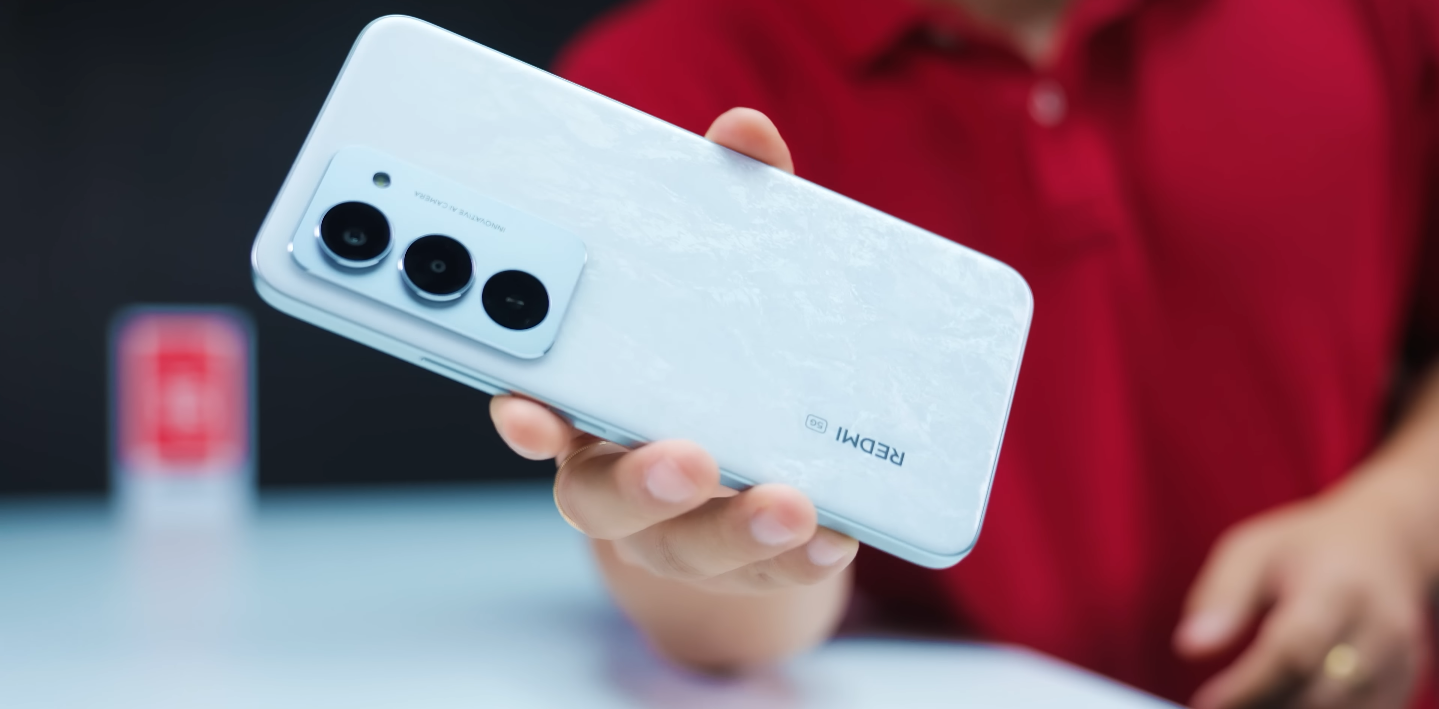
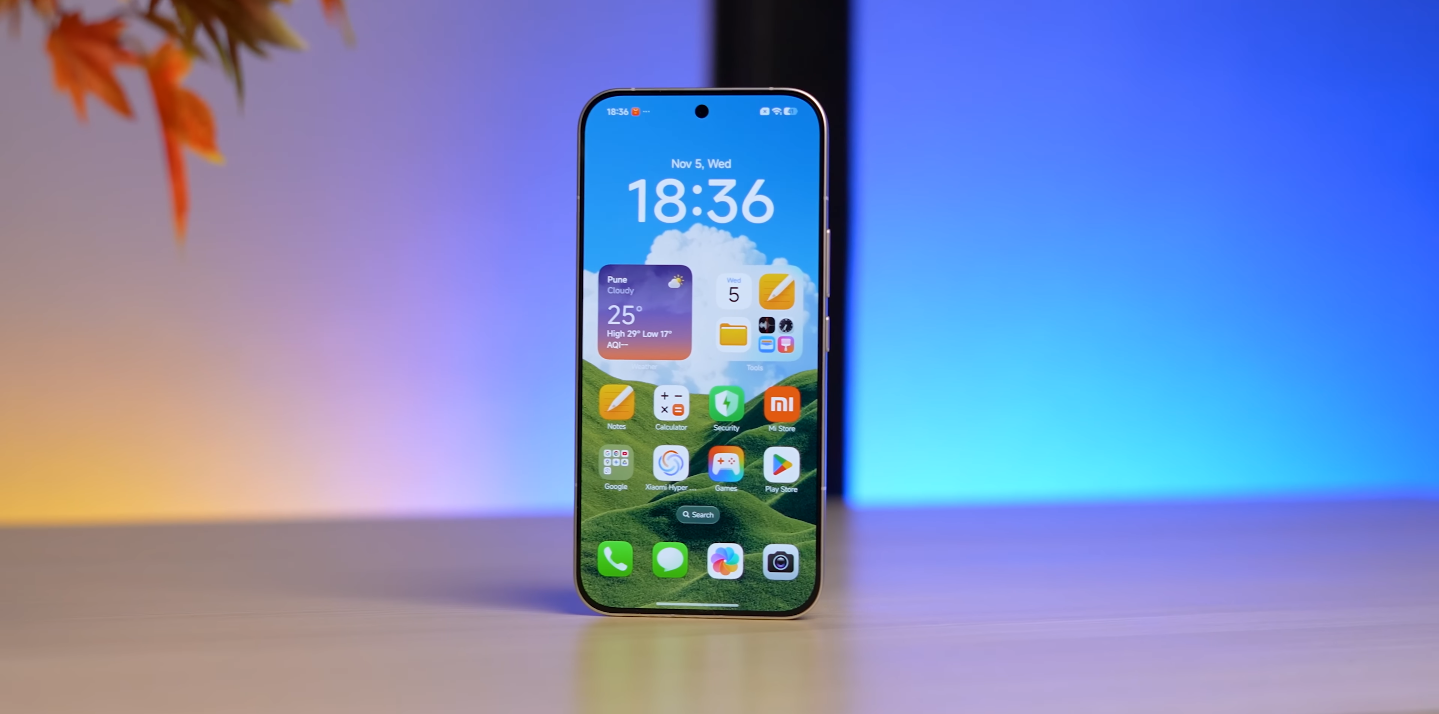
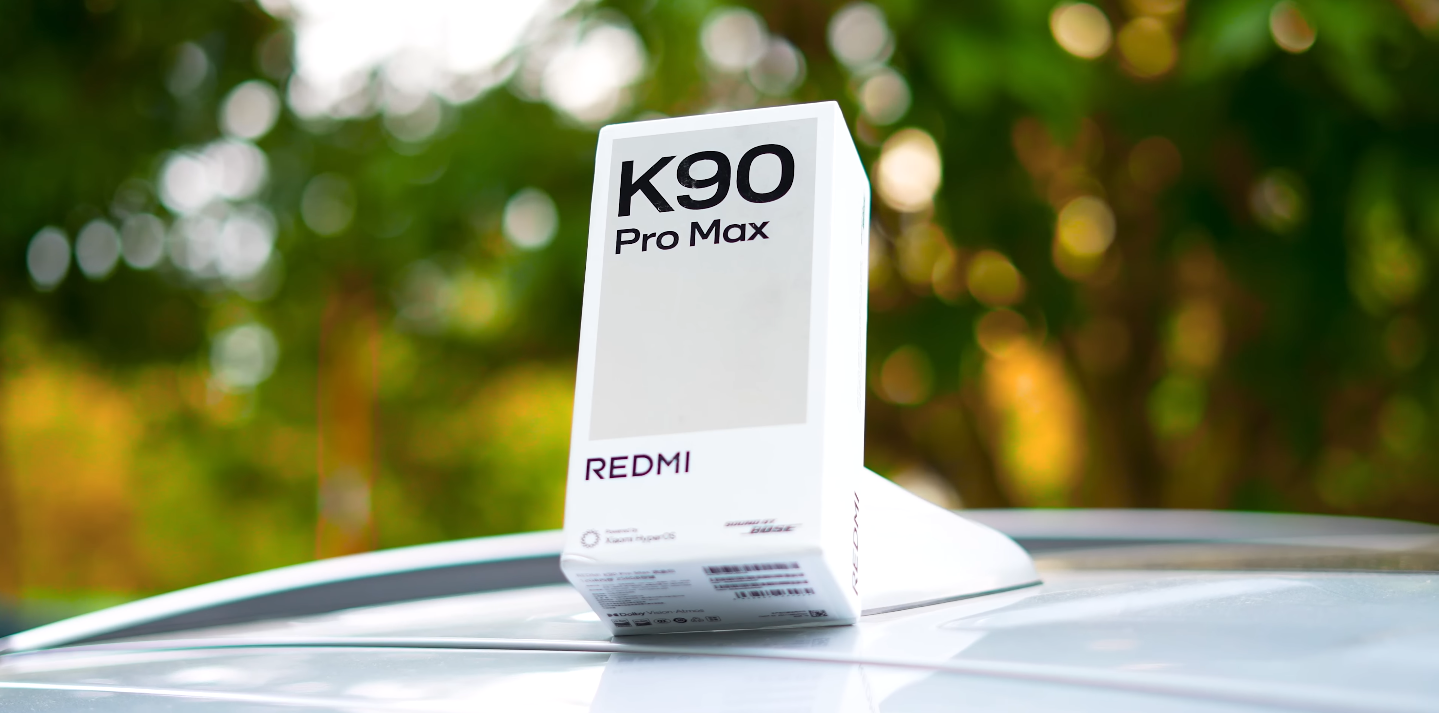
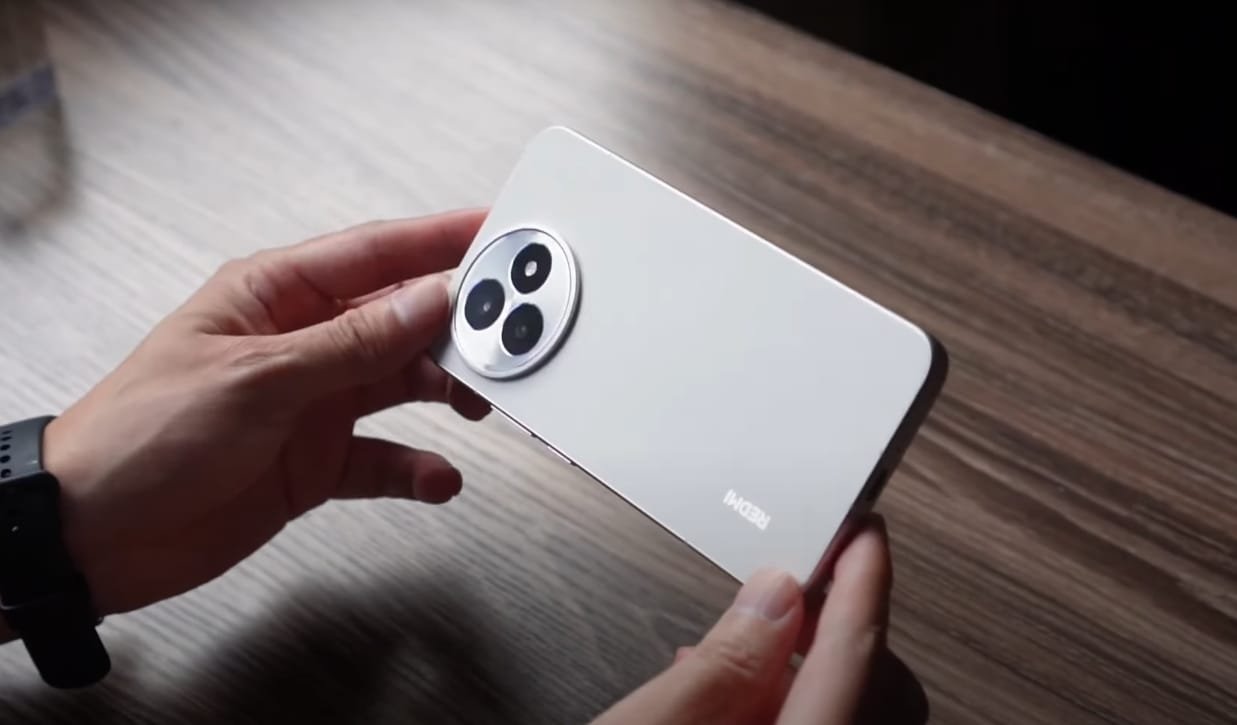
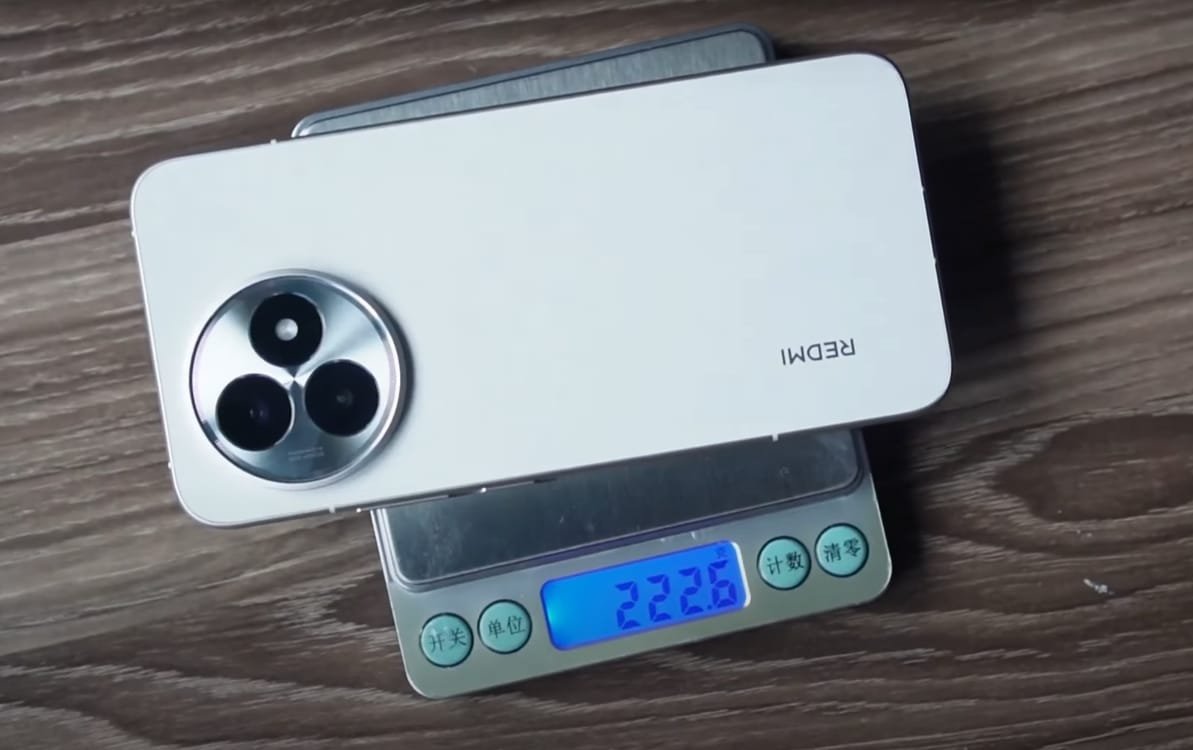
Redmi 15 photography for social media: portrait & night mode test

Redmi 15 photography for social media portrait & night mode test

How well the camera performs for everyday social-ready shots

The Redmi 15 has become a popular option for users who want a budget-friendly phone capable of producing social-media-ready photos without heavy editing. Its main camera is designed to perform reliably in everyday scenarios, and for many people portrait shots and night-time photos are the biggest test of a phone’s true capability. This breakdown looks at how it handles both situations and whether the results are good enough for platforms like Instagram, TikTok and Snapchat.

In portrait mode, the Redmi 15 performs well for its segment. The primary sensor captures good detail in daylight, and skin tones appear natural enough for social sharing. Subjects tend to stand out clearly when lighting is favourable, and the phone applies background blur in a way that gives images a more polished look than a standard snapshot. For casual photography with friends or simple lifestyle posts, the portraits are more than adequate.

Despite this, the portrait mode does reveal typical budget-phone limitations. The edge detection around hair, glasses and textured backgrounds is not always perfect, and the focus separation can sometimes appear uneven. The depth effect occasionally looks artificial when the scene is complex. However, these issues are minor for most users and rarely noticeable once images are resized or filtered for social platforms.
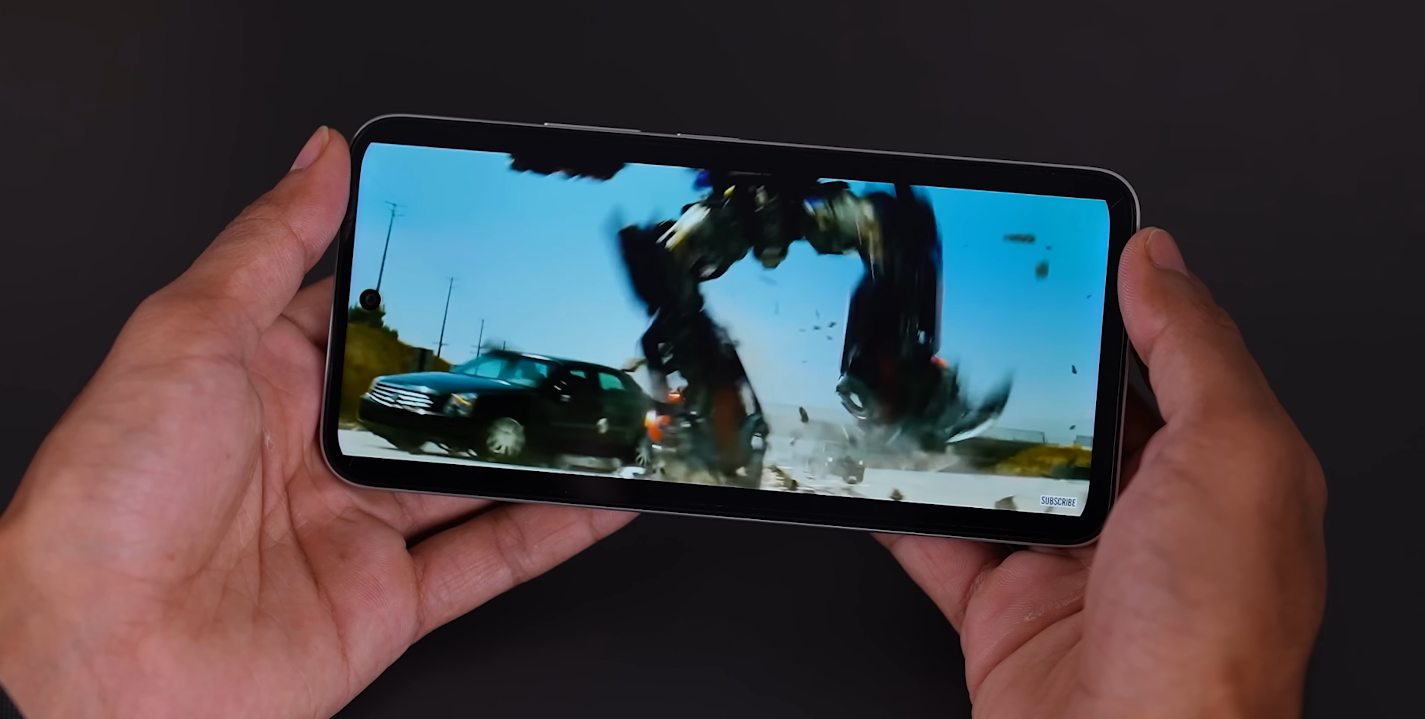
Redmi 15 photography for social media portrait & night mode test

Night mode presents a more challenging environment, yet the Redmi 15 manages to produce usable results. In low-light scenes, the phone brightens subjects effectively and maintains enough clarity to make photos shareable. Street lighting, indoor evening settings and nightlife environments come through with acceptable detail. These images work well for story posts and casual snapshots taken on evenings out.

The limitations of the sensor become more noticeable as lighting worsens. In very dark scenes, the Redmi 15 introduces noise and a softer appearance. Dynamic range is more limited, meaning bright lights can appear blown out while darker areas lose detail. Still, with moderate lighting the phone produces night photos that look fine once compressed for social media.

Good technique helps maximise results. Keeping the phone stable during night shots reduces blur and increases clarity. Using available light sources such as shop fronts or street lamps improves sharpness. For portrait mode, stepping slightly away from backgrounds or shooting in natural light enhances the blur effect and gives the camera more contrast to work with. These small adjustments ensure more consistent photos.

When editing for social platforms, the Redmi 15’s images respond well to light colour correction, sharpening and contrast adjustments. Most users apply filters on TikTok or Instagram anyway, making the phone’s output more than suitable. Because the main sensor captures decent base detail, simple edits can elevate the images without introducing harsh artefacts.

For influencers, content creators or users who demand professional-grade results, the Redmi 15 may not offer the advanced dynamic range or low-light performance found in higher-tier phones. But for everyday social posting, the camera performs strongly within its class. It strikes a balance between affordability and capability that suits students, casual users and anyone who enjoys sharing quick moments online.

Battery life also plays a role in social photography sessions. The Redmi 15’s large battery allows extended shooting without worrying about the phone dying mid-event. This makes it suitable for festivals, day trips and long nights out where many photos and videos are captured across the day.

Overall, the Redmi 15 delivers good portrait performance and decent night-mode results that are reliable for social media use. Its strengths show most clearly in well-lit shots, but even in dim environments it remains functional and capable of producing shareable images. The phone’s limitations are expected for its category, yet its output consistently meets the needs of typical social-media users.

In conclusion, for someone seeking a budget device that can handle portraits and night shots well enough for everyday online sharing, the Redmi 15 is a strong option. It offers solid results for its price, and with small adjustments and basic editing, it can create images that look polished and ready for posting across all major social apps.

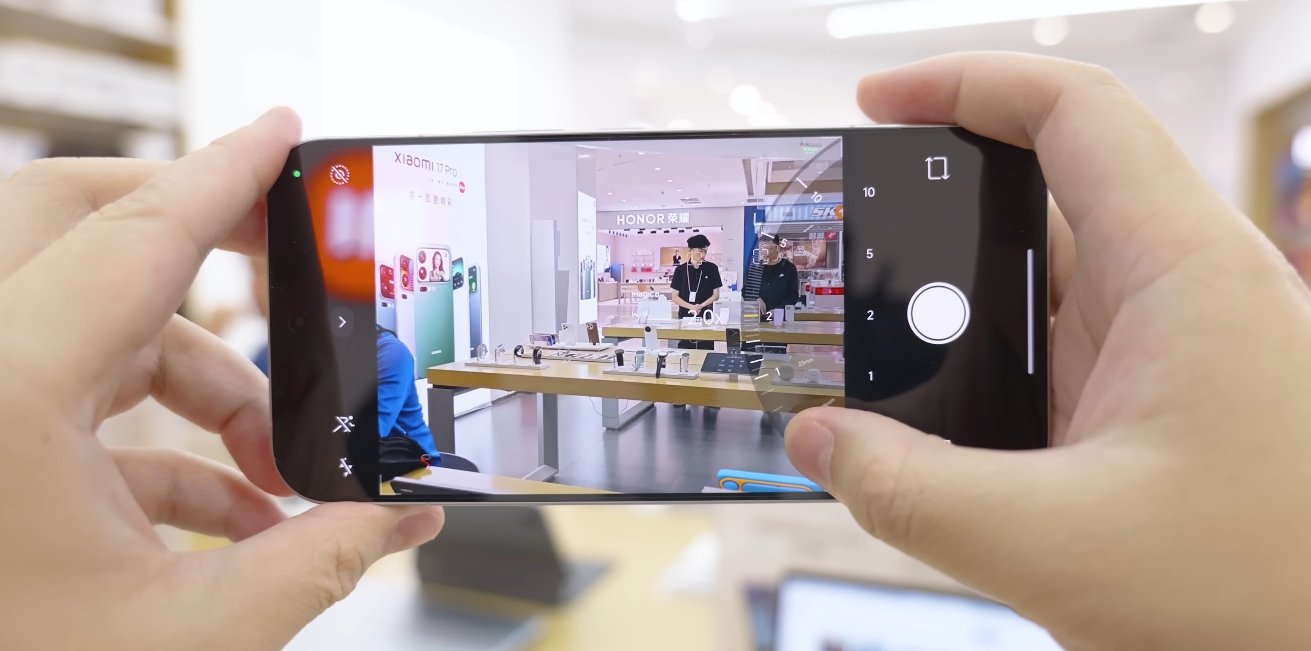
Redmi K90 Pro Max pricing surprises German tech enthusiasts

Redmi K90 Pro Max pricing surprises German tech enthusiasts

Xiaomi’s flagship disrupts expectations in Germany’s smartphone market

The tech community in Germany has been abuzz after the announcement of Redmi’s latest flagship, the K90 Pro Max. The smartphone’s surprisingly competitive pricing, paired with its powerful specifications, has sparked widespread discussion among enthusiasts who have long associated premium performance with steep price tags. The launch of the K90 Pro Max marks a bold move by Xiaomi, positioning Redmi as a serious contender in the European flagship space.

The Redmi K90 Pro Max made its debut in China with an initial price that converted to roughly €560, significantly undercutting other flagship smartphones with similar features. German consumers quickly noticed this price gap and began speculating about its potential European pricing. Even if adjusted for import duties, taxes, and certification costs, the device could still arrive in Germany for well below €700, a price that would challenge established players like Samsung, OnePlus, and Apple in the premium segment.

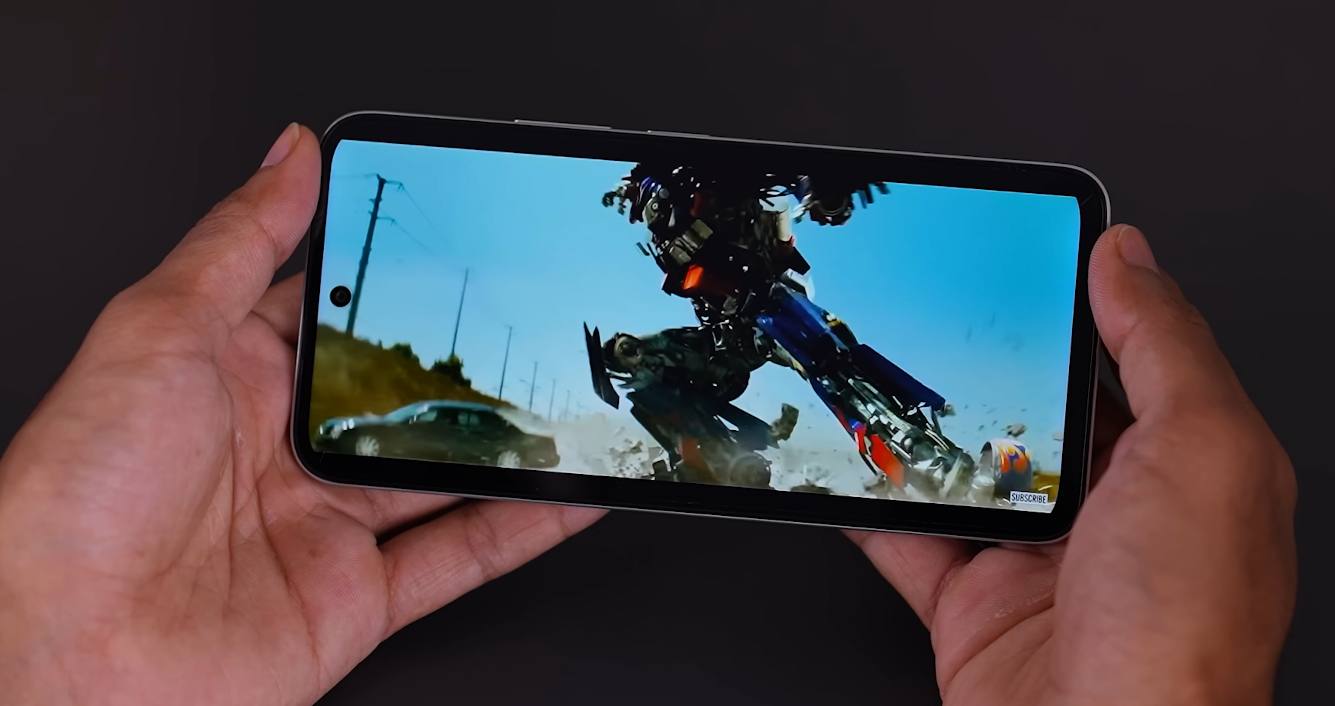
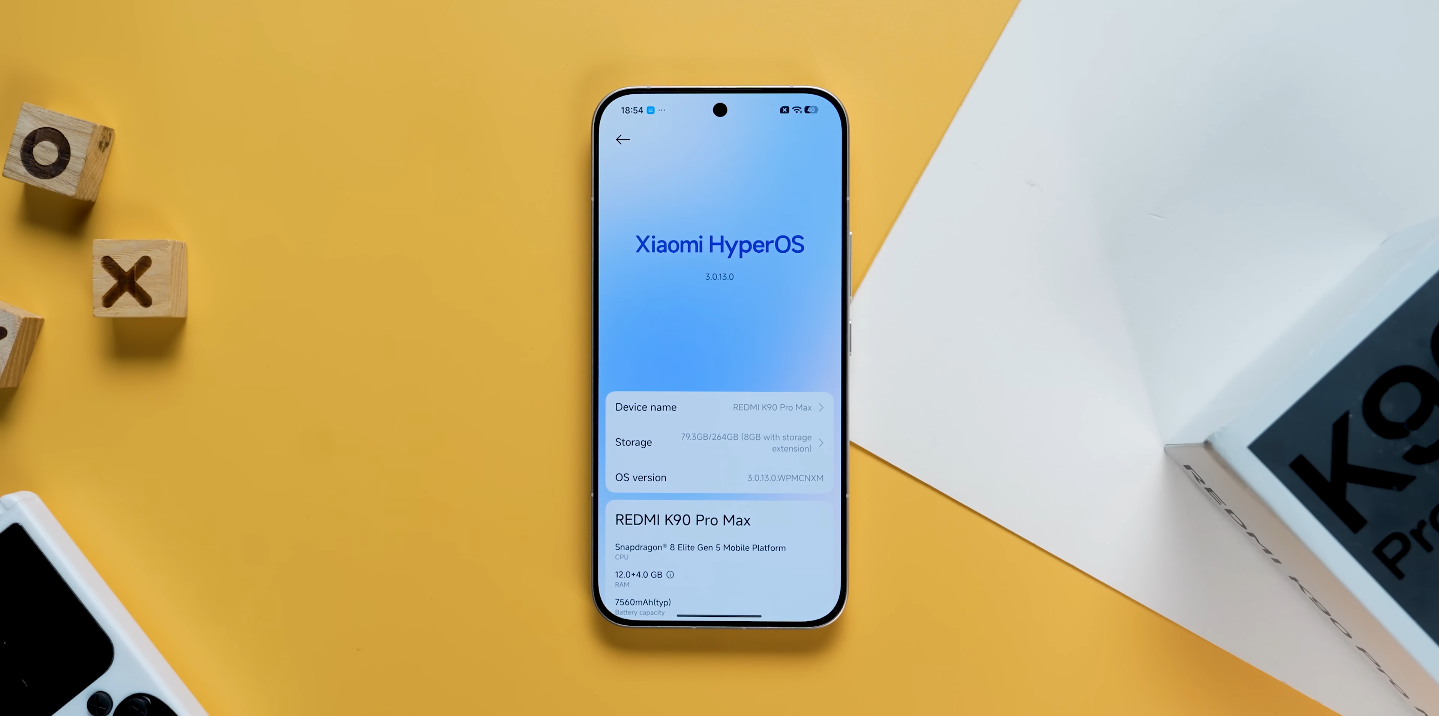
What makes the K90 Pro Max stand out is its combination of high-end hardware and design refinements that usually come with much higher costs. It features a 6.9-inch 120 Hz LTPO AMOLED display, delivering exceptional clarity and smoothness for both gaming and streaming. At its core is the Snapdragon 8 Elite Gen 5 processor, a top-tier chip that ensures peak performance and energy efficiency. This level of power, combined with 12 GB of RAM and 256 GB of internal storage on the base model, makes it a compelling choice for demanding users.

Redmi K90 Pro Max pricing surprises German tech enthusiasts

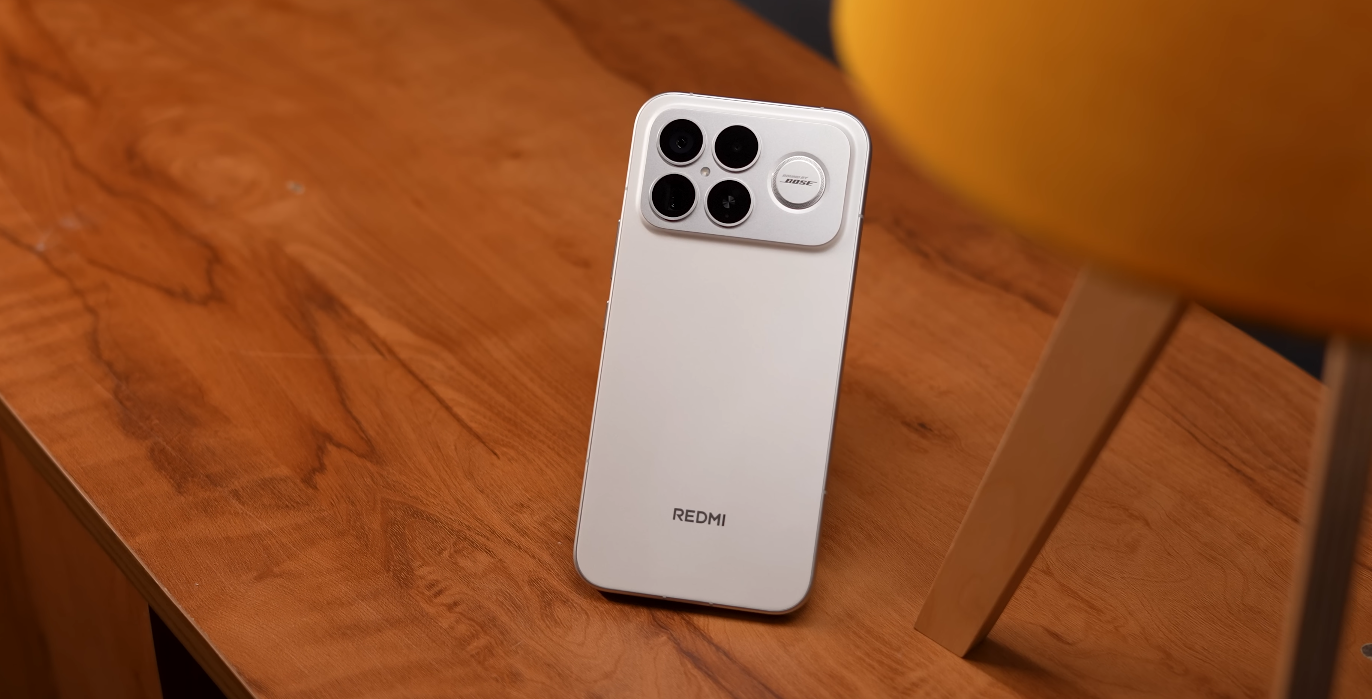
Battery life has also been a focus for Xiaomi. The K90 Pro Max comes equipped with a 7,560 mAh battery, one of the largest in its class, supporting ultra-fast wired and wireless charging. For heavy users, this means a full day of gaming, streaming, and multitasking without the anxiety of frequent recharges. The addition of Bose-tuned speakers is another highlight, offering premium-quality audio that elevates media experiences. This collaboration underscores Redmi’s efforts to expand beyond performance into areas of sensory quality and craftsmanship.

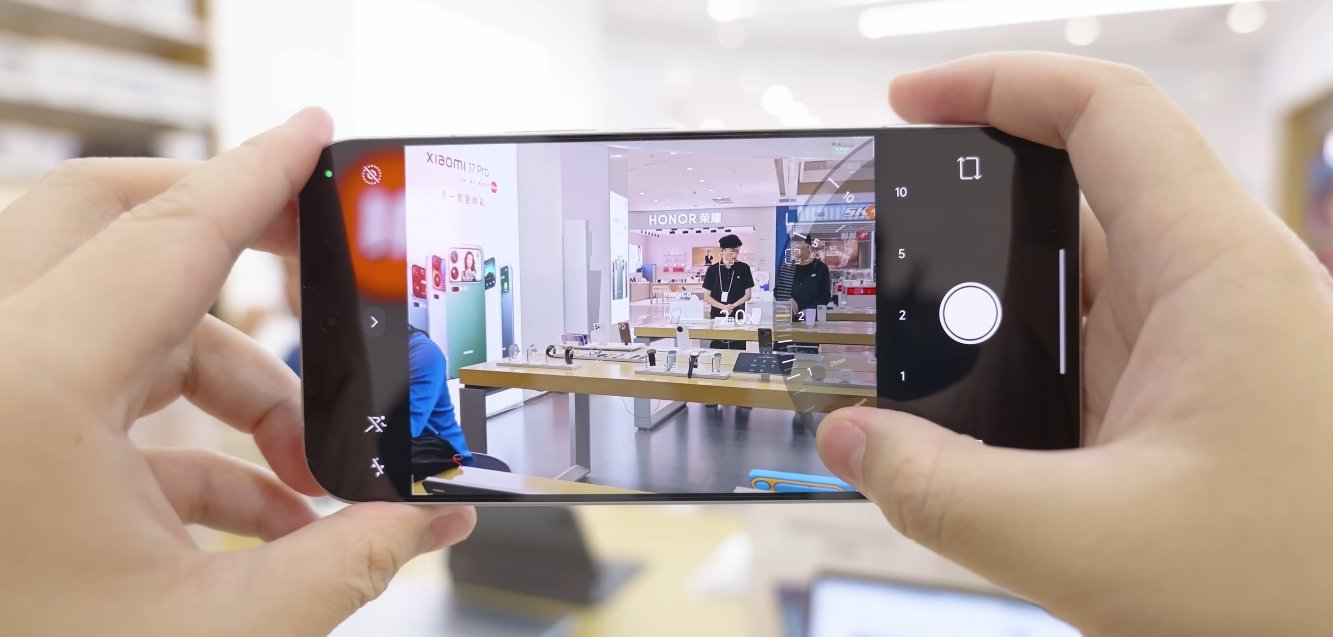
The camera system further cements the phone’s flagship status. It includes a triple-lens configuration led by a 50 MP main sensor, complemented by ultra-wide and periscope telephoto lenses. The telephoto camera brings improved zoom capabilities without compromising image quality, while the software side incorporates AI-based optimization for enhanced color accuracy and low-light performance. Reviewers and early testers in China have praised the results, hinting at a strong reception once it reaches European shores.

In Germany, the buzz around this device reflects a growing appetite for alternatives to traditional premium brands. Tech enthusiasts and early adopters have long criticized the rising prices of flagship smartphones, which often exceed €1,000. With the K90 Pro Max, Redmi seems poised to break this pattern, offering near-identical hardware experiences at nearly half the price. The conversation in German tech circles now revolves around how established companies will react to this new competitive pressure.

Xiaomi’s strategy appears to blend affordability with innovation, a formula that has already proven successful in Asia and India. The company’s steady expansion across Europe, supported by growing retail presence and strong online sales channels, indicates its confidence in replicating that success in markets like Germany. If the Redmi K90 Pro Max launches at an aggressive price point, it could reshape consumer expectations and force rivals to revisit their pricing models.

Overall, the reaction among German tech enthusiasts is a mix of excitement and cautious optimism. The promise of a flagship-level smartphone at a mid-tier price is hard to ignore. If Xiaomi delivers consistent after-sales support, warranty coverage, and localized software updates, the K90 Pro Max could mark a turning point in how European consumers perceive value in smartphones. For now, all eyes are on Xiaomi’s next move — and on whether the K90 Pro Max will truly deliver on its promise to make premium performance accessible to everyone.

Also Read:  German reviewers praise Redmi K90 Pro Max battery and performance

Redmi 15 vs Google Pixel 9a: which gives better pictures for less?

Redmi 15 vs Google Pixel 9a which gives better pictures for less

Camera comparison and value analysis

When choosing a smartphone based on camera performance and value, two intriguing options are the Redmi 15 and the Google Pixel 9a. The Redmi 15 positions itself in the budget segment, offering a large-sensor main camera and solid basic features for less money. The Pixel 9a, while priced higher, offers stronger optics, additional lenses and refined software processing. This article evaluates how both devices perform in photography, especially for UK buyers, and which one offers better pictures for the money spent.

Starting with the main camera specs, the Redmi 15 includes a 50 MP primary sensor and a secondary AI lens. Its front-facing camera and lens variety are modest. In contrast, the Pixel 9a features a 48 MP primary sensor plus a 13 MP ultra-wide lens, and the software from Google adds significant value to image processing. The result is that the Pixel has a more complete toolset for photography, whereas the Redmi focuses on the main camera only.

In daylight and portrait conditions, the differences become clearer. The Redmi 15 handles good lighting well, producing clean subjects, decent detail and acceptable background blur for casual social posts. The Pixel 9a, however, excels further: its portrait mode blur is smoother, edge detection is more refined, and the ultra-wide lens gives users creative flexibility. If you frequently shoot social content in good light, the Pixel provides more polish, while the Redmi remains a strong value.

Redmi 15 vs Google Pixel 9a which gives better pictures for less

Low-light photography is often where budget cameras struggle, and here the gap widens. The Redmi 15 provides usable night shots—bright enough for sharing on social media, but with visible noise and less dynamic range than premium phones. The Pixel 9a, with its larger aperture, better lens combination and mature software, delivers superior results in darker environments. For users shooting nightlife, indoor events or poorly lit scenes, the Pixel clearly leads.

Versatility is another area of distinction. The Pixel’s ultra-wide lens means you can take landscapes, group shots and creative perspectives without buying extra gear. The Redmi’s dual camera setup lacks that breadth. Also, Google’s image software offers better HDR, better low-light algorithms and more consistent results across scenarios. For a photo-focused user, this versatility and processing matter even if the price is higher.

The “less money” factor depends heavily on your budget and how you weigh camera needs. The Redmi 15 costs significantly less and offers very good camera performance for its class. If your usage is moderate—social posts, daylight photography, general snapshots—the Redmi might suffice and gives you solid value. But if you prioritise photography as a key feature—night shoots, ultra-wide shots, professional-style portraits—the Pixel 9a justifies the premium cost.

UK buyers should also consider factors beyond camera specs: software update policy, warranty, storage and model variants. Google typically offers longer software support which can benefit photography features over time. Redmi may have shorter update cycles. Cost of purchase, storage options and availability of UK camera features should all feed into your decision.

In conclusion, if I must choose: for the best overall picture quality, the Pixel 9a wins. It offers better optics, more lens versatility, and superior low-light performance. But for the best cost-to-camera value, the Redmi 15 is a very strong contender—especially if your photography needs are casual and your budget is limited. For UK users wanting “good pictures for less money”, the Redmi 15 delivers meaningful value. For those wanting “excellent pictures and willing to spend more”, the Pixel 9a is the smarter choice.

Redmi K90 Pro Max launch excites German smartphone fans in 2025

Redmi K90 Pro Max launch excites German smartphone fans in 2025

Germany Buzzes Over Redmi’s New Flagship Powerhouse

The much-anticipated Redmi K90 Pro Max has officially launched in China, and its impact is already being felt across Europe, particularly among German smartphone enthusiasts. The device, which represents Redmi’s most advanced step into the flagship market yet, has drawn attention for its high-end specifications, sleek design, and competitive pricing. While it’s not yet officially available in Germany, the excitement among fans suggests that this phone could become one of the most discussed international devices of 2025.

The Redmi K90 Pro Max comes equipped with a massive 6.9-inch OLED display that supports ultra-smooth refresh rates and high brightness levels, making it ideal for gaming, multimedia, and daily use. Powered by Qualcomm’s latest Snapdragon 8 Elite Gen 5 processor, the phone promises a new level of speed and efficiency that appeals to tech-savvy consumers. Paired with up to 16GB of LPDDR5X RAM and 1TB of UFS 4.0 storage, it’s clear that Redmi is positioning this model to compete with the very best in the Android world.

Photography enthusiasts in Germany are particularly drawn to the K90 Pro Max’s camera system. The phone features a triple-lens rear setup with three 50-megapixel sensors, including a periscope telephoto lens designed for detailed long-distance shots. The main camera uses a large Sony sensor capable of capturing stunning low-light images, while the ultra-wide lens ensures crisp, distortion-free landscape photos. Redmi has also improved its AI image processing, giving users more natural tones and professional-grade depth control — features that German photographers and travelers are likely to appreciate.

Redmi K90 Pro Max launch excites German smartphone fans in 2025

Another major talking point is the collaboration between Redmi and Bose to enhance the device’s audio performance. The K90 Pro Max is branded with “Sound by Bose,” and the results are impressive. German fans, who value premium audio quality for music and media, have praised the partnership as a game-changer for the K-series lineup. Combined with Dolby Atmos support and advanced haptic feedback, the phone delivers an immersive entertainment experience rarely found in this price range.

Battery performance has also seen a major leap. The device houses a 7,560mAh battery that supports 100W wired charging and 50W wireless charging, allowing users to power up in minutes. This feature has caught the attention of European users who often prioritize long-lasting and fast-charging phones. With this combination of endurance and speed, the K90 Pro Max easily positions itself as one of the most practical flagships for heavy users, travelers, and gamers alike.

While Germany has not yet received an official launch date, anticipation continues to build. Many tech analysts expect the phone to make its way to European markets under a rebranded version, possibly as part of Xiaomi’s global flagship series. If pricing remains competitive, it could arrive in Germany at around €650 to €700 — an impressive figure given the premium specifications. Early adopters in Germany are already discussing import options and software localization support to get their hands on the device ahead of an official release.

Despite the excitement, there are still challenges to overcome. Redmi must ensure strong after-sales service and software support for the European market, as warranty coverage and network optimization can differ from the Chinese versions. However, with the company’s growing presence in Europe and its increasing focus on user feedback, many believe these issues will be addressed once the device officially launches outside Asia.

Overall, the Redmi K90 Pro Max marks a significant step for Redmi as it pushes deeper into the premium segment. German smartphone fans are captivated not only by the hardware but also by what it symbolizes — a genuine effort from Redmi to compete directly with established flagships from Samsung and Apple. The buzz surrounding this phone is proof that the market is ready for powerful alternatives that balance performance, innovation, and affordability.

If the global release follows soon, Germany could become one of the key markets driving the K90 Pro Max’s international success. With its combination of elite specifications, cutting-edge design, and value-driven philosophy, the Redmi K90 Pro Max is already setting the stage to become one of 2025’s most talked-about smartphones in Europe.

Also Read:  Redmi K90 Pro Max pricing surprises German tech enthusiasts

Redmi K90 Pro Max cooling system overview: can it handle gaming marathons?

Redmi K90 Pro Max cooling system overview can it handle gaming marathons

How the cooling design manages sustained performance

The Redmi K90 Pro Max has arrived with particular focus on performance stability, especially for users who spend long periods gaming. With a high-end processor and a large, fast display, heat management becomes a key part of its overall capability. Redmi has therefore implemented an upgraded internal cooling architecture that aims to maintain smooth gameplay for extended sessions without allowing temperatures to climb too high. The phone is positioned to offer flagship-level performance while keeping performance drops under control.

At the core of the thermal system is a sizeable vapour chamber that sits directly above the main processing components. This chamber is complemented by multi-layer graphite, copper materials and heat diffusion channels designed to spread heat away from hotspots. The size and structure are intended to move heat across a wider surface area, which allows the phone to cool more efficiently during periods of sustained load, such as continuous high-refresh-rate gaming.

The chipset inside the Redmi K90 Pro Max is engineered for performance, and naturally generates heat when operating at full capacity. The cooling system’s role is to prevent that heat from remaining concentrated. By keeping the temperature balanced, the phone can avoid excessive thermal throttling, in which the hardware reduces its speed to protect itself. With stable thermals, the device is able to maintain higher frame rates for longer periods, which is particularly important for competitive and fast-paced games.

Redmi K90 Pro Max cooling system overview can it handle gaming marathons

In practical terms, this means gamers should expect consistent performance during common session lengths of 30 minutes to an hour. The phone remains comfortable to hold during this period for most users, and performance remains smooth. The heat spread across the chassis helps reduce the sensation of a single overheating spot, which can otherwise make long gaming sessions unpleasant. The design also considers grip placement, so warmth is less noticeable where fingers typically rest.

During multi-hour gaming usage, heat naturally does build, but the system helps delay the onset of performance reduction. Instead of a sharp decline in speed, the phone tends to step down performance gradually. This can help maintain playability without sudden drops that disrupt the experience. While very long sessions at maximum brightness and highest settings can still push the phone toward higher temperatures, the behaviour remains predictable and manageable.

The phone’s battery capacity contributes indirectly to thermal stability. A larger battery can distribute electrical load more efficiently, reducing the strain that sometimes increases heat output during demanding tasks. Combined with power management software, the phone can adjust performance levels intelligently to balance heat, battery draw and processing power. This helps support sustained gaming where battery life and heat are both important considerations.

The high-refresh-rate display also plays a part in heat generation, especially when games are played at maximum frame settings. The Redmi K90 Pro Max includes options to adjust refresh rate dynamically, lowering it during less demanding scenes. This reduces heat build-up without visually interrupting gameplay. Users who prefer maximum consistency can lock settings to their preference, but the adaptive mode offers a good balance for most everyday gaming.

For UK users, ambient temperature can make a noticeable difference in gaming comfort. In cooler indoor climates, the phone’s cooling system performs particularly well, as external conditions assist heat dissipation. In warmer situations, especially outdoors or during summer, the phone may warm more quickly, though still remains within expected operating limits. A case can slightly reduce heat dissipation, so frequent gamers may prefer slimmer covers.

Overall, the Redmi K90 Pro Max demonstrates a strong thermal design suited to sustained performance. It does not eliminate heat entirely, as no smartphone can under heavy load, but it does manage it intelligently and effectively. The large vapour chamber and layered cooling approach enable the device to maintain responsiveness over long sessions, appealing to users who enjoy extended gaming without frequent breaks.

In conclusion, the Redmi K90 Pro Max is well equipped to handle gaming marathons when used in realistic conditions. The cooling system provides a stable platform for high-performance gameplay, and performance remains consistent for extended periods before gradual adjustments occur. For gamers seeking a phone that balances speed, endurance and heat control, it stands as a capable and well-considered option in the current flagship space.

Redmi 15 often overlooked features: what Xiaomi hid in the specs?

Redmi 15 often overlooked features what Xiaomi hid in the specs

Surprising extras that add more value than expected

The Redmi 15 may appear straightforward at first glance, but Xiaomi has included several features that are easily missed in the headline specifications. These smaller details can make a noticeable difference in everyday use, especially for customers who rely on practicality, battery life and reliability. Here is a clear look at the overlooked elements that give the Redmi 15 more depth than its budget positioning suggests.

One of the most underrated features is its IP64 rating for dust and splash resistance. Many users assume that water and dust protection is reserved for premium phones, yet the Redmi 15 includes a basic but meaningful defence against light rain and accidental splashes. This adds reassurance for commuters, school and university users, and anyone frequently outdoors, especially in unpredictable UK weather.

The large 7,000mAh battery draws attention, but the construction behind it is worth noting too. Xiaomi uses a silicon–carbon battery design, which can improve durability and overall efficiency compared with standard lithium-ion cells. This means the device is built not just for long single-charge endurance, but also for better long-term health, making it suitable for two-to-three-year usage without rapid wear.

Redmi 15 often overlooked features what Xiaomi hid in the specs

Another overlooked highlight is the 144Hz display refresh rate. While the screen technology is LCD rather than AMOLED, the high refresh rate brings smoother scrolling, quicker animations and a more responsive feel than many similarly priced phones. This is particularly noticeable when navigating menus, gaming lightly or switching between apps. Budget phones with such high refresh rates remain uncommon, giving the Redmi 15 an edge in daily experience.

Storage flexibility also deserves attention. The microSD card slot provides expandable storage for users who record videos, download media or store large apps. Dual SIM flexibility in certain variants is another convenience often ignored in specifications. These features help users who want more control over their storage and connectivity options without cloud reliance.

Reverse wired charging is another small but genuinely useful inclusion. With this feature, the Redmi 15 can act as a power source to charge other devices through a cable. Whether it’s topping up wireless earbuds, a second phone or a small accessory, this adds a layer of practical utility that is rarely highlighted in budget phone marketing.

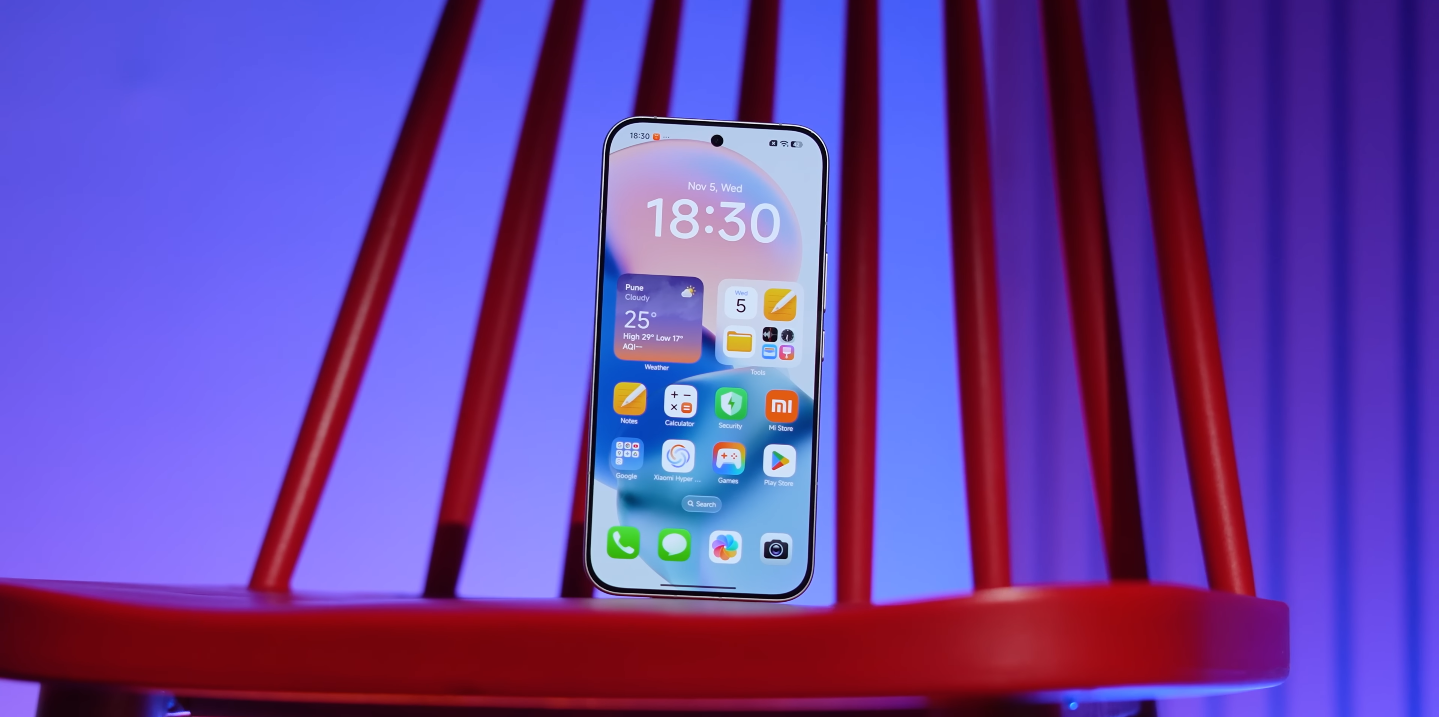
On the software side, HyperOS includes several hidden enhancements that improve user experience. Features like gesture-based shortcuts, improved memory management, game-boosting modes, app locking and cloning, and customisation tools help users personalise the phone more deeply. These additions may not be headline-grabbing, but they contribute significantly to day-to-day convenience and usability.

There are still trade-offs that users should keep in mind. The LCD display, despite its high refresh rate, does not offer the deep contrast of OLED screens. The water resistance rating is limited to splashes rather than full immersion. And while the battery technology is advanced, charging speeds remain within mid-range levels, not matching flagship standards. Yet these trade-offs are expected within the price category and do not diminish the value brought by the overlooked features.

For UK buyers, these hidden strengths are particularly relevant. A splash-resistant design suits rainy conditions, the large battery supports long commuting days, and expandable storage helps avoid cloud subscription costs. Students, travellers and budget-conscious users will find these extras meaningful, especially when comparing alternatives in the same cost bracket.

In summary, the Redmi 15 offers more than what the basic spec sheet suggests. From improved battery construction and high refresh display to splash resistance and small but powerful software tools, Xiaomi has included several thoughtful conveniences. These features may not be loudly advertised, but they collectively enhance the phone’s practicality and long-term value, making it stronger than many competitors in the same budget segment.

Redmi 15 vs Samsung Galaxy S older model: value proposition

Redmi 15 vs Samsung Galaxy S older model value proposition

Can a new budget phone beat an old flagship?

The Redmi 15 and older Samsung Galaxy S models, such as the Galaxy S21 or S20, represent two different philosophies in smartphone design. One focuses on delivering the best possible value in the budget segment, while the other offers once-premium features that still hold up years later. For UK buyers, the question is simple — should you buy a brand-new Redmi 15 or invest in an older Galaxy S flagship that has dropped in price?

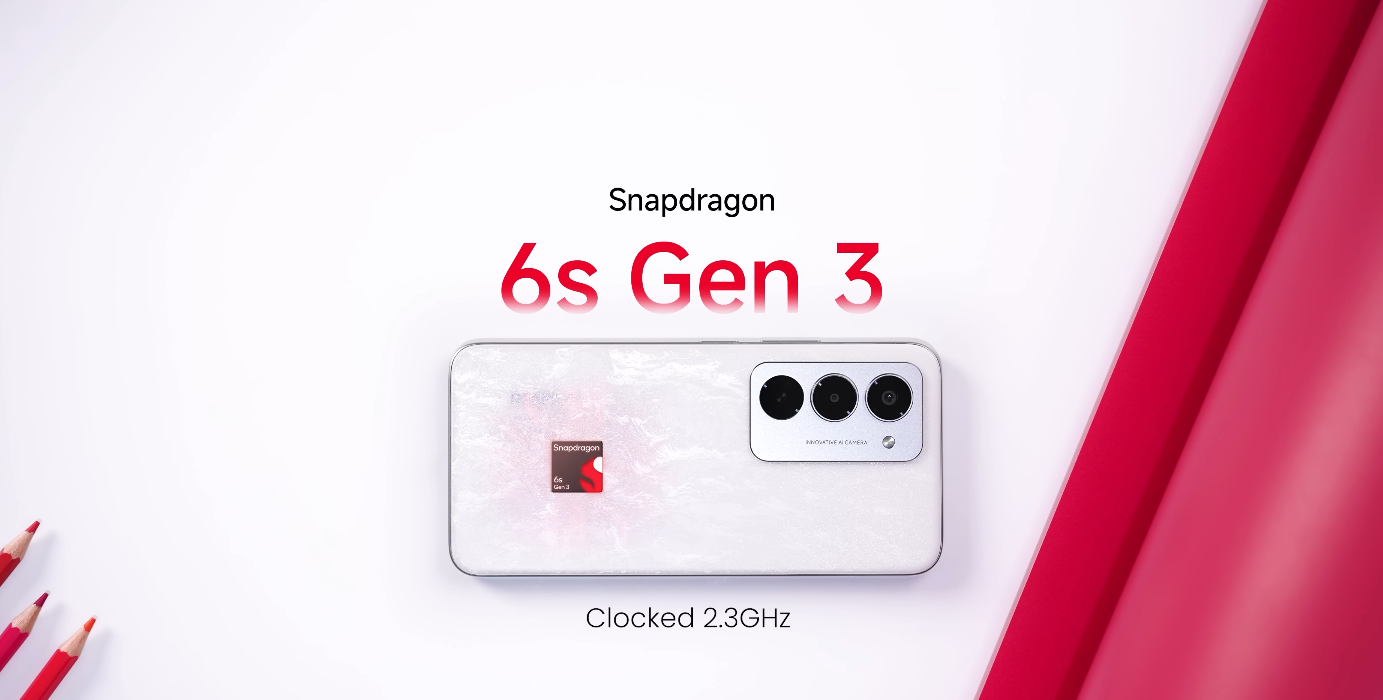
The Redmi 15 enters the market as a strong contender in the mid-range category, offering a 6.9-inch 144Hz display, a massive 7,000 mAh battery, and a Snapdragon 6s Gen 3 processor. It’s a phone built for endurance and everyday usability, aimed at those who value practicality and longevity. Despite its affordable price, it brings modern design, 5G capability (in some variants), and Xiaomi’s latest HyperOS software based on Android 14.

By comparison, older Samsung Galaxy S models like the S21 and S20 were once flagships and continue to deliver exceptional performance. They feature high-quality AMOLED displays, IP-rated designs, superior camera systems, and refined build quality. While they lack the oversized battery or ultra-high refresh rate of the Redmi 15, they excel in areas that define premium devices — particularly display calibration, camera consistency, and overall finish.

Redmi 15 vs Samsung Galaxy S older model value proposition

Performance is one of the clearest distinctions between the two. The Redmi 15’s Snapdragon 6s Gen 3 is a solid mid-range processor optimised for power efficiency and daily smoothness. It’s designed to handle multitasking, streaming, and gaming comfortably but isn’t intended for heavy-duty processing. The Galaxy S21’s Exynos 2100 or Snapdragon 888 chip, though older, remains significantly more powerful. In benchmarks and real-world use, it handles demanding games and editing tasks better, showing the lasting strength of older flagship silicon.

Battery life, however, is where the Redmi 15 pulls ahead. Its 7,000 mAh cell easily outlasts the S21’s 4,000 mAh battery by a wide margin. Even with its large screen and high refresh rate, the Redmi can deliver up to two days of moderate use, while the Samsung typically needs daily charging. For users prioritising endurance and less frequent charging, the Redmi’s efficiency makes it a clear winner.

Camera quality still tilts in Samsung’s favour. The Galaxy S-series has long been known for superior image processing, optical image stabilisation, and more consistent low-light performance. The Redmi 15’s 50MP main sensor performs well in daylight but lacks the depth and dynamic range of Samsung’s older flagship cameras. Users who care about photography quality, particularly for travel or night shots, will likely prefer the Galaxy S experience.

Software updates and support are another major consideration. Samsung offers extended Android and security updates for its flagship devices, even older ones, often covering four to five years. Redmi’s update promise for the 15 includes two major Android upgrades and four years of security patches. While respectable for a budget phone, it doesn’t match Samsung’s longer-term commitment, making the Galaxy S series more appealing for users planning to keep their phone for several years.

In terms of design, the Redmi 15 features a modern aesthetic with bold colour options like Titan Grey and Sandy Purple, alongside a lightweight matte finish. The Galaxy S21 retains its premium glass-and-metal feel, compact form factor, and water resistance — qualities that still outclass most budget phones. While the Redmi 15 feels solid, it’s built from plastic and lacks the premium touch of an older flagship.

Price remains the deciding factor for many buyers. The Redmi 15’s base model, priced around £159, delivers immense value with modern features, long battery life, and reliable performance. Older Galaxy S models, now available between £250 and £350 for refurbished or lightly used units, still justify their price for users prioritising brand trust, camera excellence, and overall refinement.

Ultimately, your choice depends on what matters more. The Redmi 15 offers unbeatable value, modern specs, and incredible endurance for everyday users who want a worry-free device. The older Galaxy S models, though pricier, deliver superior camera performance, build quality, and software longevity. For UK buyers seeking a dependable daily phone on a budget, the Redmi 15 makes more sense. But if you crave a flagship experience and don’t mind a slightly older design, the Samsung Galaxy S still holds the edge in premium feel and performance.

Redmi K90 Pro Max launch deals in UK: what to watch for now

Redmi K90 Pro Max launch deals in UK what to watch for now

Key things to know before buying the Redmi K90 Pro Max in the UK

The Redmi K90 Pro Max has officially stepped into the spotlight, and excitement around its UK availability is growing fast. With top-tier specifications and an aggressive pricing strategy, it’s being seen as one of the most feature-packed flagships in the mid-price range. However, for UK buyers, the main question is what launch deals to expect and which ones are worth trusting.

The phone’s headline features are already impressive. It comes with a massive 6.9-inch 2K AMOLED display with a 120Hz refresh rate, powered by Qualcomm’s latest Snapdragon 8 Gen 5 processor. It also packs a 7,560mAh battery, fast charging support, and the highly discussed 2.1-channel audio system tuned by Bose with its own sub-woofer. With specs like these, Redmi is positioning the K90 Pro Max as a premium-grade flagship at a fraction of the typical price.

For the UK market, one of the biggest things to watch for is the difference between official and imported variants. Some retailers may offer early deals through third-party imports, but these might lack full UK warranty or network compatibility. Buyers should wait for the confirmed UK release from Xiaomi’s authorised distributors to ensure proper software support, local servicing, and update eligibility.

Redmi K90 Pro Max launch deals in UK what to watch for now

Pricing is another major factor. While early reports suggest a global starting price around £440 for the base 12GB+256GB model, the official UK pricing could land higher once taxes and certification costs are factored in. Even so, the phone would still undercut many premium competitors, which could make it one of the most attractive value flagships of 2025 in the UK market.

Launch deals are expected to come in the form of bundled accessories and trade-in offers. Xiaomi often collaborates with major UK retailers to provide added value, such as free wireless earbuds, chargers, or screen protection plans. Buyers should keep an eye on official online stores and early-bird sales during the first week of release, as these usually include exclusive bonuses.

Network deals could also play a part. UK carriers are expected to offer financing plans or SIM bundles for the Redmi K90 Pro Max once it arrives officially. If these deals align with low monthly costs and zero-interest instalments, the phone could appeal to users wanting flagship specs without paying full price upfront.

Another area to watch is storage configurations. The Redmi K90 Pro Max is expected to come in several variants — including 12GB, 16GB RAM options, and up to 1TB of storage. Launch offers might favour the base configuration, while higher-tier variants could see introductory discounts for early adopters. Buyers looking for long-term value might prefer larger storage at launch, especially if discounted.

After-sales service and software support should not be overlooked. Redmi’s recent models have received multi-year update commitments, but global rollouts can differ from China’s schedule. UK buyers should ensure their version supports full 5G bands and includes Google services out of the box, as imported models might not.

Timing will also influence the best deal. Early adopters can benefit from promotional bundles, while those willing to wait a few weeks may see prices dip slightly once initial demand settles. Retailers often introduce cashback or discount codes after launch to maintain momentum. Watching for those updates could lead to substantial savings.

In conclusion, the Redmi K90 Pro Max is shaping up to be one of the most compelling releases in its price category. With high-end specs, premium audio, and a design aimed at challenging costlier flagships, it’s already on the radar of many UK buyers. The best advice is to wait for verified UK launch details, confirm official stock, and then take advantage of genuine launch promotions when they go live.

Redmi K90 Pro Max accessories you need at launch: charger, case, screen-protector

Redmi K90 Pro Max accessories you need at launch charger, case, screen-protector

Essential Accessories for Redmi K90 Pro Max Buyers in the UK

The Redmi K90 Pro Max is one of the most advanced Redmi flagships yet, and like every premium smartphone, it deserves the right accessories from day one. With its large display, glass back, and high-speed charging support, there are a few essentials that UK buyers should prioritise at launch to keep their new device protected and performing at its best.

First and foremost, the charger. The Redmi K90 Pro Max supports up to 100W wired charging, meaning it can refill its large battery in less than half an hour. However, buyers should note that depending on the retail box configuration, the official charger may not always be included in certain UK or EU bundles. Investing in a certified 100W GaN charger with USB-C Power Delivery ensures you get full-speed, efficient charging while staying future-proof for other devices as well.

Next on the list is a protective case. The phone’s design, with its large display and premium glass back, makes it stunning to look at but also prone to damage from accidental drops or bumps. A slim TPU case is ideal for everyday users who prefer light protection while keeping the phone’s profile intact. On the other hand, those who work outdoors or travel frequently may benefit from a rugged shockproof case that adds extra grip and impact resistance, especially helpful during wet UK winters.

Redmi K90 Pro Max accessories you need at launch charger, case, screen-protector

A good screen protector is equally essential. The Redmi K90 Pro Max’s nearly 7-inch AMOLED panel offers bright visuals and smooth performance, but it can easily pick up scratches from keys or dust. Tempered glass screen protectors provide the best protection without compromising touch sensitivity or colour clarity. Matte variants are also available for those who prefer reduced glare, particularly useful under the softer daylight and overcast skies typical in the UK.

Beyond the basics, buyers can also consider full-coverage protectors that shield both the front and back glass. Some accessories combine the two, offering scratch resistance and minor shock absorption. These are useful for those who prefer to keep the device naked but still want a layer of defence against scuffs and fingerprints.

Cable quality is another factor that shouldn’t be ignored. High-speed charging requires high-quality USB-C cables capable of handling 100W output. Generic or low-rated cables may limit charging speed or generate heat. Reputable UK brands such as UGREEN and Anker offer certified cables that maintain both safety and efficiency when paired with Redmi’s fast-charging setup.

It’s also worth noting that UK buyers should ensure the charger plug is region-compatible. Imported chargers may require an adaptor or may not comply with UK voltage standards. Opting for an official or CE-certified UK plug ensures both safety and convenience when charging daily.

For those who travel frequently or use their phone on the go, an additional protective pouch or a magnetic stand case can add practicality. These accessories help prevent slips or drops while offering hands-free viewing options during commutes or long journeys.

When it comes to personalising the look, transparent cases remain popular for showing off the phone’s design, especially if you opt for one of the K90 Pro Max’s distinctive finishes. Meanwhile, matte-finish or frosted cases give a professional look while reducing fingerprints — a small but noticeable benefit in everyday use.

In conclusion, the must-have accessories for the Redmi K90 Pro Max at launch include a reliable 100W GaN charger, a durable case that suits your lifestyle, and a quality tempered glass screen protector. These essentials not only protect your investment but also ensure you get the best day-to-day performance. For UK buyers, prioritising compatibility, build quality, and proper certification will make a significant difference in both safety and long-term durability.

Redmi 15 UK launch stock warnings: what if you wait?

Redmi 15 UK launch stock warnings what if you wait

Should you buy now or hold off for a better moment?

The UK launch of the Redmi 15 has drawn attention for its aggressive pricing and strong feature set, but the timing of your purchase could make a real difference. Stock patterns for budget Xiaomi releases often follow predictable trends, and buyers who wait too long sometimes face higher prices or limited availability. Understanding what happens if you delay the purchase can help you avoid missing out on the best value.

At launch, retailers usually carry limited introductory stock, especially for lower-cost models aimed at quick demand. This means the first batches often sell out faster than many buyers expect. When stock runs low, prices sometimes rise as discounts expire or as retailers adjust to increased demand. If you delay too long, you may also find only higher-capacity or less-preferred variants remaining, which may not match your original budget.

Another important factor is launch pricing. Xiaomi typically uses early-bird pricing to attract attention, and the Redmi 15 follows the same pattern. These offers tend to be temporary, sometimes lasting only days or a week. Once the introductory period ends, prices return to their usual levels, which can be noticeably higher. For budget-focused shoppers, missing the launch window often means paying more for the same device later.

Redmi 15 UK launch stock warnings what if you wait

However, buying immediately is not without its own considerations. Early units sometimes arrive before the first major software updates, meaning the initial buyers experience minor bugs or optimisations that get fixed later. Waiting a short time can give early reviewers the chance to test the device, allowing you to make a more informed decision. It also ensures that any early firmware issues are patched before you buy.

One overlooked risk of waiting too long is the stock mix that appears later. Sometimes only imported or non-UK variants remain available from secondary sellers. These may lack proper UK charging standards, network certification or warranty support. Buying during the initial wave helps ensure you receive a proper UK model with full local warranty and software support tailored to the region.

On the other hand, buyers who wait several months may eventually see slight discounts from certain retailers once the initial demand cools. This is more common when a model remains widely available and competition from newer releases increases. But these discounts are not guaranteed, and they often arrive after a long wait, making them less appealing for buyers who need a phone soon.

If availability drops sharply after launch, the used and refurbished market may become more active, but early pricing in that market can be inconsistent. Some sellers raise prices when new stock is limited, reducing the benefit of waiting. Others may offer worn or imported units that lack UK support. For most buyers, relying on the secondary market shortly after launch is riskier than buying new during the initial sale.

Ultimately, the decision comes down to how sensitive you are to price and timing. If the launch price fits your budget and the Redmi 15 matches your needs, purchasing early offers the safest value. You avoid stock shortages, price increases and less-desirable variants. If you prefer to wait for reviews or firmware updates, a short wait of one to two weeks may offer improvements without risking the biggest price changes.

In summary, waiting too long after the UK launch of the Redmi 15 may mean higher prices, reduced stock, or fewer UK-specific models remaining. Buying early secures the launch price and full warranty benefits, while waiting briefly can help you avoid early software issues. The best approach is to decide quickly based on your needs, as the strongest deals tend to appear at launch and fade rapidly once early stock runs out.

Redmi K80 Ultra USA Price and Availability Dimensity 9400+ Powerhouse With 7410 mAh Battery

Redmi K80 Ultra USA Price and Availability Dimensity 9400+ Powerhouse With 7,410 mAh Battery

The smartphone world is buzzing about the Redmi K80 Ultra, a device that packs flagship-level performance into an affordable package.


American tech enthusiasts are eagerly awaiting news about its US availability, drawn by its revolutionary 7,410 mAh battery and cutting-edge Dimensity 9400+ chipset. This potential game-changer could redefine what consumers expect from mid-range smartphones in the US market.


Redmi K80 Ultra US Release Status 144Hz Display and 100W Charging


Currently, Xiaomi has not announced official plans to bring the Redmi K80 Ultra to the United States market. The device made its debut in China on June 26, 2025, featuring specifications that outperform many premium phones at half the price. Historically, Xiaomi’s Redmi series has had limited availability in the US, often only through third-party importers rather than official channels.


Based on Xiaomi’s typical release patterns, if the K80 Ultra does come to America, consumers might expect it to arrive through select retailers by early 2026. However, given Xiaomi’s complex relationship with US carriers and regulations, there’s no guarantee of an official launch.


Redmi K80 Ultra USA Price

Tech-savvy buyers may need to explore import options, though they should be prepared for potential compatibility issues with US networks and lack of local warranty support.


Expected US Pricing 16GB RAM and 1TB Storage Configuration


While official US pricing remains unconfirmed, we can project potential costs based on the Chinese pricing and typical US market adjustments. The Redmi K80 Ultra launched in China at remarkably aggressive price points that significantly undercut competing devices with similar specifications.


If the device becomes available in the US through official channels, it would likely position itself in the $500-$700 range, making it one of the most compelling values in the performance smartphone segment.


This pricing would put it in direct competition with devices like the OnePlus 12R and Samsung Galaxy S23 FE, while offering superior specifications in several key areas.


Redmi K80 Ultra USA Price and Availability Dimensity 9400+

Unmatched Performance Dimensity 9400+ Chipset and 3,200 Nits Display


The Redmi K80 Ultra’s standout feature is undoubtedly its MediaTek Dimensity 9400+ chipset, which delivers performance that rivals the best from Qualcomm and Apple.


Paired with up to 16GB of LPDDR5X RAM and 1TB of UFS 4.0 storage, this combination creates a powerhouse capable of handling even the most demanding applications and games.


The 6.83-inch OLED display breaks new ground with its 3,200 nits peak brightness and 144Hz refresh rate, offering visuals that surpass many premium flagships. The inclusion of a dedicated D2 AI Display Chip enhances gaming performance through frame interpolation and AI upscaling, creating an experience typically found in gaming phones costing twice as much.


Battery Life Revolution 7,410mAh Capacity With 100W Fast Charging


The Redmi K80 Ultra’s massive 7,410 mAh silicon-carbon battery represents a significant leap forward in smartphone endurance. Early testing suggests the device can deliver up to two full days of heavy use or nearly 10 hours of continuous gaming on a single charge.


When it’s time to recharge, the 100W wired charging can take the battery from 0 to 50% in just 36 minutes.


Redmi K80 Ultra USA Price and Availability With 7,410 mAh Battery

This combination of exceptional battery life and rapid charging addresses one of the most common pain points for power users and gamers. The battery’s advanced chemistry also promises better longevity than conventional lithium-ion batteries, maintaining its capacity through more charge cycles.


Current US Alternatives OnePlus 12R and Samsung Galaxy S23 FE


While waiting for potential US availability, consumers might consider alternatives like the OnePlus 12R or Samsung Galaxy S23 FE. These devices offer strong performance at similar price points with the advantage of official US distribution and carrier support.


However, none of these alternatives can match the K80 Ultra’s combination of cutting-edge chipset performance and unprecedented battery capacity. The Redmi K80 Ultra’s specifications suggest it could outperform these devices in both benchmarks and real-world usage, particularly for gaming and intensive multitasking.


Should US Buyers Wait for the Redmi K80 Ultra


For tech enthusiasts who prioritize raw performance and battery life above all else, keeping an eye on the K80 Ultra’s potential US arrival might be worthwhile. The device’s specifications suggest it could offer exceptional value if it becomes officially available in America.


However, those who need a new phone immediately may find adequate alternatives among currently available models.


The decision ultimately depends on individual needs and patience levels. If having the latest chipset technology and longest possible battery life is crucial, the potential arrival of the Redmi K80 Ultra might justify the wait. Otherwise, existing options from established brands provide reliable alternatives with full US support and warranty coverage.


Also Read:  Poco F7 pro vs samsung galaxy A56 compare


American consumers should monitor Xiaomi’s official channels and authorized retailers for any announcements regarding the K80 Ultra’s potential US launch. If it does arrive through official channels, this device could significantly disrupt the US smartphone market with its unbeatable combination of performance and value.


For now, the Redmi K80 Ultra remains one of the most exciting smartphone prospects on the horizon, promising to deliver premium flagship performance at a mid-range price point. Its potential arrival in the US could give performance-hungry consumers a compelling reason to upgrade their devices.

Redmi 15 sound and speaker review: does it impress?

Redmi 15 sound and speaker review does it impress

Audio Experience and Performance of Redmi 15

The Redmi 15 arrives with promises of improved multimedia performance, and sound quality is one of the most discussed aspects of this device. Xiaomi has made noticeable efforts to enhance the audio experience in this model, especially considering its placement in the budget-to-midrange category. The question remains — does it truly impress when it comes to speakers and sound output?

The phone features a single bottom-firing loudspeaker tuned for clarity and volume balance. While it doesn’t have a dual-stereo setup like Xiaomi’s higher-end Note series, it performs respectably for its price. The speaker delivers clean mids and decent treble, making it suitable for movies, YouTube videos, or casual music playback without distortion at moderate volumes.

For users who stream frequently or enjoy gaming, the Redmi 15’s audio tuning feels balanced enough to offer a pleasant experience. The vocals are crisp, and dialogue-heavy content sounds clear even without earphones. Xiaomi has included Dolby-tuned processing in this model, enhancing the overall sound stage and improving the perception of stereo depth even though the phone relies on a single driver.

Redmi 15 sound and speaker review does it impress

Where the Redmi 15’s speaker performance shines most is in its loudness. The output is higher than many competing phones in its class, ensuring that alerts, calls, and videos are easily audible in busy surroundings. This makes it a dependable choice for everyday users who rely on speaker calls or consume content without earphones.

However, the Redmi 15 isn’t perfect. The bass response is where it clearly falls short. Like most mid-range devices, it struggles to deliver the low-end depth that gives music or movie soundtracks richness. At maximum volume, users may notice slight distortion, particularly in bass-heavy tracks. Still, it maintains better control than most other single-speaker phones in its segment.

In gaming scenarios, such as racing or action titles, sound positioning remains acceptable but not immersive. The lack of true stereo speakers means you won’t get precise directional cues, which can make a difference for gamers. However, volume levels are strong enough to ensure that background effects and ambient sounds are noticeable, adding to the overall engagement.

The Redmi 15 also retains the 3.5mm headphone jack, a welcome feature for users who prefer wired audio. When paired with quality earphones, the sound output improves significantly. The phone supports high-bitrate audio playback, allowing for clearer tones and better bass reproduction through external devices. Bluetooth audio is equally stable, with minimal delay and solid codec support.

For users who prioritise calls and voice clarity, the Redmi 15 performs admirably. The earpiece produces clean and natural sound during calls, and the microphone captures clear voice even in moderately noisy environments. This makes it a good option for users who depend heavily on voice or video calls for work or study.

In day-to-day usage, the Redmi 15 offers a balanced and enjoyable audio experience for its class. It may not compete with flagship devices or dual-stereo smartphones, but its tuning, loudness, and clarity make it one of the better performers among budget 5G phones. For casual listeners, movie watchers, or everyday users, the speaker setup will easily meet expectations.

To conclude, the Redmi 15’s sound and speaker quality can be described as confidently solid rather than exceptional. It delivers a reliable, distortion-free experience with impressive volume and clear mids, though it lacks the bass depth and stereo separation of higher-end models. For its price and positioning, the Redmi 15 indeed manages to impress in the sound department, offering one of the most well-balanced audio experiences in its segment.