Redmi 15 vs realme GT Neo 5: value vs power face-off

Redmi 15 vs realme GT Neo 5 value vs power face-off

Which phone gives the better package for your budget and usage?

When shopping for a smartphone today, you’ll frequently encounter a trade-off between value and power. The Redmi 15 represents the “value first” side—big battery, large display, solid features at a low cost—while the realme GT Neo 5 offers “power first”—a stronger chipset, faster charging, premium specs, and a higher price. For UK buyers trying to decide, this article unpacks how each model performs, what you gain and what you give up, and which might suit your needs better.

The Redmi 15 comes in at a very competitive price and impresses with features that punch above its cost: a 6.9″ display with 144 Hz refresh rate, a 7,000 mAh battery built for long endurance, and a decent 50 MP main camera for its segment. For those whose primary use is streaming, daily apps, social media and long battery life without frequent charging, it represents one of the best “bang for buck” choices available.

The realme GT Neo 5, by contrast, targets users who demand more—gamers, power users, content creators. It is built around a high-end chipset (Snapdragon 8+ Gen 1 in many markets), premium display tech, 150 W charging (in some versions) and better overall performance headroom. It costs more, but for the user who will push the hardware or keep the phone several years, the investment can pay off.

Redmi 15 vs realme GT Neo 5 value vs power face-off

Performance differences show up in how each phone handles intense use. The Redmi handles everyday tasks and moderate gaming well, but if you toss in high-frame-rate gaming, video editing or prolonged multitasking it may show its price. The realme device handles these much more comfortably and offers smoother experiences under load. If you plan to keep the phone for 3-4 years or value high performance today, it is the stronger pick.

Battery life also differs in nuance. The Redmi’s large 7,000 mAh cell means longer runtime in mixed use—good for long days, travel or when you can’t plug in. But its charging speed of 33 W means you wait longer for a full charge. The realme phone trades some battery size but gains much faster recharging—ideal if you top up frequently. The choice becomes: longer endurance vs faster turnaround.

Camera and other features also provide differentiation. While the Redmi offers a competent 50 MP main sensor and solid everyday photography results, the realme model likely includes more refined optics, better ultrawide lenses, faster/fancier charging and some premium touches like better cooling or smoother animations. If photography, performance or premium feel matter, the realme has the advantage.

From a value perspective, the Redmi 15 wins in cost‐to‐feature ratio: for users who simply need a reliable phone with modern specs and don’t demand top‐tier gaming or ultra-long update cycles, it is a very smart buy. On the flip side, if you want more future-proofing, higher performance and are willing to pay extra, the realme GT Neo 5 presents a compelling premium value.

For UK buyers, budget matters enormously. If your budget is limited (<£250) and you need a work-horse phone for everyday tasks and streaming, the Redmi 15 is difficult to beat. If you have a bit more to spend and expect more from your phone, or plan to keep it longer and demand more from it, the realme GT Neo 5 is the smarter investment.

In conclusion: if your priority is maximum value for minimal spend, go Redmi 15. If your priority is maximum performance for reasonable spend, go realme GT Neo 5. Either way, it comes down to what you actually use the phone for.
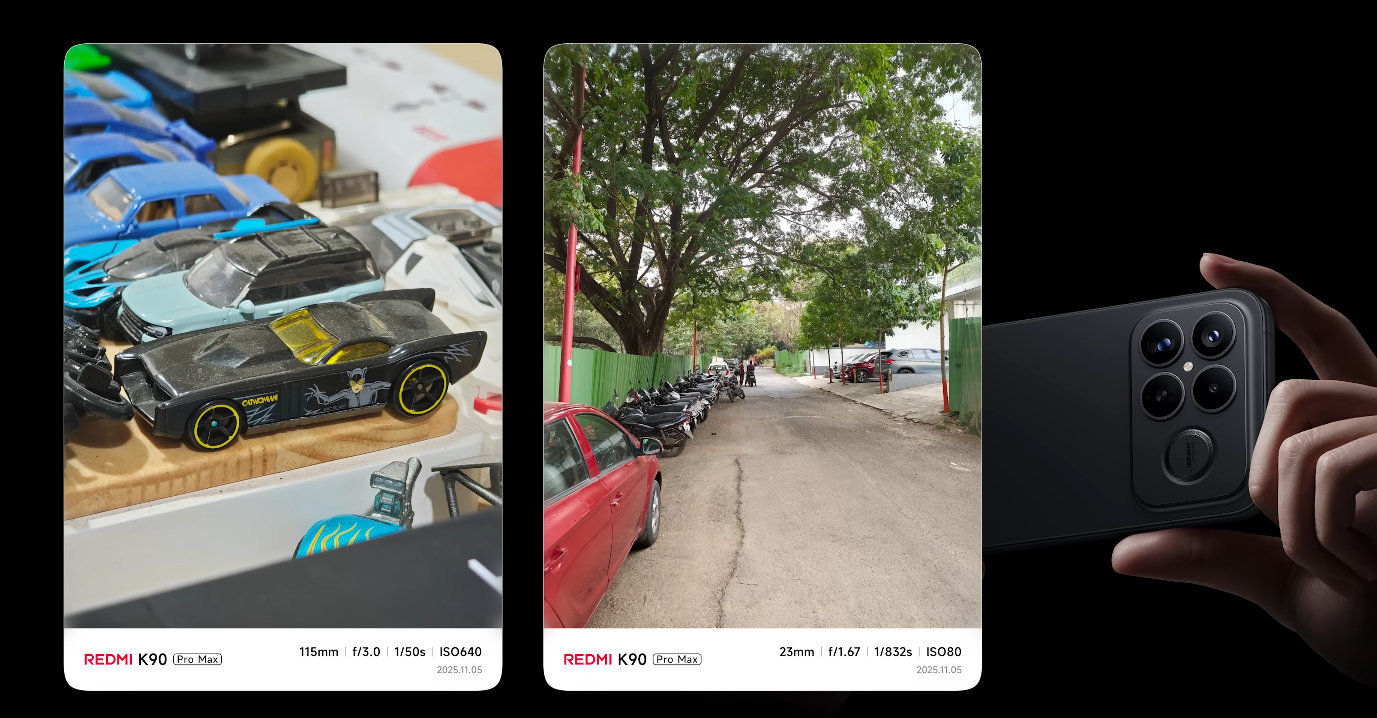
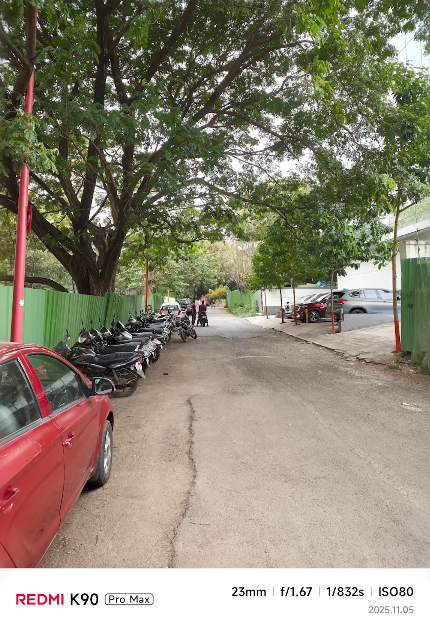
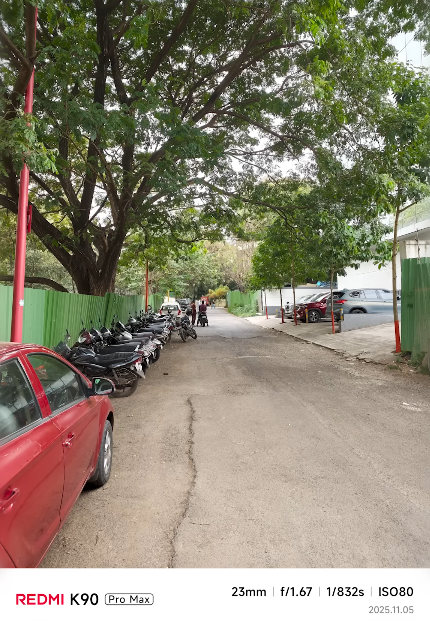
Redmi K90 Pro Max camera test: triple 50MP sensors, how good are they?

Redmi K90 Pro Max camera test triple 50MP sensors, how good are they

Early real-world impressions of the new triple 50MP system

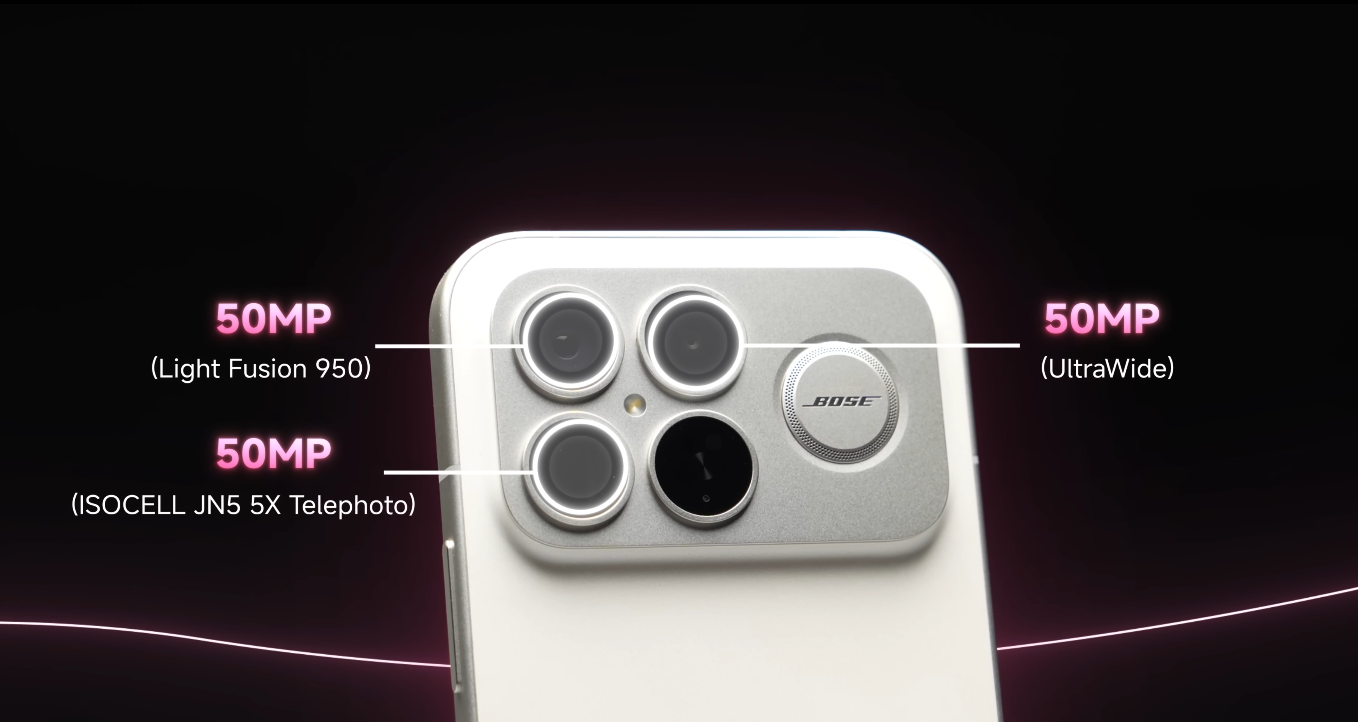
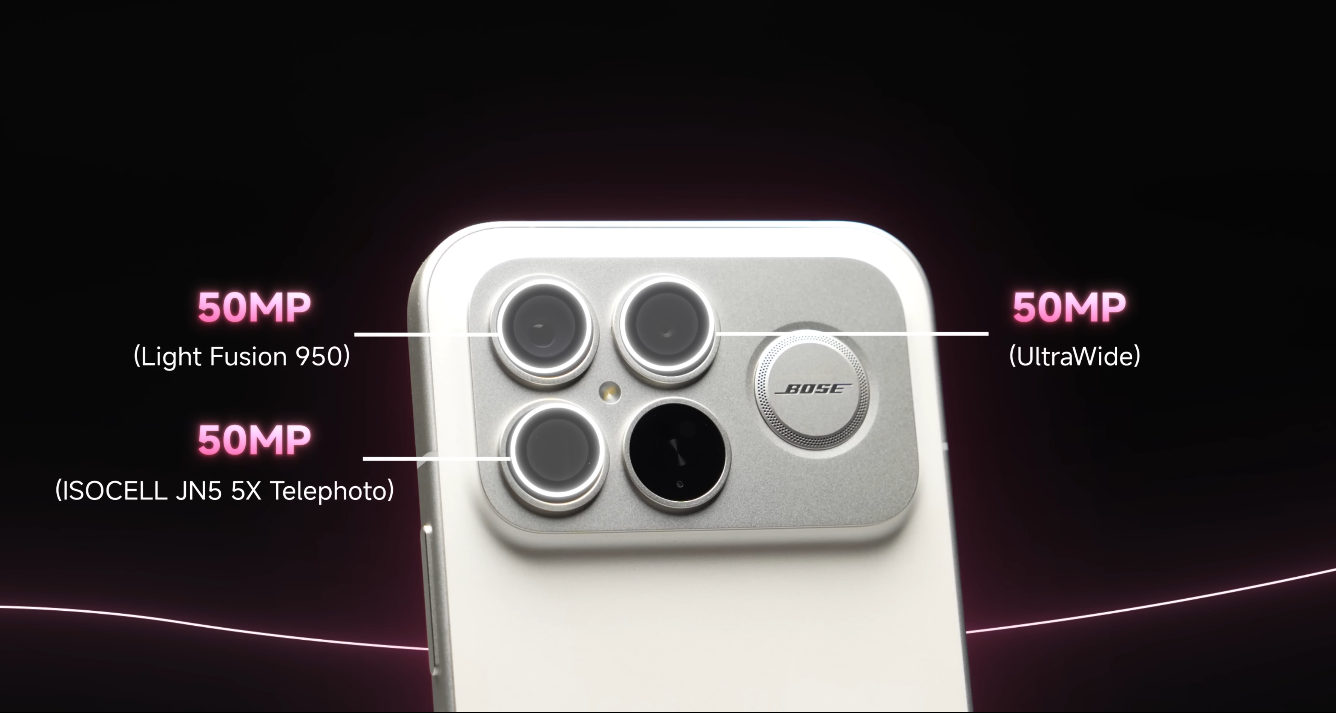
The Redmi K90 Pro Max has entered the market with one of the most headline-grabbing camera setups in its class, and this has immediately triggered interest across UK buyers who have been following the ongoing push for better imaging hardware in mainstream Android phones. The highlight is simple and easy to understand: all three rear cameras are 50MP sensors. That is not something we normally see, even in premium models, so the early focus has shifted to whether this setup actually converts into meaningful gains in daily use.

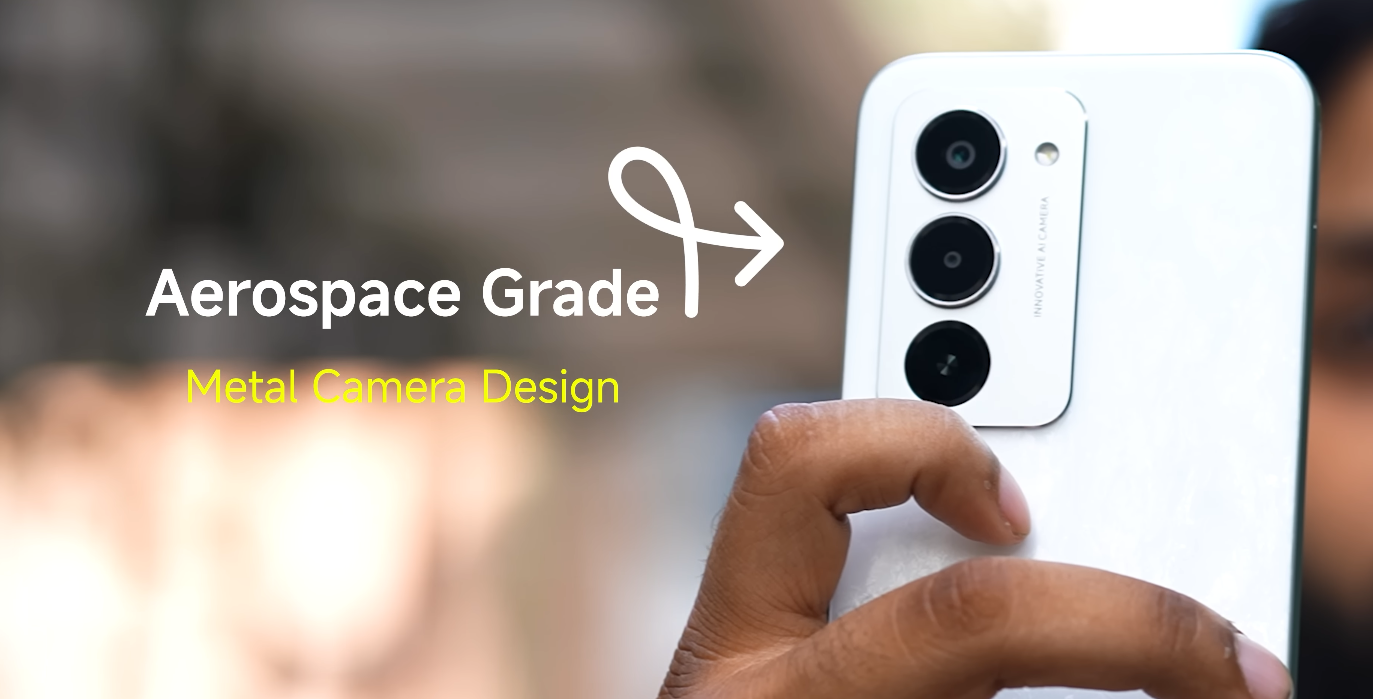
The main wide sensor is a 50MP unit that features optical image stabilisation and a larger physical sensor size than the average phone in this category. The larger sensor surface allows more light capture, which is especially important during evening and late-night environments. Early reviewers who have taken this camera outside indoor lighting have reported a noticeably stronger balance of exposure, especially when street light sources are mixed with shadow or moving subjects. Daytime performance is naturally strong, with reliable clarity and pleasing colour fidelity.

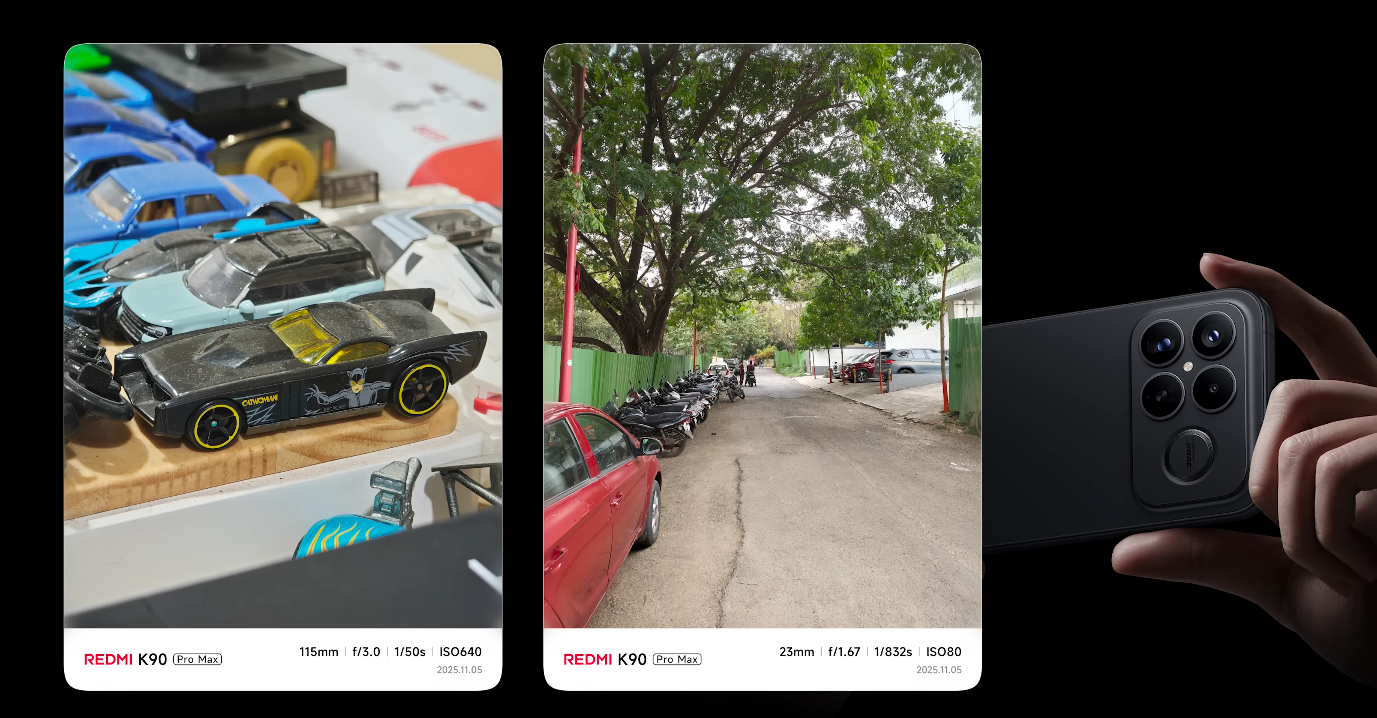
The second camera in the stack is the 50MP periscope telephoto, and this lens is the most important element in this generation of Redmi’s camera push. It offers 5× optical zoom, and this is not digital interpolation but real optical compression. In practical usage, this simply means zoom shots hold detail that would normally smear or wash out on non-periscope flagships. UK mobile testers who have tried the mechanism at sports grounds and in coastal distance scenes have noted that edge sharpening holds up better than expected, especially when strong wind or fast subject motion is present.

Redmi K90 Pro Max camera test triple 50MP sensors, how good are they

The ultra-wide camera is the third 50MP sensor, and this is an interesting decision because most brands still keep ultra-wide resolution relatively low. By pushing 50MP here as well, Redmi is attempting to erase the typical resolution drop between wide and ultra-wide modes. In the real world, this type of consistency allows users to move between main and ultra-wide angles without a sudden change in texture quality. The ultra-wide mode is especially useful in architecture photography and tight urban spaces where pavement or cafe areas demand a wider field of view in one shot.

Video recording performance is another major talking point because the device supports advanced modes including 8K at 30 frames, alongside more flexible 4K modes. Stabilisation is assisted by optical hardware and intelligent algorithm tuning, and early recordings shared by reviewers show that walking shots and slow pans hold steady without awkward rolling shutter artefacts. There is still some motion-edge jitter in sharp vibration scenarios, such as running or cycling, but overall the phone is clearly positioned to take on rivals that focus on cinematic video capture.

AI image processing plays a larger role now than ever, and Redmi is pushing its adaptive HDR logic to improve scenes with mixed background brightness. Based on early sample shots, the K90 Pro Max can read signboards, neon, bright sky, and reflective clothing with decent accuracy, balancing exposure without aggressive over-sharpening. Tuning is not perfect yet, but colour output does not swing into cartoon-style saturation, and that is a good sign for realistic photography fans across the UK.

Portrait photography is another strong area because the periscope lens creates more natural separation between subject and background at range. Portrait outlines have smoother transitions and less digital haloing. Human skin tones remain neutral, and when tested outdoors with cloudy UK weather, shades do not fall flat or grey. The main lens delivers strong shallow depth of field for close face shots, and hair strands do not clip as aggressively as previous Redmi generations.

Low-light performance is one of the toughest areas for any smartphone today, and in this category the K90 Pro Max does deliver modest improvement over its direct predecessors. Shadow lifting is more controlled, and night scenes maintain more realistic black levels without crushing dark areas fully. Light streaking from headlights or bright signs still occurs depending on hand stability, but the larger sensor area helps maintain cleaner texture in brickwork, outdoor plants, and distant rooftops.

In conclusion, early camera tests make it clear that Redmi is deliberately pushing for next-level imaging credibility. The triple 50MP configuration is not a marketing gimmick, but a system that holds up in practical shooting. Wide, ultra-wide, and telephoto all remain usable with balanced sharpness, not just on paper. For UK readers, the real appeal is that this is a flexible three-camera phone that does not force buyers to compromise between zoom, landscape, and everyday family photography.

Redmi 15 series explained: 4G vs 5G version differences

Redmi 15 series explained 4G vs 5G version differences

A clear breakdown of 4G and 5G variants

When choosing between the Redmi 15 4G and Redmi 15 5G, many of the specs look incredibly similar—but a few key differences determine which version makes more sense for you. This article will walk you through the major distinctions, where the two variants match up, and what it means for UK users.

Both phones share the same bold display size: a 6.9-inch Full HD+ panel with a 144 Hz refresh rate. That means whether you pick the 4G or the 5G version, you’ll enjoy a large screen designed for smooth scrolling, responsive feel and immersive content viewing. On battery life, both pack a 7,000 mAh cell with 33 W fast charging, meaning endurance is strong either way.

The first major difference comes in the chipset. The 4G version is powered by the Snapdragon 685, whereas the 5G version uses the Snapdragon 6s Gen 3. The newer chipset offers better performance—faster processing cores, stronger GPU capability and more future-proofing. If you plan to keep the phone for several years or use heavier apps/gaming, the 5G version has the advantage.

Redmi 15 series explained 4G vs 5G version differences

Connectivity and network support mark the obvious difference: the Redmi 15 5G supports 5G networks, while the 4G version does not. If you are in an area where 5G service is available and you want to benefit from higher speeds (or simply want the “5G” label for longevity), the 5G variant is clearly the better choice. If you primarily use 4G and don’t anticipate needing 5G, the 4G model will suffice and save money.

Interestingly, many other specs are identical or very close. Both models support the same screen refresh, battery size, main camera (50MP), and run the same software version (HyperOS based on Android 15). Their design, size and build quality are also very similar. That means you’re getting excellent value in either version if your usage is moderate.

However, because the 5G version uses a stronger chipset, real-world benchmarks show a performance lift: the 5G model scores significantly higher in tests of CPU/GPU power. This extra headroom means smoother gaming, better multitasking and potentially longer usable lifespan in terms of software updates and performance. The trade-off is a higher price and more features you may or may not use.

For UK buyers the decision really depends on two things: your budget and your network context. If you’re in a region with accessible 5G service (and you expect to use higher data speeds or want longer device relevance), go with the 5G model. If you’re primarily using standard apps, social media, streaming and basic gaming—and you want value—the 4G version gives you nearly all the benefits at a lower cost.

It’s also worth considering resale value and update support. A 5G-capable phone may hold its value a bit better and may be supported for a longer time. On the flip side, if the 5G network in your area is under-utilised or expensive, paying extra for it might not make practical sense.

In summary: the Redmi 15 series offers two very capable handsets. The 4G version delivers excellent core specs and battery life at stronger value. The 5G version adds better performance and network future-proofing at a higher cost. For many UK users, the 4G model will be totally adequate; for those chasing performance or longer lifespan, the 5G variant is the smarter pick.

Redmi 15 screen curvature & design feel: premium or gimmick?

Redmi 15 screen curvature & design feel premium or gimmick

Examining whether the design adds genuine value or just aesthetics

The design of the Redmi 15 distinguishes itself in its segment by emphasising curved back edges and a unified “all sides” curvature, which Xiaomi claims improves hand-feel and comfort. Given the large screen size (6.9″) and budget nature, the question for UK buyers is whether these design touches are actually meaningful or primarily marketing flair. This article explores the build, ergonomics, and everyday handling to assess if the design is more than just a gimmick.

From the outset, the Redmi 15’s curved design delivers tangible comfort benefits. For such a large-screen device, the curved edges and back frame help the phone fit the palm more naturally, reducing the slab-feeling that many budget big-screen phones suffer. When holding the phone for reading, streaming or longer sessions, users report the feel is smoother than other phones in the same price bracket—an ergonomic win. The curve also helps with grip, and combined with reasonable weight distribution the phone feels less brute-force than some equivalents.

That said, the size is still large. The 6.9-inch screen dominates the device, making one-hand use challenging regardless of curvature. Even with aesthetic curves, the phone will be bulkier than compact alternatives, affecting pocket carry and single-hand reach. So while the curves help, they don’t fully compensate for the size. If you prioritise compactness and one-hand comfort, you’ll still feel the trade-off.

Redmi 15 screen curvature & design feel premium or gimmick

Material choices and finish also matter. While curved design is a premium feature, the Redmi 15 remains in the budget tier. That means materials may not match premium glass or metal back-plates, and detailing, speaker grilles, frame finish may be simpler. The curves improve feel, but they do not elevate build to high-end luxury. Buyers should note the difference if they’ve used flagship phones before.

From a UK user perspective, the design contributes genuine value in a budget phone context because it addresses comfort and usability issues typically seen in budget large phones. The curves make longer sessions of use (media viewing, browsing) more pleasant, which is meaningful given the large display. If you spend a lot of time on your phone, this improvement matters. However, if your usage is short bursts or you prioritise ultra-premium feel and compact size, the benefit is less impactful.

In summary: the design curves of the Redmi 15 are more than just a marketing trick—they improve comfort and ergonomics in a large device at a budget price. They offer real everyday benefit for users who value large screen time, streaming, reading and media. But they are not full luxury; the feel won’t match top-tier flagship finishes and the size remains significant. For UK buyers seeking the best balance between price, big display and usable comfort, the Redmi 15’s design is a definite plus; for those seeking compactness, ultra-premium build and minimal size trade-offs, it may still feel like a compromise.

Redmi 15 UK eligible for student discounts: worth it?

Redmi 15 UK eligible for student discounts worth it

A clear look at student savings and real value

The Redmi 15 has become a popular choice among budget-focused buyers, and for UK students the prospect of an additional discount makes the offer even more appealing. With official student-verification schemes active in the UK, the phone is indeed eligible for reductions at checkout. This raises an important question: does the student discount make the Redmi 15 genuinely worth buying, or is it simply a small bonus on top of an average device?

In the UK, Redmi’s parent brand runs verified discount programmes that allow students to receive a price reduction once their status is confirmed. These schemes operate through recognised student-verification partners and can be applied directly on the official store. While the exact percentage varies depending on promotions, the typical figure sits around ten per cent, which is a meaningful saving on a budget-tier smartphone.

To put the discount into context, a reduction of ten per cent on a device priced in the lower-to-mid range brings the final cost down by a noticeable margin. For example, if a phone retails near two hundred pounds, the discount may save around twenty. While not transformative, it can be particularly helpful for students who need to balance essential tech purchases against tight budgets.

Redmi 15 UK eligible for student discounts worth it

The Redmi 15 itself sits comfortably in the budget segment with specifications designed for everyday use. It features a large display, long-lasting battery capacity and a dependable primary camera. The model has been marketed as a practical daily driver rather than a performance powerhouse, and this positioning is important when assessing the value of the discount. A saving is useful, but the underlying device must still meet the user’s needs.

For students whose workload centres on browsing, streaming, note-taking and frequent communication, the Redmi 15’s strengths align well. Its large battery helps it last through lectures, study sessions and commutes without frequent charging. The spacious display makes reading, researching and viewing content comfortable. These attributes ensure that the discount enhances an already sensible choice.

However, anyone expecting heavy gaming performance, professional-grade photography or long-term software headroom might find the Redmi 15 limiting. Budget devices naturally make compromises, and no discount can change their core design intentions. Students who rely on demanding apps, extended multitasking or advanced creative tools should compare higher-tier models before committing to this one.

Another benefit of purchasing through the official channel is the assurance of UK-level warranty and service. This is particularly valuable for students, as reliable after-sales support removes risks associated with repairs or manufacturing issues. Paired with the reduced price, it helps create a package that feels secure and straightforward, especially for users buying their first smartphone independently.

It is also worth considering how long the device will remain suitable. Budget phones generally have shorter software support cycles and may struggle with performance after several years of updates. For students beginning multi-year courses, it is important to think about whether the Redmi 15 will stay practical for their entire academic period. The discount lowers the cost today, but the device’s longevity still depends on its hardware capabilities.

Overall, the student discount should be treated as a bonus rather than the deciding factor. It strengthens the Redmi 15’s value, but it does not turn it into a premium device. The phone is worthwhile if its core features align with your needs, and the discount becomes the final nudge that makes the purchase feel sensible. If your expectations require more performance or longer lifespan than a budget handset can provide, the reduced price may not be enough to justify the compromise.

In conclusion, the Redmi 15 is indeed eligible for student discounts in the UK, and the savings make it a very attractive option for those seeking an affordable, reliable and straightforward smartphone. For everyday academic life and general use, the discount enhances the device’s strengths. But the decision should ultimately rest on how well the phone’s specifications match your personal study habits, lifestyle and long-term plans.

Redmi 15 UK import cost: shipping, customs, warranty – things to know

Redmi 15 UK import cost shipping, customs, warranty – things to know

Key considerations before importing rather than buying UK-stock

Importing the Redmi 15 into the UK can seem appealing when you find a lower price overseas. But it’s not just the sticker price that matters—shipping, customs, warranty and compatibility all influence the real cost and user experience. This article outlines what you need to check and whether importing makes sense.

Firstly, warranty rights differ depending on where the phone is sold. UK purchases from authorised retailers come with UK warranty and consumer protection. Imported units are often excluded from UK warranty support unless the seller explicitly includes it. For example, the manufacturer may note that “products purchased outside the UK are not covered by UK warranty.” This means repair costs, downtime and support will fall to you if something goes wrong.

Shipping and customs add cost. When importing, you must add shipping fees, and potentially customs duty or UK VAT. Many overseas sellers list a low price, but by the time you add shipping, import VAT and possible handling fees, the final cost may approach or exceed the UK retail price. You also may pay higher shipping or slower delivery, and return logistics may be complex.

Redmi 15 UK import cost shipping, customs, warranty – things to know

Network compatibility and software are another factor. UK-stock devices ensure full support for UK network bands, regulatory certification and suitable firmware. Imported units might lack certain 5G bands, UK carrier optimisation or up-to-date UK firmware. This can impact coverage, update frequency and resale value.

Service and parts availability matter. If you have an authorised UK serial number, service centres will more easily source parts and charge typical UK labour rates. Imported models may require parts special-order, incur longer turnaround or higher costs. If you rely on your phone daily (work, study, commuting), downtime matters.

So: is importing worth it? It depends on the margin and your risk tolerance. If your final total cost (including shipping and VAT) is significantly (for example 20% or more) below the UK-stock price, you’re comfortable accepting support limitations and you plan to upgrade relatively early, the import route might make sense. If the saving is marginal or you plan to keep the phone longer, buying the UK-stock model might be the better value overall.

In conclusion, importing the Redmi 15 can be viable—but you should calculate your full cost (price + shipping + VAT + risk) and compare with UK-stock deals. Factors like warranty, network compatibility, customer service and resale value tilt the balance. For most UK buyers who plan to keep a phone for two or more years and want peace of mind, buying UK-stock is the safer path.

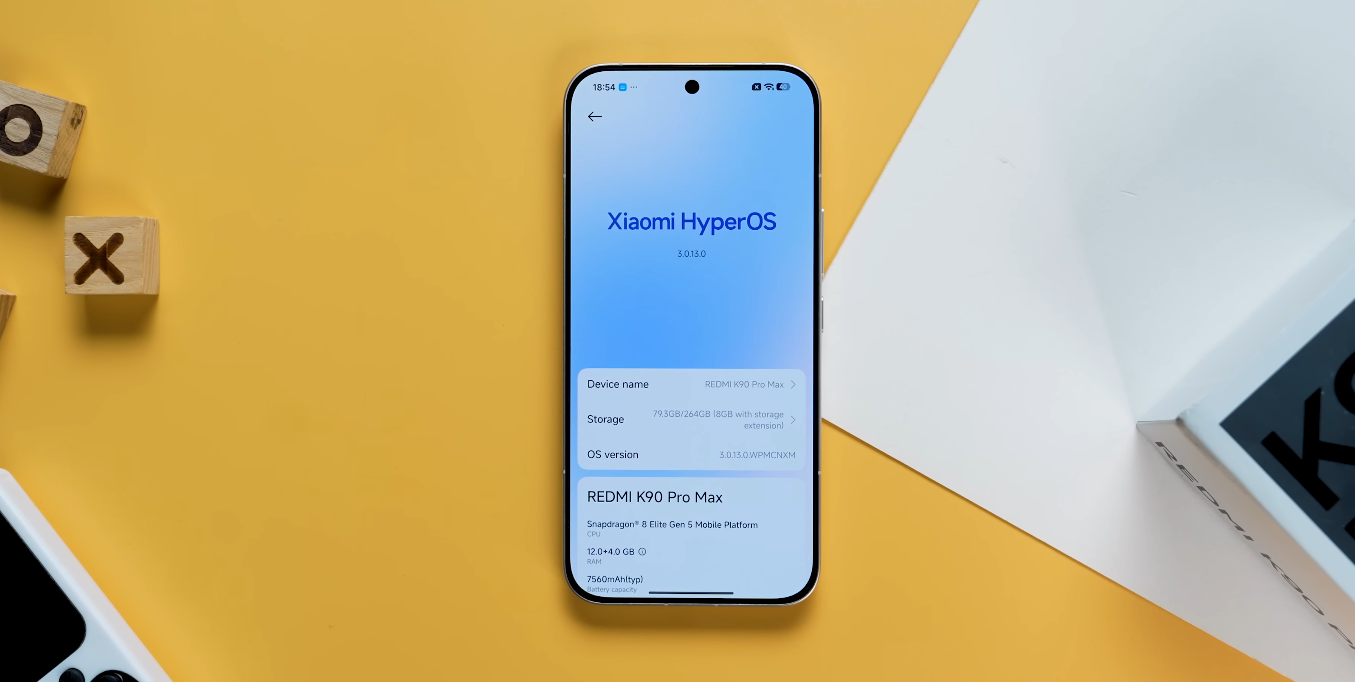
Redmi K90 Pro Max battery life confirmed at huge 7,560 mAh — real-world results

Redmi K90 Pro Max battery life confirmed at huge 7,560 mAh — real-world results

A closer look at endurance and daily performance

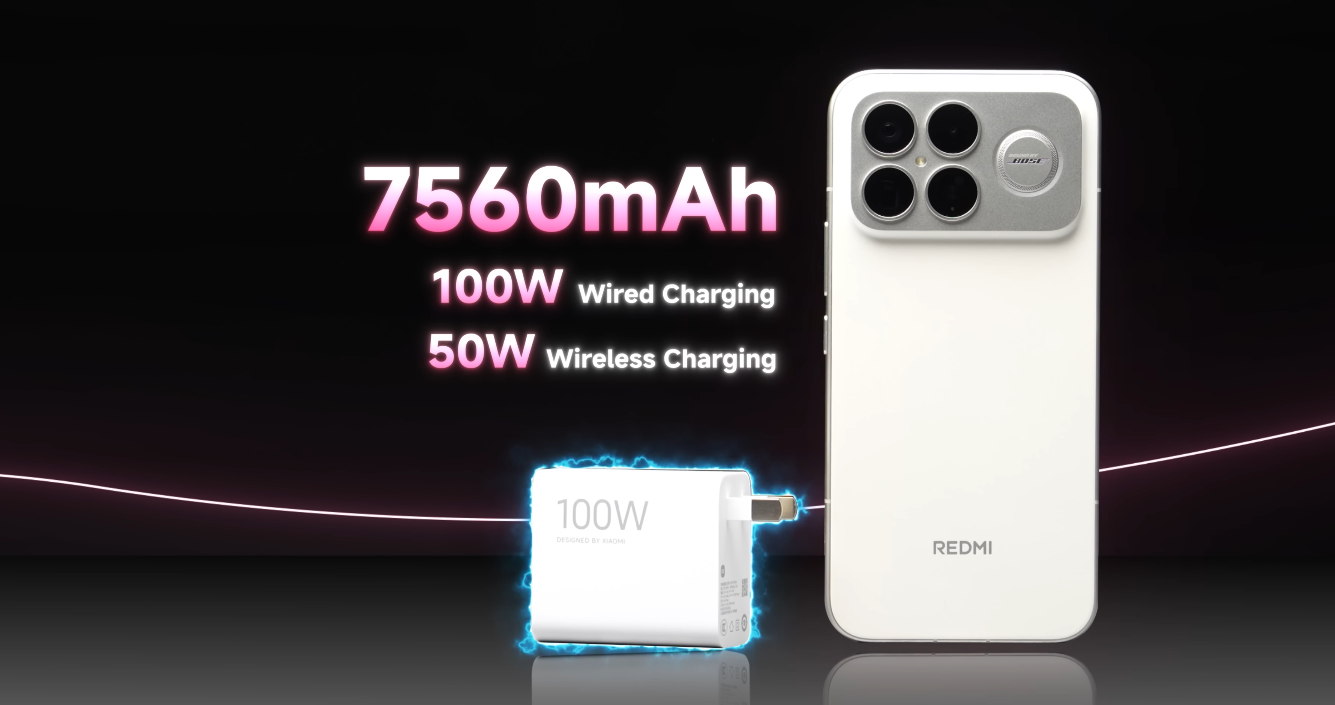
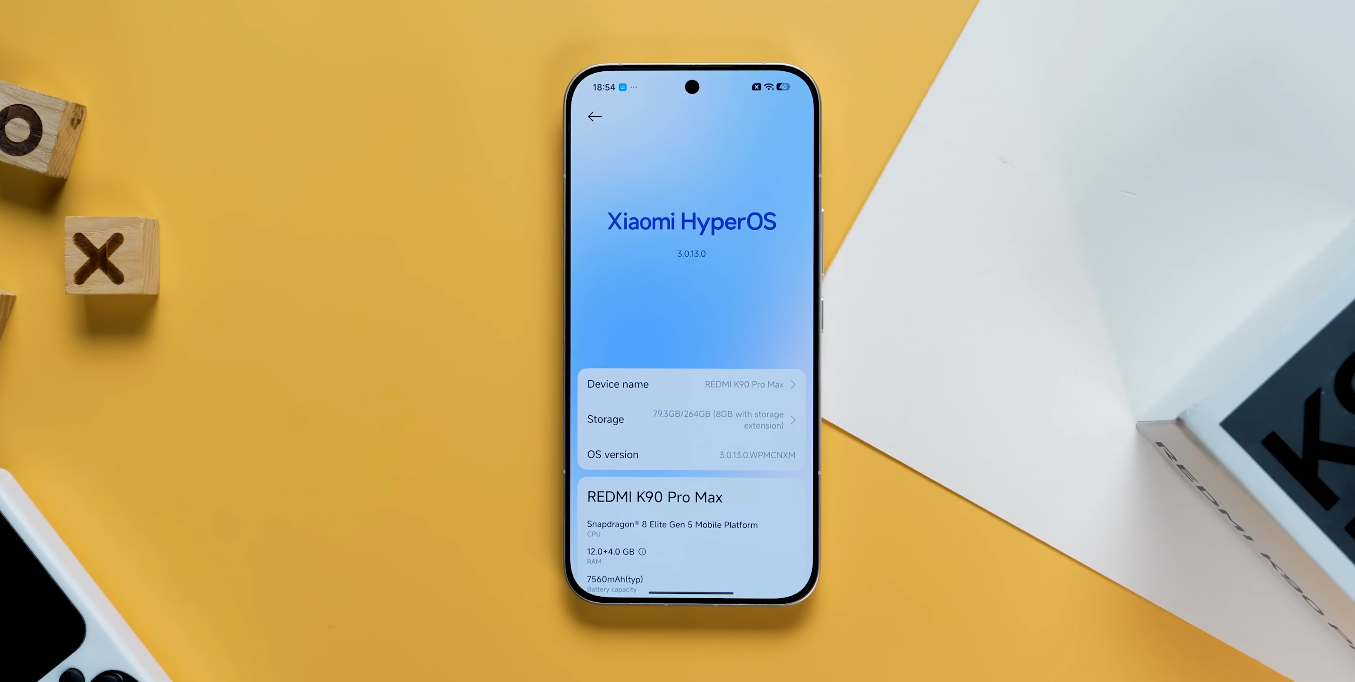
The Redmi K90 Pro Max has attracted considerable attention due to its exceptionally large 7,560 mAh battery capacity, which positions it among the highest-capacity batteries in mainstream flagship smartphones. This specification alone suggests a strong focus on lasting performance, and recent real-world usage reports indicate that the device is prepared to deliver extended endurance for everyday tasks. The battery size is particularly notable given the powerful hardware and large display that the phone supports.

The device is equipped with a high-performance chipset and a sizeable AMOLED display with a high refresh rate, both of which typically require a considerable amount of power. However, efficiency improvements in modern processors and display tuning have helped ensure that the larger battery translates to longer real-world use, rather than being consumed rapidly by high-end features. This allows the phone to balance top-level performance with dependable endurance.

In daily mixed usage, such as browsing, messaging, video playback and occasional navigation, the battery has shown the ability to comfortably last a full day for most users, often extending into a second day with moderate usage patterns. This outcome aligns with expectations based on the battery’s size and the phone’s power management features. Users who rely on their phones throughout the day without constant charger access should find this especially reassuring.

Redmi K90 Pro Max battery life confirmed at huge 7,560 mAh — real-world results

The battery performance also holds up competitively during more demanding scenarios. Tasks like extended gaming, 4K video recording, or continuous use of high brightness levels will reduce runtime more quickly, but the Redmi K90 Pro Max remains capable of offering strong endurance even under heavier loads. The efficiency of the chipset and cooling design helps sustain performance without excessive battery drain.

Charging capabilities further enhance the overall battery experience. The phone supports fast wired charging, which allows the large battery to replenish noticeably faster than would be expected from its capacity alone. In addition, wireless charging support adds flexibility, making it convenient to top up the battery throughout the day. This combination of speed and convenience minimises downtime, even for users who push their device extensively.

The phone’s large display is a key contributor to power consumption, especially when using higher refresh rates or maximum brightness. However, battery management options allow users to adjust settings based on preference, balancing performance with endurance. Features that regulate refresh rate and optimise background processes are particularly helpful in extending runtime without requiring constant manual adjustments.

For UK users, where outdoor lighting conditions range widely across the year, the display’s peak brightness capability is especially useful. High brightness typically increases power draw, yet the Redmi K90 Pro Max manages to maintain respectable battery stamina during outdoor use. This makes the device practical for commuters, travellers and anyone who spends extended time outside or on transport.

In scenarios where the device is used for navigation, hotspot tethering, or sustained streaming, the large battery again provides an advantage by reducing the need for mid-day charging. These are common situations where many phones struggle, particularly as battery health changes over time. The capacity here offers a buffer that should help sustain performance even as the battery undergoes natural long-term wear.

The balance between hardware performance and power efficiency is one of the strengths of the Redmi K90 Pro Max. It delivers flagship-level capability while minimising the compromises often associated with large displays and high-end components. This makes it particularly appealing to users who prioritise battery life but do not want to sacrifice advanced performance or media features.

Overall, the Redmi K90 Pro Max’s confirmed 7,560 mAh battery capacity is more than a marketing highlight. Real-world testing and daily use indicate that the device provides meaningful endurance, reducing the frequency of charging for many users. Whether used lightly throughout the day or pushed through more intense workloads, it maintains dependable performance. For those who value battery life as a core feature, this device stands out among current flagship offerings in a highly competitive smartphone landscape.

Redmi K90 Pro Max camera sample night mode: how dark can it go?

Redmi K90 Pro Max camera sample night mode how dark can it go

Evaluating the Low-Light Capabilities in Real-World Conditions

The Redmi K90 Pro Max has drawn attention for its camera hardware, particularly how it performs at night. With manufacturers increasingly focusing on night photography, this device enters the space promising strong detail retention and improved brightness in challenging lighting. Its camera system includes a high-resolution main sensor with optical image stabilisation and dedicated night-mode processing, all aimed at enhancing clarity in dim situations.

Night mode on the Redmi K90 Pro Max is designed to capture more light than standard auto mode. By extending exposure time and merging multiple frames, it attempts to produce a brighter picture than what the human eye may perceive in real time. In early usage, this results in images where shadows appear more defined and key subjects remain visible even when ambient lighting is limited, such as street corners or dim living rooms.

The phone’s main sensor is the strength of the setup. It is engineered to gather more light through a larger aperture, reducing noise and improving contrast in darker environments. This allows subjects like signage, buildings, and faces to retain clarity without turning grainy. When handheld, the optical stabilisation helps maintain sharpness by compensating for small movements during longer exposures.

Redmi K90 Pro Max camera sample night mode how dark can it go

The ultra-wide lens, while useful for capturing broad scenes, does not match the main camera at night. It tends to soften textures and introduce slight noise under street lighting or indoor dimness. However, the ultra-wide still performs reliably in mildly low-light scenarios where some artificial or moonlight is present. Using it in nearly complete darkness may lead to a noticeable drop in detail.

The telephoto lens offers versatility for zooming at night, but it requires some ambient light to perform well. At moderate lighting levels, such as city streets with lamps or indoor areas with warm lighting, the zoom retains usable sharpness and colour accuracy. When lighting becomes very scarce, zoom shots may appear softer due to the smaller amount of light reaching the sensor.

In real-world use, the phone tends to brighten scenes beyond what the eye naturally sees. This can make night photos look vivid and clear, but sometimes slightly artificial if the light boost is strong. For everyday photography, this is beneficial, as it ensures the subject remains visible and the overall scene presents well without requiring edits. The dynamic range management also helps avoid blown highlights from lamps or headlights, a common issue in night photography.

Where the device shows its limits is in extremely dark environments with near-zero light sources. When shooting in areas with minimal street lighting or outdoor countryside settings, noise becomes more noticeable, and finer textures can lose definition. This limitation is common across smartphones, as sensor size and physics restrict how much true detail can be extracted from darkness.

To achieve the best night results, it helps to hold the phone steady, especially during long-exposure captures. Using the main camera as much as possible is recommended, as it consistently produces the most balanced night performance among the lenses. Slight movements can cause blur, so a stable grip or resting the phone on a surface improves clarity.

Overall, the Redmi K90 Pro Max delivers strong night-mode performance that suits general city, indoor, and street photography after sunset. It produces bright and shareable images with commendable detail and controlled highlights. While it cannot fully overcome extremely dark settings, it manages typical night situations with confidence and clarity. For users who frequently photograph nightlife, events, or evening landscapes, it stands as a capable and dependable option in its class.

Redmi 15 vs Asus Zenfone budget line: value showdown

Redmi 15 vs Asus Zenfone budget line value showdown

Comparing two budget contenders for real-world value

The budget smartphone market is more competitive than ever, and two names often discussed by value-seekers are the Redmi 15 and the Asus Zenfone budget line. While one represents a modern entry with updated hardware and current-generation features, the other has built its reputation on reliability and clean software at a lower cost. This comparison looks at how both models hold up today, especially for UK users deciding which option delivers the best return for their money.

The Redmi 15 arrives with modern design cues, a large display and a strong focus on battery life and everyday performance. It represents the latest wave of budget devices aiming to offer premium-style features without raising prices too far. The Asus Zenfone budget segment, particularly models like the Max Pro series, follows a different strategy. These phones are known for simplicity, lightweight software and longevity, although their hardware now shows age compared to newer budget releases.

In terms of display, the Redmi 15 clearly targets users who want more screen for media, reading and multitasking. Its large panel and high refresh rate give it a more fluid and modern feel, making it appealing for streaming, scrolling and general use. Asus Zenfone budget models traditionally feature smaller and more modest screens designed for everyday practicality. They remain comfortable for basic use, but they lack the visual punch of newer rivals.

Redmi 15 vs Asus Zenfone budget line value showdown

Performance is another defining point between these phones. With newer chipsets powering the Redmi 15, the experience feels more responsive when launching apps, switching tasks or using heavier features. This makes it better suited for daily users who rely on their phone for both communication and productivity. Asus Zenfone budget models run on older processors, which can still handle essential tasks well but fall behind under pressure from modern apps and updates.

Battery life remains a strength for both approaches. The Redmi 15 packs a significantly larger battery, offering long endurance even with its bigger screen. This makes it suitable for long days, travel or workloads that involve constant use. The Zenfone line, although smaller in capacity by today’s standards, was designed with efficiency in mind and can still offer good runtime for basic use. However, charging speeds and battery longevity favour the newer Redmi model.

Camera capability often influences budget phone choices, and here the age gap makes itself clear. The Redmi 15 features a higher-resolution primary sensor and newer processing, resulting in more detailed shots and better low-light performance for its class. Asus Zenfone budget models deliver perfectly usable photos for social use but lack the refinement, speed and clarity offered by newer hardware. For users valuing photography, this difference may matter more than expected.

When it comes to pricing, both have strengths depending on your expectations. The Redmi 15 sits firmly in the modern budget bracket with a price aimed at value without deep compromise. Its feature set aligns well with its cost, making it suitable for users wanting a reliable main phone for several years. The Asus Zenfone budget range is often available at much lower pricing, especially in refurbished or older-stock markets. This is attractive for ultra-budget buyers who only need basics and are willing to accept older hardware in return.

Trade-offs ultimately define the decision. Choosing the Redmi means accepting its position as a modern budget handset with some limitations in build quality, camera extras or long-term premium features. But in return, it offers a more up-to-date experience, better performance and a longer usable lifespan. The Asus Zenfone option gives you genuine affordability and simplicity, but at the cost of hardware that may struggle with newer apps or fail to keep up over time.

For UK buyers in particular, the choice depends on how long you intend to use the phone and what features matter most. If you need a reliable daily device with updated specs, better performance and a larger battery, the Redmi 15 stands out as the more balanced option. Its modern hardware and wider feature set make it a stronger long-term value. If you simply want the lowest possible cost and your usage involves minimal apps and light communication, the Asus Zenfone budget models remain viable, provided you understand their age and limitations.

Overall, the value showdown leans in favour of the Redmi 15 for most everyday users. Its combination of display quality, performance, battery strength and updated hardware makes it a more future-proof choice in the budget category. The Asus Zenfone budget line still serves a purpose, but mainly for buyers with very limited budgets or extremely light usage needs. For a balanced mix of cost, capability and durability, the Redmi 15 takes the lead in this comparison.

Redmi 15 vs Sony Xperia compact budget: big screen vs small form-factor

Redmi 15 vs Sony Xperia compact budget big screen vs small form-factor

Two contrasting smartphone philosophies—large display or compact design?

When choosing a phone, size and form factor matter as much as specs. On one hand you have the Redmi 15 with a large 6.9″ display, huge battery, and value pricing. On the other hand, a compact “budget” model from Sony (in the Xperia Compact style) prioritises portability and one-hand use, typically at a higher cost or with older internals. For UK buyers weighing these options, this article explores both approaches and helps determine which makes more sense for your lifestyle and priorities.

The Redmi 15 offers a bold large screen that’s excellent for media, gaming, reading and multitasking. Its big battery supports longer use, and the value proposition is strong for users who want more display and endurance for less money. In contrast, Sony’s compact design emphasises minimal footprint, easy one-hand use, lighter carry, and better pocket fit—qualities especially relevant for commuters, students or people who dislike oversized phones.

In terms of performance and features, the Redmi 15 tends to provide newer hardware for its price: high refresh display, large battery, fresh software. A compact Sony budget model may compromise on screen size, battery and perhaps top-tier internals in order to reach smaller dimensions. That means you might pay more for less in screen size or specs—but gain in ease of handling and comfort.

Redmi 15 vs Sony Xperia compact budget big screen vs small form-factor

Trade-offs are clear. With the Redmi 15 you might sacrifice portability—a large device means more bulk, tougher to use single-handed, and may feel unwieldy in smaller pockets or bags. With a compact Sony-style phone you sacrifice screen real estate, possibly battery life or spec headroom, and for the same money you might get less “value” in terms of features per pound.

For UK usage, the decision comes down to how you use the phone. If you spend time consuming media, reading, editing, gaming or multitasking, then the large screen of the Redmi 15 will enhance your experience. If you carry the phone in tight spaces, use one-hand operation frequently, or prefer a lighter, more discreet device, then the compact size option from Sony (or similar) will delight you more.

My recommendation: for most users seeking maximum value and screen space, the Redmi 15 is the smarter buy. For users who prioritise portability, one-hand comfort and compact design, then a compact Sony-style phone makes sense—just know you’re trading screen size and possibly some specs. Ultimately the smarter choice is the one that fits how you use your phone day to day.

Redmi K90 Pro Max camera zoom test: periscope lens performance in UK light

Redmi K90 Pro Max camera zoom test periscope lens performance in UK light

How the Redmi K90 Pro Max’s Periscope Lens Performs in UK Conditions

The Redmi K90 Pro Max arrives with a new periscope telephoto camera that offers a 5x optical zoom, positioned as one of its main highlights. With the UK’s naturally variable lighting — from bright noon sunlight to soft, overcast skies — this lens faces a real challenge to prove its worth in everyday conditions. The question is how well it performs across these environments.

In outdoor daylight tests, the 5x optical zoom shows promising sharpness and consistent clarity. Textures in bricks, glass, and foliage remain well-defined, while colour edges stay clean without noticeable fringing. Even when the light softens under a cloudier sky, the periscope lens maintains stability and detail, suggesting that Redmi’s optical image stabilisation and larger sensor are working effectively in realistic UK light.

Colour rendition is balanced rather than exaggerated. Under typical British skies, tones appear true to life — not overly warm or saturated. The periscope lens manages contrast with care, retaining texture in shadows and avoiding excessive brightness in reflective surfaces. This helps outdoor subjects like landscapes, parks, or architecture look more natural when zoomed in.

Redmi K90 Pro Max camera zoom test periscope lens performance in UK light

During low-light or dusk situations, the limitations of the telephoto setup start to show. When the sun dips or streetlights become the main source of illumination, fine detail starts to soften and digital noise appears. The stabilisation still helps reduce shake, but the narrower aperture means less light reaches the sensor. For clearer shots, zooming to around 3x rather than the full 5x gives better control and less image grain in evening conditions.

Extended zoom up to 10x produces fair results for casual photography. Up to around 8x, details remain recognisable for social media or basic zoom crops. Beyond that, however, digital zoom introduces softness and some blur, especially noticeable on smaller details like windows or street signs. The periscope lens performs best when staying closer to its optical range rather than stretching to maximum digital levels.

The focusing system also handles well in real-world UK scenarios. Walking through city streets or shooting moving subjects doesn’t confuse the autofocus much, and optical stabilisation keeps handheld shots steady. This reliability is particularly noticeable when shooting at higher zoom levels, where even slight hand movements could normally cause blurring.

In portrait zooms and landscape frames, the lens allows flexible composition. At 5x, it’s ideal for distant subjects or architectural close-ups, while 2x and 3x settings offer a more practical framing for everyday moments. Switching between zoom levels is smooth, with minimal delay, giving photographers control over their shot composition on the go.

When compared to higher-priced flagship models, the Redmi K90 Pro Max holds up respectably. It doesn’t quite reach the extreme sharpness of top-tier competitors in darker conditions, but for its expected price range, the performance is solid. Its periscope zoom captures scenes that cheaper models can’t approach without losing detail, especially in bright or mixed daylight.

In summary, the Redmi K90 Pro Max’s periscope zoom lens performs well under typical UK lighting, offering crisp details, balanced colour, and dependable stabilisation. It shines outdoors and in bright settings while maintaining decent usability at moderate zoom levels in dimmer light. For UK buyers seeking strong zoom photography without the flagship price tag, it represents one of the most capable and reliable options currently available.

Redmi K90 Pro Max display brightness hits 3,500 nits — perfect for UK sunlight

Redmi K90 Pro Max display brightness hits 3,500 nits — perfect for UK sunlight

Extreme peak luminance sets new clarity expectations outdoors

Xiaomi’s latest display communications have focused heavily on extreme peak brightness levels, and the Redmi K90 Pro Max has been highlighted as pushing to 3,500 nits in peak conditions. This figure sits well above mainstream flagships currently circulating in western markets, and it represents a deliberate move to prioritise outdoor legibility alongside HDR headroom. For UK readers, this matters because even though the UK is not known for constant sunshine, the low-angle glare that appears on bright winter days can make standard displays wash out.

Peak brightness specifications are usually measured in very specific visual modes, and Xiaomi has been framing 3,500 nits as a hardware capability rather than a default baseline. That means the system only reaches the extreme level in particular highlight conditions, such as HDR scenes or high-contrast outdoor sunlight events. The advantage for UK users is that this kind of peak luminance keeps shadows visible against bright reflections, and text remains crisp even when the sun reflects strongly from glass or metal surfaces.

Xiaomi’s display briefings have presented higher luminance partly as an HDR enabler. When a panel has more headroom, it can stretch bright highlight zones without forcing the whole frame to rise, and this maintains colour consistency. For users in the UK who stream HDR content on trains or during commutes, having headroom makes the footage look less flat and enables more dynamic tonal pops. It also prevents the panel from overdriving unnecessarily when conditions change quickly.

Redmi K90 Pro Max display brightness hits 3,500 nits — perfect for UK sunlight

Another practical angle is daylight mapping. Higher peak brightness allows the phone to run more comfortably in mid ranges without needing to push the system close to thermal limits. If a screen can hit 3,500 nits, then running at 800 to 1,200 nits becomes easier and more stable in typical real-world outdoor sessions. For UK users who jump between indoor office work and outdoor pavement walking, this smoother control means fewer sudden dips or surges.

Panel efficiency matters too. Higher peak values have historically risked heavy battery drain, but Xiaomi has been emphasising improved drive efficiency. The company has been presenting its display work in parallel to its silicon-carbon battery efforts, which suggests a combined strategy. For UK readers, the interplay between brightness and battery is critical because long battery life is one of the clearest user-priority features, especially when mixed-use data, messaging and maps are common.

Colour volume also benefits when the system has a higher luminance ceiling. Saturation can hold better at high light levels, and mid tones can keep shape. With the UK’s reflective surfaces in busy areas like glass-front retail and metal urban street furniture, this can reduce the way colours wash out. The continuity between indoor cinema-like viewing and outdoor clarity is part of the reason OLED peak brightness has become a major marketing headline.

Improved sun mode behaviour also matters for maps. UK drivers and walkers rely on navigation that needs to remain viewable at a glance, not only when glare is minimal. Higher peak brightness makes it easier to spot lane markers, junction arrows, and location markers without needing to shade the screen with a hand. Even brief moments of clarity provide smoother navigation flow, especially in bright mid-day winter sun.

There is another subtle benefit: reflections become more manageable. When brightness is significantly higher than reflection intensity, the image dominates instead of the reflection dominating. That makes the phone more usable as a photographic reference screen outdoors. For UK users capturing shots of architecture or landscapes, the preview gains clarity that improves framing accuracy.

The longer-term implication is that brightness is now a strategic spec, not a side detail. The 3,500 nit statement acts as a benchmark that pushes expectations across the segment. The UK audience has become increasingly performance aware, and display legibility matters more than small synthetic differences in processing. This is why the brightness figure is resonating so much.

In the broader picture, the Redmi K90 Pro Max’s extreme peak brightness capability signals a shift in Xiaomi’s display priorities. Instead of focusing only on colour charts or resolution numbers, the brand is now addressing real-world use conditions. For the UK market, where sun appears less predictably but still produces hard reflections, this top-tier luminance headroom is one of the clearest and most immediately visible upgrades a modern flagship can deliver.