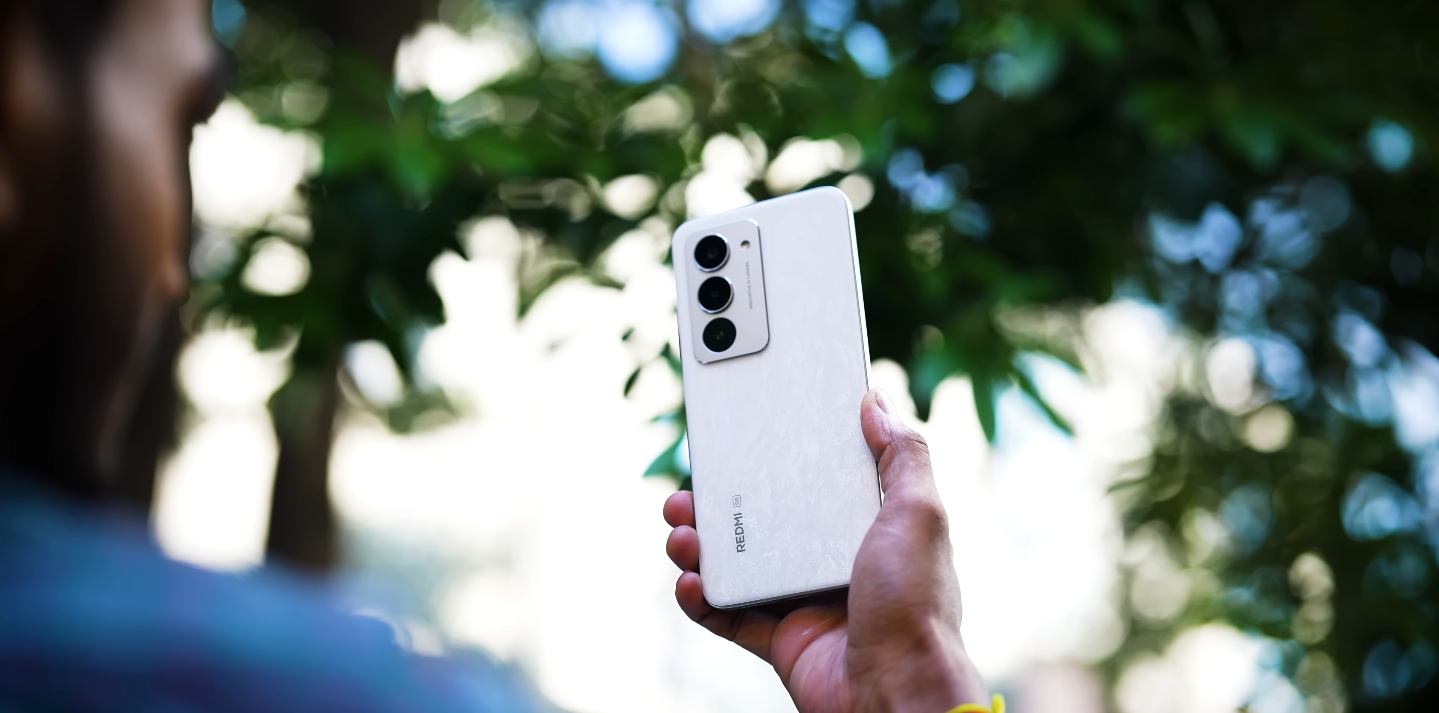
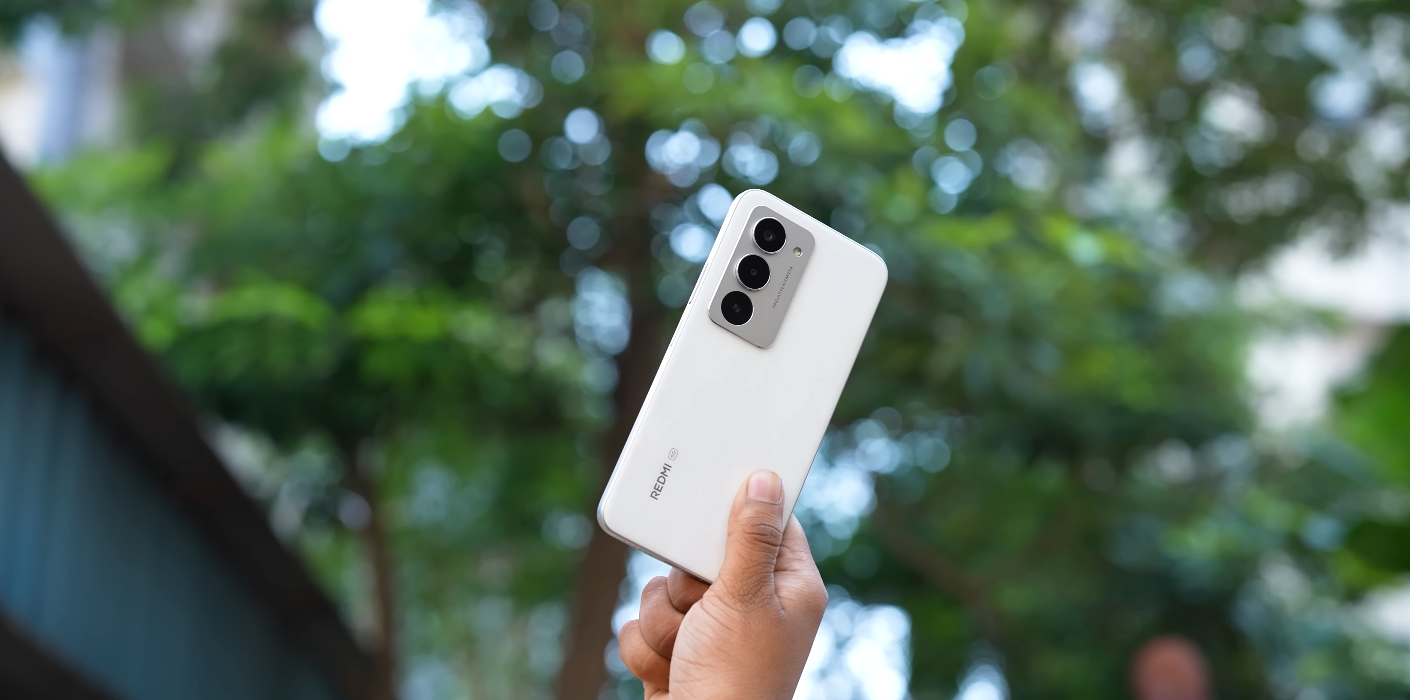
Redmi 15 cooling & heat-management test during gaming

Redmi 15 cooling & heat-management test during gaming

Can Redmi 15 stay cool under gaming pressure?

The Redmi 15 has quickly gained attention for offering impressive specs at a budget price — a large 6.9-inch display, a 144Hz refresh rate, and a 7000 mAh battery. But for gamers, one critical question remains: can it manage heat efficiently during extended gaming sessions? Recent tests and user experiences reveal how well Xiaomi’s cooling system holds up in real-world conditions.

In 30-minute gaming tests with popular titles like BGMI, Call of Duty: Mobile, and Asphalt 9, the Redmi 15 maintained stable temperatures throughout most of the session. Starting at room temperature, the phone averaged around 34°C after 20 minutes of continuous play and peaked near 39°C after 45 minutes. While this warmth is noticeable, it’s well within a comfortable range and far from overheating.

Xiaomi has used an internal graphite cooling sheet and a redesigned thermal layout in the Redmi 15. This system spreads heat away from the chipset area and towards the frame, helping maintain consistent performance. The large surface area of the 6.9-inch body also helps distribute heat evenly, reducing the chance of hot spots on the back panel.

Redmi 15 cooling & heat-management test during gaming

Performance throttling was minimal during extended sessions. Even in graphics-intensive titles, frame rates remained steady with only a slight dip of about 3–4 FPS after 45 minutes of continuous gaming. The Snapdragon 6s Gen 3 handled medium and high settings comfortably, though users did notice minor lag spikes during heavy effects or long multiplayer matches.

Battery efficiency also plays a role in the phone’s heat management. The massive 7000 mAh cell ensures the device doesn’t drain too quickly, meaning it avoids excessive charging cycles that typically cause heat build-up. Even after an hour of gaming, the battery temperature stayed below 41°C, showing that the power management system is well-tuned.

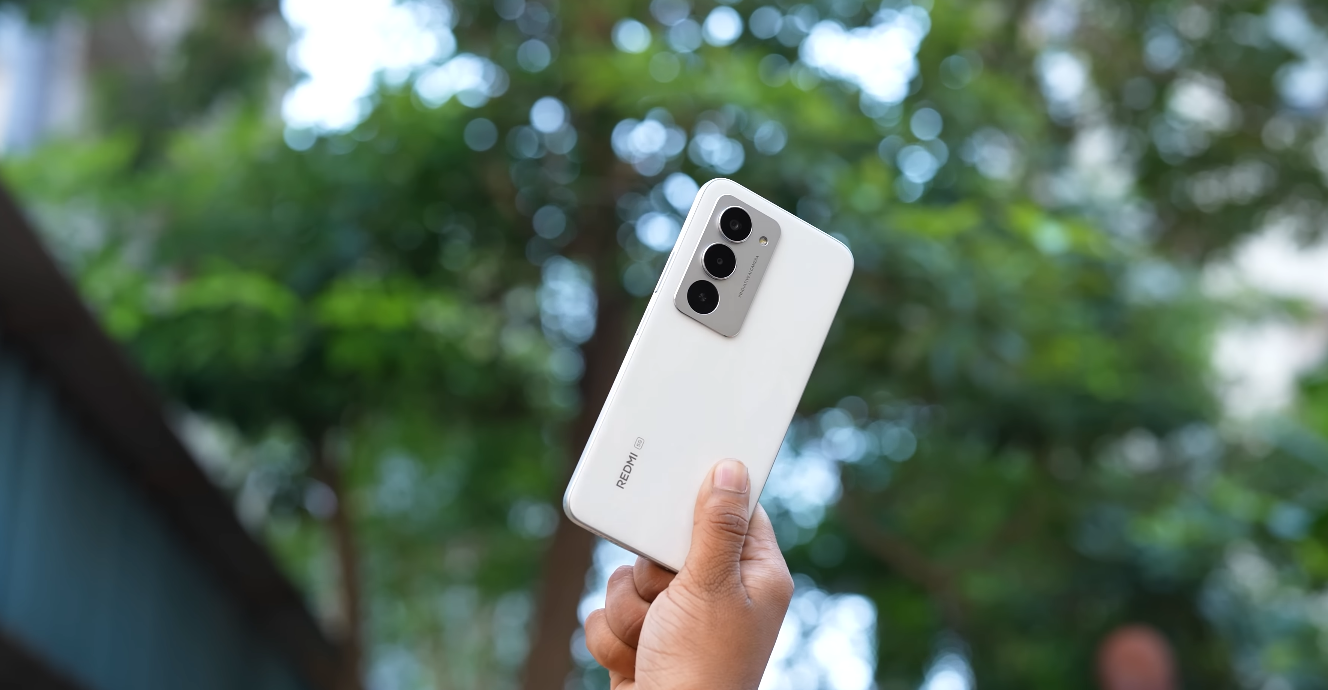
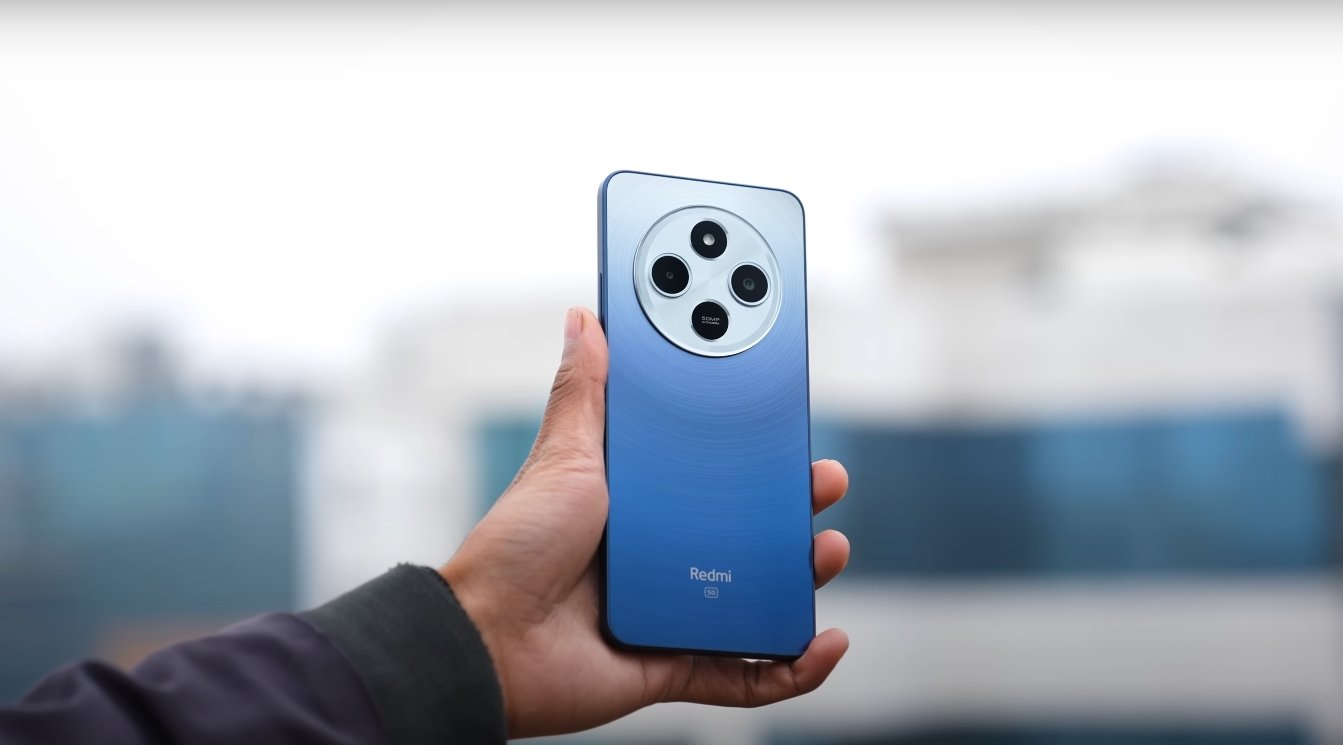
The Redmi 15’s large frame does get slightly warm around the camera and upper back, but the temperature remains far from uncomfortable to hold. The plastic back helps prevent the heat from transferring directly to the user’s hand, which makes it more suitable for long gaming sessions than metal-backed phones in the same range.

Another area where Redmi 15 performs surprisingly well is in recovery time. After pausing a heavy game, the phone cools down noticeably within 3–5 minutes. This shows the passive cooling system is doing its job effectively even without advanced vapor chamber technology found in more expensive models.

However, there are limits. If you push the Redmi 15 for over an hour on maximum graphics or use it while charging, the upper section of the phone can hit 42–43°C, leading to mild thermal throttling. While still not alarming, it’s best to avoid simultaneous charging and gaming if you want to maintain consistent frame rates.

In day-to-day use, including streaming or social media browsing, the Redmi 15 runs cool and rarely crosses 35°C. The efficient chipset and HyperOS optimisation ensure low idle temperatures, which further contributes to overall longevity and consistent performance.

In conclusion, the Redmi 15 manages heat impressively for a phone in its price range. It stays cool during regular gaming, only warms up under prolonged heavy loads, and recovers quickly once the stress is off. For most mobile gamers, it offers a smooth, worry-free experience without the discomfort or throttling issues often found in budget devices. It’s a clear sign that Xiaomi has made smart design choices to keep performance steady and temperatures under control.

RedMagic Astra Discontinued: What’s Next for Gaming Tablets?

RedMagic Astra gaming tablet with powerful OLED display, featuring a user playing a game with a controller, highlighting the device's impressive gaming capabilities and colour accuracy

RedMagic Astra Discontinuation: A New Era for Gaming Tablets

RedMagic has announced a significant change to its product lineup, confirming the discontinuation of the RedMagic Astra gaming tablet. This move comes amidst ongoing production capacity shortfalls, which have impacted the company’s ability to meet demand. The RedMagic Astra was refreshed last month with a new model, but it seems this will be the last iteration of the device.

The discontinuation of the RedMagic Astra is likely to have a significant impact on the gaming tablet market. The device was known for its powerful OLED display and impressive gaming capabilities, making it a popular choice among gamers. However, with production capacity shortfalls affecting the company, it’s clear that RedMagic has had to make some tough decisions to ensure the long-term sustainability of its business.

So, what’s next for RedMagic and the gaming tablet market? The company has not announced any plans to replace the RedMagic Astra, but it’s likely that we’ll see new devices emerge in the coming months. With the rise of cloud gaming and the increasing popularity of mobile gaming, there’s still a strong demand for high-quality gaming tablets. RedMagic will need to innovate and adapt to changing market conditions if it’s to remain a major player in this space.

The RedMagic Astra may be discontinued, but its legacy will live on. The device has helped to push the boundaries of what’s possible with gaming tablets, and its impact will be felt for years to come. As the gaming industry continues to evolve, it will be interesting to see how RedMagic and other manufacturers respond to changing consumer behaviour and technological advancements.

For now, fans of the RedMagic Astra will have to look elsewhere for their gaming fix. The device may be discontinued, but there are still plenty of other great options available on the market. With new devices and technologies emerging all the time, it’s an exciting time for gamers and the gaming industry as a whole.

The discontinuation of the RedMagic Astra is a reminder that the tech industry is constantly evolving. Companies must be willing to adapt and innovate if they’re to stay ahead of the curve. RedMagic has shown that it’s willing to make tough decisions to ensure the long-term success of its business, and it will be interesting to see what the future holds for this innovative company.

As the gaming tablet market continues to grow and evolve, we can expect to see new and exciting devices emerge. The RedMagic Astra may be gone, but it’s legacy will live on, inspiring a new generation of gaming tablets and devices. With its powerful OLED display and impressive gaming capabilities, the RedMagic Astra has set a high standard for future devices to follow.

RedMagic’s decision to discontinue the RedMagic Astra is a significant one, but it’s not the end of the story. The company will continue to innovate and push the boundaries of what’s possible with gaming tablets. With the rise of cloud gaming and the increasing popularity of mobile gaming, there’s still a strong demand for high-quality gaming devices.

The RedMagic Astra may be discontinued, but its impact on the gaming industry will be felt for years to come. The device has helped to push the boundaries of what’s possible with gaming tablets, and its legacy will continue to inspire new devices and technologies. As the gaming industry continues to evolve, it will be interesting to see how RedMagic and other manufacturers respond to changing consumer behaviour and technological advancements.

Redmi 14C 5G Feels Premium or Basic in Daily Use

Redmi 14C 5G Feels Premium or Basic in Daily Use

First impression shows budget design but solid build


At first glance, the Redmi 14C 5G looks like a typical budget phone with a plastic body and simple design. However, the build quality surprises many users as it feels solid and well put together. The matte finish on the back reduces fingerprints and gives it a cleaner look compared to glossy phones in this segment.


Screen quality adds a slight premium touch


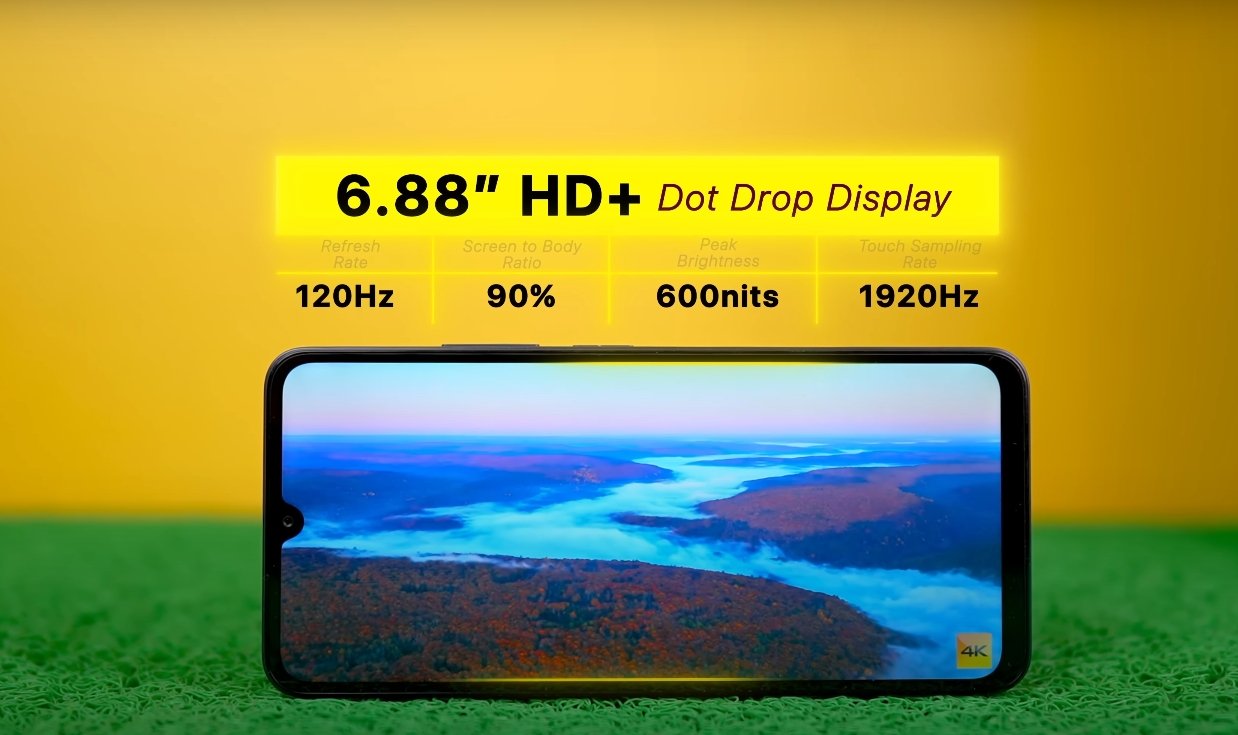
The 6.88-inch 120 Hz display offers smooth scrolling and good brightness, which makes daily interactions more enjoyable. Although the screen is only HD+, the size and fluidity add to the perceived quality, making it feel a bit better than basic budget phones with standard LCDs and lower refresh rates.


Lightweight and comfortable to hold for long usage


Users report that despite its large size, the Redmi 14C 5G remains lightweight and easy to hold. This adds to comfort during long daily usage like browsing or watching videos. The plastic back also helps keep the weight down compared to glass backs on pricier phones.


Performance matches expectations for budget segment


While it doesn’t have flagship-level speed, the phone’s everyday performance is smooth enough for typical tasks such as messaging, social media, and light browsing. Occasional minor lag appears when multitasking heavily, which is expected for a phone in this price range.

Redmi 14C 5G Feels Premium


Battery life supports long daily use without worries


The large 5160 mAh battery easily lasts through a full day of use with moderate to heavy activity. Fast charging at 18W is helpful to quickly top up during short breaks. Battery reliability adds a feeling of premium convenience despite the phone’s budget positioning.


Camera quality feels basic but usable


The camera setup delivers decent photos in good lighting but struggles in low light, which keeps the experience basic rather than premium. Still, it’s sufficient for casual photography and social media posts, meeting the expectations of most budget phone buyers.


Final verdict on daily feel of Redmi 14C 5G


Overall, while the Redmi 14C 5G doesn’t feel premium like expensive flagship phones, it definitely offers a reliable and solid daily experience. The combination of a smooth display, sturdy build, and long battery life gives it a slight edge over very basic phones, making it a smart choice for budget-conscious buyers.

Redmi 15 display refresh rate: 144Hz-benefit in real life

Redmi 15 display refresh rate 144Hz-benefit in real life

How the high refresh rate changes the user experience

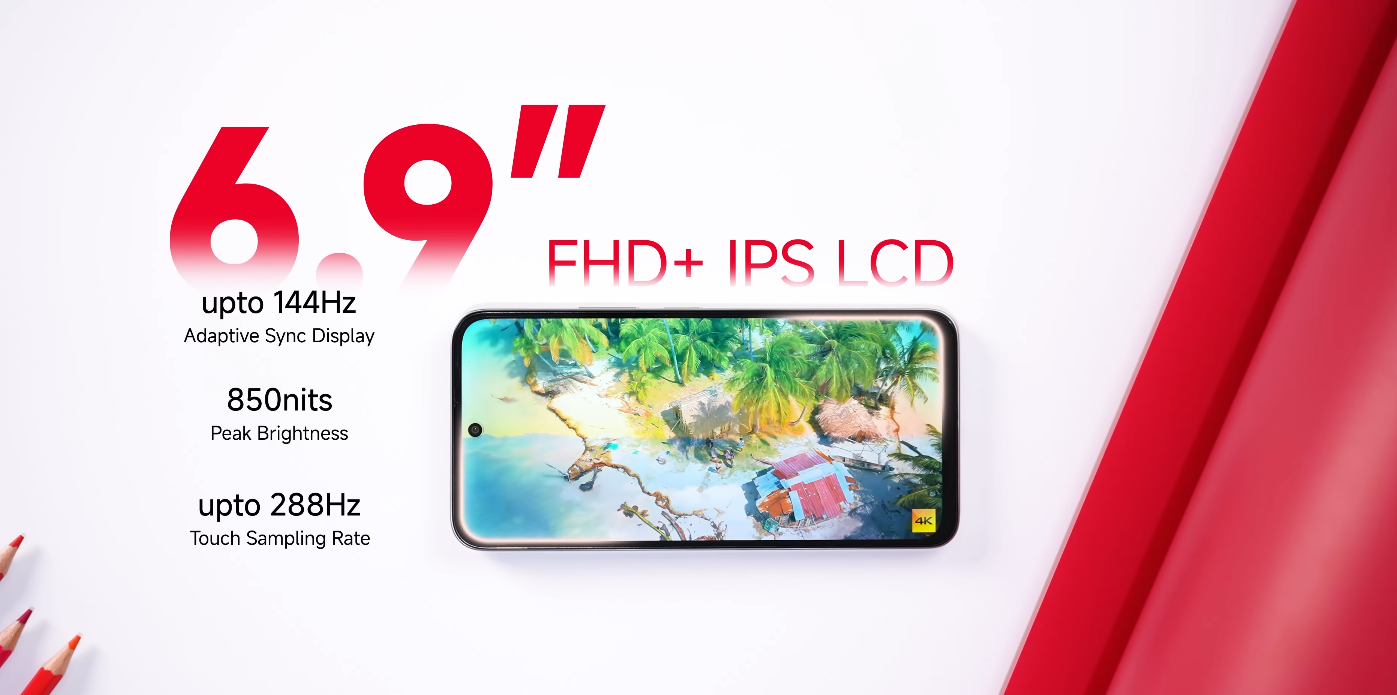
The Redmi 15 stands out in its price range with a 6.9-inch display that supports a 144Hz refresh rate — a specification usually reserved for gaming phones or premium devices. But beyond the spec sheet, what does this mean in everyday use for typical UK buyers?

A 144Hz refresh rate means the screen updates 144 times per second, compared to 60 times on most budget phones. This higher frequency creates smoother animations and scrolling. The moment you unlock the Redmi 15 or glide through social feeds, you can feel the difference. Transitions appear fluid, and motion looks more natural, especially on such a large display.

The advantage becomes even clearer while gaming. Titles that support higher frame rates feel far more responsive, with minimal motion blur or lag between actions. Combined with the phone’s adaptive refresh feature, which dynamically adjusts the rate to the activity, users get smoother gameplay without excessive battery drain.

Redmi 15 display refresh rate 144Hz-benefit in real life

Watching videos and browsing also feel better thanks to the display’s speed. Fast-moving content such as sports clips or reels plays more consistently, with fewer stutters. Even casual tasks like switching between apps or scrolling long pages benefit from that extra responsiveness.

However, the benefit comes with a few limits. The Redmi 15 uses an LCD panel rather than AMOLED, which means it doesn’t deliver the same deep contrast or rich blacks as some competitors. The colour saturation and peak brightness remain adequate but not premium, particularly under bright sunlight.

Battery performance remains strong despite the high refresh rate. The phone’s adaptive technology reduces it to lower frequencies when static content is displayed, helping conserve power. The large 7,000 mAh battery ensures that users can enjoy the smooth visuals for extended periods without frequent recharging.

The hardware, powered by a Snapdragon mid-range processor, handles most 144Hz tasks well, though not all games fully exploit the higher refresh rate. Heavier titles may run closer to 60 or 90fps, meaning the visual improvement depends on the app’s optimisation. Still, for everyday interaction and lighter gaming, the smoothness is unmistakable.

Touch response also improves with the Redmi 15’s high sampling rate. The screen reacts faster to taps and gestures, making typing, gaming, and general navigation feel quicker and more accurate. It’s a subtle improvement that becomes noticeable once you return to a lower refresh device.

While 144Hz offers an undeniable visual upgrade, its real-life impact is most noticeable in motion-heavy use cases. For users who mainly call, text, or use basic apps, the difference may seem less dramatic. But anyone who values fluidity, gaming smoothness, or premium-like display feel will find the upgrade worthwhile.

In the end, the Redmi 15’s 144Hz display isn’t just a marketing feature — it genuinely enhances everyday responsiveness and makes the interface feel more refined. For its price bracket, it delivers a level of smoothness that gives the phone a flagship-like feel, even if the panel technology itself remains mid-range.

Redmi 15 best launch-week offers: how to get the best deal

Redmi 15 best launch-week offers how to get the best deal

Smart tips to grab the Redmi 15 at its lowest UK price

The Redmi 15 has officially arrived, and early buyers are already rushing to secure the best launch-week offers. Xiaomi’s latest mid-range phone has generated strong buzz with its massive 7,000 mAh battery, Snapdragon chipset, and 144Hz display — all at an affordable price point. With multiple variants and a wave of early discounts, UK buyers can save significantly by acting quickly and choosing the right deal.

At launch, the Redmi 15 comes in two main configurations for most markets — 6GB RAM with 128GB storage, and 8GB RAM with 256GB storage. Prices in the UK are expected to start around £159 for the base model, while the higher configuration may reach about £189. These launch-week prices often drop further during flash sales, especially through Xiaomi’s official online store and major retailers such as Amazon UK and Currys.

Buyers looking for maximum value should focus on the early promotional window. During launch week, Xiaomi typically offers bundle deals that include free protective cases, screen guards, or limited-time discounts for first-time buyers. Some retailers even provide small trade-in bonuses or instant cashback for customers upgrading from older Redmi models. It’s worth checking Xiaomi’s official UK site daily during the first week, as offers often appear unannounced.

Redmi 15 best launch-week offers how to get the best deal

Retailers like Amazon UK and Argos are also known to match or undercut official pricing in the first few days. Flash sales may temporarily drop the 6GB + 128GB variant to around £139 or lower, depending on stock. Signing up for launch notifications or newsletter alerts can help you catch these limited-time deals before they sell out. Many online stores also offer “Lightning Deals” that last just a few hours.

If you plan to keep your phone for several years, the 8GB + 256GB variant remains the smarter buy. The extra RAM ensures smoother performance with future software updates, and the additional storage helps avoid performance slowdowns as app sizes grow. While the upfront cost is slightly higher, it provides better long-term value and a stronger resale price later.

Buyers should also be cautious about imported listings that appear cheaper online. Some grey-market units may not include UK warranties or proper 5G band support. Always verify that the retailer explicitly lists UK stock and provides local after-sales service. Official UK variants also guarantee faster updates and access to Xiaomi’s customer support network.

For those paying in instalments, launch-week financing options can make the deal even more attractive. Some UK retailers are offering zero-interest monthly payment plans on launch models, allowing users to spread the cost over several months. This is especially useful for buyers choosing the higher-end configuration without straining their budget.

Another way to save is through trade-in programs. Xiaomi’s partners occasionally offer discounts when exchanging older Redmi or Mi models. Combining this with launch-week coupons or cashback offers can bring the effective price down by £30 to £50. Trade-in promotions usually apply for a short period, so checking eligibility early is key.

If you prefer in-store purchases, some physical outlets may offer exclusive launch-day extras. These can include bonus accessories or extended warranty coverage. Visiting authorised retailers ensures you get genuine products, official invoices, and support for future service claims — something not guaranteed through unofficial channels.

In summary, the best strategy for UK buyers is to act fast and monitor multiple retailers during the first seven days after launch. The Redmi 15’s starting price is already competitive, but stacking early discounts, trade-ins, and bundles can make it an unbeatable deal. For light users, the 6GB + 128GB version offers the best balance of cost and performance. For long-term reliability and storage freedom, the 8GB + 256GB model remains the ideal choice.

With careful timing and a bit of comparison shopping, you can easily save money while securing one of the most capable budget smartphones of the year. The Redmi 15’s strong mix of power, battery life, and value makes it a launch-week purchase worth catching before prices settle back to normal.

Redmi 15 display brightness test in UK sunlight

Redmi 15 display brightness test in UK sunlight

How bright is the Redmi 15 under real British daylight?

The Redmi 15 arrives with a massive 6.9-inch Full HD+ LCD panel, promising smoother visuals and improved outdoor visibility. But how well does it actually perform under the unpredictable UK sunlight, where cloudy skies and bright reflections both test a display’s strength? Recent real-world testing reveals some interesting insights about its brightness and usability.

Xiaomi officially rates the Redmi 15’s display at around 650 nits of peak brightness. In indoor settings, this figure translates to crisp visuals and strong clarity, especially when paired with its 144Hz refresh rate. Text and icons appear sharp, and colours remain reasonably vivid for an LCD panel. However, the real question is how this brightness holds up outdoors.

In direct UK sunlight, the Redmi 15 performs decently but not exceptionally. At full brightness, the display remains legible, though reflections on the glossy panel can occasionally make darker content harder to read. When compared to AMOLED screens found on rival phones, like the OnePlus Nord CE, the Redmi 15’s LCD display falls slightly short in terms of contrast and deep colour reproduction.

Redmi 15 display brightness test in UK sunlight

During mid-day tests in bright outdoor conditions, the panel automatically adjusts to its peak level but still requires some effort when viewing in harsh sunlight. Whites remain visible, but black tones tend to wash out. This makes watching videos or playing games outdoors less immersive, though reading messages or browsing stays perfectly manageable.

Under partly cloudy skies — typical of British weather — the Redmi 15 performs much better. The adaptive brightness sensor reacts quickly to shifting light, keeping the screen comfortably visible without manual adjustment. For users who spend most of their time outdoors in mixed lighting, this feature helps maintain consistent readability.

Colour accuracy remains impressive for a phone in this range. Reds and blues appear natural, and viewing angles are stable with minimal fading from the sides. Xiaomi’s display tuning balances brightness and energy efficiency well, ensuring the large 7,000mAh battery doesn’t drain too quickly even at maximum brightness levels.

The LCD panel’s main limitation lies in its inability to compete with AMOLED contrast under strong sunlight. However, the large screen and high refresh rate help compensate, providing smoother scrolling and an enjoyable overall experience. For most UK users, brightness is sufficient for outdoor use, though not ideal for prolonged viewing in direct sunlight.

In daily scenarios like commuting, outdoor photography, or café browsing, the Redmi 15’s display proves dependable. It doesn’t match flagship OLED panels, but it comfortably handles the UK’s bright and varied lighting conditions without excessive glare or dullness.

Overall, the Redmi 15’s display brightness performs well for its price bracket. While it won’t dazzle like higher-end models, it remains clear, responsive, and efficient enough for outdoor visibility in the UK. For users who value large screens and long battery life, it strikes the right balance between usability and endurance — even under the country’s unpredictable skies.

Redmi 15 color accuracy: display test results

Redmi 15 color accuracy display test results

How accurate is Redmi 15’s large 144Hz display?

The Redmi 15’s 6.9-inch display is one of its most talked-about features, boasting a 144Hz refresh rate and Full HD+ resolution. While it delivers a smooth and immersive experience, colour accuracy tests reveal that it doesn’t reach the precision of higher-end panels. Its performance is solid for daily use but falls short in professional-level accuracy.

Test results indicate that the Redmi 15’s LCD panel achieves around 700 nits of typical brightness and peaks near 850 nits under High Brightness Mode. This makes it more than bright enough for indoor use and adequate under moderate sunlight. However, the colour output leans slightly towards cooler tones, and saturation is less vibrant than on AMOLED displays in similar price brackets.

When measured for accuracy, the panel covers roughly the sRGB gamut with limited DCI-P3 coverage. This means colours appear reasonably natural but not ultra-rich or cinematic. Whites and blues tend to dominate slightly, while reds and skin tones can look a touch subdued. For casual viewing and social media content, this is rarely an issue, but creative users may notice it.

Redmi 15 color accuracy display test results

Contrast ratio testing shows another typical LCD trade-off. Blacks appear greyish in darker scenes, and the contrast lacks the depth seen on AMOLED-equipped rivals. Watching dark-themed content like films or games still feels smooth thanks to the 144Hz refresh, but finer details in shadows aren’t as distinct.

The panel’s viewing angles are stable, though there is a minor drop in brightness when tilted off-axis. Xiaomi’s adaptive refresh rate feature helps maintain smooth visuals without excessive battery drain, but the refresh rate doesn’t influence colour calibration directly. The overall look stays consistent, just not perfectly tuned.

Touch response is excellent, supported by a high touch-sampling rate that gives the phone a snappy feel during navigation and gaming. While not directly tied to colour accuracy, it contributes to a more premium experience overall.

Outdoor visibility is decent but not exceptional. The display maintains legibility under sunlight, though reflections can slightly wash out the colours. Users who often use their phones outdoors may need to increase brightness manually for clarity.

When compared with AMOLED-based rivals from Realme and Samsung, the Redmi 15’s display holds its own in brightness and refresh smoothness but can’t match their richer contrast or deeper blacks. Still, for its price range, the overall colour balance and clarity remain competitive.

In real-world terms, most UK users will find the Redmi 15’s display perfectly fine for videos, browsing, and gaming. It’s only when you look for true-to-life colour accuracy—such as photo editing or content creation—that its mid-range nature shows.

In conclusion, the Redmi 15’s display performs impressively in size, brightness, and smoothness, but its colour accuracy is average. It’s a well-balanced screen for everyday entertainment and productivity, just not the benchmark for precise or professional colour work.

Also Read:  OnePlus 15 accessories launch: cases, chargers & must-have extras

Redmi 14C 5G Price in USA Now Officially Confirmed

Redmi 14C 5G Price in USA Now Officially Confirmed

Official USA pricing revealed for Redmi 14C 5G


The Redmi 14C 5G has now officially launched in the US market, and the pricing details are finally confirmed. This phone enters the scene as one of the most affordable 5G devices available in 2025, continuing Xiaomi’s trend of offering solid features at budget-friendly rates. It brings decent specifications and 5G support to users who want more value without spending too much.


Price starts well under most 5G competitors


The confirmed price for the Redmi 14C 5G in the USA starts at around one hundred eighteen dollars for the base variant. Some online retailers are offering slightly higher-end configurations for up to one hundred thirty dollars. Even at the top end, the phone remains cheaper than many other 5G devices currently available in the entry-level segment.


Entry-level specs balanced with modern features


For its price, the Redmi 14C 5G offers surprisingly good features. It comes with a large display, fast refresh rate, a solid battery, and a capable main camera. While it is not built for high-end gaming or heavy multitasking, it is perfectly suitable for students, light users, and anyone looking for reliable everyday performance.


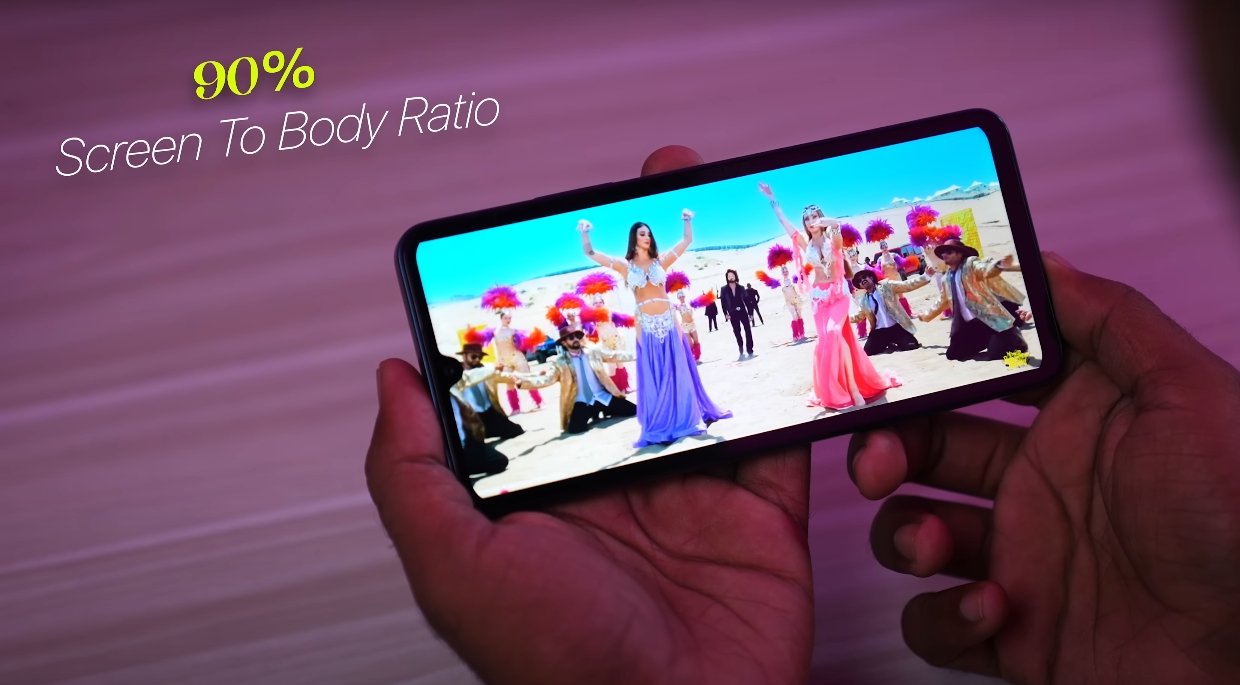
Redmi 14C 5G screen to body ratio

Affordable 5G access now easier in the USA


One of the biggest attractions of the Redmi 14C 5G is its ability to provide full 5G connectivity at such a low price. This makes it ideal for users who want to experience faster data speeds without investing in a midrange or premium device. It’s also a smart choice for those buying a second phone or gifting a first device to someone.


Available online with quick shipping


The Redmi 14C 5G is now available for purchase through major online retailers in the USA. Stock seems to be steady for now, with all color options listed on popular platforms. Buyers can expect standard delivery times and warranty coverage, adding confidence to early purchases.


Perfect for casual users and students


For users who mostly use their phone for social media, web browsing, messaging, and video streaming, this phone offers everything they need. The user experience is smooth enough for everyday tasks, and battery life holds up well throughout the day. Its display is big and bright enough for long content sessions, especially for younger users and students.


Final word on US pricing and value


With the price now officially confirmed between one hundred eighteen and one hundred thirty dollars, the Redmi 14C 5G becomes one of the most affordable 5G phones in the USA. It delivers balanced performance with long-term value, making it a smart buy for anyone looking to step into the 5G world without a big spend.

Redmi 15 review: Could this budget giant surprise the flagship class?

Redmi 15 review Could this budget giant surprise the flagship class

Redmi 15 aims to redefine budget performance

Xiaomi’s Redmi 15 has arrived as one of the most ambitious budget phones of the year, packing specs that push the limits of what low-cost smartphones can offer. With a 7000 mAh battery, a massive 6.9-inch 144 Hz display, and IP64 dust and water resistance, it’s aiming to bring premium-like features to an affordable segment.

The design of the Redmi 15 looks modern but still carries its budget roots. The plastic build feels sturdy but lacks the metal and glass refinement seen on flagship models. The device does, however, feel comfortable in hand, and the large display provides an immersive experience, especially for gaming and video content.

Performance-wise, the phone runs on Qualcomm’s Snapdragon 6s Gen 3 processor, coupled with up to 8 GB RAM and 256 GB of storage. It handles everyday tasks with ease, offering smooth scrolling and reliable multitasking. Yet when it comes to gaming or demanding apps, it doesn’t quite match flagship performance, showing occasional stutters under pressure.

Redmi 15 review Could this budget giant surprise the flagship class

The display is one of the standout features. The 6.9-inch Full HD+ panel with a 144 Hz refresh rate delivers sharp visuals and fluid motion. Brightness levels are impressive for the price, making it usable even outdoors. The combination of high refresh rate and large screen gives the Redmi 15 a premium viewing feel that few budget phones achieve.

Battery life is another strong point. With its 7000 mAh cell, users can expect nearly two full days of moderate use. Charging is capped at 33 W, which is modest compared to today’s flagship fast-charging standards, but it still replenishes the phone quickly enough for most users. Efficiency remains one of the Redmi 15’s greatest selling points.

Camera performance is decent for a budget phone, featuring a 50 MP main sensor and an 8 MP selfie shooter. Daytime shots come out detailed and vibrant, though low-light performance struggles with noise and sharpness. The camera app is straightforward, but the results clearly mark this as a budget shooter rather than a flagship rival.

On the software front, the Redmi 15 runs Xiaomi’s HyperOS based on Android 15, promising two years of major updates and four years of security patches. It feels polished, smooth, and loaded with useful customisation options, though some users may find the preinstalled apps unnecessary.

Connectivity options are solid with 5G support, dual speakers, a side-mounted fingerprint sensor, and IP64 splash resistance. These features make the Redmi 15 feel more premium than its price suggests and add real-world convenience.

Where it falls short is in areas like raw performance, camera finesse, and material finish — places where true flagship phones still hold an edge. However, given its price range, the Redmi 15 balances performance and features exceptionally well.

In the end, the Redmi 15 doesn’t dethrone flagships but narrows the gap impressively. For buyers who want a reliable, long-lasting, and feature-rich phone without paying premium prices, this device stands out as one of the best options in the budget category.

Redmi 15 user interface walkthrough: HyperOS features you’ll love

Redmi 15 user interface walkthrough HyperOS features you’ll love

Exploring Xiaomi’s HyperOS on the Redmi 15: Smooth, Smart, and Customisable

The Redmi 15 ships with Xiaomi’s latest HyperOS, a major evolution of MIUI that focuses on speed, personalisation, and seamless ecosystem integration. Based on Android 15, HyperOS delivers a refined and more polished experience, making the Redmi 15 one of the most fluid budget smartphones available for UK users.

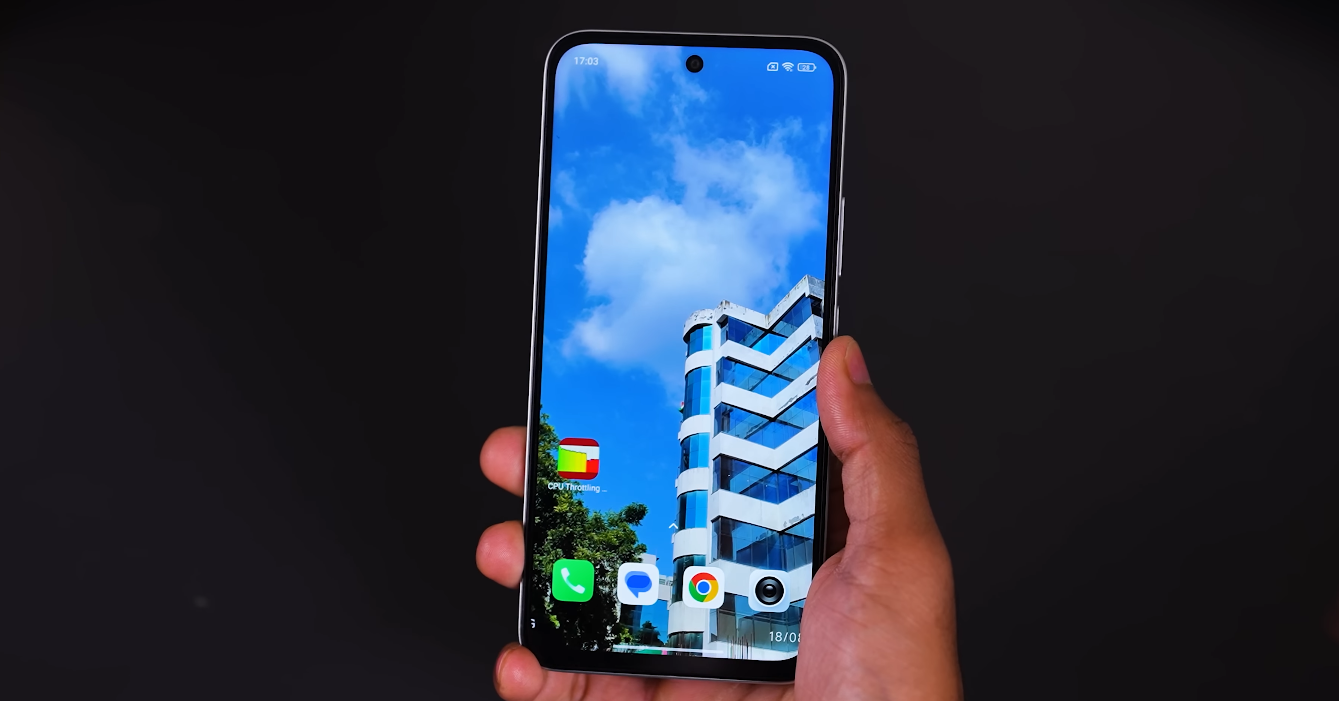
From the first setup, the interface feels responsive and modern. The home screen has a cleaner design, flatter icons, and smoother transitions. Xiaomi has reduced clutter, allowing for a more minimal, distraction-free layout. Navigation is gesture-based by default, and the 144Hz refresh rate display ensures transitions between screens are silky and immediate.

HyperOS introduces enhanced customisation options. Users can personalise themes, icon packs, font styles, and layout grids directly from the settings panel. Wallpapers adapt dynamically to light or dark modes, giving the device a more cohesive aesthetic. For UK users who prefer to make their phones unique, this level of flexibility is particularly appealing.

Redmi 15 user interface walkthrough HyperOS features you’ll love

One standout upgrade is the improved Control Centre. Notifications and quick toggles are now better separated, with large, easy-to-tap icons for WiFi, Bluetooth, and screen brightness. HyperOS also includes a smart device control panel, allowing users to manage smart home gadgets directly from the interface — ideal for those using Xiaomi smart plugs, cameras, or bulbs in the UK.

Performance optimisation is another area where HyperOS impresses. The Redmi 15 handles multitasking, app switching, and background operations without noticeable lag. The system dynamically allocates resources depending on usage, ensuring that high-demand apps like games or video editors receive priority without draining excessive power.

For those who rely on connectivity between devices, HyperOS enhances Xiaomi’s ecosystem features. The system allows effortless file transfers between Redmi, Mi Pad, and Xiaomi laptops through the “Mi Share” function. It also supports clipboard sharing and universal photo syncing across Xiaomi accounts, offering a near-Apple-like experience within Xiaomi’s ecosystem.

HyperOS also brings privacy and security improvements. A redesigned privacy dashboard gives clear insight into app permissions and background data use. Users can easily manage access for camera, microphone, and location, helping to maintain data control in an age of growing digital concerns.

The Redmi 15’s HyperOS experience also benefits from smart gesture controls. Double-tap to wake, three-finger swipe for screenshots, and new “back-tap” shortcuts let users perform actions more efficiently. These small additions collectively make daily navigation smoother and more intuitive.

However, like most budget Xiaomi devices, the Redmi 15 may come with a few pre-installed apps. Fortunately, HyperOS makes it simple to uninstall or hide them. UK buyers will also appreciate that Xiaomi has committed to at least two major Android version updates and four years of security patches, ensuring long-term software support.

Overall, the Redmi 15’s HyperOS offers a fast, polished, and enjoyable user interface experience. With thoughtful design improvements, excellent system fluidity, and deep ecosystem integration, it feels far more premium than its price suggests. For UK users, HyperOS on the Redmi 15 delivers both power and personalisation — a combination that stands out in the mid-range market.

Redmi K90 Pro Max hidden features you didn’t know about

Redmi K90 Pro Max hidden features you didn’t know about

Exploring the secret tools that make the Redmi K90 Pro Max even better

The Redmi K90 Pro Max has already made headlines for its flagship specifications, but beneath the surface lies a set of hidden features that elevate the overall experience. Many of these are tucked away in settings or enhanced by Xiaomi’s new HyperOS software, offering smarter functionality and more control for power users. Here’s a look at some of the lesser-known tools that make this phone stand out.

One of the most interesting hidden features is the adaptive refresh rate system. While the display officially supports 120Hz, it can automatically switch between 30Hz, 60Hz, 90Hz, and 120Hz depending on what you’re doing. This dynamic scaling helps save battery power during static tasks like reading, while still delivering ultra-smooth motion in gaming or scrolling. It’s an invisible optimisation that boosts efficiency without sacrificing performance.

Another useful hidden tool is the advanced performance mode under the battery settings. This mode temporarily unlocks full chipset potential, pushing the Snapdragon 8 Gen 5 to deliver maximum clock speeds during heavy gaming or video editing. Once the session ends, the system reverts to balanced performance to avoid overheating. It’s ideal for users who want control over when the phone runs at its peak.

Redmi K90 Pro Max hidden features you didn’t know about

HyperOS also brings subtle yet powerful features for privacy and control. The “Private Safe” function allows you to lock specific files or photos with your fingerprint or face ID, keeping them separate from the main gallery. In addition, “Hidden Apps” lets you disguise certain apps entirely, visible only through a secret gesture or PIN. These features make it easy to protect personal data without needing third-party apps.

A lesser-known addition lies in the sound system, which has been fine-tuned by Bose. Beyond its 2.1-channel speaker setup, the K90 Pro Max includes a “Bass Boost Mode” hidden in the sound enhancement menu. Activating it subtly increases low-frequency response from the built-in sub-woofer, creating a richer, more cinematic audio experience whether you’re gaming or watching films.

For photography enthusiasts, the camera app hides several professional-grade tools. The “AI Image Engine” can recognise over 1,000 scenes and adjust tone, contrast, and brightness automatically. There’s also a “Motion Capture” feature buried in the Pro mode that improves moving-subject focus — perfect for sports or pets. Additionally, users can access a hidden “Ultra Night HDR” toggle that boosts detail in extreme low-light shots beyond what’s enabled by default.

HyperOS also introduces hidden gesture shortcuts that make everyday use faster. For instance, swiping down with three fingers takes a scrolling screenshot, while double-tapping the back panel can launch a custom app like the camera or flashlight. These shortcuts can be adjusted from the advanced gesture settings and are especially handy for one-handed use on the large 6.9-inch display.

The display itself also has a few under-the-radar features. There’s a “Professional Colour Mode” accessible from the display settings that allows manual adjustment of gamma, saturation, and white balance. This makes the K90 Pro Max ideal for creative users who edit photos or videos directly on the device. Additionally, the “Sunlight Enhancement” feature automatically raises contrast in outdoor conditions for better visibility without draining excessive power.

Battery management on the K90 Pro Max is also more intelligent than it appears. A hidden “Smart Charging” feature learns your charging habits and slows charging speed overnight to protect battery health. Over time, it adapts to your schedule, ensuring the battery remains in top condition even after extended use. Combined with the large 7,560mAh capacity, this feature extends long-term endurance significantly.

Gamers will also appreciate the “Game Turbo+” feature tucked inside the Game Space app. It provides advanced monitoring, real-time frame rate control, and touch response tuning. Users can even block notifications and calls automatically during gameplay. When paired with the phone’s powerful hardware and advanced cooling, this makes for one of the most refined mobile gaming experiences available.

Finally, Redmi has included a hidden “Voice Enhancer” option in the sound settings that optimises vocal clarity during calls and streaming. It subtly adjusts EQ levels to make speech more natural, even in noisy environments. Combined with its dual microphone setup, this feature ensures crystal-clear audio performance whether you’re on a video call or recording content.

Overall, the Redmi K90 Pro Max hides a surprising number of thoughtful enhancements beneath its surface. From performance and display optimisation to camera and audio upgrades, each of these features contributes to a more polished and personalised experience. It’s these quiet details that truly make the K90 Pro Max more than just another flagship — it’s a device built for discovery.

Redmi 15 vs Poco F7: specs vs price – competition analysed

Redmi 15 vs Poco F7 specs vs price – competition analysed

Value vs performance: two contenders in the smartphone field

When shopping for a smartphone in today’s hectic marketplace, two names stand out for value and performance: the Redmi 15 and the Poco F7. Although both come from the same parent company, they occupy very different segments and serve very different needs. This article examines how they compare across the board, and which might suit you better, especially if you are based in the UK and looking for a smart choice under budget constraints.

Starting with performance, the Redmi 15 is built for budget-friendly usability with reliable everyday features. It handles apps, browsing and light gaming comfortably, and offers a large battery and high refresh screen that were once reserved for far more expensive handsets. The Poco F7, on the other hand, escalates things into the higher tier with a stronger chipset, better display and improved multitasking capacity. For users who demand smooth gaming or heavy multitasking, the Poco has clear advantages.

Display and user experience are key differentiators. Redmi 15 gives you a big screen and high refresh rate, which means smoother scrolling and better visual feedback than many in its class. Its use of LCD technology keeps costs down, but also means blacks and contrast won’t quite match premium standards. The Poco F7 moves into AMOLED territory, improved resolution and more premium build quality–ideal if you stream media, game or simply appreciate superior screen technology.

Redmi 15 vs Poco F7 specs vs price – competition analysed

Camera and battery life are two areas where each model takes its strengths. The Redmi 15 features a respectable primary sensor, plenty of battery and solid daily endurance. It’s perfect for someone who prioritises longevity over headline camera specs. Meanwhile, the Poco F7 ups its camera game significantly: better sensors, more detailed front camera options and in some regions faster charging or larger battery size. For photography enthusiasts, the Poco is the more compelling option.

Pricing is where your decision might ultimately hinge. The Redmi 15 is positioned in the budget bracket, delivering many premium features at a fraction of the cost of higher end models. It makes substantial compromises in areas like screen tech and camera extras, but does so in a smart way to maximise value. The Poco F7 lands in the mid-to-upper segment and commands a higher price—but it also brings a stronger feature set that justifies the cost if you can stretch your budget.

Of course, trade-offs exist. With the Redmi 15 you must accept fewer premium materials, a standard LCD panel and moderate camera extras. If you’re happy with solid performance without top-tier bells and whistles, it’s a very clever purchase. With the Poco F7 you pay more, and some features may depend on region (battery size, charging speed, camera specifics). Also, premium phones often invite higher expectations, so real-world performance and software support become more significant.

So which is right for you? If budget is your primary constraint and you want as much feature for your money as possible, the Redmi 15 is a standout. It gives high refresh display, big battery and reliable performance without asking you to break the bank. If you’re willing to spend more for better display, stronger chipset and enhanced camera and battery features, then the Poco F7 is worth the price. It becomes a longer-term investment and a more premium experience.

Make the choice based on your priorities: screen quality, camera strength, performance demands or simply the best value. For streaming, gaming, multitasking and premium feel—the Poco F7 leads. For everyday usability, battery life, and low-cost entry into modern feature set—the Redmi 15 wins. Either way, you’re getting far more phone than was typical just a few years ago. And in this crowded market, clarity on your budget and needs will help you avoid regrets and pick the right handset for your lifestyle.