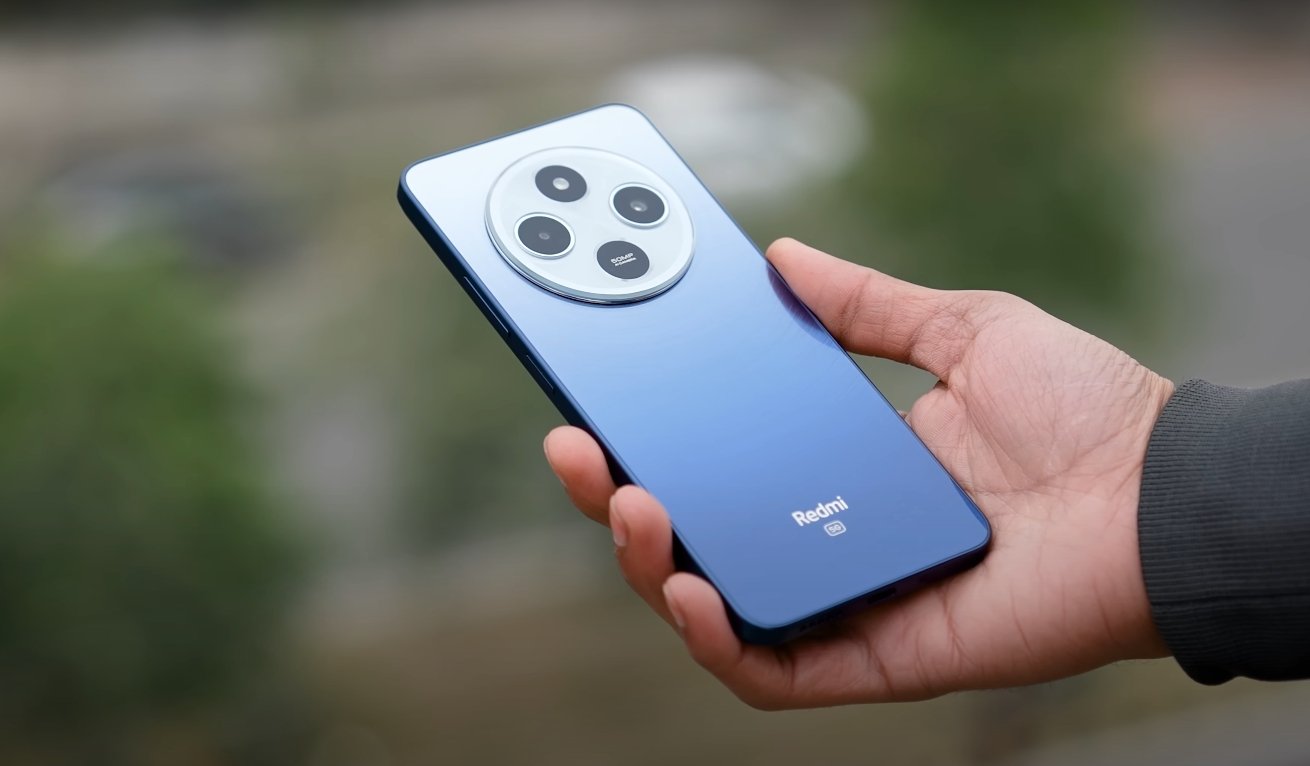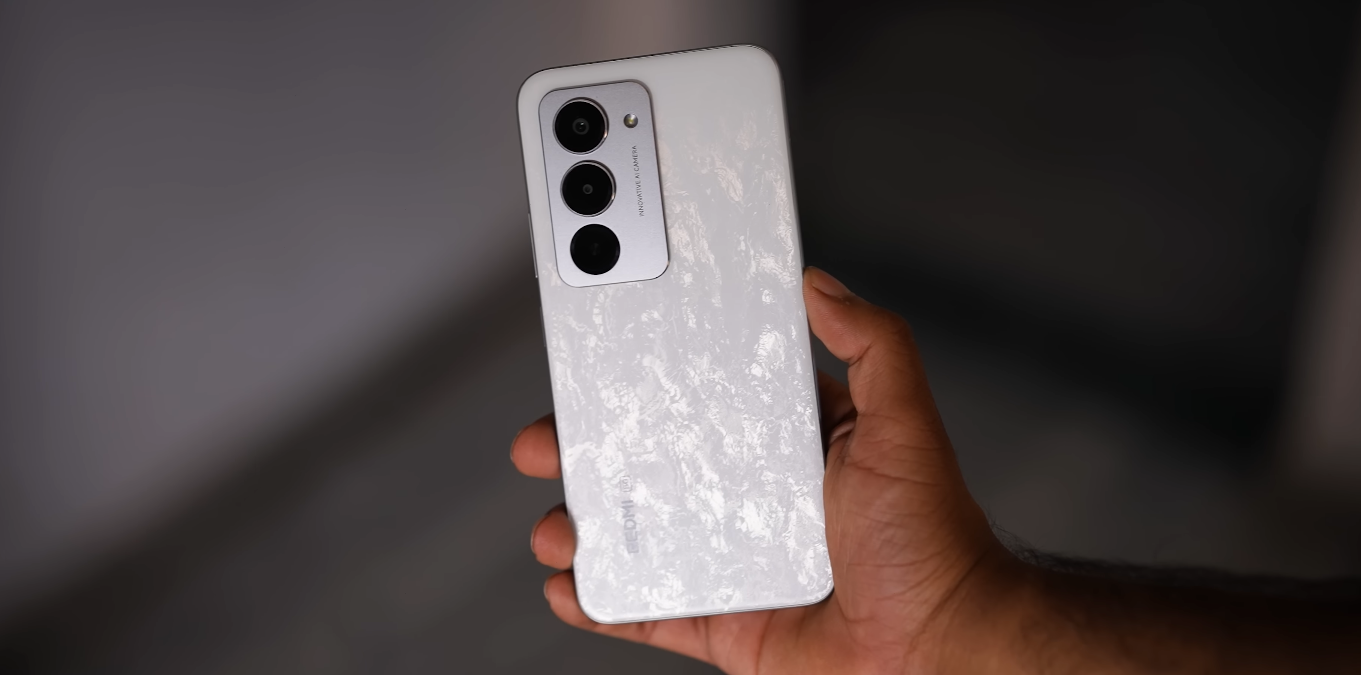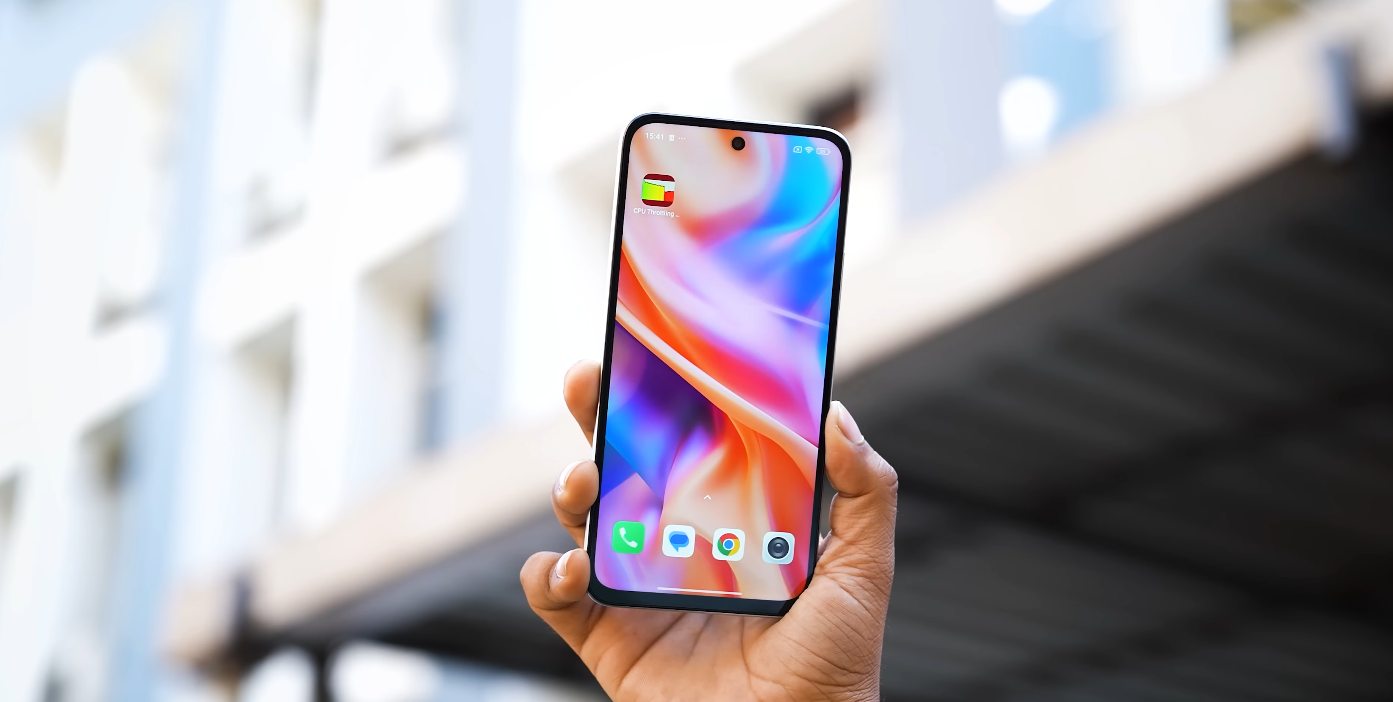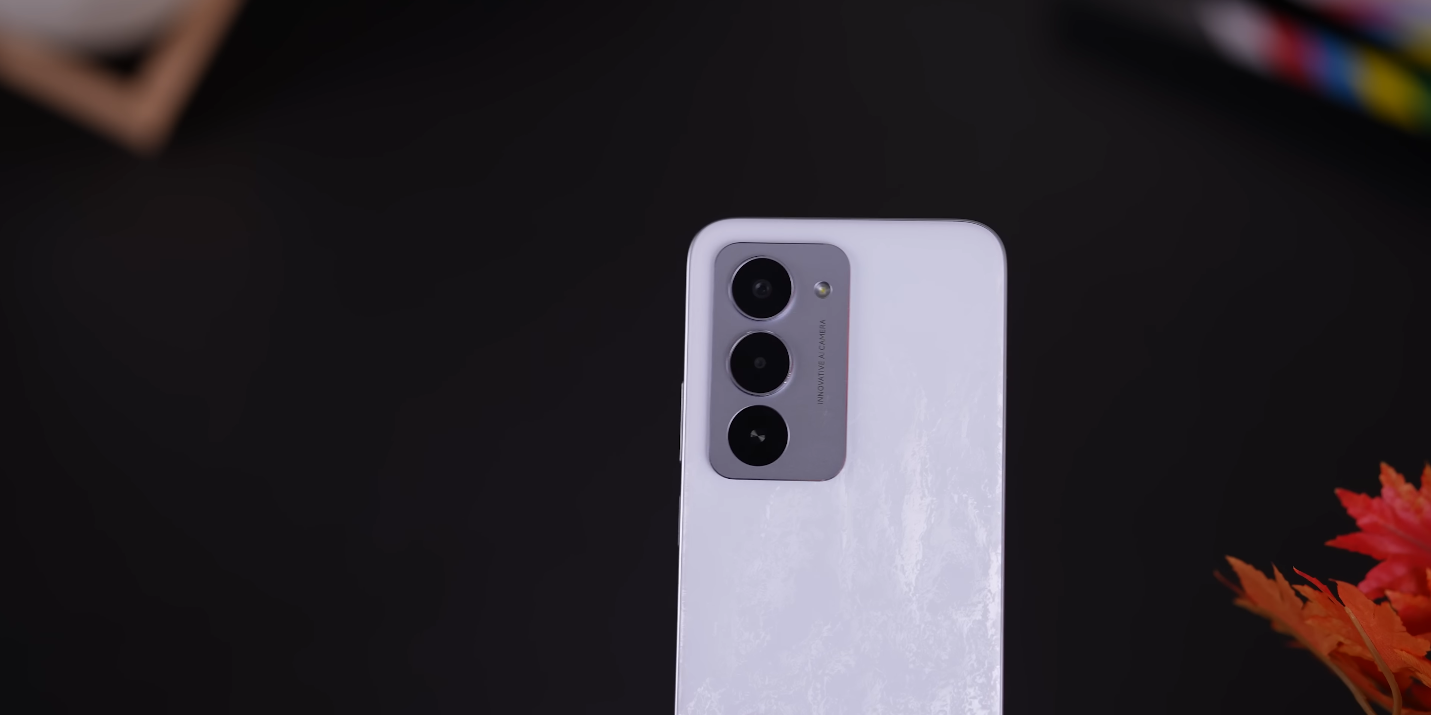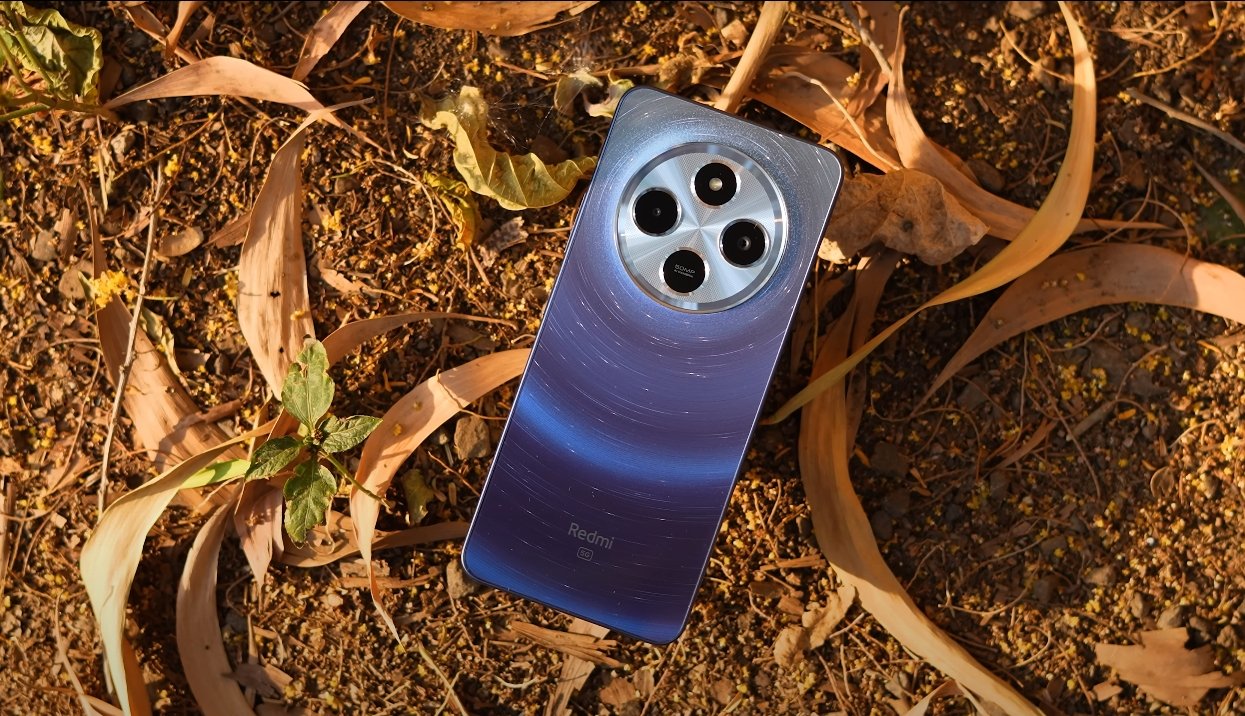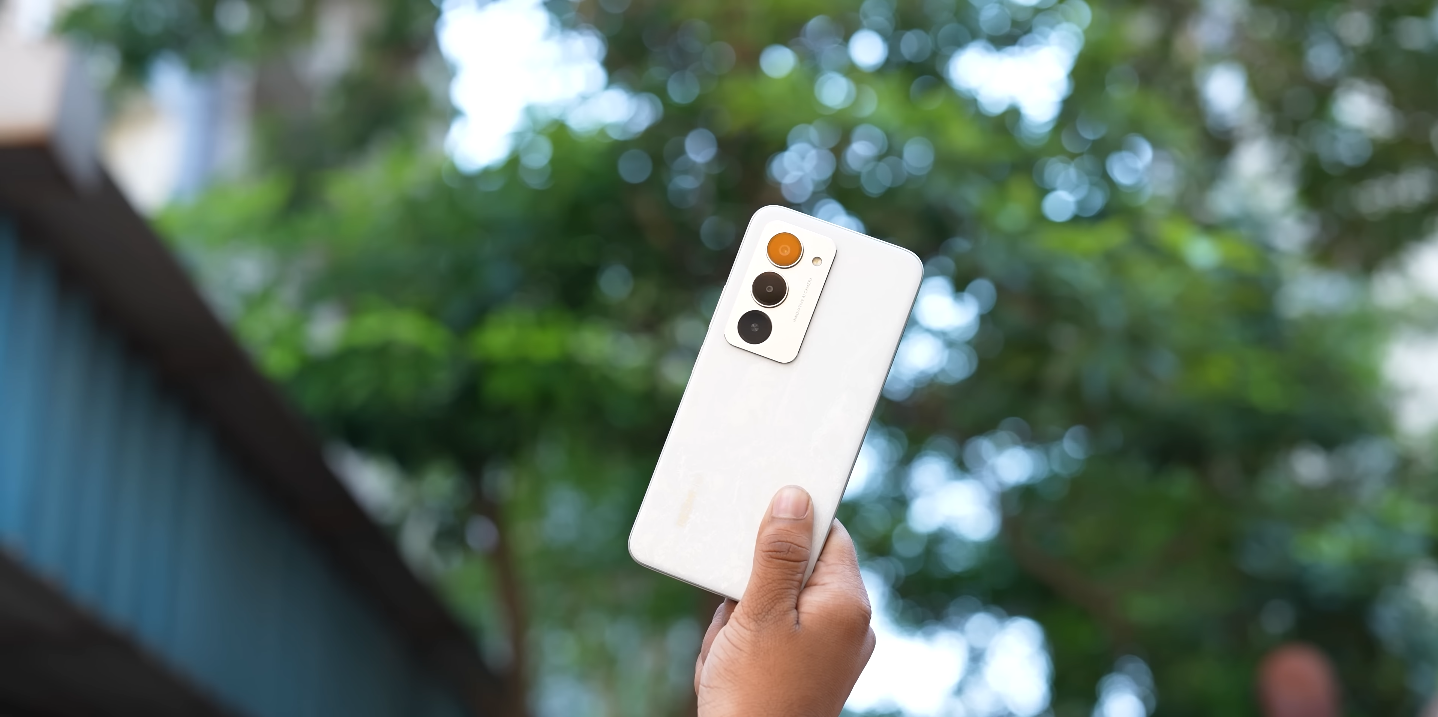
Redmi 15 first-month ownership results: pros & cons

Redmi 15 first-month ownership results pros & cons

Real User Impressions After One Month of Use

The Redmi 15 has quickly gained traction in the budget smartphone market, thanks to its massive battery, large display, and balanced performance. After a month in the hands of early buyers, user reviews and expert tests have begun painting a clear picture of what this device truly offers. It’s an ambitious phone from Xiaomi, designed to bring premium-level endurance and performance at an affordable price. But how does it hold up after several weeks of real-world use?

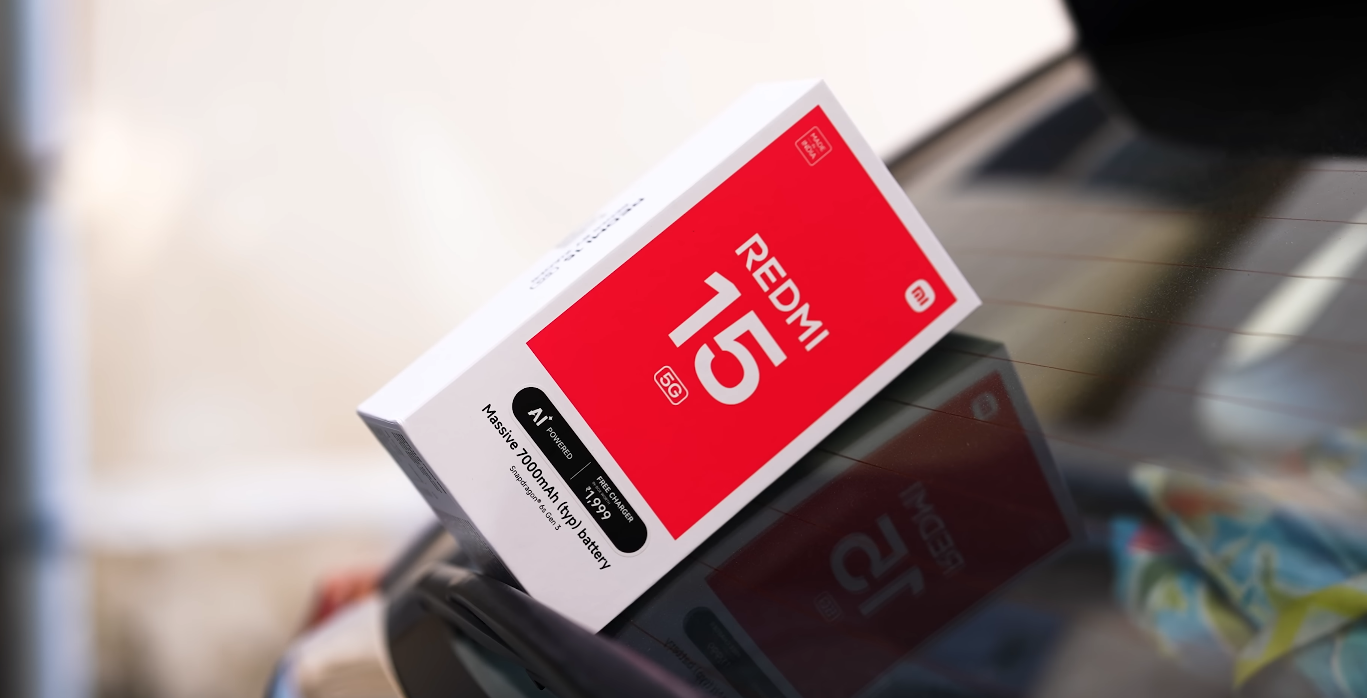
One of the biggest highlights remains the battery life. The Redmi 15’s 7,000 mAh silicon-carbon battery easily delivers exceptional longevity, with most users reporting nearly two full days on a single charge. Even with heavy use—streaming, gaming, or multitasking—the phone rarely runs out before the end of the day. Xiaomi’s choice of silicon-carbon chemistry appears to pay off, offering better stability and longer lifespan than standard lithium-ion batteries.

Performance is another area where the Redmi 15 impresses for its price. Powered by the Snapdragon 6s Gen 3 chipset, the device handles everyday tasks smoothly, including social media, web browsing, and multitasking. The combination of 8 GB RAM and Xiaomi’s efficient MIUI optimisation ensures minimal lag during typical usage. However, some owners have noted that the phone isn’t suited for heavy gaming or extended high-performance workloads, where frame drops can occasionally occur.

Redmi 15 first-month ownership results pros & cons

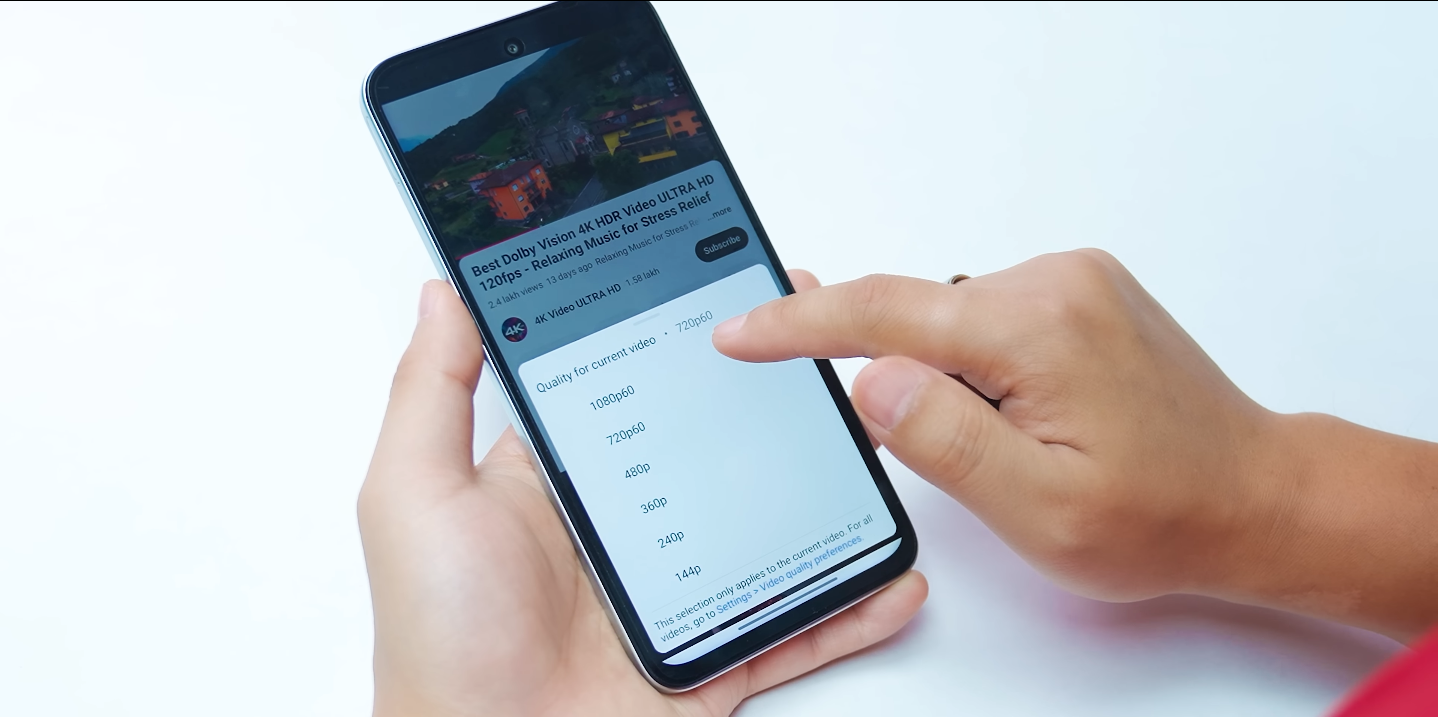
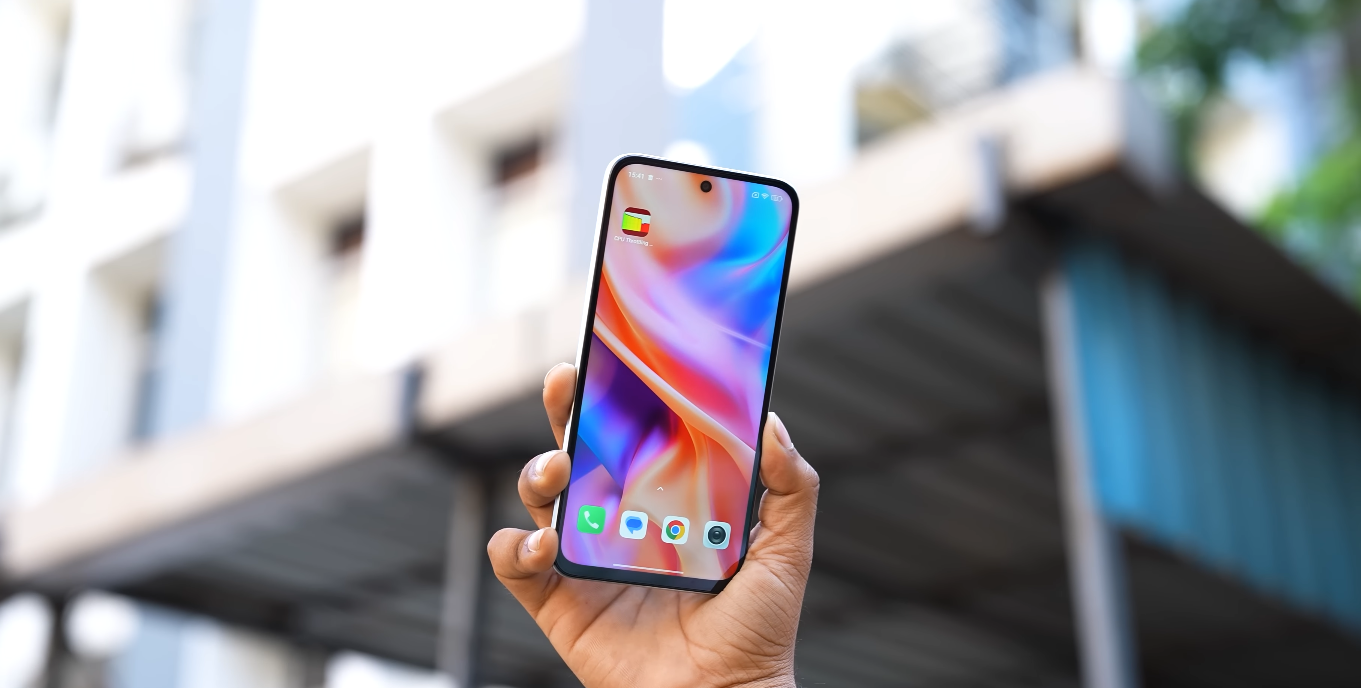
The 6.9-inch FHD+ display with a 144Hz refresh rate is a standout feature. It makes scrolling fluid and enhances the overall visual experience, particularly for video playback and gaming. Colours are bright, and visibility outdoors is acceptable. Yet, some users find the phone’s large size and 7,000 mAh battery make it bulky and harder to use one-handed. Weighing over 220 grams, it’s not the most portable device in its category, though it compensates with solid durability and an IP64 rating for dust and splash resistance.

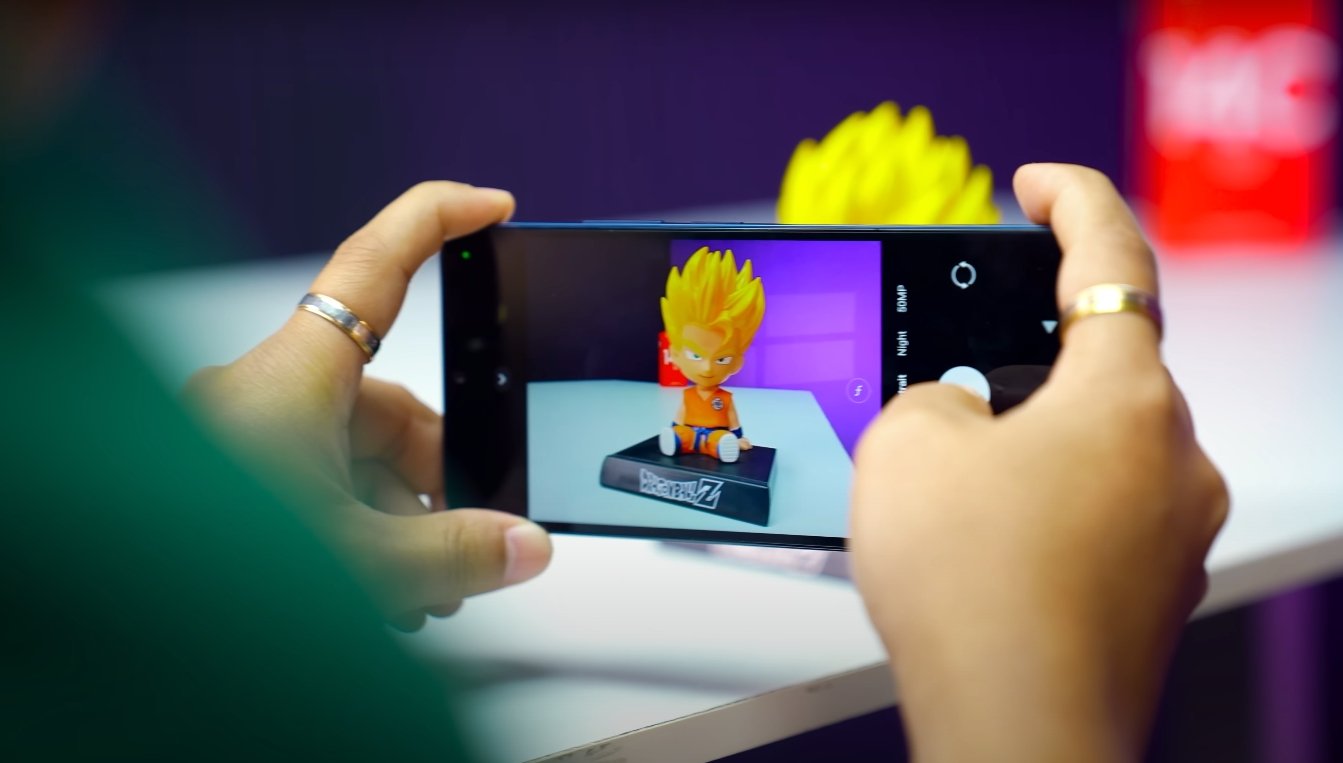
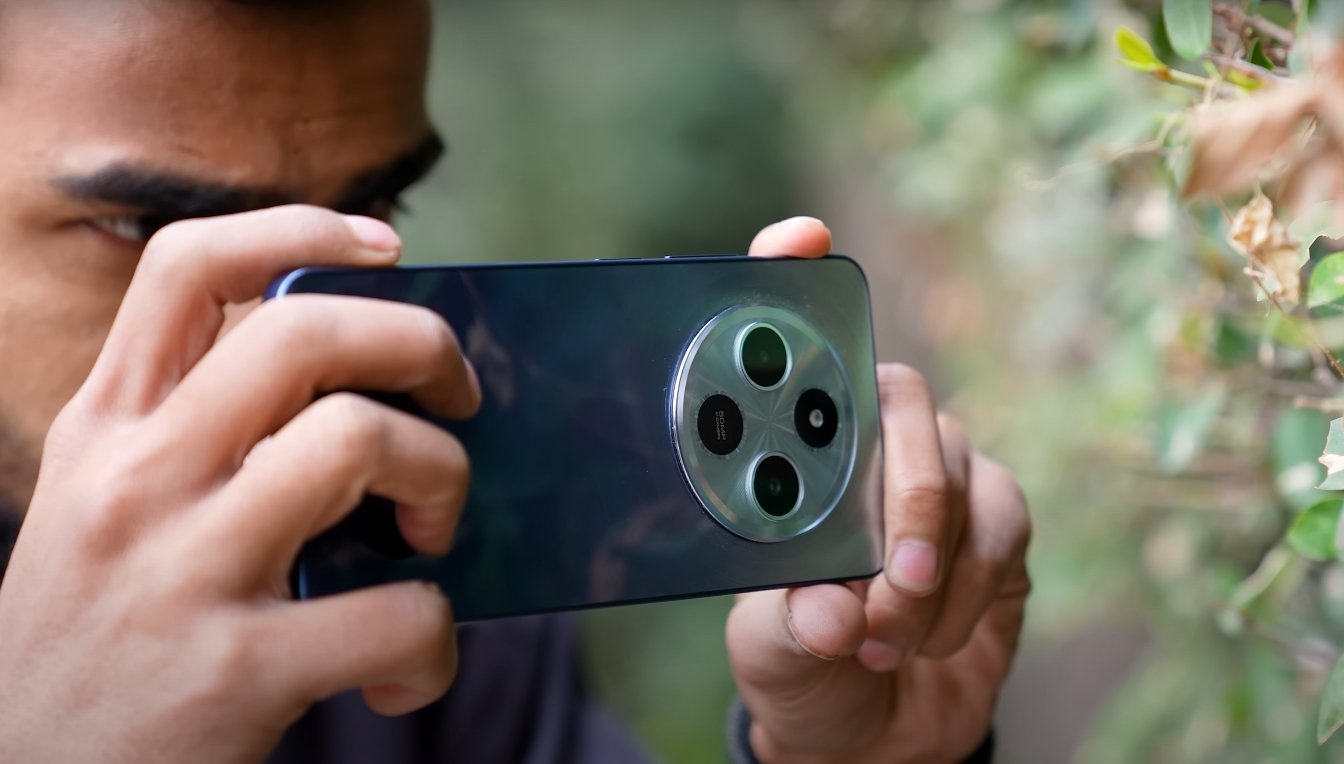
Camera performance sits firmly in the “good, not great” category. The 50 MP primary sensor captures clear, well-balanced shots in daylight but struggles in low-light conditions. The selfie camera performs adequately for casual use, though it lacks the refinement of Vivo’s or Samsung’s mid-range competitors. Video stabilisation is modest, making handheld recording less steady. For users who prioritise photography, this remains one of the Redmi 15’s weaker points.

Audio and multimedia performance are functional but not premium. The single bottom-firing speaker produces adequate sound for casual listening but lacks depth and clarity at higher volumes. Users who rely on loudspeaker mode for calls or videos may find the output slightly underwhelming. The 3.5mm headphone jack, however, remains a welcome feature in an era where many brands are removing it.

In terms of software, MIUI 15 based on Android 14 delivers a smooth and customisable experience. Xiaomi’s interface includes useful battery management tools, performance modes, and enhanced privacy options. Users have praised the interface for its responsiveness, though some still wish for fewer pre-installed apps. Xiaomi has also promised regular updates, which adds confidence to long-term usability.

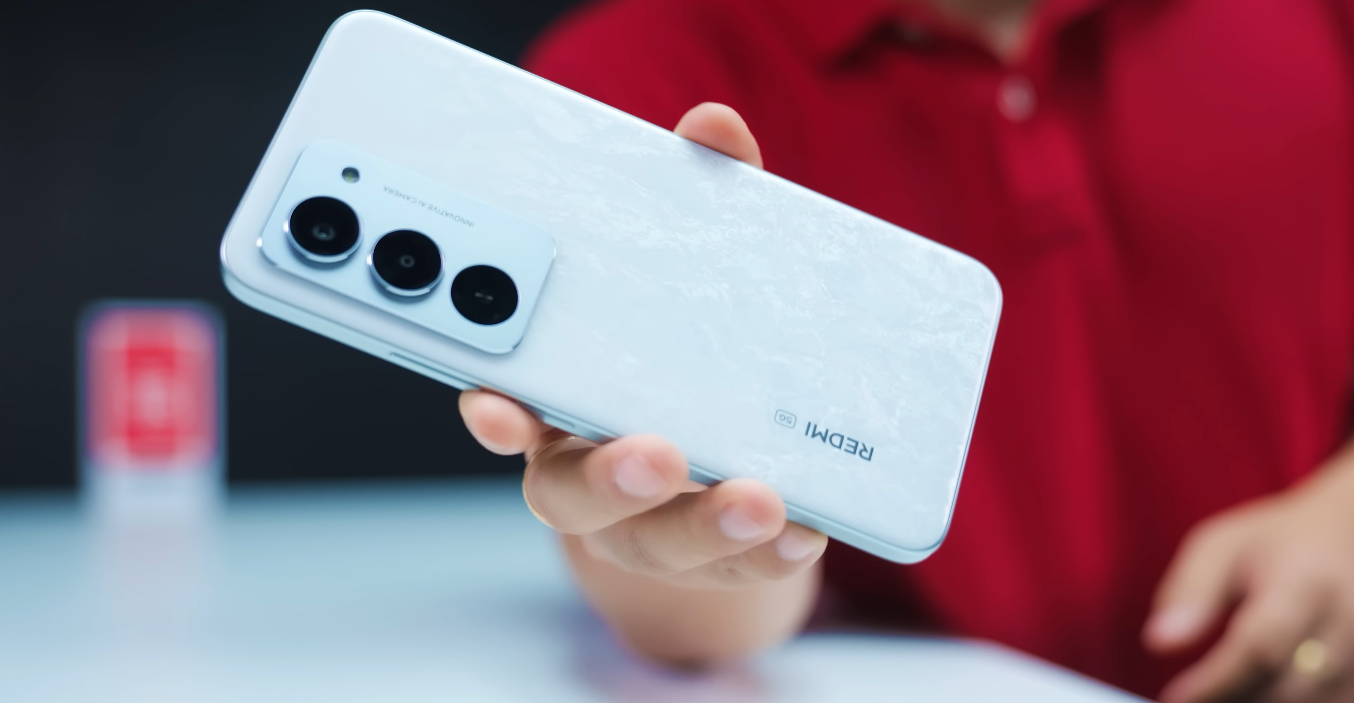
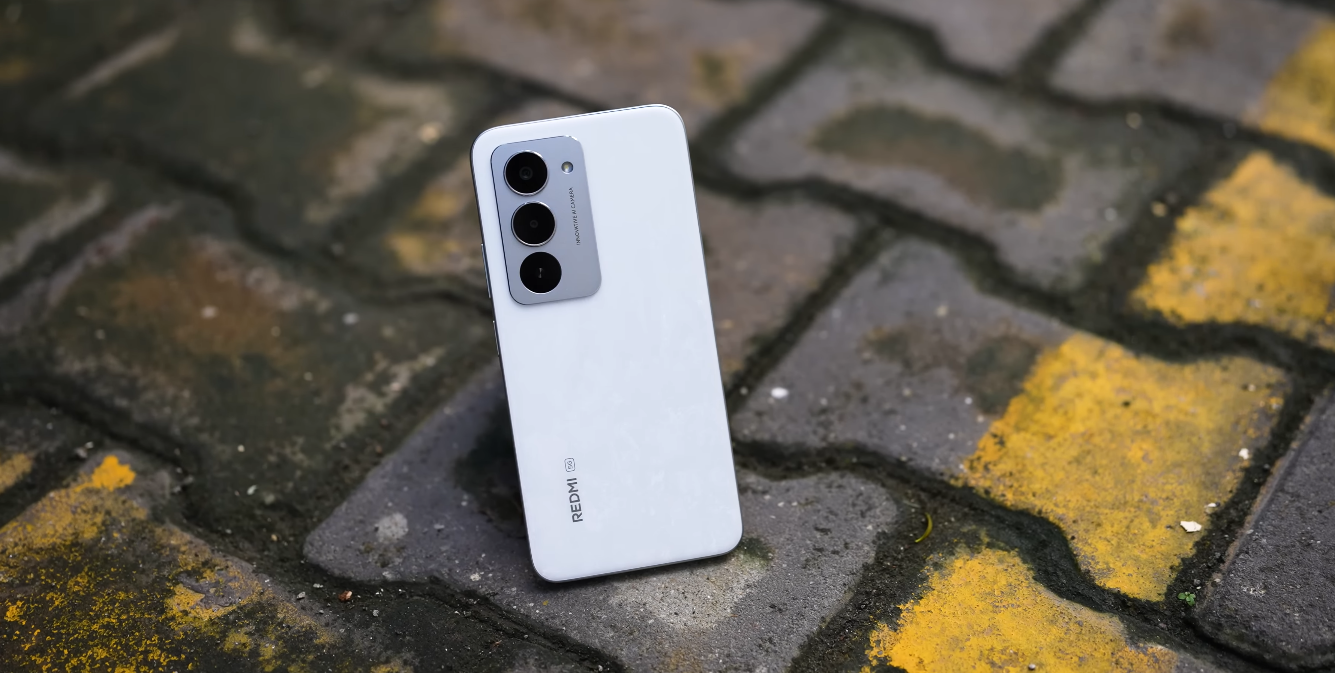
Build quality is solid, especially for a phone in this price range. The textured back offers a firm grip, and the design feels robust despite the larger size. The fingerprint sensor, integrated into the power button, works reliably and quickly. The matte finish also resists fingerprints, giving the device a clean look even after extended handling.

After one month, the Redmi 15’s advantages clearly outweigh its shortcomings. The huge battery, large high-refresh display, and dependable performance make it one of the most practical budget phones of 2025. However, users who value compact design, superior camera quality, or stereo speakers may find alternatives like the Vivo V-series or Samsung Galaxy A15 more appealing.

In conclusion, the Redmi 15 delivers exceptional endurance and balanced performance, perfectly suited for users seeking value and reliability. Its few compromises—mainly in camera and audio—are understandable given its price. After a month of ownership, it stands as one of the most compelling choices in the budget segment, proving that Xiaomi continues to dominate the affordable smartphone market with impressive consistency.
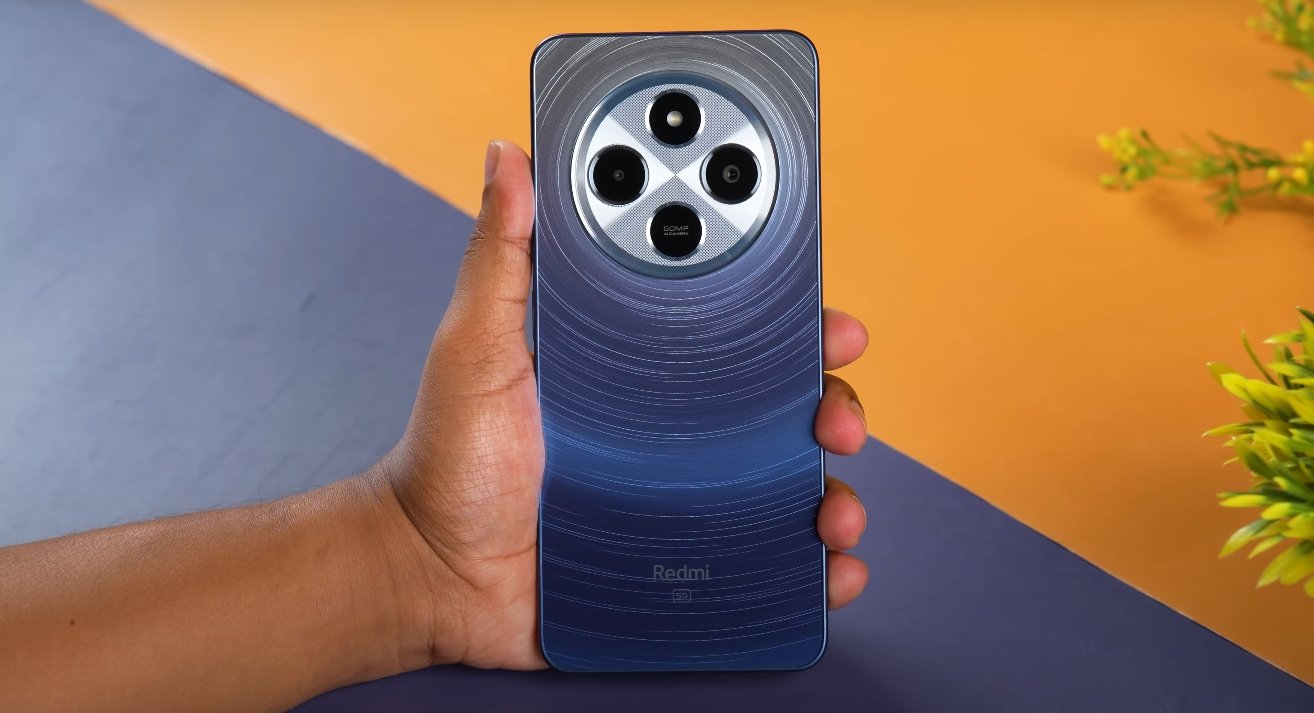
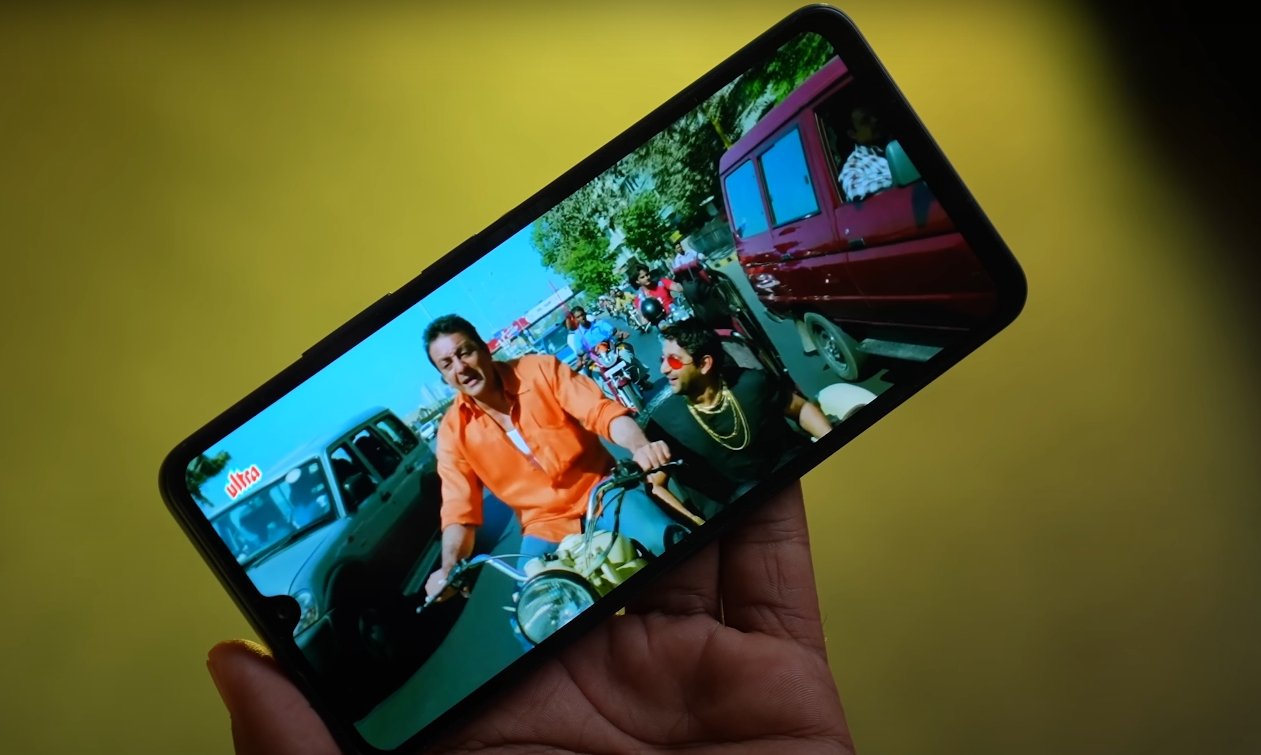
Redmi 14C 5G Getting Popular Among Budget Buyers in 2025

Redmi 14C 5G Getting Popular Among Budget Buyers in 2025

The Redmi 14C 5G is gaining rapid popularity among buyers who are looking for a dependable smartphone at a budget price. In 2025, it stands out as one of the few affordable devices offering 5G connectivity, making it a strong option for users who want fast network speeds without spending a lot.


Core features appeal to everyday needs


Users are drawn to the phone’s large 6.88-inch display with a 120Hz refresh rate, which offers smooth scrolling and media playback. The Snapdragon 4 Gen 2 processor handles regular tasks like calling, messaging, and social media without much lag. The 5160mAh battery adds to its value, giving users full-day power with ease.


Real users recommend it online


Across social platforms and forums, many early buyers are recommending the Redmi 14C 5G for its balanced performance. It has received praise for being responsive and reliable during daily use, especially from students and casual users who prioritize function over flashy features.


Redmi 14C 5G

A common choice for 4G-to-5G upgrades


The phone is quickly becoming a go-to option for users upgrading from older 4G devices. Many buyers in 2025 are making the switch to 5G for the first time, and this model offers an easy entry point. Its price remains low while offering future-proof connectivity, making it a logical upgrade path.


Camera and storage match expectations


While the 50MP main camera performs well in daylight, users have noted that low-light performance is basic, which is expected in this price range. The eMMC storage is functional for regular usage, although it’s not as fast as UFS storage found in premium phones.


Online reviews and feedback boost visibility


Positive feedback from tech blogs and video reviews has helped the Redmi 14C 5G reach more buyers. Many reviewers point out that it delivers more than expected for the price, offering a clean and practical experience rather than gimmicky features.


A top pick in the budget category


In 2025, the Redmi 14C 5G continues to attract attention as one of the most reliable low-cost phones with 5G. Its smooth performance, long battery life, and solid user reviews make it a smart buy for anyone looking for a functional smartphone on a tight budget.

Redmi 15 camera mode tips you should use right away

Redmi 15 camera mode tips you should use right away

Unlocking the best photo tricks on your Redmi 15

The Redmi 15’s 50MP main camera may not compete with flagship-level shooters, but with the right settings and modes, it can deliver stunning results. Xiaomi’s camera app hides plenty of smart tools that most users overlook. Here are the must-try camera modes and tips to make the most of your Redmi 15 from day one.

Start with Pro Mode for total control. This setting lets you adjust ISO, shutter speed, and white balance manually. If you’re taking landscape shots during the day, keep ISO around 100 for crisp detail. For low-light photos, slow down the shutter speed slightly while stabilising the phone against a surface. Even without a tripod, Pro Mode helps you get cleaner and more balanced results than Auto Mode ever could.

Next, explore the AI Mode. Redmi’s AI automatically recognises scenes — food, pets, sky, or portraits — and adjusts colours and exposure accordingly. For everyday shots, keeping AI Mode on makes your photos look livelier and more polished without any editing. It’s especially effective for daylight pictures and outdoor scenes where you want a quick, vibrant look.

Redmi 15 camera mode tips you should use right away

If you enjoy portraits, turn on Portrait Mode with Depth Adjustment. The Redmi 15 lets you control background blur intensity, which adds a professional touch to your shots. Reducing the blur slightly creates a more natural look, especially when photographing people or pets. Use it outdoors with good lighting for the best edge detection and detail.

Don’t skip Night Mode, even though this is a budget phone. Xiaomi’s low-light processing has improved significantly, and using Night Mode stabilises brightness and sharpness in darker scenes. For best results, hold the phone steady for a few seconds after tapping the shutter, as the mode captures multiple frames to enhance clarity. Avoid using flash unless absolutely necessary—it often flattens shadows and kills atmosphere.

For action or sports photography, try Burst Mode. Hold down the shutter button to capture a rapid sequence of shots. This helps freeze movement and lets you pick the sharpest image later. It’s perfect for capturing kids playing, pets running, or moving vehicles without motion blur.

The Macro Mode is another underrated gem. While it’s a secondary feature, it works surprisingly well for close-up shots of textures, flowers, or small objects. Get as close as 3–5 cm from the subject, tap to focus manually, and ensure there’s good light. The results can be far better than you’d expect from a budget device.

For social media users, Filters and Sky Replacement Mode are worth exploring. The Sky Mode replaces plain skies with vivid sunsets or starry backgrounds in seconds. It’s a fun tool for creative photography, and the results often look surprisingly natural. Just make sure to keep the horizon level for the best effect.

Don’t forget to use HDR Mode in scenes with mixed lighting, like bright skies and dark shadows. It balances exposure, preventing overblown highlights and underexposed areas. For landscapes or cityscapes, keeping HDR always on ensures your photos capture every detail accurately.

Lastly, explore the Short Video Mode for quick social clips. It supports built-in filters, speed controls, and music syncing, making it perfect for quick uploads to Instagram or TikTok. Combined with the phone’s smooth stabilisation, you can create professional-looking clips without any editing apps.

In summary, the Redmi 15’s camera might seem simple, but it’s packed with useful features once you dive in. Using Pro Mode for precision, AI and Portrait for everyday shots, and Night Mode for low light can instantly elevate your photography. With a bit of experimentation, this budget phone can produce results that look anything but budget.

Redmi 14C 5G Real-World Camera Test and User Feedback

Redmi 14C 5G Real-World Camera Test and User Feedback

Practical camera performance meets daily needs


The Redmi 14C 5G’s camera setup includes a 50 MP main sensor and a 2 MP depth sensor, designed to deliver solid shots in good lighting conditions. In real-world use, users find that the photos are sharp and detailed during the day, making it suitable for casual photography like outdoor scenes and social media posts.


Low-light photography shows typical budget limitations


In dim or indoor lighting, the camera struggles to maintain clarity and brightness. Photos often appear grainy or slightly blurred, which aligns with expectations for an entry-level phone. Users report that night mode, if available, helps somewhat but doesn’t dramatically improve results.


Redmi 14C 5G Real-World Camera Test

Front camera performance for selfies and video calls


The 13 MP front camera provides decent selfies with natural skin tones and good exposure in bright environments. Video calls are smooth with clear visuals under proper lighting, meeting basic user needs without extra frills.


User feedback praises ease of use and interface


Many users appreciate the simple and straightforward camera app, which offers easy access to common modes like portrait, panorama, and video. The AI features help optimize scenes automatically, although they can sometimes oversaturate colors.


Video recording quality is acceptable for casual use


The Redmi 14C 5G can record 1080p video at 30fps, delivering steady footage for everyday moments. Users note that video stabilization is limited, so shaky hands may affect recording smoothness.


Redmi 14C 5G Real-World Camera sample

Summary of user experience with Redmi 14C 5G camera


Overall, the camera performance fits well with the phone’s budget positioning. It excels in good light, offers basic selfie capabilities, and remains easy to operate. For users who want simple photography without high expectations, it’s a practical choice.

Redmi 15 battery health long-term: what to expect after 2-3 years

Redmi 15 battery health long-term what to expect after 2-3 years

Understanding the Real Battery Longevity of Redmi 15

The Redmi 15 arrives with a massive 7,000 mAh silicon-carbon battery designed for endurance and efficiency. Xiaomi claims that this new-generation battery chemistry can retain about 80 per cent of its capacity even after four years of regular use. This gives users confidence that the device is built for the long run, especially when compared to typical lithium-ion batteries used in most smartphones.

During the first year, Redmi 15 owners can expect optimal performance and almost full battery health. The phone should comfortably last up to two days on a single charge with balanced usage. Degradation at this stage is minimal, provided the user avoids exposing the device to extreme heat and maintains healthy charging practices. Xiaomi’s power management system also ensures the battery operates efficiently and stays cool during charging cycles.

By the second year, a natural decline in capacity begins to show, as with all rechargeable batteries. The Redmi 15 may retain around 90–95 per cent of its original battery life, translating to roughly 6,300 to 6,650 mAh of effective power. Under normal daily routines—streaming, browsing, and calls—users will still enjoy more than a full day of power. However, those who use the device heavily for gaming or long hours of screen-on time may find themselves charging nightly.

Redmi 15 battery health long-term what to expect after 2-3 years

After three years, the decline becomes more noticeable but remains manageable. The battery may drop to 80–85 per cent of its initial capacity, leaving about 5,600 to 6,000 mAh available. This still provides reliable all-day performance under moderate use. In most cases, the Redmi 15 won’t require a replacement battery within the first three years unless subjected to extreme usage patterns or constant fast charging.

Charging habits play the most significant role in battery longevity. Avoiding overcharging, limiting exposure to high temperatures, and not allowing the battery to drop below 10 per cent too often will all help. Xiaomi’s 33 W fast charging is efficient and relatively gentle, but using it sparingly when time allows will further reduce long-term stress on the battery. Features like “Battery Saver” and “Optimised Charging” should be activated to maintain good health over time.

Environmental factors also influence how well the battery performs after a few years. Cooler climates, such as those in the UK, generally help preserve battery capacity compared to hotter regions. High temperatures accelerate chemical wear, so users should avoid leaving the phone in cars or under direct sunlight. Regular software updates from Xiaomi also contribute to improved battery management, ensuring energy-efficient operation.

Users in the UK can expect excellent long-term results from the Redmi 15. During the first year, it will easily last up to two days per charge. By the second year, it should still offer around a day and a half of reliable use. In its third year, the phone will likely maintain a full day of normal activity, requiring a quick evening top-up under heavier workloads. For most users, that means continued practicality well into the phone’s life cycle.

To maximise battery health, it’s best to charge the Redmi 15 between 20 and 80 per cent whenever possible. Avoiding overnight charging and turning off high refresh rate modes when not needed will reduce power drain. Lowering brightness and disabling unnecessary background apps will also preserve capacity. These small adjustments can make a significant difference over time, helping the phone retain stronger battery performance beyond the three-year mark.

If heavy users experience reduced stamina after three years, a battery replacement may be worth considering. Xiaomi’s design makes servicing straightforward, and replacement costs remain affordable compared to premium flagships. For most moderate users, though, the Redmi 15 should remain efficient and dependable without any need for hardware intervention.

In conclusion, the Redmi 15’s 7,000 mAh silicon-carbon battery is one of the most durable in its class. After two to three years, users can still expect between 80 and 90 per cent capacity, depending on habits and environment. With smart charging practices and regular care, the phone offers exceptional long-term value, proving that Xiaomi’s latest battery technology truly delivers lasting performance.

Redmi 15 big battery vs super fast charging: which matters more?

Redmi 15 big battery vs super fast charging which matters more

Evaluating endurance and charging speed in one review

The Redmi 15 stands out with its large 7,000 mAh battery, while supporting “fast” 33 W charging. These two features often clash in the value-smartphone segment—do you pick huge capacity or ultra-fast top-ups? For UK users deciding on this model, here’s how both play out in daily life.

Having a 7,000 mAh battery means the Redmi 15 is built to go well beyond a single day of heavy use. Streaming video, browsing social media, navigation and frequent app switching all normally push smaller batteries hard. With the large cell, many users will finish a full day with plenty of battery remaining. That equates to less frequent charging stress, better ease of mind and suitability for travel or long days out.

On the other side, charging speed matters when you retrieve your phone mid-day, or when your usage pattern involves plugging in for short bursts. At 33 W, the Redmi 15’s charging isn’t the fastest seen in the market, but it is respectable for its price point. This means you can still boost from low to mid-level in a reasonable time, so you’re not tied down waiting for hours.

Redmi 15 big battery vs super fast charging which matters more

Which matters more depends on your habits. If you’re someone who plugs in overnight and rarely worries about topping up during the day, then the large battery is the bigger win—longer runtime trumps rapid refills. If you’re a heavy user who changes phones often, uses intensive apps or charges multiple times a day, then faster charging may become more valuable.

In the Redmi 15’s case the balance tilts toward battery size. Since the charging speed is decent but not class-leading, and the large battery already provides a strong advantage, the endurance benefit is more compelling overall. For many British users the ability to last a full day (or into a second) without charge overshadows the incremental benefit of ultra-fast charging.

There are trade-offs: a large battery often means a heavier and bulkier device and despite 33 W being good, it won’t match 67 W or higher options offered by some rivals. If you leave your phone on charge overnight anyway, the fast-charging edge is less important. But if you need lightning-quick top-ups, other phones may present better packages.

In summary: if you are after a phone that will let you go about your day without worrying about the battery, the Redmi 15 delivers. If you prioritise speed of charging above all, you may look at alternatives. For the value segment the large battery wins more for typical users in the UK.

Redmi 15 charging speed measured: how long to full?

Redmi 15 charging speed measured how long to full

Redmi 15 charging test reveals real-world results

The Redmi 15 has arrived with an enormous 7,000mAh battery, and Xiaomi’s claim of 33W fast charging has caught attention. Many UK buyers are now asking how long it really takes to fill this massive battery from zero to full. The answer lies between lab-tested data and real-world use, where temperature and charger efficiency play major roles.

In controlled charging tests, the Redmi 15 takes roughly one hour and fifty minutes to reach 100% when using Xiaomi’s certified 33W charger. That’s just under two hours, a reasonable time considering the huge battery capacity. During the first 30 minutes, the device typically reaches around 45–50%, giving users enough juice for an entire day’s light usage.

This result is consistent with expectations for a 7,000mAh cell paired with 33W charging. Unlike Xiaomi’s flagship models that boast 67W or even 120W speeds, the Redmi 15 focuses more on battery longevity and efficiency than blazing-fast top-ups. The charging curve slows after 80%, as the system manages temperature to preserve battery health.

Redmi 15 charging speed measured how long to full

The included charger supports the company’s Turbo Charge protocol, maintaining steady power delivery without significant heating. In most UK indoor environments, the temperature stays moderate enough to sustain optimal charging rates, but charging may slow slightly in warmer conditions. Using third-party chargers not rated for 33W can further reduce performance.

From a user perspective, this means a quick half-hour top-up will comfortably provide a full day’s moderate use. For those who charge overnight, the Redmi 15 easily completes charging before morning without any overheating issues. It’s an ideal balance for users who prefer large batteries and consistent endurance over speed-focused charging.

In comparison, the OnePlus Nord CE’s 67W system charges its smaller 4,500mAh battery in about 40 minutes. However, Redmi’s advantage lies in its battery size, which lasts significantly longer between charges, especially under heavy usage like video streaming or gaming.

Another benefit of the Redmi 15’s moderate charging speed is reduced stress on the battery. Xiaomi claims the design allows the battery to maintain over 80% capacity even after several hundred full cycles, translating to better long-term reliability. This makes it more suited for users planning to keep the phone for several years.

Practically, users can expect about two hours for a full charge from flat to 100%. A 50% top-up takes roughly 30 minutes, while reaching 80% generally requires around 70 minutes. These times make the Redmi 15 ideal for people who value long runtime and safe, steady charging over peak wattage figures.

In the UK market, where charging overnight or during short breaks is common, the Redmi 15 performs impressively well. While it’s not the fastest charger around, its stability and huge battery easily outweigh the slightly longer wait. Overall, the Redmi 15 offers excellent power endurance with reliable, balanced charging — making it one of the most practical phones in its range.

Redmi 15 best settings for battery life: tips & tricks

Redmi 15 best settings for battery life tips & tricks

How to maximise Redmi 15 battery life for all-day endurance

The Redmi 15 already packs a massive 7,000mAh battery, but with the right settings, you can extend its life even further. For UK users who rely heavily on mobile data, streaming, and social apps, optimising battery settings can make a noticeable difference in daily endurance.

Start by adjusting the screen refresh rate. The Redmi 15’s 144Hz display offers smooth visuals but consumes extra power. For general use, switching to 60Hz or enabling the adaptive refresh mode saves energy without affecting performance. You can find this option under Display Settings.

Next, turn on Battery Saver mode when you know you’ll be away from a charger for long hours. Xiaomi’s HyperOS 2 includes both standard and ultra modes, reducing background app activity and limiting visual effects. The ultra mode can add several hours of standby time, ideal for long commutes or travel.

Redmi 15 best settings for battery life tips & tricks

Adjusting screen brightness also helps. Keeping brightness at around 50–60% is sufficient for most indoor use. Enabling Adaptive Brightness allows the phone to automatically reduce brightness when you’re indoors, cutting down unnecessary drain.

Disabling background sync for non-essential apps makes a big impact. Go to Battery and Performance settings, check App Battery Usage, and restrict apps that don’t need constant updates — especially social media, mail, and cloud backup tools. This ensures that only important notifications come through while idle.

Turning off 5G when not needed is another effective tip. While the Redmi 15 primarily supports 4G networks in the UK, keeping network selection on automatic or 4G-only mode prevents unnecessary signal searching, improving efficiency and reducing standby drain.

You can also save power by switching off Always-on Display, Bluetooth, and GPS when not actively using them. Many users forget these toggles, but they can quietly consume battery even in the background. Quick Settings offers easy access to disable them with a single swipe.

In Settings, enable Sleep Mode during night hours. This feature lowers background activity, restricts data usage, and dims the screen for minimal power use overnight. It’s a subtle but effective way to retain charge for the next day.

Cleaning up apps from the Recents screen doesn’t always help, but limiting auto-start permissions does. Go to Permissions → Auto-start and disable it for apps you rarely use. This stops unnecessary processes from running when the device boots.

Finally, take advantage of the built-in Battery Health feature to monitor long-term performance. Avoid letting the phone discharge below 10% too often, and try to keep charging between 20–80% for optimal battery longevity. The included 33W charger is designed to balance speed with safety, preventing heat build-up.

With these simple adjustments, the Redmi 15 can easily last two full days of typical UK use — even with heavy social media, video, and browsing. The combination of a large battery and smart power management makes it one of the most efficient mid-range phones currently available.

Also Read:  Moto G67 Power offers a perfect balance of price and power

Redmi 14C 5G Online vs Offline Price Difference in USA

Redmi 14C 5G Online vs Offline Price Difference in USA

Online deals offer major savings for Redmi 14C 5G


The Redmi 14C 5G is available online in the USA at significantly lower prices compared to offline stores. Many online platforms list the base 4 GB RAM and 128 GB storage variant for as low as $108. This makes it an appealing option for buyers who want a budget 5G phone without spending extra.


Offline stores list the phone at higher rates


Buyers who prefer offline shopping will notice that the same model is priced between $155 and $185 depending on the retailer. Local stores often include extra costs like stocking fees or taxes, which add to the final price. Some stores may also sell only higher RAM variants, further increasing the price.


Flash sales and EMI options are exclusive to online


Online stores frequently run flash deals or financing offers that allow users to buy the Redmi 14C 5G with zero-interest EMI plans. These benefits are rarely available in offline stores, giving online buyers more flexibility with payments and lower upfront costs.


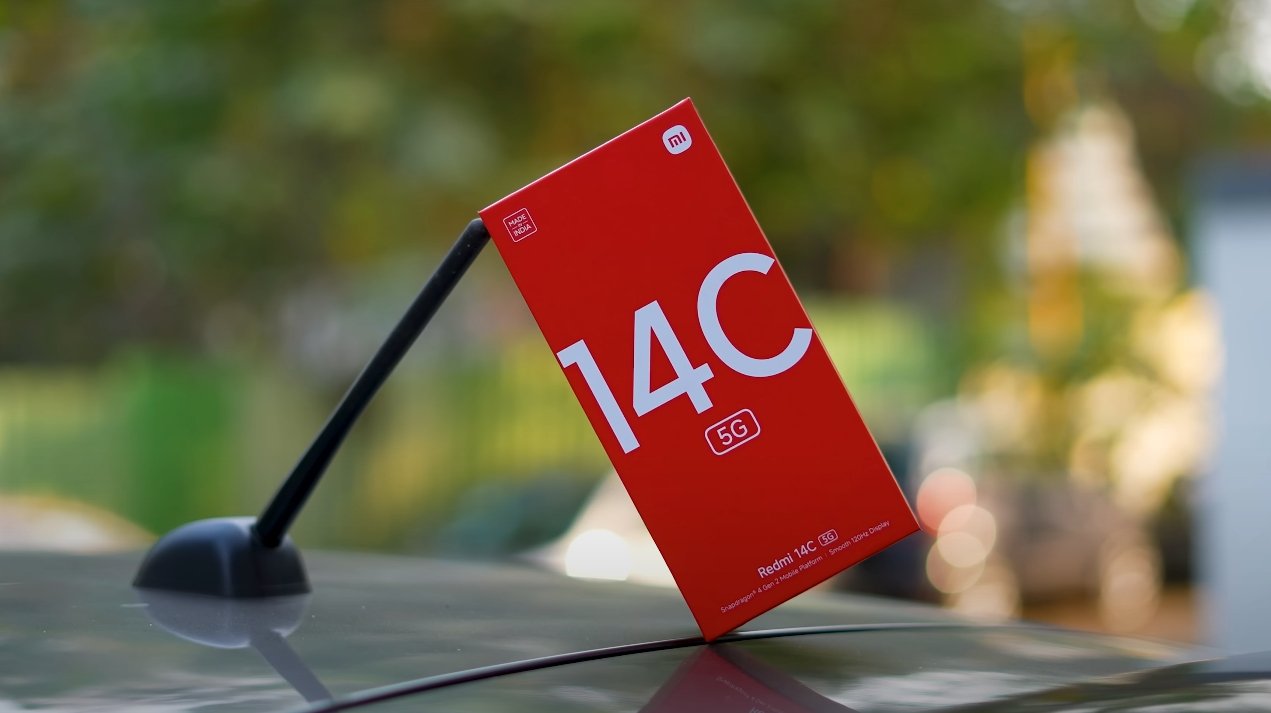
Redmi 14C 5G box

Offline shopping offers instant access


The main benefit of buying the Redmi 14C 5G offline is instant access. Users can walk into a store and walk out with the phone on the same day. Offline stores may also offer in-person customer support, which is useful for those who prefer face-to-face service.


Higher RAM variants show a wider price gap


The price difference becomes even more noticeable with the 6 GB and 8 GB RAM variants. Online platforms price them around $130 to $150, while offline sellers may ask for over $170 for the same model. This can be a deciding factor for buyers looking for more performance at a better price.


Warranty differences between online and offline


While the price online is lower, users should always check warranty policies. Some online deals include limited or international warranties, while phones bought from offline stores usually come with standard local support. Buyers who want long-term service assurance may find offline slightly more reliable.


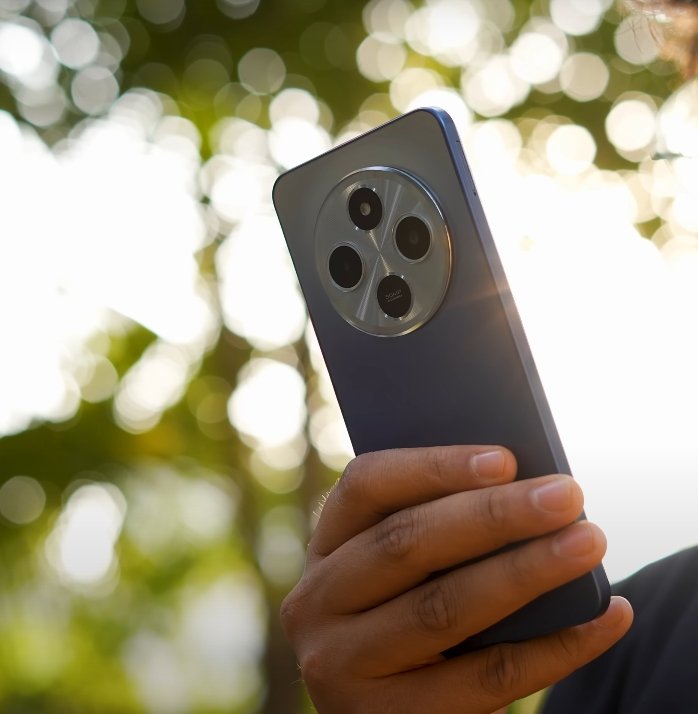
Redmi 14C 5G in hand

Which option makes more sense in the USA


For most users in the USA, buying the Redmi 14C 5G online makes more sense due to the significantly lower prices and flexible offers. However, those who prioritize immediate purchase and physical service support might prefer paying a bit more offline. In the end, the best choice depends on what matters more — savings or convenience.

Redmi 15 durability test: IP64 dust & water resistance—how useful?

Redmi 15 durability test IP64 dust & water resistance—how useful

Can Redmi 15 survive daily rough use?

The Redmi 15 has been making waves for bringing premium-style features to an affordable smartphone, and one of its biggest talking points is its IP64 dust and water resistance. For a budget phone, this rating is an impressive inclusion — but how useful is it in real-world use? Recent durability tests have shed light on just how tough this new Redmi really is.

The IP64 rating means the Redmi 15 is dust-tight and can withstand splashes of water from any direction. While it doesn’t make the phone fully waterproof, it does protect against accidental spills, light rain, or dusty environments. This is a major upgrade in the budget range, where most phones lack any form of certified resistance.

During hands-on testing, the Redmi 15 managed to survive light exposure to water with ease. A few splashes, accidental drops into shallow puddles, or use in drizzly conditions didn’t affect its performance. After drying off, the phone continued to function normally with no screen flicker or speaker distortion — a reassuring result for everyday users.

Redmi 15 durability test IP64 dust & water resistance—how useful

In dust tests, the phone also performed surprisingly well. The sealed body prevented fine particles from entering through ports and buttons, maintaining smooth tactile feedback. Xiaomi’s design uses reinforced seals and mesh layers around openings like the charging port and speakers, giving added protection during outdoor use or travel.

However, it’s important to understand what the IP64 rating doesn’t cover. Unlike flagship phones with IP68 certification, the Redmi 15 is not designed for submersion in water. It can handle splashes but should not be exposed to long soaks or heavy water pressure. So, while it’s splash-resistant, it’s still wise to keep it away from swimming pools or heavy rain.

The phone’s build quality also deserves mention. The Redmi 15 features a toughened polycarbonate frame and Gorilla Glass protection on the front, which helps resist scratches and minor drops. Drop tests show the device holds up well against everyday impacts, with only light scuffs on the corners after several falls from pocket height.

One area where users noticed improvement is the speaker design. Xiaomi has implemented a water-repellent coating on the speaker grill, reducing the risk of muffled sound after exposure to moisture. Even after brief water contact, the audio output quickly returns to normal, something uncommon in lower-priced smartphones.

Heat and pressure resistance are equally solid. The Redmi 15 doesn’t bend easily under moderate force, and the screen remains intact even when slight pressure is applied. This structural integrity adds to its reputation as one of the most durable Redmi devices in its segment.

For users who work outdoors, commute in unpredictable weather, or tend to be a bit clumsy, the IP64 rating brings peace of mind. It won’t make the Redmi 15 invincible, but it offers practical, real-world protection that genuinely matters in daily life.

Overall, Xiaomi has achieved a rare balance of affordability and toughness. The Redmi 15’s durability, backed by IP64 resistance, makes it one of the most reliable options in the budget range. It might not rival flagship waterproofing, but for its price, it’s a strong performer that can handle the occasional splash, drop, and dusty adventure with ease.

Redmi 15 colour options reviewed: which one suits you?

Redmi 15 colour options reviewed which one suits you

Picking the perfect shade for your Redmi 15

The Redmi 15 arrives with a mix of bold and elegant colours designed to appeal to a wide range of users. Xiaomi has clearly focused on giving buyers variety, offering classic and expressive finishes instead of sticking to safe shades. With multiple options available in the UK, your colour choice can influence how your phone feels in daily use — from professional to playful.

One of the most popular finishes is Midnight Black, a timeless option that combines sophistication with practicality. It hides fingerprints better than most lighter shades and gives the phone a clean, business-friendly appearance. For professionals or users who prefer a subtle look, this is the most versatile colour. It also complements any type of case, from transparent to leather.

For those who prefer something more modern, Titan Grey sits comfortably between minimalism and style. It gives the Redmi 15 a metallic sheen that looks premium under light without being flashy. This finish suits users who want a refined aesthetic that still stands out quietly. It’s also a good middle ground if you find black too plain and colourful variants too bright.

Redmi 15 colour options reviewed which one suits you

If you like your phone to show some character, Sandy Purple is the standout choice. This colour option brings a vibrant, youthful energy that’s ideal for users who enjoy expressive designs. Under sunlight, the gradient finish reflects subtle tones, adding personality without going overboard. It’s perfect for social users, students, or anyone who wants their phone to make a statement.

Some versions of the Redmi 15 are available in Royale Chrome, a limited edition look that adds a glossy, almost mirror-like finish to the back panel. While it looks stunning out of the box, this version can be prone to fingerprints and smudges, so it’s best used with a clear protective case. It’s ideal for buyers who appreciate premium styling and don’t mind a little extra maintenance.

Colour isn’t just about looks — it also affects how durable your phone appears over time. Darker colours like black and grey tend to age better, hiding small scratches and marks. Lighter or glossy finishes may require more frequent cleaning but deliver a more striking presence. In the UK’s often cloudy weather, brighter colours like Sandy Purple can stand out more clearly outdoors.

Beyond looks, Xiaomi’s design team has balanced the texture and feel of each finish. The matte coatings on Titan Grey and Midnight Black resist smudges, while glossy versions like Royale Chrome feel smoother but can be slippery. Whichever you choose, the phone’s curved edges and matte side frame give all variants a consistent, comfortable grip.

The choice of colour may also depend on the variant you select. The 8GB + 256GB configuration is often paired with darker tones like Black or Grey, while the 6GB + 128GB model frequently appears in brighter shades such as Purple. Buyers looking for both style and performance might consider matching their preferred aesthetic with the higher memory option for future-proofing.

Resale value is another small but practical factor. Historically, neutral shades such as Black and Grey tend to attract more buyers later, as they appeal to a wider audience. Meanwhile, bolder colours like Purple are better for users planning to keep the phone long-term, as they reflect a more personal style.

Ultimately, the best colour depends on how you use your phone and what impression you want it to make. If you prefer a sleek, understated look, Midnight Black is a safe and elegant pick. For something modern yet balanced, Titan Grey offers quiet sophistication. And for those who love individuality and style, Sandy Purple brings the right mix of fun and flair. With thoughtful design and durable finishes, every Redmi 15 colour delivers a distinct personality to match your lifestyle.

Redmi 14C 5G Smooth Performance or Lag Issues Found

Redmi 14C 5G Smooth Performance or Lag Issues Found

General day-to-day performance feels smooth


For most users, the Redmi 14C 5G delivers smooth performance during everyday tasks. Opening apps like social media, messaging, and web browsers happens without noticeable delays. Scrolling and navigation feel fluid thanks to the 120Hz display, which helps mask minor hardware limitations.


Occasional lag appears during heavy multitasking


Some users report slight lag when running multiple apps simultaneously or switching quickly between resource-heavy applications. This is likely due to the budget Snapdragon 4 Gen 2 chipset and eMMC storage, which can slow down app loading times and multitasking efficiency.


Gaming performance is decent but not flawless


While casual games run smoothly, intensive titles sometimes show frame drops or stuttering. This occasional slowdown doesn’t ruin the gaming experience but is noticeable for users expecting flagship-level performance.


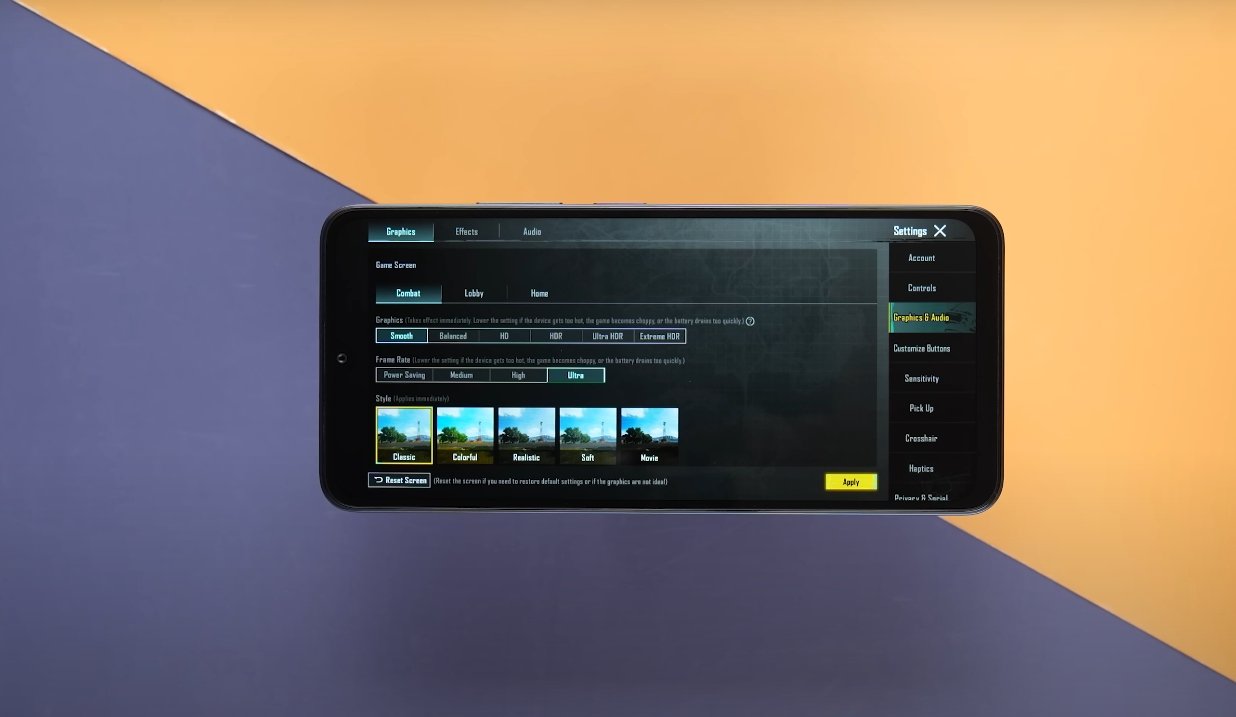
Redmi 14C 5G game play setting

Software optimization keeps the UI responsive


The MIUI version on Redmi 14C 5G is well optimized for its hardware. Background processes are managed efficiently, which helps maintain smooth UI responsiveness for basic tasks, messaging, and video playback.


Storage type impacts app loading speed


A key factor affecting perceived lag is the phone’s use of eMMC storage, which is slower than UFS alternatives. This means apps and updates may take longer to open and install, especially noticeable with larger applications.


Battery and temperature do not cause performance throttling


Even during longer usage sessions, users report no significant heating or throttling that would affect performance. This keeps the phone stable for daily use without sudden slowdowns.


Final verdict on Redmi 14C 5G performance and lag


Overall, the Redmi 14C 5G provides a smooth experience for casual users focused on basic smartphone needs. Some lag during multitasking or gaming is expected given the hardware but remains manageable. For budget buyers prioritizing price and 5G connectivity, it’s a sensible choice.

Also Read:  Infinix Note 50x 5G Gaming Performance and Heating Result