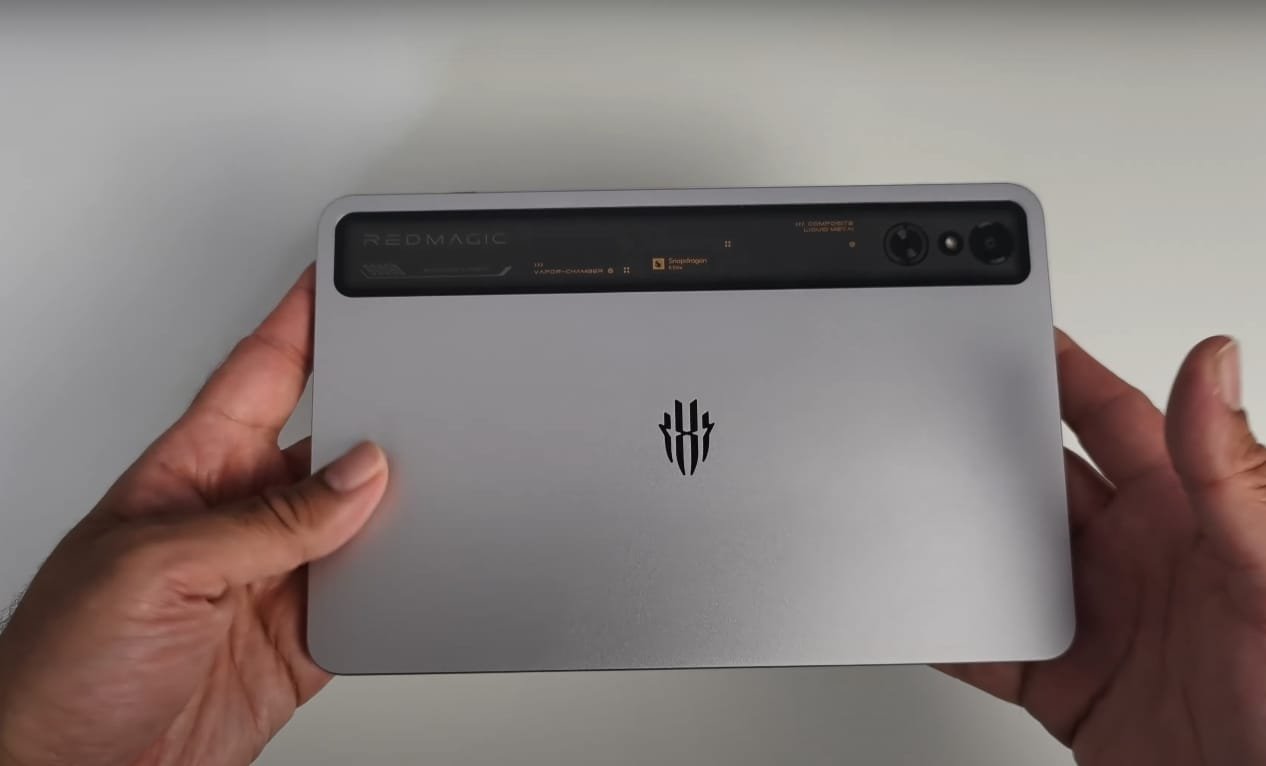
RedMagic Astra Gaming Tablet Price in UK with Full Specs

RedMagic Astra Gaming Tablet Price in UK with Full Specs

RedMagic Astra Gaming Tablet is now available for global buyers and is quickly becoming the top choice for gamers. Built to handle intense gaming with ease, this tablet combines speed, power and excellent thermal control, making it ideal for high frame rate mobile gaming.


RedMagic Astra Tablet UK Price and Variant Options


In the UK, the RedMagic Astra tablet is priced at 439 pounds for the base model which comes with 12 GB RAM and 256 GB storage. This launch price puts it in a competitive segment compared to other gaming tablets.


During the early pre order offer, the tablet was available at a discount along with a free 80W charger but the open sale price is now confirmed at 439 pounds. Higher variants with 16 GB RAM and 512 GB storage or 24 GB RAM with 1 TB storage are expected to be revealed soon for the UK market, but no official pricing is available yet for those options.
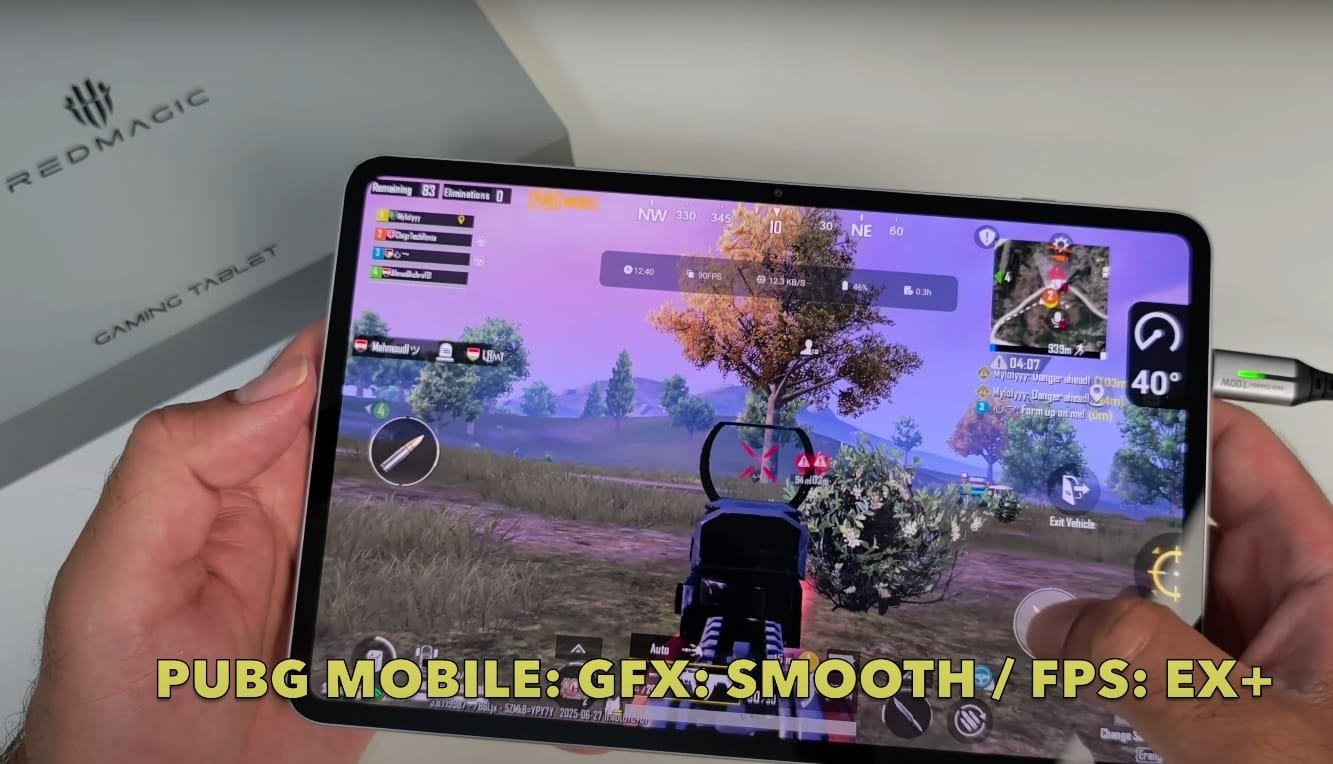
RedMagic Astra PUB G Game play

Display Size and Refresh Rate


RedMagic Astra comes with a 9.06 inch OLED display that is designed for smooth gameplay. It supports a 165 Hz refresh rate which ensures high fluidity during fast paced games. The display quality is sharp and rich with a 2.4K resolution which allows gamers to enjoy every detail clearly.


High brightness of up to 1600 nits makes it easy to use the tablet even in outdoor environments. The tablet also offers an ultra fast 2000 Hz touch response which is very useful for gamers who need instant reaction and low latency while playing competitive titles.


Performance for Gaming and Daily Use


This tablet is powered by the Snapdragon 8 Gen 3 Elite processor which is currently one of the fastest chips available for mobile gaming. It is further enhanced by RedCore R3 Pro chip that boosts gaming visuals using AI. The tablet uses LPDDR5T RAM and UFS 4.1 Pro storage technology for faster loading and smooth performance.


Gamers can easily play demanding games like Genshin Impact or Call of Duty Mobile at over 120 FPS with stable performance. There are no frame drops or heating issues even during long gaming sessions.


Battery Size and Charging Power


The RedMagic Astra is backed by an 8200 mAh battery which is well suited for gaming and multimedia. With support for 80W fast charging, it can reach 50 percent in just 20 minutes. On a full charge, the tablet can deliver nearly six and a half hours of gaming or over thirty hours of video streaming.


This means users can enjoy extended gaming without needing to charge frequently and even when required, the fast charger gets the job done quickly.

RedMagic Astra Gaming FPS

Cooling System and Thermal Performance


The Astra tablet includes an ICE X cooling system which uses vapor chamber technology, a liquid metal layer and a built in fan. This advanced system helps reduce the internal temperature by up to twenty seven degrees Celsius during gameplay.


The RGB fan not only adds a cool look but also contributes to heat control which ensures lag free gaming even during extended sessions.


Camera Setup and Front Features


Although it is a gaming tablet, the RedMagic Astra does include a 13 megapixel rear camera and a 9 megapixel front camera. These are best suited for video calls, online meetings and casual photos.


Also Read:  ipad 11 vs samsung galaxy tab S10 FE game play review


Daylight photos come out clear while low light performance is average. For security and quick access, the tablet supports face unlock and a side mounted fingerprint sensor.


Audio and Gaming Vibration Features


The tablet includes dual speakers tuned with DTS X Ultra which gives powerful and immersive audio output during games and movies. It also includes dual X axis vibration motors that offer realistic haptic feedback during gameplay. These features enhance the overall user experience and make the device more immersive for players.


Software and Special Additions


RedMagic Astra runs on RedMagic OS 10.5 based on Android 15. The user interface is designed with gamers in mind and offers features like Game Cube performance control, AI assistant, PC emulation, console streaming and more.


The tablet also includes a USB Type C 3.2 Gen 2 port which supports 8K video output and fast data transfer for accessories.


Final Thoughts on RedMagic Astra Tablet UK Launch


RedMagic Astra is a complete gaming tablet that delivers desktop level performance in a portable form. With a 165 Hz OLED screen, fast processor, built in cooling fan and large battery, it is ideal for users who want serious power without switching to a gaming laptop.


At a price of 439 pounds in the UK, the tablet stands out as a strong option in the premium gaming category. For gamers who want reliable performance, excellent visuals and long play sessions, RedMagic Astra is an excellent choice to consider in 2025.

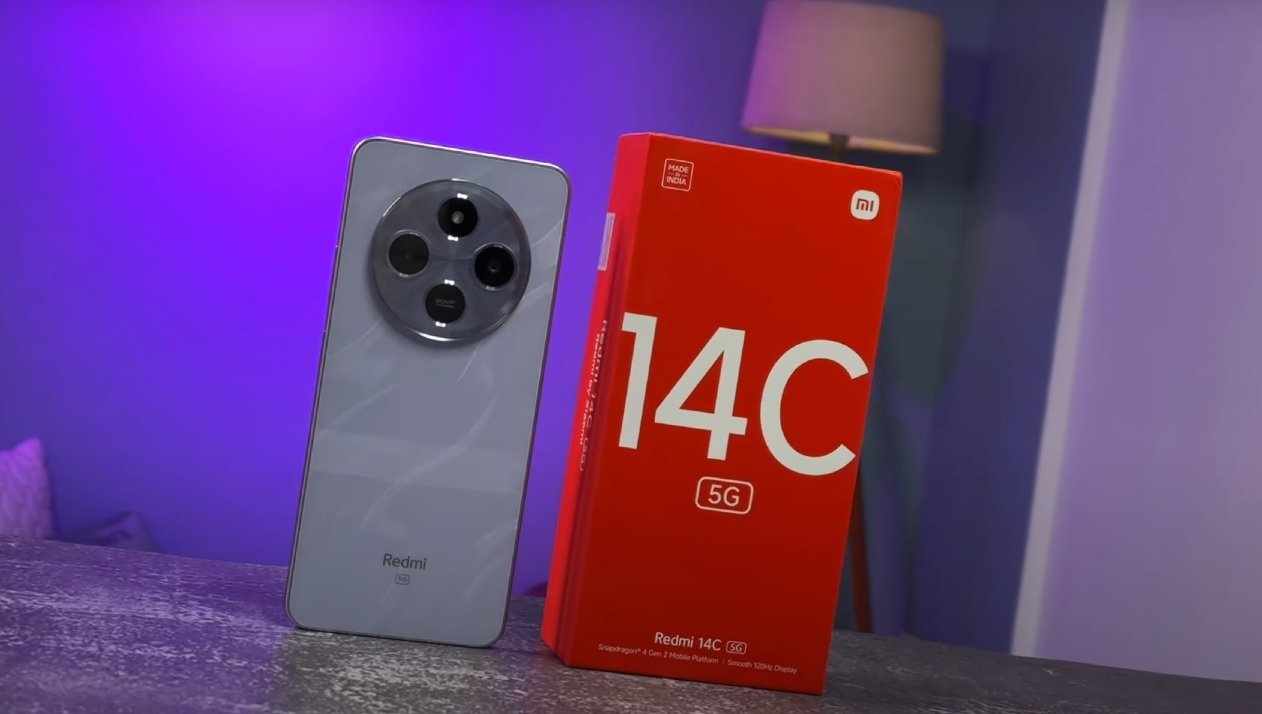
Redmi 14C 5G User Reviews Point Out Pros and Cons

Redmi 14C 5G User Reviews Point Out Pros and Cons

Display and battery life receive positive feedback


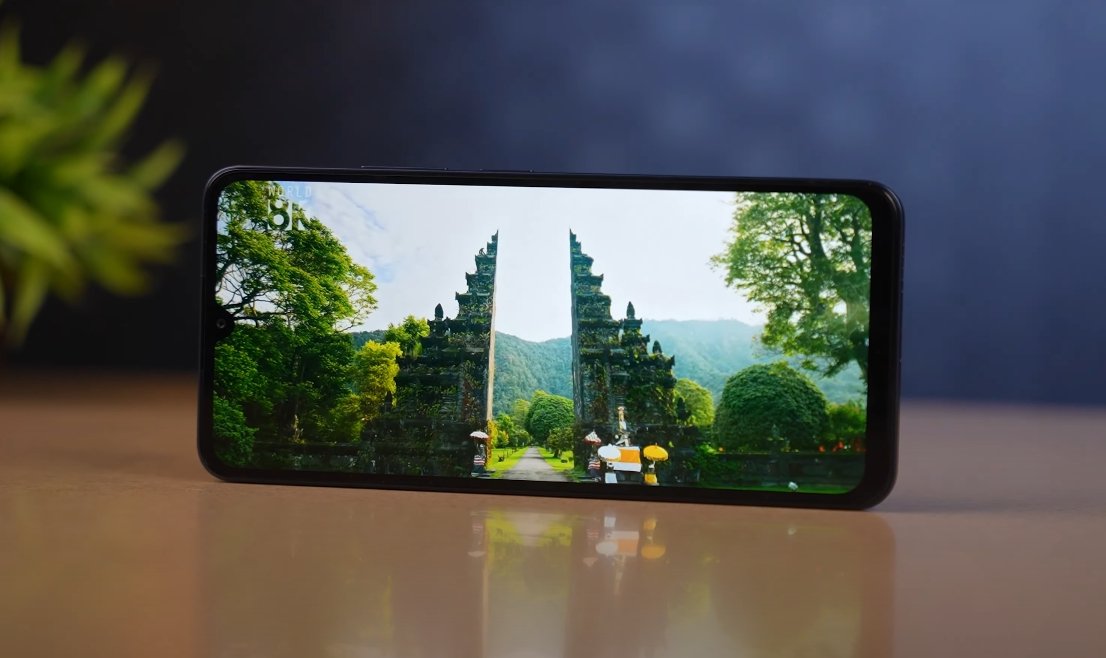
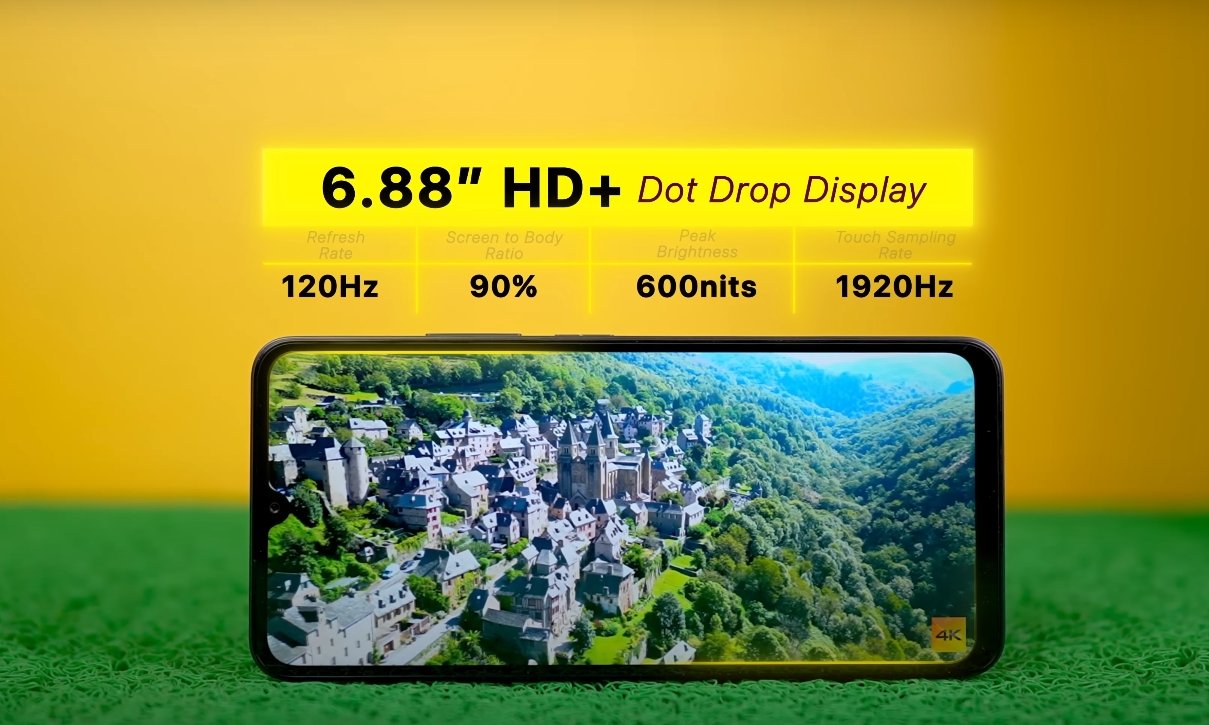
Most users are happy with the Redmi 14C 5G’s large 6.88-inch display and 120Hz refresh rate. They find it smooth for scrolling through social media and watching videos. The screen size also makes reading and browsing more comfortable. Alongside this, the 5160mAh battery has been praised by users for lasting more than a full day on a single charge. Even after moderate gaming and streaming, the battery holds up well.


Performance is good for everyday use


Buyers mention that the phone handles routine tasks like calling, messaging, YouTube, and app switching without any noticeable slowdown. The Snapdragon 4 Gen 2 chipset combined with MIUI or HyperOS (depending on the version) provides a clean and responsive experience. Users with the 6GB RAM model report smoother multitasking, while the 4GB variant performs best with limited apps running at once.


Camera performance gets mixed reactions


Users have found the rear camera to be decent in good lighting, producing clear and usable photos for social media. However, some feel the camera quality drops in low-light conditions, where images may look soft or lack detail. The front camera is considered average—fine for video calls but not for high-quality selfies. Overall, the camera works but is not a strong selling point according to user feedback.


Redmi 14C 5G User Reviews

Build quality is appreciated in this price segment


Many reviewers are surprised by how sturdy and well-built the phone feels for a budget device. The matte finish on the back helps prevent fingerprints, and the phone doesn’t feel cheap in hand. Users also like that a protective case is included in the box, which adds to the overall value.


Some users point out missing features


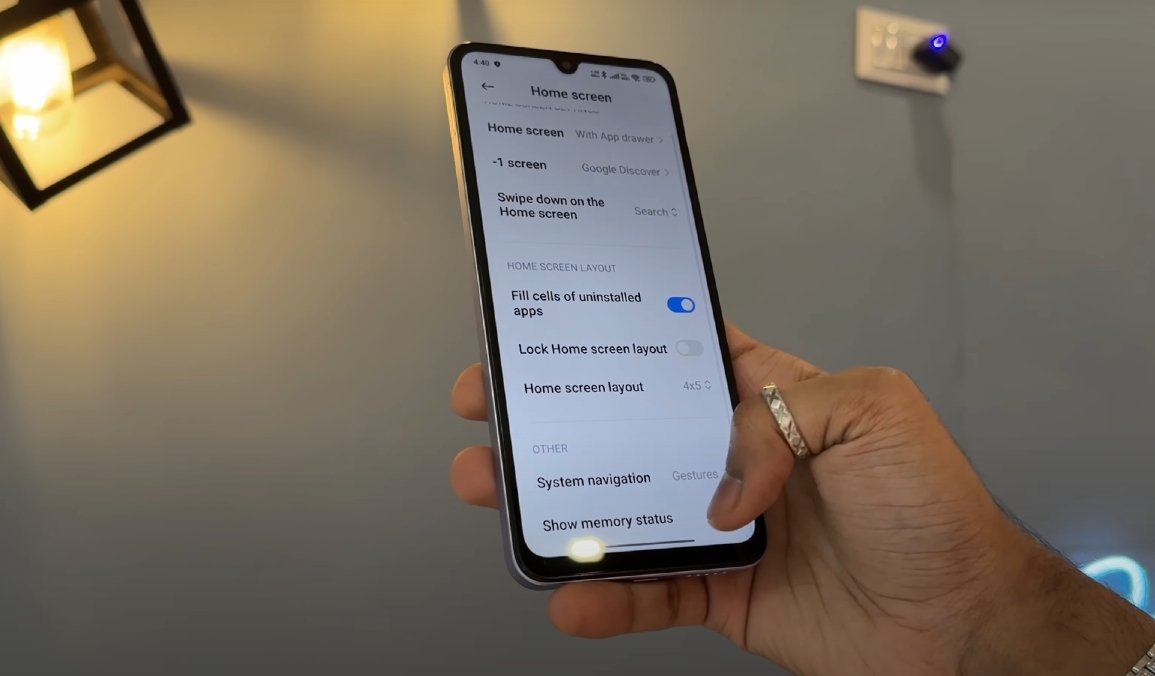
A few users have reported the absence of features like split-screen multitasking or floating windows, especially those coming from slightly older Redmi models. There are also complaints about pre-installed apps, although most can be uninstalled. These downsides are seen as minor trade-offs given the phone’s low price.


Final user verdict on value


Overall, Redmi 14C 5G reviews show that most users find the phone to be a great budget option. It excels in battery life, display quality, and day-to-day performance. The main compromises are in the camera and some software features, but for the price, many say it delivers solid value and is worth buying for casual users and first-time 5G phone owners.

Redmi 15 display revealed: 6.9″, 144Hz — better than many mid-range phones

Redmi 15 display revealed 6.9, 144Hz — better than many mid-range phones

Xiaomi raises the bar for budget phone displays

Xiaomi has officially confirmed the display specifications of its upcoming Redmi 15, and the numbers are catching everyone’s attention. The phone will feature a massive 6.9-inch Full HD+ panel with a 144Hz refresh rate, a combination that even many mid-range handsets fail to match. This reveal has stirred excitement among budget buyers looking for premium-level visual performance at a lower price.

The 6.9-inch display is one of the largest screens ever used in the Redmi series, giving users a tablet-like experience. Xiaomi claims the panel will offer crisp resolution, rich colours, and excellent contrast, making it ideal for watching videos, gaming, or browsing. The company has focused on improving viewing angles and brightness levels to ensure the display remains vivid even in outdoor conditions.

What makes this display truly stand out is its 144Hz refresh rate. This feature, once exclusive to gaming or flagship phones, enables smoother animations, faster scrolling, and a noticeably more fluid user experience. Xiaomi says it’s designed to adapt intelligently, lowering the refresh rate when high performance isn’t needed to conserve battery life.

Redmi 15 display revealed 6.9, 144Hz — better than many mid-range phones

Early testers have reported that the display feels exceptionally responsive, especially during gaming and multitasking. Touch accuracy appears refined, and the adaptive refresh rate transitions smoothly between different modes. For users upgrading from 60Hz or even 90Hz panels, the Redmi 15’s display offers a dramatic improvement in smoothness and overall quality.

Xiaomi has also added protection and durability to the mix. The panel is said to come with Corning Gorilla Glass protection and IP64 resistance for dust and water splashes, features rarely seen at this price. This combination could make the Redmi 15 one of the most durable and display-focused budget smartphones in its category.

In terms of design, Xiaomi has minimised bezels to give a nearly edge-to-edge viewing experience, while keeping the front camera in a small punch-hole cutout. Despite the large screen size, the phone is expected to remain reasonably slim and comfortable to hold, thanks to smart weight balancing and curved edges.

Xiaomi is positioning the Redmi 15 as a device that delivers flagship-like visuals without the flagship cost. The company’s focus on display technology reflects its strategy to bring high-end entertainment features to more affordable smartphones. For many users, the screen alone could be the biggest reason to consider this phone over mid-range competitors.

Compared to rivals in its price segment, such as Samsung’s Galaxy A-series and Realme’s number series, the Redmi 15’s 144Hz panel offers a smoother experience. Many mid-range models still settle for 90Hz or 120Hz refresh rates, giving Xiaomi a clear edge in display performance.

The announcement also hints at Xiaomi’s broader plans for 2025, as the brand continues to blur the line between budget and premium. If real-world performance matches the claims, the Redmi 15 could set a new benchmark for display quality in affordable smartphones.

With such bold specifications, the Redmi 15 is shaping up to be more than just another budget release. Its display could redefine expectations in the under-£200 segment, proving that flagship-level screens no longer have to come with flagship prices.

Redmi 15 connectivity review: 5G, WiFi, bands for UK buyers

Redmi 15 connectivity review 5G, WiFi, bands for UK buyers

Redmi 15 5G Network and Connectivity Performance for UK Users

The Redmi 15 5G has entered the mid-range smartphone market with an appealing promise of affordable 5G access. Connectivity is one of its strongest selling points, especially for users in the UK looking for a budget-friendly device compatible with local networks.

The handset supports a comprehensive set of network bands, including 2G (GSM 2/3/5/8), 3G (WCDMA 1/2/4/5/8/6/19), and 4G LTE (FDD 1/2/3/4/5/7/8/12/13/17/18/19/20/26/28/32/66/71, TDD 38/40/41/42/48). Most importantly, it covers 5G SA/NSA bands such as n1, n3, n5, n7, n8, n20, n28, n38, n40, n41, n66, n77, n78, and n71 — which ensures extensive global coverage, including key frequencies used in the UK.

For UK users, this is encouraging news. Major carriers like EE, Vodafone, O2, and Three primarily utilise bands n78 and n28 for 5G, both of which are supported by the Redmi 15. The inclusion of 4G LTE Band 20, commonly used for rural coverage, further strengthens the device’s appeal for reliable nationwide connectivity.

Redmi 15 connectivity review 5G, WiFi, bands for UK buyers

WiFi performance on the Redmi 15 5G is stable and consistent. The device supports both 2.4GHz and 5GHz dual-band WiFi, offering steady speeds for streaming, gaming, and browsing. While it does not feature WiFi 6E or WiFi 7, most users in the UK will find its performance adequate for everyday needs, with strong signal stability across standard home routers.

Bluetooth 5.1 adds another layer of convenience, enabling seamless pairing with wireless earbuds, smartwatches, and car infotainment systems. It ensures low latency and reliable connections, even in environments with multiple active Bluetooth devices.

In real-world conditions, the Redmi 15 5G has shown consistent signal retention and data speeds comparable to other mid-range 5G phones. Users have reported smooth transitions between 4G and 5G networks without noticeable interruptions during calls or data-heavy tasks like streaming HD video.

One point of consideration for UK buyers is regional certification. Imported units may lack official UK network approvals, which could impact support for features like VoLTE or WiFi calling. Purchasing through authorised UK retailers is advisable to guarantee full compatibility and software updates tailored for British networks.

Battery performance also complements its connectivity capabilities. The efficient modem and optimised system help maintain long usage times even during 5G activity, which typically drains batteries faster. This makes the Redmi 15 a practical option for commuters or professionals relying on mobile data throughout the day.

In summary, the Redmi 15 5G offers an impressive set of connectivity features for its price. With broad 5G and LTE band support, dual-band WiFi, and reliable Bluetooth, it stands out as one of the most accessible entry-level 5G smartphones for UK users. Buyers should simply ensure they purchase the correct variant for their carrier to unlock the phone’s full network potential.

For those seeking an affordable yet capable 5G handset that performs reliably across UK networks, the Redmi 15 5G proves to be a strong contender in 2025’s budget smartphone segment.

Redmi 14C 5G Heating Issues Found or Runs Cool Under Load

Redmi 14C 5G Heating Issues Found or Runs Cool Under Load

Day to day usage stays within safe temperature


In daily use, the Redmi 14C 5G handles temperature well. Activities like calling, social media browsing, video streaming, and light app switching do not generate any noticeable heat. Users report that the phone remains cool even after extended YouTube sessions or browsing for over an hour. This shows that the phone’s thermal management is optimized for regular usage.


Basic gaming does not push the phone too hard


When tested with casual games like Subway Surfers or Free Fire, the Redmi 14C 5G stays relatively cool. Frame drops are minimal at low settings, and there are no signs of heating even after 20 to 30 minutes of continuous gameplay. The phone does get slightly warm around the rear camera area, but it never becomes uncomfortable to hold.


Stress testing shows expected results


Under heavy load conditions, like running multiple apps alongside a game or using background downloads with high screen brightness, the phone does get warm. However, this level of heating is common in budget phones and remains within safe levels. It does not affect performance or cause thermal throttling in short sessions.


Redmi 14C 5G Heating Issues Found

Charging temperature remains under control


When charging with the included 10W charger, the phone maintains a steady temperature. Even after charging for over an hour, the back of the phone only gets mildly warm. There have been no complaints of overheating while charging, which is a positive sign for long-term usage safety.


No reports of overheating from real users


So far, early buyers of the Redmi 14C 5G have not reported any serious heating problems. Social media feedback and user reviews suggest that the phone runs cool during general use and only heats slightly under prolonged multitasking or gaming. There are no widespread complaints about overheating or auto shutdowns.


Good thermal control for a budget 5G phone


Considering its affordable price, the Redmi 14C 5G handles temperature impressively well. It avoids major heating issues while delivering smooth everyday performance. The Snapdragon 4 Gen 2 chipset and MIUI software work together to prevent unnecessary load on the system, which helps keep the phone cooler during extended use.


Verdict on Redmi 14C 5G heating performance


The Redmi 14C 5G runs cool under most conditions and only gets warm with heavy multitasking or longer gaming sessions. This level of heat is expected and manageable. Overall, there are no serious heating concerns, and the phone offers good thermal stability for its price segment.

Redmi K90 Pro Max first-look gallery: hands-on photos you must see

Redmi K90 Pro Max first-look gallery hands-on photos you must see

Early Impressions of Design, Finish and Build Quality

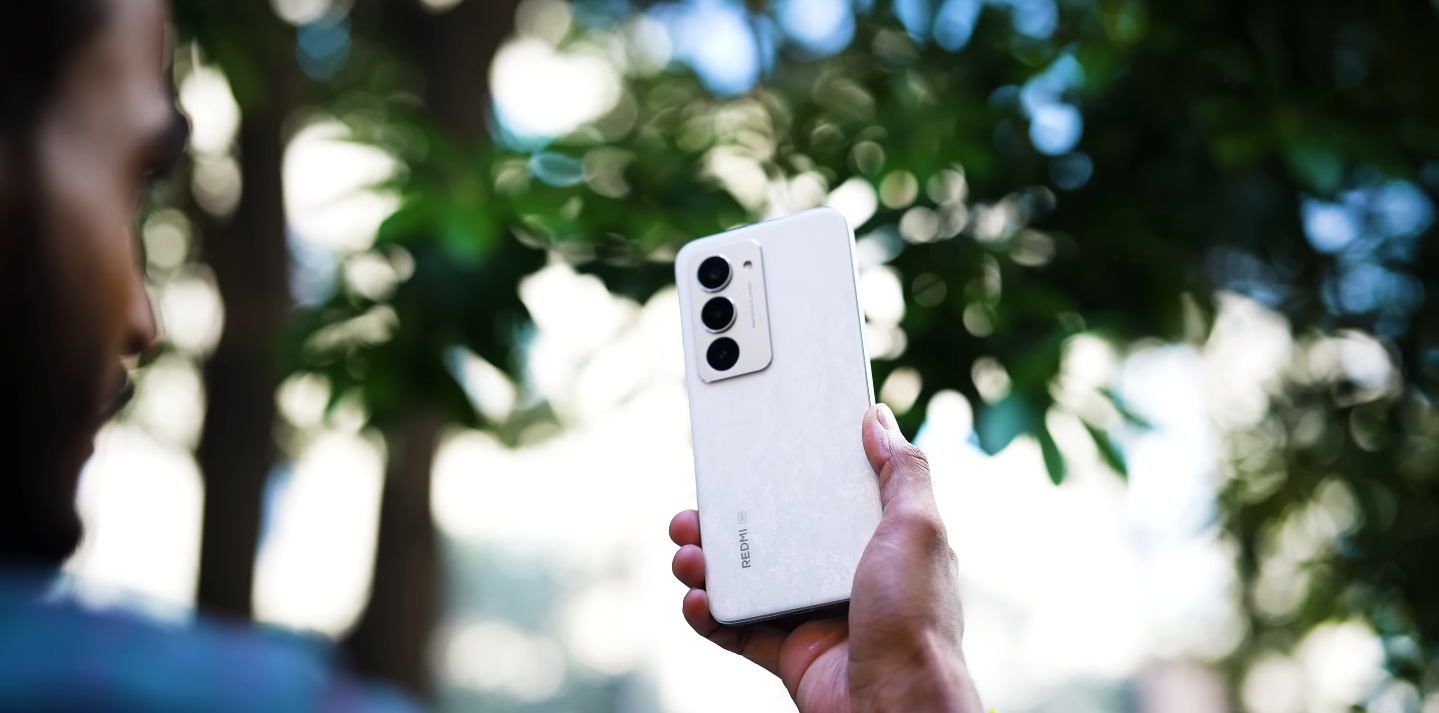
The Redmi K90 Pro Max has attracted strong attention since its introduction, not only for its specifications but also for its design. Early hands-on impressions highlight how the device feels in the hand, the detailing of the camera module and the overall build direction. For users who care about physical presence and finish, the first-look gallery gives a clear idea of how the phone stands out in real usage situations.

The phone features a large display with very slim bezels, making it appear almost all-screen from the front. The centrally placed punch-hole maintains symmetry and keeps distractions minimal during content viewing. The screen is designed to provide smooth motion with a high refresh rate, meaning scrolling, gaming and animations appear fluid. This combination gives the phone a premium look when viewed head-on.

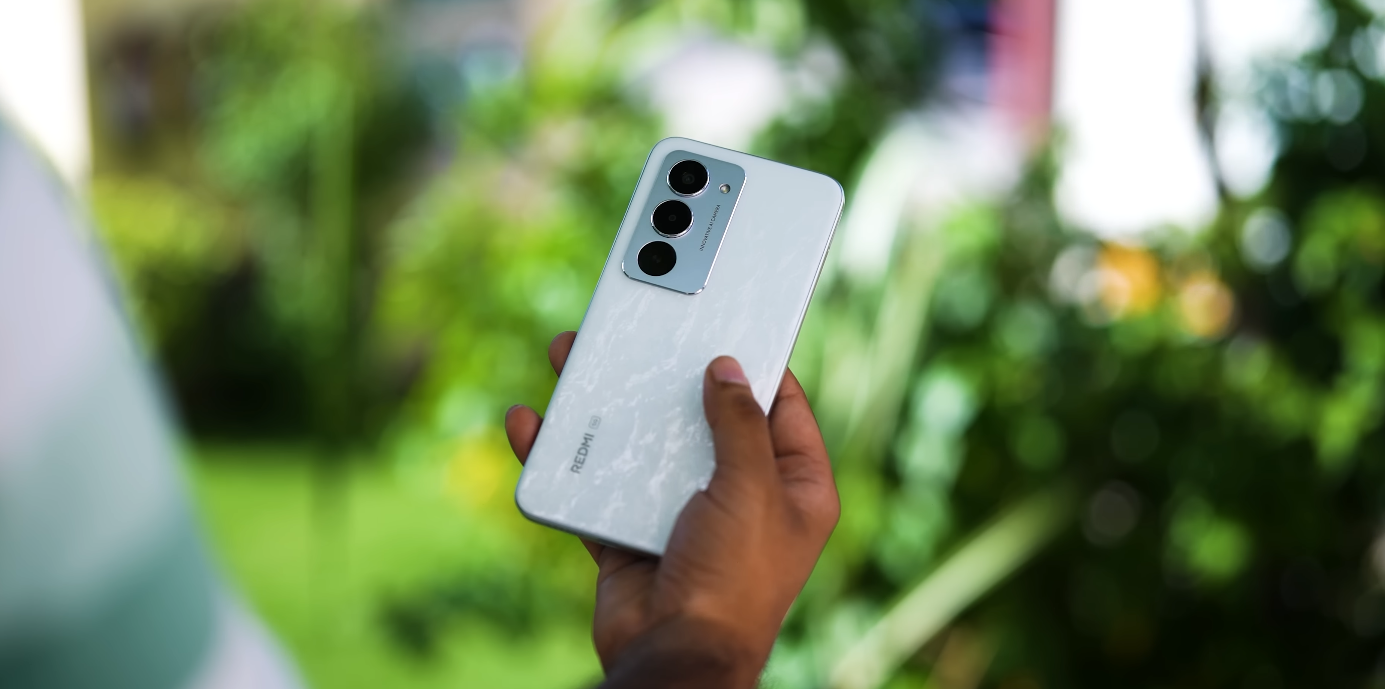
Turning to the back, one of the most striking design choices is the finish. The Redmi K90 Pro Max is available in multiple textures and colour tones, including a version with a leather-style material that offers grip and a distinct visual identity. This finish helps reduce fingerprints and provides a tactile feel that differs from traditional glossy or matte glass designs seen in many flagships.

Redmi K90 Pro Max first-look gallery hands-on photos you must see

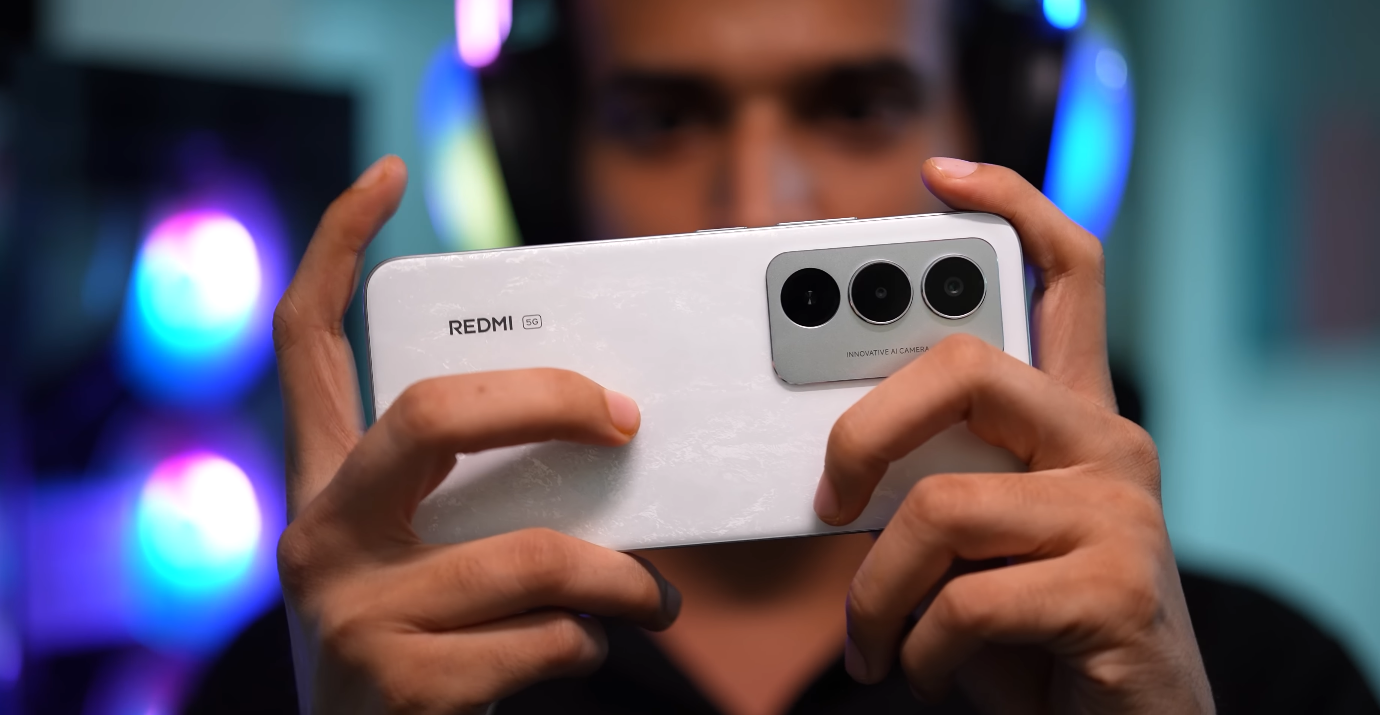
The camera module has been designed to be visually prominent. It includes a triple-lens layout with clear framing and separation between the sensors. The presence of a periscope telephoto lens is noticeable through its rectangular opening, which immediately signals that the device is built for versatile photography use. The alignment and spacing appear deliberate, giving the back of the phone a balanced structure.

In terms of hand feel, early impressions show that despite the large battery and display, the phone retains a manageable thickness. The side frame appears refined and smooth, contributing to comfort when holding the device for long periods. Weight distribution also seems considered, which can be important for users who plan to use the phone frequently for photography, gaming or reading.

The front and back curve transitions are smooth, helping avoid sharp edges where fingers naturally rest. For users who hold their phone without a case, this smooth contour is particularly useful. Those who use cases will be able to find the edges easy to grip due to the maintained frame outline. The overall ergonomics appear balanced even with the large screen.

The colour options shown in early looks range from understated professional tones to bolder, visually expressive finishes. The denim-style blue variant stands out for offering a design approach that breaks away from typical polished metallic or plain matte choices. Meanwhile, lighter shades provide a more traditional flagship appearance that appeals to users looking for simplicity and refinement.

Attention has also been given to the speaker layout and audio appearance. Branding near the camera module indicates the device’s premium audio tuning. This may matter to users who consume media frequently and prefer phones that project strong sound without requiring external accessories. The speaker placement aims to enhance clarity when the phone is held in landscape mode.

Button placement and port arrangement follow a familiar structure, making it easy for long-time smartphone users to adapt without adjustment. The power and volume keys sit along the frame where the thumb and fingers naturally rest. The structure around the camera bump looks reinforced, helping avoid wobbling when the device is placed flat on a table.

Overall, the Redmi K90 Pro Max first-look impressions show a device that aims to blend practicality with visual identity. The slim bezels, textured rear finish and well-structured camera system all contribute to a confident presence. For users who appreciate smartphones that show refinement in both form and function, the early hands-on gallery suggests a strong, polished approach to design.

Redmi 15 camera test: 50MP main sensor, how good is it in low light?

Redmi 15 camera test 50MP main sensor, how good is it in low light

Redmi 15’s 50MP camera faces the real test under dim lighting

The Redmi 15 has arrived with a 50MP primary camera, aiming to deliver flagship-level photography at a mid-range price. Xiaomi highlights the sensor as one of the main selling points of the phone, promising crisp detail and better night performance. But how well does it actually perform when the lights go down? Early reviews and real-world testing paint a more balanced picture.

In bright daylight, the Redmi 15’s main sensor captures images with excellent sharpness and natural tones. Colours appear vivid without being overly saturated, and dynamic range holds up well for a mid-range phone. The AI camera tuning helps boost contrast, making outdoor shots and landscapes look lively. However, the camera setup remains modest, with just two lenses, meaning there’s limited flexibility compared to triple or quad-camera systems.

The true challenge comes in low-light environments. Under dim indoor lighting, the 50MP sensor tends to introduce visible noise, softening textures and fine details. The phone’s night mode automatically enhances brightness but sometimes overexposes key areas. This results in washed-out highlights, especially around streetlights or illuminated signs. It’s clear that while the night mode improves visibility, it doesn’t fully preserve depth and contrast.

Redmi 15 camera test 50MP main sensor, how good is it in low light

Xiaomi claims the new image processing algorithm helps balance shadows and highlights more effectively. While this is partially true in moderate lighting, the difference becomes less impressive in near-dark situations. Compared with rival models from Samsung or Realme in the same price segment, the Redmi 15’s night photos appear slightly less detailed, with more grain and less accurate colour tones.

Despite these limits, casual users will find the low-light results acceptable for social media and everyday snapshots. The phone captures usable images in restaurants, indoor gatherings, or dim cafés, where lighting is uneven but not extremely dark. The automatic HDR and AI scene detection add some recovery in tricky lighting, keeping faces clear and bright. For users who mainly shoot photos for Instagram or WhatsApp, the results are more than sufficient.

Video recording in low light follows a similar trend. The Redmi 15 supports 1080p at 60fps, but stabilisation struggles under low illumination. Footage tends to look softer, with some jitter in handheld movement. The electronic image stabilisation works decently in daylight, yet noise creeps in under artificial lights. It’s serviceable for casual video clips but not for professional use or vlogging.

During testing, the night mode took around two to three seconds to process each frame, which can cause mild blurring if the phone isn’t perfectly steady. This longer exposure time demands patience and stable hands. Xiaomi has included a handheld night mode that slightly reduces processing time, but results are a mix between brightness and sharpness trade-offs.

Where the Redmi 15 redeems itself is colour accuracy in mixed lighting. Skin tones remain natural, and the AI processing avoids the harsh orange tint often seen in budget smartphones. The LED flash performs evenly and can save close-up shots in near darkness. For portraits, the edge detection is reliable, although finer hair details can appear smoothed out.

In real-world use, UK testers have noted that the camera performs well enough during grey skies and indoor settings typical of British weather. It manages to brighten scenes without introducing excessive glare, though overall sharpness decreases noticeably at night. For typical evening photography, users might need to rely on the dedicated night mode or external lighting for better clarity.

Ultimately, the Redmi 15’s 50MP main sensor delivers dependable performance for its price but does not break new ground in low-light photography. It excels in daylight and indoor lighting but struggles under very dim conditions. For everyday shooting, it’s a reliable companion, offering great results when lighting is fair. However, those seeking professional-grade low-light images may find its limits quickly. The Redmi 15 proves once again that even with advanced sensors, software processing plays a crucial role in real-world camera quality.

Also Read:  Xiaomi 17 Pro Max vs Xiaomi 17 Pro: is the Pro Max worth the extra cash?

Redmi 15 camera zoom & ultra-wide test: how far does it go?

Redmi 15 camera zoom & ultra-wide test how far does it go

Redmi 15’s camera versatility put to the test

The Redmi 15 brings attention not only for its massive battery and large display but also for its upgraded 50MP camera setup. Xiaomi highlights improved image processing and AI-assisted photography as key strengths, but how well does the phone handle zoom and ultra-wide performance in everyday use? To find out, we look at how far the Redmi 15 can really go with its dual-lens system.

The main camera on the Redmi 15 captures detailed and balanced shots in daylight. However, when switching to ultra-wide mode, results begin to show the limits of its mid-range positioning. The ultra-wide lens does a good job of expanding the frame, allowing users to fit more into each shot, but it sacrifices some sharpness and depth at the edges. For landscape photos or group pictures under bright light, it performs well enough, though edge distortion and noise become noticeable in lower light conditions.

Xiaomi’s image algorithm attempts to compensate by enhancing exposure and colour accuracy. While it manages to brighten shadows effectively, the ultra-wide shots sometimes appear slightly over-processed, with colours leaning toward saturation. The results are visually appealing for social media but less natural than those from higher-end camera systems. Despite this, the ultra-wide feature is a welcome addition for users who enjoy scenic photography without needing to step back physically.

Redmi 15 camera zoom & ultra-wide test how far does it go

When it comes to zoom, the Redmi 15 relies entirely on digital zoom rather than optical hardware. This means the main 50MP sensor crops into the image to simulate closer shots. Up to 2× zoom, the images retain decent clarity and detail, suitable for everyday snaps. However, beyond 3×, the quality drops quickly — textures become soft, and fine details such as lettering or facial features blur under inspection. The digital sharpening algorithm tries to compensate, but it can’t fully recover lost detail.

In bright daylight, zoomed photos remain usable, especially for casual photography or quick captures from a distance. But under cloudy skies or indoor lighting, the camera struggles to maintain contrast. Grain appears in darker areas, and highlights sometimes clip due to limited dynamic range. These compromises are expected for a phone at this price, where hardware zoom modules are usually absent.

The camera app itself is straightforward, offering quick toggles between wide, standard, and zoom views. Switching between lenses feels smooth, and there’s minimal lag while changing modes. Xiaomi’s night mode is available for both the main and ultra-wide lenses, but results vary. The night shots with the ultra-wide sensor tend to appear softer, with less defined edges and occasional motion blur. For better results, sticking to the main camera under low light remains the best approach.

Portrait mode performs surprisingly well at moderate distances, especially in outdoor settings. The subject separation is fairly accurate, though zoomed-in portraits at 2× still rely on digital cropping. Edge detection occasionally misses fine hairlines, but overall, the Redmi 15 delivers pleasing results for its class. The lack of a dedicated telephoto sensor limits its reach, yet Xiaomi’s software enhancements make the experience usable for most casual photographers.

In terms of versatility, the Redmi 15’s ultra-wide angle offers creative flexibility that many budget models still skip. It captures architecture and scenic frames effectively without major fisheye distortion. While the ultra-wide sensor doesn’t match the main lens in clarity, it’s a practical addition that enhances the overall shooting experience. Users who enjoy travel and outdoor photography will find it particularly useful.

Video recording quality follows a similar pattern. Zoomed-in footage looks stable in bright light but loses sharpness as the zoom level increases. Ultra-wide video offers great framing options, though stabilisation isn’t as strong as on the main lens. For casual vlogging or everyday clips, results are acceptable, but not suited for professional content creation.

Overall, the Redmi 15’s zoom and ultra-wide capabilities deliver solid flexibility within the phone’s price range. The ultra-wide lens shines in daylight for landscape shots, while the zoom feature works best up to 2× magnification. Beyond that, quality trade-offs become noticeable. For users seeking a balanced camera with creative shooting modes and decent versatility, the Redmi 15 offers a capable setup that performs reliably in everyday conditions without stretching the budget.

Redmi 14C 5G Build Quality Feels Strong or Cheap

Redmi 14C 5G Build Quality Feels Strong or Cheap

First impression shows decent craftsmanship


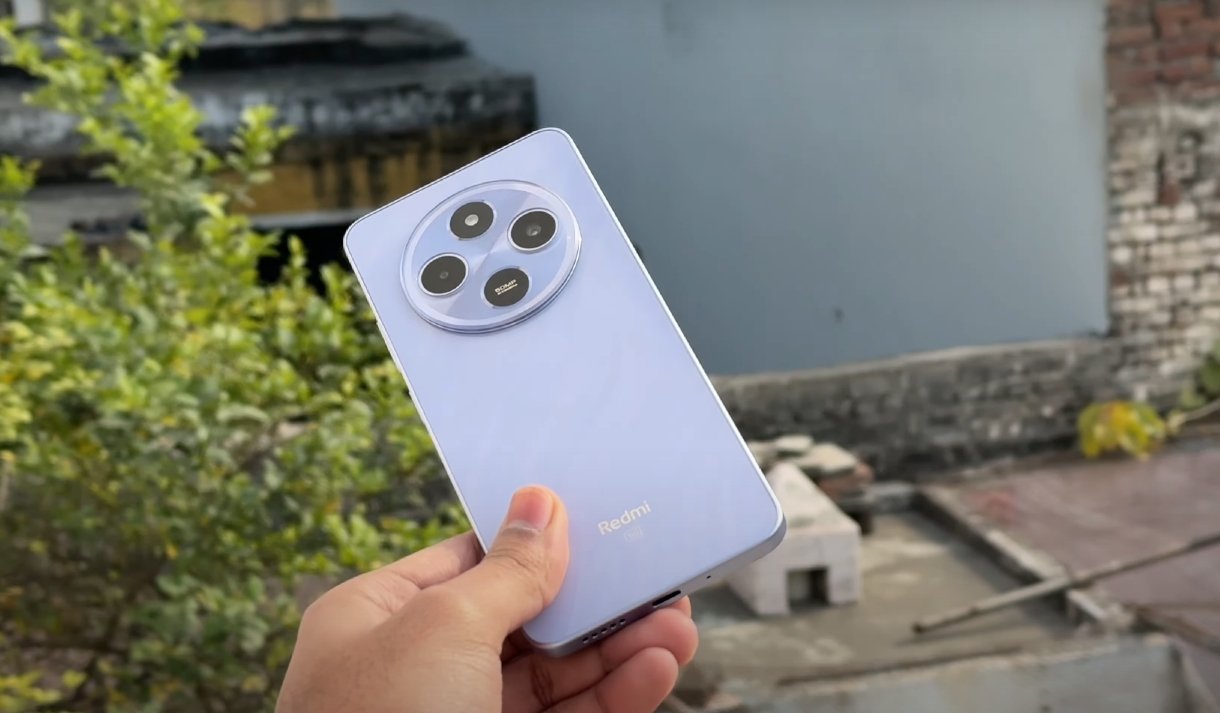
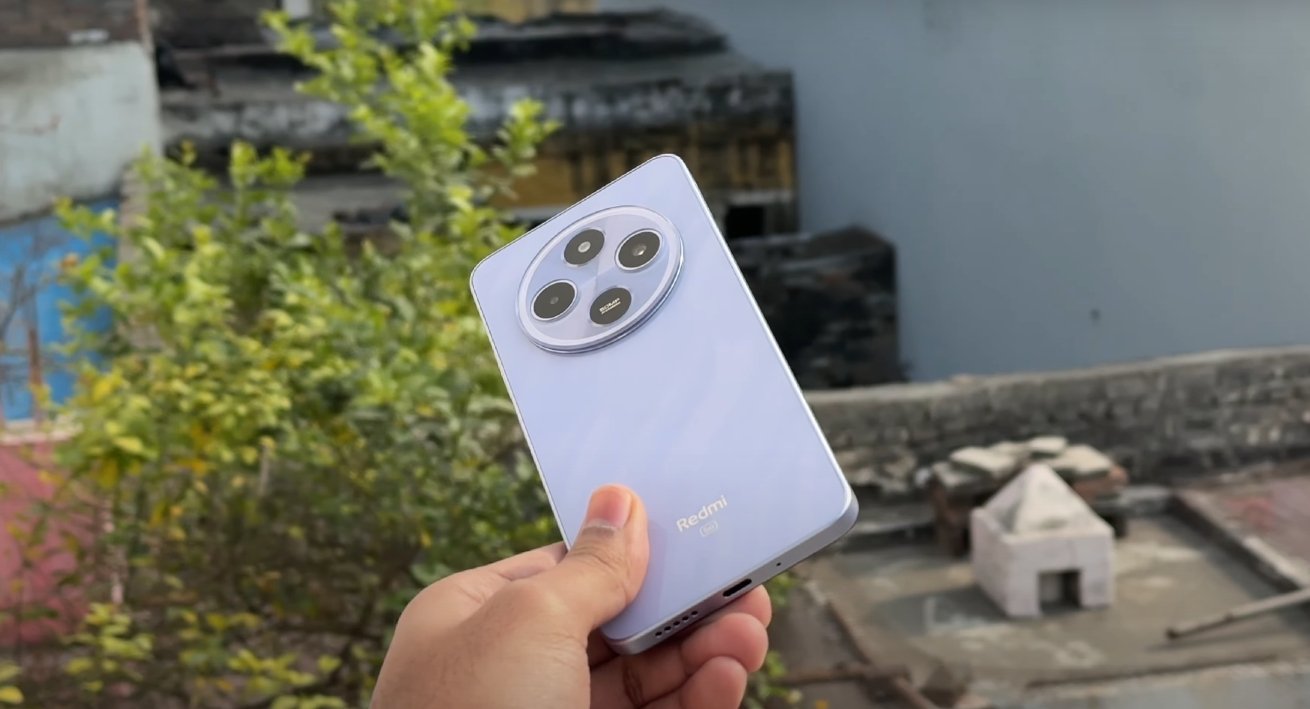
The Redmi 14C 5G doesn’t try to look overly premium, but its build quality gives off a sense of reliability. The design is simple, with clean lines and a matte finish on the back panel. The phone feels well-assembled when held in hand, with no loose parts or flimsy buttons, which is impressive for a budget segment device.


Plastic body that feels sturdy for daily use


Yes, the phone uses plastic for the back and frame, but it doesn’t feel cheap. In fact, the matte texture gives it a better grip and reduces smudges. The plastic doesn’t creak or bend under slight pressure, which adds to the overall perception of solid durability during everyday handling.


Weight and balance feel comfortable


Despite its large 5160 mAh battery, the phone remains relatively lightweight and well-balanced. The weight distribution feels even, which makes one-handed usage comfortable. It doesn’t feel bulky or fragile, a common issue with many budget phones.


Buttons and ports are well placed and firm


The power and volume buttons offer a tactile click and sit firmly in their slots. The SIM tray fits flush and feels secure when inserted. The USB Type-C charging port and 3.5mm headphone jack are placed neatly and don’t feel loose, adding to the phone’s functional design.


Redmi 14C 5G Build Quality

Scratch resistance is limited without protection


The plastic back is not very scratch-resistant on its own, and it can pick up marks over time if used without a case. Thankfully, Redmi includes a transparent protective cover inside the box, which helps protect the finish and gives a more confident grip.


Display protection is basic


The Redmi 14C 5G’s display comes with a pre-applied screen protector, but it lacks official mention of Gorilla Glass or similar reinforcement. While it holds up well during basic use, it’s advisable to apply tempered glass for better drop and scratch resistance.


Overall build feels better than expected at this price


Considering the price, the Redmi 14C 5G offers better build quality than many would expect. It doesn’t have a premium metal or glass finish, but it feels far from cheap. The sturdy construction, responsive buttons, and neat design make it a practical choice for budget buyers who want a durable phone.

Redmi 15 battery life verdict: does 7,000 mAh live up?

Redmi 15 battery life verdict does 7,000 mAh live up

Testing the real endurance of Redmi 15’s massive battery

The Redmi 15 has made headlines for its enormous 7,000 mAh battery, a figure that instantly draws attention in a market where most phones still hover around 5,000 mAh. But numbers don’t always tell the full story, and UK users are now eager to know if this battery truly lives up to its reputation.

In daily use, the Redmi 15’s battery easily handles a full day of intensive tasks, including streaming, social media, and light gaming. Even with the screen set at its highest 144 Hz refresh rate, the phone manages to stay powered from morning to night without hitting the charger. This puts it among the best in its class for endurance.

For moderate users, the story gets even better. When the display is kept on adaptive refresh mode, the Redmi 15 comfortably stretches into a second day. Simple tasks like web browsing, messaging, and occasional video playback hardly make a dent in the massive cell’s capacity.

Redmi 15 battery life verdict does 7,000 mAh live up

The 7,000 mAh capacity does have one trade-off — it takes a bit longer to recharge than smaller batteries. However, Xiaomi’s 33 W fast charging support helps offset this. A quick 30-minute top-up can bring the phone back to nearly half its charge, which is convenient for daily routines.

What’s equally impressive is how well the phone manages heat during charging and heavy use. Thanks to efficient thermal control and software optimisation, the Redmi 15 doesn’t overheat, even during extended gaming sessions or video recording. This contributes to both comfort and long-term battery health.

When compared to similarly priced competitors, the Redmi 15 stands out not just for its capacity but for its actual consistency. Many phones advertise large batteries but fail to deliver efficient power management. Xiaomi seems to have struck a smart balance between performance and endurance.

The display, however, does influence results. That bright 6.9-inch panel and smooth 144 Hz refresh rate can drain power faster when set to maximum brightness for long periods. Users who prefer prolonged screen time might find daily charging unavoidable.

Even so, for most UK buyers, the Redmi 15’s battery life exceeds expectations. Whether used for work, travel, or entertainment, it provides reliable stamina throughout the day with enough reserve to avoid battery anxiety.

Ultimately, the 7,000 mAh battery does live up to its promise — not as an endless powerhouse, but as a genuinely long-lasting performer. The combination of efficient hardware, fast charging, and balanced software tuning makes the Redmi 15 one of the most dependable all-day smartphones in its price category.

In conclusion, Redmi 15’s massive battery isn’t just a marketing highlight; it’s a practical advantage. For anyone seeking long-lasting performance without spending on a flagship, this phone proves that endurance can still be achieved at an affordable level.

Redmi 15 battery drain test: streaming, gaming, navigation – how long?

Redmi 15 battery drain test streaming, gaming, navigation – how long

Real-world endurance across different heavy tasks

The Redmi 15 is built around a substantial 7,000mAh battery, and understanding how long it lasts under real-world pressure is essential for anyone considering it. To measure practical endurance, the most important tests are continuous streaming, intensive gaming and long navigation sessions, since these represent common high-drain scenarios for everyday users. Each of these tasks stresses the phone differently, offering a clearer picture of how the device performs throughout a full day.

In controlled streaming conditions, the Redmi 15 performs exceptionally well. Continuous video playback keeps the screen active for long periods, yet this is one of the more efficient heavy tasks. With moderate brightness, stable connection and default refresh rate settings, the Redmi 15 manages many hours of uninterrupted streaming. Users can expect long sessions of media viewing without fearing a rapid drop in battery level, making it ideal for travel, commuting or extended binge-watching.

Gaming is naturally more demanding because it uses the CPU, GPU, display and speakers at the same time. Under intensive gaming load, the Redmi 15 draws noticeably more power. Performance remains stable, but battery drain accelerates compared with lighter tasks. Even so, the capacity is large enough to handle several hours of gameplay before a charge is required. Users who enjoy daily gaming sessions should still be able to reach the evening, though very heavy gamers may need a top-up later in the day.

Redmi 15 battery drain test streaming, gaming, navigation – how long

Navigation sits between streaming and gaming when it comes to power consumption. Using GPS with the screen on and mobile data active creates a steady drain over long routes. Thanks to its large battery, the Redmi 15 holds up respectably even when used continuously for navigation. A multi-hour journey with maps running is well within its capabilities, and the phone can continue handling everyday tasks afterwards. High brightness levels or poor signal areas will increase drain, but endurance remains strong.

In mixed real-world use, the Redmi 15 performs even better than these single-task tests suggest. Most users switch between apps, messages, browsing, audio playback and occasional screen-on tasks, which spreads out the load and uses power more efficiently. In this scenario, the phone consistently lasts a full day and can often stretch into the next morning, depending on habits. The large battery and efficient hardware make it suitable for long days of lectures, work shifts or travel.

Brightness and refresh rate are still important factors. Running the display at maximum brightness or keeping the refresh rate at its highest setting increases drain, particularly during gaming and navigation. Reducing these settings when not needed leads to longer endurance in daily use. Background apps and weak network areas also affect performance, though the Redmi 15 generally remains reliable despite these conditions.

The benefit of such a large battery becomes most obvious during long commutes or outdoor activities. Users who spend hours away from chargers—drivers, delivery workers, students on campus or travellers—will appreciate the stability and predictability of the device’s battery life. It is designed to handle real pressure without sudden drops, which many smaller-battery phones cannot match.

Charging speeds are also important when the battery eventually drains. With support for fast charging, the Redmi 15 recovers power at a reasonable rate. This allows users to top up quickly during breaks without waiting long periods. Although it cannot match flagship-level charging speeds, it offers enough convenience for daily use.

Overall, the Redmi 15 performs impressively across streaming, gaming and navigation scenarios. Each task drains power at a different pace, yet all remain well within the capacity of the 7,000mAh battery. For light and moderate users, the phone easily lasts more than a day. For heavy users—especially those gaming or navigating for extended periods—it still delivers strong endurance and avoids the frequent recharging cycles typical of smaller-battery devices.

In summary, the Redmi 15 offers excellent longevity under all three high-drain tasks. Its oversized battery provides real confidence for users who rely heavily on their phone throughout the day. Whether you are watching videos, gaming for hours or navigating long routes, the Redmi 15 proves itself to be a dependable and long-lasting companion.

Redmi 14C 5G Multitasking Test Performance Reviewed

Redmi 14C 5G Multitasking Test Performance Reviewed

Handling basic multitasking with ease


The Redmi 14C 5G performs well during basic multitasking, especially for a phone in its price segment. Opening and switching between apps like WhatsApp, Chrome, YouTube, and Instagram feels smooth when only a few apps are running in the background. The 120Hz refresh rate helps in making transitions feel quicker and more responsive.


Performance with 4GB RAM variant under pressure


On the 4GB RAM model, multitasking starts to show limitations when five or more apps are running simultaneously. Heavier apps like games and video editors begin to reload when revisited after switching. This is expected due to the limited RAM, which struggles to keep many processes alive in the background.


6GB and 8GB variants handle more active apps


Users with the 6GB or 8GB RAM versions of the Redmi 14C 5G experience a noticeable improvement in multitasking. These models retain more apps in memory, allowing for faster app switching and smoother overall performance. Background music streaming, messaging, and browsing can happen at the same time without lag.


Redmi 14C 5G Multitasking Test

Storage speed slightly affects app loading time


Since the phone uses eMMC 5.1 storage, loading times are a bit slower compared to phones with UFS storage. This doesn’t severely affect multitasking, but app launches and installations can take longer, especially when switching between large apps or games.


Background app management through MIUI


MIUI manages background apps fairly well, killing unused processes to free up RAM when needed. While this helps maintain system stability, it can also lead to apps being forced to restart when reopened, particularly on the lower RAM variants. This is a trade-off between performance and efficiency.


Real-world usage feels balanced for the price


In day-to-day use, the Redmi 14C 5G offers reliable multitasking for most casual users. It’s not designed for power users who rely on rapid task switching, but for typical smartphone use — watching videos, checking messages, and browsing — it performs reliably without major slowdowns.


Final verdict on multitasking capabilities


The Redmi 14C 5G delivers decent multitasking performance for a budget device. The 6GB and 8GB variants clearly offer a better experience, but even the 4GB model can handle light multitasking if users manage app usage wisely. For its price, the phone offers balanced performance that covers everyday needs without compromise.