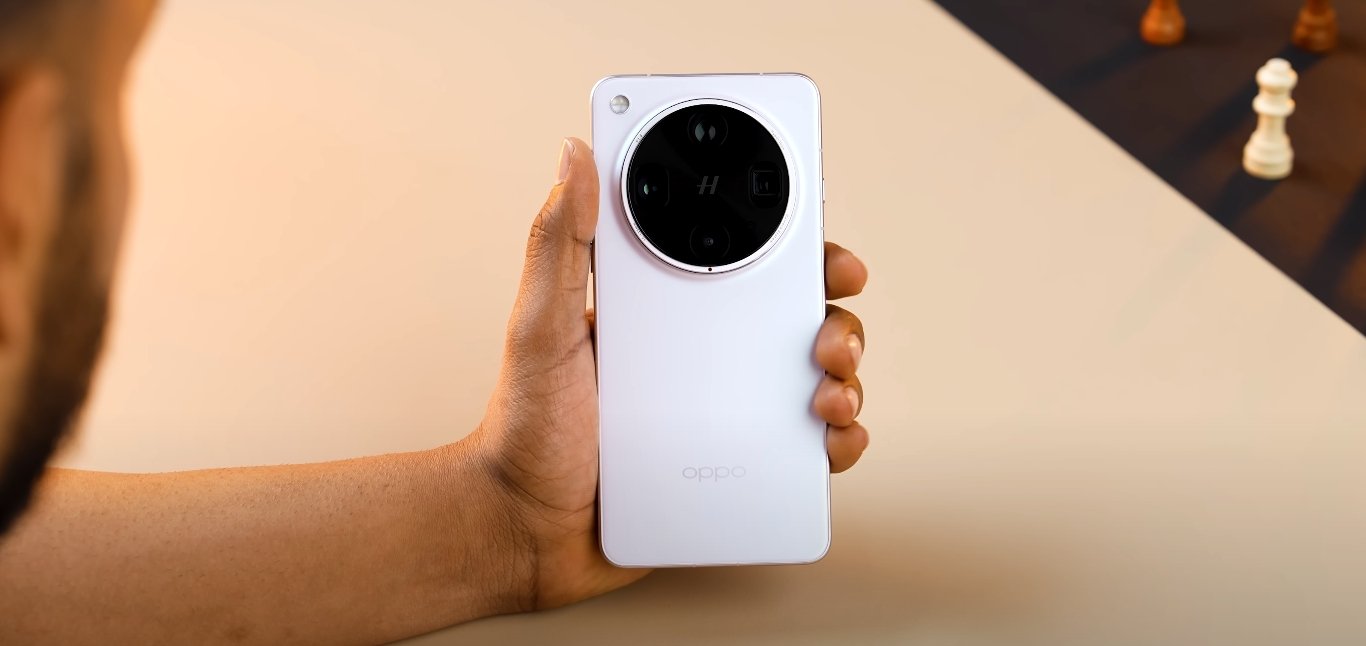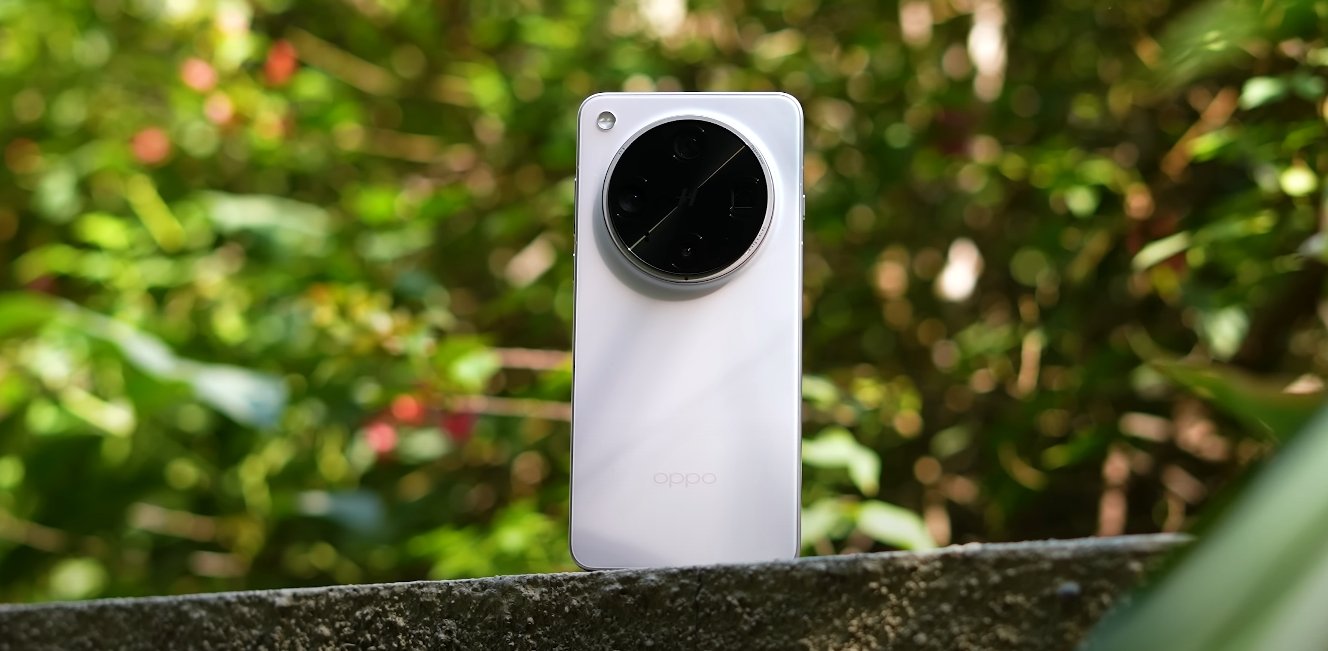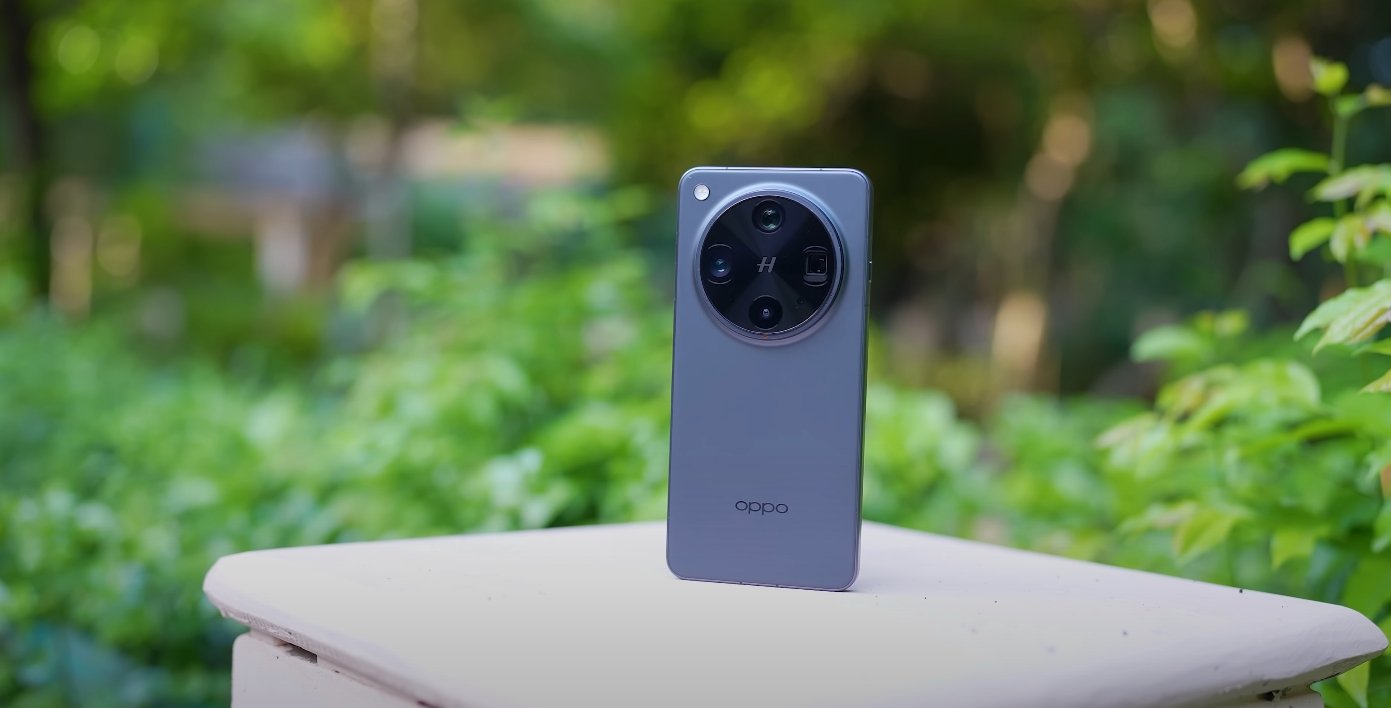
Oppo Find X8 Ultra vs Galaxy S24 Ultra battery drain

Oppo Find X8 Ultra vs Galaxy S24 Ultra battery drain

Oppo Find X8 Ultra vs Galaxy S24 Ultra: Battery Drain Comparison

Battery drain is one of the most important real-world tests for any flagship phone. While specs and features get the headlines, how long a device lasts under regular use—and how much battery it loses during heavy tasks—can make or break the user experience. In comparing the Oppo Find X8 Ultra and Samsung Galaxy S24 Ultra, we see different strengths and compromises in their battery behavior.

The Oppo Find X8 Ultra is rumored to house a large 6,100 mAh battery, one of the bigger capacities in its class. In early battery tests by reviewers, the Find X8 Ultra lasted around 8 hours 56 minutes in their full mixed-use battery estimate. In specific scenarios, it achieved about 23 hours 36 minutes of web browsing, 11 hours 1 minute of video playback, and 12 hours 47 minutes of gaming performance. These numbers suggest that the device handles battery drain well even under demanding conditions. Its fast 100W wired charging further mitigates drain concerns by allowing quick top-ups.

By contrast, the Galaxy S24 Ultra features a 5,000 mAh battery. In official and third-party tests, the S24 Ultra showed mixed battery performance. While it handled lighter use reasonably, it has faced criticism under heavier workloads and after software updates. Reviewers and users report that battery longevity seems to decline after prolonged use or certain system updates. In one test, the S24 Ultra logged 56 hours of autonomy under moderate usage, but its performance dropped in more realistic mixed-use scenarios. Some users have observed rapid battery drain, especially after updates, and nighttime losses in standby mode.
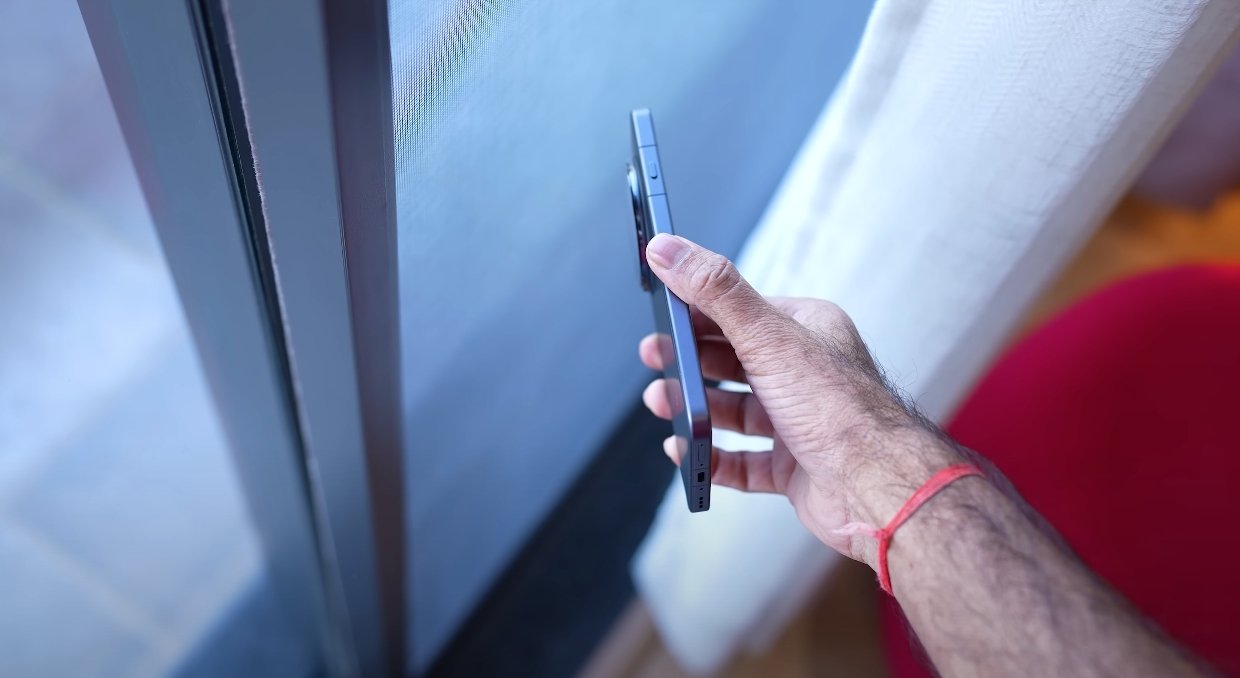
Oppo Find X8 Ultra vs Galaxy S24 Ultra battery drain

When comparing drain under heavy use, Oppo’s larger battery gives it an inherent advantage. During extended gaming or video playback, the Find X8 Ultra is likely to lose a smaller percentage of battery per hour compared to the S24 Ultra. In tests, the Find X8 Ultra’s 12h 47m gaming endurance suggests it can sustain long sessions with comparatively low drain. The S24 Ultra, though capable, tends to show more aggressive battery drop under similar stress.

Standby and background drain are also differentiating factors. Some Galaxy S24 Ultra users report that after a period of low activity, the battery drops noticeably more than expected—losing several percentage points even when mostly idle. These reports are especially frequent following system updates, indicating software-level inefficiencies in power management. In contrast, the Oppo Find X8 Ultra’s tests do not show extreme standby drain, and its browsing and video benchmarks suggest it maintains battery levels well across use and rest.

In daily mixed usage, the Find X8 Ultra is likely to offer more comfortable margins. Thanks to its higher capacity and efficient management, users may see full-day to day-and-a-half use without excessive anxiety about battery. The S24 Ultra can also last a full day in lighter use, but under intensive workloads or after system changes, users may need to recharge earlier.

However, charging behavior also plays a role in perceived drain. The Oppo device supports fast charging that replenishes battery quickly, reducing the time one needs to worry about drain. The S24 Ultra’s charging is solid but more conservative, making users more aware of remaining battery. In real life, the faster you can top-up, the less drain feels like a problem.

Ultimately, in a head-to-head battery drain comparison, the Oppo Find X8 Ultra appears to have the upper hand. Its higher capacity, strong endurance in tests, and efficient usage under stress make it more resilient against drain. The Galaxy S24 Ultra is capable and holds up under moderate conditions, but it may show more vulnerabilities under heavy load or after software updates. For users who push their devices hard, the Find X8 Ultra is likely to feel more dependable in terms of battery life and drain resistance.
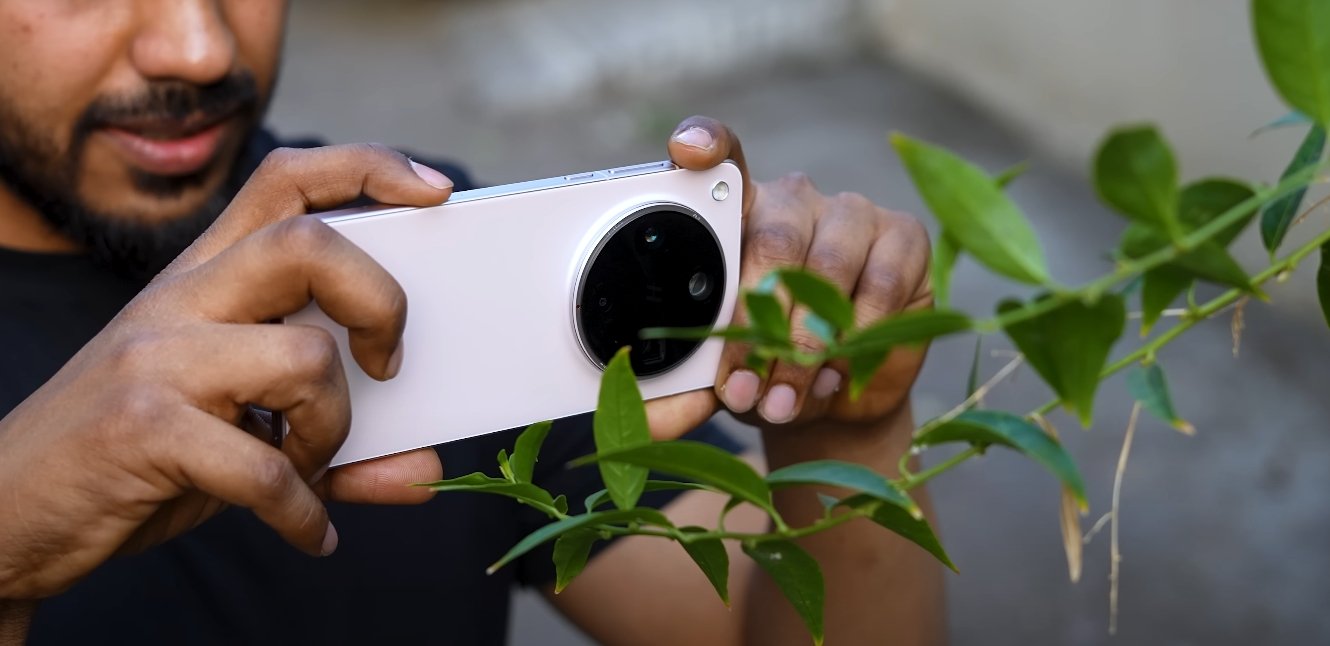
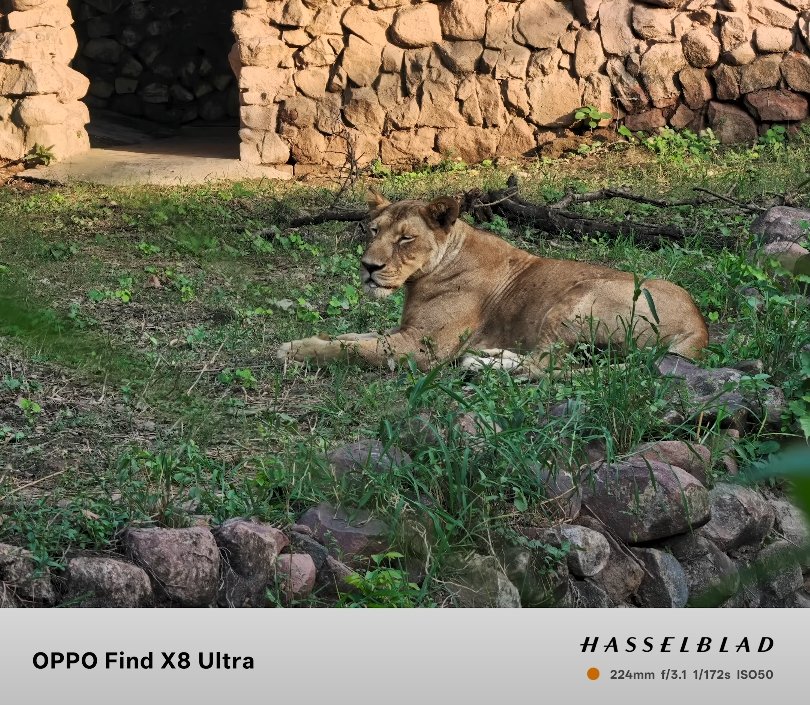
Oppo Find X8 Ultra vs iPhone 15 Plus camera review

Oppo Find X8 Ultra vs iPhone 15 Plus camera review

Oppo Find X8 Ultra vs iPhone 15 Plus: Camera Performance Comparison

The Oppo Find X8 Ultra and iPhone 15 Plus are two prominent smartphones in the flagship segment, each emphasizing photography capabilities in different ways. While both devices deliver high-quality imaging, their hardware, software, and processing techniques create unique experiences for users. Early reviews and hands-on impressions indicate that both devices target mobile photography enthusiasts but with distinct approaches and results.

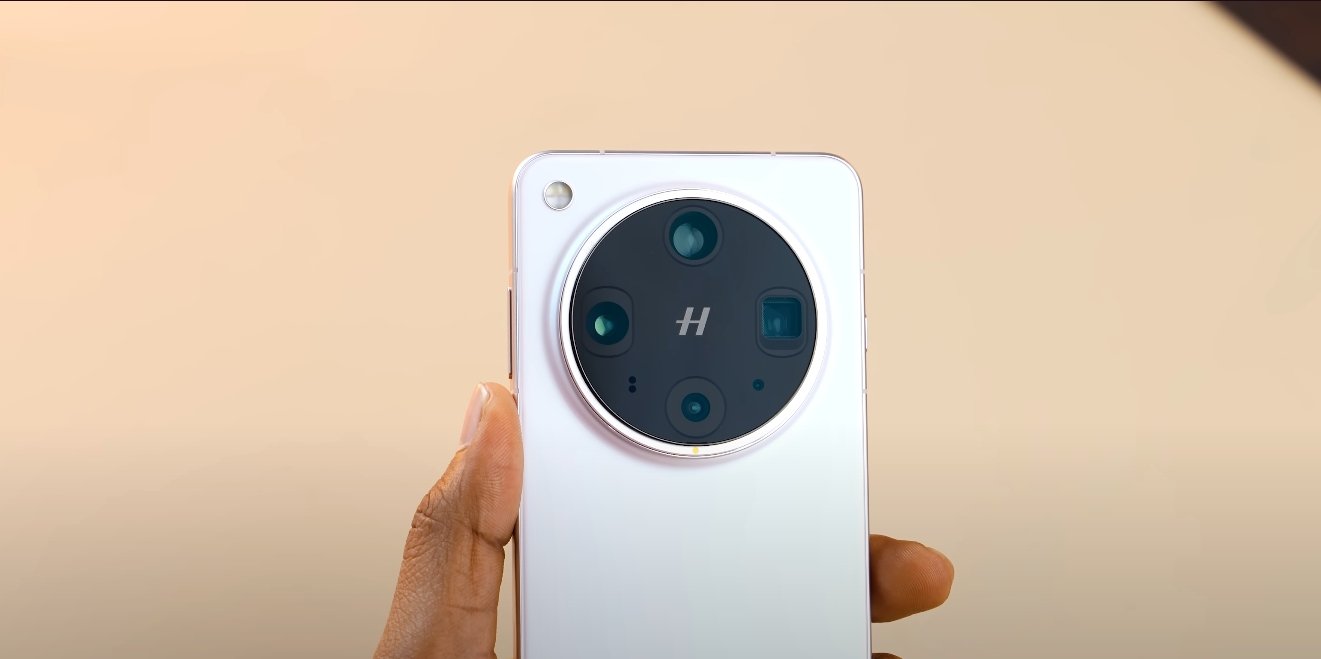
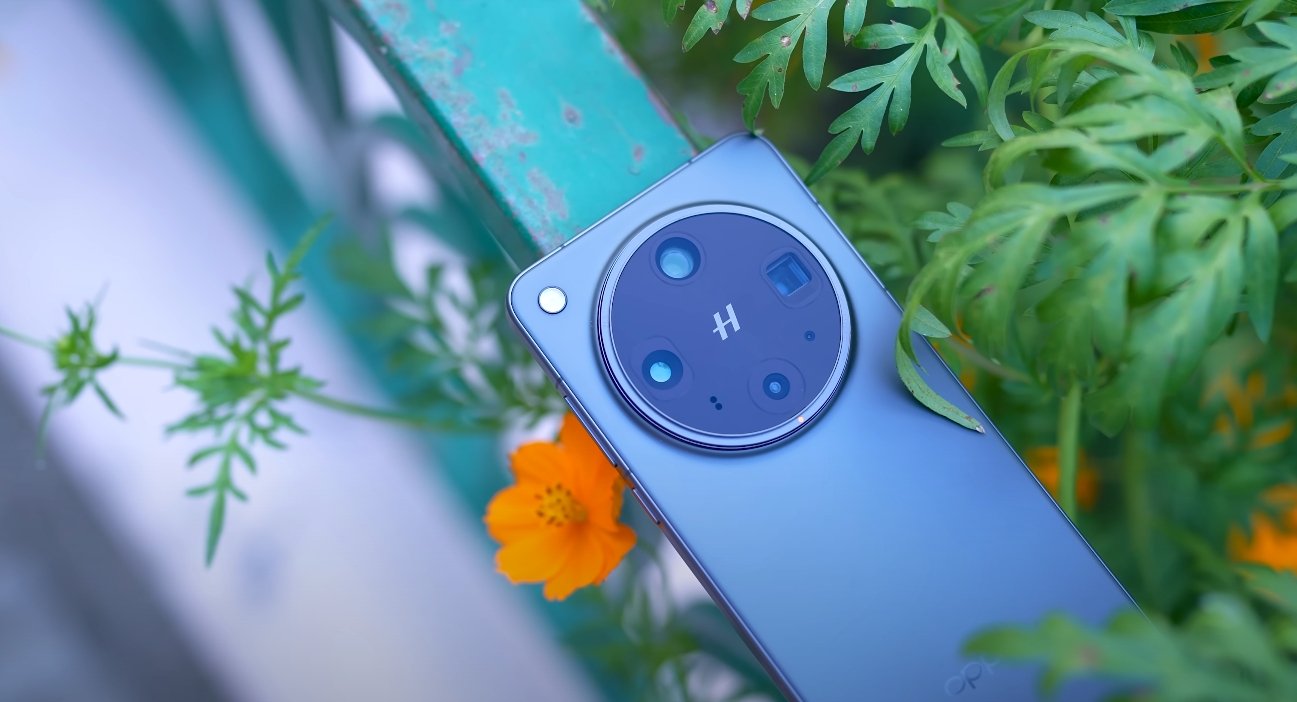
The Oppo Find X8 Ultra features a quad-camera setup, including a 50MP 1-inch main sensor, a 50MP ultrawide lens, and two periscope telephoto lenses providing 3× and 6× optical zoom. This setup enables versatile photography across wide-angle, portrait, and long-range scenarios. The large main sensor ensures superior light capture, improving low-light performance and detail retention. Oppo’s ColorOS-driven image processing optimizes dynamic range, reduces noise, and maintains accurate color reproduction across varied lighting conditions. In HDR shots, the Find X8 Ultra achieves balanced exposure and impressive depth, making it ideal for detailed and nuanced photography.

On the other hand, the iPhone 15 Plus relies on a dual-camera system comprising a 48MP wide sensor and a 12MP ultrawide lens. Although it lacks dedicated telephoto optics, its main camera delivers sharp images with consistent color accuracy and efficient noise handling. The iPhone excels in bright and medium-light conditions, producing pleasing skin tones and vibrant but realistic colors. Its digital zoom, while functional, cannot match the optical flexibility of the Oppo device, limiting distant subject photography. However, Apple’s iOS ensures smooth and reliable performance with consistent results across different shooting scenarios.

Oppo Find X8 Ultra vs iPhone 15 Plus camera review

Low-light performance is a notable area of distinction. The Oppo Find X8 Ultra’s large 1-inch main sensor captures more light, resulting in cleaner images with less noise, even in dimly lit environments. Early hands-on impressions indicate that the Find X8 Ultra maintains natural skin tones under challenging lighting, including neon and mixed-light settings. Its dual telephoto lenses also provide additional versatility, allowing detailed zoomed-in shots without significant quality loss. Conversely, the iPhone 15 Plus, while competent in low-light scenarios, tends to brighten images aggressively, occasionally sacrificing color accuracy and detail. Nevertheless, it still produces usable photos in most dim environments, leveraging Apple’s computational photography algorithms.

Video recording capabilities further highlight the differences between the two devices. The Oppo Find X8 Ultra supports 4K video with advanced stabilization and optional HDR enhancements. Its combination of sensor size and AI-driven processing results in smooth, well-exposed footage with natural color grading. The iPhone 15 Plus also records 4K video, offering stable and clear results suitable for casual and professional use alike. While it does not match Oppo’s HDR flexibility, Apple’s approach ensures consistent video quality, with smooth transitions and reliable stabilization across different scenes.

In terms of software experience, the Oppo Find X8 Ultra benefits from ColorOS 16, which introduces AI-assisted features such as AI Portrait Glow, enhanced night modes, and additional video editing tools. These features give users more creative control, enabling versatile photography without requiring external apps. Apple’s iOS, while less customizable, provides an intuitive interface, seamless integration with other Apple devices, and long-term software updates. Users choosing iPhone benefit from stability, predictable performance, and a broad ecosystem of apps optimized for photography.

The versatility of the Oppo Find X8 Ultra shines in scenarios where multiple lenses and zoom ranges are needed. Its combination of ultrawide, dual telephoto, and large main sensor makes it suitable for landscapes, portraits, and telephoto shots with minimal quality loss. Meanwhile, the iPhone 15 Plus focuses on delivering consistent and reliable imaging performance with fewer lenses, favoring a streamlined experience that emphasizes color accuracy and ease of use.

In conclusion, the Oppo Find X8 Ultra and iPhone 15 Plus cater to slightly different audiences in mobile photography. The Oppo Find X8 Ultra excels with its advanced camera hardware, multiple telephoto options, superior low-light performance, and versatile software features, making it ideal for users who prioritize photographic flexibility and detailed image quality. The iPhone 15 Plus delivers dependable, high-quality photos with natural colors, effective video stabilization, and smooth software integration, appealing to users who value consistency and ecosystem benefits. Both devices are powerful camera phones in 2025, but the choice depends on whether the user prefers advanced versatility or reliable, streamlined performance.

Also Read:  Oppo Find X8 Ultra vs iPhone 15 Pro night photography

Oppo Find X8 Ultra vs Pixel 9a early feature leaks

Oppo Find X8 Ultra vs Pixel 9a early feature leaks

Early Feature Insights: Oppo Find X8 Ultra and Pixel 9a

The smartphone market in 2025 has already seen significant competition, and early leaks of the Oppo Find X8 Ultra and Google Pixel 9a provide an interesting glimpse into how these devices are shaping up. While the two phones target different segments—Oppo as a flagship powerhouse and Pixel 9a as a more affordable option—the leaked features highlight their strengths, innovations, and the direction of smartphone technology this year.

The Oppo Find X8 Ultra is expected to be a high-end flagship device, featuring a 6.82-inch AMOLED display with a resolution of 3168 x 1440 pixels. This gives it a pixel density of around 515 ppi, offering sharp visuals suitable for media consumption, gaming, and professional-level photo and video editing. The screen supports a 120Hz refresh rate, ensuring smooth scrolling and fluid animations. Early leaks also suggest HDR10+ support and a wide color gamut, providing vibrant colors and strong contrast for immersive viewing experiences.

In terms of performance, the Find X8 Ultra is rumored to feature the Snapdragon 8 Elite chipset, paired with up to 16GB of RAM and storage options reaching 1TB. Benchmarks indicate it will deliver top-tier performance for multitasking, gaming, and heavy productivity tasks. These specifications position the device as a competitor to other flagship models in 2025, catering to users who demand power and efficiency from their smartphones.

Oppo Find X8 Ultra vs Pixel 9a early feature leaks

Camera capabilities on the Oppo Find X8 Ultra are expected to be a major highlight. The phone reportedly includes dual 50MP periscope telephoto lenses, which will enable optical zoom and high-quality long-range photography. The main sensor, believed to be a 1-inch Sony LYT-900, promises detailed shots, even in challenging lighting conditions. Additional AI enhancements are expected to improve image processing, ensuring vibrant colors, dynamic range, and accurate detail reproduction across various photography scenarios.

Battery performance is another area where the Find X8 Ultra appears strong. The phone is said to house a 6,100mAh battery with 100W fast charging support. This combination allows for extended usage without frequent recharging and provides rapid recovery when the battery does run low. Such battery capacity ensures that users can take advantage of the high-resolution display and advanced camera system without worrying about running out of power during a busy day.

The Google Pixel 9a, on the other hand, targets a more affordable market segment while still offering solid features. Its display is reported to be a 6.3-inch OLED panel with a resolution of 1080 x 2424 pixels and a pixel density of around 422 ppi. The screen supports HDR10+ and offers vibrant colors, though it is smaller and less sharp than the Find X8 Ultra. The Pixel 9a maintains a smooth 120Hz refresh rate, ensuring fluid animations and responsive touch input across apps.

Performance-wise, the Pixel 9a is expected to run on the Google Tensor G4 chipset, coupled with 8GB of RAM. While not as powerful as the Snapdragon 8 Elite in the Oppo device, the Tensor G4 is optimized for AI and machine learning tasks, supporting features like speech recognition, real-time translation, and camera enhancements. Leaks suggest the Pixel 9a will utilize a scaled-down version of Google’s Gemini AI, providing some advanced features while omitting others found on higher-end Pixel models.

Camera performance on the Pixel 9a is anticipated to be capable for its segment. The rear setup is expected to feature a 48MP main sensor alongside a 13MP ultrawide lens, while a 13MP front-facing camera ensures high-quality selfies. While the Pixel 9a may not match the zoom capabilities or sensor size of the Find X8 Ultra, it leverages Google’s computational photography strengths, producing accurate colors, strong dynamic range, and reliable low-light performance.

Battery capacity for the Pixel 9a is said to be 5,100mAh, supporting 23W wired and 7.5W wireless charging. While smaller than the Oppo’s battery, it provides sufficient endurance for a full day of typical use, including video streaming, social media, and photography. The combination of efficient hardware and optimized software helps maximize battery life despite the smaller capacity.

In summary, the Oppo Find X8 Ultra and Pixel 9a cater to different types of users. The Find X8 Ultra emphasizes flagship performance, high-resolution display, advanced camera systems, and long battery life, making it ideal for power users and photography enthusiasts. The Pixel 9a focuses on affordability, solid performance, reliable cameras, and Google’s AI enhancements, appealing to budget-conscious consumers who want a capable smartphone without paying flagship prices. Early leaks suggest that both devices bring compelling features to their respective markets, and the final release will determine how well these expectations are met.

Also Read:  Google Pixel 9a camera Macro Photography Challenge

Oppo Find X8 Ultra vs OnePlus 12 camera performance

Oppo Find X8 Ultra vs OnePlus 12 camera performance

Camera Comparison Between Oppo Find X8 Ultra and OnePlus 12

The Oppo Find X8 Ultra and OnePlus 12 both stand at the top of their respective lineups, offering flagship-level photography systems designed for enthusiasts and casual users alike. With both devices aiming to deliver pro-grade camera results, it’s natural to compare how they perform in real-world use. While each phone excels in different areas, their hardware and software optimizations tell a lot about how far smartphone imaging has evolved in 2025.

The Oppo Find X8 Ultra features a quad-camera system with a 50-megapixel main sensor, 50-megapixel ultra-wide lens, and two periscope telephoto cameras providing 3x and 6x optical zoom. The 1-inch Sony sensor at the core of the system gives the Ultra an edge in light capture, detail retention, and dynamic range. The OnePlus 12, on the other hand, uses a triple-camera setup consisting of a 50-megapixel primary sensor, a 48-megapixel ultra-wide lens, and a 64-megapixel periscope telephoto lens capable of 3x optical zoom. It leans heavily on Hasselblad tuning for color accuracy and natural tones, a partnership that OnePlus continues to refine with every new model.

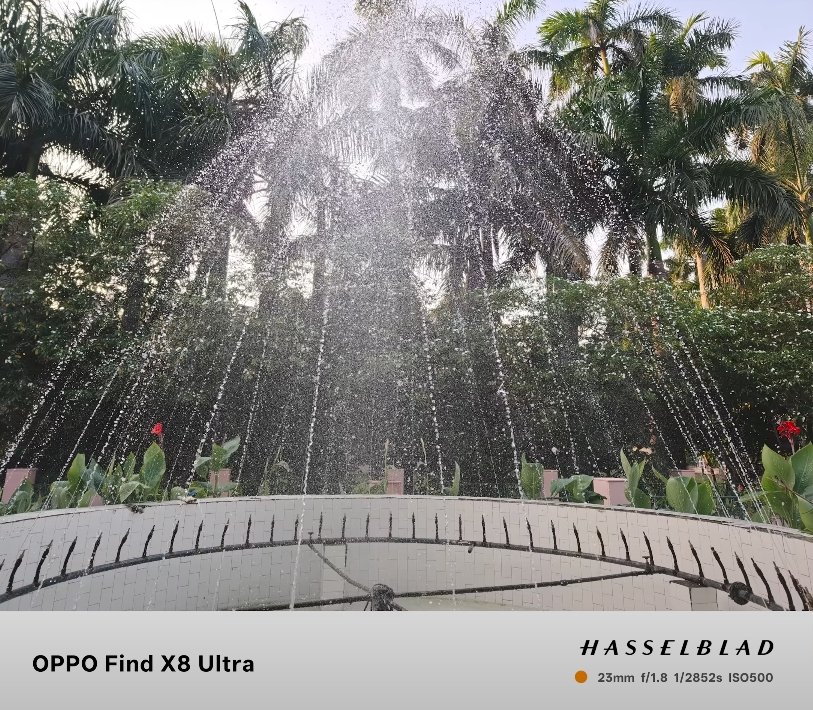
In daylight photography, both smartphones perform exceptionally well, producing sharp, vibrant images with accurate color reproduction. The Find X8 Ultra’s larger sensor gives it a natural advantage in dynamic range, maintaining rich contrast between bright and shadowed areas. It tends to produce slightly softer, more realistic tones, while the OnePlus 12 leans toward more vivid and saturated colors, ideal for social media-ready photos. When shooting landscapes or outdoor scenes, the Ultra’s detail level, especially in textures and fine elements, feels more lifelike. However, OnePlus’s processing delivers higher contrast that many users find visually striking.

Oppo Find X8 Ultra vs OnePlus 12 camera performance

Low-light performance is where the Oppo Find X8 Ultra truly shines. Its large sensor and wider aperture allow for better light collection, reducing noise while maintaining detail in dark scenes. Night mode photos look cleaner and more balanced, with smoother highlights and deeper blacks. The OnePlus 12 still performs admirably, especially when it comes to portraits or cityscapes under artificial lighting. Yet, its smaller sensor struggles slightly to match the clarity and depth that Oppo achieves. For users who often shoot in dimly lit environments, the Find X8 Ultra provides a noticeable improvement in image consistency and exposure accuracy.

Zoom capabilities are another defining difference. The Find X8 Ultra includes both 3x and 6x periscope lenses, giving it superior flexibility for long-distance photography. The 6x optical zoom maintains crispness even at higher magnifications, offering detailed shots without the graininess common in digital zoom. Meanwhile, the OnePlus 12 performs best between 1x and 3x zoom, producing well-balanced telephoto shots but losing sharpness beyond that range. Oppo’s dual telephoto design allows for more versatility, whether capturing distant subjects or tight portrait compositions.

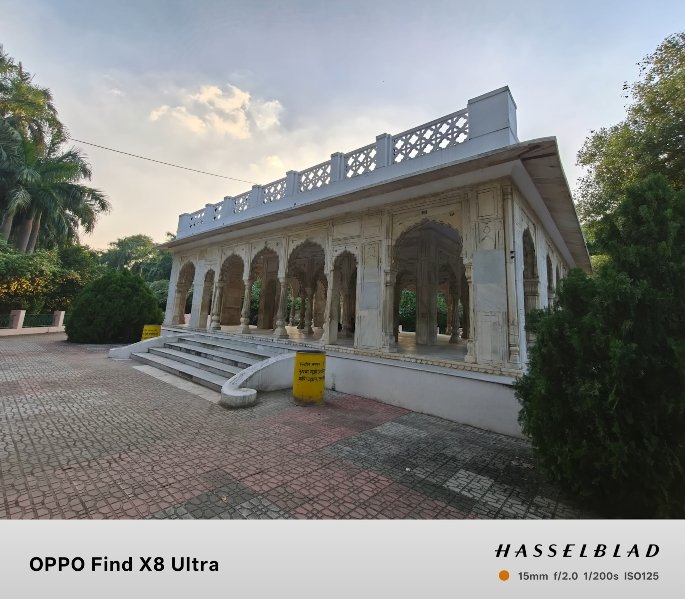
When it comes to ultra-wide photography, both phones perform capably. The OnePlus 12 offers a slightly wider field of view, making it great for group shots and sweeping landscapes. However, Oppo’s ultra-wide camera handles edge distortion better, keeping lines straighter and maintaining consistent exposure across the frame. Both phones maintain excellent color matching between lenses, though Oppo’s image pipeline shows smoother transitions when switching between cameras during video recording.

Speaking of video, both devices offer 4K recording at up to 60 frames per second with advanced stabilization systems. The Find X8 Ultra’s larger sensors give it the upper hand in low-light video, where noise reduction and clarity remain strong even in dim conditions. The OnePlus 12, however, excels in consistent color output and focus tracking, making it reliable for vlogging or handheld clips. Oppo’s stabilization feels more cinematic, while OnePlus provides steadier footage during walking or moving shots.

Portrait performance also reveals a difference in tuning. The Find X8 Ultra delivers more natural bokeh with better subject isolation, mimicking the depth-of-field of a DSLR lens. The OnePlus 12’s portraits, enhanced by Hasselblad calibration, pop with warmth and rich tones, though background blur can sometimes feel slightly artificial. Both cameras handle skin tones well, but Oppo’s color science tends to produce more neutral, realistic results.

In conclusion, the Oppo Find X8 Ultra edges ahead in overall camera performance thanks to its superior sensor size, versatile zoom system, and stronger low-light results. It’s built for enthusiasts who prioritize precision, detail, and flexibility in every shot. The OnePlus 12, on the other hand, offers an excellent all-around experience that’s perfect for everyday users who value vibrant imagery and hassle-free photography. Both smartphones stand out as leaders in their class, but when it comes to sheer camera capability, the Find X8 Ultra clearly holds the upper hand.

Oppo Find X8 Ultra vs iQOO 13 Ultra early camera test

Oppo Find X8 Ultra vs iQOO 13 Ultra early camera test

Oppo Find X8 Ultra and iQOO 13 Ultra: Early Camera Performance Comparison

The Oppo Find X8 Ultra and iQOO 13 Ultra are two flagship smartphones that have drawn attention for their advanced camera capabilities. Both devices aim to deliver high-quality photography experiences, but they approach image processing and sensor design differently. This early camera comparison highlights the strengths and limitations of each device, providing insights for users who prioritize mobile photography.

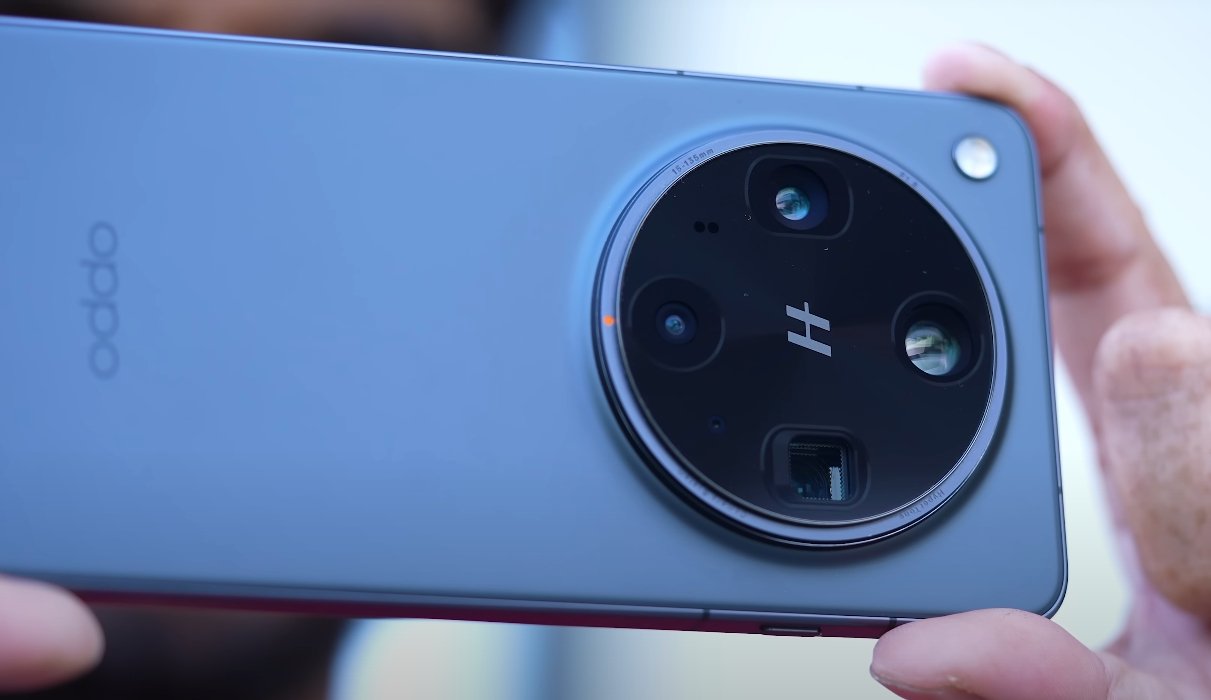
The Oppo Find X8 Ultra features a professional-grade camera system developed in collaboration with Hasselblad. It includes a main 50MP Sony LYT-900 1-inch sensor, dual periscope telephoto lenses offering 3x and 6x optical zoom, and a 50MP ultra-wide lens. This configuration allows users to capture a wide range of scenes, from detailed close-ups to expansive landscapes. Additionally, the Find X8 Ultra incorporates AI-assisted modes, including Bokeh AI and Hi-Res Mode, which enhance depth, clarity, and color reproduction.

Early testing shows that the Find X8 Ultra excels in low-light conditions. The large sensor gathers more light, producing brighter and more detailed images even in challenging environments. Colors remain natural, and noise is effectively reduced, giving photographs a clean and professional appearance. The advanced image processing ensures that even zoomed-in shots retain high levels of detail, making it a strong option for users who frequently photograph distant subjects or low-light scenes.

Oppo Find X8 Ultra vs iQOO 13 Ultra early camera test

In contrast, the iQOO 13 Ultra offers a capable camera system with a 50MP main sensor, a 50MP ultra-wide lens, and a 50MP periscope telephoto lens with 5x optical zoom. While its sensor size is smaller than the Oppo Find X8 Ultra, it still delivers impressive performance in daylight and well-lit environments. The AI-enhanced image processing optimizes color reproduction and sharpness, creating vibrant and visually appealing photos. However, in low-light conditions, it may produce images with slightly more noise, and the AI can sometimes over-sharpen details, leading to a less natural look in certain scenarios.

When comparing the two devices in varied shooting situations, the Oppo Find X8 Ultra consistently demonstrates superior detail retention and low-light performance. Its larger sensor and advanced algorithms contribute to better dynamic range and clarity, making it ideal for users who prioritize professional-grade photography. The Find X8 Ultra’s telephoto lenses also maintain consistent image quality across different zoom levels, providing versatility for capturing distant subjects without a tripod.

The iQOO 13 Ultra, while not outperforming the Find X8 Ultra in low-light performance, excels in daylight conditions. Images are vibrant and sharp, with accurate color balance. Its AI-driven enhancements make it easy for casual users to capture appealing photos quickly, without needing to manually adjust settings. The periscope lens with 5x optical zoom allows for flexible framing, though images at higher zoom levels may show slightly reduced clarity compared to the Oppo device.

Video performance on both devices is also noteworthy. The Oppo Find X8 Ultra supports high-resolution 4K recording with stabilization, producing smooth footage even when handheld or during zoomed shots. The iQOO 13 Ultra also delivers capable video performance, with clear visuals and good color reproduction, though it may not match the Find X8 Ultra in terms of stabilization during high-zoom scenarios.

Overall, the choice between the Oppo Find X8 Ultra and iQOO 13 Ultra depends on the user’s photography priorities. The Oppo Find X8 Ultra is designed for users who demand professional-grade performance, excellent low-light capabilities, and consistent image quality across all zoom levels. Its collaboration with Hasselblad ensures accurate color reproduction and advanced photographic features. The iQOO 13 Ultra, on the other hand, caters to users who want a capable and user-friendly camera system with vibrant daytime performance and AI-assisted enhancements, making it ideal for casual photography enthusiasts.

In conclusion, both smartphones offer strong camera systems, each with unique strengths. The Oppo Find X8 Ultra stands out for professional-level photography and versatility, while the iQOO 13 Ultra provides an accessible and vibrant shooting experience for everyday use. Understanding the differences between these two devices can help users make an informed decision based on their specific photography needs and preferences.

Also Read:  Motorola Edge 70 resale value prediction in USA

Oppo Find X8 Ultra vs Pixel 9 Pro Max early review

Oppo Find X8 Ultra vs Pixel 9 Pro Max early review

First Impressions: What Each Brings to the Table

The Oppo Find X8 Ultra and Google Pixel 9 Pro Max are two of the season’s most anticipated high-end Android phones. Early reviews and specs point to very different strengths — Oppo leans into photography hardware, battery, and rugged durability; Pixel emphasizes software, AI features, image processing, and a clean Google experience. Below is a feature-by-feature breakdown of what’s looking good, what’s less so, and who might prefer which phone.

In terms of display and design, the Find X8 Ultra sports a large 6.82-inch LTPO AMOLED panel with QHD+ resolution, flat screen design, and strong protection. It’s thick (≈ 8.8 mm) and heavy (≈ 226 g), but build feels solid, with water and dust resistance to IP68 / IP69 levels. The Pixel 9 Pro Max is slightly lighter and thinner; its panel is also LTPO OLED with 120Hz refresh and excellent brightness, especially in outdoor/HDR conditions. Pixel’s design feels sleeker in hand, with very polished finish, though Oppo gives more raw toughness, especially with its camera hardware and protective features.

On performance, Oppo’s Find X8 Ultra is powered by the Snapdragon 8 Elite chip built on a 3 nm process, paired with up to 16 GB RAM and up to 1 TB of fast UFS 4.1 storage. Pixel 9 Pro Max is using Google’s latest Tensor G4 chip. Early benchmarks show Oppo significantly ahead in CPU / GPU metrics, especially in multi-core tasks and graphics; but Pixel offers smoother, more optimized software, better animations, lower frame drops in system navigation, and more consistent long-term performance in everyday use.

Oppo Find X8 Ultra vs Pixel 9 Pro Max early review

Battery and charging also diverge. Oppo packs a large 6,100 mAh battery, supports 100W wired charging and 50W wireless charging. Early feedback says battery life is strong under mixed usage — streaming, camera use, social media — but heavy usage (gaming, video) can warm the device noticeably. Pixel 9 Pro Max has a somewhat smaller battery but benefits from efficient software, good power management, and a clean OS, meaning users still expect solid all-day performance. Wireless charging is decent, but hardware charging speeds are more modest compared to Oppo.

Where the Pixel shines most is in camera software and imaging results. Pixel 9 Pro Max leverages Google’s long history of computational photography; early samples show it handling HDR scenes, night mode, and ultra-wide shots with excellent edge-handling and fewer over-processed artifacts. Opposite that, the Find X8 Ultra’s hardware is more ambitious — dual periscope lenses (3× and 6×), large sensors, Hasselblad tuning — so its zoom and optical hardware are superior, especially in good lighting. In low light and very high zoom, Oppo sometimes struggles with noise and stability versus Pixel’s cleaner, if less bold, output.

Other features and usability extras matter too. Oppo includes a haptic shutter button, customizable shortcut buttons, and rugged external features that feel premium. Pixel 9 Pro Max counters with software extras: extended software support, tighter integration with AI-powered features, a clean UI without heavy skin, and stronger optimization for system updates. Accessibility, voice assistant features, and seamless environmental detection are more mature on the Pixel at this early stage.

As for drawbacks: Oppo has limited global availability so far, with some versions only sold in China; software regional restrictions and missing features (eSIM, global warranty, etc.) are cited in early hands-on reports. Pixel 9 Pro Max has fewer physical bells and whistles, lower zoom hardware compared to Oppo, and when pushed into intense workloads, occasionally shows thermal throttling or battery drain faster under heavy camera or screen usage.

In conclusion, for users who want the best hardware, especially in zoom and rugged design, Oppo Find X8 Ultra is hard to beat. For those who care more about software polish, consistency, AI features, clean UX, and reliable global support, Pixel 9 Pro Max remains a compelling choice. Which phone is better depends heavily on what you use most: taking photos and zooming, or smooth daily usage with strong long-term support.

Oppo Find X8 Ultra vs Pixel 9 Pro XL early comparison

Oppo Find X8 Ultra vs Pixel 9 Pro XL early comparison

Flagship Showdown Between Hardware Power and Software Intelligence

The Oppo Find X8 Ultra and Google Pixel 9 Pro XL represent two very different approaches to flagship smartphones in 2025. Oppo continues to focus on pushing the limits of camera hardware, charging speed, and durability, while Google doubles down on artificial intelligence, refined software, and long-term usability. Both phones are aimed at premium buyers but cater to very different priorities. This early comparison highlights how each device performs across design, display, camera, performance, and overall user experience.

Starting with the design, the Oppo Find X8 Ultra feels bold and industrial, featuring a strong aluminum-titanium frame with IP68 and IP69 ratings for dust and water resistance. It’s a solid, heavy device with a large camera housing, designed for users who value ruggedness and premium craftsmanship. The Pixel 9 Pro XL, by contrast, has a more refined and minimalist build. Google’s design language focuses on balance and comfort, offering a smooth matte back, curved corners, and a sleek camera bar that blends into the chassis. The Oppo feels more like a professional tool, while the Pixel feels lighter and easier to handle for daily use.

In terms of display, Oppo leads with a 6.82-inch LTPO AMOLED panel that delivers QHD+ resolution, adaptive 120Hz refresh rate, and excellent outdoor brightness. The color accuracy and HDR performance on the Find X8 Ultra are top-tier, making it one of the best screens for media consumption. The Pixel 9 Pro XL also features a large 6.8-inch AMOLED screen with 120Hz support and HDR10+ certification, offering great sharpness and color tone. However, Oppo’s higher brightness and superior adaptive refresh response make it slightly more impressive for gaming, streaming, and photography previews under bright sunlight.

Oppo Find X8 Ultra vs Pixel 9 Pro XL early comparison

The camera systems are where the biggest differences appear. Oppo has built the Find X8 Ultra with a hardware-first approach, including a massive 1-inch Sony LYT-900 sensor as the main camera, a 50MP ultra-wide lens, and dual periscope telephoto lenses offering 3× and 6× optical zoom. This setup allows remarkable versatility for photographers who prefer hardware control over software enhancements. Images retain natural depth and accurate tones, even at long distances. The dual periscope system gives Oppo a distinct edge in zoom photography, delivering clarity up to 20× without heavy noise or distortion.

The Pixel 9 Pro XL takes a different route with its camera system. It continues to use Google’s combination of powerful sensors and deep software tuning. Its main and ultra-wide cameras are complemented by a 5× telephoto lens, producing consistent color reproduction and high-quality shots in all lighting conditions. Where Google’s camera shines is in its AI-driven features — including Real Tone, improved Night Sight, and HDR optimization — which refine images instantly after capture. In contrast, Oppo’s output feels more natural and true to life, while the Pixel’s processing delivers brighter and more dramatic visuals that appeal to casual users and social media creators.

Performance-wise, the Find X8 Ultra is powered by the Snapdragon 8 Elite chipset paired with up to 16GB RAM and 1TB storage. This configuration delivers exceptional speed in multitasking, gaming, and heavy workloads. Benchmark results place it among the fastest Android phones available. The Pixel 9 Pro XL runs on Google’s custom Tensor G4 chip, optimized for AI operations and efficiency. While it doesn’t reach the same peak performance levels as Oppo’s Snapdragon chip, it performs smoothly in everyday use, offering better energy management and intelligent resource allocation. Oppo’s raw power benefits gamers and heavy users, while Pixel’s smart performance appeals to those who prefer a consistently cool and stable phone.

Battery and charging also highlight the contrasting philosophies of the two brands. The Find X8 Ultra packs a 6100mAh battery with 100W wired and 50W wireless charging. This means the phone can fully charge in less than 30 minutes, making it a leader in fast-charging technology. The Pixel 9 Pro XL, with its smaller battery and slower charging speed, focuses on longevity rather than speed. Its AI-based battery optimization learns user behavior to extend daily endurance. Oppo clearly wins on charging convenience, while Pixel provides a smarter, more power-efficient experience over time.

Software experience is where Google maintains a strong advantage. The Pixel 9 Pro XL runs Android 15 with a clean interface, fluid animations, and deep integration with Google’s ecosystem. Features like Live Translate, AI wallpaper generation, Call Assist, and advanced voice typing make it ideal for users who love seamless interaction. Oppo’s ColorOS is also polished and feature-rich, offering customization, multitasking tools, and smooth operation. However, it may feel heavier compared to the simplicity and fluidity of Google’s interface. Oppo wins on flexibility, while Pixel dominates in consistency and long-term updates, with up to seven years of official software support.

In conclusion, the Oppo Find X8 Ultra is the better choice for users who prioritize hardware strength, camera versatility, and fast charging. It’s built for enthusiasts who demand cutting-edge performance and durability. The Pixel 9 Pro XL, on the other hand, stands out for its intelligent software, refined experience, and long-term reliability. If you want a photography powerhouse and extreme endurance, Oppo delivers more excitement. But if you prefer balance, simplicity, and Google’s signature AI-driven finesse, the Pixel 9 Pro XL remains one of the most complete Android experiences of 2025.

Also Read:  Oppo Find X8 Ultra vs Pixel 9 Pro XL camera samples

Oppo Find X8 Ultra hands on impressions by reviewers

Oppo Find X8 Ultra hands on impressions by reviewers

First Impressions: Oppo’s 2025 Flagship in Action

The Oppo Find X8 Ultra has already grabbed attention in 2025 for its combination of premium design, powerful hardware, and a next-generation camera system. Reviewers who have spent time with the device describe it as one of the most refined Android flagships available, delivering a compelling balance of performance, display quality, and usability.

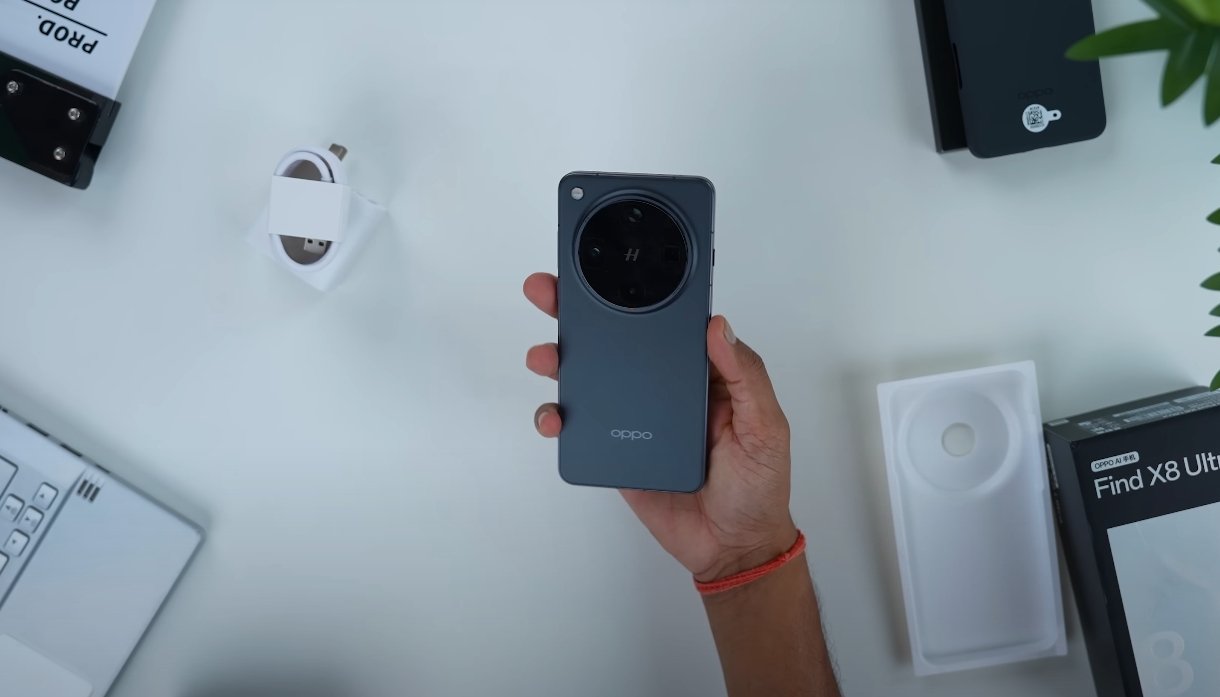
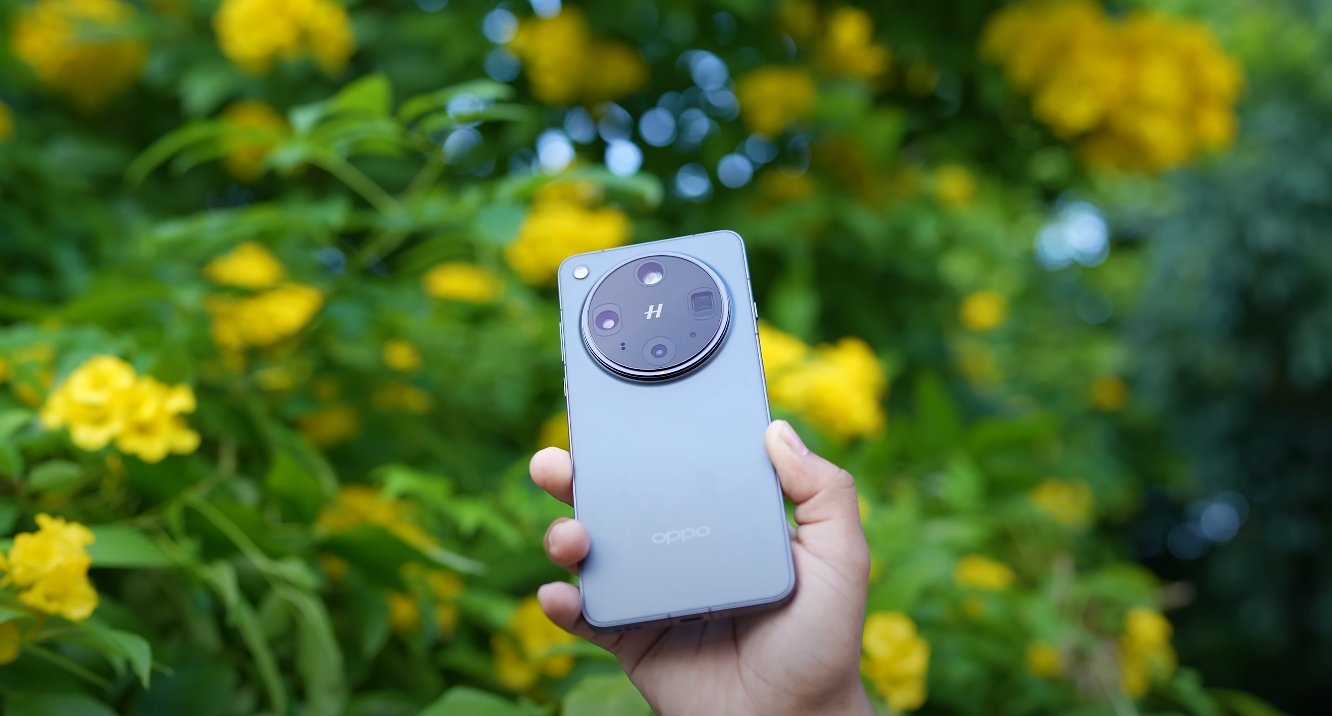
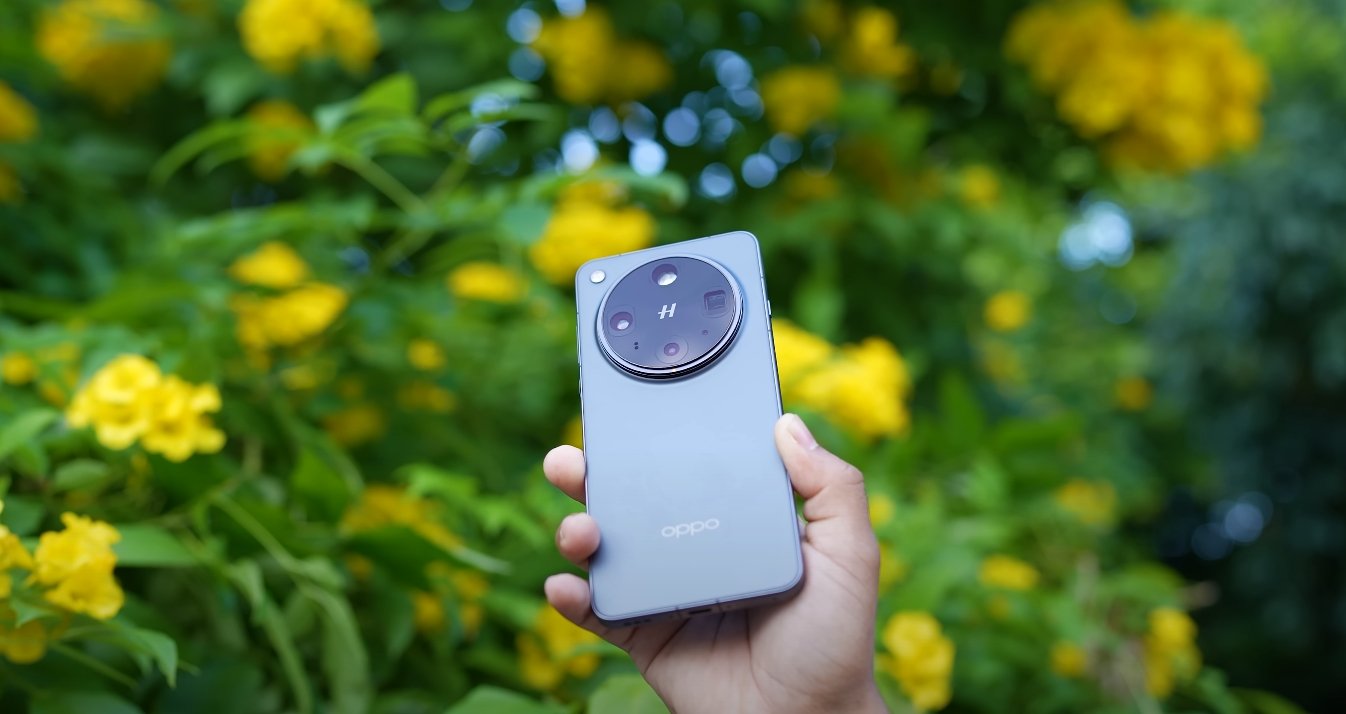
In terms of design, the Find X8 Ultra impresses immediately. Its flat 6.82-inch LTPO AMOLED display, with ultra-thin bezels, offers an immersive viewing experience while keeping the phone comfortable to hold. The rear glass panel feels premium, and the subtle camera bump has been reduced compared to previous models. Reviewers note that the flat-edge design improves ergonomics and makes screen protectors easier to apply, while the device’s IP68 and IP69 ratings contribute to confidence in durability.

Performance is another area where the phone stands out. Powered by the Snapdragon 8 Elite processor, up to 16GB of RAM, and up to 1TB of storage, the Find X8 Ultra handles demanding tasks, high-end gaming, and heavy multitasking without noticeable lag. Reviewers have highlighted that even under intensive workloads, the device remains smooth and responsive. The 6,100mAh battery, paired with 100W wired and 50W wireless charging, provides all-day usage and rapid recharge times, further enhancing its practicality for power users.

Oppo Find X8 Ultra hands on impressions by reviewers

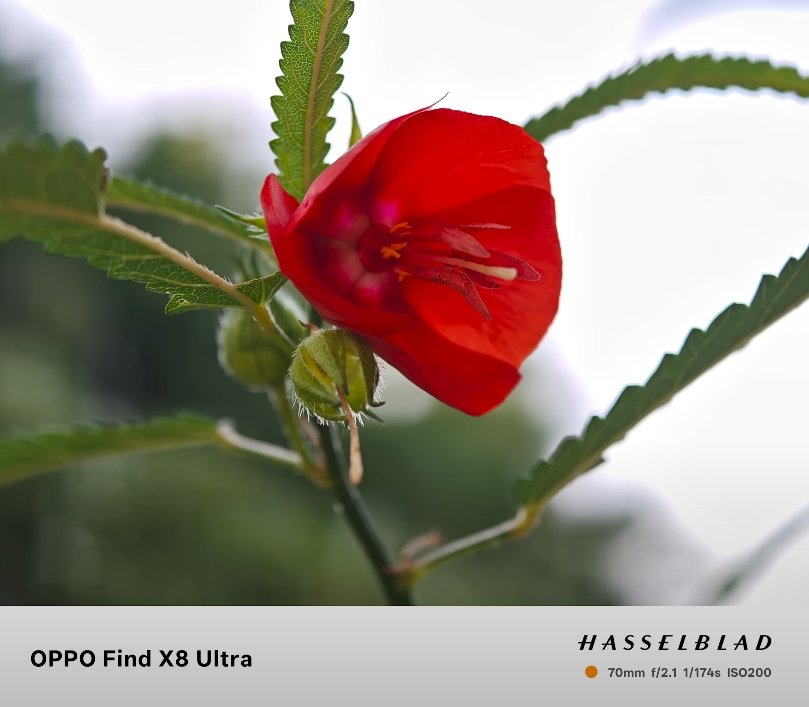
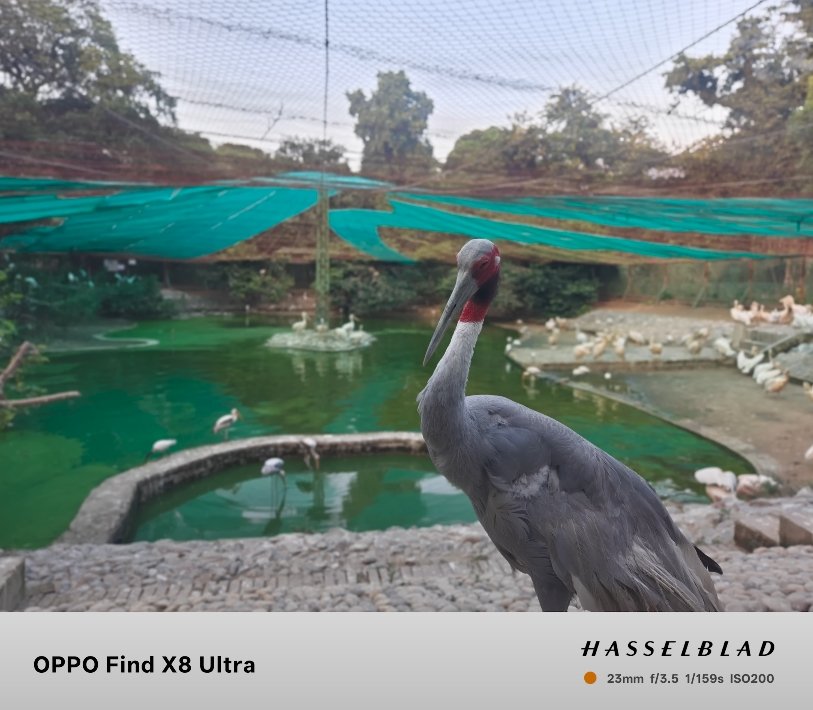
The camera system has garnered the most praise. The 1-inch main Sony sensor captures detailed, vibrant, and natural-looking images. Reviewers are particularly impressed with the 6x optical zoom, which maintains clarity and reduces noise even at long distances. The 50MP ultrawide camera performs well in capturing expansive landscapes, while the additional lenses, including a 200MP color sensor, add versatility for creative photography. Reviewers also mention that Hasselblad tuning improves color reproduction and image quality across all modes.

On the software side, the Find X8 Ultra runs ColorOS 15 based on Android 16. Reviewers find the interface intuitive and smooth, with seamless multitasking and easy access to camera and system functions. Some note that certain software features remain optimized for the Chinese market, but overall, the experience is polished and responsive. The combination of hardware and software ensures that daily tasks, gaming, and content creation all feel effortless.

Display quality also receives high marks. The LTPO AMOLED screen supports adaptive refresh rates and high brightness levels, providing sharp, vibrant visuals in all lighting conditions. Reviewers appreciate the balance between color accuracy and vividness, making the display suitable for everything from streaming high-definition content to editing photos directly on the device. Eye-care features, such as high PWM dimming, reduce flicker and make prolonged usage more comfortable.

Overall, hands-on impressions of the Oppo Find X8 Ultra highlight it as a flagship that excels in multiple areas. Reviewers consistently praise its premium design, smooth and powerful performance, versatile and high-quality cameras, and bright, accurate display. While availability remains limited outside China, the device sets a high standard for Android flagships in 2025 and is viewed as a serious competitor to other top-tier smartphones in both hardware and user experience.

Oppo Find X8 Ultra vs iPhone 15 Pro battery test

Oppo Find X8 Ultra vs iPhone 15 Pro battery test

A Detailed Look at Battery Power and Endurance

When it comes to modern flagship smartphones, battery life plays a crucial role in how users experience daily performance. The Oppo Find X8 Ultra and the iPhone 15 Pro are two of the most talked-about devices in the premium segment, both offering powerful features and advanced technologies. However, they take different approaches when it comes to battery capacity, charging speeds, and energy optimization. This battery test highlights how these two devices compare under real-world conditions.

The Oppo Find X8 Ultra is equipped with a large 6,100 mAh silicon-carbon battery, which immediately gives it an advantage in capacity over most competitors. In continuous use scenarios such as streaming, browsing, and gaming, the device maintains steady performance without significant heat buildup or rapid battery drain. Tests show that it can easily handle over a full day of intense use, with some users reaching nearly a day and a half on a single charge. This endurance is further supported by Oppo’s fast-charging technology, which allows the device to fully recharge in about half an hour using 100W wired charging. This means even a short charge break can add hours of extra use.

The iPhone 15 Pro, in contrast, takes a different route by relying on Apple’s power optimization strategies rather than sheer battery size. Its smaller battery, combined with efficient A17 Pro chip and iOS energy management, delivers strong performance for moderate use. In typical scenarios, the iPhone 15 Pro lasts through a full workday with ease. Light to moderate users often experience more than a day of use, especially with background power saving and adaptive refresh rate. However, when pushed in high-performance tasks like extended gaming, video editing, or 4K video playback, its endurance drops faster than the Oppo Find X8 Ultra.

Oppo Find X8 Ultra vs iPhone 15 Pro battery test

Charging speed is another area where the Oppo Find X8 Ultra takes a clear lead. With 100W fast charging support, the device can go from nearly empty to full in about 32 minutes. Even a quick 10-minute charge can provide enough power to last several hours of use. This feature is particularly useful for heavy users who need their device to be ready quickly. The iPhone 15 Pro, while reliable, takes nearly two hours to fully charge with standard wired charging and even longer with wireless charging. Apple prioritizes battery health and longevity, which can make charging feel slower compared to many Android flagships.

In endurance testing involving streaming, browsing, gaming, and camera use, the Oppo Find X8 Ultra consistently outperforms the iPhone 15 Pro in total screen-on time. The iPhone manages strong efficiency in standby and low-intensity activities, which makes it excellent for average daily use, but the larger battery capacity of the Oppo device gives it an advantage during heavy workloads. For users who travel frequently or use their phone extensively throughout the day, this difference can be significant.

Thermal performance and battery health also factor into long-term usage. The Oppo Find X8 Ultra maintains stable temperatures during fast charging and demanding applications, thanks to its cooling system. The iPhone 15 Pro also manages heat effectively but tends to warm up more quickly during prolonged gaming or video capture. Over time, Apple’s optimization helps maintain battery health, while Oppo’s silicon-carbon technology is designed to support long battery lifespan even with repeated fast charging.

Overall, the Oppo Find X8 Ultra proves to be the stronger performer in pure battery capacity, charging speed, and endurance during high-demand usage. The iPhone 15 Pro remains reliable for everyday users who value software optimization and balanced energy consumption. For those who prioritize all-day power with quick top-ups, Oppo’s device clearly takes the lead. For users who prefer consistent performance and integration with the Apple ecosystem, the iPhone 15 Pro continues to deliver dependable battery life in a well-optimized package.

In conclusion, the battery test between these two flagship phones highlights two different philosophies. Oppo pushes hardware limits with large batteries and extremely fast charging, aiming to minimize downtime. Apple focuses on efficient power management to ensure a smooth, predictable user experience. Both strategies have their strengths, but for users who want maximum endurance and the fastest recharge times, the Oppo Find X8 Ultra comes out ahead in this battery comparison.

Oppo Find X8 Ultra vs OnePlus 13 Pro performance review

Oppo Find X8 Ultra vs OnePlus 13 Pro performance review

Oppo Find X8 Ultra vs OnePlus 13 Pro: Performance Evaluation

The Oppo Find X8 Ultra and OnePlus 13 Pro are flagship smartphones designed to deliver exceptional performance for demanding users. Both devices are equipped with the Snapdragon 8 Elite chipset, providing high-speed processing, smooth multitasking, and excellent graphics performance. While their core hardware is similar, variations in software optimization, cooling systems, and battery configurations affect their real-world performance.

In synthetic benchmark testing, both phones demonstrate top-tier performance. The Oppo Find X8 Ultra achieved a Geekbench 6 single-core score of 3,103 and a multi-core score of 9,772, slightly surpassing the OnePlus 13 Pro’s scores of 2,946 and 8,999, respectively, in multi-core performance. In AnTuTu v10 tests, the Oppo Find X8 Ultra scored 2,792,179, while the OnePlus 13 Pro scored 2,800,003, showing a marginal edge for the OnePlus in overall system performance. Both devices feature the Adreno 830 GPU, ensuring smooth graphics rendering in games and multimedia applications.

Real-world usage confirms these benchmark trends. The Oppo Find X8 Ultra’s advanced cooling system effectively manages heat during prolonged gaming sessions or intensive workloads, maintaining stable performance without significant thermal throttling. The OnePlus 13 Pro emphasizes software and hardware optimization to improve energy efficiency, resulting in slightly better battery endurance during extended use. Both devices handle high-performance tasks like video editing, multitasking, and gaming without noticeable slowdowns.

Oppo Find X8 Ultra vs OnePlus 13 Pro performance review

The user experience on both smartphones is seamless. The Oppo Find X8 Ultra runs ColorOS 16 on Android 16, offering features like AI-driven task management, seamless animations, and advanced customization options. The OnePlus 13 Pro uses OxygenOS, known for its clean and intuitive interface, enabling quick navigation and minimal clutter. App launches, screen responsiveness, and gesture navigation are smooth on both devices, providing a premium experience for daily use.

Battery performance is a strong suit for both phones. The Oppo Find X8 Ultra houses a 6,100mAh battery supporting 100W wired and 50W wireless fast charging, allowing rapid recharges and extended usage throughout the day. The OnePlus 13 Pro has a 6,000mAh battery with similar wired and wireless charging speeds. In practical use, both devices comfortably handle full-day heavy workloads, including gaming, streaming, and productivity tasks.

Connectivity features are comprehensive on both smartphones, with 5G, Wi-Fi 6E, and Bluetooth 5.3 support ensuring fast and reliable wireless connections. The Oppo Find X8 Ultra carries an IP69 rating for water and dust resistance, while the OnePlus 13 Pro offers an IP68 rating, making both devices durable for various environments and accidental exposure to water or dust.

In gaming performance, both smartphones excel thanks to the Snapdragon 8 Elite and Adreno 830 GPU. High-end games such as Genshin Impact, PUBG Mobile, and Call of Duty Mobile run smoothly at maximum settings on both devices, with minimal frame drops or stuttering. The Oppo Find X8 Ultra benefits from its thermal management system to sustain long gaming sessions without performance degradation, while the OnePlus 13 Pro leverages software optimizations to maintain stable frame rates and efficient power consumption.

In conclusion, the Oppo Find X8 Ultra and OnePlus 13 Pro both deliver exceptional performance suitable for power users, gamers, and multitaskers. The Oppo Find X8 Ultra offers slightly better multi-core performance and superior cooling, making it ideal for intensive gaming and heavy workloads. The OnePlus 13 Pro provides efficient energy management and a streamlined software experience. Choosing between the two depends on individual preferences regarding software interface, battery endurance, and specific performance priorities.

Also Read:  Vivo X300 FE brings premium design to USA buyers

Oppo Find X8 Ultra vs iPhone 15 Pro night photography

Oppo Find X8 Ultra vs iPhone 15 Pro night photography

Oppo Find X8 Ultra and iPhone 15 Pro: Night Photography Comparison

Night photography puts cameras through some of their toughest tests. The Oppo Find X8 Ultra and iPhone 15 Pro are two flagship phones that aim to excel when light is scarce. This comparison focuses on how each performs under dim lighting: detail, noise, color accuracy, zoom, and handling shadows and highlights.

The Find X8 Ultra is designed with a 1-inch main sensor, dual periscope telephoto lenses (3× and 6× optical zoom), and strong computational photography. Users have praised its capability to capture vivid portraits at night, preserving detail even in hair edges and dim backgrounds. The Night Portrait mode especially stands out for its ability to isolate subjects, create pleasing background blur, and manage lighting without over-exposing bright elements. Some highlights may appear soft or somewhat washed out in certain situations, but overall, the Find X8 Ultra delivers impressive clarity.

On the iPhone 15 Pro side, night mode combined with the main camera produces sharp images with well-controlled noise. The iPhone’s image processing tends to favor balanced exposure, striving for natural tones rather than overly dramatic looks. It handles high contrast scenes—bright lights against dark backdrops—reasonably well; highlights are preserved more carefully, though shadows can lose minute detail. In zoomed night shots, especially beyond the native optical range, noise and softness increase noticeably, which is expected but sometimes more apparent than on the Find X8 Ultra.

Oppo Find X8 Ultra vs iPhone 15 Pro night photography

Color accuracy and tone rendering differ between the two. The Find X8 Ultra often maintains richness of color in low light—skin tones are natural, warm ambient lights stay true, and neon or colored lights tend to retain their character. However, there can be occasional over-smoothing of skin or some loss of texture in very dark or shaded parts of the frame. The iPhone 15 Pro tends toward slightly more muted or neutral tones at night. It avoids color shifts, but at times that comes at the cost of vibrancy; very dark areas may appear darker and less detailed.

Regarding zoom performance at night, the Find X8 Ultra’s 3× and 6× lenses perform strongly. At 3×, images remain sharp, with controlled noise; at 6× optical zoom under good conditions the phone still retains recognizable detail. Digital zoom at higher levels shows degradation: softer edges, more noise, less contrast. The iPhone 15 Pro’s telephoto zoom lens performs decently up to its optical limit at 3×/5× (depending on variant), but its digital zoom struggles more than Oppo’s when pushed far. Zoomed-in night shots are usable on both, but Find X8 Ultra retains more clarity in typical handheld scenarios.

Handling dynamic range in night scenes—the transition between bright lights, shadows, and midtones—is another area of distinction. The Find X8 Ultra tends to slightly favor brighter shadows; it lifts darker areas to retain detail, sometimes making scenes look more evenly lit even when lighting is moody. This helps with visibility but can reduce the “nighttime” atmosphere. The iPhone 15 Pro tends to preserve contrast more faithfully—bright highlights are tamed, shadows might get very dark, but texture in dark areas is preserved when possible, and the mood of the scene remains more atmospheric.

Finally, in usability, both phones include modes that help with night photography. The Find X8 Ultra has a “Night Portrait Master” mode and strong stabilization so that handheld low-light shots are more manageable. Users say that with minimal effort, they get excellent portraits in low light. The iPhone 15 Pro also has solid stabilization, good automatic night mode, and works well for those who prefer less manual setup. It may require steadier hands and sometimes choosing lower zoom to avoid blur or noise.

In conclusion, the Find X8 Ultra edges ahead for users who want more versatility, especially with zoom and maintaining color richness in varied night scenes. The iPhone 15 Pro offers a more conservative, faithful rendering, better highlight control, and a moodier contrast that many users will prefer. Your preference may come down to whether you want vivid, detailed night shots with strong zoom (Find X8 Ultra) or more subtle, natural-tone low-light performance (iPhone 15 Pro).

Oppo Find X8 Ultra USA preorder benefits and launch gifts

Oppo Find X8 Ultra USA preorder benefits and launch gifts

Exclusive Launch Offers and Early Buyer Rewards for Oppo Fans

The Oppo Find X8 Ultra has become one of the most anticipated flagship smartphones of 2025, and excitement is growing among U.S. buyers looking to secure early access to the device. While Oppo has not yet launched the Find X8 Ultra officially in the United States, several global markets have already opened preorders, revealing the kinds of gifts and benefits that early customers can expect. Based on Oppo’s established launch strategies and ongoing partnerships, the preorder experience for U.S. buyers—whether through import channels or future official availability—is expected to come with attractive rewards.

Oppo traditionally rewards its early adopters with a variety of launch gifts and exclusive bundles. For the Find X8 Ultra, the company has reportedly introduced special preorder programs in select regions, offering premium accessories and gift boxes to those who reserve their devices before the general sale. These bundles often include limited-edition merchandise, high-speed chargers, or wireless earbuds. For example, Oppo’s past campaigns have featured premium cases, extended warranty coverage, and brand collaborations with fashion labels or audio partners. This trend strongly suggests that buyers who secure their Find X8 Ultra early could receive similar rewards once the device becomes available for U.S. customers.

The Find X8 Ultra is Oppo’s most advanced flagship to date, featuring a top-tier camera setup, massive battery, and a new Snapdragon 8 Elite processor. The phone’s early marketing has focused heavily on its luxury design and professional imaging system, and Oppo’s preorder promotions typically reflect that premium appeal. Buyers who place preorders in early waves are likely to gain priority shipping, limited-edition color variants, or personalized engraving options. Oppo has also previously included accessory bundles such as a fast 100W SuperVOOC charger, a custom protective case, and Oppo Enco earbuds as part of preorder gifts. These inclusions not only add value but also give early buyers a complete ecosystem right out of the box.

Oppo Find X8 Ultra USA preorder benefits and launch gifts

For U.S. buyers who may import the Find X8 Ultra through authorized global retailers, preorder benefits can vary depending on the seller. Importers often offer their own early-purchase perks, including express international shipping, extended return windows, and discounted accessory bundles. Some global resellers may even provide region-specific extras such as travel adapters or prepaid customs clearance to make the buying experience smoother. Given the growing interest in Oppo’s flagship lineup among U.S. tech enthusiasts, many online platforms are preparing dedicated preorder listings that mirror Oppo’s official offers in other markets.

Shipping benefits are another important aspect of Oppo’s preorder program. In markets where preorders have already started, early buyers are given guaranteed priority delivery, often receiving their devices several days before the general release. This system could be replicated for U.S. customers, particularly those ordering through Oppo’s global e-commerce partners. Most of these vendors provide tracked shipping via FedEx or DHL, with delivery timelines ranging from five to ten business days depending on the destination. To make the process more convenient, Oppo may also offer a preorder registration portal where customers can confirm their order and redeem gift box items after shipment.

Another expected highlight is the launch gift box, which has become a signature part of Oppo’s flagship releases. The Find X8 Ultra’s box is rumored to include luxury-themed items, potentially tied to Oppo’s collaboration with well-known brands. These gift sets are typically limited in number and available only to customers who complete their preorders within the first phase. In addition, Oppo has a history of offering exclusive online benefits—such as store credits, vouchers for future Oppo products, or free device insurance coverage—to those who purchase early. If Oppo extends these offers to U.S. buyers, early adopters could receive a mix of physical and digital rewards that enhance the overall ownership experience.

Beyond material gifts, Oppo’s preorder campaigns often include service-related benefits. Buyers who preorder the Find X8 Ultra may receive extended device warranties, one-time free screen replacements, or priority access to software updates. Such benefits are designed to build loyalty among premium users and reassure them that their investment is well protected. In the U.S. market, where Oppo competes indirectly through imports against established brands like Samsung and Apple, offering enhanced after-sales services could make the Find X8 Ultra more appealing to adventurous buyers willing to try something new.

In conclusion, the Oppo Find X8 Ultra preorder phase promises to deliver a premium experience filled with valuable benefits for early buyers. While the official U.S. preorder has not yet opened, international patterns provide a clear picture of what to expect: special launch gift boxes, bundled accessories, priority delivery, and limited-edition extras. Buyers who act early will not only secure the flagship ahead of wider availability but also enjoy exclusive rewards that celebrate Oppo’s latest technological achievement. As anticipation grows, the Find X8 Ultra preorder campaign looks set to offer one of the most rewarding launch experiences for smartphone enthusiasts in 2025.

Also Read:  Samsung Galaxy M17 5G vs Motorola Edge 50 Neo review