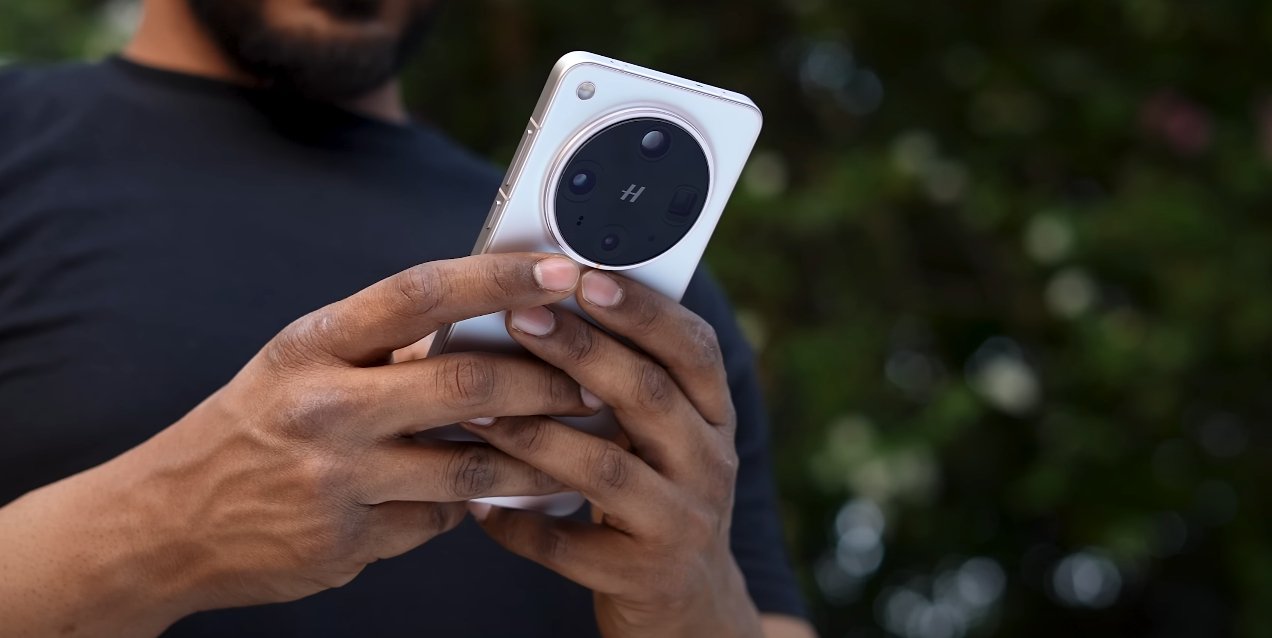
Oppo Find X8 Ultra vs iPhone 15 Pro Max zoom result

Oppo Find X8 Ultra vs iPhone 15 Pro Max zoom result

Comparing Zoom Camera Performance: Oppo Find X8 Ultra and iPhone 15 Pro Max

Zoom capabilities have become a major factor in evaluating flagship smartphones, as users increasingly rely on their devices for detailed distant photography. The Oppo Find X8 Ultra and iPhone 15 Pro Max are two top-tier devices that bring distinct technologies and approaches to zoom photography. Both deliver impressive results, but their methods, strengths, and limitations differ significantly, making this comparison essential for users prioritizing optical and digital zoom.

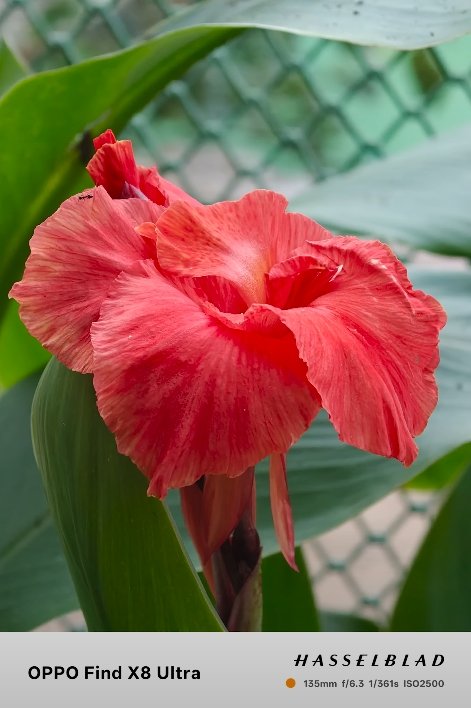
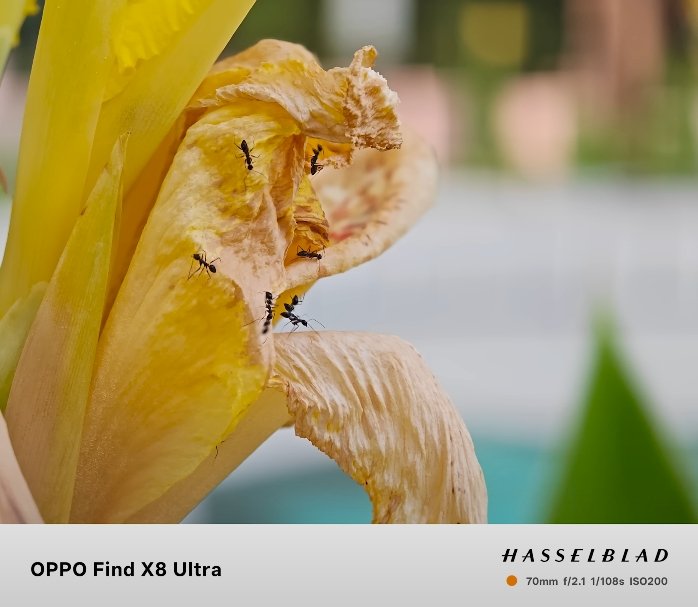
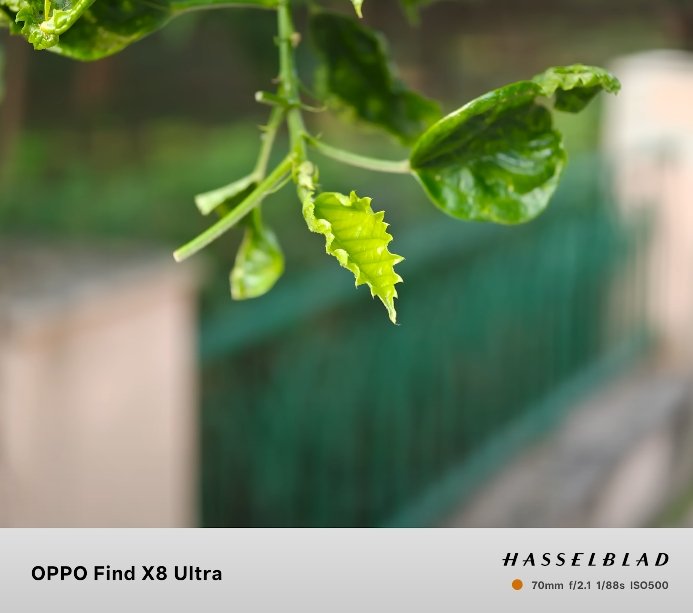
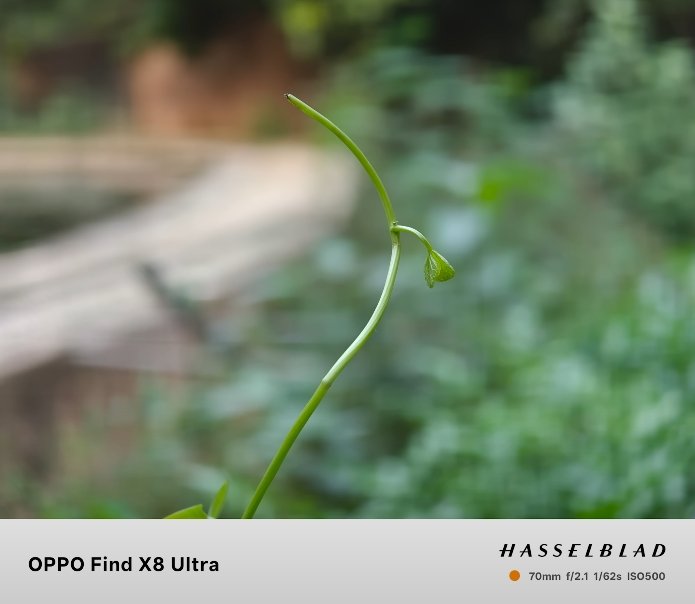
The Oppo Find X8 Ultra is equipped with a dual periscope telephoto system, featuring 3x and 6x optical zoom lenses. Combined with its 50MP main sensor and 50MP ultra-wide lens, this setup enables a versatile photography experience. The dual periscope lenses allow for a total 9x optical zoom, while AI-enhanced digital zoom extends the range up to 120x. In practical use, the Oppo excels in maintaining clarity and sharpness up to around 30x zoom. Users can capture distant subjects, such as city skylines, architectural details, or wildlife, with excellent definition and minimal noise. Its stabilization system ensures handheld shots remain steady, even at higher zoom levels, making it reliable for everyday photography.

Beyond 30x, the AI-driven digital zoom preserves usability, although image quality naturally decreases. Despite this, the Oppo Find X8 Ultra remains one of the best smartphones for extreme zoom photography available today. Its large 1-inch main sensor enhances light intake, contributing to vibrant colors and well-defined details even when zooming. HDR processing also ensures that highlights and shadows are balanced, resulting in well-exposed images under bright sunlight or mixed lighting conditions. The combination of optical flexibility, sensor size, and AI processing gives Oppo a clear advantage for users who prioritize maximum zoom range and creative photographic possibilities.
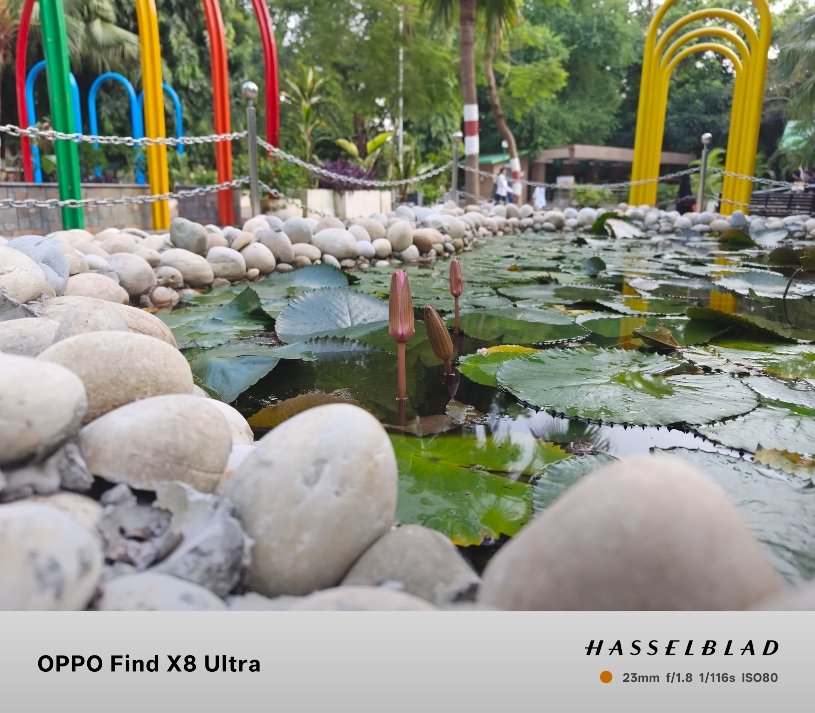
Oppo Find X8 Ultra vs iPhone 15 Pro Max zoom result

The iPhone 15 Pro Max takes a different approach with its innovative tetraprism telephoto lens. This lens allows for a 5x optical zoom in a compact form factor, providing high-quality magnification without significantly increasing device thickness. The telephoto lens design also enables real optical background blur, producing more natural bokeh effects in portrait photography compared to software-simulated blur. For most users, the iPhone’s zoom performance up to 5x delivers excellent image quality with sharp detail, accurate color reproduction, and consistent exposure. Its digital zoom extends up to around 25x, but images beyond the 5x optical range show a notable reduction in clarity, with increased noise and decreased sharpness compared to Oppo’s AI-assisted digital zoom.

In daylight scenarios, both phones perform well. The Oppo’s vibrant color profile makes images pop, with strong contrast and saturation that emphasize details in urban or landscape shots. The iPhone prioritizes natural color accuracy and texture preservation, producing images that closely reflect the scene as seen by the human eye. Motion handling is another consideration: Oppo performs well but may exhibit slight blur at extreme zoom levels, whereas the iPhone captures moving subjects cleanly within its optical range, making it particularly effective for portraits or dynamic outdoor scenes.

User experience also plays a role in zoom photography. The Oppo Find X8 Ultra is larger and slightly heavier, which can aid in stabilization for telephoto shots but may feel cumbersome during prolonged use. Its larger battery also supports extended photo sessions, accommodating both optical and AI-enhanced zoom operations. The iPhone 15 Pro Max is more compact, with a design optimized for one-handed handling and quick access to zoom controls. Its battery and software optimization ensure consistent performance, though the device relies more on digital cropping when zooming beyond its optical limit.

In terms of versatility, Oppo has the edge for users who frequently shoot at extreme distances and want flexible zoom options. The combination of 3x and 6x optical lenses, AI-enhanced digital zoom, and a large main sensor allows photographers to capture subjects from mid-range to extreme telephoto with high fidelity. The iPhone 15 Pro Max, while limited in zoom range, offers superior color accuracy, natural portrait effects, and a compact design, appealing to users who prioritize image realism and seamless integration with Apple’s ecosystem.

In conclusion, both the Oppo Find X8 Ultra and iPhone 15 Pro Max deliver impressive zoom capabilities, but they target different priorities. The Oppo excels in extended zoom range, versatility, and AI-assisted enhancements, making it ideal for photographers who need maximum reach and creative options. The iPhone 15 Pro Max focuses on optical quality, natural color reproduction, and ease of use, making it best suited for users who value realistic results and portrait performance. Choosing between the two depends on whether the user prioritizes extreme zoom capability or compact, consistent optical performance.

Also Read:  Oppo Find X8 Ultra vs iPhone 15 Pro night photography
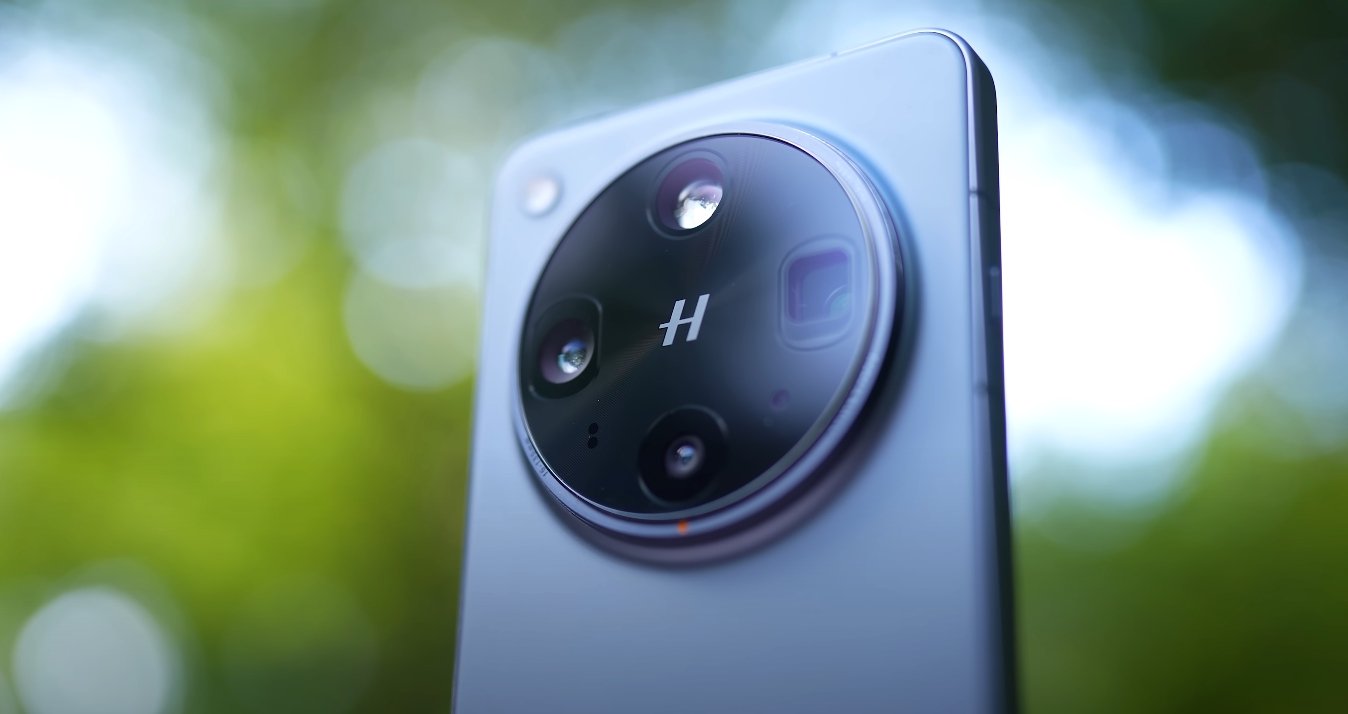
Oppo Find X8 Ultra vs iPhone 16 Pro early design leaks

Oppo Find X8 Ultra vs iPhone 16 Pro early design leaks

Flagship Design Face-Off: Early Look at Oppo Find X8 Ultra and iPhone 16 Pro

The smartphone world is already buzzing with leaks surrounding two of the most anticipated flagships of 2025 — the Oppo Find X8 Ultra and the iPhone 16 Pro. Both devices are set to redefine premium design in their own way, with early leaks giving users a glimpse of what each brand is preparing. While Oppo focuses on bolder aesthetics and new materials, Apple appears to be refining its timeless design language with precision and subtle changes. Here’s a detailed look at how the two flagships compare based on early design information.

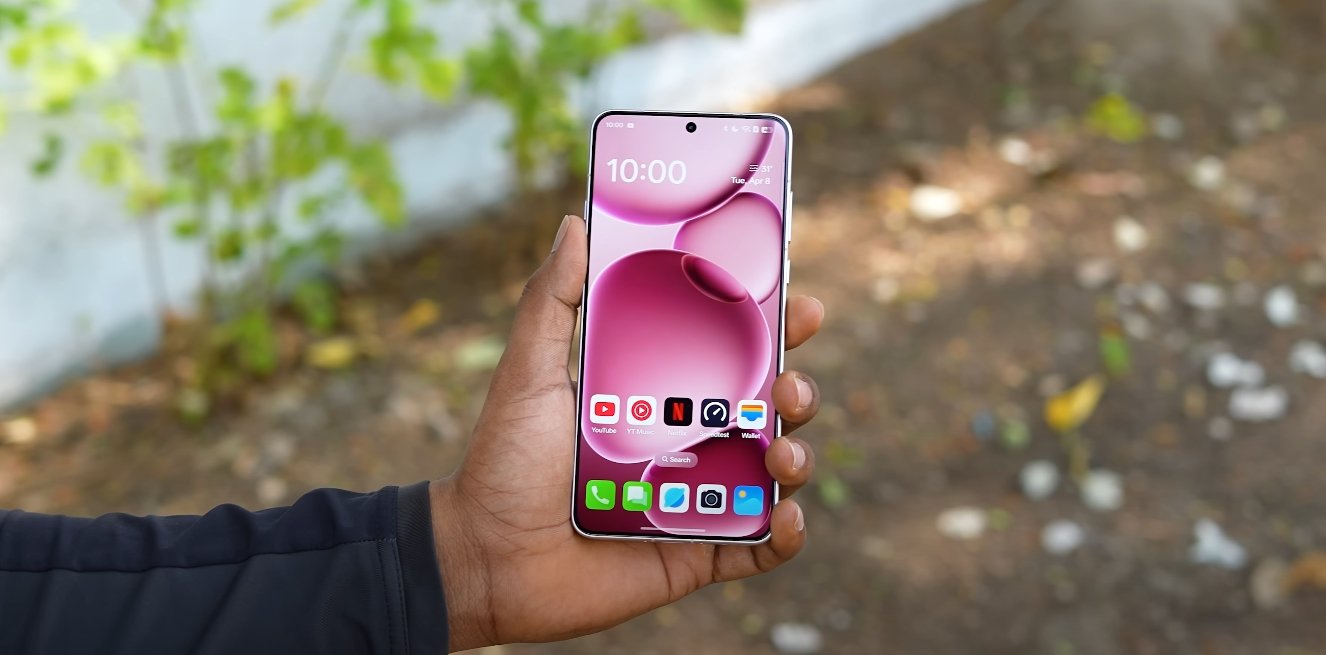
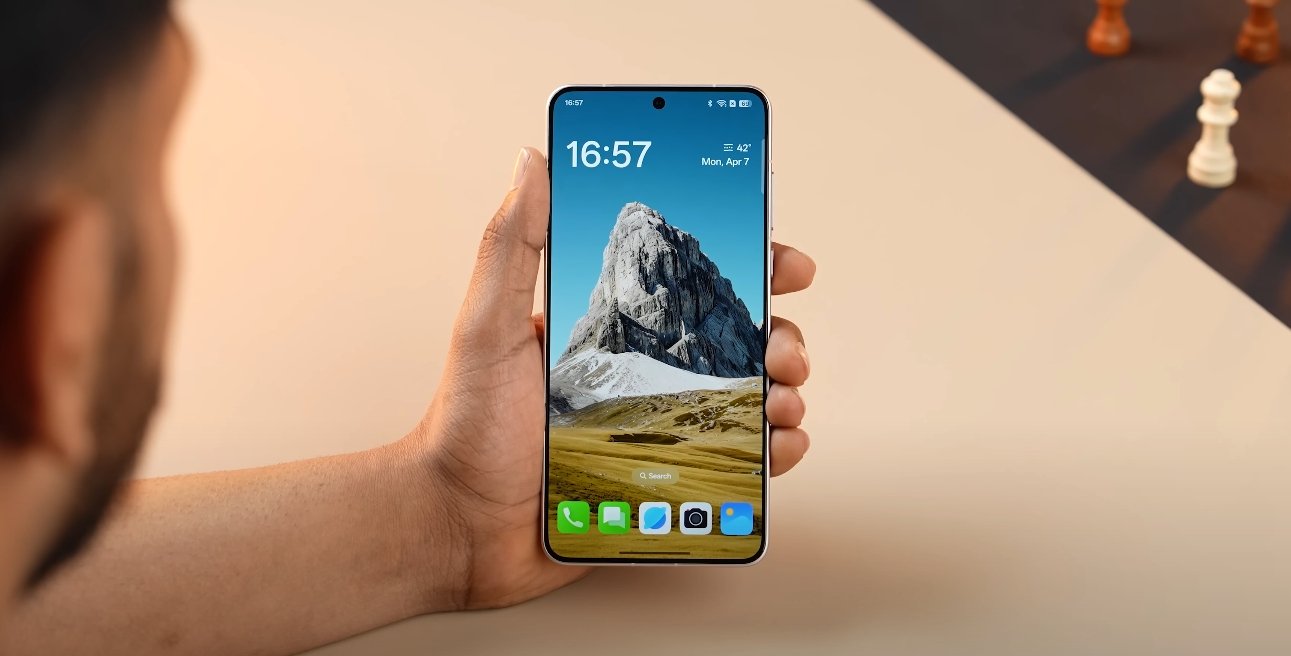
The Oppo Find X8 Ultra seems to mark a new phase in Oppo’s premium lineup, adopting a more squared and flat design compared to the curved builds of previous models. Leaked images suggest a 6.8-inch LTPO AMOLED display with ultra-thin bezels and a centered punch-hole camera. The company is reportedly opting for a flat front panel for a modern, symmetrical look that feels both futuristic and practical. The bezels appear almost invisible, giving the phone an edge-to-edge viewing experience that could rival even Apple’s latest displays. This shift toward flat edges indicates Oppo’s intent to align with modern trends while offering a unique visual identity.

In contrast, the iPhone 16 Pro continues Apple’s evolution of premium craftsmanship rather than a complete redesign. The biggest visual change, according to early leaks, is the addition of a new “Capture Button” placed below the power key. This pressure-sensitive button is expected to control camera functions, such as photo capture and zoom gestures. The front of the device retains the Dynamic Island and symmetrical bezels, though these are said to be slightly thinner than before. Apple seems to be focusing on fine-tuning its formula — smaller bezels, smoother lines, and a more refined titanium finish — rather than reinventing the look entirely.

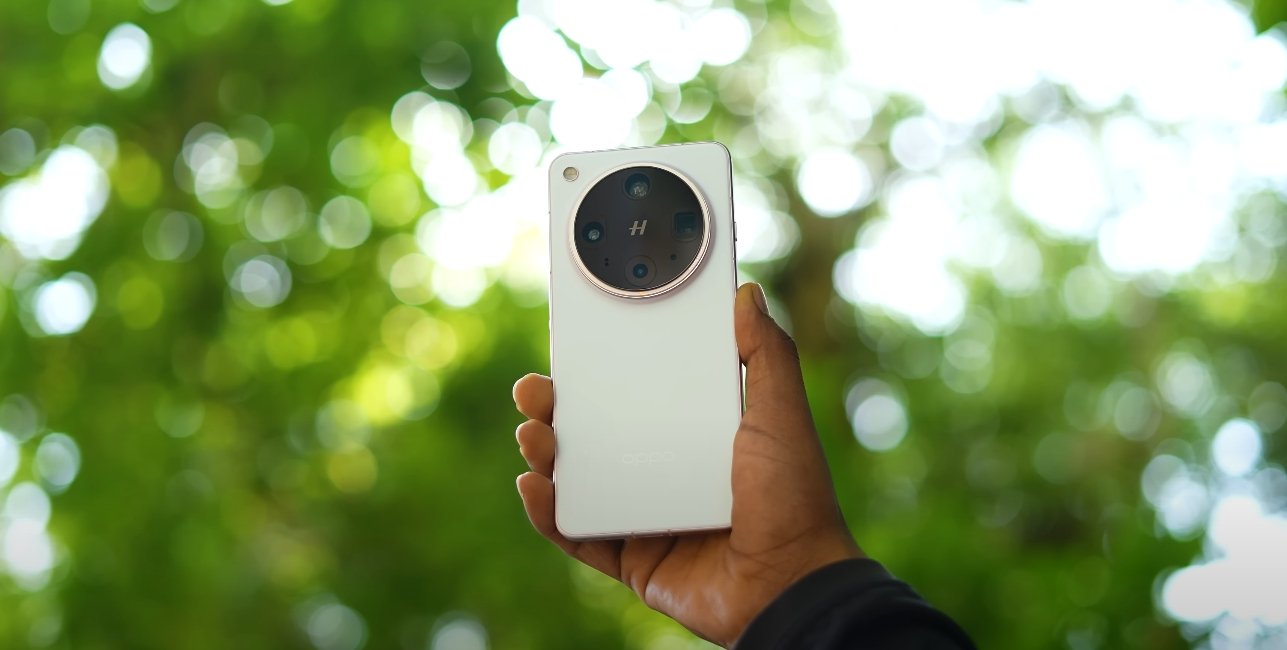
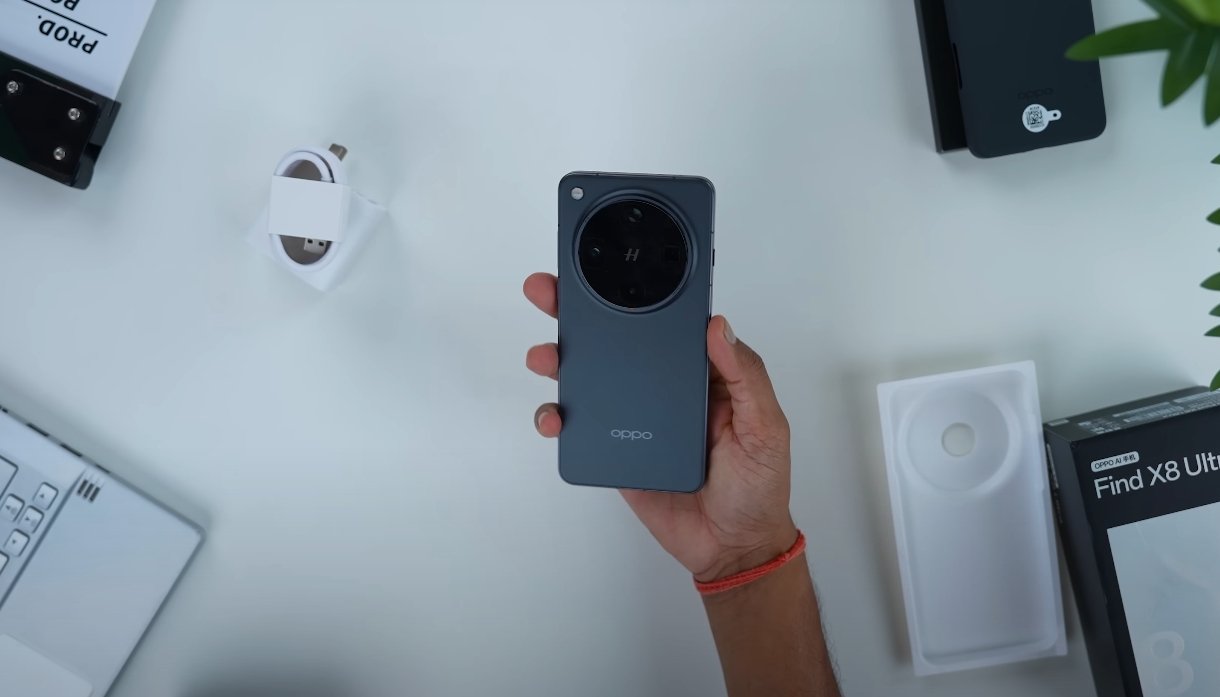
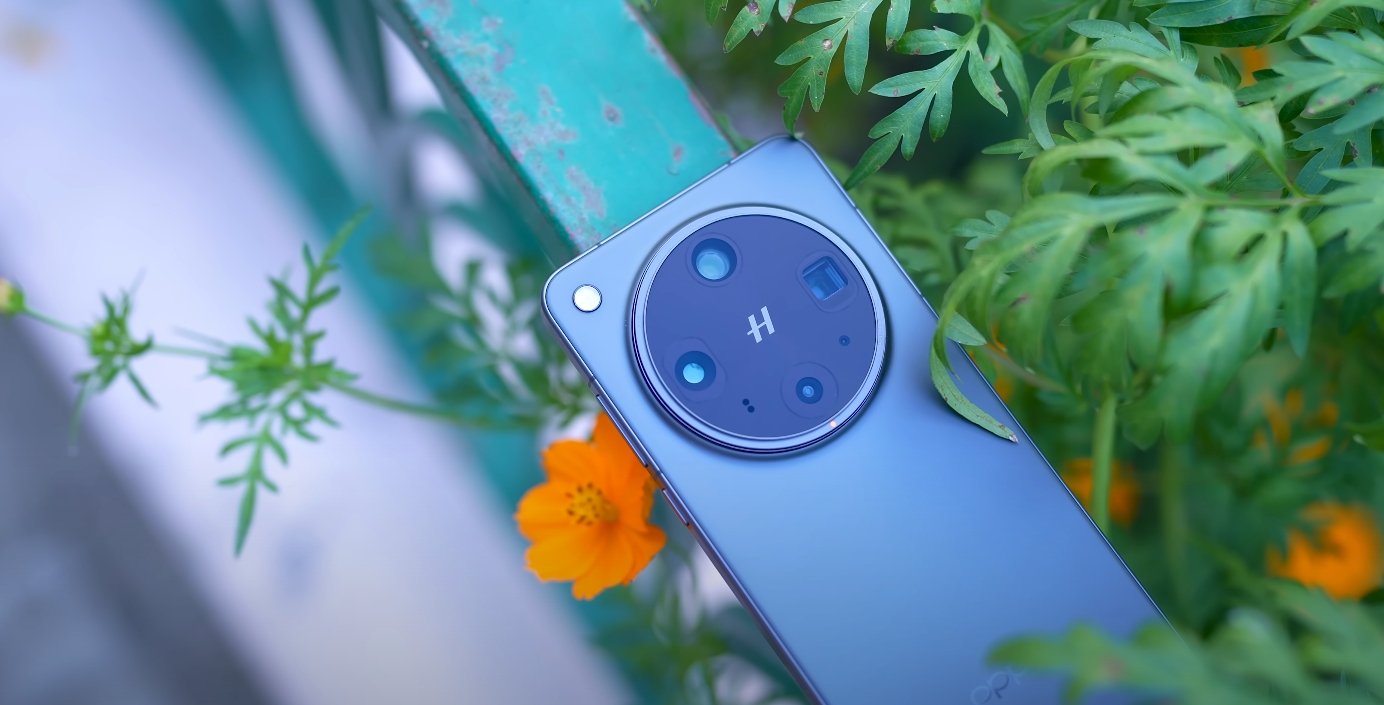
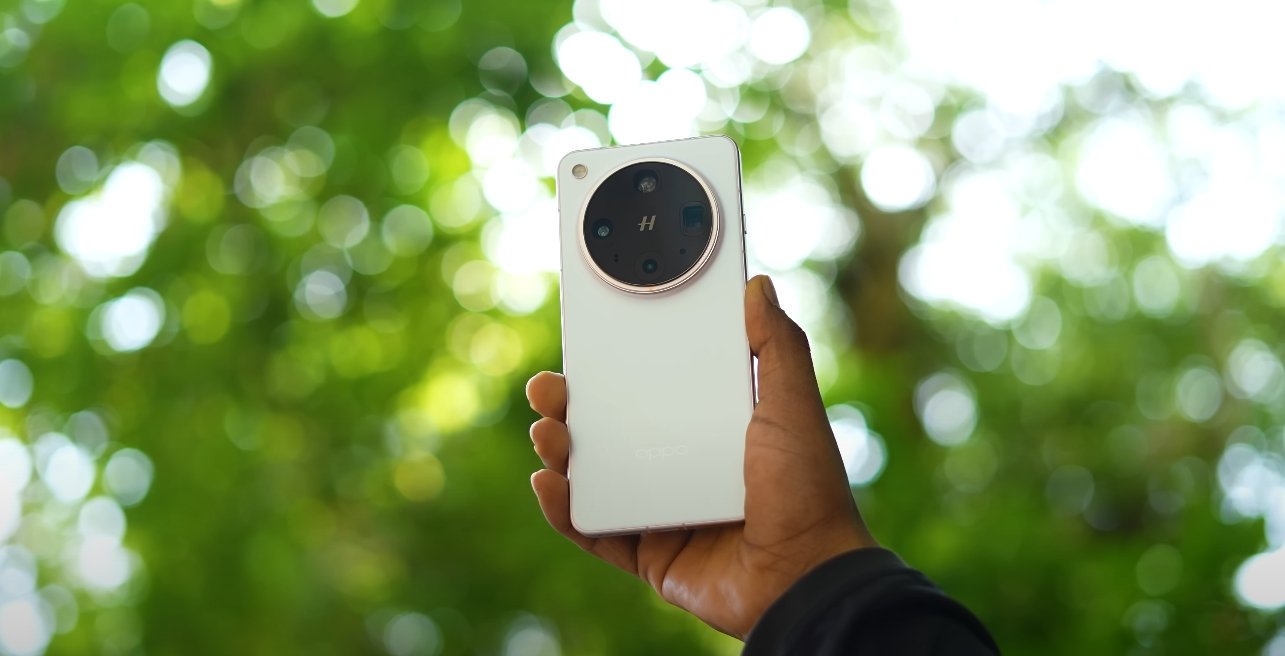
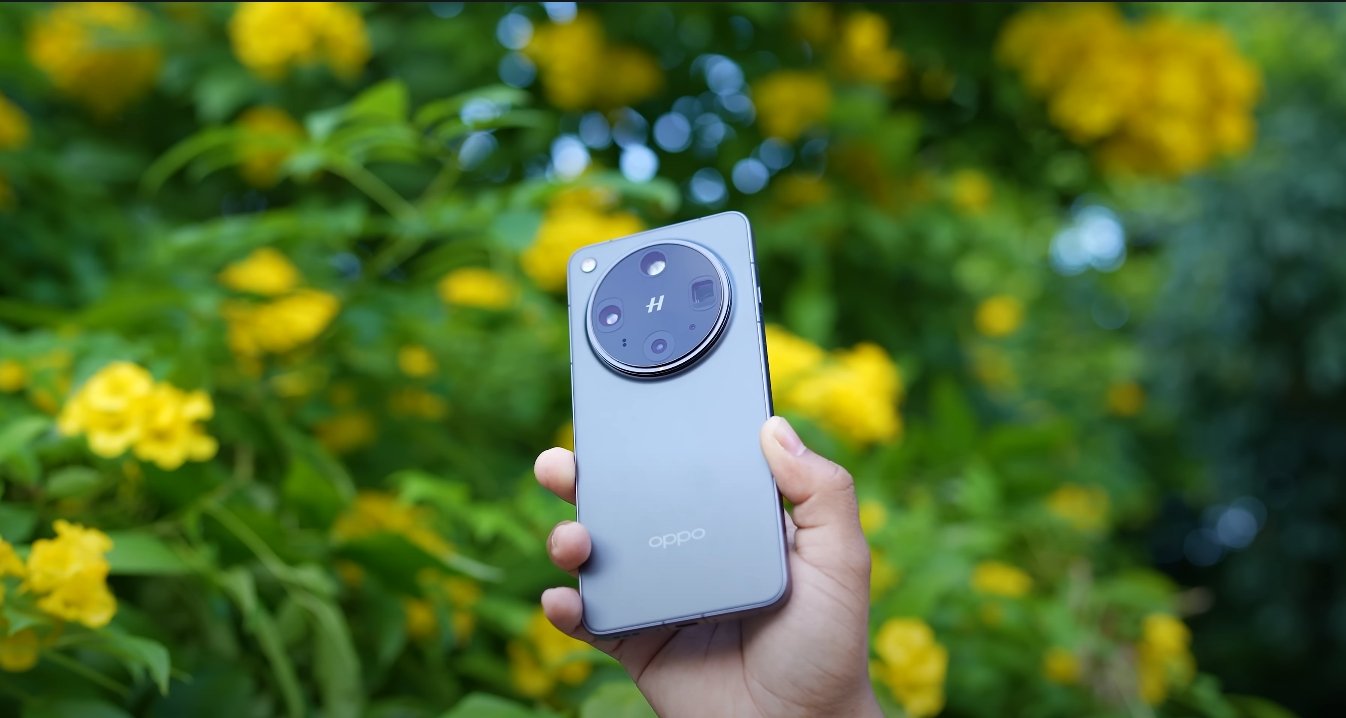
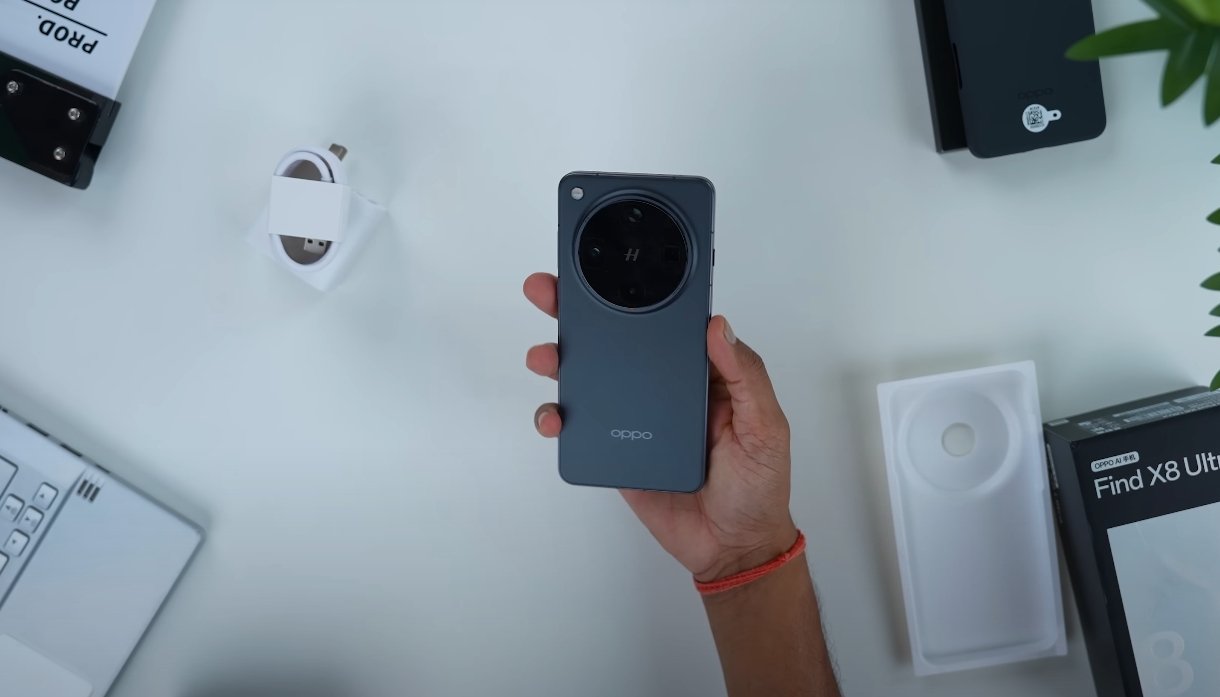
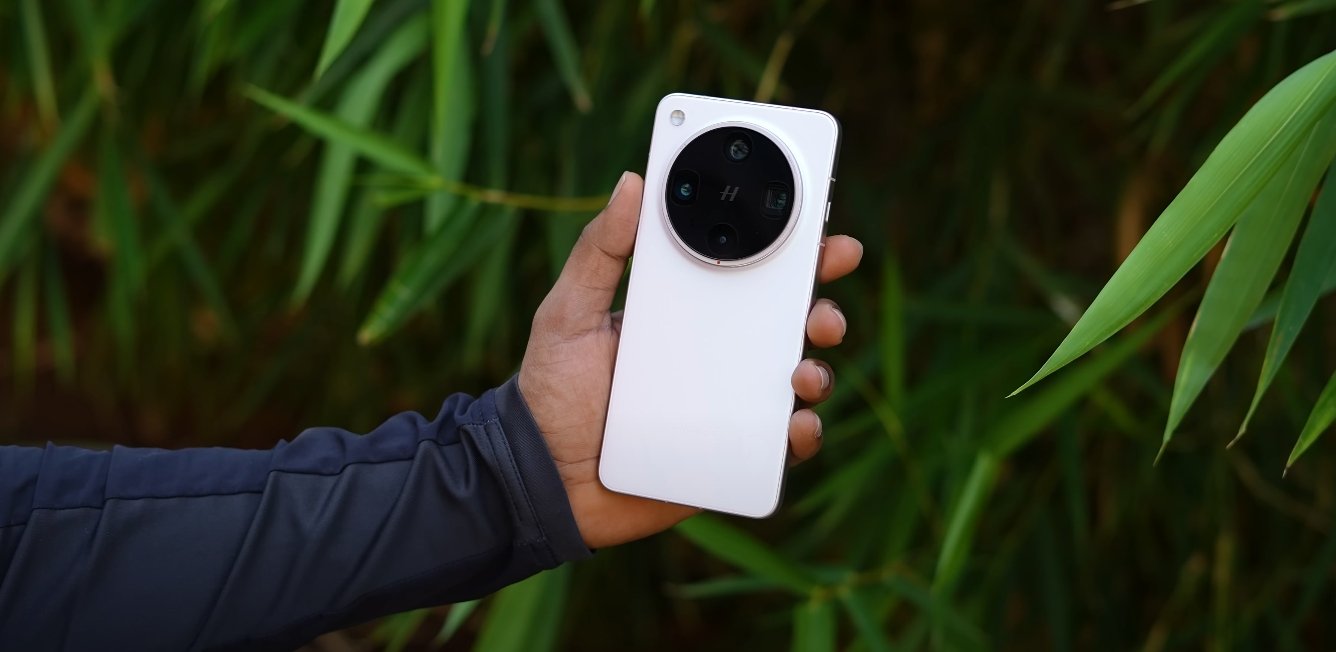
Moving to the back, Oppo is taking a more daring approach. The Find X8 Ultra reportedly features a large circular camera module that houses multiple sensors, including a main 1-inch sensor and dual periscope zoom lenses. The circular design is expected to be two-toned, combining metallic and glass finishes for a luxurious touch. The camera island is raised but artistically integrated into the rear surface, giving it a bold and professional appearance. The overall layout makes it stand out instantly, emphasizing Oppo’s goal to be recognized as a top-tier photography phone with design flair.

Oppo Find X8 Ultra vs iPhone 16 Pro early design leaks

Apple’s iPhone 16 Pro, on the other hand, is expected to continue its minimalist approach with a more refined camera layout. The triple-camera setup remains in a triangular arrangement, but the housing may become slightly larger to accommodate improved sensors. The phone’s titanium frame will continue to give it a robust yet lightweight feel, and Apple’s rumored new colors, including Rose Titanium and Natural Black, will refresh the lineup visually. Unlike Oppo’s expressive design, Apple maintains an understated elegance that appeals to users who value refinement over experimentation.

Material choices highlight the difference in brand philosophy. Oppo’s Find X8 Ultra may come in glass and leather finishes, offering a choice between sleek modernity and textured luxury. The leather variant is expected to feature a subtle matte finish for better grip, giving it a professional yet comfortable touch. The metal frame is slightly curved for better ergonomics despite the flat display. In contrast, the iPhone 16 Pro’s titanium body is expected to retain its premium brushed-metal feel, emphasizing durability and sophistication. Apple’s color palette may stay minimal, focusing on neutral tones that complement the phone’s professional image.

Both brands are also refining their button layouts and ergonomics. Oppo is rumored to replace the traditional alert slider with a new multifunctional “Smart Action Button,” allowing users to quickly access shortcuts or activate specific modes. This change signals Oppo’s intention to blend aesthetics with functionality. Apple’s new Capture Button takes a similar route — it introduces an extra layer of utility without disrupting the phone’s clean side profile. Both manufacturers seem to be converging on the idea that hardware buttons can still play a meaningful role in enhancing user experience.

From a design perspective, both devices reflect distinct brand identities. Oppo’s Find X8 Ultra appears bold, modern, and experimental, aiming to impress users with its standout camera island and luxurious finishes. It’s designed for those who want their smartphone to look unique and premium. The iPhone 16 Pro, however, remains the symbol of polished perfection. Apple’s design team continues to prioritize symmetry, tactile comfort, and minimalist appeal. While the changes may seem subtle, they represent Apple’s long-term design philosophy — continuous refinement rather than drastic reinvention.

As both devices inch closer to launch, these early design leaks show how the flagship race is no longer just about performance but also about visual identity. Oppo’s Find X8 Ultra is shaping up to be a bold statement piece, blending craftsmanship with innovation. Meanwhile, the iPhone 16 Pro carries forward Apple’s legacy of refined minimalism and timeless appeal. For U.S. buyers, the choice between these two may come down to personal taste — whether they prefer Oppo’s daring modernity or Apple’s refined consistency. Both are shaping up to be stunning devices that define the premium segment of 2025.

Also Read:  First Buyers Share Their Real Opinion On OPPO F29 Pro

Oppo Find X8 Ultra vs Galaxy Z Fold 6 camera quality

Oppo Find X8 Ultra vs Galaxy Z Fold 6 camera quality

Oppo Find X8 Ultra vs Galaxy Z Fold 6: Camera Quality Comparison

The Oppo Find X8 Ultra and Samsung Galaxy Z Fold 6 are two flagship smartphones that offer advanced camera systems designed for users who demand high-quality photography and video capabilities. Both devices aim to provide professional-grade imaging experiences, but they achieve this through different hardware setups and design philosophies. Comparing their camera performance can help users determine which device better suits their needs.

The Oppo Find X8 Ultra comes equipped with a quad-camera system, with each sensor delivering 50MP resolution. Its primary wide-angle lens features a large 1.0-inch sensor with an f/1.8 aperture, allowing it to capture bright and detailed images even in low-light conditions. Additionally, the device includes two periscope telephoto lenses, providing 3x and 6x optical zoom. This arrangement enables users to shoot a wide variety of scenes, from expansive landscapes to detailed close-ups, without sacrificing image clarity. The camera system is further enhanced by Hasselblad color tuning, ensuring natural and vibrant colors in photos.

On the other hand, the Samsung Galaxy Z Fold 6 has a triple rear camera setup. It includes a 50MP wide-angle lens with Dual Pixel autofocus and Optical Image Stabilization (OIS), a 12MP ultra-wide lens with a 123-degree field of view, and a 10MP telephoto lens offering 3x optical zoom. While the camera specifications are strong, the foldable design presents some limitations in sensor size and lens placement compared to traditional smartphones. However, the Galaxy Z Fold 6 still delivers high-quality images suitable for everyday photography and social media use.

Oppo Find X8 Ultra vs Galaxy Z Fold 6 camera quality

When it comes to zoom capabilities, the Oppo Find X8 Ultra takes the lead. Its dual telephoto lenses allow for detailed shots at greater distances without losing clarity, making it more versatile for scenarios like wildlife or sports photography. The larger sensors also contribute to better low-light performance, capturing more detail and producing less noise in challenging lighting conditions. The Galaxy Z Fold 6, while capable, cannot match the optical zoom range or the sensor size advantages of the Oppo device, making it slightly less optimal for specialized photography needs.

Both smartphones support 4K video recording, ensuring that users can capture high-resolution videos with ease. The Oppo Find X8 Ultra delivers sharp and vibrant video footage, with effective stabilization and color reproduction. It is particularly suitable for content creators or users who frequently record videos in varying conditions. The Galaxy Z Fold 6 also provides strong video performance, with the added benefit of its foldable design allowing creative angles and flexible framing that can enhance video composition, especially for vlogs or cinematic shots.

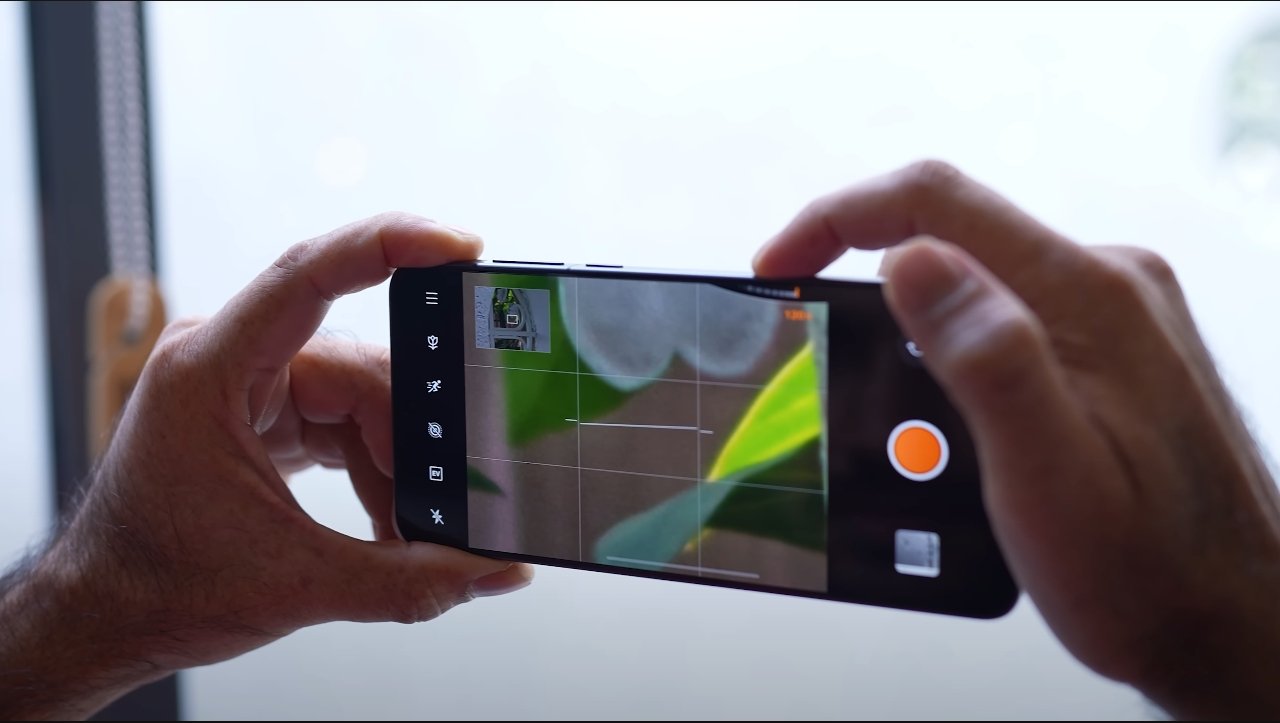
The user experience of the camera systems also differs between the two devices. The Oppo Find X8 Ultra offers extensive manual controls and professional shooting modes, allowing users to adjust settings like ISO, shutter speed, and focus for more creative control. In contrast, the Galaxy Z Fold 6 has a streamlined interface that prioritizes convenience, enabling users to capture great photos quickly without navigating complex menus. This approach suits users who prefer straightforward point-and-shoot photography rather than manual adjustments.

In addition to hardware, both devices leverage software enhancements to improve image quality. The Oppo Find X8 Ultra uses advanced AI processing to optimize scenes, reduce noise, and enhance dynamic range. The Galaxy Z Fold 6 employs computational photography features to maintain clarity and color accuracy, especially in tricky lighting conditions. These software optimizations help ensure that photos remain detailed and vibrant, regardless of the shooting environment.

Ultimately, choosing between the Oppo Find X8 Ultra and the Samsung Galaxy Z Fold 6 depends on individual photography preferences. Users who prioritize advanced camera capabilities, higher optical zoom, and larger sensors for professional-grade photos will find the Oppo Find X8 Ultra to be a superior choice. Those who value the foldable design for multitasking, creative angles, and versatile usage, while still enjoying a competent camera system, may prefer the Galaxy Z Fold 6. Both smartphones deliver impressive imaging experiences, but their strengths cater to different types of users and photography styles.

Also Read:  Nothing Phone 3A Lite call quality on major USA carriers

Oppo Find X8 Ultra vs iPhone 16 Pro Max early look

Oppo Find X8 Ultra vs iPhone 16 Pro Max early look

Oppo Find X8 Ultra vs iPhone 16 Pro Max: First Impressions and Comparison

The Oppo Find X8 Ultra and Apple iPhone 16 Pro Max are two of the most anticipated flagship smartphones of 2025. Both promise high-end performance, premium design, and advanced camera systems. Early leaks and previews provide insight into how these devices might perform in real-world scenarios, highlighting differences in display technology, camera capabilities, design, battery performance, and user experience.

The Oppo Find X8 Ultra focuses heavily on camera performance. Its quad 50MP rear camera system includes a 1-inch main sensor, an ultrawide lens, and two periscope telephoto lenses offering 3× and 6× optical zoom. Early impressions suggest that the Find X8 Ultra excels in low-light and neon-lit environments, producing natural skin tones, accurate color reproduction, and balanced contrast. Its larger main sensor captures more light, reducing noise and enhancing detail, particularly in dim conditions. The dual telephoto setup provides versatile zoom capabilities, making it ideal for both distant subjects and portrait photography.

In comparison, the iPhone 16 Pro Max continues Apple’s tradition of reliable camera performance. Its main sensor has been upgraded for improved low-light capture and dynamic range. Early reports indicate that the iPhone tends to produce warmer tones in neon-lit settings, sometimes sacrificing color accuracy for overall brightness. Apple’s computational photography and ProRAW processing ensure excellent image quality, especially for users who value consistent results across different conditions. While the iPhone may lack the dual telephoto zoom range of the Oppo device, it still offers high-quality photos and videos with impressive stabilization and color consistency.

Oppo Find X8 Ultra vs iPhone 16 Pro Max early look

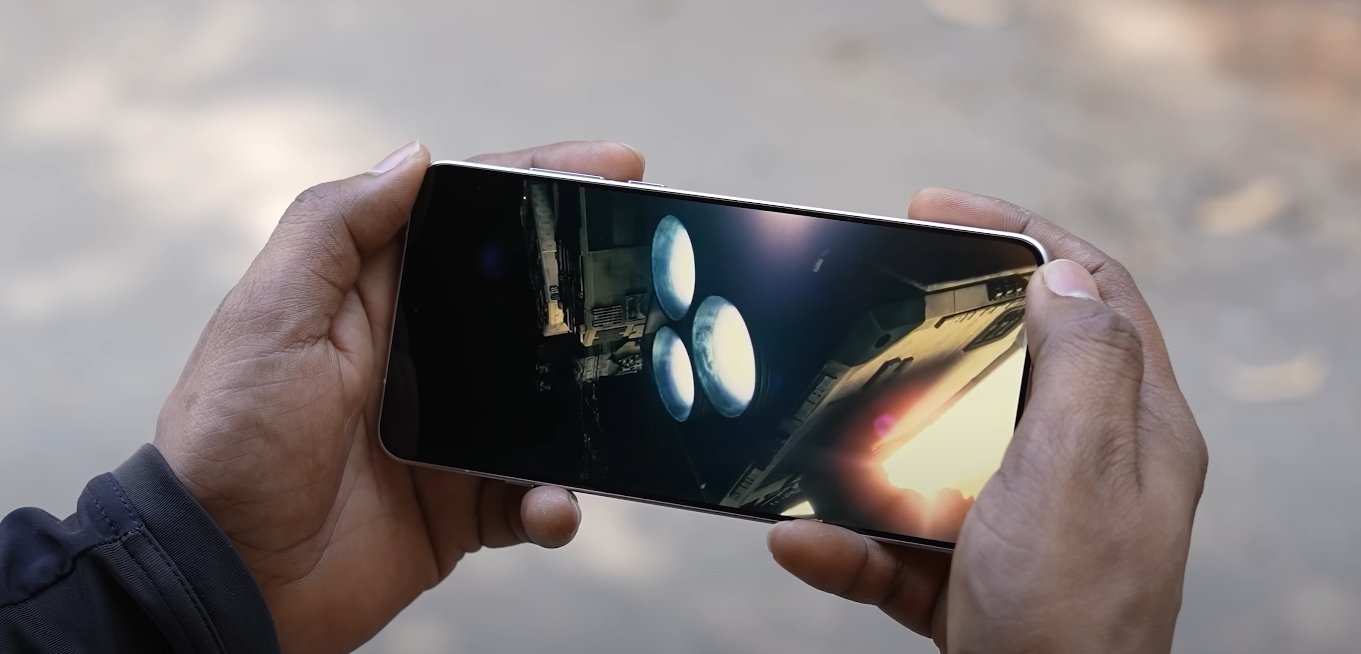
Display technology is another area of distinction. The Oppo Find X8 Ultra features a 6.82-inch LTPO AMOLED panel with 1440p resolution and peak brightness nearing 2,500 nits. This ensures crisp text, vibrant colors, and excellent outdoor visibility. The curved edges create an immersive experience for gaming and multimedia consumption. The iPhone 16 Pro Max, on the other hand, comes with a 6.9-inch Super Retina XDR OLED display. While its resolution is slightly lower than Oppo’s, Apple prioritizes color accuracy and consistency across the display. The iPhone’s panel offers excellent peak brightness, smooth ProMotion refresh rates, and color calibration for accurate representation, especially in professional photo and video editing scenarios.

Design and build quality also set these two phones apart. The Oppo Find X8 Ultra is slightly thicker at 8.78mm but includes premium materials, ultrasonic under-display fingerprint scanning, and dual IP68/IP69 water and dust resistance. The iPhone 16 Pro Max is 8.3mm thick and retains Apple’s Ceramic Shield front, titanium frame, and polished back finish. Both devices are visually striking and premium in hand, but Oppo focuses on added functionality and durability, while Apple emphasizes refined aesthetics and seamless integration with the iOS ecosystem.

Battery performance favors Oppo in raw capacity. The Find X8 Ultra houses a 6,100mAh battery with 100W wired and 50W wireless charging, allowing fast top-ups and extended usage even under heavy workloads. The iPhone 16 Pro Max has a smaller battery, but Apple’s software optimization ensures efficient energy management. Users can expect a full day of usage on either device, but Oppo may provide slightly longer endurance, especially during gaming, video playback, or continuous photography sessions.

Software and ecosystem differences are significant. Oppo’s ColorOS on Android emphasizes camera enhancements, customizable features, and performance optimizations for high-end hardware. Apple’s iOS focuses on ecosystem integration, long-term updates, and consistent user experience across apps and devices. Users who value creative flexibility and camera versatility may prefer Oppo, while those who prioritize reliability, app continuity, and seamless device integration may lean toward the iPhone.

In conclusion, the early look comparison between the Oppo Find X8 Ultra and iPhone 16 Pro Max highlights the strengths of each device. The Oppo Find X8 Ultra shines in camera innovation, display resolution, battery capacity, and versatile zoom options, making it ideal for photography enthusiasts and multimedia users. The iPhone 16 Pro Max continues to offer consistent performance, color accuracy, software polish, and ecosystem advantages, appealing to users seeking reliability and seamless integration. Choosing between them will depend on whether users prioritize camera capabilities and display performance or long-term software support and ecosystem integration.

Also Read:  Nothing Phone 3A Lite call quality on major USA carriers

Oppo Find X8 Ultra vs iPhone 15 Pro Max camera comparison

Oppo Find X8 Ultra vs iPhone 15 Pro Max camera comparison

Flagship Camera Battle: Hardware Muscle vs Software Mastery

The smartphone camera race continues to push boundaries, and 2025’s biggest showdown pits the Oppo Find X8 Ultra against Apple’s iPhone 15 Pro Max. Both devices represent the pinnacle of their respective ecosystems, with Oppo focusing on groundbreaking hardware and Apple refining its proven software excellence. While both excel in capturing stunning photos and videos, their approaches to imaging are fundamentally different — and that’s what makes this comparison so compelling.

The Oppo Find X8 Ultra is built around pure hardware strength. It features a quad 50MP rear camera system that includes a massive 1-inch Sony LYT-900 sensor as the primary lens, accompanied by a 50MP ultra-wide, a 50MP 3x telephoto, and a 50MP 6x periscope zoom lens. There’s also a dedicated spectral sensor designed to improve color accuracy. On the front, Oppo includes a 32MP selfie camera. In contrast, the iPhone 15 Pro Max carries Apple’s signature triple-lens setup with a 48MP main camera, a 12MP ultra-wide, and a 12MP 5x periscope telephoto lens, supported by a 12MP front-facing camera. Apple’s focus remains on computational photography and color consistency across all lenses rather than sheer megapixel count.

In daylight photography, both phones produce impressive results, though they take different stylistic routes. The Find X8 Ultra’s large 1-inch sensor captures more light, delivering images with excellent dynamic range, deeper contrast, and an almost DSLR-like depth of field. Colors appear natural yet vibrant, with fine details visible even in complex textures like foliage or skin tones. The iPhone 15 Pro Max, meanwhile, focuses on balance and realism. Its Smart HDR processing ensures well-exposed images, even in challenging conditions. The iPhone’s color accuracy and tone mapping remain industry-leading, giving its photos a more true-to-life aesthetic, whereas Oppo’s output leans slightly toward cinematic richness.

Oppo Find X8 Ultra vs iPhone 15 Pro Max camera comparison

When it comes to zoom performance, Oppo’s engineering advantage becomes evident. The Find X8 Ultra’s dual periscope lenses — one at 3x and another at 6x optical zoom — deliver outstanding clarity at multiple focal lengths. Even at extreme zoom levels, details remain sharp, and noise levels stay impressively low. The iPhone 15 Pro Max, with its 5x telephoto lens, performs exceptionally well up to its optical limit but struggles to maintain the same clarity at longer digital zoom ranges. For users who enjoy shooting landscapes, wildlife, or distant architecture, Oppo clearly has the edge thanks to its advanced optical system and larger sensors.

In portrait mode, both devices excel but in distinct ways. Oppo leverages its Hasselblad tuning for natural-looking skin tones and smoother background blur, giving portraits a professional-grade aesthetic. The iPhone 15 Pro Max, however, uses its powerful computational algorithms and LiDAR sensor to create precise depth separation. This ensures that even hair strands and fine edges are cleanly distinguished from the background. Apple’s edge detection remains slightly more consistent, but Oppo’s color tone and bokeh rendering feel more artistic and expressive, appealing to photography enthusiasts who value a creative look.

Low-light photography further highlights the contrast between the two. Oppo’s massive main sensor, combined with multi-frame night processing, produces bright and detailed images even in near-dark environments. Its spectral sensor helps preserve accurate color tones under artificial lighting, avoiding the yellowish tint that many phones struggle with. The iPhone 15 Pro Max also performs exceptionally well in low light, aided by Apple’s Photonic Engine and sensor-shift optical image stabilization. However, its smaller sensor means slightly less light capture, though its software balances exposure expertly. Apple’s night portraits tend to retain better facial details, while Oppo’s shots often appear brighter and more dramatic.

Video performance remains Apple’s domain, and the iPhone 15 Pro Max continues to lead in this department. It records in 4K at up to 60fps with Dolby Vision HDR and supports advanced features like ProRes and Log recording, giving users professional-level flexibility in post-production. Stabilization is near flawless, and transitions between lenses remain smooth and consistent. Oppo’s Find X8 Ultra also performs remarkably well in video, offering 4K recording at up to 120fps, excellent stabilization, and crisp detail even when zooming. Still, Apple’s color calibration, sound capture, and focus tracking remain slightly ahead, making it the preferred option for creators and vloggers.

Overall, the Oppo Find X8 Ultra dominates in camera hardware — offering greater versatility, longer zoom range, and superior light capture — while the iPhone 15 Pro Max continues to shine through its unmatched image processing and video recording capabilities. Oppo’s approach appeals to those who want raw imaging power and creative control, while Apple’s system is ideal for users seeking consistent, polished results straight out of the camera.

In the end, it’s less about which phone has the “better” camera and more about what type of photographer you are. The Find X8 Ultra is built for enthusiasts who love manual control and pushing the limits of mobile hardware. The iPhone 15 Pro Max, on the other hand, delivers a refined, reliable experience that excels in every situation with minimal effort. Both stand at the top of the smartphone photography world — but in 2025, Oppo’s bold hardware innovation has ensured that Apple finally has some serious competition in its strongest domain.

Oppo Find X8 Ultra vs OnePlus 12R display quality

Oppo Find X8 Ultra vs OnePlus 12R display quality

Display Performance Showdown: Oppo Find X8 Ultra and OnePlus 12R

Display quality has become one of the most important factors when evaluating flagship smartphones in 2025. Among the top contenders, the Oppo Find X8 Ultra and OnePlus 12R stand out for their impressive screen technologies and capabilities. Both devices provide vibrant visuals, high refresh rates, and excellent brightness levels, but they differ in resolution, pixel density, and overall user experience. Comparing them in real-world scenarios reveals which smartphone may be better suited for your daily needs.

The Oppo Find X8 Ultra features a 6.82-inch AMOLED display with a resolution of 3168 x 1440 pixels. This translates to a high pixel density of approximately 515 pixels per inch, providing sharp, detailed images and crisp text. The 120Hz refresh rate ensures smooth scrolling, responsive gaming, and fluid animation transitions. The display supports HDR10+ content, enhancing the dynamic range of videos and photos for a more immersive viewing experience. Its color accuracy is impressive, offering vibrant yet true-to-life colors that make media consumption and content creation visually satisfying.

One of the key strengths of the Find X8 Ultra is its large 1-inch main sensor for photography, which benefits from the display’s high resolution and clarity. Users can preview detailed shots and edit photos directly on the device without losing visual fidelity. While the peak brightness reaches up to 2500 nits, which is more than sufficient for indoor and moderate outdoor use, it may struggle slightly under very direct sunlight compared to phones with extreme brightness levels. Despite this, the display remains bright and readable, with excellent contrast and black levels thanks to the AMOLED technology.

Oppo Find X8 Ultra vs OnePlus 12R display quality

The OnePlus 12R, on the other hand, offers a 6.78-inch AMOLED display with a resolution of 2780 x 1264 pixels and a pixel density of around 450 ppi. While lower than the Oppo Find X8 Ultra, this resolution is still sharp enough for daily use, including media viewing, gaming, and web browsing. The 120Hz refresh rate ensures smooth visuals, making animations and transitions feel natural. OnePlus has focused on peak brightness, pushing it up to 4500 nits, which ensures excellent outdoor visibility even under strong sunlight. The HDR10+ support and wide color gamut provide vibrant, punchy visuals, making the screen look vivid and engaging.

In real-world usage, the differences between these displays become apparent in certain scenarios. The Oppo Find X8 Ultra’s higher resolution and pixel density give it an edge for detailed tasks, such as reading small text, viewing high-resolution photos, or editing images. Media appears sharper, and colors retain depth and clarity. Its slightly lower peak brightness is still sufficient for most conditions, but in extremely bright outdoor settings, users may notice some reduction in visibility. The smoothness of the 120Hz refresh rate, combined with accurate color representation, makes it a pleasure to use for multimedia consumption.

The OnePlus 12R excels in bright conditions thanks to its higher peak brightness. Outdoors, it remains clear and legible even under direct sunlight, which is ideal for users who spend a lot of time outside. The slightly lower resolution does not drastically affect visual quality for most users, as the screen still provides sharp images and smooth text rendering. Vibrant colors and deep contrasts make the display feel immersive, and HDR content benefits from the phone’s ability to handle bright highlights and dark shadows effectively. Its 120Hz refresh rate ensures responsiveness across all apps, and motion appears fluid during gaming or scrolling.

Both devices also provide excellent viewing angles and consistent brightness across the screen. The Oppo Find X8 Ultra leans toward users who value high-resolution visuals and pixel-perfect detail, while the OnePlus 12R caters to those who prioritize outdoor readability and extremely bright, vivid colors. Color reproduction on both phones is impressive, though Oppo tends to produce slightly more accurate and natural tones, whereas OnePlus emphasizes punchier and more eye-catching colors.

In conclusion, the Oppo Find X8 Ultra and OnePlus 12R both offer top-tier display performance in 2025. The Find X8 Ultra stands out for its high resolution, superior pixel density, and true-to-life color accuracy, making it ideal for content creators, photo editors, and users who prioritize visual detail. The OnePlus 12R is better suited for users who need maximum brightness, vibrant visuals, and clear readability in outdoor environments. Ultimately, choosing between the two comes down to individual preferences, usage scenarios, and the balance between resolution, brightness, and color fidelity.

Also Read:  Lava Agni 4 comparison with Redmi Note 14 5G

Oppo Find X8 Ultra vs Galaxy S24 Plus battery backup

Oppo Find X8 Ultra vs Galaxy S24 Plus battery backup

Comparing Battery Life of Two Flagship Giants

The competition between the Oppo Find X8 Ultra and Samsung Galaxy S24 Plus goes beyond camera systems and performance benchmarks. Battery life has become one of the most important deciding factors for premium smartphone users, especially those who rely heavily on their devices throughout the day. Both of these flagship models promise strong endurance, but their real difference lies in how efficiently they manage power under real-world usage.

The Oppo Find X8 Ultra is equipped with a massive 6100mAh battery, one of the largest seen in a mainstream flagship device. This large capacity gives it an advantage right from the start, especially for heavy users who stream, game, or use camera features frequently. The phone also supports extremely fast 100W wired charging and up to 50W wireless charging. This means even if the large battery runs low, users can refill it in just minutes rather than hours. Oppo’s advanced charging management also ensures lower heat generation during charging, which helps maintain long-term battery health.

On the other hand, the Samsung Galaxy S24 Plus features a 4900mAh battery, slightly smaller in size but backed by Samsung’s strong optimization. It supports 45W fast charging and Samsung’s version of fast wireless charging. Although it may not match Oppo’s charging speeds, Samsung compensates through efficiency in software tuning and intelligent battery management. One UI’s adaptive battery system limits background processes from draining power unnecessarily, which can help extend standby time and screen-on duration.

When it comes to screen-on time and endurance under heavy load, the Oppo Find X8 Ultra tends to offer slightly longer runtime. Users can expect around nine to ten hours of active screen usage on moderate brightness and mixed activity, which includes browsing, streaming, and light gaming. Even under intense gaming or camera use, it usually holds up well for an entire day. The large cell size helps it maintain stability even when the display runs at its highest refresh rate or resolution. For users who often rely on navigation, multitasking, or constant internet access, this extra capacity becomes a noticeable advantage.

Oppo Find X8 Ultra vs Galaxy S24 Plus battery backup

The Galaxy S24 Plus, despite having a smaller battery, performs impressively due to Samsung’s display efficiency and chipset optimization. The adaptive refresh rate dynamically shifts between 1Hz and 120Hz depending on the task, conserving power during static content and only ramping up when needed. In daily mixed use, it comfortably lasts a full day with about seven to eight hours of screen-on time. While not as long as Oppo’s figures, it still provides reliable endurance that most users will find more than adequate for typical workdays or travel.

Charging speed is another area where Oppo clearly leads. The Find X8 Ultra’s 100W fast charging can refill the battery from zero to full in under half an hour, making it one of the fastest-charging flagships available. Even a quick ten-minute top-up provides hours of additional use. Samsung’s 45W charger, while slower, is still fast enough for everyday convenience, taking around one hour to reach full capacity. For users who value speed and efficiency, Oppo’s system offers greater flexibility, especially when time is limited.

Thermal management plays a vital role in maintaining consistent battery behavior. The Find X8 Ultra’s larger vapor chamber and improved heat dissipation system allow it to sustain performance under stress without significant overheating. This is particularly useful during gaming or prolonged camera sessions. Meanwhile, the S24 Plus remains cool and steady due to its balanced performance tuning. Samsung prefers efficiency over raw speed, which helps preserve energy and reduce battery wear during long-term use.

In real-world conditions, both phones deliver dependable results, but their approach differs. The Oppo Find X8 Ultra focuses on raw capacity and rapid charging, making it ideal for users who demand long battery life and quick refills. The Galaxy S24 Plus emphasizes consistent, optimized performance that can last a full day without worrying about mid-day recharging. For travelers, professionals, and multimedia enthusiasts, Oppo’s advantage in size and charging speed can be a major draw. For users who prioritize reliability, stability, and software optimization, Samsung remains a safe and efficient choice.

Ultimately, when comparing battery backup, the Oppo Find X8 Ultra holds the upper hand due to its higher capacity and ultra-fast charging system. However, the Galaxy S24 Plus still stands strong with its efficient hardware-software balance. Both smartphones prove that flagship devices can now easily deliver all-day endurance, leaving the final choice to depend on whether you prefer sheer power or refined efficiency.

Also Read:  OPPO F29 Pro Price in USA Creates Buzz Among Buyers

Oppo Find X8 Ultra vs Pixel 9 Pro design comparison

Oppo Find X8 Ultra vs Pixel 9 Pro design comparison

Oppo Find X8 Ultra and Pixel 9 Pro: A Design Showdown

The Oppo Find X8 Ultra and Google Pixel 9 Pro are two of the most talked-about flagship smartphones, each bringing a distinct design philosophy to the table. Both devices aim to combine premium materials with innovative design, but they approach aesthetics and ergonomics in different ways, appealing to different user preferences.

The Oppo Find X8 Ultra features a flat-edged design, giving it a modern and sturdy appearance. Its rear is dominated by the unique “Cosmos Ring” camera module, which houses five advanced sensors, including dual periscope telephoto lenses. This module is not only functional but also serves as a design centerpiece, giving the phone a bold, recognizable look. The device is crafted from high-quality glass and aluminum, and it carries IP68 and IP69 certifications for dust and water resistance, ensuring durability in various conditions.

In contrast, the Pixel 9 Pro follows Google’s signature minimalist design approach. It features a polished metal frame and a matte glass back, offering a smooth and refined appearance. The rear camera bar runs horizontally across the back, providing a subtle yet distinct aesthetic. Like the Oppo Find X8 Ultra, the Pixel 9 Pro also offers IP68 dust and water resistance, although it does not have the additional IP69 rating. The Pixel’s design emphasizes simplicity, making it easy to handle and visually appealing without excessive embellishments.

Oppo Find X8 Ultra vs Pixel 9 Pro design comparison

When it comes to displays, the Oppo Find X8 Ultra offers a 6.82-inch LTPO AMOLED panel with a 1440p resolution and a 120Hz refresh rate. The flat display design ensures consistent visuals without edge distortion, providing smooth scrolling and vibrant colors. The device’s large screen enhances multimedia experiences and complements the overall premium feel of the phone. On the other hand, the Pixel 9 Pro focuses on user comfort with a design aimed at natural handling. While its exact display specifications are not as prominent as Oppo’s, Google emphasizes ergonomics and ease of use, ensuring the device feels balanced and accessible in daily interactions.

The rear camera designs of the two phones further highlight their design philosophies. The Oppo Find X8 Ultra’s “Cosmos Ring” is visually striking, emphasizing the phone’s focus on high-end photography. The inclusion of five sensors, including dual periscope lenses and a 50MP main sensor, showcases Oppo’s commitment to combining function with style. The module is symmetrical and bold, making the phone instantly recognizable. In comparison, the Pixel 9 Pro’s camera bar is understated and elegant. Google prioritizes a clean and minimalist design while integrating its advanced camera technology. The horizontal bar creates a sleek profile that blends seamlessly with the phone’s overall aesthetic.

Color options also play a role in differentiating the devices. The Oppo Find X8 Ultra comes in sophisticated shades such as Starry Black, Moonlight White, and Morning Light, each offering a distinct look. The gradient and reflective finishes enhance the phone’s premium feel and give users the option to select a style that reflects their personality. The Pixel 9 Pro typically features subtle, classic color options that emphasize simplicity and modernity, aligning with its minimalist design philosophy.

Ergonomics and usability further separate these two flagships. The Oppo Find X8 Ultra incorporates a customizable hardware button, replacing the traditional alert slider, allowing quick access to shortcuts and functions. This feature adds to the phone’s futuristic feel and enhances user interaction. The Pixel 9 Pro emphasizes ease of handling with a rounded frame and balanced weight distribution, making it comfortable for one-handed use and prolonged handling.

In conclusion, the Oppo Find X8 Ultra and Google Pixel 9 Pro excel in different design areas. The Find X8 Ultra impresses with bold aesthetics, advanced camera integration, and a high-end display, making it ideal for users who value standout design and multimedia performance. The Pixel 9 Pro appeals to users who prefer minimalist elegance, refined materials, and ergonomic comfort. Both devices deliver premium build quality and thoughtful design, but the choice between them depends on whether a user prioritizes bold visual statements or understated sophistication in their smartphone.

Also Read:  Vivo T4 5G Price in USA

Oppo Find X8 Ultra vs Honor Magic6 Pro feature battle

Oppo Find X8 Ultra vs Honor Magic6 Pro feature battle

High-End Flagship Clash: Oppo vs Honor

The Oppo Find X8 Ultra and the Honor Magic6 Pro are two of the most powerful Android phones currently available. Both phones come loaded with premium hardware, class-leading cameras, and high refresh displays. But they aim at slightly different priorities: Oppo leans more into photography versatility and rugged build, while Honor delivers standout battery features, extreme display brightness and bold zoom specs. In a side-by-side comparison, each excels in specific areas.

In display and build, both phones offer LTPO OLED panels with adaptive refresh rates from 1Hz up to 120Hz, but their peak brightness is where Honor pushes further. The Magic6 Pro reaches up to 5,000 nits in HDR peak brightness, making it extremely visible under direct sunlight. Oppo Find X8 Ultra has a very bright screen too—roughly 1,600 nits in bright conditions—and supports HDR content with Dolby Vision, high color accuracy, and premium glass protection. Oppo also distinguishes itself with a flat display design (not curved), IP68 + IP69 water and dust resistance, and increased drop resistance certification. Honor’s Magic6 Pro offers a curved floating screen, strong durability via special drop-resistant glass, and also IP68 rating, but in a design that gives more premium “look and feel” flair.

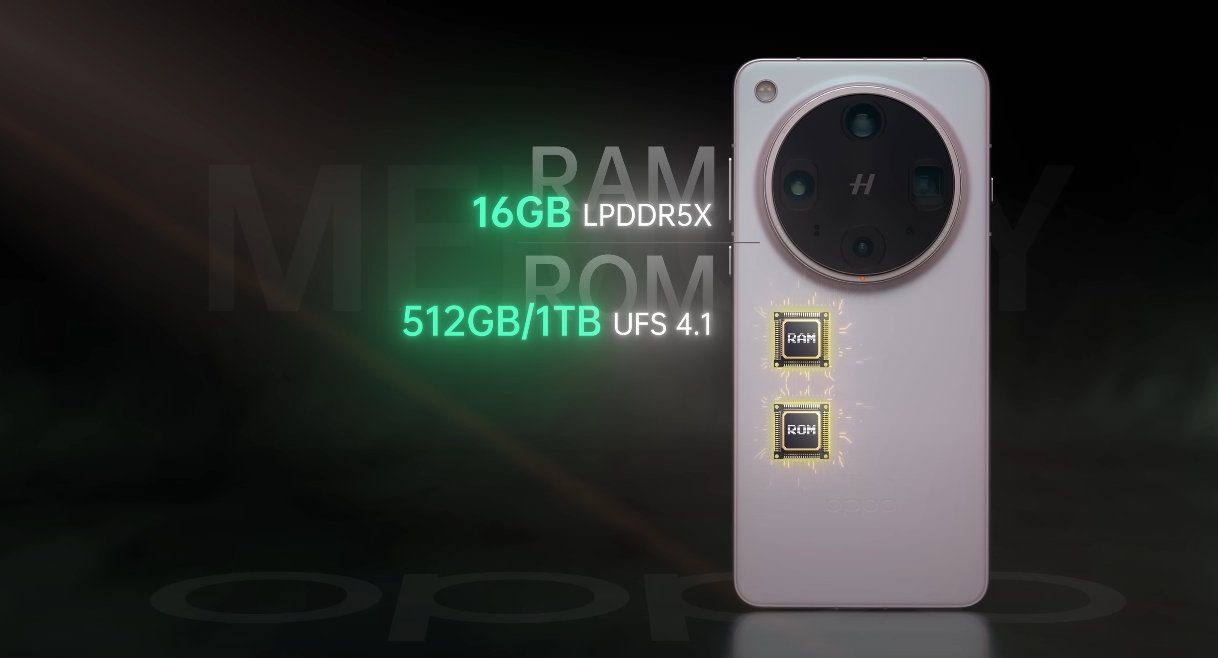
Performance, memory, and storage are similar between both. The Oppo uses Snapdragon 8 Elite chipset, with up to 16 GB RAM and up to 1TB storage. The Magic6 Pro also uses a Snapdragon 8 Gen 3 platform, with 12-16 GB RAM and similar high capacity storage, plus UFS 4.0 in many variants. In GPU, display refresh, and general smoothness, both phones perform nearly neck and neck in demanding apps and multitasking, though Oppo may pull ahead in optimization for the camera system and thermal stability in longer sessions.

Oppo Find X8 Ultra vs Honor Magic6 Pro feature battle

Camera systems are where the differences get more interesting. The Oppo Find X8 Ultra features a quad-50 MP rear camera array: a 1-inch Sony main sensor with optical image stabilization, an ultra-wide lens, a 3× periscope telephoto, and a 6× periscope telephoto lens. This gives Oppo strong zoom flexibility and excellent low-light ability, particularly with optical periscopes. Honor Magic6 Pro offers a different zoom approach: a massive 180 MP periscope telephoto lens (2.5× optical zoom, large sensor), along with a 50 MP main camera with a variable aperture (around f/1.4-f/2.0), and a 50 MP ultra-wide lens. The Honor’s 180 MP sensor allows very high digital resolution, letting users crop and zoom with more detail at longer ranges, though some of this depends heavily on processing. For portrait shots, a 50 MP front camera on Honor with autofocus and depth assist gives strong results; Oppo’s front shooter is good, but Honor pulls ahead in selfie resolution.

Battery, charging, and endurance show trade-offs. The Find X8 Ultra packs a 6,100 mAh battery and supports 100W wired, 50W wireless, and 10W reverse wireless charging. Honor’s Magic6 Pro uses a slightly smaller 5,600-mAh battery but delivers faster wireless charging (66 W) and competitive wired charging (80 W). While Oppo gives you more battery capacity and versatility with reverse wireless, Honor’s fast wireless charge may appeal more to users who want quick top-ups and cable-free convenience.

Feature extras and software: Oppo includes a customizable shortcut button, haptic shutter button, high water/dust resistance (IP68/IP69), and a more rugged overall build. Honor offers special display tech (very high PWM dimming rates, ultrahigh peak brightness, excellent screen certifications), strong durability glass, and robust front camera hardware. Both phones support modern connectivity like 5G, WiFi 7 / advanced WiFi, and high-speed storage. On software, Oppo ships with ColorOS on Android 15, Honor with Magic UI / MagicOS based on Android 14. Update commitments are strong for both, though Honor often emphasizes battery performance, fast charge safety, and display protections as part of its USP.

In summary, if your priorities are zoom strength, especially at longer distances, fast wireless charging, and extreme screen brightness, Honor Magic6 Pro makes a compelling case. But if you prefer more optical zoom flexibility, larger battery capacity, rugged build, and more versatile cameras with periscope lenses, the Oppo Find X8 Ultra stands out. For many buyers, the decision will come down to whether you value raw zoom and display brilliance (Honor), or balanced photography and durable build with strong overall performance (Oppo).

Also Read:  Lava Agni 4 preorder guide and expected launch offers

Oppo Find X8 Ultra vs Galaxy S23 FE value comparison

Oppo Find X8 Ultra vs Galaxy S23 FE value comparison

A Closer Look at the Real Value of Oppo Find X8 Ultra and Galaxy S23 FE

When choosing a new smartphone, value is not just about the price tag—it’s about what you actually get in return. The Oppo Find X8 Ultra and Samsung Galaxy S23 FE represent two very different approaches to the premium smartphone market. One aims to deliver top-of-the-line performance and flagship features, while the other focuses on offering a balanced experience at a more accessible cost. Comparing them closely reveals how each appeals to different kinds of buyers.

The Oppo Find X8 Ultra is a full-fledged flagship built with premium materials and advanced technology. It comes with a large 6.82-inch LTPO AMOLED display with ultra-sharp resolution and a 120Hz refresh rate. Its screen is bright, smooth, and designed to deliver a truly immersive viewing experience, whether you’re watching videos, playing games, or browsing. Under the hood, it features one of the most powerful chipsets available, supported by ample RAM and fast storage. It also carries a 6,100mAh battery with 100W wired and 50W wireless charging, making it suitable for heavy users who need power throughout the day. Its build quality includes IP68 and IP69 ratings, signaling a high level of dust and water resistance.

On the camera front, the Find X8 Ultra sets itself apart. It houses a 1-inch main sensor paired with dual telephoto lenses, offering sharp, detailed images and excellent low-light performance. The night mode, portrait shots, and zoom capabilities are designed to match or even surpass many premium devices on the market. For users who value camera quality above all, this phone delivers one of the best experiences currently available.

Oppo Find X8 Ultra vs Galaxy S23 FE value comparison

In contrast, the Galaxy S23 FE takes a different approach. It offers a more compact 6.4-inch AMOLED display, still with a 120Hz refresh rate but with a smaller overall footprint. It’s designed for users who want a premium feel without the bulk. It features a solid triple camera system with a 50MP main sensor, an ultrawide lens, and a telephoto lens that provides a respectable zoom range. While it doesn’t match the Oppo in pure camera power, it performs well in everyday scenarios and delivers reliable, consistent image quality.

Battery life and charging speeds highlight another key difference. The S23 FE has a smaller battery and slower wired charging compared to the Find X8 Ultra. It’s capable enough for moderate daily use, but users who demand rapid top-ups and extended screen time may find the Oppo more appealing. However, the S23 FE remains a strong performer in terms of battery efficiency and offers wireless charging as well.

When it comes to pricing and value, the distinction becomes clearer. The Oppo Find X8 Ultra is positioned at the top end of the market. Its premium design, advanced camera system, faster charging, and larger display all justify the higher cost for those who want the absolute best. On the other hand, the Galaxy S23 FE is positioned as a more budget-friendly option in the premium category. It offers a flagship-like experience at a significantly lower price, making it attractive to users who want quality without overspending.

Durability and software support also factor into overall value. Both devices feature strong build quality and water resistance, but the Oppo’s higher protection ratings give it an edge in ruggedness. Samsung, however, is known for its extended software support and regular updates, which adds long-term value for users who keep their devices for several years. Oppo has improved its update policies, but Samsung maintains a more established reputation in this area.

For everyday users, the Galaxy S23 FE delivers more than enough power for browsing, streaming, photography, and gaming at a reasonable price. It balances performance and cost effectively, offering good battery life, a premium feel, and dependable features without overwhelming the budget. The Find X8 Ultra, meanwhile, is ideal for power users, mobile photographers, and anyone who wants a no-compromise flagship experience with top-tier performance in every area.

In conclusion, the Oppo Find X8 Ultra offers exceptional value to those willing to pay a premium for the best hardware and performance. It’s a powerhouse for enthusiasts and professionals. The Galaxy S23 FE, however, delivers tremendous value for its price, offering many premium features in a more affordable package. Your choice ultimately depends on what you prioritize more—ultimate performance or smart spending. Both devices prove that value is not one-size-fits-all, but a balance between what you pay and what matters most to you.

Also Read:  Nothing Phone 3A Lite battery life test results in USA

Oppo Find X8 Ultra vs iPhone 15 Pro camera results

Oppo Find X8 Ultra vs iPhone 15 Pro camera results

Oppo Find X8 Ultra vs iPhone 15 Pro: Camera Performance Comparison

The Oppo Find X8 Ultra and iPhone 15 Pro are two of the most talked-about flagship smartphones of 2025, both offering advanced camera systems designed for photography enthusiasts and content creators. While both phones aim to deliver exceptional image and video quality, they take different approaches in hardware and software, resulting in unique strengths and user experiences. Early tests and real-world usage reveal key differences in daylight performance, low-light photography, zoom capabilities, video recording, and front camera quality.

The Oppo Find X8 Ultra features a quad-camera setup with a 50MP 1-inch main sensor, a 50MP ultrawide lens, and two 50MP periscope telephoto lenses offering 3× and 6× optical zoom. Its True Chroma camera with a nine-channel sensor enhances color accuracy and ensures natural tones in photos. This setup allows users to capture highly detailed wide-angle shots, versatile zoomed images, and portraits with accurate depth and bokeh effects. The large sensor size and advanced AI-driven processing contribute to impressive low-light performance and minimal noise.

In contrast, the iPhone 15 Pro uses a 48MP quad-pixel main sensor, a 12MP ultrawide lens, and a 12MP telephoto lens with 2× optical zoom. It leverages Apple’s computational photography and sensor-shift optical image stabilization to deliver sharp, natural images with excellent dynamic range. While the telephoto options are more limited than Oppo’s dual periscope lenses, the iPhone excels in automatic optimization, color balance, and ease of use. The iPhone also supports ProRAW and ProRes video recording, giving professional users more control over post-processing.

Oppo Find X8 Ultra vs iPhone 15 Pro camera results

Daylight photography is an area where both devices shine. The Oppo Find X8 Ultra captures images with vibrant colors, sharp detail, and accurate exposure. Its dual telephoto lenses allow users to zoom in at 3× and 6× without significant quality loss, making distant subjects look crisp. Wide-angle and ultrawide shots maintain high detail with minimal distortion, and the True Chroma camera enhances overall color fidelity. The iPhone 15 Pro delivers balanced and natural-looking photos with excellent dynamic range. The quad-pixel sensor ensures high-resolution images, and its computational processing smooths out shadows and highlights, producing consistent results across various lighting conditions.

Low-light performance highlights differences in sensor technology. The Oppo Find X8 Ultra’s large 1-inch sensor gathers more light, producing bright and detailed images with minimal noise. Its AI-driven image processing maintains accurate skin tones and natural colors even in challenging conditions. The iPhone 15 Pro also performs well in low-light scenarios, with its Night mode reducing noise and enhancing detail. The sensor-shift OIS helps stabilize shots, ensuring clarity in handheld photography. While both devices excel, Oppo’s larger sensor provides a slight advantage in extreme low-light situations.

Zoom capabilities are a major differentiator. The Oppo Find X8 Ultra’s dual periscope lenses offer true optical zoom at 3× and 6× magnifications, maintaining sharpness and detail at extended distances. The AI zoom feature further extends zooming capabilities without severe quality loss. In comparison, the iPhone 15 Pro’s 2× optical zoom is suitable for moderate close-ups but cannot match the extended reach and detail offered by Oppo’s setup. Users who frequently photograph distant subjects or prefer high-detail zoom shots will find Oppo’s system more versatile.

Video recording is another area of distinction. The Oppo Find X8 Ultra supports 4K video at 30, 60, and 120fps with Dolby Vision HDR, providing cinematic-quality footage with smooth motion and accurate colors. Its autofocus is fast and reliable, making it ideal for action shots and professional content creation. The iPhone 15 Pro records 4K video at 24, 30, and 60fps with Cinematic mode and ProRes support, offering high-quality output with excellent color grading and stabilization. While both phones produce professional-grade video, Oppo provides higher frame rate options and advanced HDR capabilities.

Front camera performance is also important for selfies and video calls. The Oppo Find X8 Ultra features a 32MP front camera capable of recording 4K video at 60fps, producing detailed selfies with natural skin tones. The iPhone 15 Pro’s front camera, while lower in resolution, delivers consistent, high-quality selfies with good color accuracy and works seamlessly with FaceTime and social media apps. Both cameras are well-suited for content creation, but Oppo offers higher resolution and more versatility for video recording.

In conclusion, both the Oppo Find X8 Ultra and iPhone 15 Pro offer exceptional camera performance, each excelling in different areas. The Oppo Find X8 Ultra is the better choice for users seeking versatile zoom options, superior low-light performance, and advanced video capabilities. The iPhone 15 Pro appeals to those who value computational photography, natural color tones, and seamless integration within the Apple ecosystem. Ultimately, the decision comes down to individual priorities: Oppo provides flexibility and detail for enthusiasts, while iPhone delivers consistency and ease of use for everyday photographers and creators.

Also Read:  Motorola Edge 70 software update policy and UI changes

Oppo Find X8 Ultra gaming performance benchmark results

Oppo Find X8 Ultra gaming performance benchmark results

Oppo Find X8 Ultra: Gaming Performance and Benchmark Results

The Oppo Find X8 Ultra is a flagship smartphone that combines premium design, advanced camera capabilities, and powerful hardware to deliver a comprehensive mobile experience. One of its standout features is its gaming performance. With the Snapdragon 8 Elite chipset and Adreno 830 GPU, the device is built to handle graphically demanding games while maintaining smooth performance and stability. Benchmark tests and real-world gaming sessions offer insight into how this phone performs under stress and in everyday use.

In synthetic benchmark tests, the Oppo Find X8 Ultra has demonstrated exceptional processing power. On the AnTuTu Benchmark v10, it scored approximately 2,792,179 points, showcasing its overall performance. Breaking down these scores, the CPU achieved 628,981 points, highlighting its capacity to handle intensive calculations and multitasking efficiently. The GPU scored 1,214,565 points, reflecting the phone’s strength in rendering complex graphics and sustaining high frame rates during gaming. Memory performance reached 507,469 points, indicating smooth app management and rapid data access. The UX score of 441,164 points points to responsive and fluid user interactions. These figures position the Find X8 Ultra among the fastest smartphones currently available, particularly in the gaming segment.

3DMark’s Solar Bay Unlimited benchmark further illustrates the device’s graphical capabilities, with the Oppo Find X8 Ultra achieving a score of 11,895. The graphics tests averaged around 45 frames per second, confirming its ability to deliver detailed visuals without stuttering. High frame rates are crucial for gaming, as they ensure smoother animations, faster response times, and a more immersive experience. The combination of a high-performance GPU and the phone’s large AMOLED display enhances the overall gaming visuals, providing bright colors, sharp details, and consistent frame delivery.

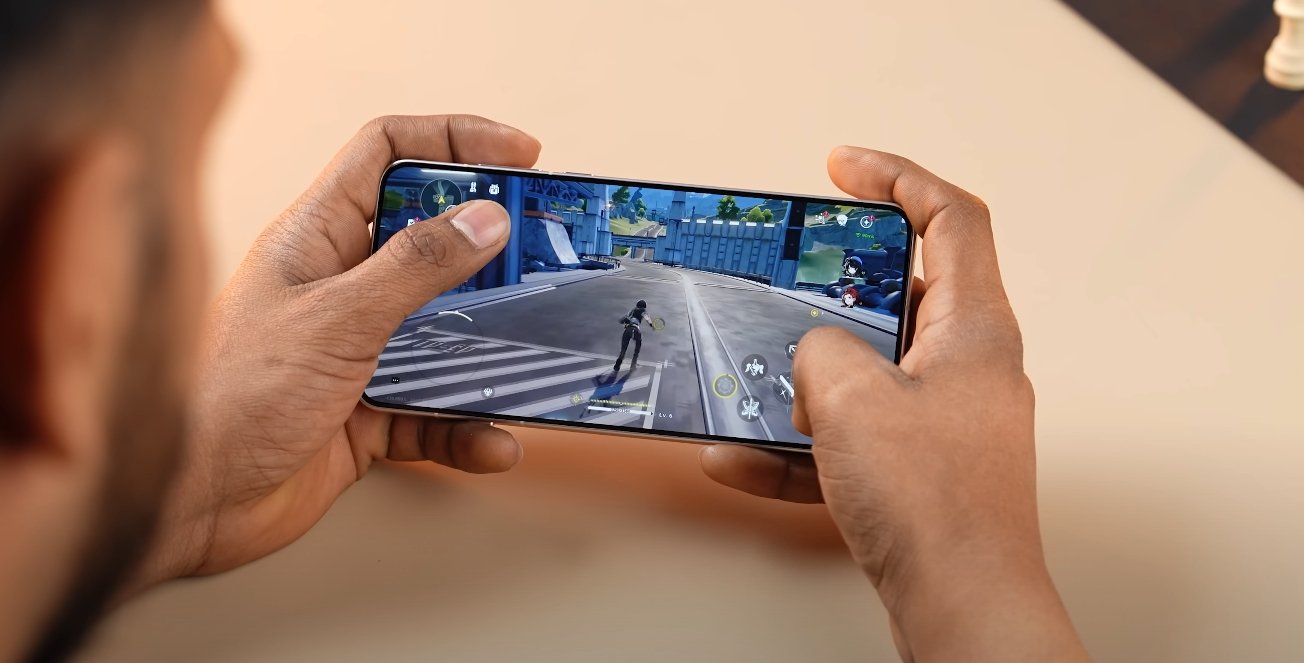
Real-world gaming tests align closely with benchmark results. Popular titles like Genshin Impact, PUBG Mobile, and Call of Duty: Mobile run seamlessly on the Oppo Find X8 Ultra at maximum settings. Users report smooth frame rates, minimal lag, and consistent graphical fidelity. The device’s cooling system plays a key role in sustaining performance during extended gaming sessions. Oppo has implemented an advanced heat dissipation mechanism that prevents thermal throttling, ensuring that CPU and GPU performance remains stable even after prolonged usage.

Oppo Find X8 Ultra gaming performance benchmark results

Battery performance during gaming is another notable strength. Equipped with a 6,100mAh battery and supporting 100W wired and 50W wireless fast charging, the Oppo Find X8 Ultra can handle long gaming sessions without significant battery drain. Players can expect several hours of continuous gameplay at high settings without needing to recharge, which is a crucial advantage for mobile gamers who rely on performance and endurance.

Software optimization also contributes to gaming performance. ColorOS, based on Android 15, provides features like game acceleration, frame rate stabilization, and resource management. These enhancements ensure that background processes do not interfere with active gaming, maintaining smooth gameplay and reducing stutter or lag. Additionally, touch responsiveness is excellent, with minimal input delay, which is particularly beneficial in fast-paced competitive games.

Overall, the Oppo Find X8 Ultra offers one of the most compelling gaming experiences in the current smartphone market. Its combination of high-performance hardware, advanced thermal management, and software optimizations allows it to handle even the most demanding mobile games efficiently. Whether through benchmark results or real-world usage, it demonstrates stability, smooth graphics, and reliable performance. This makes it an ideal choice for gamers seeking a premium device capable of delivering both power and endurance during extended play sessions.

Also Read:  Nothing Phone 3A Lite launch event highlights and reveals