Oppo Find X8 Ultra vs OnePlus Open feature difference

Oppo Find X8 Ultra vs OnePlus Open feature difference

Oppo Find X8 Ultra vs OnePlus Open: Feature Comparison

The Oppo Find X8 Ultra and OnePlus Open are two flagship smartphones that target premium users with different approaches to technology and design. Both devices offer high performance, advanced cameras, and modern features, but they cater to slightly different needs in terms of display, usability, and battery life. Understanding their differences can help users decide which device is more suitable for them.

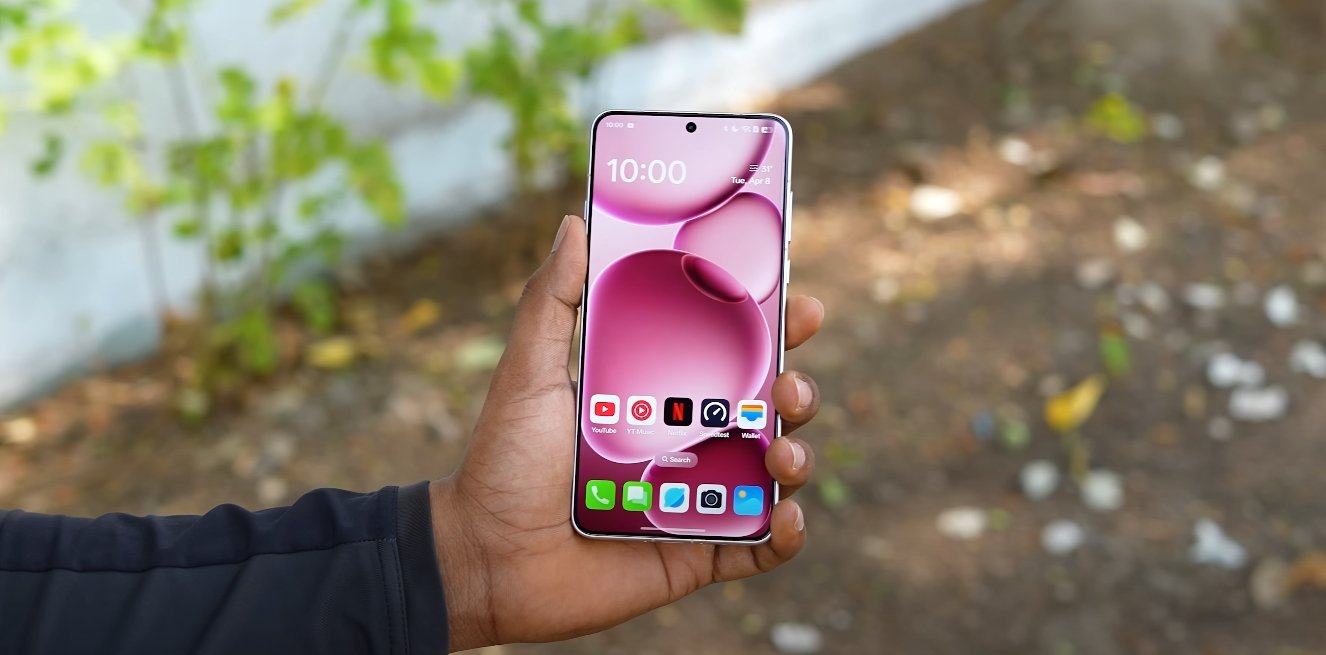
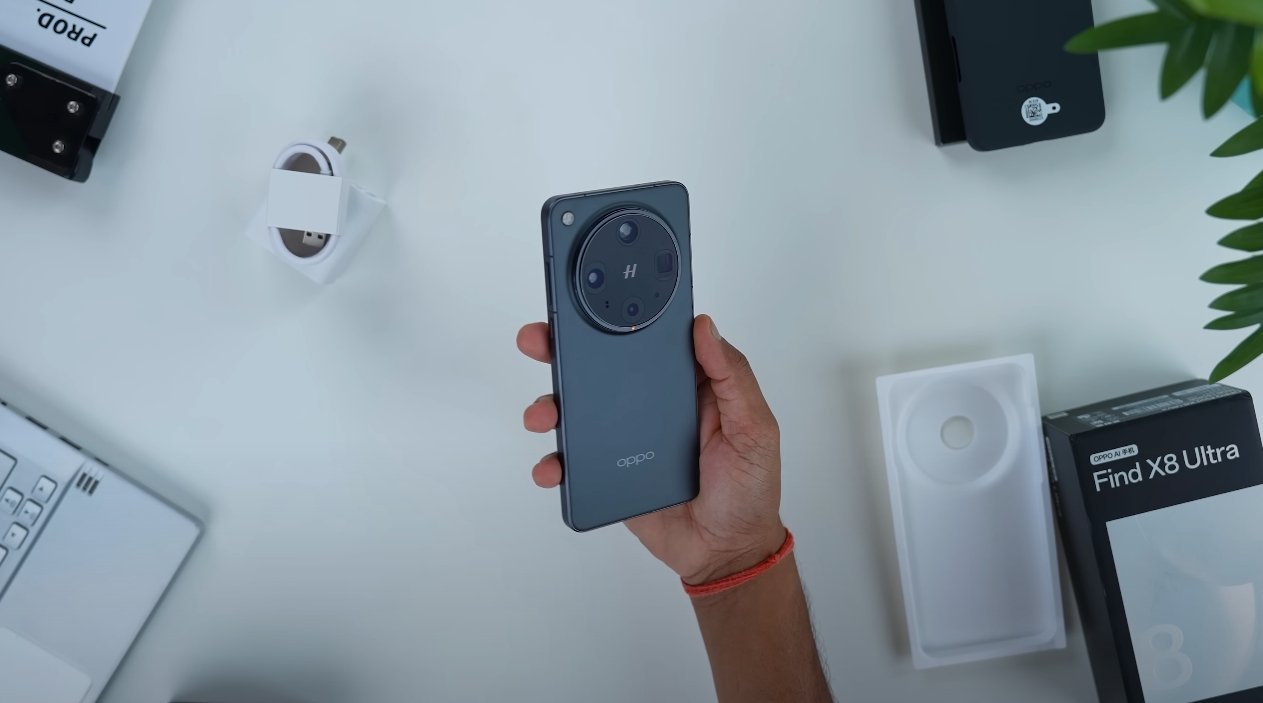
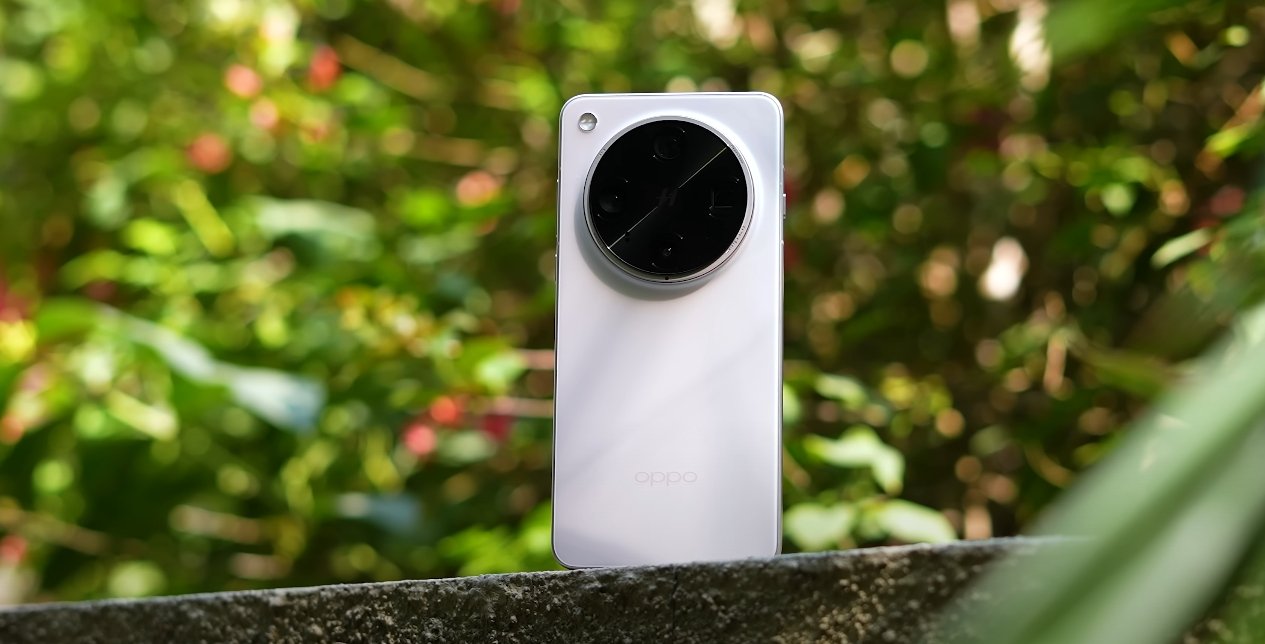
The Oppo Find X8 Ultra comes with a 6.82-inch OLED display with QHD+ resolution, providing sharp and vivid visuals for gaming, video streaming, and daily tasks. It has a slim and elegant design, measuring just 8.78mm in thickness, which makes it comfortable to hold and use for extended periods. The OnePlus Open, by comparison, features a 7.82-inch foldable AMOLED display that transforms into a larger tablet-like experience when unfolded. When folded, it retains a 6.31-inch cover display, giving users the convenience of a standard smartphone while allowing expanded multitasking on the larger screen. Both devices are premium in design, but the foldable nature of OnePlus Open gives it a unique versatility.

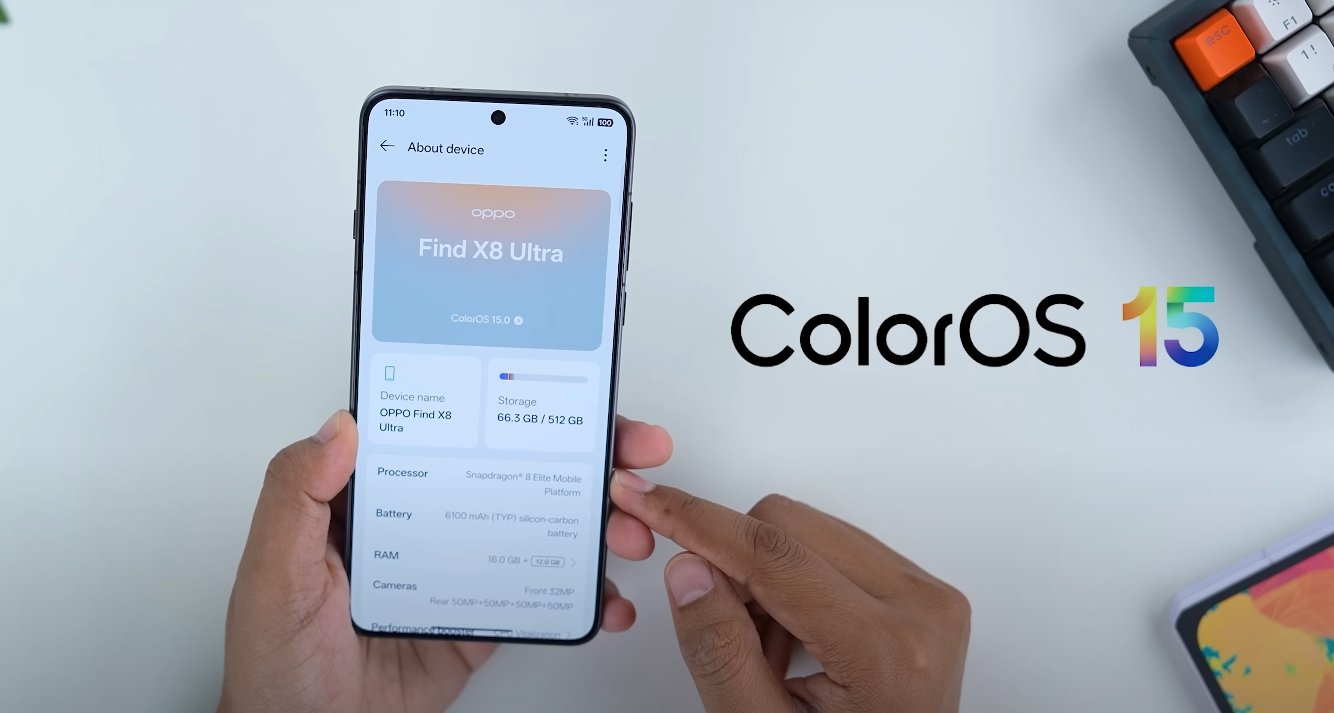
In terms of performance, the Oppo Find X8 Ultra is powered by the Snapdragon 8 Elite processor and comes with up to 12GB of RAM and 1TB of storage. Its 6,100mAh battery supports 100W wired and 50W wireless fast charging, allowing heavy users to run intensive applications without worrying about battery life. The OnePlus Open uses the Snapdragon 8 Gen 2 chipset with up to 16GB of RAM and storage options up to 1TB. It includes a 4,805mAh battery with 67W fast charging, which is fast but slightly smaller in capacity than Oppo’s offering. Both devices are designed for high-end gaming, productivity, and multimedia usage, but Oppo prioritizes longer endurance for continuous heavy usage.

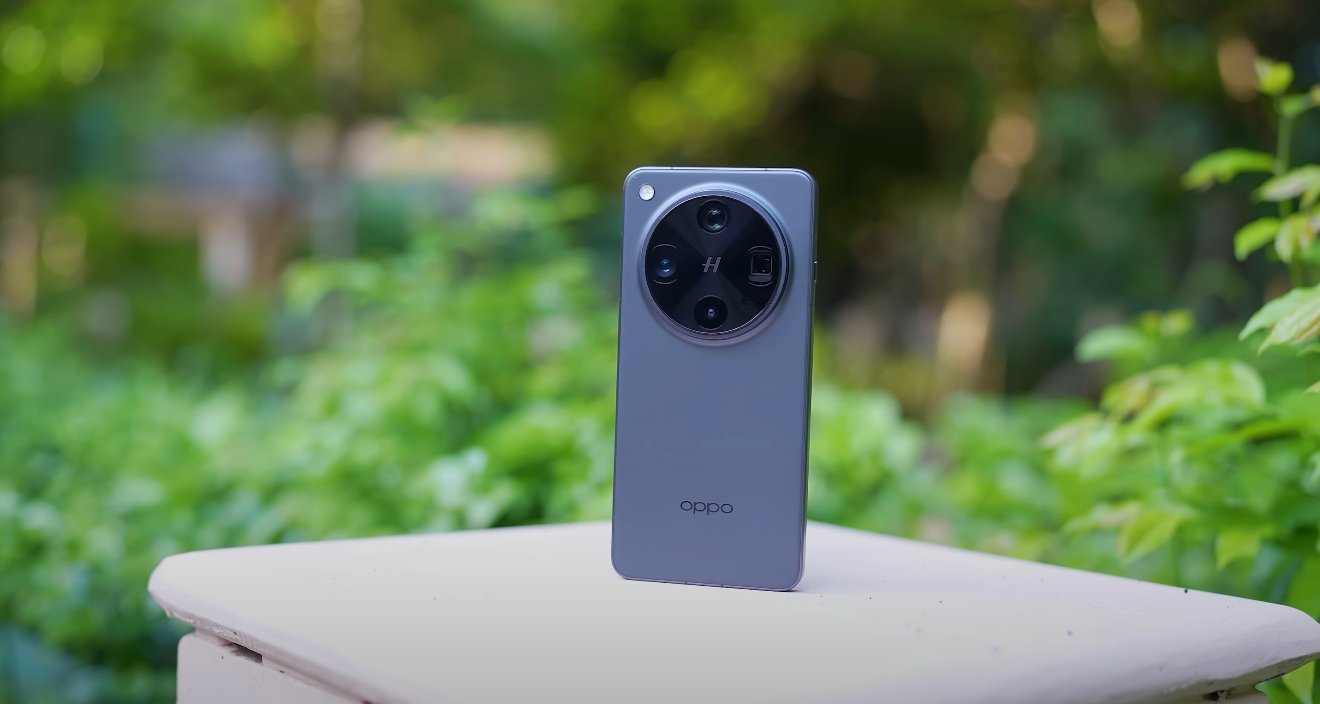
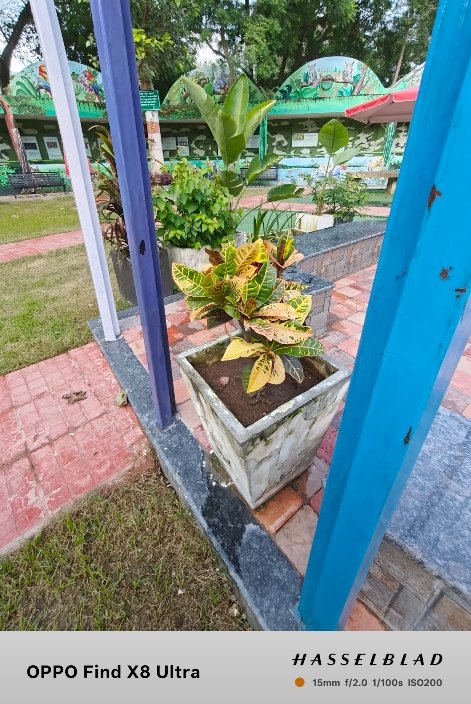
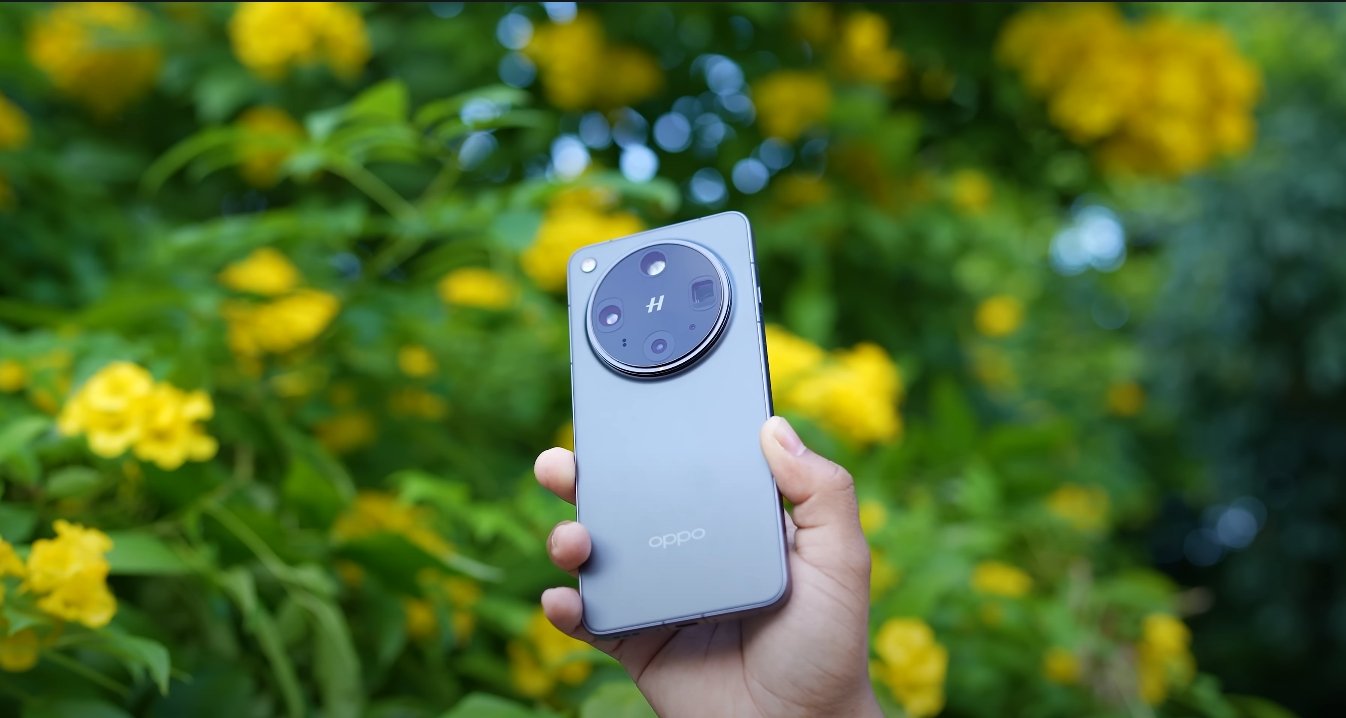
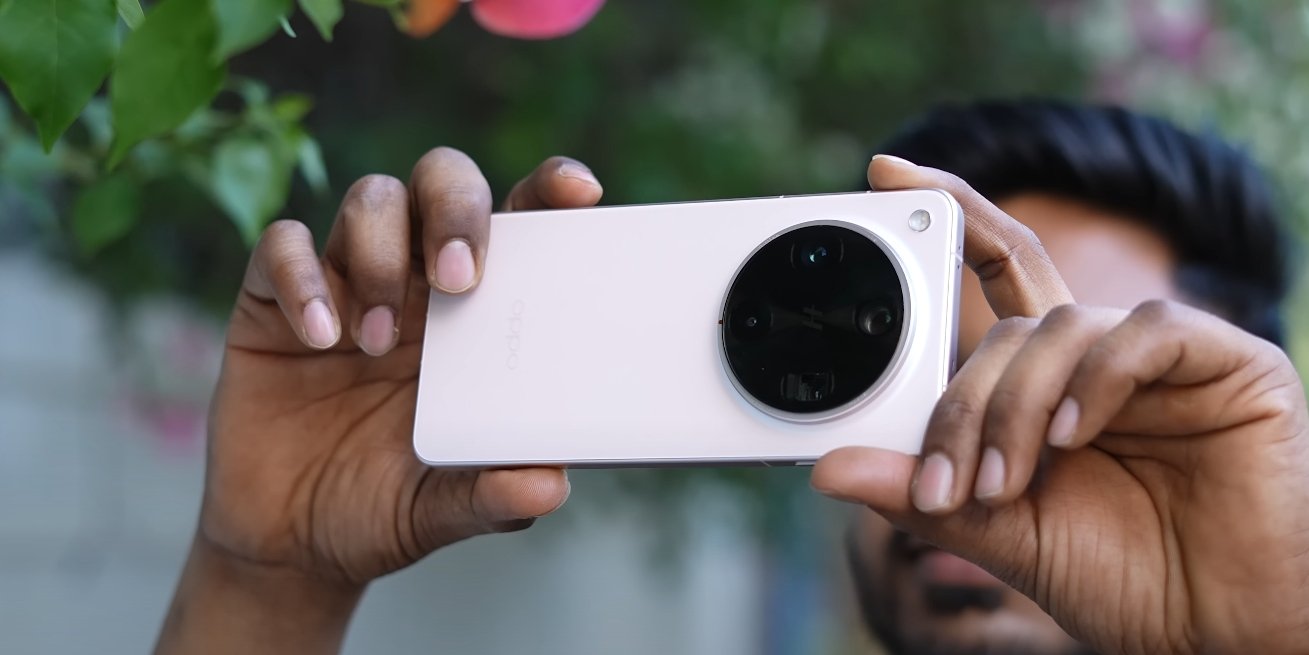
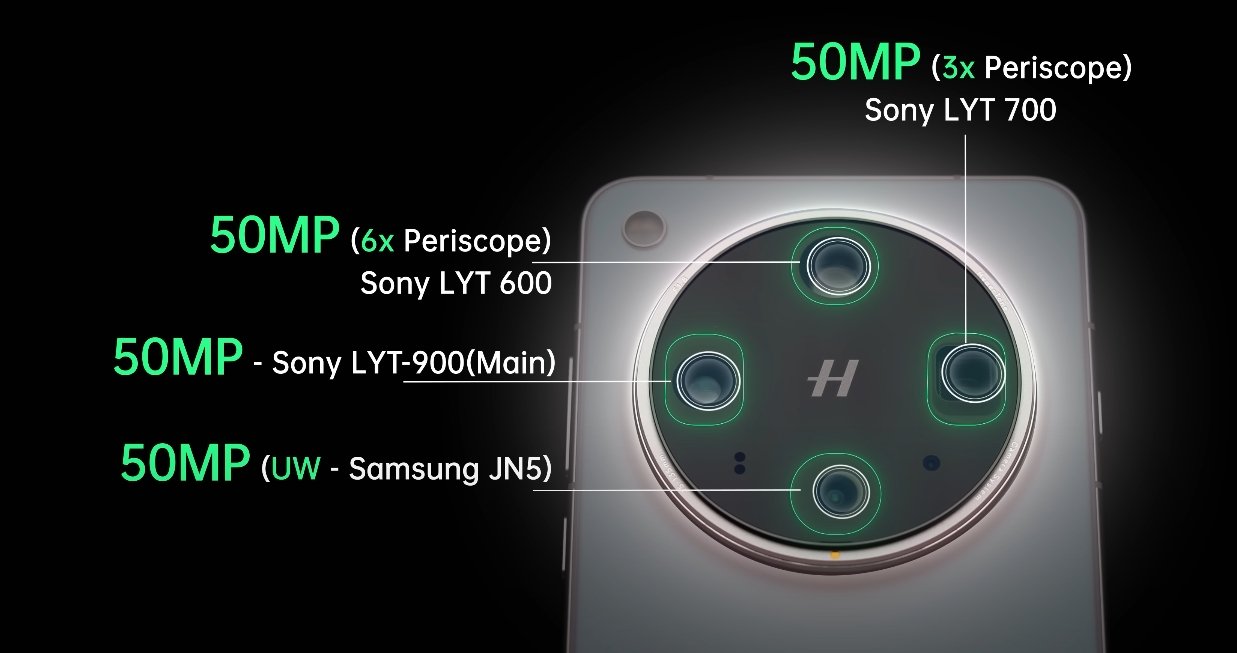
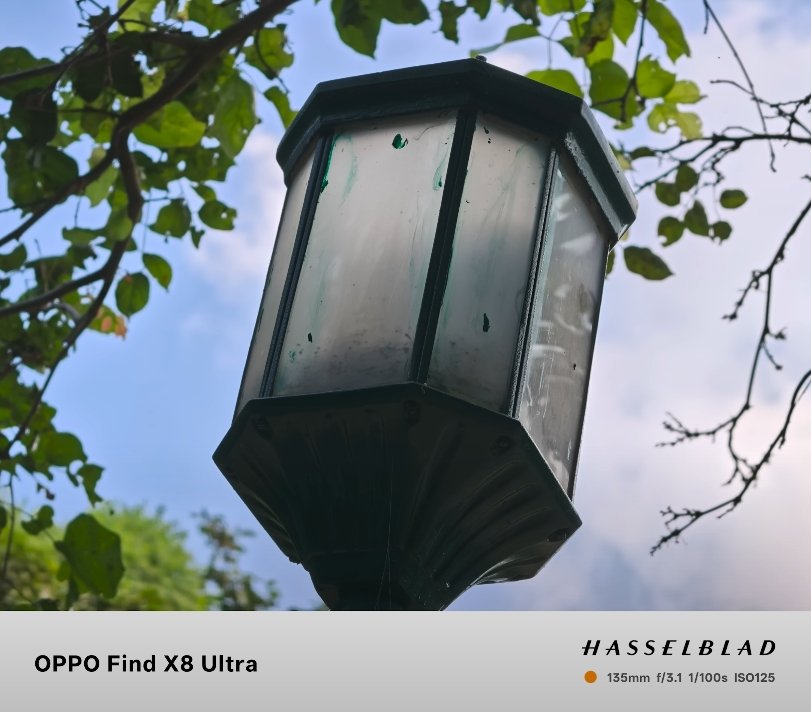
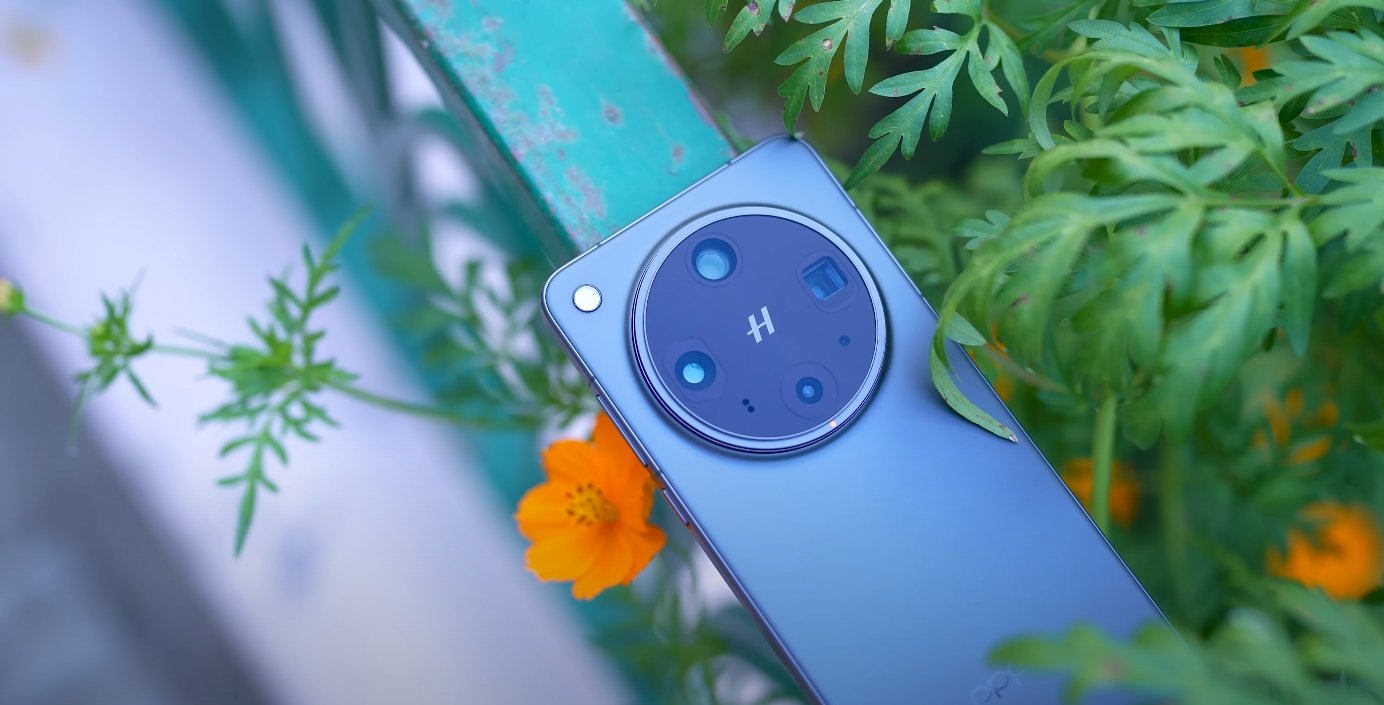
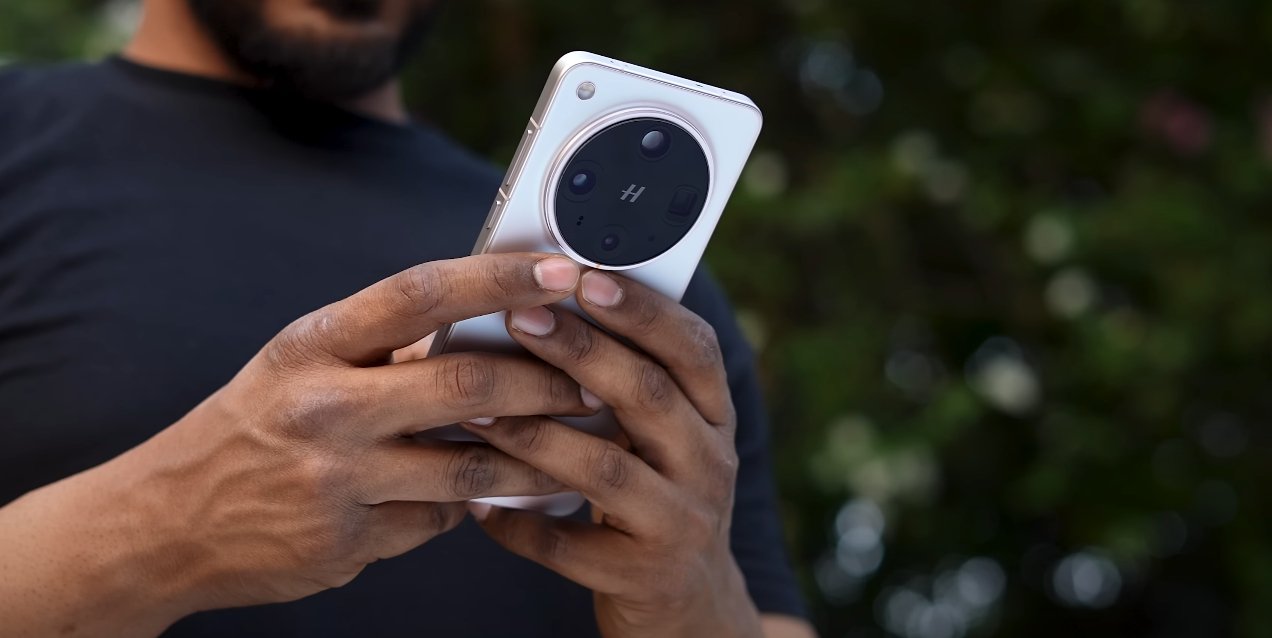
Camera capabilities are one of Oppo Find X8 Ultra’s strongest points. It features a triple 50MP camera system, including a main sensor, ultrawide lens, and dual telephoto lenses with 3x and 6x optical zoom. Hasselblad tuning enhances color accuracy and overall image quality, making it ideal for photography enthusiasts. The OnePlus Open has a 48MP main sensor along with additional lenses for wide and telephoto shots, providing flexibility but not matching Oppo’s extended zoom and professional-grade tuning. Both phones capture high-quality images and videos, but Oppo leans more toward photography precision and versatility.
Oppo Find X8 Ultra vs OnePlus Open feature difference

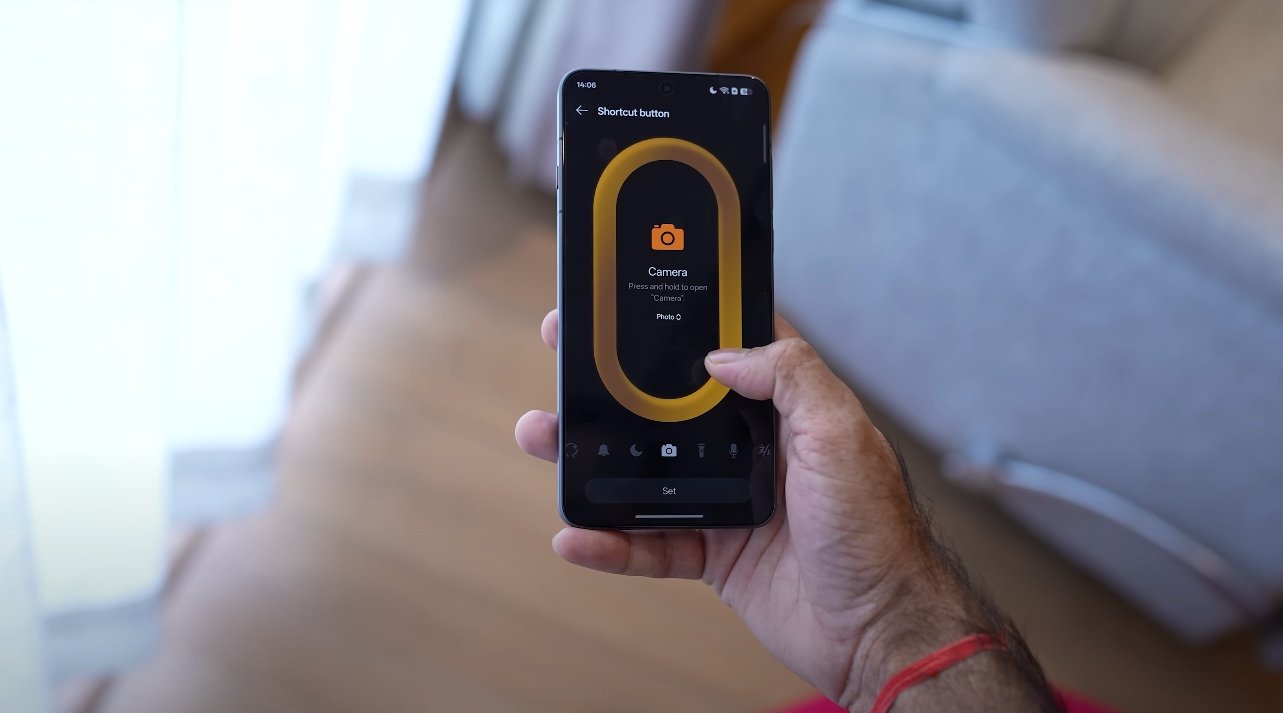
Software and user experience differ between the two devices. Oppo Find X8 Ultra runs on Android 15 with ColorOS, offering smooth navigation and extensive customization options. Features like a haptic shutter button enhance photography and the interface is optimized for gaming and multimedia. OnePlus Open runs on OxygenOS 14 based on Android 14, optimized for foldable devices. It includes multitasking features such as split-screen apps, persistent taskbars, and foldable-optimized applications, making it ideal for productivity and media consumption on the large unfolded screen.

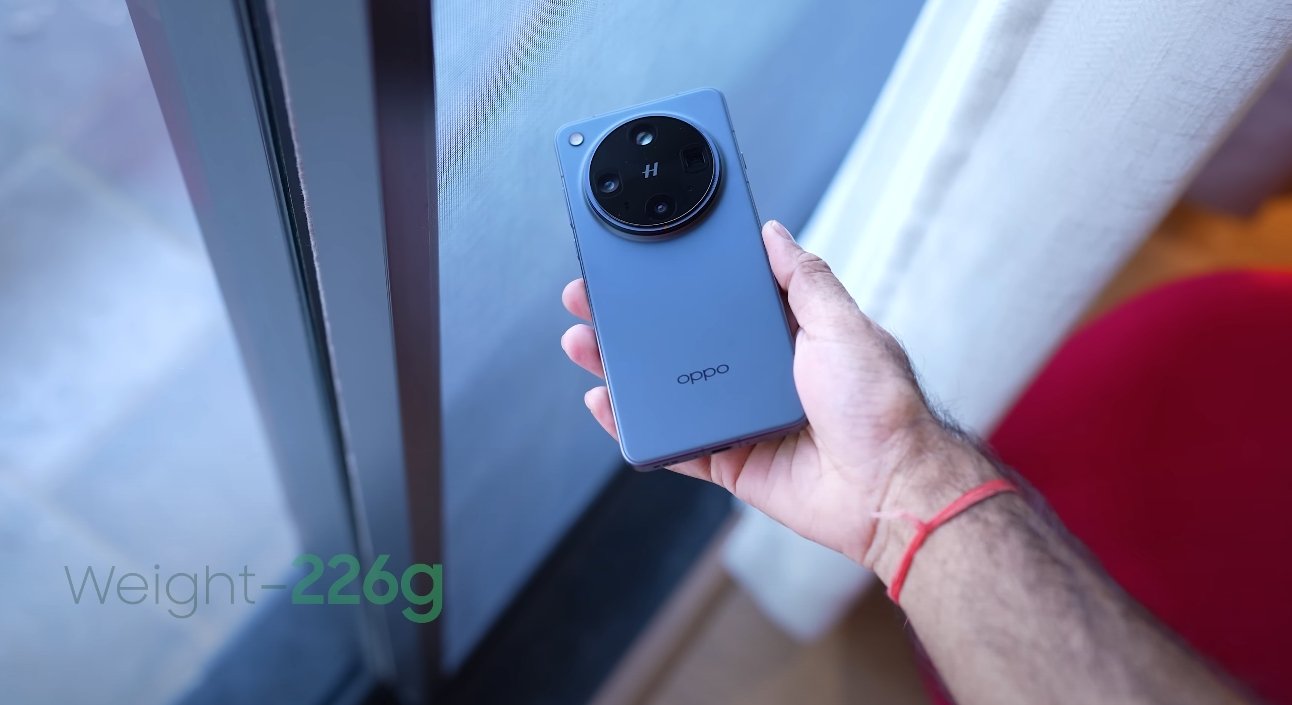
Durability is another key aspect. The Oppo Find X8 Ultra is IP69 rated, making it resistant to dust and water and suitable for users who need a robust device in various conditions. The OnePlus Open, as a foldable phone, emphasizes hinge engineering and uses aerospace-grade materials for durability while maintaining a slim and lightweight profile. The design is innovative and futuristic but requires careful handling to maintain long-term reliability. Both devices are built to high standards, but their durability strategies differ due to design philosophy.

Connectivity and additional features are robust on both devices. Both support 5G, Wi-Fi 7, Bluetooth 5.4, and NFC. Oppo emphasizes camera-centric tools such as dual-view video, professional photography modes, and gaming optimizations. OnePlus focuses on multitasking productivity with split-screen apps, stylus compatibility in some regions, and foldable-optimized applications. These distinctions highlight Oppo as a device for media and photography, and OnePlus as a tool for productivity and flexibility.

In conclusion, the choice between Oppo Find X8 Ultra and OnePlus Open depends on user priorities. Oppo excels in camera performance, battery life, and traditional flagship design, making it ideal for photography and long-lasting performance. OnePlus Open stands out with its foldable design, multitasking capabilities, and larger display, catering to users seeking innovation and enhanced productivity. Both are premium smartphones, but their distinct strengths make them suitable for different types of users depending on whether they prioritize photography, media, or multitasking.

Also Read:  Motorola Edge 70 durability and drop test performance
Oppo Find X8 Ultra vs Galaxy S24 Ultra price gap USA

Oppo Find X8 Ultra vs Galaxy S24 Ultra price gap USA

Oppo Find X8 Ultra vs Galaxy S24 Ultra: Price Difference and Market Value in the USA

The flagship smartphone market in 2025 continues to be dominated by major players like Samsung and Oppo, both of which offer ultra-premium devices with top-tier specifications. The Oppo Find X8 Ultra and the Samsung Galaxy S24 Ultra are two standout models that aim to deliver cutting-edge technology, exceptional performance, and premium user experience. However, while both sit at the top of their respective brands’ lineups, their pricing in the United States reveals some interesting differences. Understanding the price gap between these two devices gives a clearer picture of which one offers better value for American buyers.

The Samsung Galaxy S24 Ultra was launched in the United States with an official starting price of $1,299 for the 256GB base model. This pricing reflects Samsung’s continued focus on its premium tier, maintaining a consistent approach seen in previous Ultra models. Higher configurations, such as the 512GB and 1TB variants, retail for $1,419 and $1,659 respectively. As an officially available device in the U.S., the Galaxy S24 Ultra benefits from direct carrier support, trade-in offers, and installment options through Samsung and major carriers like AT&T, Verizon, and T-Mobile. These deals often reduce the effective purchase cost, making the S24 Ultra more accessible despite its high retail price.

On the other hand, the Oppo Find X8 Ultra is not officially sold in the United States. Oppo’s focus remains primarily on Asian and European markets, meaning American buyers have to rely on import retailers or third-party sellers to purchase the device. The global launch price of the Oppo Find X8 Ultra is approximately $999 for the 12GB RAM and 256GB storage variant, with the 16GB RAM and 512GB model priced around $1,099. However, when imported into the U.S., additional costs like international shipping, taxes, and import duties often increase the final retail price. On average, U.S. buyers pay between $1,050 and $1,200 for the device depending on the configuration and seller.

Oppo Find X8 Ultra vs Galaxy S24 Ultra price gap USA

When comparing both smartphones, the price gap in the U.S. typically ranges from $100 to $250, depending on where and how each device is purchased. While on paper the Find X8 Ultra appears more affordable globally, its lack of official availability in the U.S. offsets that advantage due to added import costs. In contrast, the Galaxy S24 Ultra’s official distribution allows for easier purchases, trade-in credits, and financing options, which can lower the effective price for consumers significantly.

Another factor influencing the price gap is after-sales service and warranty coverage. Samsung offers full warranty support, repair services, and software updates directly through its U.S. network. Oppo, on the other hand, does not provide official support for imported units in the American market. This means that users importing the Find X8 Ultra would have to rely on third-party repair services or international warranty claims, which could involve additional expenses and longer turnaround times. These practical considerations make the effective value of the Find X8 Ultra slightly lower in the eyes of U.S. consumers despite its appealing raw price.

In terms of pricing justification, both companies have taken different approaches. The Galaxy S24 Ultra justifies its higher cost through its titanium frame, integrated S Pen, and advanced software ecosystem powered by Samsung’s AI enhancements. It also benefits from long-term Android support with up to seven years of software updates. The Oppo Find X8 Ultra, while equally powerful with the Snapdragon 8 Elite processor, a massive 6,100mAh battery, and advanced camera hardware, appeals more to users looking for hardware dominance at a slightly lower cost. However, without official carrier partnerships or U.S.-based service support, its practical pricing advantage diminishes once real-world logistics are factored in.

Sales promotions also influence the observed price gap. Samsung frequently offers seasonal discounts, trade-in bonuses of up to $800, and bundle deals with accessories. These promotions can reduce the Galaxy S24 Ultra’s effective cost to under $900 for users trading in older devices. Oppo’s Find X8 Ultra, due to its import-only status, rarely sees such deals in the U.S., keeping its price steady and less flexible. This makes the S24 Ultra, despite being more expensive on paper, potentially the better deal during promotional periods.

In summary, the Oppo Find X8 Ultra and Galaxy S24 Ultra occupy similar segments but differ significantly in pricing strategy and availability in the United States. The Oppo Find X8 Ultra carries an approximate retail range of $1,050–$1,200 through import sellers, while the Galaxy S24 Ultra is officially priced at $1,299–$1,659 depending on configuration. However, real-world conditions such as Samsung’s trade-in programs, financing options, and official support narrow the gap, often making the Galaxy S24 Ultra the more practical purchase. Oppo’s Find X8 Ultra still holds an edge for enthusiasts who value hardware innovation and are comfortable importing their devices, but for most American consumers, Samsung’s offering remains the more accessible and service-friendly option.

Also Read:  Motorola Edge 70 resale value prediction in USA

Oppo Find X8 Ultra vs Pixel 8 Pro daylight photography

Oppo Find X8 Ultra vs Pixel 8 Pro daylight photography

Comparing Daylight Photography: Oppo Find X8 Ultra and Pixel 8 Pro

Daylight photography is one of the key areas where flagship smartphones differentiate themselves. The Oppo Find X8 Ultra and Google Pixel 8 Pro are two of the most talked-about devices in this space, each bringing distinct camera technologies and software optimizations. Comparing them in real-world daylight scenarios highlights how each handles color, detail, dynamic range, and motion, helping users decide which phone better suits their photography needs.

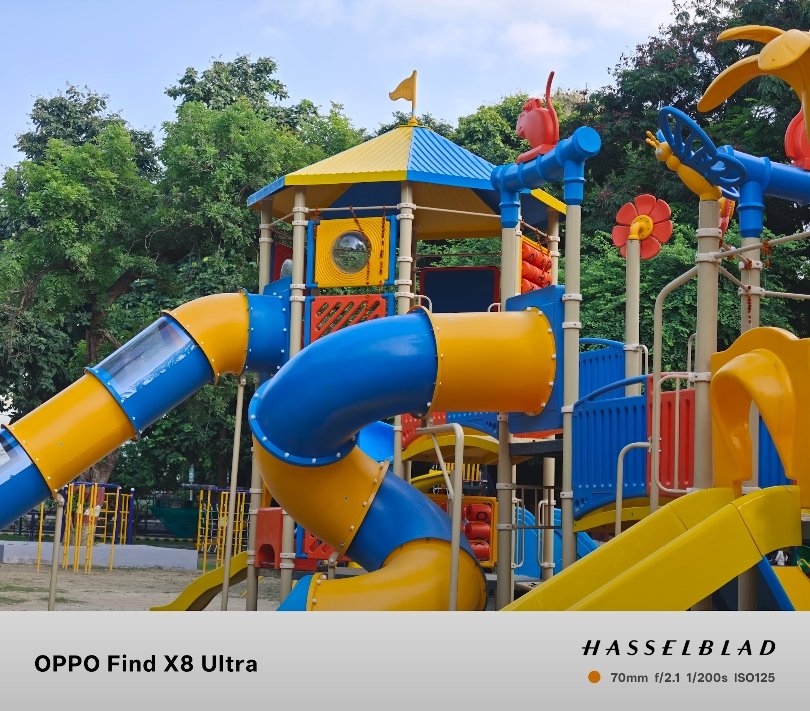
The Oppo Find X8 Ultra features a 50MP main sensor developed in collaboration with Hasselblad, paired with additional telephoto and ultra-wide sensors. Its 1-inch primary sensor is large for a smartphone, allowing for greater light intake and detailed images. In daylight, the Find X8 Ultra produces vibrant colors with noticeable depth and clarity. Its HDR processing enhances highlights and shadows effectively, ensuring balanced exposures even in bright sunlight. The AI-powered Bokeh feature adds natural background blur for portrait shots, giving images a professional feel. Users appreciate how sharp and well-saturated images appear straight out of the camera, making it an excellent choice for travel and landscape photography.

The Oppo’s ultra-wide lens, while capable, can show minor sharpening artifacts in certain conditions. Despite this, its overall daylight performance remains strong, with quick focusing and minimal distortion. Color reproduction tends to lean toward a more enhanced look, favoring vividness over absolute accuracy. This makes the Oppo Find X8 Ultra particularly appealing for photographers who enjoy creative shots with bold and lively colors. The camera also handles motion reasonably well, though fast-moving subjects may occasionally show slight blur depending on lighting and shutter speed.

Oppo Find X8 Ultra vs Pixel 8 Pro daylight photography

The Pixel 8 Pro, by contrast, emphasizes natural color reproduction and computational photography. Its 50MP main sensor is paired with advanced processing algorithms designed to preserve realistic colors and textures. In daylight, the Pixel 8 Pro excels at capturing scenes as the human eye sees them, with a consistent balance between highlights and shadows. The HDR processing is efficient, maintaining detail in bright skies and shaded areas alike. This makes the Pixel 8 Pro particularly strong for landscapes, architecture, and scenes with complex lighting.

Pixel’s ultrawide lens is sharp and fast, producing consistent images with minimal distortion. One standout feature of the Pixel 8 Pro is its ability to capture motion accurately. Fast-moving objects remain sharp with little blur, making it an ideal device for outdoor action photography or street scenes where subjects may be moving quickly. While the colors are more natural compared to Oppo’s enhanced tones, the images still feel vibrant without appearing oversaturated. Users who value realistic results and consistent performance across different daylight conditions will likely prefer the Pixel 8 Pro.

When comparing both phones side by side, the differences become clearer. Oppo Find X8 Ultra prioritizes vibrancy and depth, giving images a lively and immersive look. Its large sensor ensures excellent detail, and AI enhancements provide creative options like Bokeh for portraits. Pixel 8 Pro prioritizes accuracy and consistency, maintaining natural tones and precise dynamic range. Motion capture is particularly strong, and the ultrawide lens performs reliably across diverse scenarios. Both devices deliver strong daylight performance, but their approach appeals to different user preferences.

Battery and usability also play subtle roles in daylight photography. Oppo’s Find X8 Ultra features a large 6,100mAh battery with fast wired and wireless charging, allowing users to shoot extensively throughout the day without worrying about running out of power. Pixel 8 Pro, optimized for efficiency through iOS-level processing and image algorithms, provides solid battery performance with consistent operation even during prolonged photo sessions. Both devices are comfortable to handle for extended shooting, though Oppo is slightly larger and heavier, which may affect one-handed use.

In conclusion, both the Oppo Find X8 Ultra and Google Pixel 8 Pro are outstanding choices for daylight photography, each with unique strengths. Oppo offers bold, vivid imagery with creative AI features, appealing to users who want eye-catching, professional-style photos. Pixel focuses on natural color accuracy, excellent dynamic range, and superior motion handling, ideal for users who prefer realistic and reliable results. Ultimately, the choice comes down to photography style and personal preference, as both devices represent the current pinnacle of smartphone daylight photography technology.

Also Read:  Samsung Galaxy M17 5G expected carrier compatibility USA

Oppo Find X8 Ultra vs Honor Magic 7 Pro feature check

Oppo Find X8 Ultra vs Honor Magic 7 Pro feature check

Flagship Face-Off: Oppo Find X8 Ultra vs Honor Magic 7 Pro

The battle for flagship supremacy continues in 2025 with the Oppo Find X8 Ultra and Honor Magic 7 Pro standing as two of the most powerful Android smartphones of the year. Both models bring cutting-edge performance, premium designs, and advanced camera systems, but their approaches differ in subtle yet important ways. For users in the United States seeking a high-end Android phone, comparing these two flagships reveals where each device excels and which one fits different user preferences better.

Starting with the design, both smartphones boast premium materials and craftsmanship. The Oppo Find X8 Ultra features a sleek curved-edge display with a glass back and an aluminum frame, exuding a luxurious aesthetic. Its slightly larger 6.82-inch LTPO AMOLED panel offers QHD+ resolution and up to 120Hz refresh rate, delivering an ultra-smooth experience whether browsing or gaming. The Honor Magic 7 Pro counters with a 6.8-inch LTPO OLED screen, also featuring 120Hz adaptive refresh rate and HDR support. While both are equally sharp and vibrant, Oppo’s display tends to have more accurate color calibration and a marginally higher peak brightness, making it better suited for outdoor use.

Performance is an area where both phones are nearly identical on paper. Each is powered by Qualcomm’s latest Snapdragon 8 Gen 4 processor, offering lightning-fast speed, efficiency, and AI-driven optimization. Both support up to 16GB of LPDDR5X RAM and 1TB of UFS 4.0 storage, ensuring they can handle multitasking, gaming, and productivity with ease. However, the Oppo Find X8 Ultra benefits from better thermal management under heavy load, maintaining consistent performance for longer gaming sessions. In benchmark tests, both scored similarly, but Oppo’s stability and sustained performance give it a slight edge for power users and gamers.

Oppo Find X8 Ultra vs Honor Magic 7 Pro feature check

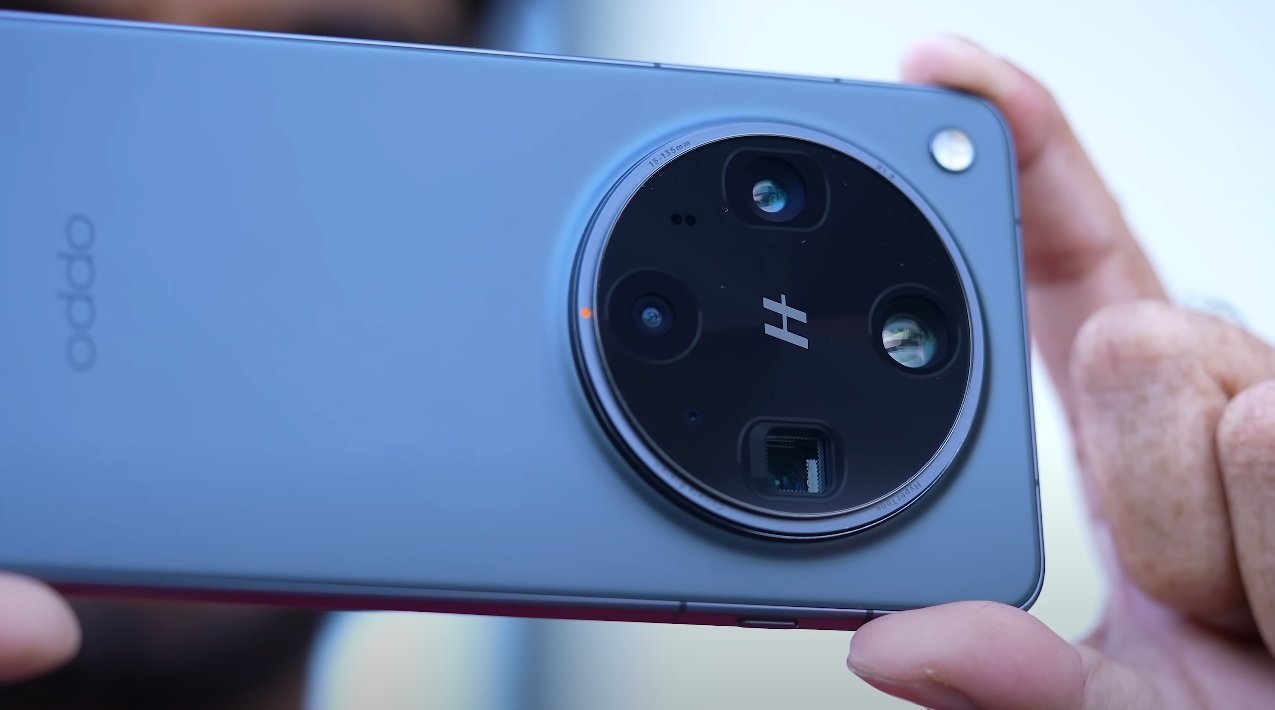
Camera technology is where the biggest differences emerge. The Oppo Find X8 Ultra continues the brand’s partnership with Sony and Hasselblad, featuring a quad-camera system with a massive 1-inch 50MP main sensor, a 50MP ultra-wide lens, and dual periscope telephoto cameras at 3x and 6x optical zoom. This setup allows for versatile shooting at multiple focal lengths and impressive low-light photography. In contrast, the Honor Magic 7 Pro features a triple-camera array with a 50MP main sensor, a 50MP ultra-wide, and a groundbreaking 200MP telephoto lens offering 3.5x optical zoom. While Honor’s telephoto captures incredible detail at high resolution, Oppo’s dual periscope lenses deliver more optical range and clarity at varying zoom levels. For photography enthusiasts who value consistent performance across all conditions, the Find X8 Ultra holds the upper hand, while those who enjoy cropping and editing large telephoto shots may prefer the Magic 7 Pro.

Battery life and charging are also key differentiators. The Oppo Find X8 Ultra houses a larger 5500mAh battery compared to the Honor Magic 7 Pro’s 5270mAh unit. Despite both offering impressive efficiency, Oppo’s slightly bigger cell combined with optimized power management translates into longer endurance under heavy use. Both phones support 100W wired fast charging, taking the battery from zero to full in under 25 minutes. The Magic 7 Pro, however, stands out with its faster 80W wireless charging, while Oppo provides 50W wireless support. In real-world use, both phones can comfortably last a full day of intense activity, but the Find X8 Ultra offers slightly better longevity and thermal efficiency.

When it comes to software, both devices ship with Android 15 but feature their unique skins. Oppo’s ColorOS 15 focuses on refinement and simplicity with improved multitasking tools and smooth animations, while Honor’s MagicOS 8 emphasizes AI-assisted operations and cross-device connectivity within its ecosystem. The Magic 7 Pro offers some impressive AI camera enhancements and smart assistant integrations, while Oppo’s software feels more polished and intuitive. In the U.S. market, both devices will support all major Google services, but Oppo’s cleaner UI may appeal more to users seeking a near-stock Android experience.

Additional features further distinguish these two flagships. Both are IP68-rated for dust and water resistance, have in-display fingerprint scanners, stereo speakers, and support 5G across major U.S. carriers. The Find X8 Ultra offers slightly better haptic feedback and a more balanced stereo soundstage, while the Magic 7 Pro includes enhanced AI gesture controls and more aggressive battery optimization settings. Both phones support eSIM functionality, Wi-Fi 7, and the latest Bluetooth 5.4 standards for seamless connectivity with modern accessories.

In conclusion, the Oppo Find X8 Ultra and Honor Magic 7 Pro are both excellent flagship choices that deliver top-tier performance and premium build quality. The Find X8 Ultra wins with its superior camera flexibility, larger battery, and refined design, making it ideal for power users, photographers, and those who demand maximum endurance. The Honor Magic 7 Pro, on the other hand, shines with its advanced AI features, ultra-high-resolution telephoto lens, and faster wireless charging, appealing to tech-savvy users who love innovation and creative shooting. Ultimately, both smartphones showcase the best of Android engineering in 2025, and the final choice comes down to whether you prioritize versatility and stability with Oppo or innovation and AI brilliance with Honor.

Oppo Find X8 Ultra USA availability and shipping details

Oppo Find X8 Ultra USA availability and shipping details

Oppo’s Latest Flagship and Its Path to the US Market

The Oppo Find X8 Ultra has captured worldwide attention with its impressive hardware and premium design, but for buyers in the United States, getting their hands on the device isn’t as simple as walking into a store. Oppo has not yet made the Find X8 Ultra officially available in the US, and as of now, there is no confirmed plan for a direct launch through American carriers or retail channels. However, international importers and online resellers have stepped in, giving US customers alternative ways to purchase the device.

Oppo continues to focus its primary smartphone releases on Asian and European markets, with the Find X8 Ultra debuting first in China. While the brand has expanded its presence in several regions, including India and the Middle East, the US remains largely outside Oppo’s official distribution network. This means that buyers in the United States looking to purchase the Find X8 Ultra will need to rely on trusted third-party importers or online stores that specialize in unlocked international models. These vendors often import directly from China or Hong Kong and resell the devices with pre-installed Google services, English language options, and global software support.

Shipping times for imported models vary depending on the seller and the delivery method. On average, most shipments from Asia to the United States take between seven to fifteen business days, including customs clearance. Express delivery through major couriers such as DHL or FedEx can shorten this window to around five to seven days. However, customs delays can extend the process, especially during busy shipping seasons. Buyers should also factor in potential import taxes or duties, which may vary based on state regulations and declared package value. Some resellers manage customs fees on behalf of the buyer, while others may require payment upon delivery.

Oppo Find X8 Ultra USA availability and shipping details

Pricing in the US market through import channels typically ranges higher than the phone’s retail price in China. Since Oppo has not set an official US price, importers adjust the cost to include international shipping, handling, and local taxes. Depending on the configuration, the Find X8 Ultra can range between $1,300 and $1,600 when purchased through global online retailers. Higher storage variants and special color options often sell at a premium due to limited stock and high demand among early adopters.

Network compatibility is another important factor for US buyers. The Oppo Find X8 Ultra supports a wide range of global 4G and 5G bands, but not all of them align perfectly with US carrier frequencies. While the phone should work with most GSM networks such as T-Mobile and AT&T, certain 5G bands used in North America are not fully supported. As a result, users might experience inconsistent 5G coverage or fallback to 4G LTE in some regions. The device does not support CDMA networks, so Verizon compatibility may be limited without full certification. It’s always advisable for buyers to check band compatibility with their carrier before making the purchase to avoid connectivity issues.

Another aspect worth noting is after-sales service and warranty. Since the Oppo Find X8 Ultra is not officially sold in the United States, warranty coverage from Oppo does not apply to imported units. Buyers would need to return the device to the original seller or to China for repair under warranty, which can be time-consuming and costly. Some importers offer third-party warranty options or return policies, but these are often limited compared to official manufacturer support. Replacement parts and accessories may also take longer to source locally, as Oppo’s authorized service centers are not present in the country.

Despite these challenges, the Find X8 Ultra remains a tempting choice for tech enthusiasts and power users in the US. Its standout features, including the 1-inch camera sensor, dual periscope lenses, Snapdragon 8 Elite processor, and massive battery capacity, make it one of the most advanced smartphones available globally. Many buyers see the inconvenience of importing as a reasonable trade-off for access to this hardware. For those willing to import, ensuring that the device comes from a reputable seller with verified shipping and clear return policies is crucial.

In summary, the Oppo Find X8 Ultra is not officially available in the United States, and no domestic release has been announced. However, international buyers can still obtain it through online importers and global retailers. Shipping typically takes one to two weeks, with potential customs fees and variable carrier compatibility. Buyers should be aware of the lack of official warranty and limited after-sales support but can expect a top-tier smartphone experience once the device arrives. Until Oppo expands its direct presence in North America, importing remains the only path for US users eager to experience the Find X8 Ultra’s flagship performance and premium design.

Oppo Find X8 Ultra vs Pixel 8 Pro performance test

Oppo Find X8 Ultra vs Pixel 8 Pro performance test

Comparing Speed: Find X8 Ultra vs Pixel 8 Pro

In the smartphone world, raw performance and real-world responsiveness define how enjoyable a device truly is. The Oppo Find X8 Ultra and Google Pixel 8 Pro are flagship devices with different hardware philosophies. This comparison looks at benchmarks, day-to-day use, thermal behavior, gaming, and user experience to see how they stack up against each other.

The Find X8 Ultra is powered by a Snapdragon 8 Elite chipset and is paired with a generous amount of RAM and high-end internal storage. Its hardware is designed for speed, multitasking, and handling heavy workloads. In reviews, it is praised for very smooth general performance, with minimal lag during app switching and fast animations. The system feels responsive under most conditions. In synthetic benchmarks, the Find X8 Ultra performs well, though in AI-centric tasks it sometimes trails behind rivals. Also, under sustained load, it may show signs of thermal throttling, which slightly reduces peak performance over time.

The Pixel 8 Pro, driven by Google’s Tensor architecture, takes a different approach. It emphasizes efficient performance and integration with AI tasks rather than raw peak power. In benchmarks like 3DMark, the Pixel 8 Pro maintains consistent scores, reflecting stable performance under medium to heavy loads. It doesn’t always match rivals in sheer computing power, especially in GPU or heavy multitasking lanes, but its performance is reliable and smooth for most everyday tasks. Its optimization and software integration help avoid stutters.

Oppo Find X8 Ultra vs Pixel 8 Pro performance test

In everyday use, both phones feel fast. The Find X8 Ultra often feels snappier when loading demanding apps, switching lenses in the camera app, or juggling many open apps. Its high RAM allocations and internal storage speed make large app launches feel instant. The Pixel 8 Pro, meanwhile, excels in consistency: transitions, scrolling, and basic tasks never falter. It puts emphasis on fluidity over raw speed, which appeals to users who dislike hiccups or delays.

Gaming is a key stress test for performance. On the Find X8 Ultra, high-end games run at high settings with stable frame rates for significant periods. But under prolonged sessions, it can heat up, which may introduce frame dips or reduced performance to manage thermals. The Pixel 8 Pro delivers a steadier experience in moderate gaming. It doesn’t always push as high settings or frame rates as aggressively, but it maintains stability and avoids overheating, making it favorable for longer gaming sessions without performance drops.

Thermal behavior is important for sustained performance. The Find X8 Ultra tends to warm up quickly under load—camera bursts, gaming or heavy tasks raise temperature. But users note it also cools down fast when demand decreases, which helps in real use. The Pixel 8 Pro runs cooler in many scenarios, preferring conservative power delivery to maintain stability. This gives it an advantage in scenarios where consistent performance matters more than peak bursts.

One edge for the Find X8 Ultra is in tasks like high-resolution photography, video processing, and multitasking. Its hardware allows heavier workloads like 4K video editing or camera bursts at multiple exposures to feel smoother. The Pixel 8 Pro, while capable, takes more time in such tasks, especially when workload is heavy. But in daily tasks like messaging, browsing, navigation, and moderate camera use, both phones deliver smooth experiences with minimal hiccups.

In conclusion, the Oppo Find X8 Ultra leads when raw speed, multitasking, and high-demand tasks are considered, though at the cost of thermal strain under long stress. The Pixel 8 Pro trades some peak power for consistency, stability, and optimized performance for everyday tasks. If your priority is maximum speed in all tasks and you can manage occasional heating, the Find X8 Ultra is compelling. If you prefer balanced performance, cooler operation, and consistent behavior over long sessions, the Pixel 8 Pro is a strong, reliable choice.

Also Read:  Samsung Galaxy M17 5G gaming performance review USA

Oppo Find X8 Ultra vs Galaxy S25 Ultra image quality

Oppo Find X8 Ultra vs Galaxy S25 Ultra image quality

Flagship Camera Showdown in Real-World Photography

The Oppo Find X8 Ultra and Samsung Galaxy S25 Ultra represent the pinnacle of mobile camera technology in 2025. Both flagship smartphones promise professional-grade photography, advanced image processing, and versatile zoom capabilities. Yet, despite similar ambitions, their approaches to image quality differ in execution. Oppo focuses on optical precision and natural tones, while Samsung emphasizes high resolution, computational enhancement, and balanced results across lighting conditions. A closer look at their real-world image performance reveals which one delivers a better photographic experience.

In daylight, both phones capture stunningly sharp images with impressive clarity and dynamic range. The Galaxy S25 Ultra’s 200MP main sensor captures incredibly detailed photos, allowing users to crop or zoom into images without noticeable loss of quality. Its high-resolution mode produces crisp textures, especially in landscapes and architectural scenes. The Oppo Find X8 Ultra, on the other hand, uses a 50MP 1-inch sensor that captures more light per pixel. Despite fewer megapixels, Oppo’s larger sensor area delivers superior depth, contrast, and color consistency. Photos taken with the Find X8 Ultra look more organic, with smoother gradients and natural exposure transitions.

Color science plays a key role in how both phones interpret real-world scenes. Oppo’s images are slightly warmer and more vibrant, emphasizing natural skin tones and lively outdoor colors. The Find X8 Ultra delivers images that pop without appearing oversaturated, making them ideal for both professional editing and direct social media sharing. Samsung’s Galaxy S25 Ultra maintains a more neutral tone with balanced whites and controlled highlights. Its HDR engine is highly refined, recovering details in shadows and bright skies with remarkable consistency. However, Oppo’s sensor-based HDR often produces more depth, especially in tricky lighting where strong sunlight and dark shadows coexist.

Oppo Find X8 Ultra vs Galaxy S25 Ultra image quality

Zoom performance marks one of the biggest differences between the two flagships. The Oppo Find X8 Ultra features dual periscope lenses offering 3x and 6x optical zoom, creating crisp results across a wide focal range. This dual setup ensures that medium- to long-distance shots retain clarity, with minimal digital enhancement. Oppo’s optical hardware captures fine textures like fabric, foliage, and building patterns even in distant subjects. Samsung’s Galaxy S25 Ultra includes a single 5x periscope lens backed by digital zoom algorithms. While its hybrid zoom reaches farther, Oppo’s optical zoom quality remains cleaner and more detailed at real-world magnifications. At 10x and beyond, Samsung’s image processing introduces some softness and digital noise, while Oppo retains better sharpness in well-lit environments.

Low-light photography further amplifies the difference in hardware design. Oppo’s 1-inch main sensor demonstrates its advantage here, capturing brighter, more detailed night scenes without excessive noise reduction. The Find X8 Ultra preserves subtle textures and accurate shadows, making its night photos look closer to what the human eye sees. Samsung performs admirably too, with strong AI-based night mode processing, but its smaller sensor size results in slightly flatter tonal transitions. The S25 Ultra brightens dark areas effectively, though at the cost of fine details and a touch of over-smoothing. For users who value a more natural nighttime aesthetic, Oppo’s results are often preferred.

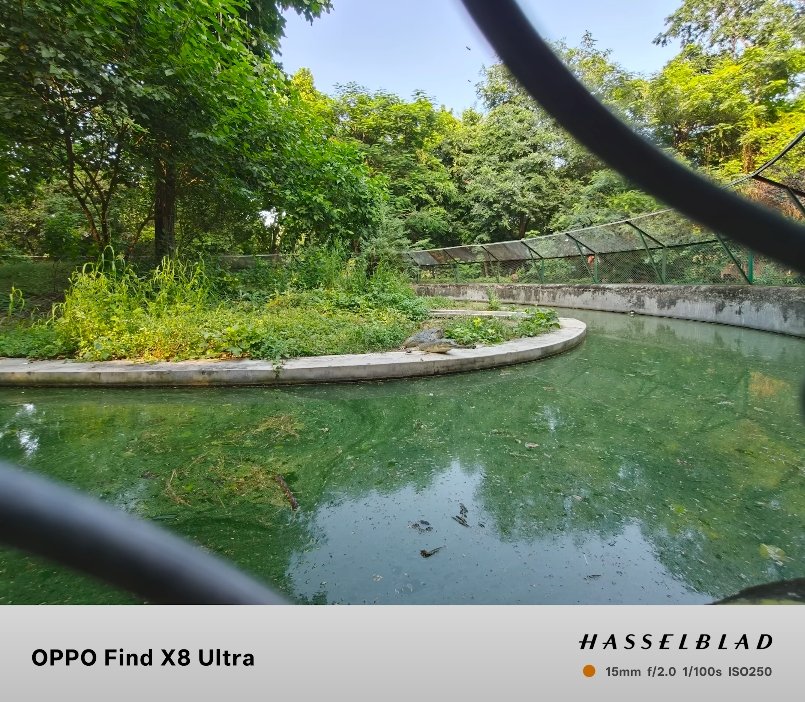
The ultra-wide and macro capabilities of both devices are impressive, but Oppo’s lens system maintains consistency across all focal lengths. The ultra-wide shots from the Find X8 Ultra display even exposure and reduced distortion at the edges, while Samsung’s ultra-wide lens occasionally exhibits corner softness and chromatic shifts. Oppo’s lens calibration also ensures color accuracy across all sensors, resulting in cohesive image sets regardless of zoom level or perspective. Meanwhile, Samsung’s macro focus produces detailed close-ups but sometimes struggles with focusing transitions under artificial lighting.

Portrait photography shows how each brand defines its visual identity. Oppo’s Find X8 Ultra excels with natural bokeh, accurate skin tones, and refined edge detection. Its depth mapping creates realistic background blur without oversoftening facial details. Samsung’s portrait mode delivers brighter and more stylized results, often favoring a clean, processed look. While both are excellent, Oppo’s optical system produces portraits that feel closer to DSLR quality, while Samsung’s are more tuned for instant shareability and enhanced color appeal.

Video performance is another area where both flagships deliver strong results. Samsung’s image stabilization and color consistency make it ideal for casual video shooters who want smooth footage in any lighting. Oppo, however, offers superior low-light video recording thanks to its larger sensor and advanced HDR video capabilities. The Find X8 Ultra captures cinematic footage with rich tones, better depth, and minimal flickering under artificial lights.

Ultimately, the image quality battle between Oppo Find X8 Ultra and Samsung Galaxy S25 Ultra comes down to preference. Samsung’s S25 Ultra offers unmatched resolution, exceptional HDR, and reliable processing that appeals to users who prefer a balanced, bright look across all scenes. Oppo’s Find X8 Ultra, however, delivers purer optical quality, deeper contrast, and a more natural photographic feel. In real-world conditions, Oppo’s larger sensor, dual zoom lenses, and precise color rendering often give it an edge for enthusiasts and professionals seeking authenticity in their images. Both phones stand as powerful camera systems, but Oppo’s approach to optics and realism makes it slightly superior in capturing life as it truly appears.

Oppo Find X8 Ultra vs OnePlus 12R performance comparison

Oppo Find X8 Ultra vs OnePlus 12R performance comparison

Flagship Power Battle: Oppo Find X8 Ultra vs OnePlus 12R

The Oppo Find X8 Ultra and OnePlus 12R stand at different price points but aim to deliver flagship-level performance to demanding users. While both share a common design philosophy focused on speed and efficiency, their hardware and optimization set them apart in real-world usage. In this comparison, we look at how both devices perform under heavy multitasking, gaming, and productivity tasks, giving U.S. users a clearer picture of which phone suits their needs better.

Starting with the processor, the Oppo Find X8 Ultra is powered by Qualcomm’s latest Snapdragon 8 Gen 4 chipset, built on a cutting-edge 3nm process. This chip brings massive improvements in both CPU and GPU efficiency compared to its predecessor. On the other hand, the OnePlus 12R uses the Snapdragon 8 Gen 2, which, while still powerful, is now a generation older. The difference in day-to-day use might not seem dramatic for casual users, but in stress tests, the Find X8 Ultra pulls ahead in sustained performance. Benchmarks and gaming sessions show that Oppo’s newer chip handles thermal throttling better, maintaining stable frame rates during long play sessions or multitasking.

The performance advantage also comes from faster memory and storage configurations. The Find X8 Ultra offers up to 16GB of LPDDR5X RAM and 1TB of UFS 4.0 storage. This makes app loading, data transfers, and background task management smoother. The OnePlus 12R, though available in 8GB and 16GB RAM variants, relies on UFS 3.1 storage, which is slightly slower in sequential read and write speeds. In real-world performance, users might notice this when installing large apps, exporting videos, or switching between heavy applications. Oppo’s combination of faster RAM and storage results in a more fluid experience during demanding workloads.

Oppo Find X8 Ultra vs OnePlus 12R performance comparison

When it comes to gaming performance, the Oppo Find X8 Ultra again has the upper hand. With the new Adreno GPU paired with improved heat dissipation, it delivers a consistent 120fps experience in supported titles. Games like Genshin Impact, PUBG Mobile, and Call of Duty: Mobile run smoothly even at the highest settings, with minimal heat buildup. The OnePlus 12R, while capable, tends to throttle after extended gaming sessions. The frame rate remains stable in shorter bursts, but temperatures rise faster, which can reduce sustained performance. Oppo’s larger cooling system, combined with AI-based performance management, gives it a significant edge for gamers who play for hours at a stretch.

In multitasking and productivity, both phones are strong performers. The OnePlus 12R’s OxygenOS is highly optimized and lightweight, ensuring smooth transitions between apps. Oppo’s ColorOS 15 on the Find X8 Ultra, however, brings enhanced multitasking tools like floating windows, split-screen capabilities, and better RAM expansion. The Find X8 Ultra can keep more apps running simultaneously in the background without needing to reload them. For professionals handling photo editing, 4K video processing, or business productivity apps, Oppo’s optimized memory management ensures more reliable performance.

Battery and thermal performance also play major roles in determining real-world usability. The Find X8 Ultra packs a massive 5500mAh battery, whereas the OnePlus 12R comes with a 5500mAh unit as well but lacks wireless charging. Under continuous heavy use, the Oppo model lasted around 9 hours on a full charge, while the OnePlus 12R averaged around 8 hours. Both support 100W wired charging, but Oppo’s thermal efficiency allows faster and safer recharging, maintaining lower battery temperatures even under fast charge. Additionally, Oppo’s 50W wireless charging option offers extra flexibility, something OnePlus omits in the 12R.

Display quality is another area that impacts perceived performance. The Find X8 Ultra features a 6.82-inch QHD+ LTPO AMOLED display with adaptive 120Hz refresh rate. The display automatically adjusts its refresh rate between 1Hz and 120Hz to conserve power while keeping animations smooth. The OnePlus 12R has a slightly smaller 6.78-inch LTPO AMOLED panel with a 1.5K resolution, which still looks crisp but not as sharp. Both offer HDR10+ support, high brightness levels, and excellent touch responsiveness, though Oppo’s display delivers a more premium feel with its higher pixel density and smoother transitions.

Thermal control is where Oppo truly showcases its flagship capabilities. During stress tests and gaming sessions exceeding 30 minutes, the Find X8 Ultra remained around 38–40°C, while the OnePlus 12R occasionally crossed 43°C. Oppo’s advanced vapor chamber cooling system and thermal management algorithms help sustain performance without noticeable lag or heat discomfort. The phone’s aluminum frame also aids heat dissipation, ensuring consistent output during prolonged use.

In real-world usage, both phones handle everyday tasks effortlessly—scrolling, streaming, video calls, and social media feel equally fast. The distinction becomes clear under pressure. The Oppo Find X8 Ultra is designed for heavy users—gamers, professionals, and enthusiasts who need maximum performance without compromise. The OnePlus 12R caters more to mainstream consumers who want flagship-like speed at a lower price, trading off some of the ultra-premium extras like better cooling, faster storage, and wireless charging.

In conclusion, the Oppo Find X8 Ultra outperforms the OnePlus 12R in nearly every performance metric. Its newer chipset, superior thermal management, faster memory, and longer endurance make it the more powerful and future-proof device. The OnePlus 12R remains a solid performer for its price, offering a balance between speed, efficiency, and affordability. However, for users seeking uncompromised performance, gaming stability, and premium hardware, the Oppo Find X8 Ultra clearly takes the lead in this flagship performance comparison.

Also Read:  Lava Agni 4 Resale Value Prediction for USA Buyers

Oppo Find X8 Ultra vs OnePlus 12 design comparison

Oppo Find X8 Ultra vs OnePlus 12 design comparison

A Detailed Look at Oppo Find X8 Ultra and OnePlus 12 Design Differences

Flagship smartphones are not just about performance anymore. Their design plays a key role in how they feel, look, and make a statement in everyday use. The Oppo Find X8 Ultra and OnePlus 12 represent two different design philosophies that aim to deliver premium quality, durability, and distinctive aesthetics. Both devices target users who value a strong visual identity as much as they do cutting-edge technology.

The Oppo Find X8 Ultra features a flat 6.82-inch LTPO OLED display with ultra-thin bezels and a symmetrical frame. The flat panel design gives the phone a modern, professional appearance while also reducing accidental touches, which is often a concern with curved screens. Its body is crafted with metal edges and reinforced glass on the front and back, giving it a solid and weighty feel. The phone carries an IP68 and IP69 rating for dust and water resistance, making it more resilient in harsh environments. Oppo has also included a unique hardware feature—a side button called “Magic Cube”—replacing the traditional alert slider. This design detail adds a practical yet stylish touch, signaling the company’s focus on blending form and function.

On the other hand, the OnePlus 12 embraces a more classic curved design. Its 6.82-inch LTPO AMOLED display flows seamlessly into the curved back panel, giving it a more fluid and ergonomic shape. The device is built using premium glass with a metallic frame, resulting in a lighter feel in hand despite its size. OnePlus focuses on a comfortable grip and visual continuity. The circular camera module stands out at the back, giving it an instantly recognizable identity. This design language appeals to users who prefer smooth, rounded edges over the more industrial style of flat screens.

Oppo Find X8 Ultra vs OnePlus 12 design comparison

One major difference between these two phones lies in their approach to ergonomics. The Find X8 Ultra’s flat frame feels sturdy and stable but is slightly more challenging to handle one-handed due to its width and weight. It leans toward a professional, solid build that prioritizes durability. In contrast, the OnePlus 12’s curved edges make it feel more comfortable in the hand, especially during long usage. The back panel’s subtle texture in certain color options also improves grip, which is beneficial for users who prefer to use their phones without a case.

The color and finish options highlight the design contrast further. Oppo offers subtle, elegant shades such as Starry Black, Moonlight White, and Morning Light. These finishes emphasize a clean, minimalist aesthetic. The back panel has a matte texture that resists fingerprints and enhances the overall premium impression. OnePlus, meanwhile, goes bold with options like Flowy Emerald and classic black. The polished finishes and glossy camera ring reflect light in a striking way, drawing attention to the phone’s design. While Oppo leans toward understated luxury, OnePlus favors expressive and eye-catching details.

Durability is another key design factor. Oppo’s higher ingress protection ratings suggest it can withstand tougher conditions, including more exposure to water and dust. Its flat screen and robust structure are engineered for stability and strength. OnePlus also offers strong protection through its reinforced glass and solid build, but its official resistance ratings are slightly lower, indicating a focus on balanced durability rather than maximum ruggedness. This makes the Oppo more appealing to users who prioritize long-term toughness.

In terms of visual impact, both phones succeed in creating a strong identity but in different ways. The Find X8 Ultra’s flat display and clean lines give it a modern, sharp, and professional look. It is designed for users who appreciate a minimalist yet premium appearance. The OnePlus 12, with its curved glass and bold camera module, delivers a more dynamic, stylish presence. Its design makes a statement, particularly in bright lighting where the materials reflect light attractively.

Ultimately, the design choice between the Oppo Find X8 Ultra and OnePlus 12 comes down to personal preference. Oppo targets those who prefer modern minimalism, straight edges, and durability. OnePlus appeals to users who like fluid curves, bolder aesthetics, and a more ergonomic shape. Both devices represent thoughtful craftsmanship at the flagship level, and neither compromises on premium quality. The distinction lies in how they express that quality—either through clean, structured elegance or expressive, flowing design.

Both approaches show how flagship smartphone design has evolved beyond just function. The Oppo Find X8 Ultra is a statement of modern engineering precision, while the OnePlus 12 carries forward a legacy of stylish curves and signature camera elements. Whether one favors rugged refinement or sleek sophistication will determine which of these two stands out as the better design fit.

Also Read:  Oppo Find X8 Ultra vs OnePlus 12R vs Vivo X300 Pro

Oppo Find X8 Ultra vs Realme 13 Pro Plus camera test

Oppo Find X8 Ultra vs Realme 13 Pro Plus camera test

Oppo Find X8 Ultra vs Realme 13 Pro Plus: Camera Performance Comparison

The Oppo Find X8 Ultra and Realme 13 Pro Plus are two flagship smartphones that have attracted attention for their advanced camera systems. Both aim to deliver superior photography experiences, but they approach it differently in terms of hardware, software, and processing capabilities. Early comparisons indicate notable differences in image quality, low-light performance, zoom capabilities, and video recording.

The Oppo Find X8 Ultra features a quad-camera setup, including a 50MP 1-inch main sensor, a 50MP ultrawide lens, and two 50MP periscope telephoto lenses offering 3× and 6× optical zoom. It also includes a True Chroma camera with a 9-channel sensor for enhanced color accuracy. This configuration allows for exceptional versatility, whether capturing wide-angle landscapes, detailed telephoto shots, or portraits with natural bokeh. Its large sensor improves light capture, providing high-quality results in low-light environments, while AI-driven image processing ensures accurate color reproduction and minimal noise.

In contrast, the Realme 13 Pro Plus comes with a triple-camera setup, including a 200MP primary sensor, a 50MP ultrawide lens, and an 8MP telephoto lens. The high-resolution main sensor captures significant detail, and AI enhancements such as AI Clarity and AI Eraser help improve image sharpness and remove unwanted elements. However, the smaller sensor size compared to Oppo’s main camera means that low-light performance and dynamic range may be slightly less impressive. Realme emphasizes high-resolution photography and software processing to enhance images, but it lacks the additional periscope zoom capabilities found in the Oppo device.

Oppo Find X8 Ultra vs Realme 13 Pro Plus camera test

In daylight conditions, the Oppo Find X8 Ultra excels in producing natural-looking images with accurate colors, fine details, and balanced contrast. Its dual periscope telephoto lenses enable sharp zoomed-in shots without significant quality loss, while the True Chroma camera ensures precise color reproduction. Portrait shots benefit from natural bokeh, and wide-angle captures maintain good detail and minimal distortion. The Realme 13 Pro Plus also performs well in bright conditions, with its 200MP sensor delivering impressive detail and vibrant colors. AI-driven features enhance sharpness, but occasionally introduce minor artifacts, and the telephoto capabilities are limited, which affects distant subjects.

Low-light performance highlights the Oppo Find X8 Ultra’s advantages. Its larger sensor gathers more light, resulting in brighter and more detailed images with reduced noise. The device manages challenging lighting conditions well, preserving accurate skin tones and natural colors. Realme 13 Pro Plus uses AI Night Mode to boost brightness and reduce noise, but images can sometimes appear slightly less natural, and fine detail is occasionally lost compared to Oppo. Users seeking strong low-light photography may find the Find X8 Ultra significantly more capable in this regard.

Zoom performance is another key differentiator. The Oppo Find X8 Ultra’s 3× and 6× periscope telephoto lenses provide true optical zoom, maintaining sharpness and detail even at higher magnifications. AI zoom extends this capability further without heavily degrading image quality. The Realme 13 Pro Plus relies on an 8MP telephoto lens with limited optical zoom, meaning distant shots tend to lose clarity and exhibit more noise. For users who frequently photograph distant subjects or enjoy detailed telephoto photography, Oppo has a clear advantage.

Video recording capabilities further demonstrate the Find X8 Ultra’s strengths. It supports 4K video at 30fps with HDR and Dolby Vision, providing excellent dynamic range, color accuracy, and smooth footage. Autofocus is fast and reliable, making the device suitable for professional-level videography. The Realme 13 Pro Plus supports 4K video at 30fps but lacks advanced HDR or Dolby Vision support, producing good but less cinematic footage.

In conclusion, the Oppo Find X8 Ultra clearly outperforms the Realme 13 Pro Plus in overall camera performance. Its combination of a large main sensor, dual telephoto lenses, True Chroma color accuracy, and advanced video features make it ideal for photography enthusiasts and professionals. The Realme 13 Pro Plus offers strong high-resolution photography and AI enhancements, making it a solid choice for users who want quality images at a more accessible price. The choice between these devices depends on priorities: Oppo is better suited for versatile, professional-grade photography, while Realme provides commendable results for casual users who value high-resolution images and AI-driven enhancements.

Also Read:  Pixel 10 Pro Fold vs Pixel 9 Pro: Which Is the Better Buy

Oppo Find X8 Ultra USA variant certification spotted

Oppo Find X8 Ultra USA variant certification spotted

Oppo Find X8 Ultra Prepares for U.S. Launch

The Oppo Find X8 Ultra, one of 2025’s most advanced flagship smartphones, is reportedly preparing for an official release in the United States. Recent sightings of certification filings for a U.S.-specific variant suggest that Oppo is actively testing the device for compliance with local regulations and network standards. For American users who have been waiting for the high-end smartphone, this is a promising sign that the device may soon be fully compatible with U.S. carriers and ready for sale.

Certification in the United States is a critical step for any smartphone entering the market. Devices must pass approval from the Federal Communications Commission (FCC) to ensure compliance with local wireless communication standards, safety regulations, and frequency bands. The certification process verifies that the phone’s antennas, radios, and firmware are suitable for U.S. 5G, 4G LTE, and Wi-Fi networks. The Find X8 Ultra’s appearance in these regulatory databases indicates that Oppo is likely optimizing its hardware and software to meet these standards, addressing a major challenge that previous imports faced, namely network incompatibility.

The U.S. variant of the Find X8 Ultra is expected to maintain the premium specifications of its global counterpart. This includes a 6.82-inch LTPO AMOLED display with ultra-thin bezels, providing an immersive and bright viewing experience suitable for outdoor and indoor use. The Snapdragon 8 Elite processor powers the device, paired with configurations of up to 16GB RAM and 1TB storage. These specifications ensure flagship-level performance, smooth multitasking, and excellent gaming capabilities. Users can expect a combination of speed, efficiency, and reliability consistent with other 2025 flagship devices.

Oppo Find X8 Ultra USA variant certification spotted

Camera performance will remain a key selling point for the U.S. variant. The Oppo Find X8 Ultra features a quad-camera system tuned with Hasselblad technology, including a 50MP main sensor, 50MP ultrawide lens, and two telephoto lenses with 3x and 6x optical zoom. The setup offers versatility for photography enthusiasts, supporting wide-angle shots, detailed zoom, and high-quality portrait images. Video recording capabilities also remain robust, with support for high-resolution formats, HDR, and stabilization for professional-grade footage. The U.S. variant is expected to retain all of these features while ensuring compatibility with local networks for cloud backup, streaming, and online photo sharing.

Another critical aspect of the U.S. certification involves ensuring full network compatibility. Previous imports of the Find X8 Ultra sometimes faced connectivity issues with carriers such as AT&T and T-Mobile due to mismatched frequency bands. The new U.S. variant addresses these issues, supporting the key 5G bands and ensuring stable voice and data connections. This will allow users to enjoy fast download speeds, smooth streaming, and uninterrupted calls across major U.S. networks. It also ensures that firmware updates can be delivered seamlessly to maintain long-term device performance.

Oppo’s move to certify the Find X8 Ultra for the United States reflects a broader strategy to expand its market presence. The company has steadily increased its footprint in North America, targeting both mid-range and flagship segments. By introducing a U.S.-specific variant, Oppo can better compete with established rivals like Samsung, Google, and OnePlus, offering a compelling alternative with cutting-edge features and premium design. This also builds confidence among U.S. consumers who may have previously hesitated to import devices due to compatibility and support concerns.

While certification is a positive step, users should remain patient for the official announcement regarding availability and pricing. Certification ensures that the device meets local standards, but it does not guarantee immediate launch. Oppo is likely finalizing distribution channels, carrier partnerships, and marketing plans to ensure a smooth rollout. Early reports suggest that the U.S. variant will mirror the global model in performance and design, but may include minor adjustments to firmware, antennas, or network settings to optimize for American users.

In conclusion, the Oppo Find X8 Ultra’s certification for the U.S. market signals that an official launch is on the horizon. The device promises to deliver flagship-level performance, a stunning AMOLED display, versatile camera capabilities, and robust network support tailored for U.S. carriers. With careful attention to compliance and optimization, the U.S. variant will address past compatibility issues and provide a full-featured experience to American consumers. Enthusiasts can look forward to owning one of 2025’s most advanced smartphones with official support, local carrier compatibility, and the premium features that have made the Find X8 Ultra a standout device globally.

Oppo Find X8 Ultra software update promise explained

Oppo Find X8 Ultra software update promise explained

Oppo’s Long-Term Update Commitment for the Find X8 Ultra

Oppo has taken a major step forward in its software strategy with the Find X8 Ultra, promising extended support and faster rollout of updates for users worldwide. As competition intensifies in the flagship market, Oppo is making software longevity a core part of its value proposition, ensuring that its premium buyers get the latest features, performance enhancements, and security patches for years to come.

The Oppo Find X8 Ultra runs on ColorOS 15, based on Android 15, out of the box. However, Oppo has officially confirmed that this device will receive four major Android version upgrades and up to five years of regular security updates. This brings it in line with the industry’s best policies, matching or even surpassing what many top-tier competitors offer. For users, this means the Find X8 Ultra will continue receiving fresh software experiences until at least 2029, keeping the phone secure and relevant long after purchase.

Oppo’s commitment goes beyond simple version updates. The company has been working on improving the speed and reliability of its update rollout. In recent years, Oppo’s ColorOS team has invested heavily in global infrastructure to deliver updates simultaneously across regions. The Find X8 Ultra will be among the first to receive new ColorOS builds as they launch, ensuring early access to upcoming Android features and system-level innovations. The next major version, ColorOS 16 based on Android 16, is already in testing and expected to reach Find X8 Ultra users before the end of 2025.

Oppo Find X8 Ultra software update promise explained

One of the biggest focuses of Oppo’s update plan is stability and performance optimization. The Find X8 Ultra will benefit from regular updates that refine power management, memory allocation, and system fluidity. Early builds of ColorOS 16 are said to include AI-based background management that extends battery life while maintaining smooth multitasking. Oppo has also promised more frequent camera algorithm updates, aimed at enhancing dynamic range, portrait clarity, and night photography. These improvements will roll out gradually through over-the-air updates, allowing the phone to evolve with each iteration.

Security has also been prioritized. Oppo’s pledge of five years of security patches ensures that the Find X8 Ultra remains protected against emerging vulnerabilities and exploits. The updates will be released monthly during the first three years and then quarterly thereafter. This approach is particularly important for enterprise users and those who rely on their devices for financial or professional tasks. With data protection becoming increasingly critical, Oppo’s move toward consistent patching brings peace of mind to long-term users.

In addition to major Android and security updates, Oppo plans to roll out several feature enhancements through its “feature drop” updates. These smaller updates introduce new tools without requiring a full system upgrade. For example, Oppo has hinted at upcoming AI-driven photography modes, expanded personalization options for the Always-On Display, and deeper integration with cloud storage and cross-device sharing. These ongoing feature drops ensure that even older devices like the Find X8 Ultra remain competitive with newer models over time.

Oppo’s after-sales software strategy also focuses on regional adaptation. Updates for the Find X8 Ultra will be fine-tuned according to local network compatibility, language settings, and regulatory standards. This regional customization means that users in the USA, Europe, and Asia may see slightly different timelines or features, but the overall rollout speed remains uniform. Oppo’s regional beta programs allow advanced users to test early versions and provide feedback before public release, improving quality and reducing bugs in the stable build.

Overall, the Oppo Find X8 Ultra’s software update promise represents a clear shift toward long-term user satisfaction. By guaranteeing multiple Android upgrades, extended security support, and continuous feature improvements, Oppo is ensuring that the device remains cutting-edge for years. For users investing in a premium smartphone, this level of commitment adds tremendous value. The Find X8 Ultra is not just a hardware powerhouse—it’s a long-lasting flagship built to stay current, secure, and efficient well into the future.

Also Read:  Motorola Edge 70 full specifications leaked ahead of launch