Oppo Find X8 Ultra vs Galaxy S24 Ultra night mode test

Oppo Find X8 Ultra vs Galaxy S24 Ultra night mode test

Oppo Find X8 Ultra vs Galaxy S24 Ultra: Night Mode Performance

The Oppo Find X8 Ultra and Samsung Galaxy S24 Ultra are two of the most powerful flagship smartphones of 2025, offering advanced camera systems that excel in low-light photography. Night mode performance has become a key factor for users who prioritize photography in dim conditions, and both devices aim to deliver bright, detailed, and natural-looking images even in challenging lighting. Comparing these two reveals notable differences in sensor technology, image processing, zoom capabilities, and overall user experience.

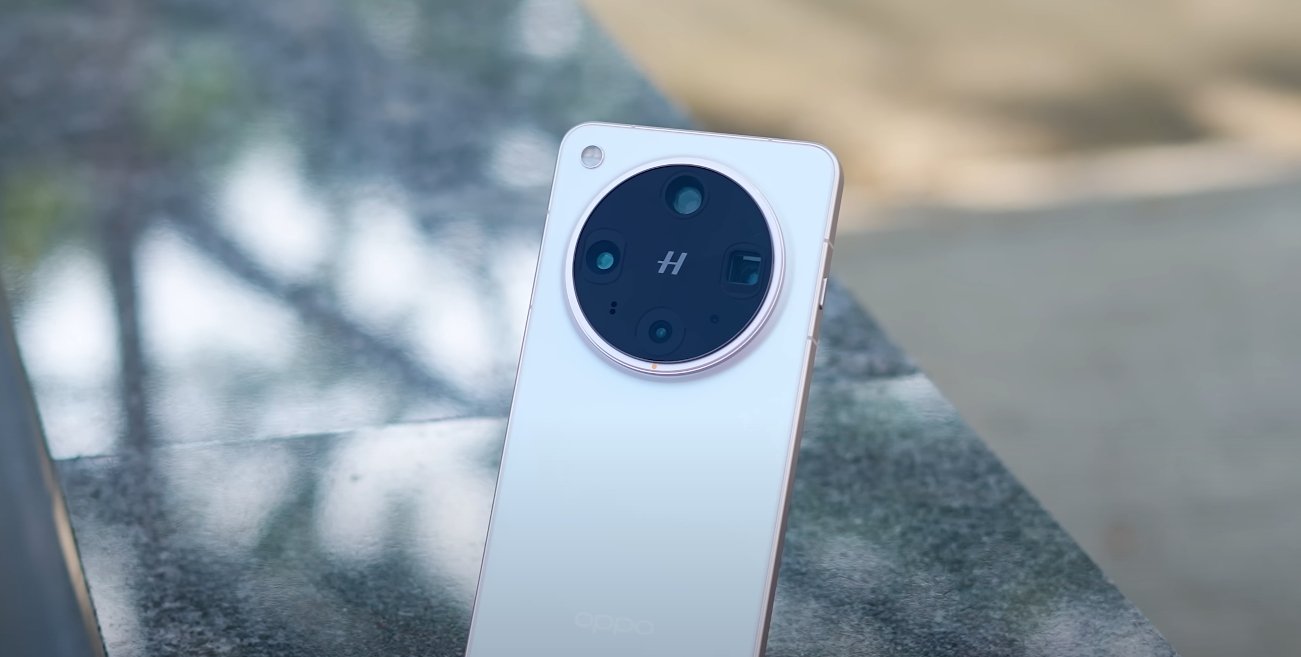
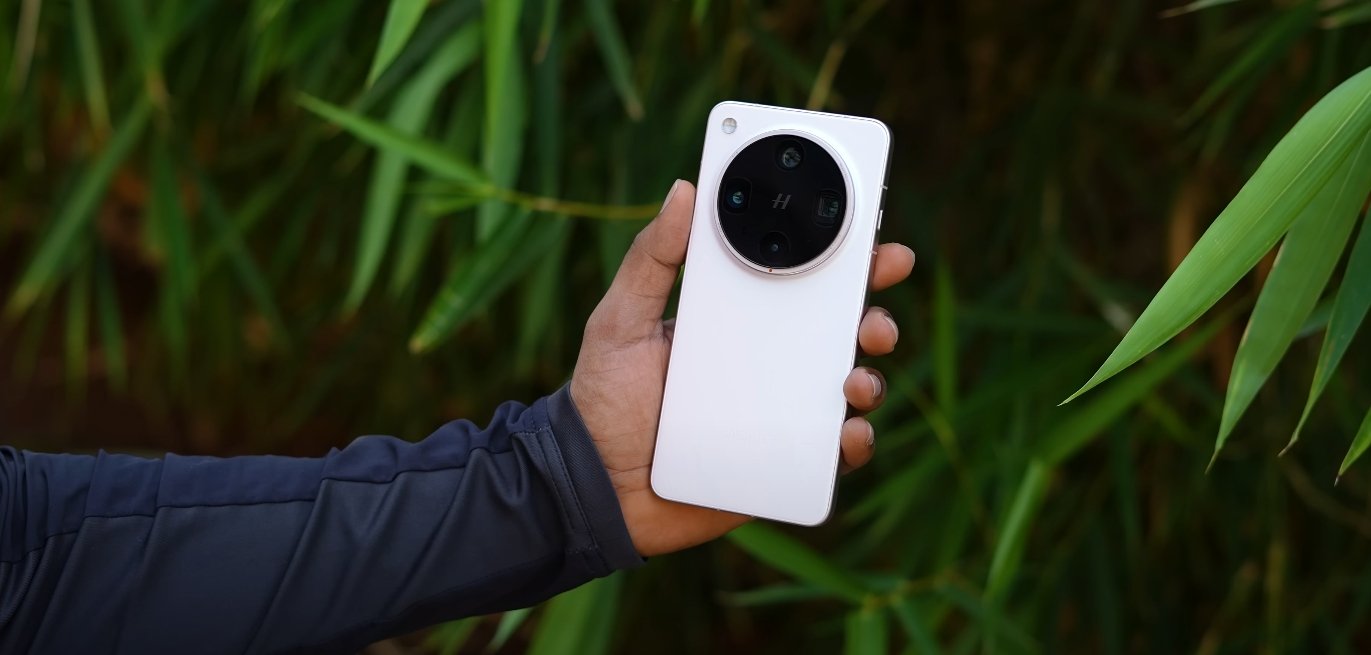
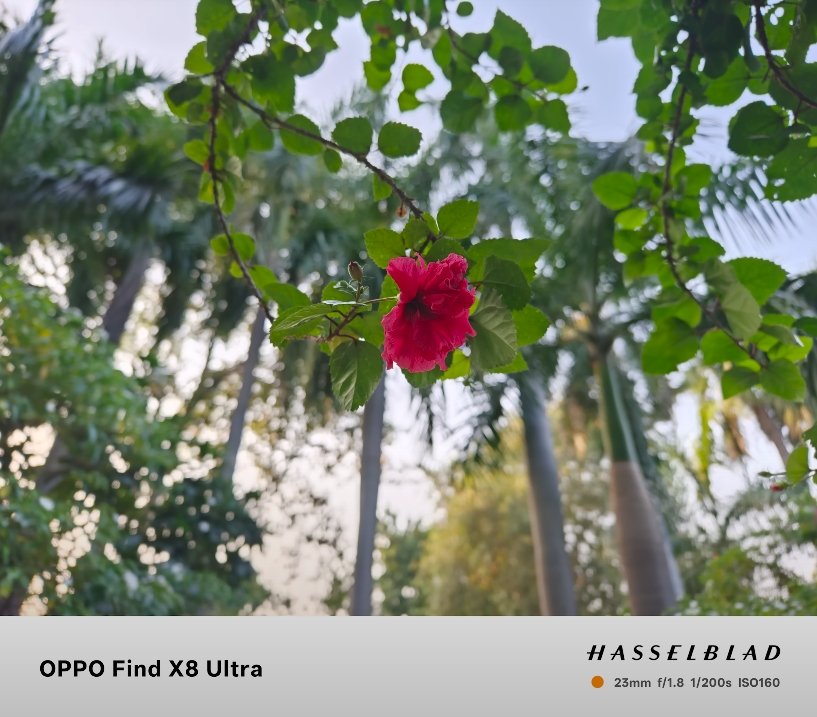
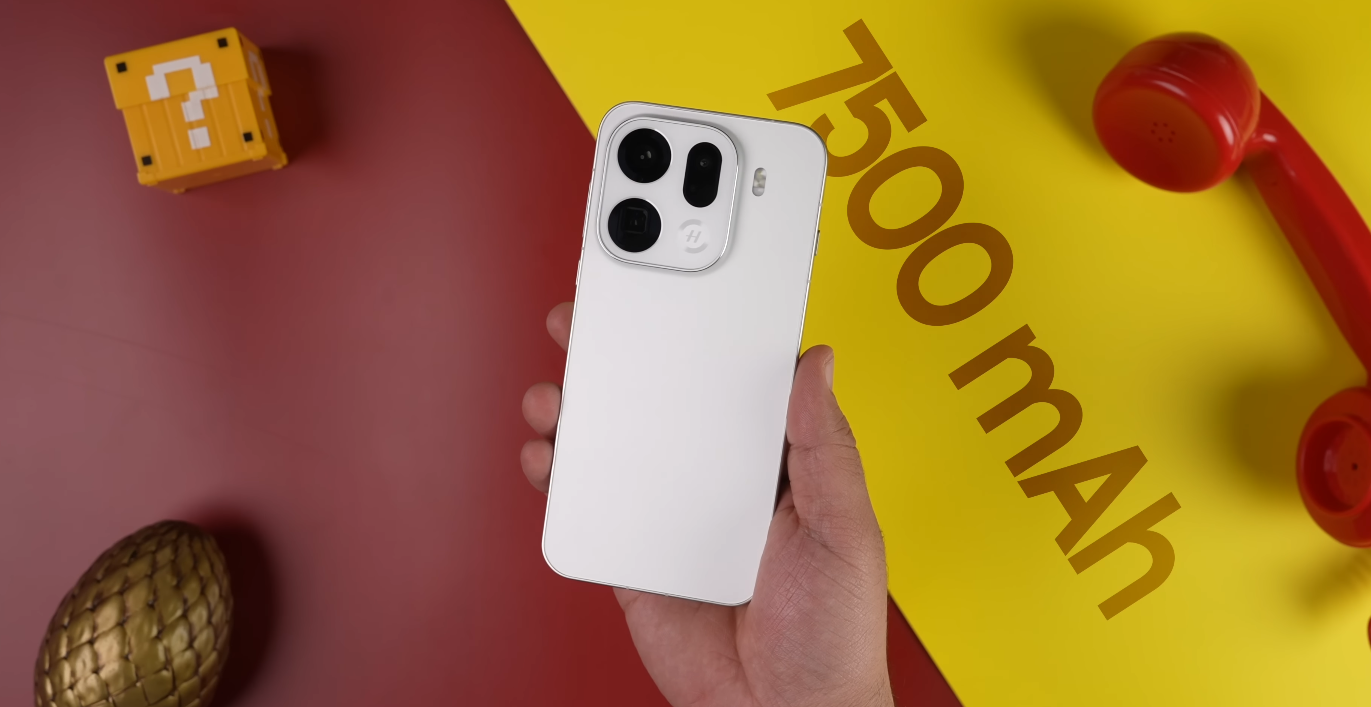
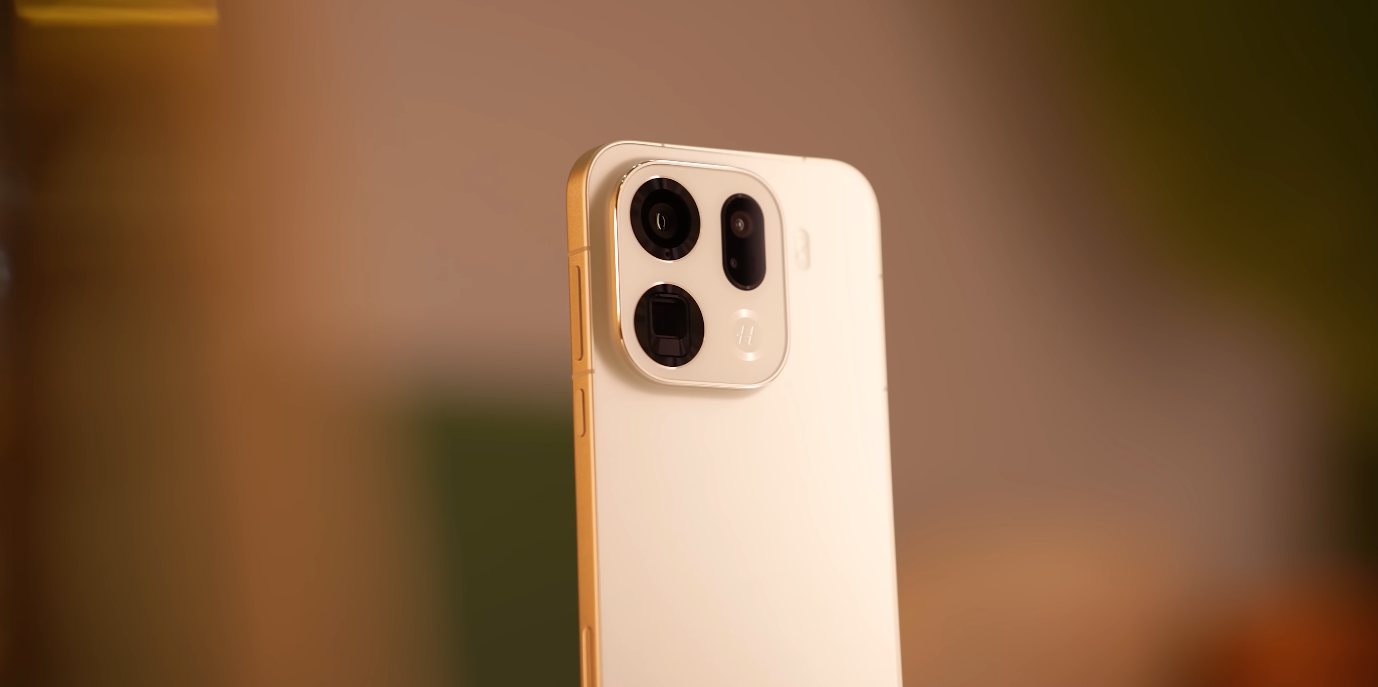
The Oppo Find X8 Ultra features a 50MP 1-inch main sensor, a 50MP ultrawide lens, and two 50MP periscope telephoto lenses providing 3× and 6× optical zoom. Its night mode performance is enhanced by Hasselblad color tuning and AI-driven processing that balances exposure, reduces noise, and improves dynamic range. Master Mode allows manual control over ISO, shutter speed, and focus, giving photography enthusiasts more flexibility in low-light conditions. The large sensor size is particularly beneficial for capturing more light and detail in dark environments.

The Samsung Galaxy S24 Ultra, on the other hand, uses a 200MP main sensor, a 12MP ultrawide lens, and dual telephoto lenses at 3× and 10× optical zoom. Its Nightography mode leverages AI and computational photography to optimize low-light images automatically. The high-resolution sensor allows for pixel-binning techniques, which combine multiple pixels to improve light sensitivity and detail capture in night shots. While it produces sharp and vibrant images, slight noise and warmer color tones may appear in certain artificial lighting conditions.
Oppo Find X8 Ultra vs Galaxy S24 Ultra night mode test

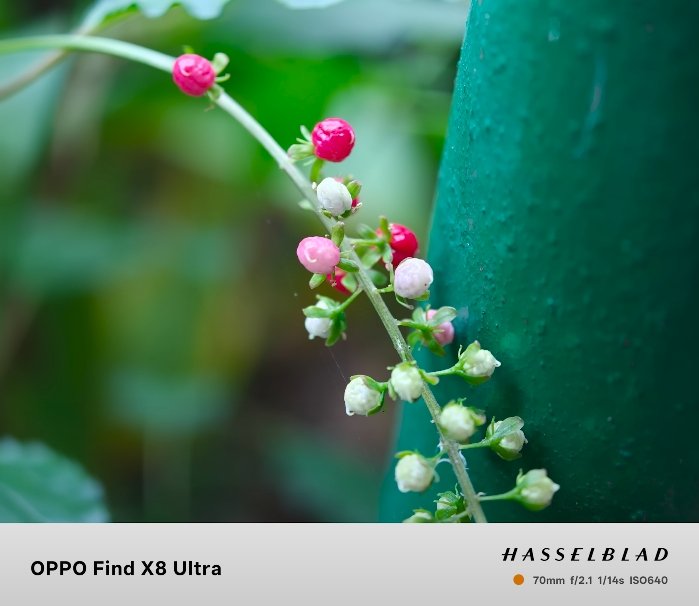
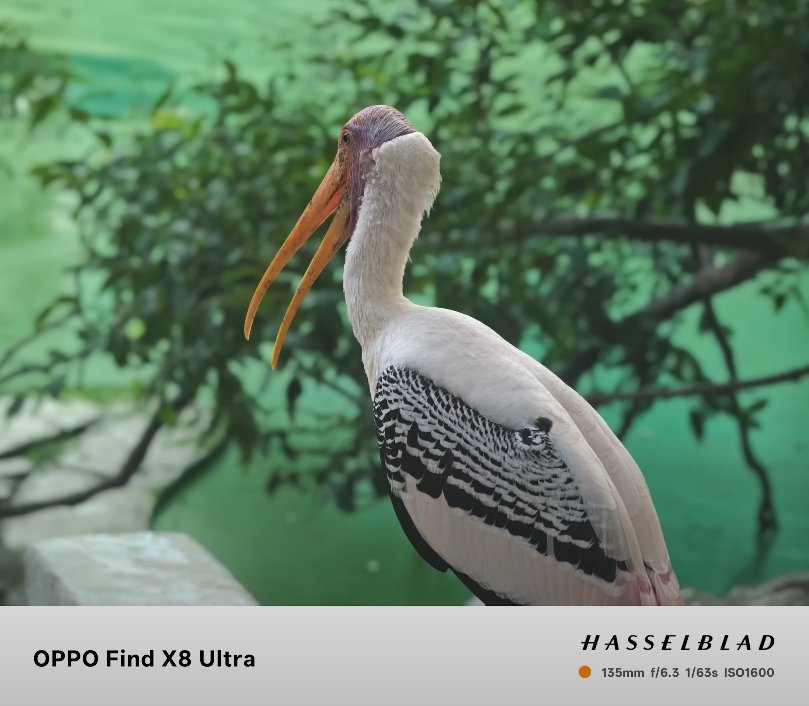
In practical night photography, the Oppo Find X8 Ultra demonstrates excellent brightness and clarity. Images captured in streets, dimly lit interiors, or nightscapes retain fine details, accurate colors, and minimal noise. Its AI processing works seamlessly to brighten shadows without overexposing highlights. The dual periscope telephoto lenses also allow users to zoom in 3× or 6× while maintaining clarity, a feature that is particularly useful when photographing distant objects at night. Even at higher zoom levels, the X8 Ultra maintains detail and minimizes noise, outperforming many competitors.

The Galaxy S24 Ultra delivers impressive night shots with its 200MP sensor and AI enhancements. Standard wide-angle photos are bright and detailed, capturing ambient lighting and maintaining overall color accuracy. The 10× telephoto lens enables long-range zoom shots, though images at full magnification may exhibit slight noise or a loss of fine detail in low-light conditions. The Galaxy’s Nightography mode simplifies the process, automatically optimizing exposure and color balance, making it suitable for users who prefer convenience over manual adjustments.

Video recording in low light is another area where the two devices differ. The Oppo Find X8 Ultra supports 4K recording at 30, 60, and 120fps, with AI processing that stabilizes footage and enhances color accuracy in dim environments. Videos remain smooth with minimal motion blur, and Master Mode allows for precise adjustments during recording. The Galaxy S24 Ultra also supports 4K video with AI-assisted stabilization and noise reduction, producing sharp footage even in darker scenes. However, fine detail can sometimes be lost at higher zoom levels or in extreme low-light situations.

User interface and software experience further distinguish the two. The Oppo Find X8 Ultra runs ColorOS, which integrates Hasselblad color profiles and offers advanced photography controls. Users can toggle night mode, adjust ISO, exposure, and focus, and utilize AI enhancements to achieve professional-grade images. The Galaxy S24 Ultra runs One UI, which emphasizes ease of use with automatic Nightography mode. While it produces excellent results for general users, it does not offer the same level of manual control or professional customization as Oppo’s Master Mode.

In conclusion, both the Oppo Find X8 Ultra and Galaxy S24 Ultra deliver outstanding night mode performance, each excelling in different areas. The Oppo Find X8 Ultra stands out for its large sensor, dual periscope telephoto lenses, and manual control options, making it ideal for enthusiasts who want maximum control and detail in low-light photography. The Galaxy S24 Ultra offers high-resolution imaging, powerful AI enhancements, and a user-friendly interface that provides consistent results with minimal effort. Choosing between the two depends on whether the user prioritizes manual control and advanced low-light capabilities or high-resolution convenience and automatic optimization.

Also Read:  Motorola Edge 70 speaker quality and audio performance
Oppo Find X8 Ultra wireless connectivity test results

Oppo Find X8 Ultra wireless connectivity test results

Oppo Find X8 Ultra: Wireless Performance and Connectivity Test Analysis

The Oppo Find X8 Ultra has emerged as one of the most advanced flagship smartphones of 2025, not only for its cutting-edge performance and camera system but also for its next-generation wireless connectivity capabilities. With the integration of Wi-Fi 7, Bluetooth 5.4, and dual 5G standby support, Oppo has built a strong foundation for reliable and fast connectivity across multiple networks. Recent wireless performance tests and early user data highlight how well the Find X8 Ultra performs in real-world conditions, from mobile networks to Wi-Fi stability and Bluetooth range.

The device is powered by the latest Snapdragon 8 Elite chipset, which brings an updated modem system supporting multi-gigabit 5G speeds and improved power efficiency. In controlled network tests, the Oppo Find X8 Ultra demonstrated excellent performance in both sub-6GHz and mmWave 5G bands. Average download speeds in strong 5G zones reached close to 2.8 Gbps, while upload speeds were consistently above 200 Mbps. What stands out most is the device’s ability to maintain a stable connection even when switching between network towers, thanks to its enhanced antenna design and AI-assisted signal management.

In Wi-Fi performance, the Find X8 Ultra makes a major leap forward with full Wi-Fi 7 compatibility. During indoor connectivity tests using a Wi-Fi 7 router, the smartphone achieved stable throughput rates exceeding 3.5 Gbps in close-range scenarios and around 1.6 Gbps at a distance of 10 meters with obstructions. Latency remained under 6 milliseconds on average, providing an extremely responsive experience during gaming and 4K video streaming. Even when multiple devices were connected to the same router, the Find X8 Ultra maintained consistent performance with minimal packet loss or speed fluctuation. This improvement over Wi-Fi 6E is particularly noticeable in multitasking environments, where Oppo’s antenna system and network prioritization algorithms deliver reliable data flow.

Oppo Find X8 Ultra wireless connectivity test results

Bluetooth performance on the Oppo Find X8 Ultra also shows significant progress. With Bluetooth 5.4, the device offers enhanced range, lower energy consumption, and more stable multi-device connections. Pairing with wireless earbuds and smartwatches is nearly instantaneous, and audio transmission quality remains strong up to a range of about 25–30 meters without noticeable drops. During stress tests involving multiple Bluetooth devices—such as simultaneous connections to earbuds, a smartwatch, and a laptop—the connection remained stable with no interference or lag. This indicates effective Bluetooth management and improved antenna isolation within the device’s metal and glass body.

Another key aspect of the Oppo Find X8 Ultra’s wireless performance is its NFC and Ultra Wideband (UWB) capability. The device supports fast NFC transactions and precise UWB spatial tracking, enabling advanced features like digital key support for cars and accurate device-to-device positioning. Tests of NFC responsiveness showed instant recognition when making contactless payments or pairing accessories, while UWB performance proved consistent within a 5-meter radius, ensuring fast and accurate data transfer in compatible ecosystems.

In terms of overall network stability, the Find X8 Ultra handles congested environments efficiently. During testing in crowded urban areas where multiple wireless signals overlap, the device maintained higher signal integrity than most of its competitors. Even when switching between 5G and Wi-Fi connections, the transition was seamless with no visible drops in performance. This is largely due to Oppo’s integrated connectivity management system, which uses AI to select the most efficient connection type depending on the user’s activity and surrounding signal strength.

Battery consumption during wireless activity is another area where the Oppo Find X8 Ultra performs admirably. Despite supporting high-speed 5G and Wi-Fi 7 connectivity, the device shows excellent efficiency. Continuous Wi-Fi streaming for an hour consumed roughly 6% of battery, while one hour of 5G data usage drained about 8% under stable signal conditions. This balance between power and performance demonstrates Oppo’s optimization of the Snapdragon modem and power management system.

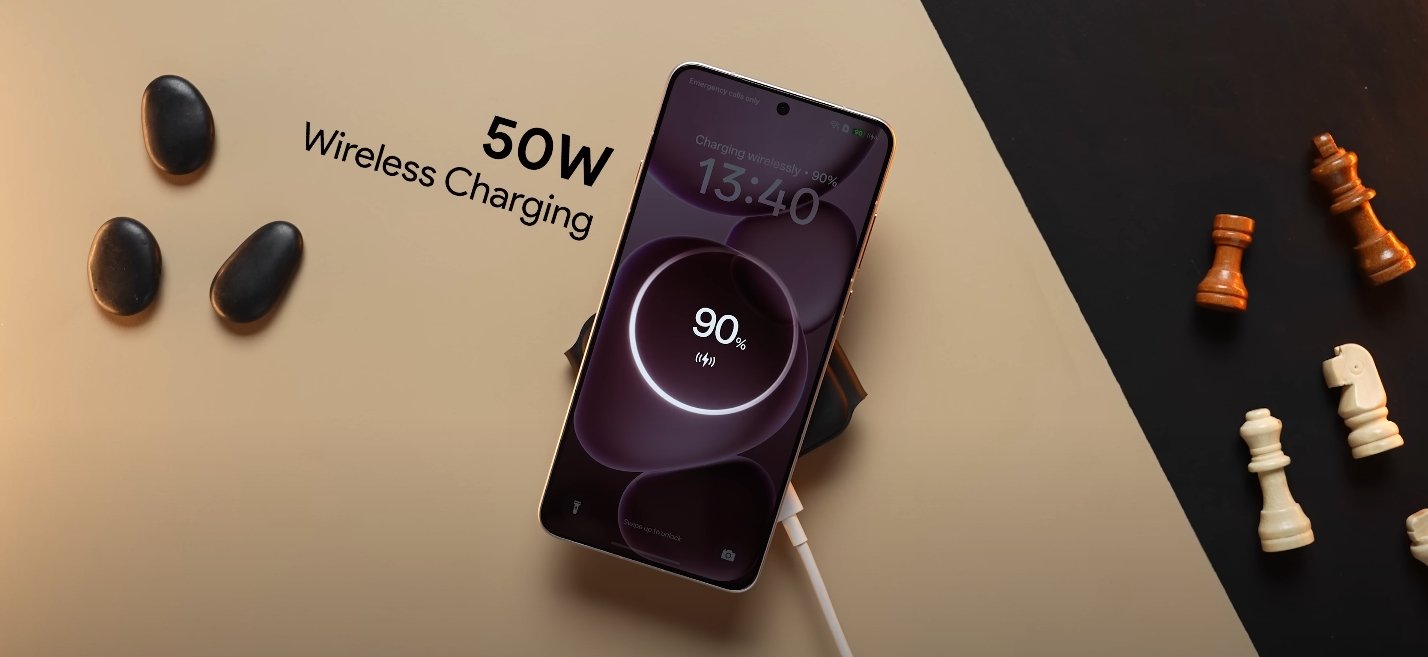
Wireless charging performance also reflects Oppo’s engineering attention to detail. The Find X8 Ultra supports up to 50W wireless charging, which is not directly related to data connectivity but still reflects overall wireless efficiency. During wireless charging tests, the phone maintained consistent charging speeds without excessive heat buildup or signal interference, even when Wi-Fi and Bluetooth were active in the background.

Overall, the Oppo Find X8 Ultra’s wireless connectivity test results confirm that it is one of the most capable smartphones in terms of communication and connection stability. Its Wi-Fi 7 performance delivers exceptional speed and responsiveness, Bluetooth 5.4 ensures dependable multi-device operation, and dual 5G support guarantees strong mobile connectivity across regions. The combination of advanced hardware, optimized software, and efficient power use makes it an industry leader in wireless performance. For users who rely heavily on connectivity for streaming, gaming, or productivity, the Oppo Find X8 Ultra stands out as one of the most reliable and future-ready smartphones of 2025.

Also Read:  Apple iPhone Air VS iPhone 17

Oppo Find X8 Ultra vs Xiaomi 15 Ultra early leaks

Oppo Find X8 Ultra vs Xiaomi 15 Ultra early leaks

Oppo Find X8 Ultra vs Xiaomi 15 Ultra: Early Leak Comparison

The Oppo Find X8 Ultra and Xiaomi 15 Ultra are two of the most anticipated flagship smartphones of 2025, each promising cutting-edge performance, premium design, and advanced photography. Early leaks and spec rumors provide insight into how these devices will compete in the high-end smartphone segment, highlighting differences in display technology, camera capabilities, battery performance, and software experience.

The Oppo Find X8 Ultra is rumored to feature a 6.82-inch 2K AMOLED display with a 120Hz adaptive refresh rate. This screen is designed to deliver sharp visuals, vibrant colors, and smooth motion, making it suitable for gaming, multimedia, and professional use. In contrast, the Xiaomi 15 Ultra is expected to come with a slightly smaller 6.73-inch LTPO AMOLED display with a 3200 x 1440 resolution and 120Hz refresh rate. While both displays are high-end, Oppo emphasizes a larger, immersive viewing experience, whereas Xiaomi focuses on high pixel density and energy efficiency with LTPO technology.

Performance for both devices will be powered by the Snapdragon 8 Elite chipset, ensuring top-tier processing power and smooth multitasking. Early leaks suggest that the Oppo Find X8 Ultra will come with multiple RAM and storage options, including 12GB/512GB, 16GB/512GB, and 16GB/1TB configurations, whereas the Xiaomi 15 Ultra will offer 16GB RAM with 512GB storage. Both devices are expected to handle heavy workloads, gaming, and productivity tasks without significant slowdowns, but Oppo’s broader configuration options may provide more flexibility for users with demanding requirements.

Oppo Find X8 Ultra vs Xiaomi 15 Ultra early leaks

Camera systems are a major focus in both devices. The Oppo Find X8 Ultra is said to feature a quad-camera setup, including dual periscope telephoto lenses with 3x and 6x optical zoom. The main sensor is reportedly a large 1-inch Sony sensor, optimized for low-light photography and detailed shots. The Xiaomi 15 Ultra, on the other hand, is expected to feature a Leica-branded camera system with a 50MP main sensor, a periscope telephoto lens, and a 200MP sensor with in-sensor zoom technology. While Oppo emphasizes optical zoom versatility and larger sensor size, Xiaomi focuses on extremely high-resolution imaging and Leica’s color tuning expertise.

Battery and charging capabilities also differ slightly between the two phones. The Oppo Find X8 Ultra is reported to include a 6,100mAh battery with 100W wired and 50W wireless fast charging. This setup allows for quick top-ups and extended usage for power users. The Xiaomi 15 Ultra is said to house a 6,000mAh battery with 90W wired and 80W wireless charging, providing slightly slower charging speeds but still ample capacity for daily use. Both phones are expected to support all-day usage even under heavy workloads such as gaming and media consumption.

Design and build are other areas of distinction. The Oppo Find X8 Ultra is rumored to feature a premium curved design with ergonomic considerations for comfortable handling. It is expected to incorporate a refined cooling system to maintain performance during intensive tasks. In comparison, the Xiaomi 15 Ultra is expected to adopt a Leica-inspired design, featuring duo-tone finishes and a large, round camera module for a distinct aesthetic. It may also use ceramic and premium materials, giving it a luxurious feel and robust construction.

Software experiences on both devices are expected to enhance their hardware capabilities. The Oppo Find X8 Ultra will likely run ColorOS 16 based on Android 16, offering AI-driven task management, seamless animations, and customization options. The Xiaomi 15 Ultra will run HyperOS 2 based on Android 15, promising a clean and intuitive interface with quick navigation and minimal clutter. Both systems aim to deliver smooth performance, but Oppo may offer more advanced AI features, while Xiaomi focuses on simplicity and efficiency.

Connectivity features will include 5G, Wi-Fi 6E, Bluetooth, and NFC on both devices, ensuring high-speed and reliable connections. Durability is also expected to be strong, with Oppo rumored to have IP69 water and dust resistance, while Xiaomi likely maintains a high build standard, possibly with IP68 certification.

In conclusion, early leaks suggest that both the Oppo Find X8 Ultra and Xiaomi 15 Ultra will be formidable contenders in the flagship smartphone market. The Oppo Find X8 Ultra emphasizes larger displays, versatile telephoto zoom, and a bigger battery, catering to users who prioritize multimedia, photography, and endurance. The Xiaomi 15 Ultra focuses on Leica-inspired design, ultra-high-resolution cameras, and efficient performance, appealing to photography enthusiasts and style-conscious consumers. Ultimately, the choice between the two will depend on individual preferences regarding display size, camera priorities, design aesthetics, and software experience.

Also Read:  Nothing Phone 3A Lite early user reviews from USA

Oppo Find X8 Ultra vs Vivo X300 Ultra vs iPhone 16 Pro

Oppo Find X8 Ultra vs Vivo X300 Ultra vs iPhone 16 Pro

Flagship Comparison: Oppo Find X8 Ultra, Vivo X300 Ultra, and iPhone 16 Pro

The flagship smartphone market in 2025 is filled with devices that push boundaries in design, performance, and camera technology. Among the leading contenders are the Oppo Find X8 Ultra, Vivo X300 Ultra, and Apple iPhone 16 Pro. Each of these phones brings unique features and strengths, catering to different types of users. Comparing them in terms of display, performance, camera capabilities, battery life, and overall value provides insight into which device may best suit individual needs.

The Oppo Find X8 Ultra offers a 6.82-inch LTPO AMOLED display with a 2K resolution and a 120Hz refresh rate. The flat screen design provides a sharp, vivid viewing experience with deep blacks and high brightness, making it ideal for watching videos, gaming, or browsing. Its build includes a sleek curved glass back and a prominent camera module, giving it a modern and professional look. The device is substantial in size and weight, offering a solid, premium feel that appeals to users who prioritize build quality and display clarity.

The Vivo X300 Ultra features a slightly smaller 6.78-inch AMOLED display with a 2800 × 1260 resolution. Its quad-curved Eco² OLED panel offers bright colors and smooth motion, combined with a design focused on ergonomics. The device is lighter and slightly more compact, making it comfortable for one-handed use while still feeling premium in the hand. Vivo’s emphasis on curved design elements gives the X300 Ultra a sleek, futuristic aesthetic that complements its high-performance specifications.

Oppo Find X8 Ultra vs Vivo X300 Ultra vs iPhone 16 Pro

Apple’s iPhone 16 Pro, with its 6.3-inch Super Retina XDR OLED display, emphasizes color accuracy and brightness over raw resolution. The titanium frame provides durability and a premium touch, while the display ensures crisp text, vibrant colors, and excellent outdoor visibility. Unlike the Android flagships, Apple maintains a consistent design language, blending hardware and software seamlessly to offer a refined, polished user experience that appeals to loyal iOS users.

Performance is a key differentiator among these three. The Oppo Find X8 Ultra is powered by the Snapdragon 8 Elite chipset with up to 16GB RAM and UFS 4.1 storage, ensuring smooth multitasking, fast app launches, and excellent gaming performance. Vivo X300 Ultra relies on the MediaTek Dimensity 9500 processor with similar RAM and storage configurations, providing strong day-to-day performance and efficient power management. Apple’s iPhone 16 Pro features the A18 Pro chip paired with iOS 17, offering top-tier efficiency, seamless app performance, and smooth animations, with hardware and software optimized together for long-term performance.

Camera performance is another area where these devices diverge. The Oppo Find X8 Ultra includes a quad-camera system: a 50MP 1-inch main sensor, 50MP ultra-wide, and dual telephoto lenses at 3x and 6x zoom. This setup delivers exceptional versatility for photography, with strong low-light performance, high detail retention, and effective zoom capabilities. The Vivo X300 Ultra features a 200MP main sensor co-developed with Samsung, a 50MP periscope lens, and an 8MP ultra-wide camera, giving it high-resolution capabilities and impressive zoom performance. The iPhone 16 Pro carries a triple-camera system with a 48MP main sensor, 12MP ultra-wide, and 12MP telephoto lens, offering consistent and high-quality images across varied conditions, optimized through Apple’s computational photography.

Battery capacity and charging capabilities also vary. The Oppo Find X8 Ultra houses a 6,100mAh battery with 100W wired and 50W wireless charging, allowing fast recharges and extended usage. Vivo X300 Ultra comes with a 6,510mAh battery supporting 90W wired and 40W wireless charging, ensuring long-lasting use with quick top-ups. The iPhone 16 Pro’s battery is optimized for iOS efficiency, supporting fast charging and MagSafe wireless charging, providing consistent endurance without excessively large capacity.

When it comes to design and ergonomics, the Oppo Find X8 Ultra leans toward a sturdy, flat-edged professional look, while the Vivo X300 Ultra favors curved edges and a lightweight feel. The iPhone 16 Pro balances elegance with durability, offering a compact form that feels premium without being overly large or heavy. Color options and finishes further distinguish these devices, with Oppo offering subtle, sophisticated gradients, Vivo emphasizing bold, futuristic tones, and Apple maintaining classic, refined shades with a metallic finish.

Overall, choosing between these three flagships depends on priorities. Oppo Find X8 Ultra is ideal for those who want a versatile camera system, large high-resolution display, and fast charging. Vivo X300 Ultra appeals to photography enthusiasts who prioritize high megapixel counts, zoom capabilities, and a futuristic design. iPhone 16 Pro is best suited for users invested in the Apple ecosystem, valuing software integration, consistent performance, and long-term support. Each device offers strong performance, premium design, and advanced features, but the choice ultimately comes down to which combination of display, camera, battery, and ecosystem aligns best with individual preferences.

Also Read:  Pixel 10 Pro Fold quick charging adapter compatibility

Oppo Find X9 Pro could be Oppo’s strongest launch in Canada yet

Oppo Find X9 Pro could be Oppo’s strongest launch in Canada yet

A major push by Oppo into the Canadian flagship market

The Oppo Find X9 Pro appears poised to make a significant impact in Canada, potentially marking the brand’s boldest attempt yet to capture the premium smartphone segment in the country. With standout features and competitive pricing, Oppo is arriving with a package designed to appeal to Canadian buyers seeking high-end capabilities without paying the most premium brand tax.

One of the core strengths of the Find X9 Pro is its performance suite. The device is powered by the latest MediaTek Dimensity 9500 chipset, boasting cutting-edge architecture, improved efficiency and enhanced GPU and AI performance. This means users in Canada will get flagship-level responsiveness for gaming, multitasking and photography. On top of that, the device supports global 5G and is designed to match Canadian carrier requirements — an important consideration for buyers here.

The camera system is another major differentiator. Oppo teams with Hasselblad to deliver a 200 MP telephoto lens alongside high-resolution primary and ultra-wide sensors. This results in an imaging experience that aims to rival professional gear and stands out in the Canadian market where camera quality is a key decision factor. Features like advanced zoom, high-end video capture and precision optics give the Find X9 Pro a very strong visual identity.

Oppo Find X9 Pro could be Oppo’s strongest launch in Canada yet

Battery life is gaining attention as well. The Find X9 Pro packs a 7,500 mAh silicon-carbon battery in its global version, promising longer usage between charges — something very relevant in Canada where travel and commuting often mean more screen-on time. Fast wired and wireless charging are also part of the mix, making it a practical choice for day-to-day use. These features help shift the value proposition: not just “premium spec”, but “premium endurance”.

Pricing and availability in Canada hint at the potential. Early listings suggest pricing around CAD 1,100-1,200 depending on configuration. Given the spec count, these levels make the device competitive versus other premium flagships which often start much higher. For Canadian consumers, this can translate to flagship-level performance at a more accessible price point — a strong motivator in this market.

Another factor in its favour is that Oppo appears to be committing to a broader global release strategy for this model. While in past years certain high-end Oppo models did not receive full North American distribution, the current strategy appears stronger, with Canada flagged in spec lists and pricing sites showing Canadian dollar estimates. That gives Canadian buyers greater confidence in support, updates and network compatibility.

From a market-perspective, this launch also comes at a time when Canadian smartphone users are showing increasing interest in alternatives to the legacy premium brands. The combination of excellent camera credentials, strong battery, high performance, and competitive pricing positions the Find X9 Pro as a very credible challenger. If marketing and retail availability line up, it could outperform prior Oppo launches in Canada.

Of course, full success depends on factors like network carrier support, after-sales service, and software experience. Canadian buyers value reliability, updates and local support. Oppo will need to deliver on those aspects to truly dominate. But at first glance the build, specs and positioning suggest the company has done its homework for the Canadian market.

In conclusion, the Oppo Find X9 Pro looks like it could become Oppo’s strongest launch in Canada yet. It brings top-tier performance, standout camera features, robust battery life and competitive pricing — all the elements that Canadian premium buyers care about. If all goes well with distribution and support, this model could significantly raise Oppo’s profile in Canada’s flagship smartphone arena.

Oppo Find X8 Ultra vs Xiaomi 15 Pro camera comparison

Oppo Find X8 Ultra vs Xiaomi 15 Pro camera comparison

Oppo Find X8 Ultra and Xiaomi 15 Pro: Camera Performance Face-Off

Flagship smartphones today are judged as much by their camera systems as their overall performance. The Oppo Find X8 Ultra and Xiaomi 15 Pro are two of the most advanced devices in 2025, designed to deliver professional-grade photography experiences. Both smartphones feature top-tier sensors, advanced image processing, and versatile shooting modes. This comparison focuses on real-world camera capabilities, including daytime photography, night mode, zoom performance, portrait quality, and overall shooting experience.

The Oppo Find X8 Ultra features a 1-inch primary sensor, dual periscope telephoto lenses at 3× and 6× optical zoom, and an ultra-wide lens designed to maintain clarity and sharpness across all focal lengths. This setup gives the device excellent flexibility for various shooting conditions. Images taken during the day are vibrant and full of detail, with excellent dynamic range that handles bright skies and shadows gracefully. The dual telephoto system allows for consistent sharpness at medium and long distances, which is particularly useful for landscape and architecture photography.

The Xiaomi 15 Pro comes equipped with a large primary sensor paired with a versatile triple-camera system, including a telephoto lens with 3.2× optical zoom and an ultra-wide sensor optimized for high dynamic range. Daytime shots are well balanced, with a natural color palette and impressive detail retention. Xiaomi’s image processing focuses on realism, keeping skin tones neutral and maintaining contrast without oversaturating colors. This approach results in images that look closer to what the eye sees, making it ideal for users who prefer a more authentic photographic style.

Oppo Find X8 Ultra vs Xiaomi 15 Pro camera comparison

In terms of night photography, the Oppo Find X8 Ultra benefits from its large sensor size, which captures more light and delivers brighter, clearer images with less noise. Its night mode lifts shadows and maintains sharpness, even in challenging low-light scenarios. Street lights, building details, and moving subjects remain well defined, and the device’s stabilization ensures minimal blur during handheld shots. The Xiaomi 15 Pro also performs well in low light, producing clean images with well-controlled highlights. However, it leans toward a more balanced exposure rather than lifting shadows too much, which helps preserve the natural nighttime ambiance.

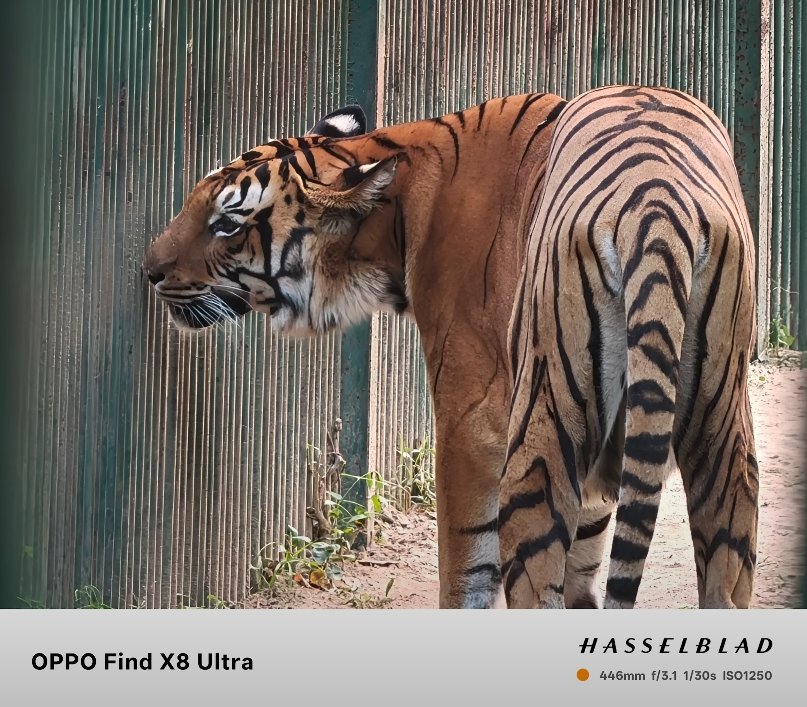
Zoom performance is another key area of comparison. The Find X8 Ultra’s dual periscope lenses give it an edge in telephoto photography. At 3× and 6× optical zoom, images remain sharp with excellent color accuracy and minimal noise. Even at higher digital zoom levels, the image degradation is gradual, allowing for detailed long-range shots. The Xiaomi 15 Pro offers solid performance at 3.2× optical zoom, producing sharp and clear images, but its digital zoom at higher levels shows a more noticeable loss of detail. For users who rely heavily on telephoto capabilities, the Oppo device provides more flexibility and clarity.

Portrait photography on both phones is impressive but distinct in style. The Oppo Find X8 Ultra delivers vibrant, slightly warmer tones, with strong subject isolation and a natural-looking background blur. Its larger sensor helps achieve DSLR-like depth effects, especially in well-lit environments. The Xiaomi 15 Pro, on the other hand, produces more neutral tones with excellent edge detection and a softer background blur. While Oppo’s portraits stand out with vividness and bokeh strength, Xiaomi’s shots appeal to those who prefer a more subtle and realistic portrait look.

Video recording capabilities also play a significant role in camera performance. The Oppo Find X8 Ultra offers high-resolution recording with excellent stabilization, making it ideal for handheld shooting and content creation. Its advanced telephoto lenses also allow for stable zoomed video shots. Xiaomi 15 Pro matches closely in stabilization and clarity but tends to prioritize consistent exposure over dramatic highlights, producing a clean, polished look. Both devices support high frame rates and advanced stabilization, making them suitable for professional and casual creators alike.

Usability and camera app experience further shape the overall impression. The Oppo Find X8 Ultra provides Hasselblad-enhanced shooting modes, giving users manual control and creative filters. Its interface is clean and responsive, making switching between lenses and modes effortless. The Xiaomi 15 Pro camera app is equally polished, with a focus on fast processing and accurate previews. It offers AI-powered scene detection, allowing users to capture optimized shots with minimal manual adjustment.

In conclusion, the Oppo Find X8 Ultra and Xiaomi 15 Pro both deliver flagship-level camera performance, but their strengths appeal to slightly different preferences. The Find X8 Ultra excels in zoom, night photography, and vibrant image rendering, making it ideal for users who want striking, detailed shots in any condition. The Xiaomi 15 Pro offers balanced tones, natural color reproduction, and strong everyday performance, appealing to those who prefer realistic and consistent imagery. Both smartphones are powerful tools for creators and photography enthusiasts, standing among the best camera phones of 2025.

Also Read:  Vivo X300 FE USA version supports major eSIM carriers

Oppo Find X8 Ultra vs Vivo X300 Ultra low light test

Oppo Find X8 Ultra vs Vivo X300 Ultra low light test

Night Photography Face-Off: Oppo Find X8 Ultra and Vivo X300 Ultra

Smartphone photography in 2025 has reached a level where low-light performance is a major differentiator for flagship devices. Among the leading contenders, the Oppo Find X8 Ultra and Vivo X300 Ultra have attracted attention for their advanced camera systems. Early tests indicate that both phones aim to deliver excellent night-time photography, but they achieve this through slightly different approaches.

The Oppo Find X8 Ultra is equipped with a 50MP Sony LYT-900 1-inch main sensor. The large sensor allows it to capture more light, which is critical for low-light photography. Its main sensor is complemented by dual telephoto lenses with 3x and 6x optical zoom and a 50MP ultra-wide lens. The camera system, co-developed with Hasselblad, focuses on accurate color reproduction and minimal noise. Early low-light tests show that images captured with the Find X8 Ultra maintain a high level of detail even in challenging conditions. Shadows retain texture, and highlights are controlled, preventing overexposure in bright points of light.

In addition to hardware, the Find X8 Ultra relies heavily on AI enhancements to optimize night photography. Its advanced night mode uses computational photography to reduce noise and improve dynamic range. Telephoto lenses perform well in low light, providing sharp images at various zoom levels. The ultra-wide lens performs slightly softer in extremely dim environments but still delivers usable images with natural colors and minimal distortion. Overall, the Oppo Find X8 Ultra combines sensor size, lens versatility, and software optimization to excel in nighttime shooting.

Oppo Find X8 Ultra vs Vivo X300 Ultra low light test

The Vivo X300 Ultra, by comparison, uses a versatile camera setup with a 50MP main sensor, a 50MP ultra-wide lens, and a 200MP periscope telephoto lens. The main sensor captures light efficiently, producing images with good brightness and contrast in low-light conditions. The phone’s AI algorithms help manage noise, balance exposure, and enhance color vibrancy. Early low-light results suggest that the Vivo X300 Ultra produces vibrant photos with accurate tones, even when ambient lighting is limited.

One notable difference is the performance of telephoto lenses in low light. The Oppo Find X8 Ultra maintains sharpness and detail at 3x and 6x zoom, while the Vivo X300 Ultra’s 200MP periscope lens can produce slightly grainier images under the same conditions. However, the Vivo X300 Ultra excels at balancing overall exposure and preserving color, making it ideal for street photography or casual nighttime scenes. Its ultra-wide lens is also effective, producing bright and consistent images across the frame.

When comparing low-light performance side by side, the Oppo Find X8 Ultra shines in detail retention and telephoto clarity, while the Vivo X300 Ultra offers a more balanced approach with vibrant colors and consistent brightness. The Find X8 Ultra’s larger sensor allows it to handle shadows better and preserve finer details, which can be important for professional photography or users who want maximum clarity in nighttime shots. The Vivo X300 Ultra, on the other hand, is more versatile for general night photography, producing pleasing results across a variety of scenes with minimal user adjustment.

Oppo Find X8 Ultra vs Vivo X300 Ultra low light test

Battery life also plays a role in low-light testing since longer exposure times and AI processing can drain the device. The Oppo Find X8 Ultra’s 6,100mAh battery supports 100W fast charging, allowing users to shoot extensively without concern for battery depletion. The Vivo X300 Ultra features a slightly smaller battery but remains adequate for extended night photography sessions, thanks to efficient power management and fast charging capabilities.

In conclusion, both the Oppo Find X8 Ultra and Vivo X300 Ultra offer excellent low-light photography, each with distinct advantages. The Find X8 Ultra is ideal for users prioritizing detail, telephoto performance, and professional-grade results. The Vivo X300 Ultra provides a balanced, vibrant approach, making it suitable for casual photographers seeking strong night-time images without extensive adjustments. Choosing between the two ultimately depends on whether the user values maximum clarity and telephoto precision or versatility and vibrant color reproduction for general night photography.

Also Read:  Oppo Find X8 Ultra vs Galaxy S24 Ultra battery drain

Oppo Find X9 Pro could bring next-level performance to the US market

Oppo Find X9 Pro could bring next-level performance to the US market

A new contender in the flagship race could redefine Android power in America

The Oppo Find X9 Pro is steadily building anticipation among smartphone enthusiasts, and early details indicate that it could bring an unprecedented level of performance to the United States if officially launched. Although Oppo has not yet confirmed a full U.S. release, the global buzz surrounding this flagship device has reached American tech circles, sparking comparisons with Samsung, Google, and Apple’s top-tier models. The Find X9 Pro appears ready to push boundaries in speed, battery life, and camera innovation — all key areas that define a modern flagship experience.

At the heart of the Find X9 Pro lies the new MediaTek Dimensity 9500 chipset, which represents one of the most advanced mobile processors in 2025. Built on a 3nm process, it is designed for improved efficiency and higher performance across multitasking, gaming, and AI-driven features. Paired with up to 16GB of LPDDR5X RAM and 1TB of internal storage, the phone is engineered to deliver desktop-grade responsiveness. For American users who demand smooth performance for content creation, editing, and high-end gaming, the Find X9 Pro’s architecture could mark a significant leap forward.

Oppo’s focus on sustained power efficiency is another major talking point. The Find X9 Pro reportedly features a massive 7,500mAh battery — one of the largest ever in a premium smartphone — along with ultra-fast wired and wireless charging capabilities. This combination positions it as a standout option for U.S. consumers who expect long-lasting battery life without compromise on performance. The company’s proprietary battery health optimization technology also ensures longevity, a factor that may appeal to heavy smartphone users in the American market.

Oppo Find X9 Pro could bring next-level performance to the US market

Display performance is another strength of the Find X9 Pro. The device features a 6.78-inch LTPO AMOLED panel with adaptive refresh rates up to 120Hz and peak brightness exceeding 2,500 nits. These specifications make it ideal for media consumption and outdoor visibility, while maintaining energy efficiency. The display’s color accuracy and smooth transitions are expected to deliver a premium viewing experience that competes directly with Samsung’s Dynamic AMOLED technology. If launched in the U.S., this screen could easily attract users who prioritize vibrant visuals and fluid touch performance.

The camera system is where Oppo is aiming to make its biggest impression. Co-engineered with Hasselblad, the Find X9 Pro includes a triple-lens array featuring a 50MP main sensor, a 50MP ultra-wide, and a 200MP periscope telephoto camera. This setup promises exceptional detail, clarity, and low-light results, positioning the Find X9 Pro as a serious photography powerhouse. The device’s AI photo engine enhances image processing and color tuning, potentially offering a camera experience that rivals or even surpasses leading competitors like the Pixel 9 Pro and Galaxy S24 Ultra.

Software optimization will also play a decisive role in shaping the user experience. Oppo’s ColorOS 15, based on Android 15, is expected to arrive pre-installed, offering advanced personalization, seamless animations, and enhanced privacy tools. For U.S. users accustomed to the fluidity of Samsung’s One UI or Google’s Pixel interface, ColorOS 15’s refined performance and AI-assisted multitasking could feel refreshingly efficient and intuitive. Oppo’s commitment to long-term software updates further strengthens its case for competing at the top end of the U.S. smartphone market.

If Oppo brings the Find X9 Pro to the United States with full network compatibility and proper carrier partnerships, it could be one of the most compelling Android releases of the year. The combination of power, design sophistication, and camera performance gives the phone a genuine chance to disrupt a market traditionally dominated by Samsung and Apple. Furthermore, its focus on advanced AI integration, fast charging, and display innovation could help it stand out in a segment where incremental upgrades often define flagship cycles.

In conclusion, the Oppo Find X9 Pro has all the ingredients to deliver next-level performance to the U.S. market. From its powerful Dimensity 9500 chipset to its robust battery, cutting-edge camera system, and premium display, the phone showcases Oppo’s ambition to redefine flagship standards globally. Should the company decide to bring it officially to U.S. shores, the Find X9 Pro could become a serious alternative for American buyers seeking a high-performance Android smartphone that combines innovation with everyday practicality.

OPPO Find X9 Pro camera sample gallery: you’ll have to see this

OPPO Find X9 Pro camera sample gallery you’ll have to see this

A closer look at OPPO’s latest flagship camera performance

The OPPO Find X9 Pro has quickly become one of the most talked-about flagship phones in the UK this year, mainly because of its ambitious new camera system. With a refreshed main sensor, upgraded telephoto hardware and improved low-light software, the phone arrives with high expectations. Early samples shared by reviewers and photographers already suggest meaningful gains over the previous generation, making the Find X9 Pro a strong contender for users who prioritise photography.

The main camera is built around a new 50-megapixel sensor that focuses on improved clarity and consistent colour reproduction. In daylight situations, the samples show a clear step up in detail, especially around textured subjects such as buildings, foliage and fabrics. OPPO’s colour science appears more balanced this time, offering a natural look that avoids unnecessary oversaturation while still providing a lively tone that suits UK outdoor environments and mixed lighting.

One of the biggest talking points is the upgraded telephoto system. OPPO has introduced a high-resolution zoom sensor that focuses on retaining detail even at higher zoom levels. Early samples demonstrate good sharpness at medium-range zoom, which is often where most everyday users find themselves shooting. The results look noticeably steadier and cleaner compared with the older model, helping portrait shots and travel scenes look more polished.

OPPO Find X9 Pro camera sample gallery you’ll have to see this

The ultra-wide camera has also received improvements aimed at maintaining consistency across all lenses. Review samples show less distortion at the edges, which is helpful when shooting buildings and landscapes in the UK’s narrow streets or countryside paths. Colours between the ultra-wide and main sensors now match more closely, making multi-lens capture feel more unified when switching quickly between perspectives.

Low-light performance is another area where OPPO has made visible progress. The new image-processing engine reduces noise while preserving shadows and highlights more effectively. Sample shots from dim cafés, evening city walks and indoor environments appear cleaner without losing the authentic atmosphere. The camera avoids pushing brightness too aggressively, keeping scenes realistic while maintaining the detail that night photography demands.

Portrait photography also benefits from the upgraded hardware and refined depth mapping. The Find X9 Pro handles edge detection more accurately, which becomes especially noticeable when dealing with hair, glasses or uneven backgrounds. Bokeh rendering looks smoother and more natural, giving portraits a more DSLR-like feel. Reviewers have pointed out that the telephoto lens contributes heavily here, allowing portraits to keep a flattering perspective rather than relying solely on software blur.

Video samples have shown improvements in stabilisation, particularly when moving while recording. Panning shots look more uniform, and transitions between lenses are smoother than before. OPPO’s colour consistency in video also appears more dependable, helping clips maintain the same tone even when switching perspectives. This will be especially useful for UK vloggers and travellers who prefer capturing fast moments without setting up additional stabilising equipment.

Across the entire gallery of early samples, one theme stands out: consistency. The Find X9 Pro aims to make every lens dependable enough that users don’t have to think twice about which one to choose. The main, ultra-wide and telephoto cameras now deliver results that feel tied together through matching colour handling and exposure control. This makes the device easier to trust in varied conditions such as cloudy UK afternoons, indoor office lighting or busy high-street evenings.

For users considering the phone, these early samples paint a promising picture of what OPPO has accomplished with its flagship. The camera system leans heavily on dependable performance, realistic colours and refined computational processing, all of which contribute to a more polished everyday shooting experience. The improvements in zoom, night photography and video stabilisation make the device appealing for both casual users and those who enjoy capturing high-quality content regularly.

Looking at the overall gallery, the OPPO Find X9 Pro demonstrates that the company has taken meaningful steps forward with its imaging system. The combination of new hardware and smarter software makes the phone a strong option for anyone wanting a reliable flagship camera with versatility across different shooting environments. As more real-world images emerge, the Find X9 Pro is shaping up to be one of the more capable camera phones available in the UK market right now.

OPPO Find X9 Pro “secret” tricks: hidden menus & shortcuts

OPPO Find X9 Pro “secret” tricks hidden menus & shortcuts

Discovering Hidden Features on the Find X9 Pro

The OPPO Find X9 Pro arrives with a range of powerful features, but many of its most useful tools sit quietly beneath the surface. These hidden menus and shortcuts give the phone added depth, allowing you to move faster and customise your experience with ease. With a little exploration, you can transform everyday tasks into smooth, efficient moments.

One of the most notable features is the Snap Key, a physical button that offers quick access to essential actions. You can use it to grab instant screenshots, start audio recordings, or activate selected apps without navigating through menus. The Quick Button beside it enhances this experience by offering swift access to the camera, making moments easier to capture.

ColorOS offers a Smart Sidebar that often goes unnoticed, yet it is one of the most helpful tools available. By enabling it in the settings, you can slide it out at any time to open floating windows, translate text on-screen, or launch apps without leaving your current task. It creates a multitasking environment that feels fluid and intuitive.

OPPO Find X9 Pro “secret” tricks hidden menus & shortcuts

The Find X9 Pro also supports a range of gestures that allow you to perform actions without touching the main navigation controls. Double-tap to wake, knuckle gestures for screenshots, and three-finger swipes for split-screen make the phone feel more responsive. These features are tucked inside the gesture settings, waiting to be switched on.

Hidden system menus can also reveal useful diagnostic information. Standard Android codes can show network status, hardware tests, or device details that are not accessible through the traditional settings. While not recommended for casual use, they offer insight for users who enjoy understanding their device more deeply.

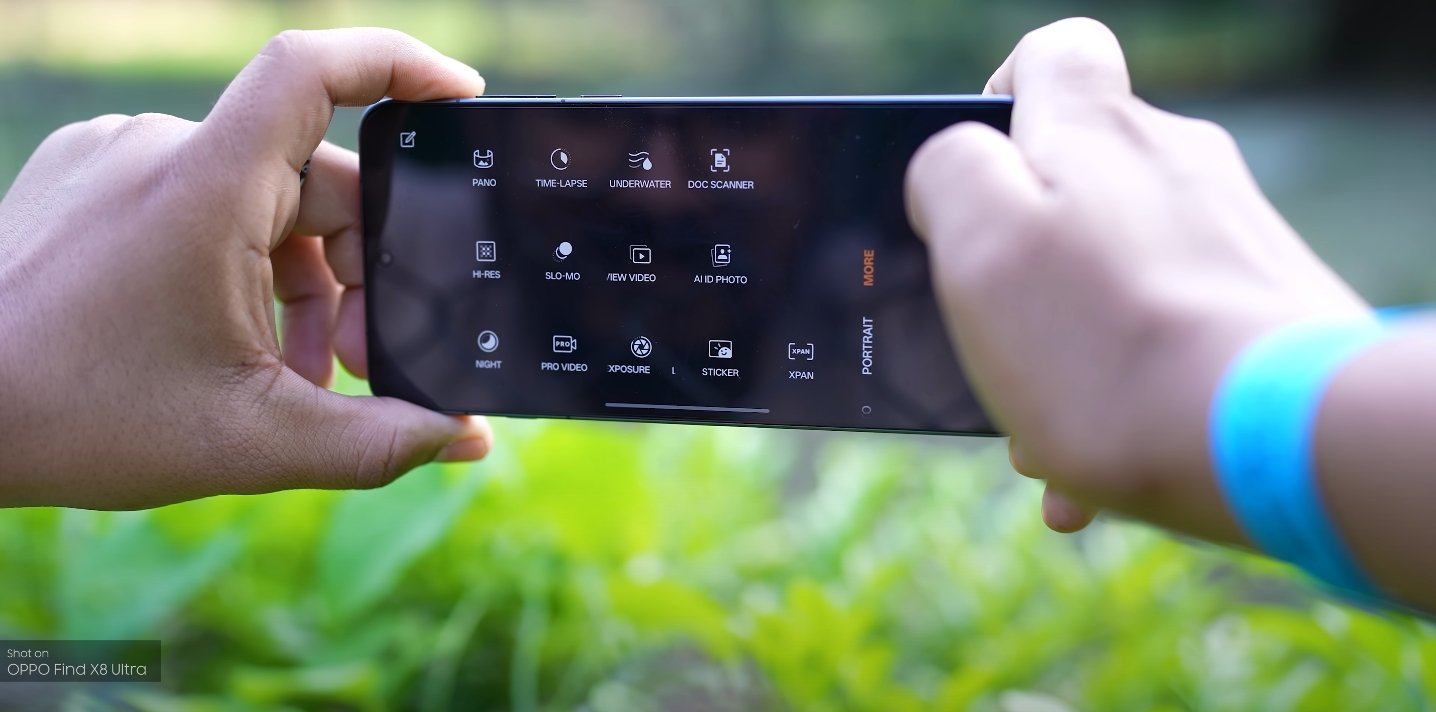
The camera system includes advanced modes that require a bit of digging to find. Within the “More” section of the Camera app, you can unlock high-resolution tools, professional controls, and enhanced shooting features. These modes are ideal for users who want greater control over exposure, colour, and clarity when capturing photos.

Battery optimisation tools are another area where hidden controls can have a major impact. The phone includes both standard Power Saving Mode and Super Power Saving Mode, allowing you to extend usage significantly when needed. These settings are simple to activate and especially handy during long commutes or days out.

Navigation shortcuts provide another layer of convenience. Whether using gesture navigation or the traditional three-button system, the Find X9 Pro allows quick switching between apps, easy access to split-screen mode, and smooth movement across tasks. Once learned, these shortcuts reduce the number of taps for most daily actions.

You can also customise fingerprint quick-launch options, letting you open apps or tools the moment you unlock your device. Combined with app icon pull-down menus, which reveal shortcuts for selected actions, the phone becomes highly personal and efficient. These settings help streamline your workflow without cluttering the home screen.

Together, these hidden tricks demonstrate how much potential sits quietly inside the Find X9 Pro. By spending a little time exploring beyond the main menus, you unlock extra speed, control, and comfort in everyday use. Small adjustments make a big difference, letting the phone work exactly the way you want.

Once you activate these features, the Find X9 Pro becomes more than just a premium handset. It becomes a tool designed around your habits, your speed, and your day-to-day life. With these shortcuts and menus, you enjoy a richer, smarter, and far more efficient experience.

OPPO Find X9 Pro best camera settings for social media: quick tips

OPPO Find X9 Pro best camera settings for social media quick tips

How to optimise the Find X9 Pro camera for fast social uploads

The OPPO Find X9 Pro offers one of the strongest mobile camera systems available, and with a few quick adjustments it can produce social-ready photos that look sharp, bright and consistent. For UK users who rely on Instagram, TikTok or Snapchat, optimising the camera helps ensure every shot looks polished without needing lengthy edits. The device includes several built-in tools that streamline the process so you can capture, tweak and post in seconds.

One of the easiest settings to enable is the device’s enhanced HDR mode. This helps balance highlights and shadows, keeping skies bright while preserving detail in darker areas. For social media where contrast-heavy photos are common, HDR keeps images from looking washed out or blown out. Switching to auto-HDR ensures the phone adapts to changing lighting quickly, especially when moving between indoor and outdoor environments.

Another setting worth adjusting is the aspect ratio. Most social platforms prefer a 4:5 portrait frame, which fills the screen better when scrolling. The Find X9 Pro lets you switch ratios instantly, making it easier to compose posts without cropping later. Using the portrait-oriented ratio also helps capture people, food and daily moments in a natural framing that stands out on feeds designed for vertical viewing.

OPPO Find X9 Pro best camera settings for social media quick tips

To keep colours consistent, using the phone’s natural colour profile works best for social media. This mode prevents oversaturation while keeping skin tones accurate. Influencers and content creators often prioritise natural tones because filters and edits apply more cleanly when colours are not already heavily processed. This makes the Find X9 Pro’s balanced default setting ideal for quick posting without over-editing.

The device’s AI scene enhancement can also be useful, especially for travel photos, food shots and outdoor scenes. When enabled, it recognises subjects and boosts clarity or brightness where needed. However, for more controlled content such as portraits or close-up shots, switching off AI may give cleaner results. This depends on personal preference, but UK users who post varied content can toggle it quickly depending on the situation.

Stabilisation is another key setting for social video. The Find X9 Pro includes strong stabilisation options that help smooth clips for Instagram Reels, TikTok and YouTube Shorts. Using the enhanced stabilisation mode keeps motion fluid even while walking or panning. This reduces the need for third-party editing apps and helps videos look more professional straight from the camera.

When shooting at night or indoors, using the device’s dedicated Night mode creates clearer and brighter photos with minimal grain. For social posts taken in pubs, concerts or evening city streets, Night mode helps maintain sharpness and richer colour. Keeping the phone steady for a moment allows the sensor to gather more light, producing results that look well-lit even without external equipment.

Portrait mode is especially important for close-up shots and lifestyle content. Adjusting the background blur level helps control the depth-of-field effect, allowing subjects to stand out without an overly artificial look. A moderate blur level works well for profile photos, fashion posts and casual portraits, giving a professional feel without making edges appear too sharp or cut out.

For those posting regularly across multiple apps, using the phone’s high-resolution mode can help maintain clarity after compression. Social platforms often reduce image quality during upload, but starting with a cleaner, sharper image helps preserve detail. This setting is ideal when photographing scenery, architecture or product shots intended to look crisp on large displays.

Finally, using the Find X9 Pro’s built-in editing tools can speed up posting workflow. Simple tweaks such as adjusting exposure, sharpening slightly or adding a soft vignette can improve overall quality without moving to another app. These quick edits save time and ensure a consistent look across your posts, which is helpful for maintaining a clean visual style on social feeds.

With the right settings applied, the OPPO Find X9 Pro becomes a powerful tool for fast, polished social content. Its flexible camera system adapts well to various lighting conditions, and minor adjustments make a big difference in how posts appear online. Whether sharing travel moments, portraits or everyday life, UK users can create standout images and videos with minimal effort.

Oppo Find X8 Ultra vs Galaxy S24 Ultra early comparison

Oppo Find X8 Ultra vs Galaxy S24 Ultra early comparison

Flagship Battle of 2025: Oppo and Samsung Set New Standards

The flagship smartphone arena is heating up once again as Oppo and Samsung go head-to-head with their most advanced models yet — the Oppo Find X8 Ultra and the Galaxy S24 Ultra. Both devices represent the peak of Android engineering in 2025, but they take different routes to achieve excellence in performance, design, and imaging technology. Here’s an early look at how these two powerhouses compare.

The Oppo Find X8 Ultra makes an impressive first impression with its massive 6.82-inch AMOLED LTPO display. It features 2K resolution, a smooth 120Hz refresh rate, and support for HDR10+ visuals, offering vivid colors and deep contrast levels. The panel reaches up to 1,600 nits of peak brightness, making it easy to view even in direct sunlight. The Galaxy S24 Ultra counters with a slightly smaller 6.8-inch QHD+ Dynamic AMOLED 2X display, known for Samsung’s unmatched color accuracy and durability. The addition of Gorilla Glass Armor and a titanium frame gives it a level of toughness few can rival, ensuring long-term protection from scratches and drops.

When it comes to performance, Oppo takes the lead in raw specifications with Qualcomm’s latest Snapdragon 8 Elite processor. This chip is designed to handle high-end gaming, multitasking, and AI tasks efficiently. It is paired with up to 16GB of LPDDR5X RAM and as much as 1TB of internal storage, making it one of the most powerful Android phones on the market. Samsung’s Galaxy S24 Ultra uses a customized version of the Snapdragon 8 Gen 3 for Galaxy, optimized for battery efficiency and camera performance. It comes with 12GB of RAM across all variants and similar storage options. While Samsung’s optimization ensures smoother day-to-day performance, Oppo’s hardware advantage might deliver slightly higher benchmark results.

Battery life is another major differentiator. The Find X8 Ultra packs a massive 6,100mAh battery, which is one of the largest in any flagship device. It supports 100W wired charging and 50W wireless charging, ensuring a full charge in under 30 minutes. The Galaxy S24 Ultra carries a smaller 5,000mAh battery, but it is optimized through Samsung’s power-efficient display and processor tuning. Its 45W wired charging and fast wireless support remain dependable, though not as quick as Oppo’s. In early endurance tests, Oppo’s battery appears to last slightly longer under heavy use, giving it an edge for users who prioritize longevity and charging speed.

Oppo Find X8 Ultra vs Galaxy S24 Ultra early comparison

Cameras are where the biggest differences emerge. Oppo has pushed boundaries with a quad 50MP camera system developed in partnership with Hasselblad. The primary 1-inch Sony LYT-900 sensor captures exceptional detail and low-light performance. It’s joined by a 50MP ultra-wide lens, a 50MP 3x telephoto lens, and another 50MP 6x periscope zoom, giving photographers extraordinary flexibility. On the other hand, Samsung’s Galaxy S24 Ultra remains a leader in computational photography. It offers a 200MP primary sensor, a 50MP 5x telephoto, a 10MP 3x lens, and a 12MP ultra-wide camera. While Oppo focuses on hardware excellence and natural tones, Samsung continues to dominate in software image processing, dynamic range, and stabilization.

Design and durability are also points of comparison. The Find X8 Ultra sports an elegant curved glass body with IP68 and IP69 protection ratings, meaning it’s not only water-resistant but also built to endure harsh environments. It weighs around 226 grams and measures under 9mm thick, making it surprisingly ergonomic for its size. Samsung’s S24 Ultra feels more industrial and premium, with its flat edges, titanium sides, and IP68 certification. The inclusion of the built-in S Pen remains a key selling point for productivity-focused users, giving it an advantage in creative and professional use.

Software plays a major role in user experience. Oppo’s Find X8 Ultra launches with ColorOS 15 based on Android 15, offering smoother animations, refined design elements, and tighter integration with AI-based camera and performance tools. Samsung’s Galaxy S24 Ultra runs on One UI 6.1 based on Android 14, emphasizing personalization, multitasking, and security. Samsung also guarantees seven years of major updates, which surpasses Oppo’s current commitment and could make a big difference for long-term users.

Overall, the Oppo Find X8 Ultra is shaping up to be the best choice for users who prioritize camera hardware, faster charging, and a larger battery. Meanwhile, the Galaxy S24 Ultra stands strong with its robust design, software ecosystem, S Pen integration, and consistent long-term support. Both devices represent the pinnacle of Android technology, but their strengths appeal to different types of users. Oppo’s innovation gives it a fresh edge, while Samsung’s refinement and reliability continue to define the premium smartphone market.

As both brands prepare for their global rollouts, it’s clear that the 2025 flagship race will be one of the most competitive yet. Whether you lean toward Oppo’s bold engineering or Samsung’s polished perfection, this showdown sets a new benchmark for what a true flagship phone should be.

Also Read:  Nothing Phone 3A Lite battery life test results in USA