Samsung Galaxy A27 Review: Why This 2026 Budget Phone Disappoints UK Buyers
Samsung Galaxy A27 Review – Why This 2026 Budget Phone Disappoints UK Buyers
I’ve always been a fan of Samsung, and the idea of living with a Galaxy device for the foreseeable future would normally sit well with me. However, the Galaxy A27 feels like a lazy step forward that actually worsens the overall experience, especially given the current global RAM shortage.
On paper the A27 brings a few genuine improvements over the previous Galaxy A26. Samsung has swapped the Exynos 1380 for Qualcomm’s Snapdragon 6 Gen 3, built on a 4nm process. This should translate into snappier day‑to‑day performance and a modest boost in gaming responsiveness. The phone also moves to LPDDR5 RAM, which is faster and more power‑efficient than the LPDDR4X found in the A26, offering the potential for slightly better battery life despite the 5,000 mAh cell remaining unchanged.
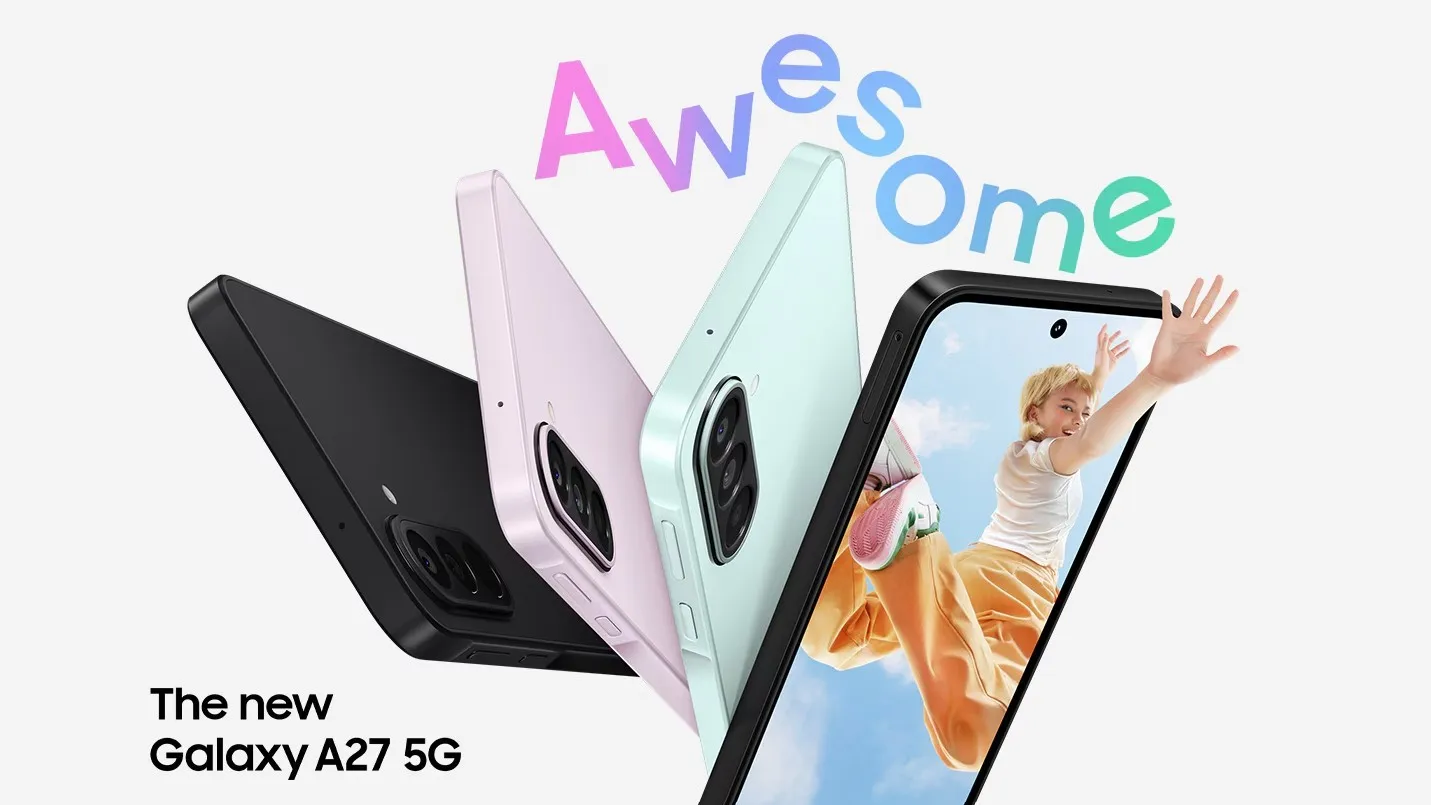
The design receives a minor facelift: the teardrop notch disappears in favour of a standard punch‑hole for the selfie camera. While the bezel width is unchanged, the new look does make the handset feel more contemporary.
Both devices run One UI 8.5, and the A27 adds official DeX support – Samsung’s feature that turns the phone into a desktop‑like environment when hooked up to a monitor. It’s not a full replacement for a laptop, but it can be handy for productivity on the road.
Despite these steps forward, the upgrades are insufficient to justify buying a brand‑new phone, and the A27 introduces several regrettable downgrades. Most glaring is the water‑resistance rating: the A26 boasted IP67 protection, safe for submersion in up to 1 m of fresh water. The A27 drops to IP64, meaning it only resists splashes. For a device that uses the same materials as its predecessor, this reduction feels inexplicable.
The front‑facing camera also regresses from 13 MP to 12 MP, so selfies may appear marginally softer. The ultrawide lens shrinks from 8 MP to 5 MP, effectively rendering it a token addition, while the 2 MP macro lens remains unchanged – a feature that has never been particularly useful on a smartphone.
Other subtle changes include a slightly thicker chassis at 7.8 mm and a downgrade of Bluetooth from version 5.3 to 5.1. These tweaks are unlikely to be noticeable in everyday use, but they add to the sense that Samsung is cutting corners.
Pricing compounds the disappointment. At £319 (about $349) the A27 is roughly £20 more expensive than the A26. While a modest price rise is understandable given component shortages, the phone’s reduced capabilities make the extra cost hard to swallow.
For UK shoppers, the A27 is slated to hit stores on 3 July. Even without a hands‑on review from Tech Advisor, it seems unlikely to offer good value at that price point.
If you’re looking for a better mid‑range experience, there are solid alternatives. The Nothing Phone (4a) starts at £379 and delivers a more refined overall package. For a cheaper option, the OnePlus Nord CE 5 is priced around £299 and offers a balanced feature set. Across the pond, the Pixel 9a often drops to the £319‑£349 range and tends to outperform the A27 in real‑world use.
In summary, the Galaxy A27 arrives with a handful of welcome technical upgrades but is marred by notable downgrades and a higher price tag. Unless Samsung surprises us with a stellar real‑world performance, UK buyers would be wiser to consider the alternatives mentioned above.