Pixel 10 Pro Fold battery life tested in real usage

Pixel 10 Pro Fold battery life tested in real usage

Real-World Battery Life of Google’s Pixel 10 Pro Fold

The Google Pixel 10 Pro Fold has drawn significant attention since its launch, especially for the major improvements Google has made in battery efficiency and power management. With foldable phones often criticized for short battery life, Google’s promise of extended performance in daily use has been a major selling point. Real-world testing now offers a clearer picture of how well this device performs outside lab conditions, and the results show that the Pixel 10 Pro Fold delivers dependable endurance for most users.

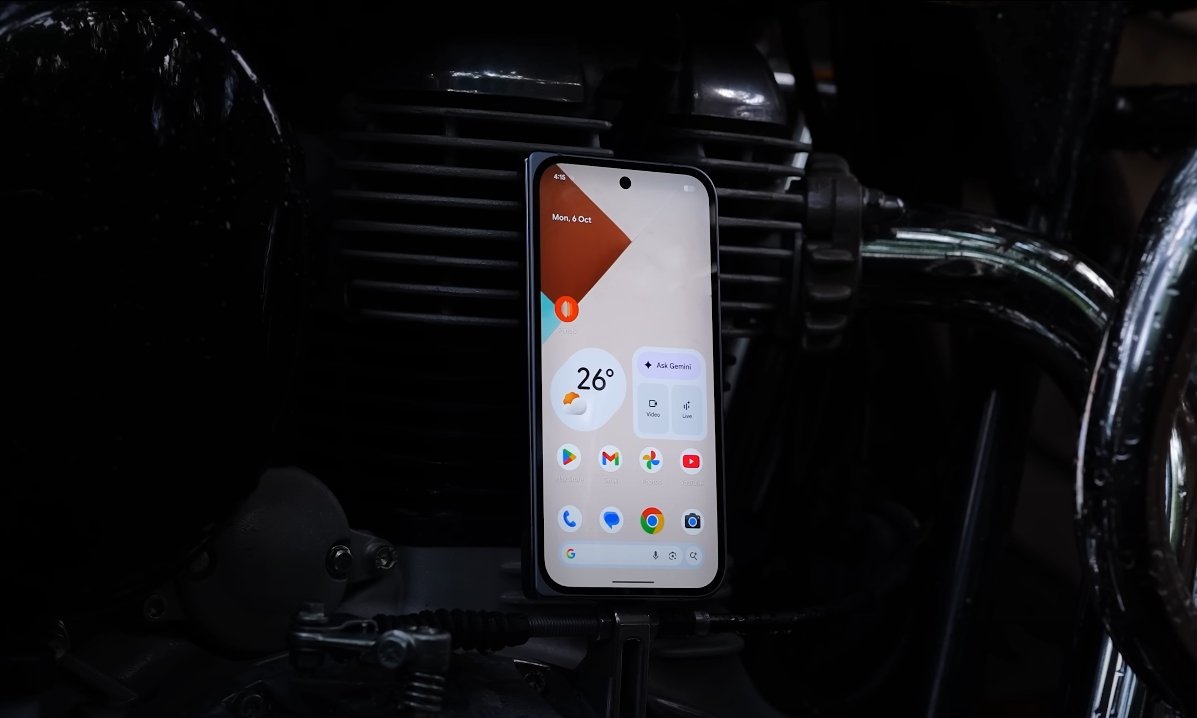
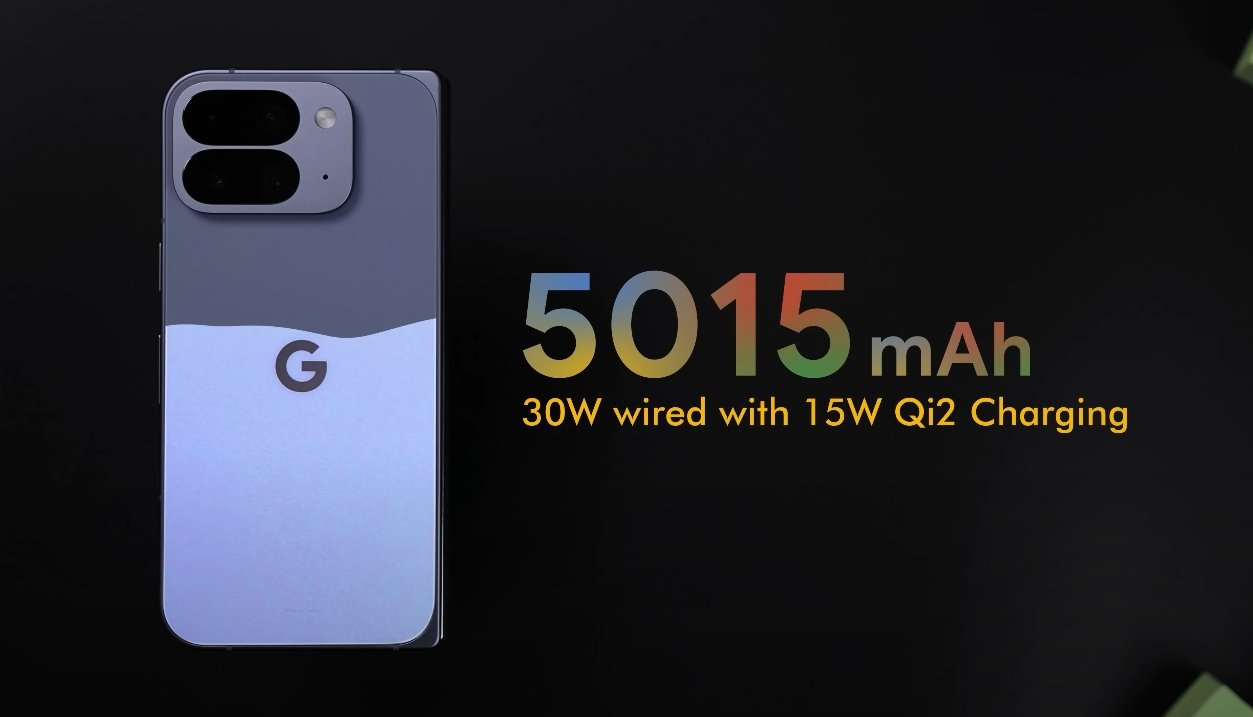
At the heart of the Pixel 10 Pro Fold is a 5,015 mAh battery, the largest Google has ever included in its foldable lineup. This capacity is a clear upgrade over previous Pixel Fold models and a competitive advantage over rival foldables. Google claims the phone can last more than 30 hours on a full charge and extend up to 100 hours in Extreme Battery Saver mode. During everyday testing, users found these numbers realistic in typical mixed use scenarios. When used primarily on Wi-Fi, with moderate browsing, messaging, and occasional camera use, the phone easily lasted a full day with 40 to 50 percent remaining by evening.

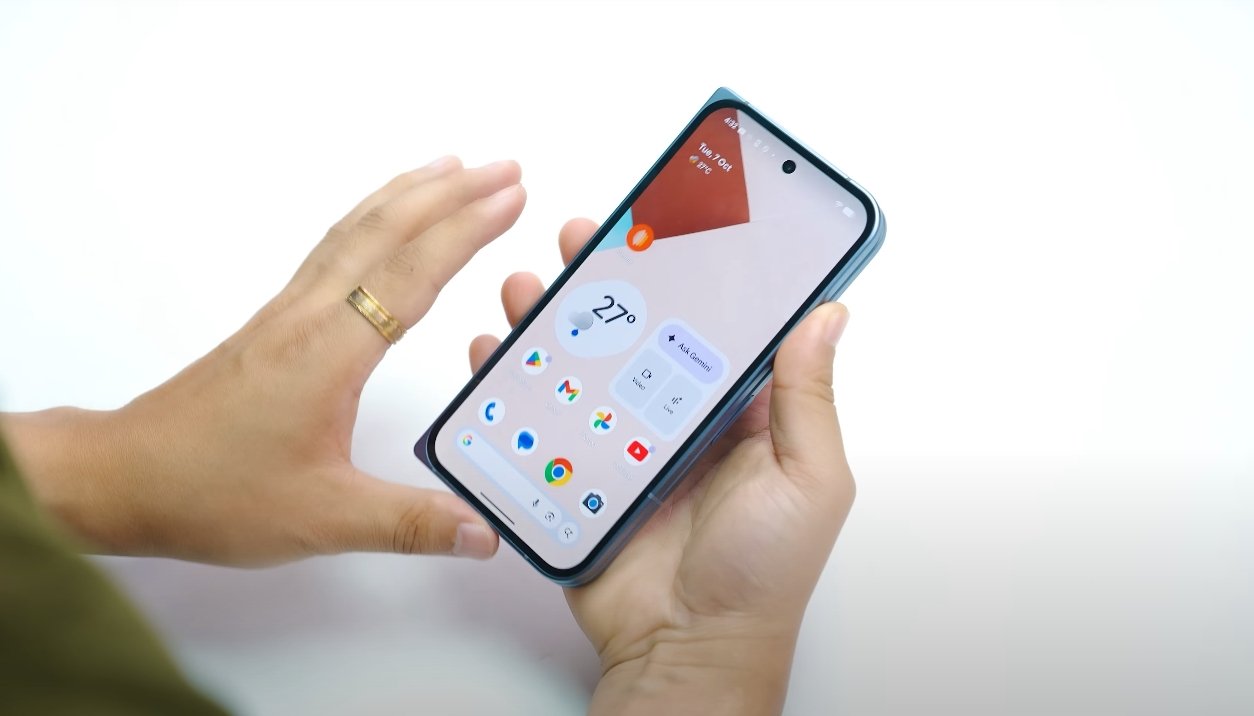
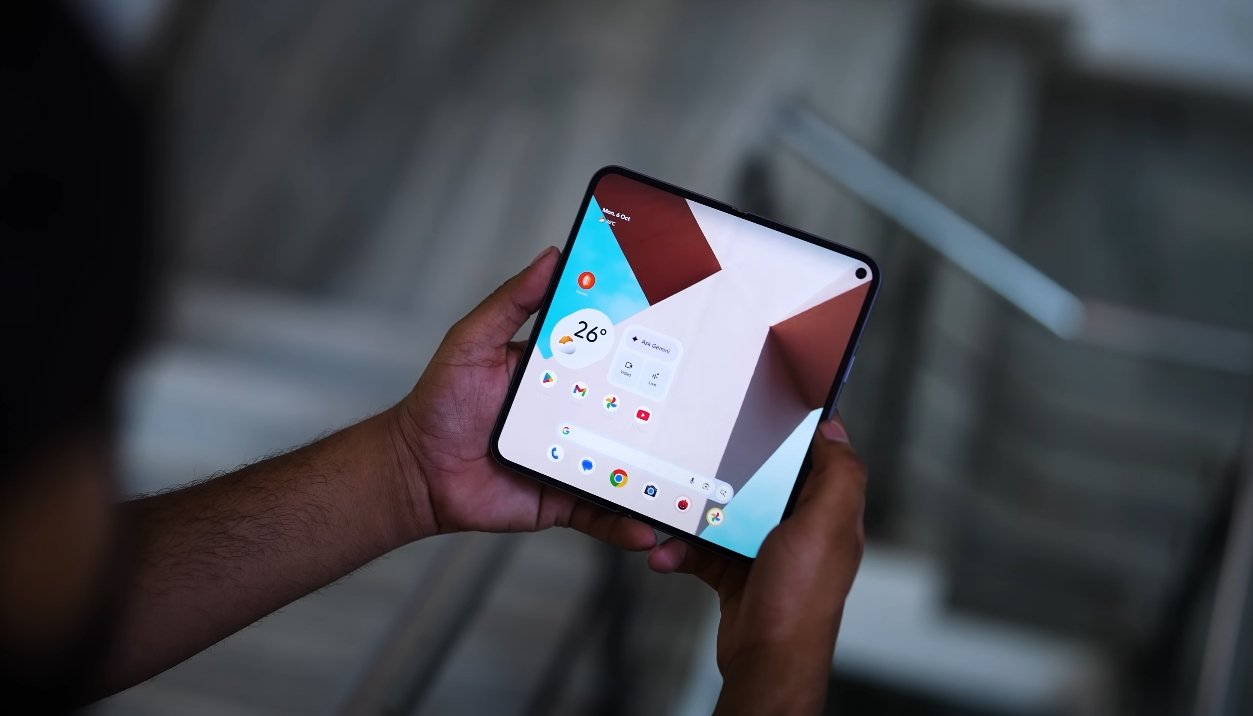
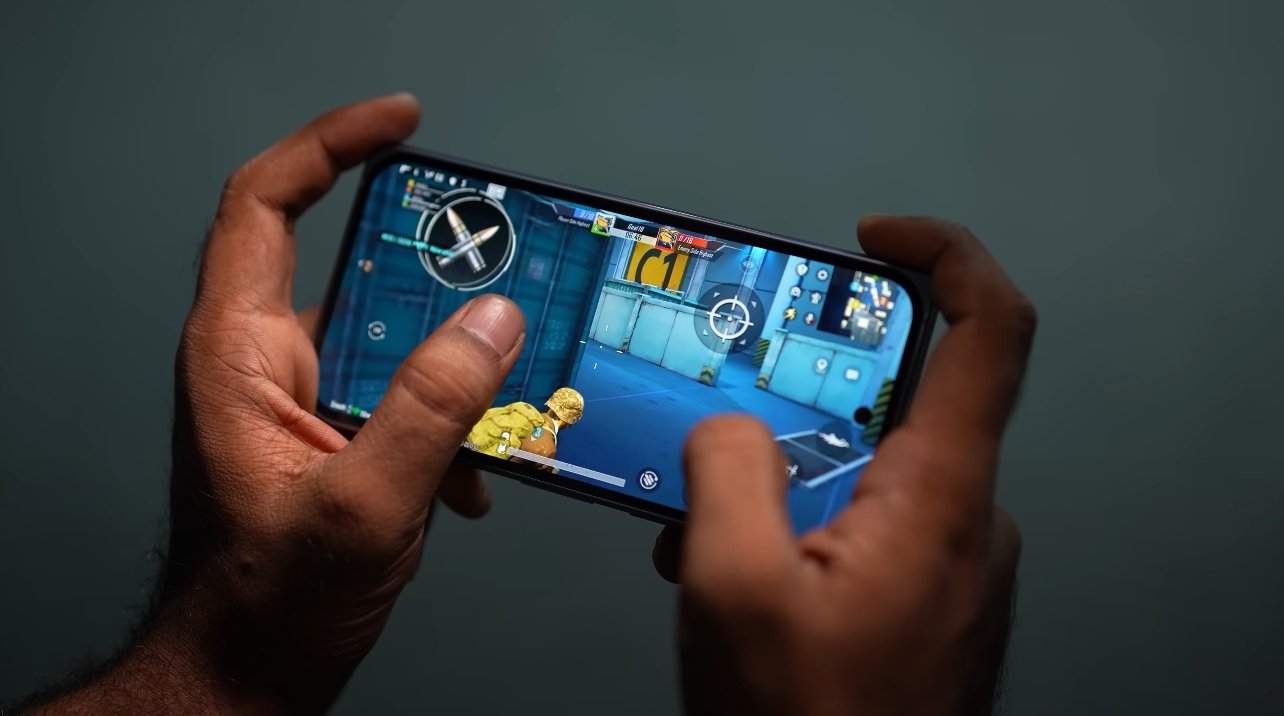
The dual-display design, however, continues to play a key role in how the battery drains. The outer screen is efficient for quick tasks, notifications, and navigation, but extended use of the inner 7.9-inch OLED panel demands more power. During periods of heavy use—such as video streaming, multitasking with split-screen apps, or gaming—the battery dropped faster, typically reaching 25 to 30 percent by nightfall. This pattern is consistent with what most foldable phone owners experience, where screen size and brightness directly affect endurance.
Pixel 10 Pro Fold battery life tested in real usage

One of the biggest improvements Google made to the Pixel 10 Pro Fold is its adaptive battery system powered by the Tensor G4 chip. This custom silicon, paired with advanced AI learning, prioritizes power for frequently used apps while limiting background drain from others. Over several days of use, the system learns a user’s habits and adjusts accordingly, helping the device last longer without manual intervention. This software optimization has been one of the standout features in real-world tests, making the Pixel 10 Pro Fold feel more efficient the longer it is used.

Charging speed also plays an important role in overall usability. The Pixel 10 Pro Fold supports fast wired charging and Qi-certified wireless charging, although Google remains conservative compared to some rivals that push wattage limits. In testing, a 50 percent charge was achieved in about 30 minutes using Google’s 30W charger. A full charge took roughly 90 minutes, which is respectable considering the large battery size. Wireless charging was slower but convenient for overnight use or desk charging. The phone also supports Battery Share, allowing users to wirelessly top up smaller accessories like earbuds or smartwatches.

Thermal performance under charging and heavy workloads stayed consistent, showing Google’s refinement in heat management. Even during extended gaming or camera recording sessions, temperatures stayed within comfortable limits, preventing any drastic battery drain or throttling. The phone’s cooling design and software temperature control contribute to its stable endurance, which was not always the case with earlier foldable models.

Overall, the Pixel 10 Pro Fold demonstrates a significant step forward in practical battery life for a foldable phone. It easily covers a full day of typical use and remains reliable during heavier sessions. While users pushing the inner display to its limits may still need a top-up by evening, the combination of a large battery, efficient Tensor G4 optimization, and smarter adaptive management makes this one of the most balanced foldables in real-world power performance. Google’s improvements finally bring foldable endurance closer to what flagship slab phones deliver, showing that premium design and practicality can now coexist in one foldable device.

Also Read:  Pixel 10 Pro Fold screen quality gets expert praise
Pixel 10 Pro Fold screen quality gets expert praise
Pixel 10 Pro Fold screen quality gets expert praise
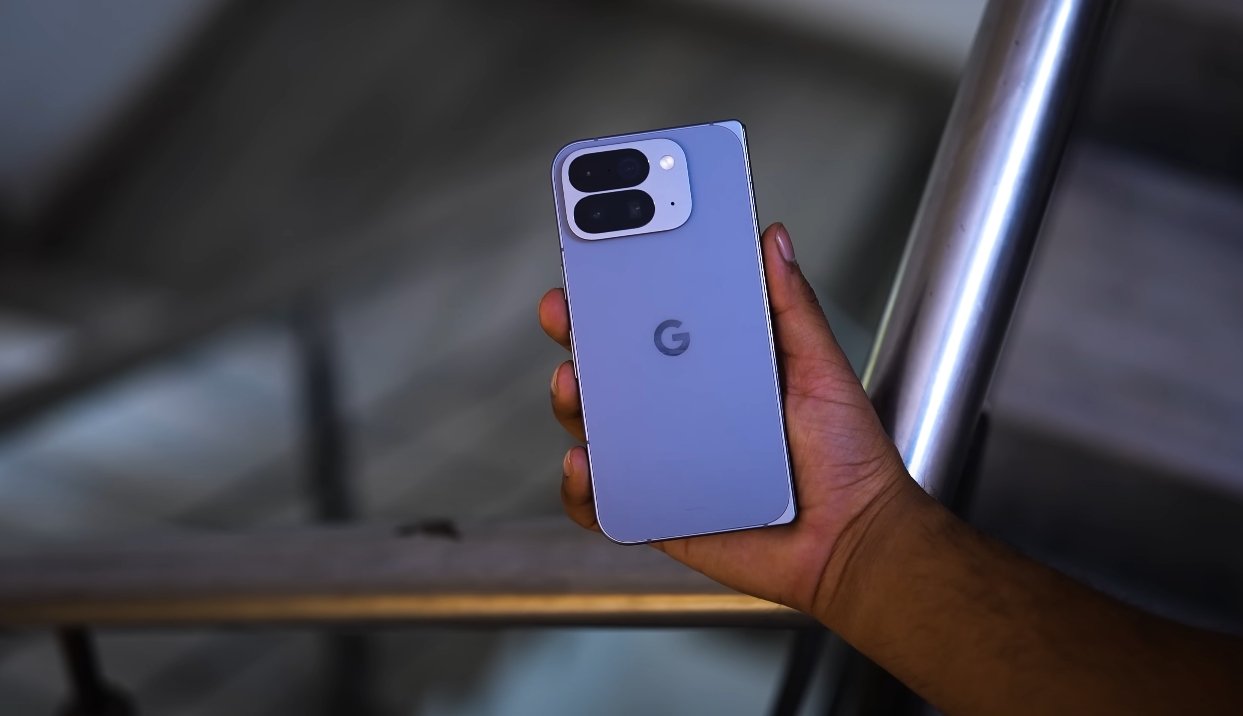
Google’s foldable sets a new benchmark in display technology

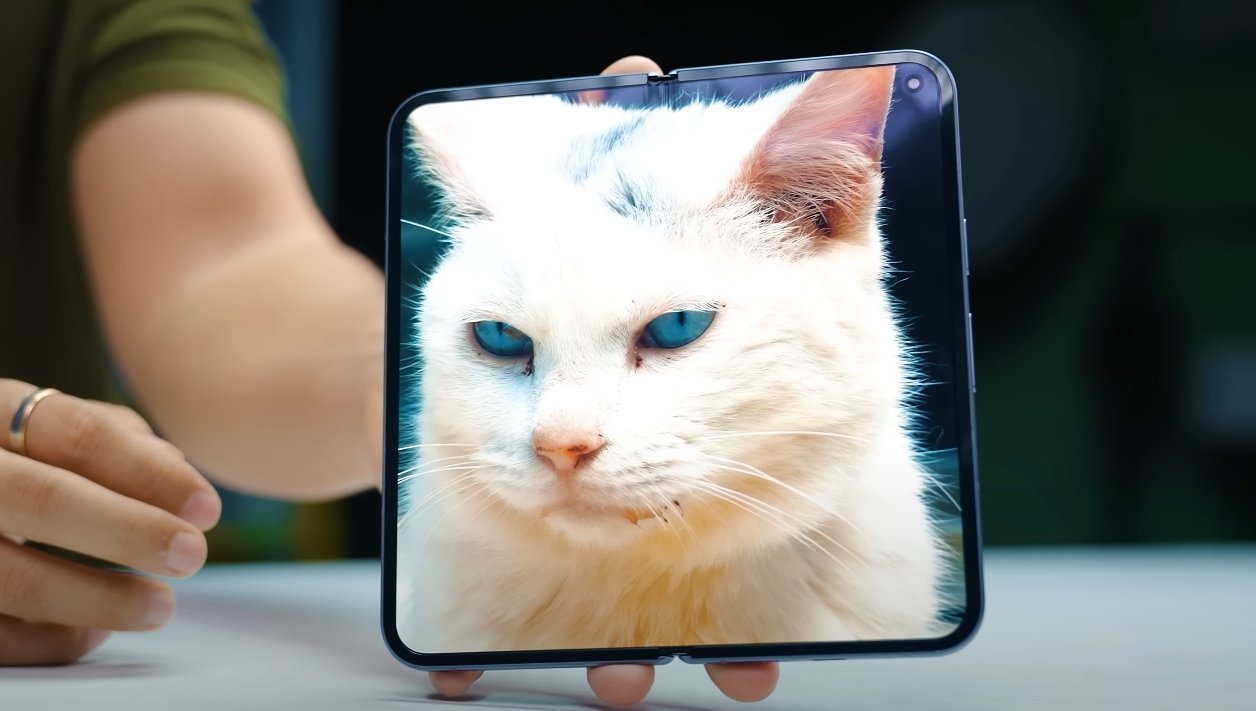
The Pixel 10 Pro Fold is receiving widespread acclaim for its screen quality, with experts highlighting both the inner and outer displays as among the best in the foldable smartphone market. Reviewers note that Google has addressed many long-standing issues with foldables, delivering bright, sharp, and color-accurate panels that perform well in a variety of conditions.

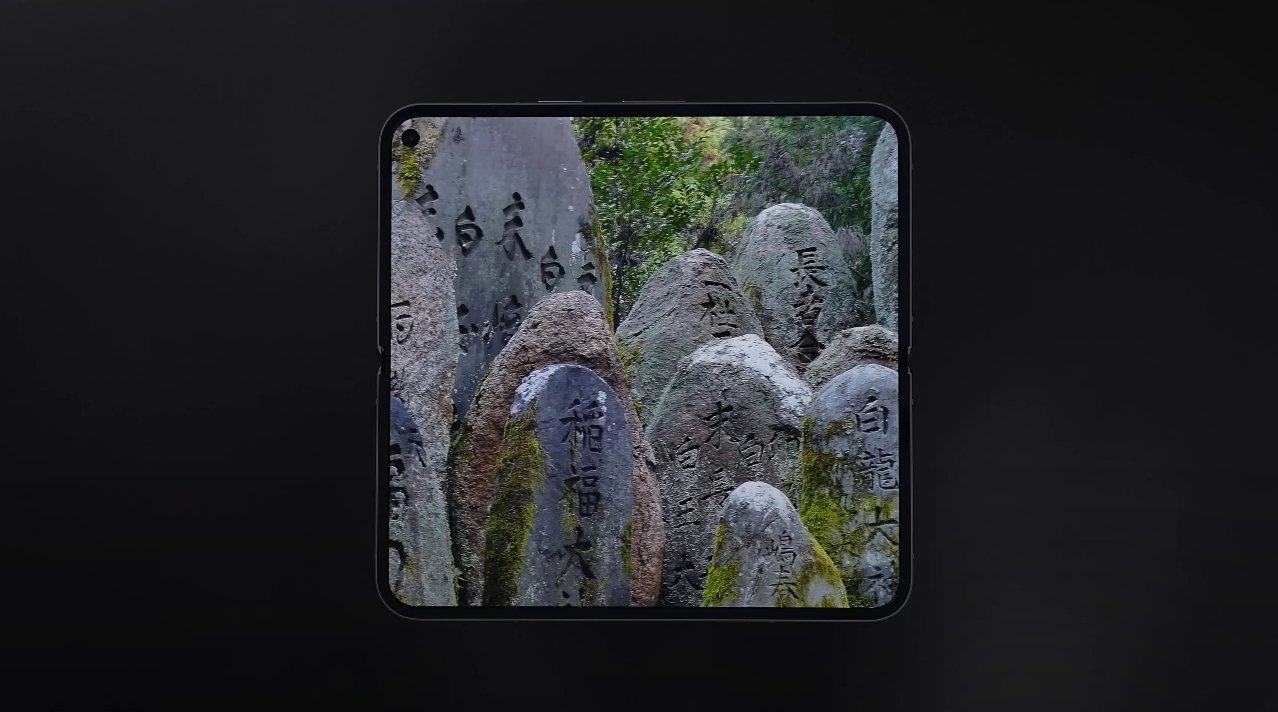
The inner display measures 8 inches and features a Super Actua OLED panel with an adaptive refresh rate ranging from 1 Hz to 120 Hz. Experts emphasize its exceptional brightness, reporting peak levels of up to 3,000 nits, making the screen highly readable even in direct sunlight. The panel’s contrast ratio is strong, allowing deep blacks and vibrant colors, while HDR10+ content appears detailed and lifelike. The smoothness provided by the adaptive refresh rate enhances scrolling and gaming, giving the impression of a more responsive and premium experience compared to earlier foldables.

The outer display, now slightly larger at 6.4 inches, is equally impressive. Experts praise its 1080×2364 resolution and pixel density of over 400 PPI, noting that it delivers sharp text and crisp images. The outer panel has a peak brightness comparable to the inner display, ensuring usability when the device is folded. Both screens also maintain consistent color accuracy across viewing angles, minimizing distortions and maintaining fidelity whether the device is fully open or partially folded.

Pixel 10 Pro Fold screen quality gets expert praise
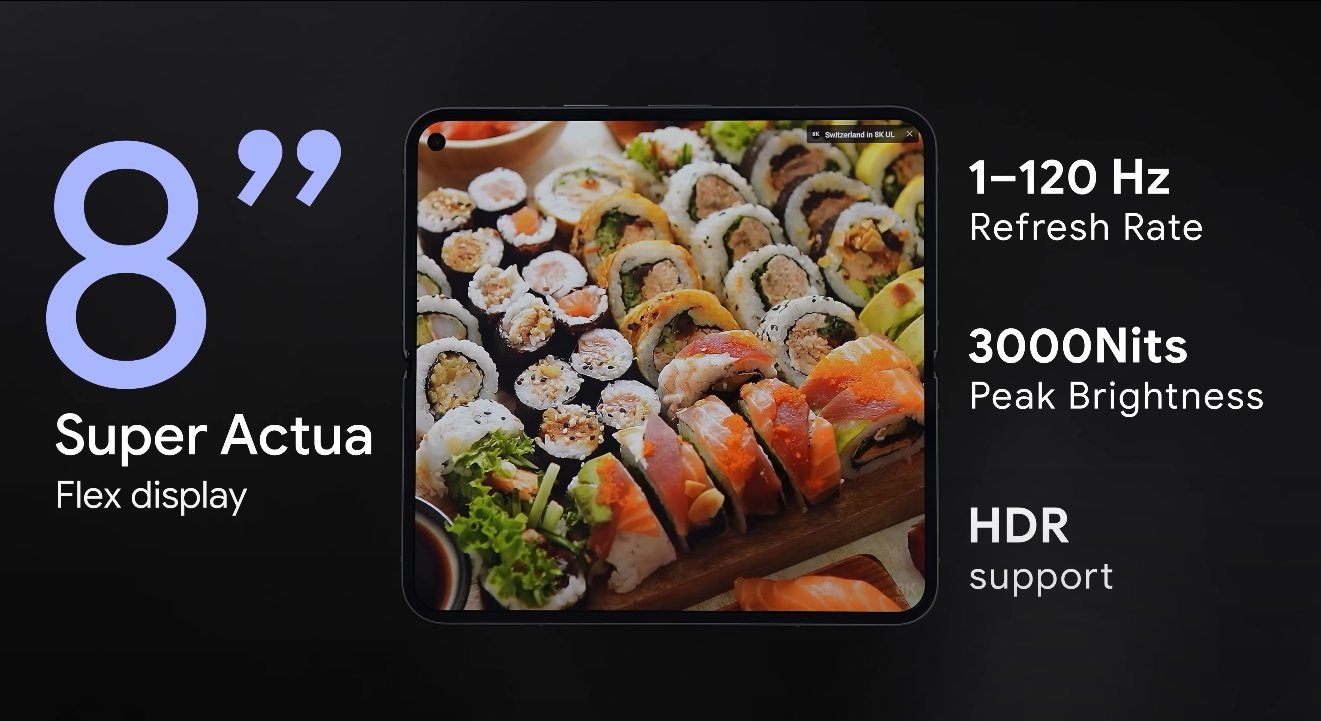
Color performance is a key highlight. Reviewers point out that both panels render colors naturally, whether in standard or adaptive mode, making the device excellent for photography review, media consumption, and creative tasks. HDR content stands out, with smooth transitions between shadows and highlights. The foldable maintains consistent performance across different lighting conditions, allowing users to rely on it for professional-level media viewing or casual entertainment alike.

Some minor drawbacks remain. The fold crease is still visible under certain angles or bright lighting, although it is less pronounced than in earlier models. Additionally, prolonged use outdoors can slightly reduce peak brightness as the system adjusts to prevent overheating and conserve battery. The interior bezels remain noticeable, though slimmer than on previous Pixel foldables, contributing to a more immersive display experience.

Overall, experts agree that the Pixel 10 Pro Fold represents a significant advancement in foldable display technology. By combining high peak brightness, precise color accuracy, strong contrast, and smooth adaptive refresh rates, Google has addressed many of the weaknesses found in earlier foldables. These improvements make the device ideal for multitasking, streaming, gaming, and outdoor use, solidifying its position as one of the top-performing foldable smartphones on the market.

The positive reception from reviewers is already influencing public perception. Videos, hands-on articles, and early impressions have highlighted the display’s quality as a primary selling point, making it a standout feature for U.S. buyers considering a high-end foldable. Google’s focus on both hardware durability and display excellence positions the Pixel 10 Pro Fold as a device that is not only visually impressive but also practical for everyday use.

In conclusion, the Pixel 10 Pro Fold’s screens demonstrate that Google is serious about setting a new standard in foldable technology. With vibrant colors, high brightness, and smooth performance, the device addresses common concerns about visibility, responsiveness, and overall visual fidelity. For consumers seeking a foldable that combines innovation with practical usability, the Pixel 10 Pro Fold’s display is proving to be a major draw and a key reason why the device has quickly become one of the most talked-about smartphones of the year.

Also Read:  Moto G06 Power release delays in USA markets

Pixel 10 Pro Fold vs Galaxy Z Fold 6: Early Comparison

Pixel 10 Pro Fold vs Galaxy Z Fold 6: Early Comparison

Foldable Flagships Face Off

The Pixel 10 Pro Fold and Galaxy Z Fold 6 are shaping up to be two of the most talked-about foldable smartphones of 2025. Both devices bring advanced technology, unique designs, and flagship-level specifications to the table. Early comparisons show that each phone caters to different priorities, from display performance to camera capabilities and battery life.

The Pixel 10 Pro Fold features an 8.0-inch internal display and a 6.4-inch external screen. Both screens offer a 120Hz refresh rate and high brightness levels, making them suitable for gaming, streaming, and productivity. The device is powered by Google’s Tensor G5 chip and comes with 16GB of RAM, ensuring smooth multitasking and performance under heavy workloads. A notable advantage is its IP68 rating, making it dust- and water-resistant, which is rare in foldable smartphones.

Meanwhile, the Galaxy Z Fold 6 offers a 7.6-inch internal display and a 6.3-inch external screen, also with a 120Hz refresh rate. It uses the Qualcomm Snapdragon 8 Gen 3 processor with 12GB of RAM, offering solid performance for apps and gaming. The phone has an IP48 rating, providing some protection from dust and splashes but not as comprehensive as the Pixel 10 Pro Fold. The slightly smaller screen sizes make the Z Fold 6 more compact when folded, which may appeal to users seeking portability.

Battery life is a critical factor for foldable devices, and here the Pixel 10 Pro Fold has an edge. It houses a 5015mAh battery compared to the Galaxy Z Fold 6’s 4400mAh unit. The larger capacity combined with efficient power management may allow the Pixel 10 Pro Fold to last longer, especially during heavy usage like video streaming, gaming, or multitasking. Users who prioritize long battery life may find the Pixel 10 Pro Fold more suitable for their needs.

Pixel 10 Pro Fold vs Galaxy Z Fold 6

Camera capabilities are another area of distinction. The Pixel 10 Pro Fold includes a 48MP main sensor, a 10.8MP telephoto lens with 3x optical zoom, and a 12MP ultrawide camera. The Galaxy Z Fold 6, however, features a 50MP main camera, a 10MP telephoto lens with 5x optical zoom, and a 12MP ultrawide lens. Early impressions suggest that the Z Fold 6’s higher zoom capability and main camera may deliver slightly better photography, especially in distant or low-light shots. Both phones aim to provide flagship-level imaging experiences, but the choice may come down to personal preferences in zoom performance and software camera features.

Design and build are essential considerations for foldable smartphones. The Pixel 10 Pro Fold is slightly thicker and heavier than the Galaxy Z Fold 6, which might affect portability for some users. However, its IP68-rated build adds a level of durability that the Z Fold 6 cannot match. The Galaxy Z Fold 6 is thinner, lighter, and easier to carry in a pocket or bag. Both devices fold seamlessly, but the feel in hand and everyday usability may differ depending on the user’s priorities.

Software experience is a strong point for both devices. The Pixel 10 Pro Fold runs on Android 16 with Google’s optimizations for foldable devices, ensuring smooth navigation and regular security updates. The Galaxy Z Fold 6 also runs Android 16 but with Samsung’s One UI tailored for foldables, offering features like split-screen multitasking, app continuity, and enhanced productivity tools. Both interfaces are polished and offer unique advantages depending on user habits.

In conclusion, the choice between the Pixel 10 Pro Fold and Galaxy Z Fold 6 largely depends on user priorities. The Pixel 10 Pro Fold excels in battery life, durability, and internal display size, making it suitable for users who need a robust device for long hours of usage. The Galaxy Z Fold 6 stands out with camera versatility, a more compact form factor, and refined software enhancements for foldable users. Both devices showcase the latest in foldable technology and offer compelling options for tech enthusiasts in 2025.

Also Read:  Apple iPhone Air vs iPhone SE which offers more value

Pixel 10 Pro Fold hands on review goes viral

Pixel 10 Pro Fold hands on review goes viral

Google’s boldest foldable impresses and divides tech fans online

The Pixel 10 Pro Fold has taken over the internet after a wave of hands-on reviews went viral, giving the public its first real look at Google’s next-generation foldable flagship. Reviewers and early testers have flooded YouTube, X, and TikTok with impressions, praising its design, AI-driven features, and performance, while also pointing out some notable flaws. The buzz surrounding these early reviews has turned the Pixel 10 Pro Fold into one of the most talked-about smartphones of 2025, even before its official retail release.

One of the biggest highlights from the hands-on coverage is the redesigned hinge. Google has finally addressed one of the major complaints from previous generations—the bulky, uneven folding mechanism. The new hinge uses a gearless system, allowing for smoother motion, less creaking, and a tighter close with minimal gap between the screens. Reviewers noted that the hinge feels sturdier than Samsung’s Z Fold series, suggesting Google may have finally found the right balance between durability and usability. Combined with an IP68 rating for water and dust resistance, the Pixel 10 Pro Fold sets a new benchmark for ruggedness in foldable phones, a category that has long struggled with longevity concerns.

The displays are another area drawing strong reactions. The outer screen, a 6.4-inch OLED panel, delivers exceptional brightness and fluid 120Hz refresh rates, making it easier to use without unfolding. The inner display stretches to an 8-inch OLED panel that reviewers describe as “tablet-like” in clarity and smoothness. Several hands-on videos demonstrate improved multitasking—users can now drag and drop between apps, use split-screen more intuitively, and even resize windows fluidly thanks to Android 16’s updated interface. Many reviewers agree that the Pixel 10 Pro Fold finally feels like a foldable that can serve as both a phone and a small productivity device.

Pixel 10 Pro Fold hands on review goes viral

Under the hood, Google’s Tensor G4 chip is proving capable of handling intensive multitasking, AI features, and 4K video recording without overheating. Testers report smoother gaming performance, faster app loading times, and more consistent battery life compared to the previous Pixel Fold. The device’s AI capabilities have also impressed reviewers—features like real-time call translation, on-device text summarization, and enhanced voice commands make everyday use more intelligent and personalized. Google’s Gemini-powered AI even offers context-aware suggestions when switching between folded and unfolded modes, such as adjusting layouts or recommending apps based on user activity.

However, not all aspects of the Pixel 10 Pro Fold have been met with universal praise. The camera system, while capable, has received criticism for underperforming compared to Google’s own non-folding Pixel 10 Pro. The foldable’s compact camera array reportedly struggles with low-light performance and long-range zoom. While daytime shots remain excellent with strong color accuracy and detail, reviewers noted more noise and softer focus in challenging conditions. This trade-off may disappoint photography enthusiasts expecting Pixel-level camera dominance across all scenarios.

Another divisive factor is weight and ergonomics. At roughly 258 grams, the Pixel 10 Pro Fold is heavier than most premium smartphones, and even slightly bulkier than Samsung’s Galaxy Z Fold 6. Some reviewers commented that extended one-handed use leads to wrist strain, particularly during texting or photography. The wide aspect ratio also makes it tricky to operate with one hand, though many praised the improved grip texture and build materials, which include recycled aluminum and Gorilla Glass Armor. Overall, while its design is undeniably premium, its practicality for daily use may depend on how comfortable users are with its heft.

Despite the criticisms, many reviewers emphasize that the Pixel 10 Pro Fold represents a major step forward for Google’s hardware division. The combination of robust build quality, advanced AI integration, and smoother multitasking suggests that the company has learned from its earlier foldable missteps. Several tech influencers describe the device as the “first foldable that feels truly ready for everyday life,” while others caution that its $1,799 starting price may limit its appeal to enthusiasts rather than mainstream buyers.

The viral nature of these hands-on reviews has also fueled debates about the future of foldables in the U.S. market. Some viewers see the Pixel 10 Pro Fold as a glimpse of where smartphone innovation is heading, blending hardware sophistication with powerful software intelligence. Others argue that the category remains too expensive and niche to attract mass adoption. Still, the attention surrounding Google’s latest release proves that foldables are no longer a curiosity—they are fast becoming a key battleground for smartphone brands competing for high-end users.

In the end, the Pixel 10 Pro Fold’s viral moment underscores just how much excitement still surrounds cutting-edge mobile technology. It’s not a perfect device—its weight, camera compromises, and steep price tag leave room for improvement—but it represents a confident statement from Google about its place in the future of foldables. For fans of innovation, AI, and premium design, the Pixel 10 Pro Fold may very well be the most compelling Android device of the year.

Pixel 10 Pro Fold design shown in real images

Pixel 10 Pro Fold design shown in real images

First real look reveals refined design and new color options

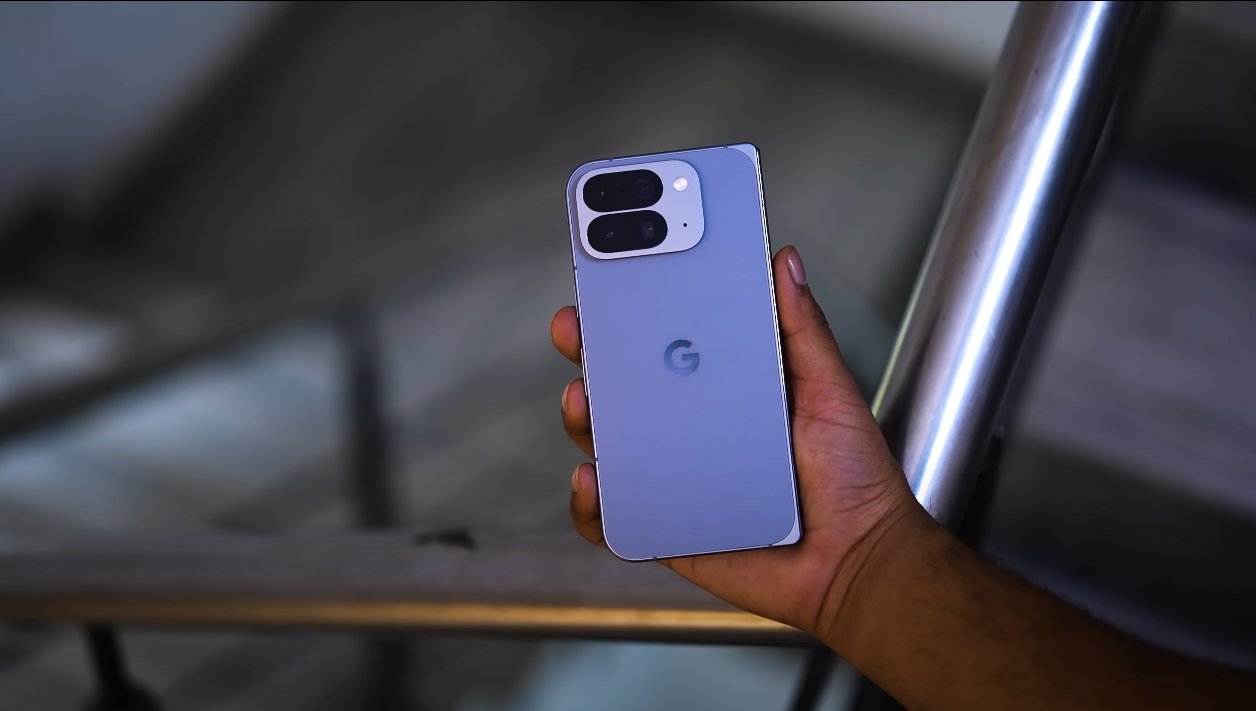
The Pixel 10 Pro Fold has finally appeared in real-world images, giving users their first genuine look at Google’s next-generation foldable phone. These images confirm the design language Google is taking into 2025 — modern, premium, and unmistakably Pixel. The leaked and official visuals together show how Google has refined its foldable approach with improved materials, slimmer bezels, and an updated camera housing, while staying true to the brand’s signature look.

According to sources close to Google’s supply chain, the company’s latest foldable adopts a sleeker and more symmetrical body than its predecessor. The most notable change is the near-gapless hinge, which makes the phone close flat for the first time in the Pixel Fold lineup. This hinge redesign improves durability and eliminates the small space that was previously visible when the device was folded shut. The design uses aerospace-grade aluminum for the frame and a composite glass back that feels smoother and more resistant to fingerprints.

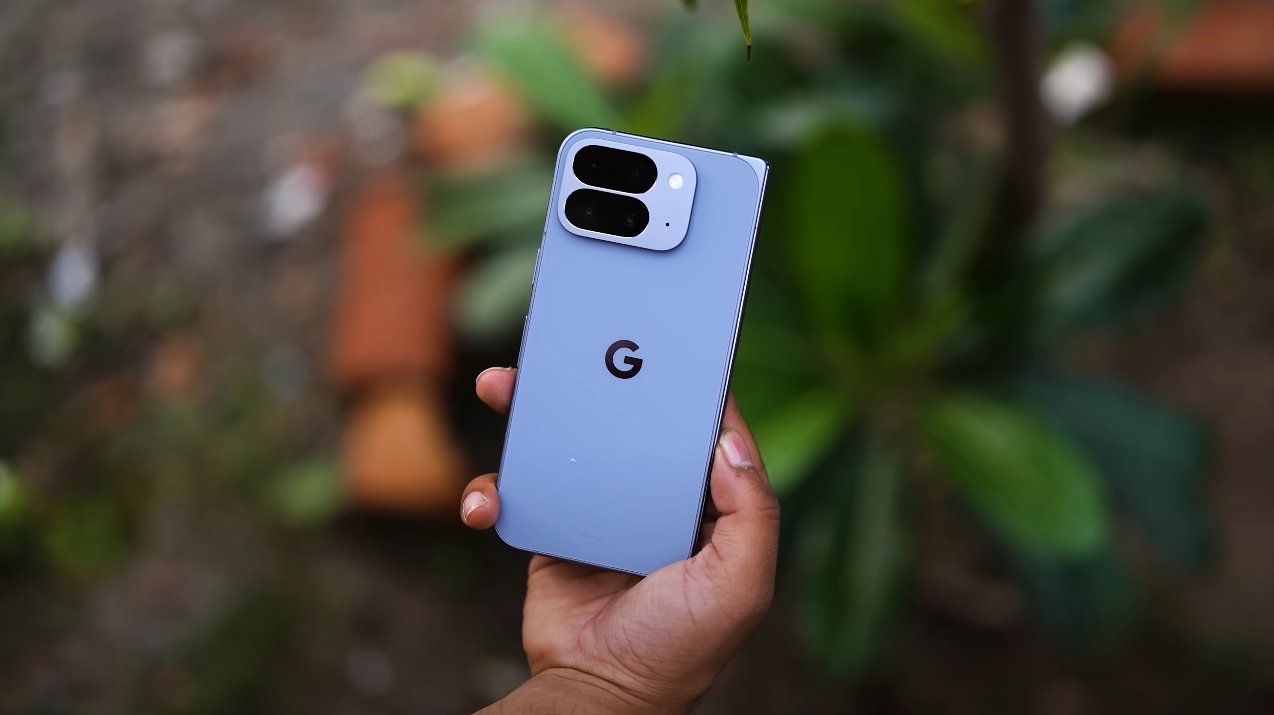
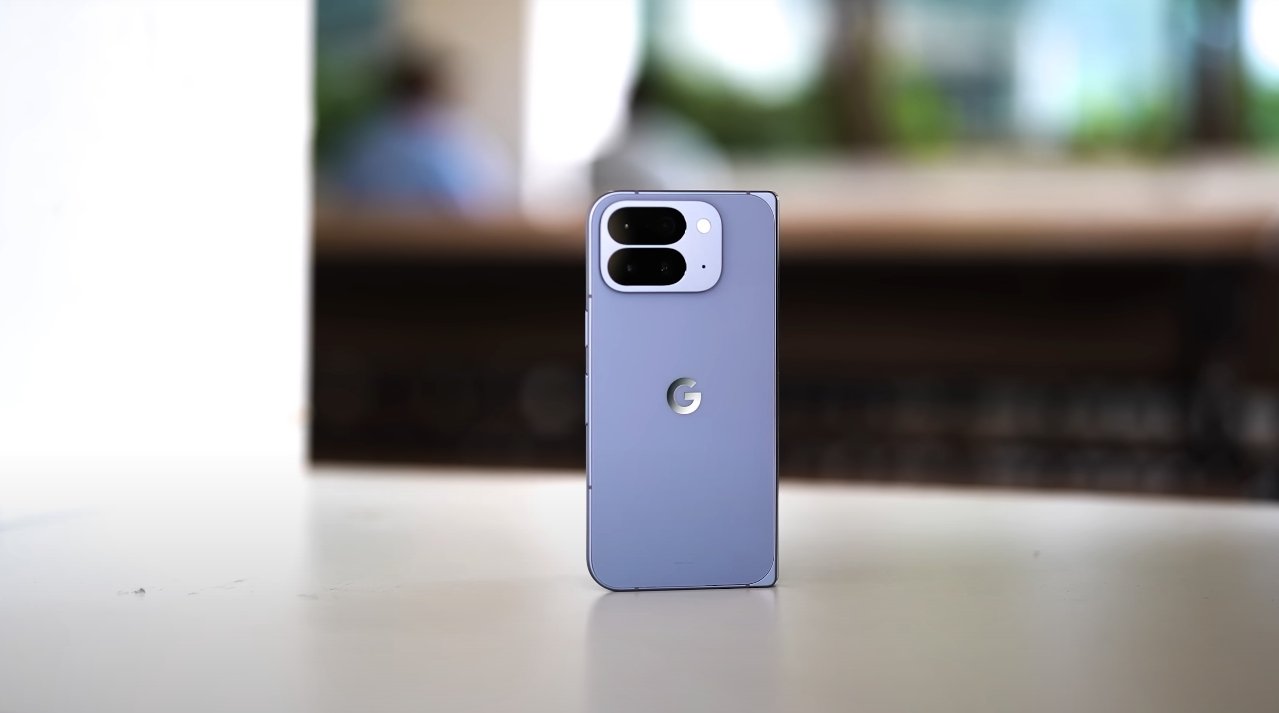
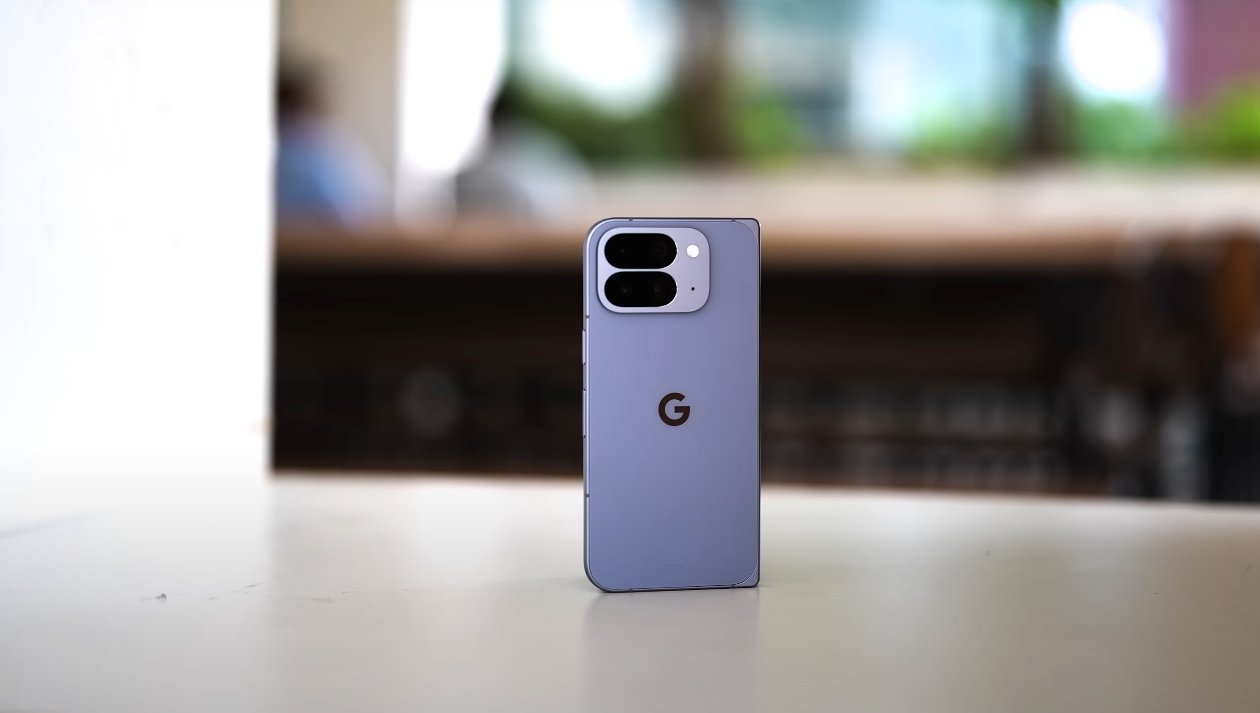
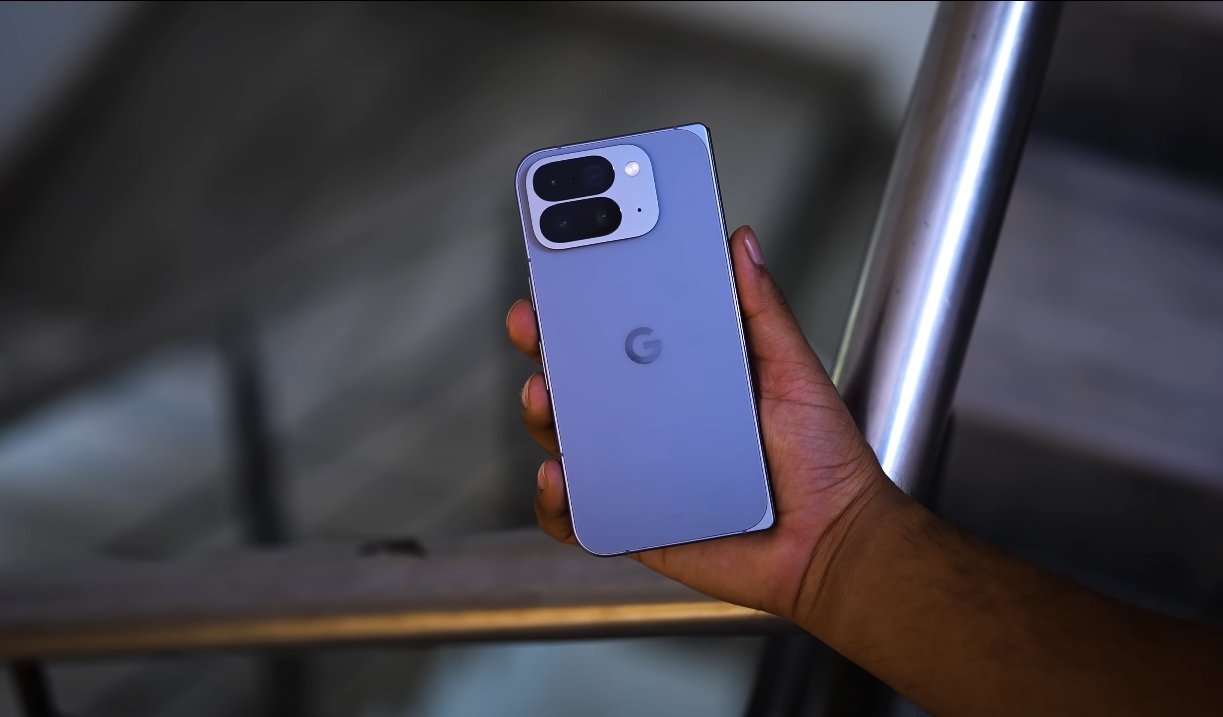
The new color finishes — Moonstone and Jade — bring a refreshed aesthetic to the lineup. The Moonstone variant sports a cool blue-gray tone with a polished silver hinge, while Jade offers a soft green hue accented by gold edges. Both finishes feature a satin-like coating that diffuses light subtly, giving the device a more luxurious and understated look. Google has clearly aimed to make this foldable stand out visually while maintaining the minimalistic feel that Pixel fans appreciate.

Pixel 10 Pro Fold design shown in real images

From the front, the outer display is slightly taller and narrower than the previous model, measuring 6.4 inches, which makes one-handed use easier. When unfolded, the inner 8.0-inch OLED panel is nearly borderless, with a center-aligned punch-hole camera. The bezels are visibly thinner than on the Pixel 9 Pro Fold, offering a more immersive experience. Early hands-on leaks suggest the hinge allows smoother unfolding, with improved weight distribution that makes it comfortable to use as a tablet.

The rear camera bar remains a defining feature, stretching across the back with a seamless curve into the frame. However, it now houses three lenses within a sleeker, dual-module array: a 48MP wide camera, a 10.5MP ultra-wide, and a 10.8MP telephoto lens. The placement of the flash and sensors has been subtly adjusted for symmetry, showing Google’s focus on refined engineering rather than radical changes. The polished metal finish around the camera bar complements the hinge design, creating a balanced look from every angle.

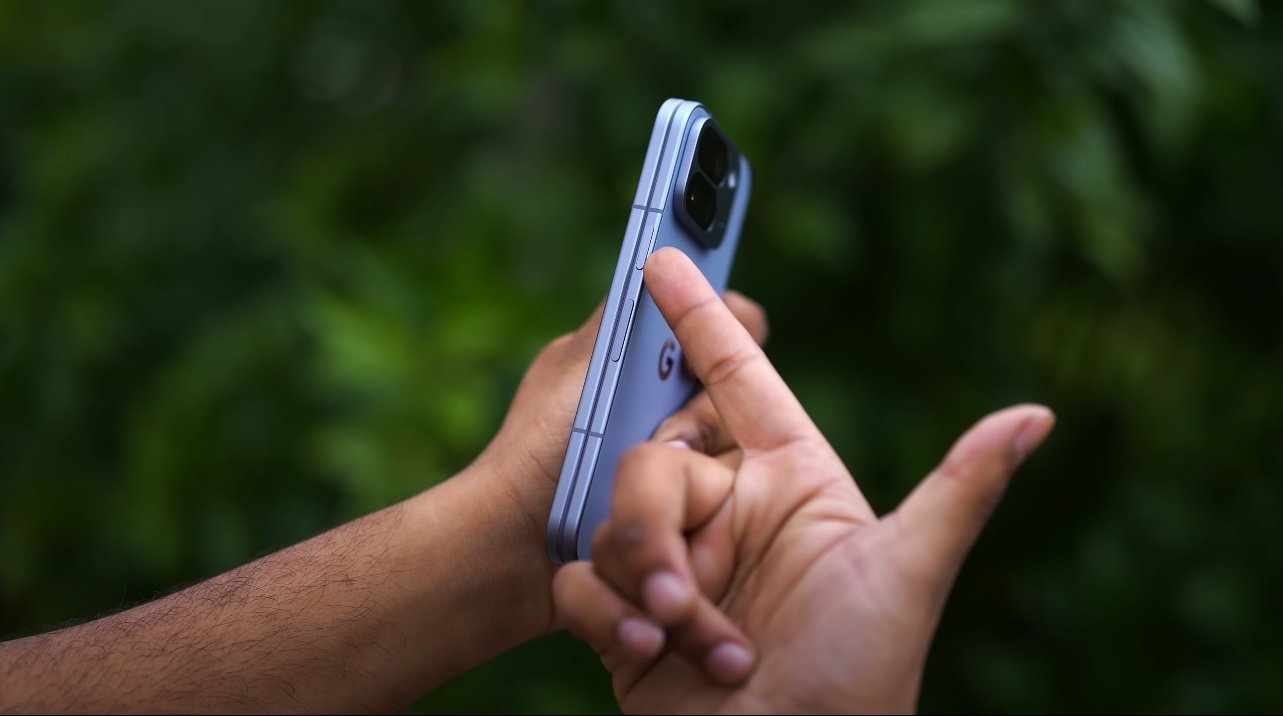
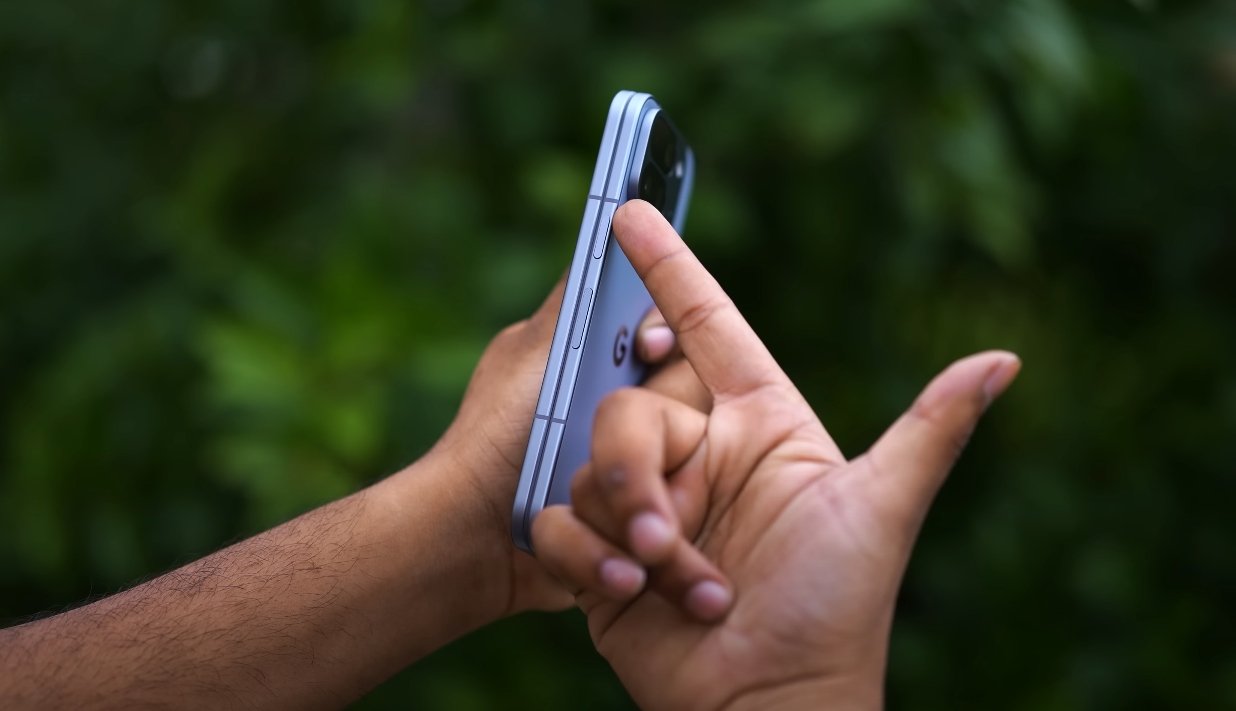
Other physical details highlight small but meaningful upgrades. The power button with integrated fingerprint sensor has been repositioned for easier reach, while the SIM tray has moved to the top edge to accommodate a larger battery inside. Speaker grills and antenna lines have been re-engineered for improved audio clarity and better signal strength when the phone is folded. The USB-C port remains at the bottom, supporting fast charging and high-speed data transfer.

In a short teaser video released by Google, the Pixel 10 Pro Fold is shown rotating in soft studio lighting, confirming the authenticity of the leaked images. The video reveals smooth hinge motion, edge curvature consistency, and a matte finish that resists glare. It also showcases the outer screen’s brighter display, optimized for outdoor visibility. The overall impression is that of a matured design — one that prioritizes ergonomics, aesthetics, and structural integrity.

Overall, the real images of the Pixel 10 Pro Fold indicate Google’s focus on evolution rather than revolution. The company appears to have listened to user feedback, improving the hinge, reducing bezels, and refining the exterior finish. These changes position the Pixel 10 Pro Fold as one of the most polished and premium-looking foldables on the market. With the official launch set for October 9, 2025, this foldable is shaping up to be a centerpiece of Google’s hardware year — combining engineering precision with the clean, distinctive Pixel identity fans have come to expect.

Pixel 10 Pro Fold preorder offers for USA buyers

Pixel 10 Pro Fold preorder offers for USA buyers

Major preorder deals, discounts, and bonuses revealed for American buyers

The highly anticipated Google Pixel 10 Pro Fold is now available for preorder in the United States, and early buyers are being greeted with a wave of attractive offers from Google, major carriers, and leading retailers. With the foldable phone set to launch officially later this month, these promotions are aimed at driving early interest while rewarding loyal Pixel fans eager to upgrade. From trade-in credits to gift cards and financing options, the range of preorder incentives reflects how competitive the premium smartphone market has become in 2025.

Starting with the Google Store, buyers can take advantage of an official preorder deal that includes $350 in Google Store credit for unlocked Pixel 10 Pro Fold purchases. This offer is expected to run for a limited time while supplies last. Additionally, Google is offering generous trade-in values of up to $760 depending on the device and its condition. Owners of recent flagship models like the Pixel 9 Pro Fold, iPhone 16 Pro, or Galaxy Z Fold 6 stand to receive the highest credits. Customers who preorder directly through Google will also enjoy free shipping and early delivery, with most devices expected to ship around October 9.

Over at Verizon, the deals get even more aggressive. The carrier is offering up to $1,000 off the Pixel 10 Pro Fold when customers trade in an eligible phone and activate the device on Verizon’s Unlimited Ultimate plan. Those who prefer installment payments can opt for 0% APR financing at $49.99 per month for 36 months, bringing the flagship foldable within reach for users who prefer to pay over time. Verizon is also including exclusive color variants and storage configurations not available elsewhere, giving its customers an added reason to preorder through the carrier.

Pixel 10 Pro Fold preorder offers for USA buyers

Best Buy is another strong option for U.S. buyers. The retailer is offering a $350 Best Buy gift card with every Pixel 10 Pro Fold preorder, regardless of trade-in. However, customers who choose to trade in a device can further boost their total savings. Best Buy’s trade-in program adjusts values based on the model and its working condition, and buyers can also combine this with carrier activation offers for even greater discounts. The retailer is emphasizing quick pickup or fast shipping options to ensure early buyers get their foldable phones on release day.

Meanwhile, Amazon is promoting a preorder package that includes a $300 gift card with every purchase of the unlocked Pixel 10 Pro Fold. Although limited in duration, this deal is appealing to Prime members who prefer Amazon’s faster delivery network and flexible return policy. Other carriers, such as Xfinity Mobile and AT&T, are running similar offers that pair trade-in bonuses with bill credits spread across two to three years of service. In some cases, even customers without a trade-in can still receive smaller upfront discounts or promotional billing adjustments.

These preorder incentives highlight how competitive the foldable phone market has become in the U.S., where Samsung, OnePlus, and now Google are all battling for dominance in the premium Android space. The Pixel 10 Pro Fold, featuring Google’s latest Tensor G4 processor, advanced AI capabilities, and improved hinge durability, is positioned as one of the most powerful and refined foldables yet. For many consumers, the preorder bonuses help justify the device’s steep starting price of $1,799, especially when combined with trade-in credits or store rewards.

However, shoppers should pay attention to fine print. Many of these deals require customers to meet specific conditions, such as maintaining certain data plans, financing terms, or activation requirements for the duration of the promotion. Store credits and gift cards may also have expiration dates or usage restrictions. Those looking to maximize their savings should compare offers across retailers and carriers before committing to a preorder.

In short, the Pixel 10 Pro Fold’s preorder season brings some of the most generous incentives Google has ever offered for its premium lineup. Whether through Google’s direct trade-in bonuses, Verizon’s financing discounts, or Best Buy’s gift card promotion, U.S. buyers have multiple ways to offset the high cost of entry into the foldable world. With shipping scheduled for mid-October, these preorder deals are likely to set the tone for one of the year’s most anticipated smartphone launches.

Pixel 10 Pro Fold launch date officially confirmed

Pixel 10 Pro Fold launch date officially confirmed

Google sets official release window for its next foldable flagship

Google has officially announced the launch date for its highly anticipated Pixel 10 Pro Fold, confirming that the foldable device will arrive on October 9, 2025. The company made the announcement following weeks of speculation and hints from industry insiders about a fall release window. This marks Google’s second-generation foldable and one of the most anticipated devices in its 2025 hardware lineup.

The Pixel 10 Pro Fold will become available for pre-orders in the United States and select international markets ahead of its retail launch. According to Google, customers who place pre-orders now will receive their units starting on the official release day. The confirmation brings an end to months of rumors about potential production delays and final testing phases that were reportedly ongoing throughout late summer.

Google first unveiled the Pixel 10 lineup at its “Made by Google” event on August 20, 2025, where it showcased the Pixel 10, Pixel 10 Pro, and Pixel 10 Pro XL models. However, the foldable model was notably absent from the immediate release schedule. Company representatives confirmed at the time that the Pixel 10 Pro Fold would have a separate launch window due to additional refinement in hinge durability and software optimization for foldable form factors.

Pixel 10 Pro Fold launch date officially confirmed

Sources familiar with Google’s supply chain have indicated that the October timing was strategically chosen to align with broader market conditions. By releasing the Pixel 10 Pro Fold in the early fourth quarter, Google positions itself to compete directly with upcoming foldables from Samsung, OnePlus, and Honor. This release strategy also ensures that the device remains fresh during the holiday shopping season in the U.S., when demand for high-end smartphones typically peaks.

From a product standpoint, the Pixel 10 Pro Fold is designed to showcase Google’s most advanced Tensor G5 chip, paired with improved power efficiency and on-device AI performance. It will ship with Android 16, optimized for multitasking and productivity. Early previews and leaks have suggested that the foldable features an upgraded hinge mechanism, a lighter design, and enhanced heat management — addressing feedback from the first-generation Pixel Fold, which some users found bulky and warm during heavy use.

The official release announcement also highlighted Google’s growing focus on AI integration and user experience. The Pixel 10 Pro Fold will come preloaded with new AI-powered features such as Gemini Live, Magic Cue, and Smart Workspace, offering real-time assistance and cross-device coordination. These tools leverage on-device machine learning to perform tasks like summarizing messages, scheduling events, and even translating conversations on the fly without relying on a cloud connection.

Google’s hardware team emphasized that the October 9 launch will coincide with the start of in-store availability across major U.S. retail partners, including the Google Store, Amazon, Best Buy, and select carrier outlets. Pricing details are expected to remain in line with the company’s previous premium models, though some reports suggest a minor increase due to new hinge materials and expanded storage options. The phone is rumored to start at $1,799, similar to the previous Pixel Fold, but Google has yet to confirm this officially.

Industry analysts see this release as a pivotal moment for Google’s foldable ambitions. The Pixel 10 Pro Fold enters a competitive landscape where Samsung’s Galaxy Z Fold6 and OnePlus Open2 have already set high standards for build quality and performance. However, with its tighter ecosystem integration, longer update cycle, and new AI capabilities, Google aims to carve a distinct niche for itself among U.S. consumers seeking a blend of power, design, and software intelligence.

In conclusion, the October 9, 2025 launch of the Pixel 10 Pro Fold solidifies Google’s intent to push deeper into the foldable category with a more refined, performance-driven device. With upgraded hardware, advanced AI features, and a strategic release window, Google is signaling that the foldable era of the Pixel brand is not just continuing — it’s evolving. For consumers waiting for a premium foldable that blends innovation with practicality, the upcoming release promises to be one of the standout smartphone moments of the year.

Pixel 10 Pro Fold price leak surprises USA fans

Pixel 10 Pro Fold price leak surprises USA fans

Google’s next foldable keeps premium pricing despite fan expectations

A surprising new leak has revealed that Google’s upcoming Pixel 10 Pro Fold will likely launch in the United States with a starting price of $1,799, matching the high-end tier of its predecessor. The pricing details reportedly came from internal retailer listings and supply chain sources, which also suggest higher-capacity models could reach up to $2,149 for the 1 TB variant. This revelation has caught many U.S. fans off guard, especially since early speculation hinted at a possible price cut to make the device more competitive in the rapidly evolving foldable market.

The Pixel 10 Pro Fold is expected to continue Google’s trend of positioning its foldable devices as premium, technology-forward alternatives to Samsung’s Galaxy Z Fold lineup. Despite hopes for a more accessible price point, Google appears determined to maintain a focus on build quality, design innovation, and AI-driven performance rather than cost reduction. The leaked information suggests that the foldable will come with upgraded Tensor G4 hardware, enhanced camera capabilities, and a redesigned hinge mechanism intended to improve durability.

For many American consumers, the $1,799 starting price places the Pixel 10 Pro Fold squarely among the most expensive smartphones available. While the foldable phone category remains relatively niche, demand for high-end Android devices has remained steady, particularly among tech enthusiasts and early adopters. Still, some fans argue that without a significant drop in price, Google may struggle to attract mainstream buyers in a market where traditional slab-style smartphones now deliver exceptional performance at nearly half the cost.

Pixel 10 Pro Fold price leak surprises USA fans

Industry analysts point out that Google’s pricing strategy reflects a broader trend among tech companies treating foldables as halo products rather than mass-market devices. Much like Samsung’s approach, Google seems to view the Pixel Fold line as a way to showcase its design prowess and integrate cutting-edge AI technology into a flexible form factor. Early reports indicate that the Pixel 10 Pro Fold will feature an improved inner display with a higher refresh rate, better brightness, and more efficient power management, giving it a strong position against competing models.

The U.S. smartphone market has become increasingly competitive, with Apple, Samsung, and now OnePlus introducing AI-enhanced features in their latest flagships. Google, however, is betting heavily on software differentiation. The Pixel 10 Pro Fold is rumored to launch with exclusive Gemini AI capabilities, including advanced photo editing, real-time translation, and on-device summarization tools. These features could help justify the premium pricing if they deliver meaningful improvements to daily use.

Reactions among Pixel fans have been mixed. Some applaud Google for refusing to compromise on design or technology, noting that a lower price might have forced cuts in materials or performance. Others, however, express disappointment that the company isn’t doing more to make foldable technology accessible to a wider audience. On social media, discussions highlight a recurring theme: Google’s pricing may signal confidence in its product, but it also risks alienating consumers who expected a more affordable entry point.

If the leaked information proves accurate, preorders for the Pixel 10 Pro Fold could begin later this month, with retail availability expected shortly after. The device’s success in the United States will likely depend on how well it can distinguish itself through performance, user experience, and AI integration. While Google may face criticism for sticking with a high price tag, it’s clear the company wants its foldable to compete directly with the most advanced devices in the world—not as a budget alternative, but as a statement of technological ambition.

In the end, the Pixel 10 Pro Fold’s pricing strategy underscores Google’s commitment to its vision of the future smartphone. By keeping the foldable at a premium level, Google is signaling that it sees long-term potential in this category, even if mass adoption is still years away. Whether U.S. consumers will embrace that vision at nearly two thousand dollars remains to be seen, but one thing is certain—the Pixel 10 Pro Fold has already sparked one of the most heated conversations in this year’s tech landscape.

Pixel 10 Pro Fold full specs and features revealed

Pixel 10 Pro Fold full specs and features revealed

The next-generation foldable flagship

Google has officially introduced the Pixel 10 Pro Fold, marking its push into a more capable and durable foldable phone. The announcement comes with a full specification set and features list that suggests Google is serious about competing with the top foldables in both innovation and resilience.

The design of the Pixel 10 Pro Fold includes a “gearless hinge” that Google claims will be twice as durable as the hinge in its predecessor and capable of withstanding over 10 years of folding. The chassis is built with aerospace-grade aluminum, and this model becomes Google’s first foldable to earn IP68 water and dust resistance. It comes in two color options: Moonstone and Jade.

For the displays, the outer “cover” screen measures 6.4 inches and supports a 1-120Hz refresh rate, while the inner “folded-out” display spans 8.0 inches with the same variable refresh rate and up to 3,000 nits peak brightness. Both panels are OLED and designed for readability outdoors and smooth motion.

Pixel 10 Pro Fold full specs and features revealed

Under the hood, the Pixel 10 Pro Fold runs on Google’s custom Tensor G5 chip, paired with 16GB LPDDR5X RAM and storage options of 256GB, 512GB, or 1TB (UFS 4.0). For security, it includes the Titan M2 chip and supports dual SIM (nano SIM + eSIM). The operating system is Android 16 out of the box.

The camera system is a triple rear setup: a 48MP wide lens, a 10.5MP ultrawide lens, and a 10.8MP telephoto lens offering 5× optical zoom plus Super Res Zoom up to 20×. On both the inner and outer sides, there’s a 10MP selfie camera. Google also introduces a feature called Instant View, letting users preview recent shots next to the live viewfinder when the foldable is open.

Battery and charging also see upgrades. The device relies on a 5,015 mAh battery with support for 30W wired charging and 15W Qi2 wireless charging, including built-in magnetic support via PixelSnap accessories. Google also promises improved battery longevity to match the demands of folding use.

On the software and usability side, the Pixel 10 Pro Fold brings enhanced AI features such as Gemini Live, Magic Cue, and Daily Hub, all powered by on-device AI processing. Multitasking is improved with advanced split-screen support, drag-and-drop across apps, and optimizations tailored to foldable form factors.

In summary, the Pixel 10 Pro Fold unfolds as a serious contender in the foldable sphere. With industry-first IP68 protection, strong camera hardware, a powerful AI suite, and durable engineering, it’s positioned to compete with the best in 2025’s foldable lineup.

Also Read:  Why USA Tech Enthusiasts Prefer Google Pixel 10 Pro XL

Peni Parker Joins Marvel Tokon: Fighting Souls in the UK

Peni Parker in action, showcasing her unique abilities in Marvel Tokon: Fighting Souls, with a colourful and dynamic background, highlighting the game's behaviour and features

Peni Parker Enters the Marvel Tokon: Fighting Souls Arena

Arc System Works has made a significant announcement, revealing that Peni Parker will be joining the Marvel Tokon: Fighting Souls roster. This exciting news has sent shockwaves throughout the UK gaming community. The introduction of Peni Parker is expected to bring a new level of excitement to the game. The character’s unique abilities are sure to intrigue players.

The Amazing Guardians team has also been unveiled, showcasing a diverse range of characters. This team is set to bring a fresh dynamic to the game. The new automatic team-name feature is another welcome addition. The updated EVO Japan demo has also been released, providing players with a glimpse of what’s to come. The demo has been met with enthusiasm from fans in the UK.

The addition of Peni Parker to Marvel Tokon: Fighting Souls is a strategic move by Arc System Works. The character’s popularity is expected to draw in new players. The game’s developer has been working tirelessly to ensure a seamless gaming experience. The UK gaming community is eagerly awaiting the latest updates. The game’s success is a testament to the power of collaboration between developers and fans.

The UK gaming scene is abuzz with excitement as Peni Parker joins the Marvel Tokon: Fighting Souls fray. The game’s unique blend of action and strategy has captured the hearts of many. The introduction of new characters and features is sure to keep players engaged. The game’s popularity is a reflection of the UK’s vibrant gaming culture. The community is eager to analyse the new updates and share their thoughts.

Peropesis 3.2 Brings CLI-Only Experience to UK Users with Latest Updates

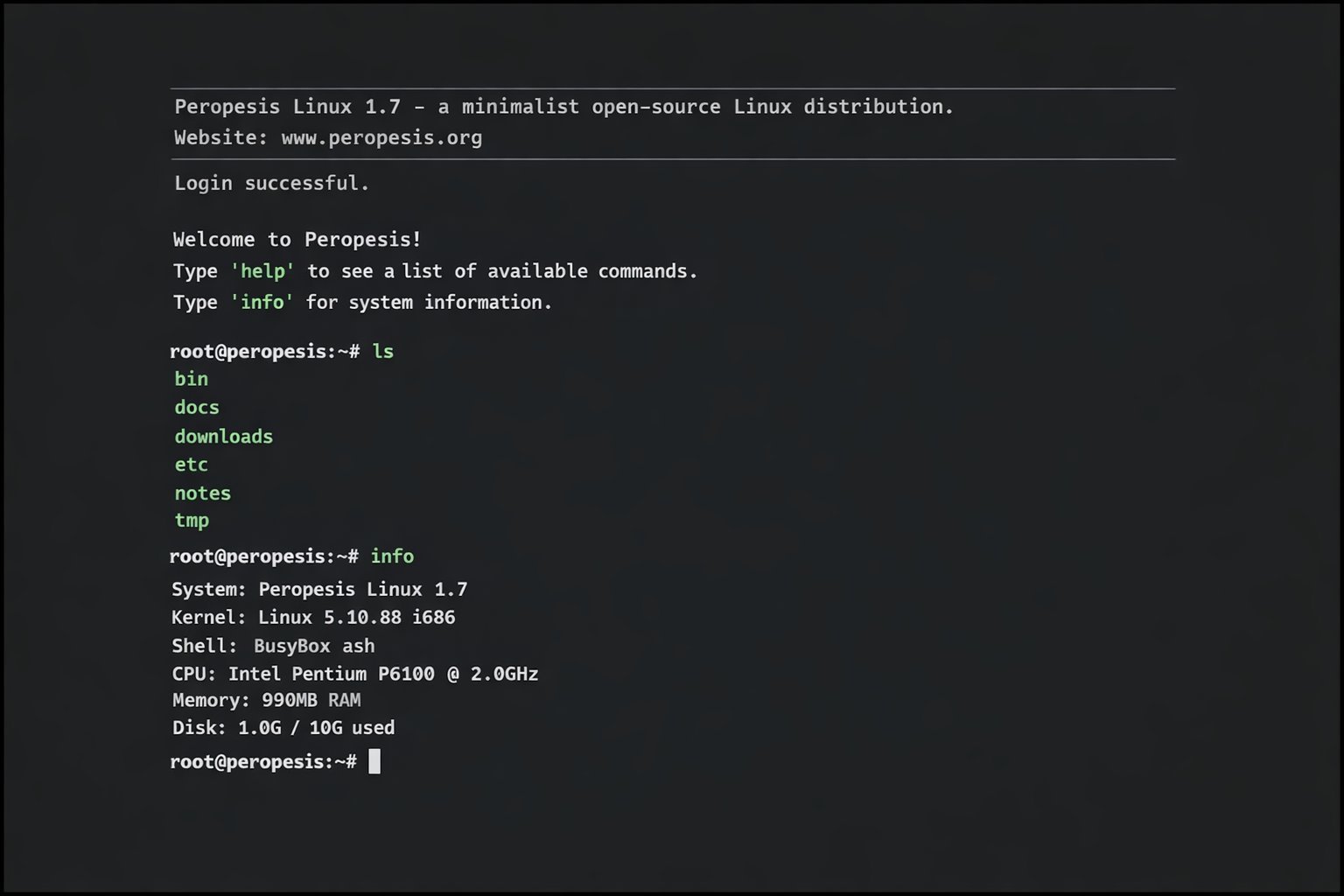
Peropesis 3.2 screenshot showcasing the command line interface in action, with a dark colour scheme and a range of tools and features available

Revitalising the Command Line Interface in the UK

Peropesis 3.2 is here, and it’s a breath of fresh air for those who prefer the classic command line interface (CLI) experience in the UK. This latest version continues to deliver a unique blend of old-school Linux charm and modern functionality.

With a focus on keeping things simple, Peropesis 3.2 relies exclusively on the CLI, making it an ideal choice for those who value efficiency and speed in their workflow. The updated version comes with a range of refreshed packages, including gnutls 3.8.12, git 2.53.0, and ruby 4.0.1.

The Peropesis team has also included the latest Lua 5.5.0 and Bash 5.3 in this update, ensuring that users have access to the latest tools and features. The 64-bit live ISO size has been reduced to 410 MB, making it easier to download and install.

In addition to these updates, Peropesis 3.2 also features a 6.18.2 kernel, which provides improved performance and stability. This is particularly important for users who rely on their system for critical tasks and applications.

For those who are new to Peropesis, this latest version is an excellent opportunity to experience the power and flexibility of a CLI-only system. With its intuitive interface and extensive range of packages, Peropesis 3.2 is an ideal choice for developers, administrators, and power users in the UK.

Overall, Peropesis 3.2 is a significant update that is sure to please both new and experienced users. With its unique blend of old-school charm and modern functionality, it’s an excellent choice for anyone looking for a reliable and efficient CLI-only system in the UK.

Paramount Set to Acquire Warner Bros in the UK

Paramount and Warner Bros logos with a cityscape of London in the background, symbolising the acquisition in the UK entertainment industry

Paramount to Own Warner Brothers After Submitting Superior Bid

Paramount Skydance has made a significant move in the entertainment industry by placing a bid valued at $111 billion to acquire 100% of Warner Bros. Discovery in the UK. This bid surpasses the initial agreement between Netflix and WBD. Paramount’s bid is a clear indication of their intention to expand their presence in the UK market.

The initial agreement between Netflix and WBD was valued at $82.7 billion, which was announced in December last year. However, Netflix refused to offer more, paving the way for Paramount to take the lead. The acquisition is still subject to the final verdict from international regulatory agencies and the US DoJ.

Paramount’s decision to up the ante and submit a superior bid demonstrates their confidence in the potential of Warner Bros. Discovery. The acquisition will not only expand Paramount’s portfolio but also provide them with a stronger foothold in the UK market. The entertainment industry in the UK is highly competitive, and this move is expected to have a significant impact on the behaviour of other players in the market.

The acquisition is expected to be completed after the regulatory agencies and the US DoJ give their final verdict. Paramount will need to analyse the market trends and adjust their strategy accordingly to ensure a smooth transition. The colour of the entertainment industry in the UK is set to change with this acquisition, and it will be interesting to see how the other players react to this move.

Paramount’s bid has been welcomed by many in the industry, as it is expected to bring new opportunities for growth and development. The acquisition will provide Paramount with access to a wider audience and a more diverse range of content. The UK market is known for its vibrant entertainment industry, and this move is expected to further enhance its reputation.

The entertainment industry in the UK is constantly evolving, and this acquisition is a testament to the changing landscape. Paramount’s decision to acquire Warner Bros. Discovery is a strategic move that is expected to have a positive impact on the industry as a whole. The acquisition will not only benefit Paramount but also provide new opportunities for other players in the market.

In conclusion, Paramount’s bid to acquire Warner Bros. Discovery is a significant move in the entertainment industry. The acquisition is expected to have a major impact on the UK market and will provide new opportunities for growth and development. The entertainment industry in the UK is set to become even more competitive, and it will be interesting to see how the other players react to this move.