Android’s Shift to AI Subscriptions
Android’s Subscription Era
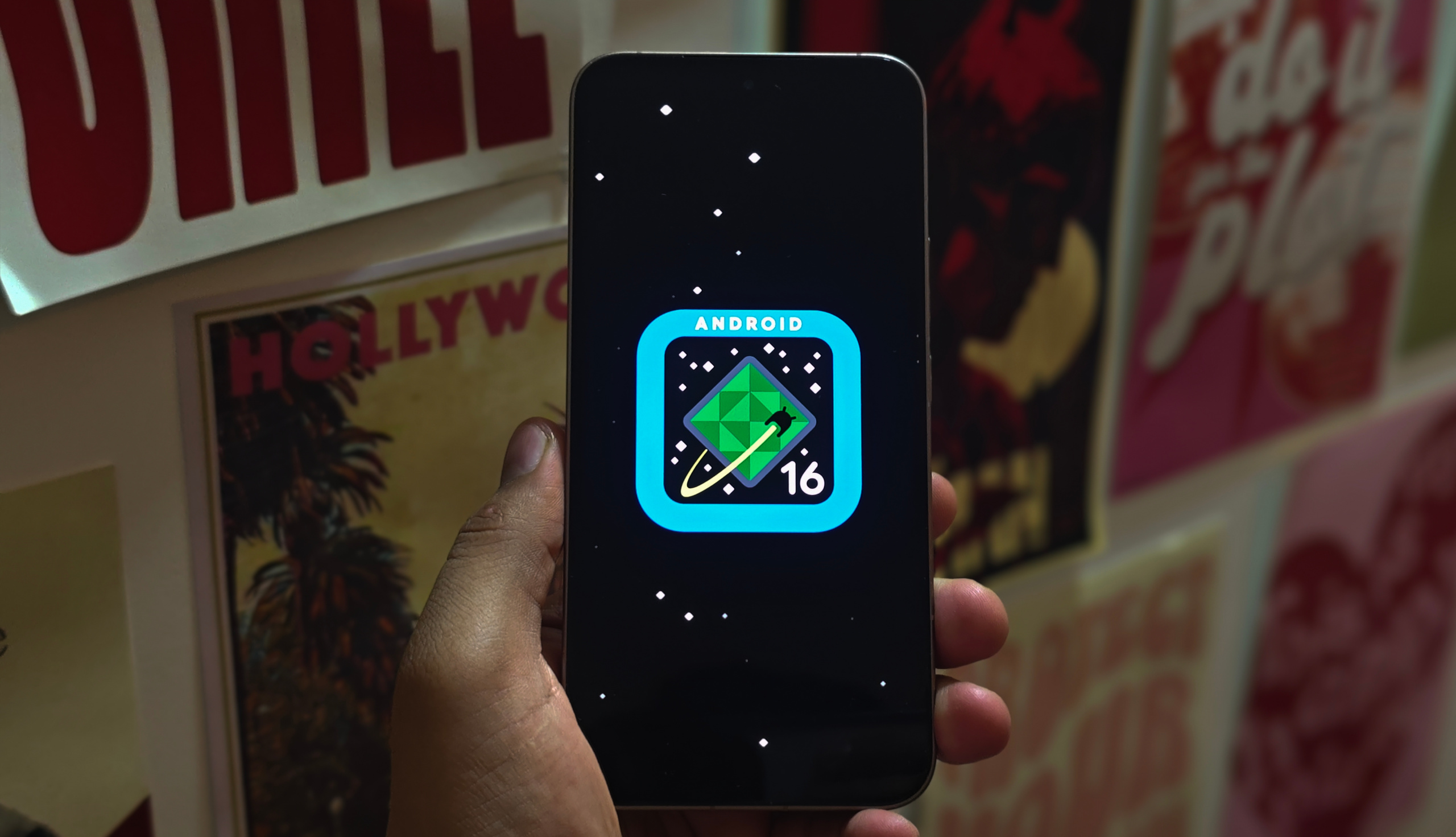
Android is undergoing a significant transformation, with Google prioritising AI services and subscription-based models over the operating system itself. This shift is evident in the latest Google I/O announcements, which focused on AI-powered features such as Gemini, AI agents, and cloud-based intelligence. The Samsung Galaxy S25 and other Android devices are now mere vessels for these AI-driven services.
The most notable features showcased by Google are no longer native to the Android operating system but rather require a monthly subscription. Daily Brief, Gemini Spark, and Information Agents are just a few examples of these subscription-based services, which start at £4.49 per month. The Apple Watch Series 10 and iPad Air M2, on the other hand, offer more integrated experiences without the need for separate subscriptions.
Restrictive Ecosystem
Google‘s push for developer registration outside the Play Store has raised concerns about the future of sideloading, alternative app stores, and open-source software distribution. This move towards a more tightly managed ecosystem is reminiscent of iOS, which may appeal to some users but limits the flexibility and customisation options that Android is known for. The OnePlus 11 and other Android devices may soon find themselves constrained by these new restrictions.
Google‘s argument for increased control is rooted in security concerns, but this approach may ultimately stifle innovation and limit consumer choice. The company’s emphasis on AI subscriptions and restricted app distribution paths marks a significant departure from the open, user-controlled platform that made Android successful in the first place.
Conclusion
As Android continues to evolve, it’s clear that the operating system is no longer Google’s primary focus. The company’s AI ambitions and subscription-based models are driving the direction of the platform, which may leave some users feeling like they’re losing control over their devices. The Huawei P60 and other Android smartphones will likely be affected by these changes, making it essential for consumers to stay informed about the evolving Android landscape.