Amazon Alexa Tablets Replace Fire Lineup With Major Updates
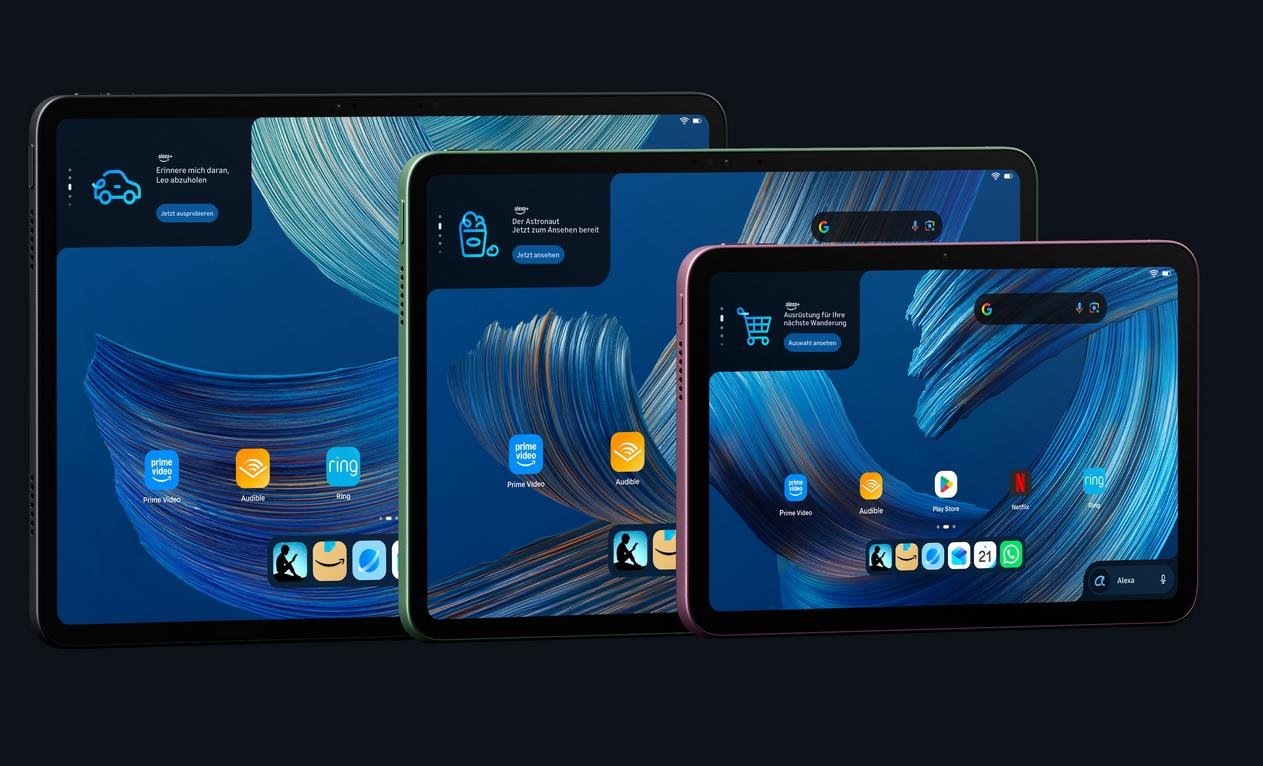
Amazon Rebrands Fire Tablets as Alexa Tablets
Amazon has officially renamed its Fire tablet lineup to Alexa tablets, marking a significant shift in the company’s strategy for its affordable tablet portfolio. The rebrand reflects deeper integration with Amazon’s voice assistant and signals new capabilities across the range. We have spent hands-on time with the latest models including the Amazon Fire HD 8, Amazon Fire HD 10, and the premium Amazon Fire Max 11 to understand what changes for both longtime customers and first-time buyers.
What the Name Change Means for Users
The transition from Fire to Alexa branding is more than cosmetic. Each device now ships with enhanced Alexa voice controls built directly into the operating system. Users can navigate menus, launch apps, control smart home devices, and query information without touching the screen. The Amazon Fire HD 8 (2024 release) demonstrates this with a dedicated Alexa button on the case accessory, while the Amazon Fire Max 11 supports hands-free voice activation even when the display is off. This move aligns the tablet experience with Amazon Echo Show devices, creating a more unified ecosystem.
Hardware Improvements Across the Lineup
Beyond the rebrand, Amazon has upgraded internals on several models. The Amazon Fire HD 10 now features an octa-core processor clocked at 2.0 GHz paired with 4 GB of RAM, a noticeable jump from the previous generation’s 3 GB. Storage options start at 64 GB with microSD expansion up to 1 TB. The Amazon Fire Max 11 retains its 11-inch 2000 x 1200 display but adds a faster MediaTek MT8188J chipset and 6 GB of RAM in the top configuration. Battery life remains strong at up to 14 hours of mixed use on the Fire HD 10 and 12 hours on the Fire Max 11 according to our testing.
Software Enhancements and AI Features
Fire OS 8 brings generative AI tools previously reserved for higher-end devices. The Amazon Fire HD 8 includes AI-powered wallpaper generation, text summarization in the Silk browser, and voice-driven photo editing through Alexa. Parents will appreciate updated Amazon Kids+ controls with screen time scheduling by app category. The Amazon Appstore continues to lack Google Play Services, but sideloading remains straightforward for users who need apps like YouTube or Gmail. Security updates are guaranteed for four years from launch across all new Alexa tablets.
Pricing and Value Proposition
Amazon maintains aggressive pricing despite the upgrades. The Amazon Fire HD 8 starts at $99.99, the Amazon Fire HD 10 at $139.99, and the Amazon Fire Max 11 at $229.99. Frequent promotions during Amazon Prime Day and Black Friday often drop these by $30 to $50. For households already invested in Amazon services — Prime Video, Kindle Unlimited, Amazon Music, and Alexa smart home gear — these tablets offer compelling value. However, users seeking a full laptop replacement or professional creative tools should consider an Apple iPad Air M2 or Samsung Galaxy Tab S9 FE instead.
Should You Upgrade or Switch?
Current Fire HD 10 (2021) or Fire HD 8 (2022) owners may not need an immediate upgrade unless hands-free Alexa and AI features are priorities. The performance gains are modest for everyday media consumption. New buyers get a more cohesive experience with the Alexa branding, better voice integration, and longer software support. The Amazon Fire Max 11 stands out as the best productivity option with its optional keyboard case and stylus support, though it still trails the iPad Air M2 in app optimization for tablet layouts. Ultimately, the Alexa tablet rebrand clarifies Amazon’s vision: affordable, voice-first devices that extend the smart home rather than compete with premium slates.