Apple iMac OLED Plans Uncertain After Weak iPad Pro M4 OLED Sales
Apple iMac OLED Future Uncertain Following iPad Pro M4 Sales Disappointment
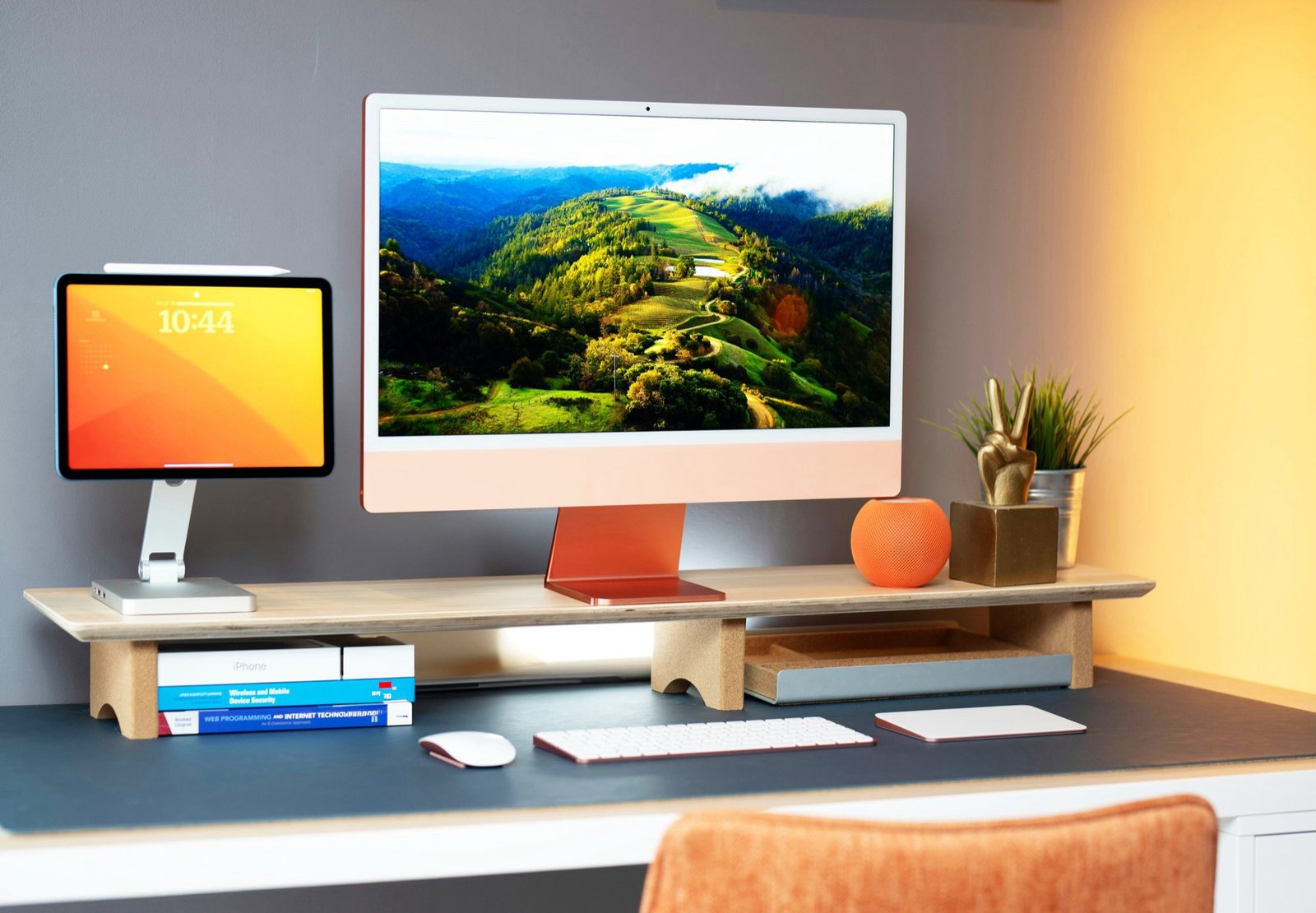
Apple enthusiasts eagerly anticipating an OLED-equipped iMac may need to adjust their expectations as new reports suggest the Cupertino giant is reconsidering its desktop display roadmap. According to supply chain sources cited by Korean publication The Elec, Apple has reportedly decided to at minimum delay the launch of an OLED iMac, and potentially scrap the project entirely following weaker-than-expected sales of the iPad Pro M4 featuring tandem OLED technology.
iPad Pro M4 OLED Sales Fall Short of Internal Targets
The iPad Pro M4, which debuted in May 2024 with a groundbreaking tandem OLED panel marketed as Ultra Retina XDR, represented Apple’s first foray into OLED tablet displays. The device utilizes a two-stack OLED structure developed in partnership with Samsung Display and LG Display, delivering exceptional brightness and contrast while maintaining energy efficiency. However, industry analysts indicate that global shipments of the iPad Pro M4 have fallen significantly below Apple’s internal projections, with the premium pricing strategy — starting at $999 for the 11-inch model and $1,299 for the 13-inch variant — cited as a primary factor limiting mainstream adoption.
Cost Considerations Drive iMac OLED Reevaluation
The tandem OLED technology employed in the iPad Pro M4 carries substantially higher manufacturing costs compared to traditional LCD or mini-LED panels used in current iMac models. The 24-inch iMac M3, released in late 2023, continues to utilize a 4.5K Retina display with 500 nits of sustained brightness. Transitioning the iMac line to tandem OLED would require significant investment in production capacity and would likely push the entry-level price well above the current $1,299 starting point. With iPad Pro M4 sales data suggesting limited consumer willingness to pay premium prices for OLED technology in Apple devices, executives are reportedly questioning the business case for an OLED iMac in the near term.
Competitive Landscape and Alternative Technologies
While Apple reassesses its OLED desktop strategy, competitors continue to advance their own display technologies. Samsung’s ViewFinity S9 27-inch 5K monitor offers a compelling alternative for creative professionals, while the Dell UltraSharp 32 6K monitor targets the high-end market. Meanwhile, Apple’s own Pro Display XDR, though aging, remains a benchmark for reference-grade monitors. Some industry observers speculate that Apple may instead pursue micro-LED technology for future iMac models, which could offer many OLED benefits — including per-pixel illumination and infinite contrast — without the burn-in concerns or organic material degradation associated with OLED panels. The Apple Watch Ultra 2 and Apple Watch Series 9 already utilize LTPO OLED displays, demonstrating Apple’s comfort with the technology in smaller form factors.
Timeline Implications for Apple Desktop Roadmap
If the reports prove accurate, the iMac M3 released in November 2023 may remain the current-generation desktop for longer than the typical 18-24 month update cycle. The Mac mini M4 and Mac Studio M3 Max/M3 Ultra updates expected later in 2024 appear unaffected by this display strategy shift. However, the 27-inch iMac segment — vacant since the Intel-based 27-inch iMac was discontinued in 2022 — may see further delays if Apple had planned an OLED variant to fill that premium positioning. Analysts at TF International Securities, including Ming-Chi Kuo, had previously predicted an OLED iMac arrival in 2025 or 2026, but those timelines now appear increasingly optimistic.
What This Means for Creative Professionals
For photographers, video editors, and designers who have been holding off on desktop upgrades in anticipation of OLED’s superior color accuracy and contrast ratios, the news presents a difficult decision. The current iMac M3 with its P3 wide color gamut and True Tone technology remains highly capable for most creative workflows. Those requiring reference-grade displays might consider pairing a Mac Studio M2 Ultra or the upcoming Mac Studio M3 Ultra with a third-party OLED monitor such as the ASUS ProArt Display 32-inch 4K OLED or the LG UltraFine 32EP950-B. Alternatively, the MacBook Pro M3 Max with its Liquid Retina XDR mini-LED display offers exceptional portable color performance.