Microsoft’s BitLocker Encryption: A Catch-22 for Windows Users’ Privacy
Microsoft’s BitLocker Encryption: A Catch-22 for Windows Users’ Privacy
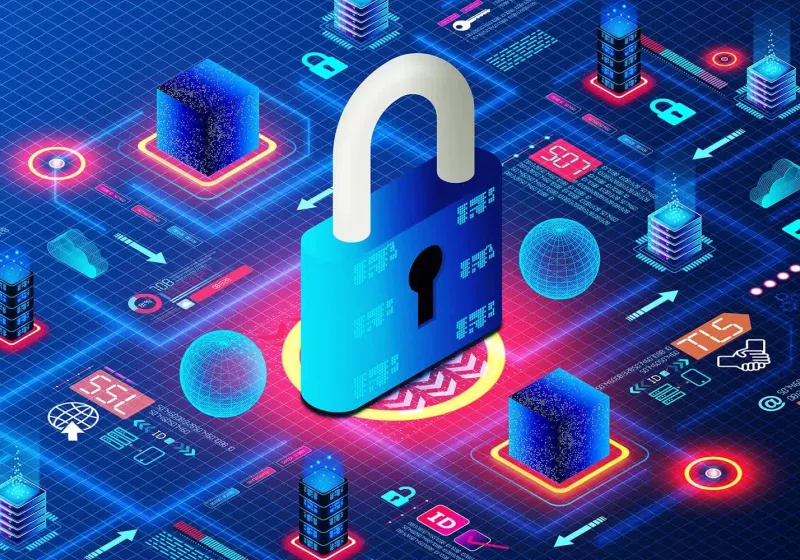
Microsoft’s BitLocker encryption has long been considered a robust security feature for Windows devices. However, a recent revelation suggests that this encryption comes with a significant catch. According to a report by Forbes, Microsoft complied with an FBI request for decryption keys to a suspect’s personal laptops last year.
This development raises concerns about the level of privacy that Windows users can expect. While Microsoft has stated that it cannot fulfill every request for decryption keys, the fact that the company has access to these keys in the first place is a cause for concern. This is particularly pertinent when compared to devices with stricter encryption policies, such as iPhones.
The implications of this are significant, as it suggests that Windows devices may be less private than their competitors. This could have major repercussions for individuals who value their online security and privacy. As the world becomes increasingly digital, the need for robust encryption and secure data storage has never been more pressing.
Furthermore, this highlights the importance of understanding the terms and conditions of using a particular device or service. Users must be aware of the potential risks and limitations of their chosen device, particularly when it comes to sensitive information. In the case of Microsoft’s BitLocker encryption, the fact that the company can access decryption keys is a critical consideration for users.
In light of this, it is essential for Windows users to take a closer look at their device’s security features and consider alternative options. While BitLocker encryption is still a valuable tool, users must be aware of its limitations and potential vulnerabilities. By taking a proactive approach to their online security, individuals can help protect their sensitive information and maintain their privacy in an increasingly digital world.
The debate surrounding encryption and online privacy is complex and multifaceted. As technology continues to evolve, it is crucial that users stay informed about the latest developments and potential risks. By doing so, they can make informed decisions about their online security and take steps to protect their personal data.
Ultimately, the revelation that Microsoft’s BitLocker encryption keys may be stored on the company’s servers serves as a reminder of the importance of online security and privacy. As users, it is our responsibility to stay vigilant and take proactive steps to protect our sensitive information. By doing so, we can help create a safer and more secure online environment for everyone.
As the world becomes increasingly reliant on digital technology, the need for robust encryption and secure data storage will only continue to grow. It is essential that users prioritise their online security and take steps to protect their personal data. By understanding the potential risks and limitations of their device’s security features, individuals can make informed decisions and stay one step ahead of potential threats.
In conclusion, the fact that Microsoft’s BitLocker encryption keys may be stored on the company’s servers is a significant concern for Windows users. While the company’s decision to comply with the FBI’s request may have been necessary, it highlights the importance of understanding the terms and conditions of using a particular device or service. By staying informed and taking proactive steps to protect their online security, users can help maintain their privacy in an increasingly digital world.