
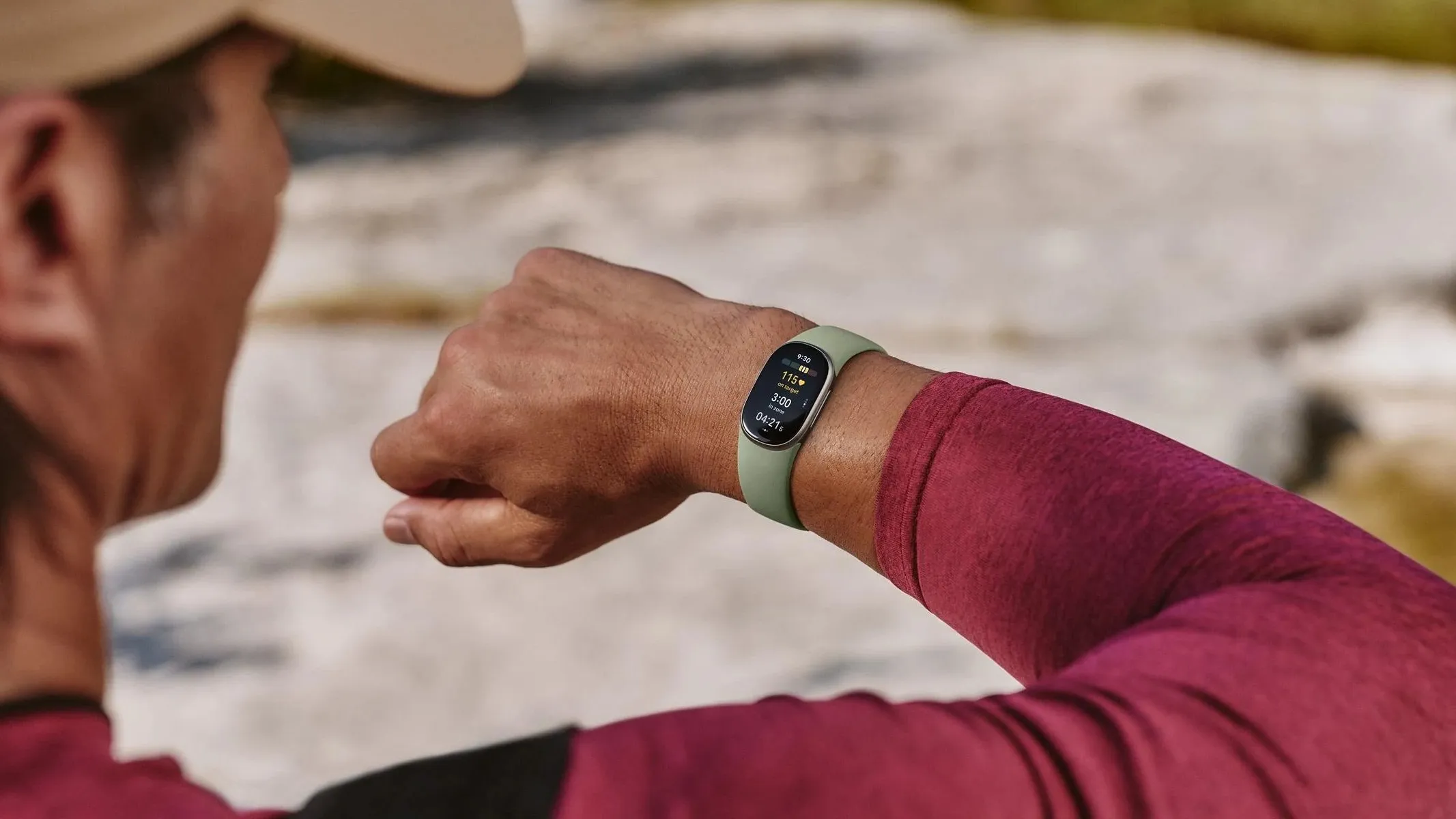
Overview of the Fitbit Edge launch
Google announced the Fitbit Edge this week as the newest addition to its wearable lineup. Although it does not carry the Charge name, the design and price point position it as the spiritual successor to the Fitbit Charge 6. At £159 or $179 the Edge looks more like a Pixel Watch 5 with a slimmer profile and a brighter AMOLED display.
What the Fitbit Edge gets wrong
When comparing the Edge to the Charge 6, three notable omissions stand out. These gaps could be deal‑breakers for users who expect the same level of functionality from a higher‑priced device.
Missing NFC and Google Wallet support
The Fitbit Charge 6 included built‑in NFC, allowing users to make contactless payments with Google Wallet straight from their wrist. The Edge, however, ships without NFC hardware, meaning the convenient tap‑to‑pay feature is unavailable. For anyone accustomed to paying for coffee or transit without pulling out a phone, this regression feels like a step backwards.
No stress‑tracking capabilities
Stress monitoring has become a standard wellness metric on many modern trackers, including the Fitbit Charge 6. The Edge’s specifications and the Google Store description make no mention of any stress‑tracking sensor or algorithm. Users who rely on real‑time stress scores to manage their daily workload may find the Edge lacking.
Google Maps still listed as ‘coming soon’
Another curious omission is the absence of Google Maps at launch. The Edge spec sheet notes that Maps is ‘coming soon’, yet the Charge 6 received full map integration three years ago. Without native navigation, users lose a handy alternative to pulling out a phone in crowded public spaces.
What the Fitbit Edge adds
Despite these gaps, the Edge introduces several upgrades that could appeal to fitness enthusiasts. It carries an IP68 rating in addition to a 5ATM water resistance, making it safe for swimming and even submersion in dust‑filled environments. New health tools include Gemini for fitness, cardio load and target cardio load metrics, real‑time visual guidance during workouts, and live in‑workout metrics displayed on the device and in the Fitbit app.
Additional features such as an altimeter for floors climbed, monthly blood pressure trends, monthly insulin resistance trends (available with a Google Health Premium subscription), a Morning Brief summary, quick replies, and a gyroscope round out the experience. These enhancements aim to position the Edge as a more comprehensive health hub than the older Charge 6.
How it stacks up against competitors
When placed next to rivals like the Apple Watch Series 10 or the Samsung Galaxy S25 smartwatch, the Edge’s lack of NFC and Maps may put it at a disadvantage. Both the Apple Watch Series 10 and Samsung Galaxy S25 offer seamless payment integration and built‑in navigation, features that many consumers now consider essential.
Should you buy the Fitbit Edge?
If NFC payments, stress monitoring, and immediate map access are non‑negotiable for you, the Fitbit Edge may feel like a compromise despite its lower price than some premium smartwatches. However, if you value the new fitness analytics, robust water resistance, and are willing to wait for Maps to roll out, the Edge presents a solid option within Google’s ecosystem.
Ultimately, the decision comes down to which features matter most to your daily routine. The Edge bridges the gap between a basic tracker and a full‑featured smartwatch, but it does so with a few critical pieces still missing.