Apple iPhone Duo aims to outshine Android foldables with optimized apps
Apple sets new standard with iPhone Duo
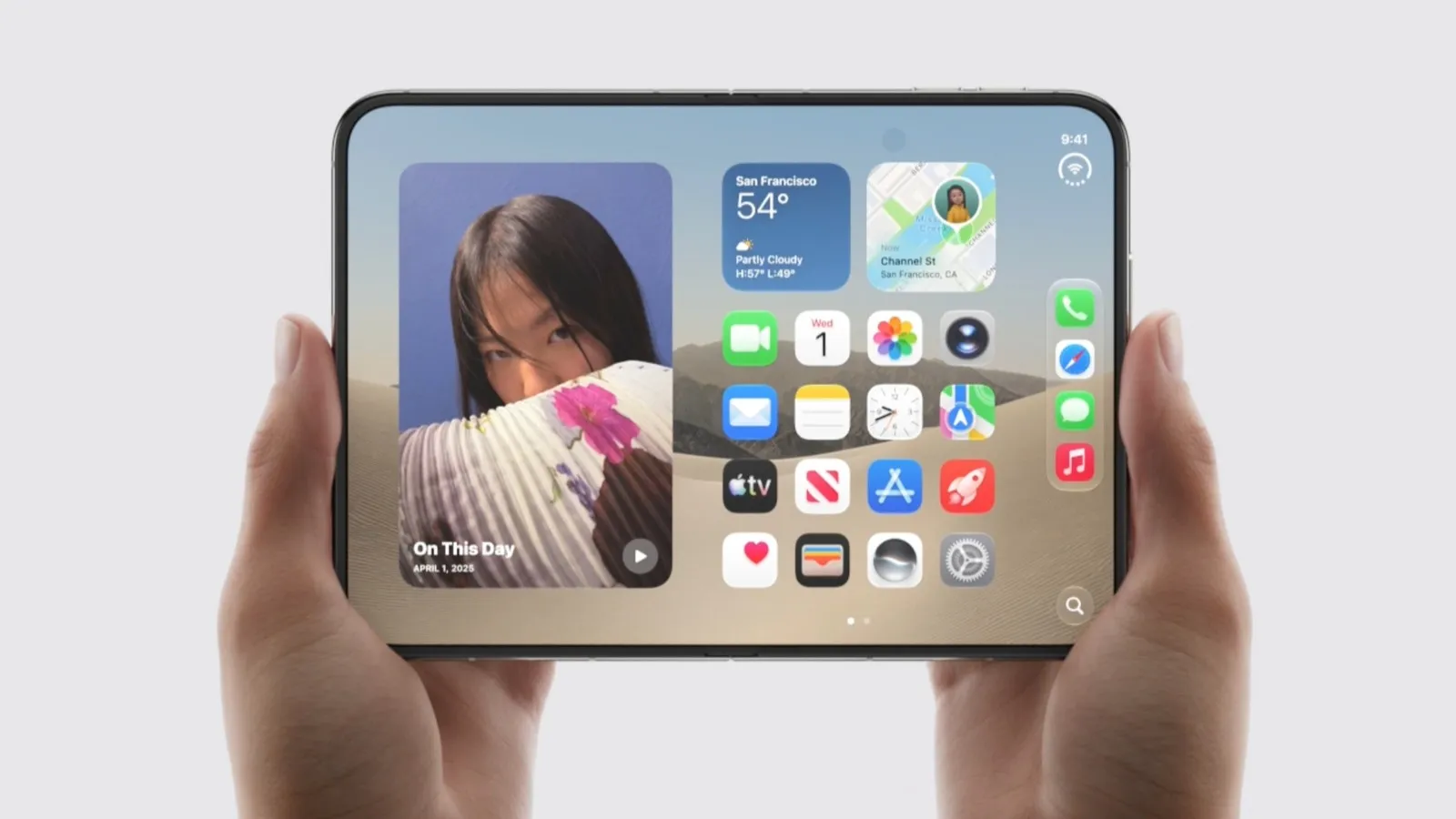
Apple is preparing the iPhone Duo to deliver an iPad‑level experience on a phone‑tablet hybrid. The device will ship on 23 October and will feature a 5.4‑inch cover screen that folds out to a 7.6‑inch internal display. Apple has already published detailed guidance for developers, urging them to adapt their apps for both screens. Optimised apps will receive a special badge in the App Store, signalling that they are built for the Duo’s unique form factor.
Developer incentives and upcoming requirements
Starting in April 2027, every new app submitted for App Store approval must include screenshots of the iPhone Duo. Existing apps are not forced to comply, but the badge system gives a strong incentive to update. By the time the Duo reaches customers, Apple expects a sizable catalog of apps that fully exploit the larger screen, reducing the need for users to rely on scaled‑up phone versions.
Why iPad Mini apps won’t suffice
When the Duo was announced, many compared it to a compact iPhone that opens into an iPad Mini. The 7.6‑inch display is close to the 8.3‑inch iPad Mini released in 2024, but Apple is clear that simple compatibility is not enough. The iPad’s success has always hinged on software polish and a rich selection of apps designed for its screen size. Apple wants the Duo to inherit that advantage, even if not every app is ready at launch.
Android foldables lag behind
Samsung’s Galaxy Z Fold 8 also sports a 7.6‑inch internal panel, yet most third‑party apps feel like enlarged phone versions. The result is wasted screen real estate and a fragmented experience. Convincing developers to create dedicated versions for a relatively small slice of the Android market remains a challenge for Samsung. The Galaxy Z Fold 8 rarely makes full use of its big screen unless users are multitasking, highlighting the gap in optimized software.
Historical context: iPad versus Android tablets
Since the iPad debuted in 2010, it has consistently outperformed Android tablets in terms of dedicated app selection. iPadOS, especially on devices like the iPad Air M2, offers a suite of third‑party apps that feel tailor‑made for larger displays. Android tablets, even premium models such as the Samsung Galaxy Tab S12 Ultra, often rely on scaled‑up phone apps, leading to a clunky experience. The gap has narrowed, but the iPhone Duo aims to re‑establish Apple’s dominance in the hybrid segment.
Looking ahead
The iPhone Duo will be more expensive than most Android foldables, but Apple is betting on a superior app ecosystem to justify the price. If the badge program and mandatory screenshot rule succeed, developers will have a clear roadmap to deliver high‑quality, dual‑screen experiences. In that scenario, the Duo could become the benchmark for future passport‑style foldables, forcing competitors like Samsung to rethink their software strategies.
Conclusion
Apple’s aggressive push for optimized apps positions the iPhone Duo to challenge the Galaxy Z Fold 8 and other Android tablets. By leveraging its reputation for polished software and a robust App Store, Apple hopes to give the Duo the best possible chance of becoming the ultimate phone‑tablet hybrid.