Top Fitness Trackers for 2026: Affordable Wearables with Advanced Health Features
Overview of 2026 fitness trackers
The market for fitness trackers has exploded, offering everything from ultra‑cheap bands to feature‑rich wearables. Today you can choose a device that fits your budget, style and training goals without paying smartwatch prices. Our team tested each model in real‑world conditions, so you can trust the recommendations.
Huawei Band 11 Pro review
The Huawei Band 11 Pro adds GPS to the affordable Band 11, letting you track outdoor runs without a phone. Its aluminium frame is sturdy and the device is water‑resistant to 50 metres. The 1.62‑inch AMOLED screen stays bright in sunlight and the battery lasts up to 14 days on a single charge. Ideal for entry‑level runners who need basic GPS.
Xiaomi Smart Band 10 review
Xiaomi’s Smart Band 10 feels premium thanks to an aluminium or ceramic case and a 1.72‑inch AMOLED display. A nine‑axis sensor improves swim tracking and heart‑rate accuracy, while the battery provides up to 21 days of use. It’s a solid choice for anyone wanting comprehensive health data at a reasonable price.
Fitbit Air review
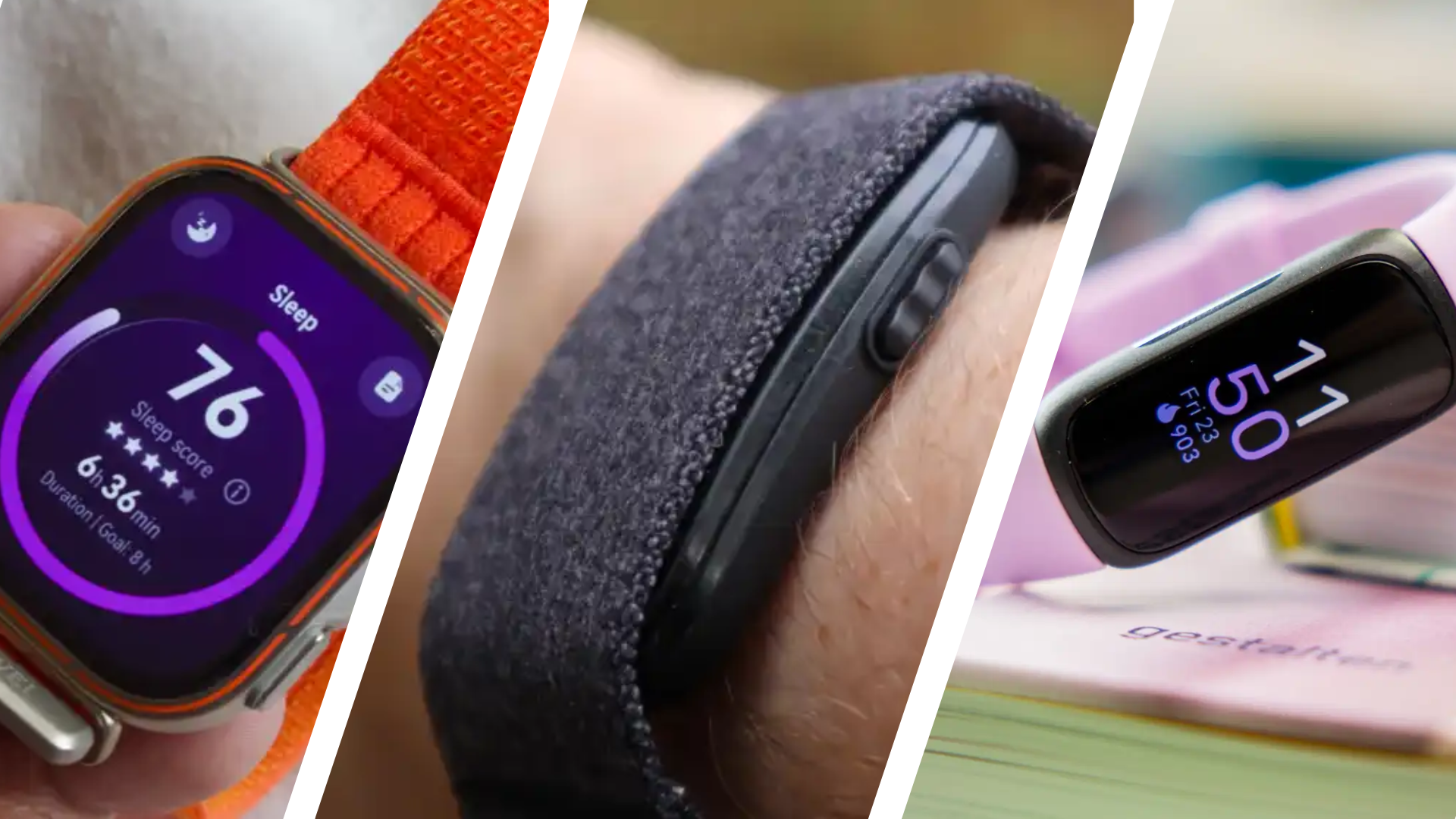
The screenless Fitbit Air focuses on heart‑rate monitoring, sleep analysis and atrial‑fibrillation detection. It pairs with the Google Health app, which includes an AI‑driven Health Coach that suggests workouts and recovery tips. A subscription to Google Health Premium unlocks the coach, but three months are free with the device.
Huawei Watch Fit 5 Pro review
The Watch Fit 5 Pro upgrades the standard Fit 5 with a brighter 1.92‑inch display capable of 3000 nits and a more robust build. Mini‑workouts appear on‑screen with animated guidance, and the device offers solid sleep tracking. While it lacks dual‑band GPS, it remains a strong contender for gym‑goers and casual runners.
Garmin Cirqa review
Garmin’s Cirqa provides a distraction‑free experience similar to the Whoop Strap, but without a mandatory subscription. It records detailed run metrics in the Garmin Connect app and features a single button for quick workout start‑stop. The learning curve of the app is steeper, yet the data depth is impressive for the price.
Fitbit Charge 6 review
The Charge 6 builds on its predecessor with Google Maps, Google Pay and YouTube Music integration, blurring the line between tracker and smartwatch. It supports over 40 workout types, offers a colour display and a week‑long battery life. GPS can be unreliable at times, and some advanced features require a Google Health Premium subscription.
Amazfit Bip 6 review
The Bip 6 upgrades to a 1.97‑inch AMOLED screen and adds Bluetooth call capability, transport card storage and an AI assistant. Built‑in GPS tracks outdoor runs, and the battery lasts up to 14 days. It’s an excellent option for users who value a large, vibrant screen on a budget.
Withings ScanWatch Light review
The ScanWatch Light blends a classic analogue dial with a tiny 0.63‑inch monochrome display. It tracks over 40 activities, offers solid sleep monitoring and can run for up to two weeks on a charge. Lack of temperature, ECG and blood‑oxygen sensors keeps the price low, but the small display limits notification readability.
Fitbit Inspire 3 review
The Inspire 3 is Fitbit’s most affordable current model, delivering 10‑day battery life, 24/7 heart‑rate monitoring and SpO2 tracking. No built‑in GPS means you’ll need a phone for route data, and full feature access still depends on a Google Health Premium subscription.
Garmin Lily 2 review
The Lily 2 targets style‑conscious users with a lightweight design and a range of health metrics, including Body Battery and stress tracking. It lacks GPS and its sleep tracking could improve, but it pairs well with everyday fashion and the Garmin ecosystem.
Choosing the right tracker
Consider what matters most: GPS for outdoor runs, battery life for all‑day wear, or advanced health insights like stress and sleep scores. If you need a full smartwatch experience, devices such as the Samsung Galaxy S25 or Apple Watch Series 10 provide extensive app ecosystems, but they come at a higher price. For a pure fitness focus, the trackers above deliver excellent value.
How trackers compare to other wearables
While the iPad Air M2 offers powerful computing, it cannot replace a wrist‑worn health monitor. Instead, think of a fitness tracker as a dedicated sensor that feeds data to your phone or tablet, complementing larger devices like the Samsung Galaxy S25 or Apple Watch Series 10.