Google Home Speaker Review: First 24‑Hour Impressions for UK Users
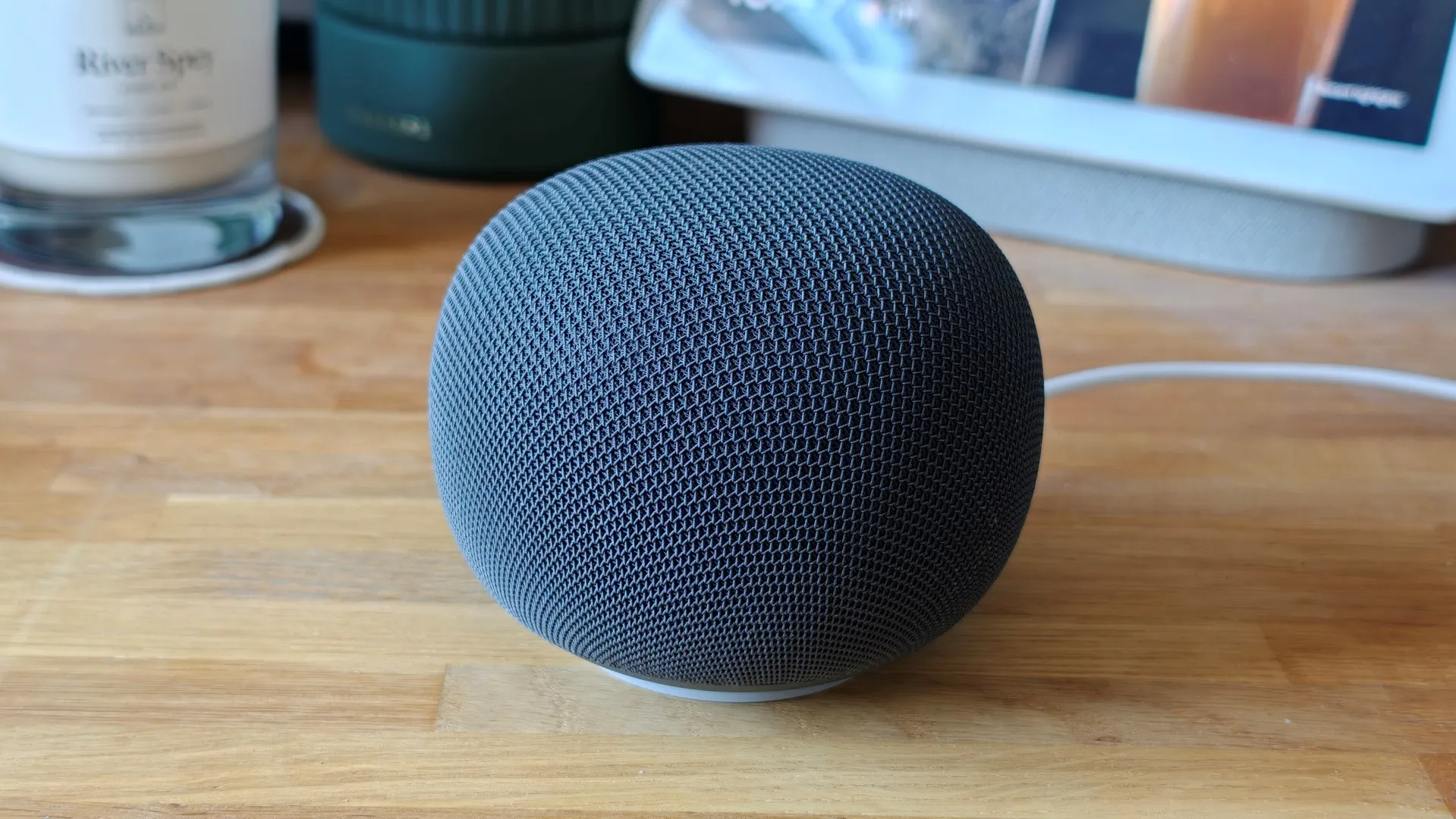
Google Home Speaker: 24‑Hour UK First Impressions
The Google Home Speaker finally arrived in the UK after a nine‑month delay, and I’ve been running music through it while typing this review. I’ve only had it for a day, so this isn’t a full‑blown verdict, but the early impressions are worth sharing.
Out of the box the device feels exactly as I expected: a slightly squashed orb wrapped in a mesh fabric that fits comfortably in the palm. The fabric is made from 37 % recycled material and has a subtle stretch, giving it a satisfying tactile quality. In terms of size it sits neatly between the discontinued Nest Mini and Nest Audio, making it a handy middle ground. Visually it does remind you of an upside‑down, flattened Apple HomePod Mini, especially in the Hazel colour I received – which most UK shoppers will simply call “black”. The only other UK colour is Porcelain, a creamy white; the US‑only Berry and Jade shades are not yet available here.
Google has introduced a colourful ring light around the base that now serves as the primary visual cue for interaction. It glows when the speaker is awake, listening, processing, or changing volume. I like the effect, though its visibility can be limited if the speaker is placed behind furniture. Touch controls are still present – tap the top to play or pause, and the sides to adjust volume – but because the orb is perfectly symmetrical the exact spots aren’t immediately obvious, so a short learning curve is inevitable. One gripe from long‑time users is the fixed power cable; unlike previous Nest models you can’t swap it out if it gets damaged. The cable terminates in a USB‑C connector and the box includes a 30 W adapter, which can double‑up as a phone charger if needed.
When it comes to sound, the Google Home Speaker punches well above its weight. I tested a range of music genres and podcasts, and the audio is clear, rich and surprisingly room‑filling for such a compact device. The Nest Mini never satisfied me for music, and the Nest Audio, while powerful, was a larger, pricier unit with a tweeter that this speaker lacks. In a small to medium room I’ve found I never need to crank the volume to 100 %; the Google Home app even lets you fine‑tune bass and treble to suit your taste.
If you own more than one, you can pair two Home Speakers for stereo sound, and they can be linked to a Google TV Streamer for spatial surround‑sound audio. This flexibility adds value for users looking to build a fuller home‑audio setup without investing in a full‑size soundbar.
The real game‑changer is Gemini for Home, the next‑generation AI that sits at the heart of the speaker. Gemini promises a more conversational experience than the classic Google Assistant, allowing you to speak naturally without memorising exact commands, and even correct yourself mid‑sentence. Early tests show it handling basic queries smoothly, but the deeper, context‑aware features are gated behind a Google Home Premium subscription. A six‑month trial comes with the speaker, after which the Standard plan costs £8 per month (£80 annually) and the Advanced tier £16 per month (£160 annually) for extra perks like 60‑day video history and detailed daily summaries.
It’s worth noting that Google has retrofitted Gemini for Home across its existing lineup – Nest Audio, Nest Mini (2nd Gen), Nest Hub Max and Nest Hub (2nd Gen) all receive the upgraded AI, with some supporting the full Gemini Live experience. This means you might not need to replace your current devices unless you specifically want the new form factor or the bundled trial.
In summary, the Google Home Speaker is available now from the Google store for £99.99. For UK households that already have a few Nest devices, it may feel like a nice aesthetic addition with solid sound and a glimpse of future AI, but the subscription costs could be a deterrent for those only after basic smart‑speaker functionality.