
Introduction
The recent launch of the Fitbit Edge marks the first time Fitbit has offered a screen‑based tracker that feels like a stripped‑down Pixel Watch. While the device fills a niche between the screenless Fitbit Air and the premium Pixel Watch 5, it also highlights a missing piece in Google’s wearable strategy – a truly affordable Pixel Watch A series.
Design and Aesthetic Choices
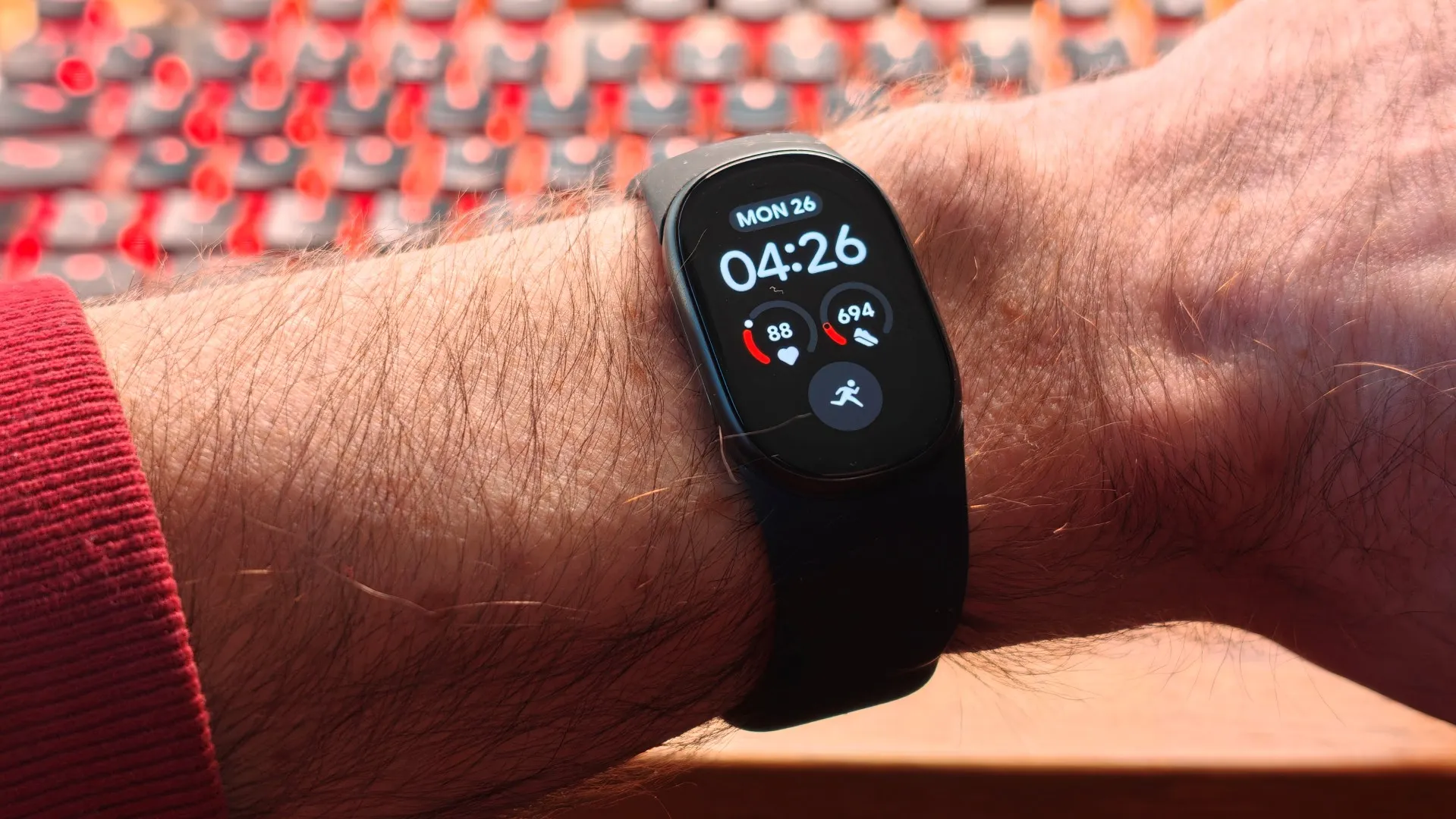
Visually, the Fitbit Edge borrows heavily from the Pixel Watch 5. Its rounded case is slimmer, and the band‑style strap gives it a sportier silhouette. Google even released it in Pixel 11 Pro matching colours, reinforcing the brand connection. For users accustomed to the sleek look of the Samsung Galaxy S25 or the modern finish of the Apple Watch Series 10, the Edge feels familiar yet less bulky.
User Interface Parallels
The software experience mirrors Wear OS on the Pixel Watch 5. Swiping down reveals quick settings, a sideways swipe scrolls through tiles, and an upward swipe opens notifications. This consistency means that anyone who has used an iPad Air M2 for productivity or a Pixel phone for daily tasks will find the navigation intuitive.
Feature Gaps Compared to Pixel Watch 5
Despite the UI similarities, the Edge lacks several flagship capabilities. Gemini Intelligence, Satellite SOS, loss‑of‑pulse detection, and NFC payments are absent. These omissions are understandable for a budget device, but they also underline why a mid‑tier Pixel Watch A could thrive by offering a selective mix of these features without the full price tag of the Pixel Watch 5.
Battery Life Considerations
One of the Edge’s strongest selling points is its battery endurance. Because it does not run full Wear OS, it can last up to a week on a single charge. In contrast, the Pixel Watch 5 typically requires daily charging, and even the older Pixel Watch 4 struggles to exceed two days. A hypothetical Pixel Watch A, built on a simpler hardware platform, could potentially match the Edge’s week‑long battery while adding a few premium features.
Pricing Landscape in 2026
Hardware improvements have plateaued in 2026, yet prices for wearables continue to climb. Buying a previous‑generation Pixel Watch 4 may seem like a cost‑effective compromise, but it is already a year into its software support cycle. Consumers looking for a balance of price, performance, and longevity would benefit more from a dedicated budget model that receives longer updates.
Why Google Needs a Pixel Watch A
The success of the A‑series philosophy in phones and earbuds—think of the affordable Samsung Galaxy S25 variants or the Apple Watch SE—demonstrates market demand for lower‑priced yet capable devices. A Pixel Watch A could adopt the Edge’s design language, extend battery life, and selectively integrate features like NFC and basic health monitoring. This would close the gap between the Edge and the flagship Pixel Watch 5, offering a compelling option for fitness enthusiasts and casual users alike.
Conclusion
In summary, the Fitbit Edge is a well‑executed bridge product that showcases what a budget‑friendly Google smartwatch could look like. Its design, UI familiarity, and impressive battery life make it a strong contender for many users. However, the absence of key features and the lack of a true Google‑branded budget model leave a noticeable void. Until Google releases a Pixel Watch A that blends the Edge’s strengths with essential smartwatch capabilities, the Edge will remain the closest approximation of that ideal.