
Fitbit Edge versus Fitbit Charge 6: What’s Missing?
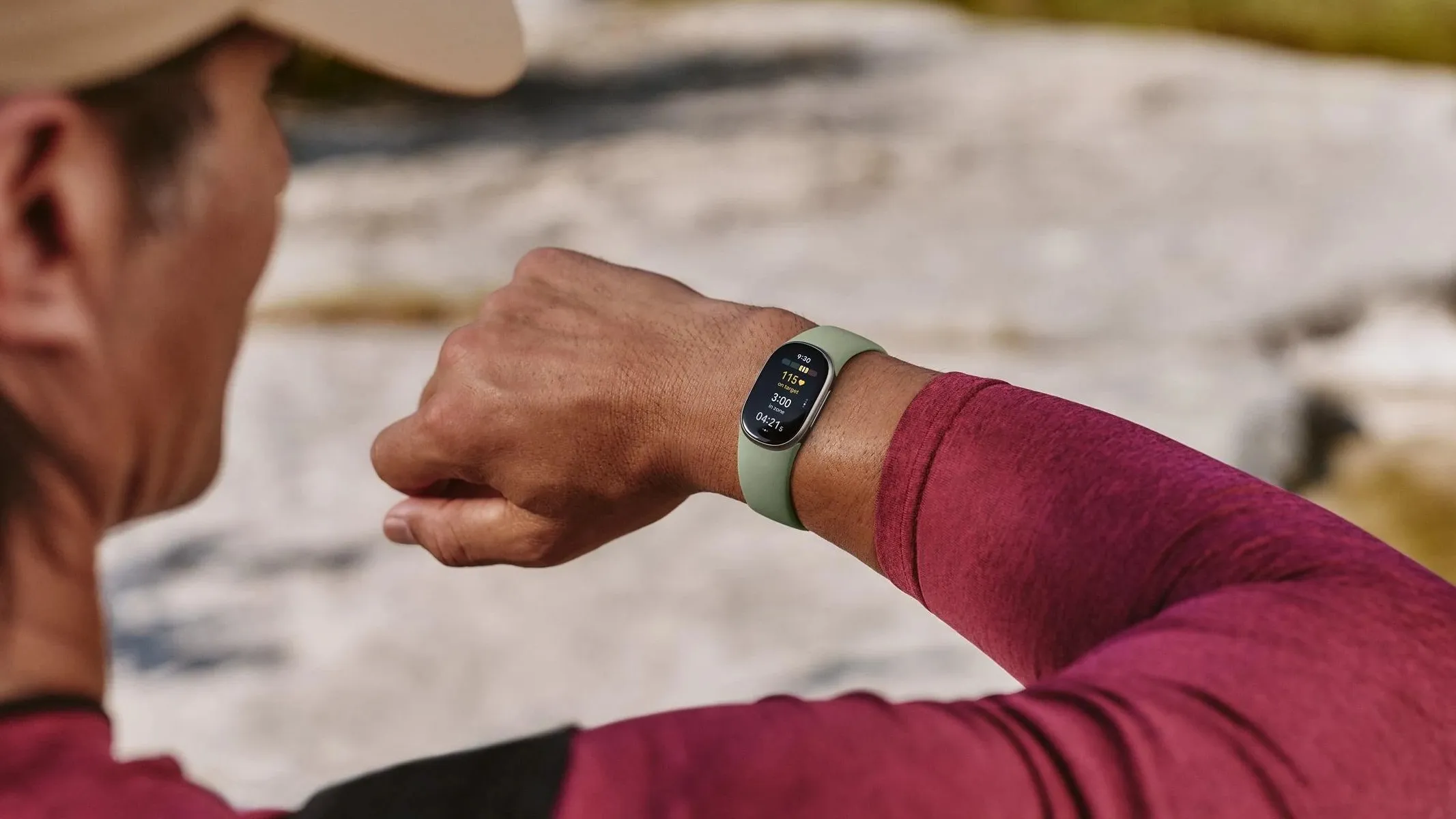
The Fitbit Edge has finally been announced as Google’s newest fitness tracker, positioned as the spiritual successor to the Fitbit Charge 6. While the design echoes the sleek lines of the Pixel Watch 5 and the price tag sits at £159/$179, the Edge does not simply copy the Charge 6 – it drops several features that many users consider essential.
Missing NFC and Google Wallet support
One of the most noticeable omissions is NFC. The Fitbit Charge 6 offered built‑in NFC, allowing users to make contactless payments with Google Wallet straight from their wrist. The Edge, however, arrives without this capability, meaning you cannot tap to pay at stores or transit gates. For anyone who has grown accustomed to the convenience of wrist‑based payments, this is a clear step back, especially given the higher price point.
No stress‑tracking functionality
Stress monitoring has become a standard wellness metric on many wearables, from the Apple Watch Series 10 to the Samsung Galaxy S25’s companion app. The Charge 6 includes continuous stress tracking, but the Edge’s specifications make no mention of such a feature. If you rely on real‑time stress scores to guide breathing exercises or mindfulness breaks, the Edge may feel incomplete.
Google Maps not yet available
Another temporary but puzzling gap is the absence of Google Maps. The Edge spec sheet lists Maps as ‘coming soon’, yet the Charge 6 launched three years ago with full map integration. Without Maps, the Edge cannot provide turn‑by‑turn navigation or location‑based reminders directly on the device, forcing users to pull out their phone for basic directions.
What the Edge does bring
Despite these drawbacks, the Fitbit Edge introduces several upgrades that may sway buyers. It features a replaceable battery, an IP68 water‑resistance rating plus 5ATM depth rating, and new health metrics such as cardio load, target cardio load, and real‑time visual guidance during workouts. Additional tools include monthly blood pressure trends, insulin resistance trends (available with a Google Health Premium subscription), and a Morning Brief that summarises sleep, activity and readiness scores.
The device also supports quick replies, a gyroscope for advanced motion tracking, and live in‑workout metrics both on the watch and in the Fitbit app. For fitness enthusiasts who value detailed cardio data and a robust set of health insights, the Edge offers a compelling package.
Should you choose the Edge?
If NFC, stress monitoring and immediate Maps access are deal‑breakers, you might prefer to stick with the Fitbit Charge 6 or look at alternatives like the Apple Watch Series 10, which includes NFC, stress tracking and built‑in Maps. However, if you are attracted to the Edge’s new health dashboards, replaceable battery and the sleek Pixel Watch 5 aesthetic, the device still represents a solid upgrade over older Fitbit models.
Ultimately, the decision comes down to which features you value most. The Fitbit Edge fills many gaps left by its predecessor, but the missing staples may be enough for some users to wait for a future firmware update or consider a different brand.