
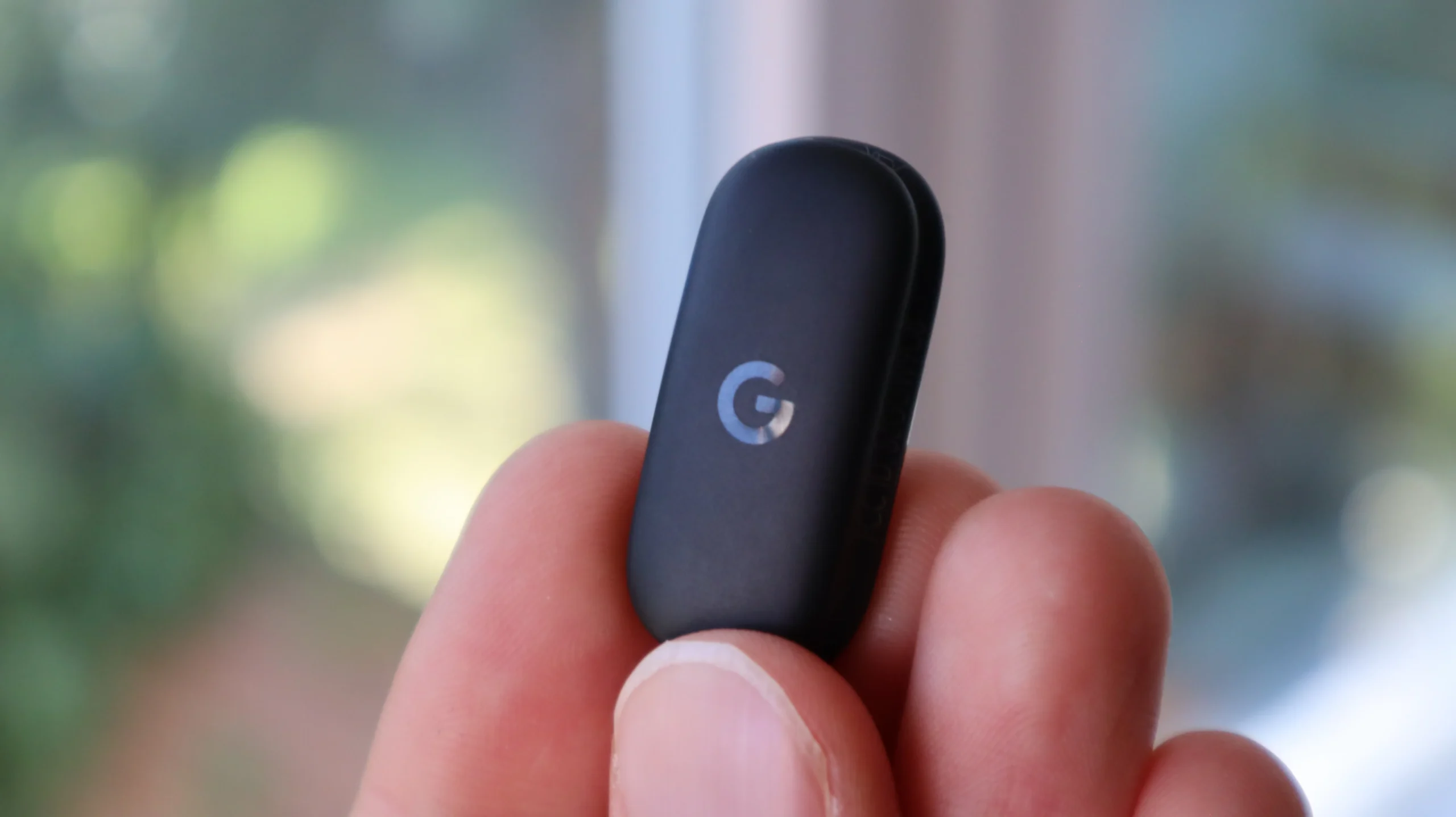
What’s New with the Fitbit Air
The latest software refresh transforms the screenless Fitbit Air from a basic step counter into a premium health companion. Google rolled out the update alongside the brand‑new Fitbit Edge, adding a suite of features that aim to put the Air on par with rivals such as the Apple Watch Series 10 and Samsung Galaxy Watch 6.
Health Guardian and Monthly Insights
The headline addition is Health Guardian, a collection of analytics tools that surface long‑term trends in activity, sleep, and heart health. Subscribers to Google Health Premium receive a personalized report at the beginning of each month, outlining lifestyle tweaks that could help them meet their fitness goals. The report works much like the Health Report found on the Whoop Strap, giving users actionable guidance rather than just raw numbers.
Expanded Workout Detection
Previously the Air could automatically recognise ten different exercise types. The new firmware expands that list to one hundred distinct workouts, from rowing and kettlebell swings to yoga flows and high‑intensity interval sessions. Google says the detection algorithm now uses contextual reasoning from the Google Health app, making it roughly twice as accurate as before.
New Third‑Party Integrations
Beyond Google’s own ecosystem, the Air now syncs with popular third‑party services. Users can link Flo Health for menstrual cycle tracking, connect MyFitnessPal to log meals and nutrition, and in the United States pair the device with Abbott’s Lingo platform for continuous blood‑glucose monitoring. These additions broaden the Air’s appeal for health‑focused consumers who already rely on apps like Strava or Garmin Connect.
Fashion Upgrade with Metal Mesh Band
To reinforce the premium positioning, Google introduced a stainless‑steel mesh band that gives the Fitbit Air a more luxurious look. The band is interchangeable, allowing owners to swap between classic silicone straps and the new metal option depending on the occasion. The design cue mirrors the sleek aesthetics of the Apple Watch Series 10 titanium case and the Garmin Venu 3 sapphire bezel.
Transition to Google Health App
One downside of the update is the retirement of the classic Fitbit app. Attempting to open the old app now prompts users to download the Google Health app instead. While the move consolidates data under a single Google‑branded platform, it also marks the end of an era for the software that helped establish Fitbit as a household name.
What This Means for Fitbit Fans
Overall, the refresh positions the Fitbit Air as a more capable and stylish alternative to other entry‑level wearables. The addition of Health Guardian, expanded workout detection, and broader app compatibility brings the Air closer to the feature set of the Fitbit Charge 6 and even the mid‑range Apple Watch SE. However, the loss of the legacy Fitbit app may disappoint long‑time users who prefer its simple interface.
Consumers interested in a discreet, screenless tracker that now offers deep health insights should consider the updated Fitbit Air alongside competitors such as the Samsung Galaxy Watch 6 Classic or the Garmin Venu 3. With its new metal mesh band and monthly health reports, the Air aims to blend fashion and function in a way that appeals to both fitness enthusiasts and style‑conscious shoppers.
Comparison with Other Wearables
When stacked against the Apple Watch Series 10, the Fitbit Air lacks a display but makes up for it with longer battery life and a lower price point. The Samsung Galaxy Watch 6 offers a full‑color screen and advanced ECG features, yet its battery typically lasts only a day. The Garmin Venu 3 provides robust GPS tracking and solar charging, but its bulkier design may not suit users who prefer a minimalist look. The refreshed Fitbit Air occupies a niche where users want detailed health analytics without the distraction of a constant screen.