
Suunto steps into screenless tracking
Finnish outdoor brand Suunto, known for premium running watches such as the Suunto 9 and Suunto 5 Peak, appears ready to launch its first screenless fitness tracker. Regulatory filings in Singapore, Russia and the United Arab Emirates list a new device under the code HR264, described simply as a heart rate monitor. If the certification process proceeds as expected, the product could reach consumers before the end of the calendar year, giving Google and other major players a fresh challenger in the growing screenless segment.
Design and specs of the HR264
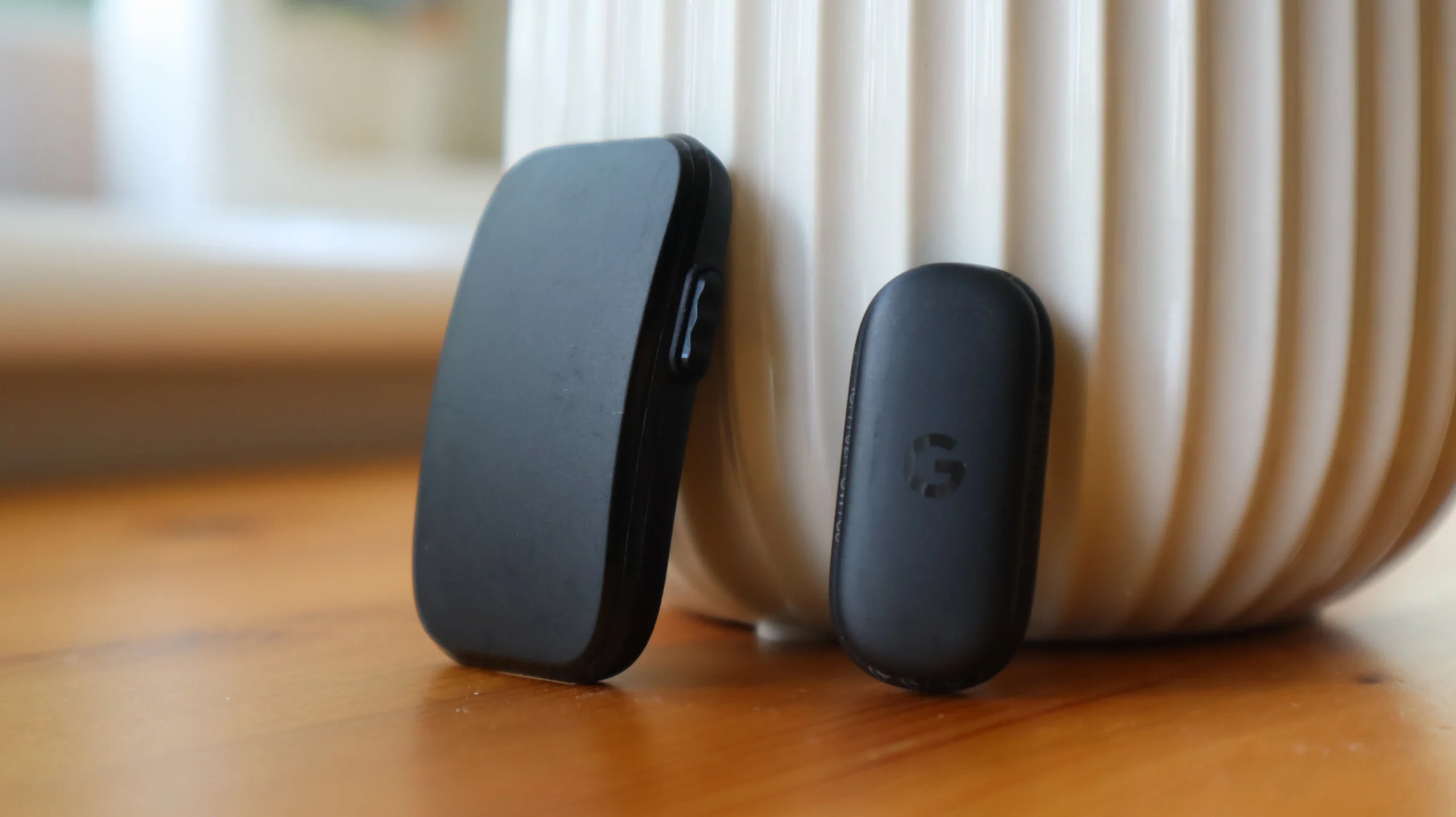
The leaked images show a compact rectangular module with two side loops for interchangeable bands. One band is matte black while the other is a light grey reminiscent of the Garmin Cirqa French Grey edition. The back of the unit features a four‑prong charging connector that mirrors the one used on the Suunto 9, suggesting a shared battery architecture. Although exact dimensions are not disclosed, the form factor is clearly smaller than the Fitbit Air and appears designed for continuous wear during sleep, workouts and everyday activities.
How it compares to Fitbit Air and other competitors
When the Fitbit Air entered the market it set a benchmark for low‑cost, screenless tracking at a launch price of £84.99 or $99.99. Suunto’s HR264 is likely to compete on accuracy and durability rather than price alone. Suunto’s reputation for precise heart‑rate algorithms in the Suunto 7 and Suunto 9 could translate into more reliable data than the Fitbit Air, which relies on a basic optical sensor. Compared with the Garmin Vivosmart 5, which adds a small OLED display, the HR264 remains truly screenless, offering a longer battery life that could exceed two weeks on a single charge.
For consumers who still want a display, options such as the Apple Watch Series 10 or Samsung Galaxy Watch 6 provide full smartwatch functionality but at a significantly higher price point. The upcoming Fitbit Edge, positioned as a spiritual successor to the Fitbit Charge 6, offers a modest screen and additional features like built‑in GPS, but it still falls short of the pure minimalist appeal of a screenless device.
Pricing and availability outlook
Suunto has traditionally kept its watch ecosystem subscription‑free, and early indications suggest the HR264 will follow the same model. This means core tracking features are unlikely to be locked behind a monthly fee. Whether the final retail price will undercut the Fitbit Air remains uncertain, but the brand’s focus on premium build quality could justify a modest premium. Retail channels are expected to include Suunto’s own online store, as well as major sporting goods retailers in Europe and Asia.
What this means for the market
The introduction of a screenless tracker from a company renowned for high‑end sports watches could shift consumer expectations. If Suunto delivers a device that matches the accuracy of its flagship watches while maintaining a sleek, unobtrusive design, it may force competitors like Garmin, Fitbit and even Google to accelerate their own low‑profile offerings. The HR264 could also revive interest in the niche of screenless wearables, a segment that has seen limited growth since the original Fitbit Air debut.
Overall, the upcoming Suunto HR264 promises to be a serious contender in the screenless fitness tracker arena, offering a blend of proven sensor technology, robust construction and a brand heritage that appeals to serious athletes and casual users alike.