
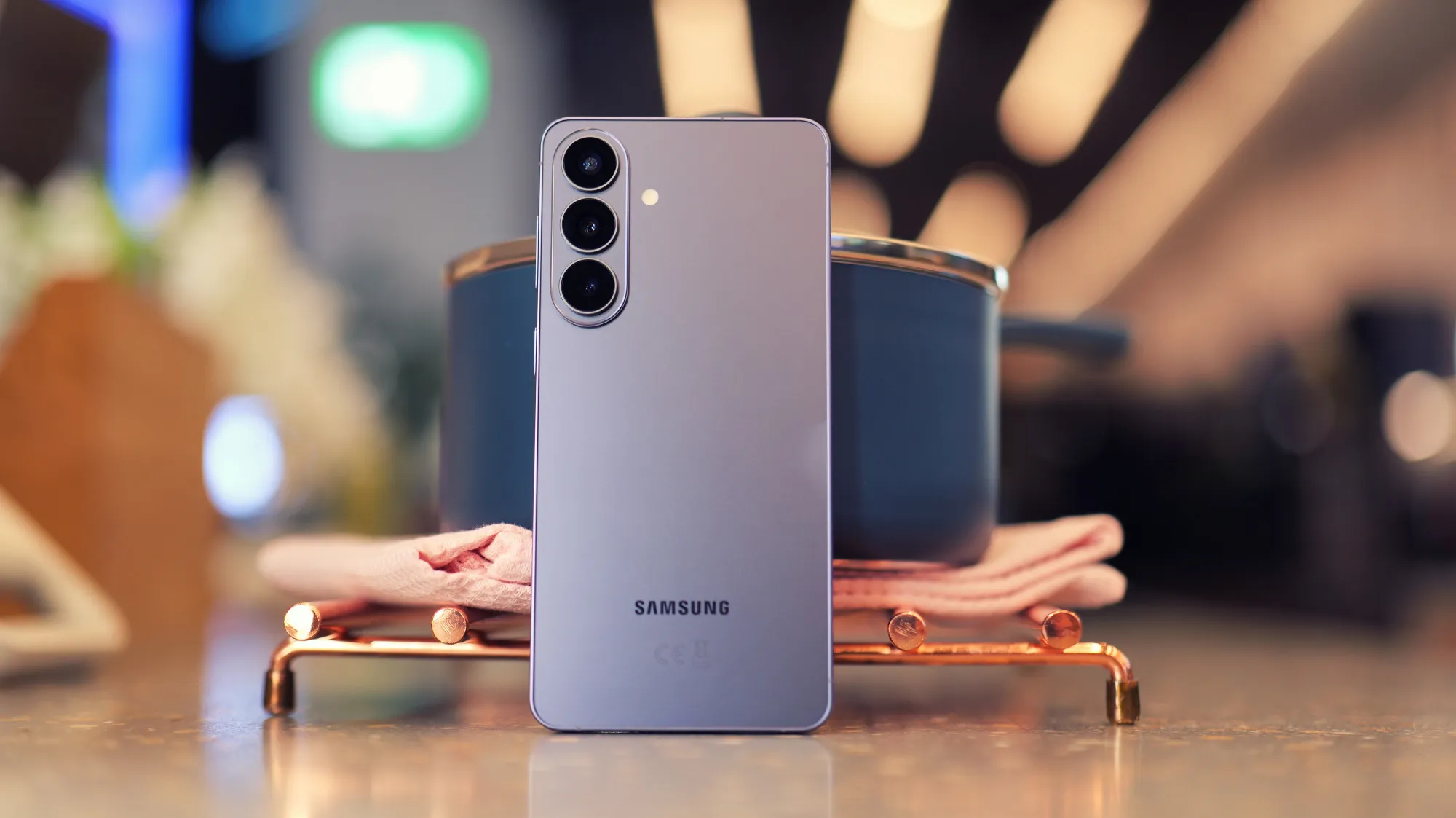
Samsung Galaxy S27 Series Certification Raises New Questions
Recent leaks indicate that all four models in the upcoming Samsung Galaxy S27 lineup – Samsung Galaxy S27, Samsung Galaxy S27+, Samsung Galaxy S27 Ultra and the brand‑new Samsung Galaxy S27 Pro – have secured China MIIT certification. This step typically precedes a global launch scheduled for early next year, and it confirms that the hardware is moving closer to production.
While the certification news is encouraging, it also reveals a potentially troubling omission for the mid‑range Samsung Galaxy S27+. The Ultra‑wideband (UWB) radio, a feature that has been standard on every Samsung Galaxy S Plus device since 2021, appears to be absent from the S27+ specification. Historically, UWB has powered precise location services for Samsung Galaxy SmartTag 3 trackers and enabled seamless smart‑lock unlocking for compatible cars and accessories.
UWB Removal: An Upsell That May Backfire
UWB is not a novelty; it debuted on flagship phones in 2019 and Samsung added it to its lineup a year later. For users who rely on the technology, the loss of UWB on Samsung Galaxy S27+ would feel like a step backward. The feature allows the Galaxy SmartTag 3 to provide directional guidance, and it lets modern vehicles open doors automatically when the phone is nearby. Although the use case is niche, many owners consider it a quality‑of‑life improvement that they do not want to lose.
By reserving UWB for the Samsung Galaxy S27 Pro and Samsung Galaxy S27 Ultra only, Samsung risks alienating customers who upgraded from the Samsung Galaxy S26+ expecting the same capabilities. The perception of a forced upsell could push loyal users to hold onto older models or consider competitors that retain the feature across their entire flagship range.
Chipset Uncertainty: Exynos 2700 vs Snapdragon 8 Elite Extreme Gen 6
Another headline‑grabbing rumor involves the processor choice for the entire Samsung Galaxy S27 family. According to Seoul Economic Daily, Samsung has given Qualcomm an ultimatum: resolve the overheating reports surrounding the Snapdragon 8 Elite Extreme Gen 6 chip, or the company will equip the devices with its own Exynos 2700 silicon. Qualcomm has publicly dismissed the overheating claims as inaccurate, but the dispute highlights a growing tension between Samsung and its longtime chipset partner.
If Samsung proceeds with Exynos 2700, the performance gap between the Samsung Galaxy S27 series and competing Android flagships could widen. Enthusiasts who have come to expect top‑tier benchmarks from Samsung’s flagship phones may see the shift as a compromise on speed and efficiency.
Launch Timing May Return to Tradition
Launch windows have been a point of contention for Samsung in recent years. The Samsung Galaxy S26 series debuted later than usual, with a February unveiling followed by a March market release. Leaker yeux1122 has hinted that the Samsung Galaxy S27 lineup is slated for a January or February launch next year, aligning with the schedule that has been consistent since the Samsung Galaxy S8 era.
Returning to the familiar early‑year launch window would give Samsung a strategic advantage, allowing the Samsung Galaxy S27 series to set the performance and feature benchmark for 2027. However, the potential removal of UWB from the Samsung Galaxy S27+ and the chipset controversy could dampen the excitement surrounding the rollout.
What Consumers Should Watch For
Potential buyers should keep an eye on official specifications as the launch approaches. Key factors to monitor include whether UWB will indeed be omitted from the Samsung Galaxy S27+, how Samsung resolves the chipset dispute, and whether any other features are being shifted to the higher‑end Samsung Galaxy S27 Pro and Samsung Galaxy S27 Ultra.
In a market where consumers are increasingly sensitive to feature parity across a brand’s lineup, Samsung’s decisions on the Samsung Galaxy S27 series could influence loyalty and purchasing decisions for years to come.