
Why Samsung Says Its UI Needs a Radical Rethink
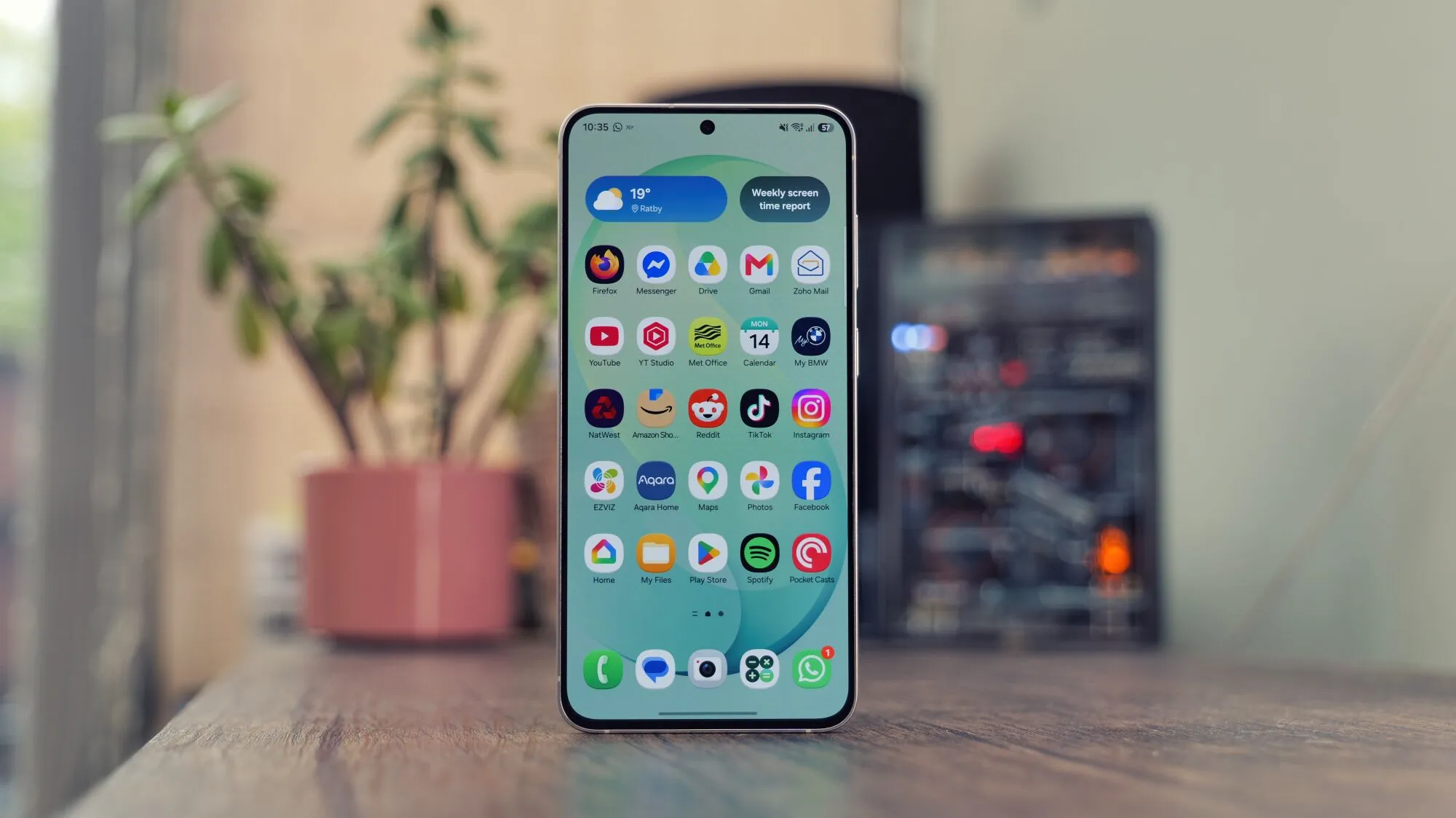
Recent leaks suggest Samsung is planning One UI 10, a version that could discard the familiar grid of app icons that have defined Android phones since the launch of iPhone OS in 2007. The report, attributed to a source deep inside Samsung’s software engineering and R&D teams, claims the company wants to rewrite how users interact with their screens, merging calendar events, location‑based insights and messaging into a fluid, AI‑driven surface.
From Icons to Intelligent Widgets
One UI 10 is rumored to replace static icons with contextual widgets that appear when the system detects a need. For example, when a user opens the camera on a Samsung Galaxy S25, the UI could automatically surface recent photos, suggested edits and a quick link to the gallery without any extra taps. The goal is to cut down the number of menu layers and make device handoff between a Galaxy Z Fold 6 and a Galaxy Watch seamless. The system could also suggest relevant apps based on the time of day, such as launching a fitness tracker when the user heads to the gym.
How AI Could Change Everyday Tasks
Artificial intelligence is already embedded in features like Samsung’s Now Nudge and the Gemini assistant. The next iteration would push AI deeper, turning the home screen into a predictive assistant that surfaces relevant information before the user asks for it. Imagine receiving a reminder about an upcoming meeting on an iPad Air M2 while the same calendar entry pops up on a Samsung Galaxy S25, all coordinated through the cloud.
Google’s Role and Android’s Future
Even if Samsung builds a new front‑end, the underlying operating system will still be Android. Early developer documentation for Android 18 points to a visual refresh but not a fundamental shift in architecture. That means Samsung’s ambitions will rely heavily on how well it can integrate Google’s Gemini and other Android services without breaking compatibility.
Will Samsung Pull It Off?
Critics argue that Samsung’s strength has always been hardware, not software. The company’s previous UI, TouchWiz, earned a reputation for being cluttered, and even the current One UI is seen by some as overly busy. Power users appreciate the deep customization options, yet the average consumer may prefer a cleaner, more hands‑off experience. Moreover, the sheer number of pre‑installed Samsung apps often competes with Google services, creating redundancy that could hinder the smooth AI experience. The question is whether Samsung can deliver an AI‑centric UI that feels both powerful and unobtrusive.
Potential Risks and Rewards
A successful overhaul could set a new standard for Android phones and give Samsung a software edge that rivals Apple’s iOS. On the other hand, a misstep could alienate existing fans and damage the brand’s reputation for reliable, user‑friendly devices. The industry is watching closely, because if Samsung can prove that a widget‑driven, AI‑first interface works, other manufacturers may follow suit.
Conclusion
One UI 10 promises a bold vision: fewer taps, smarter context, and seamless cross‑device experiences. Whether that vision translates into a usable product remains to be seen. Until Samsung releases a developer preview, the smartphone world will continue to speculate about the future of mobile interaction. Only time will tell if the industry embraces this shift or sticks with the proven icon‑centric paradigm.