
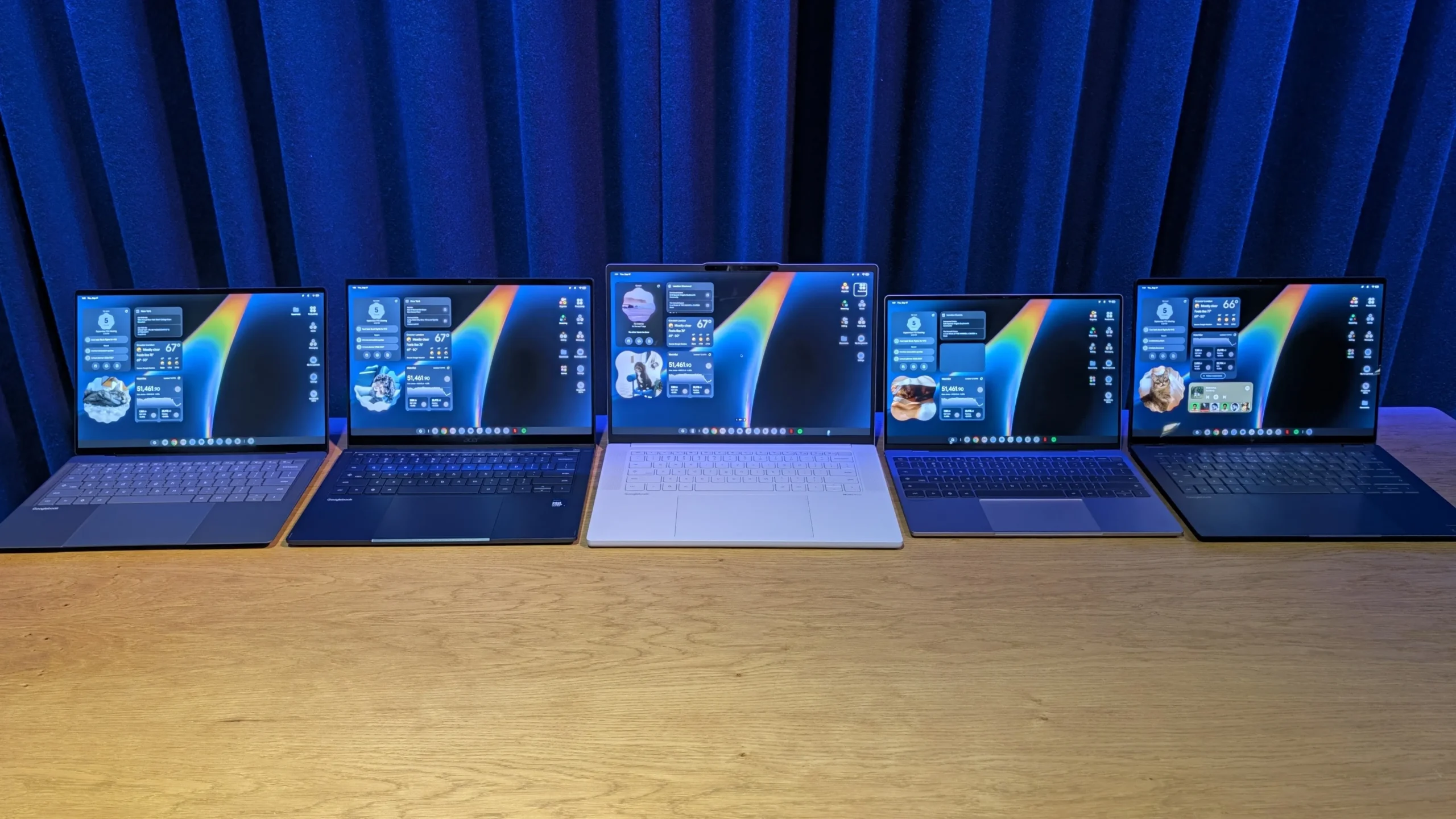
Samsung’s Unexpected Absence From the Googlebook Launch
When the first wave of Googlebooks hit the market last month, the line‑up featured devices from Asus, HP, Lenovo, Dell and even the new Google Pixelbook Go. Yet the biggest Android phone maker, Samsung, was nowhere to be seen. The Korean giant collaborates with Google on chipsets, Wear OS and AI, so the omission raised eyebrows. Rumours of a Samsung Galaxy Book Pro 16 Googlebook have circulated, but the company appears to be waiting for the right moment.
Compatibility Gaps With Samsung Phones
One practical reason for the hold‑up was the lack of support for Samsung Galaxy S24 and other flagship phones at launch. The Googlebook OS promised a seamless “Better Together” experience – Continue On, Cast My Apps, Quick Access and Notification Sync – but none of these features worked with the most popular Android brand. Google has since patched the issue, allowing Samsung phones to integrate fully, but the early misstep highlighted the importance of software readiness.
Software Shortcomings Across the Board
Early reviewers of the Googlebook platform reported sluggish performance, missing optimised apps and buggy integration tools. The promised seamless file sharing felt more like a workaround than a true ecosystem. While Google aims to eventually replace Chromebooks with Googlebooks, the current OS feels like a step back from ChromeOS. Samsung’s decision to stay out of the initial batch may protect its reputation while the software matures.
Hardware Advantages Samsung Could Bring
All three OLED models currently on the market – the Asus Zenbook Flip, Lenovo Yoga 9i and HP Spectre x360 – suffer from noticeable battery drain, according to tests from Tom’s Guide. Samsung, a leader in display technology, could address this with a brighter, more power‑efficient OLED panel in a potential Galaxy Book Pro 16 Googlebook. Better battery life would be a clear differentiator in a crowded laptop market.
Potential Software Tweaks From Samsung
The biggest hurdles are still software‑related. If Samsung applies its One UI polish to the Googlebook OS, users could see a more intuitive interface than the current Pixel UI. Features like a refined notification centre, smoother app casting and deeper integration with Samsung DeX could turn the device into a genuine competitor to the Apple ecosystem.
Why a Delayed Launch Might Be Beneficial
By postponing its entry, Samsung avoids being associated with the early bugs that have plagued the platform. A few months’ delay gives Google time to release major updates and encourages third‑party developers to optimise their apps. When Samsung finally unveils its Galaxy Googlebook, it will likely benefit from a more stable OS, superior OLED display and the brand’s reputation for refined user experiences.