UK Review: Xiaomi 18 Fold Outshines iPhone Duo and Galaxy Z Fold 8 in 2026

Why the Xiaomi 18 Fold Beats the iPhone Duo in the UK
After years of whispered rumours, Apple finally unveiled its foldable offering, the iPhone Duo. The name alone sparked excitement, yet much of what the company revealed feels underwhelming, especially for those of us steeped in the Android ecosystem.
Even if the iPhone Duo remains a China‑only launch, Xiaomi has already introduced the 18 Fold, a device that appears to outclass Apple’s effort in three decisive areas: camera versatility, battery endurance and price. For UK consumers weighing a foldable purchase, the differences are hard to ignore.
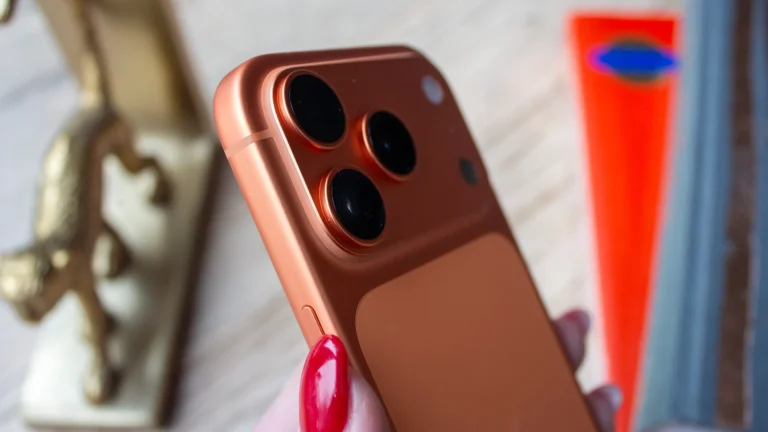
Camera compromises are inexcusable. The iPhone 18 Pro Max cemented its reputation as one of the world’s best camera phones, building on the iPhone 17 Pro Max, which has dominated video‑shooting rankings for the past year. By contrast, the iPhone Duo abandons the telephoto lens altogether, offering only a 48 MP main sensor and a 48 MP ultra‑wide. It also lacks the variable‑aperture main lens found on the 18 Pro models.
A telephoto sensor is essential for true optical zoom – the 18 Pro Max delivers up to 4× magnification with excellent clarity – and for portrait work that benefits from depth perception. Stripping this capability suggests Apple believes zoom is unimportant on smartphones, a stance that would surprise anyone who has attended a concert at London’s O₂ Arena and tried to capture the stage from a distance.
Xiaomi recognised the importance of a dedicated zoom lens. The 18 Fold is equipped with a 50 MP periscope telephoto sensor capable of 3.5× optical zoom, alongside high‑quality main and ultra‑wide cameras. No other mainstream foldable currently offers a true telephoto lens, giving the 18 Fold a clear advantage.
Battery life and charging speed also tip the scales. Foldable phones often sacrifice capacity to stay thin, but the 18 Fold defies this trend. At just 5.02 mm unfolded and weighing 229 g – a full 20 g lighter than the iPhone 18 Pro Max – it houses a 6000 mAh cell powered by silicon‑carbon technology, which delivers higher energy density within the same space.
This massive battery, paired with 67 W wired fast charging (and optional 50 W), should comfortably last a full day of heavy use. By comparison, the iPhone Duo employs a dual‑cell design totalling 4883 mAh. While Apple’s software optimisation typically stretches battery life, handling two displays will inevitably strain the pack, and the claimed 26‑hour video playback on the inner screen feels optimistic.
Charging on the Duo is respectable – a 60 W wired charger – but still lags behind Xiaomi’s offering. The iPhone Duo does benefit from Qi2‑based MagSafe convenience, a feature the 18 Fold lacks, yet speed remains a decisive factor for many UK buyers.
The price problem is perhaps the biggest barrier. The Xiaomi 18 Fold is priced at ¥10 999 in China, roughly £1 200, though actual UK pricing remains uncertain. In contrast, the iPhone Duo launches at a steep £1 999, with storage upgrades quickly pushing the cost higher. This makes the £1 699 Galaxy Z Fold 8 appear relatively affordable.
High price points have slowed foldable adoption across Europe. Unless Apple can price an iPhone Ultra below the combined cost of a flagship iPhone and a decent iPad, the Duo will remain a niche luxury. Should Xiaomi accelerate a European release, the 18 Fold could cement its position as the most compelling foldable on the market.
For now, UK tech enthusiasts looking for a practical, feature‑rich foldable should keep an eye on Xiaomi’s 18 Fold. Its superior camera system, robust battery and more sensible price tag make it the clear winner over the iPhone Duo – at least until Apple decides to rethink its pricing and feature set.