UK mortgage rates fall again — but affordability remains a struggle
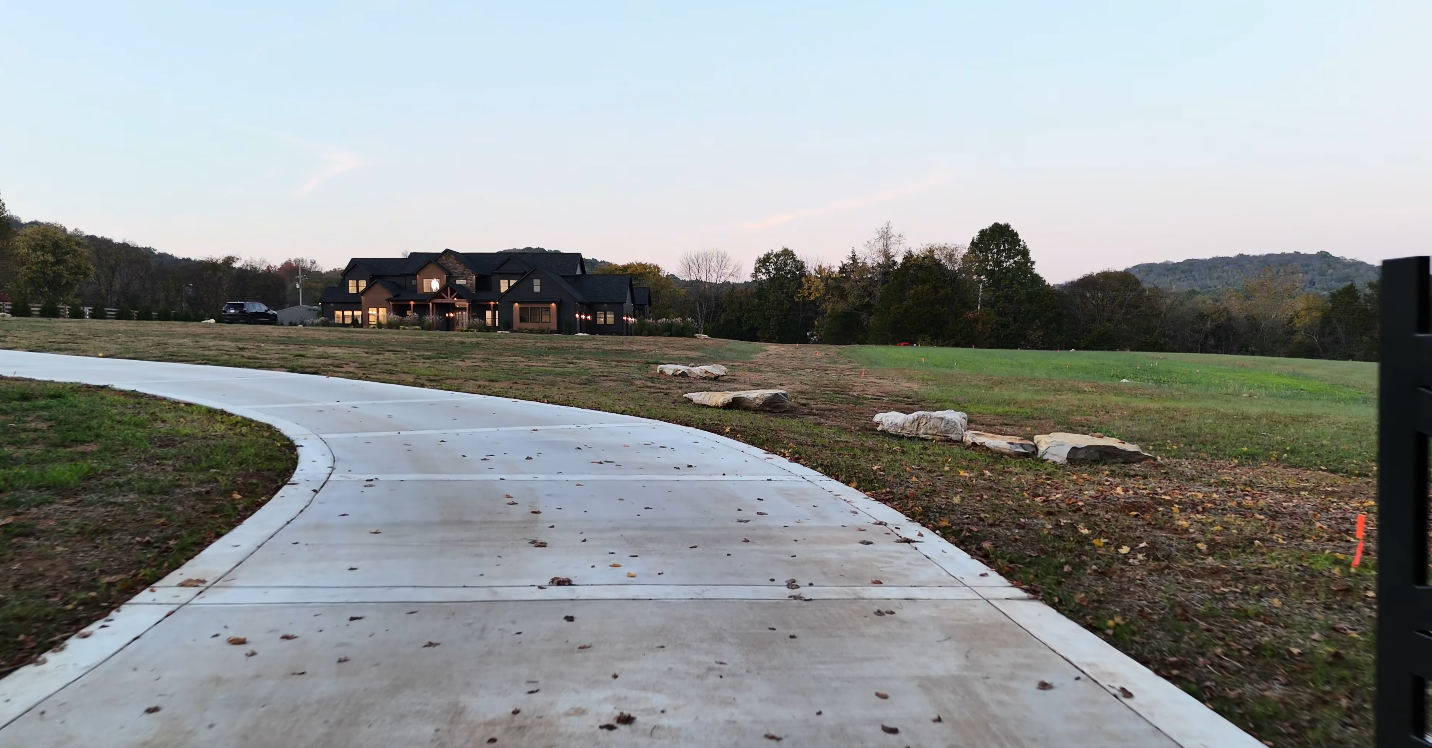
UK Buyers Still Under Pressure as Rates Ease
Mortgage rates in the UK have dipped once more, giving homeowners and first-time buyers a brief sense of relief. Several major lenders have trimmed their fixed-rate products, offering deals that look more attractive than those seen during the highs of the past two years. This shift follows improved economic signals and growing expectations that the Bank of England may move towards further easing in the coming months. Even so, buyers across the country are finding that softer rates don’t automatically translate into affordable homeownership.
Many lenders have now reduced both two-year and five-year fixed deals, with average offerings sliding below recent peaks. These cuts come as inflation continues to cool and confidence grows that the cost of borrowing may slowly stabilise. For existing mortgage holders approaching the end of their fixed terms, this dip could soften the impact of refinancing. Yet, for new buyers, today’s numbers still sit far above the ultra-low rates seen earlier in the decade, keeping monthly payments at levels many struggle to match with current incomes.
Affordability remains the core challenge. Even as rates fall, property prices across much of the UK remain stubbornly high compared with wages. Many households continue to find that monthly repayments consume a significant share of their income, especially in regions where prices barely moved during the wider housing slowdown. The deposit hurdle also persists, with many first-time buyers needing sizeable upfront savings to secure deals, making the path onto the ladder longer and harder than before.

Household budgets are being squeezed from multiple angles. Higher living costs, energy bills and essential expenses leave less room for mortgage commitments, and even small fluctuations in rates can push buyers to reconsider their plans. While lenders have begun promoting competitive offers again, applicants still face strict affordability checks that reflect the volatility of the past few years. This means some who could have borrowed comfortably before are now being told they qualify for far less.
Sellers, too, are adjusting to the market shift. In some areas, cautious buyers and tighter mortgage valuations are forcing price negotiations, leading to longer completion timelines. Surveyors have been more conservative in their assessments, increasing the number of down-valuations and pushing some sales back to the drawing board. This has added fresh uncertainty, particularly for chains relying on smooth progression.
Despite the challenges, there are signs of slowly improving sentiment. Lower inflation and expectations of gradual rate cuts have encouraged some buyers to re-enter the market, hoping to lock in rates before they start rising again. Estate agents across parts of the UK report stronger enquiries compared with earlier in the year, although conversions remain limited as affordability concerns linger. For motivated buyers with solid financial footing, today’s environment may offer opportunities that were scarce during the peak-rate period.
Looking ahead, much depends on how the Bank of England approaches the next few months. Any further reduction in the base rate could encourage lenders to continue trimming their mortgage deals, bringing payments closer to manageable levels for a wider group of households. Should house prices soften further at the same time, buyers could see conditions shift in their favour. However, a cautious outlook remains sensible, given the recent economic swings.
For now, the UK housing market sits at a delicate crossroads. Falling mortgage rates offer a signal of improvement, but they have not yet solved the deep-rooted issue of affordability. Until wages rise more consistently or property prices adjust more meaningfully, many potential buyers will continue to feel locked out of the market despite the headlines suggesting relief. The coming months will be crucial in shaping whether these falling rates mark the start of a genuine recovery or simply a brief pause in a longer struggle.