UK Graphics Card Market Faces Renewed Price Inflation in 2026
GPU Costs Continue Upward Trend in the British Tech Sector
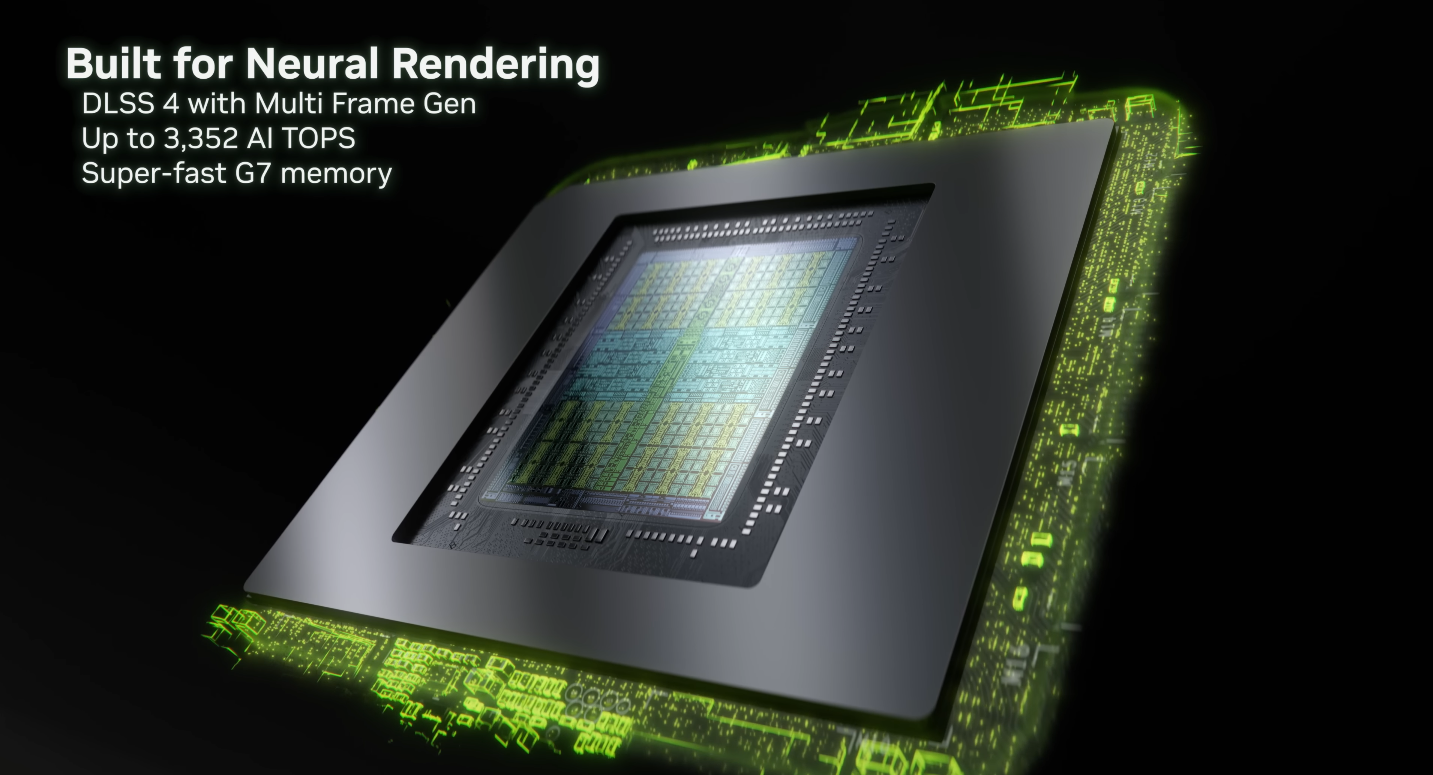
The UK graphics card market is experiencing renewed price inflation in 2026 as global supply pressures and component shortages persist. Retailers in Britain are reporting higher listing prices on popular GPU models, with the trend most visible on high-end and enthusiast-grade cards. This reflects ongoing volatility in semiconductor and memory markets that are critical to GPU production.
Graphics card costs have been creeping up again this year, particularly for flagship and premium models such as the Nvidia RTX 5090, which are selling well above their original recommended prices. Retailers are adjusting prices in response to limited stock and strong demand, making cutting-edge GPUs more expensive for UK buyers.
A major driver behind rising GPU prices is a shortage of memory components like GDDR and DRAM, as demand from artificial intelligence infrastructure and data centres continues to outstrip supply. This “RAMpocalypse” has seen memory prices surge sharply, increasing manufacturing costs for new graphics cards and contributing to higher retail pricing.
Both Nvidia and AMD graphics cards are affected by the broader component squeeze, with recent reports indicating Radeon GPU prices have climbed by double-digit percentages. AMD executives have acknowledged challenges in securing affordable memory, suggesting pricing pressures may continue through 2026 as the industry tries to balance supply and demand.
In addition to memory constraints, reductions in GPU supply from major manufacturers are expected to keep prices elevated. Some reports suggest that Nvidia may cut production of certain GPU models, tightening availability further and boosting secondary market pricing where scarcity drives up costs for buyers.
While mid-range cards have seen less dramatic increases, they are not immune to inflationary trends. UK consumers seeking mainstream GPUs are noticing steadier price rises compared with previous years, although the most significant spikes are concentrated at the premium end of the market where demand remains robust.
Despite elevated prices, demand for graphics cards in the UK shows resilience, with many popular models still selling quickly when available. This persistent appetite among gamers, creators and tech enthusiasts means retailers have less incentive to lower prices even as economic pressures persist.
Some analysts believe that the price landscape could remain challenging for British buyers unless there is a meaningful increase in component production or a shift in supply chain dynamics. Without improvements in memory availability and shipping capacity, GPU prices may stay above historical norms throughout 2026.
For UK shoppers planning GPU upgrades this year, monitoring price trends and comparing listings across major online retailers can help identify competitive deals. Buyers may also consider slightly older or alternative GPU models that offer better value while the market adjusts to ongoing inflationary influences.
Renewed GPU price inflation in Britain underscores how interconnected global supply issues and technological demand can directly affect consumer tech markets. As 2026 unfolds, UK graphics card pricing will likely continue to reflect these complex economic and industry factors, keeping costs high for those entering the graphics hardware market.