OnePlus 15 vs older phones: how much better is it in real day-to-day use?

OnePlus 15 vs older phones how much better is it in real day-to-day use

Real-life improvements that users actually notice

The OnePlus 15 arrives with several upgrades aimed at improving everyday convenience rather than just boosting numbers on a spec sheet. For many users considering an upgrade from older OnePlus models, the question is simple: how much difference does it make in real daily use? The answer depends on the features you rely on the most and how old your current device is.

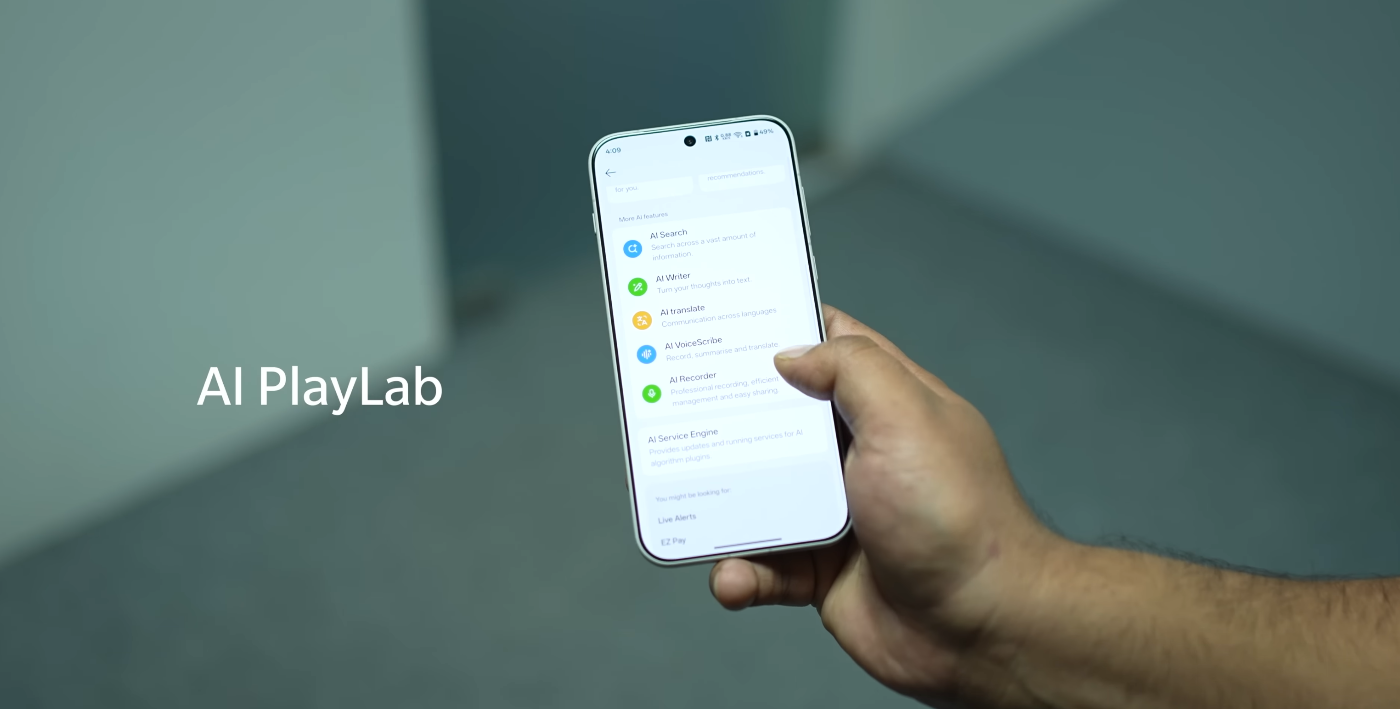
In normal tasks such as messaging, app switching and browsing, the OnePlus 15 feels quicker and more fluid than older models. Its newer processor and refined software deliver a smoother experience, especially when juggling multiple apps. While the jump from very recent flagship models may feel modest, those coming from older generations will notice the difference almost immediately.

Battery life is one of the most meaningful improvements. The OnePlus 15 lasts longer through a full day of mixed use, offering more endurance for commuters, travellers and heavy social media users. Older phones that struggle to hold charge by evening show their age clearly here, making the upgrade particularly appealing for users who value long-lasting reliability.
OnePlus 15 vs older phones how much better is it in real day-to-day use

Charging speeds have also improved in practical terms. The OnePlus 15 tops up faster, reducing the need to leave it plugged in for long periods. This convenience becomes obvious in day-to-day life, especially for users who prefer quick boosts before heading out. Older models with slower charging take noticeably longer to recover battery percentage in the same situations.

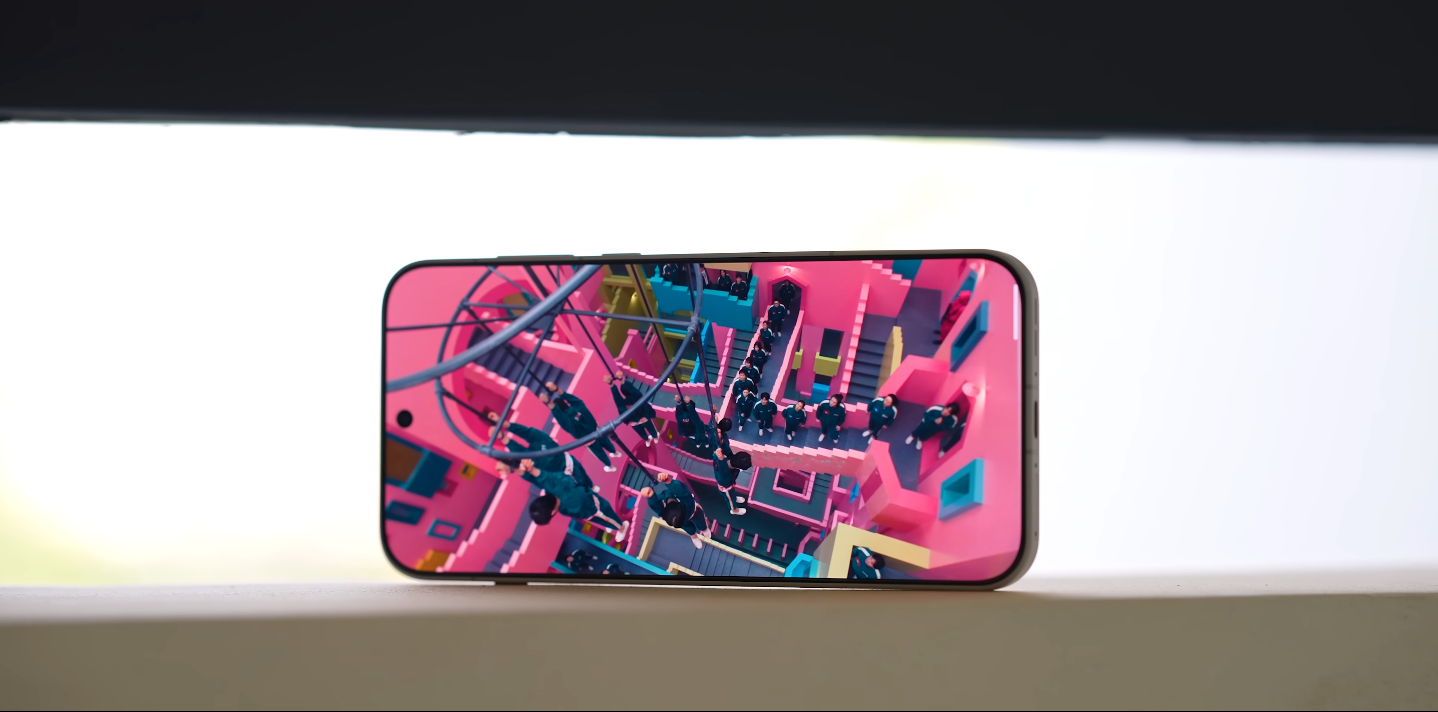
The display is another area where the OnePlus 15 enhances everyday use. Its high refresh rate and improved brightness make scrolling and viewing content feel more responsive and clearer in both indoor and outdoor settings. Users upgrading from devices with lower refresh rates or older display panels will find the upgrade more impactful than they might expect.

In terms of camera performance, the OnePlus 15 offers better stability, more consistent colours and faster processing. For everyday snapshots, video calls and social sharing, the improvements feel natural rather than dramatic. Users upgrading from significantly older phones will gain sharper photos and quicker focusing, though the jump from recent premium models is less pronounced.

The build quality and durability also take a step forward. The OnePlus 15 offers stronger resistance to dust, water and accidental knocks, making it more dependable for long-term use. Those with ageing devices showing wear on the frame or display will appreciate this added reassurance in daily handling.

Software support is another long-term advantage. The OnePlus 15 benefits from extended update timelines, ensuring smoother performance and better security over future years. Users holding older phones nearing the end of their update cycle will gain a clearer sense of stability and longevity from the upgrade.

Thermal performance is improved during long sessions of gaming, navigation or video recording. The newer design helps the phone stay cooler under sustained load. Older devices often heat up quicker during the same tasks, leading to slow-downs or discomfort while holding the phone.

For users who rely on heavy multitasking, frequent camera use or long screen-on periods, the OnePlus 15 provides noticeable improvements across these areas. The overall experience feels more modern, fluid and reliable, especially for those upgrading from devices that are two or more generations old.

In summary, the OnePlus 15 offers meaningful day-to-day improvements in battery life, charging, display smoothness, general speed and long-term software support. The upgrade feels most worthwhile for users coming from older models, while those with very recent devices may find the jump beneficial but less dramatic in everyday scenarios.
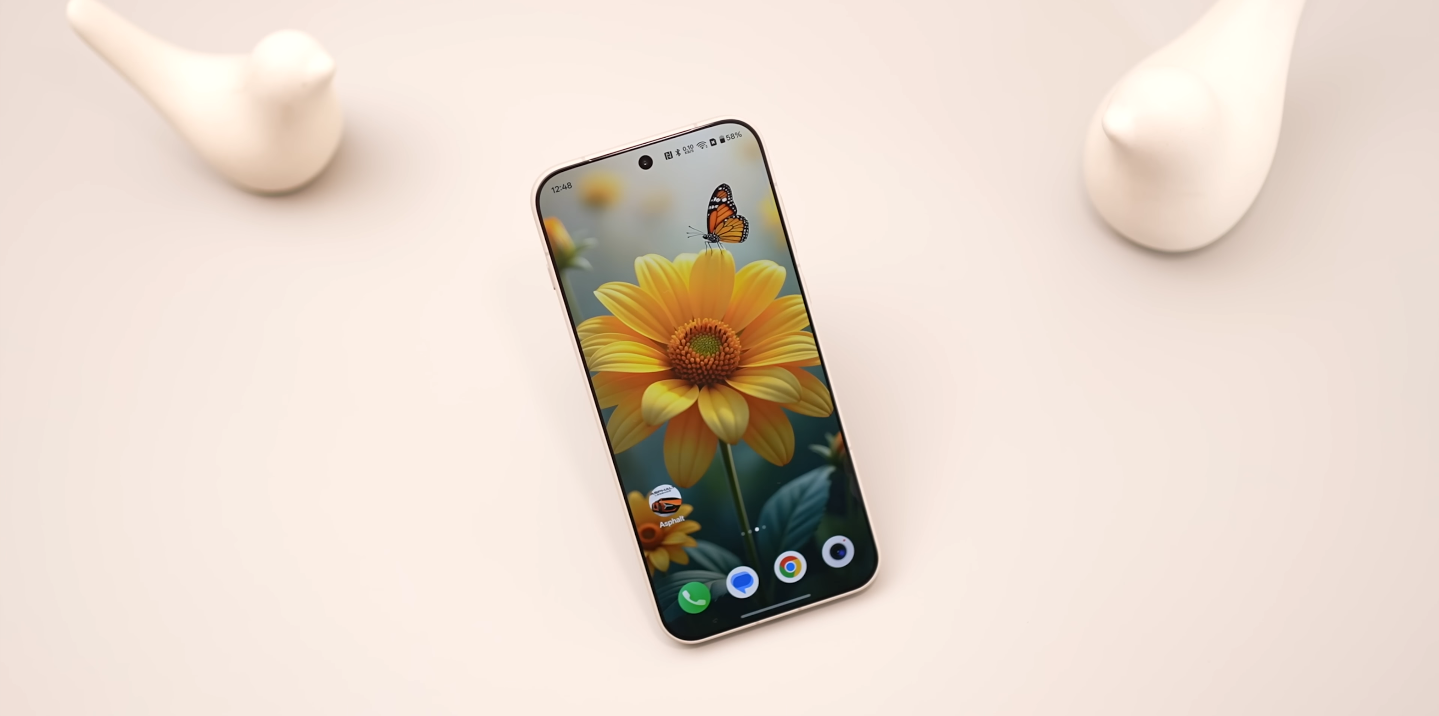
OnePlus 15 vs budget flagship (UK): At what price break does it make sense?

OnePlus 15 vs budget flagship (UK) At what price break does it make sense

Understanding the Flagship Value Gap in the UK

If you’re buying in the UK, the question of whether to go for a true flagship like the OnePlus 15 or opt for a “budget flagship” comes down to the price you’re paying versus the features you’ll actually use.

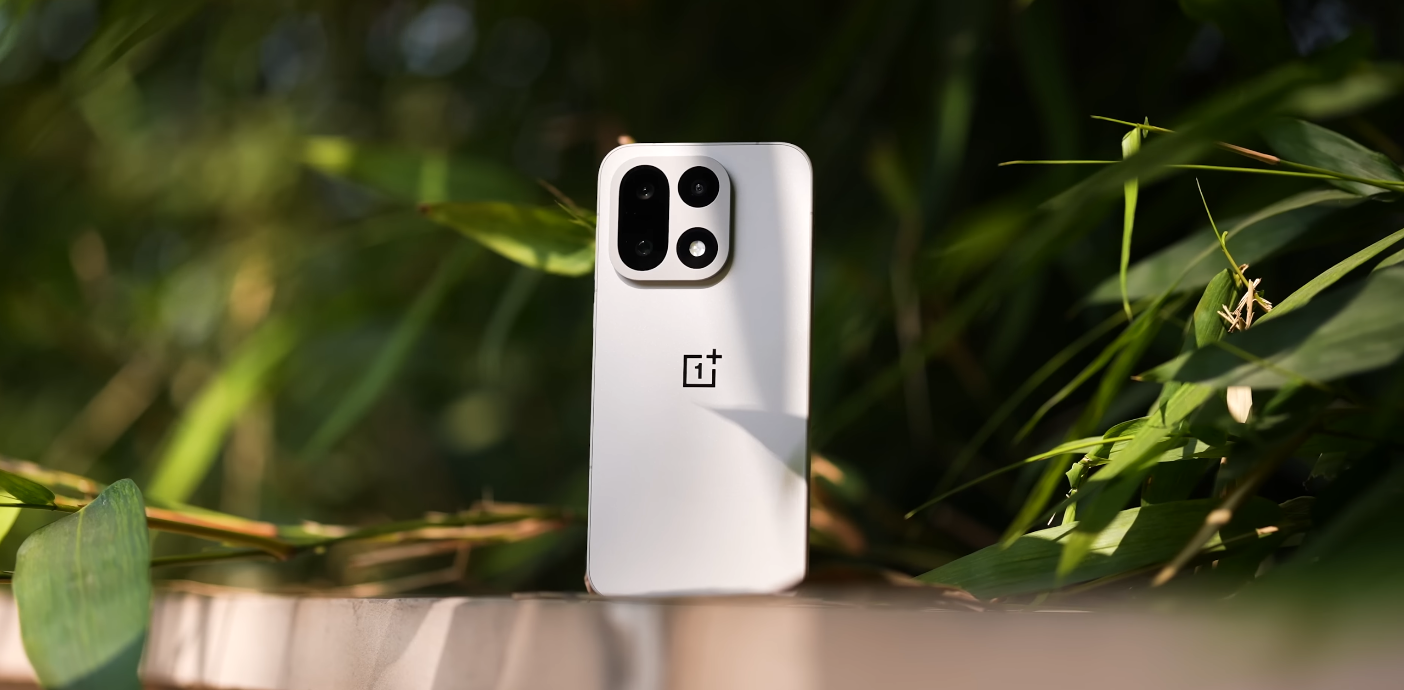
In the UK market, the OnePlus 15 is expected to cost approximately £849–£949—this represents the top-tier flagship segment. Meanwhile, many “budget flagship” phones in the UK sell for around £500-£700, offering much of the same spec sheet but with some compromises in build quality, camera zoom, software support or premium materials.

When the price of the budget flagship is about £250–£350 less than the OnePlus 15, and yet delivers most of your usage needs (social, photo snapshots, streaming, gaming), going value may be smarter. But when the price gap grows bigger—say the flagship is £949 and the budget option is £499—then you need to ask whether the extra £450 buys enough extra real-world benefit.

OnePlus 15 vs budget flagship (UK) At what price break does it make sense

In short: if the device you’re considering costs under ~£700 in the UK and still hits your needs, you may get better value than choosing the OnePlus 15. If you’re spending ~£900+, only go for the OnePlus if you’ll make use of the top-end camera, display, build and support advantages.

If you like, I can check current UK offers for budget flagship phones priced £500–£700 and benchmark them against the OnePlus 15 £849+ pricing to show you exactly where value breaks.

OnePlus 15 vs OnePlus 15 Pro — what’s the actual difference?

OnePlus 15 vs OnePlus 15 Pro — what’s the actual difference

Understanding the Real Gap Between the Two Flagships

The OnePlus 15 and OnePlus 15 Pro arrive as the latest additions to the brand’s flagship lineup, and both aim to deliver top-tier performance for UK buyers. While they share many similarities in chipset, design philosophy and software experience, the Pro model introduces certain upgrades that shape how each phone fits into everyday use. The differences aren’t always obvious at first glance, so it’s important to break down where each device truly stands apart.

The OnePlus 15 focuses on offering maximum performance for the broadest range of users, using a powerful flagship chipset, a high-refresh display and fast charging. It has all the core features expected in a modern premium smartphone and delivers them in a balanced way. This makes it the more value-driven option, appealing to users who want a full flagship experience without reaching for every extra feature.

The OnePlus 15 Pro, on the other hand, pushes further into premium territory. Its upgrades are centred mainly on camera hardware, build materials and small refinements that long-term users tend to appreciate. These enhancements aren’t essential for everyone, but those who take photography seriously or prefer the most premium design available will notice the difference immediately. The Pro model essentially acts as the version tailored for enthusiasts.

OnePlus 15 vs OnePlus 15 Pro — what’s the actual difference

One of the clearest differences between the two phones lies in their camera systems. The standard OnePlus 15 already delivers strong image quality with its main and ultra-wide sensors, but the Pro variant usually includes a more advanced telephoto lens, larger camera sensors or enhanced stabilisation systems. This gives the Pro better performance in zoom photography and low-light situations, areas where the standard model performs well but not exceptionally.

Design is another area where the Pro steps ahead. While both phones are built with premium materials, the Pro variant tends to offer upgraded finishes, improved durability and more robust structural elements. This may include stronger metal frames, more advanced protection for the display or refined ergonomics. For UK users who keep their phones for several years, these differences may contribute to longer-lasting comfort and durability.

Display quality is strong on both models, but the Pro version sometimes offers slight enhancements such as higher brightness, improved colour accuracy or curved edges. These are subtle refinements rather than major leaps, meaning the OnePlus 15 already provides an excellent viewing experience for gaming, streaming and general use. The Pro’s display upgrades primarily benefit users who value the most polished visual performance available.

Battery and charging performance are comparable across the two devices. Both deliver strong all-day endurance and quick top-ups suitable for commuting, travel and long working days. If any differences appear, they tend to be minor improvements in efficiency or thermal management within the Pro model. For most UK users, the battery experience will feel extremely similar between the two phones.

Software experience remains consistent across both models. They share the same operating system, interface style and update commitments, meaning neither device has a significant advantage in long-term software support. Both will receive the same Android versions and security patches, ensuring that buyers of either model enjoy regular improvements throughout the phone’s lifespan.

Price becomes one of the strongest deciding factors. The standard OnePlus 15 sits at a more accessible point in the UK market, offering strong flagship performance without premium surcharges. The OnePlus 15 Pro is more expensive due to its better camera hardware and materials. For buyers who do not prioritise these extras, the increased price may not feel justified. For users who want the best imaging or build quality OnePlus offers, the Pro’s premium becomes easier to rationalise.

For everyday UK users who want exceptional performance, fast charging, a sharp display and reliable cameras, the OnePlus 15 is likely the better value. It hits the right balance between hardware and price, making it a strong all-round flagship. For power users, photography enthusiasts or long-term owners who appreciate premium materials and enhanced optics, the OnePlus 15 Pro offers meaningful benefits that justify its higher cost.

Ultimately, the difference between the OnePlus 15 and OnePlus 15 Pro comes down to priority. If value and performance are your main goals, the OnePlus 15 is the smart pick. If camera capability, luxury design and long-term refinement matter most, the OnePlus 15 Pro becomes the right choice. Both phones serve the UK market well, but each excels for a different kind of user.

OnePlus 15 vs iPhone 16 — UK buyers: which phone ages better?

OnePlus 15 vs iPhone 16 — UK buyers which phone ages better

Long-term performance and value for money over years of ownership

Choosing a smartphone that ages well is a priority for many UK buyers, especially when planning to keep a device for three years or more. The OnePlus 15 and the iPhone 16 are both premium flagships, but they take different approaches to longevity. The OnePlus 15 focuses on powerful hardware and fast charging, while the iPhone 16 relies on long software support, a strong ecosystem and consistent resale value over time.

The OnePlus 15 is equipped with high-end specifications designed to provide performance headroom for years. Its Snapdragon-series flagship processor, large RAM options and 165 Hz display make it one of the fastest Android phones at launch. UK buyers who rely on demanding apps, gaming or multitasking will appreciate the performance buffer that helps the phone remain responsive even after multiple software updates.

The iPhone 16, while not always chasing benchmark numbers, is built for efficiency and durability through tight integration of Apple hardware and software. Its A-series chipset tends to retain strong performance even after several major iOS updates. Apple’s optimisation ensures that the phone remains smooth without requiring extreme specifications, which is a major advantage when considering long-term usage.

OnePlus 15 vs iPhone 16 — UK buyers which phone ages better

Software support is one of the most decisive factors for ageing well. The iPhone 16 is expected to receive major iOS updates for many years, extending the length of security patches and feature upgrades. For UK buyers planning to hold onto their smartphone beyond three years, this makes a substantial difference. The OnePlus 15 will receive software updates too, but Android devices historically do not match the longevity of Apple’s support timeline.

Battery performance over time also matters for durability. The OnePlus 15 gains a clear advantage from its very large battery capacity and high-efficiency charging system, helping it maintain strong daily performance even after some natural degradation. The iPhone 16 uses a smaller battery but balances it with aggressive power optimisation. Both will age well in real-world use, although the OnePlus starts with a bigger capacity cushion, while the iPhone generally maintains steadier battery efficiency over its lifespan.

Durability and build quality contribute to how long a phone feels “new”. The OnePlus 15 uses premium materials and strong water- and dust-resistance ratings, making it suitable for heavy daily use. The iPhone 16, meanwhile, benefits from Apple’s well-established design durability and broad UK service network, which makes repair and maintenance more accessible if needed years after purchase.

The resale value difference between the two phones is also significant for long-term ownership. iPhones typically retain their value longer in the UK market due to strong demand and a larger second-hand ecosystem. The OnePlus 15 will offer excellent performance for several years, but Android flagship resale values tend to decline faster. For buyers who upgrade regularly, the iPhone 16 may be more cost-effective at trade-in time despite the higher upfront price.

Another factor is ecosystem lock-in, which affects how a device “ages” in a user’s lifestyle. The iPhone 16 integrates deeply with services commonly used in the UK such as Apple Wallet, FaceTime, iMessage, and seamless pairing with AirPods and Apple Watch. These services continue to improve with updates, helping the device feel relevant even several years after launch. The OnePlus 15 offers strong Android flexibility but does not have the same level of continuity features within a single ecosystem.

Looking three to five years into the future, both phones are likely to remain capable, but in different ways. The OnePlus 15 will continue to deliver raw performance and smooth display responsiveness thanks to its powerful hardware foundation. The iPhone 16 will maintain relevance through software continuity, long-term efficiency and integration with future iOS updates and Apple services.

For UK buyers who want a phone that feels cutting-edge for as long as possible through hardware strength, the OnePlus 15 is a very compelling option and offers excellent everyday usability. However, for those who prioritise software lifespan, stable resale value and long-term reliability with minimal performance loss, the iPhone 16 is more likely to age better overall. In the long run, it provides the smoother and more predictable ownership experience across multiple years.

OnePlus 15 vs OnePlus 13: Is the upgrade worth every pound?

OnePlus 15 vs OnePlus 13 Is the upgrade worth every pound

Evaluating the Upgrade Value

When you’re already holding a top-tier device like the OnePlus 13, deciding whether to move to the OnePlus 15 hinges on how much better the new model truly is — and whether that improvement is meaningful for you.

In favour of the OnePlus 13: it remains a powerhouse. Reviews note its flagship-class performance, excellent battery life and rapid charging speeds. One reviewer wrote: “Fastest processor available · Crazy good battery life and epic wired and wireless charging speeds.” Another described it as “an excellent all-rounder that should last for years.” So, for many users the OnePlus 13 already delivers top-tier experience in the UK market.

Now the OnePlus 15 promises several major upgrades. According to the emerging specs: it will sport a 6.78-6.8″ 1.5K flat OLED display with a 165Hz refresh rate, reflecting a leap from the OnePlus 13’s panel. It is expected to ship with the new Snapdragon 8 Elite Gen 5 chipset and up to 16 GB RAM, whereas the 13 already had the Snapdragon 8 Elite (previous gen) with similar RAM tiers. Battery size reportedly jumps to around 7,300mAh (vs the 13’s ~6,000mAh in some regions) and charging remains aggressive. Camera hardware is also boosted, for example the 15 may include a new periscope telephoto sensor and improved imaging engine.

OnePlus 15 vs OnePlus 13 Is the upgrade worth every pound

So yes — the OnePlus 15 does deliver meaningful improvements in raw specs: display smoothness, performance uplift, battery capacity/charging and camera hardware. For users who push their phone hard — gaming, content creation, photography, very heavy usage — those upgrades will feel real.

However, whether the upgrade is worth every pound depends on your usage and the remaining value you place in your current phone. If you’re satisfied with the OnePlus 13 in everyday use — smooth performance, good battery, solid camera — then the gains in the 15 may feel incremental rather than transformative. If you don’t exploit the ultra-high refresh rate, huge battery or top-end telephoto zoom, you may not extract the full value of the 15.

Additionally, consider the future-proofing and resale angle. The newer model will likely enjoy longer software support and might hold resale value slightly better. On the flip side, buying the 15 may be at a premium price — and your “cost per improvement” narrows.

In conclusion: If you own a OnePlus 13 and are a demanding power user who wants the best performance, longest battery endurance and top-grade camera flexibility, then upgrading to the OnePlus 15 is worth it. If you are a typical user who already enjoys excellent experience with the 13, you might be better served waiting for the next generation or a price drop.

OnePlus 15 vs Samsung Galaxy S25 — UK buyers: which one should you pick?

OnePlus 15 vs Samsung Galaxy S25 UK buyers which one should you pick

A head-to-head look at two top smartphones and which suits your needs

If you’re shopping for a premium Android phone in the UK and deciding between the OnePlus 15 and the Samsung Galaxy S25, this guide will help you weigh up what matters most—whether that’s raw hardware, ecosystem strength or long-term support.

The OnePlus 15 is designed to deliver maximum hardware performance at a very competitive price. It features a cutting-edge chipset, a large battery and very fast charging speeds. For users who demand speed, gaming ability and endurance above all else, the OnePlus provides standout value and power.

The Galaxy S25, meanwhile, offers a different kind of premium experience. It may not push the raw specifications as far as OnePlus in every area, but it compensates with brand reliability, extensive service infrastructure, polish and an ecosystem that many UK buyers value. Samsung’s promise of long-term updates and strong camera processing also appeals if you want your device to stay relevant longer.

OnePlus 15 vs Samsung Galaxy S25  UK buyers which one should you pick

In terms of performance, the OnePlus 15 arguably has the edge: the hardware speaks for itself, especially in high-intensity tasks such as gaming, multitasking or streaming. For users who push their phones hard and prioritize specs, it’s an excellent choice. The Galaxy S25 is more balanced—but that may be exactly what many users prefer. Daily usage, photography, app experience and longevity may all feel better optimised with Samsung’s closer integration of hardware and software.

Camera capabilities tilt somewhat in Samsung’s favour for users who shoot a lot of photos or videos and want consistent, high-quality results with minimal fuss. The Galaxy S25 offers strong imaging and reliable updates to sustain its performance. OnePlus delivers very good results too, but if photography is a top priority the small incremental advantages with Samsung may matter more than you think.

Battery, size and ergonomics also differ. The OnePlus 15 offers large battery capacity and fast charging speeds that give it a performance edge in endurance and convenience. The Galaxy S25 might be a bit more modest in raw figures but benefits from balanced hardware and software optimisation that often translates to reliable day-to-day endurance.

When choosing one, consider your priorities: if you want “maximum hardware under budget” and enjoy pushing your phone hard, the OnePlus 15 is hard to beat. If you prefer a smartphone that feels polished, backed by strong brand support, excellent camera experience and long-term reliability, the Galaxy S25 is likely the smarter pick.

In summary: For UK buyers seeking the best mix of longevity, support and balanced performance, go with the Galaxy S25. For those who prioritise specs, endurance and value, the OnePlus 15 is a strong contender.

OnePlus 15 vs Google Pixel 9a — premium vs budget camera showdown

OnePlus 15 vs Google Pixel 9a — premium vs budget camera showdown

How Two Different Price Classes Compete on Photography

The OnePlus 15 and the Google Pixel 9a approach smartphone photography from opposite ends of the market. One is a premium flagship built for performance and versatility, while the other is a budget-friendly device focused on delivering strong results through software. Their camera philosophies show how much difference price and hardware can make in real-world use.

The OnePlus 15 arrives with a triple-camera system built around 50-megapixel sensors, including a capable telephoto lens. This setup gives it more tools to handle varied shooting conditions, from landscapes to portraits to long-range zoom. The Google Pixel 9a, meanwhile, keeps things simpler with a main 48-megapixel camera supported by a 13-megapixel ultra-wide lens, relying heavily on Google’s computational photography to deliver impressive results at a lower cost.

In bright daylight, both phones perform well, but the OnePlus 15 offers more detail and flexibility thanks to its larger sensors and stronger optics. The Pixel 9a still produces sharp, colour-accurate images, but it leans on software processing to reach its final look. For users who prefer natural output with less sharpening, the OnePlus approach feels more true to life.

OnePlus 15 vs Google Pixel 9a — premium vs budget camera showdown

Low-light performance shows a clear difference in philosophy. The OnePlus 15 benefits from its advanced hardware, but it still depends on software tuning to maximise night-time accuracy. The Pixel 9a uses Google’s well-known Night Sight processing to overcome its smaller sensor limitations, producing balanced images that often outperform other budget phones. However, the OnePlus still edges ahead when capturing complex scenes or maintaining clarity in motion.

Zoom performance is another area where the flagship advantage is clear. With a dedicated telephoto lens, the OnePlus 15 offers significantly better optical zoom detail and stability. The Pixel 9a relies entirely on digital zoom, which limits clarity beyond short distances. For users who enjoy shooting faraway subjects, the OnePlus holds a comfortable lead.

Video recording also highlights the premium difference. The OnePlus 15 delivers higher resolution options, improved stabilisation and stronger performance in shifting lighting conditions. The Pixel 9a handles everyday video capture well but lacks the advanced processing and hardware depth needed for more demanding footage, especially in low light or fast movement.

Portrait photography is an area where the Pixel 9a performs surprisingly well. Google’s software excels at edge detection and background blur, producing pleasing results despite using simpler hardware. The OnePlus 15, however, provides more consistent detail and better control over depth due to its larger sensors and additional lens support.

When it comes to overall camera versatility, the OnePlus 15 is the more capable device. Its multi-lens system, stronger hardware and broader shooting modes give it an advantage in almost every category. The Pixel 9a instead focuses on delivering a reliable, consistent experience for everyday photography at a much lower price, making it an impressive budget performer.

For users who prioritise high-quality, flexible photography and want room to experiment, the OnePlus 15 stands out as the stronger choice. For those seeking excellent value and dependable results without premium costs, the Pixel 9a offers a smart balance between affordability and computational excellence.

OnePlus 15 vs Samsung A-series: how premium features trickle down

OnePlus 15 vs Samsung A-series how premium features trickle down

Flagship Power Meets Mid-Range Evolution

The OnePlus 15 and Samsung’s A-series represent two distinct ends of the smartphone market — one built to push boundaries, the other designed to deliver premium value for less. Yet, with technology evolving quickly, the gap between them is narrowing. Many flagship features that once defined ultra-premium phones are now finding their way into Samsung’s A-line. Here’s how the OnePlus 15’s advancements compare to what’s trickling down the A-series for UK users.

The OnePlus 15 is the company’s showcase for performance and design. It uses Qualcomm’s latest Snapdragon 8 Elite Gen 5 processor, delivering unmatched speed, gaming power, and AI efficiency. Samsung’s A-series, by contrast, runs on Exynos or Snapdragon 7-class chips depending on region. These are powerful but tuned for balanced performance. For everyday use — streaming, messaging, or light gaming — the A-series feels smooth, but when it comes to multitasking or graphics-heavy apps, the OnePlus 15 pulls ahead decisively.

Display technology is one area where the difference has shrunk considerably. The OnePlus 15 boasts a 6.78-inch LTPO AMOLED panel with a 165Hz refresh rate and 1.5K resolution. Samsung’s upper A-series models, such as the A36 and A56, feature Super AMOLED panels with up to 120Hz refresh and brightness reaching 1,200 nits. That’s not far behind the OnePlus in everyday viewing. For UK users, both screens perform well in daylight, but OnePlus’s adaptive LTPO panel offers smoother transitions and better power management during gaming or long sessions.

OnePlus 15 vs Samsung A-series how premium features trickle down

Camera systems also highlight how premium innovation spreads downward. The OnePlus 15 features a triple 50MP setup, including a periscope zoom lens and advanced imaging software. Samsung’s A-series cameras have improved dramatically, offering 50MP main sensors with optical stabilisation and strong portrait modes. However, low-light performance, zoom clarity, and colour accuracy remain better on the OnePlus, thanks to larger sensors and more advanced image processing.

Battery and charging speed reveal another key gap. The OnePlus 15 packs a 7,300mAh battery with 120W wired and 50W wireless charging — capable of a full charge in under half an hour. Samsung’s A-series phones typically use 5,000mAh batteries with 25W charging, which is perfectly fine for casual users but nowhere near as fast. For busy UK professionals or gamers who need quick top-ups, the OnePlus system is a real advantage.

Software is one area where Samsung leads. The A-series now benefits from Samsung’s extended support policy, offering up to seven years of software and security updates — matching or even surpassing most Android flagships. OnePlus provides around four years of major updates and six years of patches. For long-term ownership, Samsung’s update promise is particularly appealing to UK consumers who keep phones for several years.

Build quality also shows how mid-range devices are catching up. The OnePlus 15 uses premium materials like glass and metal, while Samsung’s newer A-series phones are introducing aluminium frames and IP67 water resistance. They feel increasingly solid and refined in hand, closing the tactile gap between mid-range and flagship devices. However, OnePlus still has an edge with a more robust chassis and advanced cooling for high-performance tasks.

Price is where the biggest difference remains. The OnePlus 15 sits firmly in the flagship bracket, while the A-series continues to deliver strong features at a fraction of the cost. For many UK buyers, that cost-to-performance balance makes Samsung’s mid-range phones particularly tempting. They may lack top-tier power, but they deliver most of what users need — good cameras, long battery life, strong software, and polished design — without the flagship price tag.

That said, the OnePlus 15’s extra horsepower, higher refresh rate, faster charging, and advanced camera system make it hard to ignore if you demand top performance. It’s a phone built for enthusiasts and professionals who want the best experience possible without compromise. The A-series, meanwhile, reflects how quickly advanced features are becoming accessible — a reminder that you no longer need to spend flagship money to enjoy flagship comfort.

In conclusion, the OnePlus 15 showcases where technology is headed, while Samsung’s A-series shows how quickly those innovations reach mainstream users. For UK buyers, the choice depends on priorities: the OnePlus 15 for raw power and premium finish, or the A-series for exceptional everyday value. The premium experience is no longer exclusive — it’s just a matter of how much you’re willing to pay for perfection.

OnePlus 15 vs Redmi K90 Pro Max — gaming and camera battle

OnePlus 15 vs Redmi K90 Pro Max — gaming and camera battle

Gaming and Camera Face‐Off

Today’s flagship smartphone battle pits the OnePlus 15 against the Redmi K90 Pro Max in an intense duel of gaming performance and photography prowess. OnePlus continues its push into ultra-high refresh rate displays and refined imaging, while Redmi counters with aggressive value, large battery capacity and advanced zoom hardware. With UK users in mind, we explore how these two contenders stack up across sustained gaming sessions and real-world camera scenarios.

On the gaming front, the OnePlus 15 arrives with the Snapdragon 8 Elite Gen 5 chipset, a display capable of up to 165Hz refresh when gaming mode is engaged, and a 7,300 mAh battery alongside 120W wired charging and 50W wireless. These specs set the stage for top-tier performance and minimal downtime between sessions. The brand’s test data shows frame-rates well above 100fps in demanding titles under “epic” graphics settings.

By contrast, the Redmi K90 Pro Max leans heavily into battery endurance and value. While also expected to carry a Snapdragon 8 Elite variant, it boasts a larger 7,560 mAh battery and a display around 6.9″ in size. Cooling systems and thermal sustainability are emphasised in its marketing, suggesting strong performance during long gaming marathons, though independent benchmarks are still emerging.

OnePlus 15 vs Redmi K90 Pro Max — gaming and camera battle

In practical terms, OnePlus holds a slight edge in raw gaming smoothness and refresh rate headroom thanks to its higher-end display and proven benchmark results. Meanwhile, Redmi appeals to those who game for extended hours and care more about battery life and cost-effectiveness rather than hitting extreme frame-rates.

Shifting focus to cameras, the OnePlus 15 uses a triple-50 MP sensor setup: a 50 MP main, 50 MP ultra-wide, and 50 MP telephoto with 3.5× optical zoom, combined with a 32 MP front camera and 8K video capture. This configuration signals a premium approach to photography with versatility and high resolution across focal lengths.

The Redmi K90 Pro Max counters with ambitious hardware: a large “Light Hunter 950” main sensor, a 50 MP ultra-wide lens, and a 5× optical zoom periscope setup. On paper this gives it a lead in zoom capability and detail capture at distance, which may appeal especially to photography-enthusiasts who don’t mind software processing quirks.

For everyday camera use in the UK context, OnePlus offers a more polished imaging experience out of the box, with refined colour processing and telephoto coverage that suits most users. Redmi offers a sharper zoom advantage and brute-spec value, though users might need familiarity with camera settings and trade-offs in image tuning.

Finally, considering support and regional relevance: OnePlus typically provides strong software update promises and robust service networks in key markets, which is a plus for UK buyers. Redmi delivers exceptional specs for the price, but service and update assurances may not match its rival’s premium pedigree—something to weigh carefully.

In summary: if elite gaming smoothness and a refined all-round camera system are your priority, the OnePlus 15 emerges as the stronger pick. If you prioritise zoom photography, long battery life under gaming load, and value-for-money over peak performance, the Redmi K90 Pro Max stands out. Provide your budget range and priority (gaming vs camera) and I can suggest which fits your needs best—or potentially a third contender that strikes a better balance.

OnePlus 15 vs Samsung A75 — flagship premium vs mid-range value

OnePlus 15 vs Samsung A75 — flagship premium vs mid-range value

Flagship vs Smart Value: Choosing the Right Phone

UK smartphone buyers often face a trade-off: invest in top-tier specs or find a strong deal that covers everyday use. The OnePlus 15 delivers flagship performance, while the Samsung A75 is tailored for value without sacrificing brand reliability. This comparison helps UK users decide which approach makes more sense.

The OnePlus 15 comes loaded with cutting-edge features: a powerful processor, large battery, extremely fast charging, high refresh-rate display and premium camera system. It’s built for users who demand the latest hardware and who push their phone hard—gamers, creators and tech enthusiasts in the UK will appreciate the difference.

The Samsung A75 targets users who want a solid smartphone experience without spending flagship money. It offers strong performance for typical tasks—streaming, browsing, social media—alongside decent cameras and reliable software support, making it very appealing for value-oriented UK buyers.

OnePlus 15 vs Samsung A75 — flagship premium vs mid-range value

Performance-wise, the OnePlus 15 clearly leads. It handles intensive workloads with ease and offers future-proofing for years of use. For everyday UK usage—shopping apps, messages, mapping, camera snaps—the A75 still delivers more than enough power at a fraction of the cost.

Camera features reinforce this gap. The OnePlus 15 brings premium optics, multiple high-resolution lenses, and advanced image processing. The A75 offers a competent camera setup that captures great images for everyday moments but doesn’t reach flagship quality in zooming or extreme low-light.

Beyond hardware, Samsung’s ecosystem offers comfort: broad UK service coverage, accessories, and long-term updates even for mid-range phones. That means the A75 provides reassuring longevity for many users. OnePlus has improved its update policy, but in the UK market Samsung remains slightly ahead when it comes to ecosystem support.

Value for money is where the A75 shines. At significantly lower cost than the OnePlus model, it covers almost all typical phone use-cases. For UK buyers who aren’t pushing their phone to the limits, the savings may be more sensible than chasing the highest specs. The OnePlus 15 becomes worth it only if you’ll use the extra capability.

In conclusion: if you want the best that current smartphone hardware can offer and you’ll take full advantage of it, go for the OnePlus 15. If you want a reliable, well-rounded phone that provides great value in the UK market, the Samsung A75 is the smarter choice.

OnePlus 15 vs Samsung Galaxy Z Fold5: flagship vs foldable decision

OnePlus 15 vs Samsung Galaxy Z Fold5 flagship vs foldable decision

Evaluating value and form-factor for UK buyers

When choosing between the OnePlus 15 and the Samsung Galaxy Z Fold5 you are weighing two very different philosophies: a high-end traditional flagship versus a foldable device that offers hybrid tablet-phone flexibility. Both deliver premium performance and features, yet their strengths and trade-offs diverge in ways that matter for how you use your phone daily in the UK.

Starting with performance and specifications the OnePlus 15 stands out with cutting-edge internal hardware, high refresh-rate display and large battery capacity. It aims for top speed and reliability in a conventional package. The Galaxy Z Fold5 uses similarly powerful internals but adds the complexity and versatility of a foldable form-factor, meaning you get one device that can morph between phone and small-tablet mode. If raw speed and simplicity matter most the OnePlus 15 leads. If multitasking and a large immersive screen appeal the Fold5 offers something unique.

The display and form-factor difference is stark. The OnePlus 15 delivers a large premium flat screen in a sleek body designed to be used like a regular smartphone. The Galaxy Z Fold5 opens up into a significantly larger internal display, allowing for extended viewing, multitasking windows or reading like a small tablet while still folding closed to a more compact phone size. If you value screen real estate and can make use of the bigger internal display the Fold5 has the edge. If you prefer a simpler, one-hand friendly device then the OnePlus 15 is likely the better fit.

OnePlus 15 vs Samsung Galaxy Z Fold5 flagship vs foldable decision

Looking at cameras the OnePlus 15 and Galaxy Z Fold5 both offer very capable systems. The OnePlus emphasises strong imaging performance in a traditional-flagship shell. The Fold5 adds its foldable form advantages — view-finder flexibility, dual-preview features and a screen that unlocks creative angles. If your photography style benefits from those extra flex-points the Fold5 is tempting. If you’ll use a camera in “point and shoot” mode and prefer consistency with low fuss then OnePlus wins.

Battery life, charging and durability are also key factors. The OnePlus 15’s large battery and fast charging support give it strong endurance in everyday use. The foldable nature of the Fold5 means compromises are made: the hinge mechanism, dual-cell battery architecture and build complexity may impact durability and battery size. If you favour long battery life and fewer mechanical elements then the OnePlus again ranks higher.

Price and value in the UK tilt the balance further. The OnePlus 15 is positioned as a flagship with competitive pricing, giving excellent value for power and performance. The Galaxy Z Fold5 by contrast carries a premium price and targets a more niche audience that values fold-form factors. Unless you specifically need that foldable form the OnePlus offers more value per pound spent.

To summarise guidance for buyers: go with the OnePlus 15 if you want excellent all-round performance, strong value, simpler user experience and reliable daily use. Choose the Galaxy Z Fold5 if you will take genuine advantage of the larger internal display, multitasking or the novelty of foldable design and are comfortable with the trade-offs in cost, battery and durability.

For most UK buyers I lean toward the OnePlus 15 as the smarter all-round choice. It delivers flagship performance without the extra compromises of foldable mechanics. The Fold5 remains highly compelling—but only if its unique form-factor matches your usage style.

OnePlus 15 vs OPPO Find X9 Pro — design, display and charging compared

OnePlus 15 vs OPPO Find X9 Pro — design, display and charging compared

How the Two Flagships Differ in Key Everyday Features

The OnePlus 15 and OPPO Find X9 Pro arrive as two of the most polished flagships of the year, each pushing upgrades in design, displays and charging technology. Both devices continue the brands’ focus on premium hardware, but they take slightly different approaches that UK buyers will notice in real-world use. With official details now confirmed for both models, it’s possible to compare their verified strengths clearly across the most important daily-use features.

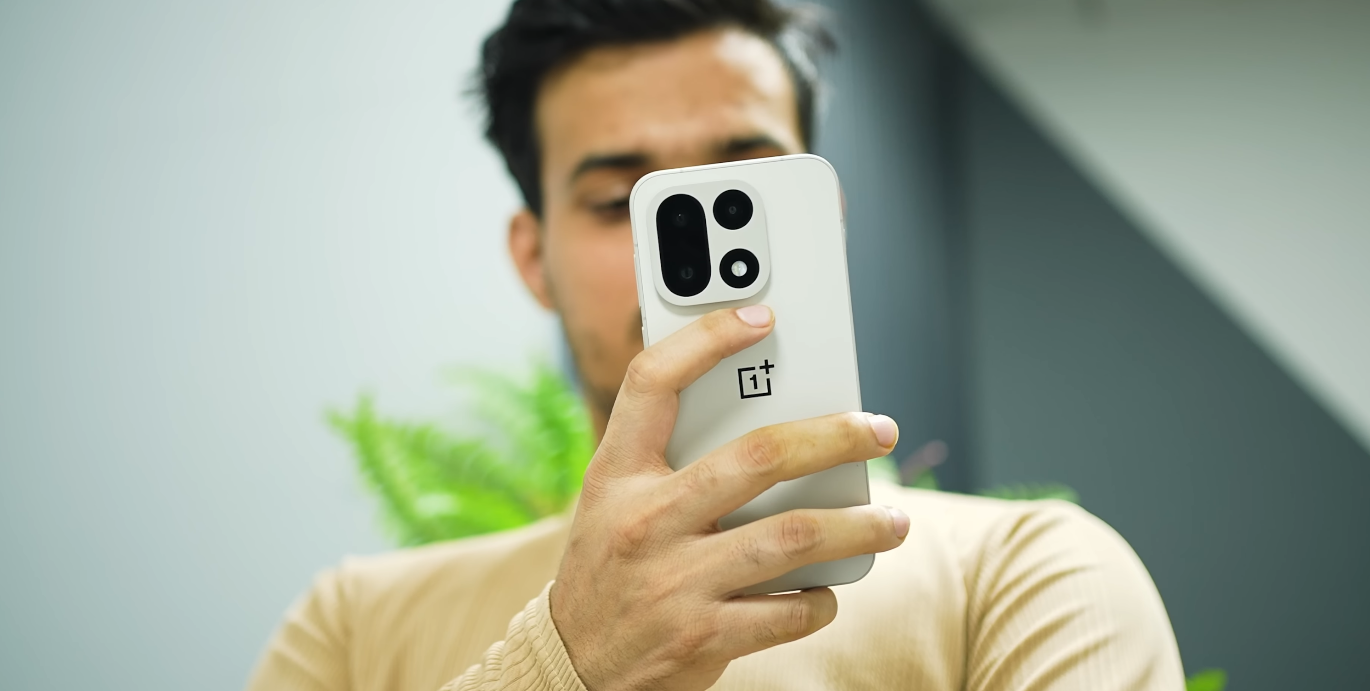
One of the biggest contrasts is in design philosophy. The OnePlus 15 moves toward a clean, flat-edged look that feels practical in the hand, especially for long sessions of browsing or gaming. Its frame and finishes aim for durability without adding unnecessary flash. The OPPO Find X9 Pro, meanwhile, brings a more camera-centric design with its larger module and slightly heavier build. It uses a strengthened aluminium frame and offers a more premium aesthetic, giving off a distinct flagship presence.

Display quality is also a major deciding factor. The OnePlus 15 features a 6.78-inch LTPO AMOLED panel built around speed and fluidity, with support for a very high refresh rate that makes animations, gaming and scrolling feel exceptionally smooth. The OPPO Find X9 Pro matches the size closely with its own 6.78-inch panel but focuses more on brightness and long-term visual comfort. Its display delivers excellent clarity and high peak brightness, which helps when using the phone outdoors in bright UK daylight.

OnePlus 15 vs OPPO Find X9 Pro — design, display and charging compared

Where refresh rates are concerned, the OnePlus 15 has a clear advantage thanks to its higher maximum rate. This gives it a noticeable edge for users who enjoy fast-moving content or simply prefer the extra smoothness. The OPPO Find X9 Pro still offers a premium viewing experience, but its slightly lower refresh rate places more emphasis on balance and battery efficiency rather than outright motion performance.

Battery capacity is another important difference. The OnePlus 15 includes a large 7,300mAh battery, which already puts it ahead of most flagships. However, the OPPO Find X9 Pro goes a step further, offering a 7,500mAh battery that aims to deliver longer endurance across the day. UK users who rely heavily on navigation, outdoor photography or continuous calls may appreciate the extra buffer OPPO provides here.

Charging speeds flip the advantage the other way. The OnePlus 15 supports ultra-fast wired charging, allowing the battery to top up far quicker than many competing models. This makes it ideal for users who want the shortest possible downtime. The OPPO Find X9 Pro does support fast charging too, but it remains slightly more conservative to protect its larger battery. Both devices include wireless charging options, making them flexible for at-home and office use.

In everyday routine, these charging differences matter more than spec sheets suggest. A quicker top-up benefits users who move between short breaks or have unpredictable schedules, while a larger battery benefits those who prefer to charge once and forget about it. The OnePlus 15 suits the first group perfectly, while the OPPO Find X9 Pro caters well to the second.

When looking at weight and overall hand feel, the OnePlus 15 is generally lighter and slimmer, making it more comfortable for prolonged one-hand use. The OPPO Find X9 Pro, with its slightly heavier profile, feels more solid and substantial. This is often a preference-based decision rather than a clear advantage for either brand, but it does shape the overall experience.

Both phones bring premium materials, water resistance ratings and top-tier build quality, but they express it differently. OnePlus offers a cleaner, more modern look with a focus on comfort and speed. OPPO provides a more luxurious design with emphasis on durability and visual flair.

Overall, the OnePlus 15 stands out for its high-refresh-rate display, lighter design and significantly faster charging. The OPPO Find X9 Pro wins on battery capacity, premium feel and excellent display brightness for UK outdoor use. Both devices are strong choices, but each prioritises different aspects of the flagship experience, making the decision largely dependent on what matters most in daily life.