OnePlus 15 vs Samsung Galaxy A-series: premium features seep down

OnePlus 15 vs Samsung Galaxy A-series premium features seep down

How a true flagship stacks against a trickle-down mid-premium line

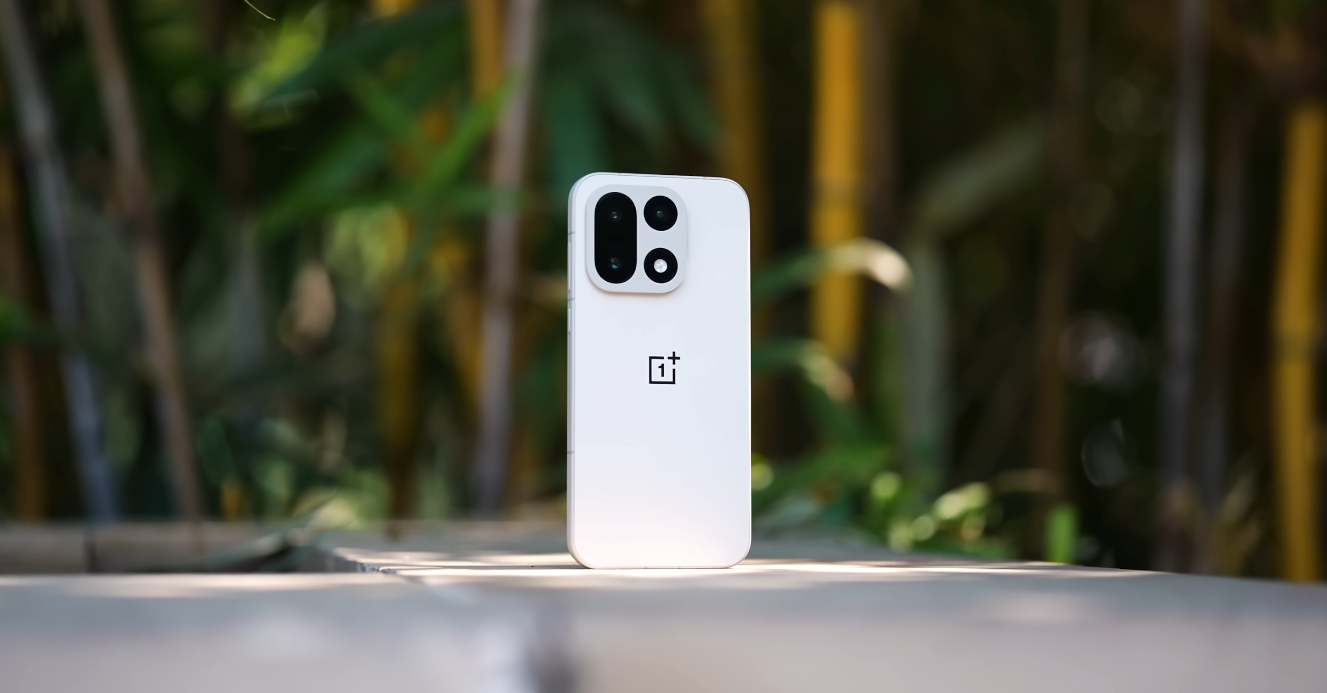
The OnePlus 15 represents a full-blown flagship experience: top chipset, high refresh display, big battery and premium build. In contrast the Samsung Galaxy A-series offers strong value by bringing many features once exclusive to flagships into more affordable territory. That makes for an interesting comparison in terms of value, performance and practical daily use.

When you look at raw hardware, the OnePlus 15 has the clear edge. It delivers superior performance capabilities, faster displays and larger battery capacity than any current Galaxy A device. If you upgrade from a budget or mid-range phone and demand premium feel, the OnePlus fills that role.

On the other hand, the Galaxy A-series shines by making multiple modern features accessible: solid camera systems, good displays, recent software updates and premium materials at a lower price point. For users who desire many of the “good bits” of flagship phones without the full cost, the A-series is very compelling.

OnePlus 15 vs Samsung Galaxy A-series premium features seep down

The difference lies in how you prioritise. If you want the very best—maximum smoothness, high-end specs, extra headroom for years—you’ll go with the OnePlus 15. If you’re looking for smart value—very capable hardware, good experience, fewer compromises—the Galaxy A-series offers most of what many users actually need.

Another factor is longevity. With a top flagship like the OnePlus 15 you’re likely buying for longer life, keeping your phone many years and getting top-tier support and performance long into future. With a Galaxy A phone you may get great value now but might reach limitations or see hardware trade-offs sooner.

In practical UK use, if your budget allows and you want to avoid compromises, the OnePlus 15 is the right choice. If you’re more budget-aware and willing to accept small trade-offs for big savings, the Galaxy A-series gives excellent everyday experience. The “premium features seeping down” concept means flagship-grade features are increasingly accessible, but there’s still a tangible difference if you pay for the real flagship.

OnePlus 15 vs Poco F8 Pro — flagship muscle vs budget powerhouse

OnePlus 15 vs Poco F8 Pro — flagship muscle vs budget powerhouse

Comparing premium performance and value for UK smartphone buyers

The OnePlus 15 and the Poco F8 Pro represent two very different strategies in the smartphone market. The OnePlus 15 is built as a full flagship with a focus on premium features, while the Poco F8 Pro targets performance-focused users at a more affordable price point. For UK buyers deciding between them, both offer powerful hardware but with different priorities.

In terms of design, the OnePlus 15 leans heavily into a premium flagship feel with its aerospace-grade metal frame, advanced durability rating and refined finish. The Poco F8 Pro follows a more cost-efficient design approach, maintaining a metal and glass build but without the same emphasis on rugged protection or luxury materials. Visually both phones look modern, yet the OnePlus clearly positions itself higher.

When comparing displays, the OnePlus 15 features a larger LTPO AMOLED panel with a high refresh rate that enhances gaming and smooth scrolling. The Poco F8 Pro includes a 1.5K-class AMOLED panel with a fast refresh rate of its own, but it does not reach the same level as the OnePlus in fluidity and brightness. For users who prioritise multimedia and visual quality, the OnePlus screen is more refined overall.

OnePlus 15 vs Poco F8 Pro — flagship muscle vs budget powerhouse

Performance is where the gap becomes surprisingly narrow despite the price difference. Both handsets use Qualcomm’s most recent high-performance flagship chipset with generous RAM options. The OnePlus integrates more aggressive thermal management, ensuring consistent peak performance during extended use, especially for gaming and multitasking. The Poco F8 Pro delivers extremely strong performance too, making it a standout in its price segment.

Battery and charging are essential factors for everyday reliability. The OnePlus 15 introduces a larger battery capacity alongside very fast wired and wireless charging. The Poco F8 Pro supports fast charging as well, but the battery capacity and charging flexibility trail slightly behind the OnePlus option. For heavy users who rely on long endurance and speedier top-ups, the OnePlus advantage is clear.

In the camera department, the OnePlus 15 uses a triple 50MP flagship-grade system with advanced image processing aimed at giving users dependable results in nearly all conditions, including low light. The Poco F8 Pro also offers a triple-camera layout with a high-resolution main sensor, and it performs well for everyday photography, although it does not match the consistency and colour-science sophistication of the OnePlus imaging pipeline.

Software and long-term support are also important to UK buyers who typically keep phones for multiple years. OnePlus continues its reputation for strong update policies and clean software optimisation. Poco runs HyperOS with regular improvements, but historically its update schedule has been less consistent than OnePlus devices. For those valuing firmware stability and long-term usability, OnePlus carries an advantage.

Pricing is where the Poco F8 Pro makes a strong case. The OnePlus 15 is positioned firmly in the flagship tier and comes with a premium price to match its capabilities. The Poco F8 Pro is expected to cost significantly less at launch, making it attractive for performance-hungry users who do not want to pay flagship prices. The price-to-specification ratio is one of Poco’s strongest selling points.

UK buyers should also consider availability and after-sales support. OnePlus maintains established distribution in the UK with carrier and retail presence, offering warranty and service accessibility. Poco is improving its presence but still relies more on online retail channels, which may influence users who prefer in-store purchasing and service options. Warranty and repair convenience could factor into the final decision.

Overall, both smartphones deliver considerable value, but to different types of buyers. The OnePlus 15 is designed for users who want the best technology with minimal compromise, especially in display quality, battery performance, camera output and software longevity. The Poco F8 Pro is aimed at budget-conscious shoppers who still want flagship-level power without paying premium pricing. Choosing between them comes down to whether price or complete flagship polish matters more.

OnePlus 15 vs Samsung Galaxy S24 — last-gen “latest” vs latest flagship

OnePlus 15 vs Samsung Galaxy S24 — last-gen “latest” vs latest flagship

Flagship Clash: OnePlus 15 and Galaxy S24 Compared for UK Buyers

When UK users consider a new smartphone, choosing between the very latest flagship from a major brand and a device that arrives with cutting-edge specs but isn’t part of the primary flagship streak is often the dilemma. Here we’re comparing the OnePlus 15—a direct flagship effort—and the Galaxy S24, which represents Samsung’s most recent flagship generation in the UK. We’ll examine how they stack up across specs, features, value and what it means for everyday UK usage.

The OnePlus 15 positions itself as the 2025 premium flagship: powered by the Snapdragon 8 Elite Gen 5, featuring a 6.78-inch LTPO display with up to 165 Hz refresh rate, and backed by a 7,300 mAh battery with ultra-fast charging (120W wired, 50W wireless) according to global spec reports. It also offers a triple 50MP rear camera setup and IP68/IP69 ratings. These specs highlight how OnePlus is chasing the “best specs now” agenda rather than being held back by older hardware. On paper it’s a raw performance beast.

By contrast, the Galaxy S24 is Samsung’s current mainstream flagship for early-2024, with features including a 6.2 inch Dynamic AMOLED 2X display with 120Hz refresh rate, a triple-camera system (50MP main + 10MP telephoto + 12MP ultra-wide in UK spec) and Samsung’s strong software update policy (up to 7 years of OS/security updates). It may lack the ultra-high refresh or gigantic battery of the OnePlus, but it offers balanced performance, premium build, broad ecosystem support in the UK, and trusted updates.

OnePlus 15 vs Samsung Galaxy S24 — last-gen “latest” vs latest flagship

In real-world UK usage the OnePlus 15 stands out where raw hardware matters: gamers who want extremely smooth refresh rates, power users who run many apps, those who charge often and dislike downtime, and users who want large battery capacity for long days out. Its charging speeds and battery size make it compelling for travellers, heavy streamers or anyone who pushes their phone hard.

However, the Galaxy S24 brings advantages for many UK buyers: its compact size (which matters for handheld comfort), proven camera performance in day-to-day conditions, dependable software support and brand trust. The smoother experience, whether owning a Samsung accessory ecosystem, which many UK users already have, also adds value. For someone who uses a phone for everyday tasks—social media, streaming, photography, mobile banking, commuting—the Galaxy S24 is likely more than sufficient without the premium price burden or battery-size trade-offs of a one-year-new device.

One important note is value and timing: since the Galaxy S24 launched earlier, promotions and deals (UK network bundles, trade-in offers) may deliver better pricing. The OnePlus 15, being the newer high-end model, may command higher full price. If budget is a factor, the Samsung might deliver better “bang for buck” despite being nominally last-gen.

Camera quality also matters: while the OnePlus 15’s spec sheet is very impressive, reviewer commentary suggests its imaging system is strong but less proven in real world than Samsung’s well-tested system. For UK lighting conditions (overcast, indoor venues, late evenings) reliability and consistency may favour the Galaxy S24 unless the user truly exploits advanced features of OnePlus.

For UK users making a decision: pick the OnePlus 15 if you prioritise top-tier specs, largest battery, fastest charging, highest refresh rates and are comfortable paying a premium for peak performance. Choose the Galaxy S24 if you want a flagship experience with balanced features, strong brand ecosystem, compact size (if you prefer smaller phones), and excellent value for everyday use.

In summary: the OnePlus 15 is the “latest flagship raw spec” machine; the Galaxy S24 is the refined “latest flagship” that delivers for most users. For those who demand maximum hardware and future-proofing, OnePlus wins. For the majority of UK users who want a premium phone that works without compromise across most scenarios at a likely better value, Samsung remains the safer bet.

OnePlus 15 vs Realme GT Neo 7 — same chipset, different experience

OnePlus 15 vs Realme GT Neo 7 — same chipset, different experience

Flagship Muscle Meets Value-Driven Speed

The OnePlus 15 and the Realme GT Neo 7 arrive in the same performance arena, powered by top-tier chipsets and designed for demanding users. But while they share a similar performance class, the overall experience they deliver is quite different. OnePlus pushes a full-scale flagship approach, whereas Realme focuses on high speed at a more affordable level. This contrast makes their comparison especially compelling for buyers who prioritise performance but value different styles of execution.

Starting with raw power, both phones rely on cutting-edge silicon built for heavy workloads, gaming and multitasking. The OnePlus 15 uses a flagship Snapdragon chipset, combined with a high-refresh LTPO display and an enhanced thermal system that keeps performance stable even during long sessions. The GT Neo 7, meanwhile, also targets top-tier efficiency and smoothness with its advanced processor, but emphasises value by offering most of the flagship performance without the premium pricing typically attached to it.

A major difference emerges in display technology. The OnePlus 15 uses a 6.78-inch LTPO panel capable of reaching up to 165Hz, giving it an edge in responsiveness and fluidity. Whether you’re scrolling, gaming or navigating apps, the screen adapts seamlessly. Realme’s GT Neo 7 offers a bright, sharp display with a 120Hz refresh rate—still excellent, but not quite as smooth as the OnePlus in high-frame-rate scenarios. For most users, 120Hz is more than enough, but enthusiasts may appreciate the added refinement of OnePlus’s panel.

OnePlus 15 vs Realme GT Neo 7 — same chipset, different experience

Battery endurance is another area where both phones shine, yet differ slightly in execution. The OnePlus 15 packs a massive battery designed for multi-day use, supported by extremely fast charging. This combination ensures long life under heavy use and quick recovery times. The GT Neo 7 also includes a large battery and fast charging of its own, offering strong longevity for the price segment. While the endurance gap isn’t huge, OnePlus still pulls ahead thanks to its more efficient LTPO display and larger overall capacity.

Build quality and materials drive a further wedge between the two experiences. The OnePlus 15 offers a true flagship feel—premium materials, refined surfaces and a balanced weight that signals high-end craftsmanship. Realme’s GT Neo 7 delivers a sturdy and modern design, but its focus is on practicality and keeping the device lightweight. It looks sharp and feels good, but it does not reach the same level of premium refinement as its rival.

Camera systems also showcase a difference in priorities. The OnePlus 15 features a more advanced imaging setup, including a high-resolution main sensor, optical zoom options and refined computational processing. This allows the phone to handle varied lighting conditions, movement and detail more effectively. The GT Neo 7 offers capable everyday photography and good daytime results, but it does not match the versatility or sharpness of the OnePlus camera system, especially in low-light or zoom scenarios.

Software experience plays a meaningful role in how both devices feel day to day. OxygenOS on the OnePlus 15 places emphasis on clean visuals, fluid responsiveness and long-term stability. Realme UI on the GT Neo 7 is fast and feature-rich but aimed at users who want customisation and performance without expecting the ultra-polished feel found in premium flagships. Both interfaces are snappy and efficient, though OnePlus pulls ahead slightly in overall refinement.

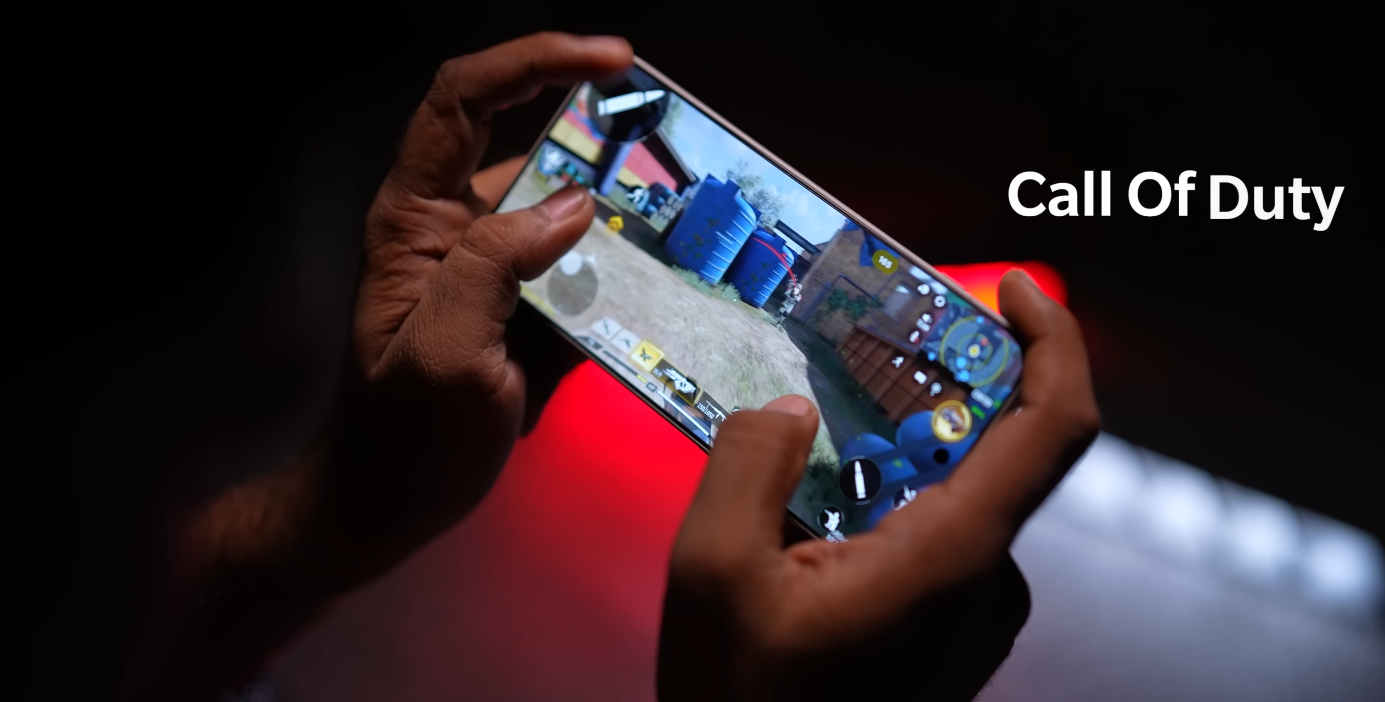
In gaming, both smartphones deliver excellent results thanks to their powerful chipsets and advanced thermal designs. The OnePlus 15 offers an edge due to its higher refresh display, sustained performance and strong battery efficiency. The GT Neo 7 still handles demanding titles well and remains one of the best value performers in its segment. For casual or moderate gamers, the difference may be minimal, but intensive players will likely appreciate OnePlus’s smoother visual output and more stable performance curve.

When considering long-term use, OnePlus’s commitment to extended software updates and its premium build suggest better durability over multiple years. Realme offers good update support too, but its device lifecycle focuses more on value and mid-to-upper premium positioning rather than ultra-long flagship longevity. Depending on how long you plan to keep your phone, this difference could matter.

In conclusion, both the OnePlus 15 and the Realme GT Neo 7 deliver impressive performance despite coming from different market philosophies. The OnePlus 15 is the clear flagship: stronger display technology, better camera performance, longer battery life and more premium build quality. The Realme GT Neo 7, however, offers tremendous value: flagship-class speed at a lower cost, making it ideal for users who want power without premium pricing. The final choice depends on whether you prefer absolute flagship refinement or high-performance value with fewer compromises.

OnePlus 15 vs Galaxy M-series: why value & premium segments collide

OnePlus 15 vs Galaxy M-series why value & premium segments collide

When Budget Meets Flagship — A Collision of Ambitions

The OnePlus 15 arrives as a full-blown flagship: highest end materials, top specs, premium features. On the flip-side sits the Samsung Galaxy M‑series which targets value seekers: strong features for lower cost, fewer compromises in the budget segment. Lately, though, their paths are intersecting — and that’s changing how buyers view “premium” vs “value”.

Where the OnePlus 15 leads: it offers flagship-grade CPU (Snapdragon 8 Elite Gen 5), ultra-smooth 165Hz display, large 7,300 mAh battery and advanced charging, top camera system and premium design. It’s built for users who demand the best across the board. Meanwhile, Galaxy M-series phones have steadily improved — larger batteries, higher refresh displays, decent cameras and respectable performance — all at much lower price points than traditional flagships.

The collision occurs because value-segment phones now cover many of the everyday needs that used to be flagships-only: good cameras, smooth displays, long battery life. So a buyer might ask: do I need the extra premium asked by OnePlus, or will the M-series fulfil 90 % of my needs for 50-60% of the cost? For many users the line between “premium flagship” and “value flagship” has blurred.

OnePlus 15 vs Galaxy M-series why value & premium segments collide

In some cases, the Galaxy M-series is sacrificing less than ever. You’ll see features like 120Hz or 90Hz AMOLED panels, multiple cameras, even fast charging. What it might omit are things like top-tier camera sensors, highest build materials, the fastest update windows, or the highest zoom lenses — and that’s where the OnePlus 15 justifies its premium. But if you don’t care about those extremes, value becomes very compelling.

For buyers focusing on everyday tasks—social media, streaming, casual photography, moderate gaming—the value segment often hits the sweet spot. The OnePlus 15 becomes more for those who expect best-in-class performance, longest update support, the highest water/dust resistance ratings or wish to keep their phone for many years without compromise.

Another angle: price pressure. As value phones improve, the premium phones must do even more to justify the extra money. The OnePlus 15’s premium asks can feel steep if you aren’t making full use of upgraded cameras, display refresh, top performance, or extended support. This makes the decision highly dependent on how you use your phone and how long you expect to keep it.

In summary: the “value vs premium” debate is not just about price, it’s about where you draw your threshold for “good enough”. The Galaxy M-series is narrowing the gap by offering very good performance and features for less; the OnePlus 15 widens the gap on premium material, top specs and extended lifecycles. They collide because the boundary between segments has shifted. Your choice comes down to: do you want to pay more for the best, or go smart and get most of the experience for less?

OnePlus 15 vs Google Pixel 9 Pro XL — best camera phone for UK users?

OnePlus 15 vs Google Pixel 9 Pro XL — best camera phone for UK users

Full-frame camera battle for everyday and pro mobile photography in the UK

The OnePlus 15 and Google Pixel 9 Pro XL are two of the most competitive 2025 flagship camera phones, and both are targeting users who want professional-level photography from a handset. For UK buyers deciding which device takes better photos overall, the comparison goes beyond hardware alone and into consistency, night reliability, colour accuracy and AI-powered editing. Each phone delivers excellent results, but their strengths differ depending on what and how you shoot.

In daylight, both phones produce stunning images, but the colour science is noticeably different. The Pixel 9 Pro XL leans toward a natural and balanced look with true-to-life skin tones and accurate exposure. The OnePlus 15 produces vibrant, high-contrast images that appear more cinematic and social-media ready straight from the camera. UK users who prefer natural realism may prefer the Pixel, while those who want eye-catching photos without post-editing may favour the OnePlus.

Night photography is where the gap becomes clearer. The Pixel 9 Pro XL consistently delivers brighter and more detailed shots in very low light, even in pubs, indoors or during late street photography. The OnePlus 15 still performs well at night and captures accurate colours, but occasionally relies on heavier smoothing in extreme darkness. For users who regularly shoot nightlife, concerts or indoor events, the Pixel will feel more reliable across lenses.

OnePlus 15 vs Google Pixel 9 Pro XL — best camera phone for UK users

Zoom capability is increasingly important for mobile photography, and here the Pixel 9 Pro XL maintains an edge. Its telephoto lens keeps sharpness and contrast strong even at higher zoom levels and in mixed lighting. The OnePlus 15 handles mid-range zoom very well and produces excellent results outdoors, but long-zoom shots can soften faster when lighting is limited. For wildlife photography, stadium seats or landscape details, the Pixel delivers greater flexibility.

Portrait mode performance is close, but the phones take different approaches. The Pixel uses softer background separation with natural depth and maintains facial detail without over-brightening. The OnePlus 15 creates a more stylised portrait with smoother skin and heavier subject separation, resulting in a studio-like look. Both perform well, but your preference will depend on whether you want realism or dramatic visual enhancement for social sharing.

AI tools also influence the overall camera experience. The Pixel 9 Pro XL is built around computational photography and includes editing tools that can modify expressions, remove objects and improve composition automatically. These tools make a noticeable difference for users who post on social platforms frequently or who want easy on-device corrections. The OnePlus 15 includes AI utilities focused mostly on camera enhancement and system efficiency rather than automated image editing.

Battery performance matters when using the camera heavily, especially during travel or late nights. The OnePlus 15 has an advantage in battery capacity and charging speed, allowing longer photo and video sessions without worry. The Pixel 9 Pro XL is efficient, but extended use of AI editing or night mode consumes more power. For photographers who are out all day without a charger, the OnePlus offers stronger endurance.

Video recording quality is solid on both devices, but with slight differences. The Pixel leans towards cinematic stabilisation and balanced exposure, making it ideal for vloggers and social media content creation. The OnePlus emphasises clarity and colour, which makes videos pop instantly without colour grading. UK users who want high-quality videos with minimal editing effort will appreciate the OnePlus output, while creators who value accurate tone and post-editing control may lean toward Pixel.

Longevity is another factor. Google’s long update policy means the Pixel 9 Pro XL will continue receiving camera and AI improvements for several years, helping it stay at the top of the photography charts over time. The OnePlus 15 also offers strong software support, but its largest advantages lie in hardware rather than future software evolution. For users who keep phones long-term and want camera features to improve over time, the Pixel offers more reassurance.

Overall, both flagships are excellent camera phones, but they serve different user preferences. The Pixel 9 Pro XL is the better choice for users who prioritise low-light reliability, long-range zoom and advanced AI tools that enhance or correct photos automatically. The OnePlus 15 is the better fit for users who want a bold photographic style by default, great video quality, excellent daytime shots and superb battery life to support long shooting sessions.

OnePlus 15 vs Google Pixel 9 — battery endurance and camera quality

OnePlus 15 vs Google Pixel 9 — battery endurance and camera quality

Battery Endurance and Camera Comparison of OnePlus 15 and Google Pixel 9

The battle between the OnePlus 15 and the Google Pixel 9 is heating up, especially when it comes to battery endurance and camera quality. With smartphones becoming more central to everyday life, how each model handles long-use and image capture may tip the decision for many users.

Starting with battery life, the OnePlus 15 impresses with a large dual-cell battery that allows for extended usage. Under moderate to heavy use, it easily lasts through a full day and often pushes into a second. Charging speeds are also quick enough to minimise downtime. Meanwhile, the Pixel 9 delivers a reliable full-day of use for most people, though it does not match the multi-day capacity seen with its competitor.

In real-world tests, the OnePlus 15 showed performance during mixed-use scenarios that indicated less battery anxiety: fewer mid-day recharge breaks, less thermal throttling, and stable performance over extended periods. The Pixel 9, on the other hand, maintained solid endurance, but reviewers still advise users handling intensive tasks or long travel days to carry a charger or power bank.

OnePlus 15 vs Google Pixel 9 — battery endurance and camera quality

Turning to camera quality, the OnePlus 15 boasts strong hardware: high-resolution main, ultrawide and telephoto lenses. The physical telephoto lens gives it a boost in optical zoom performance—useful for capturing distant subjects in better clarity. Reviewers note that the OnePlus’s main lens renders good detail and colour balance. However, consistency across all lenses and ultra-wide scenarios is flagged as a weaker point.

The Pixel 9, though, leans into computational photography strengths. Users can expect great results in everyday shooting: reliable exposures, strong low-light performance, and a consistent quality across shooting modes. Though it may lack the higher optical zoom specs of the OnePlus, its camera system frequently ranks among the best for effortless image quality and post-processing polish.

For users whose priority is battery endurance, especially those who often find themselves away from a charger, the OnePlus 15 stands out. If your camera needs are broad—especially requiring strong zoom and versatile hardware—it offers a compelling option. Conversely, if you value image quality and consistency, and your usage is mostly within a single day where recharging isn’t a major concern, the Pixel 9 is the more balanced choice.

In conclusion: go with the OnePlus 15 for longer battery life paired with a strong camera hardware suite. Choose the Pixel 9 if you favour top-tier camera experience and are comfortable with very good (rather than multi-day) battery performance.

OnePlus 15 vs OPPO Find N3 — foldable innovation vs flagship polish

OnePlus 15 vs OPPO Find N3 — foldable innovation vs flagship polish

Two Flagship Paths for UK Buyers

The OnePlus 15 and OPPO Find N3 represent two very different flagship ideas. OnePlus sticks to a traditional high-end slab design focused on raw power, battery life and smooth performance. OPPO takes the opposite route with the Find N3, delivering a premium foldable experience built around flexibility and a large inner display. For UK buyers, the choice comes down to whether you prefer proven flagship polish or cutting-edge foldable innovation.

The OnePlus 15 continues the brand’s familiar recipe: a large display, lightweight but solid build and a refined design that focuses on practicality. Its flat edges and slim profile make it easy to handle despite its size. The OPPO Find N3 embraces the foldable format with a compact outer screen and a tablet-like inner display when unfolded, offering a different kind of convenience for multitasking and productivity.

Display technology is one of the clearest differences. The OnePlus 15 uses a high-refresh AMOLED panel designed for incredibly smooth motion, making everything from scrolling to gaming feel fluid. The Find N3 splits its experience between the outer display for quick tasks and the expansive inner display for immersive viewing, reading and productivity. Its foldable format brings a level of versatility that regular flagships cannot match.

OnePlus 15 vs OPPO Find N3 — foldable innovation vs flagship polish

Performance is another key point. The OnePlus 15 delivers top-tier power with its flagship chipset and fast software optimisation, ensuring strong speed across apps, games and daily tasks. The Find N3 offers premium performance as well, but with a focus on balancing power with the thermal and structural demands of a foldable design. Both are fast, but the OnePlus 15 pushes further in sustained performance and ultra-responsive behaviour.

Battery life shows a clear advantage for OnePlus. With its large battery and efficient tuning, the OnePlus 15 delivers strong all-day durability even under heavy workloads. Its fast charging ensures quick recovery during busy schedules. The OPPO Find N3 provides reasonable endurance, but like most foldables, its battery performance is limited by the dual-display setup and hinge construction, making it better suited for moderate to regular daily use rather than intense sessions.

Charging speeds also differ in a meaningful way. The OnePlus 15 supports very fast wired charging, allowing users to top up quickly before heading out. Wireless charging options add extra convenience. The Find N3 focuses more on maintaining a balanced thermal profile to protect its foldable structure, resulting in more conservative charging speeds compared to slab-style flagships.

In everyday use, the OnePlus 15 feels predictable and reliable. Its straightforward layout, strong performance and long battery life make it a dependable all-rounder for users who want consistency. The Find N3 feels more dynamic and flexible, offering a unique experience through split-screen work, large-screen reading and pocket-friendly portability when folded. It adds genuine versatility that appeals to users who enjoy productivity on the go.

Durability and practicality play a role too. The OnePlus 15 benefits from a simpler physical design, meaning fewer moving parts and generally more long-term resilience. The Find N3’s hinge and foldable panel are engineered for daily use, but naturally involve more complexity, making it a device for users who value innovation and are comfortable with modern foldable construction.

When it comes to camera use, both devices offer strong capabilities, but the Find N3 leverages its foldable design in interesting ways. The ability to use the cover display as a viewfinder or position the phone half-folded creates new photography angles and hands-free options. The OnePlus 15 focuses on polished camera performance and consistent results, suiting users who prefer a conventional shooting approach.

Overall, the OnePlus 15 shines as the dependable flagship choice, offering polished hardware, powerful performance and long battery life. The OPPO Find N3 stands out for users who want a device that feels futuristic, flexible and productive, thanks to its foldable dual-display format. Both are premium, but each caters to a different kind of user experience.

In the end, choose the OnePlus 15 if you want a classic flagship that excels in speed, smoothness and all-day reliability. Choose the OPPO Find N3 if you want a device that offers foldable innovation, multitasking freedom and a fresh approach to modern smartphone use.

OnePlus 15 vs Oppo Find N3: foldables vs flat flagship decision

OnePlus 15 vs Oppo Find N3 foldables vs flat flagship decision

Choosing between classic flagship performance and foldable versatility

The OnePlus 15 and Oppo Find N3 cater to different kinds of users. On the one hand, the OnePlus 15 delivers high-end flat flagship performance: fast chipset, large battery, smooth display and all the essentials of a full-power everyday phone. On the other hand, the Find N3 offers a foldable design where screen flexibility, multitasking and novelty take centre stage.

For everyday use, the OnePlus 15’s strengths are clear: you get a premium flat phone that is optimised for speed, endurance and ease of handling. There’s no hinge to worry about, fewer moving parts, and the plain-old bar phone form factor remains familiar, compact and pocket-friendly. If you prioritise straightforward performance, the OnePlus stands out.

The Find N3 shines when you want more screen real estate, switch between folded and unfolded modes, or engage in tasks like simultaneous apps, larger media viewing or using phone as a mini-tablet. If you value the foldable experience and can live with the extra thickness or potential battery trade-offs, it offers something different.

OnePlus 15 vs Oppo Find N3 foldables vs flat flagship decision

Display experience differs notably. The OnePlus’s flat panel gives a consistent experience for gaming, social media, streaming and normal usage. The Find N3 gives you that plus the bonus of unfolding for more immersive content or productivity. It may make a real difference if you often use your phone for watching, multitasking or handling documents on the go.

Battery life and practicality lean toward the OnePlus 15. With its larger battery and fewer mechanical compromises, it is likely to deliver longer endurance in typical use. The foldable Find N3, while capable, may trade off some battery or comfort due to its form factor. If you’re away from charger often, the OnePlus is safer.

Durability and future-proofing also matter. Flat phones like the OnePlus tend to have fewer hinge-related concerns and are simpler in build. The foldable mechanics in the Find N3 add a layer of complexity and may affect long-term durability. If you plan to keep the phone for many years, the flat flagship may feel less risky.

Ultimately, your decision depends on your usage priorities. If you want the best all-round flat flagship experience, focusing on speed, battery, ease and value, choose the OnePlus 15. If, however, you are excited by the foldable format, want versatility, larger screen for content or multitasking, and are comfortable with form-factor trade-offs, then the Find N3 is an engaging option.

In short: the OnePlus 15 wins in traditional flagship performance and practicality. The Oppo Find N3 wins in foldable innovation and screen flexibility. Your daily usage patterns will guide which side wins for you.

OnePlus 15 vs iPhone 15 Pro — speed test and day-to-day usage

OnePlus 15 vs iPhone 15 Pro — speed test and day-to-day usage

Performance and Practical Use Breakdown

When comparing the OnePlus 15 and the Apple iPhone 15 Pro, two flagship phones with different philosophies, it is important to look at both raw speed and how each performs in everyday scenarios for UK-based users.

On the speed front, the OnePlus 15 uses the Snapdragon 8 Elite Gen 5 chip and pairs it with a 165Hz display (in certain modes) and massive battery capacity (7,300 mAh) in global models. Reviewers highlight its top-tier specs and high frame rates in demanding tasks. Meanwhile the iPhone 15 Pro runs Apple’s A17 Pro chipset, which also delivers class-leading performance. The iPhone typically excels in app launch times and system responsiveness thanks to tight hardware-software integration.

In everyday use, the OnePlus 15’s high refresh rate display makes animations, scrolling and transitions feel extremely fluid. In UK daylight and multi-tasking situations this gives a perceptible smoothness advantage when browsing, switching apps or gaming. The iPhone 15 Pro, while capped at 120Hz, benefits from excellent optimisation, making even “normal” refresh rates feel very slick. Some users may find it indistinguishable from ultra-high refresh in real-world use.

OnePlus 15 vs iPhone 15 Pro — speed test and day-to-day usage

Battery endurance is another key differentiator. The OnePlus 15’s large battery and fast-charging capabilities mean heavy users in the UK (streaming video, navigation, gaming) may see better “all-day plus” usage without reaching for the charger mid-afternoon. The iPhone 15 Pro battery life is very competitive but its smaller size (and focus on efficiency) means it may require a top-up in longer sessions. For someone commuting, working remotely or travelling, the OnePlus might offer more buffer.

On the ecosystem and everyday practicalities front, the iPhone 15 Pro shines with years of software support, robust resale value in the UK market, and seamless integration with other Apple devices. This means for someone invested in iOS or planning long-term ownership, the iPhone has appeal. The OnePlus is strong on specs and value, but Android device support and accessory ecosystem may not match Apple’s premium experience in all cases.

For typical UK day-to-day use, if you prioritise things like ultra-smooth UI, high refresh, longer battery and raw spec-value, the OnePlus 15 will feel very compelling. If you instead prioritise polished build, ecosystem lock-in, long-term software updates and best resale value, the iPhone 15 Pro is a safer bet.

In terms of “speed tests” (benchmarking apps, launch times, gaming load) you may see marginal differences: the iPhone likely wins in consistency and system-wide smoothness; the OnePlus wins in head-to-head spec-to-spec numbers and display responsiveness. But whether you’ll feel the difference in your daily routine depends on how you use your phone.

So the decision comes down to what “day-to-day” means for you in the UK context: longer charging intervals, high refresh display and Android flexibility (OnePlus) versus premium build, ecosystem strength, strong support and perhaps tighter integration with other tech you own (iPhone). If you tell me your budget, preferred size and whether you favour Android or iOS, I can recommend which one I’d pick for you, or even suggest a third “sweet-spot” alternative.

OnePlus 15 vs Value-Brand Flagship Killers: Can the Affordable Brands Compete?

OnePlus 15 vs Value-Brand Flagship Killers Can the Affordable Brands Compete

Does the ‘killer-flagship’ idea still make sense in 2025

The OnePlus 15 arrives as a genuine flagship contender: top-tier hardware, strong battery, high refresh display and impressive specs for the price. At the same time the smartphone market is full of “flagship-killer” devices from value-oriented brands that promise nearly flagship performance at much lower cost. The question for UK buyers in 2025 is: Can these value brands truly compete with the OnePlus 15?

Let’s start by breaking down what the OnePlus 15 brings to the table. It’s powered by the Snapdragon 8 Elite Gen 5 chipset, features a 6.78-inch LTPO display with up to 165Hz refresh rate, and boasts a massive 7,300 mAh battery according to official OnePlus claims. Reviews highlight consistent top-tier performance across tasks. While reviewers flagged some minor drawbacks (like software polish or camera quirks) it’s clear that OnePlus is delivering flagship hardware without charging what ultra-premium brands ask.

Now let’s look at the value-brand “flagship killers”. Brands such as Poco, Nothing, Realme (and others) have in recent years offered phones with near-flagship specs (powerful processors, good screens, big batteries) but at significantly lower price points. For example, one review described the Poco F7 Ultra as “one of the cheapest ways to get a flagship-level phone” while acknowledging trade-offs.

OnePlus 15 vs Value-Brand Flagship Killers Can the Affordable Brands Compete

So where do they stack up – and where do the trade-offs lie?

Performance & hardware: The OnePlus 15 is ahead in pure firepower. The value phones often use slightly older or lower-tier chipsets, fewer premium materials, and may have reduced specs in areas like camera system, display quality or durability. If you demand highest possible performance and best all-round top hardware, OnePlus clearly leads.

Display, battery and charging: OnePlus nailed it with the huge battery and high refresh display, which are often areas where value phones make compromises. A flagship killer might still have a high refresh rate, but maybe not 165Hz, or a smaller battery, or slower charging. For heavy users – gamers, power users, long-day users – those differences matter.

Cameras and imaging: Value phones often scale back camera hardware or software processing. Even if they claim “50MP triple cameras”, the sensors may be smaller, optics less refined, and software tuning weaker. OnePlus in its review highlights that its camera quality is excellent “for the price” and comparable to top tier devices. Value brands may be good, but rarely match the best flagship in all lighting conditions.

Build quality, durability and extras: The OnePlus 15 offers premium materials, likely better durability certifications, refined build and perhaps extras (fast wireless charging, better IP rating, top-tier display materials). Value phones might compromise on build, omit wireless charging, use cheaper components. If you plan to keep your phone for several years, the build quality difference becomes more significant.

Software updates and long-term support: This is often a major area of difference. Flagship phones from established brands often promise longer update windows (4-5 years plus security updates). Value brands sometimes offer less lengthy support or slower update rollout. For UK buyers thinking long-term, this matters.

Value and price: Here’s where the value brands shine: you can get “nearly flagship” experience for much less money. If you’re budget-conscious, willing to accept some compromises (in camera, build, updates), a flagship killer may deliver excellent value. OnePlus positions itself as “flagship at less than ultra-premium price”, so it tries to bridge the gap between full-price flagship and value.

The decision for UK buyers: If you prioritise the absolute best hardware and longevity (performance, battery, build, camera, updates) then OnePlus 15 is a safer bet. If you’re willing to trade some of those premium bits in return for big savings, a value brand “flagship killer” could be very compelling. The key question is: which trade-offs are acceptable to you?

In short: Yes, value brands can compete—especially for many everyday users. But they rarely match the “full flagship” in every dimension. The OnePlus 15 demonstrates that you don’t necessarily have to pay ultra-premium price to get flagship level, but if you go even further down the cost ladder you need to be aware of concessions.

For most UK consumers who want strong flagship performance yet good value, the OnePlus 15 looks like a very strong “sweet spot”. If budget is the biggest constraint, then chasing a flagship killer makes sense—but be clear on the areas you’re compromising.

If you like, I can compare the OnePlus 15 with two specific “flagship killers” available in the UK right now side-by-side (specs + value) so you can see the fine details.

OnePlus 15 warranty, repair & service in the UK: what to expect

OnePlus 15 warranty, repair & service in the UK what to expect

Understanding Support for UK Buyers

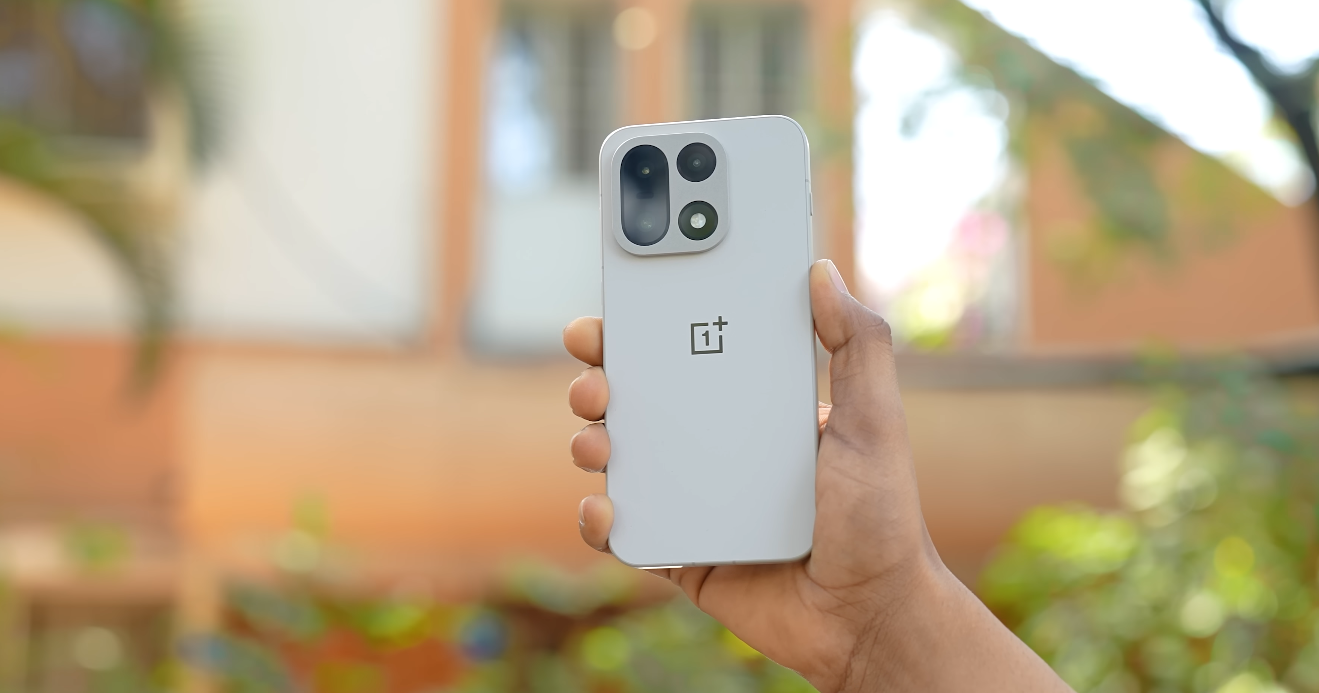
The OnePlus 15 arrives as a flagship built for reliability, and for UK users, that includes a solid after-sales network. From warranty coverage to service options, OnePlus has expanded its support in the country to match its premium status. Here’s a full breakdown of what UK customers can expect when it comes to warranty, repair, and service.

Every OnePlus 15 sold in the UK comes with a two-year limited warranty as standard. This covers all manufacturing defects and faults under normal usage. The warranty begins from the date of purchase and applies only to devices bought from authorised UK retailers or directly from the official OnePlus website. It’s worth noting that OnePlus’s UK warranty terms are compliant with consumer laws, meaning you still have statutory rights even beyond the company’s own policy.

The warranty covers defects in hardware components — such as the display, processor, camera modules, and internal boards — provided they haven’t been tampered with. It also includes repairs or replacements for faulty parts at no extra charge. However, the warranty does not cover accidental damage, water ingress, unauthorised repairs, or normal wear and tear such as scratches and battery degradation. Accessories like chargers, cables, and cases usually come with a separate six-month warranty period.
OnePlus 15 warranty, repair & service in the UK what to expect

If your OnePlus 15 develops an issue, the repair process in the UK is straightforward. The first step is to contact OnePlus Support through their official UK website. You can either chat online, open a service ticket, or call the dedicated support line. Once your issue is logged, the team will assess whether the problem qualifies for a warranty repair. If it does, they’ll arrange a collection or provide shipping instructions to send your phone to an authorised service centre.

UK repairs are handled by certified OnePlus partners, ensuring genuine parts and approved tools are used. Turnaround time typically ranges from 5 to 10 working days, depending on parts availability. For issues that can’t be fixed easily, OnePlus often replaces the device entirely rather than repairing it on-site. Before sending your phone for service, it’s recommended to back up your data, as repairs may require a factory reset.

For users with damage outside warranty — like cracked screens or accidental liquid exposure — OnePlus offers paid repair options. You’ll receive an upfront estimate before any work begins, and only genuine parts are used. While costs can vary, OnePlus’s repair pricing is generally more affordable than some other flagship brands. Some UK users have reported screen replacements completed for under half the cost of a similar repair on competing devices.

The OnePlus Care programme adds an extra layer of security for UK customers. By registering your device, you can extend coverage or purchase accidental damage protection for peace of mind. This is especially useful for heavy users or those planning to keep their phone for several years. For premium flagships like the OnePlus 15, this can be a worthwhile investment.

In terms of local service availability, OnePlus continues to expand its footprint in the UK. Most repairs are still carried out via courier rather than walk-in centres, but support turnaround has improved compared to older models. The brand’s UK service network also includes live chat support for troubleshooting and guidance, helping customers solve common software or setup issues without visiting a centre.

When it comes to replacement parts and support longevity, OnePlus promises to keep spares available for at least five years after the model’s release. Software updates, including major OxygenOS upgrades and security patches, are planned for four and six years respectively, matching the warranty’s spirit of long-term reliability.

In short, UK buyers of the OnePlus 15 can expect a dependable service ecosystem backed by a clear two-year warranty. Repairs are handled professionally, replacements use original parts, and customer support is now far more responsive than in the company’s early days. The only caveat is that accidental damage still requires paid service or protection add-ons.

For UK users, that means peace of mind — the OnePlus 15 isn’t just powerful and stylish, it’s backed by a support network that’s finally matured to flagship standards. With two years of warranty coverage and efficient UK service options, owning the OnePlus 15 is as worry-free as any other premium smartphone on the market.

Also Read:  Redmi K90 Pro Max design leak shows denim-backed variant – stylish or gimmick?