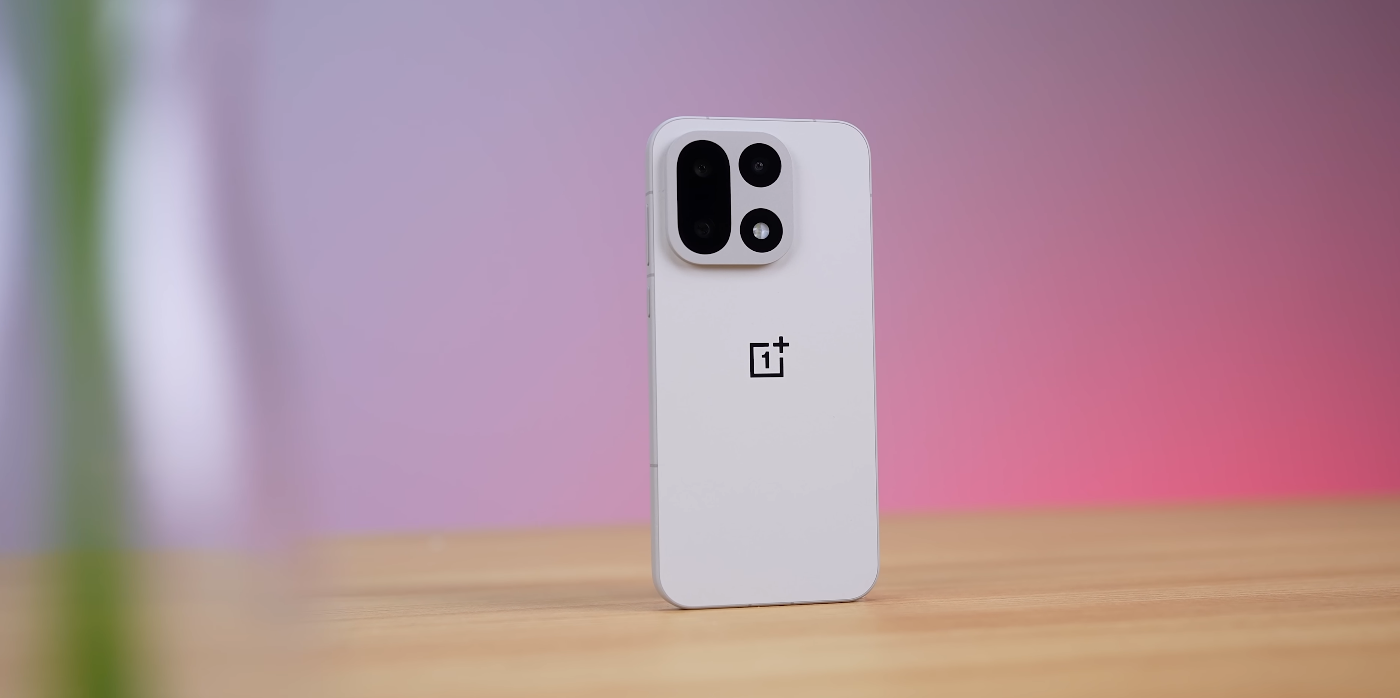
OnePlus 15 vs iPhone 16 Pro — battery, display and build quality compared

OnePlus 15 vs iPhone 16 Pro — battery, display and build quality compared

Flagship Strengths Across Endurance, Screens and Materials

The OnePlus 15 and iPhone 16 Pro take very different approaches to flagship design, especially when comparing battery life, display technology and overall build quality. For UK users deciding between Android’s latest power move and Apple’s newest premium compact flagship, these three areas reveal clear strengths on both sides. This comparison focuses on how each device performs in real daily use across the UK.

Battery life is one of the biggest differences between the two. The OnePlus 15 arrives with a notably large battery capacity and a design aimed at delivering longer endurance even under heavier use. Day-to-day testing shows the phone easily exceeding a full day, with enough charge to continue into the next morning for many users. This makes it a strong option for commuters, travellers and those who use navigation, streaming and social apps throughout the day.

The iPhone 16 Pro offers dependable battery life but takes a more efficiency-driven approach rather than competing on raw capacity. In typical UK usage—mixing messaging, browsing, video playback and moderate photography—it lasts comfortably through a full day but rarely stretches significantly beyond that. Most users will still recharge nightly, especially if they rely heavily on camera or gaming apps. Its battery performance is stable and predictable, though without the extended endurance seen on the OnePlus 15.
OnePlus 15 vs iPhone 16 Pro — battery, display and build quality compared

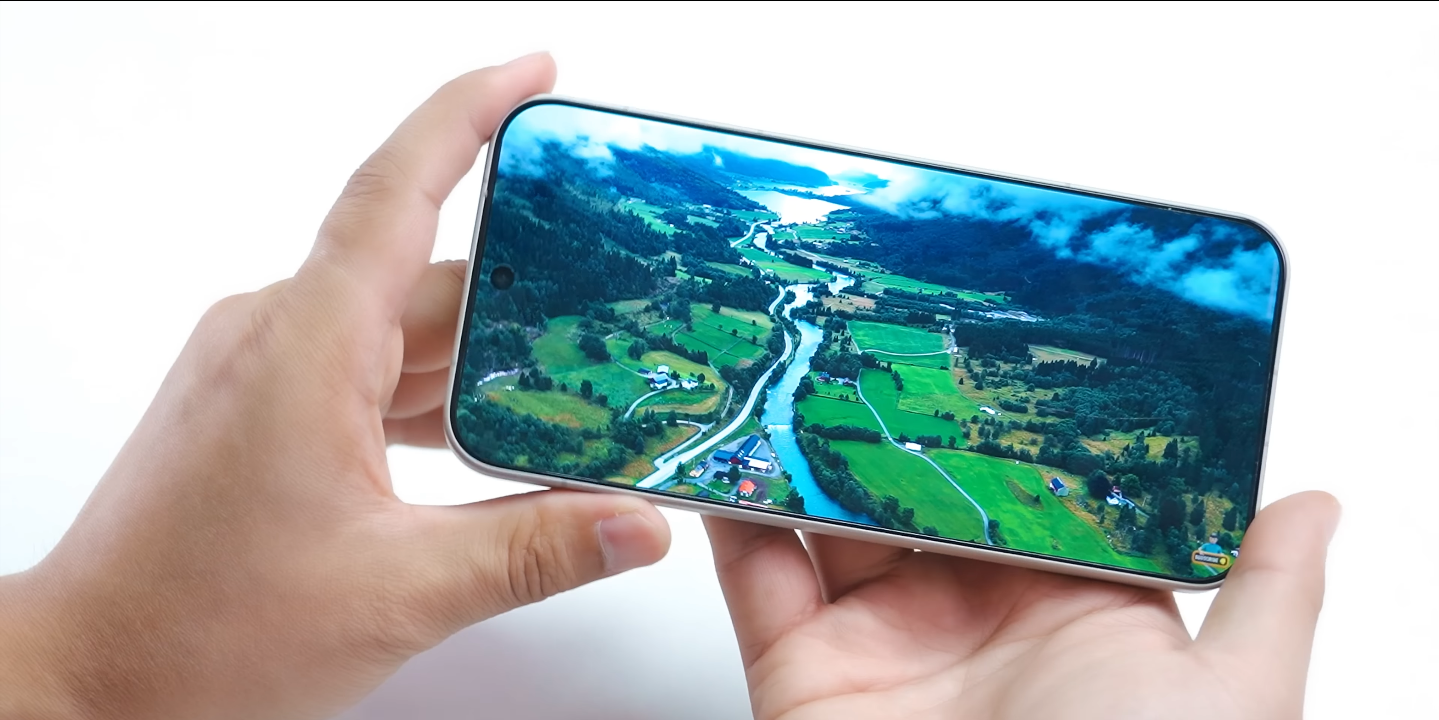
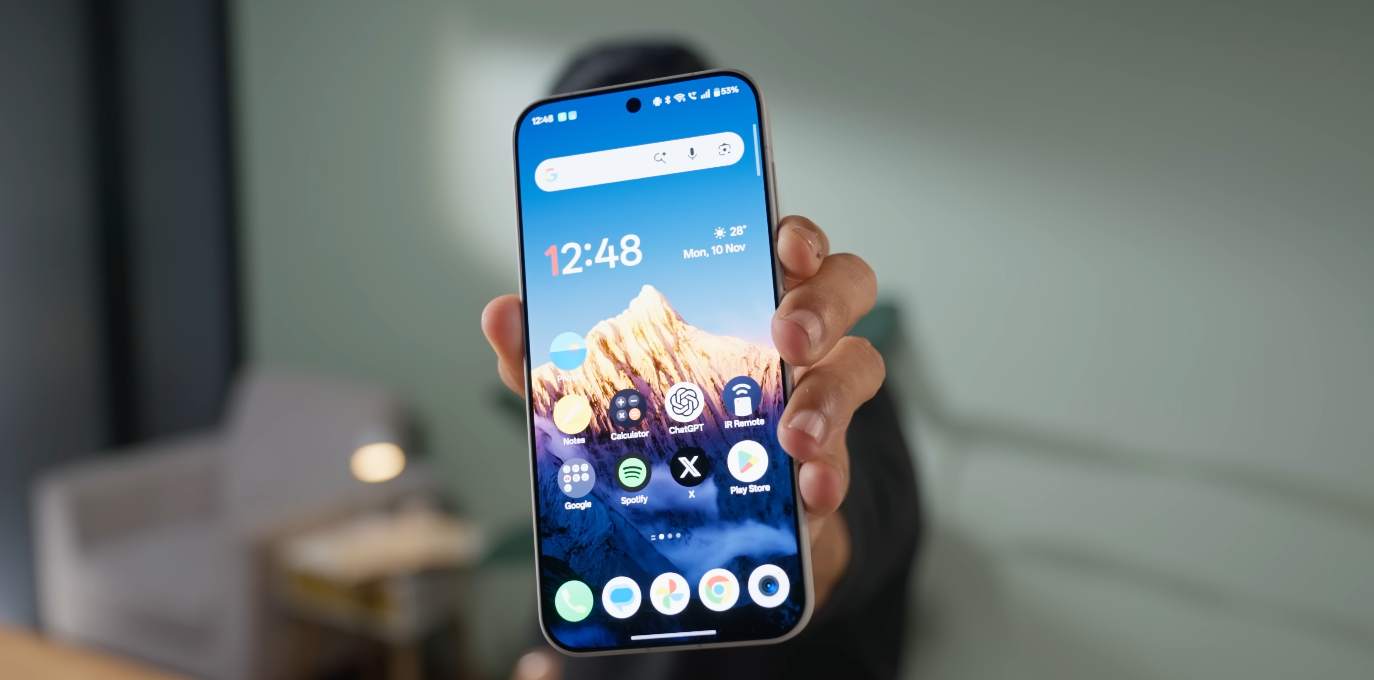
Display differences highlight another clear contrast. The OnePlus 15 features a large, high-refresh screen designed for smooth animations and gaming. The combination of a spacious panel and fluid motion makes it ideal for users who appreciate larger displays for entertainment, multitasking and immersive content. Its brightness levels and high refresh rate also improve visibility and responsiveness during outdoor use on brighter days common across UK seasons.

The iPhone 16 Pro uses a smaller but highly refined display that prioritises colour accuracy, brightness and ecosystem optimisation. For users who prefer a compact device that remains comfortable in one hand, the iPhone’s display strikes a practical balance. It still offers a fast refresh rate and excellent outdoor readability, making it well suited for everyday UK conditions including bright winter light or cloudy afternoons. The overall experience feels polished, especially within Apple’s app environment.

Build quality is another area where the two devices distinguish themselves clearly. The iPhone 16 Pro continues Apple’s premium design focus with high-grade materials such as a refined frame and strengthened glass. This contributes to a sturdy feel and premium finish that UK users familiar with Apple’s design language will immediately recognise. It also helps long-term durability and supports strong resale value across the region.

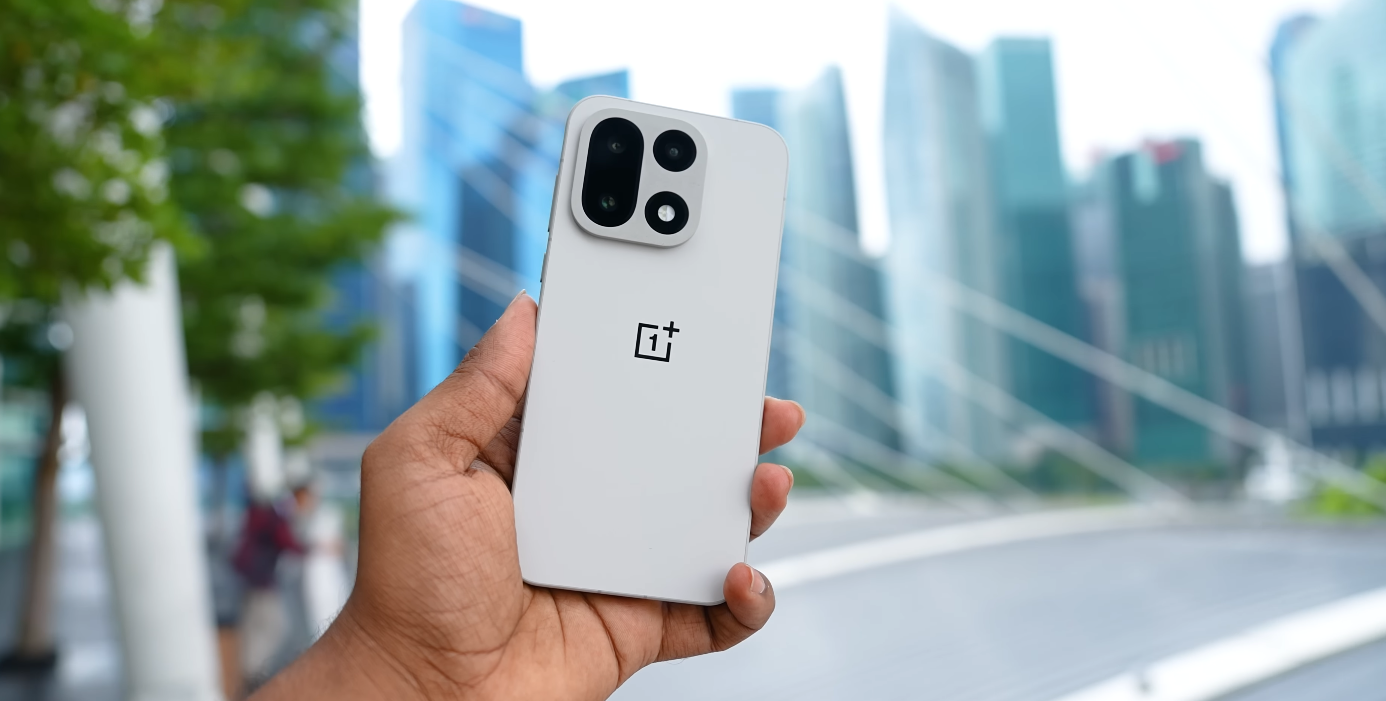
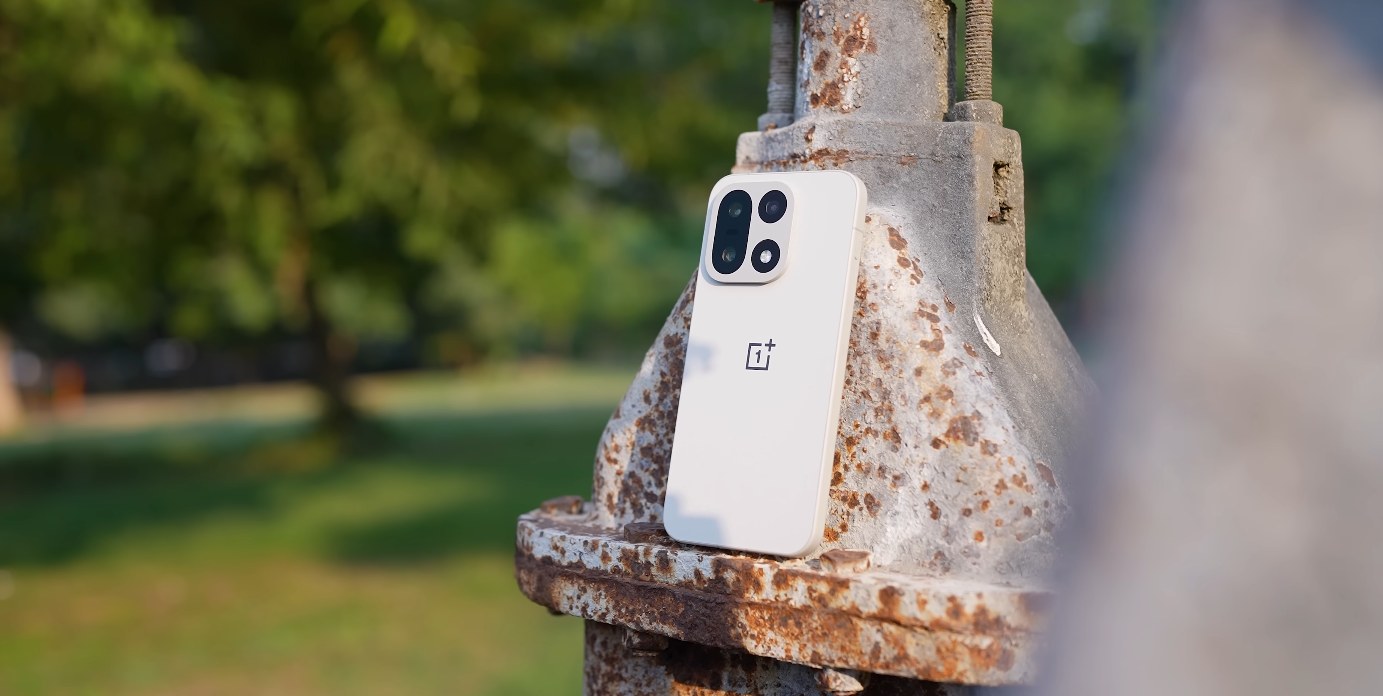
The OnePlus 15 delivers its own premium design, with solid materials and a modern flagship feel, though the emphasis is more on performance-orientated construction than luxury detailing. The device remains robust and well built, but its aesthetic and material choices are geared towards technical capability rather than matching the iPhone’s boutique finish. For users who value engineering and battery innovation over prestige materials, the OnePlus design will be a better fit.

Practical UK use also highlights differences in handling. The larger footprint of the OnePlus 15 suits users who enjoy spacious screens but may feel less compact in daily commuting or one-hand operation. The iPhone’s smaller size and lighter form make it more pocket-friendly and comfortable for extended handheld use, especially for those who prioritise convenience over screen size.

Charging behaviour further separates the two phones. The OnePlus 15 supports extremely fast wired charging, making top-ups quick enough to eliminate battery anxiety for most users. This is particularly useful for those with busy schedules who prefer shorter charging windows. The iPhone 16 Pro maintains Apple’s more conservative charging speeds, which focus on battery health rather than speed, and remain adequate for overnight charging routines common among UK users.

Both devices bring strong durability, but their philosophies differ. The iPhone’s materials and refined build give it a premium assurance that appeals to those who keep their devices for several years. The OnePlus 15 emphasises functional durability paired with high performance, giving it a practical advantage for users relying heavily on battery and display power.

In the end, the OnePlus 15 is the better choice for UK buyers who prioritise long battery life, a larger and smoother display and fast charging convenience. The iPhone 16 Pro suits those who value compact design, premium materials, consistent software support and a polished everyday experience. Both flagships excel, but the right choice depends on whether endurance and screen size or build refinement and ecosystem integration matter more.

OnePlus 15 vs Oppo Find X9: high-end showdown

OnePlus 15 vs Oppo Find X9 high-end showdown

Two flagship titans face off in 2025’s ultimate Android battle

The OnePlus 15 and Oppo Find X9 are shaping up to be two of the most advanced Android smartphones of 2025, each pushing the limits of design, performance, and endurance. While both belong to the same parent group, BBK Electronics, their execution of flagship innovation takes distinct directions. For UK buyers, this battle comes down to what kind of user experience they value most — power efficiency or imaging finesse.

The OnePlus 15 enters the ring with a record-breaking 7,300 mAh battery, paired with 120W wired and 50W wireless charging. It’s one of the biggest batteries in a flagship-class phone, promising nearly two days of endurance under moderate use. The Oppo Find X9 counters with a slightly smaller 7,025 mAh unit and 80W wired charging. While still impressive, it doesn’t quite match OnePlus’s charging speed advantage.

In terms of performance, the OnePlus 15 is powered by Qualcomm’s Snapdragon 8 Elite Gen 5 chipset — currently the top-tier processor for Android devices. It brings improved thermal efficiency, AI-based performance tuning, and superior gaming output. Oppo, on the other hand, has opted for the MediaTek Dimensity 9500 for the standard Find X9 model, while the Find X9 Pro may use the same Snapdragon chip as OnePlus. This gives OnePlus a small edge in raw performance, particularly for gaming and multitasking.

OnePlus 15 vs Oppo Find X9 high-end showdown

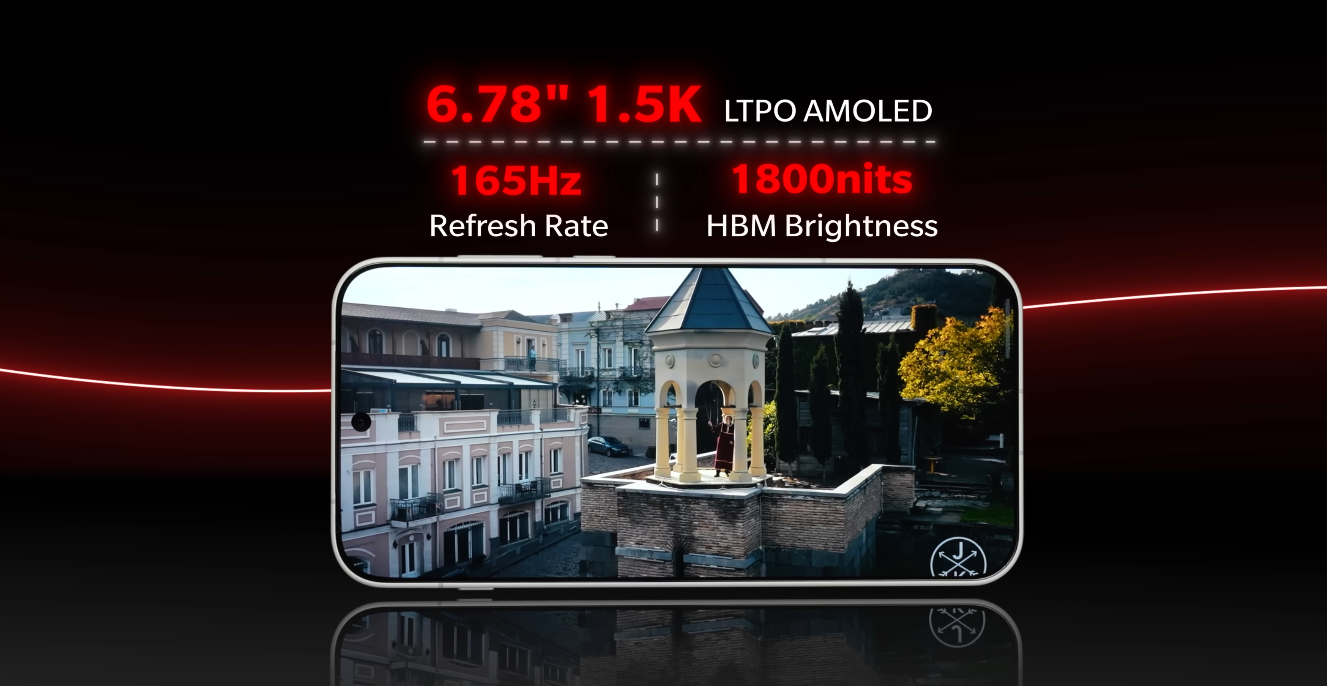
Display technology is another key differentiator. The OnePlus 15 features a 6.78-inch LTPO AMOLED display with 1.5K resolution and a 165Hz adaptive refresh rate. This makes scrolling and animations feel exceptionally fluid, ideal for both gamers and heavy media users. Oppo’s Find X9 features a slightly smaller 6.59-inch 1.5K LTPO panel with up to 120Hz refresh rate. While still vibrant and sharp, it lacks the ultra-smooth touch response of the OnePlus display.

Camera performance is where Oppo fights back hard. The Find X9 is built around a triple 50MP camera system that includes a periscope telephoto lens for detailed zoom shots. Oppo has leveraged its long-standing expertise in computational photography, with better night performance and colour calibration. The OnePlus 15’s triple-camera setup, co-developed with Hasselblad, delivers equally strong results but leans more toward balanced, natural colour tones rather than aggressive image processing.

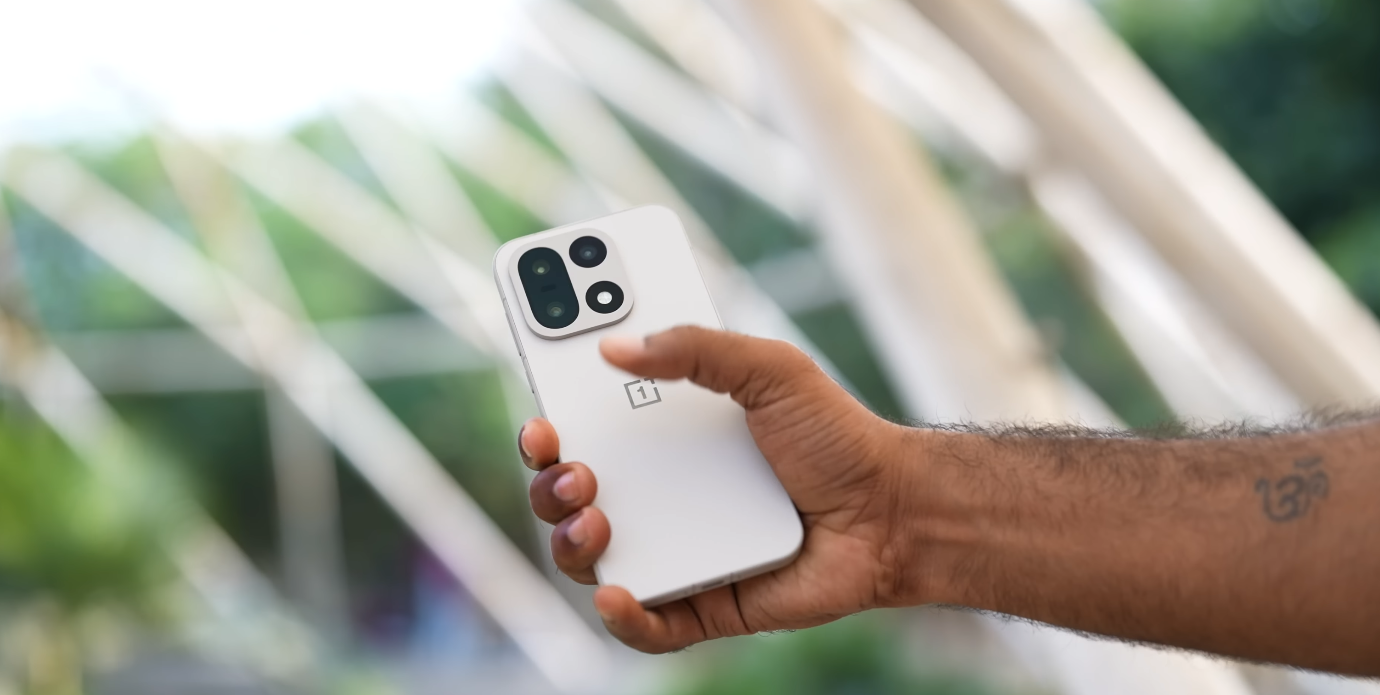
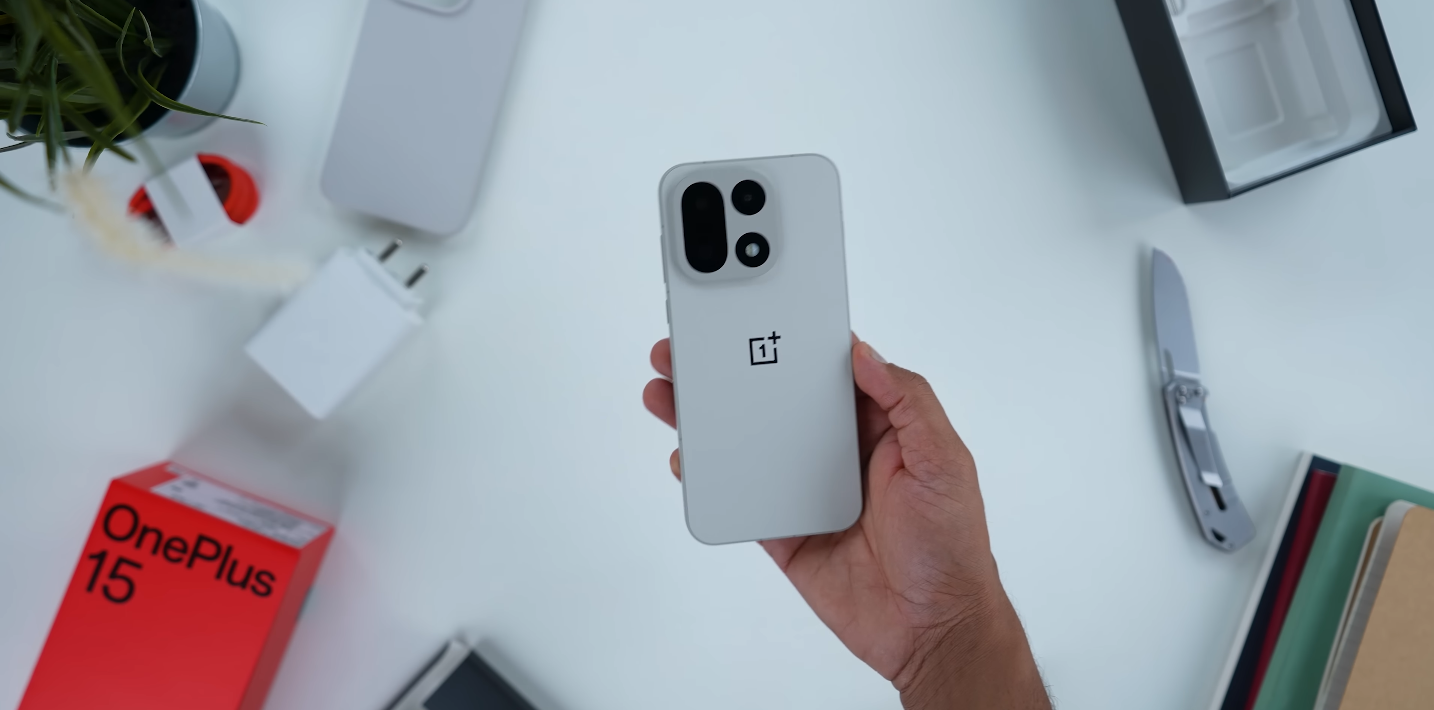
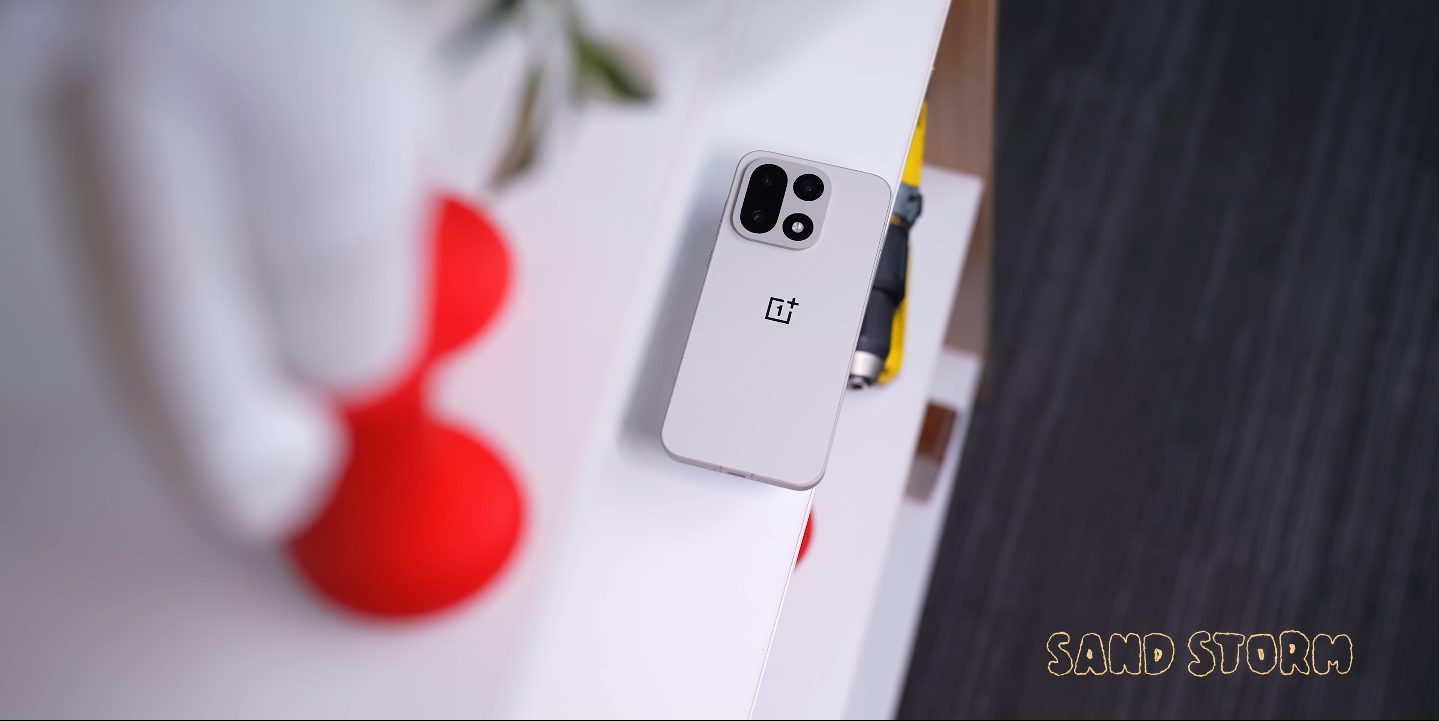
Design and materials take slightly different paths. The OnePlus 15’s “Sand Storm” edition features a matte fibreglass back with an aerospace-grade micro-arc coating, offering durability and a premium tactile feel. The Oppo Find X9 uses a lighter aluminium frame and glass composite finish, prioritising sleekness and minimal weight. The OnePlus weighs around 211 grams, while the Oppo remains slightly lighter at around 203 grams.

Software is another point of divergence. The OnePlus 15 ships with OxygenOS 16 based on Android 15, maintaining its clean, fast, and customisable interface that’s highly popular in Western markets. Oppo’s Find X9 runs ColorOS 15, which offers deep customisation and camera-oriented features, but may feel heavier to users who prefer a more minimalist design. Both phones promise at least four years of major updates and five years of security patches.

Audio, connectivity, and extras show few major differences. Both devices feature dual stereo speakers, IP68 dust and water resistance, and support for the latest Wi-Fi 7 and 5G networks. However, OnePlus integrates a new AI-based call noise suppression system and haptic tuning engine that gives it a slightly more polished experience for multimedia and gaming.

From a UK pricing perspective, both phones are expected to launch within a similar range — roughly £800 to £900 for base models. The OnePlus 15 is likely to appeal to users seeking raw performance, ultra-fast charging, and long battery life. The Oppo Find X9, meanwhile, will attract photography enthusiasts and those preferring a lighter, more refined feel in hand.

In the end, the OnePlus 15 is the better all-rounder — a true powerhouse with unmatched battery and display performance. But the Oppo Find X9 stands strong as the more camera-centric and design-conscious option. Whichever you choose, both flagships represent the very best of Android innovation in 2025, and either one could easily claim the title of this year’s top premium smartphone.

Also Read:  Redmi K90 Pro Max hidden costs: customs, warranty, software updates

OnePlus 15 vs older OnePlus models: leaps, leaps and more leaps

OnePlus 15 vs older OnePlus models leaps, leaps and more leaps

How the OnePlus 15 Pushes the Brand Forward in Every Major Area

The OnePlus 15 marks one of the biggest generational jumps the brand has made, offering improvements that go far beyond the typical yearly upgrade. For UK users comparing it with older OnePlus models, the differences in performance, battery, display and overall refinement are clearer than ever. Each new generation has added upgrades, but the leap with the OnePlus 15 is especially noticeable across real-world use.

Performance is the first major area where the OnePlus 15 stands out. With a newer flagship chipset built for speed, efficiency and advanced gaming, it runs tasks smoother than earlier OnePlus models. Older generations, while still capable, show their age when handling heavy apps, long gaming sessions or high-performance multitasking. Users upgrading from older devices will immediately notice the increased responsiveness and stability during demanding tasks.

Display technology has also taken a big step forward. The OnePlus 15 uses an enhanced high-refresh-rate panel that offers smoother movement, vivid colours and improved brightness levels compared with previous models. Older OnePlus phones often relied on lower refresh rates or less advanced display tuning, making the jump to the new model feel dramatic, especially for users who enjoy gaming, streaming or fast-paced apps.

OnePlus 15 vs older OnePlus models leaps, leaps and more leaps

Battery life is another area where the OnePlus 15 sees a major improvement. The newer battery design, combined with faster charging support, gives longer usage time and quicker recharge speeds. Older OnePlus models, particularly those used for several years, tend to show reduced battery endurance and slower charging performance. For UK buyers who spend long hours on the go, the bigger battery and faster charging of the OnePlus 15 deliver a noticeable upgrade.

Camera performance has evolved significantly as well. Previous OnePlus models offered solid photography, but the OnePlus 15 introduces better sensors, improved processing and enhanced low-light performance. Users coming from older devices will see sharper details, improved colour accuracy and better video output. While older phones still take good pictures, the difference in clarity and versatility is easy to spot.

Design and durability continue to improve with every generation, and the OnePlus 15 brings a more refined build with better resistance to daily wear. Older OnePlus devices often came with simpler finishes and lower durability ratings. The latest model feels more premium in hand, offering a stronger design that matches the expectations of a modern flagship.

Software experience also benefits from the new hardware. The OnePlus 15 supports the latest software features more efficiently, with better long-term readiness and smoother app performance. Older models may still receive updates, but the hardware limitations make newer features feel slower or less responsive. For UK users planning to keep their phone for several years, the OnePlus 15 provides a stronger foundation for future updates.

Gaming enhancement is another area where the new model surpasses older ones. With better cooling, faster processing and higher refresh rates, the OnePlus 15 offers a more stable gaming experience. By contrast, older OnePlus phones may heat up faster, throttle more quickly or struggle with extended high-performance gaming sessions.

Network compatibility and connectivity have also improved. The OnePlus 15 is built for the latest standards, offering improved 5G performance and stronger wireless stability. Older models may not support the same level of network optimisation, which can affect speed and consistency in some UK regions.

Overall, the OnePlus 15 represents a major leap forward when compared with older OnePlus devices. It brings stronger performance, smoother display quality, better battery life, improved cameras and a more premium build. For users still using older generations, the upgrade delivers noticeable improvements across nearly every aspect of daily use. For those wanting a modern, long-lasting flagship experience, the OnePlus 15 stands out as the biggest step forward in the OnePlus line-up.

OnePlus 15 vs Samsung Galaxy S25 Ultra — which flagship truly wins in 2025?

OnePlus 15 vs Samsung Galaxy S25 Ultra — which flagship truly wins in 2025?

A Complete Breakdown of Two Top-Tier Powerhouses

The 2025 flagship race is dominated by two major contenders: the OnePlus 15 and the Samsung Galaxy S25 Ultra. Both devices showcase premium hardware, polished software experiences and major innovations that define this year’s smartphone landscape. After months on the market and extensive real-world user feedback, it’s finally clear where each phone shines and where they differ in meaningful ways. For buyers in the UK, the choice depends on priorities such as performance, value, camera capability and ecosystem preferences.

Performance remains one of the most closely contested aspects in this comparison. Both phones use cutting-edge chipsets capable of breezing through demanding apps, multitasking and high-refresh gaming. The OnePlus 15 pushes hard with an aggressive performance profile, focusing on speed and responsiveness above everything else. The Galaxy S25 Ultra, while equally powerful, channels its performance through a more balanced system that emphasises stability and thermal control. In everyday use both are incredibly fast, but the OnePlus 15 feels slightly snappier due to its optimisation choices.

Display technology is another area where the differences emerge clearly. The OnePlus 15 uses a high-refresh AMOLED panel designed for fluidity and gaming smoothness. Its brightness, colour accuracy and viewing angles hold up impressively, especially for a device priced below some premium rivals. The Galaxy S25 Ultra, however, delivers one of the most advanced displays on the market, offering outstanding brightness, superior HDR handling and extremely refined calibration. Samsung’s long-standing leadership in screen tech is evident, making the S25 Ultra the better choice for content lovers and those who prioritise the best visual experience possible.

OnePlus 15 vs Samsung Galaxy S25 Ultra — which flagship truly wins in 2025?

Camera performance has long been a hallmark of Samsung’s Ultra line, and the S25 Ultra continues that trend. Its versatile setup includes exceptional zoom capabilities, strong low-light performance and reliable colour processing. OnePlus has significantly improved its camera offering with the 15, delivering natural colours, solid daytime performance and enhanced night photography. However, it still trails the S25 Ultra when it comes to detail consistency, zoom flexibility and dynamic range. For casual photography either phone excels, but for enthusiasts the S25 Ultra holds a clear advantage.

Battery life and charging speeds reveal one of the biggest contrasts between the two devices. OnePlus leans heavily into fast charging and large battery capacity, offering exceptionally quick top-ups and long-lasting endurance even for heavy users. This becomes particularly noticeable during gaming or video streaming sessions. The Galaxy S25 Ultra provides reliable all-day battery life, but its charging speeds fall behind. Users who prioritise convenience and minimal downtime will find the OnePlus 15 more appealing, while those satisfied with steady longevity will still appreciate Samsung’s consistency.

Software and ecosystem integration make a major difference depending on lifestyle. OnePlus continues refining its OxygenOS experience, aiming for clean visuals and responsive performance. The software has improved significantly in stability and ease of use, making it a strong contender for Android purists. Samsung’s One UI, however, offers deeper customisation, a more refined experience and unmatched integration with wearables, tablets, earbuds and smart home products. For users already in the Samsung ecosystem, the S25 Ultra offers a seamless connection across devices that OnePlus cannot currently match.

Build quality and design play a significant role in long-term ownership. The OnePlus 15 features a modern, minimalistic design with high-quality materials that feel premium in the hand. It is durable, comfortable and understated, appealing to buyers who want sleek hardware without unnecessary flash. The Galaxy S25 Ultra, on the other hand, embraces a more luxurious design language, with premium materials, advanced durability ratings and a strong visual identity. It feels unmistakably high-end, and this contributes to its flagship appeal.

Value for money is where the OnePlus 15 truly stands out. Offering high-end specs, fast charging and premium build quality at a lower price point makes it compelling for buyers who want flagship performance without flagship pricing. The Galaxy S25 Ultra costs significantly more, but buyers receive the advantages of superior camera hardware, best-in-class display quality and longer-term software support. The higher price reflects this premium positioning and appeals to users who want the very best without compromise.

After comparing the two across performance, display quality, cameras, battery life, software and value, the conclusion becomes clearer. The OnePlus 15 is the best choice for buyers who prioritise speed, charging convenience, balanced design and exceptional value. It delivers top-tier performance at a more accessible price, making it an excellent all-rounder. The Samsung Galaxy S25 Ultra, however, is the superior option for users who want the ultimate smartphone experience. Its camera system, refined display, ecosystem connectivity and long-term software support elevate it above most of its rivals.

In the end, both flagships win — but for different audiences. The OnePlus 15 wins for those who want maximum performance per pound, while the Galaxy S25 Ultra wins for buyers seeking the most complete flagship package available in 2025.

OnePlus 15 vs Poco X6 Pro — budget hero vs flagship contender

OnePlus 15 vs Poco X6 Pro — budget hero vs flagship contender

Two Phones Targeting Very Different UK Buyers

The OnePlus 15 and Poco X6 Pro sit at opposite ends of the smartphone market, yet both attract attention for what they offer in their price brackets. The OnePlus 15 is a premium flagship designed for users who want the best in performance, battery and display quality. The Poco X6 Pro is a budget-friendly performance phone that delivers strong value without aiming for flagship polish.

Design is one of the clearest points of difference. The OnePlus 15 carries a premium build with a large display, flat edges and a high-end finish that feels flagship-grade in every aspect. The Poco X6 Pro uses a more budget-oriented construction but still offers a clean, modern look that appeals to everyday users. Its lighter design makes it easier to handle for long periods.

Display quality also separates the two phones. The OnePlus 15 features a large, high-refresh AMOLED panel built for smooth motion and high brightness, making it ideal for gaming, streaming and browsing. The Poco X6 Pro offers a solid display for its price, delivering smooth performance at 120Hz, but it doesn’t match the premium feel or responsiveness of OnePlus’ flagship screen.

OnePlus 15 vs Poco X6 Pro — budget hero vs flagship contender

Performance shows an even bigger contrast. The OnePlus 15 runs a top-tier flagship chipset capable of handling heavy gaming, intensive apps and demanding multitasking with ease. The Poco X6 Pro uses a capable mid-range processor that delivers good speed for daily tasks, but it cannot compete with the raw power or future-proofing offered by the OnePlus 15.

Battery life and charging also differ significantly. The OnePlus 15 includes a large battery designed for long sessions, paired with very fast charging that keeps downtime to a minimum. The Poco X6 Pro offers respectable battery performance for its price point, along with fast charging, but it’s not built for the same level of endurance or rapid refills that power users demand.

Software experience plays an important role as well. The OnePlus 15 offers a polished and streamlined interface, optimised for speed and smooth animations across all apps. The Poco X6 Pro provides a feature-rich interface with good customisation, but it carries more budget-focused optimisation and may not feel as refined in day-to-day use.

In everyday performance, the OnePlus 15 is clearly the more capable device, delivering flagship responsiveness and consistent speed even under pressure. The Poco X6 Pro handles regular daily tasks effectively and remains a strong value choice, though it simply cannot match the OnePlus in heavy usage scenarios.

Camera performance also sees a gap between the phones. The OnePlus 15 offers a more advanced camera setup with better low-light performance, sharper details and improved processing. The Poco X6 Pro provides decent results for casual photography but is not designed to compete with flagship camera systems.

Overall, the OnePlus 15 stands out as the flagship contender, offering superior performance, display quality, battery life and overall polish. The Poco X6 Pro shines as the budget hero, giving strong everyday performance and features at a far lower cost. The best choice depends on whether you want premium flagship power or maximum value for your money.

For UK buyers, choose the OnePlus 15 if you want top performance, future-proof hardware and a premium feel. Choose the Poco X6 Pro if you want solid performance and great value without spending flagship-level money.

OnePlus 15 vs Honor Magic6 Pro: global flagship battle

OnePlus 15 vs Honor Magic6 Pro global flagship battle

Comparing Two Flagship Heavyweights in the Global Market

The global flagship phone market is packed with strong contenders, and the OnePlus 15 and Honor Magic6 Pro stand out as two of the most competitive options this year. Both brands have focused on performance, photography and premium design, making the comparison important for UK users looking for a reliable long-term device. Each model takes a different approach, but both aim to deliver a top-tier experience across everyday and advanced use.

The OnePlus 15 comes with a major focus on raw performance, using Qualcomm’s newest high-end chipset and faster RAM options to give users strong responsiveness across apps and demanding tasks. Honor Magic6 Pro, while running a slightly earlier but still powerful Snapdragon platform, balances performance with enhanced battery life and advanced AI-driven optimisation. In everyday use, both phones offer fast, fluid performance suitable for heavy multitasking.

Display technology plays a major role in this comparison. The OnePlus 15 features a flat, high-refresh-rate panel designed to deliver smooth motion, especially for gaming and fast-scrolling apps. The Honor Magic6 Pro offers a curved-edge display with excellent peak brightness, making it ideal for outdoor use and media consumption. UK buyers who prefer flat screens may lean toward OnePlus, while those who like premium curved designs may appreciate Honor’s approach.

OnePlus 15 vs Honor Magic6 Pro global flagship battle

Battery performance is another deciding factor. The OnePlus 15 uses a larger battery configuration paired with fast charging support, offering longer screen-on time for power users. Honor Magic6 Pro includes strong charging speeds as well, along with efficient battery management that extends daily usage. Both devices can comfortably last a full day, but the OnePlus may last slightly longer during heavy gaming or streaming sessions.

Camera systems differ significantly between the two phones. Honor focuses heavily on advanced photography features, especially in zoom clarity and overall versatility. Its periscope telephoto setup is designed to capture distant subjects without losing detail, appealing to users who enjoy mobile photography. The OnePlus 15 offers a solid all-round camera system with improvements in low-light performance and colour accuracy, making it strong for everyday use even if it offers less extreme zoom capability.

Design and build quality are premium on both models, but they cater to different tastes. The OnePlus 15 features a sturdy, modern build with a focus on durability and a clean finish. The Honor Magic6 Pro emphasises curved edges, a bold camera module and enhanced drop resistance, making it feel more luxurious in hand. For UK shoppers comparing the two in-store, the design preference often comes down to personal style.

Software experience also influences the decision. OnePlus offers a clean, smooth interface with fast updates and a focus on minimalism. Honor provides a feature-rich interface with AI tools that enhance daily tasks, such as photography, battery optimisation and device management. Both platforms have improved significantly in terms of stability and long-term support, giving users confidence in future updates.

Network support and global compatibility matter for buyers who need strong connectivity. Both devices support 5G networks, Wi-Fi optimisations and modern connectivity standards suitable for the UK market. The experience in real-world usage remains dependable, with strong signal handling and efficient power management during data-heavy tasks such as video calls or streaming.

For gaming users, the OnePlus 15 generally takes the lead thanks to its newer chipset, enhanced cooling and smoother display performance. It maintains stable frame rates during long sessions and stays responsive even with graphically demanding titles. The Honor Magic6 Pro also performs well, but its strength lies more in balanced use rather than peak gaming performance.

Overall, the choice between the OnePlus 15 and Honor Magic6 Pro depends on what matters most to the user. The OnePlus 15 excels in raw power, battery life and gaming responsiveness. The Honor Magic6 Pro stands out with its camera system, curved display and refined design. Both phones perform at a flagship level, making them strong options for UK buyers seeking a premium device that delivers across daily and advanced use cases.

OnePlus 15 vs iPhone 16 Pro Max — real-world speed and battery comparison

OnePlus 15 vs iPhone 16 Pro Max — real-world speed and battery comparison

Real-World Performance Face-Off Between OnePlus 15 and iPhone 16 Pro Max

When it comes to speed and battery performance in real-world use, the OnePlus 15 and the iPhone 16 Pro Max are two of the most capable smartphones available. For UK buyers, choosing between them means weighing raw hardware, system efficiency and overall endurance under everyday conditions.

On speed, the OnePlus 15 shines with its ultra-modern chipset and high refresh rate display, delivering extremely smooth app launches, rapid switching between tasks and high-end gaming capability. The experience feels fluid and responsive in all the daily activities from scrolling social apps to multitasking between heavy games and productivity tools. In contrast, the iPhone 16 Pro Max brings the strength of Apple’s ecosystem and software-hardware optimisation. While its raw hardware may show numbers similar to its predecessor, the real-world responsiveness feels seamless, and the system sustains high performance without lag, even under stress.

In terms of battery endurance, the OnePlus 15’s large cell offers very strong results. It handles heavy use — gaming, video streaming, camera sessions — all day and often well into the second day under moderate load. The fast charging capability adds practical convenience when a quick boost is needed. On the other hand, the iPhone 16 Pro Max may have a smaller battery by capacity terms, but thanks to excellent optimisation it delivers reliable all-day performance. Many users report it easily lasts from morning through to evening, and rarely leaves you scrambling for a charger.

OnePlus 15 vs iPhone 16 Pro Max — real-world speed and battery comparison

For heavy users who push their devices — gamers, multitaskers, media consumers — the OnePlus 15 may edge ahead thanks to its larger battery, charging speed and high-spec hardware. If you value being able to go longer between charges and want all the raw horsepower, it stands out. However, if you prioritise a consistent, reliable experience, system longevity, software support and you’re embedded in Apple’s ecosystem, the iPhone 16 Pro Max is a strong choice that does not compromise on battery or speed in real-world use.

Ultimately, the decision comes down to what you value most: If you want maximum hardware specs, top-end speed and best battery headroom, go for OnePlus 15. If you want a refined experience, long-term update support and excellent all-day performance with minimal fuss, the iPhone 16 Pro Max is a superb option.

OnePlus 15 vs Samsung Galaxy S25: flagship for less?

OnePlus 15 vs Samsung Galaxy S25 flagship for less

The Battle of Affordable Flagships

The smartphone world in 2025 is defined by fierce competition, and the OnePlus 15 versus Samsung Galaxy S25 comparison is one of the most talked about in the UK. Both aim to deliver top-tier performance, stunning displays, and refined software experiences — but at different price points. For those seeking flagship power without overspending, this matchup offers two compelling options.

The OnePlus 15 is built around pure performance. It’s expected to feature Qualcomm’s latest Snapdragon 8 Elite Gen 5 processor, paired with up to 16GB RAM and superfast UFS 4.0 storage. Samsung’s Galaxy S25, on the other hand, uses the Snapdragon 8 Elite (for Galaxy) chip in most UK models, delivering balanced performance with refined efficiency. While both are fast, OnePlus’s larger thermals and performance tuning could offer an edge in sustained tasks.

Display technology plays a major role in the experience. The OnePlus 15 will likely come with a 6.78-inch LTPO AMOLED display with a 165Hz refresh rate and 1.5K resolution. Samsung’s Galaxy S25 sticks with a smaller 6.2-inch Dynamic AMOLED 2X display running at 120Hz. The Galaxy’s brightness and colour calibration remain class-leading, but OnePlus promises smoother performance and a more immersive viewing experience — especially for gaming and media.

OnePlus 15 vs Samsung Galaxy S25 flagship for less

Battery and charging are areas where OnePlus often shines. The OnePlus 15 is rumoured to feature a massive 7,300mAh cell with 120W wired and 50W wireless charging. The Galaxy S25 maintains its moderate 4,000mAh capacity with 45W charging support. For UK users who value quick top-ups and all-day power, the OnePlus 15 looks far ahead, though Samsung’s efficiency may still provide solid endurance for average users.

Cameras remain one of the most important features for buyers. The Galaxy S25 carries a 50MP main sensor, 12MP ultrawide, and 10MP telephoto with 3x zoom. Samsung’s image processing continues to deliver crisp, balanced shots, especially in low light. OnePlus 15 is expected to include a triple 50MP system with a periscope zoom lens and enhanced imaging software. Hardware-wise, OnePlus might outgun Samsung, but Samsung’s software tuning and consistency keep it ahead for everyday photography.

Software support and updates are another key deciding factor. Samsung’s commitment to seven years of Android and security updates ensures long-term reliability, particularly appealing for UK buyers. OnePlus promises four years of major updates and six years of patches — a strong effort but still a step behind Samsung’s extended timeline. For those who keep their phones for years, the Galaxy S25 offers stronger longevity.

Build quality and ecosystem integration also set the two apart. The Galaxy S25’s aluminium frame, IP68 rating, and deep ties with Samsung’s wearables and tablets make it a refined, polished choice. OnePlus counters with a lighter, ergonomic design and OxygenOS, which many users still consider one of the cleanest Android experiences. For those less tied to brand ecosystems, OnePlus feels freer and faster.

Pricing could be the deciding factor for most UK buyers. The Galaxy S25 is expected to start around the £849 mark, while the OnePlus 15 is likely to undercut it significantly, potentially by several hundred pounds. This difference means OnePlus may deliver flagship-level specs for mid-tier pricing — a strong selling point for budget-conscious buyers who don’t want to sacrifice performance.

In day-to-day use, both devices promise stellar performance, fluid multitasking, and strong connectivity. Samsung’s advantage lies in its brand reliability and software polish, while OnePlus focuses on raw power, speed, and value. The final choice depends on whether you value refinement and ecosystem over sheer hardware strength.

In conclusion, the OnePlus 15 is shaping up as the true “flagship for less” — offering exceptional specs, faster charging, and a smoother display at a lower price. The Samsung Galaxy S25 remains the smarter long-term investment, with superior support, a proven camera system, and a trusted ecosystem. For the UK buyer, OnePlus wins on value, but Samsung keeps the crown for overall dependability.

OnePlus 15 vs Flagship trend-setters: how it stacks up in 2025

OnePlus 15 vs Flagship trend-setters how it stacks up in 2025

Where the OnePlus 15 stands among 2025’s leading premium phones

The flagship market in 2025 is more competitive than ever, with brands pushing boundaries in battery life, display technology, AI features and long-term software support. The OnePlus 15 enters this landscape promising raw speed, strong endurance and good value, but the question remains: how well does it measure up against the trend-setting flagships of the year?

The OnePlus 15 makes an immediate impact with its high-refresh display, which goes beyond what many rivals offer. Its 165Hz panel provides exceptionally smooth motion for gaming, scrolling and everyday interaction. This higher refresh rate positions it ahead of several premium models that top out at 120Hz, giving OnePlus an edge in responsiveness.

Battery life is another area where the OnePlus 15 keeps pace with or surpasses 2025’s flagship standards. With a larger-than-average battery and efficient optimisation, it supports long, mixed-use days without much anxiety about charging. Many ultra-premium devices follow similar endurance trends, but the OnePlus 15 delivers this without pushing its price into the highest range.

OnePlus 15 vs Flagship trend-setters how it stacks up in 2025

AI capabilities have become essential for top-tier smartphones in 2025, and the OnePlus 15 follows that pattern with intelligent features for productivity, content recognition and system optimisation. While some trend-setting phones push AI integration further, the OnePlus 15 still offers enough smart tools to feel modern and future-ready for most users.

In raw power, the OnePlus 15 stands strong. Its performance is built for heavy multitasking, intense gaming and long-term software stability. Against other leading flagships this year, it competes well in speed tests and real-world fluidity, making it a dependable choice for users who want top-tier performance without compromises.

Where the device slightly trails behind is camera versatility, an area where trend-setting flagships continue to raise the bar. While the OnePlus 15 offers impressive daytime results and dependable colour accuracy, some competitors still hold the advantage in low-light photography, advanced zoom and precision-driven computational imaging.

Design and build quality follow the broader 2025 flagship expectations: sleek finishes, durable construction and a comfortable feel in hand. However, some trend-setters offer extra luxury touches, enhanced materials or unique design flourishes that the OnePlus 15 does not prioritise. Its focus instead remains on practicality and performance.

Software support is another area where the competition is fierce. Some flagship leaders now promise extended update windows. The OnePlus 15 offers strong support too, but may not match the longest commitments in the market, which could matter for buyers planning to keep their device for many years.

Despite these differences, the OnePlus 15 delivers a compelling balance of power, endurance and value. It mirrors many of the flagship trends that define 2025, while staying priced lower than several premium competitors. This positions it as a smart choice for users who want top-end performance without the premium-tier financial stretch.

Ultimately, the OnePlus 15 stands confidently among 2025’s top devices. It may not lead every category, but it hits all the major flagship expectations with strength. For most UK buyers, it represents one of the most well-rounded and sensible flagship options available this year.

OnePlus 15 vs Google Pixel 9 Pro — AI features vs raw performance

OnePlus 15 vs Google Pixel 9 Pro — AI features vs raw performance

Choosing between cutting-edge hardware and intelligence-driven experience

The latest OnePlus 15 and Google Pixel 9 Pro represent two distinct directions in smartphone evolution. One leans heavily into raw performance, pushing hardware limits for gamers and power users, while the other emphasises intelligent experiences—AI-driven features, advanced photography and software innovation. For buyers in 2025, the real question is which category matters more: maximum speed and spec sheets, or smarter, more intuitive usage and camera excellence.

The OnePlus 15 is built with performance in mind. It pairs a top-tier Snapdragon chipset with a 165 Hz high-refresh display that makes every scroll and animation feel ultra smooth. Gaming, multitasking and demanding apps are what it was designed for. Its large battery and fast-charging capabilities further support extended use under power-user conditions. If you’re someone who stresses your phone daily with heavy use, the OnePlus 15 delivers premium raw horsepower.

In contrast, the Pixel 9 Pro takes a different approach. While its hardware remains very capable, its strength lies in software and AI features. Google’s camera system combines high-quality sensors with computing power to offer advanced tools like generative editing and robust zoom capabilities. The user experience centres around everyday intelligence: smart photo enhancements, on-device AI processing and streamlined integration with Google’s ecosystem. Rather than chasing highest refresh rates or maxed-out specs, the Pixel 9 Pro focuses on creating an elegant, future-ready experience.

OnePlus 15 vs Google Pixel 9 Pro — AI features vs raw performance

Display and responsiveness highlight the divergence. For someone tuning their phone for competitive gaming or maximum fluidity, the OnePlus 15’s 165 Hz panel is a standout. By contrast, the Pixel 9 Pro offers a very good display, but emphasises balance—smooth performance, excellent visuals and smart features over the spec-sheet leadership. If display fluidity is your priority, OnePlus wins; if intelligent integration and polished visuals matter more, Pixel takes the edge.

Camera systems further separate the two phones. The OnePlus 15 brings strong hardware—large sensors, fast optics and high performance—but the Pixel 9 Pro puts software first. With multiple lenses including telephoto and ultrawide, and AI enhancements like Magic Editor and smart zoom, Google’s phone appeals to users who prioritise photography and casual content creation. The OnePlus is more about peak hardware flexibility; the Pixel is about smart camera output with less effort.

Performance and longevity show another trade-off. The OnePlus 15 gives headroom for heavy usage: gaming, heavy multitasking and future-proof apps. If you keep your phone for 3–4 years and expect to demand it under load, this makes sense. The Pixel 9 Pro, however, offers a different kind of longevity: its AI features and optimized software experience can keep it feeling fresh over time, even if it doesn’t push benchmarks. For someone who values smoothness, reliability and feature-rich experience, Pixel will satisfy for years.

In making the decision, you should ask: do you care more about spec-sheet domination or smart, feature-rich everyday experience? For users who live in apps, games and workflows that demand max perf, the OnePlus 15 is compelling. For users who prioritise photography, intelligent features, and seamless usability, the Pixel 9 Pro is the wiser investment.

Ultimately, neither phone is “better” for everyone—it depends on your own priorities. The OnePlus 15 wins for raw performance and display excellence; the Pixel 9 Pro wins for camera intelligence and ecosystem-driven features. The best choice reflects not just what you want now, but how you use your phone and what you’ll expect from it years from now.

OnePlus 15 vs Motorola Edge 80 Ultra — camera vs battery battle

OnePlus 15 vs Motorola Edge 80 Ultra — camera vs battery battle

Balancing Imaging Excellence and Endurance

When it comes to flagship smartphones, the choices often pivot between camera capabilities and battery endurance. Here’s a comparison of the OnePlus 15 and the Motorola Edge 80 Ultra focusing on these two critical features for UK users.

On the endurance front, the OnePlus 15 features a large battery (reported at around 7,300 mAh) and fast-charging support. Its real-world tests indicate strong stamina for long game sessions, streaming, navigation and mixed use without frequent top-ups. For anyone who relies on their phone lasting through a busy day, this is a very strong choice.

The Motorola Edge 80 Ultra, by contrast, is geared more toward premium camera hardware than sheer battery size. Early specs suggest a top-tier image sensor setup, but the battery performance is less proven at this stage. If your usage involves moderate screen time, charging when convenient, and you prioritise photography, the trade-off may be acceptable.

OnePlus 15 vs Motorola Edge 80 Ultra — camera vs battery battle

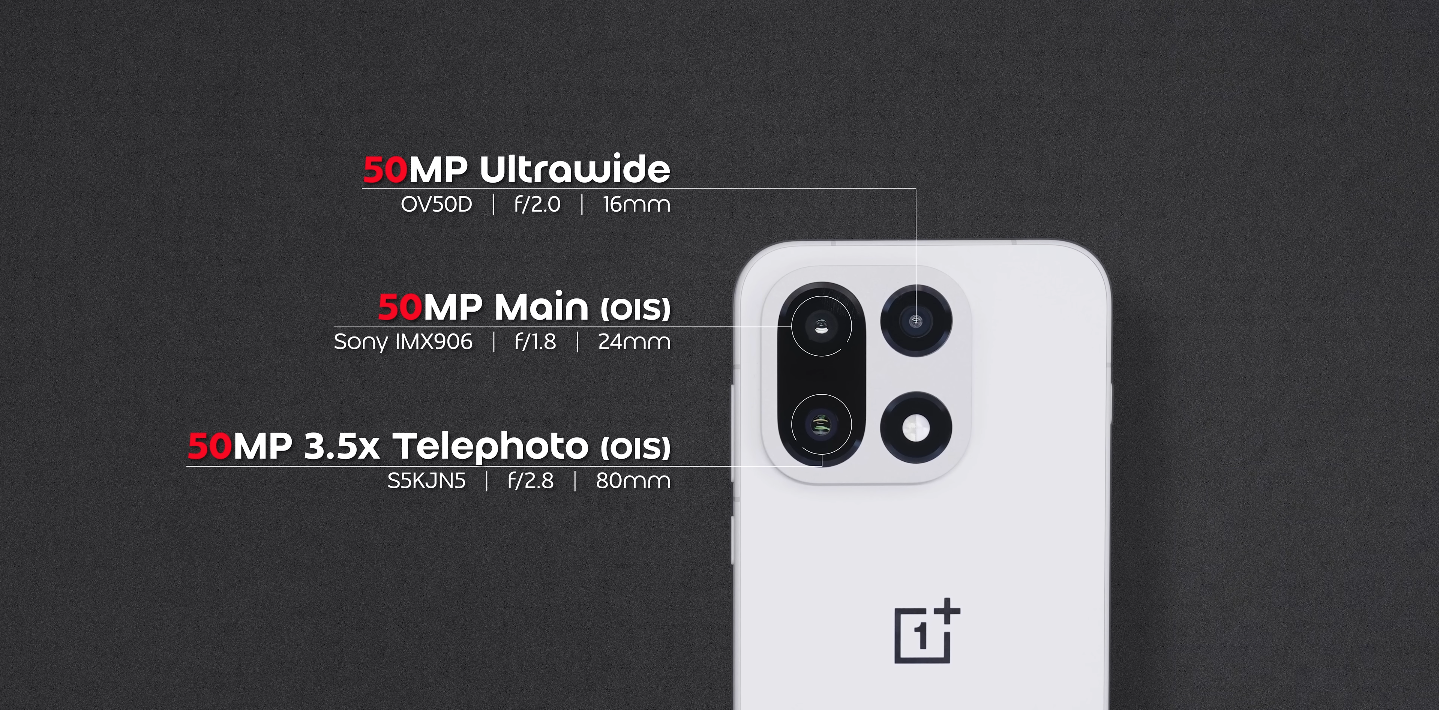
Camera-wise, the OnePlus 15 arrives with a triple-50 MP arrangement (main, ultra-wide, telephoto with around 3.5× optical zoom) and strong results in real-world review usage. It’s a reliable “all-round” camera package. The Motorola Edge 80 Ultra appears to raise the stakes with a possible 200 MP main sensor plus a high-capability zoom lens, which gives it potent hardware for capturing detailed, zoomed-in shots—though final image quality, processing and consistency remain to be fully validated.

So, if you favour battery life and endurance, the OnePlus 15 is the safer bet right now. If you favour camera hardware potential and are willing to prioritise that over absolute battery longevity, the Motorola Edge 80 Ultra is an intriguing alternative—though with a bit more risk until full reviews are out.

From a practical UK usage standpoint: pick the OnePlus 15 if you’re out and about often, gaming, streaming or travelling; pick the Motorola Edge 80 Ultra if you’re more photo-focused, less worried about topping up midday, and excited by the prospect of ultra-high resolution capture.

If you give me your budget, your typical usage patterns (photos vs video vs battery vs apps) and any size or brand preferences, I can suggest which one I’d choose for you, or even propose a third device that may hit the perfect balance.

OnePlus 15 vs Realme GT 8 Pro: flagship specs, different price tag

OnePlus 15 vs Realme GT 8 Pro flagship specs, different price tag

Two top-tier phones that share elite hardware but aim at different buyers

The OnePlus 15 and the Realme GT 8 Pro are two of the most aggressive flagships of this generation, and both arrive with extremely high specification sheets that place them in direct competition on raw capability. For UK buyers however, this comparison is not just about which chipset is better. Both use the same latest premium silicon, so performance parity is very close. What matters more is how each brand has shaped pricing, display engineering, camera tuning and long-term value. Because while specifications look similar, the target market is not.

The chipset similarity is important. Both devices are running a flagship grade mobile platform built for sustained performance in heavy workloads. That means you are not going to see a dramatic difference in day-to-day app loading or high performance gaming across either device. The bigger separation instead comes from how each brand positions itself. OnePlus has shifted further upward into the “top premium” bracket, while Realme continues to focus on value maximisation with high specification at a more accessible price point.

Display behaviour is one of the clearest differentiators. The OnePlus 15 uses a 165Hz panel, which is at the very top end of refresh performance. The Realme GT 8 Pro sticks to a slightly lower refresh ceiling but pairs it with a higher resolution display. The practical outcome is that the OnePlus experience leans towards ultra fluid motion and tactile UI feel, while the Realme approach favours sharper text rendering and crisper fine detail. Both will feel premium, but they offer different flavours of premium.

OnePlus 15 vs Realme GT 8 Pro flagship specs, different price tag

Battery capacity is another headline where differences are subtle but meaningful. Both are using very large cell designs with fast wired charging, and both support wireless charging in varying capacities. However, optimisation strategy and heat management will determine the long-term advantage. UK buyers who use their phone heavily during commuting periods care less about lab wattage claims and more about how consistent charging speed stays after many cycles. When batteries are this large, efficiency tuning becomes more important than pure peak numbers.

Camera systems also reflect contrasting philosophies. OnePlus is focused on more refined processing and balanced sensor selection, while Realme tends to push high megapixel count modules to boost hardware appeal. UK buyers who want predictable imaging across a wide range of lighting conditions may prefer OnePlus’s more controlled approach. Those who want more experimental framing possibilities or crop flexibility may be drawn to Realme’s high resolution hardware channels. Both claim flagship photography status, but they earn it in different ways.

Build design is also not identical. OnePlus is deliberately signalling a more corporate premium design profile with cleaner lines, firmer materials and a stronger executive feel. Realme often uses bolder finishes and standout visual themes which appeal to younger buyers who want a more expressive phone. In the UK, that design split can influence resale. Premium neutral designs tend to retain desirability longer in the second-hand channel than experimental or bold themed variants.

Pricing may be the biggest divide. OnePlus now sells itself as a direct rival to the top front bench of the industry. Realme remains value focused even when specifications are elite. That means Realme often undercuts the price expectation for this level of hardware. For many UK buyers, that difference alone could determine which one feels like the smarter buy. If both phones are offering roughly equal performance but at different price points, then the “value performance” mindset will push many towards Realme.

However, long-term software behaviour is another cost factor. If OnePlus provides longer platform support and more stable update cycles, it may hold relevance longer. And relevance correlates to better resale value. A lower initial price does not automatically mean better value if long-term desirability falls off earlier. UK buyers who tend to upgrade yearly or every eighteen months must account for that when calculating effective cost.

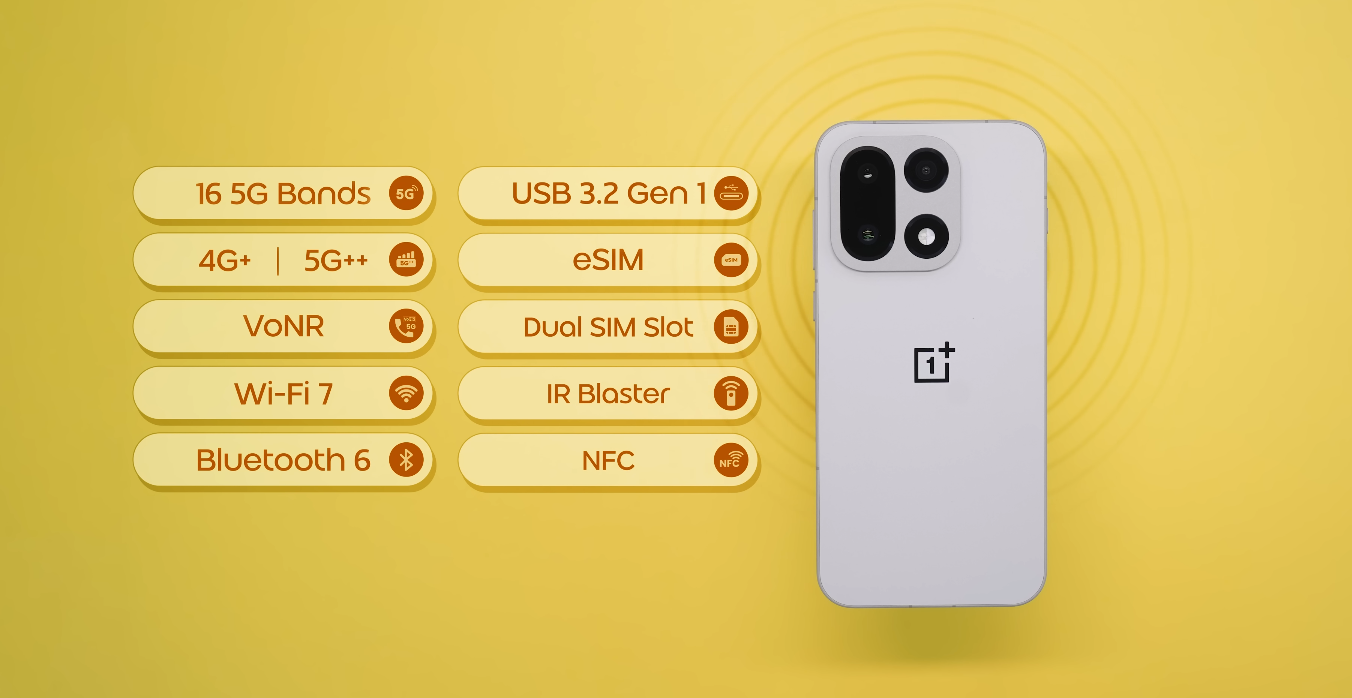
Network variant matching also matters. Buying official UK variants ensures full band support, eSIM behaviour and proper network optimisation. If either phone is imported in the wrong regional configuration, then the price advantage becomes irrelevant because performance and resale will be compromised immediately. So the correct variant must be part of the equation, not just pure spec sheet thinking.

Overall, if a UK buyer is strictly chasing best specification per pound, the Realme GT 8 Pro will likely look more attractive because it delivers elite hardware at a more aggressive price. But if a buyer wants a more premium long-term identity, more subtle design tone and potentially stronger perception-based value retention, the OnePlus 15 makes more sense. They are both flagship devices, but they are not chasing the same crowd.