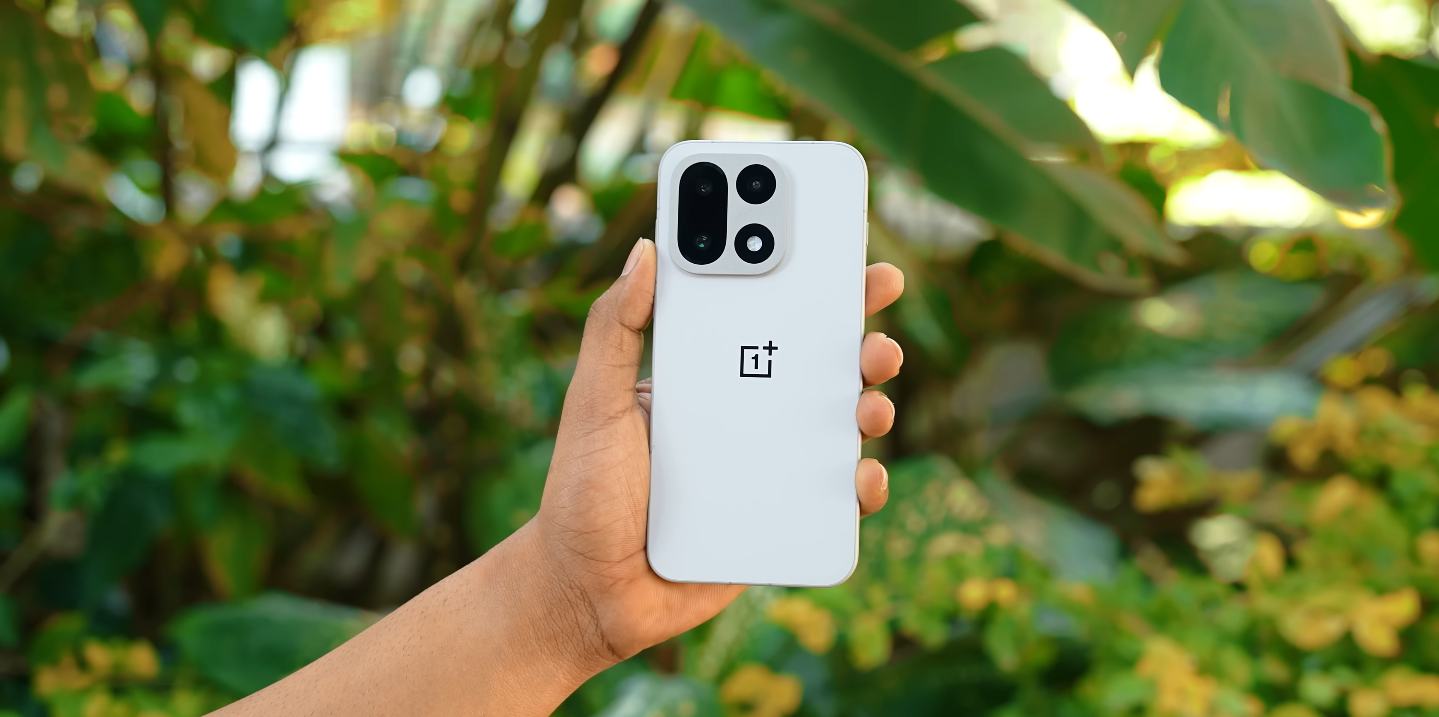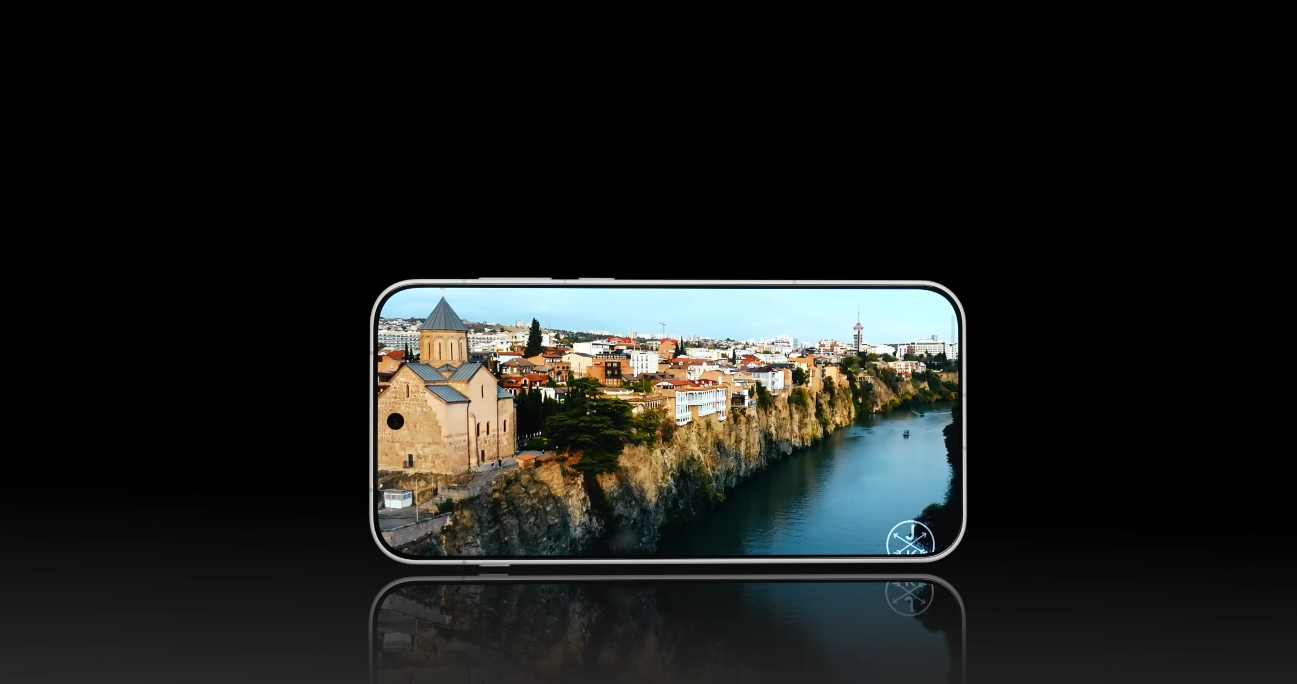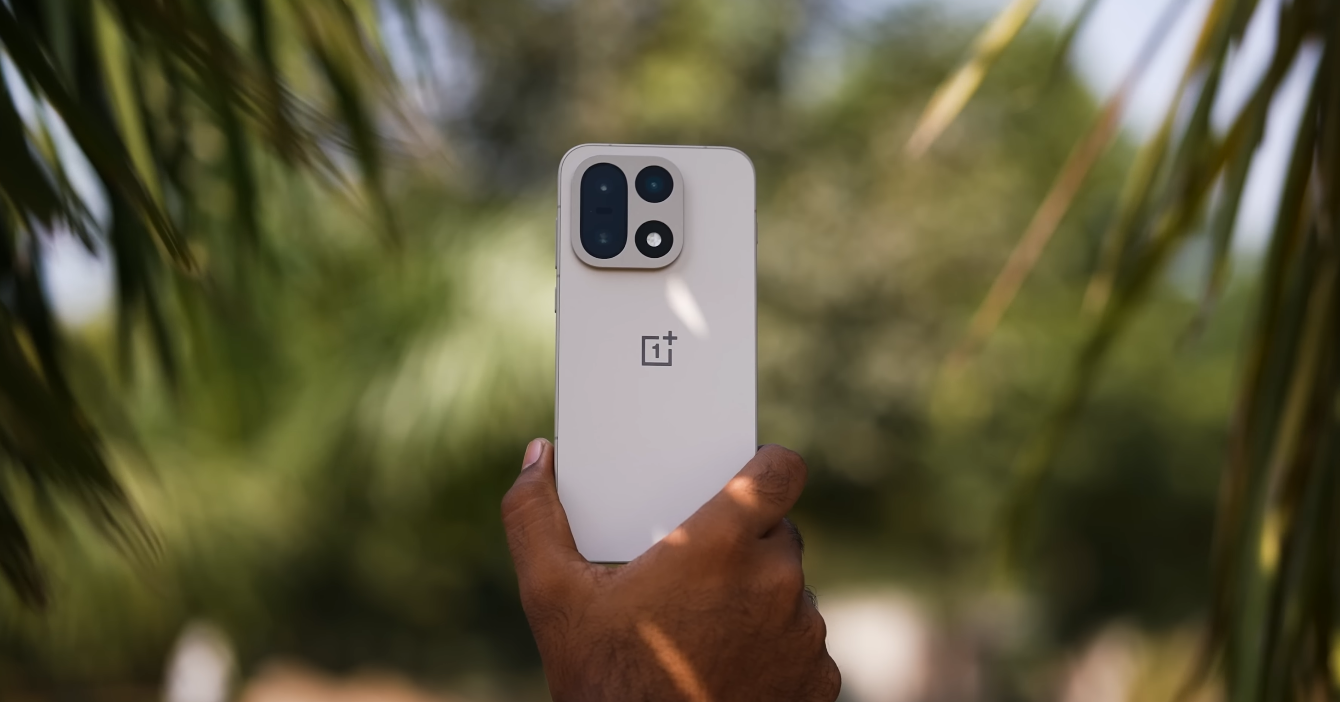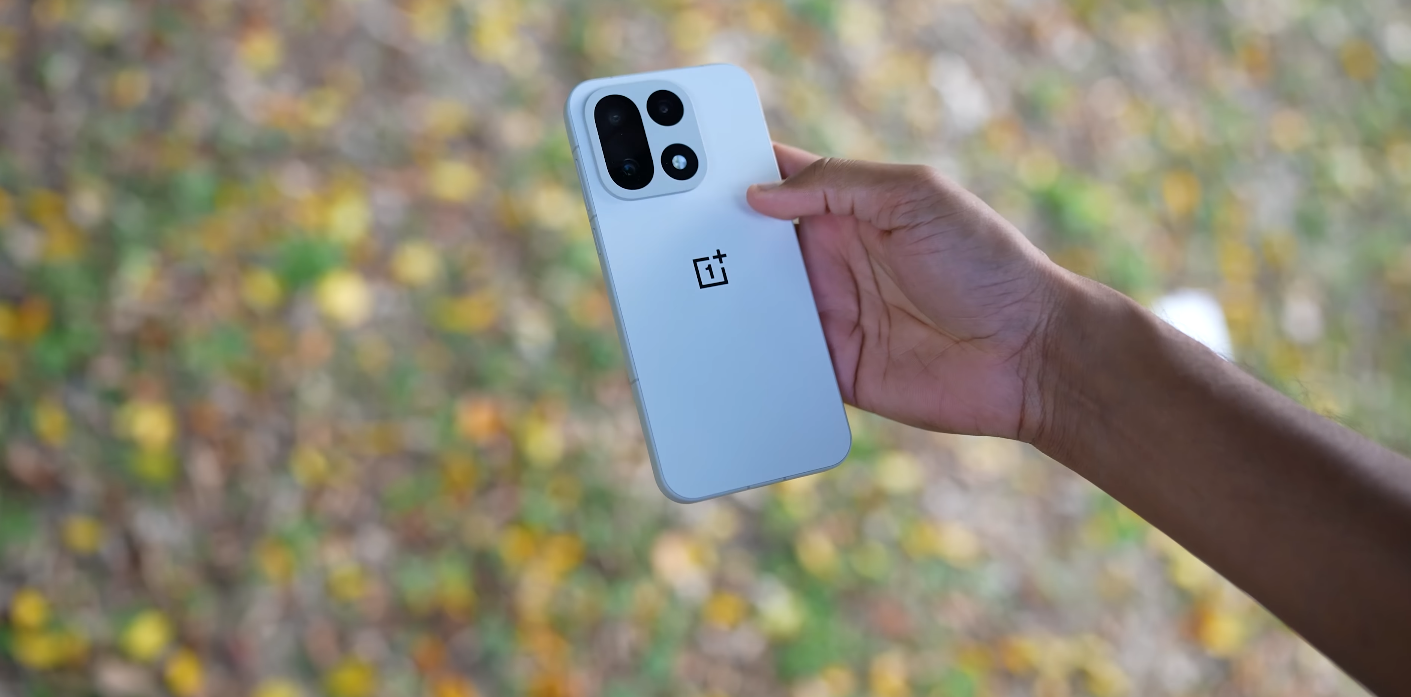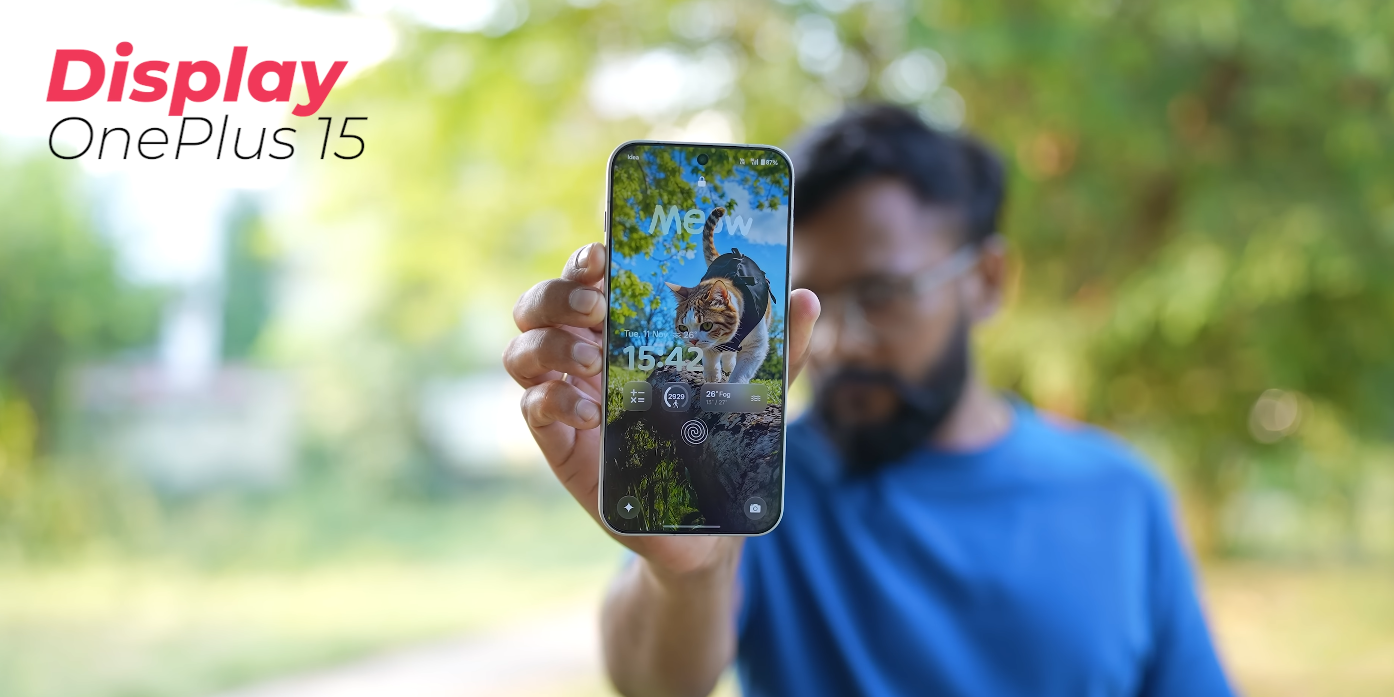
OnePlus 15 launch day essential checklist for buyers

OnePlus 15 launch day essential checklist for buyers

Everything to verify and set up when unboxing the phone

The launch of the OnePlus 15 has generated a lot of excitement, but a smooth experience depends on setting the phone up correctly from day one. A proper checklist ensures there are no surprises later and helps buyers get the best performance and protection from the very first use.

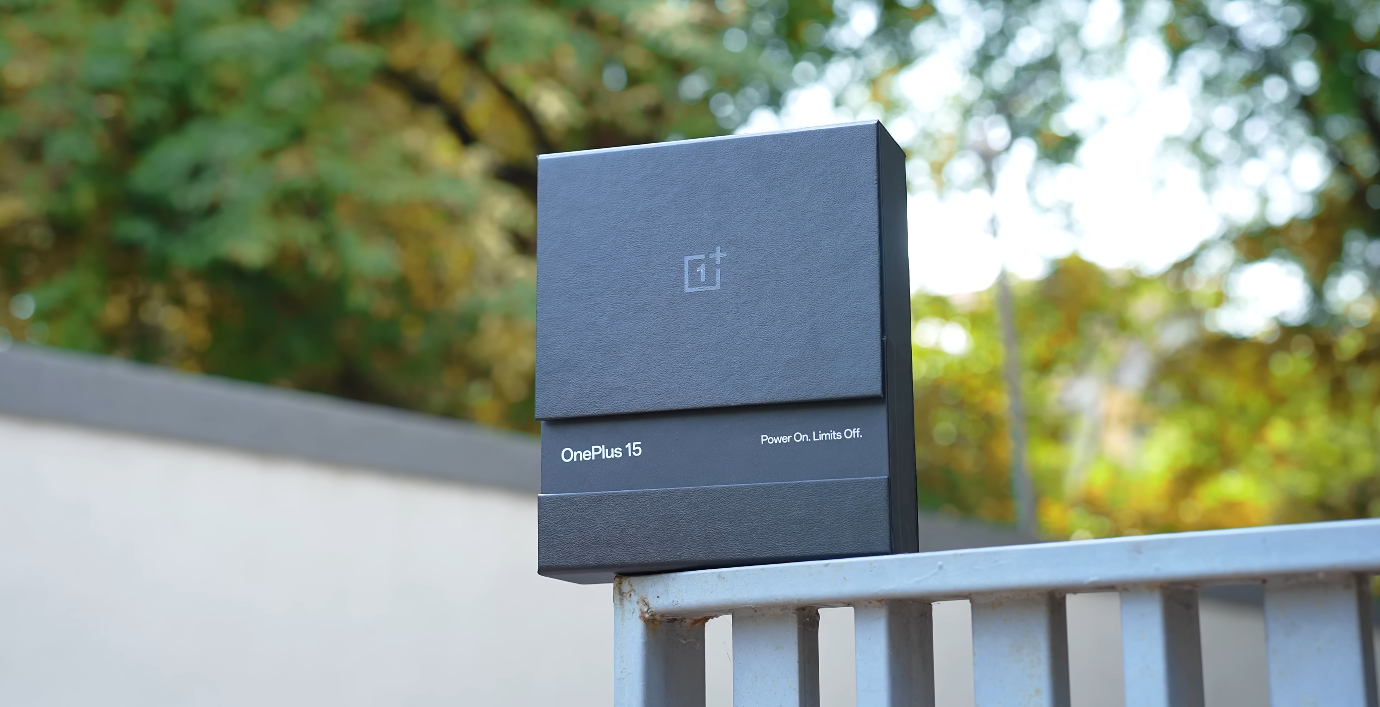
Start by checking the box contents thoroughly. Confirm that the phone, cable, charger if included for your region, documentation, SIM tool and any promotional extras match what was advertised for your particular variant. Also verify that the RAM and storage configuration printed on the box matches what you ordered.

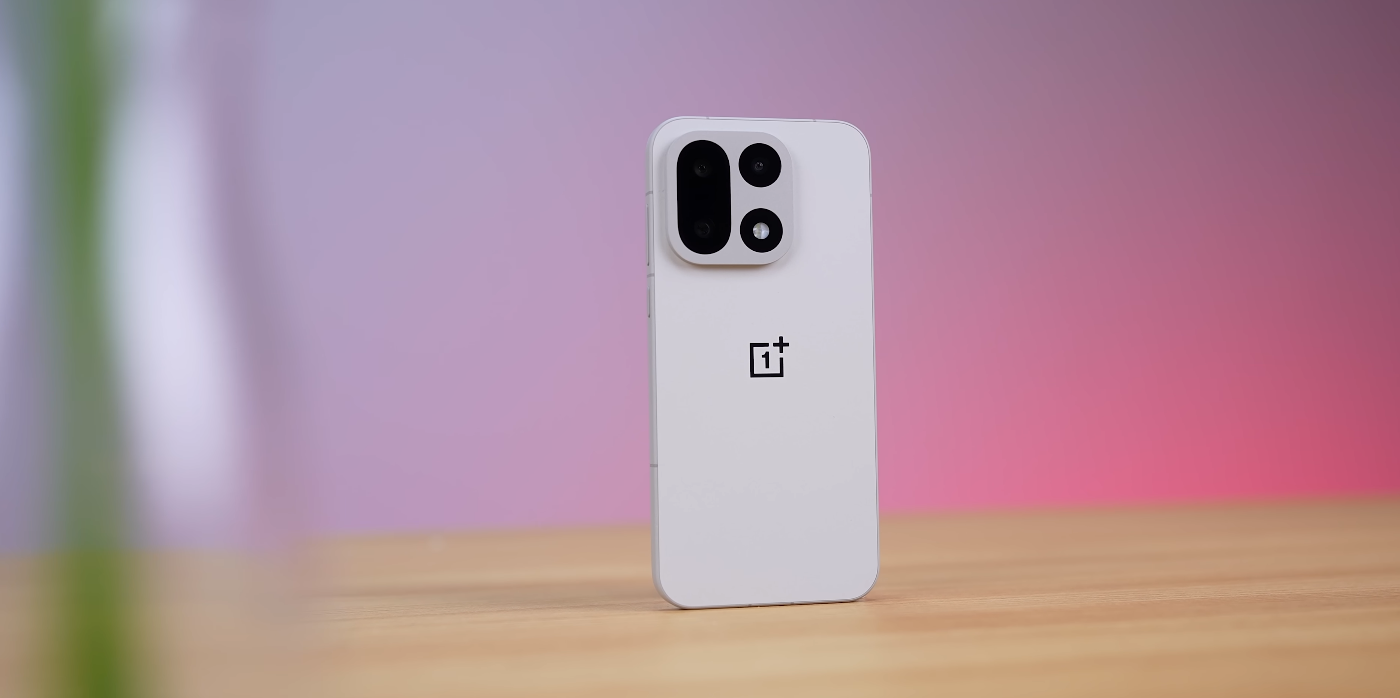
After unboxing, inspect the device physically under bright light. Look closely at the edges, back panel, camera module, display and bezels to make sure there are no scratches, dents, dead pixels or glue marks. Any visible defect should be reported immediately rather than after weeks of use.
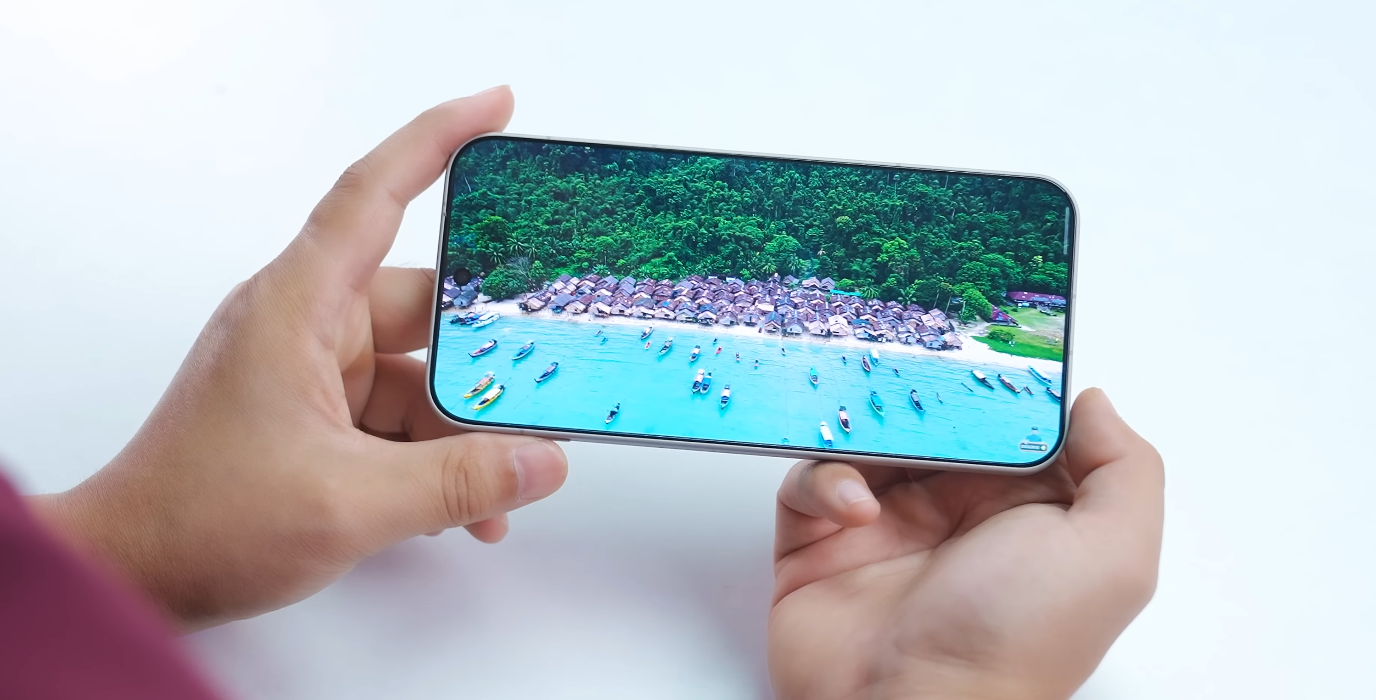
OnePlus 15 launch day essential checklist for buyers

Before jumping into apps, connect to Wi-Fi and install the first software update. Flagship phones frequently receive early patches to improve performance, camera tuning and battery optimisation. Running that update on the first day helps prevent many issues later.

Protection should be prioritised early. Apply a screen protector if one is not pre-installed, and fit a durable case even if you prefer a slim look. The OnePlus 15 has a sleek finish that can be slippery, so grip protection prevents accidental drops during daily use.

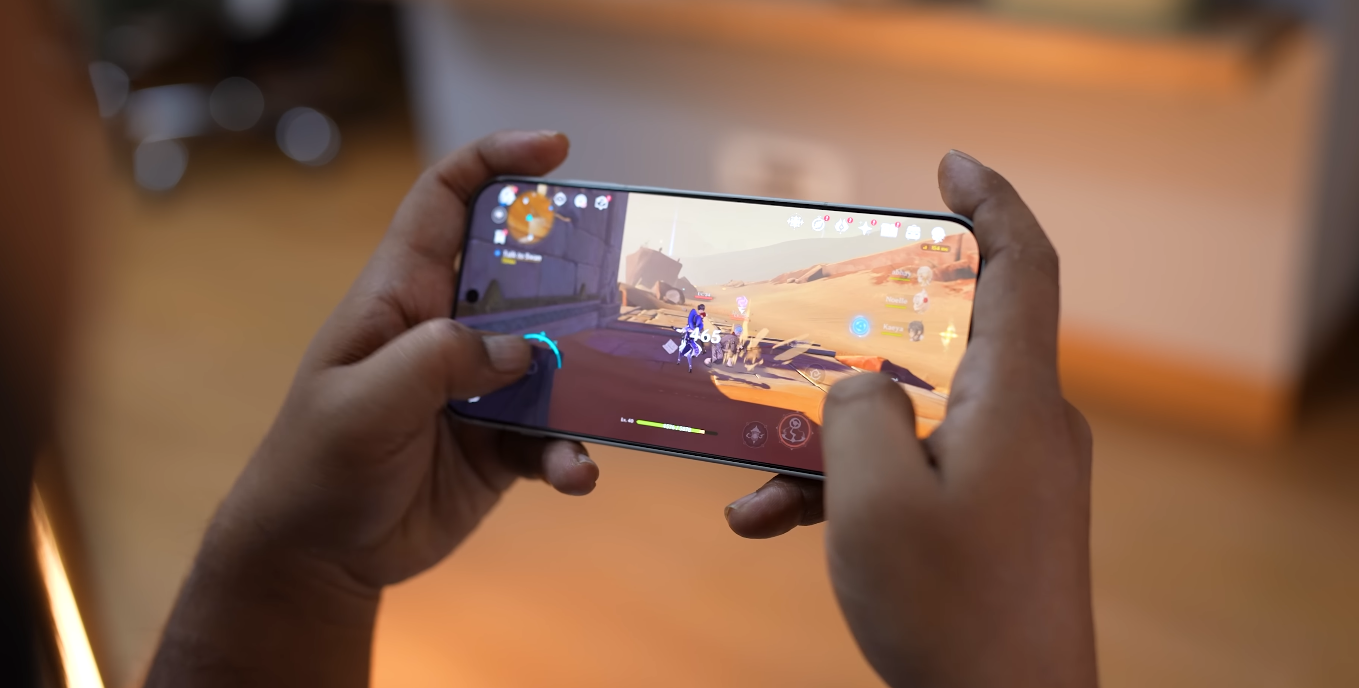
Next, set up core functions including fingerprint unlock, face unlock and network preferences such as 5G and VoLTE. Adjust display settings and refresh rate according to your preference, as the phone supports extremely high performance modes that may affect battery consumption if left unchecked.

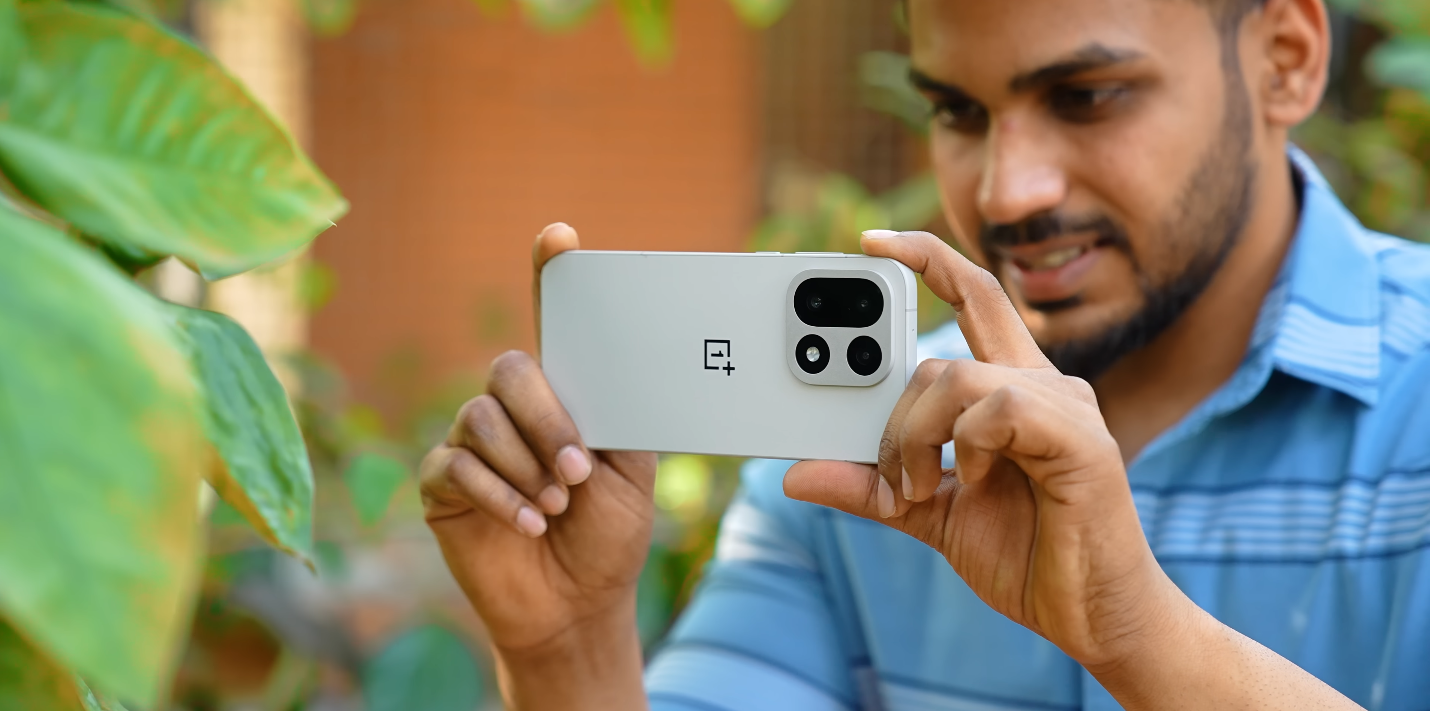
Camera performance should also be checked on day one. Test normal, ultra-wide, portrait and low-light modes so you can identify any autofocus or lens calibration issues early. If you spot major irregularities, it is easier to request support or replacement during the initial return window.

A quick systems check helps avoid surprises. Test Wi-Fi stability, mobile data, Bluetooth connectivity with earphones, GPS location accuracy and speaker clarity. Place a quick test call to ensure microphone and earpiece audio are working correctly from the very beginning.

Battery behaviour should also be monitored during the first charges. Confirm that the charger operates at the expected speed and that no excessive heating occurs while charging or gaming. This establishes early confidence in the phone’s thermal and power management.

Make sure backups are enabled from day one. Whether using Google, OnePlus Cloud or another service, automatic backup prevents losses if the phone is ever reset or damaged. It also simplifies upgrades to future devices.

Finally, register the device for warranty and support. Keeping digital proof of purchase, IMEI details and warranty activation ensures faster service if ever needed later.

By following these essential launch-day steps, OnePlus 15 buyers can protect their device, detect any problems early and optimise performance for long-term use. This approach creates a smoother ownership experience and maximises the value of the phone right from the start.

OnePlus 15 launch day hacking risks & security check list

OnePlus 15 launch day hacking risks & security check list

Essential protections every UK buyer should set up on day one

The launch of the OnePlus 15 brings flagship performance and new software features, but it also opens the door to increased security risks that commonly appear when a high-profile phone first reaches the public. Cybercriminals often target new devices during launch periods because users are excited, installing apps quickly and setting up accounts without much caution. For UK buyers, taking a few key steps on day one can significantly reduce the chance of hacking, data theft or fraud later.

One of the biggest risks during launch week is outdated software. Early batches of new phones sometimes ship with pre-release firmware that receives several patches shortly after release. Installing all available system updates as soon as the phone is turned on is the most effective way to close known vulnerabilities before they can be exploited. These updates often include fixes for permission issues, security loopholes and stability concerns that could otherwise expose sensitive data.

Another risk comes from app permissions. During the excitement of setting up a new flagship device, users often install multiple apps rapidly without reviewing what each app requests access to. Hackers exploit this behaviour through malicious apps that ask for unnecessary permissions such as SMS access, contact lists or device admin rights. Carefully checking permissions during installation ensures no app receives more access than it legitimately needs, reducing the likelihood of data misuse.

OnePlus 15 launch day hacking risks & security check list

Two-factor authentication is another area of concern. Many UK services still rely on SMS-based verification codes, but text-based authentication can be vulnerable to spyware or SIM-related exploits. Launch day is the ideal moment to switch your accounts to authenticator apps or hardware keys. These methods significantly reduce the risk of interception and ensure sensitive accounts remain protected, even if the device experiences a minor security flaw.

Setting up strong device-level protection is equally important. A secure PIN or password, paired with fingerprint or facial biometrics, prevents unauthorised access to apps and financial services. New phone owners often delay these steps in favour of quick access, but choosing a strong lock immediately protects personal data, banking apps and private files from both digital threats and physical theft.

App installation habits also play a major role in long-term safety. Sideloading apps or downloading files from unverified sources introduces one of the most common infection pathways. Even on launch day, it is best to rely exclusively on trusted app stores and verified developers. Unknown APK files or unfamiliar links shared through social media or messaging apps should be avoided, especially when the device is new and unpatched.

Backing up data securely is another essential step. Cloud storage, encrypted backups and account-level recovery options ensure that important files remain safe in case of loss, damage or a future security breach. Launch day is a perfect time to configure these features before the phone becomes filled with photos, documents and essential app data that might be difficult to replace.

Privacy tools built into the OnePlus 15 can provide additional protection when enabled early. Features such as app-locking, password-protected folders, background-activity controls and secure file management offer extra layers that help reduce exposure to unwanted tracking or unauthorised access. These tools are often overlooked by new users, yet they contribute meaningfully to overall device security.

Securing your network on launch day is equally important. Connecting the phone for the first time through safe Wi-Fi avoids the risk of eavesdropping commonly associated with public hotspots. Pairing accessories such as earbuds or smartwatches should also be done carefully, ensuring the devices come from trustworthy manufacturers and are updated with the latest firmware.

Remote-tracking and wipe features provide critical protection in cases of loss or theft. Setting up find-my-device services allows you to locate, lock or erase your OnePlus 15 if it goes missing. This serves as a final safety net, ensuring your data is protected even if the handset is physically compromised. Many users forget to activate this feature until it is too late, making it essential to configure on day one.

In summary, while the OnePlus 15 offers strong performance and modern software, no smartphone is immune to risk—especially during the vulnerable launch period. Installing updates, reviewing permissions, strengthening authentication, securing backups and enabling privacy tools all contribute to a safer long-term experience. For UK buyers who want peace of mind alongside flagship capability, following this launch-day security checklist ensures a smooth and protected start with the OnePlus 15.

OnePlus 15 vs OPPO Reno 12 Pro — design and performance breakdown

OnePlus 15 vs OPPO Reno 12 Pro — design and performance breakdown

A Clear Look at How Both Phones Compare in Style and Speed

The OnePlus 15 and the OPPO Reno 12 Pro target two different types of users, even though both sit close in the premium and mid-premium categories. While the OnePlus 15 pushes flagship-level performance, the Reno 12 Pro focuses on refined design and balanced everyday usability. Their differences become clearer when you look at how each brand approaches hardware and aesthetics.

The OnePlus 15 delivers a more premium feel with its flat panel, slim bezels and solid frame that supports its high-end internals. It carries a more performance-oriented design language that pairs durability with a flagship look. In contrast, the OPPO Reno 12 Pro keeps a sleeker and lighter profile, focusing on curved ergonomics and stylish finishes. Its design aims to feel elegant rather than aggressive, making it more comfortable for long daily use.

Performance is a major separator between these two devices. The OnePlus 15 uses a top-tier flagship chipset designed for heavy multitasking, gaming and advanced AI tasks. It maintains high sustained performance across different workloads. The Reno 12 Pro, meanwhile, uses a more efficient mid-range chipset that handles everyday apps smoothly but does not match the raw power of the OnePlus. For users who rely on high-intensity performance, the difference becomes quickly noticeable.

OnePlus 15 vs OPPO Reno 12 Pro — design and performance breakdown

The display experience also differs. The OnePlus 15 offers a sharper high-refresh panel designed for smoother animations, gaming and bright outdoor visibility. The Reno 12 Pro features a 120Hz display that remains visually pleasing but stays within mid-premium limits. Users who prioritise peak brightness and ultra-smooth motion will feel more at home with the OnePlus 15, while those who prefer a clean, soft visual experience may appreciate OPPO’s more balanced tuning.

Battery and charging performance reflect their market positions as well. The OnePlus 15 brings a larger cell and faster charging, ensuring long usage times even for heavy users. The Reno 12 Pro provides respectable endurance thanks to its efficient processor, but its smaller battery means it is better suited to moderate use rather than demanding tasks. In everyday usage, both last a full day, but the OnePlus offers more headroom.

Camera performance also highlights the difference in hardware ambition. The OnePlus 15 uses stronger sensors and more refined processing to handle varied lighting conditions and deliver more consistent detail. The Reno 12 Pro focuses on producing smooth, balanced images but cannot match the flagship-level clarity or versatility of the OnePlus. For users who take frequent photos and videos, the OnePlus is the more capable option.

Software experience shows a difference in philosophy. OxygenOS on the OnePlus 15 leans toward speed, optimisation and powerful features. ColorOS on the Reno 12 Pro is more visually expressive and customisable, offering plenty of smart features while keeping performance stable. Both are polished, but OnePlus maintains the edge in pure responsiveness.

In terms of overall value, the OPPO Reno 12 Pro stands out for offering a stylish design, smooth performance and strong features at a more accessible price. The OnePlus 15, on the other hand, justifies its premium position by delivering superior power, bigger battery capacity and a more advanced display. It is built for users who expect top-end hardware with minimal compromise.

The decision ultimately depends on what matters more to you. If you want maximum performance with premium build quality and long-term capability, the OnePlus 15 delivers a flagship experience. If you prefer elegant design, lighter weight and reliable day-to-day performance without going full flagship, the OPPO Reno 12 Pro is a strong and sensible choice.

OnePlus 15 launches with massive 7,300 mAh battery — game-changer?

OnePlus 15 launches with massive 7,300 mAh battery — game-changer

OnePlus takes endurance to the next level with record-breaking battery

The OnePlus 15 has officially been unveiled in China, confirming weeks of speculation about its enormous 7,300 mAh battery. The flagship phone is set for a global launch, including the UK, later this month. With OnePlus promising longer life, faster charging, and flagship-level performance, the question now is whether this could truly redefine battery expectations in 2025.

The battery is undoubtedly the headline feature. OnePlus has equipped the device with a 7,300 mAh silicon-carbon dual-cell unit — the largest ever seen in a mainstream premium smartphone. This setup is designed to deliver outstanding longevity, allowing users to go nearly two full days on a single charge under typical use. For comparison, last year’s OnePlus 13 offered a 5,400 mAh battery, making this a major leap forward.

Charging speed hasn’t been compromised either. The OnePlus 15 supports 120W wired and 50W wireless charging, promising to fill the battery from zero to 100 percent in just over 25 minutes. The company claims that even a five-minute top-up can provide six hours of video playback — a feature that could make a huge difference for users who are constantly on the move.

OnePlus 15 launches with massive 7,300 mAh battery — game-changer

Performance-wise, the phone runs on Qualcomm’s latest Snapdragon 8 Elite Gen 5 processor. This chip brings improved efficiency, ensuring that the massive battery lasts longer even during intensive gaming or 4K video recording. OnePlus has also included its new HyperBoost AI Engine, designed to intelligently manage background power usage without compromising performance.

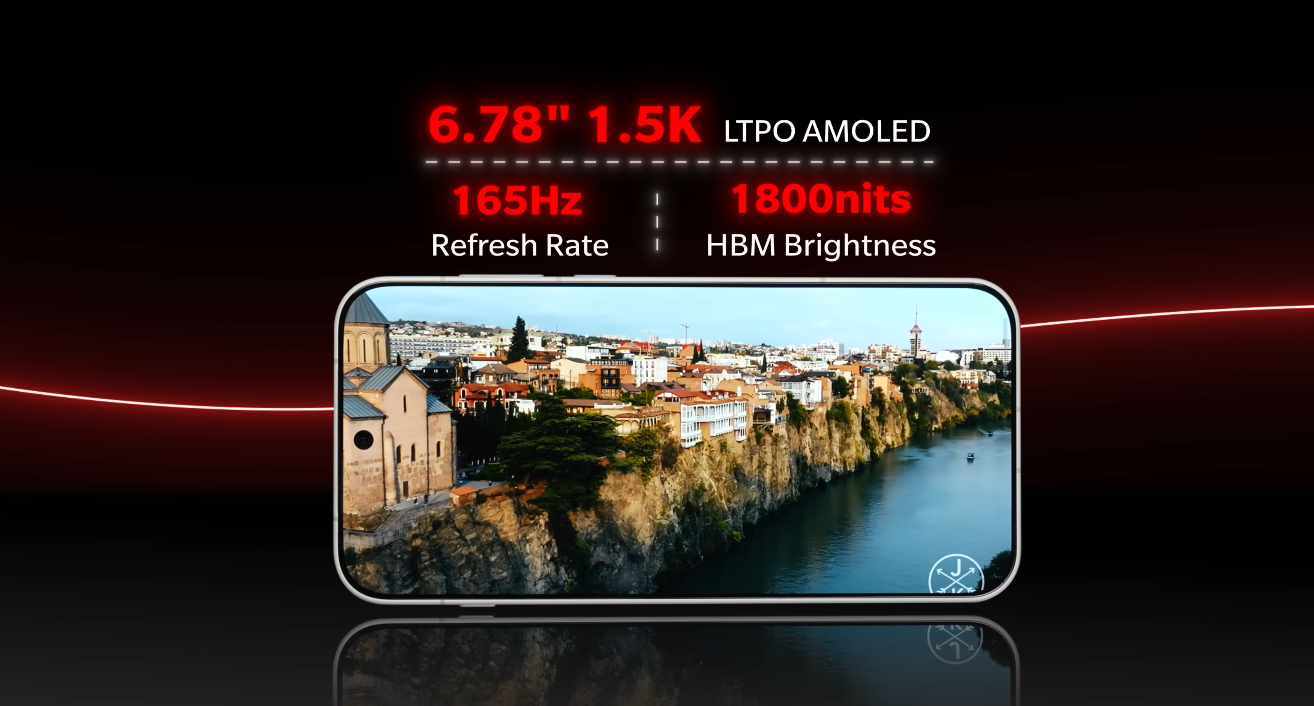
The display has been upgraded too. It features a 6.78-inch LTPO AMOLED panel with a 1.5K resolution and a 165Hz refresh rate. This ensures smooth scrolling, vibrant visuals, and adaptive power efficiency when lower frame rates are needed. Combined with the new battery, the experience aims to balance visual excellence with extended uptime.

Despite its battery size, the OnePlus 15 remains relatively slim at 8.1 mm thick and weighs about 211 grams. The company claims its redesigned carbon-fibre cooling system prevents heat build-up during charging or heavy multitasking, addressing a common concern with high-capacity batteries. Early testers in China have reported stable performance and low thermal throttling during gaming.

For the UK market, OnePlus is expected to launch both standard and Pro variants. While pricing is not yet confirmed, estimates place the base model around £700 to £750 — making it competitive against Samsung’s Galaxy S25 Plus and Google’s Pixel 9 Pro. If OnePlus maintains its usual value-first pricing, the device could become one of the best-priced flagships with a true endurance edge.

Battery health has also been addressed. OnePlus says the new dual-cell technology retains up to 90 percent capacity after 1,600 charge cycles — roughly four years of daily use. The firm also promises adaptive charging, which slows down overnight charging to reduce wear, a feature similar to Apple’s Optimised Charging.

While the specifications are impressive, there are still questions about real-world results. The enormous battery could make the phone slightly heavier than competing flagships, and regional variations might affect charging speeds due to safety regulations. However, early feedback indicates that efficiency optimisations in OxygenOS 16 help deliver longer screen-on times without overheating or lag.

In conclusion, the OnePlus 15’s 7,300 mAh battery is more than just a numbers game — it represents a shift in smartphone priorities toward endurance and reliability. For UK consumers who use their phones extensively throughout the day, it could be a genuine game-changer. If OnePlus manages to deliver consistent real-world performance, this may be the most well-balanced flagship of 2025 — combining speed, power, and lasting energy in a single, sleek package.

OnePlus 15 UK tax & VAT impact: how much extra will you pay?

OnePlus 15 UK tax & VAT impact how much extra will you pay

The Real Cost of Buying the OnePlus 15 in the UK

The OnePlus 15 has attracted strong interest across the UK, but many buyers overlook a crucial part of the purchase: how VAT and tax affect the final price. While headline prices look straightforward, understanding what portion is tax and how it changes depending on where you buy the device can help you make a smarter decision.

In the UK, VAT is charged at a standard rate of 20%, and this applies to smartphones, including the OnePlus 15. When you see the device listed by an official UK retailer, the price already includes VAT. This means buyers pay a single, clear amount at checkout with no extra tax surprises. However, knowing how much of that final price is tax can help you compare deals more accurately.

To put it into perspective, take a typical UK retail price for the OnePlus 15. When VAT is included in the figure, the tax portion usually makes up a significant fraction of the total. For many buyers, this explains why UK pricing often appears higher than some other regions, even when the base cost of the device is similar. The 20% VAT share elevates the overall amount, but it ensures local warranty, support and consumer protection.

OnePlus 15 UK tax & VAT impact how much extra will you pay

The situation changes if you choose to import the OnePlus 15 from outside the UK. This might initially seem cheaper due to lower regional prices, but VAT is still applied when the product enters the country. The calculation for imports considers the device cost, shipping charges and any applicable duties. Once VAT is added on top, the final amount often equals or exceeds the official UK price.

Buyers importing a phone may also face delays or additional administrative steps, such as customs processing or courier-handled tax payments. These extra charges can make a seemingly good deal much less appealing, especially when warranty coverage becomes uncertain. Manufacturers and carriers typically provide support only for devices purchased through official local channels.

The value of buying directly from a UK retailer becomes clearer when considering the total cost of ownership. Local purchases guarantee VAT-inclusive pricing upfront, making budgeting straightforward. You also get access to UK-specific customer service, easy returns and peace of mind when claiming warranty repairs or replacements. For a flagship device like the OnePlus 15, these benefits matter.

Understanding how VAT influences pricing can also help you evaluate promotional offers. A discount or seasonal sale reduces the VAT-inclusive figure, meaning you save not just on the base cost but also on the tax portion. This is one reason why UK shoppers often wait for official sales periods to secure the best price on new smartphones.

Ultimately, the amount you pay for the OnePlus 15 in the UK depends on where and how you buy it. If you choose the official route, VAT is already factored into the sticker price, offering clarity and simplicity. If you import, expect VAT to be added separately, potentially increasing the final cost significantly once all fees are included.

For most users, purchasing through authorised UK channels remains the safest and most predictable option. The upfront price may look slightly higher than international listings, but once VAT and duties are applied, the overall value—combined with guaranteed support—makes it the wiser long-term choice.

In the end, the OnePlus 15’s pricing in the UK reflects not just the cost of the hardware but also the country’s tax structure and consumer protections. By understanding how VAT works, you can calculate how much you truly pay and avoid surprises, ensuring your upgrade to the OnePlus 15 is smooth, transparent and financially sensible.

OnePlus 15 vs Realme 12 Pro+ — Photography and Display Comparison

OnePlus 15 vs Realme 12 Pro+ — Photography and Display Comparison

Understanding Display and Camera Trade-Offs for UK Users

When selecting a smartphone in the UK, display performance and camera capability often dictate how you’ll use the device daily. The OnePlus 15 offers a premium experience across both areas, while the Realme 12 Pro+ aims to deliver strong value without matching flagship levels. Here’s how they compare, and which might suit your priorities.

The display of the OnePlus 15 brings cutting-edge specs: a large high-resolution LTPO OLED panel, ultra-high refresh rate up to 165 Hz and peak brightness designed to keep the screen visible even under bright UK outdoor conditions. This smoothness and brightness advantage become noticeable when scrolling, gaming or viewing content in direct daylight. The screen is likely to feel more premium and future-proof.

By contrast, the Realme 12 Pro+ offers a solid display for its price: a curved AMOLED panel with a 120 Hz refresh rate and good colour performance. For everyday use—streaming, browsing, social media—its screen is more than adequate and delivers a pleasing experience. However, it lacks the absolute pinnacle specs of the OnePlus, so the difference becomes more obvious if you switch between the two.

OnePlus 15 vs Realme 12 Pro+ — Photography and Display Comparison

Turning to cameras, the OnePlus 15 is equipped with a top-tier triple-50MP setup including telephoto zoom, wide aperture and advanced image processing. UK users who take many photos, zoom into subjects or shoot in less-than-ideal lighting will likely benefit from the OnePlus’s stronger optics and processing power. It’s designed for users who demand more from their phone camera.

On the Realme 12 Pro+, the camera setup is impressive for a mid-range handset: a 50MP main sensor paired with additional lenses that deliver versatile shots for daily use. For casual photography—selfies, everyday scenes, social media posts—it performs very well and will satisfy most UK buyers who aren’t chasing the utmost in image fidelity or zooming capability.

In everyday scenarios in the UK—indoors, dim lighting, cloudy outdoor conditions—the OnePlus 15 has a clear edge. Its larger sensor, better optics and display brightness combine to deliver better results in challenging light. The Realme, while capable, may show more noise in low-light or struggle slightly when zooming in or capturing finer details. But for normal daylight and standard uses, it will hold up comfortably.

User priorities will determine the right choice. If you frequently use your phone for photography, gaming, heavy mult-tasking or in bright outdoor conditions, the OnePlus 15 justifies the extra cost with premium display and camera quality. If you are more concerned with budget, everyday usability, and still want a strong display and capable camera without paying flagship prices, the Realme 12 Pro+ offers excellent value in the UK market.

In conclusion, for UK users seeking the best display and camera combination, the OnePlus 15 is the standout. For those wanting a smart mid-range phone that delivers strong performance for most tasks without breaking the bank, the Realme 12 Pro+ is a compelling choice.

OnePlus 15 vs Google Pixel 10: which camera performs better?

OnePlus 15 vs Google Pixel 10 which camera performs better

Comparing real-world photography strengths

The OnePlus 15 and Google Pixel 10 are positioned as leading flagship options, and for many buyers in the UK, the camera system is one of the strongest deciding factors. Both smartphones approach photography with different priorities. OnePlus places emphasis on advanced hardware, larger sensors and high-resolution imaging, while Google continues to lean heavily on computational photography to deliver balanced, consistent results in a variety of lighting conditions. Understanding how these approaches translate into real-world performance helps clarify which device may better suit particular user preferences.

The OnePlus 15 features a triple-camera system consisting of a 50-megapixel main sensor, a 50-megapixel ultra-wide lens and a 50-megapixel periscope telephoto lens capable of optical zoom. The primary sensor is physically large, which assists in gathering more light and improving detail capture. The ultra-wide lens is designed to match the main camera’s colour profile, helping maintain visual consistency when switching lenses. The periscope telephoto lens offers a moderate optical zoom range that is suited to medium-distance capture without relying heavily on digital enhancement.

The Google Pixel 10 also offers a triple-camera rear configuration, with a high-resolution primary sensor, an ultra-wide lens and a dedicated telephoto lens that supports extended optical zoom. Google’s hardware is paired closely with its image processing systems, which optimise exposure levels, colour calibration, motion stabilisation and highlight preservation. The Pixel line has long prioritised reliable output straight from the shutter press, and the Pixel 10 continues this direction with refinement rather than redesign.

OnePlus 15 vs Google Pixel 10 which camera performs better

In daylight situations, both devices perform at a flagship level. The OnePlus 15 produces images with strong clarity and deep detail, particularly when capturing architecture, landscapes and textured subjects. The larger sensor plays a role in delivering crisp separation between fine elements. The Pixel 10 captures similarly detailed scenes but tends to prioritise dynamic range handling and overall balance, making skies, shadowed areas and reflective surfaces appear more even without manual adjustment.

Low-light photography highlights a clear difference in design philosophies. The OnePlus 15’s sensor size provides strong natural light capture, meaning it can retain detail without extensive exposure times. Its night mode benefits from this base capability, producing images that remain sharp while avoiding excessive brightening. The Pixel 10, however, uses computational techniques to merge multiple frames into a single optimised image, which helps brighten dark environments and reduce noise. This approach is effective for handheld night photography, though the final output may sometimes appear more processed compared to the OnePlus.

Zoom performance is another point of distinction. The OnePlus 15’s periscope lens offers a balanced optical zoom suitable for regular use, such as photographing distant buildings, signage or candid subjects without approaching. The Pixel 10’s telephoto system is designed to support a longer optical zoom range, which gives it an advantage when magnification beyond moderate distance is required. Users who frequently take photos at sporting events, concerts or travel landmarks may notice the benefit of Google’s extended zoom implementation.

Video recording capabilities also vary based on strategy. The OnePlus 15 offers high-frame-rate recording modes and supports advanced stabilisation options. This makes it suitable for dynamic movement shots, content creation and fast-paced recording scenarios. The Pixel 10 focuses on stable colour representation and smooth transition handling, which benefits everyday video clips, conversations and casual documentation. Both deliver strong results, though the OnePlus may appeal more directly to users who shoot structured video content.

Colour science contributes to the overall photographic identity of each device. The OnePlus 15 produces images with richer contrast and deeper tones, especially in outdoor environments. This lends images a more vivid and sometimes dramatic appearance. The Pixel 10’s colour output aims for neutrality and lifelike representation, prioritising natural skin tones and balanced brightness. Users with a preference for visually striking imagery may prefer the OnePlus, while those looking for tonal accuracy likely lean toward the Pixel.

Portrait photography demonstrates the strength of software integration. The OnePlus 15 uses depth information from its cameras to create separation, producing a convincing foreground focus with gradual background blur. The Pixel 10 uses computational segmentation to refine edges, which helps maintain detail around hair, clothing and motion-affected areas. The difference becomes noticeable with challenging outlines; the Pixel typically retains cleaner edges, while the OnePlus offers a more optical-style blur.

In summary, both the OnePlus 15 and Google Pixel 10 deliver strong flagship camera performance, but they prioritise different aspects of photographic output. The OnePlus 15 excels in hardware-driven detail capture, natural depth and high-resolution output, making it well-suited to users who enjoy editing, landscape capture and dynamic video work. The Pixel 10 is stronger in computational consistency, extended zoom capability and reliable everyday shooting conditions, appealing to users who want excellent results with minimal adjustment. The choice ultimately depends on whether hardware emphasis or software optimisation is more important to the individual’s shooting style.

OnePlus 15 vs Realme GT 8 Pro — two performance kings compared

OnePlus 15 vs Realme GT 8 Pro — two performance kings compared

How These Two Flagship-Level Phones Stack Up in Real Use

The OnePlus 15 and Realme GT 8 Pro arrive as two of the fastest Android phones of the year, targeting users who want peak performance without compromise. Both models use top-tier hardware and push improvements in display smoothness, battery life and thermal control. With verified details now available for each device, it becomes clear how differently they approach the idea of a performance-first flagship for UK buyers.

Design is the first noticeable difference between the two. The OnePlus 15 keeps a clean, flat-sided look that maintains a familiar premium feel and good grip for daily usage. It focuses on a balanced weight and durability without overly aggressive styling. The Realme GT 8 Pro, meanwhile, takes on a more sporty and performance-driven design, featuring sharper lines and a more gaming-inspired aesthetic. This gives the Realme a slightly bolder presence while still offering a premium in-hand feel.

Both phones are built around the Snapdragon 8 Elite platform, which serves as the foundation for their flagship-class performance. The OnePlus 15 uses this chipset with strong optimisation in OxygenOS, delivering smooth transitions and consistent high-speed processing. The Realme GT 8 Pro matches the same chipset with its own software tuning, allowing it to maintain similar speed under heavy workloads. In real-world use, both offer near-identical peak performance, though optimisation differences may lead to slight variations during prolonged gaming sessions.

OnePlus 15 vs Realme GT 8 Pro — two performance kings compared

Display performance is another area where the two phones stand out. The OnePlus 15 includes a 6.78-inch LTPO AMOLED panel designed for fast motion, offering a very high refresh capability that enhances gaming and scrolling. The Realme GT 8 Pro counters with a 6.79-inch display featuring a high refresh rate as well, alongside a sharp and bright panel that remains easy to view outdoors. Both screens deliver vivid colours and flagship-level clarity, making them suitable for entertainment and productivity.

Refresh rate remains a defining factor for users who prioritise smoothness. The OnePlus 15 pushes toward extremely fast refresh speeds, giving it a slight edge in motion-heavy apps and games. The Realme GT 8 Pro still offers a high-refresh experience, and for most UK users the difference will be subtle in daily use. Gamers and animation enthusiasts may feel the advantage on the OnePlus, while general users will find both equally satisfying.

Battery size and endurance show meaningful contrasts. The OnePlus 15 features a large 7,300mAh battery designed for long-lasting usage across demanding tasks. The Realme GT 8 Pro provides a slightly smaller battery but still aims for strong endurance through software optimisation and efficient components. In everyday usage, both comfortably last through full days, but the OnePlus tends to offer a little more headroom for heavier users.

Charging technology is another shared strength. The OnePlus 15 supports ultra-fast wired charging, enabling very quick top-ups that fit well into a busy routine. The Realme GT 8 Pro also supports fast charging levels that allow similar rapid refills. Wireless charging support depends on the model variant, but both phones provide solutions that reduce downtime and keep them ready for continuous performance.

Thermal management plays an important role in sustained performance, and both brands invest heavily in cooling technology. The OnePlus 15 maintains strong stability during extended gaming, thanks to its improved internal cooling design. The Realme GT 8 Pro uses a large vapour chamber and advanced thermal layers to keep temperatures under control. For long-duration tasks, both devices hold their performance well, making them reliable choices for demanding users.

Overall performance in daily life remains incredibly close. Both phones open apps instantly, handle multitasking effortlessly and provide flagship-level smoothness throughout tasks. The OnePlus 15 leans more toward a balanced, premium feel with emphasis on refinement, while the Realme GT 8 Pro offers a more aggressive, value-oriented performance package with a bold identity. Each phone appeals to different preferences while maintaining flagship standards.

In the end, the OnePlus 15 stands out for its ultra-fast display refresh capability, slightly larger battery and polished everyday experience. The Realme GT 8 Pro counters with excellent performance, a bright display and strong value for money, especially for users who want flagship power without paying a premium. Both phones earn their position as performance kings, but the best choice depends on whether you prefer refined speed or performance-packed value.

OnePlus 15 vs Samsung A55 — premium flagship vs new-age mid-ranger

OnePlus 15 vs Samsung A55 — premium flagship vs new-age mid-ranger

Comparing High-End Flagship Features to Smart Mid-Range Value

The OnePlus 15 and the Samsung Galaxy A55 represent two distinct segments of the smartphone market. The OnePlus 15 competes in the premium flagship space, offering cutting-edge hardware, display and performance. The Galaxy A55, meanwhile, represents the newer class of mid-ranger devices that bring many modern features at a more affordable cost. The comparison between the two shows how much you gain (and what you give up) when stepping up to a full flagship.

In design and build quality the OnePlus 15 stands above with its premium materials, large high-refresh display, and build that suggests longevity and high-end craftsmanship. The Galaxy A55 keeps the look modern, adds metal/glass elements and good ergonomics, but it doesn’t deliver quite the same ultra-premium feel. For everyday carry, the A55 may actually feel more balanced for many users, but for a show-piece device the OnePlus leads.

Performance is where the gap widens. The OnePlus 15 uses top-tier internal hardware that excels when you push it: heavy multitasking, high-fps gaming, video editing, advanced Android features. The Galaxy A55 uses a good dependable chipset aimed at day-to-day tasks and moderate gaming. It performs well for most users but won’t match the raw head-room of the flagship. If you rarely demand full power, you may not notice the difference daily—but when usage spikes you’ll feel it.

OnePlus 15 vs Samsung A55 — premium flagship vs new-age mid-ranger

On display technology the OnePlus 15 again offers more: higher refresh rates, sharper resolution, likely better brightness and smoother motion. The Galaxy A55 offers a 120Hz panel (in many markets) which is excellent for its class, and more than sufficient for most users. The difference becomes most apparent in premium gaming and premium video viewing scenarios.

Battery life and longevity show practical trade-offs. The OnePlus 15 brings a very large battery and fast charging support. This means that for heavy users it offers both endurance and speed. The Galaxy A55 offers decent battery and good usage for moderate users, but it won’t deliver the same stamina under intensive use—yet for everyday tasks it remains very reliable.

Camera and features vary similarly: the OnePlus packs in more advanced features, sensors, lens flexibility, and likely better results in demanding lighting or creative use. The Galaxy A55 gives you modern camera performance very capable in normal conditions, just without the extreme capabilities of a flagship. For many users the everyday camera experience is more than sufficient.

In terms of value the Galaxy A55 has a strong position: modern design, good performance, future-proof features like 5G, and suitable hardware for most users at a lower price. The OnePlus 15 targets a different purchase decision: if you want or need the best and will use the higher-end hardware, it’s worth it; if you don’t need the absolute top, it may be more phone than you require.

So if your budget allows and you’re excited by flagship hardware, premium build, and want the top specs, the OnePlus 15 is clearly the better choice. If you are looking for a smart, well-balanced device that offers many modern features while saving money, the Galaxy A55 is an excellent option.

OnePlus 15 vs iPhone 16: which flagship wins the battle?

OnePlus 15 vs iPhone 16 which flagship wins the battle

Head-to-Head Battle of Premium Flagships

The OnePlus 15 and Apple iPhone 16 represent two very different approaches to flagship smartphones in 2025. Both target premium UK buyers who demand the best in performance, design, and long-term usability. With OnePlus aiming to challenge Apple’s dominance, this matchup is one of the most anticipated comparisons of the year.

Apple’s iPhone 16 continues the brand’s legacy of refinement, powered by the A18 chip and iOS 18. It maintains a 6.1-inch Super Retina XDR display with precise colour accuracy and improved brightness. OnePlus, on the other hand, is going for sheer power. The OnePlus 15 is expected to debut with Qualcomm’s Snapdragon 8 Elite Gen 5 processor, offering up to 16GB RAM and lightning-fast UFS 4.0 storage. For raw performance, OnePlus may hold a slight edge.

When it comes to displays, Apple focuses on colour fidelity and visual precision, while OnePlus pushes refresh rates. The iPhone 16’s OLED panel is vivid and sharp but limited to 60Hz on the standard model. The OnePlus 15 is set to feature a 6.78-inch LTPO display with a 165Hz refresh rate and 1.5K resolution. UK users who enjoy gaming or high-speed scrolling may find the OnePlus display more appealing.

OnePlus 15 vs iPhone 16 which flagship wins the battle

Battery performance is another major battleground. Apple promises up to 22 hours of video playback with improved energy efficiency and faster MagSafe charging through USB-C. The OnePlus 15, however, could bring a huge 7,300mAh battery with 120W wired and 50W wireless charging. If these figures hold true for UK models, OnePlus would clearly dominate in endurance and charging speed.

On the camera front, Apple maintains its signature strength. The iPhone 16 features a 48MP Fusion main sensor, upgraded ultra-wide lens, and enhanced computational photography with Apple Intelligence. OnePlus is countering with a triple 50MP setup, including a periscope telephoto lens for better zoom capabilities. The outcome may come down to software optimisation—Apple’s consistent tuning still gives it a reliable edge in photo and video results.

Software and updates are where Apple has a long-standing advantage. The iPhone 16 will receive around six years of major iOS updates, ensuring strong resale value in the UK. The OnePlus 15 is expected to offer four years of Android updates and six years of security patches, showing improvement but still lagging behind Apple’s unmatched support cycle.

Build quality and ecosystem integration also favour Apple. The iPhone 16 continues its sleek aluminium design with IP68 water resistance, strong haptics, and seamless connectivity across the Apple ecosystem. OnePlus, meanwhile, focuses on user freedom and faster customisation, appealing to those who prefer Android flexibility.

In the UK market, pricing will play a crucial role. The iPhone 16 starts at around £799 for the base 128GB variant. The OnePlus 15 is likely to arrive below that mark, offering better value for performance enthusiasts. However, Apple’s resale value and brand prestige often make it a smarter long-term investment.

For most everyday users, the iPhone 16 remains the more balanced option—smooth, secure, and consistent. Yet for power users who prioritise high refresh displays, gaming, and charging speed, the OnePlus 15 looks like an exciting alternative.

Ultimately, the winner depends on what you value most. The iPhone 16 wins in longevity, software, and ecosystem strength, while the OnePlus 15 triumphs in hardware innovation, battery life, and value. Both are top-tier choices, but in this flagship battle, it’s the user’s priorities that decide the true victor.

OnePlus 15 vs Nexus era smartphones: how far tech has come

OnePlus 15 vs Nexus era smartphones how far tech has come

The Massive Leap From Early Android Flagships to Today’s Powerhouses

The difference between the OnePlus 15 and smartphones from the Nexus era highlights just how dramatically mobile technology has advanced in a little over a decade. What was once considered premium and forward-thinking now feels basic compared to the capabilities of today’s flagship hardware.

Nexus devices were built during a time when simplicity and clean software defined Android. They focused on offering a pure experience rather than pushing boundaries in hardware. Screens were smaller, refresh rates were fixed and brightness levels were modest. In contrast, the OnePlus 15 features a large, ultra-bright, adaptive display that adjusts dynamically for smoothness and efficiency, transforming everyday interaction.

Performance has evolved even more dramatically. The processors used in Nexus phones handled early multitasking well but struggled under heavy loads. Modern workloads such as advanced gaming, AI-driven features and demanding apps simply weren’t part of the picture. The OnePlus 15’s flagship chipset manages all of these with ease, maintaining stability and speed even during sustained, intensive use.

OnePlus 15 vs Nexus era smartphones how far tech has come

Battery life is another area where progress is unmistakable. Nexus phones typically required daily charging and offered slow power top-ups. By comparison, the OnePlus 15 includes a significantly larger battery and extremely fast charging support, allowing users to get through multiple days of normal use and recharge in a fraction of the time.

Camera technology demonstrates one of the most dramatic leaps. Nexus cameras were capable but inconsistent, particularly in low light. The OnePlus 15 uses advanced sensors, improved stabilisation and powerful computational photography tools to deliver shots with far more detail, clarity and dynamic range. Features like night photography, optical zoom and high-quality video recording simply didn’t exist in the mainstream Nexus years.

Software maturity also plays a major role. Nexus smartphones helped shape the identity of stock Android, but update schedules and stability were limited by the hardware of the time. The OnePlus 15 benefits from smoother animations, longer support windows and deep system optimisation, giving users a more stable and refined experience that lasts far longer.

Connectivity has seen massive upgrades too. Nexus devices operated in a world before widespread 5G, modern Wi-Fi standards and rapid Bluetooth advancements. The OnePlus 15 offers far faster data speeds, stronger signal stability and quicker accessory pairing, reflecting how expectations for wireless performance have evolved.

Storage and memory further highlight the generational gap. What was once considered generous—like 2GB of RAM or 32GB of storage—now feels extremely limited. The OnePlus 15 includes large, fast memory modules that support heavy multitasking, large apps and high-resolution media without compromise.

Design philosophy has shifted as well. Nexus devices often used plastic builds and minimalist aesthetics. Modern flagships like the OnePlus 15 offer premium materials, refined ergonomics and improved durability, delivering a device that feels both modern and luxurious.

In the end, comparing the OnePlus 15 to the Nexus era makes the evolution of smartphone technology unmistakable. From display and performance to photography, software and design, the changes represent a complete transformation of what users can expect. The OnePlus 15 stands as a clear example of just how far smartphones have come since the early Android days.

Also Read:  Xiaomi 17 Pro Max import risks for UK buyers: warranty, updates, band support

OnePlus 15 vs Nothing Phone 3 — minimalistic design vs flagship power

OnePlus 15 vs Nothing Phone 3 — minimalistic design vs flagship power

A Direct Comparison of Style, Simplicity and High-End Performance

The OnePlus 15 and the Nothing Phone 3 take two very different approaches to what a modern flagship should be. One focuses on delivering the strongest hardware package of the year, while the other leans into a clean, distinctive design language that has become its signature. After their recent launches, both have attracted attention for completely different reasons.

The OnePlus 15 stands out as a performance-first device, bringing a next-generation chipset and upgraded internals that target users who demand high-end speed. In contrast, the Nothing Phone 3 continues the brand’s minimalistic approach, offering a transparent aesthetic and subtle Glyph interface that appeals to those who value style and simplicity. This difference is at the core of how buyers choose between them.

In terms of hardware power, the OnePlus 15 leads clearly with its top-tier processing platform designed for heavy gaming, AI tasks and long-term performance. It maintains higher benchmark output and handles demanding workloads more comfortably. The Nothing Phone 3, meanwhile, uses an efficient upper-mid flagship chipset that performs well for everyday use but does not aim to match the maximum output of the OnePlus.

OnePlus 15 vs Nothing Phone 3 — minimalistic design vs flagship power

Design philosophy is where the Nothing Phone 3 truly shines. Its clean lines, transparent back and refined lighting cues continue to draw attention. The device feels unique in a market crowded with similar-looking slabs. The OnePlus 15 offers premium materials and a more traditional flagship style, but its design focus remains secondary to performance and battery strength.

Display quality on both devices is strong, though the OnePlus 15 pushes higher refresh rates and improved peak brightness for smoother visuals. The Nothing Phone 3 delivers a crisp and colour-balanced screen with a simpler, more understated presentation. For users who prefer a cleaner layout without flashy curves, the Nothing approach can be more appealing.

Battery and charging performance show another difference in priority. The OnePlus 15 delivers larger capacity and much faster charging, aimed at users who consume heavy multimedia and spend long hours gaming. The Nothing Phone 3 maintains solid endurance for typical daily use but focuses more on consistency and heat control than extreme charging speeds.

Camera performance also reflects each brand’s philosophy. The OnePlus 15 uses stronger sensors and enhanced processing to deliver better low-light images and quicker capture times. The Nothing Phone 3 emphasises balanced colour output and a natural look, avoiding overly processed results. For professional or creative shooting, the OnePlus offers more flexibility.

Software experience differs noticeably. The OnePlus 15 brings feature-rich OxygenOS with increased AI integration and deeper system customisation. Nothing OS on the Phone 3 remains lightweight, minimal and close to stock Android, offering a more focused and clutter-free experience. Users who prefer simplicity often favour the Nothing approach.

Where value is concerned, the Nothing Phone 3 offers a well-balanced package that prioritises design, user experience and a distinct identity. The OnePlus 15, on the other hand, provides the strongest all-round flagship power for those who want speed, endurance and advanced hardware features. Both serve their roles clearly without trying to overlap too much.

The choice ultimately depends on what matters more: refined minimalism or uncompromised performance. The OnePlus 15 is the stronger option for power users, while the Nothing Phone 3 is ideal for those who appreciate a unique look and streamlined software. Each device excels in its own direction, making the decision a matter of priority rather than superiority.