OnePlus 15 vs Asus ROG Phone 9 — ultimate gaming comparison

OnePlus 15 vs Asus ROG Phone 9 — ultimate gaming comparison

Gaming Titans Face Off: Which One Comes Out on Top?

In the world of high-end smartphones tailored for gamers, the OnePlus 15 and the Asus ROG Phone 9 bring serious muscle. Both pack flagship chipsets and premium displays, yet their gaming philosophies differ: one blends broad flagship appeal with strong gaming chops, while the other goes full-throttle into gamer-first design. The drive here is to figure out which truly earns the label of “ultimate gaming phone.”

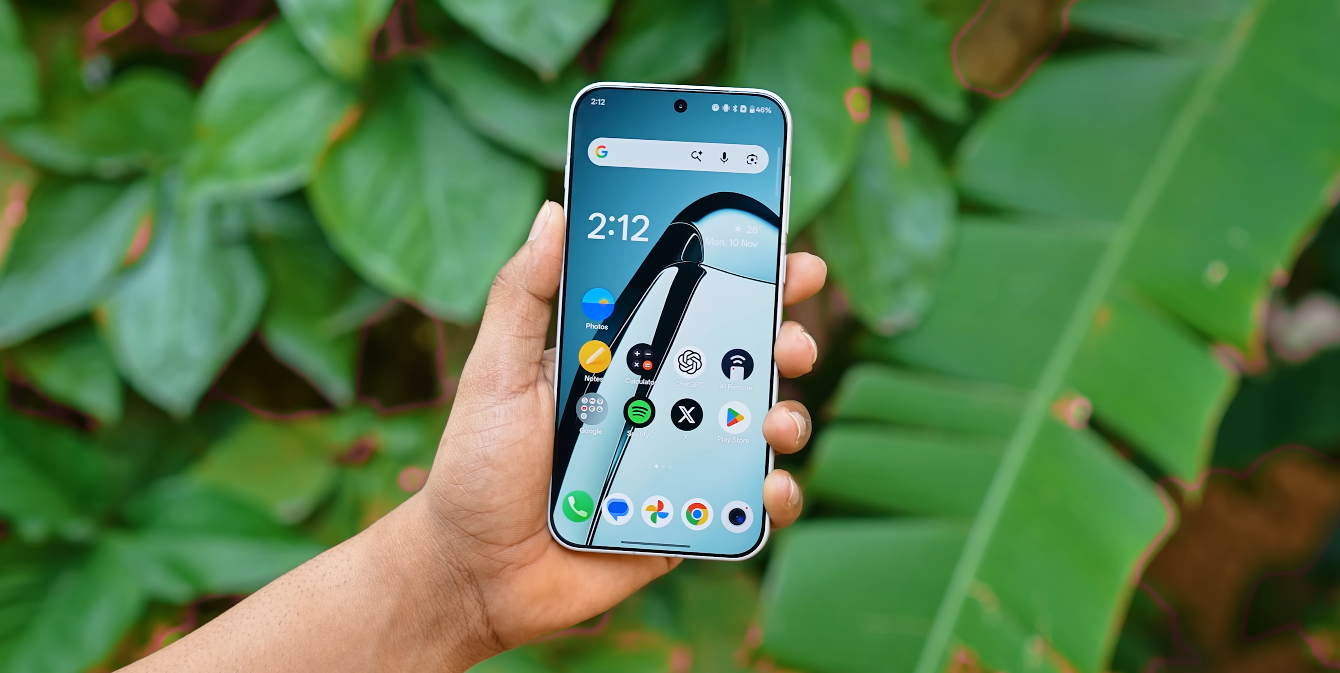
At the heart of the one two punch are their chipsets. The OnePlus 15 deploys a top-tier Snapdragon 8 Elite Gen 5 processor paired with a 165 Hz LTPO display—delivering ultra-smooth animation and quick touch response for fast-paced action. The ROG Phone 9 adopts the same class of chipset but is further optimized with dedicated gaming hardware, a claimed 185 Hz refresh rate in certain modes, and accessory/trigger support that pro gamers will appreciate.

For sustained gaming sessions, battery and thermal management matter greatly. The OnePlus 15 stands out with its large 7,300 mAh silicon-carbon battery, offering extended use even under demanding conditions and fast-charge support. The ROG Phone 9 takes a different route: a somewhat smaller ~5,800 mAh battery but with more aggressive cooling and gaming-centric build—meaning it’s built to keep running at high performance for longer without major downgrades.

OnePlus 15 vs Asus ROG Phone 9 — ultimate gaming comparison

Display performance and responsiveness tilt the scale slightly depending on style of play. Those prioritising frame-rate and ultra-fluid visuals will be drawn to the ROG Phone 9’s higher refresh ceiling and gaming-mode enhancements. Meanwhile, the OnePlus 15 gives a near-top refresh experience while also being more versatile for day-to-day usage beyond gaming.

When it comes to real-world usage, gamers who load heavy titles like competitive shooters or battle-royales on high settings may find the ROG Phone 9 edges it thanks to its sustained performance and gamer-geared extras. But users who split their time between gaming, photography, streaming and general smartphone use may favour the OnePlus 15 since it offers flagship performance, excellent battery life and great all-rounded value.

In terms of accessory and ecosystem support, the ROG ecosystem shines—if you want clip-on triggers, dock setups, more configurable profiles and game-tuned firmware, the ROG brand carries weight. The OnePlus-15, while strong, plays more of a “top smartphone that games well” than a “pure gamer rig.”

So if you’re after the ultimate gaming-centred phone and care purely about max frames, cooling and the full gamer toolbar, go with the Asus ROG Phone 9. If you want monstrous power, excellent battery life, solid gaming capability plus full flagship versatility, the OnePlus 15 is the more rounded choice.
OnePlus 15 unboxing first look: what’s inside the box?

OnePlus 15 unboxing first look what’s inside the box

Everything you get with OnePlus’s latest flagship

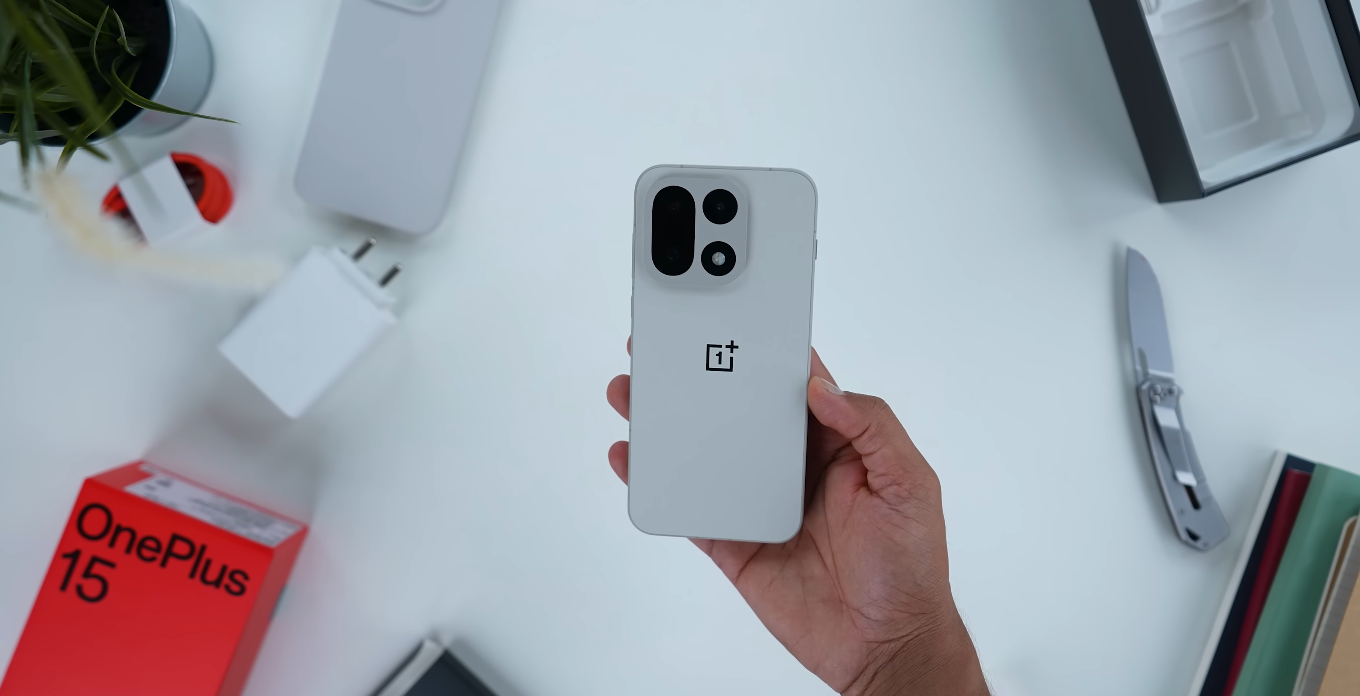
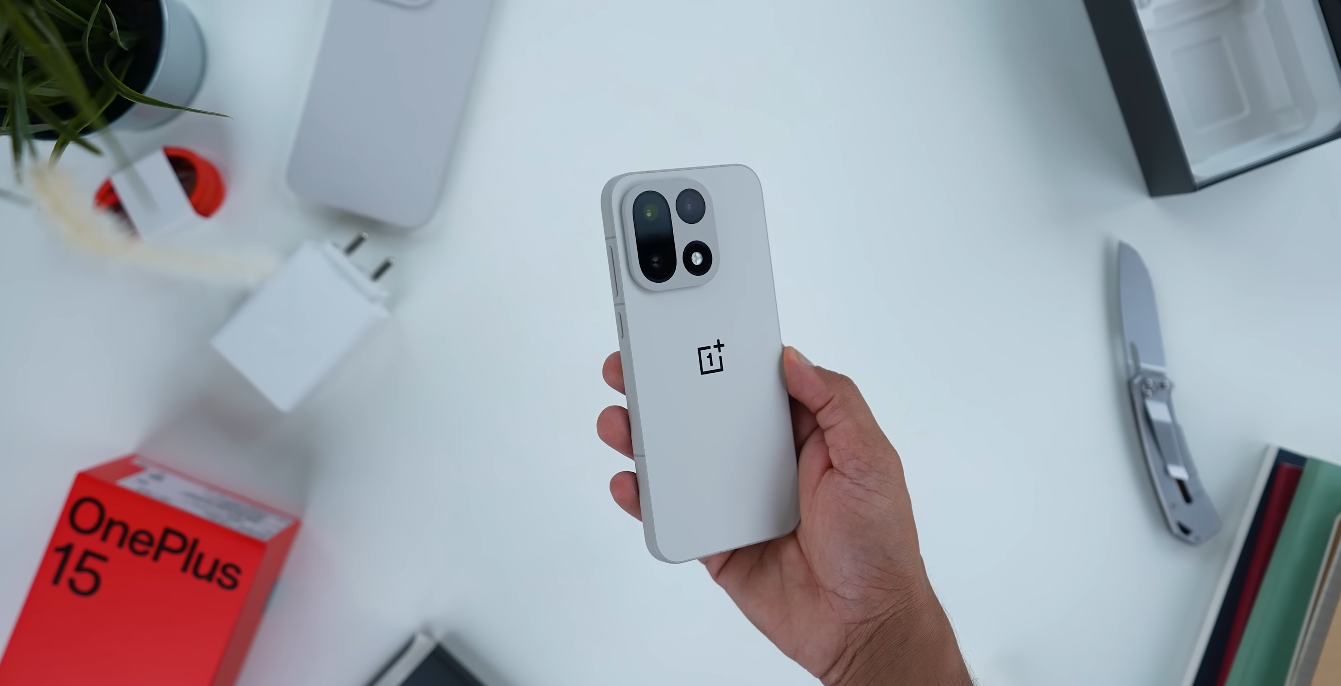
The OnePlus 15 arrives in the brand’s signature bold red box, carrying forward its tradition of premium presentation. The packaging feels sturdy and refined, with a smooth matte texture that immediately signals you’re unboxing a high-end device. As soon as the lid lifts, the phone itself sits front and centre, wrapped in a thin protective film with its colour and finish clearly on display.

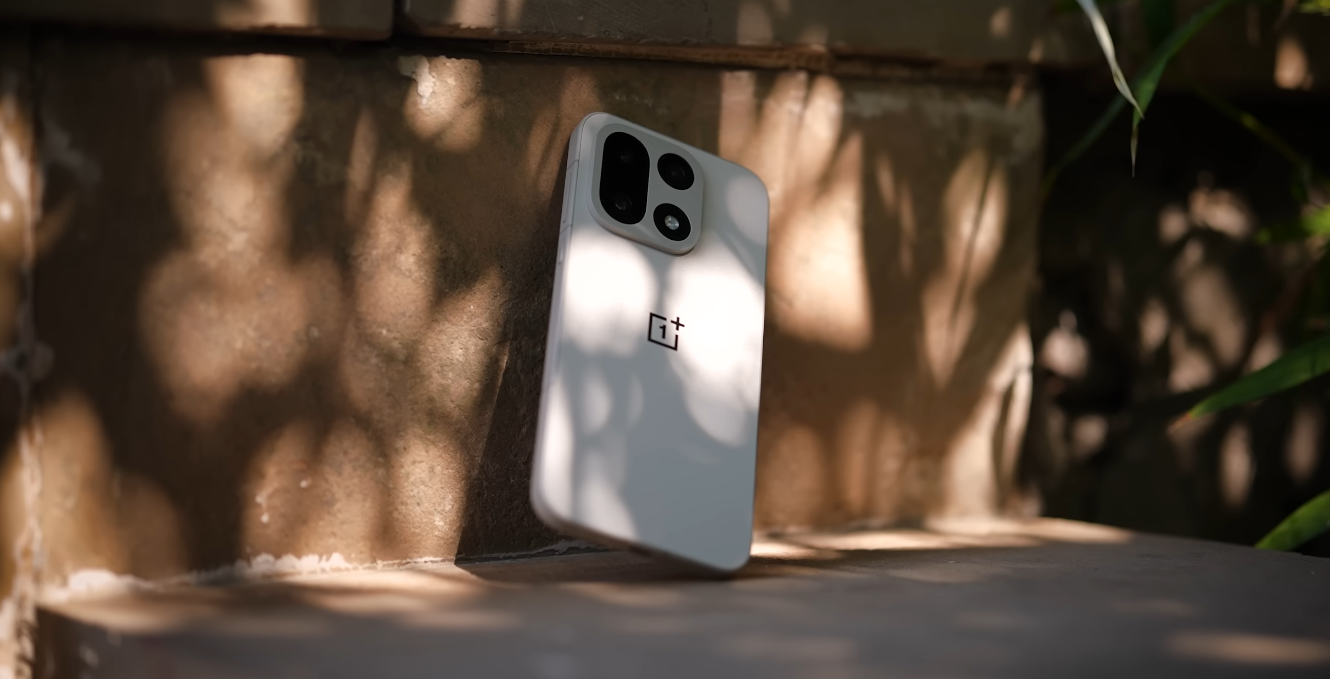
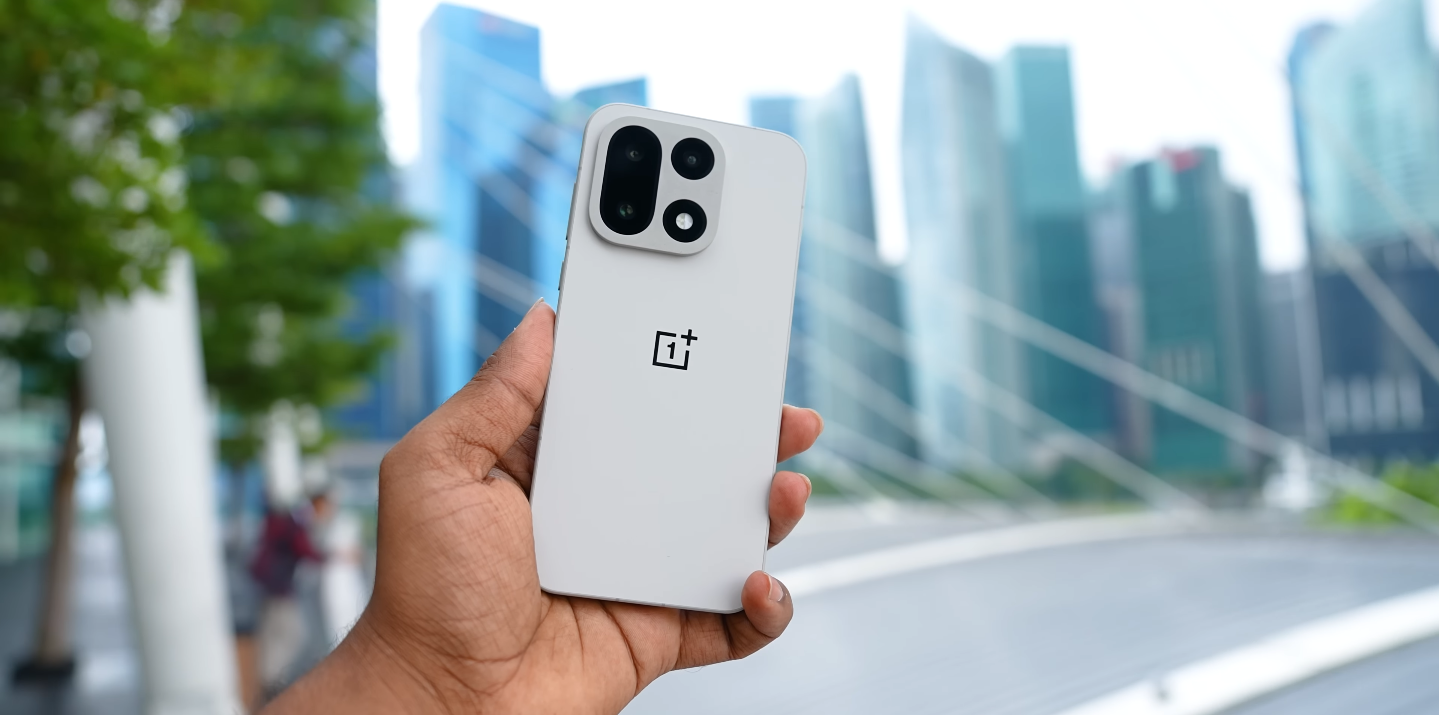
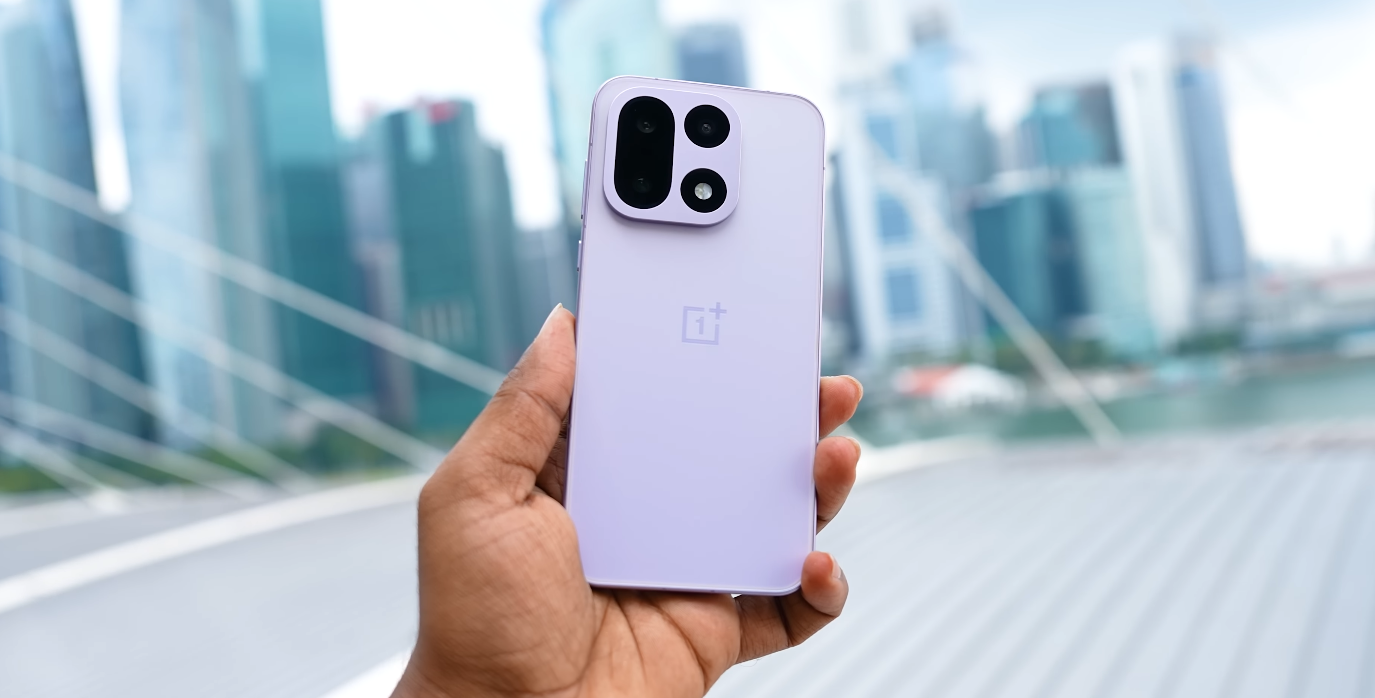
The model shown during first-look previews featured the “Sand Storm” variant, a matte gold finish with aerospace coating, though other versions such as Obsidian Black and Ultra Violet will also be available. The back panel’s texture feels smooth yet grippy, preventing fingerprints and offering a confident hold right out of the box.

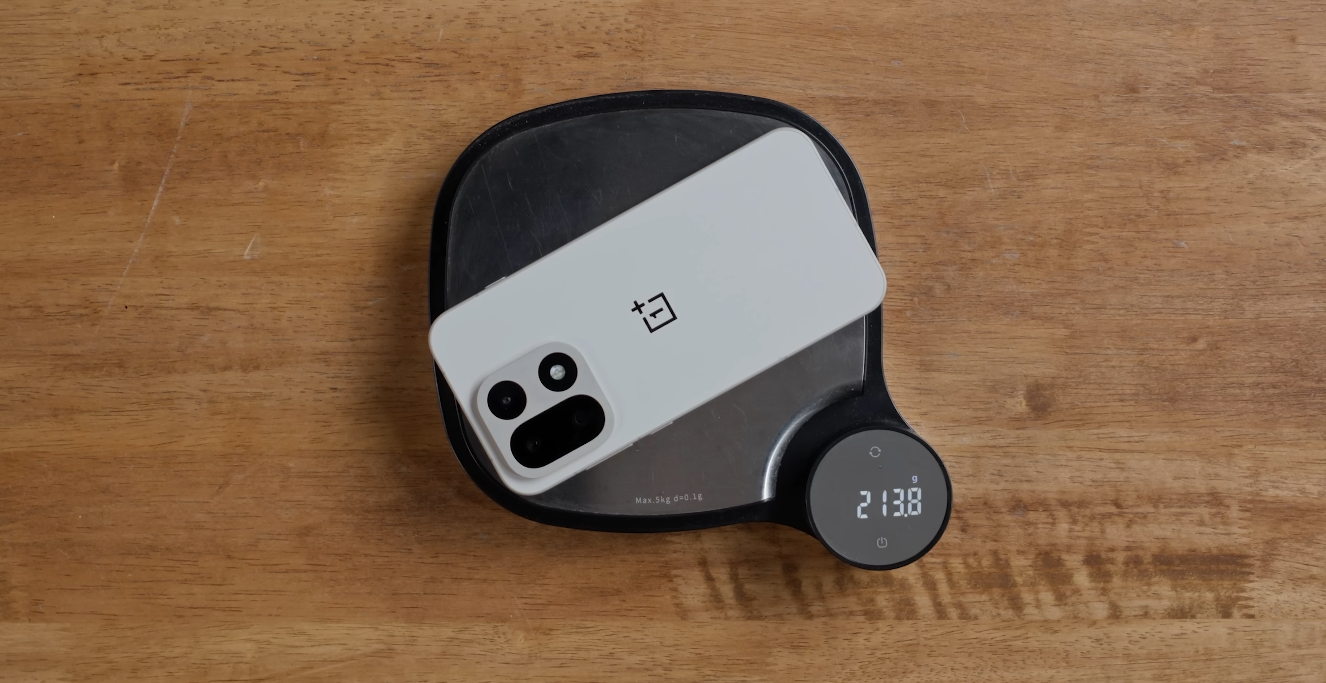
Beneath the phone lies a familiar set of OnePlus accessories. A 120W SuperVOOC fast charger is included — a refreshing change in an era where many manufacturers are removing power bricks from their boxes. This adapter supports the phone’s full-speed wired charging, capable of refilling the massive 7,300 mAh battery in just under 30 minutes.

OnePlus 15 unboxing first look what’s inside the box

Alongside the charger sits the iconic red USB-C cable. The cable is thick, durable, and designed to handle high-speed charging and data transfer without overheating. OnePlus continues to include this cable as standard, reinforcing its commitment to user convenience and out-of-the-box readiness.

The box also contains a transparent protective case — something many competitors have phased out. The included case has a matte finish and raised edges for slight screen and camera protection. It’s not a heavy-duty case, but it offers solid first-day protection until buyers pick a more personalised option.

A small envelope underneath houses the usual paperwork, including a quick-start guide, warranty booklet, and safety information. The SIM ejector pin comes clipped neatly to the packet. OnePlus has even pre-applied a screen protector to the phone, saving users an additional purchase and ensuring scratch protection from day one.

Interestingly, the packaging’s layout has been slightly refined this year. The compartments are more compact, with eco-friendly inserts replacing older foam material. OnePlus has said that the new box design reduces plastic use by nearly 40 percent compared to earlier generations, aligning with its sustainability goals.

What’s missing from the box, however, is a wireless charging pad. Despite the OnePlus 15 supporting 50W wireless charging, that accessory will need to be purchased separately. Similarly, there are no earphones or audio adapters, reflecting the company’s focus on its wireless Buds lineup for 2025.

For UK buyers, the retail box contents are identical to the Chinese launch version, meaning the 120W charger and cable remain standard inclusions — a major win considering many flagship brands no longer provide them. The attention to detail, even in packaging, enhances the overall premium feel of the device.

In short, unboxing the OnePlus 15 feels like opening a complete flagship experience. You get the essentials and a few thoughtful extras that make setup effortless. Between the included charger, protective accessories, and elegant presentation, OnePlus proves that it still values the full ownership experience — not just the phone itself, but everything that comes with it.

OnePlus 15 vs iPhone SE 4 — specs vs compact power

OnePlus 15 vs iPhone SE 4 — specs vs compact power

Big Flagship Meets Practical Compact

The OnePlus 15 and iPhone SE 4 take two very different paths in the smartphone world. The OnePlus 15 is built as a full-on flagship with all the top specs you can find, while the iPhone SE 4 is poised to be a compact powerhouse for users who want Apple quality in a smaller form. Each addresses very different needs for UK consumers, and the choice is clearly about what you value most in your daily phone.

Design and size are major differentiators. The OnePlus 15 features a large 6.78-inch display, making it ideal for media consumption, gaming and multitasking, but it also means a bigger footprint and possibly more one-hand struggle. The iPhone SE 4, by contrast, is expected to be significantly smaller and easier to handle one-handed, making it a much better companion for everyday carry, commuting and pocket use.

On hardware and performance, the OnePlus 15 is impressive: a top-tier Snapdragon-based chipset, up to 16 GB RAM in some markets and ultra-fast storage mean it can handle anything you throw at it. The iPhone SE 4 is likely to use Apple’s next-gen chip and perform strongly, but in raw numbers it will probably not match the OnePlus for sheer spec headroom. However, Apple’s system integration may deliver excellent real-world performance even with lower specs.

OnePlus 15 vs iPhone SE 4 — specs vs compact power

In display tech, the OnePlus 15 stands out with a high-refresh AMOLED panel (up to 165Hz reported), delivering ultra-smooth animations and gaming. The iPhone SE 4’s display details are more modest in comparison — a smaller canvas, likely standard refresh rate — but for everyday tasks it will be more than capable and easier to reach across with one hand.

Battery life and charging bring further contrast. The OnePlus 15 packs a large battery (7,300 mAh in many markets) and very fast wired charging, plus wireless support in many regions. The iPhone SE 4 will be more modest by comparison in capacity and charging rate but is expected to benefit from Apple’s efficiency gains and offer a solid daily experience without needing extreme specs.

Software, ecosystem and daily experience are also part of the story. The OnePlus 15 runs the latest Android version with full customisation, suited for power users who want control, flexibility and the biggest screen. The iPhone SE 4 will tap into Apple’s ecosystem, long software support, seamless integration with other Apple devices and a cleaner, simplified workflow — perfect if you already have an iPad, Mac or AirPods.

So in making your decision: If you want maximum performance, a large screen and plenty of spec headroom for future-proofing, the OnePlus 15 is the clear winner. If you favour a compact size, ease of use with one hand, and Apple’s ecosystem advantages — and are okay with forgoing the absolute top specs — then the iPhone SE 4 is the smarter pick.

In short, it’s a choice between “big flagship power and screen” (OnePlus 15) and “compact, practical premium” (iPhone SE 4). Each phone is excellent in its own domain, so your best bet is to go with what you’ll actually use most.

OnePlus 15 environmental credentials: packaging, materials and sustainability

OnePlus 15 environmental credentials packaging, materials and sustainability

Assessing design decisions and long-term responsibility

The OnePlus 15 arrives at a time when environmental responsibility has become a key part of smartphone design and marketing. For buyers in the UK, sustainability considerations often go beyond basic packaging claims and extend into durability, repair support, materials sourcing and long-term software commitment. While the OnePlus 15 continues to present itself as a performance-driven flagship, it also reflects wider efforts by the company to improve its environmental footprint across different stages of the product lifecycle.

One of the most visible areas of progress is the packaging. OnePlus has gradually reduced the volume of printed inserts in its boxes and shifted toward simpler layouts that require fewer materials. Packaging for recent models has emphasised recyclable cardboard and reduced plastic usage, and the OnePlus 15 follows this direction. The design aims to minimise waste during unboxing while protecting the device for transport. The compact packaging approach also supports more efficient shipping, contributing to reductions in emissions linked to transport and storage.

In terms of materials, durability is a central sustainability factor. Smartphones that last longer reduce the need for replacement, lowering the environmental cost associated with manufacturing new devices. The OnePlus 15 features a reinforced chassis structure and scratch-resistant display glass, which together help increase the device’s usable lifespan. The back panel and frame components are designed to withstand daily wear, reducing the likelihood of accidental damage leading to early device retirement. A longer service life directly supports a more sustainable ownership cycle.

OnePlus 15 environmental credentials packaging, materials and sustainability

The device also benefits from OnePlus’s ongoing improvements to battery management and performance efficiency. Software-driven charging optimisation aims to preserve battery health over time, reducing capacity loss associated with daily charging habits. By slowing battery ageing, the OnePlus 15 can maintain strong endurance for longer, delaying the need for battery replacement or device upgrade. This approach aligns with sustainability goals that focus on extending product longevity through both hardware design and intelligent software tuning.

Repairability continues to be a key concern in evaluating environmental impact. While the OnePlus 15 is not a fully modular device, it is supported by an established repair network and access to authorised service parts in major markets. Screen replacements, battery servicing and port repairs are common procedures offered through official channels. Availability of authorised repair services helps reduce the number of devices that would otherwise be discarded when a single component fails. Ensuring continued access to spare parts is an essential part of sustainable device management.

Software support is also an important aspect of environmental responsibility. Extended software updates delay the need for hardware replacement by keeping the device secure, functional and compatible with new applications. The OnePlus 15 is expected to receive multiple years of major Android updates and ongoing security patches. This commitment helps maintain performance and usability for a substantial ownership period, reinforcing sustainability through longevity rather than rapid upgrade cycles.

For users transitioning to the OnePlus 15 from older devices, trade-in programmes play a role in the sustainability story. OnePlus offers schemes that allow users to return their previous handsets, which are then assessed for refurbishment, resale or responsible recycling. This keeps usable devices in circulation longer and ensures that materials from non-functional units are reclaimed rather than entering landfill streams. Trade-in systems form an increasingly important part of how modern manufacturers manage product life beyond initial ownership.

Responsible sourcing of materials remains a complex area for the smartphone industry, and OnePlus has publicly reported ongoing work to monitor supply chains for compliance with ethical and environmental standards. While the OnePlus 15 itself does not introduce a new materials sourcing framework, it benefits from the broader corporate focus on supplier auditing and certification. Visibility into the sourcing of key components such as metals and semiconductors helps underpin sustainability commitments beyond the device’s physical construction.

Energy efficiency also contributes to reduced environmental impact during everyday use. The OnePlus 15’s processor and display are optimised to adjust power draw depending on activity, ensuring that the device does not consume energy unnecessarily. Adaptive refresh rate behaviour and background process management are designed to balance performance and efficiency. This not only helps extend battery life but also reduces overall power consumption over the life of the device.

In summary, the OnePlus 15 reflects incremental but meaningful steps toward a more sustainable smartphone proposition. Reduced packaging waste, durable materials, long battery health support, repair access, extended software life and trade-in pathways all contribute to lowering its environmental impact. While the device does not solve the broader challenges of electronics manufacturing, it does provide users with pathways to reduce waste and extend usable lifespan. For buyers who value both performance and thoughtful lifecycle design, the OnePlus 15 offers a balanced approach to sustainability in the flagship category.

OnePlus 15 user complaints day-one: what’s being mentioned already?

OnePlus 15 user complaints day-one what’s being mentioned already

Early buyer reactions and the most discussed problems so far

The OnePlus 15 arrived with huge expectations, and while many buyers praise its speed and design, day-one complaints have already started surfacing across early adopters and communities. UK users in particular are sharing similar patterns of issues, giving a clearer picture of where the phone may need refinement through software updates.

One of the most discussed complaints is overheating under heavy load. Users who tested long gaming sessions, high-resolution video recording, and benchmarking have reported noticeable heat buildup near the camera area and frame. Although performance remains strong, the temperature increase has surprised many who expected stronger thermal management from a flagship.

The second area of concern relates to the camera. On paper, the triple 50MP system is powerful, but early feedback points to inconsistency rather than failure. Buyers have mentioned that daylight photos are excellent, but high-zoom performance and very low-light scenes can produce softer results than anticipated. Some owners believe that future firmware optimisations will be needed before the camera reaches full potential.

OnePlus 15 user complaints day-one what’s being mentioned already

Software behaviour has also become a talking point. A number of users mention occasional micro-stuttering during animations and app switching despite the strong processor. Others say that the removal of the classic alert slider and the introduction of the new programmable key feel more like a change in layout than a functional improvement. The resolution drop from 2K to 1.5K has also disappointed a section of loyal users.

Battery life has generated mixed first impressions. Many users are satisfied with all-day backup, but there are scattered reports of fast draining during early setup, camera use, and 5G streaming. Some believe the phone may need a few charging cycles or an update before battery consumption stabilises, which is common in first-day usage of new flagships.

Design opinions show a clear split. A majority compliment the slim bezels and large edge-to-edge display, calling it one of the most premium front designs OnePlus has made. However, the flat frame receives mixed reviews: some find it modern and bold, but others say it feels sharp in hand compared to curved-edge competitors. A few customers also note that the rear glass finish on specific colour options feels slippery without a case.

A smaller but recurring complaint is related to connectivity. A limited number of users report fluctuating Wi-Fi performance when switching between access points and occasional Bluetooth drops with wireless earphones. These issues are not universal but have appeared often enough to be noticeable among early adopter feedback.

Day-one gaming feedback is also divided. While the phone runs popular titles at high settings, some players mention occasional frame dips during extended matches. Most point again to the heating concern, suggesting that temperature buildup may be influencing performance throttling in specific gameplay scenarios.

Another common request from buyers has been a longer software support lifespan. The phone offers multiple years of Android upgrades and security patches, but some users believe that a premium flagship in 2025 should match the longest support policies in the market rather than fall slightly short.

Despite these complaints, most early owners agree that the OnePlus 15 remains a powerful and premium device. The majority of issues relate to tuning rather than hardware failure, and many users expect future software updates to improve temperature control, camera consistency, and minor system bugs. The strong display quality, battery efficiency for everyday usage, and overall performance keep buyer satisfaction relatively high.

In summary, day-one feedback shows that overheating, camera tuning, software movement, and ergonomics are the most discussed complaints so far. None of these appear to be deal-breakers for most UK buyers, but they highlight the areas where OnePlus may need to make improvements in the coming months to deliver a fully polished flagship experience.

OnePlus 15 screen-on-time after 6 months: projected durability

OnePlus 15 screen-on-time after 6 months projected durability

How long-term use may affect real-world battery endurance

The OnePlus 15 launched with a large 7300 mAh silicon-carbon battery, one of the biggest capacities offered in a mainstream flagship phone. Its early results show excellent stamina in daily UK use, with strong endurance during streaming, navigation and high-refresh tasks. As with any smartphone, battery health decreases over time, so understanding how performance may look after six months is important for long-term buyers.

In its first weeks the OnePlus 15 delivers impressive screen-on-time thanks to the efficiency of its chipset and the stability of its battery chemistry. Many users comfortably achieve a full day of heavy use, and lighter days can stretch into a second. This strong starting point forms the basis for predicting how much endurance will remain after months of regular charging and daily wear.

Battery degradation is normal and expected in all lithium-based cells. Silicon-carbon batteries, however, are engineered to maintain health for longer, and OnePlus states that the technology is designed to retain over 80 percent capacity after four years of use. Six months represents only a small portion of this lifespan, meaning battery health loss during that period should be minimal for most users.

OnePlus 15 screen-on-time after 6 months projected durability

Based on typical usage patterns, a realistic projection for screen-on-time after six months suggests only a slight reduction. Under light to moderate tasks such as browsing, messaging, email, social media and streaming, the OnePlus 15 should still achieve around seven to eight hours of screen-on-time. This remains well within full-day performance, especially when combined with the phone’s efficient standby behaviour.

For heavier routines involving long gaming sessions, high-refresh-rate use, camera-intensive days or navigation, screen-on-time may settle around five to six hours after six months. This is a modest drop compared to early usage figures and aligns with what is expected from a battery of this size and design. Heavy users should still find the phone reliable enough to complete demanding days without mid-day charging.

Environmental conditions also influence long-term endurance. The UK’s colder months can slightly reduce performance when the phone is used outdoors for extended periods, especially during navigation or filming. However, silicon-carbon cells generally handle temperature variations better than traditional lithium-ion batteries, helping maintain more stable screen-on-time even as the device ages.

Charging habits play a meaningful role in how much battery health is lost over time. Avoiding prolonged time at 100 percent, limiting extremely high temperatures and using adaptive charging features can significantly slow degradation. The OnePlus 15 includes built-in battery optimisation settings that regulate charging behaviour overnight and reduce stress on the cell during daily top-ups.

Fast charging remains a major advantage even after six months of ownership. The phone can replenish a large amount of power in a short time, making it easier to compensate for any natural reduction in screen-on-time. Even if heavy use results in a lower end-of-day percentage later in the device’s life, quick charging ensures users are rarely inconvenienced.

Users who rely on 165 Hz refresh rate or extended gaming sessions may see a slightly faster decrease in daily endurance, but this is consistent with all high-performance smartphones. Switching to adaptive refresh rate or managing performance modes during long tasks can keep battery drain under control without noticeably affecting the user experience.

Overall, the OnePlus 15 is expected to maintain strong screen-on-time after six months, with only a minor, natural reduction from its launch performance. Most users in the UK can anticipate a reliable full day of use and, under lighter workloads, the potential for multi-day endurance. The design of the battery and the software optimisations ensure the device continues to feel dependable over time.

In summary, the OnePlus 15’s projected durability remains a key strength. With a large battery, efficient hardware and smart charging management, the device should deliver robust screen-on-time even after months of regular, real-world usage. For buyers seeking long-term stability without rapid decline, the phone offers a reassuring level of endurance.

OnePlus 15 vs Redmi Note 15 Pro — mid-range vs entry-flagship test

OnePlus 15 vs Redmi Note 15 Pro — mid-range vs entry-flagship test

Flagship performance vs value-focused power for UK buyers

For UK shoppers choosing between the OnePlus 15 and the Redmi Note 15 Pro, the key question is whether you want full flagship power with premium features or smart value with strong performance at a lower price. The OnePlus 15 aims to deliver top-tier specs, highest quality materials and longevity, while the Redmi Note 15 Pro offers many of today’s modern smartphone essentials at a fraction of the cost.

The OnePlus 15 comes equipped with a high-end Snapdragon chip, a large 7,300 mAh battery, ultra-fast charging (wired and wireless) and a 165Hz LTPO display. It also includes premium materials, strong water and dust resistance and a versatile triple 50MP camera system. All these features make it one of the most future-proof phones available now.

The Redmi Note 15 Pro takes a more balanced approach. It features a large AMOLED display with 120Hz refresh rate, a capable mid-to-upper-mid chipset and a solid camera system for its price range. While it doesn’t match the OnePlus’s top-tier specs, it delivers a modern and highly usable smartphone experience at a significantly lower cost.

OnePlus 15 vs Redmi Note 15 Pro — mid-range vs entry-flagship test

In day-to-day use the OnePlus 15 stands out for high performance: heavy multitasking, gaming, professional-level photo editing and long term durability. If you demand the best and plan to keep your phone for four or more years, its investment is justified. Conversely, the Redmi Note 15 Pro excels for average users: streaming, social media, casual gaming, photography and strong battery life without breaking the bank.

OnePlus 15 holds an advantage in build quality and premium extras: wireless charging, advanced camera features, IP-rating, higher refresh display and top-tier internals. The Redmi Note 15 Pro accepts pragmatic compromises: less advanced telephoto lens, likely fewer years of software support, reduced premium materials and possibly slower charging. However, for many users these trade-offs are perfectly acceptable.

From a value perspective the Redmi Note 15 Pro offers excellent return: you get many of the features you care about (display, battery, cameras, performance) while keeping cost much lower. For those who don’t need ultra-premium features or are upgrading sooner, it is a very sensible choice. On the other hand, if you want a phone that feels “top class” now and remains “top class” for years, OnePlus 15 is the choice.

In conclusion, UK buyers looking for the absolute best experience and long-term durability should go with the OnePlus 15. Meanwhile, those focused on smart spending and getting a feature-rich device without flagship pricing should opt for the Redmi Note 15 Pro.

Also Read:  Xiaomi 17 Pro Max vs LG Velvet 2: past vs future flagship tech

OnePlus 15 UK launch event highlights you missed

OnePlus 15 UK launch event highlights you missed

Key Moments from London’s Big Reveal

The OnePlus 15 UK launch event brought excitement, exclusives, and a few surprises that went beyond the official livestream. Held in London on 17 November 2025, the pop-up event attracted fans, tech reviewers, and early buyers eager to get hands-on with OnePlus’s most ambitious flagship yet. Here’s everything you might have missed from the launch day.

The event took place at the Kachette Annex in Shoreditch, one of London’s trendiest tech spaces. Attendees were greeted with a full showcase of all three OnePlus 15 colour variants — Sand Storm, Infinite Black, and Ultra Violet. The Sand Storm model stole the show, with its matte, metallic finish and fibreglass-composite back that looked stunning under studio lights. OnePlus highlighted how this new coating, achieved through micro-arc oxidation, offers better grip and scratch resistance than previous glass designs.

One of the most talked-about moments came when OnePlus executives confirmed that the OnePlus 15 would start at £879 in the UK for the 16GB + 512GB model. This pricing undercuts most rivals while still offering flagship-level specs. UK buyers were quick to note that this price is lower than last year’s OnePlus 13 launch, despite the 15’s upgraded performance and larger battery.

OnePlus 15 UK launch event highlights you missed

Early attendees also enjoyed exclusive launch-day perks. The first 100 buyers at the event received a bundle including a 150W power bank, OnePlus case, and magnetic charger. Others who pre-ordered online during the event qualified for free extended warranty and fast-track delivery. There was also a surprise raffle giveaway — one lucky guest won a OnePlus 15 paired with a DJI Osmo Mobile 7 gimbal, a nod to the phone’s advanced video recording capabilities.

Performance demos were another highlight. OnePlus showcased the OnePlus 15’s Snapdragon 8 Elite Gen 5 processor running intensive gaming and multitasking scenarios without thermal slowdown. The device’s cooling system was displayed in cutaway form, revealing its dual vapour chamber design and aerogel layer — technology usually seen in gaming laptops. Attendees tested Genshin Impact and Asphalt 9 at full graphics settings, and the phone stayed impressively cool to the touch.

The display segment earned loud applause. The OnePlus 15’s 6.78-inch LTPO AMOLED panel was shown side by side with the previous generation, demonstrating the benefits of its 165Hz refresh rate and 1,800-nit peak brightness. Under bright event lighting, the screen remained vividly clear, proving that outdoor visibility in UK conditions will be exceptional. The adaptive refresh technology, which dynamically scales from 1Hz to 165Hz, also impressed attendees for its smoothness during scrolling and video playback.

On the camera front, OnePlus detailed the 50MP triple-lens system featuring a new periscope zoom sensor and an updated imaging algorithm. The company highlighted that it has fully transitioned away from its past Hasselblad partnership, developing its own “OnePlus Image Engine.” Live photo tests showed improved skin tones, faster shutter speeds, and noticeably better stabilisation in video capture. UK photographers attending the event described the results as “more natural and consistent than before.”

Another standout reveal was the battery endurance demonstration. The OnePlus 15, equipped with a massive 7,300mAh battery, powered through a live 90-minute gaming and video playback test without overheating or significant drain. The 120W fast charging was also demonstrated on stage — the phone jumped from 1% to 60% in less than 15 minutes, earning audible cheers from the crowd.

OnePlus also addressed software longevity. UK models will receive four years of major Android updates and six years of security patches, aligning with OnePlus’s renewed commitment to long-term support. The company confirmed that OxygenOS will continue to retain its clean interface while integrating more AI features tailored for performance and photography.

For attendees, the event wasn’t just about announcements — it was an immersive celebration of OnePlus’s design evolution. Visitors explored hands-on zones to test the new colour finishes, accessories, and display capabilities. The brand even recreated real-world UK daylight conditions to demonstrate brightness and colour accuracy.

In summary, the OnePlus 15 UK launch event proved that the brand is ready to compete head-on with the biggest names in the industry. From its aggressive pricing to standout performance and build quality, the OnePlus 15’s debut showed why skipping the 14 was a smart move. For those who missed the London showcase, one message came through clearly — OnePlus is back at its best, and the 15 is its most complete flagship yet for UK buyers.

OnePlus 15 vs Apple iPhone 16 Pro Max: which one wins in value?

OnePlus 15 vs Apple iPhone 16 Pro Max which one wins in value

Flagship value face-off between OnePlus 15 and iPhone 16 Pro Max

When comparing two top-tier smartphones it’s the real-world value that matters more than specs alone. Here we look at how the OnePlus 15 stacks up against the iPhone 16 Pro Max for UK users considering which offers better value for everyday use.

On one side, the OnePlus 15 delivers impressive features for a flagship: a large high-refresh 6.78″ display, a powerful processor, and a very large battery designed to last beyond one full day of mixed use. For users who prioritise battery life, fast charging and a fluid Android experience, this device presents a strong value proposition.

In contrast the iPhone 16 Pro Max brings premium build quality, deep integration with the Apple ecosystem, a large 6.9″ Super Retina display, and the reassurance of many years of software support. For users who leverage Apple services, resale value and long-term reliability, this is compelling value despite a higher upfront cost.

OnePlus 15 vs Apple iPhone 16 Pro Max which one wins in value

If cost versus features is your primary concern, the OnePlus 15 offers more “bang for buck” in many scenarios. Its strengths in battery, display smoothness and top-end performance deliver real daily benefits. For users who switch phones every year or two, that may suffice.

However if you believe you will hold onto your phone for five years or more, care deeply about camera video quality, ecosystem convenience and resale value, then the iPhone 16 Pro Max offers value in those long-term areas. The higher price may be justified by the longevity it brings.

For UK buyers still using older models, the decision often comes down to ecosystem loyalty and usage habits. Android users leaning towards performance, battery and flexibility will likely find the OnePlus 15 a very good value choice. Apple users or those who want smoother long-term experiences may prefer the iPhone 16 Pro Max for value in a different sense.

In summary: the OnePlus 15 wins in sheer feature-to-price ratio for many day-to-day users. The iPhone 16 Pro Max wins in long-life value, ecosystem benefits and premium finishes for those prepared to pay more. Value isn’t just about the price tag — it’s about what you’ll get and how long you’ll keep it.

OnePlus 15 vs Honor Magic 6 Pro — who wins the all-rounder battle?

OnePlus 15 vs Honor Magic 6 Pro — who wins the all-rounder battle

A Complete Flagship Comparison

The OnePlus 15 and Honor Magic 6 Pro are both top-tier smartphones that aim to deliver a balanced flagship experience. While each excels in specific areas, the real question for UK users is which one performs better as an all-rounder in day-to-day use. Both models offer strong performance, premium designs and advanced features, making the decision more about priorities than raw power alone.

Starting with performance, the OnePlus 15 uses Qualcomm’s latest Snapdragon 8 Elite Gen 5 chipset, paired with fast UFS 4.1 storage and high memory configurations. This gives it excellent responsiveness in demanding apps, gaming and multitasking. The Honor Magic 6 Pro also performs strongly with its Snapdragon 8 Gen 3 processor, but it falls slightly behind the newer chipset in peak performance and efficiency.

Display quality is another major point of difference. The OnePlus 15 features a 6.78-inch LTPO panel with a variable refresh rate and support for up to 165Hz in gaming modes. This provides exceptional motion smoothness and crisp detail when scrolling or switching apps. The Honor Magic 6 Pro offers a similarly large OLED display with adaptive refresh up to 120Hz and extremely high peak brightness, making it excellent for outdoor visibility and HDR content.

OnePlus 15 vs Honor Magic 6 Pro — who wins the all-rounder battle

Battery life is a clear strength for the OnePlus 15. Its large 7,300mAh battery delivers strong endurance even under heavy use, helping it last through long days of travel, streaming or gaming. Charging speeds are also impressive, offering rapid top-ups when needed. The Honor Magic 6 Pro provides solid battery life in its own right, but its smaller capacity means it cannot match the multi-day potential of the OnePlus 15 for power users.

Camera performance is one area where the Honor Magic 6 Pro pulls ahead. It features a highly capable main sensor, strong low-light performance and an advanced telephoto system designed for detailed zoom photography. The OnePlus 15, with its triple-50MP setup, offers reliable and versatile results, producing natural colours and balanced detail. However, Honor’s push for higher-end optical hardware gives it a notable advantage for photography-focused users.

In terms of software experience, both devices run Android, but the feel is different. OnePlus offers OxygenOS, known for its clean interface and fast updates. The Honor Magic 6 Pro uses MagicOS, which brings additional features but may feel heavier to some users. For long-term support, OnePlus has a stronger track record of delivering updates consistently across major markets, including the UK.

Build quality and design also matter in day-to-day use. The OnePlus 15 continues the company’s refined approach with premium materials and a comfortable hand feel. The Honor Magic 6 Pro, meanwhile, leans into a more futuristic aesthetic with its curved display and distinct camera housing. Both feel premium, but users may prefer the simpler design language of the OnePlus or the more expressive approach of Honor.

Connectivity and everyday practicality show few weaknesses on either side. Both offer strong 5G performance, good stereo audio and reliable biometrics. The OnePlus 15’s larger battery and smoother display may appeal more to users who value endurance

Also Read:  Xiaomi 17 Pro Max “secret mode” revealed: hidden settings & tricks

OnePlus 15 review: why this flagship could upset every major brand

OnePlus 15 review why this flagship could upset every major brand

A serious flagship that pushes well beyond small iterative upgrades

The OnePlus 15 officially arrived this autumn, and its reception across core mobile tech circles shows this model is not just a routine follow-up device. It is built around major next-generation hardware, a visibly more premium build direction, and a software platform that now leans more towards cleaner performance rather than over-branded feature marketing. That alone already places it in a different league within the UK flagship category.

The headlining update is the chipset. OnePlus is one of the first manufacturers to ship Qualcomm’s latest premium-tier mobile processor in a global volume device, and that decision draws genuine interest from power-users. This new generation silicon is built for more sustained performance under thermal load, which matters for gaming, video editing, and any high-demand use where many Android devices tend to throttle. That is a real world difference, not a cosmetic spec.

Display quality is also an area where the OnePlus 15 moves forward. The company continues with an LTPO OLED panel and supports an adaptive refresh rate to balance smoothness with battery efficiency. While UK users have seen high refresh rates become normal across flagships, the difference here is that the panel management logic is more intelligent, dropping to low refresh ranges when content does not need motion. That contributes to noticeably improved endurance without cheapening the visual feel.

OnePlus 15 review why this flagship could upset every major brand

Charging remains a signature part of OnePlus identity, and this generation demonstrates that the brand is not stepping back from its engineering advantage. High wattage wired charging remains officially supported, and the wireless system has also been lifted to a more competitive tier. This continues to appeal to UK buyers who prefer shorter top-up sessions instead of overnight charging habits. The real value here is consistency across charge cycles rather than one-off lab figures.

OnePlus has also refined the exterior build, and this time the device feels more premium by intention rather than trying to follow a trend. The frame uses a higher grade alloy mix, the edges are cleaner, and the colour options have been developed with a more muted, professional tone. The phone feels more corporate-ready and less like a gaming-style slab. In the UK market, that matters because most high value buyers here tend to use their phones as business extensions.

Camera strategy is one of the biggest talking points. OnePlus has stepped away from its long public co-branding approach and now leans on its in-house computational image foundation. This decision was confirmed ahead of the model’s reveal, and it shifts the responsibility of colour tuning, dynamic range processing and motion capture entirely onto OnePlus software teams. It is a bold move — but it also signals long-term self-direction rather than dependence on external imaging partnerships.

Software behaviour is delivered through the latest OxygenOS built over the latest stable Android platform. There is less visual clutter, more optimisation logic, and less duplication of system components. UK users who prefer a cleaner app drawer and faster response times will notice this immediately. And the long-term update roadmap that OnePlus committed to for this model adds genuine reassurance for buyers who do not want to cycle handsets every year.

Network performance is another area where this device steps forward in a verifiable way. The modem supports the most recent 5G radio improvements, and tests have already shown more stable high-band throughput. It is also more efficient in low-signal indoor zones, which is directly relevant for UK homes and offices where thick walls still make reception unpredictable. Better sustained reception matters more than headline peak speeds.

All of this means the OnePlus 15 is now competing not as a cheaper flagship alternative, but as a legitimate primary choice in the core premium bracket. The narrative is no longer “affordable giant killer”. It is now an equal contender to names like Apple and Samsung. That psychological shift is important, because once perception changes in the UK mainstream base, brand loyalty patterns also begin shifting.

If pricing and supply remain stable through winter and early 2026, this model could genuinely alter behaviour at the top of the market. It has real performance credibility, verified engineering improvements, and a design personality that now looks serious rather than experimental. That is why this flagship could upset every major brand — because it is not playing in the shadow side of the flagship segment anymore. It is confidently standing in the front row itself.

Also Read:  Galaxy M17 5G dust & splash resistance: how much does IP54 matter?

OnePlus 15 UK deals: how to get the best price on launch day

OnePlus 15 UK deals how to get the best price on launch day

Smart ways to land a great deal on launch

The OnePlus 15 is officially launching in the UK and competitive pricing is expected right out of the gate. With the base model priced around £849 for the 12 GB/256 GB variant, it’s important to prepare ahead. Trade-in offers, bundles, and early-bird discounts could push the effective cost even lower.

Begin by checking the official UK store for pre-order deals. OnePlus typically offers trade-in credits, guaranteed savings or bonus items when buying on day one. Securing these incentives early can make a meaningful difference on the final price. Make sure you also verify the trade-in eligibility and condition requirements.

Next, compare across authorised UK retailers. Some retailers will match the official pricing but sweeten the deal with extras—such as wireless chargers, protective cases, or vouchers. While the headline price may remain the same, the value-added accessories can tilt the deal in your favour. Keep an eye on bundle descriptions rather than just price tags.

OnePlus 15 UK deals how to get the best price on launch day

Timing matters on launch day. Launch windows often open mid-morning UK time or shortly after the product reveal. Signing up for alerts from OnePlus UK and major electronics retailers gives you a head-start. Stock can sell out fast for certain colour or storage variants. Being ready to act the moment sales go live increases your chances of securing the model you want.

Choosing the right variant is another key factor. The higher-spec model (16 GB/512 GB) may only cost slightly more on launch but unless you truly need that extra storage or RAM, the base variant often offers the best value. Assess how you use your phone and whether the upgrade is worth the extra expense.

Contract deals could present another route to savings. Some UK mobile networks may launch the OnePlus 15 with a deposit plus monthly payments, and sometimes include perks like streaming subscriptions or roaming benefits. But always calculate the total cost across the contract term to ensure it’s truly better value than buying unlocked.

Warranty and region compatibility should not be overlooked. Buying from a UK authorised retailer ensures you benefit from UK consumer rights, local warranty service, and the correct network bands. Avoid grey-import units, even if they look cheaper, as the risk and cost of potential issues may outweigh any discount.

Lastly, consider accessory bundles and trade-in credits together. A bundle that includes useful extras or a trade-in offer that offers a meaningful discount can add more value than a small headline price drop. Put together the total deal value—not just the base cost.

In summary, to get the best price on launch day for the OnePlus 15 in the UK, act early through authorised channels, leverage trade-in offers, evaluate bundle value, and choose the variant that fits your needs. With careful timing and strategy, you can maximise savings and snag a strong deal.