OnePlus 15 UK first sale: stock level warnings for buyers

OnePlus 15 UK first sale stock level warnings for buyers

Early Demand and Limited Stock Expected

The OnePlus 15 is finally making its UK debut, and excitement around the launch is high. With pre-orders already live, early signs suggest that demand could exceed supply, especially for certain configurations and colours. Buyers hoping to secure the device during the first sale period should prepare for potential stock shortages and act quickly to avoid missing out.

The official UK release date for the OnePlus 15 is set for 13 November 2025, with both online and in-store sales beginning simultaneously. OnePlus is running an Early Bird promotion through its UK website, offering free accessories such as a charger, case, or power bank for initial buyers. However, these promotions are limited to the first wave of stock. Once the allocation sells out, later orders may ship without the added bonuses, and delivery times could extend beyond the initial launch window.

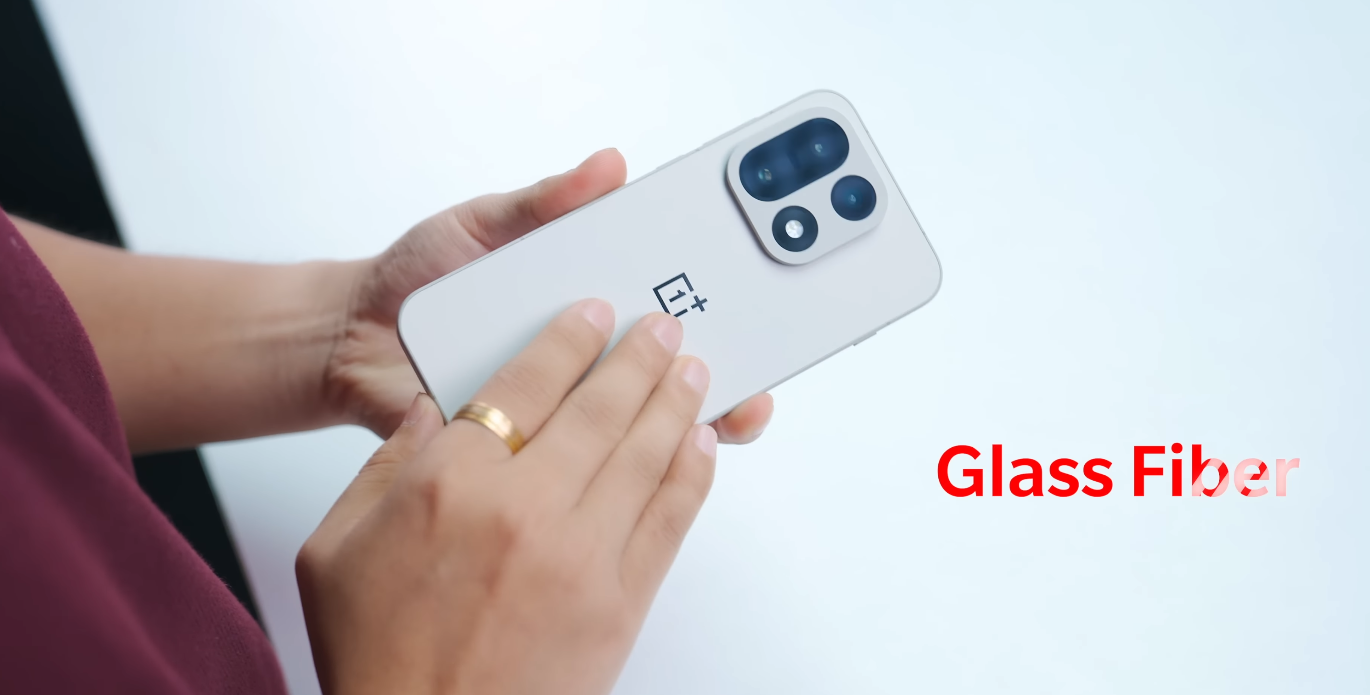
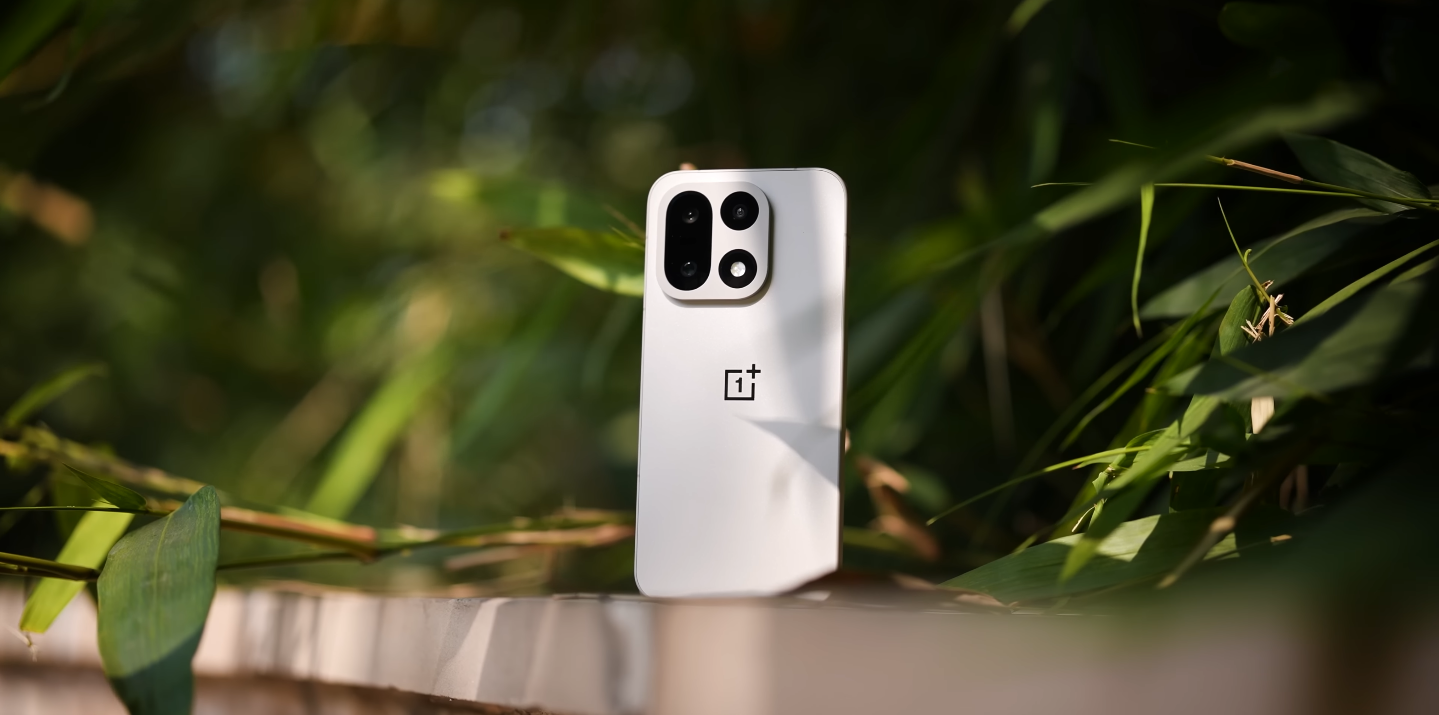
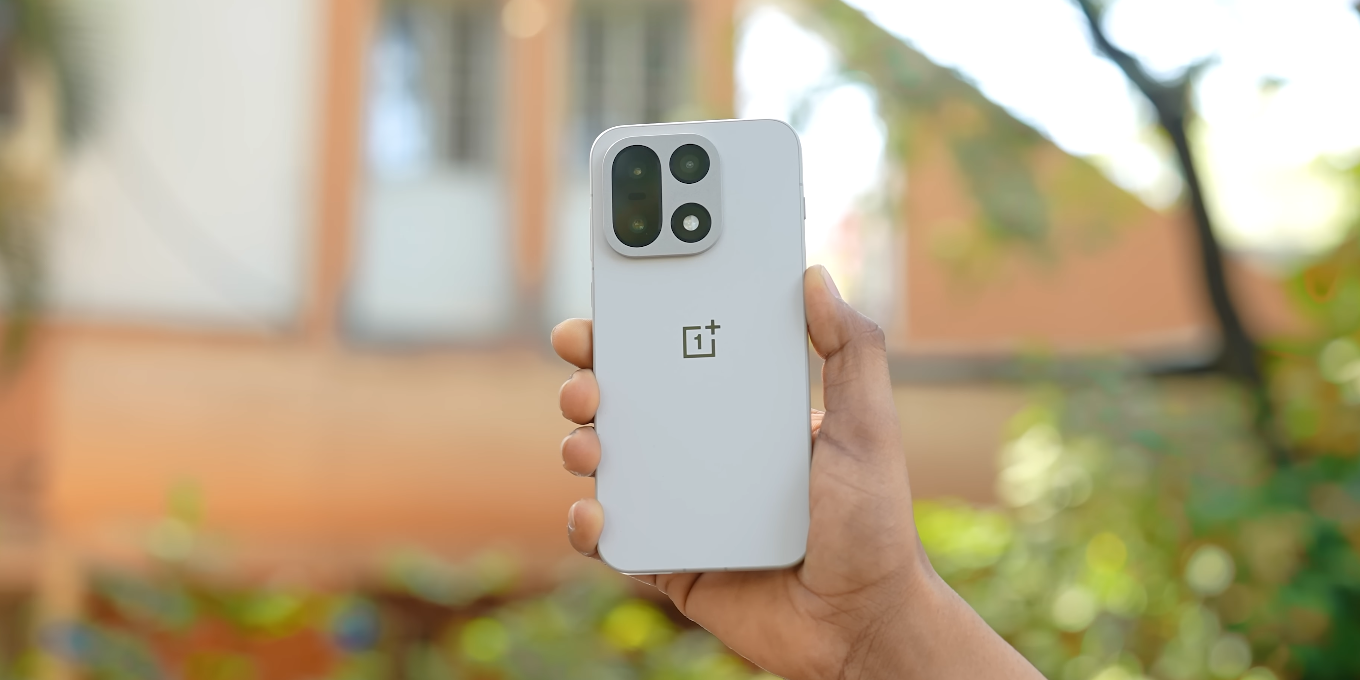
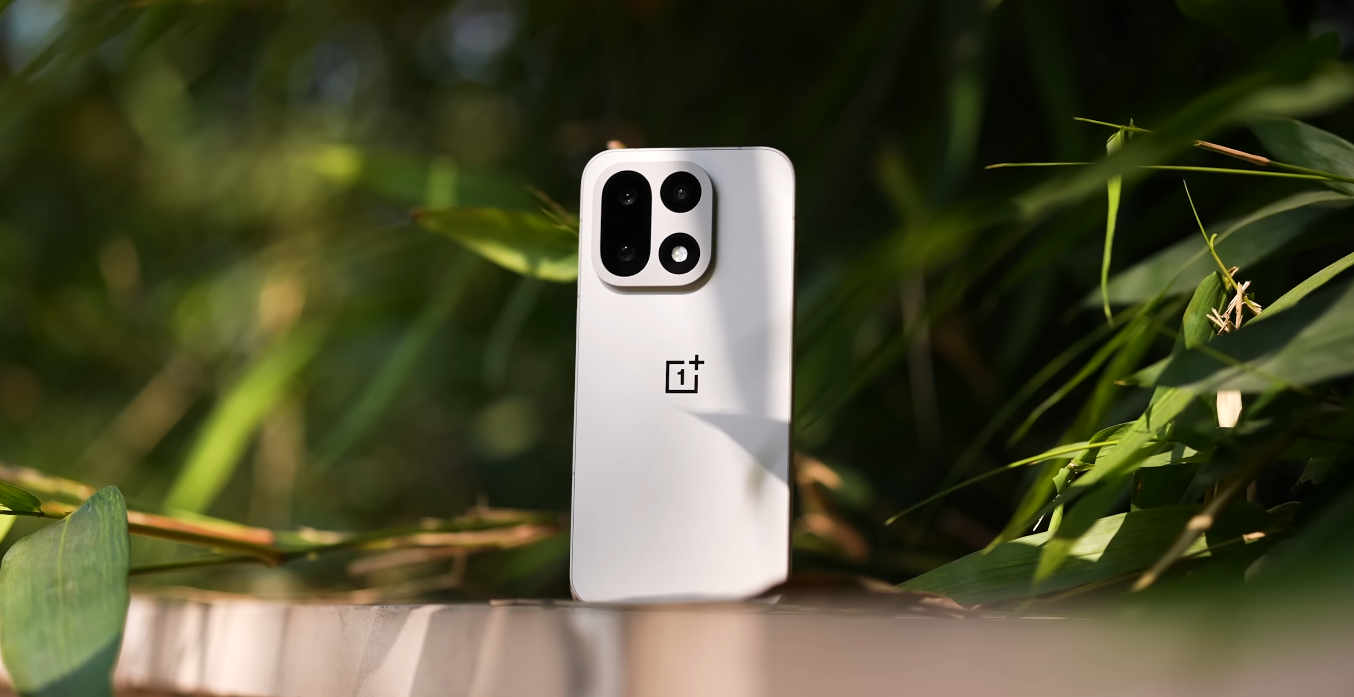
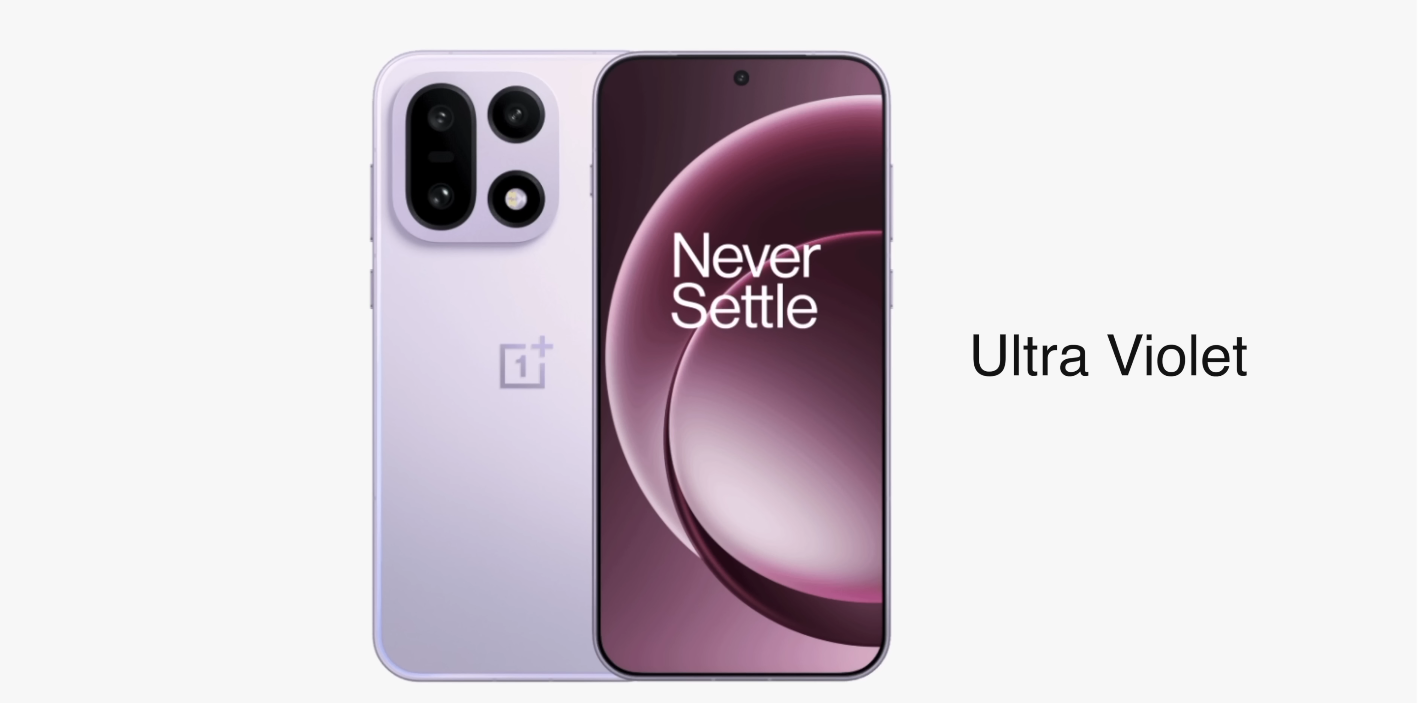
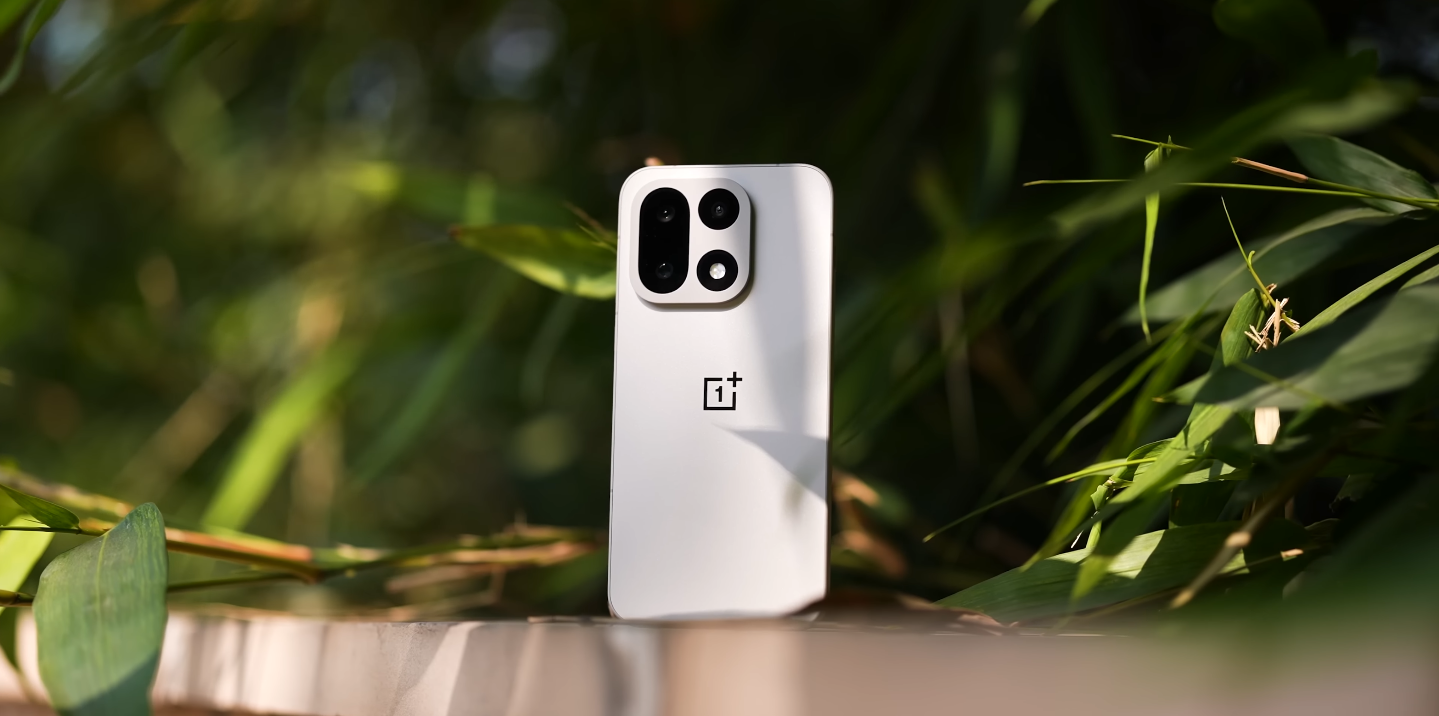
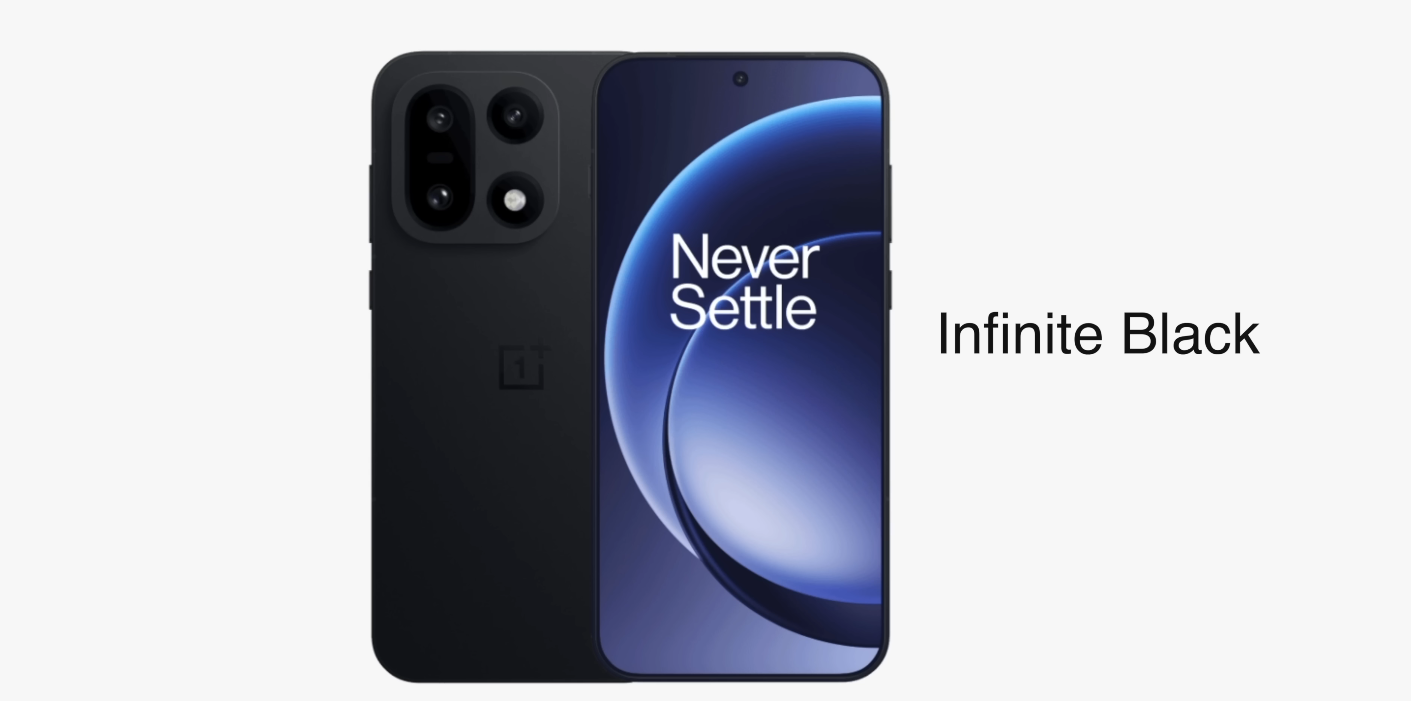
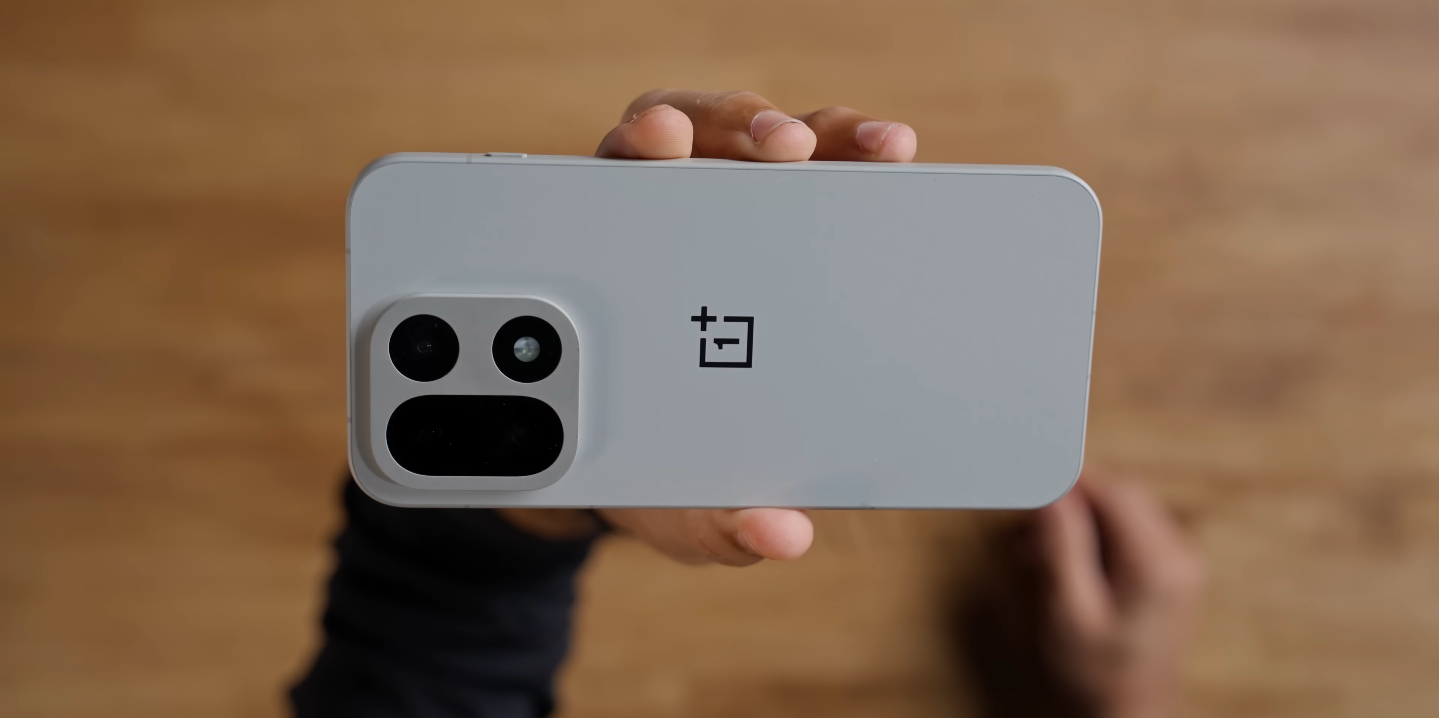
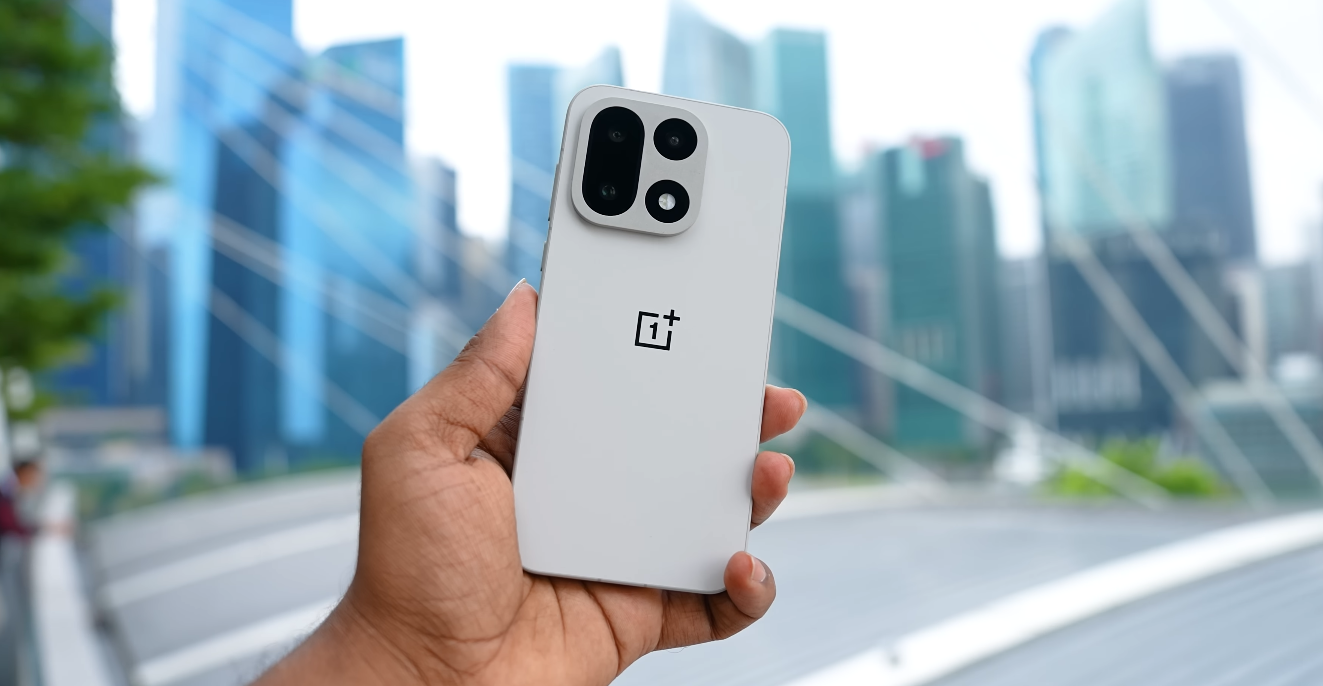
UK reports indicate that the most sought-after model is the Sand Storm finish with 16GB RAM and 512GB storage. This particular version has drawn attention for its unique matte texture and premium look. The Infinite Black and Ultra Violet models are also expected to move quickly, but OnePlus has prioritised larger shipments of the black version, given its universal appeal. Early pre-order data suggests that colour preferences could determine how soon your order ships.
OnePlus 15 UK first sale stock level warnings for buyers

For online buyers, OnePlus’s UK store remains the most reliable source for launch-day stock. The company will handle orders directly from its European warehouse, but limited first-batch availability means that delayed shipping is likely if you order later in the day. UK carriers such as EE and O2, along with major retailers like Currys and John Lewis, are expected to list the phone soon after, but their stock quantities will be smaller. This means waiting for carrier deals could result in delayed delivery dates.

The first pop-up sale event in London on 17 November will also have exclusive on-site stock, though reports suggest units will be capped per customer. Those attending are advised to arrive early, as previous OnePlus events have seen popular models sell out within hours. The brand has also confirmed that stock will not be replenished at these events once sold out.

For UK customers planning to purchase online, it’s advisable to complete pre-orders before the official release day. Based on past trends, OnePlus typically runs low on certain colour-storage combinations within the first 48 hours. Buyers waiting for reviews or last-minute price comparisons could find only the lower or higher-tier configurations available. It’s also worth noting that regional imports or grey-market listings may appear online after launch, but these often lack full UK warranty coverage.

To ensure a smooth experience, UK buyers should register their OnePlus account in advance and save payment details for quick checkout. The company’s site usually opens orders at 9 a.m. GMT, and demand tends to peak within the first hour. Checking alternative retailers like Amazon UK or Box.co.uk may help if the official store temporarily runs out of stock.

Early adopters should also be aware that OnePlus’s “Launch Bundle” offers — such as discounted accessories or trade-in bonuses — are tied to stock levels. Once first-wave inventory is sold, these promotional bundles will no longer be valid. If you’re looking to upgrade and want to benefit from these extras, purchasing on day one is strongly advised.

In summary, the OnePlus 15’s UK launch will be one of the brand’s most competitive sales to date. Early demand is already high, and with limited quantities expected across all channels, buyers who hesitate may face delays of several weeks. The safest move for UK customers is to pre-order or buy immediately at launch to secure their preferred model and bonus offers before stock runs dry. For those waiting even a few days, availability could quickly shift from “In stock” to “Ships in late November.”
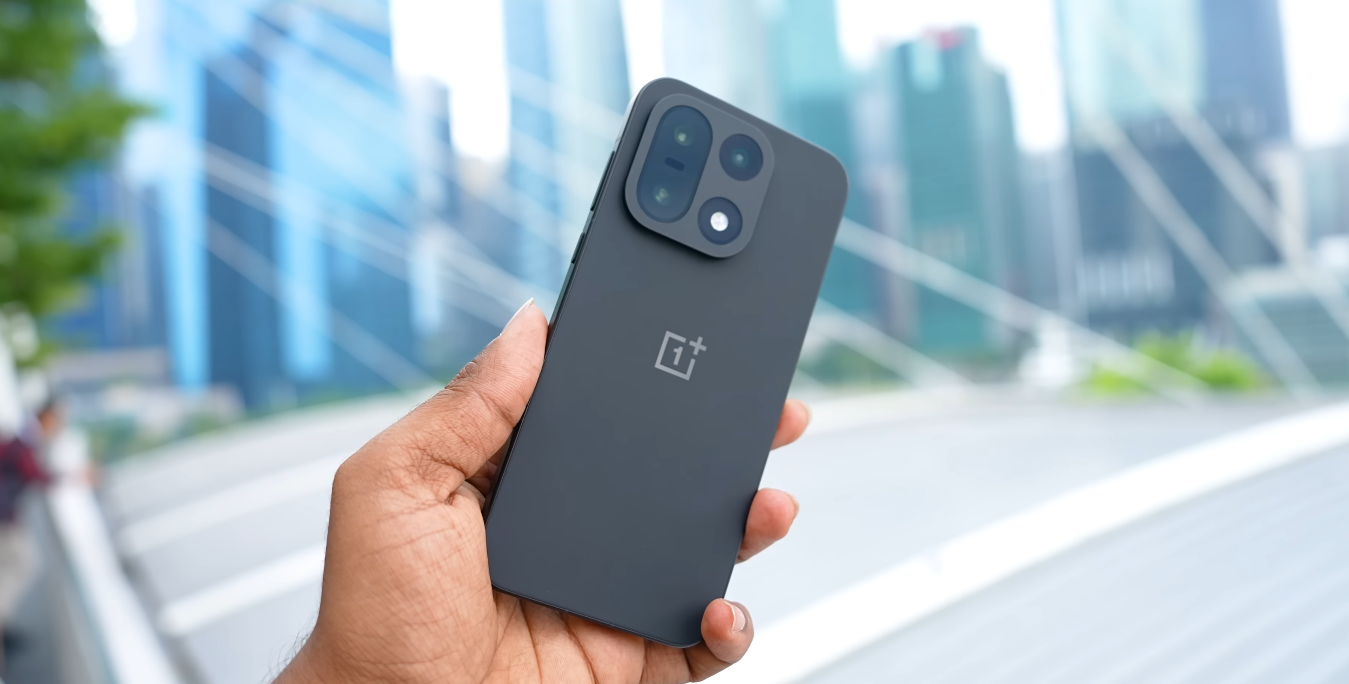

OnePlus 15 hidden features you didn’t know about

OnePlus 15 hidden features you didn’t know about

Useful advanced functions buried deeper inside the software stack

The OnePlus 15’s core specification and design got most of the attention when the device arrived, but the amount of secondary optimisation beneath the headline spec tells a wider story about how the company is evolving its flagship identity. Many of the most interesting capabilities are not pushed loudly in marketing material, yet they sit directly inside OxygenOS and hardware behaviour. These subtle layers are where serious power-users see real value in daily UK usage.

One of the most practical hidden upgrades is found inside refresh behaviour controls. Although the OnePlus 15 display can scale up to 165Hz, UK owners can also granularly lock individual apps to lower tiers. This is designed for users who want smoother animations in one service but need reduced power draw elsewhere. It is not just adaptive logic — it includes direct per-app override control, which is extremely useful for battery preservation during long travel days.

Charging management is another hidden advantage. High wattage charging support is well known, but the system also offers enhanced long-term battery health controls. The OnePlus 15 can limit charge intake overnight and then top up towards the end of a sleep cycle. This helps reduce sustained high-voltage saturation, which is one of the biggest wear factors in modern lithium battery chemistry. This mode is not a headline marketing feature, but it is a meaningful engineering detail.

OnePlus 15 hidden features you didn’t know about

UK users who rely heavily on messaging also benefit from OnePlus’s advanced text extraction layer. The phone can isolate text from screenshots and on-screen images, and then place it directly into the clipboard without a multi-step edit chain. This sits inside system visual intelligence rather than a separate app. It is especially useful for copying parcel tracking information, bank references or booking codes from visual receipts without retyping anything manually.

Privacy controls have also received a sharper implementation. The OnePlus 15 inherits the new permission dashboard from the latest Android generation and layers additional alerting on top. If an app attempts to access camera, microphone or location at background level, the device raises clearer notification behaviour. This gives a more transparent sense of software boundaries. UK buyers who are increasingly privacy minded will quietly benefit from this every day.

Spatial audio support is another example of a feature that few mainstream buyers discuss, yet it is fully functional. The OnePlus 15 can handle head-tracked spatial mixes through supported Bluetooth codecs and compatible earphones. When watching compatible content on major streaming platforms, audio positioning adapts to head movement. It is subtle and requires the right headphones, but it is a flagship-class capability that already exists inside the software pipeline.

Another clever function is hidden within the haptic tuning menu. The OnePlus 15 exposes direct vibration pattern shaping for system interactions, which lets users switch between softer vibration curves and tighter, more mechanical feedback. That is more than a “strong/weak” toggle. The actuator mapping changes the feel of taps across the interface. Typing on glass becomes more tactile, which is useful for fast messaging without mis-keying on public transport.

The OLED panel engine also hides a sophisticated anti-flicker mode designed for users who are sensitive to PWM flicker at low brightness. This layer stabilises dimming behaviour under low lighting. The UK has long dark winter evenings, and this can reduce eye strain when browsing indoors before bed. It is not a glossy selling point, but the comfort upgrade is genuinely meaningful across prolonged reading sessions.

There is also an improved network logic inside the modem software frame. When signal fluctuates heavily — common inside older brick UK homes — the OnePlus 15 can favour sustained mid-band stability rather than aggressively chasing theoretical peaks. This reduces rapid radio switching and smooths throughput when moving across mixed coverage pockets. It does not look exciting on paper, but the day-to-day experience feels more stable.

Finally, the clipboard auto-clean mode is another quiet feature that matters for privacy. After a set interval, sensitive clipboard entries are erased rather than left to linger. Many buyers never check clipboard history, yet copied authentication codes and private message fragments can sit inside it. This automatic hygiene layer is a subtle but responsible design choice — and one that proves the OnePlus 15’s most impressive upgrades are not necessarily the loud ones.

OnePlus 15 memory and storage variants: which makes sense in UK?

OnePlus 15 memory and storage variants which makes sense in UK

Choosing the Right Configuration for the UK

When buying the OnePlus 15 in the UK, selecting the appropriate memory and storage variant makes a meaningful difference in value, performance and longevity. With two key configurations available, matching your usage pattern to the right one ensures you get a phone that suits your needs without overpaying.

In the UK market, the OnePlus 15 is offered in two primary variants: one with 12 GB of RAM and 256 GB of internal storage, and a higher tier with 16 GB of RAM and 512 GB of storage. The basics: 12 GB RAM supports smooth multitasking and heavy use for most people, while 256 GB storage covers everyday apps, photos and streaming libraries. Meanwhile, the 16/512 version gives extra headroom for power users and future-proofing.

For RAM, 12 GB is more than sufficient for the majority of UK users today. Whether using multiple apps, browsing, streaming or casual gaming, the phone will perform smoothly and stay responsive. If you’re someone who opens dozens of apps, plays large graphic-intensive games, uses the phone for heavy editing or plans to keep it for many years, the 16 GB option gives extra space and may delay the need to upgrade.

OnePlus 15 memory and storage variants which makes sense in UK

Considering storage, 256 GB is enough for most users who stream music and video, take plenty of photos and install several large apps. If however you’re shooting lots of high-resolution video, hoarding large media collections, or keep many offline maps and documents, the 512 GB variant removes any storage anxiety. For those in the UK who travel, capture lots of content or use their phone for creative work, the larger storage makes sense.

From a value standpoint, the 12GB/256GB version is the best choice for the majority of UK buyers. It hits the sweet spot of performance, capacity and price. Unless you have specific needs that demand more RAM or storage, upgrading to the 16GB/512GB model may offer diminishing returns for most normal use-cases.

If you’re looking at long-term usage and resale value, the 16GB/512GB variant gives more longevity. UK buyers aiming to keep the device three to four years or more will find the extra specs worthwhile. Also, for those who tend not to upgrade frequently, going higher spec now can pay off down the line.

UK-specific considerations include checking the price premium between the two variants—in some UK retailers the step up might carry a significant cost. If the jump is large and your requirements are moderate, the standard variant offers excellent value. Also, consider your usage pattern: do you often store large files? Do you play heavy games? If yes, then invest in the higher spec.

In conclusion, for most UK buyers the OnePlus 15 with 12 GB RAM and 256 GB storage is the most sensible choice. It provides flagship-level performance and ample storage without overspending. If you know you’ll need lots of space or plan to use the phone for several years, then opting for the 16 GB RAM + 512 GB storage version gives extra peace of mind and future-proofing.

OnePlus 15 UK reviews roundup: what reviewers love & dislike

OnePlus 15 UK reviews roundup what reviewers love & dislike

What UK Critics Think of the OnePlus 15

UK reviews for the OnePlus 15 paint a clear picture of a flagship that excels in performance, battery life and everyday usability, while leaving a few areas where expectations fall slightly short. The overall tone across UK reviewers is positive, especially considering the value the phone brings compared with premium competitors.

Reviewers consistently praise the battery life of the OnePlus 15. Many UK testers report that it comfortably lasts more than a full day, even with demanding use. This strong endurance is helped by the large battery and the efficiency of the latest chipset. The phone’s fast charging also adds convenience for users who rely on quick top-ups during busy days.

Performance is another area where the OnePlus 15 impresses. UK reviewers highlight the smoothness of the interface, fast app loading times and reliable gaming capability. The powerful processor, efficient cooling and fast storage make it feel consistently responsive, whether used for productivity, entertainment or multitasking. For most buyers, this performance level is more than sufficient for long-term use.

OnePlus 15 UK reviews roundup what reviewers love & dislike

The display quality receives high marks across the board. UK reviews describe it as bright, sharp and fluid, with excellent colour accuracy. The slim bezels and high refresh rate contribute to a premium viewing experience, especially for streaming and browsing. Although some reviewers note that ultra-high refresh rates offer limited day-to-day benefits, the overall display experience remains a strong point.

Camera performance is viewed as solid but not class-leading. The main lens and zoom capabilities earn praise for delivering sharp, detailed results in daytime conditions. UK reviewers appreciate the colour consistency between lenses and the versatility of the camera setup. However, the ultra-wide lens is seen as a step behind in detail, and low-light performance does not always match the very best rivals. The digital zoom at extreme levels is also noted as less reliable.

Design impressions are mixed. While the build quality is described as strong and premium, some UK reviewers feel the design is more conservative than expected. The styling is clean and modern, but it lacks the standout visual identity that previous OnePlus models sometimes offered. For buyers who prioritise unique aesthetics, this may be a mild disappointment.

Software experience and long-term updates are mentioned as areas with room for improvement. OxygenOS remains smooth and fast, but UK reviewers point out that competing brands now offer longer software support windows. This makes the OnePlus 15 slightly less appealing for users planning to keep their device for many years.

Despite these critiques, the overall value proposition is widely praised. UK reviewers repeatedly emphasise that the OnePlus 15 delivers flagship-level performance and features at a more accessible price than its main competitors. This makes it particularly appealing for buyers who want top-tier hardware without paying the highest premium.

In summary, UK reviews position the OnePlus 15 as an excellent all-round flagship with standout strengths in battery life, performance and display quality. Its camera system is strong but not industry-leading, and its design and software support leave small gaps compared with the top-tier rivals. For most UK buyers, the OnePlus 15 offers an impressive mix of capability and value, making it a highly recommended option in its price bracket.

OnePlus 15 user interface highlights: OnePlus’s freshest design yet

OnePlus 15 user interface highlights OnePlus’s freshest design yet

A closer look at the refined OxygenOS experience

The OnePlus 15 arrives with a renewed focus on software fluidity and clean interaction design, making its user interface one of the standout elements of the device. Running the latest iteration of OxygenOS based on the current Android release, the phone places emphasis on speed, visual consistency and subtle polish. For users in the UK who value a responsive and intuitive smartphone experience, these interface refinements help the OnePlus 15 stand apart in a competitive flagship market.

At first glance, the home screen and system layout feel deliberately uncluttered. OnePlus has reduced the number of pre-installed apps, keeping the interface closer to a streamlined Android approach while still offering signature utilities. This gives users the advantage of a functional environment without overwhelming them with unnecessary software. The goal is to create a space where navigation feels immediate and purposeful.

System animations are a key highlight in the updated interface. Transitions between apps, notifications and system menus have been reworked to be smoother and more consistent. These animations are designed to respond dynamically to touch input, reinforcing a sense of connection between user intent and visible response. The result is a device that feels light on its feet, even during heavier multitasking sessions across multiple active applications.

OnePlus 15 user interface highlights OnePlus’s freshest design yet

The notification shade and quick settings panel have seen subtle layout adjustments that improve accessibility. Toggles are easier to reach and reorganise, while notifications are grouped with clearer hierarchy to avoid visual congestion. This makes routine interactions, such as adjusting brightness or checking recent messages, more efficient. For users who rely on their device throughout a workday, the clarity in these panels has meaningful impact on speed of use.

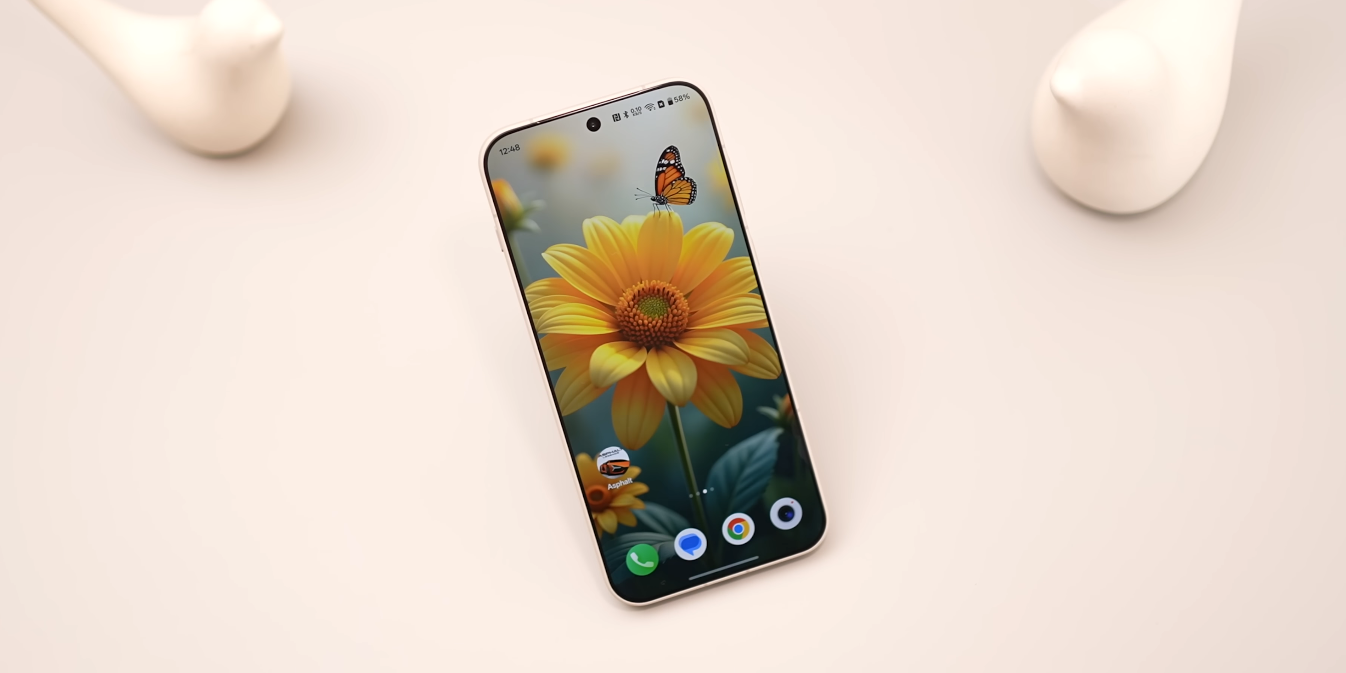
Personalisation remains an important component of the OxygenOS experience on the OnePlus 15. The interface supports dynamic theming that adapts colour accents to match the current wallpaper, creating a unified visual presentation across system menus and app interfaces. Icon styles, font weights and animation speeds are adjustable directly through built-in menus. These features allow users to set a tone that matches their preferences without needing to install additional theme tools.

The settings menu has been reorganised to improve navigation flow. Frequently accessed categories such as display, battery and connectivity are positioned more intuitively, reducing the number of steps required to reach essential controls. This restructuring is designed to help users locate features quickly, whether adjusting power saver options or configuring network preferences. The system’s approach aligns with OnePlus’s broader emphasis on convenience.

The OnePlus 15 also integrates performance management features that operate quietly in the background. Resource allocation adjusts dynamically to reduce lag and maintain smooth operation while switching between apps. The system is engineered to sustain responsiveness even when several high-demand applications are active. This performance stability contributes to the impression of a refined interface that does not degrade under pressure.

Widgets and utility spaces, such as the Shelf feature, have been enhanced to provide more practical value. Users can place frequently needed information, app shortcuts or system toggles within easy access. The ability to customise this space ensures it supports individual workflow habits, whether for productivity, travel or entertainment. This flexibility helps the interface adapt to different user patterns rather than forcing a uniform approach.

The app drawer maintains an organised and minimal layout. Search functions respond quickly, and app sorting options support both alphabetical and custom arrangements. The drawer’s clean presentation prevents visual overload, especially for users who install numerous applications over time. This clarity helps maintain efficiency even as daily usage expands.

In everyday use, the OnePlus 15’s interface is designed to feel both consistent and unobtrusive. It supports the user’s actions without drawing attention to itself or requiring frequent manual adjustments. The result is an environment that feels coherent across system interactions, third-party apps and communication tools. The experience is shaped to support focus, speed and comfort across extended periods of device use.

Taken together, the user interface of the OnePlus 15 represents a balance between refinement and familiarity. It retains the strengths that users associate with OxygenOS—responsiveness, organisation and customisation—while reducing clutter and adding subtle improvements that enhance usability. For users who value both design stability and modern visual polish, the OnePlus 15 delivers a software experience that complements its hardware in a cohesive and confident manner.

OnePlus 15 features you’ll actually use vs the ones you won’t

OnePlus 15 features you’ll actually use vs the ones you won’t

Separating everyday essentials from headline additions

The OnePlus 15 arrives with a range of new hardware improvements and software refinements, but not every feature will matter equally in daily use. Buyers in the UK often look for practical value, efficiency and ease of use rather than just premium specifications. Understanding which features will deliver real benefit and which may play a lesser role helps clarify how the phone aligns with everyday life.

One feature that users are likely to appreciate consistently is the battery performance. The OnePlus 15 continues the company’s commitment to strong battery endurance, supported by fast charging technology designed to minimise downtime. Long battery life plays a meaningful role in commuting, workdays and travel, making this one of the core functional strengths of the device.

The display will also be a benefit for most users. The OnePlus 15 offers a smooth high-refresh OLED panel that improves scrolling, navigation, video playback and general responsiveness. While the technical refresh rate figures may be highlighted as a performance headline, the true advantage is the feel of the interface. The improved clarity and reduced latency contribute to a pleasant everyday experience that remains noticeable over time.

OnePlus 15 features you’ll actually use vs the ones you won’t

Processing power is another area that users will actively benefit from. The OnePlus 15 is equipped with a next-generation chipset designed to support both performance-heavy applications and efficient background activity. This helps ensure fluid multitasking across messaging, web browsing, streaming and photography. It also future-proofs the device for several years of app and system updates, reducing the need for early hardware replacement.

The camera system offers improvements that will be visible in regular photo-taking scenarios. A larger primary sensor helps capture more detail and light, while software refinements enhance colour handling and image sharpness. Everyday shots of people, outdoor scenes and low-light environments should show consistent improvements. While specialist camera functions may not be used frequently, core image quality benefits will be appreciated.

On the software side, the user interface refinements in OxygenOS continue to support ease of navigation and smooth operation. Cleaner menus, dynamic theming options and reduced clutter contribute to a user-friendly experience. These are the types of improvements that operate quietly in the background yet support daily satisfaction with the device. For users who value predictability and clarity, this is a notable strength.

However, not every feature receives equal usage in practice. For instance, extremely high refresh rate modes may not show meaningful value outside certain games or niche applications. Many apps remain capped at lower refresh outputs, and general interaction already feels smooth without pushing the highest available setting. The presence of the capability is beneficial, but everyday usage may not fully utilise it.

Similarly, advanced zoom features in the camera system may be used less frequently. Telephoto lenses offer extended reach, but most users primarily rely on the main and ultra-wide cameras for everyday photography. The extended optical zoom advantage will benefit travellers, wildlife observers and long-distance photography enthusiasts, but may contribute less to general usage patterns.

Special edition material finishes and design variants also fall into the category of features that may be appreciated initially but often fade into the background over time. These variations can improve durability or aesthetics, but they do not significantly alter user interaction or performance. The core structure of the phone remains the same across finishes, making these additional touches a matter of visual preference rather than practical value.

Gaming-focused performance enhancements may also see limited real-world impact for many users. The improvements in heat dissipation, frame stability and processor acceleration will matter to those who regularly play graphically intensive titles. However, for users whose phone activity focuses on productivity, communication and light entertainment, these optimisations may feel secondary to general speed and responsiveness.

In summary, the OnePlus 15 offers several features that align closely with practical everyday use, including battery performance, display quality, core camera improvements, system stability and interface design. These strengths contribute directly to ease of use and long-term satisfaction. Other features, such as high-level zoom, advanced gaming optimisations and stylistic hardware options, may serve more selective use cases. The result is a device that balances headline specifications with meaningful daily value, making it well-suited for a wide range of users who prioritise reliability, smooth operation and a cohesive experience.

OnePlus 15 ultra-wide & periscope camera review: zoom and details tested

OnePlus 15 ultra-wide & periscope camera review zoom and details tested

Evaluating the optics of the OnePlus 15

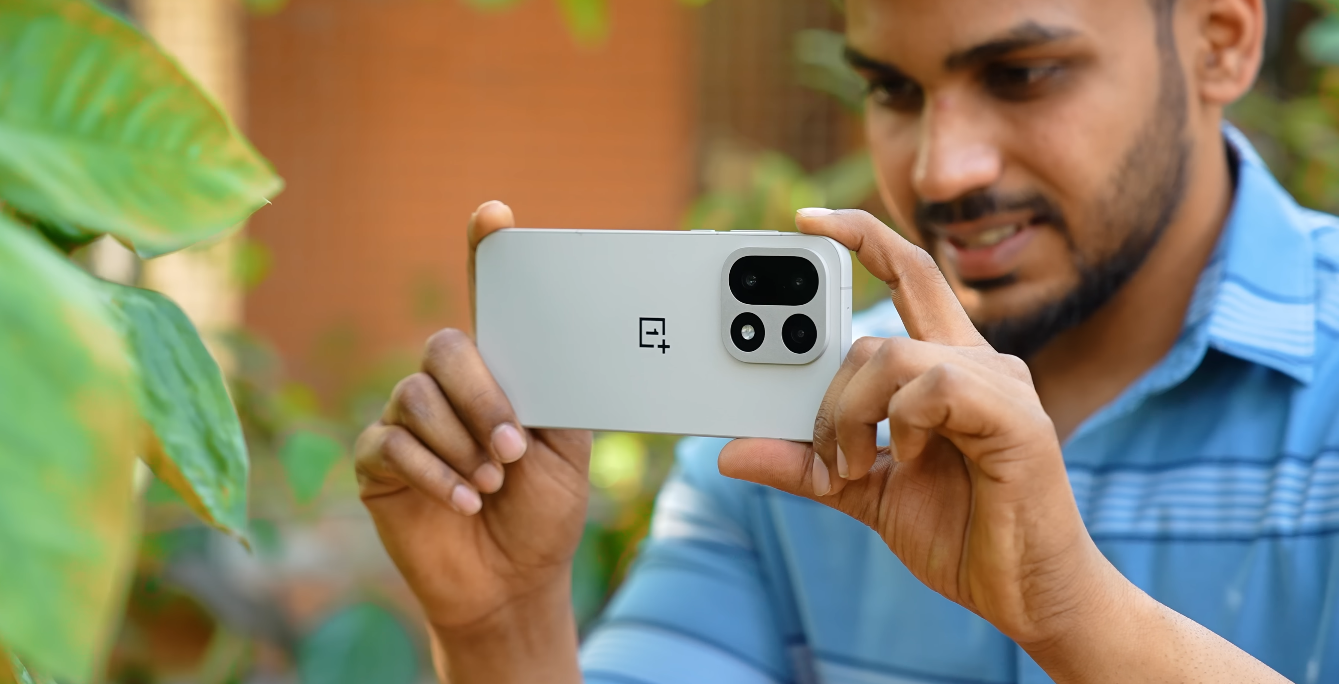
The OnePlus 15 arrives with a triple-50MP rear camera system: a main wide, an ultra-wide, and a 3.5× optical periscope zoom lens. Reviewed in the UK context, these lenses perform strongly overall — especially the zoom — although the ultra-wide does carry some limitations worth knowing before purchase.

Starting with the ultra-wide lens, reviewers note that while it offers a wide 116° field of view and autofocus functionality (allowing macro-style shots too), the image sharpness falls off more quickly than the main or periscope lenses, particularly when zooming in or under moderate light. One tester observed that “the ultrawide camera is also pretty good … just as the sharpness can’t quite match up as you start to pinch into images.”
Thus, while the ultra-wide works well for dramatic wide-angle shots and large scenes, it is less excellent for fine detail, especially when compared to the other lenses.

In contrast, the 3.5× optical periscope zoom lens provides one of the standout features of the OnePlus 15. Reviewers found it capable of delivering excellent detail in zoomed-in shots — so much so that the camera system was described as “versatile … with effective zoom that captures great detail”. The phone also supports higher levels of digital zoom (e.g. 7× lossless and up to 120× digital zoom) though as is common with extreme digital zoom, quality drops off markedly at the highest levels. Yet for typical mid-range zoom (3×–7×) the periscope holds its own.

OnePlus 15 ultra-wide & periscope camera review zoom and details tested

Another strong point is the consistency between lenses. Reviewers highlight that as you shift focal lengths the colour balance and tone remain well matched, meaning shots don’t dramatically change in character when moving from wide to zoom. This is an important attribute for UK buyers who may switch between focal lengths throughout a day without wanting radically different looks.

Where the camera system does show some weaknesses is in low-light performance and ultra-wide night shots. The ultra-wide tends to blur in dim conditions — one reviewer noted: “I would just avoid the ultrawide when the light drops, as my night shots just became muddy oil paintings.” The main and zoom lenses maintain better performance in low light, but even there the processing (HDR, noise reduction) can sometimes lead to slightly over-flattened contrast or heavy smoothing of fine textures.

Zoomed shots in good light deliver impressive detail, especially when using the 3.5× optical zoom, and the higher resolution of 50MP aids in cropping or retaining detail. For example, testers captured fast-moving subjects (sports or action) with strong clarity when the zoom lens was used, citing the phone as “the best camera phone I’ve used when I am shooting a fast moving subject … the combo of zoom plus action mode means I get shots with the ball hovering in mid air.” This is promising for UK users who may shoot children’s activities, travel scenes or outdoor events.

From a usability perspective the camera app is well optimised: switching between lenses is smooth; the ultra-wide’s autofocus gives flexibility; and the zoom lens is integrated neatly into the UI. For everyday photography — landscapes, city scenes, portraits — the OnePlus 15 covers the bases well. The modest compromises in the ultra-wide aren’t deal-breakers for most users, especially given the strength of the main and zoom lenses.

In summary, for UK buyers the OnePlus 15 offers a highly competent camera system with a strong periscope zoom and very reliable main lens. The ultra-wide is good, but not best-in-class for fine detail or low-light scenes. If your priority is a flagship phone that handles most photography scenarios with ease — including zoomed shots and wide landscapes — it’s a very solid choice. If ultra-wide low-light detail is absolutely critical (for example, for architectural work or dark interiors), then some specialist camera-phones may still edge ahead.

OnePlus 15 UK stock shortage warnings: buy early or wait?

OnePlus 15 UK stock shortage warnings buy early or wait

How launch demand may affect availability for UK buyers

The OnePlus 15 is generating strong interest in the UK, and early indications suggest that initial stock could be limited. UK buyers have already seen signs of high demand across multiple retailers, with certain colour and storage variants appearing in short supply during early reservation periods. This has raised an important question for anyone planning to buy the device: is it better to secure a unit as soon as sales open, or wait for later batches?

Early demand signals suggest that the first shipment allocated to the UK may sell out quickly. Launch-day traffic tends to be high, and previous OnePlus releases have shown similar patterns where early units disappear rapidly, especially for popular colours and higher storage options. For buyers who want a specific configuration, acting early remains the safest route because later restocks might prioritise only the most common variants.

At the same time, there are reasons to consider waiting. Launch periods occasionally bring minor software bugs, shipping delays or stock imbalances that stabilise after the first wave. Buyers who are not in a rush may benefit from allowing initial batches to clear, giving manufacturers and retailers time to replenish inventory and smooth out any issues discovered in the earliest units. This also allows time for UK-specific buyer feedback to surface, giving clearer insight into real-world performance.

OnePlus 15 UK stock shortage warnings buy early or wait

Pricing is another factor. Although the OnePlus 15 is positioned competitively for a flagship, launch-day incentives sometimes vary between retailers. Buyers who wait a short while may see bundled offers, trade-in enhancements or limited promotions once the initial rush has passed. These short-term adjustments can add value without reducing the device’s retail price. Early buyers may miss out on these unless they act during pre-announced promotional windows.

For those who want the phone immediately, pre-order reservations or early-buying slots offer the best chance of securing the desired model. Retailers often highlight estimated dispatch dates or shipping windows, and these can indicate whether stock is running tight. If estimates begin shifting further into the future, it is usually a sign of rising demand exceeding early supply. Keeping track of such signals is useful for UK buyers planning their purchase.

Waiting, however, is a practical choice for buyers who are flexible about variant selection. If you do not mind choosing a different colour or storage option, restocks will be less problematic. Additionally, once the first few weeks pass, distribution tends to improve, and stock levels usually stabilise across major retailers. This can provide a smoother buying experience with reduced risk of delays or shortages.

For buyers concerned about missing early-day inventory, monitoring official retailer pages in the UK remains essential. Small restocks often appear quietly and sell out quickly, so keeping an eye on updates can help secure a unit even if the first wave is missed. Signing up for stock alerts can also ensure timely notification without the need to check manually.

Ultimately, the buy-early or wait decision depends on how urgently you want the phone and how specific your variant preferences are. Buyers prioritising immediate access or a particular configuration should secure a unit as soon as ordering opens. Those who can afford to wait may benefit from smoother availability, stabilised supply and possible value-added deals in the weeks following launch.

In summary, the OnePlus 15 is likely to face early stock pressure in the UK, but availability should improve as shipments expand. Acting early is wise if you want guaranteed access to a specific variant, while waiting offers advantages for flexible buyers who prefer a calmer purchasing window and potential added value. The right choice ultimately depends on your timing, preferences and urgency.

OnePlus 15 software support: how many years of updates will you get?

OnePlus 15 software support how many years of updates will you get

Software update policy expectations for UK users

The OnePlus 15 is expected to continue the company’s evolving approach to long-term software support, which has been a key focus in recent flagship launches. With smartphone buyers increasingly keeping devices for longer periods, the length of operating system updates and security patches has become just as important as hardware specifications. For UK customers considering the OnePlus 15, understanding the expected software support timeline is essential.

OnePlus has already confirmed a structured update policy for its flagship-tier models in recent years. Current flagships receive four major Android version upgrades and five years of security patches. This policy has been applied to recent top-end devices such as the OnePlus 12 and OnePlus Open, indicating a stable direction for the brand’s highest-category releases. The OnePlus 15, positioned as the next core flagship, is expected to follow the same update framework when it officially launches internationally.

If the OnePlus 15 arrives running a new Android version at launch, users in the UK can anticipate receiving four subsequent major Android upgrades over its lifecycle. This means the device would remain current with new software features, interface refinements and system improvements for several years. For many consumers, this level of support matches the ownership period before they consider upgrading to a new device.

OnePlus 15 software support how many years of updates will you get

Security patches form a separate but equally important part of long-term device maintenance. These updates ensure the phone remains protected against newly discovered vulnerabilities, evolving cyber threats and compatibility issues with newer services. With five years of security update coverage expected, the OnePlus 15 would retain system integrity and operational safety well beyond the end of its OS upgrade cycle.

It is worth noting that while this policy is reliable for flagship devices, mid-range and budget models in the OnePlus portfolio do not follow the same update schedule. The OnePlus 15 falls within the highest tier of the company’s lineup, meaning it benefits from the most extended support OnePlus currently offers. This distinction is important because it reflects the manufacturer’s intent to compete directly with major Android rivals on longevity and user trust.

Software experience on the OnePlus 15 will also be shaped by OxygenOS, the company’s customised interface layered over Android. Recent releases have emphasised a focus on speed, clean design and streamlined features. The extended update timeline ensures that users will continue to receive interface refinements, feature additions and performance optimisations across multiple years, rather than being locked into a static version shortly after purchase.

The UK market often sees consistent alignment with global update schedules for OnePlus devices, meaning regional users typically receive updates on a similar timeline to other major markets. However, update rollout speeds can vary depending on carrier certification, device configuration and staged deployment waves. Even so, long-term support commitments apply universally across regions once a device is eligible for an update.

For buyers evaluating the OnePlus 15 against other flagship devices, the expected four-year OS and five-year security support places it in a competitive position. Some manufacturers now offer longer update guarantees, while others remain more limited. The OnePlus 15 therefore sits in the upper tier of current Android support standards, appealing particularly to users who prioritise device longevity and reduced replacement frequency.

Extended software support also impacts resale value. Phones with longer guaranteed update windows generally retain stronger second-hand value, as they remain viable and secure for longer. This may be a factor for UK customers who upgrade regularly and trade in or sell their previous handsets. The OnePlus 15’s anticipated support duration could help maintain a more stable resale market value over time.

In summary, the OnePlus 15 is expected to receive four major Android version updates and five years of security patches, aligning with the company’s current flagship policy. This level of support means UK users can expect sustained performance, evolving features and continued system protection over multiple years. As official launch details emerge, this software commitment will remain a central part of the device’s appeal and overall value proposition.

OnePlus 15 update policy: OS years, security patches, long-term value

OnePlus 15 update policy OS years, security patches, long-term value

Understanding how future-proof the OnePlus 15 really is

The OnePlus 15 has entered the flagship market with strong performance and an ambitious design, but long-term value depends heavily on software support. Buyers in the UK are already evaluating whether the phone’s update policy is competitive enough to justify its price over several years of use. Software longevity has become one of the biggest deciding factors for premium Android devices.

The OnePlus 15 is confirmed to receive four major Android OS upgrades. This means the phone will continue to get full feature updates, UI redesigns, and version improvements during its first four years. Users planning to keep the device for a medium period will experience the latest Android capabilities throughout most of the phone’s practical life without being pushed to upgrade early.

Beyond the OS upgrades, OnePlus has committed to six years of security patches for the OnePlus 15. Security updates keep the phone protected from vulnerabilities and ensure compliance with app and banking safety standards. Even after the OS updates finish, security patches will allow the device to remain usable for daily activities, especially for users who rely heavily on mobile banking, digital payments, and online authentication.

OnePlus 15 update policy OS years, security patches, long-term value

For most UK buyers, this level of support places the OnePlus 15 in a reliable position, but not at the very top of the market. A few competitors currently offer more years of OS upgrades, and that has created new expectations among long-term smartphone owners. As a result, some users feel that while the OnePlus 15 offers a respectable update window, it stops just short of leading the industry in terms of durability.

In practical life, users who change devices roughly every three to five years will likely find the policy more than sufficient. The phone will stay current with major Android features for most of their ownership, and security patches will extend beyond that. People who tend to upgrade with each contract cycle should not see any concerns regarding software longevity.

On the other hand, buyers who hope to keep the phone for seven or eight years may eventually notice the limitations. After the fourth year, when OS versions stop arriving, the device will remain secure but may miss out on newer system abilities, redesigned interface elements, and certain app-level features. For some users that may not matter, but others might prefer a device with extended OS support for reassurance.

The update policy also has an impact on resale value. Phones that receive longer OS upgrades often retain their market worth for a longer time, attracting second-hand buyers looking for affordable but future-proof models. The OnePlus 15 should hold a strong resale value through its first three to four years, then gradually decline as the OS upgrade period reaches its end.

From a reliability standpoint, the combination of four OS versions and six years of security updates still represents a major improvement over older Android cycles. It means the OnePlus 15 is not a short-term investment but a phone designed to last well into its fifth and sixth year of operation if owners wish to extend usage. Regular security reinforcement also gives the device a prolonged life even after the feature updates conclude.

UK buyers who focus on cost-per-year analysis will likely appreciate the balance offered by the OnePlus 15. It provides enough updates to support heavy daily use over several years without the pressure of early replacement. For those who prefer keeping a phone longer than average, the device remains competitive but not unbeatable when compared to longer-support rivals.

In conclusion, the OnePlus 15 offers a solid software roadmap that ensures a long period of usability and protection. While it does not deliver the longest update lifespan in the flagship market, it comfortably supports the needs of most owners and offers dependable long-term value. For many users, the combination of performance, design, and software support will be more than enough to justify the investment.

OnePlus 15 vs Apple iPhone SE: ultra-premium vs budget flagship contrast

OnePlus 15 vs Apple iPhone SE ultra-premium vs budget flagship contrast

Two Phones Built for Completely Different Buyers

The OnePlus 15 and the Apple iPhone SE represent two very different levels of the smartphone market. One aims to deliver top-tier features for demanding users, while the other focuses on offering essential flagship performance at a more affordable price. For UK buyers comparing these two extremes, the differences clearly highlight what each device is built to offer.

The OnePlus 15 stands firmly in the ultra-premium category with a high-end chipset, large display and advanced hardware. Its performance is designed for users who want maximum speed, high refresh visuals and heavy multitasking capability. The iPhone SE, built around a simpler design, delivers strong everyday performance but does not compete with the extreme processing power of the latest flagship hardware. It instead focuses on stable, reliable use for daily tasks.

Display size and quality show the biggest contrast. The OnePlus 15 offers a spacious, high-refresh-rate screen ideal for gaming, media and productivity. Older iPhone SE models use a much smaller and more traditional display, meaning users who prefer compact devices may appreciate the size, but it lacks the smooth motion and advanced display technology found in modern flagships. UK users choosing between the two will feel the difference instantly, especially when streaming or scrolling.

OnePlus 15 vs Apple iPhone SE ultra-premium vs budget flagship contrast

Battery life also highlights the different user targets. The OnePlus 15 includes a large battery and very fast charging support, allowing longer sessions without worrying about power. The iPhone SE’s smaller design naturally limits battery capacity and charging speeds. For users with heavy usage patterns, the OnePlus 15 offers significantly more endurance, while the SE suits lighter daily use.

Camera performance continues the trend of separation. The OnePlus 15 features a multi-lens setup designed to handle various shooting scenarios with ease. The iPhone SE uses a single-lens camera supported by reliable processing, offering good everyday results but without the versatility or detail found in modern flagship cameras. Users who enjoy creative photography will likely prefer the OnePlus 15, while the SE performs well for quick, simple shots.

Design philosophy also differs. The OnePlus 15 aims for a premium feel with upgraded materials and a modern flagship appearance. The iPhone SE maintains a compact, classic design with a physical home button, appealing to those who prefer familiarity and simplicity. While both are durable and well-built, they target different types of users.

Software experience is another key factor. The iPhone SE benefits from Apple’s long-term software support, offering updates for several years. OnePlus also provides a smooth software experience, but Apple’s update lifespan remains longer. UK buyers who want a device they can rely on for many years may see this as a major advantage for the SE, while users who prefer Android’s flexibility will lean toward OnePlus.

Price is the biggest divider between the two. The OnePlus 15 sits in the premium pricing tier, reflecting its advanced features and top-level performance. The iPhone SE remains one of the most affordable ways to enter the Apple ecosystem. For budget-conscious buyers, the SE offers reliable performance without the cost of a modern flagship. For those seeking a fully loaded experience, the higher price of the OnePlus 15 aligns with its premium capabilities.

In real-world use, the difference becomes clear. The OnePlus 15 excels in performance, display quality, battery life and camera versatility, offering a complete high-end package. The iPhone SE focuses on everyday convenience, compact design and long-term software value. The choice depends entirely on what the user prioritises: maximum features and power, or affordability and simplicity.

Overall, the OnePlus 15 and the iPhone SE deliver two contrasting experiences. The OnePlus 15 appeals to users who want an ultra-premium flagship with top specifications, while the iPhone SE is designed for those who want reliable performance at a lower cost. UK buyers can make the best choice by considering whether they prefer cutting-edge hardware or a budget-friendly approach that still covers essential needs.

OnePlus 15 network compatibility: what UK buyers must check

OnePlus 15 network compatibility what UK buyers must check

The connectivity realities behind OnePlus 15’s UK experience

The OnePlus 15 has entered the flagship cycle with bold specs, but network behaviour is one of the most critical areas UK buyers should verify before committing. Unlike display or charging features that look the same across regions, cellular compatibility can vary between device variants. That means you cannot assume every OnePlus 15 version will deliver identical results on British carriers, even if the hardware looks identical on paper.

The UK mobile landscape uses a specific mix of frequency bands for both 4G LTE and 5G NR. The most important aspect to check is whether the model you are buying supports the low-band 700MHz layer for 5G, because this channel is crucial for stronger indoor penetration across British homes. Support for mid-band 5G at the 3.5GHz range also matters for high speed throughput in dense urban areas such as London, Birmingham and Manchester.

When it comes to 4G, the UK still relies heavily on the 800MHz layer to provide reach in rural and suburban areas. This means that a buyer choosing a non-UK variant of this phone could lose more than just theoretical speeds — signal consistency around older buildings could be affected. Many imported devices support some of the right bands but miss one or two key carriers’ combinations that make the biggest difference in day-to-day reliability.

OnePlus 15 network compatibility what UK buyers must check

Another check involves voice service support. UK carriers lean more on VoLTE and Wi-Fi calling to stabilise calling quality indoors. Some imported OnePlus models in older generations required region-specific software activation for these to work properly. The OnePlus 15 aims to provide wider support, but it still depends on firmware loaded on the specific variant, and the UK version remains the safest option for predictable feature behaviour.

eSIM is another detail that buyers should verify clearly. While the global marketing for this generation emphasises eSIM availability, the regulatory implementation may differ by region. Travellers, business users and dual-number professionals in the UK increasingly rely on eSIM for flexibility, so confirming that the exact variant supports it is important. Some foreign channels sell models that omit eSIM entirely.

Combined fleet behaviour also plays a role in overall performance. UK networks benefit from modern carrier aggregation between certain mid-band and low-band frequencies, and the OnePlus 15’s modem supports multi-layer aggregation to improve stability. This translates into fewer micro-dropouts when streaming content, navigating maps or using video calling in busy network zones, provided the model supports the specific UK carrier profiles.

Carrier updates are another variable often overlooked. Officially sold UK models receive optimised operator configuration via software updates, which can improve antenna tuning and radio scheduling over time. Imported devices may not receive these tweaks, meaning raw hardware capability can be present but under-utilised. For long-term ownership, operator-aligned software can make a measurable difference in slow or mixed reception areas.

One final point: travelling across different parts of the UK still means crossing multiple signal density profiles. London and Edinburgh behave very differently from coastal Cornwall or remote Highland towns. A OnePlus 15 with proper low-band and mid-band support will simply handle those transitions better. That is why frequency support is not a checklist formality — it shapes real daily usability.

For UK buyers, the core recommendation is simple: confirm the exact model number before purchase, ensure the variant includes key UK 5G and 4G bands, and prefer officially supported UK units when possible. When these conditions are met, the OnePlus 15 can offer excellent connectivity across Britain. If not, even this powerful flagship could deliver inconsistent network experiences, and that is a risk worth avoiding.