OnePlus 15 UK import risk: warranty, network bands & support to watch

OnePlus 15 UK import risk warranty, network bands & support to watch

Assessing the Import Risks for the OnePlus 15

Importing the OnePlus 15 into the UK may appear appealing on price, but UK buyers should carefully evaluate key risks including warranty eligibility, network band support and after-sales services. These factors can influence whether the cost savings are worth the potential trade-offs.

A major point to check is whether the imported unit carries the correct warranty for UK service. Devices sold through the official UK channel come with local warranty and support. Units imported from other regions sometimes carry only regional warranty coverage, which means UK users may face higher charges or longer wait times for repairs, or may even have no local support at all.

Network compatibility is another critical issue. The OnePlus 15 model intended for the UK market supports the local 4G and 5G bands used by major UK carriers. An imported version may lack one or more of these bands, risking weaker coverage, especially in rural areas or inside buildings. Even if the phone appears to work initially, long-term signal reliability may suffer.

OnePlus 15 UK import risk warranty, network bands & support to watch

After-sales service and software support also differ between UK-market devices and imports. UK versions receive OTA updates tailored to UK networks, local regulatory compliance and certified carrier features such as VoLTE and WiFi calling. Imported units may receive slower updates, may lack certain local carrier optimisations and might be difficult to repair locally if parts or support are region-specific.

Total cost of ownership for an imported handset often includes hidden extras. These may include import duty or VAT, shipping to and from overseas service centres, required accessories (like a UK plug charger) and potential need for phone unlocking or firmware switching. These costs reduce the apparent savings of buying from abroad.

Accessories and plug types matter too. UK-domain units are supplied with UK-rated chargers and correct plug types, meeting UK safety standards. Import versions may ship with non-UK plugs, requiring purchase of a compatible charger or adapter to use safely and properly in the UK.

In summary, while importing the OnePlus 15 can seem like a bargain, UK buyers should weigh the cost savings against the practical drawbacks: limited warranty, possible network issues, slower updates and extra accessory or service costs. For many UK buyers, the secure option of purchasing a UK-spec device remains the more reliable route.
OnePlus 15 initial UK price drop predictions: when will it happen?

OnePlus 15 initial UK price drop predictions when will it happen

When buyers can realistically expect discounts on the OnePlus 15

The OnePlus 15 has entered the UK market at a flagship price point, and many buyers are already anticipating how long it will take before discounts appear. Based on past pricing patterns for OnePlus devices and typical price movement in the UK smartphone market, the outlook for early and mid-cycle price drops is becoming clearer.

The first meaningful price drop is most likely within the first three to four months after launch. Major UK retailers and online platforms often introduce small promotional reductions once the launch buzz settles. For a device like the OnePlus 15, this early reduction is expected to be modest rather than dramatic, bringing the price down slightly while still keeping it positioned as a premium model.

A more noticeable price shift is expected around six to nine months after release. This period usually coincides with increasing competition from other flagship launches and seasonal retail events. At this stage, the OnePlus 15 is likely to see a more competitive price, moving it into a range that appeals to buyers waiting for the best balance between performance and value.

OnePlus 15 initial UK price drop predictions when will it happen

By the end of the first year, deeper discounts typically begin to appear, particularly if successor models are introduced or if retailers move to clear remaining stock. This period often brings the biggest savings, especially for those comfortable buying from multiple retailers rather than exclusively from the manufacturer. At this point, the OnePlus 15 transitions from a freshly launched flagship to a value-focused high-end option.

The timing and size of price drops can vary depending on demand. If the device sells extremely well and stock remains limited, price reductions may be slower. On the other hand, if competition is strong or if retailers need to accelerate turnover, discounts may arrive earlier than expected. Retail events such as Black Friday, Boxing Day and mid-year promotions frequently drive steeper temporary reductions.

Buyers in the UK can take practical decisions based on their priorities. Those who want the phone immediately will pay full launch price but experience the newest features right away. Those willing to wait a few months are likely to see moderate but worthwhile savings without compromising on buying a current-generation model. Shoppers waiting a full year will get the largest reductions, making the OnePlus 15 a strong value purchase at that stage.

In summary, the OnePlus 15 is expected to hold its launch price in the short term, then gradually become more affordable through predictable price phases. The most significant savings should arrive toward the end of the first year, while smaller but appealing discounts are likely a few months after launch. This gives UK buyers multiple windows to choose the ideal balance between immediacy and value.

OnePlus 15 vs Nothing Phone (3a) Lite — style vs performance

OnePlus 15 vs Nothing Phone (3a) Lite — style vs performance

When Aesthetics Meet Power: Which Wins?

In smartphone choices, the tug-between look and muscle is real. On one side is the OnePlus 15—a full-scale flagship built for performance and durability. On the other side is the Nothing Phone (3a) Lite—an offering that leans heavily into design flair and budget-conscious value. The question: is it better to go for style with compromises or power with subtle looks?

Let’s start with the design. The Nothing Phone (3a) Lite stands out: its semi-transparent rear panel, minimalist “Glyph” lighting, and playful yet premium feel give it a look more commonly found at higher price-tiers. If you want a phone that turns heads, it delivers. By contrast, the OnePlus 15 is more understated: premium materials, sleek build quality, and top-tier feel, but it doesn’t push the envelope in design novelty. Instead, it emphasises finish and durability over flamboyance.

Now—performance. Here the OnePlus 15 dominates: a flagship-grade chipset, high refresh display (165 Hz), massive battery, and full-feature camera system all contribute to a top-tier experience. The Nothing Phone (3a) Lite, while impressive for its price, uses a mid-range chipset, offers a 120 Hz display and smaller battery—enough for most users, but not comparable to the flagship tier.

OnePlus 15 vs Nothing Phone (3a) Lite — style vs performance

When you use the phones day to day, the difference becomes clearer. On the Nothing Phone, casual tasks such as scrolling, streaming and taking photos work very well, and the style adds joy. But if you load heavy apps, games or expect long-term support and maximal speed, the OnePlus shows its strength: faster load times, smoother animations, longer battery life under load and better camera versatility.

In practical terms: if you care most about how your phone looks, how it feels in your hand and want a stylish device at a more affordable price, go with the Nothing Phone (3a) Lite. If you prioritise speed, endurance, camera performance, future-proofing and premium build, choose the OnePlus 15.

Ultimately the choice comes down to your priority. Is it the bold design and value of the Nothing Phone, or the full-frontal performance and premium polish of the OnePlus? Either way you’re getting a solid phone—just tuned for different values.

OnePlus 15 vs Asus ROG Phone 9: gaming phone or all-rounder flagship?

OnePlus 15 vs Asus ROG Phone 9 gaming phone or all-rounder flagship

Choosing Between Power and Versatility

The OnePlus 15 and the Asus ROG Phone 9 arrive with different priorities, giving UK buyers a clear choice between an all-round flagship and a device built primarily for gaming. Both sit in the premium category and use the newest top-tier Snapdragon platform, but their design direction and everyday performance differ in meaningful ways. This makes the decision less about raw specifications and more about how each phone fits into daily life.

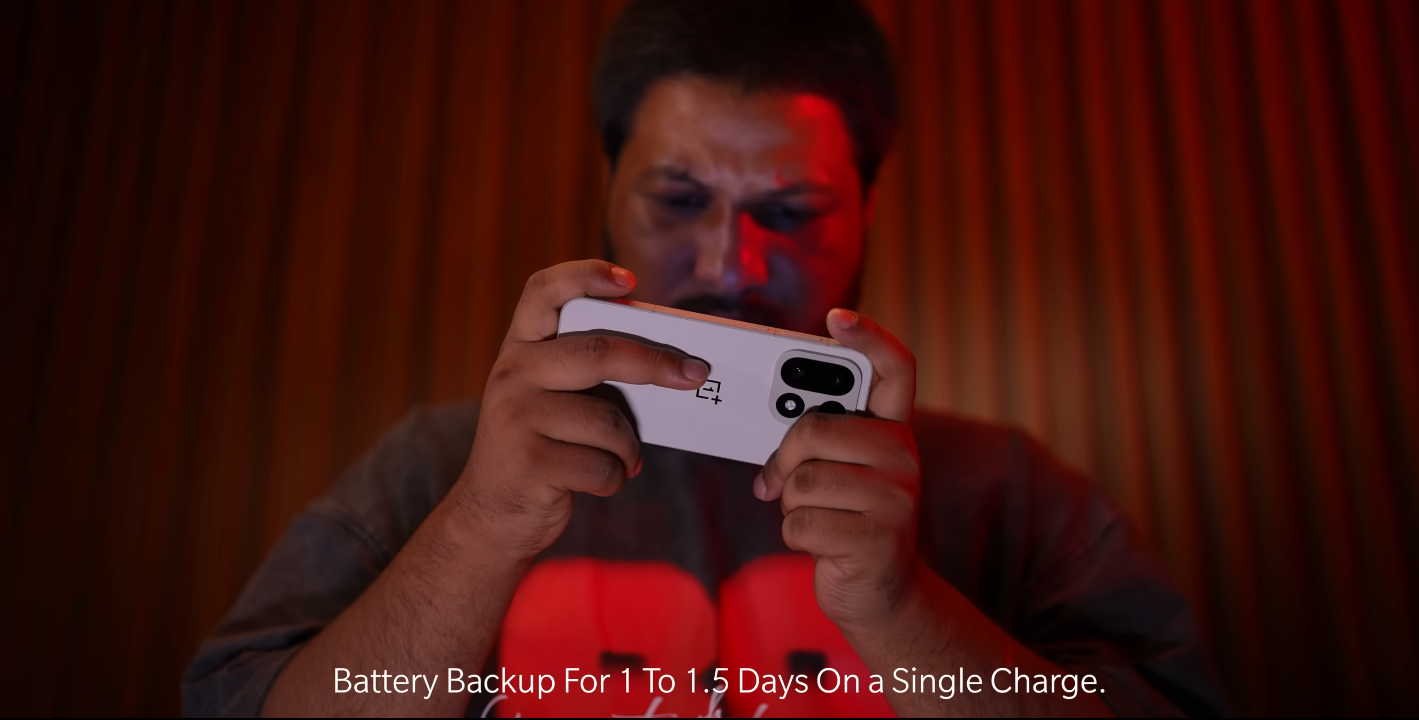
For UK users looking for a balanced flagship, the OnePlus 15 places its bets on a polished experience. OnePlus continues to focus on fast performance, a clean software approach and dependable battery efficiency, making the device appealing for users who split their time between work, entertainment and photography. Its display, charging speeds and general responsiveness position it as a daily driver that handles gaming well without being built solely around it.

The ROG Phone 9 takes a different route. Asus continues its tradition of making one of the most gaming-focused smartphones on the market. The hardware is tuned to maintain performance under continuous load, with features such as high-refresh-rate display modes, dedicated gaming controls and enhanced cooling options. These additions are aimed squarely at players who want the best possible frame stability in titles that demand fast reactions.

OnePlus 15 vs Asus ROG Phone 9 gaming phone or all-rounder flagship

In regular UK day-to-day use, the OnePlus 15 leans toward practicality. Its design is more compact and suited to typical work or travel situations, and the software aims for consistency rather than customisation. OnePlus also places emphasis on long-term software support, which helps future-proof the device for users intending to hold on to it for several years. This broader appeal makes the OnePlus 15 feel more like a mainstream flagship suited to a wide audience.

The ROG Phone 9’s design, meanwhile, reflects its gaming DNA. The body is built to accommodate heat dissipation, the ergonomics are tailored for landscape orientation and the interface includes various performance controls. While these features make it stand out in gaming performance, they also give the phone a more niche identity. Some UK buyers may find the size, weight or design accents less practical for typical everyday scenarios, especially in professional settings.

Camera performance is another area where the OnePlus 15 is positioned as the more complete choice. OnePlus continues to invest heavily in improving image quality, offering balanced performance across photography, video recording and low-light scenarios. This aligns with what most UK users look for in a flagship phone used for travel, family events, social media and general content creation.

The ROG Phone 9’s camera system is competent, but photography is not its headline feature. Asus directs its efforts toward gaming and performance consistency rather than camera innovation. For users who prioritise gaming above all else, this trade-off is acceptable, but those seeking a versatile flagship may find the OnePlus 15 more aligned with their needs.

Battery performance on both devices plays to their respective strengths. The OnePlus 15 aims for efficiency, delivering extended usage times under mixed workloads, including calls, browsing and media. This suits UK buyers who want strong all-day endurance without needing to charge mid-afternoon. The ROG Phone 9, while also equipped with a large battery, is tuned for sustained gaming performance. Heavy gaming will naturally drain it faster, but the phone is built to maintain stable performance rather than prioritise maximum battery savings.

When it comes to long-term reliability, UK users may find OnePlus’ update strategy more appealing. The brand has been moving toward offering lengthier software support windows, adding reassurance for users keeping the device for multiple upgrade cycles. Asus provides updates as well, but the ROG series traditionally receives fewer major upgrades compared with mainstream flagship lines.

Overall, the choice between the OnePlus 15 and the Asus ROG Phone 9 depends heavily on your priorities. If you want a flagship that excels in everyday use, offers strong photography, reliable performance and a design that fits all situations, the OnePlus 15 stands out as the more balanced option. It handles gaming smoothly while remaining versatile for work and lifestyle needs.

If, however, your primary focus is gaming and you value features like advanced cooling, high-refresh-rate modes and dedicated gaming controls, the ROG Phone 9 offers an experience tailored specifically to performance enthusiasts. It delivers the features mobile gamers care about most, even if that means compromising in areas such as camera quality or mainstream design.

For most UK buyers seeking a premium all-rounder, the OnePlus 15 is likely the more practical choice. But for serious mobile gamers who spend hours in competitive titles, the ROG Phone 9 remains the specialist option built with gaming as its core purpose.

OnePlus 15 verdict: is this the flagship to get in 2025?

OnePlus 15 verdict is this the flagship to get in 2025

A clear conclusion on OnePlus’s latest powerhouse

The OnePlus 15 arrives in 2025 with a strong claim to being one of the year’s most balanced flagship phones. It focuses firmly on performance, endurance and everyday usability, aiming to deliver a premium experience without leaning too heavily into ultra-luxury pricing. For many UK buyers, this balance makes it an appealing all-round option.

The first major highlight is performance. With its powerful hardware and smooth interface, the OnePlus 15 handles demanding tasks, fast-paced apps and long gaming sessions effortlessly. Everything from animations to multitasking feels consistently responsive, giving the device an edge for users who value speed above all.

Battery life is another defining strength. The phone’s large battery comfortably supports full days of heavy use and often stretches into a second day for lighter workloads. This reliability makes it a dependable choice for commuters, frequent travellers and users who rely on their phone from morning to night.

OnePlus 15 verdict is this the flagship to get in 2025

The display also enhances the overall experience. Its high refresh rate and bright panel make viewing, scrolling and streaming feel extremely fluid. For users who spend lots of time on social feeds, videos or games, this adds a noticeable layer of premium quality to daily use.

Camera performance is solid, with improvements that make it more versatile than previous generations. Daylight shots are sharp and colourful, while video quality benefits from enhanced stabilisation. However, it doesn’t quite lead the field in low-light or long-range zoom, an area where some specialised camera flagships still hold an advantage.

Build quality and durability meet flagship expectations as well. With robust materials and strong water-resistance ratings, the OnePlus 15 is built to withstand typical wear and tear. It feels premium in hand without compromising practicality.

Software support remains competitive, offering a smooth interface and a commitment to long-term updates. While some rivals promise even longer support windows, the OnePlus 15 still provides enough assurance for users planning to keep their device for several years.

In everyday use, the OnePlus 15 stands out for its consistency. It does not rely on a single headline feature; instead, it delivers reliably across performance, battery, display and design. This well-rounded nature is what makes it such a compelling suggestion for a wide range of buyers.

For users who prioritise top-tier cameras, ultra-premium materials or exclusive ecosystem perks, there may be other flagships that better satisfy those specific needs. But for anyone seeking a fast, durable and long-lasting flagship at a more sensible price point, the OnePlus 15 hits the sweet spot.

In summary, yes — for most people, the OnePlus 15 is one of the smartest flagship choices of 2025. It combines power, practicality and value in a way that makes it easy to recommend, provided its few limitations don’t overlap with your personal priorities.

OnePlus 15 vs Google Pixel Fold 2 — foldable vs flat flagship

OnePlus 15 vs Google Pixel Fold 2 — foldable vs flat flagship

A Battle of Form Factors and Everyday Practicality

The OnePlus 15 and the Google Pixel Fold 2 represent two very different visions of a modern flagship. One stays true to the flat-screen formula with a focus on pure performance and battery life, while the other pushes versatility through a foldable design that doubles as a compact tablet. For UK users deciding between these two, the comparison comes down to how much you value form-factor flexibility versus traditional flagship stability.

The OnePlus 15 arrives with Qualcomm’s Snapdragon 8 Elite Gen 5 chipset, designed to offer top-tier speed and efficiency in demanding tasks. This is paired with a sharp LTPO display that reaches up to 165Hz in supported scenarios, making it one of the smoothest flat phone experiences available. In everyday use—scrolling, gaming or switching apps—this gives the phone a noticeably fluid feel.

The Pixel Fold 2, while not yet released, is expected to follow the foundation set by the original Pixel Fold. This means a large internal folding display paired with a smaller outer screen. The foldable design is its greatest strength: users can open it for an expanded workspace, comfortable movie watching or improved multitasking. For productivity-heavy users, the larger internal screen offers real advantages over a traditional flat flagship.

OnePlus 15 vs Google Pixel Fold 2 — foldable vs flat flagship

Battery life is another area where the two phones differ significantly. The OnePlus 15 stands out with its large 7,300mAh battery, giving it a comfortable edge in daily endurance. Long commutes, travel days or heavy app usage are unlikely to pose a problem. Foldables, on the other hand, generally sacrifice battery capacity for hinge and display mechanics. The Pixel Fold 2 is expected to continue this trend, making it less reliable for long single-charge usage compared to the OnePlus.

When it comes to cameras, Google’s Pixel line has a longstanding reputation for exceptional computational photography. The Fold 2 is expected to follow suit, providing impressive results in still photography even if its hardware isn’t the highest on paper. The OnePlus 15 delivers strong all-round image quality with its triple-50MP camera system, offering reliability and consistency across different lighting environments. The gap here will likely favour Google in software refinement, but OnePlus remains dependable for versatile daily shooting.

Durability and practicality also matter in day-to-day UK use. Flat phones like the OnePlus 15 are simpler, lighter and easier to manage with one hand. Foldables, while more capable in certain tasks, introduce concerns around hinge wear, screen creasing and higher repair costs. Anyone seeking a hassle-free long-term device may lean toward the OnePlus for its straightforward and durable build.

Software experience plays a key role too. The OnePlus 15 uses OxygenOS, appreciated for its clean and fast interface. Google’s Pixel Fold 2 will benefit from pure Android with Pixel-exclusive features and timely updates. Both offer strong software support, though the Pixel may hold a slight advantage in speed of updates and integration with Google services.

Connectivity, speakers, network performance and daily reliability are expected to be strong on both devices. The decision ultimately hinges on what sort of user you are: someone who prefers a compact, efficient, long-lasting flagship, or someone excited by the idea of a phone that transforms into a tablet when needed.

In conclusion, the OnePlus 15 wins for most users seeking a classic all-round flagship with top performance and outstanding battery life. The Google Pixel Fold 2 is ideal for those who prioritise multitasking, larger screen space and Google’s camera software, even with trade-offs in thickness, weight and battery efficiency. If you’d like, I can also create a focused comparison on cameras, speed tests or long-term durability.

OnePlus 15 UK tax & import guide: what your total cost will be

OnePlus 15 UK tax & import guide what your total cost will be

Real-world landed pricing realities for UK buyers evaluating import versus local purchase

The OnePlus 15 now sits firmly in the premium tier conversation, and UK buyers who are watching price shifts closely are also comparing direct retail pricing against the cost of importing. That makes tax clarity extremely important, because the final amount you pay in the UK can be very different from the sticker value you see at checkout. For anyone buying outside an official UK retail channel, the total landed cost is the only number that truly matters.

The key factor that many UK buyers still get wrong is that customs duty on smartphones entering the country is currently zero. So there is no percentage duty fee on the device cost itself. That makes it appear as though importing is automatically cheaper than buying local. But that assumption breaks quickly once VAT is applied to the entire shipment value, not just the base item price.

VAT is charged at the standard UK rate of 20 percent on imports, and this is not calculated on the phone price alone. It is calculated on the phone plus shipping charges, insurance if applicable, and any other fees that form part of the declared shipment value. This means that even a moderate difference in overseas price can be cancelled out instantly once VAT and courier fees are added on top.

OnePlus 15 UK tax & import guide what your total cost will be

Shipping cost also plays a role in the total number. A premium smartphone requires insured delivery because the carrier or courier will not run the risk of absorbing such a loss without protection. That insurance layer lifts the declared value. The moment that declared value rises, your VAT base rises. So even £30 or £40 shipping can escalate final VAT by an extra cost that buyers often ignore during headline comparison.

Handling charges from carriers are another layer. Most private couriers charge a processing or admin fee for customs handling. It is not a government tax but it is a real cost that cannot be avoided if the item arrives through commercial delivery. These fees are modest compared to VAT, but they still move your final number upward, and they count as part of the total cost of ownership at transaction stage.

Another factor is the currency conversation. If a UK buyer pays in another currency, the exchange rate applied by the card processor may not be the mid-market spot rate. Card networks and wallets often build in a spread. That increases the effective cost before tax is even added. This is one of the small details that collectively makes importing less straightforward than the headline sticker price suggests.

Warranty coverage is also an indirect cost factor. Imported units may not qualify for UK service support without sending the device back to the region of origin. That means that any future repair could carry additional overseas shipping, downtime and uncertainty. While this is not a tax, it is a value penalty because ownership cost extends beyond day one. The effective long-term cost of ownership rises unpredictably.

One more important element is variant matching. If a UK buyer chooses the wrong model variant from abroad, they could lose eSIM support or essential network bands. That can reduce resale value when selling inside the UK, and the resale hit becomes an indirect cost that is not visible in the original checkout price. A cheaper import that cannot hold resale value is not financially smart even if the initial sticker seems lower.

Buying from an officially priced UK channel avoids VAT on import because it has already been handled within the local retail chain. That means the price you pay in the UK store is generally lower than the landed import cost once VAT and handling are added. In some cases the margin between overseas sticker price and UK retail price may look wide, but the difference compresses dramatically the moment all import economics are applied.

So when UK buyers calculate the true total cost of OnePlus 15 ownership, the smart approach is not to blindly chase the lowest foreign sticker price. The correct calculation must combine shipping, VAT at twenty percent, courier admin fees, exchange spread and risk exposure. When all that is included, the realistic total often lands significantly above the published UK retail. That is the real number that matters — and that number tells the final story.

OnePlus 15 future-proof features: what you’ll still love in 2028

OnePlus 15 future-proof features what you’ll still love in 2028

The long-haul features that keep the OnePlus 15 relevant

The OnePlus 15 arrives as a standout flagship today, but what matters more is how well it will age. Many UK buyers now expect their phones to last four to six years without feeling outdated, and this model packs several features that bolster its long-term appeal.

Its display is a major highlight in this regard. A high refresh-rate panel with adaptive refresh means smoother animations and better responsiveness. With this kind of screen, the interface will feel fresh for years as apps become more demanding and UI transitions more complex.

Performance is another anchor for future readiness. The phone uses a top-tier chipset paired with ample RAM and fast storage. That gives it the head-room to handle latest apps, multitasking and higher resolution content without lag years from now.

OnePlus 15 future-proof features what you’ll still love in 2028

Battery endurance also plays a role. Starting with a large capacity battery gives the phone a stronger base for longevity. Over time, as battery health naturally decreases, having a generous initial capacity means you will still get full-day use several years down the line. Fast charging further supports daily usability over the long term.

Durability builds in future resilience too. With premium materials and solid resistance to water and dust, the OnePlus 15 is protected against the kind of wear and tear that tends to shorten a phone’s useful life. This helps when you keep a device beyond a typical upgrade cycle.

Its camera system has also been built with versatility in mind. While new models will push hardware further, starting with a well-rounded lens setup means the OnePlus 15 will remain capable for everyday photography, social media content and travel shots long after launch.

Connectivity matters for years ahead and this phone is equipped accordingly. With full support for modern network bands, advanced WiFi standards and future-ready Bluetooth, it is positioned to remain compatible as wireless environments evolve.

Software support rounds off the future-proof package. With several years of operating system upgrades and longer-term security patches, the OnePlus 15 ensures it remains secure, functional and up-to-date well into its lifecycle.

The design itself helps too. Slim bezels, clean rear panel and a look that doesn’t chase gimmicks make the device less likely to feel outdated visually after a few years. A sustainable design style means it can age gracefully.

In short, if you’re planning to keep your phone for many years, the OnePlus 15 offers a strong foundation. With high-end display, modern hardware, excellent durability, versatile cameras, full connectivity and extended software support, it is set up to remain a reliable, capable device well into 2028.

OnePlus 15 vs Poco F6 Pro: value flagship face-off

OnePlus 15 vs Poco F6 Pro value flagship face-off

Comparing power, performance, and price in 2025’s best budget flagships

The OnePlus 15 and Poco F6 Pro represent two very different takes on the modern flagship formula. While the OnePlus 15 aims to deliver premium features at a slightly lower price than ultra-high-end rivals, the Poco F6 Pro is focused squarely on value — offering near-flagship hardware for much less. For UK buyers, this showdown comes down to one question: do you want refined power or raw value?

The OnePlus 15 comes equipped with Qualcomm’s latest Snapdragon 8 Elite Gen 5 processor, a 6.78-inch 1.5K LTPO AMOLED display with a 165Hz refresh rate, and a massive 7,300 mAh battery with 120W wired and 50W wireless charging. It’s a full-blown flagship in every sense. The Poco F6 Pro, meanwhile, runs on last year’s Snapdragon 8 Gen 2 chip and features a 6.67-inch AMOLED panel at 120Hz, a 5,000 mAh battery, and 120W wired charging. On paper, it’s slightly behind, but its pricing makes that difference easier to overlook.

Performance-wise, the OnePlus 15 clearly leads. Its newer chipset is more efficient, offering around 15 percent higher CPU and GPU scores in early benchmarks. It handles gaming, multitasking, and AI-driven tasks faster while running cooler thanks to its larger vapor cooling system. The Poco F6 Pro still performs admirably, easily handling demanding games like Genshin Impact or Call of Duty Mobile, but the OnePlus maintains steadier frame rates under heavy load.

OnePlus 15 vs Poco F6 Pro value flagship face-off

Battery life and charging form another big point of comparison. The OnePlus 15’s 7,300 mAh silicon-carbon dual-cell battery is a major standout. It can last nearly two days with moderate use and up to 10 hours of screen-on time. The Poco F6 Pro, with its 5,000 mAh cell, still performs well, giving roughly a day and a half per charge. Both support ultra-fast wired charging, but only the OnePlus 15 offers wireless and reverse charging options — giving it an edge in convenience and versatility.

In design, the difference is clear. The OnePlus 15’s “Sand Storm” edition uses an aerospace-grade Micro-Arc Oxidation coating and fibreglass back panel, delivering a sleek and durable premium finish. The Poco F6 Pro sticks to a glossy glass back and aluminium frame, looking good but not quite matching the same high-end feel. At 211 grams, the OnePlus is heavier, but it feels more solid, while the Poco wins on lightness and comfort during one-handed use.

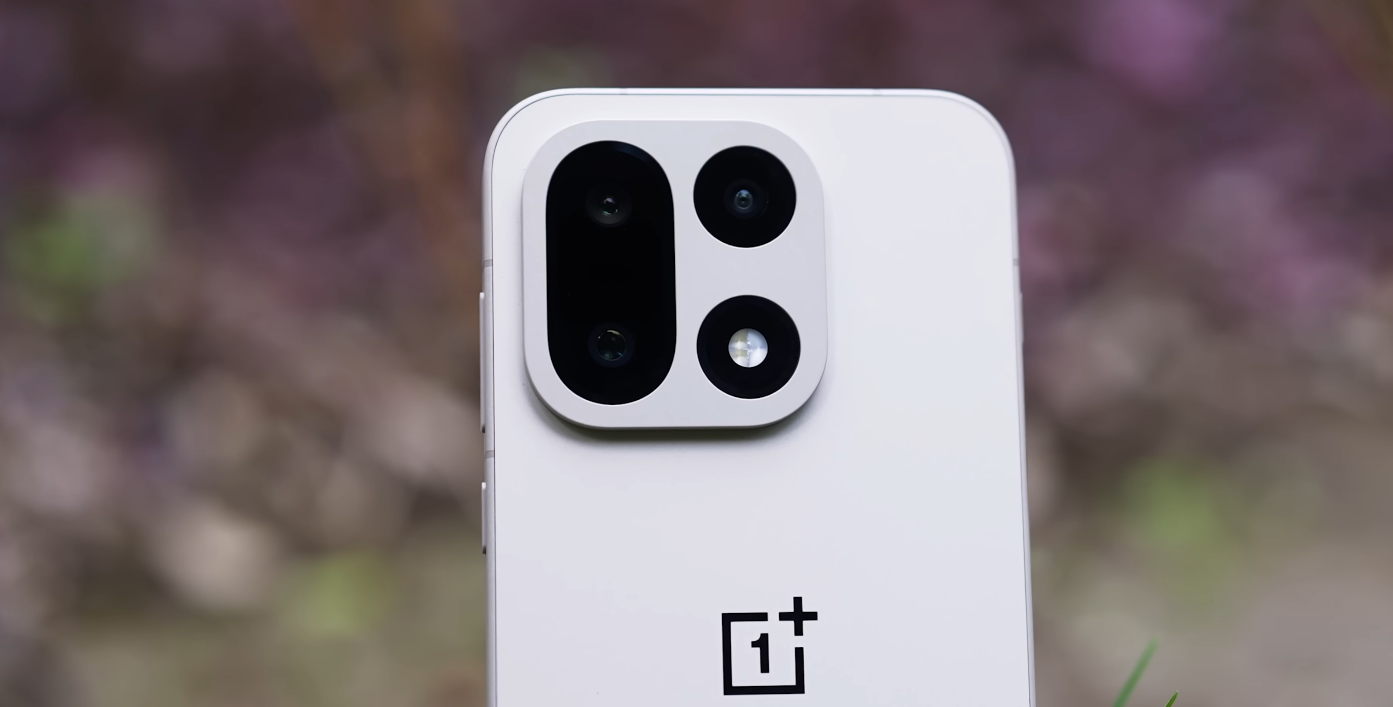
Cameras are another area where OnePlus takes the lead. The OnePlus 15 sports a triple 50MP setup co-engineered with Hasselblad, including a new ultra-wide and telephoto lens combination. Image quality is consistently strong, with excellent colour accuracy and improved low-light performance. The Poco F6 Pro’s triple camera system — 50MP main, 8MP ultra-wide, and 2MP macro — is serviceable but more mid-range. It performs well in daylight but struggles slightly in darker settings and with finer detail.

Software is an area where preference matters. The OnePlus 15 ships with OxygenOS 16, based on Android 15, offering a clean, fast, and highly customisable experience with guaranteed updates for five years. Poco’s HyperOS, derived from MIUI, has improved stability but still includes preinstalled apps and more aggressive background management. For users who prefer a lighter, smoother interface, OnePlus offers a more polished experience.

Price is the biggest dividing factor. The OnePlus 15 is expected to start around £750 to £800 in the UK, while the Poco F6 Pro will likely retail for about £500. That’s a substantial gap, but so are the differences in build quality, battery life, and long-term software support. For those planning to keep their phone for several years, the OnePlus’s extra cost may be worthwhile.

For UK users seeking balance, the choice depends on priorities. The OnePlus 15 is the powerhouse — refined, future-proof, and packed with premium touches. The Poco F6 Pro, on the other hand, is unbeatable for sheer value, delivering near-flagship performance at a fraction of the cost.

In conclusion, if you want the best Android experience in terms of endurance, design, and reliability, the OnePlus 15 is the smarter long-term buy. But if you want flagship-level speed and battery performance without spending premium money, the Poco F6 Pro is the clear winner for value. Either way, both prove that 2025’s mid-range market has never looked this competitive.

OnePlus 15 vs Lenovo Legion Y90: gaming-centric flagship face-off

OnePlus 15 vs Lenovo Legion Y90 gaming-centric flagship face-off

Comparing gaming power, endurance and real-world performance

The OnePlus 15 and Lenovo Legion Y90 take different approaches to gaming performance, making this face-off an interesting one for UK users who want strong value from a performance-focused phone. While the OnePlus 15 targets mainstream flagship users with powerful gaming hardware, the Legion Y90 is built as a dedicated gaming device with specialised features.

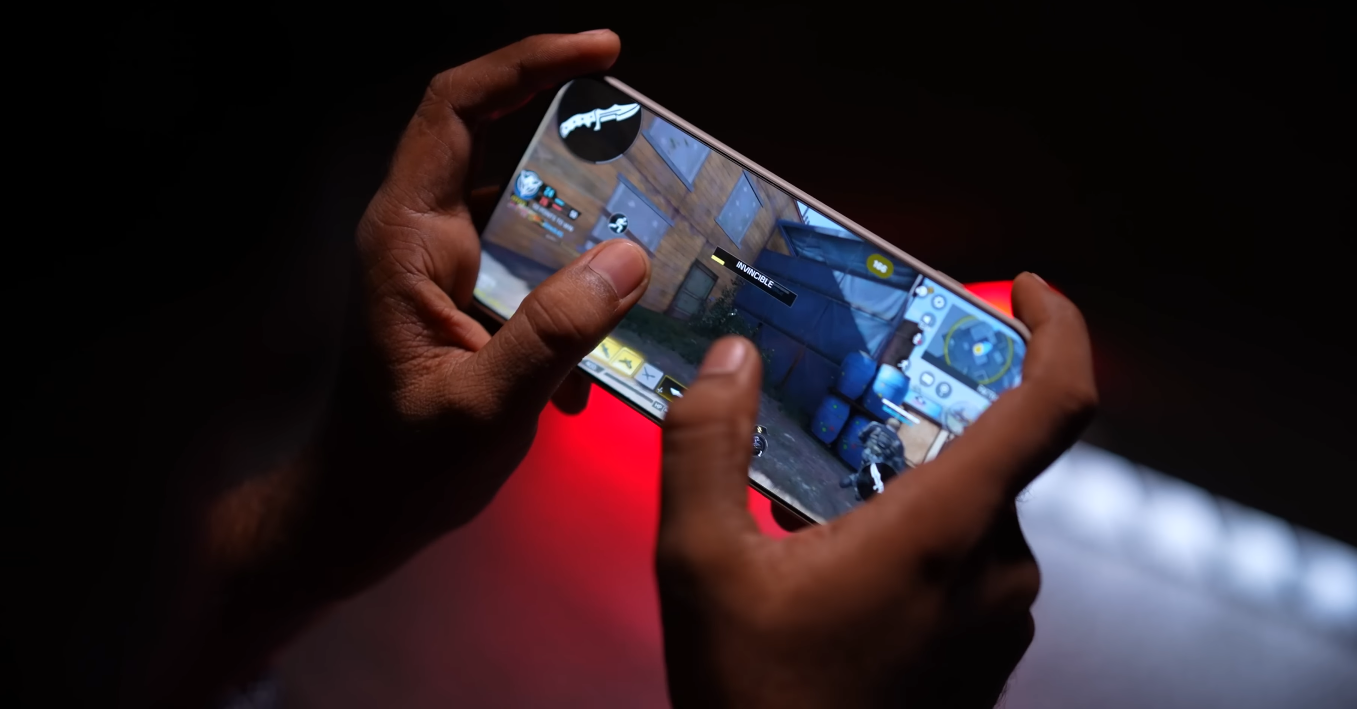
The OnePlus 15 carries a modern flagship processor designed to handle demanding games smoothly. Its high-refresh display adds extra fluidity in shooters and fast-action titles. This makes everyday gaming feel consistent and responsive, giving it an edge in raw performance over phones using older chipsets.

The Legion Y90, however, stands out with its gaming-focused design. Built-in cooling solutions, gaming triggers and a larger display offer advantages during long gaming sessions. These added features help keep performance stable over time, making the device appealing to users who prioritise comfort and control in extended play.

OnePlus 15 vs Lenovo Legion Y90 gaming-centric flagship face-off

In terms of battery life, the OnePlus 15 offers a significantly larger capacity and fast charging support. This ensures longer sessions without needing a charger and quicker recovery when the battery drains. For gamers who travel frequently or play away from home, this extended endurance becomes a major practical benefit.

The Legion Y90 still provides reliable battery performance, but its older battery technology and smaller capacity make it less competitive compared to the newer design of the OnePlus 15. Long, continuous gaming sessions see the difference more clearly, especially when running graphically heavy titles.

When it comes to display quality, the OnePlus 15 offers a smoother, more responsive experience thanks to its higher refresh rate. Animations, transitions and gameplay feel sharp and fluid, which can matter for users who play competitive games. The Legion Y90’s display remains impressive but slightly behind in terms of smoothness.

Gaming-specific features remain the Legion’s biggest strength. For users who value physical triggers, enhanced cooling and a purpose-built gaming UI, it offers a more immersive style of play. The OnePlus 15 does not include these extras, instead focusing on all-round flagship performance suitable for gaming, productivity and daily tasks.

Software longevity favours the OnePlus 15 due to its newer chipset and longer expected support cycle. For users planning to keep their devices for several years, this offers better long-term value. The Legion Y90, being an older-generation device, may see limitations sooner with future high-end mobile games.

In real-world use, the OnePlus 15 feels like the better all-rounder for gaming and everyday activities. Its powerful hardware, battery life and smooth display give it broad appeal. The Legion Y90, while excellent for dedicated gamers, feels more niche and benefits users who prioritise gaming features over general versatility.

In summary, the OnePlus 15 wins on overall value for most users due to stronger performance, better battery life and longer support. The Lenovo Legion Y90 still stands out as a specialised gaming machine, ideal for users who want purpose-built gaming hardware and do not mind older internal components.

OnePlus 15 fast charging put to the test: 0-100% in how many minutes?

OnePlus 15 fast charging put to the test 0-100% in how many minutes

Charging performance expectations for the new flagship

The OnePlus 15 has drawn considerable attention for its reported charging capabilities, with early testing and manufacturer information indicating a strong focus on speed and battery endurance. While the device has not yet completed its global rollout, the fast charging performance demonstrated in the initial release market provides a clear picture of what users may expect when the model arrives in the UK.

The OnePlus 15 is equipped with a high-capacity battery designed to support extended daily usage without requiring multiple top-up charges. Early information from regions where the phone has already been released indicates that the device uses a dual-cell silicon-carbon battery structure, which is built to handle rapid energy transfer more efficiently than traditional lithium-ion battery designs. This technology is engineered to reduce heat output and slow battery wear over time.

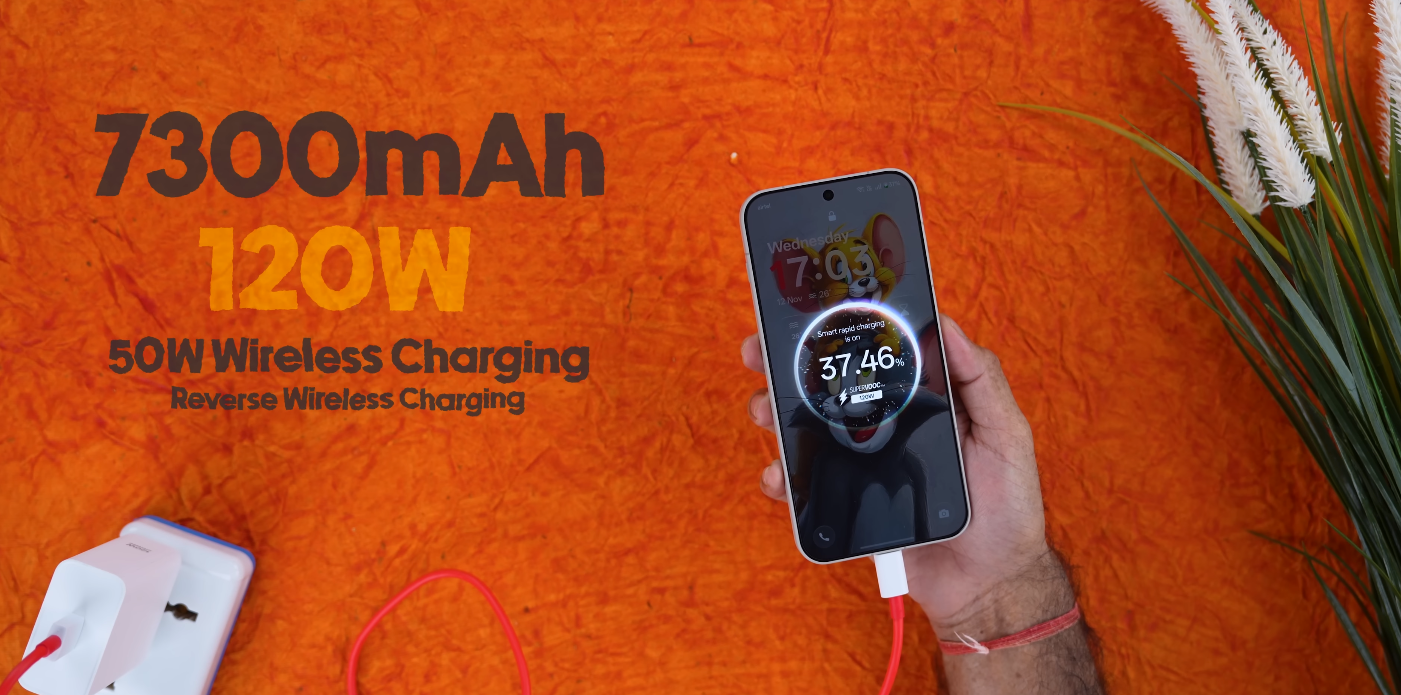
Wired charging has been one of the most notable features highlighted in early demonstrations. The Chinese variant of the OnePlus 15 supports up to 120W fast wired charging when used with the supported charger and cable. Under controlled conditions, tests have shown the device charging from 0% to approximately 50% in around 15 minutes. This rapid initial charge phase is designed to provide meaningful usage time in a short window, which can be particularly useful in daily commuting or travel situations.

OnePlus 15 fast charging put to the test 0-100% in how many minutes

A full charge from 0% to 100% has been recorded at around 40 to 45 minutes in real-world charging tests. These results depend on environmental factors such as ambient temperature, battery health, and whether the handset is being used during charging. Even with minor variations across usage scenarios, this places the OnePlus 15 among the faster-charging flagship smartphones currently in circulation.

Wireless charging is also part of the overall battery experience on the OnePlus 15. The model supports wireless charging speeds up to 50W in regions where this feature is offered. While wireless charging generally takes longer than wired charging due to thermal safety controls and power transfer efficiency, the speeds indicated suggest that the device can still replenish its battery quickly when placed on a compatible charging stand. This provides added flexibility for those who prefer cable-free desks or bedside charging habits.

It is important to note that global versions of smartphones occasionally differ from their domestic release models due to regulatory standards or charger bundling decisions. For the UK market, the final wireless charging wattage and included charging accessories may be confirmed closer to launch. However, the core fast charging architecture of the device is expected to remain consistent across regions. Users should anticipate the same underlying charging efficiency even if supported wattage levels vary slightly.

Thermal management plays a critical role in enabling rapid charging speeds, and the OnePlus 15 incorporates a multi-layer cooling system designed to prevent overheating during high-speed power input. This combination of battery chemistry and hardware cooling support is intended to protect long-term battery health while maintaining consistent charging times. Early assessments indicate that the device remains stable under load, without significant heat buildup during the charging process.

For users who frequently rely on their smartphones throughout the day, the charging performance of the OnePlus 15 may offer a practical benefit. The ability to regain multiple hours of operational time in a short charging session reduces dependence on overnight charging routines and enables more flexible usage patterns. This can be particularly appealing for professionals, travellers, and those who engage in regular media streaming or mobile gaming.

As always, real-world performance in the UK will become clearer once the device is widely available and reviewed under local usage conditions. Network behaviour, software optimisation updates and region-specific hardware configurations can all influence results. However, based on the verified testing currently available, the OnePlus 15 appears to deliver one of the most competitive charging experiences among modern flagship smartphones.

In summary, early tests suggest that the OnePlus 15 can achieve a 0 to 100% charge in roughly 40 to 45 minutes with its supported fast wired charging system, while offering strong efficiency and battery health considerations. With its large battery capacity and flexible wireless charging support, the device is positioned to appeal to users who prioritise fast turnaround times and sustained performance throughout the day. As its UK release approaches, the charging capabilities of the OnePlus 15 are expected to be a defining feature in its market reception.

OnePlus 15 future-proof features: what you’ll still love in 2028

OnePlus 15 future-proof features what you’ll still love in 2028

Why the OnePlus 15 is built to stay relevant for years

The OnePlus 15 has arrived as a powerful flagship today, but the real value for buyers in the UK lies in how well it will hold up in the long run. Smartphone lifespans are increasing, and many users now expect their devices to last four to six years without feeling outdated. The OnePlus 15 brings several features that are positioned to remain useful and impressive even in 2028.

The display is one of the clearest long-term strengths. With a high refresh rate panel and intelligent adaptive technology, it delivers smooth visuals while also conserving battery when the frame rate is not needed. As apps and operating systems become more fluid and animation-heavy in the coming years, this kind of display will remain crucial for a responsive experience.

Performance longevity is another major highlight. The OnePlus 15 uses a flagship processor built not only for raw power but also for long-term efficiency. Paired with fast storage and ample RAM, it is designed to handle increasingly demanding apps, higher-resolution media, and heavy multitasking without showing signs of slowdown or lag too soon.

OnePlus 15 future-proof features what you’ll still love in 2028

Battery endurance contributes to future-proofing as well. The device launches with a large battery capacity that gives it a strong starting point for long-term use. Even as battery health gradually decreases over the years, the available power should still be adequate for full-day usage. Fast charging support also ensures that users can continue to get a meaningful boost in only a few minutes even years later.

Durability also adds to long-term value. The OnePlus 15 is built with premium resistance against dust and water exposure, minimising the risk of damage as the phone ages. A solid chassis, reinforced glass and strong build choices are likely to keep the phone physically reliable well beyond the typical ownership period for most users.

The camera system is another area where the phone ages well. While future handsets may push hardware further, the OnePlus 15 launches with versatile lenses that cover nearly every shooting scenario. For everyday photography, social media content, travel and low-light scenes, the versatility and consistency of the setup means it will continue to perform reliably in 2028 without requiring an immediate upgrade.

Connectivity is also ready for the future. With full support for modern 5G bands, advanced Wi-Fi standards and strong Bluetooth hardware, the OnePlus 15 ensures compatibility with the growing wireless ecosystem for years. Accessories, media streaming and online gaming will continue to work smoothly as network capabilities expand.

Software support plays a major role in future-proofing too. The OnePlus 15 is scheduled to receive multiple years of operating system upgrades and an even longer span of security patches, meaning that it will stay functional, secure and compatible with essential apps deep into its lifecycle. For many UK buyers, that window of support aligns well with their expected ownership period.

A notable advantage is the consistent design language that avoids short-lived trends. The slim bezels, flat screen and clean rear styling help the OnePlus 15 maintain a modern appearance over time rather than feeling dated. Many users who keep their phones for several years appreciate a design that still looks fresh even when newer models arrive.

Taken together, these elements highlight why the OnePlus 15 is structured for long-term value rather than short-term hype. It delivers power, endurance, visual quality and structural reliability that are not likely to feel old for a long time. Even as newer devices continue to appear each year, many features of the OnePlus 15 will continue to shine well into 2028.

In summary, buyers looking for a phone that stays fast, stylish and capable for several years will find plenty to love about the OnePlus 15. From its display and performance to its build, camera system and software roadmap, it is clearly engineered with longevity in mind rather than being a device that fades quickly after launch.