OnePlus 15 one-week usage report: first impressions from UK early adopters

OnePlus 15 one-week usage report first impressions from UK early adopters

Real Feedback After a Week of Everyday Use

After a week of hands-on time, early adopters across the UK have shared their impressions of the OnePlus 15 — and the consensus is that it’s one of the most balanced flagships OnePlus has ever produced. While it brings huge performance gains and sleek design touches, it’s not without its small quirks. Here’s what UK users are saying after seven days of living with it.

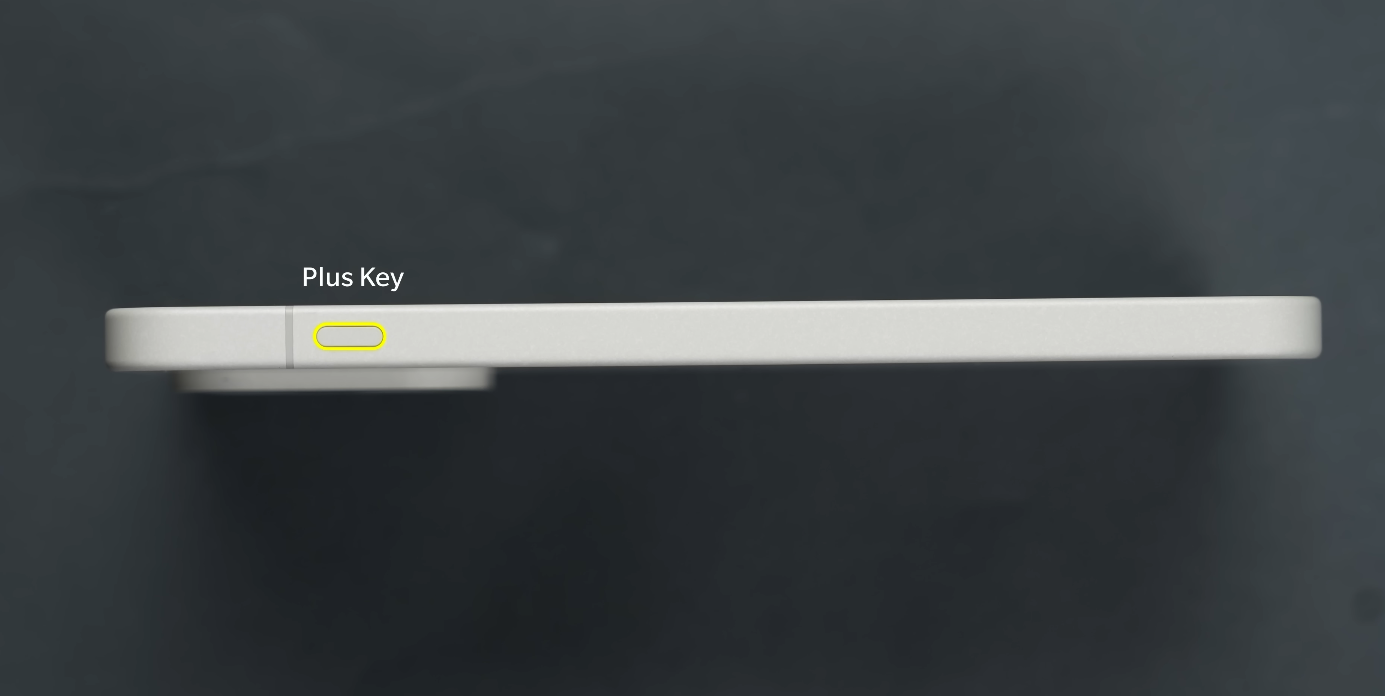
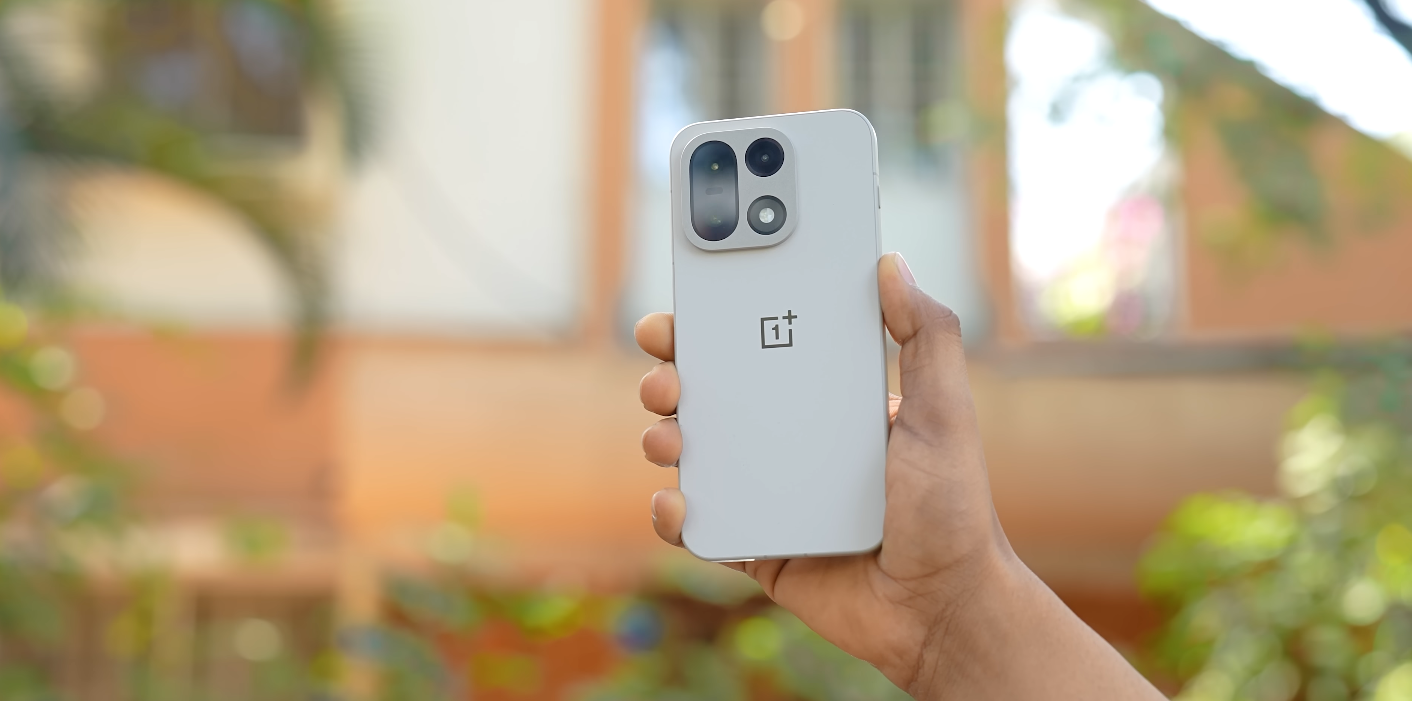
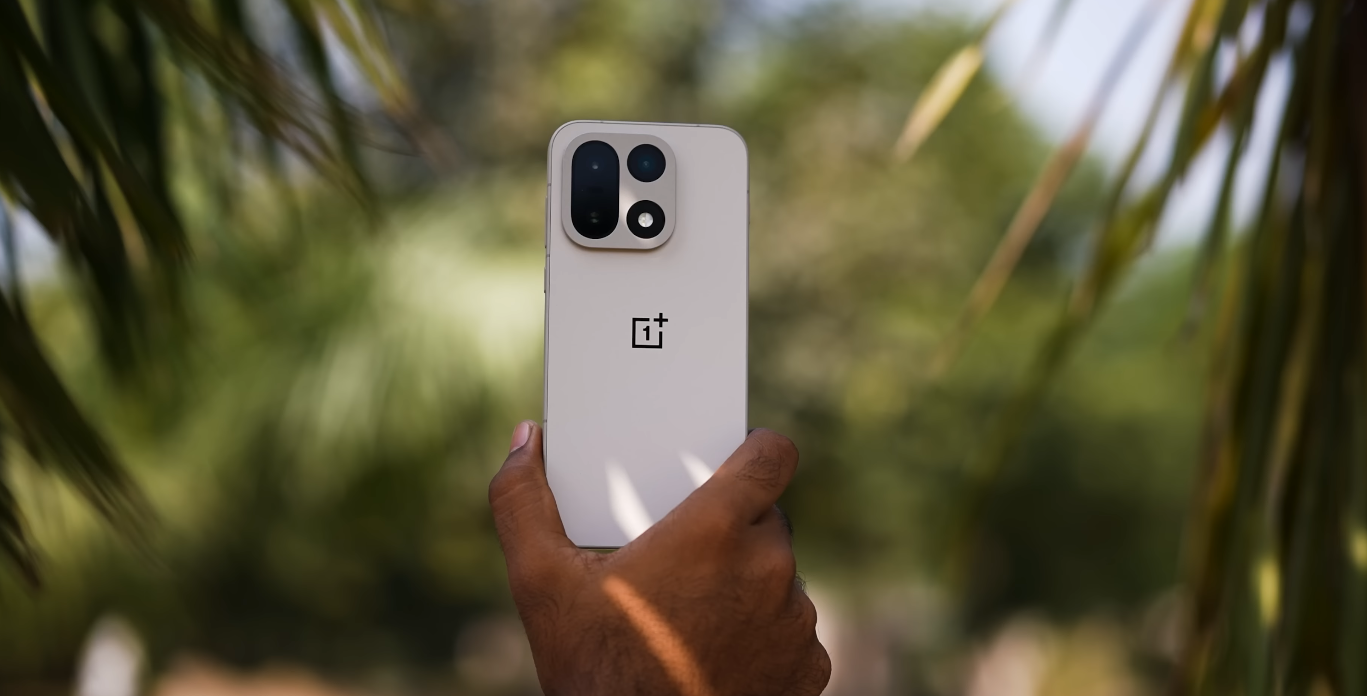
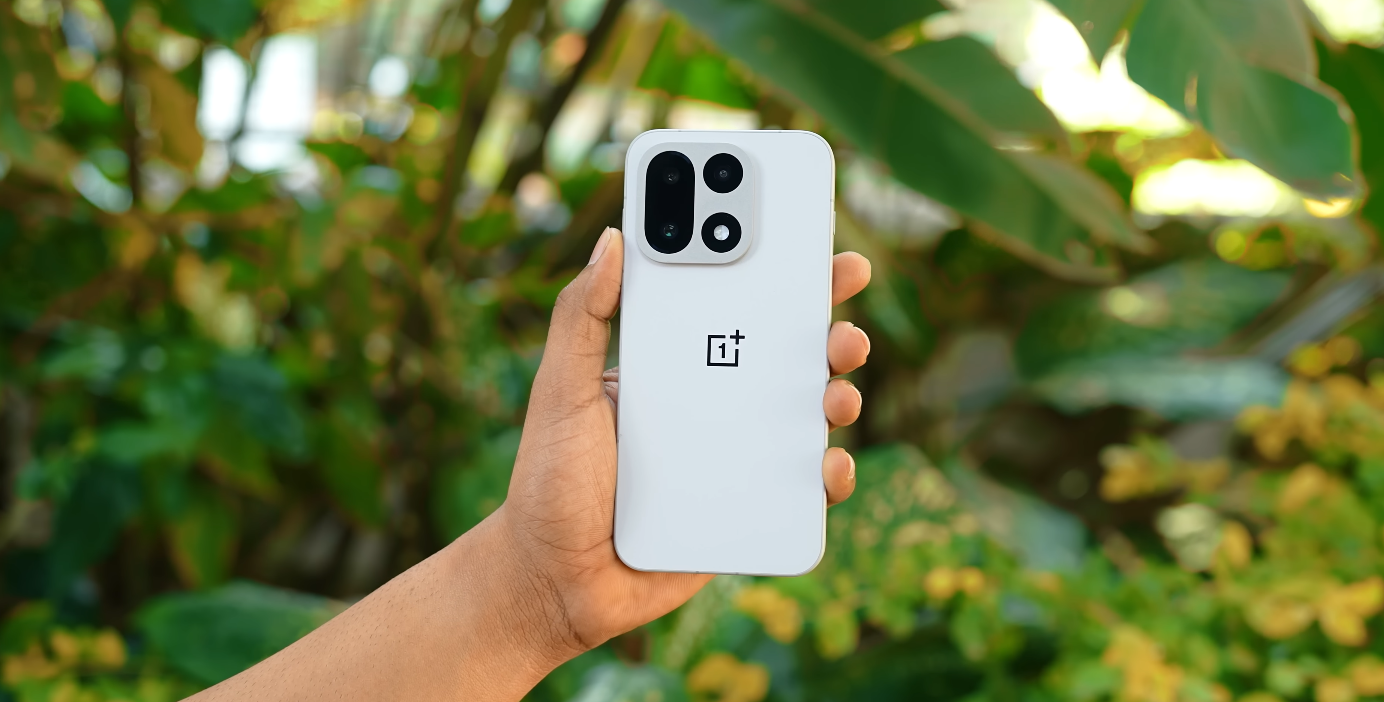
From the moment you pick it up, the OnePlus 15 feels premium. Users highlight the solid build, flatter screen, and improved grip. The “Sand Storm” finish stands out as the most refined option, offering a matte texture that resists fingerprints. The frame feels sturdier than the OnePlus 13, and the slightly curved back makes it more comfortable during long use. Many in the UK have also appreciated the phone’s lighter balance compared to other large flagships.

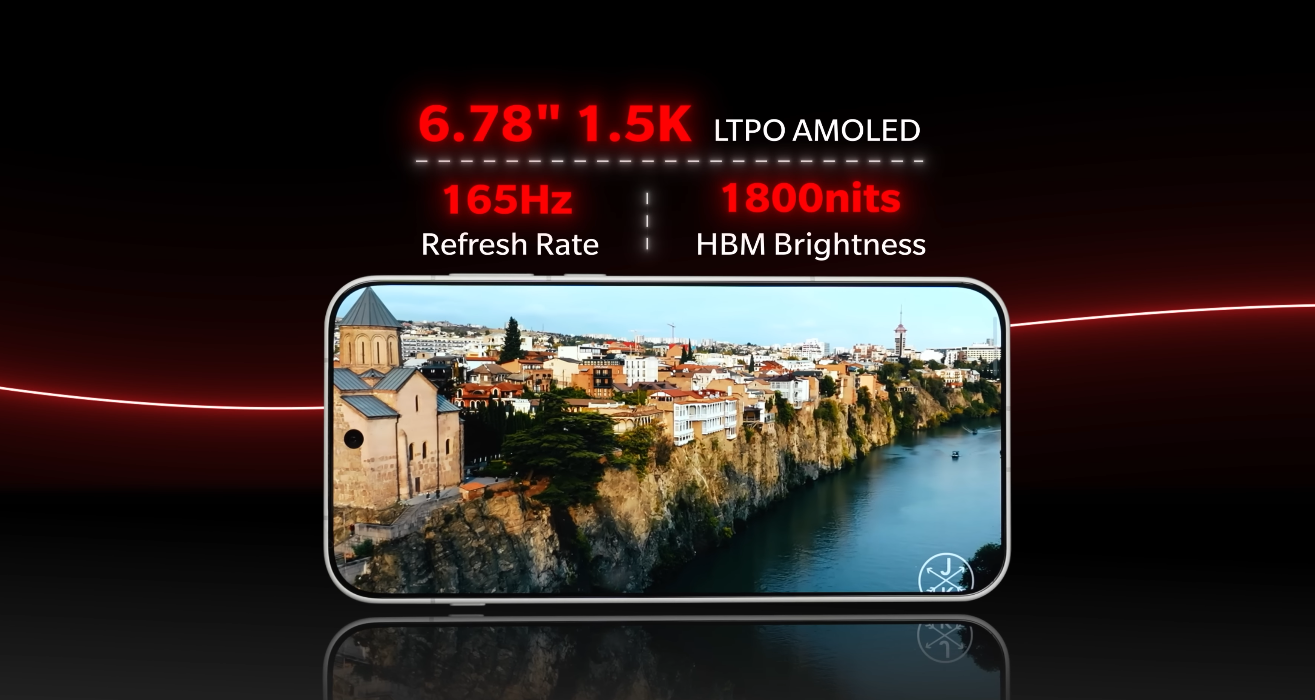
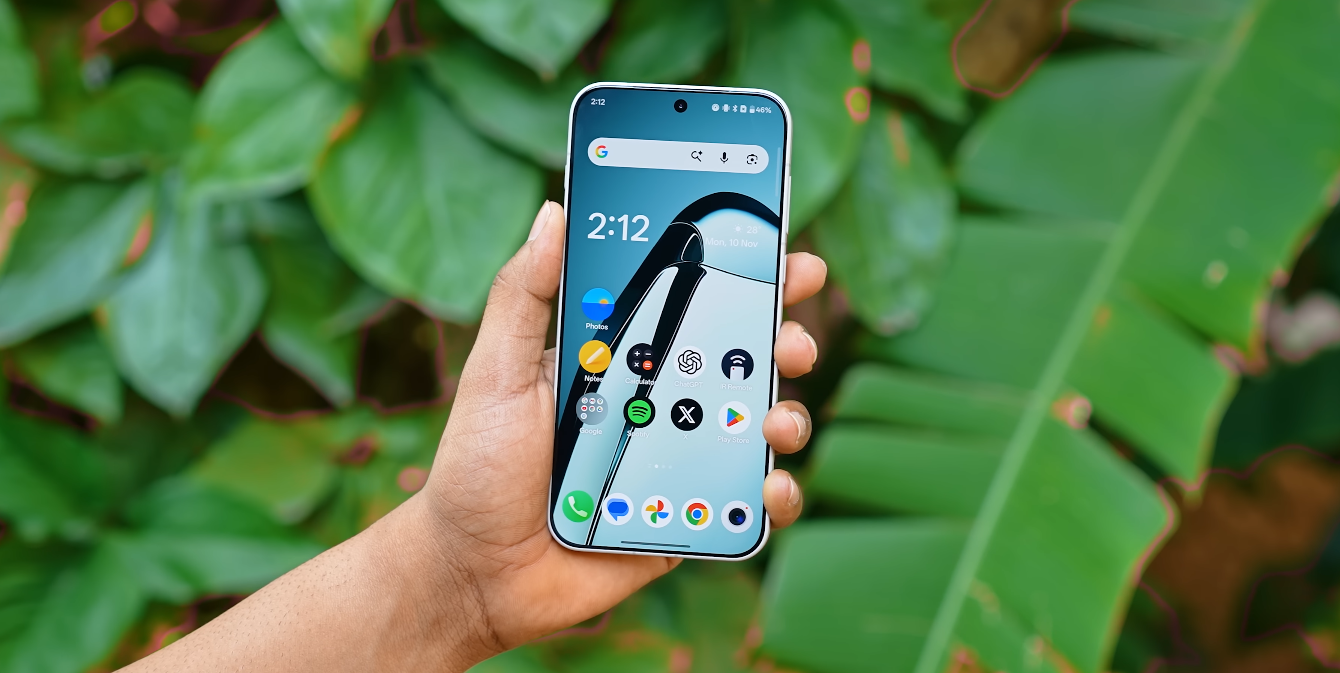
The display is one of the biggest talking points. With its 6.78-inch LTPO AMOLED panel and 165Hz refresh rate, scrolling feels incredibly smooth. UK users report that outdoor visibility is excellent — even on bright days. Auto-brightness transitions are snappy, and colour accuracy has improved with better calibration out of the box. Watching HDR content or gaming outdoors doesn’t require max brightness all the time, showing that the panel is both efficient and vivid.

OnePlus 15 one-week usage report first impressions from UK early adopters

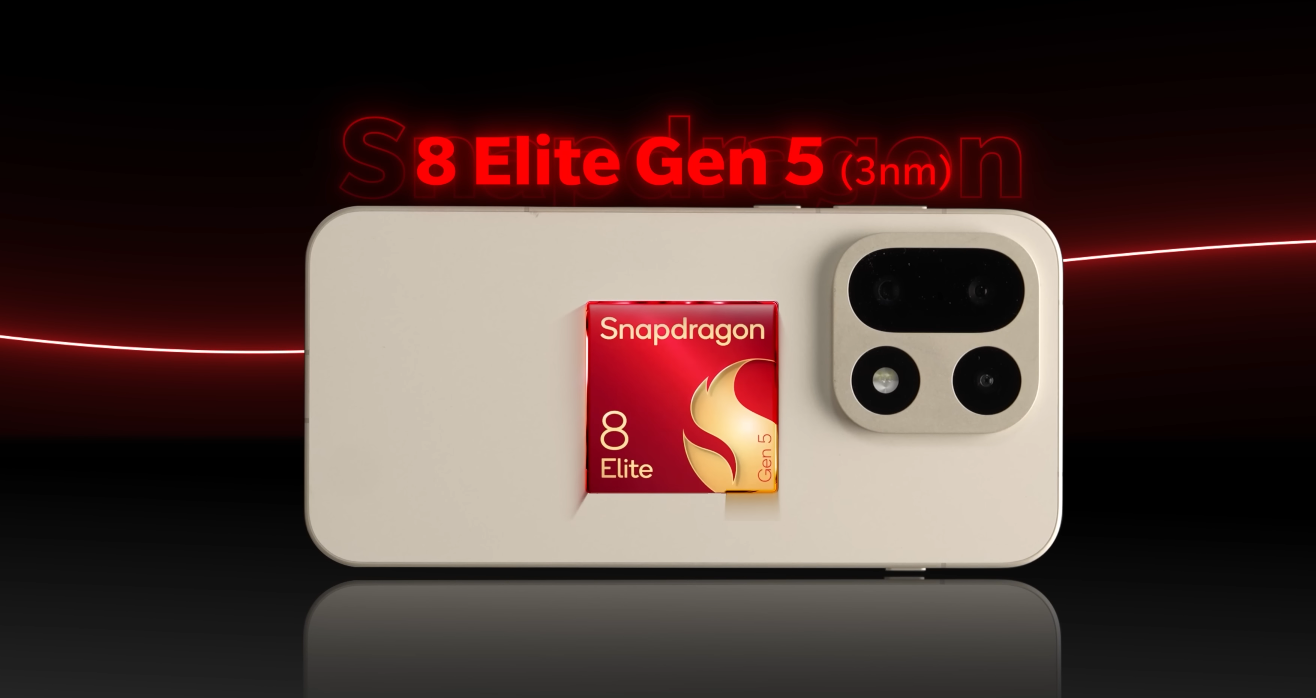
Performance has been praised almost universally. Powered by the Snapdragon 8 Elite Gen 5, the OnePlus 15 handles multitasking, heavy gaming, and editing apps effortlessly. Several early adopters tested games like Genshin Impact and PUBG Mobile at high settings without noticeable frame drops or thermal throttling. Thanks to the redesigned dual-layer vapour chamber, the device stays impressively cool, even during longer sessions — a clear win for those in the UK who game or stream regularly.

Battery life has been another standout. Users report comfortably getting through a full day and a half with regular usage. The 7,300mAh battery, paired with efficient software tuning, offers one of the best endurance levels seen in a OnePlus device. Charging remains a major highlight — the 120W fast charger tops the phone from 20% to 80% in under 25 minutes. UK models still retain fast charging compatibility, making quick top-ups during busy workdays effortless.

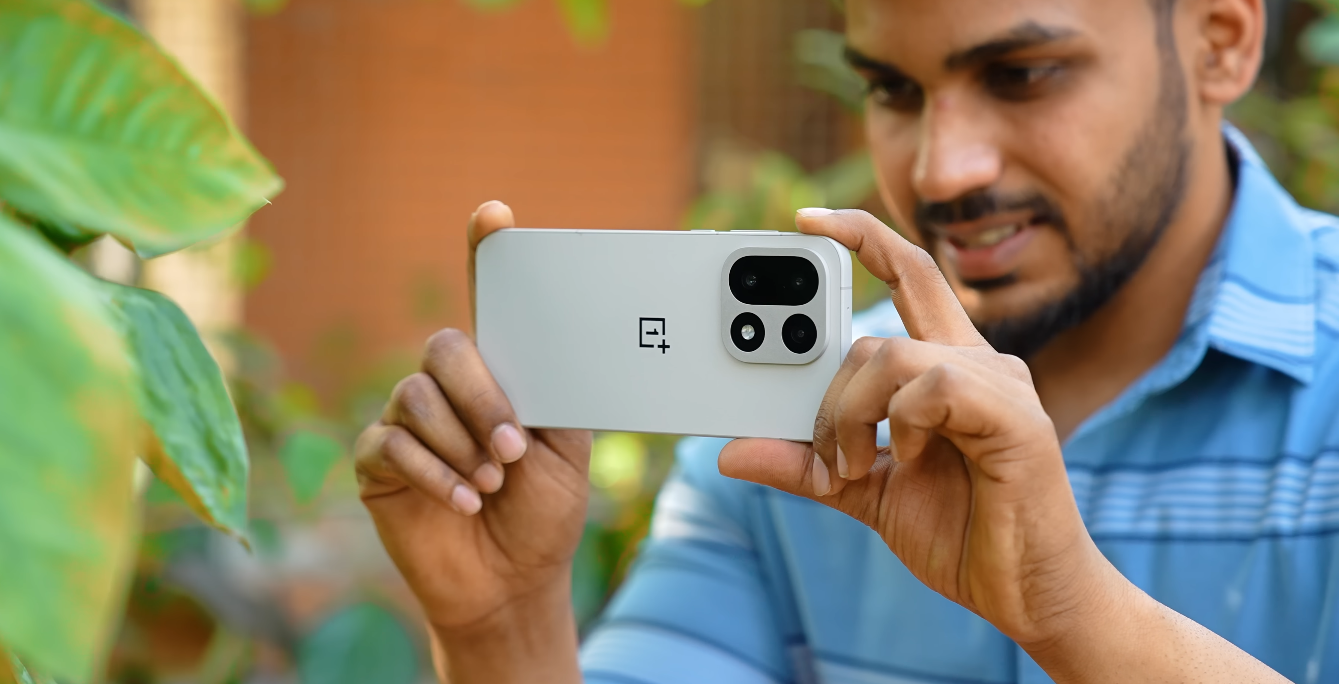
Cameras have improved significantly but not radically. The triple 50MP setup with a periscope zoom lens delivers strong daylight shots and natural skin tones. Early adopters note sharper detail and more consistent colour between lenses compared to previous models. Low-light performance has improved, though some users still find the iPhone 16 and Galaxy S25 slightly ahead in image processing finesse. For video recording, stabilisation and clarity earn positive feedback, especially for handheld clips.

Software experience has been smooth, with OxygenOS continuing to feel responsive and light. App switching is instant, animations are fluid, and the customisation options remain user-friendly. Some UK reviewers mentioned that OnePlus has reduced bloatware noticeably, allowing the experience to feel closer to stock Android while keeping key OxygenOS features intact. Updates have also been frequent within the first week, showing OnePlus’s renewed focus on reliability.

Thermal control and speaker performance have surprised many. Even under heavy use, surface temperatures stay comfortable, thanks to the improved aerogel cooling system. Dual stereo speakers deliver balanced sound, though some users wish for a deeper bass response. Connectivity, including 5G and Wi-Fi 7, has been strong throughout testing, with no dropouts during streaming or video calls.

After one week, most UK users agree that the OnePlus 15 feels like a proper flagship at a slightly lower cost. It nails the essentials — display, battery, performance, and design — while trimming the excess. The only real drawbacks noted so far are its size and slightly conservative camera tuning. For users coming from the OnePlus 13 or older, the jump feels substantial, especially in day-to-day speed and comfort.

In summary, the OnePlus 15 has made an excellent first impression in the UK. It’s powerful, well-built, and thoughtfully refined for real-world use. Early adopters see it as OnePlus’s most confident flagship in years — one that finally matches its promise of blending speed, endurance, and style. For anyone looking to upgrade in 2025, this device earns a clear recommendation from those who’ve already made the switch.

Also Read:  Redmi K90 Pro Max UK retailer exclusives: which stores to watch?
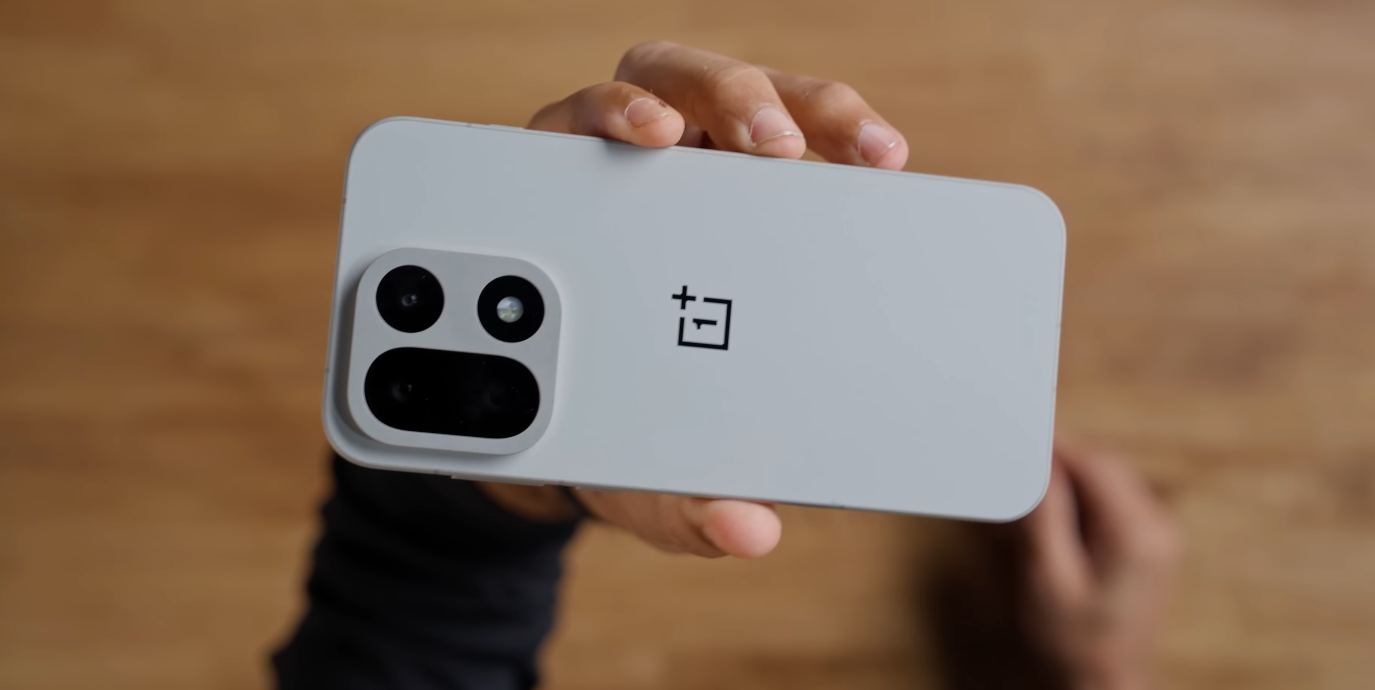
OnePlus 15 resale value: smart buy or value trap?

OnePlus 15 resale value smart buy or value trap

How OnePlus 15 holds value in the used market for UK buyers

The OnePlus 15 is now in the same tier as top-tier flagships, and UK buyers who want to pick one up are also thinking more seriously about what happens one year later. Resale value is becoming a major element for high-end phones because most users upgrade sooner than they used to. Resale strength determines whether a flagship is a smart investment or a costly gamble when the next generation cycle arrives.

Many UK power users upgrade yearly or every eighteen months, and that shift means resale value is directly connected to total cost of ownership. When a device retains importance on the used market, the effective price becomes lower because a portion of the spend returns when you sell it. When value collapses too soon, ownership cost becomes higher even if the phone itself was good while using it.

With OnePlus 15, this generation introduces hardware and design decisions that bring the brand closer to the top front bench. This matters for resale perception because UK buyers no longer see this model as a cheaper alternative to heavyweights. It is now seen as a peer. That perception change is essential because it influences how much someone will pay for the device second-hand.

OnePlus 15 resale value smart buy or value trap

However, Android phones in general are known for sharper value decline than some competitors. That means OnePlus 15 must prove its long-term software support consistently in order to protect value. Update commitment and long update reliability can keep the phone relevant in year two. If the security and platform patches remain stable, the device will retain more of its appeal across UK buyers in the used market.

Battery endurance and charging consistency also matter for resale. UK second-hand buyers care about practical reliability first. If the battery health remains strong over extended usage, then demand will remain healthy. High wattage charging is one of OnePlus strengths, but long term battery management modes must keep wear controlled, because battery degradation is one of the fastest value killers in second-hand phones.

Another big variable is variant selection. This is extremely important for UK buyers. If someone purchases a non-UK variant, the resale will collapse because not all imported models support the same band mix or eSIM behaviour. A UK buyer wanting to sell later must start with a UK/EU supported model. If the OnePlus 15 purchased is not the correct model, then the resale value will drop hard at sale time.

Condition also plays a huge role, especially when the device approaches the end of first year ownership. A OnePlus 15 kept with screen protection, case protection, and clean battery health tracking will fetch a better percentage at resale in UK used markets. Small cosmetic damage has become a major price reducer during recent years because buyers expect premium flagships to feel premium even when second hand.

Pricing also depends on whether a new successor appears early. If the next generation comes with major headline upgrades and arrives quickly in the UK, then resale value of this generation will soften. If the successor cycle stretches further, then the OnePlus 15 will have more time in the spotlight. Timing of listing a used unit at the right month can make a significant difference in the final resale.

Overall, if UK buyers purchase the correct regional variant and maintain condition well, then the OnePlus 15 can be a smart buy with better resale potential than many earlier models from this brand. If the wrong variant is purchased, or if care is ignored, then it quickly becomes a value trap.

OnePlus 15 micro-SD or not? Storage expansion explained

OnePlus 15 micro-SD or not Storage expansion explained

Why the OnePlus 15 drops the memory card slot and how UK buyers should plan

The OnePlus 15 does not include a micro-SD card slot for storage expansion, which means the storage you pick at purchase is the storage you’ll have for the lifetime of the device. This choice reflects a broader trend in flagship smartphones: manufacturers opting for more integrated, faster internal flash rather than the compromise of speed, reliability and complexity that comes with external card slots.

Flagship devices like the OnePlus 15 are now built around high-performance internal storage (such as UFS 4.1 or similar) that offer much faster read/write speeds than typical micro-SD cards. That means apps load quicker, installations finish faster, and overall system responsiveness is improved. When you add an external card slot, it often limits performance or introduces variability — the manufacturers consider that a downside in premium devices.

For UK buyers, this decision shifts focus: instead of thinking “I can buy a smaller storage model now and expand later”, you must decide up-front how much storage you need. If you shoot 4 K/8 K video, store large games, keep many local offline media files or regularly record heavy HD content, you would be safer opting for a higher internal capacity variant (e.g., 512 GB or 1 TB) at purchase. Under-estimating storage now may lead to frustration later.

OnePlus 15 micro-SD or not Storage expansion explained

That said, there are mitigating factors. Cloud storage and streaming-based models reduce reliance on local storage. If much of your music, video, documents and photos sync to or remain in the cloud, a smaller internal capacity may work fine. For many UK users who stream shows, back up photos automatically and don’t hoard gigabytes of offline apps, a base model may remain viable throughout typical usage cycles.

It’s also worth noting resale considerations. Since storage cannot be expanded, a higher-capacity variant retains better market value in the second-hand market. For a phone you may upgrade after 12-24 months, choosing a larger capacity can improve resale returns when you decide to trade or sell. If you go for the lowest capacity, you may pay less now but accept a smaller resale recovery later and risk running out of space before you want to upgrade.

File management becomes more important with a fixed-capacity device. UK buyers should develop habits such as off-loading old videos/photos to external drives, archiving older games, cleaning caches and leveraging cloud backups. This will ensure the OnePlus 15 stays performant and free of storage bottlenecks during its usage life. Without a micro-SD slot, proactive storage hygiene is smart.

In summary: while the absence of a micro-SD slot may feel like a downgrade compared to older phones, it aligns with how modern flagship devices are engineered — faster internal storage, fewer moving parts, greater reliability. For UK buyers of the OnePlus 15, the key takeaway is to choose the correct storage size at purchase, match your usage habits to the device’s capability, and plan ahead to avoid hitting a storage wall later.

Also Read:  Redmi K90 Pro Max after-sales support in UK: warranty, service and software updates

OnePlus 15 fast charging myth-busting: heat, battery impact & reality

OnePlus 15 fast charging myth-busting heat, battery impact & reality

Understanding Fast Charging on the OnePlus 15

The OnePlus 15 brings one of the fastest charging systems seen on a mainstream flagship, and UK buyers naturally have questions around heat, long-term battery health and day-to-day practicality. With wired charging reaching extremely high speeds in supported regions, there are several myths that need clearing up for anyone considering the device as their next upgrade.

One of the most common concerns is that fast charging rapidly damages batteries. On the OnePlus 15, this isn’t reflected in real-world behaviour. The large battery capacity and controlled charging system work together to reduce deep discharge cycles, meaning users don’t need to run the device down completely before topping up. In everyday use, the battery shows strong endurance and consistent performance without signs of excessive stress.

Heat is another area where myths often dominate the conversation. While any fast charger naturally generates warmth, the OnePlus 15 manages thermal output effectively under normal conditions. When plugged in for a quick top-up, the device tends to remain comfortable to the touch. As with any phone, heat rises only when charging is combined with heavy use such as gaming or long periods of high brightness.

OnePlus 15 fast charging myth-busting heat, battery impact & reality

Some users believe that the fastest charging mode should always be used. In practice, the OnePlus 15 benefits from flexibility. The included charger ensures the safest and most efficient performance, especially in cooler indoor environments. UK owners who rely heavily on public or mixed chargers may notice slower speeds, but the battery still tops up reliably without added risk.

Wireless charging introduces another myth: many expect it to match wired performance. The OnePlus 15 supports high-speed wireless charging, but wired remains the quickest and most controlled method. Wireless pads provide convenience on desks or night-stands, but they often generate slightly more surface heat and require longer to reach the same battery level.

Battery lifespan is also influenced by everyday habits rather than charging speed alone. The large capacity of the OnePlus 15 means users are less likely to drain the device fully between charges. Short top-ups throughout the day help avoid battery stress, and the phone’s management systems regulate power flow automatically. UK buyers who adopt moderate charging patterns will find the battery remains healthy for long-term use.

The device performs especially well in typical UK conditions where ambient temperatures remain moderate. Avoiding extreme heat, such as charging inside a hot car or under a duvet, prevents unnecessary strain. The system adapts its charging curve based on temperature and battery percentage, adding another layer of protection.

Using the official charger is also important for achieving predictable results. Fast charging requires accurate communication between the power brick and the phone, and third-party chargers may be limited in speed or consistency. The supplied unit is designed specifically for this battery and charging profile, ensuring safe and stable operation.

For overnight charging, users don’t need to rely on maximum speeds. The phone can easily complete a full top-up at a calmer pace, reducing thermal output and providing a cooler battery by morning. Those who prefer daytime boosts can take advantage of the fast system, gaining hours of use in a short session.

Overall, the OnePlus 15 offers a mature fast-charging experience that balances speed with smart protection. The myths around battery harm, overheating and excessive stress don’t match the measured behaviour of this device. For UK buyers, the combination of large capacity, efficient hardware and controlled charging makes it a reliable option for heavy daily use.

In the end, fast charging on the OnePlus 15 is more about convenience than compromise. Used sensibly, it shortens downtime, extends everyday practicality and maintains long-term battery health without the drawbacks commonly associated with high-power charging systems.

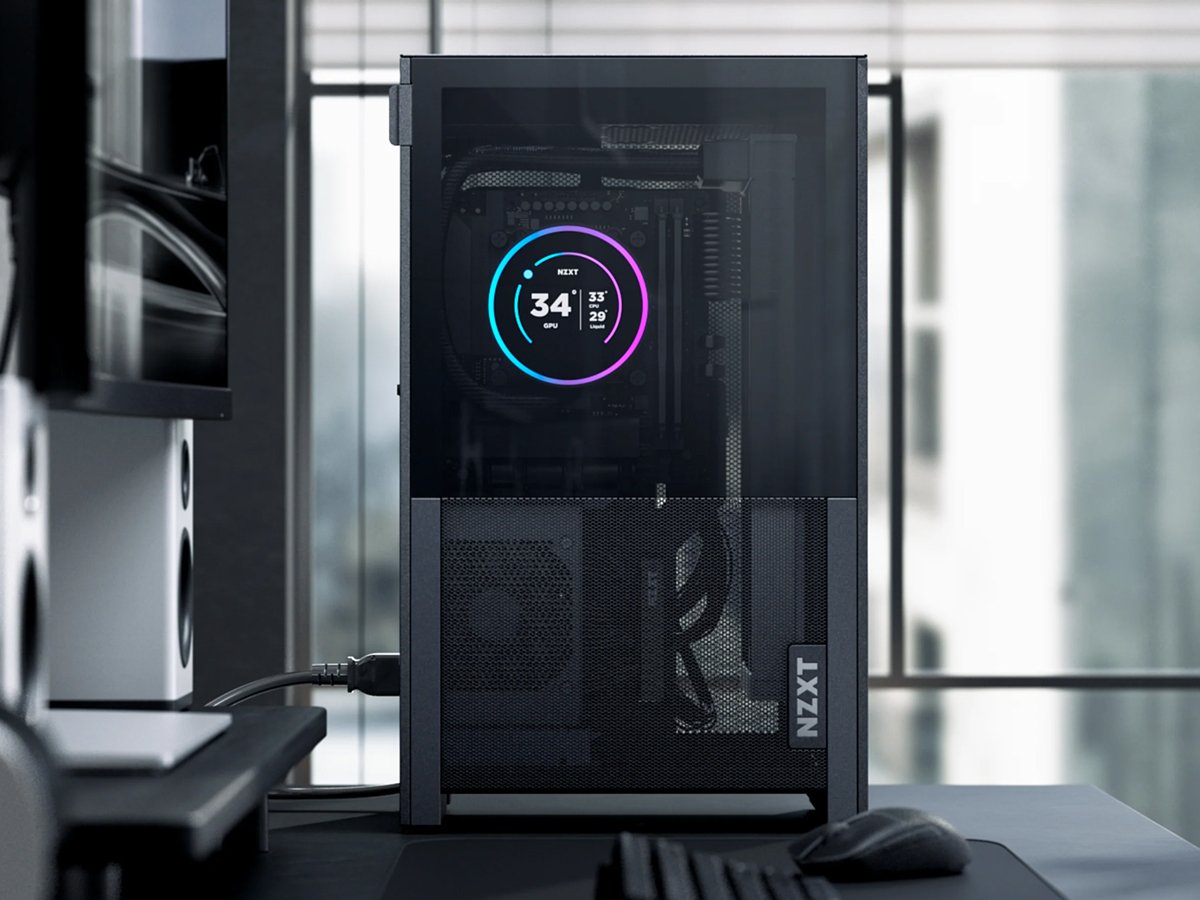
NZXT Unveils H2 Gaming Mini PC with Nvidia RTX 5080

The NZXT H2 Flow prebuilt gaming mini PC features a sleek and compact design, with a powerful Nvidia RTX 5080 graphics card and a performance-focused AMD or Intel CPU, delivering exceptional gaming performance and versatility in a small form factor

NZXT H2 Flow: A Revolutionary Gaming Mini PC

The NZXT H2 Flow is a cutting-edge mini-ITX case that has taken the gaming world by storm. For a limited time, the company is offering a prebuilt gaming mini PC with this chassis, perfect for those seeking a high-performance system without the hassle of building one themselves. The NZXT H2 Flow prebuilt system boasts an Nvidia RTX 5080, paired with a performance-focused AMD or Intel CPU. This powerful combination is set to revolutionise the gaming experience.

The Nvidia RTX 5080 is a top-of-the-line graphics card, delivering unparalleled visual fidelity and smooth gameplay. When paired with a high-performance AMD or Intel CPU, the possibilities are endless. Whether you’re a hardcore gamer or a content creator, this system has the potential to deliver exceptional results. With its compact design and powerful components, the NZXT H2 Flow prebuilt system is perfect for those with limited space.

The NZXT H2 Flow prebuilt system is designed with performance and convenience in mind. The system’s compact design makes it easy to place in any room, and its powerful components ensure a seamless gaming experience. The Nvidia RTX 5080 and AMD or Intel CPU work together in harmony, providing a powerful and efficient system. The NZXT H2 Flow prebuilt system is a testament to the company’s commitment to innovation and customer satisfaction.

One of the standout features of the NZXT H2 Flow prebuilt system is its customisation options. The system can be tailored to meet the specific needs of each user, with a range of upgrade options available. This means that users can add or remove components as needed, ensuring that their system remains up-to-date and relevant. The NZXT H2 Flow prebuilt system is a versatile and flexible solution for gamers and content creators alike.

For those looking for a high-performance gaming system without the hassle of building one themselves, the NZXT H2 Flow prebuilt system is an attractive option. The system’s compact design and powerful components make it an ideal choice for those with limited space. With its Nvidia RTX 5080 and AMD or Intel CPU, this system is set to deliver exceptional results. Whether you’re a hardcore gamer or a content creator, the NZXT H2 Flow prebuilt system is definitely worth considering.

The NZXT H2 Flow prebuilt system is a significant development in the world of gaming. With its powerful components and compact design, this system has the potential to revolutionise the gaming experience. The Nvidia RTX 5080 and AMD or Intel CPU work together in harmony, providing a seamless and efficient gaming experience. The NZXT H2 Flow prebuilt system is a testament to the company’s commitment to innovation and customer satisfaction.

In conclusion, the NZXT H2 Flow prebuilt system is a powerful and versatile solution for gamers and content creators alike. With its compact design and high-performance components, this system is set to deliver exceptional results. Whether you’re a hardcore gamer or a content creator, the NZXT H2 Flow prebuilt system is definitely worth considering. The system’s customisation options and upgrade capabilities make it a flexible and attractive solution for those seeking a high-performance gaming system.

The NZXT H2 Flow prebuilt system is available for a limited time, making it an attractive option for those seeking a high-performance gaming system without the hassle of building one themselves. With its Nvidia RTX 5080 and AMD or Intel CPU, this system is set to deliver exceptional results. The NZXT H2 Flow prebuilt system is a significant development in the world of gaming, and its impact is likely to be felt for a long time to come.

Overall, the NZXT H2 Flow prebuilt system is a powerful and versatile solution for gamers and content creators alike. Its compact design and high-performance components make it an ideal choice for those with limited space. The system’s customisation options and upgrade capabilities make it a flexible and attractive solution for those seeking a high-performance gaming system. With its Nvidia RTX 5080 and AMD or Intel CPU, the NZXT H2 Flow prebuilt system is set to deliver exceptional results.

NVIDIA’s Latest GPU Driver Update Pulled in the UK

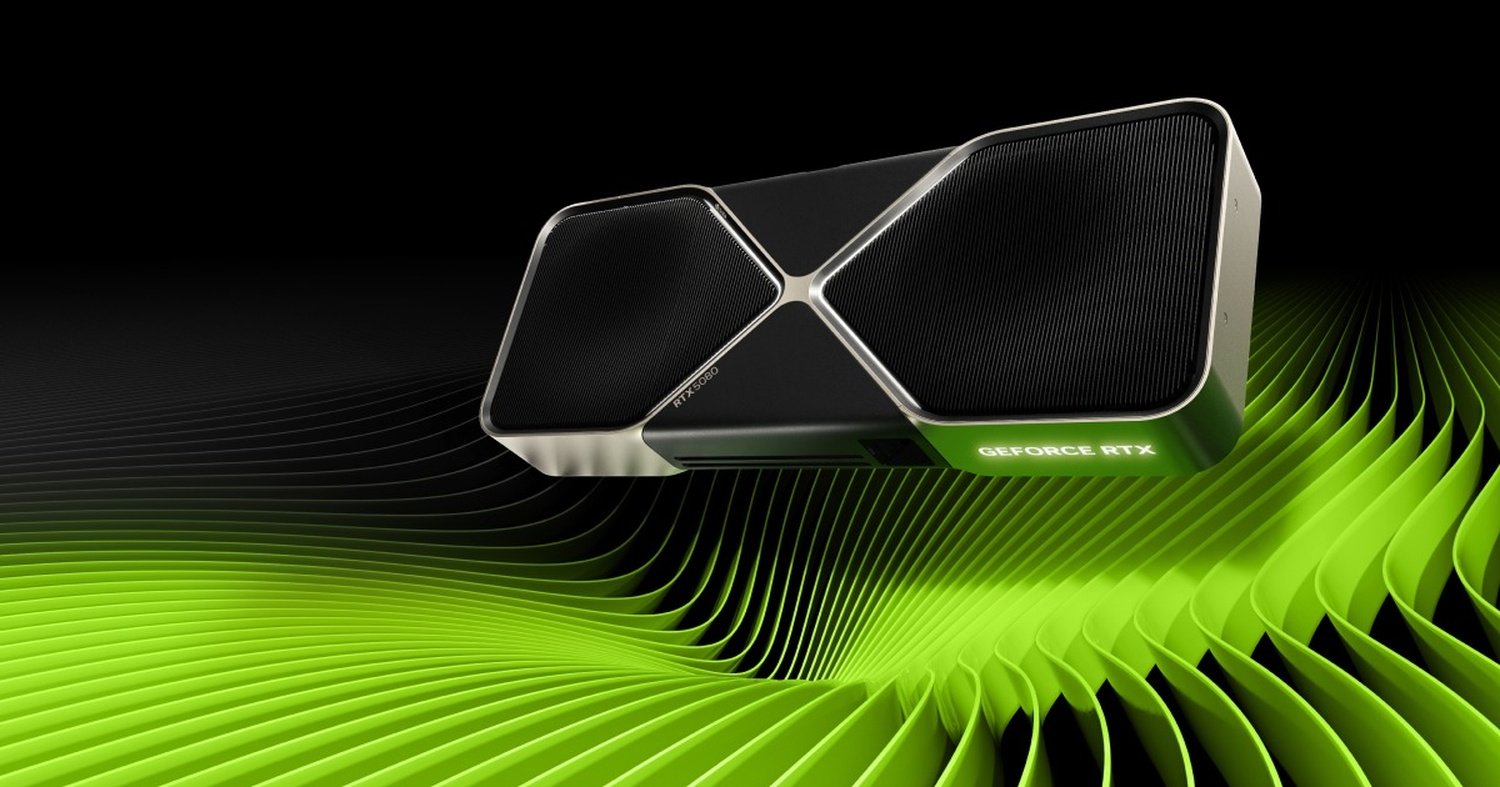
A close-up of a NVIDIA graphics card with a UK flag in the background, the image represents the company's focus on the UK gaming market and its latest GPU driver update

NVIDIA’s Latest GPU Driver Update Pulled in the UK

NVIDIA’s latest GPU driver update has been pulled back due to a bug that caused black screens and performance issues for gamers in the UK. The update was intended to optimize the gaming experience for Resident Evil Requiem.

The company’s consumer GPU segment has been facing challenges due to ongoing memory shortages. This latest software issue may have been a blunder for the company.

The GeForce Game Ready Driver v595.59 was released with support for DLSS 4 MFG, but it seems the update was not thoroughly tested. Gamers in the UK were quick to report issues with the update.

NVIDIA has since pulled the update and is working on a fix. The company will likely release a new update soon to address the issues. In the meantime, gamers in the UK will have to wait to enjoy the optimized gaming experience.

The latest GPU driver update was supposed to be a highlight for NVIDIA, but it has turned out to be a disaster. The company will need to analyse the issue and make sure it does not happen again in the future.

NVIDIA’s behaviour in pulling the update quickly is commendable, but the company needs to do more to prevent such issues. The GPU market in the UK is competitive, and NVIDIA needs to ensure its products meet the highest standards.

The incident has raised questions about the company’s testing process and its ability to deliver high-quality updates. NVIDIA will need to work hard to regain the trust of its customers in the UK.

The UK gaming community is eagerly waiting for a fix to the issue. Gamers are hoping that NVIDIA will release a new update soon that will address the issues and provide a better gaming experience.

In the meantime, gamers in the UK can explore other options for optimizing their gaming experience. There are several third-party tools available that can help improve performance and reduce lag.

NVIDIA’s latest GPU driver update may have been a disaster, but the company can learn from its mistakes. By analysing the issue and making changes to its testing process, NVIDIA can prevent similar issues in the future.

The UK gaming market is highly competitive, and companies need to be vigilant to stay ahead. NVIDIA’s latest issue is a reminder that even the biggest companies can make mistakes.

The company’s focus on the UK market is commendable, and it is likely that NVIDIA will do everything it can to resolve the issue quickly. Gamers in the UK can expect a new update soon that will address the issues and provide a better gaming experience.

In conclusion, NVIDIA’s latest GPU driver update was a disaster, but the company can learn from its mistakes. By working hard to resolve the issue and prevent similar issues in the future, NVIDIA can regain the trust of its customers in the UK.

OnePlus 15 gaming performance: can it handle the heaviest titles?

OnePlus 15 gaming performance can it handle the heaviest titles

How the OnePlus 15 Handles Demanding Mobile Games

The OnePlus 15 has entered the market with strong attention from mobile gamers, thanks to its upgraded chipset and improved thermal design. As more users look for phones capable of running the most demanding titles smoothly, this flagship has quickly become one of the most talked-about devices for high-performance gaming. UK users in particular have been curious about whether the phone can truly keep up with heavy gameplay sessions.

Powered by Qualcomm’s latest Snapdragon platform, the device delivers faster processing, better graphics capability and greater power efficiency compared to earlier models. This upgraded hardware gives the OnePlus 15 a solid baseline for demanding games that require consistent frame rates and advanced visual effects. Combined with generous RAM options, it is built to handle high-load environments without hesitation.

One of the biggest selling points is its large, high-refresh-rate display. The panel supports smooth visuals that help fast-paced games feel more responsive, especially shooters and racing titles. This improvement makes gameplay noticeably more fluid, offering a more immersive experience for players who take performance seriously. The adaptive refresh rate also helps balance performance and battery life depending on the type of content on screen.

OnePlus 15 gaming performance can it handle the heaviest titles

Thermal management has also seen improvement, helping the device maintain stable performance over longer sessions. The updated cooling system works to reduce heat build-up, which usually causes frame-rate drops on many devices. With more efficient heat dissipation, the OnePlus 15 manages to hold its power for extended play, even when running games known to push mobile hardware to its limits.

During stress-heavy titles, the phone maintains fairly stable output without the sharp throttling that can interrupt gameplay. Tests from early reviewers show that it keeps performance at a strong level across action-heavy moments, even when temperatures rise slightly. This reliability is an advantage for players who don’t want sudden slowdowns during competitive matches.

Battery endurance is another area where the handset impresses. Gaming naturally consumes more power, yet the OnePlus 15’s large battery and efficient chipset offer longer playtime before needing a recharge. This helps for users who enjoy longer sessions, making the device suitable for both quick matches and extended gaming evenings.

Audio performance also supports the gaming experience well. The dual speakers deliver clear, balanced sound that adds depth to gameplay, especially in action or story-driven titles. For UK users who enjoy mobile gaming without always relying on earphones, this becomes a practical and enjoyable benefit.

However, the OnePlus 15 is still a general flagship rather than a dedicated gaming phone. It lacks features such as built-in triggers or active cooling fans, which can be useful for serious esports-style players. Even so, its combination of performance, display quality and optimisation still places it among the best mainstream phones available for gaming this year.

For most users, the device easily handles top-tier games like battle royales, open-world adventures and graphic-intensive RPG titles. Frame rates stay smooth, loading times are quick and the overall handling feels steady throughout gameplay. The phone’s balance of software and hardware optimisation makes it a strong match for heavy gaming needs.

Overall, the OnePlus 15 is more than capable of managing the heaviest mobile titles with confidence. With its powerful chipset, efficient cooling, long-lasting battery and smooth display, it delivers a gaming experience that rivals many performance-focused devices. For UK gamers looking for a flagship that combines everyday use with serious gaming strength, the OnePlus 15 stands out as a reliable and high-performing option.

NVIDIA Unveils Revolutionary AI Chips at GTC 2026

NVIDIA's revolutionary AI chips, featuring Vera Rubin and Feynman chips, with the potential to transform the AI landscape, and Groq's LPU integration, set to be unveiled at GTC 2026, a groundbreaking moment in the history of AI, with the company's commitment to innovation and its role in shaping the future of technology

NVIDIA’s Groundbreaking AI Chips Set to Stun at GTC 2026

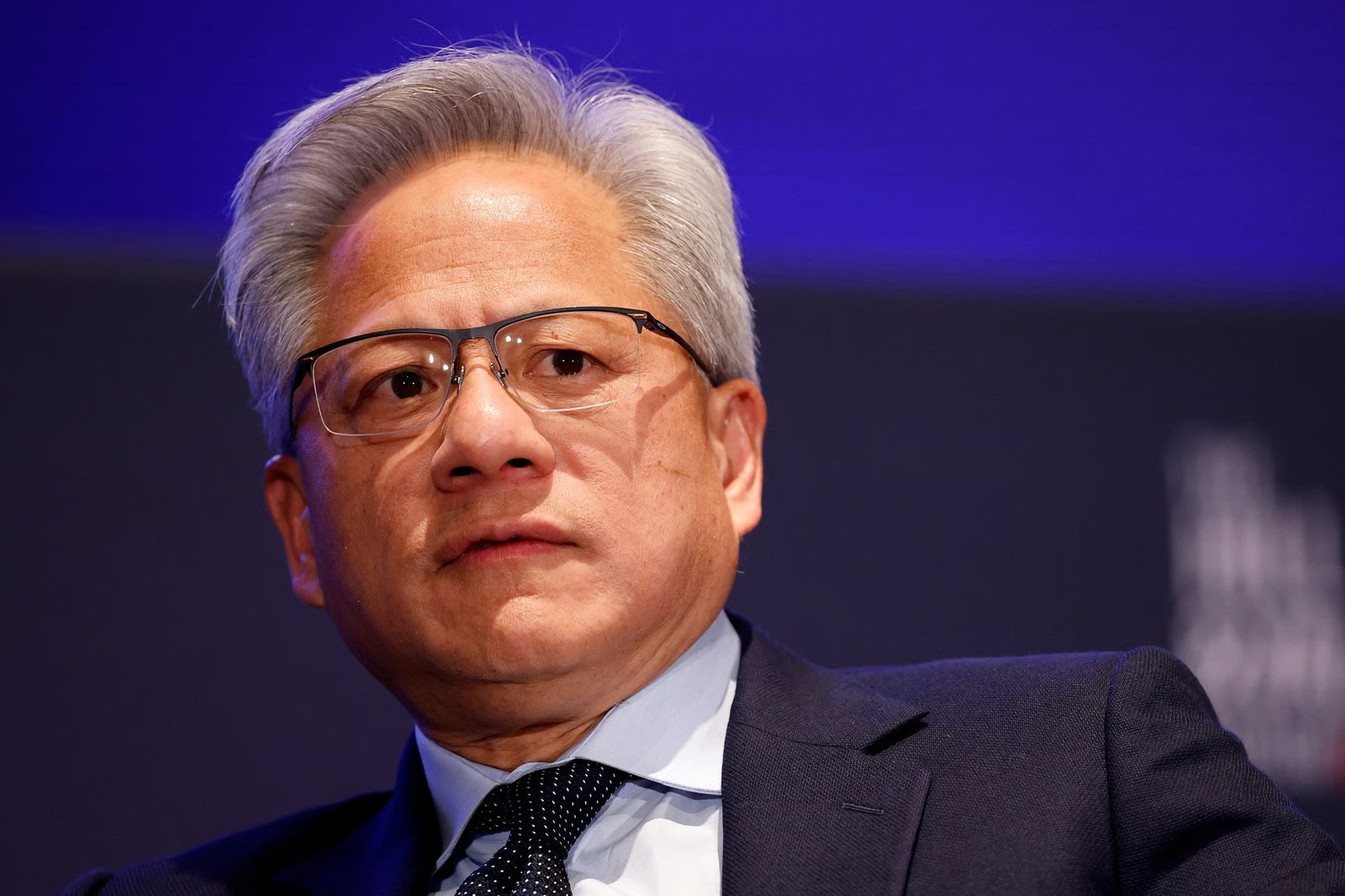
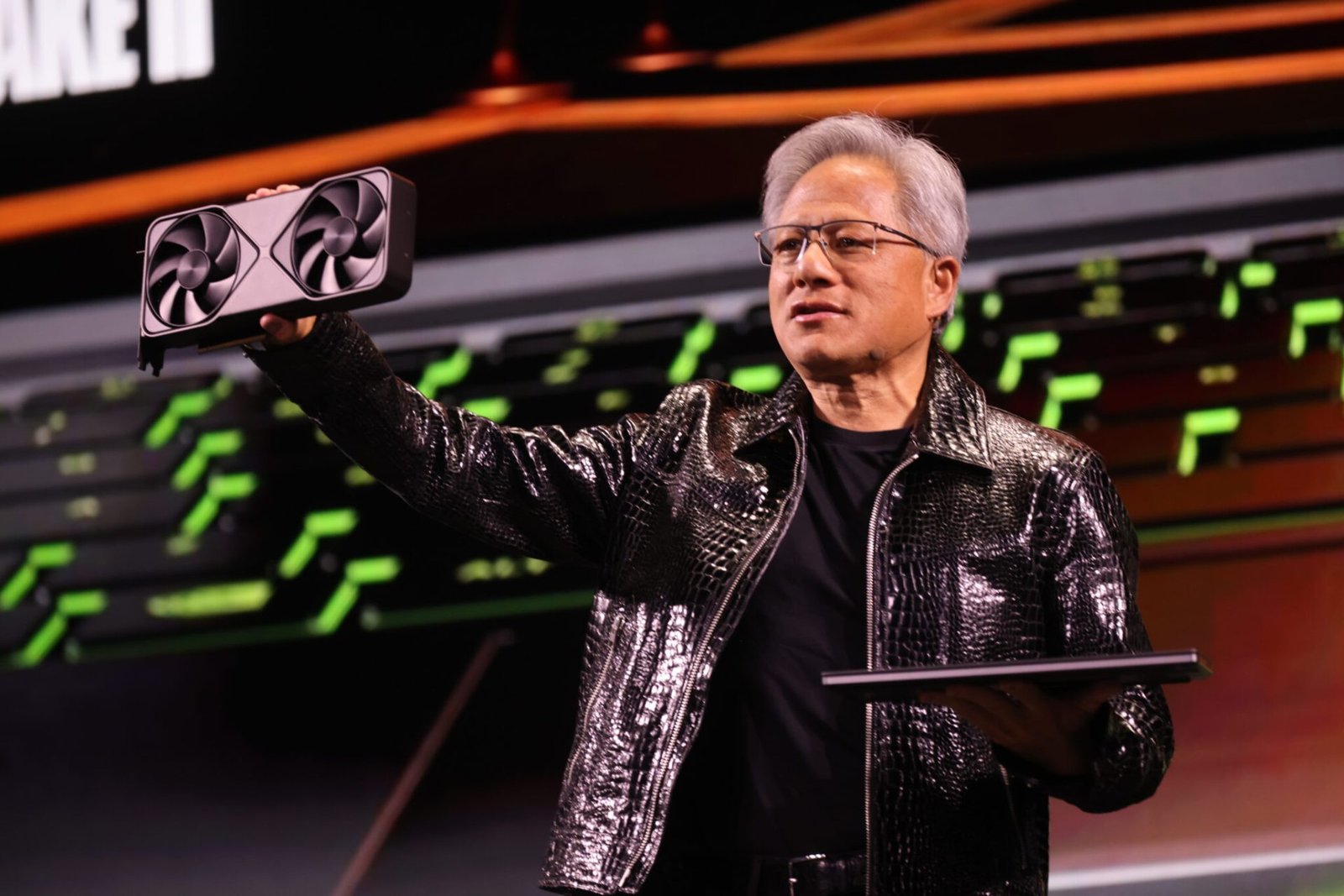
NVIDIA’s CEO has hinted at the unveiling of unprecedented AI chips at the company’s GTC 2026 event, sparking excitement among tech enthusiasts. The company has been at the forefront of the AI technological revolution, driven by its compute portfolio and ability to keep pace with its product cycles. With the recent showcase of its Vera Rubin AI lineup at CES 2026, NVIDIA is poised to push the boundaries of innovation.

The Vera Rubin AI lineup, which includes six newly designed chips such as the Vera CPUs, has been in full production, demonstrating the company’s commitment to advancing AI technology. As the world waits with bated breath for the GTC 2026 event, speculation is rife about the potential unveiling of next-gen Feynman chips, possibly featuring Groq’s LPU integration.

NVIDIA’s dedication to innovation is evident in its ability to balance product cycles and technological advancements, ensuring the company remains a leader in the AI revolution. The integration of Groq’s LPU technology could potentially revolutionise the field of AI, enabling faster and more efficient processing of complex data sets. As the AI landscape continues to evolve, NVIDIA’s role in shaping the future of technology is undeniable.

With the GTC 2026 event just around the corner, the tech community is abuzz with anticipation, eager to witness the unveiling of NVIDIA’s groundbreaking AI chips. As the company prepares to showcase its latest innovations, one thing is certain – the world of AI will never be the same again. The potential impact of these revolutionary chips on various industries, from healthcare to finance, is vast and far-reaching, making the GTC 2026 event a must-watch for anyone interested in the future of technology.

The CEO’s hint at the unveiling of unprecedented AI chips has sparked a flurry of speculation, with many wondering what these chips could entail. Will they feature enhanced processing capabilities, improved power efficiency, or perhaps even a new architecture? The possibilities are endless, and the world will have to wait until the GTC 2026 event to find out. One thing is certain, however – NVIDIA’s commitment to innovation and its role in shaping the future of AI will continue to inspire and drive technological advancements.

As the AI revolution continues to gain momentum, NVIDIA’s position at the forefront of this revolution is undisputed. The company’s ability to innovate and adapt has enabled it to stay ahead of the curve, driving technological advancements that will shape the future of various industries. With the GTC 2026 event fast approaching, the world is poised to witness the next chapter in the AI revolution, and NVIDIA is ready to take centre stage.

The potential applications of NVIDIA’s revolutionary AI chips are vast and varied, from enhancing healthcare outcomes to improving financial forecasting. As the company prepares to unveil its latest innovations, the possibilities are endless, and the world is eager to see what the future holds. With its commitment to innovation and its role in shaping the future of AI, NVIDIA is set to continue making waves in the tech industry.

In conclusion, the GTC 2026 event is set to be a groundbreaking moment in the history of AI, with NVIDIA’s unveiling of revolutionary AI chips poised to stun the world. The company’s dedication to innovation, its ability to balance product cycles, and its commitment to advancing AI technology make it a leader in the field. As the world waits with bated breath for the GTC 2026 event, one thing is certain – the future of AI has never looked brighter.

NVIDIA’s Tactics in the UK: How the AI Giant Secures Supplier Deals

NVIDIA's UK headquarters, a hub for AI innovation and research, with a focus on securing competitive supplier deals and driving growth in the industry, featuring a complex supply chain with key players like Samsung

NVIDIA’s Unconventional Approach to Securing Supplier Deals in the UK

NVIDIA has been at the forefront of securing supplier deals in the UK since the shortages began, but according to recent reports, the AI giant has been employing an interesting tactic to gain pricing leverage. By front-running supplier deals, NVIDIA has been able to negotiate better prices with suppliers like Samsung.

The AI supply chain is a complex and multifaceted industry, involving key players like NVIDIA, AMD, and others. As a buyer-dominated market, the AI industry has seen a significant shift in recent years, particularly in segments like HBM. For NVIDIA and other major manufacturers, securing the best possible deals with suppliers is crucial.

According to BusinessKorea, NVIDIA’s recent audit of a key Samsung facility involved unusual criticism, which is believed to be a tactic to gain pricing leverage. This approach has raised eyebrows in the industry, with some questioning the ethics of such a strategy. However, for NVIDIA, the goal is clear: to secure the best possible deals and maintain its position as a leader in the AI market.

The UK has been a key hub for NVIDIA’s operations, with the company investing heavily in research and development in the region. As the AI industry continues to grow and evolve, it will be interesting to see how NVIDIA’s tactics play out in the UK market. With its strong presence and commitment to innovation, NVIDIA is well-positioned to drive growth and advancement in the AI sector.

NVIDIA’s approach to securing supplier deals is not without its challenges, however. The company must balance its need for competitive pricing with the need to maintain strong relationships with its suppliers. As the AI industry continues to evolve, it will be crucial for NVIDIA to navigate these complex dynamics and find a balance that works for all parties involved.

In conclusion, NVIDIA’s tactics in the UK are a testament to the company’s commitment to innovation and growth. By employing unconventional strategies and investing in research and development, NVIDIA is poised to remain a leader in the AI market for years to come. As the industry continues to grow and evolve, it will be exciting to see how NVIDIA’s approach plays out in the UK and beyond.

NVIDIA’s UK Laptop Chip Launch: Challenging AMD & Intel’s Dominance

NVIDIA's upcoming laptop chips are set to revolutionise the UK laptop market with advanced AI and machine learning capabilities, featuring a powerful GPU and high-speed memory interface, designed to provide unparalleled performance and efficiency for UK consumers

NVIDIA’s Foray into the UK Laptop Market: A New Era for Mobile Computing

NVIDIA is set to release its exclusive laptop chips in the UK, marking a significant entry into a market traditionally dominated by x86 manufacturers like Intel and AMD. This move is expected to upend the long-standing dominance of these firms in the UK laptop market.

The UK tech industry is abuzz with excitement as NVIDIA prepares to launch its laptop chips, designed to provide unparalleled performance and efficiency. With a focus on artificial intelligence and machine learning, these chips are poised to revolutionise the way we use our laptops in the UK.

So, why is NVIDIA, a $4 trillion AI giant, stepping into the UK laptop market? The answer lies in the company’s desire to expand its reach and provide consumers with a unique blend of performance, power efficiency, and innovative features. By doing so, NVIDIA aims to challenge the status quo and offer UK consumers a compelling alternative to traditional x86-based laptops.

As the UK laptop market continues to evolve, NVIDIA’s entry is expected to drive innovation and growth. With its strong focus on AI and machine learning, the company is well-positioned to capitalise on the growing demand for laptops that can handle demanding tasks like video editing, gaming, and data analysis in the UK.

The upcoming NVIDIA laptop chips will feature cutting-edge technology, including advanced GPU architectures and high-speed memory interfaces. These features will enable UK consumers to enjoy seamless performance, whether they’re gaming, streaming, or working on demanding projects.

In conclusion, NVIDIA’s entry into the UK laptop market is a significant development that’s set to challenge the dominance of AMD and Intel. With its innovative approach to laptop design and commitment to AI and machine learning, NVIDIA is poised to make a lasting impact on the UK tech industry.

OnePlus 15 UK arrival: specs, price leaks & what you need to know

OnePlus 15 UK arrival specs, price leaks & what you need to know

What to expect from OnePlus’s next flagship

The OnePlus 15 is shaping up to be one of the most anticipated flagship smartphones heading into its global release window. While the company has not yet issued an official UK launch date, industry analysts and supply chain reports suggest the device is being prepared for an international rollout shortly after its initial debut in the domestic market. With OnePlus maintaining strong visibility in the UK, the arrival of the OnePlus 15 has attracted considerable attention among technology enthusiasts and everyday buyers alike.

Early hardware details circulating from multiple reliable industry sources indicate that the OnePlus 15 is expected to feature the latest Snapdragon 8-series chipset, representing the next step in performance efficiency and thermal management. If confirmed, this would place the device directly in competition with other flagship releases expected during the same quarter, particularly those emphasising AI-driven optimisation and sustained gaming performance.

The display is reported to be a continued point of focus for OnePlus, with suggestions of a high-refresh OLED panel in the region of 6.7 to 6.8 inches. Such a configuration would allow for smooth motion handling, vibrant colours and strong outdoor visibility—features that have defined recent models from the brand. If OnePlus follows its established trend, adaptive refresh rate technology may also be integrated to balance battery efficiency with fast responsiveness.

OnePlus 15 UK arrival specs, price leaks & what you need to know

Photography has increasingly become a central differentiator in flagship smartphones, and the OnePlus 15 appears likely to continue the brand’s collaboration approach with well-known imaging partners. Leaks point towards a revised triple-camera array, including a new periscope telephoto lens intended to improve long-distance clarity. This shift would represent a notable enhancement over previous OnePlus models, aligning the device more closely with premium competitors offering advanced zoom performance.

Battery capacity and charging speed are also areas where OnePlus has historically made bold strides. Reports indicate that the OnePlus 15 may include a larger battery designed for extended endurance under heavy use. Fast wired charging remains a strong possibility, with wireless charging support expected to be retained or improved. These factors would position the device as a reliable daily performer for users who require longevity without frequent recharging interruptions.

From a design perspective, the OnePlus 15 is expected to follow the brand’s minimalist aesthetic language, with potential new material finishes aimed at improving both durability and in-hand comfort. OnePlus has traditionally experimented with textures and coatings to differentiate its models, and early images circulating among supply chain trackers suggest subtle refinements rather than dramatic structural change.

Pricing remains unofficial, though leaks from regional distribution channels indicate that the OnePlus 15 may align closely with the introductory price bracket of the preceding model in the UK market. This suggests that OnePlus could aim to remain competitive against similarly-positioned flagship devices, particularly those from Samsung and Google, which are expected to occupy a similar pricing tier when their next-generation models launch.

Software remains a pivotal element of the OnePlus experience, and the OnePlus 15 is expected to ship with the latest version of Android, layered with an updated iteration of OxygenOS. Recent OxygenOS releases have emphasised stability, cleaner interface elements and enhanced long-term support policies. For UK buyers, extended software support and consistent feature updates are often key considerations when evaluating flagship smartphone value.

As always with pre-launch information, it is important to distinguish between confirmed specifications and details based on manufacturing and supply chain insights. While OnePlus has not publicly confirmed the final hardware configuration, the consistency of the reports emerging across multiple reliable industry sources provides a strong indication of the direction the device is likely to take when it is formally announced.

For prospective buyers in the UK, the OnePlus 15 represents a potentially appealing option for those who prioritise display quality, performance efficiency and fast charging convenience. However, final purchasing decisions will depend on confirmed UK availability, official pricing and the completeness of the feature set when the device is formally introduced. The coming weeks are expected to bring clearer announcements, and the OnePlus 15’s positioning in the competitive flagship landscape will become much easier to assess once the company reveals its full launch details.

OnePlus 15 vs Huawei P60 Pro: international availability & specs compared

OnePlus 15 vs Huawei P60 Pro international availability & specs compared

How both flagships position themselves for global buyers

The OnePlus 15 and Huawei P60 Pro represent two different flagship strategies, particularly when considered from an international availability perspective. While both aim to deliver premium hardware and polished photography features, their global reach, software environments and market support vary in ways that matter for everyday users. Understanding how each device is positioned helps buyers make informed decisions, especially in the UK and Europe where network compatibility and app support play key roles.

The Huawei P60 Pro is already officially available in several European markets, including the UK. It comes equipped with a Snapdragon 8+ Gen 1 chipset in a 4G configuration due to ongoing international restrictions affecting Huawei’s access to 5G modem technologies. The device offers a premium design with curved display edges and a strong focus on camera versatility. However, the continued absence of native Google services remains a core consideration for many users in Western markets.

By contrast, the OnePlus 15 is positioned as a globally-focused flagship with full access to Google’s app ecosystem. The device follows OnePlus’s traditional launch cycle, where the Chinese release is followed by international availability. While final UK-specific details are confirmed at announcement time, OnePlus typically releases global variants with full 5G support and regional network optimisation. This positions the OnePlus 15 as a more straightforward option for users who rely heavily on mainstream app accessibility and Google service integration.

OnePlus 15 vs Huawei P60 Pro international availability & specs compared

In terms of display, the Huawei P60 Pro features a curved OLED panel with adaptive refresh rate technology that delivers smooth motion handling and strong brightness levels. The OnePlus 15 is expected to continue the brand’s commitment to high-refresh-rate screens with a flat or minimally curved panel, offering clear visual output and fast touch response. For users deciding between the two, the choice may come down to whether they prefer a curved aesthetic or a flat display designed for precision and durability.

Camera performance is where both devices take distinct approaches. The P60 Pro uses a variable aperture system in its primary camera to adjust light intake, allowing the device to adapt dynamically to different lighting conditions. This offers a high level of flexibility in both indoor and outdoor environments. The OnePlus 15, meanwhile, is expected to rely on large sensor hardware and enhanced image processing algorithms to deliver balanced clarity, colour tone accuracy and nighttime performance. Both devices aim for premium results, but the route to achieving them differs.

Battery and charging efficiency also reflect differing engineering priorities. The Huawei P60 Pro supports fast wired charging and wireless charging options that are already well-tested in global variants. OnePlus devices traditionally emphasise high wattage wired charging designed to refill the battery rapidly without demanding long downtime. Consumers who value minimal charging interruption may find OnePlus’s approach appealing, while Huawei provides a well-rounded charging profile suited to steady daily use.

When considering software experience, the divergence becomes more pronounced. The Huawei P60 Pro runs EMUI without pre-installed Google Play Services in many markets, requiring alternative app access methods. While workarounds and Huawei’s own app ecosystem continue to expand, some UK users prefer full Google integration for navigation, messaging and cloud syncing. The OnePlus 15 runs OxygenOS on Android, providing a familiar environment with regular security updates and direct compatibility with Google’s app library.

International support and warranty provisions also influence long-term ownership. Huawei maintains service access in the UK for its officially sold devices, but app support adjustments remain part of the ownership experience. OnePlus devices are commonly supported through a broad network of authorised service points and online repair programmes. Buyers who prioritise future-proofing may consider how ongoing software support cycles align with their expected device lifespan.

Connectivity is another point of distinction. The Huawei P60 Pro’s European variant is limited to 4G, which may not affect users in areas where 5G coverage remains inconsistent but will matter for those who expect to take advantage of growing high-speed network availability. The OnePlus 15 is anticipated to include full 5G radio support across international variants, maintaining alignment with future network expansion in major UK cities and regional centres.

In summary, the OnePlus 15 and Huawei P60 Pro each offer strong flagship capabilities but differ in execution and market practicality. The Huawei P60 Pro delivers sophisticated camera hardware and premium build quality, yet the absence of Google services and limited 5G support may require adjustment for some users. The OnePlus 15 offers a more traditionally global-ready package, emphasising software familiarity, network compatibility and a streamlined interface. For buyers in the UK, the decision will likely rest on whether camera versatility or ecosystem integration holds greater personal value.

Also Read:  Redmi K90 Pro Max after-sales support in UK: warranty, service and software updates