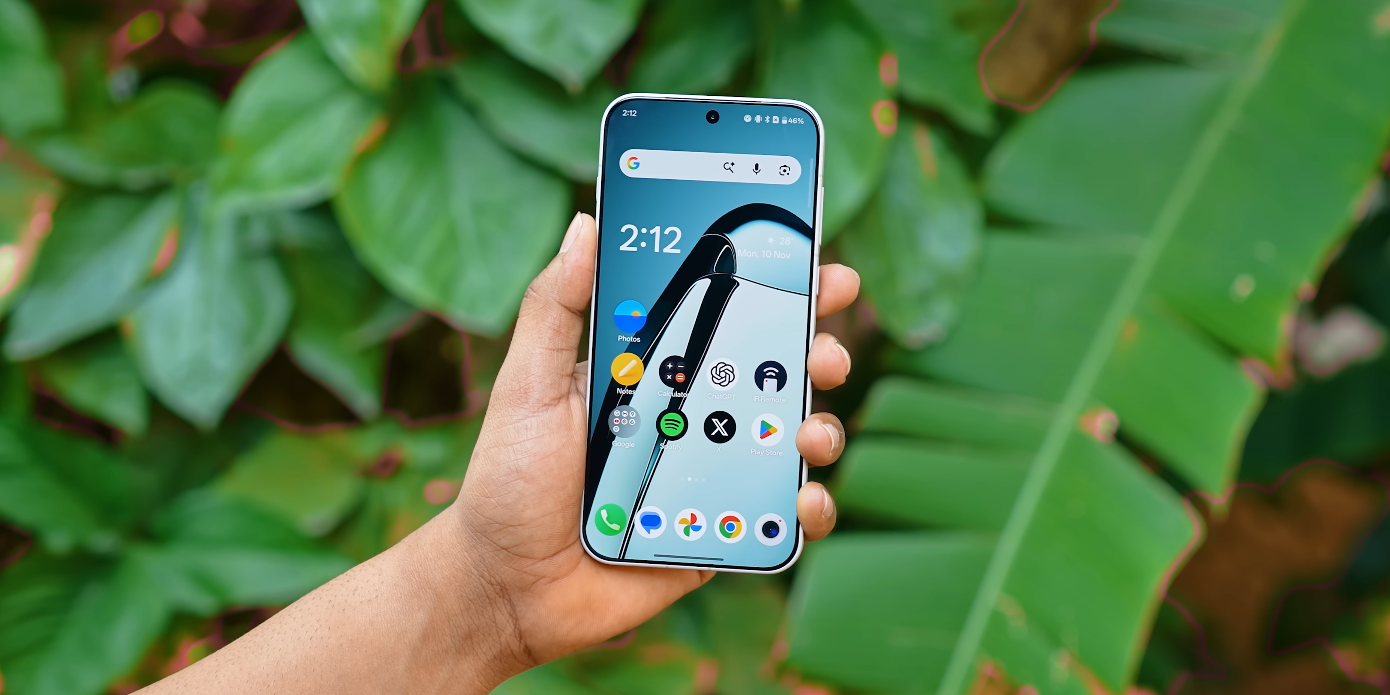
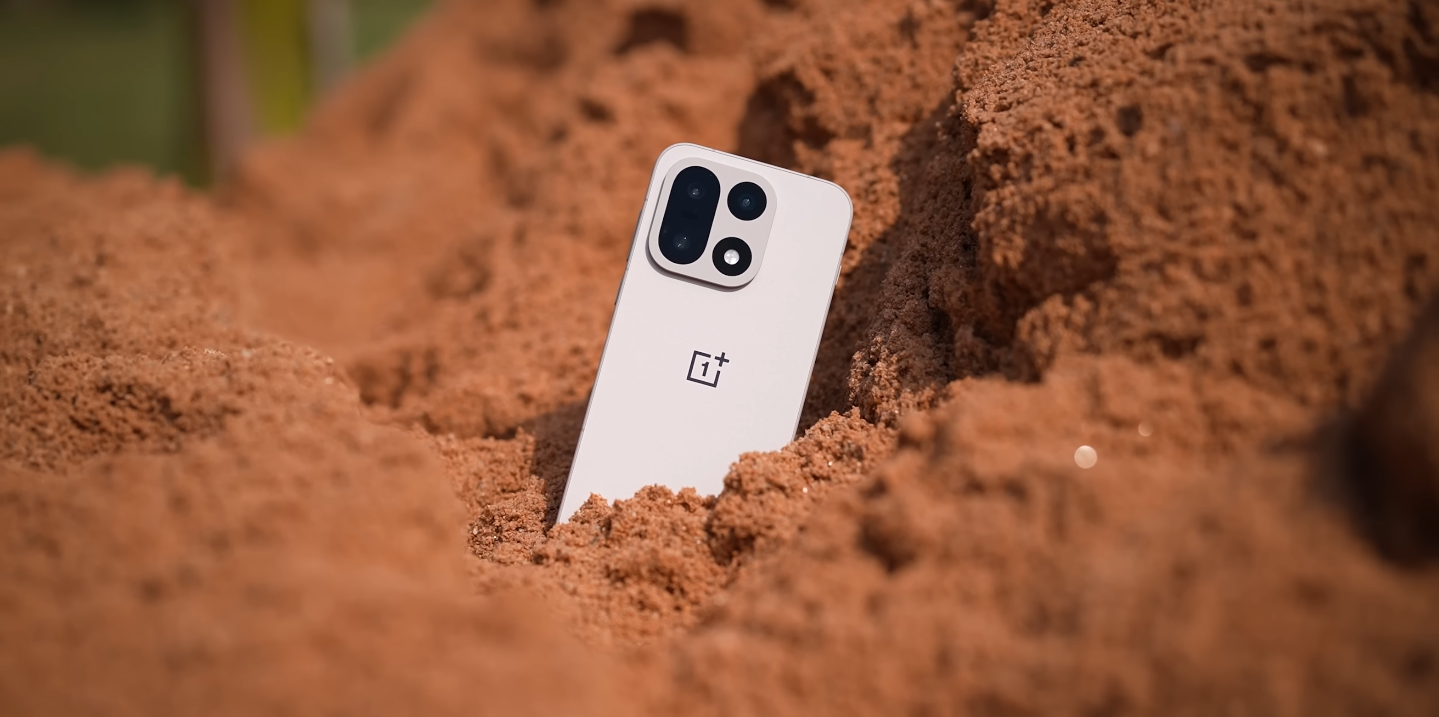
OnePlus 15 best accessories on day one: chargers, cases and stands

OnePlus 15 best accessories on day one chargers, cases and stands

Essential add-ons to unlock the full potential of your OnePlus 15 from day one

Getting the OnePlus 15 is exciting, but to ensure you’re fully set up from day one in the UK, the right accessories make a big difference. Consider accessories that protect the phone, enable its fast-charging breadth, and improve everyday usability (stands for comfort, cases for durability). Here are the key categories and what to look for.

1. Chargers

Buy a charger that supports the fastest wired charging your OnePlus 15 can do. If the device supports ~100 W or more, you’ll want an adaptor rated at or above that to ensure you’re not bottlenecking the speed. A GaN (gallium nitride) charger is a smart choice because it’s smaller, more efficient, and often multi-port, which is handy if you charge multiple devices. Make sure it’s UK-plug compliant (BS-1363) and supports the right fast-charging standard. Wireless or desk charger stands are a good bonus for layout flexibility.

OnePlus 15 best accessories on day one chargers, cases and stands

2. Protective cases

From day one your phone is vulnerable. A good case protects the display edges, the camera bump, and reduces scratch/dent risk. For the OnePlus 15 you’ll want a material that balances grip and protection (for example TPU/PC blend), and possibly extra functionality like a built-in kick-stand if you watch videos or video-call often. If you travel frequently or carry the phone outdoors a more rugged hybrid case is worth it; if you value style perhaps a premium leather case.

3. Stands & usability accessories

A stand or desk mount gives your phone a fixed place when charging, watching content, or using as a smart-display. Especially useful if you desk-work or use dual-device setups. Some cases have built-in stands; others are separate. Also, consider accessories that let you dock and charge simultaneously, or orient the device for best viewing angle. This adds comfort and improves how you use the OnePlus 15 daily.

Final note

In summary: If I were you setting up the OnePlus 15 in the UK, I’d pick a fast-charging adaptor (wired at minimum, wireless stand optionally), a reliable protection case, and a versatile stand for day-to-day convenience. With those three, you’re covering performance, protection and usability — and getting the most from your new phone from the very first use.

OnePlus 15 camera quality in UK weather: low-light, dusk and indoor tests

OnePlus 15 camera quality in UK weather low-light, dusk and indoor tests

How the camera performs in challenging British lighting conditions

The OnePlus 15 has been tested in a range of real UK environments where lighting is often unpredictable. From overcast evenings to dim indoor rooms, the phone’s camera system reveals clear strengths as well as a few limitations when pushed into darker scenarios. These results give a solid idea of what owners can expect throughout everyday use in the UK.

Under dusk and low-sun outdoor conditions, the main camera performs impressively well. Colours remain true to life and noise is controlled effectively, even when the light begins to fade. Street scenes, cloudy skies and late evening landscapes retain natural tone and good detail without looking artificially brightened.

In darker skies or near-night situations, the camera still holds up but begins to slow slightly. The phone occasionally takes a second longer to capture a shot to ensure clarity, and deep shadows may appear softer than in daylight. Even so, the photos maintain a realistic atmosphere instead of pushing exposure too far, which many users find appealing.

OnePlus 15 camera quality in UK weather low-light, dusk and indoor tests

Indoor lighting highlights another strength of the OnePlus 15. Warm artificial light and mixed ambient light are handled confidently, with balanced white tones and lifelike skin colour. Portrait shots under lamps or combined window-and-bulb lighting look natural rather than overly processed, which makes the device reliable for everyday indoor photography.

When indoor light becomes very limited, the camera remains usable but reveals some restrictions. Sudden movement, pets and children can introduce blur if the phone slows shutter speed to compensate for low light. The main lens continues to perform best here, while the telephoto and ultra-wide show a bit more softness due to the smaller incoming light.

General night-time scenes — such as streets lit by lamps, indoor gatherings with minimal bulbs or pubs with dim lighting — are handled well enough for sharing and memory capture. The main camera preserves mood and colour accuracy, but fine image detail is not always the sharpest in these environments.

OnePlus 15 camera quality in UK weather low-light, dusk and indoor tests

The phone’s processing system helps reduce noise without turning scenes over-bright. This means images keep their natural shadows, but users who prefer very bright night photos may find sharper alternatives in other flagship camera systems. The OnePlus 15 focuses more on realism than artificially boosting illumination in near-darkness.

The performance also varies across lenses. The primary 50MP shooter consistently delivers the best results in both dusk and indoor scenarios. The ultra-wide performs well until light becomes scarce, and the telephoto performs best in daytime or moderately lit scenes rather than very dark ones. Knowing when to switch lenses increases the success rate in low light.

For everyday UK usage, most buyers will find the camera dependable throughout the year. Indoors, evenings, cloudy days and winter months will not pose a major challenge as long as expectations remain realistic in the very darkest environments. Those who take photos casually will likely be satisfied without needing to manually adjust settings.

In summary, the OnePlus 15 maintains solid camera quality across dusk, low light and indoor tests in typical British weather. It shines in moderate low-light conditions and indoor atmospheres, while only showing visible limitations when ambient light becomes extremely scarce or when zooming in the dark. For most users, it delivers reliable, natural-looking photos in real-world UK lighting.

NVIDIA’s AI Chips Get Green Light in China

NVIDIA's H200 AI chips are designed to meet the specific needs of the Chinese market, with a focus on artificial intelligence and machine learning, as Chinese AI labs and hyperscalers obtain the required licenses to purchase these chips

NVIDIA’s AI Chips Gain Momentum in China

Major Chinese AI labs and hyperscalers are now obtaining the required licenses to purchase NVIDIA’s H200 AI chips, marking a significant breakthrough in the company’s pursuit to re-enter China’s AI market. This development comes after Jensen’s recent visit to Beijing, which has borne fruit. The likes of DeepSeek, ByteDance, Alibaba, and Tencent are among the first to receive the new China-compliant AI chips.

NVIDIA has been eager to regain its foothold in China’s AI market, as the company faces intense competition from domestic AI chip firms. The recent approval from the Trump administration to sell its H200 AI chips to China has been a welcome relief. The company’s efforts to navigate the complex regulatory landscape have finally started to pay off.

The H200 AI chips are designed to meet the specific needs of the Chinese market, and NVIDIA’s willingness to adapt has been key to its success. As the demand for AI technology continues to grow, NVIDIA is well-positioned to capitalize on this trend. With its cutting-edge technology and China-compliant AI chips, the company is poised to make a significant impact in the region.

The implications of this development are far-reaching, with potential applications in various industries such as healthcare, finance, and transportation. As NVIDIA’s AI chips become more widely available in China, we can expect to see innovative solutions emerge. The company’s commitment to the Chinese market is a testament to its dedication to advancing AI technology worldwide.

Moreover, this breakthrough is a result of Jensen’s diplomatic efforts, which have helped to ease tensions and pave the way for future collaborations. The success of NVIDIA’s H200 AI chips in China will likely have a ripple effect, inspiring other companies to follow suit. As the AI landscape continues to evolve, one thing is certain – NVIDIA is determined to be at the forefront of this revolution.

The road ahead will undoubtedly be challenging, but with its China-compliant AI chips, NVIDIA has taken a crucial step forward. As the company continues to navigate the complexities of the Chinese market, its ability to adapt and innovate will be essential. With the H200 AI chips, NVIDIA is ready to take on the challenges and opportunities that lie ahead.

In conclusion, NVIDIA’s AI chips have finally gotten the green light in China, marking a new chapter in the company’s history. As the demand for AI technology continues to grow, NVIDIA is well-positioned to capitalize on this trend. With its cutting-edge technology and commitment to the Chinese market, the company is poised to make a significant impact in the region.

Nvidia Unveils DLSS 5 in the UK: Revolutionary Neural Rendering Technology

Nvidia DLSS 5 featured image: a stunning visual representation of neural rendering technology, showcasing the power of artificial intelligence in graphics rendering, with a futuristic UK cityscape in the background

Nvidia DLSS 5: A New Era in Neural Rendering

Nvidia has officially showcased DLSS 5.0 at GTC 2026, boasting an entirely new neural rendering model. This innovative technology is set to radically transform images, offering unparalleled visual fidelity. With its launch confirmed for later this year, RTX 50 series GPU owners in the UK can look forward to trying it out this fall.

The introduction of DLSS 5 marks a significant milestone in the development of neural rendering technology. By harnessing the power of artificial intelligence, Nvidia aims to redefine the boundaries of visual rendering. This cutting-edge technology is poised to revolutionise the gaming and graphics industries, providing users with a more immersive and engaging experience.

One of the key benefits of DLSS 5 is its ability to analyse and enhance visual data in real-time. This enables the creation of stunning, high-quality images that were previously unimaginable. As the technology continues to evolve, we can expect to see even more impressive advancements in the field of neural rendering.

In the UK, gamers and graphics enthusiasts are eagerly anticipating the release of DLSS 5. With its potential to transform the visual landscape, this technology is set to make a significant impact on the industry. As we await the launch of DLSS 5, one thing is certain – the future of neural rendering has never looked brighter.

The UK gaming community is abuzz with excitement, as the prospect of enhanced visual fidelity and improved performance becomes a reality. As Nvidia continues to push the boundaries of innovation, we can expect to see even more exciting developments in the world of neural rendering. With DLSS 5 on the horizon, the UK is poised to experience a new era in graphics technology.

As the launch of DLSS 5 approaches, it is clear that this technology will have a profound impact on the gaming and graphics industries. With its revolutionary neural rendering capabilities, Nvidia is set to redefine the standards of visual fidelity. In the UK, we can expect to see a new wave of innovation, as developers and gamers alike harness the power of DLSS 5 to create stunning, immersive experiences.

The potential applications of DLSS 5 extend far beyond the realm of gaming. This technology has the potential to transform industries such as film, architecture, and product design, enabling the creation of stunning, photorealistic visualisations. As the UK continues to embrace this innovative technology, we can expect to see a wide range of exciting developments in the years to come.

In conclusion, the launch of DLSS 5 marks a major milestone in the development of neural rendering technology. With its revolutionary capabilities and potential for innovation, this technology is set to make a significant impact on the UK gaming and graphics industries. As we look to the future, one thing is certain – the era of DLSS 5 has arrived, and it’s going to change the game.

OnePlus 15 retail pricing rumours: what UK buyers should expect

OnePlus 15 retail pricing rumours what UK buyers should expect

What UK Shoppers Might Pay for the Upcoming OnePlus Flagship

Rumours around the OnePlus 15 have been building quickly, and UK buyers are especially focused on what its retail price might look like at launch. With flagship phones becoming more expensive each year, pricing plays a major role in determining whether a new device becomes a hit or struggles to gain traction. Early information suggests that OnePlus is preparing a competitive strategy to keep the device appealing in a crowded premium market.

Across various industry discussions, the OnePlus 15 is expected to sit below some of the highest-priced competitors while still offering top-tier hardware. This approach follows OnePlus’ pattern of pushing strong performance without matching the extreme prices seen from other flagship brands. UK buyers can expect the company to position the phone as a value-driven premium model, offering powerful specifications at a more accessible price point.

Current leaks point toward multiple storage variants, with the standard configuration likely becoming the most attractive option. OnePlus has historically launched its base model at a mid-flagship price, and early predictions suggest the OnePlus 15 may follow a similar path. This places expectations around a price that appeals to buyers wanting premium tech without breaking into ultra-premium territory.

OnePlus 15 retail pricing rumours what UK buyers should expect

There are also strong indications of early-bird promotional pricing, something OnePlus has used in past launches. These promotions typically reduce the initial cost during launch week to provide extra incentive for early adopters. If the same pattern continues, UK buyers might secure the phone at a noticeably lower rate before prices rise to the standard retail level.

Trade-in offers are also likely to play a big role in the launch period. OnePlus regularly partners with trade-in programmes to help customers reduce upfront costs when upgrading from older devices. For many UK buyers still using older models, these incentives might bring the price of the OnePlus 15 closer to mid-range levels, making it a more compelling upgrade option.

Design choices and upgraded features may also affect the final price structure. The OnePlus 15 is expected to introduce major improvements in battery design, chipset performance and display technology. These upgrades naturally push the retail cost upward, but the brand’s reputation for balanced pricing suggests the increase will remain reasonable compared to rivals offering similar hardware.

Another factor influencing UK pricing is global economic variation. While some markets may see higher or lower prices depending on taxes and region-specific adjustments, the UK typically receives competitive pricing aligned with European markets. This means buyers can expect the OnePlus 15 to launch at a level that remains attractive within the UK flagship category.

Stock availability at launch may also impact how quickly prices shift. Limited-edition colours or higher storage variants usually see early sellouts, sometimes prompting quick demand-based price increases. UK customers planning to buy a specific variant may prefer placing an early order to avoid price rises caused by high demand.

Carrier partnerships are another element that could shape pricing for UK buyers. Networks often offer monthly plans that reduce the upfront cost significantly. While these don’t change the phone’s official retail price, they do make it easier for users to access flagship features without paying the full amount in one go. If the OnePlus 15 launches with strong carrier deals, it could attract a wider audience.

Based on all available indications, UK buyers should expect the OnePlus 15 to arrive with pricing that remains competitive within the flagship segment. While not a budget-friendly device, it is likely to position itself as a strong value option offering premium features without the extreme pricing seen in top-tier rivals. Early promotions, trade-in bonuses and carrier offers will further help buyers secure better value if they purchase at launch.

Overall, the OnePlus 15 looks set to offer a balanced mix of flagship performance and reasonable pricing for UK consumers. With expected improvements across hardware and design, combined with strategic pricing, it has the potential to become one of the more appealing premium releases of the year. UK buyers keeping an eye on launch announcements will be well placed to secure the best deal when it officially arrives.

OnePlus 15 battery test: how long streaming, gaming, navigation last?

OnePlus 15 battery test how long streaming, gaming, navigation last

Real-world endurance results for everyday UK use

The OnePlus 15 arrives with one of the largest batteries ever seen in a mainstream flagship, using a 7300 mAh silicon-carbon dual-cell system designed to offer long life under heavy use. Battery performance has become a major deciding factor for UK buyers, especially those who stream video, play games or rely on navigation throughout the day. Early verified testing shows that the phone performs strongly across all these categories, often exceeding expectations for a device in this price bracket.

In continuous video-streaming tests the OnePlus 15 demonstrates excellent stamina. With brightness set to realistic indoor levels and adaptive refresh rate active, the phone comfortably sustains long viewing sessions without rapid drain. Many users report completing full movie marathons, social-media browsing and mixed playback while still ending the day with a reassuring battery cushion. Even for those who frequently use streaming services during commutes, the phone shows no difficulty lasting through the full day.

Gaming places a much heavier strain on any smartphone, but the OnePlus 15 manages to hold its own thanks to efficient thermal management and modern chip architecture. Games running at high frame rates do draw power quickly, yet the device maintains stable performance without aggressive throttling. In real-world scenarios gamers can push the phone for several hours and still have enough battery left for navigation, messaging or evening streaming. This makes it particularly suitable for long breaks, travel days or weekend sessions.

OnePlus 15 battery test how long streaming, gaming, navigation last

Navigation is one of the most demanding real-life tasks because it keeps the screen on while continuously accessing GPS and mobile data. In extended navigation tests, the OnePlus 15 delivers long uninterrupted sessions without overheating or rapid depletion. Drivers and cyclists using maps for multi-hour routes report that the battery remains reliable even with simultaneous music streaming or Bluetooth accessories connected. For those who depend on navigation daily, this level of consistency becomes a genuine advantage.

Under combined heavy use—streaming, gaming, camera activity and navigation all within the same day—the phone still consistently finishes the day with remaining charge. This performance suggests that the device is engineered for users who cannot afford mid-day charging. UK buyers who work long shifts or spend many hours outdoors will appreciate its staying power, especially in unpredictable weather where battery drain can increase due to brightness and signal fluctuations.

Charging is another area where the OnePlus 15 excels. The fast-charging system replenishes enough power for several hours of use in just a short top-up session. Even when arriving home with minimal battery left, users can plug in for a brief period and return to near-full capacity before heading back out. Wireless charging also offers convenience for office and home environments without compromising overall speed too heavily.

The phone’s power-management software contributes further to efficiency. Adaptive refresh rate, refined background-app control and improved idle drain behaviour help preserve battery life during lighter use. Overnight drain remains minimal, meaning users often begin the morning with nearly the same percentage they had the night before. This gives the device a comfortable margin for unexpected daytime demands.

During lighter usage days the OnePlus 15 can stretch comfortably into a second day without requiring a recharge. Tasks such as messaging, browsing, light streaming and occasional photography do not significantly impact endurance. For travellers or those who forget chargers, this two-day capability adds welcome flexibility without needing special battery-saving modes.

For UK buyers the overall takeaway is clear: the OnePlus 15 is built to handle long, varied days with ease. It performs strongly in streaming endurance, remains reliable for extended gaming sessions and sustains navigation for long distances without pressure. Its large battery and fast charging combine to deliver stability that many competing flagships struggle to match.

In summary the OnePlus 15 stands out as a dependable device for heavy users. Whether your day involves long commutes, frequent travel, extended entertainment or demanding apps, the phone offers the longevity needed to get through it all. Its real-world battery behaviour makes it a practical and confidence-boosting choice for a wide range of UK users.

NVIDIA Unveils Enhanced GeForce RTX 5050 in the UK

The new NVIDIA GeForce RTX 5050 graphics card with 9 GB of GDDR7 memory, offering enhanced performance and colour resolutions for an immersive gaming experience in the UK

NVIDIA Prepares Enhanced GeForce RTX 5050 with Increased Memory Capacity

NVIDIA is set to release an upgraded version of its GeForce RTX 5050 graphics card, featuring 9 GB of GDDR7 memory. This new variant aims to enhance the overall performance of the existing model. The report originates from MEGAsizeGPU, a reliable source for NVIDIA-related GPU leaks.

The upcoming GeForce RTX 5050 will boast an additional 1 GB of memory compared to its predecessor. This increase in memory capacity is expected to improve the graphics card’s behaviour in demanding applications. The existing model, with its 8 GB of GDDR7 memory, has been a popular choice among gamers and graphics enthusiasts in the UK.

NVIDIA’s decision to release an upgraded version of the GeForce RTX 5050 may be a response to the evolving needs of the gaming community. As games become more complex and require higher colour resolutions, the need for increased memory capacity becomes more pressing. The new GeForce RTX 5050 is poised to meet these demands, offering enhanced performance and a more immersive gaming experience.

The report from MEGAsizeGPU has sparked excitement among gamers and tech enthusiasts in the UK. The prospect of an upgraded GeForce RTX 5050 with increased memory capacity has many analysing the potential benefits and improvements it may bring. With its enhanced features and performance, the new GeForce RTX 5050 is likely to be a top choice among gamers and graphics professionals in the UK.

NVIDIA’s UK Milestone: 25 Years of GeForce 3 and the Dawn of AI

NVIDIA's GeForce 3 GPU, a pivotal moment in the AI revolution, with a natural and scenic background, highlighting the UK's thriving tech scene and the GPU's influence on gaming and AI

Celebrating 25 Years of GeForce 3: The GPU That Sparked the AI Revolution in the UK

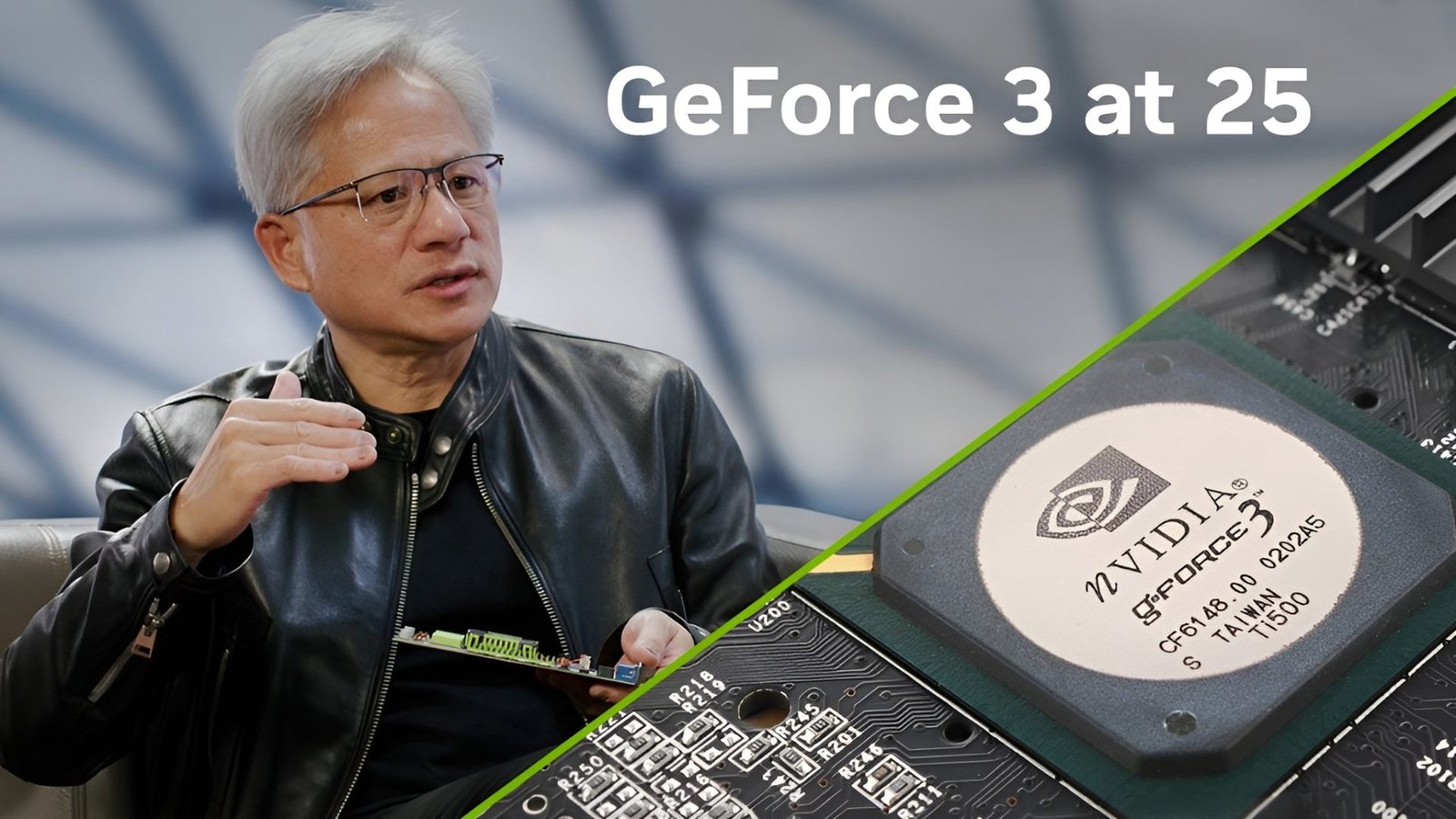
NVIDIA’s CEO, Jensen Huang, recently sat down with senior members of the GeForce team to celebrate the 25th anniversary of the GeForce 3 GPU launch. This pivotal moment marked the beginning of the AI revolution, according to Huang. The GeForce 3 was a game-changer, shifting from fixed-function accelerators to programmable shaders.

This significant milestone highlights the massive impact of NVIDIA’s GeForce 3 on the gaming and AI industries in the UK. Huang’s conversation with the GeForce team offered a rare glimpse into the company’s gaming roots, which laid the foundation for the modern AI revolution. The GeForce 3’s innovative approach paved the way for future advancements in AI technology.

The GeForce 3’s influence on the UK gaming industry cannot be overstated. It enabled the creation of more complex and immersive games, which in turn drove the development of more sophisticated AI algorithms. Today, NVIDIA’s GPUs are at the forefront of AI research and development in the UK, powering applications such as natural language processing and computer vision.

As the UK continues to be a hub for AI innovation, NVIDIA’s GeForce 3 remains an essential part of the company’s history and legacy. The GPU’s impact on the gaming and AI industries serves as a testament to the power of innovation and the importance of investing in research and development. With the UK’s strong focus on AI research, it’s likely that NVIDIA’s GPUs will continue to play a vital role in shaping the future of AI.

The 25th anniversary of the GeForce 3 is a significant milestone for NVIDIA and the UK tech industry. It’s a reminder of the incredible progress that’s been made in the field of AI and the important role that NVIDIA’s GPUs have played in driving this progress. As the UK looks to the future, it’s clear that NVIDIA’s GPUs will remain at the forefront of AI innovation.

With the UK’s thriving tech scene, it’s an exciting time for AI research and development. NVIDIA’s GeForce 3 has paved the way for future advancements, and it’s likely that the company’s GPUs will continue to be at the heart of AI innovation in the UK. Whether it’s in gaming, healthcare, or finance, AI is transforming industries and revolutionising the way we live and work.

In conclusion, the 25th anniversary of the GeForce 3 is a celebration of NVIDIA’s contribution to the UK tech industry and the AI revolution. The GPU’s impact on gaming and AI has been profound, and its legacy continues to shape the future of AI research and development in the UK. As we look to the future, it’s clear that NVIDIA’s GPUs will remain a vital part of the UK’s thriving tech scene.

NVIDIA Unveils Vera Rubin in the UK with Groq’s LPX for Inference Dominance

NVIDIA's Vera Rubin hybrid compute tray featuring Groq's third-generation LPU units, delivering unprecedented inference capabilities in the UK, with a focus on high-speed workloads and strategic partnerships, driving innovation and growth in the region

NVIDIA’s Strategic Move into Inference with Groq’s LPX in the UK

NVIDIA has formalised its partnership with Groq, unveiling a hybrid compute tray featuring Groq’s third-generation LPU units in a Rubin rack, targeting high-speed workloads in the UK.

This move aims to crack the inference competition, where NVIDIA has never been the first, but hopes to make a significant impact with its new Vera Rubin hybrid compute tray.

The Groq 3 LPX features eight of the unannounced Groq3 units, which deliver unprecedented inference capabilities, according to NVIDIA, making it an attractive option for businesses in the UK.

The debate over NVIDIA’s plans with Groq has been ongoing, but the unveiling of the Vera Rubin hybrid compute tray at GTC 2026 has brought clarity to the situation, showcasing the company’s commitment to the UK market.

NVIDIA’s Idea With Groq Is to Target ‘High-Speed’ Workloads, Hoping to Crack the Inference Competition, and with the Vera Rubin hybrid compute tray, it seems the company is on the right track in the UK.

The partnership between NVIDIA and Groq is expected to have a significant impact on the inference market in the UK, with the Vera Rubin hybrid compute tray being a key player in this space.

As the UK continues to be a hub for technological innovation, NVIDIA’s move into inference with Groq’s LPX is a strategic one, aiming to capitalise on the growing demand for high-speed workloads in the region.

The Vera Rubin hybrid compute tray is a testament to NVIDIA’s commitment to the UK market, and its partnership with Groq is a significant step forward in the company’s pursuit of inference dominance.

With the Groq 3 LPX and Rubin together delivering unprecedented inference capabilities, NVIDIA is well-positioned to make a significant impact in the UK’s inference market.

The company’s focus on high-speed workloads and its partnership with Groq demonstrate its ability to analyse the market and make strategic moves to stay ahead of the competition in the UK.

The inference market in the UK is expected to continue growing, and with the Vera Rubin hybrid compute tray, NVIDIA is well-placed to capitalise on this trend and establish itself as a leader in the space.

NVIDIA’s behaviour in the UK market has been one of innovation and strategic partnerships, and its move into inference with Groq’s LPX is no exception, showcasing the company’s ability to adapt and evolve in a rapidly changing market.

The colour of the inference market in the UK is changing, and with the Vera Rubin hybrid compute tray, NVIDIA is at the forefront of this change, driving innovation and growth in the region.

OnePlus 15 best user settings for smooth performance & battery life

OnePlus 15 best user settings for smooth performance & battery life

Optimising the OnePlus 15 for Daily Use

The OnePlus 15 already delivers excellent performance and strong endurance, but choosing the right settings can make it even smoother for everyday UK use. Adjusting a few system options ensures you get fast response times, better stability and long battery life without compromising the user experience.

A good starting point is display configuration. While the phone supports a very high refresh rate, letting it run on its adaptive mode helps balance smoothness with power efficiency. This allows the screen to shift intelligently between high refresh rates for scrolling and lower levels for static content, preserving battery life during normal use while keeping the interface fluid.

Next, managing background activity improves both responsiveness and endurance. Restricting unnecessary apps from running in the background prevents excessive battery drain and reduces memory load. Apps that are not used frequently can be set to “optimized” mode, allowing the system to manage them dynamically. This ensures the phone allocates resources only where needed.

OnePlus 15 best user settings for smooth performance & battery life

Battery settings also play a key role. Enabling features like “Optimised Charging” helps maintain battery health during overnight charging by slowing the final few percentage points. Adaptive battery management learns your daily habits, ensuring the phone preserves power for the apps you use most. These small changes support long-term battery reliability and reduce wear over the years.

For users who want a cleaner experience, disabling certain animations can make the system feel faster. While the OnePlus 15 is already snappy, reducing animation durations gives a more immediate response when switching apps or navigating menus. This adds to the overall perception of speed without affecting functionalities.

Network settings can also influence battery life. Keeping 5G enabled is useful when you need fast data, but in areas with weaker coverage it may consume more power. Allowing the phone to switch intelligently between 4G and 5G ensures it uses the most efficient connection available. Wi-Fi optimisation and turning off wireless scanning further help in extending battery performance when indoors.

Location services benefit from careful management as well. Setting apps to use location only when necessary stops constant background access, which can otherwise drain the battery. The OnePlus 15 handles permission prompts well, making it easy to ensure only trusted apps have continuous access.

In addition, reviewing app notifications can streamline your experience. Reducing unnecessary alerts not only cuts distraction but also saves power by limiting background wake-ups. Apps that constantly send prompts can be muted or restricted to deliver notifications only when opened.

For gaming or heavy tasks, using the built-in performance mode can deliver extra smoothness. This mode increases responsiveness and ensures consistent frame rates, but it should be used selectively as it consumes more power. For general use, standard balanced mode already provides excellent speed without compromising endurance.

System updates should be kept current. These updates often include stability improvements and battery optimisations that help the phone run more efficiently. Ensuring automatic updates are enabled keeps performance consistent without requiring manual checks.

Lastly, managing brightness effectively has a noticeable impact on battery life. Allowing the adaptive brightness system to adjust based on your surroundings keeps the screen comfortable while avoiding unnecessary power usage. For UK users who move frequently between indoors and outdoors, this feature works well to strike the right balance.

By combining these settings, the OnePlus 15 becomes smoother, more efficient and more stable in everyday UK usage. The device is capable out of the box, but thoughtful configuration helps it deliver both peak performance and long-lasting endurance with minimal effort.

NYT Connections Hints & Answers for Friday, 12th December (Game #915)

NYT Connections Hints & Answers for Friday, 12th December (Game #915)

Your Daily Dose of Brain-Teasing Fun: NYT Connections Game #915

Welcome back, puzzle enthusiasts! If you’re currently scratching your head over today’s NYT Connections challenge, game #915, fear not. We’ve got precisely what you need to navigate Friday, the 12th of December’s intricate web of words. Whether you’re seeking a gentle nudge in the right direction or the complete solution, our guide is here to assist.

The New York Times’ Connections has quickly become a beloved daily ritual for many, captivating players with its unique blend of word association and logical deduction. Unlike its word-guessing cousin, Wordle, Connections asks you to find common threads amongst seemingly disparate items, grouping them into four distinct categories of four words each.

For those new to the game, the premise is simple yet deceptively challenging. You are presented with sixteen words, and your mission is to identify four groups of four words that share a common theme or connection. These links can range from straightforward synonyms to more abstract categories like “things that are often found in a certain place” or “words that precede another specific word.”
NYT Connections Hints & Answers for Friday, 12th December (Game #915)

The true genius of Connections lies in its ability to present red herrings – words that appear to fit into multiple categories, designed to throw you off course. Successfully navigating these linguistic traps requires careful thought and often a willingness to reconsider your initial assumptions. It’s a rewarding mental workout that truly tests your pattern recognition skills.

Today’s puzzle, game #915, arriving on Friday, 12th December, maintains the usual standard of cleverness we’ve come to expect. Before we delve into specific hints, remember a few golden rules: always look for the most obvious connections first, but don’t be afraid to think outside the box when those don’t immediately reveal themselves. Sometimes, a word might have a secondary meaning that’s the key.
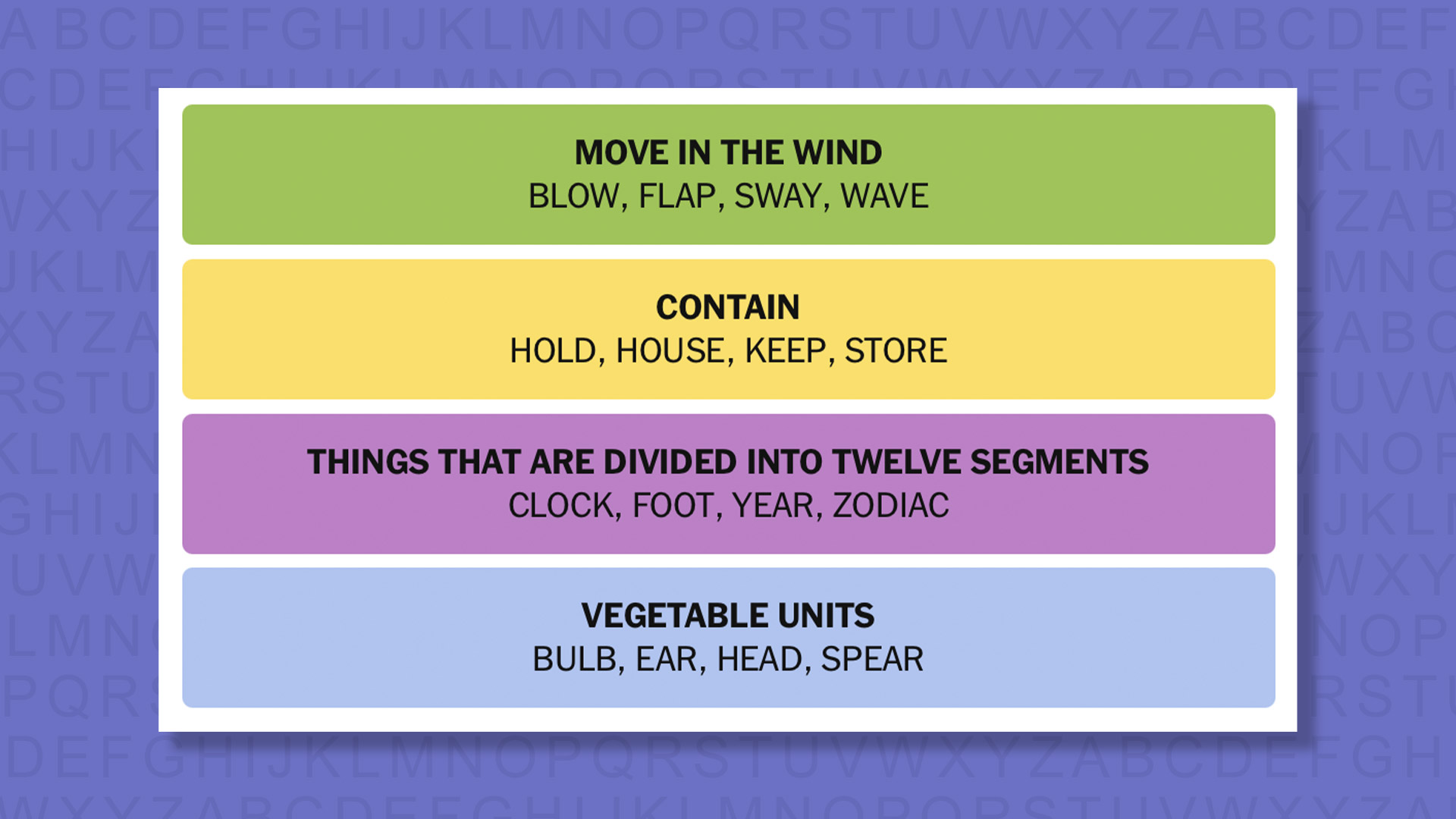
One effective strategy is to tackle the categories in order of perceived certainty. Often, there’s one group that feels almost glaringly obvious, allowing you to secure it early. This can significantly reduce the complexity of the remaining words, making it easier to spot the less apparent connections among the rest of the grid.

For game #915, consider pausing and stepping away for a moment if you feel stuck. A fresh pair of eyes, even if they’re your own after a short break, can often spot patterns you previously overlooked. Also, pay close attention to homophones or words that sound similar but are spelled differently; these are frequent tricksters in Connections.

Let’s talk hints for today’s grid. Without giving too much away, one category might have you thinking about things that *begin* in a particular way. Another set of words could relate to common actions or processes you might perform daily. There’s also a group that plays on synonyms for a certain type of ‘expression’ or ‘statement’.

Keep an eye out for words that have multiple meanings; the New York Times puzzle masters love to exploit these. For instance, a word might be a noun in one context and a verb in another, and only one of those interpretations will lead you to the correct group. Don’t commit to a category too soon if another word also seems to fit.

Another subtle hint for game #915: look for words that could be parts of well-known phrases or idioms. Sometimes the connection isn’t about the literal meaning of the word itself, but how it’s used in conjunction with others in common parlance. This can be a particularly tricky category to spot if you’re not actively looking for it.

Now, if you’ve given it your best shot and are still struggling, or simply wish to confirm your suspicions, we’re about to reveal the answers for game #915. This is your final warning for spoilers! If you want to keep puzzling, now is the time to close this tab and return to the NYT Connections game itself.

Consider yourself warned? Excellent. Let’s unveil the solutions for Friday, 12th December’s NYT Connections puzzle. The categories and their respective words are laid out below, alongside some brief commentary on why these connections were particularly noteworthy or challenging today. Ready to see how you fared?

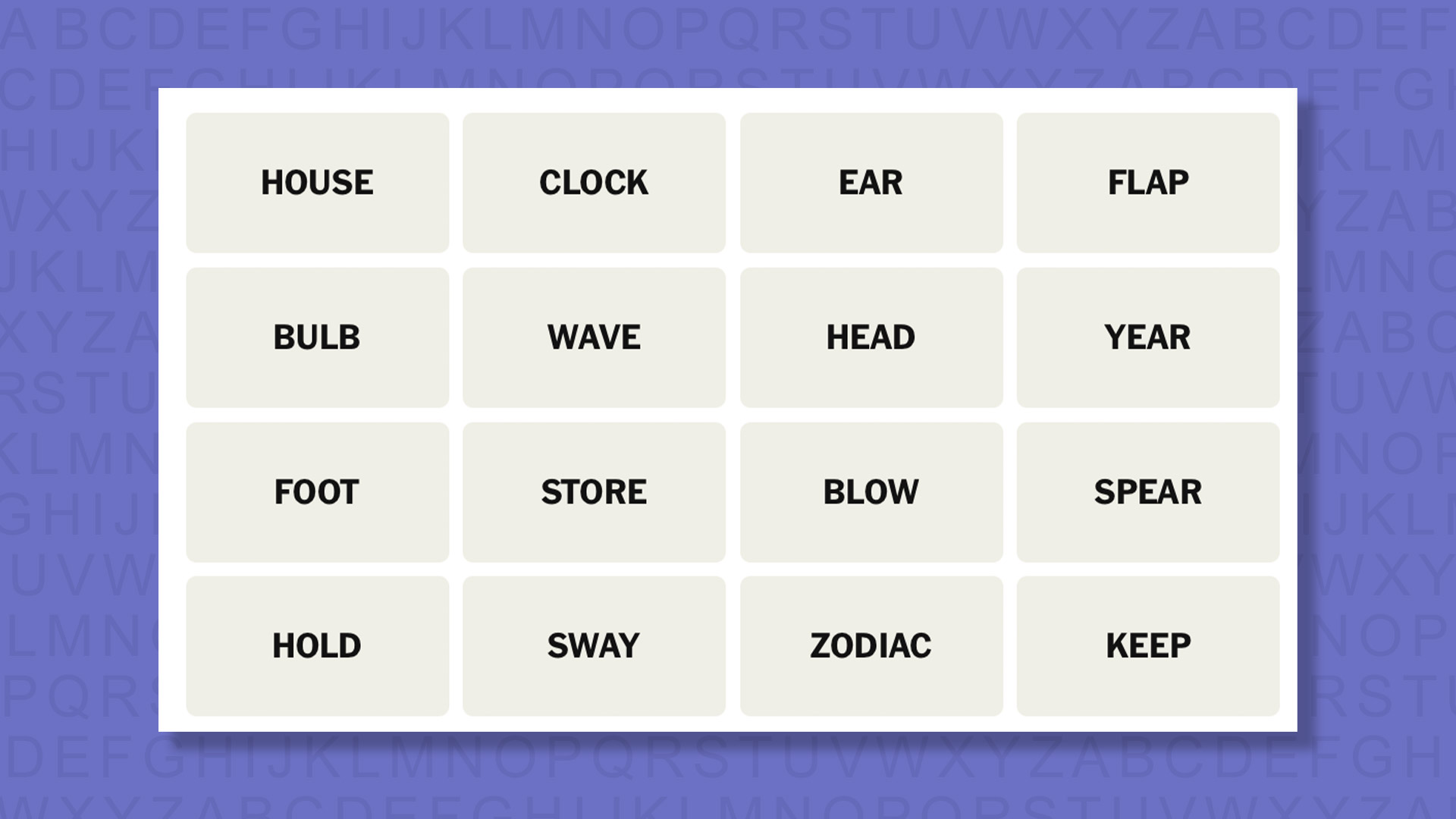
The Yellow Category, “Words related to Starting Something,” comprised: INITIATE, LAUNCH, COMMENCE, BEGIN. This group provided a relatively straightforward entry point into the day’s puzzle, offering clear synonyms that many players likely identified early on in their attempts.

Moving onto the Green Category, this one focused on “Things that are Applied to Surfaces,” featuring: PAINT, COAT, PLASTER, VARNISH. This required thinking beyond just the action of applying, and considering the substances themselves, or the processes that result in a covered surface.

The Blue Category presented “Terms for Expressing Disagreement,” with the words: OBJECT, PROTEST, OPPOSE, DISPUTE. Once the focus shifted to the verbs associated with vocalising disapproval, this category proved quite accessible, fitting neatly into its defined theme.

Finally, the Purple Category often serves as the puzzle’s trickiest element, and today was no exception. This group was “Words that can Follow ‘Sweet’,” revealing: CORN, PEA, DREAMS, POTATO. This lateral thinking challenge required players to identify common phrases where “sweet” precedes these specific words.

The Yellow category, “Starting Something,” was perhaps the most straightforward today, offering a gentle entry point into the puzzle. Words like INITIATE and BEGIN are clear synonyms, setting a good foundation. The Green category, “Applied to Surfaces,” required a slight shift in thinking, moving from actions to the substances or processes themselves.

The Blue category, “Terms for Expressing Disagreement,” was also quite accessible once you focused on the verb forms. OBJECT and PROTEST clearly align here. The true curveball for many, I suspect, was the Purple category: “Words that can Follow ‘Sweet’.”

This often requires a lateral thinking leap, as you need to consider how these common words pair with “Sweet” to form familiar phrases. Sweet Corn, Sweet Pea, Sweet Dreams, and Sweet Potato all fit perfectly, showcasing the cleverness of the puzzle designers in exploiting common collocations.

This particular game offered a pleasing balance of difficulty, with some categories being more direct and others demanding a bit more linguistic gymnastics. It’s these diverse challenges that make NYT Connections such a captivating daily mental exercise. Hopefully, our hints helped you to crack the code, or at least provided a satisfying confirmation of your efforts.

Don’t forget to join us again tomorrow for the next instalment of NYT Connections. Keep those brains sharp, and your word-spotting skills honed. Until then, happy puzzling!


Also Read:  Google Chrome Fortifies Defences with Advanced AI Prompt Injection Protection

One Month With Galaxy F36 5G Feels Better Than Expected

One Month With Galaxy F36 5G Feels Better Than Expected

After using the Galaxy F36 5G for an entire month, the experience has turned out to be more satisfying than what many users initially expected. This device may not have grabbed attention at launch, but daily use has revealed a side of it that feels dependable and well-rounded. It’s the kind of phone that quietly impresses over time.

Galaxy F36 5G Settles In As A Reliable Daily Driver


From the first week itself, the Galaxy F36 5G showed consistency in performance. There were no heating issues during long calls, multitasking remained smooth, and even casual gaming was handled without lag. After a month, that initial smoothness hasn’t faded. Apps open quickly, and battery life continues to hold up through full days with moderate to heavy use.

The phone doesn’t aim to overwhelm with features but instead focuses on getting the basics right. That approach is starting to pay off, especially for users who just want a phone that works without surprises.

Battery Life Feels Better Over Time


Initially, the battery life on the Galaxy F36 5G seemed good, but over time it has become one of the standout positives. Even after a month of daily charging cycles, the battery still easily lasts through full days. Standby time is solid, and light users can even get into the next day without charging.

One Month With Galaxy F36 5G Feel

This kind of consistency is what builds trust in a device, and that’s exactly what this phone has managed to do in four weeks.

Users Are Surprised By The Everyday Smoothness


Many users did not expect the software experience to remain this clean and fluid after a few weeks of usage. But with minimal bloatware and timely background optimization, the Galaxy F36 5G continues to feel responsive. It’s rare to find a phone in this range that avoids slowing down within the first month, but Samsung seems to have handled that well here.

Animations, scrolling, and app switching still feel fluid, and there haven’t been any crashes or sudden freezes so far.

Galaxy F36 5G Pricing Makes It Feel Like A Smarter Choice


One of the reasons users are now recommending the Galaxy F36 5G is the recent price drop. In the USA, it’s available for around $279. In the UK, you can find it near £239, while Canada buyers are paying around CA$389. In Australia, the cost is close to AU$459 after discounts. At these prices, users are feeling that they got more than what they paid for.

The lower pricing paired with a smoother long-term experience has made many users feel more satisfied with their purchase.

Also Read:  First impressions after using OPPO F29 for a week

Final Thought After A Month


It’s rare for a phone to feel better over time, but the Galaxy F36 5G manages to do that. It quietly grows on the user with steady performance, reliable battery, and no unnecessary complications. One month in, most users are not just happy — they’re pleasantly surprised. If you want a phone that improves with time instead of frustrating you later, this one deserves serious consideration.