OnePlus 15 long-term battery health: is 7,300 mAh overkill?

OnePlus 15 long-term battery health is 7,300 mAh overkill

How well the biggest OnePlus battery holds up over time

The OnePlus 15 made headlines with its massive 7,300 mAh silicon-carbon dual-cell battery, easily one of the largest capacities ever fitted into a flagship smartphone. It promises extraordinary endurance, but the bigger question is whether such a huge battery can maintain its health over years of daily charging and use — or if it’s more than most users actually need.

According to OnePlus, the 7,300 mAh battery has been engineered for long-term stability. The company claims it can retain up to 90 percent of its original capacity after 1,600 charge cycles, which translates to roughly four years of regular use. This longevity comes from silicon-carbon chemistry, which allows higher energy density and lower internal stress during charging. It’s a clear shift from traditional lithium-ion designs that typically start to degrade faster after 500–800 cycles.

In everyday terms, this means UK users who charge their phones daily could expect minimal performance drop for several years. Even after thousands of hours of use, the battery should still hold enough capacity to comfortably last more than a full day. For professionals, travellers, and gamers, this consistency could be the OnePlus 15’s strongest long-term advantage.
OnePlus 15 long-term battery health is 7,300 mAh overkill

The phone’s large capacity also reduces strain during short charge cycles. Because users can rely on extended battery life, there’s less frequent need to recharge, lowering overall wear. Combined with OxygenOS 16’s adaptive charging system — which learns user habits to avoid overcharging overnight — the phone manages power far more intelligently than previous generations.

However, such a large battery isn’t without trade-offs. The phone weighs around 211 grams and measures 8.1 mm thick, which makes it slightly bulkier than competitors like the Galaxy S25+ or Pixel 9 Pro. While the added size helps with cooling and structure, it might feel heavier in prolonged one-handed use. For many users, though, that’s a fair exchange for all-day reliability.

Thermal management plays a major role in preserving long-term battery health. OnePlus has implemented a redesigned cooling system using vapor chambers and graphite layers to prevent heat buildup during gaming or 120W fast charging. Heat is one of the biggest causes of lithium cell degradation, so this hardware-level focus should help preserve cell stability.

The OnePlus 15 also includes a “Bypass Charging” mode, which powers the device directly when plugged in — particularly useful during extended gaming or video sessions. This feature prevents unnecessary charge-discharge cycles, further extending battery lifespan. Combined with efficient silicon-carbon chemistry, it allows the phone to run cool and steady even during heavy workloads.

From a performance standpoint, the battery’s capacity feels well-justified. The OnePlus 15 can last up to two days with moderate use or deliver nearly 19 hours of video playback in internal testing. For UK users who commute, travel, or work long hours, that extra buffer means real-world convenience — no more worrying about carrying a charger or power bank every day.

For light users, however, 7,300 mAh might indeed be more than necessary. Daily charging habits and lower screen time mean most of that extra capacity will rarely be tapped, making the benefit more psychological than practical. Still, for anyone planning to keep their device for several years, having surplus power and slower degradation ensures better long-term value.

In conclusion, the OnePlus 15’s 7,300 mAh battery isn’t overkill — it’s strategic. It redefines what endurance means in a modern smartphone, blending huge capacity with smarter energy management. While the size adds a little weight, the payoff in battery life and longevity is substantial. For UK buyers seeking a device that remains powerful and reliable for years, the OnePlus 15 sets a new benchmark in sustainable flagship performance.
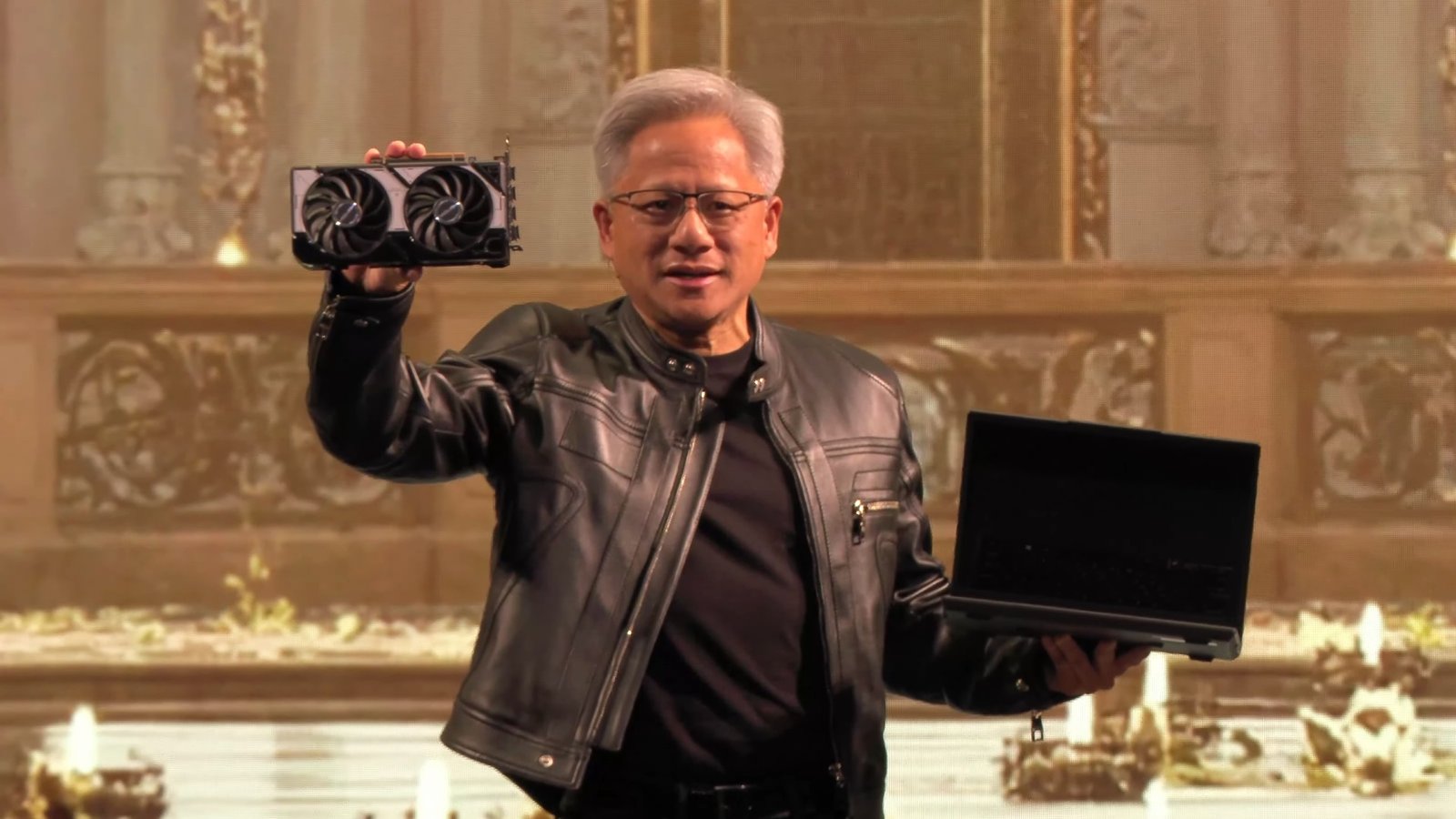
NVIDIA’s GTC 2026 Keynote: Unveiling Next-Gen Feynman Chips

NVIDIA's GTC 2026 keynote will showcase next-gen Feynman chips, featuring Groq's LPU units, and mark a significant milestone in the adoption of 1.6nm chip technology, revolutionising the computing industry with unparalleled performance and efficiency

NVIDIA’s GTC 2026 Keynote: A New Era in Computing

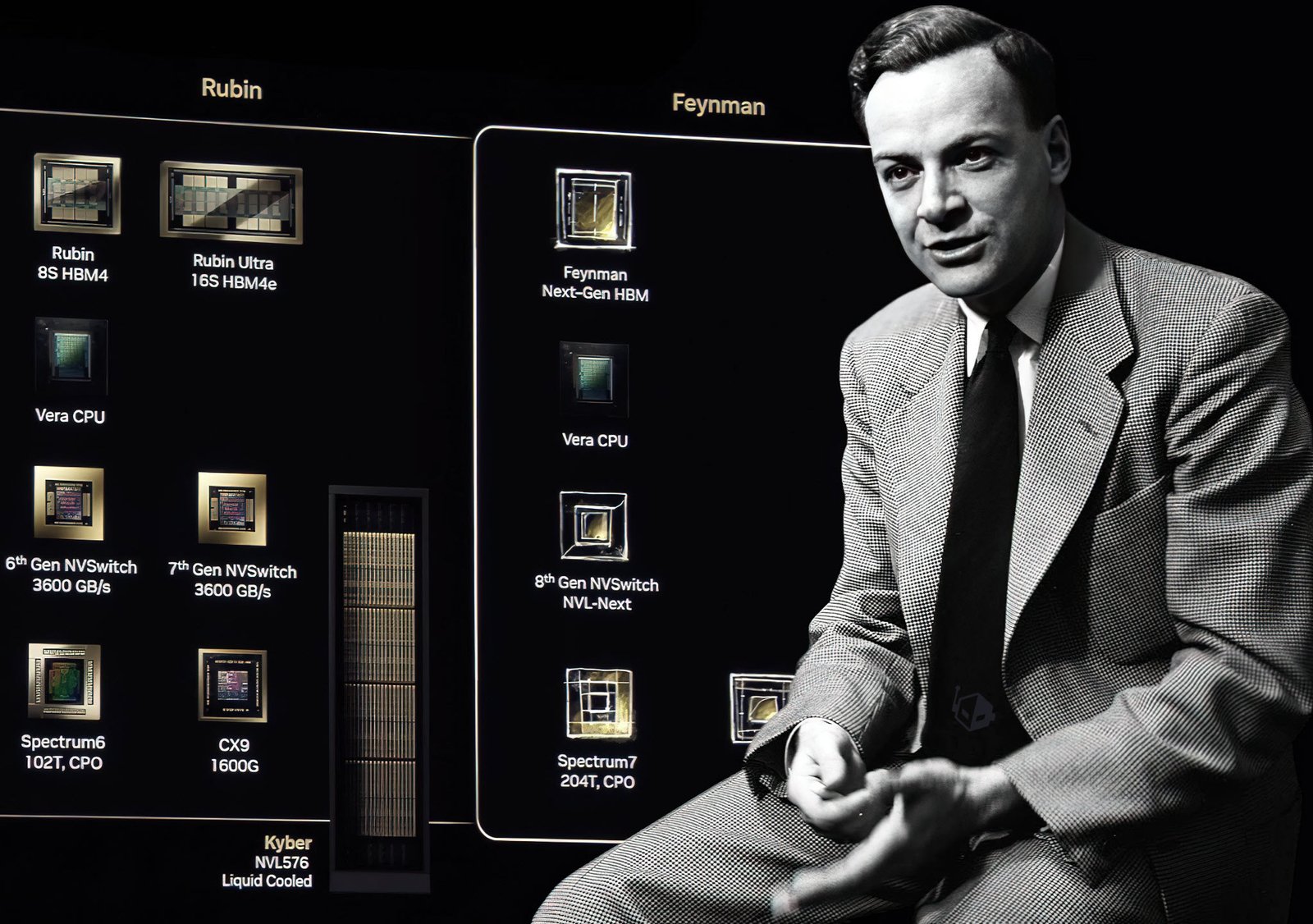
NVIDIA’s GTC 2026 keynote is highly anticipated, with plans to showcase next-gen technology. The company may debut its Feynman chips, marking a significant milestone in computing. This could be the first instance of Groq’s LPU units being adopted.

The upcoming keynote will set the tone for the next decade of computing, according to Jensen. The world can expect to see technology that has never been unveiled before. Feynman chips are likely to be a key focus, with speculation surrounding their capabilities.

NVIDIA’s Feynman chips are expected to be a game-changer, with the potential to revolutionise the industry. The company’s plans for GTC 2026 are ambitious, with a focus on showcasing innovative technology. As the world waits with bated breath, one thing is certain – NVIDIA’s GTC 2026 keynote will be an event to remember.

The Korean media outlet Chosun Biz has reported on NVIDIA’s plans, providing insight into the company’s vision for the future. With the debut of Feynman chips, NVIDIA is poised to take the lead in the next generation of computing. The adoption of Groq’s LPU units is a significant development, marking a new era in technology.

The world of computing is on the cusp of a revolution, with NVIDIA at the forefront. The company’s GTC 2026 keynote will be a pivotal moment, showcasing the latest innovations and setting the tone for the decade to come. As the industry waits with anticipation, one thing is clear – NVIDIA’s Feynman chips will be a major focus.

NVIDIA’s commitment to innovation is unwavering, with a focus on pushing the boundaries of what is possible. The debut of Feynman chips is a testament to this, with the potential to transform the industry. As the world looks to the future, one thing is certain – NVIDIA will be at the forefront of the next generation of computing.

The GTC 2026 keynote will be a showcase of NVIDIA’s vision for the future, with a focus on innovation and technological advancement. The company’s plans are ambitious, with a commitment to delivering cutting-edge technology. As the industry waits with anticipation, one thing is clear – NVIDIA’s GTC 2026 keynote will be an event to remember.

The debut of Feynman chips is a significant milestone, marking a new era in computing. NVIDIA’s commitment to innovation is unwavering, with a focus on delivering cutting-edge technology. The company’s GTC 2026 keynote will be a pivotal moment, showcasing the latest innovations and setting the tone for the decade to come.

NVIDIA’s Feynman chips are expected to be a major focus of the GTC 2026 keynote, with the potential to revolutionise the industry. The company’s plans are ambitious, with a focus on showcasing innovative technology. As the world waits with bated breath, one thing is certain – NVIDIA’s GTC 2026 keynote will be an event to remember.

The adoption of Groq’s LPU units is a significant development, marking a new era in technology. NVIDIA’s commitment to innovation is unwavering, with a focus on delivering cutting-edge technology. The company’s GTC 2026 keynote will be a showcase of the latest innovations, setting the tone for the decade to come.

NVIDIA’s GTC 2026 keynote is highly anticipated, with the potential to transform the industry. The company’s plans are ambitious, with a focus on showcasing innovative technology. As the world waits with anticipation, one thing is clear – NVIDIA’s Feynman chips will be a major focus.

The world of computing is on the cusp of a revolution, with NVIDIA at the forefront. The company’s GTC 2026 keynote will be a pivotal moment, showcasing the latest innovations and setting the tone for the decade to come. As the industry waits with anticipation, one thing is clear – NVIDIA’s commitment to innovation is unwavering.

NVIDIA’s Feynman chips are expected to be a game-changer, with the potential to revolutionise the industry. The company’s plans for GTC 2026 are ambitious, with a focus on showcasing innovative technology. As the world waits with bated breath, one thing is certain – NVIDIA’s GTC 2026 keynote will be an event to remember.

NVIDIA’s China Conundrum: A Delicate Balance of Power and Profit in the UK

NVIDIA's logo with a background image of a circuit board, representing the company's focus on AI and chip production in the UK, with a subtle hint of the Chinese flag, symbolising the complex relationship between NVIDIA and China

NVIDIA’s China Dilemma: Navigating the Complex Landscape of AI and Chip Production

NVIDIA’s ambitions in China are facing significant challenges, with the company reportedly scaling back H200 production in favour of ramping up Vera Rubin production. This shift in strategy is a testament to the complex and often fraught relationship between NVIDIA and China. As the UK’s tech industry continues to evolve, the implications of this development are far-reaching.

The NVIDIA-China saga has been well-documented, with both parties engaging in a cycle of one-upmanship. However, the latest development suggests that NVIDIA is seeking to prioritise consistency over revenue. This move is likely to have significant implications for the company’s operations in the UK and beyond.

The UK’s tech sector is closely watching the developments in the NVIDIA-China saga, as it has significant implications for the industry as a whole. As NVIDIA navigates the complex landscape of AI and chip production, the company must balance its desire for profit with the need to maintain a strong presence in the UK market. This delicate balance of power and profit will be crucial in determining the company’s future success.

Furthermore, the shift towards Vera Rubin production is a strategic move that reflects NVIDIA’s commitment to innovation and R&D. As the UK’s tech industry continues to grow and evolve, the demand for cutting-edge AI and chip technology is likely to increase. NVIDIA’s decision to prioritise Vera Rubin production is a testament to the company’s ability to adapt and respond to changing market conditions.

The implications of NVIDIA’s decision will be far-reaching, with potential consequences for the company’s operations in the UK and beyond. As the tech industry continues to evolve, the importance of balancing power and profit will be crucial in determining the success of companies like NVIDIA. In the UK, the company’s ability to navigate the complex landscape of AI and chip production will be closely watched by industry experts and observers.

In conclusion, NVIDIA’s China conundrum is a complex and multifaceted issue that reflects the challenges and opportunities facing the tech industry in the UK. As the company navigates the delicate balance of power and profit, the implications of its decisions will be far-reaching and significant. The UK’s tech sector will be closely watching the developments in the NVIDIA-China saga, as it has significant implications for the industry as a whole.

The future of NVIDIA’s operations in the UK and beyond will depend on the company’s ability to balance its desire for profit with the need to maintain a strong presence in the market. The shift towards Vera Rubin production is a strategic move that reflects the company’s commitment to innovation and R&D. As the tech industry continues to evolve, the importance of balancing power and profit will be crucial in determining the success of companies like NVIDIA.

The UK’s tech industry is a significant player in the global market, and the developments in the NVIDIA-China saga will have significant implications for the sector as a whole. As NVIDIA navigates the complex landscape of AI and chip production, the company must balance its desire for profit with the need to maintain a strong presence in the UK market. This delicate balance of power and profit will be crucial in determining the company’s future success.

In the UK, the tech industry is closely watching the developments in the NVIDIA-China saga, as it has significant implications for the sector as a whole. The shift towards Vera Rubin production is a strategic move that reflects NVIDIA’s commitment to innovation and R&D. As the tech industry continues to evolve, the importance of balancing power and profit will be crucial in determining the success of companies like NVIDIA.

The implications of NVIDIA’s decision will be far-reaching, with potential consequences for the company’s operations in the UK and beyond. The company’s ability to navigate the complex landscape of AI and chip production will be crucial in determining its future success. In the UK, the tech industry will be closely watching the developments in the NVIDIA-China saga, as it has significant implications for the sector as a whole.

The future of NVIDIA’s operations in the UK and beyond will depend on the company’s ability to balance its desire for profit with the need to maintain a strong presence in the market. The shift towards Vera Rubin production is a strategic move that reflects the company’s commitment to innovation and R&D. As the tech industry continues to evolve, the importance of balancing power and profit will be crucial in determining the success of companies like NVIDIA.

Nvidia Unveils Revolutionary AI Chips at GTC 2026

Nvidia's new AI chips are expected to surprise the world with their advanced capabilities and innovative design, featuring HBM4 memory and integration technology, set to revolutionise the AI landscape with their powerful performance and efficiency

Nvidia’s Groundbreaking Announcement: AI Hardware to Surpass Expectations

Nvidia has made a significant announcement regarding a special chip reveal at the upcoming GTC 2026 conference. CEO Jensen Huang hinted at the unveiling of processors that will ‘surprise the world’, sparking intense curiosity among tech enthusiasts. The primary focus is expected to be on AI hardware rather than new consumer graphics cards.

The next-generation Rubin chips, potentially paired with HBM4 memory and cutting-edge integration technology, are considered a strong contender for the unveiling. This integration is likely to significantly enhance the performance and efficiency of Nvidia’s AI offerings.

As the world of artificial intelligence continues to evolve, the demand for sophisticated hardware to support AI applications is on the rise. Nvidia’s announcement is poised to address this need, potentially revolutionising the field of AI research and development.

The anticipated reveal has sparked excitement among industry experts, with many speculating about the capabilities of the new chips. With the increasing importance of AI in various sectors, Nvidia’s move is expected to have far-reaching implications.

CEO Jensen Huang’s statement has created a buzz in the tech community, with many eager to learn more about the upcoming announcement. The GTC 2026 conference is expected to be a pivotal moment for Nvidia, as the company prepares to unveil its latest innovations.

The potential impact of Nvidia’s new chips on the AI landscape cannot be overstated. As the company continues to push the boundaries of what is possible with AI hardware, the world waits with bated breath for the official reveal.

Nvidia’s commitment to advancing AI technology is evident in its consistent efforts to develop and improve AI-focused hardware. The upcoming announcement is a testament to the company’s dedication to innovation and its desire to ‘surprise the world’ with cutting-edge technology.

The GTC 2026 conference is scheduled to take place soon, and Nvidia’s announcement is expected to be a major highlight of the event. As the tech community eagerly awaits the reveal, one thing is certain – Nvidia is poised to make a significant impact on the world of AI.

With the increasing demand for AI hardware, Nvidia’s new chips are expected to be a game-changer. The company’s focus on AI research and development is likely to yield innovative solutions that will transform the industry.

The anticipation surrounding Nvidia’s announcement is a testament to the company’s reputation as a leader in the tech industry. As the world waits for the official reveal, it is clear that Nvidia is committed to pushing the boundaries of what is possible with AI technology.

Nvidia’s groundbreaking announcement is expected to have a lasting impact on the AI landscape. The company’s dedication to innovation and its desire to ‘surprise the world’ are evident in its consistent efforts to develop and improve AI-focused hardware.

The upcoming reveal at GTC 2026 is a highly anticipated event, and Nvidia’s new chips are expected to be a major highlight of the conference. As the tech community eagerly awaits the announcement, one thing is certain – Nvidia is poised to make a significant impact on the world of AI.

The potential applications of Nvidia’s new chips are vast and varied, ranging from AI research and development to real-world applications in various industries. The company’s commitment to advancing AI technology is evident in its consistent efforts to develop and improve AI-focused hardware.

Nvidia’s announcement has sparked excitement among industry experts, with many speculating about the capabilities of the new chips. The company’s focus on AI research and development is likely to yield innovative solutions that will transform the industry.

The GTC 2026 conference is expected to be a pivotal moment for Nvidia, as the company prepares to unveil its latest innovations. The upcoming announcement is a testament to the company’s dedication to innovation and its desire to ‘surprise the world’ with cutting-edge technology.

Nvidia Unveils 15 New Games on GeForce NOW in the UK

Featured image of GeForce NOW games, including Crimson Desert, with a description of the gaming experience in the UK, highlighting the colour and vibrancy of the games

Nvidia Expands GeForce NOW Library with 15 New Games

Nvidia has announced the arrival of 15 new games on GeForce NOW this month, bringing a fresh wave of entertainment to gamers in the UK. The lineup includes Crimson Desert, one of the most highly anticipated games of the year. This new addition is set to revolutionise the gaming behaviour of users.

The GeForce NOW library is constantly evolving, with new titles being added regularly to keep the gaming experience exciting and engaging. With the inclusion of these 15 new games, Nvidia is poised to analyse the market trends and cater to the diverse tastes of gamers in the UK.

The UK gaming community is in for a treat, with a wide range of genres and styles to choose from. From action-packed adventures to strategic puzzles, there’s something for everyone on GeForce NOW. The colour and vibrancy of the games are sure to mesmerise gamers, making for an immersive experience.

As the gaming landscape continues to shift, Nvidia remains at the forefront, pushing the boundaries of what’s possible. With GeForce NOW, gamers can enjoy their favourite games on a variety of devices, without the need for expensive hardware. This convenient and accessible approach is set to change the gaming landscape in the UK.

Nvidia’s commitment to innovation and customer satisfaction is evident in the constant updates and additions to GeForce NOW. The inclusion of 15 new games this month is a testament to the company’s dedication to providing the best possible gaming experience.

GeForce NOW is the perfect platform for gamers in the UK, offering a unique blend of convenience, accessibility, and entertainment. With new games being added all the time, there’s always something new to look forward to.

The arrival of Crimson Desert is a significant highlight, offering gamers a chance to experience one of the most anticipated games of the year. With its engaging storyline and stunning visuals, this game is sure to be a hit among gamers in the UK.

In conclusion, the addition of 15 new games to GeForce NOW is a significant milestone for Nvidia and the gaming community in the UK. With its impressive lineup of games and commitment to innovation, GeForce NOW is the ultimate destination for gamers.

NVIDIA Unveils Nemotron 3 Super in the UK for Enhanced Agentic AI

NVIDIA's Nemotron 3 Super is a cutting-edge open agentic AI model with a 1-million token context window, set to transform the UK's AI landscape with its advanced capabilities and innovative technology, leveraging Mamba-MoE for enhanced performance

NVIDIA Revolutionises Open Agentic AI with Nemotron 3 Super

NVIDIA’s Nemotron class of open-source LLMs has been significantly enhanced with the latest release, Nemotron 3 Super, targeting agentic AI workloads with its extensive context window. This development is set to impact the UK’s AI landscape. The Nemotron 3 Super leverages Mamba-MoE, boasting an impressive 1-million token context window. This technology is poised to transform the way we analyse and interact with AI models in the UK.

For those unfamiliar, the world of open-source AI models is dominated by contributors like NVIDIA, rather than Chinese AI labs. NVIDIA’s Nemotron suite is a leading force in this domain, with the company dominating infrastructure and chips, and now, open-source AI models. As AI is distributed across a complex landscape, NVIDIA’s Nemotron 3 Super is set to play a crucial role in the UK’s AI ecosystem.

The Nemotron 3 Super’s extensive context window enables it to better understand and respond to complex queries, making it an ideal choice for applications that require advanced AI capabilities. This technology has the potential to revolutionise various industries in the UK, from healthcare to finance, by providing more accurate and efficient AI-powered solutions. With its impressive capabilities, the Nemotron 3 Super is set to become a game-changer in the world of open agentic AI.

In the UK, the adoption of Nemotron 3 Super is expected to gain momentum, as businesses and organisations seek to leverage the power of AI to drive innovation and growth. As the technology continues to evolve, we can expect to see significant advancements in the field of AI, with the Nemotron 3 Super at the forefront. With its cutting-edge capabilities and extensive context window, this technology is poised to transform the way we interact with AI in the UK.

The implications of Nemotron 3 Super are far-reaching, with potential applications in areas such as natural language processing, computer vision, and robotics. As the UK continues to invest in AI research and development, the Nemotron 3 Super is set to play a vital role in driving innovation and growth. With its advanced capabilities and extensive context window, this technology has the potential to revolutionise various industries and transform the way we live and work in the UK.

In conclusion, the Nemotron 3 Super is a significant development in the field of open agentic AI, with far-reaching implications for the UK’s AI landscape. As the technology continues to evolve, we can expect to see significant advancements in the field of AI, with the Nemotron 3 Super at the forefront. With its cutting-edge capabilities and extensive context window, this technology is poised to transform the way we interact with AI in the UK, driving innovation and growth across various industries.

NVIDIA’s UK Revenue Forecast: $1 Trillion in AI Compute by 2025

NVIDIA's innovative AI solutions are driving growth in the UK, with the company's revenue forecast expected to reach $1 trillion in just two years, as the AI industry hits an 'inflection point' with inference, leading to increased compute demand and aggressive revenue growth

NVIDIA Sees Explosive Growth in UK AI Compute Revenue

NVIDIA’s CEO, Jensen Huang, has revealed a staggering forecast, anticipating a significant surge in compute demand over the coming years. The AI industry is experiencing an ‘inflection point’, with a notable shift from training workloads to inference, driving increased compute demand and aggressive revenue growth.

This seismic shift is expected to catapult NVIDIA’s revenue to unprecedented heights, with the company poised to capitalize on the ‘wild’ compute demand. The UK is set to play a pivotal role in this growth, with NVIDIA’s innovative solutions at the forefront of the AI revolution.

The company’s performance with Blackwell has been credited with achieving $500 billion in revenue in just three quarters. As the AI industry continues to evolve, NVIDIA is well-positioned to dominate the market, with its cutting-edge technology and expertise in AI inference.

The implications of this growth are far-reaching, with the UK standing to benefit from the increased investment and innovation in the AI sector. As NVIDIA continues to push the boundaries of what is possible with AI, the company’s revenue is expected to soar, reaching a staggering $1 trillion in just two years.

The AI industry’s ‘inflection point’ has brought about a new era of opportunities, with NVIDIA at the forefront of the revolution. The company’s commitment to innovation and excellence has enabled it to stay ahead of the curve, with its solutions driving real-world applications and transforming industries.

As the demand for AI compute continues to grow, NVIDIA is poised to capitalize on this trend, with its revenue forecast expected to shatter expectations. The UK is set to play a significant role in this growth, with the country’s thriving tech sector providing a fertile ground for innovation and investment.

The future of AI compute looks bright, with NVIDIA leading the charge. As the company continues to innovate and push the boundaries of what is possible, its revenue is expected to reach unprecedented heights, with the UK standing to benefit from the increased investment and growth.

The shift from training workloads to inference has driven increased compute demand, with NVIDIA’s solutions at the forefront of this trend. The company’s expertise in AI inference has enabled it to dominate the market, with its revenue forecast expected to soar in the coming years.

As the AI industry continues to evolve, NVIDIA is poised to stay ahead of the curve, with its commitment to innovation and excellence driving real-world applications and transforming industries. The UK is set to play a pivotal role in this growth, with the country’s thriving tech sector providing a fertile ground for investment and innovation.

NVIDIA’s revenue forecast is a testament to the company’s innovative spirit and its ability to capitalize on emerging trends. As the demand for AI compute continues to grow, the company is poised to dominate the market, with its solutions driving real-world applications and transforming industries.

Nvidia’s H200 Chip: A Glimmer of Hope for China Trade as Blackwell and Rubin Remain Restricted

Nvidia's H200 Chip: A Glimmer of Hope for China Trade as Blackwell and Rubin Remain Restricted

A Strategic Nuance in US-China Tech Relations: Nvidia’s H200 and the Geopolitics of AI

The intricate dance of global technology and geopolitics has once again taken a fascinating turn, with recent reports indicating a potential easing of restrictions on Nvidia’s H200 chips for export to the lucrative Chinese market. This development, attributed to the Trump administration, signals a nuanced approach in the ongoing technological rivalry between the United States and China, raising questions about future trade dynamics. It represents a subtle shift, allowing certain high-performance computing components to cross borders while maintaining strict controls on the most advanced innovations.

For Nvidia, a global titan in the realm of graphics processing units (GPUs) and AI accelerators, this decision offers a significant albeit limited opportunity. China remains a colossal market for advanced computing hardware, vital for its burgeoning artificial intelligence initiatives, extensive data centres, and ambitious technological advancements. Partial access to this market, even with specific product limitations, could provide a substantial boost to the company’s revenue streams and market presence.

However, the narrative is far from a complete liberalisation of tech trade. Crucially, the door remains firmly shut for Nvidia’s next-generation architectures, namely Blackwell and Rubin. These represent the absolute vanguard of AI computing power, designed to handle the most demanding and complex workloads imaginable, pushing the boundaries of what is currently possible in artificial intelligence and high-performance computing. Their continued prohibition underscores a clear strategic intent.


The H200, while undeniably a formidable piece of technology, occupies a specific tier within Nvidia’s extensive product portfolio. It is an incredibly powerful AI accelerator, built upon the Hopper architecture, offering significant improvements in memory bandwidth and capacity over its predecessors. This makes it highly sought after for training large language models and other sophisticated AI applications that demand immense processing muscle.

The strategic rationale behind permitting H200 exports, yet banning Blackwell and Rubin, appears to be a delicate balancing act. It allows US chipmakers to retain some market share in China, preventing a complete economic disengagement that could harm American businesses. Simultaneously, it aims to impede China’s access to the very latest and most potent AI hardware, thereby striving to maintain a technological edge, particularly in areas with national security implications.

Also Read:  Paramount’s Surprise Move: Why This Streaming Battle Spells Trouble for UK Viewers

This policy reflects a careful consideration of dual-use technologies – those with both civilian and military applications. While the H200 can power advanced AI research in civilian sectors, its capabilities are deemed less strategically critical than the cutting-edge Blackwell and Rubin architectures, which could potentially accelerate military AI development to an unprecedented degree. This distinction is central to the observed export controls.

China’s domestic semiconductor industry has been making considerable strides, heavily incentivised by international restrictions to achieve greater self-sufficiency. Access to chips like the H200, even with their limitations compared to unreleased architectures, can still bolster China’s technological ecosystem. It provides immediate, high-performance solutions for immediate AI and data processing needs, buying time for indigenous innovation to mature.

The implications for the global semiconductor supply chain are profound. Such targeted restrictions necessitate intricate compliance frameworks for manufacturers like Nvidia, who must navigate a labyrinth of international trade laws and geopolitical sensitivities. This environment fosters uncertainty but also drives innovation in new markets and encourages diversified manufacturing strategies to mitigate risks.

From a UK perspective, observing these developments in US-China tech policy is crucial. The global technology landscape is deeply interconnected, and shifts in major trading relationships have ripple effects that can influence supply chains, investment decisions, and technological competitiveness across Europe. Ensuring a stable and predictable international trade environment remains paramount for fostering innovation and economic growth.

The ongoing saga of US-China tech rivalry, epitomised by these chip export decisions, will undoubtedly continue to shape the future trajectory of artificial intelligence and high-performance computing. While the H200 offers a limited avenue for continued engagement, the unwavering ban on Blackwell and Rubin signals a clear commitment to controlling the ultimate frontier of AI power, defining the contours of technological competition for years to come. This strategic granularity in export policy underscores the complexities inherent in managing both economic interests and national security imperatives in the 21st century.

NVIDIA’s Rumoured RTX 5090 GPU: A Game-Changer?

NVIDIA's potential GeForce RTX 5090 Ti GPU boasts higher performance for AI customers, but its impact on gamers remains uncertain, with the GPU featuring a unique design and colour scheme, set against a backdrop of circuit boards and microchips, highlighting the complex behaviour of the technology

NVIDIA’s Rumoured RTX 5090 GPU: What Does it Mean for Gamers?

NVIDIA’s consumer GPU plans are generating significant interest, with reports suggesting a new addition to the RTX 50 series. The potential GeForce RTX 5090 Ti boasts higher performance, catering to the company’s ‘dearly’ AI customers. Notably, NVIDIA has been quiet about gaming GPUs this year, aside from the introduction of DLSS 4.5.

The absence of gaming GPUs at CES 2026 was surprising, especially with the expected launch of the RTX 50 SUPER series. According to recent reports, the company may not be releasing new gaming GPUs as anticipated. Instead, the focus seems to be on AI and data centre applications.

The rumoured RTX 5090 GPU could be a significant development for NVIDIA’s AI customers, offering improved performance and capabilities. However, for gamers, the impact may be limited, as the new GPU is unlikely to change the gaming landscape dramatically. The current RTX 50 series already provides excellent performance, and the RTX 5090 may not offer substantial enough upgrades to justify an immediate upgrade.

It is essential to consider the potential implications of NVIDIA’s shift in focus towards AI and data centre applications. While this may not directly affect gamers, it could indicate a broader change in the company’s priorities. As the gaming industry continues to evolve, it will be interesting to see how NVIDIA adapts and whether the RTX 5090 GPU will play a significant role in this process.

NVIDIA’s decision to extend the RTX 50 series with a new addition may be a strategic move to maintain its position in the market. The company’s plans for the RTX 5090 GPU are still unclear, but it is likely that more information will be revealed in the coming months. For now, gamers will have to wait and see how the situation unfolds and what the future holds for NVIDIA’s gaming GPUs.

The RTX 5090 GPU has the potential to be a powerful tool for AI and data centre applications, but its impact on the gaming industry remains to be seen. As more information becomes available, it will be interesting to analyse the effects of this new GPU on the market and the gaming community. The RTX 5090 may not be the game-changer that some gamers are hoping for, but it could still play a significant role in shaping the future of the industry.

In conclusion, the rumoured RTX 5090 GPU is an intriguing development that could have significant implications for NVIDIA’s AI customers. While its impact on the gaming industry may be limited, it is essential to consider the potential consequences of NVIDIA’s shift in focus towards AI and data centre applications. As the situation continues to unfold, it will be interesting to see how the company’s plans for the RTX 5090 GPU affect the gaming community and the industry as a whole.

Only time will tell if the RTX 5090 GPU will be a success and whether it will change the gaming landscape. For now, gamers will have to wait and see how the situation develops and what the future holds for NVIDIA’s gaming GPUs. The company’s plans for the RTX 5090 are still unclear, but it is likely that more information will be revealed in the coming months.

The potential GeForce RTX 5090 Ti is a significant development that could have far-reaching implications for the gaming industry. While its impact may be limited for now, it is essential to consider the potential consequences of NVIDIA’s shift in focus towards AI and data centre applications. As the situation continues to unfold, it will be interesting to see how the company’s plans for the RTX 5090 GPU affect the gaming community and the industry as a whole.

The RTX 5090 GPU may not be the most exciting development for gamers, but it could still play a significant role in shaping the future of the industry. As more information becomes available, it will be interesting to analyse the effects of this new GPU on the market and the gaming community. The RTX 5090 may not be the game-changer that some gamers are hoping for, but it could still have a lasting impact on the industry.

In the end, the rumoured RTX 5090 GPU is an intriguing development that could have significant implications for NVIDIA’s AI customers. While its impact on the gaming industry may be limited, it is essential to consider the potential consequences of NVIDIA’s shift in focus towards AI and data centre applications. As the situation continues to unfold, it will be interesting to see how the company’s plans for the RTX 5090 GPU affect the gaming community and the industry as a whole.

The future of the gaming industry is uncertain, and the RTX 5090 GPU may play a significant role in shaping it. As more information becomes available, it will be interesting to see how the company’s plans for the RTX 5090 affect the gaming community and the industry. The RTX 5090 may not be the most exciting development for gamers, but it could still have a lasting impact on the industry.

NVIDIA’s OpenAI Investment: A £100 Billion Bet on AI’s Future

NVIDIA's CEO, Jensen Huang, shaking hands with OpenAI's CEO, Sam Altman, symbolising the significant investment and partnership between the two companies, paving the way for a new era in artificial intelligence, with a focus on AI research and development

NVIDIA’s Revised Investment in OpenAI: A New Era for Artificial Intelligence

NVIDIA’s financing scheme towards OpenAI has been making headlines, with the company set to invest a substantial amount in the AI lab. The exact figure is expected to be around $100 billion, a significant commitment to the future of artificial intelligence.

The investment is a testament to NVIDIA’s belief in OpenAI’s potential to revolutionise the industry. With this move, NVIDIA is poised to become a major player in the AI landscape, shaping the direction of innovation and development.

The partnership between NVIDIA and OpenAI is an exciting one, with both companies bringing their expertise to the table. NVIDIA’s cutting-edge hardware and OpenAI’s software capabilities are set to create a powerful synergy, driving advancements in AI research and applications.

The financial commitments involved in this deal are substantial, with NVIDIA’s investment expected to be one of the largest in the company’s history. This move demonstrates the company’s confidence in the potential of AI to transform industries and improve lives.

As the world of AI continues to evolve, NVIDIA’s investment in OpenAI is a significant indicator of where the industry is heading. With this partnership, we can expect to see major breakthroughs in areas such as natural language processing, computer vision, and robotics.

The implications of this investment are far-reaching, with potential applications in fields such as healthcare, finance, and education. As AI technology advances, we can expect to see significant improvements in efficiency, productivity, and decision-making.

NVIDIA’s investment in OpenAI is a strategic move, one that is set to pay off in the long run. With the company’s commitment to AI research and development, we can expect to see major innovations in the years to come.

The future of AI is exciting, and NVIDIA’s investment in OpenAI is a significant step towards realising its potential. As the industry continues to evolve, we can expect to see major breakthroughs and advancements, driving growth and innovation.

With NVIDIA’s investment in OpenAI, the company is set to play a major role in shaping the future of AI. The partnership is a powerful one, with both companies working together to drive advancements in AI research and applications.

The investment is a testament to the potential of AI to transform industries and improve lives. As the world of AI continues to evolve, we can expect to see significant improvements in efficiency, productivity, and decision-making.

NVIDIA’s commitment to AI research and development is a significant one, with the company set to invest substantial amounts in the years to come. This move demonstrates the company’s confidence in the potential of AI to drive growth and innovation.

The partnership between NVIDIA and OpenAI is an exciting one, with both companies working together to drive advancements in AI research and applications. The implications of this investment are far-reaching, with potential applications in fields such as healthcare, finance, and education.

NVIDIA UK Gaming Revenue Slumps Amid Memory Shortages

NVIDIA graphics cards in short supply due to memory shortages, affecting UK gaming market and the entire gaming industry, with the company working to resolve the issue

NVIDIA’s UK Gaming Revenue Takes a Hit

NVIDIA’s gaming business in the UK has started to feel the aftermath of the ongoing DRAM shortages, witnessing a double-digit percentage QoQ decline. The company’s consumer GPU business is suffering as memory allocation becomes more difficult. The consumer GPU industry is in rough times, with significant changes in the segment.

Memory shortages have intensified, making it difficult for companies to acquire supplies for their consumer products. NVIDIA’s CFO warns that the upcoming months will be very tight for gaming GPUs. The company is struggling to meet demand due to the shortage of memory chips.

The UK gaming market is particularly affected, with gamers facing delays and shortages of their favourite graphics cards. The memory shortage has also impacted the launch plans of new gaming products. NVIDIA is working to resolve the issue, but it may take some time to recover from the current shortage.

In the meantime, gamers in the UK are advised to be patient and keep an eye on the market for any updates. The company is committed to providing the best possible products and services to its customers. The UK gaming community is eagerly waiting for the resolution of the memory shortage issue.

NVIDIA’s gaming revenue in the UK has taken a hit, but the company is working hard to bounce back. The memory shortage has affected the entire gaming industry, and it is not just NVIDIA that is facing the challenge. Other companies are also struggling to meet the demand for their products.

The UK government has been urged to take action to address the memory shortage issue. The shortage has not only affected the gaming industry but also other sectors that rely on memory chips. The government needs to work with the industry to find a solution to the shortage.

In conclusion, NVIDIA’s gaming revenue in the UK has been affected by the memory shortage. The company is working to resolve the issue, and gamers are advised to be patient. The UK gaming market will recover from the current shortage, and NVIDIA will continue to provide the best possible products and services to its customers.

OnePlus 15 UK carrier deals: O2, EE, Vodafone compared

OnePlus 15 UK carrier deals O2, EE, Vodafone compared

Comparing major UK carrier contract offers for the OnePlus 15 handset

On the arrival of the OnePlus 15 in the UK market, many buyers will naturally compare deals across the big three networks — O2, EE and Vodafone — rather than just buying outright. The key in these comparisons is to examine not just the headline monthly cost, but the full cost of ownership, data allowance, handset subsidy, contract length, and network quality. These factors collectively determine whether a deal is genuinely good or just seems good.

Starting with O2: they typically include competitive zero-upfront offers on premium handsets, combined with mid-to-large data buckets, especially for customers upgrading or trading in old devices. For the OnePlus 15 on O2, you should check whether you receive a handset payment plan rolled into your monthly fee, and whether that fee includes full unlimited or large data. UK buyers often prioritise coverage in urban and suburban settings, and O2’s network remains a strong choice for everyday reliability. If the deal includes large data, roaming or extras (streaming services) then it becomes compelling. However if the phone cost is high or the contract long (30+ months), the effective cost may creep up.

With EE, the focus often shifts to network performance premium and extra perks. EE tends to bundle faster 5G access and better overall network reach in many UK regions. For the OnePlus 15 deal on EE, check upfront cost (it may be higher) and the handset-charge portion of each monthly payment. If the data allowance is only moderate yet the total monthly cost is high, you might pay a premium for the “top network” label. For buyers who live in fringe areas or travel often, the network advantage may justify the extra spend. But for many UK city/suburb users, a strong value network may cover you adequately.

OnePlus 15 UK carrier deals O2, EE, Vodafone compared

Looking at Vodafone: they often provide strong international and roaming support, which appeals to travellers and business users in the UK who go overseas. A OnePlus 15 deal on Vodafone may include trade-in discounts or early upgrade options. Again check the handset portion and data layer. If you’re going to use large mobile hotspot allowances and roam frequently, Vodafone’s offer may stand out. But if you’re focused purely on domestic UK day-to-day use, the extra cost may not deliver proportionate benefit.

When comparing all three carriers for the OnePlus 15, always calculate the total cost of ownership. That means adding: upfront payment (if any) + monthly handset payments x contract months + plan cost x months. Then compare that to buying the phone outright SIM-free and choosing a separate SIM-only plan. Many times, the difference in total cost is smaller than consumers expect, especially when high data allowances or premium networks inflate monthly payments.

Another often-overlooked factor is the contract term. Many handset deals now run 30 or 36 months. If you’re someone who upgrades handsets every 12-18 months (common in UK urban tech-savvy users), a longer contract means you’ll pay for values you won’t use. Shorter contracts or flexible upgrade options are better. If one of the carriers offers a 24-month handset/Wireless plan bundle for the OnePlus 15 with low upfront and large data, that could deliver better value for the typical upgrade cycle.

Also check trade-in offers. All three networks often allow you to trade your previous handset and apply a discount to the new deal monthly or as an upfront rebate. If you have a recent flagship to trade, this could reduce the effective cost of the OnePlus 15 significantly. But read the fine print: condition of trade-in, amount credited, and whether you’re locked into a more expensive data tier to qualify.

In summary: if you get a OnePlus 15 deal on O2, EE or Vodafone that offers low upfront cost, manageable monthly handset payment, reasonable large data allowance and you’re comfortable with the contract length (preferably 24-30 months), then the deal may be very good. However if the data is modest, the network benefit is marginal for your situation and you’re locked in for 36 months, the carrier deal may deliver less value than buying outright and picking a good SIM-only plan separately. Evaluate your usage pattern, upgrade cycle and data needs carefully before jumping into one of these offers.