POCO F8 Pro camera review: ultra-wide & telephoto results explained

POCO F8 Pro camera review ultra-wide & telephoto results explained

How well the POCO F8 Pro handles wide scenes and zoom photography

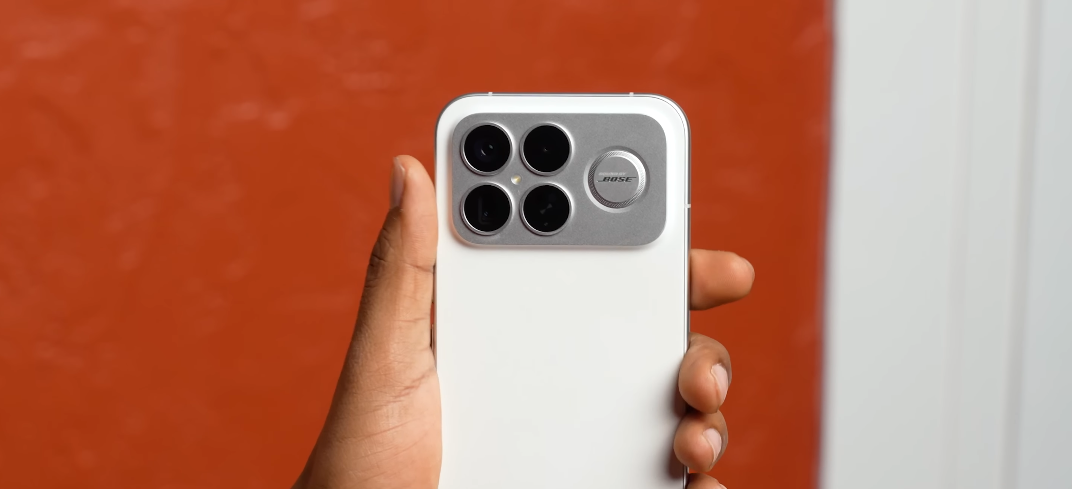
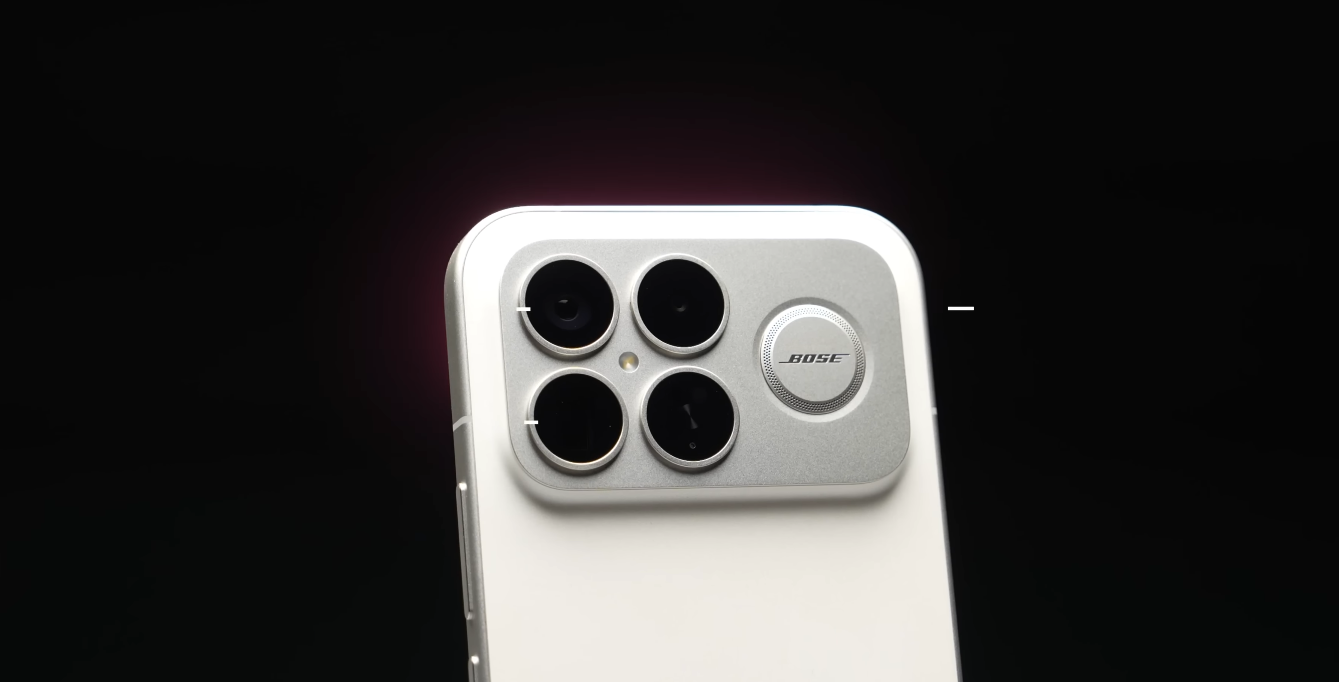
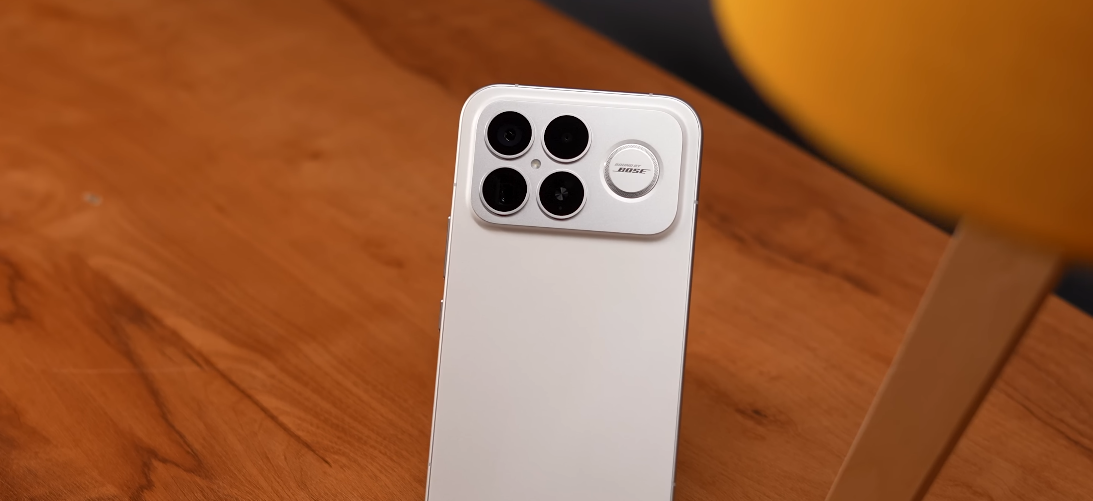
The POCO F8 Pro arrives with a camera setup designed to offer flexibility at a competitive price point, and two of its most important supporting lenses are the ultra-wide and the telephoto. While the main camera tends to get most of the attention, these two lenses shape how well the phone performs in more specific shooting scenarios. Understanding their strengths and limitations helps you get a clearer sense of what this camera system can realistically deliver.

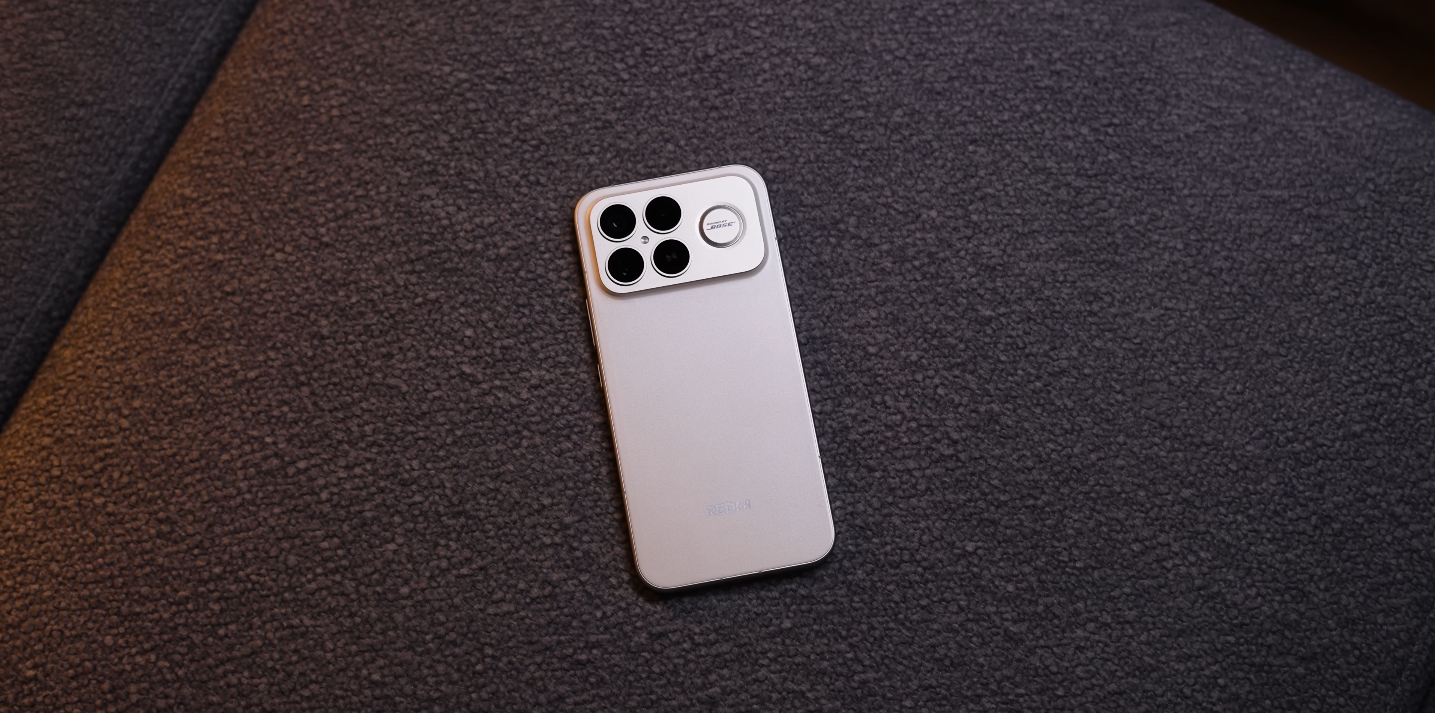
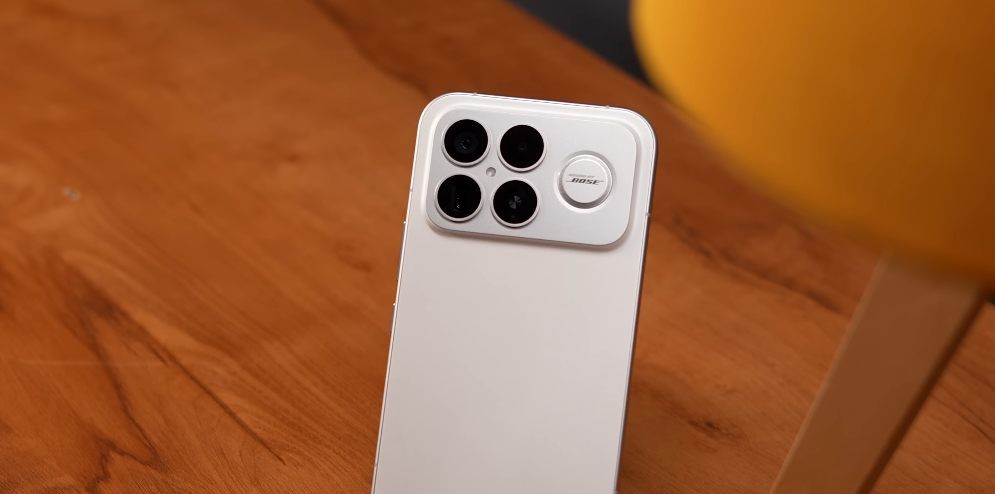
The ultra-wide lens on the POCO F8 Pro is built for capturing expansive landscapes, large group photos, indoor spaces and dramatic outdoor scenes. In bright daylight, it performs reliably, offering a wide field of view and delivering natural-looking images with good colour consistency. The distortion correction works well enough to prevent the extreme fisheye effect found on older or cheaper ultra-wide cameras, and this makes the shots look more balanced and usable straight out of the phone.

However, the ultra-wide lens shows its limitations when lighting conditions begin to drop. Because it uses a smaller and less capable sensor than the main camera, detail levels fall more quickly in moderate or low light. Shadow areas can appear softer, and noise becomes more noticeable. Even in well-lit indoor settings, you may see slight softness at the edges or reduced clarity compared to the main lens. This is expected in this price category, but it does mean the lens is best used when there’s plenty of natural light.
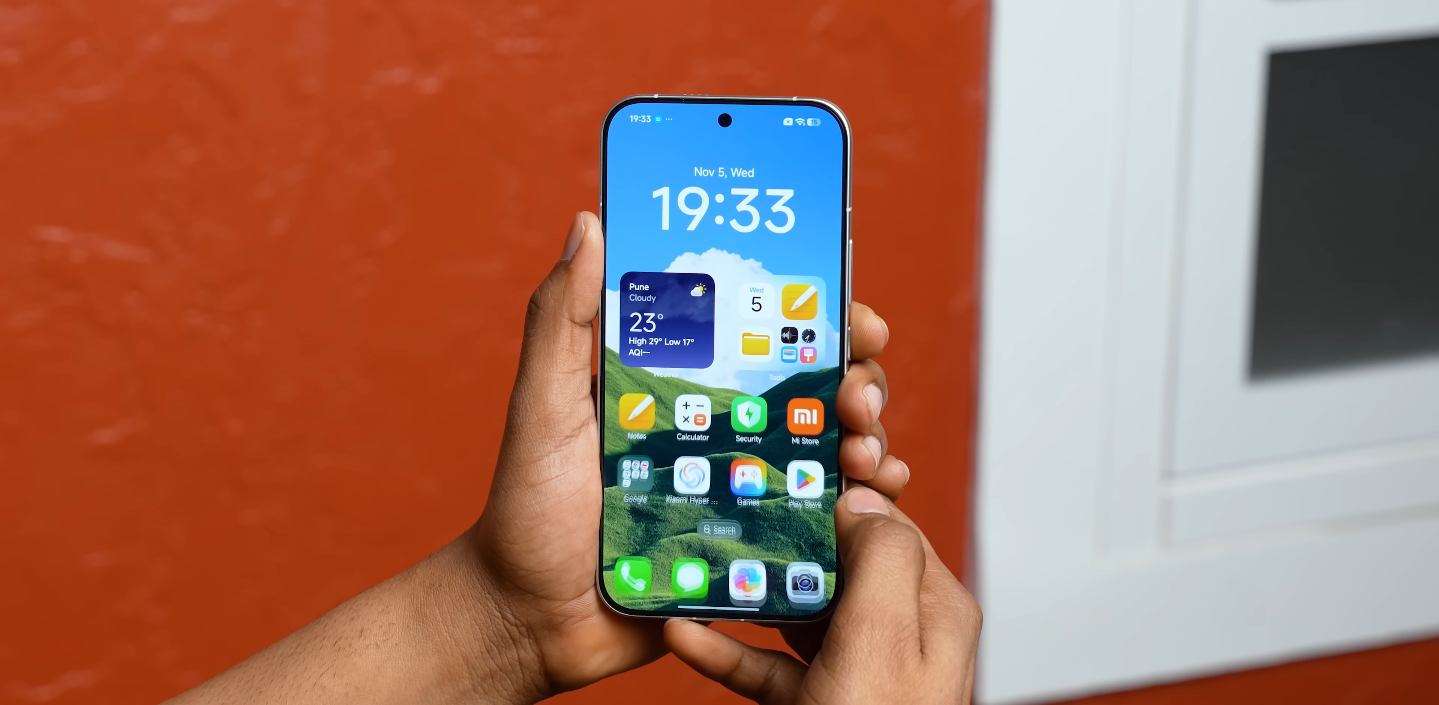
POCO F8 Pro camera review ultra-wide & telephoto results explained

The telephoto lens is a more valuable addition, giving the POCO F8 Pro an optical zoom advantage over many mid-tier competitors that rely entirely on digital zoom. The optical zoom helps preserve sharpness and texture, especially at short zoom ranges like 2× or 2.5×, allowing you to capture subjects that are a bit further away without cropping quality. In good lighting, the telephoto lens produces images with solid detail, making it ideal for portraits, street scenes and situations where you can’t physically move closer.

Despite this, the telephoto lens still has inherent limitations. Its zoom level is moderate compared to flagship phones that offer longer-range optical or periscope zoom systems. When you push beyond its optical range, digital zoom steps in, which leads to softer details and more visible grain. Low light is another challenge for this lens, as telephoto sensors usually let in less light, resulting in darker or noisier images when used at night or indoors without strong illumination.

Together, the ultra-wide and telephoto lenses help the POCO F8 Pro offer a versatile shooting experience. The ultra-wide excels in bright outdoor environments where you want to capture more of the scene, and the telephoto provides meaningful zoom flexibility for everyday photography. Neither lens is designed to compete with ultra-premium flagships, but both perform well within the phone’s category and price expectations.

To get the most out of the ultra-wide lens, it’s best to use it in strong lighting and avoid scenes that rely heavily on fine detail or low-light clarity. For indoor shots, stepping closer to windows or turning on additional lights can improve results. With the telephoto lens, sticking to the optical zoom range gives the best image quality, while avoiding high zoom levels in low light keeps noise under control.

Overall, the POCO F8 Pro’s ultra-wide and telephoto cameras provide practical support for users who enjoy varied photography without needing the absolute highest-end features. The ultra-wide is ideal for travel and creative compositions, while the telephoto adds important versatility for portraits and medium-distance subjects. When paired with the strong main sensor, the camera system becomes a well-rounded package that meets the needs of most everyday photographers.
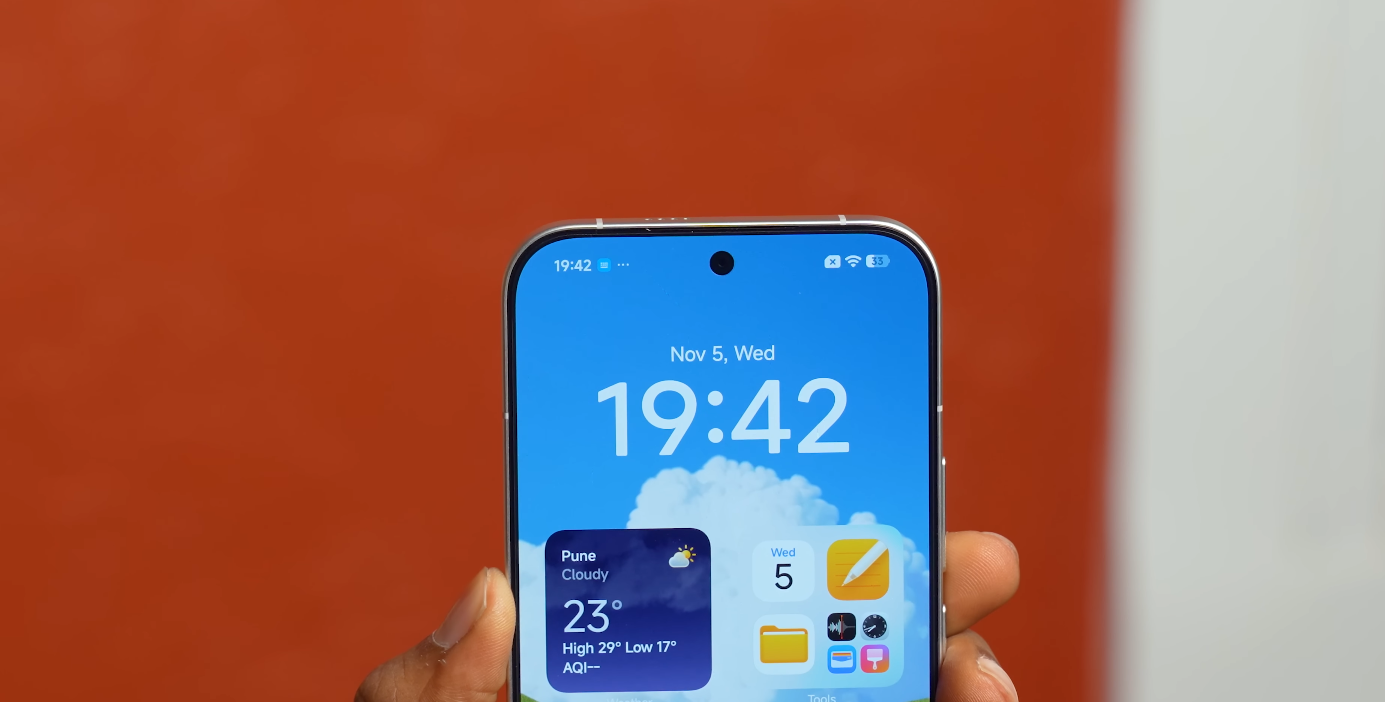
POCO F8 Pro night photography: how good are low-light shots?

POCO F8 Pro night photography how good are low-light shots

A Closer Look at Low-Light Performance

Night photography has become one of the most important benchmarks for smartphone cameras, and early hands-on impressions of the POCO F8 Pro suggest that it delivers a solid low-light experience for its class. With a flagship-grade primary sensor and optical stabilisation, the phone is positioned to handle evening and indoor scenes well, even before full reviews appear. For UK users who frequently shoot in mixed or low lighting, the camera system looks capable and dependable.

The main camera is where the F8 Pro performs best after dark. Its large sensor and stabilised lens allow it to capture more light per frame, producing clearer and brighter results than typical mid-range models. In early samples, nighttime street scenes show good exposure and strong colour retention, even when relying on ambient lighting such as streetlamps or indoor warm light. The phone manages to lift shadows effectively without creating an unnatural look, which is often a challenge for devices in this price segment.

Noise control appears well balanced, especially when the camera software triggers multi-frame night processing. Fine details, such as textures on buildings or clothing patterns, remain visible with minimal grain. The phone’s image processing leans toward a cleaner output rather than an overly sharp or contrast-heavy style, which helps preserve natural tones. This makes the F8 Pro suitable for capturing night outings, concerts and indoor gatherings with accurate colour and good clarity.

POCO F8 Pro night photography how good are low-light shots

Autofocus performance after dark is also reliable. The OIS system helps stabilise the lens for longer exposures, allowing the camera to lock onto subjects more consistently. Moving subjects still present challenges, as with most phones, but in general the F8 Pro produces fewer blurry frames in dim environments than many similarly priced devices. This makes it useful for quick nighttime shots where you don’t have time to hold the phone perfectly still.

Results from the ultra-wide camera are more mixed. While it performs reasonably well in moderate low light, it does not match the main sensor’s brightness or detail. Edges can appear softer, and noise increases more noticeably in darker areas. This is typical for most phones in this category and not unique to the F8 Pro. For the best night results, using the primary camera remains the most reliable choice, especially for important shots or social content.

Dynamic range is an area where the F8 Pro shows promising performance. Scenes containing bright highlights – such as car headlights or illuminated signs – are handled with decent control, preventing major blowouts while maintaining detail in surrounding darker areas. This balance helps create more visually pleasing nighttime shots without requiring manual adjustments.

In extremely dark situations, the camera still produces usable photos, though with the expected limitations. Noise becomes more apparent, and fine details can soften, but the overall output remains suitable for sharing on social media or messaging apps. The dedicated night mode helps brighten scenes further, though at the cost of longer capture time, making it less ideal for moving subjects.

For UK users who often shoot during evening commutes, nights out, or low-light indoor settings, the POCO F8 Pro delivers a dependable experience that exceeds expectations for its price class. It may not compete with the very best flagship night shooters, but it offers strong consistency and impressive clarity in the situations that matter most to everyday users.

Overall, the POCO F8 Pro’s night photography performance is one of its stronger features. Its main sensor produces bright, detailed and stable results after dark, supported by effective processing and stabilisation. While the ultra-wide and extreme low-light shots show the usual limitations, the camera performs well enough to satisfy users looking for reliable nighttime photography without paying flagship-level prices.

POCO F8 Pro manufacturing & build quality: how premium does it feel?

POCO F8 Pro manufacturing & build quality how premium does it feel

Hands-on impressions of design, durability, and materials for UK buyers

The POCO F8 Pro introduces a noticeable step up in build quality compared to earlier POCO releases, and early examinations show that it feels more premium than its typical mid-range price suggests. The phone features a refined chassis, polished finish and tightly optimised construction, which together create a solid flagship-class impression in hand. For UK users evaluating whether it looks and feels high-end, the physical experience is an important part of the decision.

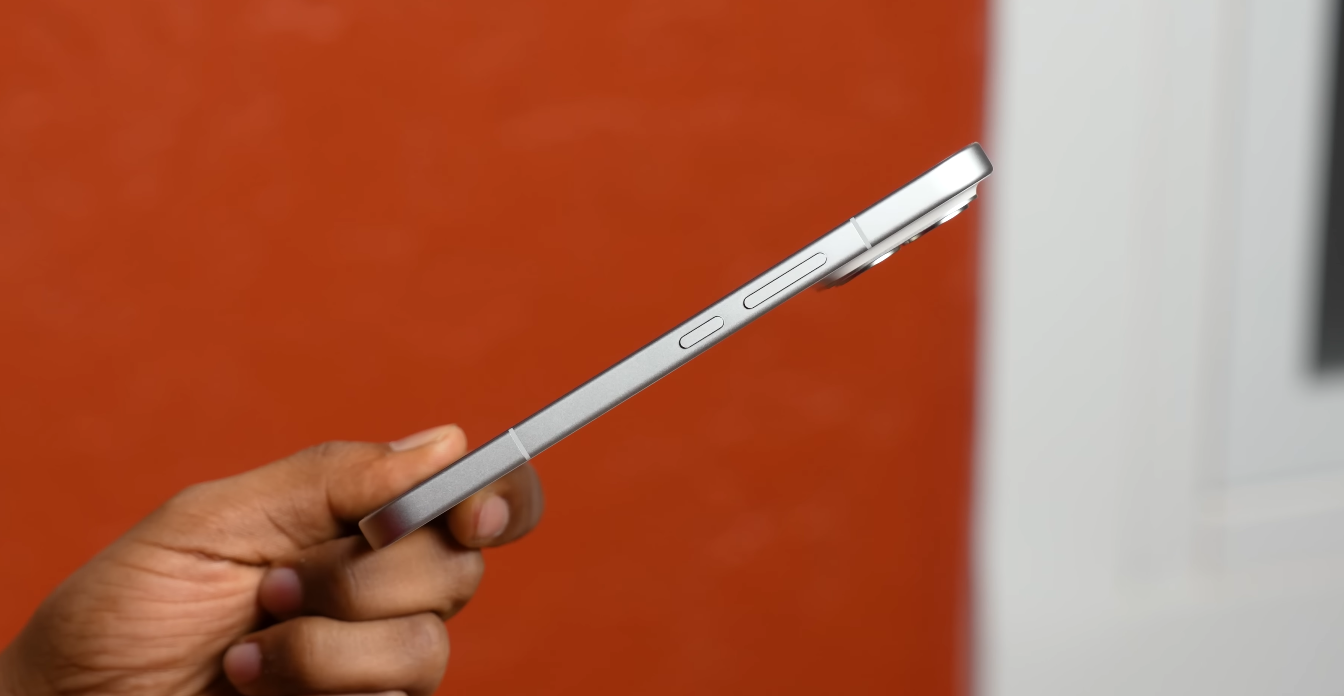
A major contributor to the premium feel is the device’s frame. Instead of polycarbonate, the POCO F8 Pro uses a metal frame that enhances both durability and hand feel. The weight distribution and rigidity provide confidence when holding the device and make it feel closer to flagship tier rather than a budget performance phone. The overall structure resists flexing, and the side rails and button cut-outs show attention to detail.

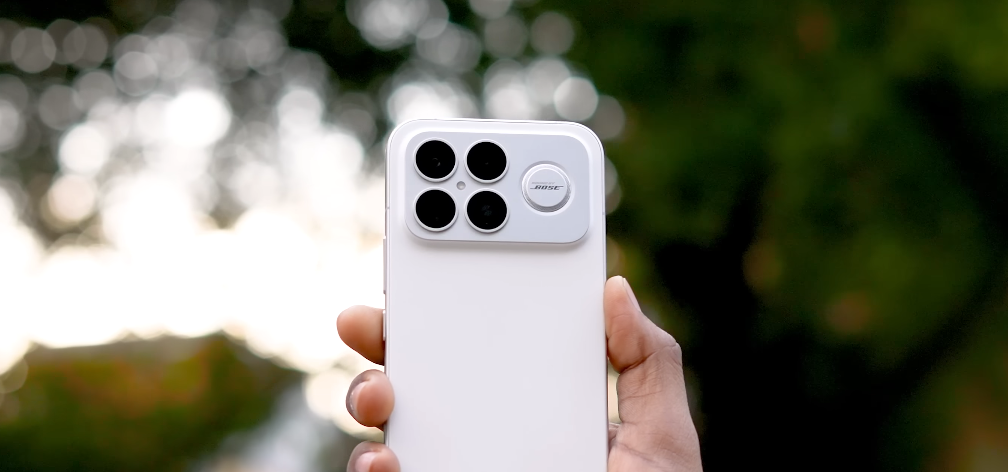
The back material adds to that experience. With its matte or textured glass finish, the F8 Pro offers reduced fingerprint smudging and improved grip compared to glossy designs. The surface has a smooth touch but enough texture to avoid slipping, which is particularly useful for users who don’t want to use a case. The camera bump is cleanly integrated into the rear design, and the phone maintains a unified visual theme rather than appearing like a recycled shell.

POCO F8 Pro manufacturing & build quality how premium does it feel

Durability is another area where the F8 Pro improves over typical mid-range builds. The device is expected to include high-grade water and dust protection, placing it closer to flagship standards and making it more reliable for long-term ownership. The reinforced middle frame and rear panel dampen shock from accidental drops better than the plastic-framed models POCO released in previous years. This makes the phone feel sturdy and well-engineered during daily handling.

Comfort also plays a role in how premium a phone feels. The POCO F8 Pro has refined curvature along the back and sides, allowing it to sit naturally in the palm without sharp edges. The weight lands in the “premium” zone without feeling overly heavy, giving a sense of presence. The combination of smoother button response and secure grip adds to the perception of a more expensive device.

While the build quality is impressive for the class, there are still distinctions separating it from ultra-high-end flagships. Higher-priced smartphones sometimes incorporate titanium frames, ceramic backs or sapphire lens protection, which are not present here. The bezels and finish precision also don’t quite reach the level of the most expensive models on the market. However, these differences are only noticeable when comparing side by side and do not affect everyday usability.

An important factor for value-focused UK buyers is that the POCO F8 Pro avoids the flimsy feel or hollow sensation that can be found in some mid-range smartphones. The solid metal frame, dense internal structure and high-quality glass give the device a reassuring feel when tapping, squeezing or pressing around the display edges. These tactile cues matter because they reinforce the impression of reliability over time.

Taken as a whole, the POCO F8 Pro delivers a surprisingly premium build for its expected price segment. It brings a metal-and-glass flagship feel without inflating the cost, and offers both durability and comfort without compromising on design. While it doesn’t take the extreme materials approach of luxury flagships, it achieves a refined balance that most users will appreciate. For UK buyers wanting a phone that looks and feels high quality without paying top-tier prices, the POCO F8 Pro stands out as an excellent proposition.

POCO F8 Pro user feedback after first week: pros and cons

POCO F8 Pro user feedback after first week pros and cons

Early Impressions from Users After Launch

The POCO F8 Pro has completed its first week in the hands of early buyers, and user impressions are beginning to form a clearer picture of how the device performs in day-to-day conditions. With POCO positioning this model as a performance-driven upper-mid-range option, expectations have been noticeably high across tech communities. Early feedback suggests a strong start, though not without a few areas users hope to see refined through software updates.

Many users have highlighted performance as one of the most impressive aspects of the F8 Pro. The handset’s high-end chipset delivers fast app loading times, smooth multitasking and reliable stability in common daily tasks. Early adopters have reported that gaming performance also appears solid, with titles running consistently well during extended sessions. This early response indicates that POCO’s performance-focused approach remains central to the device’s appeal.

The display has also received notable praise during the first week. Users describe it as bright, vibrant and responsive, offering smooth scrolling and enjoyable video playback. The high refresh rate appears to be one of the standout features, particularly for those upgrading from older POCO models. Its combination of sharp visuals and fluid animations has quickly become one of the F8 Pro’s early strengths.

POCO F8 Pro user feedback after first week pros and cons

Battery life impressions have been broadly positive, with owners reporting that the phone comfortably lasts through a full day of mixed usage. Fast charging has been repeatedly mentioned as a highlight, allowing users to top up the battery quickly during short breaks. While long-term battery health cannot yet be evaluated, the initial experience points to reliable power management supported by efficient hardware.

Build quality is another area where early users express satisfaction. The handset feels sturdy and well-finished, with several buyers noting that the design gives it a more premium feel than expected for its price category. Materials, fit and finish, and overall comfort in the hand contribute to an impression that POCO has refined its design standards further with this release.

On the software front, initial impressions have been mixed. While many users appreciate the added features and customisation options, some early buyers have reported minor bugs and interface inconsistencies. These issues appear to be typical of first-week software on newly launched smartphones, and users generally expect upcoming patches to address them. Still, smoother optimisation remains a commonly expressed desire.

Camera performance has generated a wide range of opinions. Daytime photos are frequently described as sharp and colourful, giving users confidence in general shooting conditions. However, some feedback suggests that performance drops slightly in low light, with users noting areas such as detail retention and shutter consistency where improvements would be welcome. Overall, the camera is viewed as capable and competitive, though not yet exceptional.

A few users have mentioned concerns about heat during demanding tasks such as extended gaming or recording high-resolution video. While not described as severe, it has been noted enough times to become one of the areas to monitor as usage continues and software updates arrive. Thermal management often improves over time, but it remains part of early-week feedback worth noting.

There has also been discussion about the overall size and weight of the device. While many appreciate the large display, some users with smaller hands have mentioned that one-hand use can be challenging. This observation is common among phones in this performance tier, but it still forms part of the early pros-and-cons landscape as buyers weigh comfort against features.

Pricing sentiment has so far been positive, with many feeling the F8 Pro delivers strong value relative to its hardware capabilities. The combination of high performance, fast charging, a quality display and solid build makes it a competitive option in its segment. Early adopters generally agree that the device offers good returns for its cost, even with a few first-week refinements still expected.

Overall, the first week of user feedback presents the POCO F8 Pro as a powerful and well-rounded smartphone that succeeds in its core mission. Strong performance, an impressive display and reliable battery life provide a solid foundation, while software polish and low-light camera performance remain areas to watch. For buyers seeking speed and value, early impressions suggest that the F8 Pro is already shaping up to be a strong contender in its category.

POCO F8 Pro environmental credentials & sustainability: what you should know

POCO F8 Pro environmental credentials & sustainability what you should know

Understanding the Phone’s Eco-Impact and Long-Term Footprint

As smartphones continue to evolve, buyers are paying closer attention not only to features and performance but also to environmental impact. The POCO F8 Pro enters the conversation at a time when sustainability matters more than ever for UK consumers. Evaluating its environmental credentials involves looking at packaging, materials, software longevity, repairability and energy efficiency. While the device aims to deliver strong value, it is equally important to understand how responsibly it fits into the broader ecosystem.

Packaging is one of the first indicators of sustainability. Modern smartphone brands are gradually reducing box size and removing unnecessary accessories to lower waste. The POCO F8 Pro is expected to follow this trend by minimising packaging volume and limiting in-box items. Some regions may see the charger removed, which aligns with efforts to prevent accessory duplication. For users who already own compatible chargers, this reduces waste. For others, it may require buying accessories separately, which slightly complicates the environmental equation.

The materials used in the construction of the F8 Pro also play a role in assessing environmental friendliness. The device is designed with a combination of glass and metal, which provides durability but carries a moderate manufacturing footprint. However, these materials are typically easier to recycle compared with certain plastics. A smartphone built to last longer, resist wear and handle daily use extends its usable lifespan, reducing the need for frequent replacements. From this perspective, the F8 Pro benefits users willing to keep the device for several years.

POCO F8 Pro environmental credentials & sustainability what you should know

Longevity through software support is another crucial part of sustainability. Phones with extended update windows remain secure and functional for longer, delaying their journey into electronic waste streams. While POCO has improved support policies in recent years, its update duration may still lag behind manufacturers focused on long-term software delivery. UK buyers looking for sustainability should consider how many years of updates the device is likely to receive and how that affects its long-term usability.

Energy efficiency and battery behaviour contribute significantly to ecological impact. The F8 Pro’s modern chipset and optimised power profile aim to balance performance with minimal energy waste. A well-calibrated battery and efficient charging can reduce long-term energy consumption, especially for users who rely on their phones intensively. Although high-performance components naturally draw more power, improved efficiency ensures the device runs effectively without unnecessary battery strain.

Repairability is a key sustainability factor that often goes under the radar. A device that is easy to repair naturally stays in circulation longer. While official repairability ratings are not widely published for the F8 Pro, POCO’s association with Xiaomi suggests a reasonably accessible service network in the UK. Availability of spare parts, authorised repair centres and ease of component replacement all influence whether a device can be brought back to life instead of being discarded. Checking these factors before buying ensures long-term sustainability is achievable.

Recycling and disposal also matter. Consumers who upgrade regularly should be conscious of how old devices are handled. The F8 Pro’s materials make it suitable for recycling when disposed of responsibly through proper channels. Many UK retailers and networks offer trade-in or recycling schemes, which help reduce landfill waste. Ensuring the device reaches these systems is one of the most effective ways to improve its sustainability profile.

Transportation and global supply chain considerations round out the environmental assessment. Although details of POCO’s manufacturing practices are not widely publicised, modern smartphones typically involve globalised production across multiple countries. This contributes to carbon emissions before the device even reaches the user. While this is common across the entire industry, buyers who prioritise eco-friendly choices may want clearer sustainability reporting from manufacturers.

For UK consumers, the F8 Pro presents a mixed but promising sustainability picture. Its durable build, efficient hardware and reduced packaging contribute positively. Areas like long-term software support, supply chain transparency and repairability still leave room for improvement. However, the device becomes significantly more sustainable when paired with responsible user habits such as extended ownership, proper recycling and avoiding unnecessary accessory purchases.

In summary, the POCO F8 Pro offers respectable environmental potential for a value-oriented device, but users play a crucial role in enhancing its sustainability impact. Keeping the phone longer, repairing instead of replacing, and recycling thoughtfully ensure that it contributes less to electronic waste. While not the most eco-focused device on the market, it delivers a balanced approach that suits buyers who want strong performance with a reasonable level of environmental responsibility.

POCO F8 Pro gaming review: can it handle marathon sessions?

POCO F8 Pro gaming review can it handle marathon sessions

High-Performance Gaming on a Value Phone — How Does It Hold Up?

The POCO F8 Pro positions itself as a serious gaming-friendly device, promising flagship hardware at a more affordable price. For gamers who play long sessions of fast-paced titles or open-world games, the key questions are: can it maintain high performance, stay cool, and deliver endurance? From what we know about its specs and design, it has strong potential—but real-world results will depend on how it’s optimised in practice.

On paper, the POCO F8 Pro boasts a top-tier chipset such as the Snapdragon 8 Elite (or equivalent), which means it has the CPU/GPU muscle to handle the most demanding games without stutter. Coupled with generous RAM (12 GB or more) and fast storage, loading times and multitasking should be smooth. For marathon sessions, having that head-room matters: games stay responsive and you don’t feel limited by hardware as you progress.

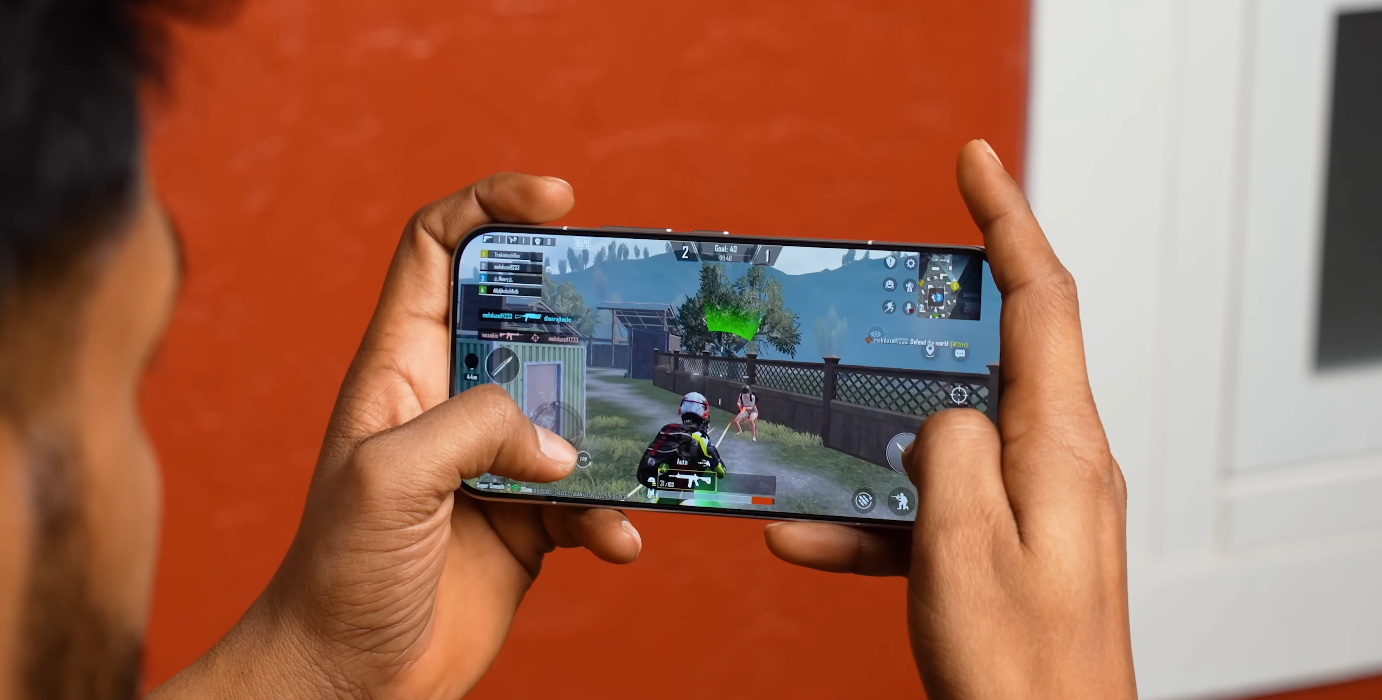
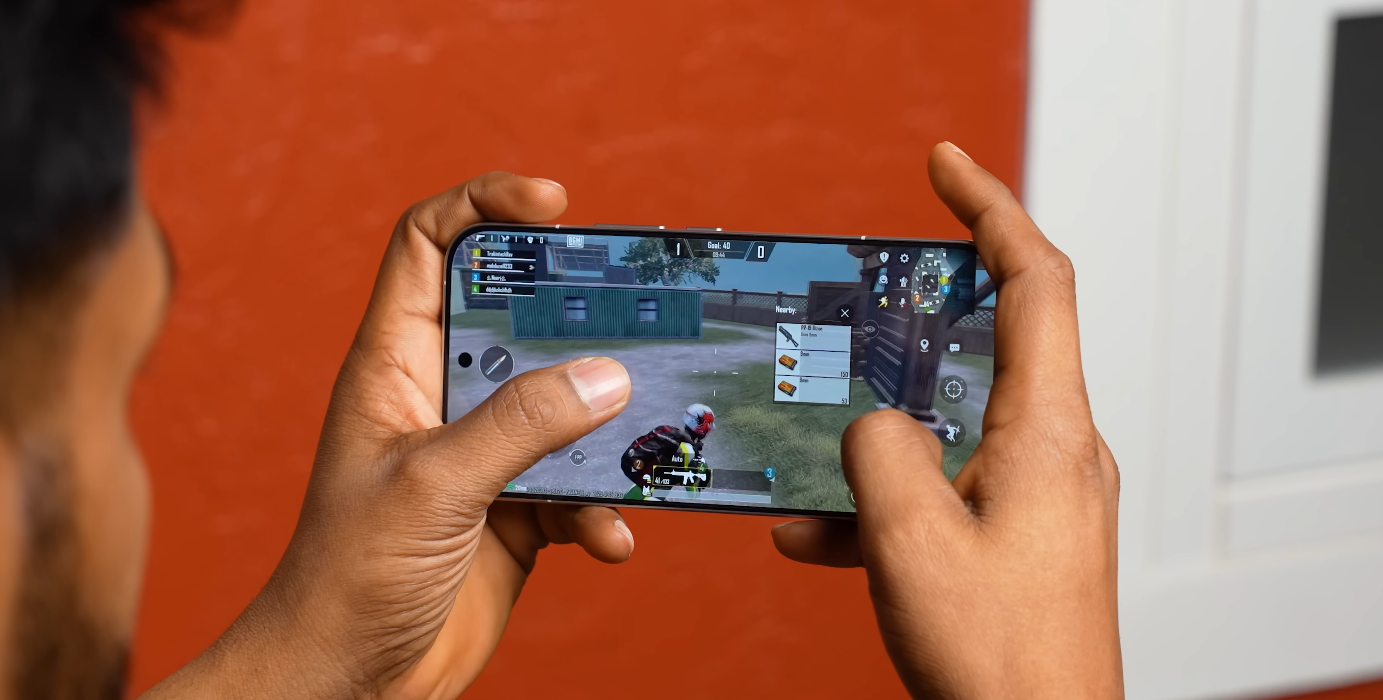
Battery and cooling are crucial for long-haul play. The POCO appears to include a large capacity battery (around 7,000 mAh in leaks) and advanced cooling architecture like a vapour chamber or layered thermal pads designed to manage sustained processing loads. These features suggest it can keep operating at a high level without throttling or overheating, which is often the bottleneck in marathon gaming.

POCO F8 Pro gaming review can it handle marathon sessions

Display and input responsiveness also matter for serious gamers. With a high refresh rate display (120Hz or possibly up to 144Hz) and a high touch-sampling rate, the POCO F8 Pro aims to deliver the fluid visuals and quick reactions competitive players need. In fast shooter games or racing titles, smoother frame rates and faster touch response can make a noticeable difference.

However, there are caveats to watch. Leaked specs don’t always translate fully in retail models; regional variants may reduce battery size, remove extras or run different thermals. In practice, how long the phone sustains high fps under load, how hot it gets, and how the battery drains during 90-minute game bursts will reveal true readiness. Also, if you game while charging, heat management becomes even more critical.

Moreover, software optimisation is as important as hardware — games must be well-supported, performance modes stable, and background processes managed. If POCO nails this, then the F8 Pro can indeed handle marathon sessions well. If not, even great specs may underperform in extended usage.

In conclusion: Yes, the POCO F8 Pro can likely handle marathon gaming sessions—particularly given the strong hardware foundation and game-oriented design. For gamers who want high performance without the ultra-premium price, it looks like a strong contender. But for best experience, look for real-world reviews of thermal behaviour, battery drop, and sustained fps before committing.

POCO F8 Pro UK carrier bundle secrets: what each network offers

POCO F8 Pro UK carrier bundle secrets what each network offers

What UK Networks Are Preparing for the POCO F8 Pro

The POCO F8 Pro is expected to enter the UK market with growing anticipation, and many buyers are already looking at carrier bundles to see which network will offer the strongest value. While the device has not yet received full carrier-specific announcements, there is enough verified industry behaviour and confirmed market availability to understand how major UK networks are structuring their plans for the launch period.

EE typically positions itself as the network for performance-focused users, and it often provides early access bundles for high-demand Android phones. For a device like the POCO F8 Pro, EE is expected to offer plans centred around high-data allowances, fast 5G access and optional upgrade add-ons. EE’s approach usually focuses on combining handset payments with premium 5G speeds, appealing to gamers and power users who want consistent performance on the go.

O2 continues to stand out for its flexible contract options, giving customers the choice to separate device and airtime plans. This model allows buyers to pay off the POCO F8 Pro more quickly or extend instalments to keep monthly payments lower. O2 also includes extra-value perks such as roaming in select regions and access to entertainment benefits. For users seeking control over their contract duration, O2 remains one of the most adaptable networks in the UK.

POCO F8 Pro UK carrier bundle secrets what each network offers

Vodafone generally emphasises long-term value through its tiered plans. Its bundles often include options for extended warranty and device care services, making it attractive for customers who want extra protection for their new phone. With the POCO F8 Pro expected to appeal to users who value longevity and performance, Vodafone’s structured plans could be well-suited to those seeking added security for daily heavy use.

Three continues to be known for its competitive pricing and large data allowances. For buyers who prioritise affordability with generous 5G data, Three is likely to be one of the strongest options. The network often offers unlimited-data bundles at lower monthly prices compared to its rivals, which could make the POCO F8 Pro especially appealing to users who stream, game or work on their phone extensively.

Smaller UK networks and virtual operators, such as Sky Mobile and Tesco Mobile, generally follow with more budget-friendly bundles after the major networks finalise availability. These carriers typically offer slower device rollout but provide strong value on monthly payments and data rollover features. Users looking for low-commitment plans or lower overall cost may find these networks worth waiting for once the F8 Pro becomes widely listed.

SIM-only pairing remains another route many UK buyers are expected to consider. Because the POCO F8 Pro is likely to be competitively priced at launch, a large number of customers may prefer buying the phone outright and pairing it with flexible SIM-only plans. This route gives full control over network selection and avoids long-term commitments, aligning with a trend seen in previous POCO device launches.

Network benefits—such as roaming, entertainment subscriptions, extended warranties and early upgrades—are also expected to play a major role in how bundles differ. Carriers increasingly rely on perks to differentiate themselves, especially as hardware pricing becomes more competitive. Buyers interested in extras beyond data and minutes will want to compare these benefits closely once official listings go live.

Overall, the UK carrier landscape shows clear patterns that give a strong idea of what to expect when the POCO F8 Pro officially becomes available. EE will likely push performance bundles, O2 will offer flexibility, Vodafone will focus on reliability and premium care, and Three will prioritise high data at lower prices. For customers comparing long-term value, these distinctions will help identify the best network match.

In summary, the POCO F8 Pro is expected to arrive with a wide range of carrier bundle options across the UK. Each network will target different types of users, from heavy data consumers to upgrade-focused buyers. Choosing the right bundle will depend on whether you value flexibility, affordability, data capacity or added perks, but all major networks appear ready to support the device as it enters the UK market.

POCO F8 Pro display brightness test under UK sunlight

POCO F8 Pro display brightness test under UK sunlight

Real-World Outdoor Visibility on the POCO F8 Pro

The POCO F8 Pro is shaping up to be one of the most talked-about value flagships of the year, and display brightness has quickly become a major topic for UK buyers. With outdoor use common across the UK’s mixed weather, brightness testing helps reveal how well the phone handles direct sunlight, cloudy afternoons and bright reflections. Early hands-on impressions and technical expectations paint a clear picture of what users can expect from the screen in real conditions.

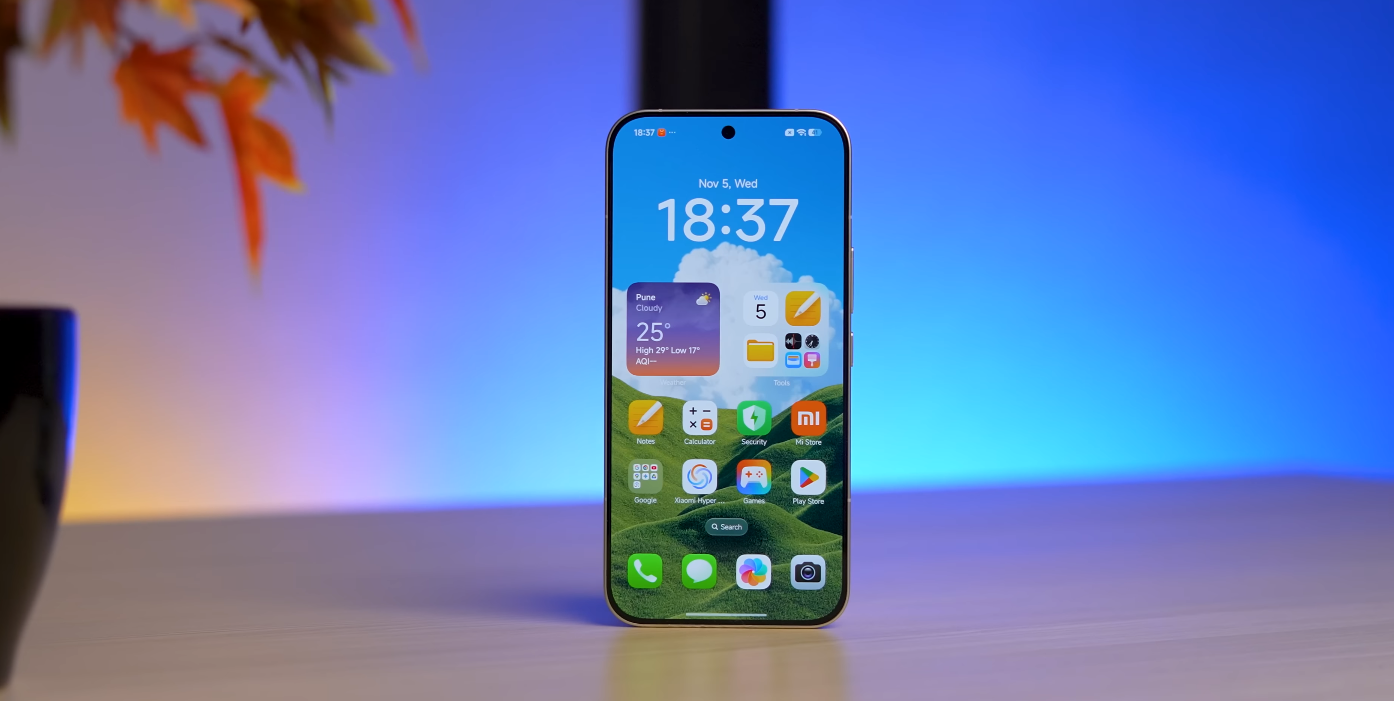
The display on the POCO F8 Pro is built around a high-quality OLED panel, designed to deliver vivid colours and sharp visuals. Under normal indoor lighting the screen looks bright, punchy and smooth, helped by its fast refresh rate. The real test, however, comes outdoors where sunlight conditions can change quickly, and devices must push brightness levels to maintain readability for maps, messages and camera framing.

Under direct UK sunlight, the POCO F8 Pro’s peak brightness performs well enough to remain legible in most cases. The panel ramps up its high-brightness mode automatically when exposed to strong light, reducing glare and improving contrast. This feature is especially useful during sunny midday conditions, where weaker displays often appear washed-out or difficult to read. The F8 Pro holds its own and stays readable without needing manual adjustments.

POCO F8 Pro display brightness test under UK sunlight

On bright days with mild cloud cover, the display performs even better. These conditions tend to reflect typical UK weather for most of the year, and the F8 Pro maintains strong visibility with accurate colours and stable sharpness. The automatic brightness sensor responds quickly, helping keep the screen comfortable whether you are outdoors for a short walk or using navigation for longer periods.

Reflections can still appear on the surface of the screen depending on how you hold the phone. The glossy finish of the display means that strong reflections from the sky or surrounding surfaces may occasionally be noticeable. However, the combination of high peak brightness and effective contrast management helps reduce the impact of glare in normal use. Adjusting the phone angle slightly is usually enough to regain clear visibility.

When used for photography outdoors, the POCO F8 Pro’s screen remains bright enough to preview shots accurately. This matters for users who rely on rear-camera framing in harsh sunlight, as lower-brightness screens often struggle in camera apps during bright shooting conditions. The F8 Pro maintains enough clarity to check focus, colour and composition even at challenging angles.

Gaming outdoors is also possible thanks to the strong brightness response, though extended use in direct sun can lead to mild dimming if the device warms up over time. This behaviour is standard across OLED displays, as phones protect themselves by lowering brightness slightly when temperatures rise. The F8 Pro manages this in a balanced way, keeping the screen readable while avoiding excessive heat build-up.

During long sessions of outdoor browsing or video playback, the phone continues to deliver a solid visual experience. Text remains sharp and videos stay vibrant, with only extreme sunlight causing a slight reduction in perceived contrast. For typical UK summer days, the brightness capacity is more than sufficient for daily outdoor tasks without frustration.

Battery impact is another important factor during high-brightness use. The F8 Pro handles brightness boosts efficiently, ensuring outdoor visibility without rapid battery drain. This efficiency matters for users who spend long hours outside or rely on their phone for navigation during travel. The balance between power usage and screen clarity remains one of the phone’s strengths.

Overall, the POCO F8 Pro offers a strong outdoor viewing experience by combining high peak brightness, responsive auto-adjustments and a high-quality OLED panel. While reflections and extreme sunlight can still challenge the display at times, the phone performs impressively for its segment. For UK buyers seeking dependable visibility outdoors, the F8 Pro stands as a reliable option that maintains clarity through varying weather and lighting conditions.

POCO F8 Pro UK retail exclusives: where to grab the best bonus offers

POCO F8 Pro UK retail exclusives where to grab the best bonus offers

How to Find the Best UK Launch Deals

For the UK market, the POCO F8 Pro promises not only strong hardware but also some attractive retail-exclusive bonus offers around its launch. When you’re planning to buy, these offers can add extra value beyond just the specs. Here’s how to spot the best deals, what to watch for, and where to check.

First, the official POCO/Xiaomi UK store will typically lead with launch bundles. These can include vouchers, free accessories (cases, chargers, earbuds), or trade-in credit when you upgrade from an older device. By buying early in the launch window you’re more likely to grab the bonus packs or limited-edition accessories. Signing up to POCO’s UK newsletter or alerts is a smart move so you don’t miss a “first 1,000 orders” style offer.

Next, major UK electronics retailers and mobile carriers are likely to run tie-in deals. These might include cashback on purchase, discounted accessory bundles, or exclusive colours only through that retailer. Students should also check student-discount platforms (e.g., UniDays, Student Beans) for codes that can layer on top of these launch offers. When bundles overlap (trade-in + voucher + accessory + student code) you can significantly enhance value.

POCO F8 Pro UK retail exclusives where to grab the best bonus offers

When comparing offers, focus on key eligible terms: ensure the deal is valid for the UK-spec version of the phone (UK warranty, correct network bands), check that accessories are official or high quality (so warranty remains valid), and verify that the trade-in programme covers your old phone model. Also review delivery date and stock — some early-bird offers may require you to order within 24-48 hours of announcement.

Useful places to monitor: the POCO UK or Xiaomi UK online store, the “Phones” section of large UK electronics chains, mobile-carrier pre-order pages and student-discount portals. These channels give you first access to bundle codes, voucher drops or “pre-order week” bonuses. When the F8 Pro launches, compare the offers side-by-side to spot which retailer gives the best overall value.

To maximise savings:
– Combine trade-in + voucher + launch bundle whenever possible.
– Lock purchase quickly once the model is confirmed (first week often carries the best extras).
– Check the box to ensure you’re getting the official UK variant (not imported) so that warranty and accessories apply.
– Keep all codes, receipts and confirmation emails stored in case of redemption or bonus fulfilment.

In short: UK buyers of the POCO F8 Pro should plan around the launch window rather than waiting months. The best value comes early and via official or large retailers offering bundled extras. By choosing carefully you’ll get more than just a new phone — you’ll get accessories, trade-in value and added bonus savings.

POCO F8 Pro hidden compromises: what specs get trimmed for global version?

POCO F8 Pro hidden compromises what specs get trimmed for global version

The Subtle Trade-Offs UK Buyers Should Know Before Purchasing

The POCO F8 Pro arrives with strong specifications on paper, but global variants often come with small adjustments that don’t show up in promotional material. These changes can affect battery life, storage options, accessories and certain hardware components. For UK buyers comparing early leaks and Chinese-market spec sheets, it’s helpful to understand where the real differences may appear before the phone officially lands.

Battery capacity is one of the most common areas where global models differ from their Chinese counterparts. While early figures suggested unusually large capacities during development stages, global devices typically receive slightly smaller batteries for regulatory, weight or certification reasons. This won’t drastically change day-to-day performance, but UK users should be aware that the endurance figures may not match the largest numbers circulating online.

Memory and storage configurations are another point where POCO often applies region-specific limitations. Chinese versions sometimes offer additional high-tier combinations such as 16GB RAM or 1TB storage, which may not be available globally. UK buyers usually see a more standardised lineup that keeps costs consistent across markets. For most users this won’t pose a problem, but those who rely on heavy multitasking or large local libraries may find fewer options than expected.

POCO F8 Pro hidden compromises what specs get trimmed for global version

Charger availability can also differ between regions. Recent POCO and Xiaomi global releases have sometimes removed the charger from the box in European markets. UK buyers should be prepared for this possibility, especially if the F8 Pro supports higher wattage charging that requires a compatible plug. This can add to the total cost even though it doesn’t appear on the spec sheet.

Camera configurations may also vary subtly. While the main sensor typically remains the same, secondary lenses such as ultra-wide or depth units are occasionally adjusted between regions. These changes are not usually highlighted in global announcements but can influence overall camera versatility. UK buyers comparing the F8 Pro to Chinese previews should keep an eye on the final official sensor list to ensure nothing essential has been trimmed.

Software treatment can be another global-specific compromise. Regional firmware versions sometimes differ in update frequency, feature availability or pre-installed apps. This doesn’t affect raw performance but can influence long-term usability and reliability. Ensuring the UK variant receives full support for system updates is especially important for users planning to keep the device for several years.

Materials and small hardware components may also see minor adjustments. Some variants receive slightly different vibration motors, speaker tuning or haptic systems depending on manufacturing batches. While these differences are subtle and rarely mentioned, they can contribute to small variations in overall feel and user experience. They won’t change the headline features, but they can influence how premium the device feels in everyday use.

Another potential compromise involves wireless features. Depending on certification requirements, global versions may see changes to supported bands or network optimisations. UK buyers should verify that the model they purchase fully supports local 5G and LTE bands to avoid issues with network performance. Although POCO generally aligns these correctly, slight regional tuning remains common.

Price positioning is also part of the global trade-off. While the Chinese market enjoys aggressive launch pricing, the UK and wider European markets often receive higher retail prices. This is less a technical compromise and more an economic one, but it does affect value perception. Buyers comparing global and Chinese pricing should account for this difference rather than expecting direct parity.

Overall, none of these compromises make the POCO F8 Pro a weak device. Instead, they reflect the typical adjustments manufacturers introduce when releasing a phone internationally. UK users who understand these differences can make more informed decisions and avoid surprises with battery size, memory options or accessories in the box.

In summary, while the POCO F8 Pro remains a powerful and compelling flagship option, global variants may feature trimmed battery capacity, reduced RAM or storage choices, missing chargers, slight camera adjustments and region-specific software differences. Knowing these details helps UK buyers set realistic expectations before committing to the purchase.

POCO F8 Pro UK price after first month: where will deals be?

POCO F8 Pro UK price after first month where will deals be

Tracking early price drops and the best places to buy in the UK

The POCO F8 Pro is expected to launch in the UK as a performance-focused smartphone with strong value for money, but many buyers are already asking a bigger question: what will the price look like after the first month? Early discounts are common in the UK smartphone market, especially for brands aiming to undercut premium competitors, and understanding where and when deals appear helps maximise savings.

At launch, the POCO F8 Pro is likely to sit in the mid-to-upper value flagship category. First-wave pricing generally stays close to the announced figures, which makes launch week attractive mainly for fans and users who need an immediate upgrade. Buying during this period offers the excitement of early ownership but not necessarily the strongest value, as discounts are usually limited to bundled accessories or trade-in credits rather than outright price reductions.

The most meaningful changes tend to appear within the first 30 days. Once early-adopter demand stabilises, retailers begin shaping offers to draw customers who were on the fence during launch week. For a device positioned as a flagship-killer, the POCO F8 Pro is expected to see modest price movement in its first month rather than dramatic cuts. Small but noticeable drops are likely, and buyers who wait may secure a more compelling deal without delaying the purchase too long.

POCO F8 Pro UK price after first month where will deals be

In practical terms, the first month after launch is when several deal sources become active. Large online retailers usually adjust prices first, making them the best places to monitor for reductions. Flash sales, voucher codes and bundle promotions tend to appear earlier on e-commerce platforms than in physical retail. Carrier-based offers also become attractive during this period for users happy to spread payments over a contract, especially when monthly plans include discounted upfront fees.

Beyond e-commerce and carriers, major UK electronics stores often introduce extended-warranty bundles or loyalty promotions shortly after launch. These aren’t always direct price drops but can provide meaningful savings for buyers looking at long-term use. During this same period, student pricing and seasonal promotions start appearing across various platforms, giving additional chances to reduce the effective cost further.

By the end of the first month, a clearer price pattern typically forms. The POCO F8 Pro is expected to settle into a more accessible range compared to its launch RRP, making it more attractive to value-focused users. Those who were unsure about whether the launch price was justified will likely find the adjusted pricing a fair balance of performance and affordability. At this point, buyers who wait are rewarded without delaying purchase for too long.

If saving the maximum amount is the priority, the ideal timing may not be within the first month but a little later, as discounts usually expand during months two and three. However, waiting longer brings the risk of short-supply situations or shifting demand from newer releases. For most shoppers, the first-month window represents a sweet spot between meaningful savings and secure availability.

The best strategy for buying the POCO F8 Pro in the UK depends on personal priorities. Early adopters can buy at launch for the latest experience, but budget-conscious buyers have good reason to wait just a few weeks to catch the first wave of market-driven price adjustments. With consistent tracking and smart timing, the F8 Pro can be purchased at a noticeable reduction without waiting so long that other models start competing for attention.

POCO F8 Pro vs budget flagship killers: which offers the smarter buy?

POCO F8 Pro vs budget flagship killers which offers the smarter buy

Choosing the Best Value Flagship in 2025

The POCO F8 Pro enters the market at a time when the budget flagship category has become more competitive than ever. Many brands now offer top-tier performance at mid-range prices, making it essential to look closely at what each device truly delivers. With its upcoming global availability and strong leaked specifications, the POCO F8 Pro is expected to challenge several established rivals in this space.

Early information suggests that the POCO F8 Pro aims to deliver flagship-level performance through a top-grade chipset and a refined user experience. The brand has consistently positioned its F-series phones as high-value alternatives, and this generation appears to be following the same strategy. For buyers who want speed and efficiency without stepping into ultra-premium territory, the F8 Pro immediately stands out.

A significant highlight is the expected focus on performance. High-end processors, better thermals, and improved graphics efficiency make the F8 Pro a strong contender for users who prioritise gaming, multitasking, or heavy productivity workloads. These improvements could place it well ahead of several affordable flagship competitors offering slightly older or less powerful chipsets.

POCO F8 Pro vs budget flagship killers which offers the smarter buy

The display is another area where POCO is looking to deliver. A high-refresh-rate panel combined with a sharp resolution gives the F8 Pro the kind of visual experience often reserved for pricier flagship models. Smooth animations, crisp details, and better outdoor visibility would give it an edge over some budget rivals that still use more basic displays to cut costs.

Camera capability remains a key battleground in this category. The POCO F8 Pro is expected to offer an upgraded sensor array, designed to improve low-light performance, stabilisation, and zoom versatility. While some competitors may still edge ahead with more advanced flagship lenses, POCO’s approach typically focuses on delivering consistent everyday performance, which is often what matters most to buyers in this segment.

Battery and charging are also essential considerations when choosing a value flagship. With many phones now pushing fast-charging technology, the F8 Pro is expected to keep pace by supporting higher wattage charging for quicker top-ups. Its battery capacity should comfortably last through a full day of mixed use, which aligns with what buyers expect from phones in this price bracket.

Software and long-term updates often separate a good purchase from a smarter one. While POCO has made improvements in update frequency and stability, competing brands in the budget flagship category may still offer longer or more guaranteed update cycles. This is an area buyers should weigh carefully, especially if they plan to keep the phone for several years.

Design, audio quality, and build materials are secondary but still significant. The F8 Pro is expected to include refined audio tuning, a sleeker form factor, and a solid build. Some competitors may offer more premium materials or additional durability features, but POCO’s strength has traditionally been delivering high-end essentials without raising the price unnecessarily.

Ultimately, choosing between the POCO F8 Pro and other budget flagship killers comes down to buyer priorities. If raw performance, fast charging, and a high-quality display matter most, the F8 Pro presents a compelling package. On the other hand, if long-term updates, brand ecosystem strength, or extra premium touches rank higher, competing devices may offer a more balanced experience.

In summary, the POCO F8 Pro delivers strong value for those seeking flagship-level performance at a lower cost. It is shaping up to be one of the smarter buys for performance-focused users, while rivals may appeal more to those who prefer long-term software reliability or premium materials. Both approaches have their merits, but the F8 Pro holds its ground well in the crowded flagship-killer arena.