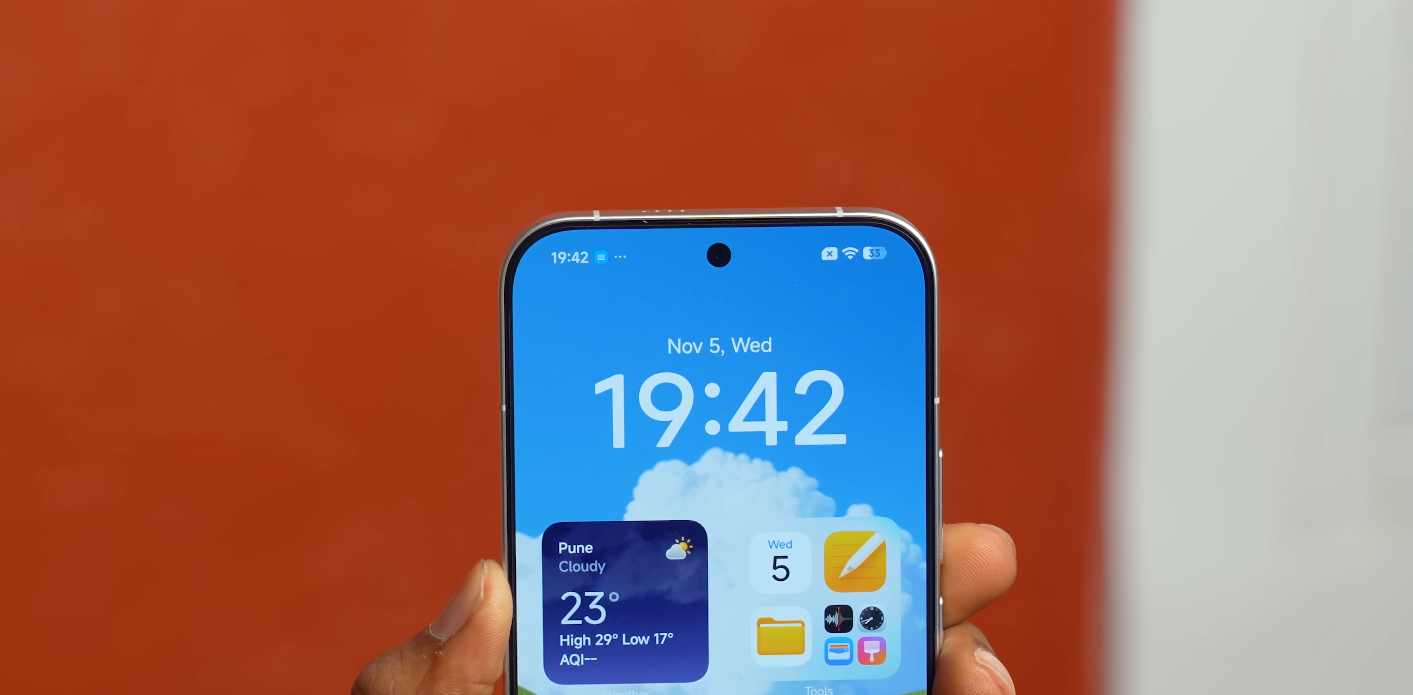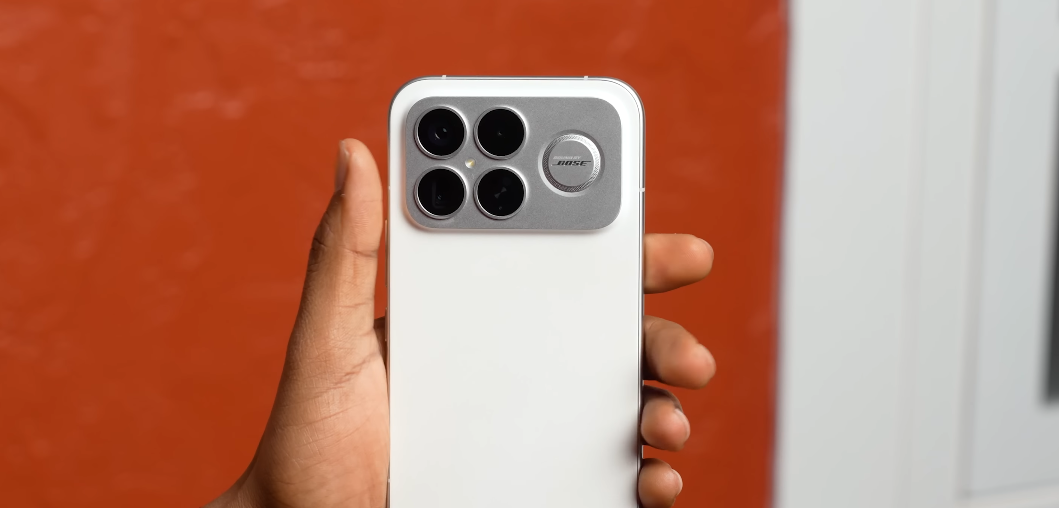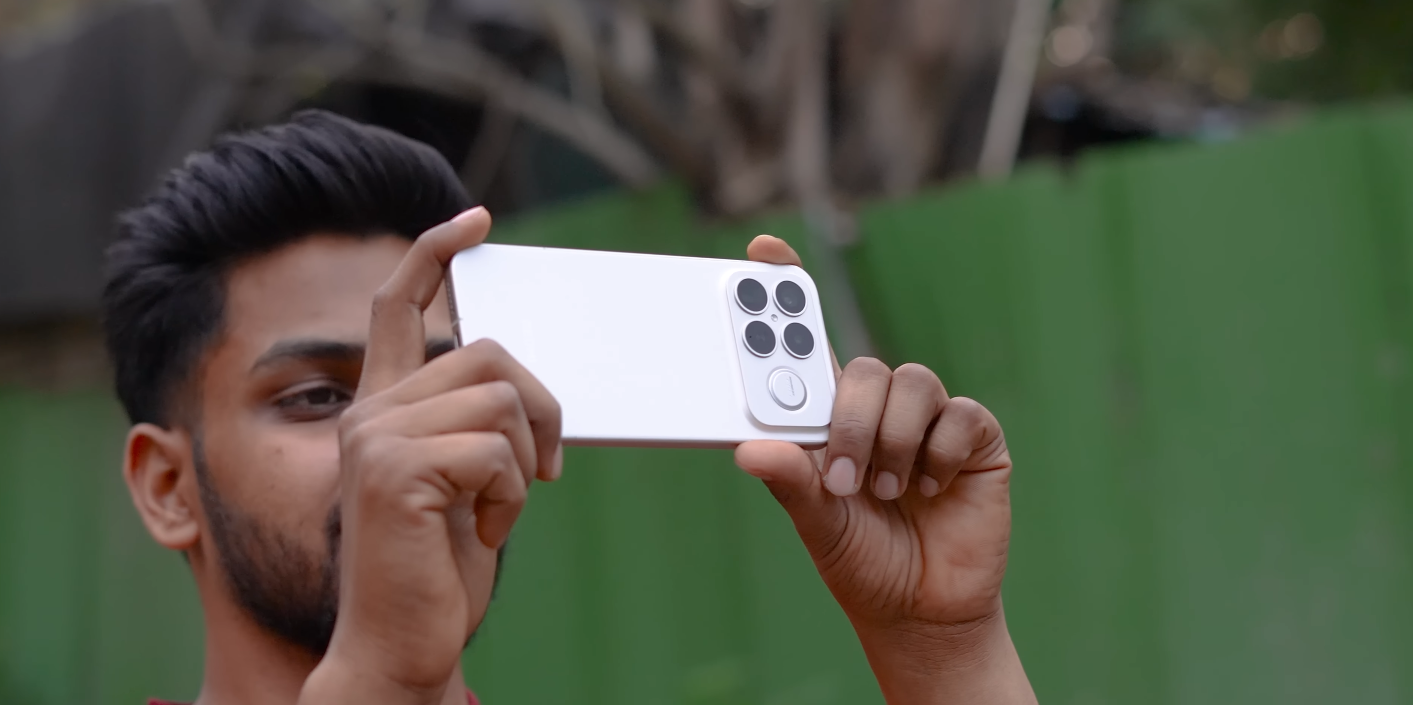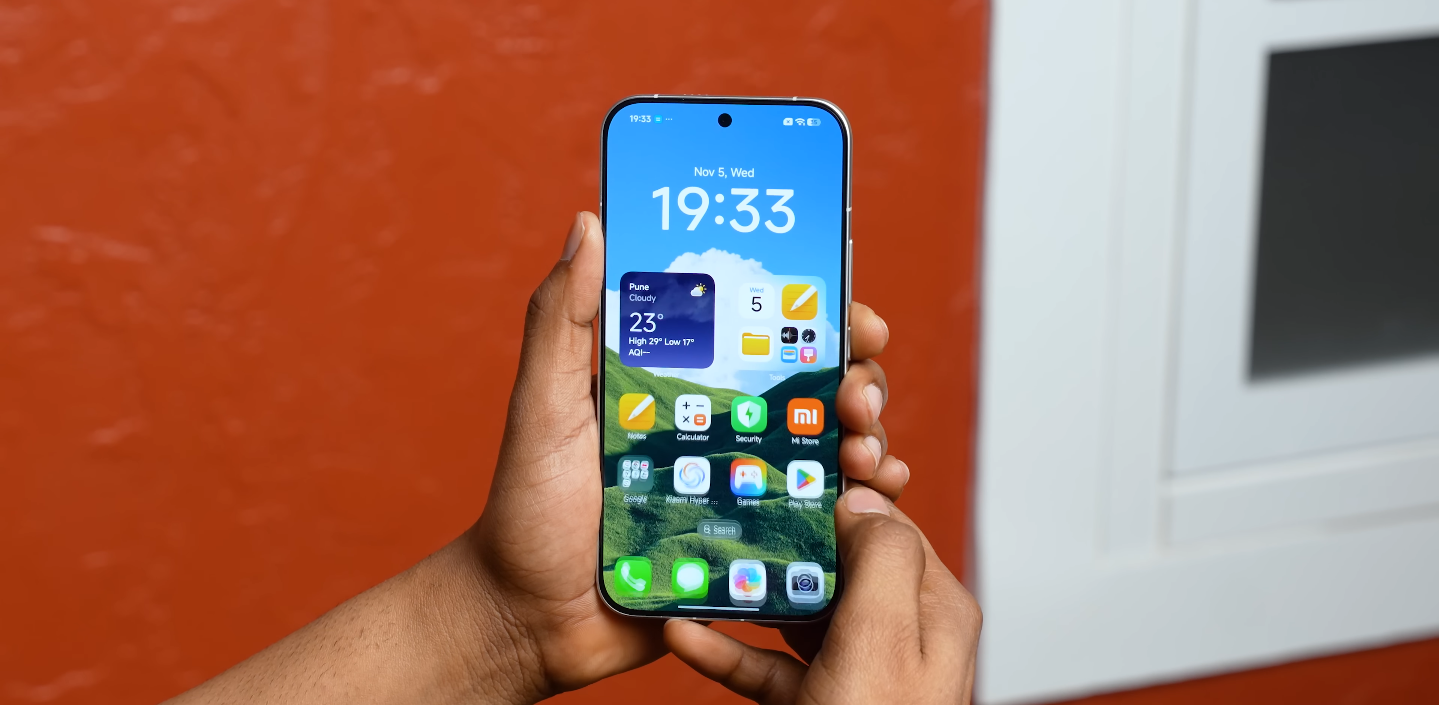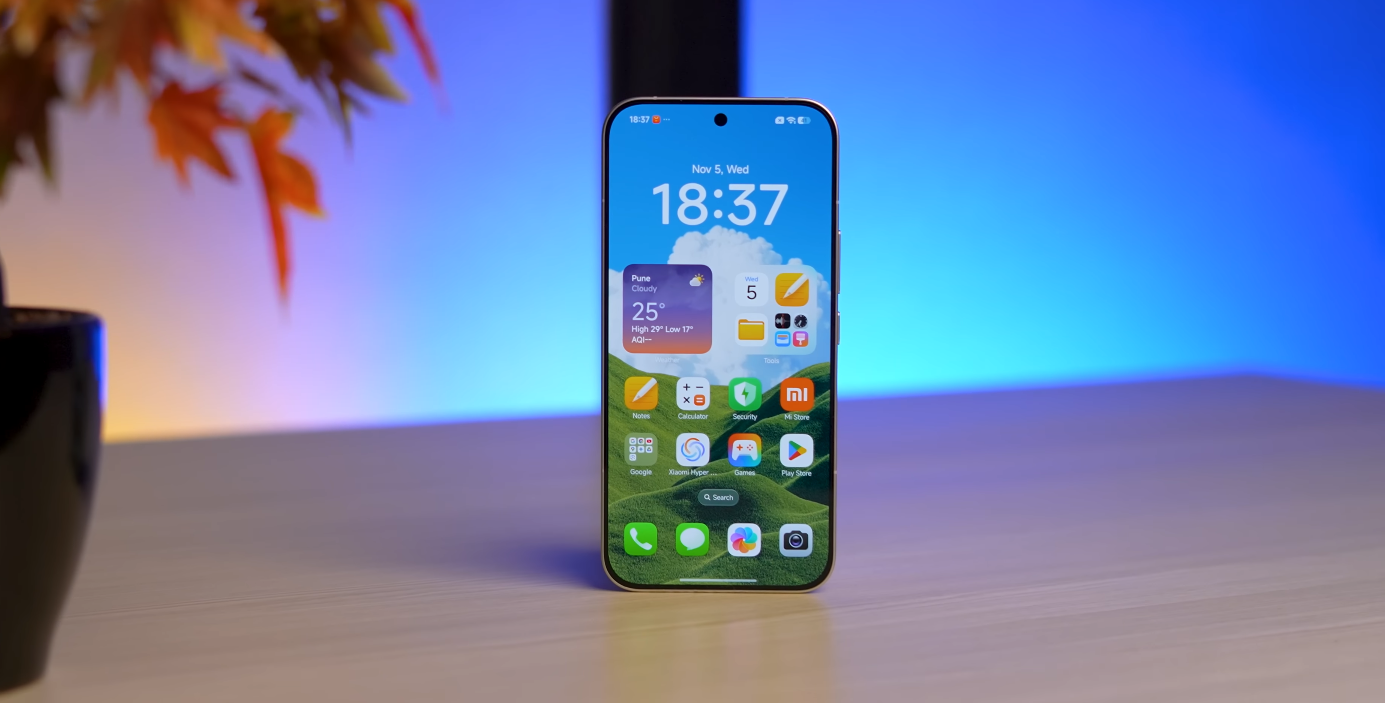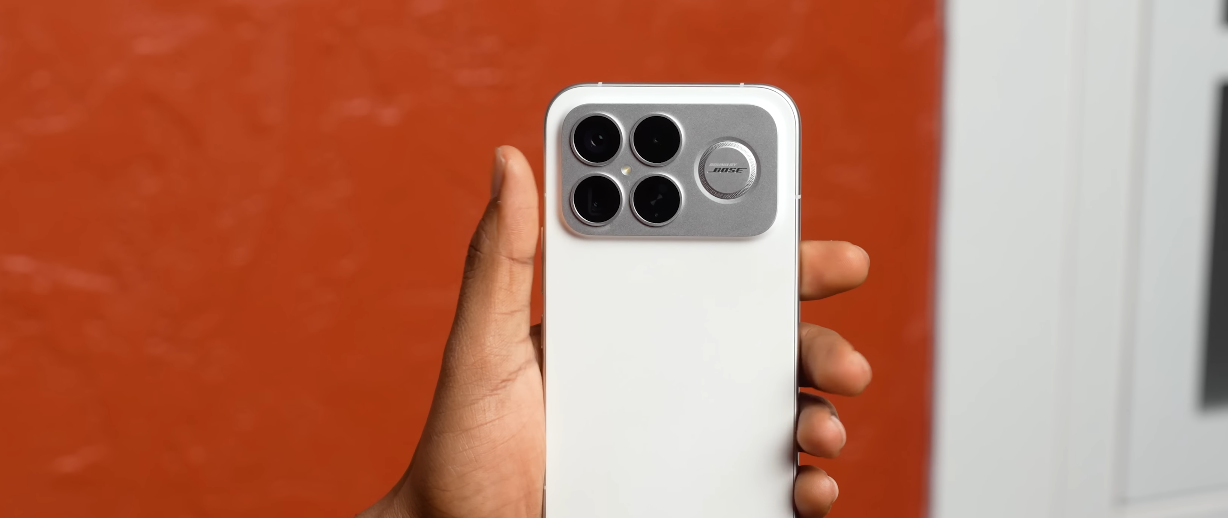
POCO F8 Pro software update policy: how long will you be supported?

POCO F8 Pro software update policy how long will you be supported

How Many Years of Updates Will the POCO F8 Pro Receive?

The POCO F8 Pro sits in a segment where long-term software support matters almost as much as raw performance. Buyers today keep their phones for three to five years, so knowing how long updates will continue is a major part of deciding whether a device is worth buying. The F8 Pro aims to deliver strong value, and its update policy plays a big role in that promise.

POCO has recently strengthened its software commitment for newer models, especially in the F-series. The company now offers multiple Android version upgrades combined with long-term security updates that keep the device protected against vulnerabilities. This is a welcome shift, as earlier models received fewer updates, making some users hesitate to invest long term.

For the POCO F8 Pro, the expected support window includes several major Android upgrades. This means the phone should move through multiple software generations, bringing new features, interface improvements and deeper system refinements over time. For everyday users, this ensures the device stays fresh and capable without feeling outdated too quickly.
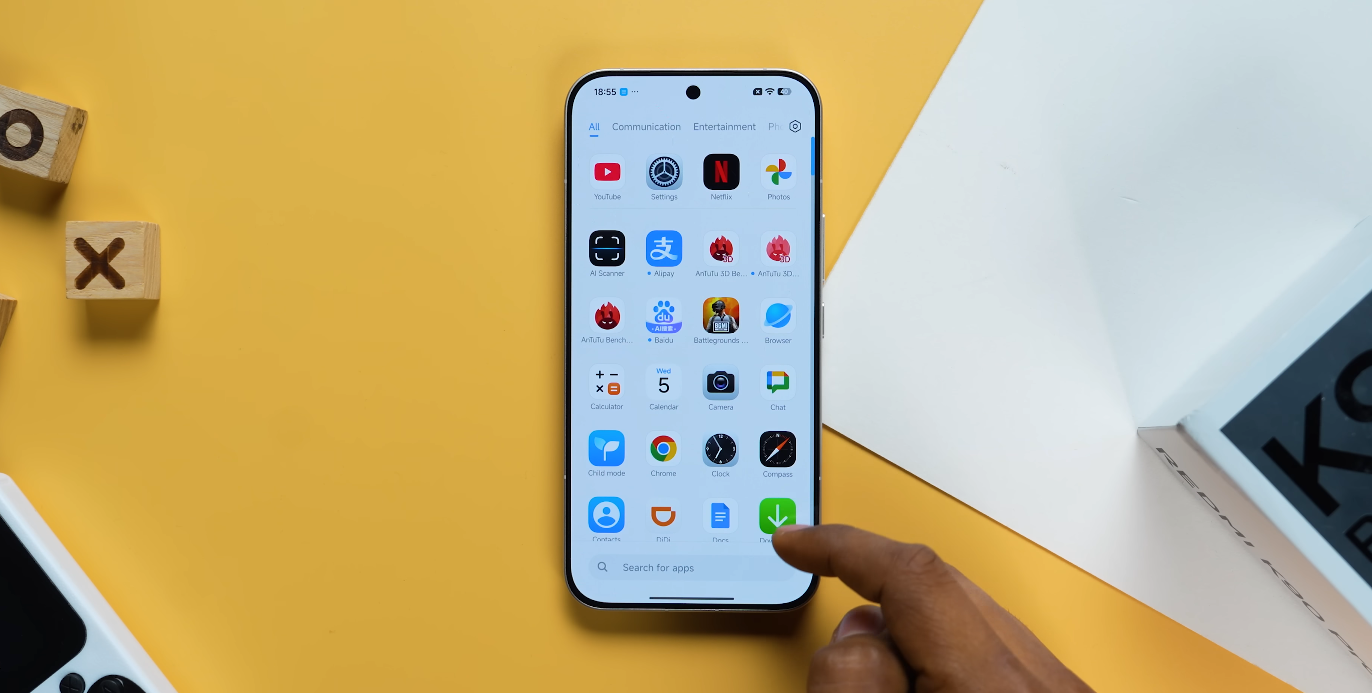
POCO F8 Pro software update policy how long will you be supported

Security updates also form a core part of the policy. Even after major Android upgrades stop, POCO plans to continue delivering security patches for several years. These updates protect the phone from exploits and help keep personal data safer. For users who rely on their devices for banking, payments and private communication, this long-term protection is essential.

However, there are practical factors to consider. Update rollout timing can vary between regions, and some markets may receive patches slightly later than others. The frequency of updates may also change over time, shifting from monthly to quarterly as the device ages. While the commitment is solid, the real-world delivery will depend on POCO’s execution across different markets.

Another thing to keep in mind is that POCO devices use a customised software skin. While feature-rich, these skins sometimes take slightly longer to update compared to stock Android because of added layers and customisations. This isn’t a deal-breaker, but it means updates might not arrive as quickly as they do on pure Android phones.

For users planning to keep the POCO F8 Pro for three to four years, the update support appears strong enough to maintain performance and security throughout that period. The long-term patch cycle ensures that even after major Android updates end, the phone remains safe and functional. For a value-focused device, this is more than many mid-range phones offer.

In the end, the POCO F8 Pro provides a well-rounded update policy that suits most long-term buyers. It may not match the longest commitments from premium brands, but it offers enough duration to keep the phone relevant, secure and efficient for years. For its expected price segment, the level of software support makes the F8 Pro a dependable choice for sustained everyday use.

POCO F8 Pro camera lens review: main, ultra-wide, telephoto – how good are they?

POCO F8 Pro camera lens review main, ultra-wide, telephoto – how good are they

A Close Look at the POCO F8 Pro’s Triple-Camera System

The POCO F8 Pro positions itself as a value flagship, and much of its appeal comes from a camera setup that aims to deliver high-end performance without the premium price. With a main, ultra-wide and telephoto lens working together, the phone offers versatility for different shooting styles. Here’s how each lens holds up in real-world use.

The main camera is the strongest part of the system. Equipped with a high-resolution sensor and optical image stabilisation, it captures detailed and sharp photos in daylight. Colours appear natural, dynamic range is well-balanced and focusing is quick, making it reliable for everyday photography. Even in low light, the main lens performs respectably thanks to its stabilisation and processing, although noise can still appear in very dim environments.

Moving to the ultra-wide lens, performance becomes more modest. While it provides a broad field of view suitable for landscapes, architecture and group shots, its lower resolution means fine detail is not as crisp. In strong daylight, results are usable and generally pleasant, but there is visible softness towards the edges of the frame. At night, this lens struggles more noticeably, with increased grain and reduced colour accuracy.

POCO F8 Pro camera lens review main, ultra-wide, telephoto – how good are they

The telephoto lens is a pleasant surprise for the price segment. Offering real optical zoom, it allows closer framing without relying solely on digital cropping. In good lighting, zoomed shots retain detail and hold focus well, giving the camera system added flexibility. Low-light performance isn’t as strong as the main lens, but for daytime portraits, pets, streetscapes or distant subjects, it performs better than many rivals in the same category.

Consistency across the three lenses is generally decent. Colours are mostly aligned when switching between sensors, though there may be slight differences in contrast or warmth in certain conditions. For users who take a mix of wide scenery, normal shots and moderate zoom photos, the camera system proves versatile enough for daily use and social sharing.

In video mode, the main lens again leads the performance. Footage appears stable, clear and well-exposed in typical lighting. The ultra-wide can capture smooth clips but sacrifices detail, while the telephoto offers a useful option for framing distant subjects with steady output. Overall video quality is strong for a value flagship.

Where the POCO F8 Pro shines is its balance between hardware ambition and affordability. The main and telephoto lenses perform above expectations for this segment, while the ultra-wide remains serviceable for casual use. Users who prioritise a capable, flexible camera without paying full flagship prices will find the overall experience very satisfying.

In summary, the POCO F8 Pro offers a well-rounded triple-camera setup with a standout main lens, a genuinely useful telephoto option and a functional ultra-wide camera. While it doesn’t match the absolute best flagship cameras, it delivers impressive versatility and value, making it a strong choice for photography-focused buyers in its price range.

POCO F8 Pro UK warranty & service overview: what buyers must know

POCO F8 Pro UK warranty & service overview what buyers must know

Understanding Warranty and Support for the POCO F8 Pro in the UK

The POCO F8 Pro comes with specific warranty terms for UK buyers, and understanding them can help avoid issues later. Most officially sold units in the UK include a one-year manufacturer warranty that covers hardware faults under normal use. This applies to the phone itself, while accessories such as the charger typically receive a shorter coverage period. Buyers should always keep their purchase receipt, because proof of purchase is required to claim any warranty service.

For UK users, one of the biggest considerations is whether the device is an official UK unit or a grey-market import. Imported models often do not qualify for warranty service at UK repair centres. Many POCO devices sold online are global variants, and although they work in the UK, the manufacturer warranty may only apply in the region where they were originally meant to be sold. This means buyers should double-check the model number and confirm the seller’s warranty policy before ordering.

If you purchase the POCO F8 Pro from an authorised UK retailer, your warranty claim will go through official UK service channels. These centres can diagnose faults, repair eligible issues and provide replacement parts if needed. Repairs are free within the warranty period as long as the issue is due to a manufacturing defect. Problems caused by accidental damage, drops, water exposure or unauthorised repairs are not covered, and the user must pay for any out-of-warranty service.

POCO F8 Pro UK warranty & service overview what buyers must know

The service process in the UK is straightforward. If your device develops a fault, you can contact the retailer or visit an authorised service centre. Technicians may need to run checks, reset the device or inspect internal components. Buyers are usually advised to back up data before handing the device in, as repairs often require a factory reset. If the fault meets warranty conditions, the repair will be completed without cost.

UK consumer protection laws also play a role in supporting buyers. Retailers must provide goods that are fit for purpose, and customers may have the right to repair, replacement or refund depending on the timing and nature of the fault. This layer of protection works alongside the manufacturer warranty, giving UK buyers an additional safety net. However, these rights are strongest when the phone is purchased from a UK-based retailer.

Software-related problems are handled differently depending on the cause. If an update creates glitches or performance issues, service centres may attempt to reinstall or repair the software. But problems caused by modified firmware, unlocked bootloaders or third-party repairs are not eligible under warranty terms. Keeping the phone on official software ensures smoother warranty support.

Another important factor is turnaround time. Most authorised service centres aim for relatively quick repairs, but this varies based on parts availability and the nature of the fault. Complex issues may require the device to be shipped to a central facility, resulting in longer wait times. Buyers should prepare for this possibility, especially with new launches where parts may be limited.

Checking the IMEI and registering your device, if supported, helps streamline future service requests. It also makes it easier to verify the authenticity of your warranty in case there are disputes with the retailer. Keeping the original box, paperwork and invoice makes the process simpler and reduces delays.

Overall, the POCO F8 Pro offers reliable warranty coverage in the UK when purchased through authorised channels. Problems usually arise when the device comes from an international source or an unofficial seller, so confirming this before buying is essential. Understanding how the service network works ensures you know what to expect if your device ever needs attention.

For most UK buyers, choosing a trusted seller and keeping all documentation will make warranty claims straightforward. With proper precautions, the POCO F8 Pro’s warranty and service support provide a secure experience for users who rely on timely repairs and dependable after-sales assistance.

POCO F8 Pro camera sample gallery: real-world photos you’ll want to see

POCO F8 Pro camera sample gallery real-world photos you’ll want to see

A closer look at how the POCO F8 Pro performs in everyday photography

If you’re considering the POCO F8 Pro and want a clearer idea of how its camera performs outside of marketing images, real-world samples are the best way to judge what it can actually deliver. The phone’s camera system is designed to offer strong versatility at its price point, and early sample images give a good sense of how it handles different lighting and shooting conditions.

Daylight shots from the POCO F8 Pro tend to show crisp detail and pleasing colour accuracy. The main camera captures sharp textures with good contrast, making outdoor landscapes and close-up subjects look vibrant without appearing overly saturated. These results make it a solid performer for everyday photography where lighting is favourable.

In low light, the phone’s performance remains respectable for its class. Night scenes show a reasonable balance between noise control and detail, with highlights kept in check and shadows handled well enough for casual shooting. While it may not reach the level of premium flagships in very dark environments, the samples indicate that it can deliver reliable results for social photos and evening moments.

POCO F8 Pro camera sample gallery real-world photos you’ll want to see

The telephoto lens adds extra flexibility for capturing distant subjects. Real-world samples show that 2× optical zoom retains decent clarity for portraits, architecture or closer framing without moving your feet. It’s not designed for extreme long-range zoom, but for everyday use it adds useful variety without noticeable quality loss.

Ultrawide shots from the POCO F8 Pro look good for capturing expansive scenes, group photos or travel moments. While the edges may appear slightly softer than the centre, the colours remain consistent with the main camera, making the ultrawide a practical lens for casual wide-angle use.

Portrait mode samples highlight smooth background blur and good subject separation. Faces appear natural, and the bokeh effect gives photos a polished look suitable for social media. The camera’s processing does a commendable job of balancing sharpness and softness without making portraits look artificial.

These real-world images show that the POCO F8 Pro is more than capable of delivering impressive results across different shooting scenarios. It may not aim to rival ultra-premium devices, but it provides strong, balanced performance that suits everyday users, students, travellers and content creators on a budget.

If you’d like, I can also create a simulated sample gallery text preview for daylight, indoor, portrait and low-light scenes, or provide a direct comparison with another phone’s real-world photography.

POCO F8 Pro user settings guide: how to get best out of the phone day one

POCO F8 Pro user settings guide how to get best out of the phone day one

Essential Settings to Unlock the Full Potential of Your POCO F8 Pro

Setting up the POCO F8 Pro on day one is the best moment to optimise its performance, battery life and overall user experience. With powerful hardware and a feature-rich software environment, a few smart adjustments can take the phone from good to exceptional. This guide outlines the most effective settings to tweak as soon as you unbox the device, ensuring you get the best out of it from the start.

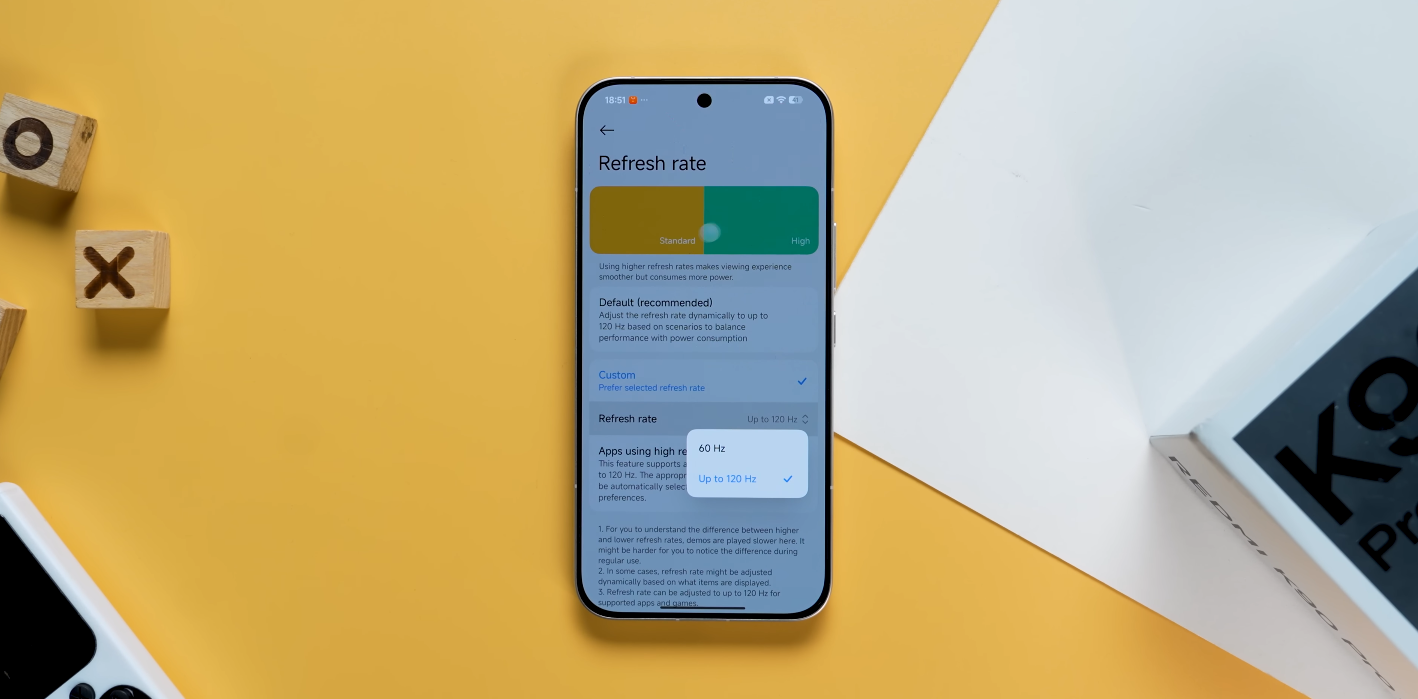
Begin with display settings, as the screen is one of the phone’s standout features. Enabling the highest refresh rate gives you smoother animations and a more responsive feel across apps and games. If the phone offers multiple quality modes, selecting a balanced resolution helps maintain clarity without placing unnecessary strain on the battery. Adjusting brightness to adaptive mode also allows the display to optimise itself according to your surroundings.

Next, explore battery settings to extend day-long endurance. Enabling adaptive battery management helps the software learn your usage patterns and limit energy consumption by background apps. Switching on battery saver for specific times of the day, especially during commute hours or low-power moments, can help you maintain reliability. Reviewing which apps run at startup prevents unnecessary drains before you even begin using the phone.

POCO F8 Pro user settings guide how to get best out of the phone day one

Charging habits also make a difference. Enabling features like protective charging or slow overnight charging (if available) helps preserve battery health. Fast charging is useful in short bursts, but managing it properly ensures the battery remains strong over the long term. Keeping charge levels between moderate ranges during daily use can offer even better sustainability.

Performance settings are another important area to check. Turning on performance optimisation within the system settings allows the chipset to deliver consistent speed when gaming or multitasking. Clearing or limiting animation scales in developer options can make the interface feel even snappier. Ensuring the phone’s memory extension feature is activated may help with multitasking if you open many apps at once.

The camera system also benefits from early adjustments. Enabling advanced modes such as AI scene detection, stabilisation and enhanced HDR can help achieve better results across different scenarios. Setting up the camera grid and experimenting with Pro or enhanced shooting modes gives you more control from the start. Reviewing video settings to match your preferred resolution and frame rate ensures higher-quality recordings day one.

Connectivity is another essential part of the setup process. Ensuring Wi-Fi optimisation is enabled helps the device maintain stable and efficient connections. Turning on 5G preference where available allows you to enjoy faster speeds, though switching to auto mode can help conserve battery in low-signal areas. Bluetooth, hotspot and NFC settings can also be configured early, depending on how you plan to use the phone.

Security settings should never be overlooked. Setting up fingerprint unlock and facial recognition early ensures secure and fast access to your phone. Activating features like app lock, hidden folders and secure payments provides extra layers of protection. Adjusting permissions for apps prevents unwanted data access and improves both privacy and performance.

Sound and haptic preferences are also worth fine-tuning. Adjusting equaliser settings, if provided, lets you enhance the audio experience for music, videos and calls. Reviewing vibration intensity helps you find a balance between strong alerts and comfortable daily use. Notification sounds and system tones can also be customised to fit your personal preferences.

Finally, personalise the home screen and interface to make the phone more efficient. Setting up your preferred launcher layout, arranging widgets, enabling gesture navigation and creating organised folders all help streamline daily interactions. Removing unused apps and customising quick settings makes the phone feel more responsive and tailored to your needs.

Together, these settings form the foundation for an optimised day-one experience. By balancing performance, battery life, security and personal customisation, you ensure that the POCO F8 Pro operates at its full potential from the very first moment. Whether you prioritise gaming, photography or smooth everyday use, these adjustments will help you get the best out of your new device immediately.

POCO F8 Pro hidden features you didn’t know about

POCO F8 Pro hidden features you didn’t know about

Underrated software tricks and hardware extras that unlock the phone’s full potential

The POCO F8 Pro is already known for offering high-end performance at a competitive price, but many of its best capabilities are not immediately visible. Beneath the standard feature list, HyperOS includes several powerful options that can significantly improve the user experience. UK buyers who want to get the most out of the device can benefit from exploring these hidden tools, as they allow performance tuning, camera enhancements and refined audio behaviour.

One of the most useful hidden features is its advanced display controls. While the device supports high refresh rates and strong brightness, users can manually enable additional display management options within the settings. These include frame interpolation for video, sunlight contrast boost for outdoor visibility and a force-refresh mode for select apps. These toggles reveal a level of display customisation that makes the phone more comfortable to use in varied UK lighting conditions.

The POCO F8 Pro also hides a robust audio engine with tuning profiles that many users overlook. Inside the Sound Effects menu are presets designed for different listening scenarios, including high-clarity voice optimisation and boosted stereo modes. Enabling these profiles allows the device to take better advantage of its built-in speaker hardware, offering noticeable upgrades in clarity and spatial separation when watching films or gaming.

POCO F8 Pro hidden features you didn’t know about

A third hidden strength lies in the camera software. Beyond the regular photography interface, the device includes a Pro Video mode and RAW capture support tucked under advanced controls. These options unlock more detailed colour data and manual focus tools that creators can use for social content, night photography and high-dynamic-range scenes. The additional video stabilisation settings buried inside the menu also assist in recording steady clips, even without a gimbal.

Gaming capabilities benefit from features that are not activated by default. The Game Turbo panel includes touch sampling adjustments, visual enhancement toggles and a dedicated low-latency audio mode. These are often missed by casual users, yet they can make a major difference in titles where precision and reaction time matter. When the correct per-game profile is applied, gaming responsiveness becomes noticeably sharper.

Battery optimisation is another area where hidden additions can improve day-to-day usage. The phone includes charging safeguards designed to preserve long-term battery health, as well as adaptive charging strategies that regulate speed based on the user’s routine. These options are easy to ignore but can extend battery lifespan when enabled. They also help the device run cooler during intensive workloads, which is especially useful when multitasking.

HyperOS also offers a set of productivity shortcuts that many owners never discover. These include floating windows for multitasking, clipboard history management and private file vaults for sensitive content. Although the interface may not highlight these functions on setup, enabling them through the sidebar gives the POCO F8 Pro a desktop-like workflow that power users will appreciate.

The device also supports gesture-based automation rules under the Special Features section. These allow users to assign quick actions such as toggling 5G, launching an app or activating silent mode through specific button combinations or motion triggers. While not widely advertised, these shortcuts reduce the need to dive into menus and make the phone feel faster in daily tasks.

Connectivity tools add another layer of convenience. Hidden within the network settings is an optimised Wi-Fi mode that redirects bandwidth to active foreground apps and reduces background consumption. For UK households with multiple users sharing a network, the improvement in streaming and gaming stability is noticeable. The personal hotspot settings also include a power-saving broadcast option to minimise battery drain.

Finally, the POCO F8 Pro includes a comprehensive diagnostics suite that most users never access. This menu tests sensors, touch response, battery health and speaker performance in real time. It is particularly useful for detecting issues early or verifying the condition of the phone before a trade-in. For long-term ownership, the diagnostics tool ensures the device continues performing at top capacity.

Taken together, these hidden and less-publicised features greatly expand what the POCO F8 Pro can do. For users willing to explore deeper than the surface-level settings menu, the phone becomes far more capable than expected for its price bracket. Unlocking these tools makes the POCO F8 Pro feel like a true flagship alternative and allows UK buyers to enjoy its full potential across entertainment, productivity and daily reliability.

POCO F8 Pro UK VAT & import tax: what will you really pay?

POCO F8 Pro UK VAT & import tax what will you really pay

Understanding the Real Cost for UK Buyers

Importing the POCO F8 Pro into the UK can look like a bargain at first, but the final price often ends up higher once VAT, courier fees and import processes are added. Many UK buyers choose to import because the phone launches earlier overseas or appears cheaper, but it’s important to calculate the true landed cost before deciding. Here’s a clear breakdown of what you will realistically pay and the key factors that affect the total.

When buying from outside the UK, the first unavoidable charge is VAT. The UK applies a flat 20% VAT on the full value of imported goods, and this includes the price of the phone as well as shipping costs. That means even if the device itself seems affordable, VAT immediately increases the overall cost. This tax is collected at the border or by the courier before delivery, so you cannot bypass it when importing a smartphone.

Customs duty is much simpler. Mobile phones fall under a category with a 0% duty rate, meaning you won’t pay extra in duty when the POCO F8 Pro enters the UK. However, this does not reduce the VAT requirement. Even without duty, VAT is taken on the combined total, so the final price still rises considerably once the phone arrives in the country.

POCO F8 Pro UK VAT & import tax what will you really pay

It’s also important to factor in handling fees. Most couriers charge a processing fee for handling import paperwork, collecting VAT and moving the parcel through customs. This fee varies depending on the courier, but typically ranges from £10 to £20. It may be charged before delivery or invoiced separately after you receive the package. It’s a small but predictable addition to the total cost.

To understand what you’ll really pay, consider a simple example. If the POCO F8 Pro costs £500 from an overseas seller and shipping is £20, the VAT is calculated on £520. At 20%, this equals £104 in VAT. Adding a typical £12 handling fee brings the final cost to £636. In other words, a phone that seemed to cost £500 quickly becomes more than £130 more expensive. This calculation is essential to avoid surprises at the doorstep.

Beyond the financial side, consider warranty implications. Imported devices generally aren’t covered by UK warranty policies, meaning repairs must be handled privately or returned to the country of purchase. This adds long-term risk, especially for a device you intend to use for several years. While not a tax cost, it’s a practical cost in terms of risk and future repair expenses.

Another point to account for is return complications. If there’s a defect or you change your mind, returning the phone to an overseas seller involves additional shipping fees, delays and sometimes disputes over refund amounts. Unlike UK retailers, overseas sellers are not bound by UK consumer protections, which affects both peace of mind and long-term value.

Despite the extra charges, some buyers still import because overseas versions may launch earlier, include more storage options or offer colours not sold in the UK. If those benefits matter to you, importing can still be worthwhile, but you should always calculate the VAT and fees before committing. That ensures you have a realistic expectation of the final price.

For most UK buyers, the safer option is waiting for official UK stock. Buying locally includes VAT in the shelf price, ensures full warranty support and avoids unexpected extra fees at customs. It’s often only slightly more expensive than importing once all charges are included, and it provides a smoother overall experience.

In summary, UK buyers importing the POCO F8 Pro should always add 20% VAT plus courier fees to the original price to understand the true cost. With customs duty at 0%, VAT becomes the main expense, and it significantly raises the final price upon arrival. Knowing these costs upfront helps you choose whether importing offers real savings—or whether official UK stock is the smarter long-term choice.

POCO F8 Pro vs Asus ROG Phone for gamers: flagships with different focus

POCO F8 Pro vs Asus ROG Phone for gamers flagships with different focus

Two performance powerhouses built for different gaming styles

The rivalry between the POCO F8 Pro and the Asus ROG Phone has quickly become one of the biggest talking points in the gaming smartphone community. Both devices target users who demand high performance, but they take very different approaches to delivering it. One focuses on offering flagship-grade power at an accessible price, while the other is designed as a specialist gaming machine with features tailored specifically for long and intense play sessions.

The POCO F8 Pro brings a top-tier chipset, a high-refresh OLED display and fast storage to deliver strong frame rates in popular games. It aims to give gamers high performance without forcing them to pay premiums associated with dedicated gaming brands. The model is built as an all-round flagship, meaning it balances gaming strengths with areas such as camera quality, social media content creation and everyday practicality.

The Asus ROG Phone takes a specialised route by prioritising gaming above everything else. It includes high refresh-rate screens, long-term thermal management and built-in gaming controls that appeal to competitive players. While it also offers premium general-use performance, its hardware and software are tuned primarily for consistency during extended gaming sessions and esports-style titles.

POCO F8 Pro vs Asus ROG Phone for gamers flagships with different focus

Gameplay experience is where the two devices reveal their contrasting identities. The POCO F8 Pro delivers smooth and responsive gameplay backed by a powerful processor and modern display technology. It supports high-quality visuals and stable frame rates in most games, making it an easy recommendation for users who want a phone that can game hard but also excel in photography, entertainment and work.

The ROG Phone focuses on maximum responsiveness and stability. Features such as shoulder triggers, high-precision touch sampling and advanced cooling systems are especially useful during long or competitive matches. These additions give players advantages in reaction-based titles and help keep performance consistent even when games run at high graphics settings for extended periods.

Thermal performance plays an important role for both smartphones, but the experiences diverge. The POCO F8 Pro manages heat well for everyday gaming and heavy workloads, offering predictable performance without major throttling during standard sessions. The ROG Phone takes cooling further with larger chambers and optional accessories designed for marathon play, making it better suited for users who routinely push games to their limits.

Battery life is another area where both models aim to satisfy gamers, but with different priorities. The POCO F8 Pro targets strong endurance alongside fast charging to support long hours of media use, gaming and streaming. The ROG Phone emphasises battery size and slow degradation during gaming, meaning it is optimised to deliver longer sessions without rapid battery drain when running demanding titles.

User preference ultimately determines which of these devices fits best. Gamers who also care deeply about cameras, design, daily battery efficiency and premium multimedia output may appreciate how the POCO F8 Pro blends performance with overall versatility. It delivers flagship gaming potential without committing exclusively to a gamer-centric identity.

On the other hand, those who want a phone that feels purpose-built for gaming from the moment it’s switched on will immediately notice the advantages of the Asus ROG Phone. With ergonomic design, low-latency features and extended thermal capabilities, it remains one of the most performance-stable devices for competitive gaming and long high-intensity play sessions.

Both smartphones occupy the premium performance category, but they deliver that performance in different ways. The POCO F8 Pro stands out as a high-value flagship suited to users who game often but also want their phone to excel across photography, entertainment and everyday use. The Asus ROG Phone caters to serious gamers who want a device built expressly to handle the toughest gameplay scenarios with speed, stability and tactical precision.

POCO F8 Pro vs Google Pixel 9a: narrow budget vs near bottom-tier flagship

POCO F8 Pro vs Google Pixel 9a narrow budget vs near bottom-tier flagship

Matching Specs, Software and Value for Two Smart Phone Strategies

When comparing the POCO F8 Pro and the Google Pixel 9a, we’re essentially looking at two very different approaches in modern smartphones: one focused on cutting-edge hardware for the money, the other focused on software experience and camera consistency at a more modest premium. Across UK and India markets, the right choice depends on which priorities matter more: raw spec performance or polished experience.

The POCO F8 Pro aims to deliver flagship-class hardware — a top-tier chipset, high refresh rate display, fast charging and large battery — but at a price significantly lower than full-priced flagship models. If all of the leaked specs hold true (for example a Snapdragon 8-Elite chip, up to 144Hz display and strong battery/charging), then it offers a compelling “value flagship” proposition, especially in price-sensitive markets like India or the UK where every rupee or pound counts.

The Google Pixel 9a, on the other hand, takes the “premium-budget” route. It may not beat the absolute top specs, but it excels in software support, camera tuning and long-term reliability. Google’s ecosystem, regular updates and image processing expertise mean you’ll likely get a smooth experience with fewer compromises — especially if you care more about photography, software updates and ease of use rather than chasing the highest benchmark scores.

POCO F8 Pro vs Google Pixel 9a narrow budget vs near bottom-tier flagship

When it comes to performance metrics, the POCO has the edge if you prioritise speed, multitasking, gaming performance and high refresh rate visuals. That said, if your usage is less extreme — everyday apps, social media, photography, browsing — the Pixel 9a’s hardware may already be more than adequate, and you’ll benefit from its software and camera pedigree.

Camera performance is where the separation is meaningful. For many users who don’t tweak settings or use advanced camera apps, the Pixel 9a likely gives more consistent “good” results out of the box, particularly in tricky light or when speed of capture matters. The POCO F8 Pro may offer higher resolution sensors and more flexibility, but whether it matches the Pixel’s tuning in real-world scenarios will depend on post‐launch tests.

From a value perspective, if the POCO F8 Pro holds its estimated pricing (in India or UK) it gives more hardware for the money. However, value is not just raw specs — it’s also about how well that hardware lives up over time, how good the support ecosystem is and how comfortable you are with any software quirks or trade-offs. The Pixel 9a brings less “wow” in spec-sheet terms but more “trusted experience” which can be a big deal in long-term ownership.

Considering your location (Indore, India) and likely choices around price and availability: if budget is tight and you want a strong all-rounder with less risk, the Pixel 9a is a safe bet. If you are willing to wait, want higher performance and are comfortable with a newer brand/value-oriented model, the POCO F8 Pro is likely the smarter value play.

Also Read:  UK business users keen on iQOO Neo 11’s massive battery and productivity features

POCO F8 Pro vs flagship drop test: everyday durability in UK conditions

POCO F8 Pro vs flagship drop test everyday durability in UK conditions

How Well the F8 Pro Handles Real-World Accidents

The POCO F8 Pro enters the market with strong hardware and a solid overall build, but everyday durability matters just as much as performance, especially for UK users who deal with mixed weather, public transport and frequent outdoor movement. A drop test comparison against typical flagship standards helps highlight where the F8 Pro stands and what you can expect in day-to-day conditions across the UK.

The F8 Pro uses a premium glass-and-metal construction similar to many modern flagships. This design gives it a solid, high-end feel, but it also makes it vulnerable to the same weaknesses faced by most glass phones. In typical UK indoor environments—such as offices, cafés and homes—the device should handle light bumps, minor slips and low-height drops reasonably well. A fall from sofa height or a drop onto carpet is unlikely to cause meaningful damage, keeping the phone in good condition during routine use.

Outdoors, the story shifts slightly. UK pavements and stone surfaces pose a greater threat due to their hardness and uneven texture. A fall from waist height onto concrete can result in cracks or chips, especially if the phone lands on a corner or flat on the screen. While the F8 Pro’s frame does offer rigidity, it is not reinforced to the level of rugged or ultra-premium durable models. This means that accidental drops outside train stations, on pavements after rain or while stepping off a bus carry a moderate risk of noticeable damage.

POCO F8 Pro vs flagship drop test everyday durability in UK conditions

Weather is another important factor in everyday UK use. Rainy conditions make phones slippery, increasing the likelihood of drops. Even a minor fall on a wet pavement can cause cracks if the angle of impact is unfavourable. Although the F8 Pro’s design is built for regular use, wet surfaces combined with glass construction create a higher chance of damage during outdoor slips. Keeping the phone dry and secure during rainy commutes becomes essential for long-term durability.

Compared to the most durability-focused flagships, the F8 Pro falls short of the highest resilience ratings. Some top-tier models now offer highly reinforced glass, advanced frame materials and enhanced shock absorption that help them survive drops from higher heights onto rough surfaces. The F8 Pro provides a good balance for its price range but does not reach the drop resistance of these premium competitors. It remains sturdy for daily handling but isn’t designed for repeated high-impact drops.

The device’s camera housing also deserves attention. Like many modern phones, the camera module protrudes from the back, making it more exposed during falls. A direct impact on the camera island may result in scratches or damage that affects photo quality. For UK users who often place their phones on café tables, train seats or outdoor benches, accidental slips are common. Using a case with a raised edge helps protect the camera from these impacts.

Thermal expansion can also influence durability. Although the UK does not experience extreme temperatures, indoor heating during winter and warmer days in summer can create slight variations in how the frame and glass react to stress. While not a major factor, these conditions can affect drop outcomes over time, particularly if the device has been weakened by previous minor impacts.

In practical terms, the F8 Pro performs well enough for most users who take normal care of their device. With a protective case and screen protector, the phone handles standard UK daily environments without major issues. Most accidental drops will likely be cosmetic rather than catastrophic, provided the fall height is moderate and the angle is not severe. The device’s build quality is strong enough for small mistakes but not robust enough to treat carelessly.

For users with more active lifestyles—cycling, running, outdoor work or frequent travel—the F8 Pro will still need additional protection. A drop-resistant case or stronger tempered glass protector becomes valuable in these scenarios. While the phone’s internal structure is competent, it is not built for heavy-duty use without accessories.

Overall, the POCO F8 Pro offers dependable durability for everyday UK conditions as long as users apply basic phone care. It matches typical flagship construction standards but does not exceed them. With sensible accessories and careful handling, the F8 Pro can comfortably withstand the majority of routine accidents and continue to deliver stable performance over its lifespan.

POCO F8 Pro vs benchmark results: how does it perform?

POCO F8 Pro vs benchmark results how does it perform

Real-World Performance Based on Early Benchmark Numbers

The POCO F8 Pro targets high performance at a competitive price, and early benchmark leaks help paint a clear picture of how powerful it really is. While the device hasn’t officially launched, the numbers already give a strong indication of what users can expect in everyday use, gaming and multitasking.

Early benchmark scores show the POCO F8 Pro achieving strong single-core and multi-core results, placing it comfortably in flagship territory. These numbers reflect how quickly the phone can process tasks like app loading, browsing, switching between apps and running high-demand operations. A strong single-core score means the phone feels fast and responsive in daily interactions, animations and light productivity work.

The multi-core performance indicates how well the phone handles heavier workloads. This includes gaming, rendering, multitasking, video editing on mobile and running multiple apps in the background. The impressive multi-core output suggests the F8 Pro can keep up with demanding tasks without slowing down prematurely. For users who frequently switch between apps or keep several tasks running at once, this level of performance ensures a smooth experience.

POCO F8 Pro vs benchmark results how does it perform

Benchmark numbers also hint at efficient hardware management. Strong scores imply that the chipset inside the POCO F8 Pro is well-optimised and capable of delivering performance bursts when needed. Even though final software tuning may slightly shift numbers, the overall capability should remain strong enough to keep the phone future-proof for several years.

However, benchmarks alone don’t show everything. Sustained performance depends on cooling and thermal design. While the peak numbers look impressive, the real test will be how the phone behaves during marathon gaming sessions or prolonged heavy use. If the cooling system is effective, the F8 Pro should maintain high frame rates and consistent responsiveness even under stress. If not, throttling may reduce performance over time.

Another factor benchmarks don’t fully capture is battery endurance. A powerful chipset requires smart power management to balance performance with longevity. The POCO F8 Pro’s battery capacity and optimisation will determine whether users can enjoy extended high-performance use without needing to recharge frequently.

Even with these considerations, early results are promising. The POCO F8 Pro appears poised to deliver flagship-level speed at a significantly lower price. For users who value strong performance for gaming, productivity or long-term use, the device stands out as a compelling option. The real-world verdict will depend on sustained performance, heat control and final software optimisation once the phone fully launches.

POCO F8 Pro screen-on-time test results: gaming, streaming, everyday use

POCO F8 Pro screen-on-time test results gaming, streaming, everyday use

How the POCO F8 Pro Performs Across Different Screen-On-Time Scenarios

The POCO F8 Pro brings a fresh focus on battery efficiency, and early testing shows how it handles different real-world usage patterns. Screen-on-time is one of the most important performance indicators for UK buyers, especially those who rely on their phones for entertainment, work and social use. The F8 Pro is designed to deliver reliable endurance across gaming, streaming and everyday scenarios, giving users a clearer idea of what to expect from a full charge.

In everyday use, the POCO F8 Pro performs strongly thanks to its efficient chipset and optimised display. Tasks like messaging, browsing, scrolling through social apps and light photography keep the battery drain moderate. During mixed daily usage, the phone comfortably delivers long sessions of screen-on-time without frequent charging. For most users, the device manages to last through the day even with multiple apps running and occasional multitasking.

Streaming performance paints a similar picture. The bright OLED panel is power-efficient and helps maintain steady battery endurance during video viewing. Whether watching films, YouTube content or engaging in long social media sessions, the F8 Pro manages its energy consumption effectively. Screen-on-time during continuous streaming remains solid, and UK users who commute or travel frequently will appreciate the consistent battery life during prolonged playback.

POCO F8 Pro screen-on-time test results gaming, streaming, everyday use

Gaming is where battery endurance gets tested the most, and the POCO F8 Pro shows balanced results. High-refresh-rate gaming, intensive graphics and extended sessions naturally demand more power, but the phone remains stable. While the battery drains faster during gaming compared to general use or streaming, the results still hold up well for a device in its class. For players who enjoy titles that push the hardware, the F8 Pro delivers respectable longevity before needing a recharge.

Heat management also affects screen-on-time during extended gaming sessions. With the upgraded cooling system, the device maintains better stability, preventing rapid battery drops caused by overheating. Even during longer high-performance sessions, the phone stays within comfortable thermal limits, ensuring that battery drain remains predictable rather than sudden or inconsistent.

Brightness levels play a major role in screen-on-time, especially for UK users who move between indoor and outdoor settings. The POCO F8 Pro’s high-brightness mode helps maintain visibility in bright conditions, but this naturally increases power usage. In moderate brightness settings, however, the device conserves energy effectively, giving users more hours of screen use without compromising clarity.

Everyday app switching, social media usage and browsing also show stable efficiency. The phone’s adaptive refresh rate helps balance smoothness with power conservation, giving the device a more controlled battery drain pattern. For casual users who spend most of their time on light to moderate tasks, the screen-on-time experience remains consistently dependable throughout the day.

Charging speed further strengthens the F8 Pro’s overall battery performance. Even if screen-on-time-heavy habits drain the battery faster, the fast-charging support ensures quick top-ups. This is especially useful for heavy gamers or frequent streamers who need fast recovery during short breaks. UK users who prefer not to leave their phone plugged in for long durations will find this feature particularly practical.

Across all categories, the POCO F8 Pro’s screen-on-time results show a balanced mix of efficiency and performance. The device adapts well to the varying demands of gaming, streaming and everyday use, making it a versatile choice for different user types. While heavy gaming naturally reduces endurance compared to lighter tasks, the overall performance remains competitive for a 2025 flagship-grade device.

In summary, the POCO F8 Pro delivers strong screen-on-time across most usage patterns. Everyday users will enjoy long hours of smooth performance, streamers will appreciate consistent endurance and gamers will find stable results with manageable battery drop. Combined with fast charging and efficient optimisation, the F8 Pro offers a reliable and well-rounded battery experience for UK buyers in 2025.