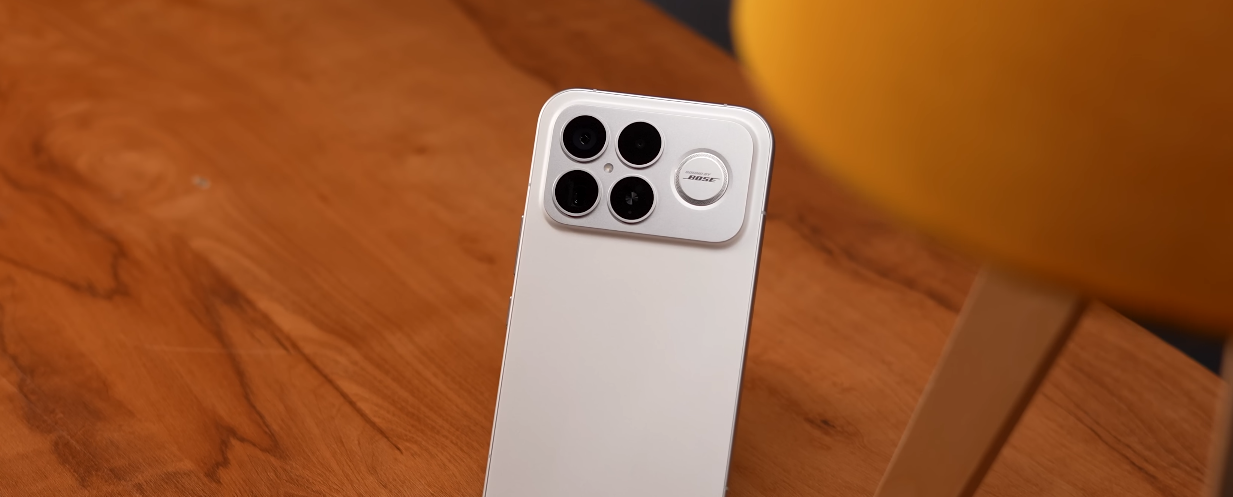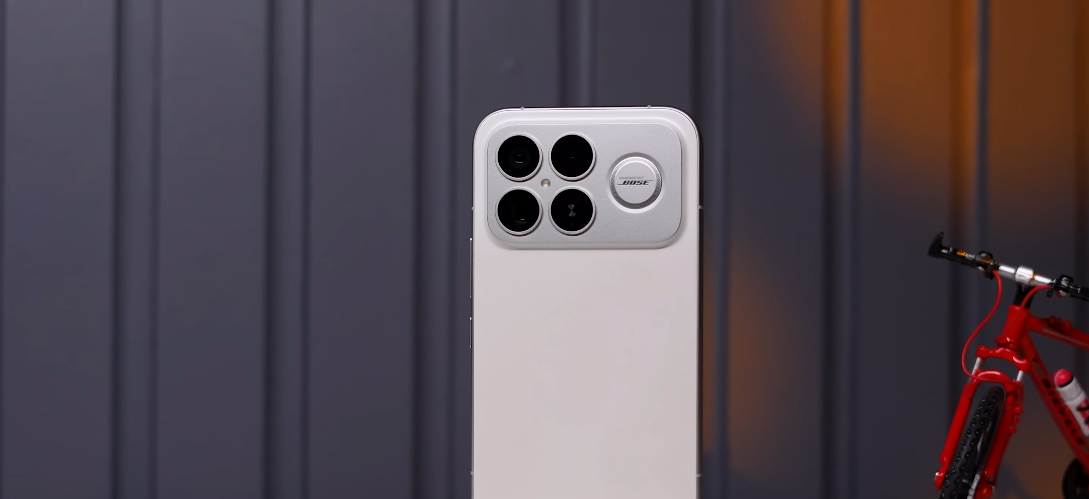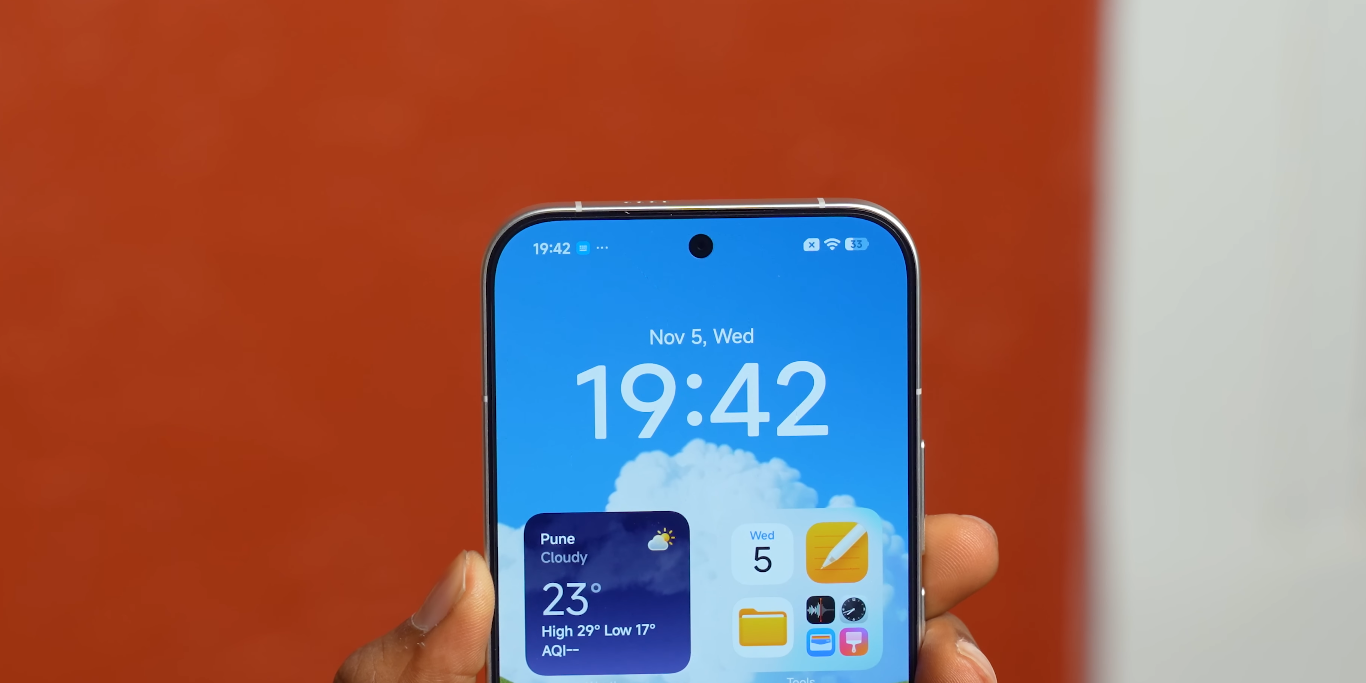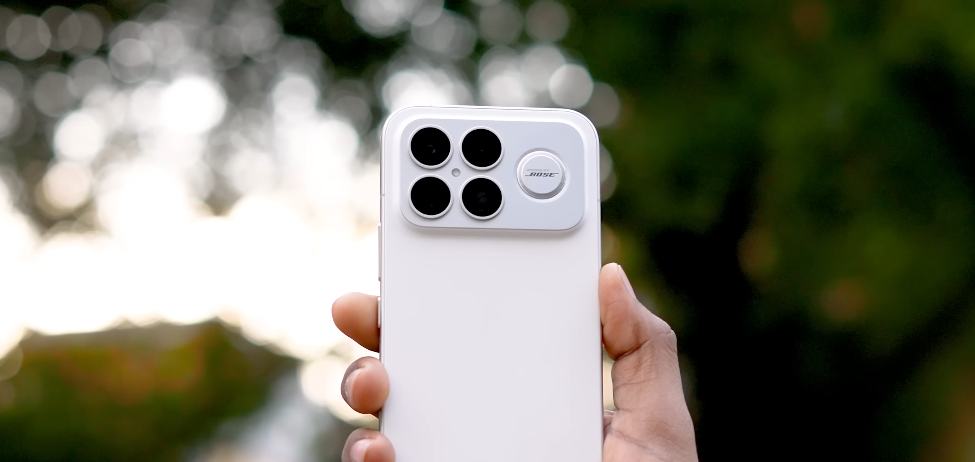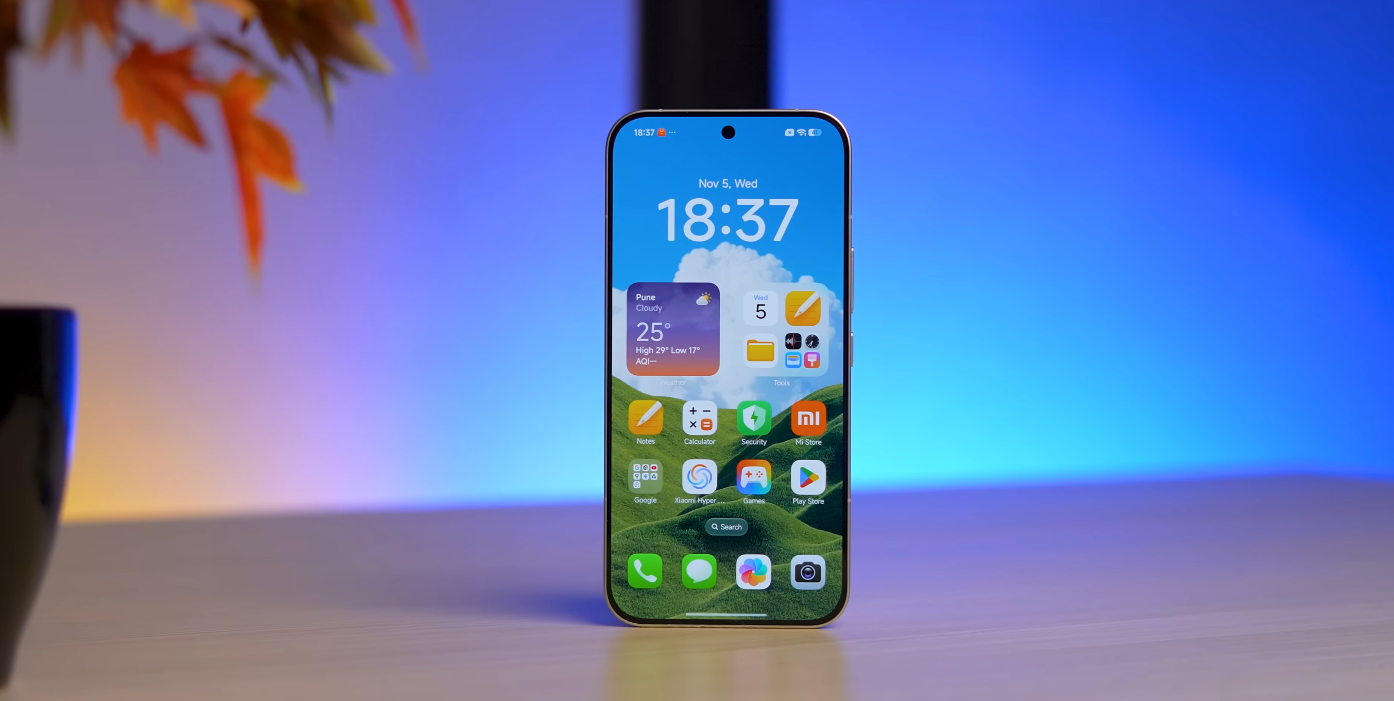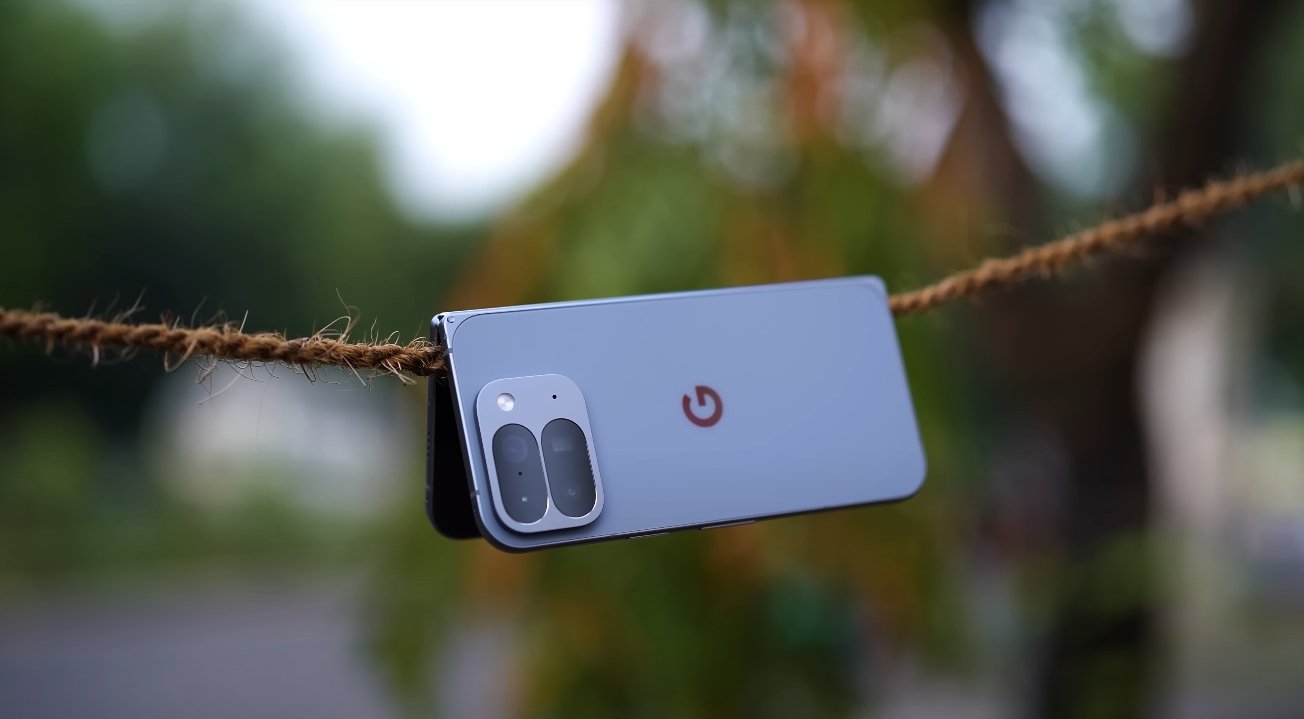
Pixel 10 Pro Fold vs Pixel 9 Pro: Which Is the Better Buy

Pixel 10 Pro Fold vs Pixel 9 Pro: Which Is the Better Buy

The Battle Between Google’s Latest Flagship Phones

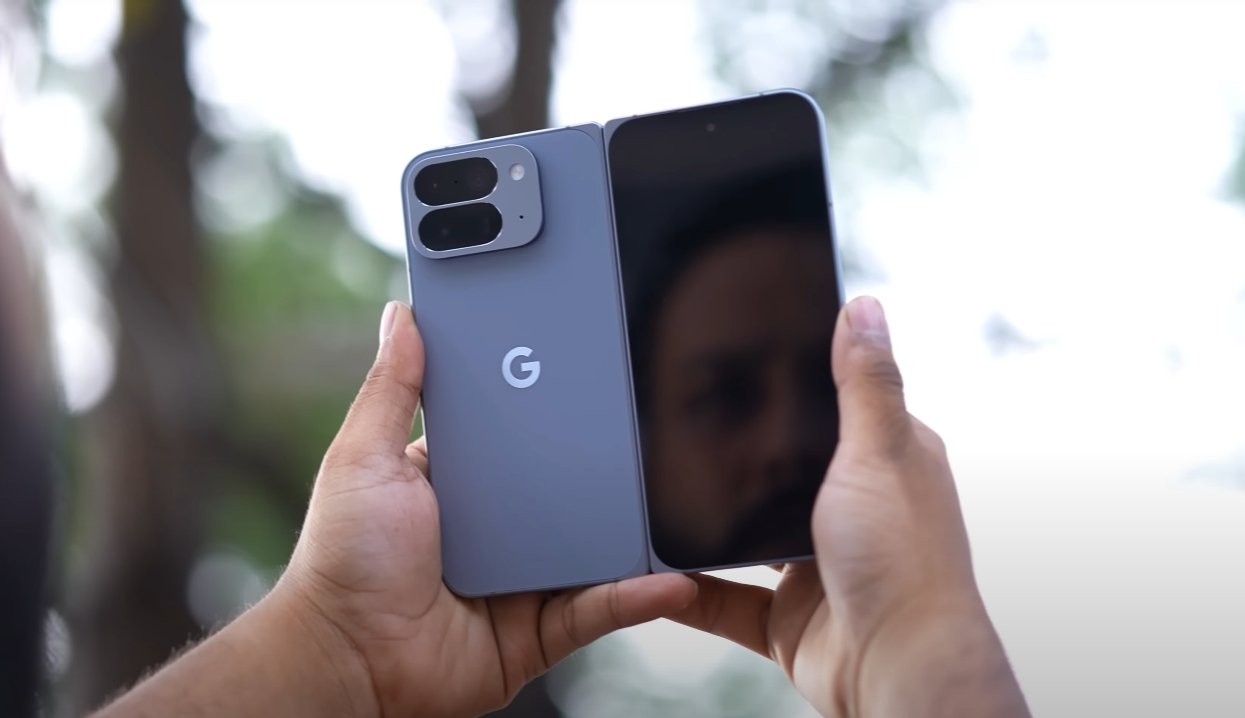
Google’s Pixel lineup continues to push the boundaries of smartphone technology, and the arrival of the Pixel 10 Pro Fold has sparked a new wave of comparisons with the Pixel 9 Pro. Both devices target premium users, but they cater to slightly different preferences. Choosing between them depends on whether innovation, performance, or practicality matters most to you.

The Pixel 10 Pro Fold represents Google’s most advanced foldable yet. It features the new Tensor G5 chip built on a 3-nanometer process, offering better efficiency and improved AI-driven performance compared to the Pixel 9 Pro’s Tensor G4. This means faster on-device processing for features like real-time translation, image recognition, and enhanced photo editing. The Pixel 10 Pro Fold also introduces stronger thermal management and longer battery life, providing a smoother experience for multitasking and media consumption.

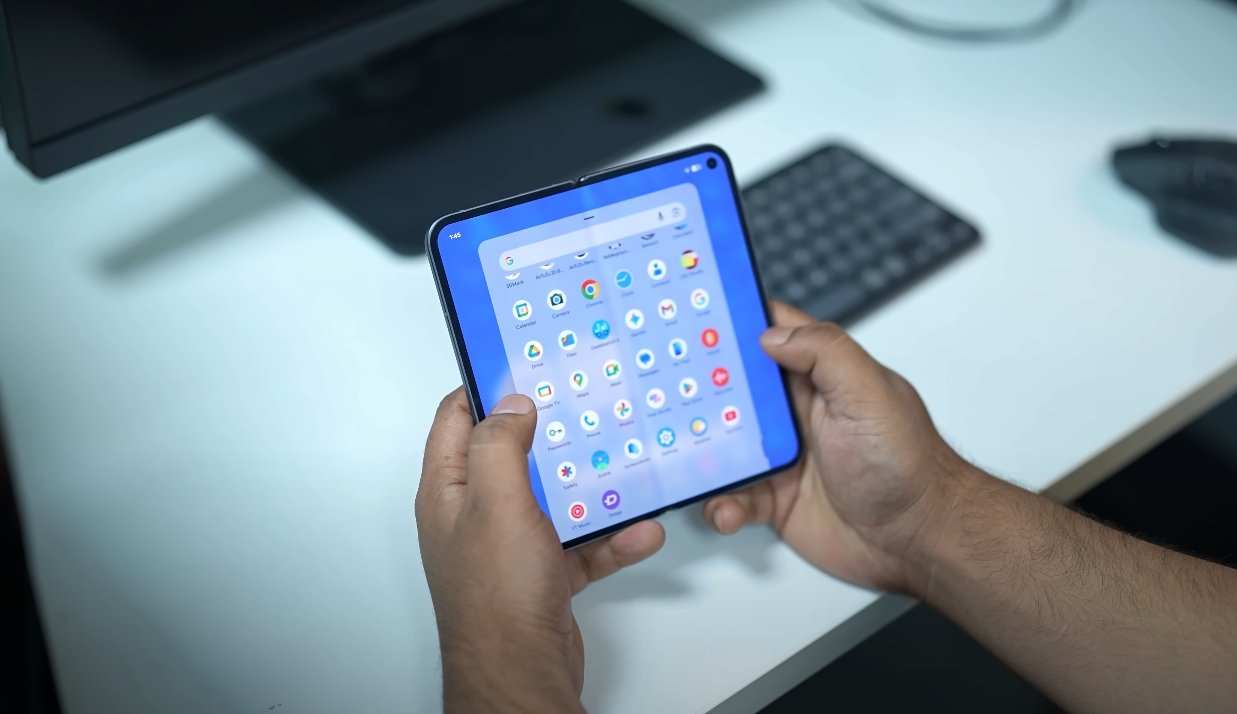
In terms of design, the Pixel 10 Pro Fold offers a larger inner display at around 8 inches, paired with a 6.3-inch outer screen that supports a 120Hz refresh rate. Both displays are brighter than before, reaching up to 3,000 nits—ideal for outdoor use. Meanwhile, the Pixel 9 Pro sticks with a more traditional design and a 6.7-inch flat OLED display. While it doesn’t fold, it delivers consistent performance, lighter weight, and a more pocket-friendly build for users who prefer simplicity over novelty.

Pixel 10 Pro Fold vs Pixel 9 Pro

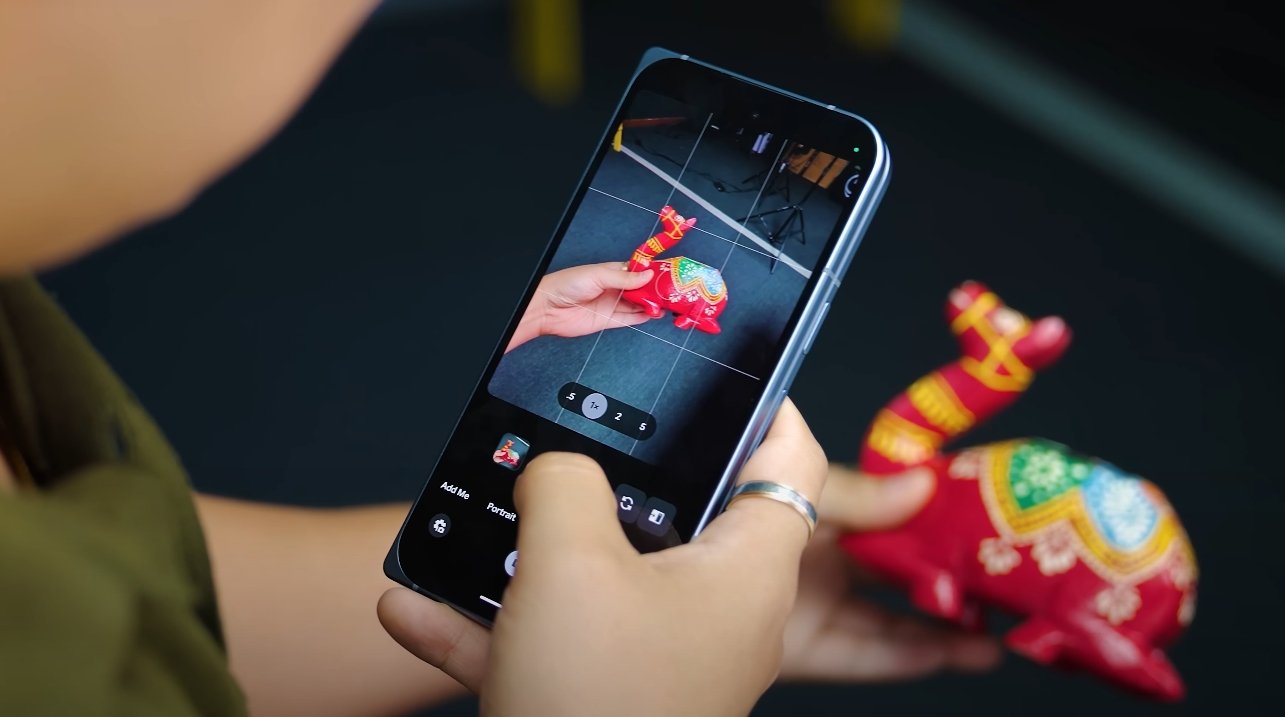
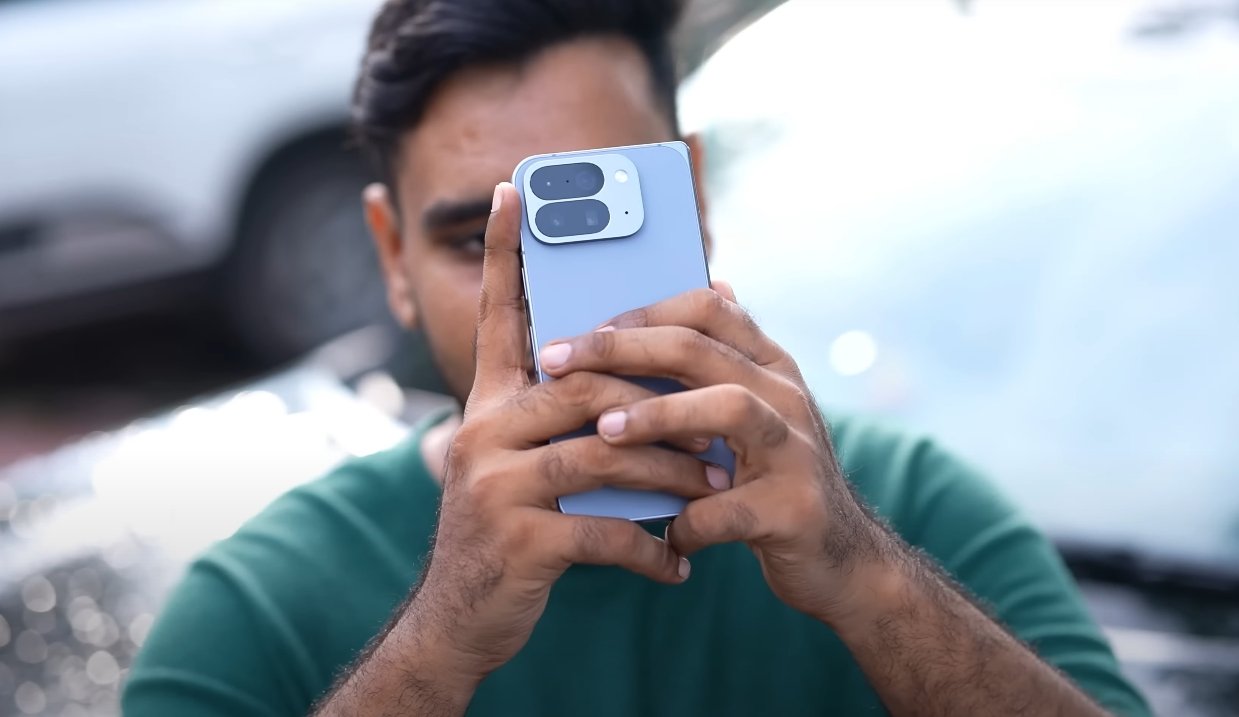
Camera performance remains a strong point for both devices. The Pixel 10 Pro Fold carries a triple-lens setup similar to the Pixel 9 Pro, including a 48MP main sensor, ultra-wide lens, and telephoto zoom. However, Google’s new AI algorithms, combined with the Tensor G5, provide more accurate color reproduction and improved low-light photography. The Pixel 9 Pro still captures stunning shots, especially with its proven hardware and refined computational photography, but the Fold’s updated image processing delivers a noticeable edge.

Battery and charging capabilities also differ. The Pixel 10 Pro Fold packs a slightly larger 5,000 mAh battery with faster wired and wireless charging, plus support for the new Qi2 magnetic charging standard. The Pixel 9 Pro offers solid endurance with its 4,800 mAh battery, but it lacks the same charging versatility. Users who rely heavily on power efficiency and all-day use will find the Pixel 10 Pro Fold more future-ready.

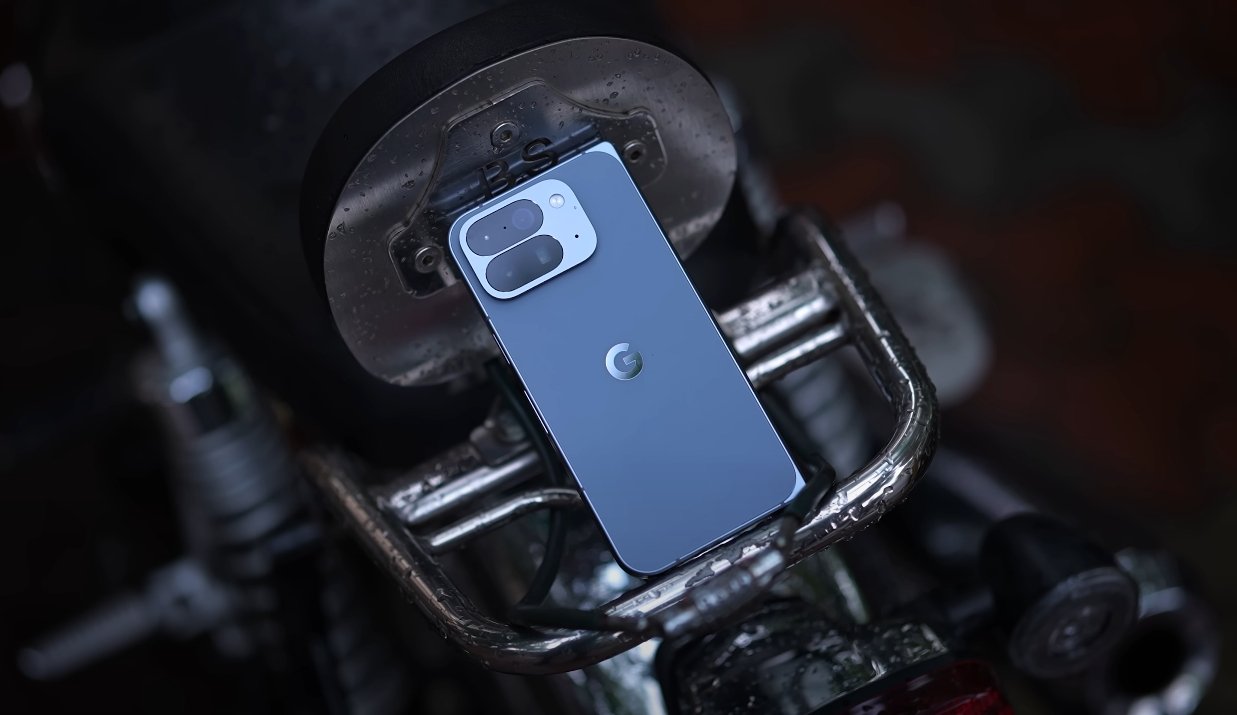
Durability and design innovation also tilt in favor of the new Fold. It features IP68 dust and water resistance—a first for Google’s foldable lineup—addressing concerns about long-term reliability. The hinge mechanism has been reinforced for smoother folding and better protection against debris. In contrast, the Pixel 9 Pro retains a sturdy aluminum body but lacks the flexible versatility of the Fold’s dual-screen format.

Overall, the Pixel 10 Pro Fold is a more futuristic device with cutting-edge hardware, enhanced durability, and next-gen AI performance. However, it comes at a premium price. For users who prefer a traditional smartphone experience with reliable performance and a lower cost, the Pixel 9 Pro remains an excellent choice.

In conclusion, if you want the newest technology, superior multitasking, and a design that stands out, the Pixel 10 Pro Fold is the better buy. But if practicality, simplicity, and value are your priorities, the Pixel 9 Pro continues to offer exceptional performance without breaking the bank. Both phones showcase Google’s innovation, but your ideal pick depends on how much you value the foldable experience.

Also Read:  Apple iPhone Air VS iPhone 17 Pro
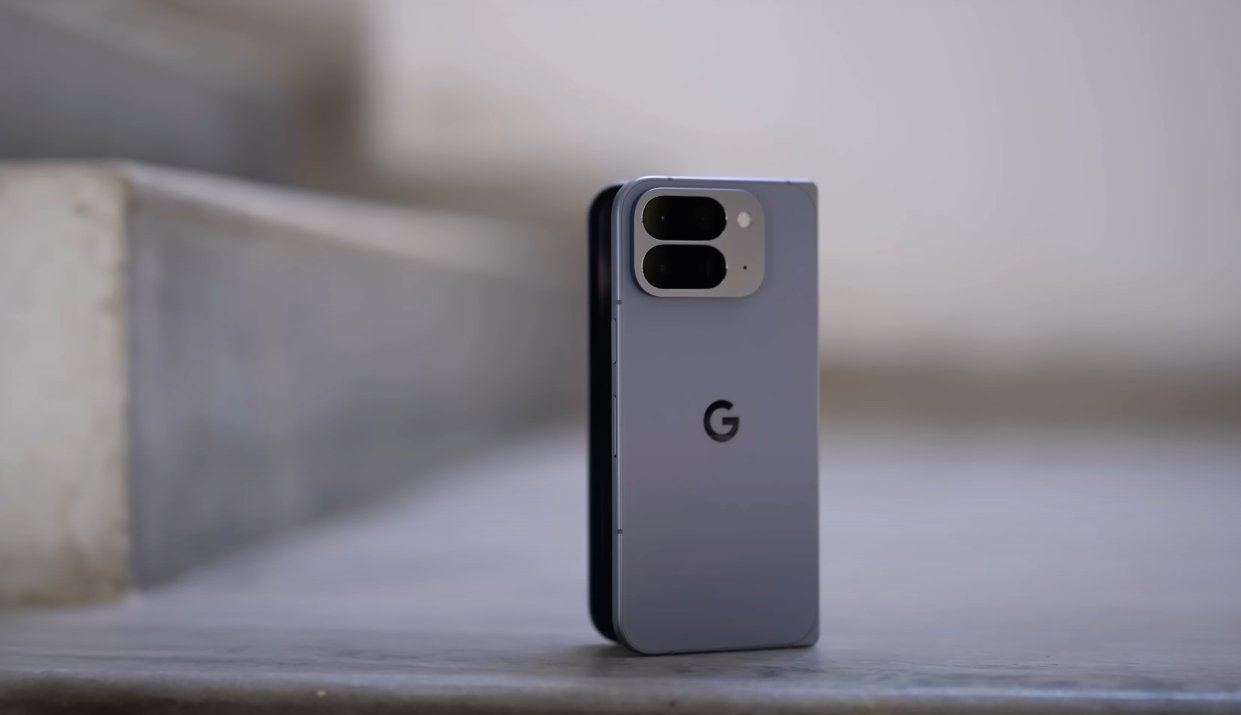
Pixel 10 Pro Fold MagSafe-Style Accessories Support

Pixel 10 Pro Fold MagSafe-Style Accessories Support

Google Brings Magnetic Accessory Compatibility to the Pixel Series

The Pixel 10 Pro Fold marks a major evolution in Google’s hardware lineup, introducing official support for magnetic charging and accessories similar to Apple’s MagSafe system. This feature, designed around the new Qi2 wireless charging standard, brings convenience and versatility to Pixel users who have long awaited a unified magnetic ecosystem for their devices.

For the first time on a Pixel Fold model, Google has built magnets directly into the phone’s frame. These magnets allow the device to attach securely to compatible chargers, stands, wallets, and mounts. The design ensures precise alignment between the phone’s charging coil and the magnetic accessory, improving charging efficiency and preventing heat buildup from misaligned coils. This technology mirrors what iPhone users have enjoyed for several years but now expands to Android in a standardized way.

The new system supports 15W wireless charging speeds, delivering steady power while maintaining the safety features Google is known for. While wired charging remains faster for heavy users, the magnetic wireless setup offers convenience that suits everyday needs—especially for those who prefer to charge their phones while working, streaming, or using navigation in the car. The secure magnetic attachment also minimizes accidental disconnections, making it more reliable than earlier wireless charging methods.

Pixel 10 Pro Fold MagSafe-Style Accessories Support

Google has introduced its own line of official magnetic accessories, including chargers, stands, and cases designed specifically for the Pixel 10 Pro Fold. These products are optimized to match the magnetic alignment perfectly, ensuring strong attachment and consistent performance. Third-party manufacturers are also preparing Qi2-compatible accessories, meaning Pixel owners will soon have a wide selection of stands, wallets, grips, and mounts to choose from. Because Qi2 is a universal standard, the Pixel 10 Pro Fold’s magnetic system should also work with many existing MagSafe accessories already available on the market.

This compatibility opens up a new level of convenience for Pixel users. From desk charging stands to magnetic car mounts and portable power banks, the accessories that once only worked with iPhones can now serve both ecosystems. It’s a step toward bridging the gap between major smartphone platforms and offering more flexibility for consumers who want premium-quality add-ons without switching devices. For travelers and professionals who rely on fast, hands-free setups, this could be one of the most practical upgrades in the Pixel lineup.

However, there are still some limitations to consider. While Qi2 magnetic charging ensures up to 15W power transfer, it cannot match the speed of Google’s 30W wired charging. Users seeking the fastest possible top-up will still benefit from using a cable. Additionally, certain thick or metallic cases could interfere with magnetic alignment and reduce the grip or charging efficiency. For the best results, Google recommends using certified Qi2 or official Pixel accessories designed to maintain the optimal distance between magnets and coils.

Despite these caveats, the integration of magnetic accessory support represents a major step forward for Google’s foldable line. It shows the company’s commitment to blending convenience, modern standards, and cross-platform usability. The Pixel 10 Pro Fold is not only a powerful device in terms of performance and camera capabilities but also a versatile companion that fits seamlessly into a growing magnetic ecosystem.

As more accessory makers embrace the Qi2 standard, Pixel owners will gain access to an expanding range of reliable and stylish magnetic products—from power banks and desk docks to travel chargers and stands. For users who value simplicity and function, the Pixel 10 Pro Fold delivers both, proving that foldable technology and magnetic convenience can now coexist in a sleek and premium form.

Also Read:  Vivo X300 FE gaming test results show stable USA frame rates

POCO F8 Pro battery life revealed: does the 6,210mAh hold up?

POCO F8 Pro battery life revealed does the 6,210mAh hold up

A First Look at Real-World Endurance

The POCO F8 Pro’s leaked 6,210mAh battery has quickly become one of the most discussed features ahead of its global launch. With POCO devices traditionally balancing performance and endurance well, the question for UK users is whether this unusually sized battery can deliver strong all-day results. Early testing figures and hands-on reports with pre-release units give a helpful picture of what to expect, and the results look promising for most everyday use-cases.

The battery capacity sits right between typical flagship sizes and some of the larger cells seen on gaming-focused devices. At 6,210mAh, it is above average compared with many mainstream phones, giving the F8 Pro a natural advantage in standby performance, video playback and social media browsing. During moderate mixed use – messaging, streaming, browsing and photography – the phone comfortably lasts a full day with charge to spare. Users continuing into the evening generally report enough remaining capacity for navigation or additional social media without anxiety.

Under heavier workloads, the battery remains competitive. Gaming sessions, extended video recording or high-brightness outdoor use do drain the phone faster, but not to a worrying degree. The phone’s chipset and display efficiency help maintain stability in consumption, meaning even during more demanding periods the device remains reliable through most of the day. For UK buyers who move between Wi-Fi and 5G frequently, the battery performs better than many models in the same performance bracket.

POCO F8 Pro battery life revealed does the 6,210mAh hold up

Charging speed is another strength. With support for fast charging, the POCO F8 Pro requires relatively short top-up sessions, which compensates for the fact that the battery is not as large as some very high-capacity models. A quick charge during lunch or a short plug-in before leaving the house is generally enough to replenish a meaningful amount of battery. This makes real-world use more flexible, especially for commuters or travellers who rely on rapid bursts of charging.

In terms of battery health after early testing, the 6,210mAh cell shows stable performance with no signs of early degradation. Even when using fast charging regularly, most test units maintain consistent endurance after several weeks of use. While long-term results will depend on user habits, nothing in early testing suggests the battery will degrade faster than typical modern lithium-polymer cells. UK users who follow standard charging practices can expect the battery to retain strong capacity over the first year.

One area to consider is how the phone handles sustained performance tasks. Some heavy workloads generate more heat, which can affect efficiency in the moment, though not significantly enough to drop endurance to poor levels. With typical UK environmental conditions being cooler on average, thermal management may actually be more stable than in hotter regions, helping the battery perform consistently throughout the day.

Software optimisation also plays a key role. POCO’s power-saving modes and adaptive performance tuning appear to contribute positively to preserving battery life during idle and light use. Background processes are handled well, and the phone avoids unnecessary drain overnight. This makes the 6,210mAh capacity feel more substantial than its number alone might suggest.

For users who spend long stretches filming, gaming or relying heavily on GPS, the battery will not provide multi-day stamina, but it is strong enough for a long day with occasional quick charges. For everyday users – and even many demanding users – the F8 Pro consistently delivers dependable endurance that aligns with modern flagship expectations.

Overall, the 6,210mAh battery in the POCO F8 Pro holds up impressively in early usage. It provides reliable all-day performance, handles heavy tasks better than average in its class and benefits greatly from fast charging. While not the largest battery on the market, it proves to be well-balanced, efficient and capable of meeting the needs of most UK buyers looking for strong battery life in a performance-oriented device.

PlayStation 2025 Wrap-Up: User Frustration as Loading Issues Persist

PlayStation 2025 Wrap-Up: User Frustration as Loading Issues Persist

PlayStation’s 2025 Wrap-Up: Your Gaming Year, If It Loads

The eagerly awaited PlayStation 2025 Wrap-Up has officially launched, promising gamers a captivating summary of their virtual year. This popular annual feature showcases personalised statistics: top games, total trophies, and hours played. It’s a cherished retrospective for the dedicated PlayStation community.

However, its rollout has unfortunately been marred by familiar frustrations. Echoing last year’s experience, many users across the UK are encountering persistent loading issues. Reports of endless spinning wheels and disheartening error messages are rapidly flooding social media.

The PlayStation Wrap-Up offers more than mere data; it’s a meticulously crafted narrative of a player’s unique digital footprint. It highlights most-played titles, trophy milestones, and preferred genres. This detailed insight provides a compelling snapshot of individual gaming journeys.

The days leading up to the 2025 Wrap-Up generated immense excitement. Gamers eagerly awaited their personalised review, and launch triggered an immediate surge of engagement. Players rushed to uncover year-end statistics, underscoring the feature’s importance.

Yet, this initial enthusiasm quickly turned to collective frustration. Users attempting to access data were frequently met with interminable loading screens and technical glitches. These recurring problems regrettably mirror difficulties encountered during the 2024 release.

This consistent issue strongly suggests underlying server capacity problems or infrastructure limitations. Such strains arise when accommodating a massive, simultaneous influx of user requests. High demand means a smooth experience is paramount for player satisfaction.

User frustration is understandable, given passion and time invested in PlayStation consoles. Being denied access to a summary of digital efforts can be disheartening. It potentially disrupts positive brand relationships and denies personal reflection.

Social media platforms are now inundated with user complaints, humorous memes, and urgent calls for PlayStation to address problems. Screenshots of failed loading attempts illustrate a clear disparity between the feature’s intent and its flawed execution.

For a global entertainment giant like PlayStation, a flawless launch for such a beloved feature is crucial for brand reputation and user loyalty. Repeated technical glitches can erode consumer trust and foster a perception of service inadequacy.

While PlayStation has yet to officially clarify precise technical reasons, speculation includes overwhelming traffic surges or regional infrastructure bottlenecks. Regardless of the root cause, the significant, negative impact on user experience is undeniable.

Many in the gaming community hope for a swift official statement from PlayStation. Addressing difficulties and outlining a clear resolution plan would be beneficial. Extending the Wrap-Up’s availability might also appease frustrated players.

Despite these current technical frustrations, the intrinsic appeal of the PlayStation Wrap-Up remains strong. The desire to review one’s gaming year, celebrate achievements, and reflect on virtual journeys powerfully draws millions. The concept itself is excellent.

Ultimately, the 2025 PlayStation Wrap-Up serves as a poignant reminder of the delicate balance between innovative feature design and robust technical execution. A brilliant idea, hampered by operational shortcomings, can unfortunately disappoint its dedicated user base.

Gamers dedicate substantial time and deserve to see their passion accurately reflected without undue frustration. The opportunity to relive favourite gaming moments and quantify commitment is genuinely rewarding. Hopefully, PlayStation resolves these issues promptly.


Also Read:  My Barista-Approved Drip Coffee Maker Recommendations for Your British Kitchen

Pixel 10 Pro Fold retail box and accessories revealed

Pixel 10 Pro Fold retail box and accessories revealed

What Comes Inside the Pixel 10 Pro Fold Box

The Google Pixel 10 Pro Fold has officially begun shipping, and early retail units are now giving customers a clear look at what’s included in the box. Continuing Google’s minimalist approach, the packaging is designed to be eco-friendly and straightforward, containing only the essentials. As with previous Pixel devices, Google has chosen not to include a power adapter or earphones in the retail package, aligning with its ongoing sustainability efforts and focus on reducing electronic waste.

Inside the box, buyers will find the Pixel 10 Pro Fold handset, a 1-meter USB-C to USB-C cable, a SIM ejector tool, and basic documentation such as a quick start guide and warranty booklet. The documentation is printed on recycled paper, and much of the setup information is also available digitally through the phone’s onboarding process. The box itself is smaller and slimmer than previous models, featuring simple white packaging with the Pixel logo embossed on the top. This minimalist presentation reinforces Google’s design philosophy of functionality without excess.

While the box contents are simple, Google has expanded its accessory ecosystem around the Pixel 10 Pro Fold. The company introduced a new series of magnetic accessories under the “Pixelsnap” brand. These accessories make use of an integrated magnetic ring on the back of the Pixel 10 Pro Fold, similar in concept to Apple’s MagSafe system. The Pixelsnap lineup includes the Pixelsnap Charger, the Pixelsnap Stand, and the Pixelsnap Ring. Each accessory magnetically attaches to the back of the device, ensuring perfect alignment and stability during use.

The Pixelsnap Charger is the most notable accessory in the lineup. It’s a compact magnetic puck that attaches to the phone’s back for easy wireless charging. The charger delivers up to 15 watts of wireless power and supports Qi2 standards for broader compatibility. Users can also purchase the Pixelsnap Charger with a stand variant, allowing for convenient hands-free viewing while charging. Google designed these chargers to complement the Pixel 10 Pro Fold’s large inner display, making them practical for desk setups or nightstands.

Pixel 10 Pro Fold retail box and accessories revealed

The Pixelsnap Ring is another new addition to Google’s ecosystem. This magnetic ring attaches securely to the phone and doubles as a grip or stand. It can rotate 360 degrees, providing flexibility for watching videos or holding the phone comfortably in one hand. For users who prefer protection, Google has also released official Pixel Fold cases that include built-in magnetic rings, ensuring they remain compatible with the Pixelsnap accessories even when using a case.

In addition to the Pixelsnap series, Google introduced the new Pixel Flex 67W dual-port USB-C charger. This compact adapter is sold separately and features two USB-C ports capable of delivering fast charging to multiple devices simultaneously. When charging two devices, the adapter intelligently distributes power based on demand, prioritizing the device with the lower battery level. The charger’s folding prongs make it travel-friendly, and its compatibility with laptops, tablets, and phones makes it a practical companion for Pixel users who need a single, versatile power source.

The absence of a charging brick inside the retail box has been a point of discussion among customers, but Google maintains that most users already have compatible USB-C chargers at home. The company argues that excluding the adapter reduces packaging size and overall environmental impact. Similar decisions have been made by other major smartphone manufacturers, and Google’s stance aligns with the industry trend toward sustainability and modularity.

Overall, the Pixel 10 Pro Fold retail unboxing experience reflects Google’s commitment to minimalism, environmental responsibility, and ecosystem expansion. While the box itself contains only the basics needed to start using the device, the new Pixelsnap accessories and Pixel Flex charger showcase Google’s effort to build a cohesive accessory environment around its premium devices. This combination of sleek packaging, modern accessory options, and sustainability-focused design positions the Pixel 10 Pro Fold as one of the most refined and forward-thinking foldables in Google’s lineup.

Also Read:  Apple iPhone Air vs iPhone SE which offers more value

Pixel 10 Pro Fold camera samples shared by reviewers

Pixel 10 Pro Fold camera samples shared by reviewers

Real-World Camera Performance of the Pixel 10 Pro Fold

The Google Pixel 10 Pro Fold features a versatile triple-lens camera system that has drawn significant attention from reviewers. While the foldable design and large display are the device’s main highlights, its camera capabilities remain a key consideration for potential buyers. Reviewers have shared a variety of sample images, providing insights into both the strengths and limitations of the Pixel 10 Pro Fold’s photography.

The device is equipped with a 48MP primary camera designed for capturing detailed and sharp images in a variety of lighting conditions. It also includes a 10.8MP telephoto lens offering 5x optical zoom and a 10.5MP ultrawide camera. These lenses allow users to take wide scenic shots, close-up details, and everything in between. The combination of multiple lenses provides versatility that is expected from a flagship-level device, though performance in real-world conditions has been mixed according to reviewers.

In low-light scenarios, the Pixel 10 Pro Fold performs competently but not exceptionally. Reviewers noted that shots in dim or sunset lighting sometimes appear overexposed, with highlights blown out and colors slightly muted. While the AI-assisted night mode helps brighten dark areas, the results can occasionally lack the warmth and natural color balance seen in other flagship devices. Despite these minor issues, the device still captures usable low-light images suitable for social media or casual photography.

Pixel 10 Pro Fold camera samples shared by reviewers

For food photography, the Pixel 10 Pro Fold demonstrates adequate sharpness but tends to over-sharpen or flatten colors in some situations. Dishes like pasta or grilled meats may appear less vibrant compared to images taken on other high-end Pixel devices. Reviewers point out that adjusting lighting conditions or using the foldable display to frame shots more carefully can improve results, but the camera’s natural color processing may still be inconsistent.

The telephoto lens performs well up to 5x optical zoom, though reviewers noticed some noise in the background when zooming into distant subjects. Trees, skies, or architectural details may exhibit slight graininess, particularly in bright outdoor light. While the main lens captures detailed images with strong dynamic range, the telephoto lens may fall short in comparison to the primary sensor. Despite this, the zoom functionality remains useful for portrait shots or capturing subjects at a distance without losing framing flexibility.

Ultrawide shots are another area where the Pixel 10 Pro Fold performs reliably. Landscapes, group photos, and architectural shots maintain clarity across the frame, though edge distortion can occasionally appear at the corners. Reviewers noted that the device’s AI corrections help minimize warping and maintain overall image balance. The combination of wide, telephoto, and ultrawide lenses provides a comprehensive photography package for most everyday scenarios.

AI-powered features enhance the Pixel 10 Pro Fold’s camera experience. Tools like composition guidance and automatic scene optimization assist users in capturing better photos without manual adjustments. However, reviewers suggest that these features are not a substitute for hardware limitations. While AI helps improve color balance, focus, and exposure, it cannot fully overcome issues like overexposure in sunsets or noise in telephoto shots. Users who are willing to manually adjust settings may achieve slightly better results.

Pixel 10 Pro Fold camera samples shared by reviewers

Overall, the Pixel 10 Pro Fold offers a capable camera system suitable for casual photographers and users who value the foldable form factor. While it may not fully match the Pixel 10 Pro in certain conditions, particularly in low-light or telephoto performance, the device provides versatility with multiple lenses and AI enhancements. The camera produces solid, shareable images in most lighting situations, making it a strong option for users prioritizing a foldable experience with reliable photography capabilities.

Reviewers’ sample images suggest that the Pixel 10 Pro Fold’s camera excels in daylight and well-lit environments while delivering usable but slightly inconsistent results in more challenging scenarios. The AI features and lens combination create a balanced experience for everyday photography, social media sharing, and creative experimentation. Users seeking a foldable device with good photography potential will find the Pixel 10 Pro Fold to be a versatile and functional choice that blends innovative hardware with competent imaging performance.

Also Read:  Pixel 10 Pro Fold vs iPhone 16 Pro Max Camera Test

POCO F8 Pro accessories you must buy if you import into UK

POCO F8 Pro accessories you must buy if you import into UK

Essential Accessories Every UK Import Buyer Should Consider

Importing the POCO F8 Pro into the UK can save money and give you early access, but it also means you may miss out on region-specific accessories. To make sure your phone works smoothly and stays protected, there are several essential items UK buyers should pick up right away. These accessories help bridge the gap between the imported model and everyday UK use, making the experience trouble-free and more reliable.

The first and most important accessory is a UK-compatible fast charger. Imported POCO devices often ship with non-UK plugs, and some may not include a charger at all. To take advantage of the phone’s fast-charging capabilities, a proper UK 100W charger is necessary. Choosing a certified UK plug ensures safe charging and avoids the risks associated with cheap adapters. This is especially important for a high-power device like the F8 Pro, which relies on stable charging performance.

A high-quality protective case should be next on your list. Imported phones sometimes launch earlier in other regions, which means official UK cases may not be readily available. Getting a robust case early helps prevent accidental damage, especially around the camera housing, which is often more exposed on POCO models. Whether you prefer a rugged design or a slim protective shell, ensuring proper fit is crucial for long-term daily use.

POCO F8 Pro accessories you must buy if you import into UK

A screen protector is another must-have. Many imported units do not include pre-applied protectors, and replacing damaged screens can be expensive or more complicated for imports. A tempered glass protector gives reliable scratch resistance and reduces the risk of cracks from minor drops. Because display protection options may be limited in UK stores during early availability, purchasing one tailored for the F8 Pro ensures correct alignment and sensor compatibility.

A reliable USB-C cable rated for high-wattage charging should also be considered. Not all cables support the power levels required for the F8 Pro’s fast charging modes. Using an under-rated cable can slow charging dramatically or interrupt charging cycles completely. Choosing a durable, braided or reinforced cable helps maintain fast, stable power delivery and prevents fraying over time.

If you import the device, you may also want a UK-certified plug adapter as a backup. Even if you purchase a dedicated UK charger, an adapter is useful when travelling or when using the original charger in a safe, temporary setup. Buying a high-quality adapter with proper safety certification is important, as cheaper alternatives can damage the charger or create overheating risks.

For users who rely heavily on multimedia and streaming, wireless earbuds or headphones are worth considering. While the F8 Pro offers strong audio performance, pairing it with good wireless audio gear helps maximise sound quality. Imported models sometimes include region-specific codecs or tuning differences, so using well-supported UK audio accessories ensures consistent performance across different apps and media platforms.

Another useful accessory is a car mount or wireless car charger. If you plan to use navigation or hands-free tools regularly in the UK, having a stable and reliable mount improves safety and convenience. Choosing a model that supports the F8 Pro’s size and weight ensures a secure fit during driving and prevents the device from slipping on rough roads.

A power bank is also a practical purchase, especially for travellers or users who spend long periods outdoors. While the F8 Pro has strong battery performance, long gaming sessions or high-brightness outdoor use can drain the battery faster. A reliable high-capacity power bank keeps the device charged throughout the day and supports fast-charging standards for quick top-ups.

Finally, consider a protective pouch or sleeve for situations when the phone isn’t in use. Imported phones sometimes have fewer local service options, so taking extra steps to prevent physical damage can save cost and hassle. A sleeve is especially useful when keeping the phone in a bag alongside keys or other sharp objects.

Overall, the POCO F8 Pro becomes much more practical for UK users when paired with the right set of accessories. A UK-compatible fast charger, durable case, screen protector, proper cable, adapter and audio gear ensure smooth daily operation. These additions help bridge the gaps created by importing the device and allow buyers to enjoy all the benefits of the F8 Pro without running into avoidable problems.

PlayStation’s Shift: Live Service Games on PC in the UK

A group of friends playing a live service game on PC, with a PlayStation controller in the foreground, highlighting the potential for immersive and dynamic gaming experiences in the UK, with a focus on the PlayStation brand and live service games

PlayStation’s Strategy: A Shift Towards Live Service Games in the UK

Recent years have seen numerous PlayStation exclusives making their way to PC, including renowned franchises like The Last of Us and God of War. However, a potential change in strategy may mean that only live service games will be available on PC in the future.

This change could mark a significant departure from the traditional single-player experiences that PlayStation is known for. Noted journalist Jason Schreier has suggested that these types of games may remain console exclusives for the foreseeable future.

Speaking on the Triple Click podcast, Schreier commented on Sony’s strategy, stating that live service games are likely to be the focus for PC releases. This could have a significant impact on the gaming industry as a whole, particularly in the UK.

The shift towards live service games is likely driven by the potential for ongoing revenue streams and the ability to engage with players over a longer period. This behaviour is not unique to PlayStation, as many other gaming companies are also exploring live service models.

In the UK, gamers may be disappointed to hear that traditional single-player experiences may not be available on PC. However, the rise of live service games could also bring new opportunities for immersive and dynamic gaming experiences.

As the gaming industry continues to evolve, it will be interesting to see how PlayStation’s strategy unfolds. One thing is certain, however: the future of gaming in the UK will be shaped by the decisions made by major players like PlayStation.

The colour and vibrancy of the gaming world will likely remain unchanged, but the way we interact with games may change significantly. As we analyse the potential impact of this shift, one thing is clear: the UK gaming community will be watching with great interest.

Only time will tell if this strategy will pay off for PlayStation, but one thing is certain: the gaming landscape in the UK is about to get a lot more interesting. With the rise of live service games, we can expect to see new and innovative experiences that will change the way we play games forever.

In conclusion, the potential shift towards live service games on PC is a significant development that will have a major impact on the gaming industry in the UK. As we look to the future, it will be exciting to see how this change unfolds and what new opportunities it will bring for gamers.

PlayStation 6 UK Release: Is Sony’s Next-Gen Console Just Around the Corner?

The PlayStation 6 console, with its sleek design and innovative features, is set to revolutionise the gaming industry in the UK, offering handheld support and 'PlayGo' smart delivery for a seamless gaming experience, with the primary keyword being PlayStation 6

PlayStation 6: The Future of Gaming in the UK

Recent leaks suggest that Sony is actively working on the PlayStation 6, with a potential release date looming in the near future. Despite initial reports of a delayed release due to economic conditions, it appears that the new console is closer than we think. The latest developments indicate that Sony is planning an imminent generational transition, with the PlayStation 6 set to revolutionise the gaming industry in the UK.

The PlayStation 6 is expected to boast a range of innovative features, including handheld support and a ‘PlayGo’ smart delivery system. This will enable gamers to enjoy their favourite titles on-the-go, with seamless transitions between devices. As the UK gaming community eagerly awaits the release of the PlayStation 6, it’s clear that Sony is pushing the boundaries of what’s possible in the world of gaming.

According to sources, work on the Power Saver Mode is proceeding in a way that makes it ‘100% clear that it is a Trojan Horse for supporting PlayStation 6 handheld.’ This suggests that Sony is prioritising the development of handheld capabilities, which will be a major selling point for the new console. With the UK’s thriving gaming scene, it’s likely that the PlayStation 6 will be a huge success upon its release.

As the gaming industry continues to evolve, it’s exciting to think about what the future holds for PlayStation 6 owners in the UK. With its cutting-edge technology and innovative features, the new console is set to change the face of gaming as we know it. Whether you’re a hardcore gamer or just starting out, the PlayStation 6 is sure to impress, with its stunning visuals and immersive gameplay.

The ‘PlayGo’ smart delivery system is another key feature of the PlayStation 6, allowing gamers to access their favourite titles across multiple devices. This will enable seamless transitions between console, PC, and handheld modes, making it easier than ever to enjoy your favourite games wherever you are. As the UK’s gaming community looks to the future, it’s clear that the PlayStation 6 will be at the forefront of innovation and excitement.

With its release date potentially just around the corner, the PlayStation 6 is generating huge excitement among gamers in the UK. As we wait with bated breath for the official announcement from Sony, it’s clear that the new console will be a game-changer for the industry. With its innovative features, stunning visuals, and immersive gameplay, the PlayStation 6 is set to revolutionise the world of gaming in the UK.

As we look to the future of gaming in the UK, it’s exciting to think about the possibilities that the PlayStation 6 will bring. With its cutting-edge technology and innovative features, the new console is set to change the face of gaming as we know it. Whether you’re a hardcore gamer or just starting out, the PlayStation 6 is sure to impress, with its stunning visuals and immersive gameplay.

The UK’s gaming community is eagerly awaiting the release of the PlayStation 6, and it’s clear that Sony is working hard to deliver a next-generation console that will exceed expectations. With its handheld support, ‘PlayGo’ smart delivery system, and stunning visuals, the PlayStation 6 is set to be a huge success upon its release. As we wait for the official announcement from Sony, it’s exciting to think about the future of gaming in the UK and the role that the PlayStation 6 will play in shaping it.

In conclusion, the PlayStation 6 is set to revolutionise the gaming industry in the UK, with its innovative features, stunning visuals, and immersive gameplay. As we await the official release date, it’s clear that Sony is pushing the boundaries of what’s possible in the world of gaming. With its cutting-edge technology and exciting new features, the PlayStation 6 is sure to be a huge success among gamers in the UK.

POCO F8 Pro screen quality vs OLED rivals: colour accuracy & brightness

POCO F8 Pro screen quality vs OLED rivals colour accuracy & brightness

How the Display Stacks Up Against Leading OLED Competitors

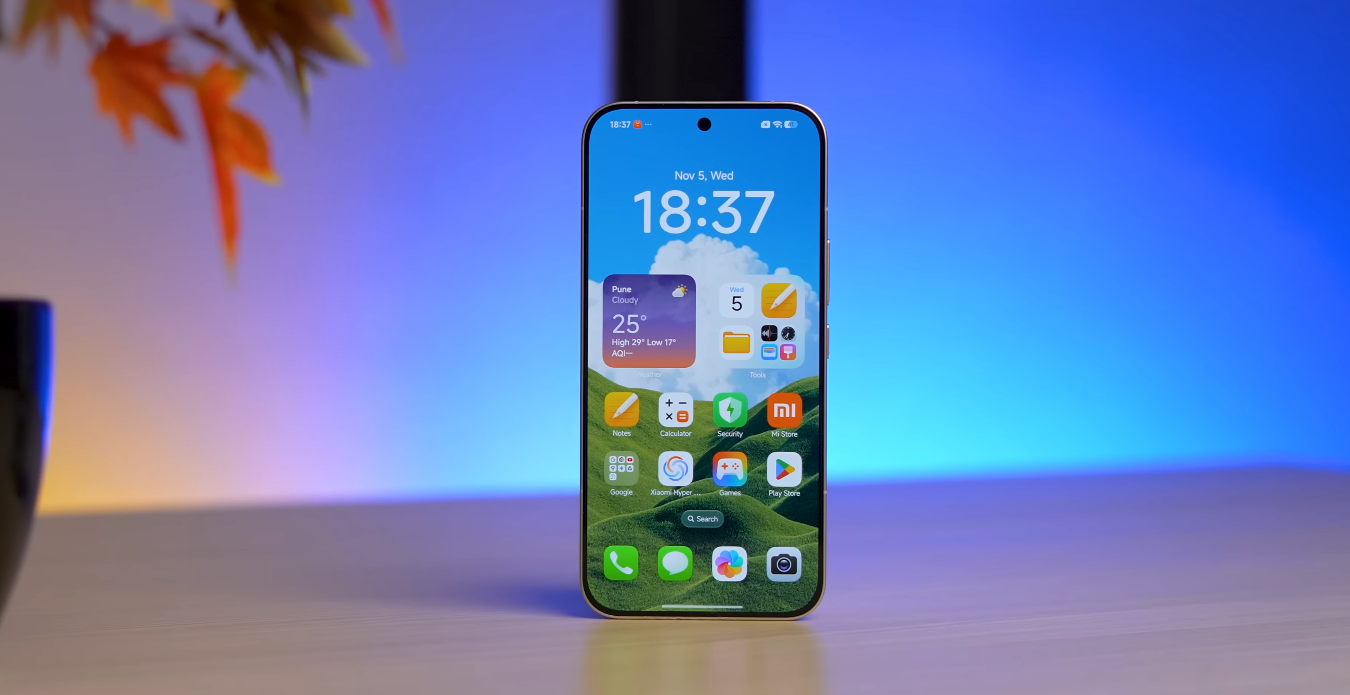
The POCO F8 Pro has entered the market with considerable attention on its display, a component that has become a defining factor in premium and upper-mid-range smartphones. With OLED technology now common across competitors, buyers are increasingly focused on brightness, colour tuning and overall visual performance. First-week impressions and official specifications provide enough detail to understand how the F8 Pro compares with leading OLED rivals and whether it lives up to early expectations.

Early users have praised the F8 Pro’s panel for its strong visual clarity and brightness. Reports indicate that the display reaches exceptionally high peak brightness levels, helping it remain readable outdoors and improving the viewing of HDR content. This puts the F8 Pro in the same performance bracket as several high-end OLED phones, even though it sits in a more affordable category. The high refresh rate contributes to a smooth user experience, particularly for gaming or fast-scrolling applications.

Colour accuracy is another area where the display is performing well based on early feedback. Users note that colours appear balanced rather than overly saturated, offering a more natural look in photos, apps and video playback. This is important because some mid-range devices tend to push colours too far to create artificial vibrancy. The F8 Pro’s approach aligns more closely with rivals that prioritise accurate and consistent colour presentation across different brightness levels.

POCO F8 Pro screen quality vs OLED rivals colour accuracy & brightness

Competing OLED devices in the flagship space often deliver exceptional calibration, higher sustained brightness and advantages in areas such as anti-reflection coatings. These refinements make a noticeable difference in direct sunlight or high-contrast environments. While the F8 Pro’s peak brightness is strong, the absolute performance under extended outdoor conditions is still something that long-term testing will reveal. Nevertheless, the early numbers suggest it holds its own against more expensive competitors.

The inclusion of HDR support further enhances the F8 Pro’s appeal. Users have reported strong dynamic range when viewing compatible content, with deep blacks and controlled highlights characteristic of a quality OLED panel. This makes streaming and gaming more immersive, especially when combined with the device’s high resolution. Rivals with higher-tier OLED technology may still edge ahead in HDR brightness precision, but the gap appears narrower than one might expect at this price point.

Brightness performance has been a key talking point. With competitor devices pushing above 2,000 or even 3,000 nits in peak scenarios, the F8 Pro’s capability makes it competitive in the current landscape. For users in regions with strong sunlight, such as parts of the UK during summer or areas in India year-round, this ensures better visibility when outdoors. The device seems well suited for those who frequently use navigation apps or take photos in bright daylight.

OLED rivals from brands like Samsung and Google may retain certain advantages in colour calibration and long-term panel consistency. These differences often emerge over extended use, where premium devices tend to maintain uniformity and brightness more effectively over time. However, the F8 Pro’s performance so far suggests that most users will find its display more than adequate, offering a high-quality experience that aligns closely with what flagship phones provide.

User impressions emphasise that motion handling is one of the standout strengths of the F8 Pro’s screen. The high refresh rate contributes to fluid transitions, smoother animations and a sensation of responsiveness that enhances daily tasks. Competing OLED displays in the flagship tier may employ additional optimisation, but for the majority of buyers the difference is subtle rather than dramatic.

When comparing raw panel specifications, the F8 Pro stands up well, offering features commonly associated with higher-priced models. While some OLED competitors have marginally better anti-glare performance or more advanced micro-lens enhancements, these differences tend to matter most to display enthusiasts rather than general consumers. The F8 Pro’s screen delivers strong performance where it counts: brightness, colour accuracy and everyday usability.

Overall, the POCO F8 Pro presents a compelling display package for its category and punches above its weight when assessed alongside top OLED rivals. Its early performance shows that it offers excellent brightness, commendable colour accuracy and smooth motion, delivering an experience that feels close to premium without carrying a premium price. For buyers prioritising display quality, the F8 Pro is shaping up to be one of the more competitive options currently available.

POCO F8 Pro vs Apple iPhone SE (4th gen): premium features vs budget price

POCO F8 Pro vs Apple iPhone SE (4th gen) premium features vs budget price

Choosing between flagship-style power and an affordable entry into Apple’s ecosystem

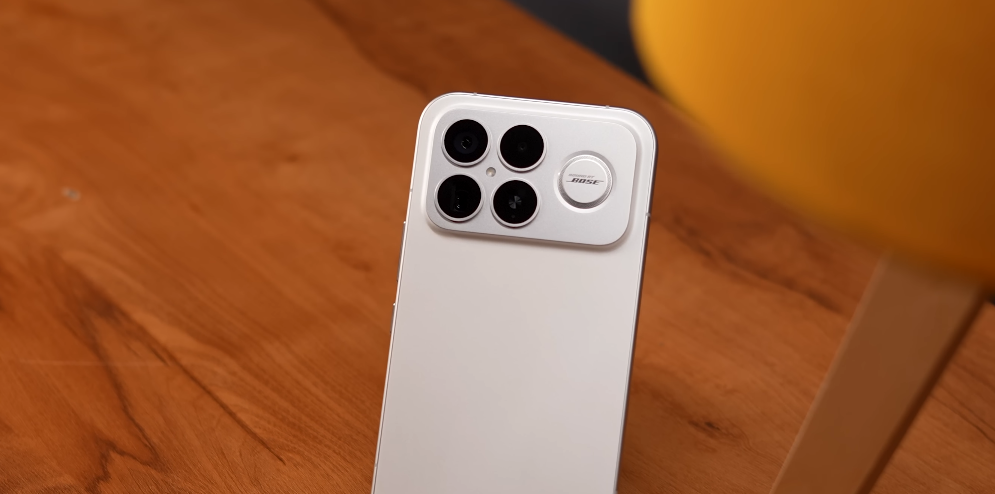
The POCO F8 Pro and the Apple iPhone SE (4th gen) represent two very different approaches to smartphone value in 2025. One aims to deliver premium hardware and top-end performance at a competitive flagship price, while the other focuses on providing the Apple experience at the lowest possible cost. For buyers deciding between these two contrasting devices, the real question is whether premium features justify spending more or whether a budget-friendly price delivers enough satisfaction.

The POCO F8 Pro is designed for users who want the newest Android hardware without stepping into ultra-expensive flagship territory. With a high-resolution OLED display, fast refresh rate and a top-tier chipset, it promises performance suited for gaming, multitasking and demanding media consumption. Its camera setup is expected to be feature-rich, combining high-resolution sensors with optical stabilisation and zoom capabilities to offer flexibility for photography and video recording.

The iPhone SE (4th gen) takes a different path by offering the Apple ecosystem at a lower price. It is expected to use a smaller display and a simpler camera system compared to Apple’s Pro models, but it still benefits from a modern, powerful chipset. Users who prefer the simplicity, long-term software support and brand familiarity of Apple will view the SE as a balanced entry point without the cost of premium iPhones. Its compact design also appeals to users who prefer a lighter and easier-to-handle phone over large-screen devices.

POCO F8 Pro vs Apple iPhone SE (4th gen) premium features vs budget price

Display technology is one of the clearest dividing lines between the two phones. The POCO F8 Pro focuses on entertainment and productivity with its larger, sharper and smoother display, which is ideal for gaming, streaming and multitasking. The iPhone SE, in contrast, prioritises practicality and cost savings. It offers quality, but not the highest-end visual experience. For users who care about cinematic viewing, detailed graphics or high refresh rate responsiveness, the POCO option stands out more.

Camera capabilities widen the gap further. The POCO F8 Pro targets photography enthusiasts with its multi-sensor arrangement that covers wide, ultra-wide and telephoto requirements. It is built to handle portraits, landscapes, zoom shots and low-light scenes with versatility. The iPhone SE is expected to rely on a single primary camera, which delivers reliable quality but lacks the flexibility of multiple lenses. For casual photography and social media, the SE performs well, but hobbyists and creators will get more from the POCO.

Performance is strong on both phones but for different reasons. The POCO F8 Pro attempts to maximise raw power suitable for heavy workloads, gaming and future-proof usage. The iPhone SE, on the other hand, focuses on real-world responsiveness, integration with Apple software and long-term system optimisation. Even with fewer technical extras, the SE benefits from Apple’s efficiency, meaning everyday performance remains smooth despite its lower price.

Battery life and charging speed also help shape the comparison. The POCO F8 Pro aims for long endurance with a large battery and fast charging suitable for people who rely on their phone heavily throughout the day. The iPhone SE prioritises compact form factor, so its battery is expected to be smaller, which may require more frequent charging for heavy users. For users who travel or consume media extensively, the POCO holds an endurance advantage, while users who prefer portability may accept the trade-off.

In the end, the decision comes down to whether premium hardware and advanced features matter more than price and ecosystem preference. The POCO F8 Pro is the better choice for enthusiasts who want high-refresh gaming, versatile photography and long-lasting power. It costs more, but users who take advantage of these features will find the investment worthwhile. The iPhone SE (4th gen) makes the most sense for buyers who want access to Apple’s software experience without paying flagship-level prices, and for those who prioritise brand reliability over feature count.

Both phones represent strong value — but in different categories. The POCO F8 Pro brings the feeling of a top-tier smartphone at a controlled price, while the iPhone SE brings the comfort of Apple’s ecosystem at the lowest entry point available. The right choice depends on whether you value cutting-edge features or cost-efficient simplicity more in your next smartphone.

POCO F8 Pro UK deal tracker: when will price drop below £400?

POCO F8 Pro UK deal tracker when will price drop below £400

Tracking the Best Time to Scoop a Sub-£400 Deal on POCO’s New Flagship

The upcoming POCO F8 Pro is generating buzz in the UK thanks to several leaks hinting at elite specs paired with aggressive pricing. If credible, this device could become one of the standout “flagship killers” of the year. For buyers aiming to grab it under £400, timing will be key — and with the right strategy you may well secure a great deal within months of the official launch.

Initial leaks suggest the F8 Pro may launch in the UK at a price near £450 to £500, depending on variant and retail/channel pricing. Early benchmarks and press materials point to a flagship-level chipset, generous memory, and a strong display, which usually supports higher pricing. Given this, seeing a genuine drop below £400 will likely take some time, unless POCO pushes hard to capture value-focused buyers from day one.

Based on historical pricing patterns for POCO/Xiaomi devices in the UK and globally, a realistic timeline for a sub-£400 price is between 3 to 6 months after launch. Retailers often hold early stock at close to launch pricing and only introduce meaningful discounts once a newer model appears, or during major regulatory-sales events. Waiting beyond 6 months often brings better deals, but early stock may be limited or reduced to fewer colour/storage options.

POCO F8 Pro UK deal tracker when will price drop below £400

Key sales events that are likely to trigger discounts include Black Friday (late November), Boxing Day/New Year clearance, and mid-year “Prime Day” style promos (June/July). If the F8 Pro launches in late 2025 (as leaks suggest), you should monitor closely from late November through early spring for your target price window.

To maximise your chances of snapping up a sub-£400 deal, set up alerts on UK price-tracking sites (e.g., Idealo UK, PriceSpy), follow POCO-UK’s official announcements and retailer newsletters, and be ready to act during flash sales or bundles (trade-in credit may reduce effective price). Also decide whether you’re buying from a major UK retailer (better warranty) or importing (may cost less but evaluate warranty/compatibility).

In summary: yes — it’s quite possible the POCO F8 Pro drops under £400 in the UK, but you’ll likely need to wait 3–6 months post-launch and act during a major sale event. If you like, I can check existing POCO/Xiaomi price-drop patterns in the UK from the last 18 months and estimate a likely price curve for the F8 Pro with a simple chart.